Historical Professions That Actually Sucked: Part 9 Astronaut to Circus Performer

While people in show business today are often respected if they manage to break into the mainstream, this wasn’t the case in the olden days. In fact, many of them occupied low rungs of society. Romans saw actors in the same rung as gladiators, prostitutes, and criminals. Showgirls were exploited and expected to be sexually available to male customers. Silent film actors worked grueling hours, worked in harsh conditions, and had their lives scrutinized by the studios and the press. While black jazz musicians were often screwed due to systemic racism in the recording industry. Anyway, perhaps you dreamed of being an astronaut during the early days of space travel. Maybe you imagined yourself as a sword-fighting musketeer. Or perhaps an old-timey circus performer. Nonetheless, in this post, here are ten more historical jobs and their dark realities.

81. Astronaut – To be an astronaut, one would have to be made of the right stuff so to speak. But to be someone to make that one small step for man, you’d have to really be one tough cookie. Because while being an astronaut now is nothing to sneeze at, the old days were a whole different matter. For one, early spacecraft lacked bathrooms or running water. Doing your business meant using plastic bags and tape, which often leaked or failed in zero gravity. Astronauts quickly got smelly, sticky, and sick from the lack of proper bathing. Also, as of 2026, bathing mostly comprises of sponge baths and wearing the same clothes until they wore out to be thrown away. But at least there’s toilets. Second, being in zero gravity really screws up your brain. More than half of all astronauts today suffer from severe motion sickness in their first few days. Early on, this meant dealing with intense dizziness and puking inside a small, sealed helmet. Third, early capsules like Mercury and Gemini gave you as much room as the front seat of a compact car. Astronauts were strapped into their seats for hours before launch. And due to their suits being so stiff, they couldn’t move their arms without significant effort. Fourth, speaking of these capsules, they offered poor insulation against the vacuum of space. The side facing the sun would be extremely hot while the shaded side would be freezing cold. The cabins were often drafty and damp, making it difficult to stay comfortable or sleep. Finally, during a mission, early astronauts lived in the ultimate “fishbowl” meaning that every breath they took, every move they made, doctors back earth tracked and record them for very justifiable reasons. Since everyone wanted these people to return home alive. They had zero privacy, were constantly away from their families, and had to work long shifts while doing dangerous tasks. That’s not getting into the constant risk of death and working with experimental technology. On the bright side, at least it pays well, gives you a great sense of accomplishment, and people look up to you as a hero. Besides, despite all what these people went through, most of the early astronauts always saw their time in space as a great privilege to be part of history.

82. Bounty Hunter – Whether it’s in the Middle Ages or out west, bounty hunters always seem to be the definitive anti-hero stopping at nothing to get the job done. But despite how cool bounty hunters may appear in westerns or science fiction, the job was anything but. For one, tracking outlaws meant spending weeks in the wilderness dealing with freezing weather, starvation, and disease. You also had to survive confrontations with hardened criminals who knew they’d hang if caught. Due to this, bounty hunters had a high mortality rate and were frequent targets by the friends and family of the people they pursued. Second, while movies show huge life-changing payouts, the reality was much less profitable. Most were about $100 or less, hardly enough for a full-time gig. Also, governments and banks often refused to pay after you bring the suspect in, using legal loopholes or claiming the paperwork wasn’t filed exactly right. While bringing in a fugitive “dead or alive” was a risky endeavor. A damaged body could ruin your chances of getting paid because authorities couldn’t identify the criminal. Thus, in order to make ends meet, bounty hunters often had to work other dangerous day jobs like mining, ranching, or as a local police officer. Third, unlike the cool bounty hunters you see in westerns, most people widely disliked bounty hunters. Many people in Old West towns hated the banks, railroads, and wealthy landowners who paid for these services. In fact, ordinary citizens often chose to hide outlaws rather than help a bounty hunter, viewing the latter as a greedy mercenary. Fourth, a bounty hunter was basically a solo police officer without a gang. Should you corner a violent gang, you had to fight entirely on your own or with a small, hired crew. You had to provide your own weapons, horses, and food. And if you were injured on the job, there was no healthcare or paid time off.

83. Submarine Crewman – Whether it’s hunting for the German U-Boats during the world wars or looking at undersea life, being on a submarine always seemed like a thrilling adventure. Yet, submarine life wasn’t like being at Captain Nemo’s digs. For one, you and over 50 other guys are in a cramped metal tube for weeks where there aren’t enough beds for everyone. Since crew members work in 8-hour ships, it’s best that you find a friend to share your bunk. When one man woke up and went to his job, another man crawled in the exact warm bed to sleep. So say goodbye to your personal space. Second, there were almost no showers and few toilets. That means you and up to 40 of your crewmates share the same bathroom and can’t bathe for a month. Crew members also didn’t change their clothes for weeks. So expect the submarine to reek of B.O., sweat, unwashed bodies, and damp metal. Third, due to lack of fresh air, all smells remained inside the submarine. How would you like to inhale the refreshing scent of diesel engine fumes and battery? Well, you better get used to it. Since the crew can’t throw away the trash, garbage was stuffed into every empty space. Also, food was often stored right next to torpedoes, giving the cuisine a taste of toxic fuel. Fourth, you and your fellow crewmates are often underwater for weeks at a time without ever seeing the sun. This will completely mess up your natural circadian rhythm. When the crew finally surfaced and breathed fresh air, expect the sudden change in oxygen and bright light sometimes making you dizzy. Fifth, during a battle, being trapped in a submarine was extremely scary. If the ship got hit, the boat could rapidly sink. It’s no wonder this was one of the most dangerous jobs in the military during World War II. For instance, about 75% of German U-Boat sailors died during the war. Finally, during a sea battle, you had to basically sit quietly in the dark while enemy ships dropped underwater bombs (called depth charges). And remember, sound travels faster through water. So try to stay calm when any loud explosions make the submarine shake violently. This constant pressure naturally caused severe anxiety and stress.

84. Pinkerton Detective – Working for a major detective agency in Chicago, the Pinkerton detective never sleep. Especially when it comes to capturing Old West outlaws in westerns. However, the job itself was anything but glamorous. For one, after the American Civil War, the Pinkerton Detective Agency gained a notorious reputation for acting as a private army for wealthy industrialists. Because during the late 1800s, Pinkerton detectives were used as strikebreakers and union infiltrators. Because they were frequently used to crush strikes and protect corporate interests, working-class people despised them. Second, detectives went undercover for months at a time, living in fear of being discovered. For instance, when famous agent James McParland infiltrated the Molly Maguires (a coal miner secret society), exposure meant almost certain death. Third, agents were charged with tracking down notorious outlaws like Butch Cassidy, the Sundance Kid, or the James-Younger Gang, putting targets on their backs. Raids on these targets could erupt in chaos and result in tragedy, turning public opinion against the agency further. Fourth, their anti-union activities attracted so much controversy that the US government passed the Anti-Pinkerton Act in 1893, outlawing the federal government to hire Pinkerton agents or any similar private security forces. Lastly, even today, former employees share that the job can still be grueling. Modern reviews regarding the Pinkerton corporate and security services complain about low, unlivable pay, unpaid overtime, and lack of government support.

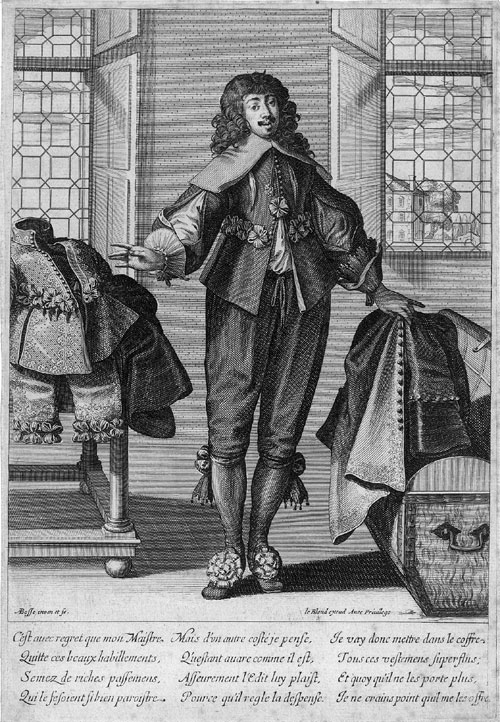
85. Musketeer – Best remembered as the swashbuckling heroes in the classic Alexandre Dumas novel The Three Musketeers, the musketeer is an iconic figure in the popular imagination. Too bad Dumas basically lied on what a musketeer actually does. Because you never really see any of the musketeers work with, well, muskets. Unfortunately, their muskets weighed 10-15lbs and were so long and unwieldly that they had to rest them on a wooden stick just to aim. These 17th century muskets took a long time to reload and the gunpowder was highly unstable. A careless soldier with a lit match could accidentally light the gunpowder and blow up his entire squad. While a long reloading time made them highly vulnerable to enemy charges. So a musketeer required protection from fellow soldiers called pikemen who carried long spears to keep enemies away. In addition despite their romanticized reputation as elite fighters, musketeers spent 90% of their time marching in the mud, setting up camp, and doing chores. To make matters worse, musketeers had to be nobles so even if a soldier was incredibly brave and a great fighter, he couldn’t get promoted to certain high ranks if he was born to a poor family. So maybe Dumas was right to make the musketeers be rapier wielding duelists. But at least they get to wear cool outfits.

86. Missionary – Whether a priest in Latin America or a minister in Africa, missionaries have traveled to the ends of the earth to spread the word of God. But the job was anything but a godly adventure. First, missionaries had to travel months, sometimes years, across oceans and rough terrain to reach their destinations. Moving to totally new parts of the world exposed them to illnesses their bodies weren’t used to. Many missionaries died from diseases like malaria before they could even start. They also lived in basic, uncomfortable conditions, far from any doctors or modern comforts. Although this wasn’t a much of a problem for Dr. David Livingstone because he was an actual doctor. Second, locals treated missionaries with deep suspicion, rightly seeing them as threats to their traditional ways of life and community bonds. In some cases, missionaries were also stuck between native people and ruling colonial governments. Sometimes like in The Mission, they protected locals from greedy traders or local soldiers trying to exploit them. But locals still grouped them together as “invaders.” And sometimes they were just as exploitative to the locals such as in the Spanish Americas and the British Empire. Seriously, missionary relationships with the locals can be very complicated. Should the missionaries be Protestant, having to send kids back to their home countries (so they wouldn’t get sick or lose their cultural roots) often meant families being separated for long periods of time. Finally, let’s not ignore that missionaries forced conversions and punished indigenous children speaking their native language or practicing their cultural traditions. Also, by teaching people that their ancient ancestors were “primitive” and “wrong,” left behind generations of communities dealing with fractured identities and shame. But at least the Spanish ones had good taste in architecture and interior design.

87. Conquistador – Sure, conquistadors aren’t exactly good guys in media. But sometimes media makes being the bad guys look pretty cool now and then. And conquistadors coming in, causing hell in Meso and South America, and stealing a haul of loot are no exception. However, if you’re an indigenous person in Latin America, well, you can at least take some comfort that the guys who nearly erased your culture didn’t have it that great either. For one, conquistadors weren’t regular army on a royal payroll, but private contractors who financed their own gear. Marching hundreds of miles through unfamiliar, hostile terrain meant no supply lines. Expeditions frequently ran out of food, forcing them to eat their own horses, boots, or leather saddles just to survive. Second, the Americas threw every harsh climate imaginable at them from freezing temperatures and altitude sickness in the Andes Mountains, to scorching and arid deserts, lush jungles filled with every possible death trap, and low-lying mosquito-infested swamps. Third, while Spanish diseases devastated Native populations, conquistadors were also highly vulnerable to tropical fevers, malaria, yellow fever, and dysentery ripped through camps. Without modern medicine, even a minor sword cut or basic infection could quickly become fatal. Fourth, while many indigenous groups have advance sanitation and daily bathing habits, 16th century Europeans rarely bathed and wore heavy woolen clothes in the tropics. While they were constantly infested with lice and fleas. Fifth, since conquistadors were vastly outnumbered by the Native American empires they attacked, they lived in constant, terrifying fear of ambushes. So they often had to sleep in their uncomfortable, heavy armor. But at least this job pays well, right? Don’t be silly. Conquistador outings in the Americas were essentially high-risk investments. Many rank-and-file soldiers borrowed heavily to buy armors and weapons. Should an expedition find nothing, they returned physically broken, heavily in debt, or dead. Only a tiny fraction of the leaders ever got rich. Whereas, the average soldier saw very little of that legendary “plunder.”

88. Continental Officer – Serving as a Continental officer seems like a great honor especially if one’s close to General George Washington. But the reality wasn’t a 4th of July picnic. For one, like their Continental rank and file, Continental officers were paid in Continental currency, which lost its value so quickly that a colonel’s monthly pay could barely buy a pair of boots. While many officers went into debt just to pay for their uniforms. Second, many colonial militias voted for their own officers. Should an officer be a strict boss, his men may simply refuse to follow his orders or threaten to leave. Third, also like the Continental soldier, Continental officers were more likely to die from smallpox, typhus, and dysentery than from any British musket ball. Supplies were so bad that officers often shared their freezing, starving conditions as their enlisted men. Fourth, the Continental Congress constantly undermined commanders by giving ranks to wealthy, politically connected men who had absolutely no military experience. Leading to fierce rivalries, backstabbing, and plots to oust General Washington. Finally, like their enlisted counterparts, Continental officers were often treated as traitors than as prisoners of war. They could be thrown into notoriously brutal prison ships in New York, where thousands died of starvation and disease.

89. Midwife – When it comes to a woman giving birth in a historical setting, one always has to have a midwife around to see it through. However, the midwife life was a brutal one. First, before modern medicine, infant and maternal mortality rates were very high. Whenever a childbirth was beset with tragedy, the community often looked for a scapegoat, making midwives frequent targets to blame. Second, from the 15th to 17th centuries in Europe, local religious leaders and male physicians were deeply suspicious of independent female healers. Because midwives held birth secrets and dealt with life and death, they often faced accusations of witchcraft. The famous 1486 book on hunting witches, the Malleus Maleficarum, even claimed that midwives did “more harm to the Catholic faith,” than anyone else, leading to terrifying witch trials. Third, midwives often worked around the clock like in early 20th century London. They’d carry heavy bags, be out in rain and snow at all hours of the night to deliver babies, often for little pay and sometimes for free. Shifts could also last as long as 48 hours. Fourth, without modern sanitation, antiseptics, or pain relief, midwives had to watch women endure hours of agonizing labor while managing severe bleeding or life-threatening infections. Without modern pain medications, midwives had to rely on herbal remedies, massage, and emotional comfort to get mothers through the ordeal. Lastly, beginning in the 18th and 19th centuries, male doctors began taking an interest in childbirth. So the medical establishment systemically pushed out traditional midwives out of the profession, calling them “dirty,” “uneducated,” and “dangerous.” Eventually laws were passed preventing traditional community midwives from practicing.

90. Circus Performer – Stories about the circus often depict exotic animals, acrobats, clowns, dancers, freaks, and other colorful characters under an enormous tent. However, life under the Big Top during its heyday was less of a colorful spectacle and more of a nightmare. And not just for the animals either. First, if you become a circus performer, know that historical circuses traveled constantly, moving hundreds of people, animals, and tons of equipment by horse and wagon (later by heavy train) was exhausting. As a performer, you’re expected to set up and tear down massive canvas tents, perform multiple daily shows, and sleep in cramped, unsanitary quarters. This took an immense physical toll and you couldn’t take a sick day. Second, if you’re an aerialist, acrobat, human cannonball or anyone else who specializes in incredibly high-stakes, life threatening tricks, know that this is a time when modern safety harnesses, medical nets, and strict labor laws don’t yet exist. So a single bad fall or miscalculation can spell severe injury or death. Performers daily risked their lives and if they got hurt, well, their career was over. Third, if you have a physical disability or unique medical condition, you’ll be subject to severe human rights abuses. Promoters like P.T. Barnum frequently forced these people into degrading stage names and fabricated backstories to make them seem exotic or alien to the audience. These performers were treated like property, put on public display like zoo animals, and exploited for profit. Fourth, many so-called “golden age” circus managers exerted total control over their workers’ lives. Performers signed restrictive contracts that included heavy fines for breaking curfews, missing rehearsals, or even getting sick. Managers could dock pay or fire performers on the spot, leaving them stranded in unknown towns with no money to return home. Lastly, since life on the road was notoriously tough, circus owners were often ruthless. Performers and sideshow acts who grew older, lost their physical peak, or became injury prone were often fired and frequently left to fend for themselves. Without modern retirement, savings, or disability benefits, aging performers often ended up in extreme poverty.

Historical Professions That Actually Sucked: Part 8 Explorer to Maid

Despite how some images of certain professions may give us feelings of nostalgia, it often baffles the mind to how dangerous they could be. Train engineers risked life and limb every time they went to work and were almost always on call. Mail carriers had more obstacles to overcome. Actors were seen as moral vagrants and prostitutes. Anyway, it’s likely that you may have imagined yourself as exploring the unknown parts of the world. You have admired the graceful geisha. Or think that grenadiers just guard Buckingham Palace. In this post, we’ll look at ten more historical jobs and their shady realities that we don’t often think about.

71. Explorer – Traveling through parts yet unknown, explorers have mapped and shaped the world for better or for worse. But explorer life wasn’t always one of glamorous discoveries. So before you embark on your ship or on an expedition, here’s what you need to know. First, expect your fresh food supply to run out in weeks. Due to lack of knowledge of Vitamin C at the time, scurvy will rot your gums, open old wounds, and cause teeth to fall out. Explorers often resorted to eating leather boots, sawdust, candles, and pack animals just to survive. Second, due to the complete absence of modern medicine, simple infections, snake bites, or blood poisoning often means a slow death. Dysentery and cholera tears through camps. While respiratory diseases plague cramped, damp ships. Third, expect to be paralyzed by the weather. Whether it’s being pinned down by blizzards or stranded in stagnant doldrums, you’ll have to ration shrinking food supplies for weeks or months while simply doing nothing aside from waiting to starve or freeze. Whichever comes first. Fourth, since you live at a time of no GPS SOS buttons, radios, or a way of calling for backup, leaving home means completely disappearing into the void for years at a time. Leaving your family completely in the dark regarding your own location while you have no idea on what’s going on back home. Fifth, when food runs out, expect morale to plummet while living in fear of your own freezing, desperate, or starving crews turning on you. Lastly, without access to accurate maps, expect to sail into uncharted reefs or hack through impassable jungles. Since you’ll rely on rudimentary instruments like sextants, you’ll put you and your crew’s life at the mercy of imperfect map and weather obstructions.

72. Butcher – Like the miller and blacksmith, the butcher is one of the mainstays of the Fisher Price historical village set and for good reason. But while this is a job many expect to be unpleasant, that’s just scratching the surface. First, because being a butcher means handling blood, carcasses, and death, it’s considered an “unclean” trade. Although you’re seen as providing a vital service in Europe, you’ll often be socially isolated and have to live in designated streets or rows away from polite society. If you live in East Asia before modern times, then well, consider yourself as part of the lowest “untouchable” caste, facing heavy discrimination. Due to heavy pre-modern influence of moral philosophies like Confucianism and Buddhism, expect people to look down on commerce and taking life. Second, since modern refrigeration doesn’t exist yet, butchering’s physically exhausting and dangerous. Since meat’s a perishable product, you must work at a breakneck pace to dress animals and get cuts to market before spoilage. So you’ll put yourself at constant risk of severe injury from sharp blades. That it’ll be a miracle you’ll grow old and die with all your digits intact. While the stink of blood, fat, and animal waste constantly clings to you, alienating you from the general public. Fourth, due to tainted meat’s tendency to cause mass illness, food safety regulations are ruthlessly enforced without modern science to help them. Get caught selling spoiled or contaminated meat, you’ll face heavy fines, imprisonment, and public humiliation. If you’re in Medieval Europe, you can be put in the pillory while your rotten meat will be burned right in front of you. Finally, if you live in Medieval Europe, always check the liturgical calendar and watch out for mandated fasting and meatless days like Lent and Fridays. During these periods, selling meat is forbidden. So you’ll be forced into intense periods of over-production when you’re next allowed to work. But on the bright side, at least you’re not the executioner.

73. Tavern Keeper – For much of history, the tavern was the public gathering place for local life outside of religious and government buildings. While being a tavern keeper is often depicted as a community fixture from Medieval Europe to the Old West where you provide food, drinks, and lodging for weary travelers. So before you open a keg of ale, let’s go over a few things about tavern keeping. You start your day before dawn having to clear out last night’s foul-smelling straw from the floor that’s often soaked in beer, urine, and vomit before replacing it with fresh straw. Due to poorly ventilated hearths and no indoor plumbing, preparing massive amounts of food means hauling lots of water from a well or pump and breathing in carbon monoxide. Since taverns are major communication hubs, they often act as the epicenter of superspreader events due to daily hosting hundreds of potentially diseased or contagious travelers, mercenaries, and locals. While open flames, candles, and poor ventilation mean that your entire livelihood and home could and often did burn to the ground. Expect town officials checking your brews by pouring ale onto a bench and sitting in it. If their leather pants stuck to the wood, then the ale has too much unfermented sugar. So you’ll be heavily fined or forced to drink the spoiled beverage in front of the entire town square. Local and/or religious authorities also heavily regulate you as well. As allowing brawls, gambling, or illegal prostitution on your premises can result in you losing your license or facing prosecution. Since taverns are melting pots of different social classes getting drunk, expect frequent violent fights that can turn violent and occasionally kill someone. You’re also expected to calm down drunken brawlers, break up knife fights, and protect your establishment. And if you’re a saloon keeper, you must make sure that your patrons drop their firearms by the door. You also have to act as a localized diplomat or spy, knowing everyone’s secrets while keeping your patrons’ trust. All while avoiding treason accusations or conspiracy by local authorities. On the plus side, although keeping a tavern is stressful work that will involve you and your whole family maintaining it, it’s actually one of the better jobs since you aren’t stigmatized by the general public but the center of it. And that puts you in a good position in the community.

74. Tax Collector – Today being a tax collector is just a local official most people don’t think much of until the tax bill comes due. But from Biblical times to Colonial America, they were amongst the most hated people in town. But is was as a bad job as they say? In the aspect other jobs were, no. But in the social aspect, absolutely. Although it’s one of the oldest professions, it almost universally sucked since it made you the face of an unwanted bill. In the ancient world, tax collectors were often locals hired by occupying foreign forces who weren’t always liked. Roman-occupied Palestine during the life of Jesus is a prime example of this. Because a tax collector’s job was to collect revenue for a hated foreign power, their neighbors and family viewed them as a traitor amongst their own people. In some empires that didn’t hire civil servants, the government auctioned off the right to collect taxes to the highest bidder. Thus, the only way for the tax collector to break even and profit, you have to charge your fellow citizens way more than the official rate, leading deep resentment from those being exploited. Thus, due to their reputation for extortion and collaborating with foreign powers, tax collectors were perceived as social pariahs. Jesus’ own ancient Jewish community strictly grouped them in the same category as murderers, robbers, and prostitutes. They were banned from synagogues and couldn’t even testify in Jewish courts. That’s why the gospels have stories about Jesus reaching out to these people when other people wouldn’t. Because your entire job is shaking people down for their hard-earned money, your job is frequently dangerous. In fact, you may have to hire “thugs” or rely on military protection just to do your job. Should the people stage a rebellion or popular uprising (like the Zealot revolts in Rome), your house will be the first stop for the violent mob. Sure, although the IRS may not be popular because it required the government to pry into people’s private financial records, at least it can brag about nailing Al Capone.

Original Caption: Lady with the lamp- Florence Nightingale (1820-1910).

75. Nurse – In historical dramas, nurses always appeared as angels during wartime and potential love interests. However, when an upper middle-class girl named Florence Nightingale told her family that she wanted to be a nurse in 1844, they weren’t about it at all, to put it mildly. And not because she was a woman wanting a career. But rather before she came along to formalize the job as the modern profession we know today, nursing had a terrible reputation. In fact, in the English-speaking world, nursing was relegated to the “undesirable” classes. Hospitals frequently staffed their wards with recovering patients, workhouse inmates, or women serving sentences for petty crimes (like public drunkenness). Because they were untrained and lacked job security, mistreatment of patients and rampant alcoholism among the staff were common. And now you can see the look of horror on Mr. and Mrs. Nightingale’s faces. Yet, even after Florence Nightingale came in to found modern nursing and revolutionize medicine as we know it, it didn’t easily catch on. For one, nursing before modern sanitation and antibiotics was incredibly dangerous. Caring for contagious patients meant high exposure to cholera, typhus, and tuberculosis, the last being the death nail to any career in the medical field if you ask Anton Chekov and Doc Holliday. Battlefield nurses in wars like the Crimean and the American Civil War worked in unimaginable filth, treated horrific injuries without gloves, masks, or antiseptic. This frequently resulted in the nurses themselves contracting lethal diseases. And if you think historical nursing was about treating patients and administering medication, you’re sorely mistaken. Nurses also did the heavy, grueling work of running medical facilities in an era long before automated equipment and janitorial staffs. These tasks include hauling coal, scrubbing floors, washing linens, scrubbing bedpans, pounding raw drugs, cooking food for patients, and lifting and turning heavy, immobile patients for hours on end with no mechanical help. Early nursing systems were also strictly hierarchical with nurses being completely subservient to physicians. In many cases, nurses couldn’t comfort patients or offer basic relief like water unless a doctor had explicitly recommended it, making them feel helpless and unable to exercise basic compassion. For a long time, hospitals took advantage of nursing students who provided cheap labor in exchange for meager room and board. Later, during the transition to “private duty nursing,” nurses faced brutal economic realities. They relied on temporary work registries, meaning their financial security was constantly in jeopardy, especially during economic downturns during the Gret Depression. But one silver lining is that after Florence Nightingale, nurses weren’t expected by their workplaces to be sexually available by their own establishments.

76. Geisha – Legendary Japanese beauties and entertainers, they almost have an ethereal quality to them. However, the job wasn’t as effortless as these women make it out to be. Before you put on that kimono before the modern times, here’s what you need to know. First, you’ll likely start out as a teenage girl your young woman sold to a geisha house (okiya) by your impoverished family. While the house initially pays for your expensive kimono, lessons, and food, you’ll be bound to a system of debt-bondage that will make it very difficult to leave. Doesn’t help that you’ll be paid less than minimum wage in the process. Second, you’ll be completely isolated from the outside world. You’ll be cut off from your family, have no personal privacy, and be heavily restricted from having any romantic relationships. Third, your iconic oshiri makeup is lead-based, which will cause you severe skin damage and hair loss over time. While walking in wooden elevated clogs (geta) and sitting on tatami mats in heavy, restrictive kimonos caused severe back and joint pain.  While you must maintain perfect composure and entertain patrons no matter how dull, drunk, or handsy they may be. Fourth, while modern Japan views geishas as highly respected traditional artists, the ruling elite of feudal Japan considered geishas like you on the lowest tier of society. Lastly, many street prostitutes started referring to themselves as geishas as a way to cater to foreign soldiers during and after World War II. This will almost destroy the real geisha profession and give rise to harmful stereotypes persisting today.

77. Grenadier – You remember these guys as the men in the red uniforms and tall furry hats who guard Buckingham Palace. While the hardest part of their day seems like standing at the gates and remaining unflappable to those pesky tourists trying to break their composure. But this wasn’t always the grenadier’s job. In fact, the very word “grenadier” reveals that their original job was of an elite front-line soldier specialized with throwing grenades. And in the 18th century, a grenade was essentially a hollow cast-iron sphere filled with gunpowder and sealed with a fuse. Throwing one of these required incredible upper-body strength and nerves of steel. Grenadiers also had to carry a burning match-cord (slow match) in a special case on their uniforms. During the battlefield chaos, they had to pull the grenade, transfer the burning match to the fuse, light it, and throw it. All while at the risk of being shot at close range. Should a grenadier throw the grenade too early, the enemy could just pick it up and throw it back. If he held it too long to prevent this, the explosive could detonate in his hand or in the air right above his comrades. And given this grenade’s short firing range (which was 30-50 yards), grenadiers were frequently exposed to their own blasts. Since grenadiers were seen as the bravest and most imposing men in the army, they were often grouped together as shock troops. Whenever a breach had to be stormed or a line broken, the grenadiers went first. Meaning they had to directly sprint into the face of devastating, concentrated fire and artillery, taking the brunt of the casualties in nearly every major battle. Selected for their sheer size, height, and physical strength, a grenadier’s gear didn’t just carry a normal musket, heavy leather pouches, and a sword, they also carried a large satchel filled with iron grenades. To free their arms for throwing, they also had to wear a specialized miter or bearskin caps instead of the wide-brimmed hats standard infantry wore. Sure, these tall hats look imposing and intimidating, but they’re exceptionally heavy and offer no protection from the elements. Even though tactical use of the iron ball grenades actually declined in the late 1700s due to inaccurate ranges and dangerous logistics, grenadiers remained an army’s premier assault and elite flank units. In addition, commanders still subjected them to the most physically exhausting tasks on the battlefield, including frantic outflanking marches and grueling uphill charges.

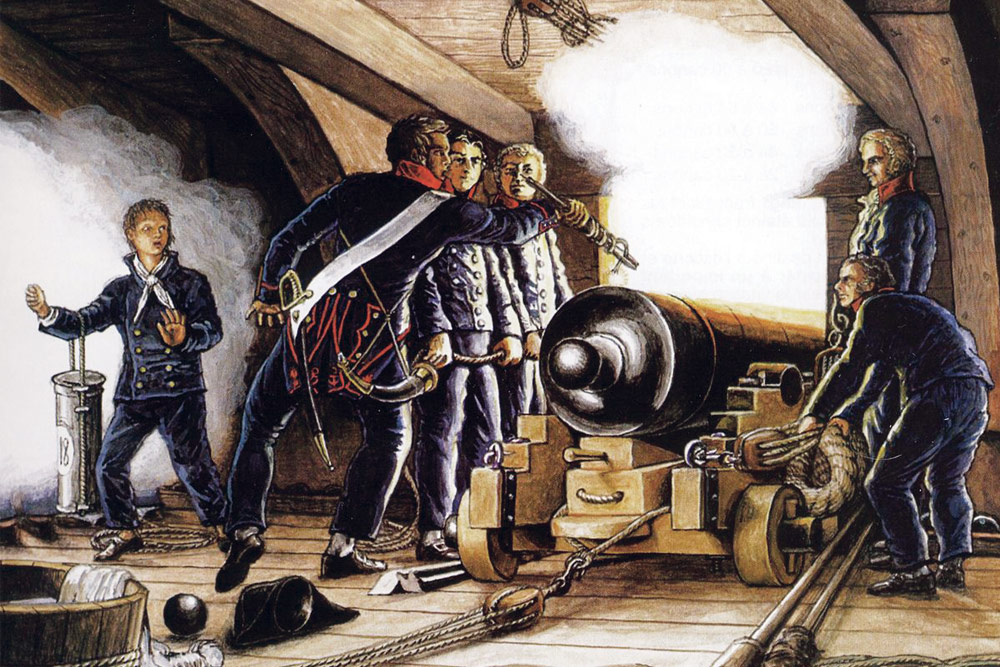
78. Artilleryman – Also fighting alongside the grenadier was the artilleryman or a gunner who operates the cannons on the battlefield. Of course, this is hardly a glamorous job but it’s one that many people don’t think much of. But being an artilleryman was an absolute nightmare. For one, firing a cannon creates a massive shockwave. Since ear protection didn’t exist, repeated booming blasts caused instant, permanent hearing damage and ruptured eardrums. Over time, concussions from blasts could scramble an artilleryman’s brain, causing long-term problems. And they thought CTE was just something that happened to NFL football players. Second, because artillery caused the majority of battlefield deaths like in both World War I and World War II, enemy armies make destroying your guns their top priority. Enemies used “counter battery fire,” which entails shooting heavy artillery guns at your artillery. This leaves artillerymen sitting ducks out in the open, often taking direct hits. Third, before the availability of modern, clean-burning propellants, cannons used black gunpowder or early chemical explosives. When fired, these weapons filled the air with thick clouds of choking, toxic smoke. Artillerymen constantly breathed this in, scarring their lungs and making them sick. Fourth, moving a cannon was incredibly hard work. Before motorized vehicles, gun crews and horses had to drag multi-ton metal cannons across muddy, uneven battlefields. During the fight, pushing, loading, and aiming cannon required hours of heavy, sweaty lifting. Fifth, early cannon artillery shells were highly unpredictable. Sometimes a shell would explode inside the barrel, blowing up the entire gun crew. In the days of black gunpowder, if a spark lingered while you tried to reload, the gun could prematurely fire and blow the loader’s arms off. Sixth, in the traditional line of battle, artillery always went behind infantry and for good reason. However, should an enemy’s army break through the front line, artillerymen were completely exposed. Due to being busy operating heavy cannon, they often had to defend themselves in desperate hand-to-hand combat using their short swords and loading tools. Finally, when off the battlefield, artillerymen lived in crowded, muddy camps. They had to sleep on the hard ground and endure freezing weather, all while by being a target for enemy chemical weapons or raids.

79. Plague Doctor – One historical costume that gets a lot of attention is of the plague doctor. Resembling Big Bird’s evil twin, you’re bound to find at least one at a costume party or Renaissance Festival. However, the real job was more of a nightmare than anything you’d see on Halloween. First, due to prevalence of the miasma theory of diseases spreading through stinky air, plague doctors filled the famous bird-like beak masks with pleasant-smelling herbs to block this rancid air. Considering this is the era before modern sanitation while horses took dumps on the streets, you could imagine that smelly bad air being everywhere. As for treating actual symptoms, well, they used the latest medical practices available like bloodletting or applying live toads to the swollen sores. Of course, these treatments were ineffective and sometimes killed patients faster. Second, plague doctors constantly exposed themselves to well, the plague. Since the disease actually spread through fleas and bacteria, the cool leather suit and the sweet-swelling evil Big Bird mask did absolutely nothing to protect them. In fact, many plague doctors became infected and died within weeks of taking the job. Third, when a plague hit, cities hired plague doctors because the “real” physicians usually fled to the countryside to save their own skins. Because they handled contagious bodies, local laws forced them into strict quarantine. They couldn’t live near healthy people, go to public spaces, or see their families. Thus, they were prisoners of their own job. But at least the job pays well, doesn’t it? Actually city governments paid plague doctors a salary that was very difficult to collect. In fact, many cities outright refused to pay plague doctors up after the work was done. Sometimes desperate citizens kidnapped them for ransom.

80. Maid – A mainstay in many period pieces, maids are often background characters or characters themselves. Sometimes they may find romance. Sometimes they’d find a dead body. Yet, like many servants, it was hardly a day at the palace. For one, as a maid, you worked from early in the morning to late at night. At no time did you have any free time or were able to get off. If your boss needed something in the middle of the night, you’d get up and do it. You were rarely allowed guests, even in the kitchen. If you had any opportunity for a social life at all, it would be on that half-day you had off once a week or Sunday morning for church. Sometimes not even that. If you were a maid of all work, you could forget having any life at all. Second, your employer feels entitled to dictate everything about your life. As a servant, you weren’t allowed to date. But given that no dating rules aren’t the most enforceable, you’ll be constantly watched for any signs of a love life or gasp, pregnancy. Some employers didn’t even like their servants leaving the house, occasionally locking them inside. Third, despite you being expected to live at your workplace, not all country estates have servants’ quarters or wings until later in the 19th century. So don’t count on having a bed, let alone a room to yourself. Perhaps expect to sleep in closets, on landings, or even the kitchen floor. If you’re lucky enough to get a room, it won’t have a door. If a key existed, your employer or the housekeeper kept it, not you. Fourth, if you’re harassed or assaulted, you have no recourse. If you speak up, consider yourself out of a job. And if you find yourself pregnant, then they’ll blame you and send you out the door. Speaking of pregnancy, your employer really doesn’t want that to happen. Sure, they may frame it in terms of needing to embody virtue, morality, and respectability. But it’s mainly because getting married and having children would interfere with your 24/7 availability. Even when the pregnancy’s entirely your boss’ fault due to putting you in a position where you couldn’t say no. Fifth, expect your wages not being paid on time. You should also expect your employer to withhold some of your pay for all kinds of infractions like breaking things, leaving before the agreed-on date, going home for the holidays, not going to church, badly done work, getting drunk, etc. Sure, you could sue for unpaid wages, but why go through all the trouble? Also, your wages will be far lower than what your male co-workers earn naturally. Since it’s only supposed to be a job you do until you could find a husband. But if you don’t, then expect your wages to decrease as you age or consider advancing to cook, housekeeper, or lady’s maid. Finally, it’s likely that your employers resent you if you’re in the 18th and 19th century.

Historical Professions That Actually Sucked: Part 7 Roman Emperor to Steamboat Captain

You may notice in this series that the criminal professions aren’t really as great as the movies and TV. Sure, they’re seen as earning a lot of money and hanging out with their friends. However, life on the wrong side of the law is one of constant danger from the law or rival criminal gangs. Not to mention the constant threat of betrayal is always breathing down your neck. That it’s hardly any wonder why so many end up dead or in prison. Anyway, how many of you had wished you could be the top man in Rome during the Empire? How about a glamorous silent film actor during the 1920s? Or even a courtesan living a lavish lifestyle in Belle Epoque Paris? Here are ten more historical professions and their grim realities.

61. Roman Emperor – Being a Roman Emperor means being the most powerful man in the western world. With pop culture always depicting them in a glorious toga and with every need at their disposal. But before you get too comfortable in that purple toga and laurel wreath, here’s what you need to know. First, you’re faced with the constant threat of assassination. With your personal Praetorian guard posing your biggest danger. Wait, aren’t they supposed to protect you? Yes, they’re technically your bodyguards. But they also realized early on that they make a fortune by killing the emperor and selling the throne to the highest bidder. This chaos defined periods like the Third Century Crisis when dozens of emperors, were killed by their own troops, abdicated, or overthrown within months. Think of it as if the Secret Service killed the US President before putting the presidency up for auction. Second, if you think being emperor just consists of eating grapes and watching gladiator matches, you’re sorely mistaken. You’re essentially an administrative one-man Supreme Court. This means listening to petitions, reviewing trials, and setting legal precedents across a massive Mediterranean empire stretching from England to the Holy Land. All while deal with wealthy senators making petty and politically motivated accusations against yours truly. Third, whenever everything goes south, you’re the guy everyone will blame. Whether it’s delayed grain shipments, a local plague outbreak, or a devastating fire, people will look to you to fix it. If it’s a military campaign, forget about delegating it from your villa in the capital. No, you must issue orders from the front lines while facing hostile tribes or rival empires. Fourth, know that every waking hour of your day is a public performance. That means looking pious, strong, and respectable 24/7. All daily palace activities are strictly choreographed to reinforce your status. Not to mention, constantly having to appease the masses with bread and circuses to remain popular as well as keeping the army paid and happy to stay alive.

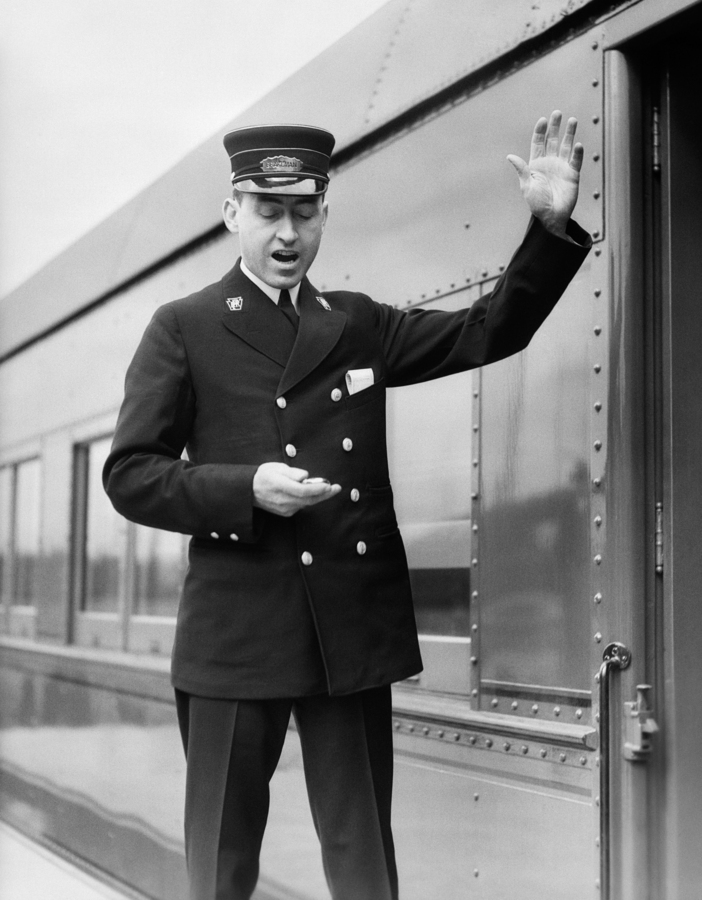
62. Train Engineer – In movies and TV show period pieces and westerns, the train engineer was a guy whom you don’t really think much of unless he’s the brave Casey Jones or if you’re singing delightful kid songs. However, being a train engineer in the olden was nothing like it is now. In fact, it was a nightmare people today can’t imagine. First, since predictable shifts don’t exist, you’re required to be on-call 24/7 and live by the phone. Missing one meant demotion or termination so you’ll be forced into a lifestyle of chronic sleep deprivation and disrupted family lives. Second, during the Age of Steam, know that a single water glass failure could result in a massive, devastating boiler explosion in seconds. That means you and your firemen literally putting your lives on the line with every trip while racing down tracks to meet punishing schedules. Sometimes lasting for 18 hours to whole days. Third, operating a locomotive means dealing with unpredictable variables. So expect witnessing terrible, unavoidable tragedies like striking stalled cars at crossings or pedestrian accidents. Fourth, since cabs aren’t climate controlled at this time, you must endure freezing winters and scorching summers. Expect cab environments to be loud, dirty, and filled with blinding smoke and soot, leading to a host of long-term respiratory and health issues. Finally, if you must do long-hauls, you must know virtually every inch of rail lines by memory, handle complex routing, and do mechanical troubleshooting on the fly while on the road. But at least it pays well.

63. Courtesan – A high-end prostitute with a wealthier clientele, a courtesan is a dolled-up woman who’s seems to have it better than your common streetwalker. Some even became fashion icons, influencers, and legends in their own right like Cora Pearl, La Belle Otero, Lola Montez, Lady Emma Hamilton, Madame Du Barry, Kitty Fisher, Catherine Walters, and Mata Hari. But the reality was far darker and one you should seriously reconsider. For one, you’re often contractually bound to indenture, effectively making you your brothel owner’s property. You have no legal right to choose clients or choose the terms of your work. Doesn’t help that many of you came in as minors sold by your impoverished families, which we today widely recognize as a severe form of forced sex work. Second, despite what you see in many period dramas, a courtesan like you rarely kept the money you earn. Even when you’re beset with lavish gifts or allowances, you’re often trapped in insurmountable debt. Doesn’t help that brothel owners heavily inflate costs for required food, extravagant clothing, makeup, and housing. Furthermore, courtesans often fell victim to swindlers or abusive partners who exploited their wealth. Third, due to this being the advent of modern medicine, you’re highly vulnerable to sexually transmitted diseases. With syphilis being notorious for ravaging your co-workers. You also have to worry about unintended pregnancies, frequent back-alley abortions, and the toxic effects of heavy makeup like white lead-based powder. All of which will severely damage your physical health and often lead to early deaths. Fourth, regardless of education, wit, or financial success, courtesans like you face deep-rooted social marginalization. The general public sees you as “immoral.” Because your survival depends on your patrons, your status in society is incredibly fragile. Should you fall from favor, you have no safety net and will most likely be cast in extreme poverty. Finally, contrary to the idea of a glamorous sisterhood, your environment amongst your courtesan co-workers is intensely competitive and often cruel. You have to constantly outshine one another to attract wealthy benefactors. Doesn’t help that common courtesans endured harsh living conditions and psychological abuse as well as live under a brothel owner’s strict hierarchy. Sure, some women become rich being a courtesan and it’s better than a common prostitute. But most of the time it’s just as deeply exploitative as being a regular prostitute.

64. Dollar Princess – On Downton Abbey, Lady Cora Crawley’s one of hundreds of rich young American heiresses from newly rich American business tycoons to titled European aristocracy needing cash. These include names like British MP Nancy Astor, Winston Churchill’s mother Jennie, a vicereine of India named Lady Mary Curzon, Anna Gould, and Consuelo Vanderbilt. However, most of these dollar princesses didn’t have a happy ending like Lady Cora. In fact, a lot of these dollar princesses had noble marriages that were downright miserable. If you were a dollar princess, it was mostly because your ambitious parents forced you into matrimony as a bargaining chip. While your prospective husband most likely sees you as a human down payment needed to save his crumbling estate. And he’ll like you treat you with apathy and disdain. Because your marriage was a business transaction between your families, don’t be surprised if your husband’s got a mistress he’ll likely maintain on your dowry. Like many noble husbands of dollar princesses. So don’t be surprised if he subjects you to public humiliation by flaunting his infidelities and squandering your massive dowry on other women. Sure, you may came from astronomical wealth, don’t think the European elite will look highly on you. In fact, they’re more likely to thumb their noses at you, mock your “new money” origins, criticize your customs, and treat you as a social upstart. If you’re thinking about divorcing your shithead husband, then know that many countries have strict laws preventing you from easy divorce or escape your abusive or neglectful partner. Furthermore, you’ll be forced into highly restrictive domestic and ceremonial duties without any personal autonomy. So basically being a dollar princess means your ambitious parents forcing you to exchange your American independence and cultural ties to assimilate in into rigid, isolating European class systems. While effectively funding lifestyles that were often entirely built on despising them.

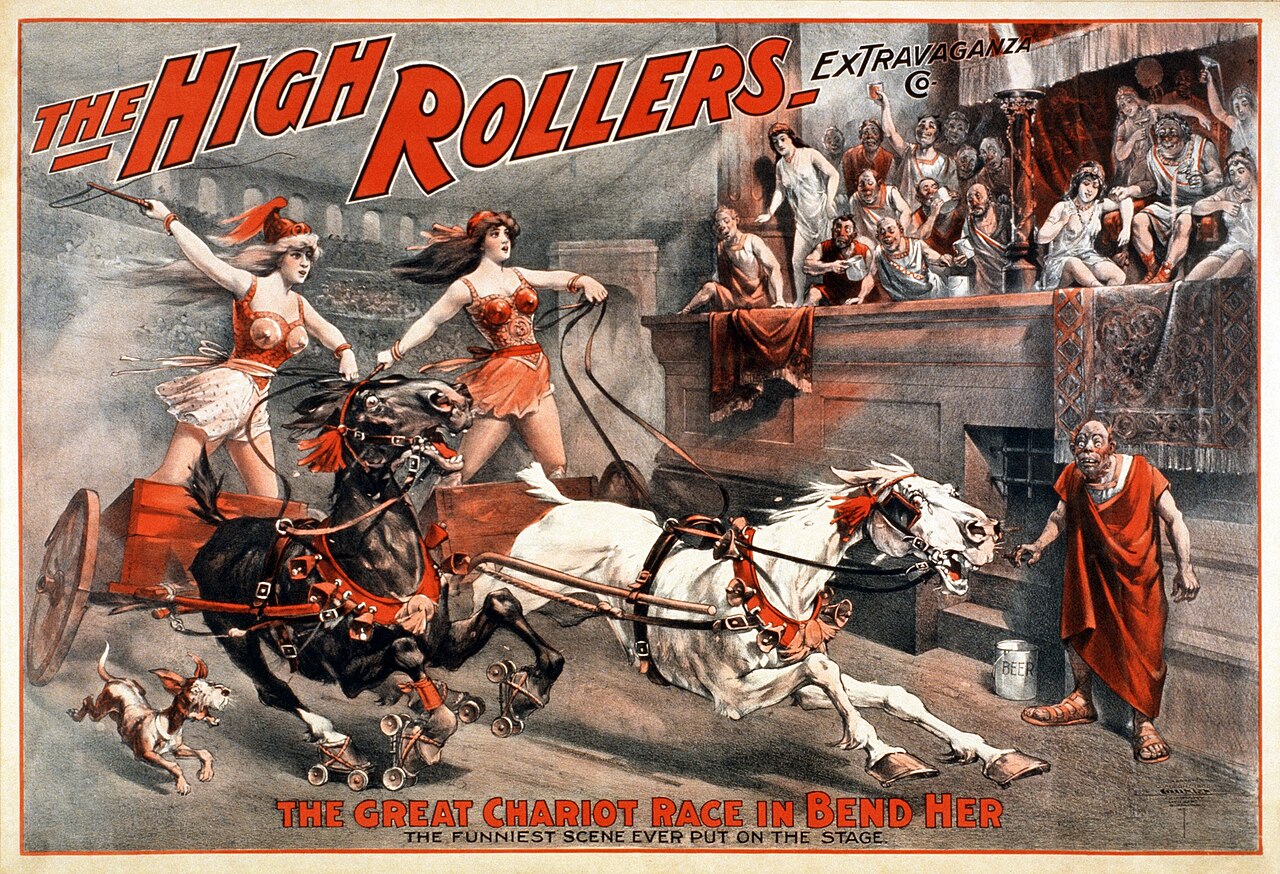
65. Theater Actor – To be an actor in a historical theater. To get the stage and applause as one of the first people to recite Shakespeare and other major playwrights might seem like a fantasy to many. However, throughout most of history, most actors in the theater never received the red carpet treatment. In fact, quite the opposite. Should you aspire to be an actor throughout much of history, here’s what you need to know. First, many cultures see you with intense moral contempt. And this isn’t just a medieval Christian thing either. In ancient Rome, actors are seen as infamis, stripped of their civil rights and legally placed in the exact same class as gladiators, prostitutes, and criminals. And if you were an actress, people viewed you as no better than a prostitute. Second, because of your low social standing, you virtually have no legal protection. In some eras, acting is treated as vagrancy. Local magistrates viewed traveling acting troupes with massive suspicions. They also can ban them from towns or shut down theaters entirely to “keep the peace” or keep workers from skipping out on their jobs. Third, before the rise in modern film, acting wasn’t a consistently reliable or lucrative full-time career. A theater actor like you will be dependent on seasonal festivals, unpredictable civil sponsorships, or wealthy patrons. If the show flopped or a plague swept the city and closed public gathering spaces, you’d be instantly out of work without any safety net. Fourth, since the acting profession is tied to public deception, philosophers and religious leaders condemn it because performers like you lie for a living, put your bodies on display, or play characters that could offend local leaders or morality codes. Fifth, playwrights and actors like you have to constantly walk a tightrope with the authorities. Satirizing the wrong politician, or touching on forbidden, taboo subjects in a script can get you fined, imprisoned, or banished. Finally, traveling from town to town is physically demanding. Theaters can be loud, cramped, and unsafe. Performers like you must overcome poor, smoking lighting, and use highly athletic and operatic acting styles to project your voice across large, noisy crowds without the benefit of modern microphones.

66. Silent Film Actor – Silent film actors are often romanticized for their celebrity in the early days of filmmaking. Big names like Charlie Chaplin, Buster Keaton, Clara Bow, Mary Pickford, Rudolph Valentino, Douglas Fairbanks Sr., Lon Chaney, Harold Lloyd, Gloria Swanson, John Gilbert, Louise Brooks, and others are still major names today. But despite their glamorous images in old timey posters and magazine covers, life as a silent screen actor was nothing like it seemed to be. For one, since this is the era before CGI and professional stunt doubles, actors like Buster Keaton risked life and limb performing their own high-speed chases, falls, and acrobatics. Naturally, serious injuries and even fatalities were shockingly common. Keaton occasionally suffered from broken bones and even a fractured neck. Harold Lloyd had half of his own right hand obliterated in a 1919 on-set explosion. Actor Wallace Reid began taking morphine to deal with his injuries he suffered from an on-set train accident and later developed an opiate addiction that later killed him. Second, since orthochromatic film stock didn’t react well to natural skin tones, actors had to cake their faces in thick, toxic lead-based grease paint and heavy powders. Third, to properly expose the film, studios used intensely hot, roaring carbon-arc lamps. Their brightness and radiation frequently caused temporary (and sometimes permanent) blindness, a painful condition known as “Klieg eyes.” Fourth, while it’s all quiet on the set today, Silent Era directors shouted directions, played lively music to set the mood, or yelled instructions as the camera rolled. All while actors were expected to act natural amid total auditory chaos. Fifth, as always with Hollywood, the gossip machine is absolutely vicious. Unscrupulous studio executives and publicists strictly controlled actors’ public and private lives, creating immense personal stress. Actors whose lives become embroiled in scandal faced losing their careers like Fatty Arbuckle, Mabel Normand, Clara Bow, and others. And if they were gay, well, the studio often recommended they enter into a lavender marriage. Rudolph Valentino’s first marriage with lesbian actress Jean Acker is the most famous example. And it did not end well. Lastly, when the transition to sound films in the late 1920s destroyed the silent film industry, many silent film actors were abruptly let go if they lacked stage experience, had accents, or were simply discarded by studio executives wanting to clean house. That’s not getting into the 18-hour schedules, the studio mandated drug use, the exploitation of child stars, and the treatment of actors of color.

67. Lamplighter – Alongside the chimney sweep, the lamplighter is another fixture in the Victorian landscape before electric lighting. As they’re the ones who put on the natural gas-powered street lamps at night at sundown and put them out at sunrise. However, before you light up the streets, know that such a job wasn’t as quaint as you see in period dramas. First, you had to walk long routes twice a day: once at dusk to light 70-80 gas lamps and again at daybreak to put them all out. Second, you have to climb slick, icy ladders in the dark while carrying torches or long poles making falls and injuries a constant hazard. Third, you worked in every condition imaginable, including bitterly cold blizzards, sweltering hot nights, and heavy rain because someone had to light the streets at night. Fourth, handling volatile gas lines and breathing toxic fumes was a daily reality for lighting and maintenance. Fifth, this is a 7-day-a-week job where you have no days off. You also have to be on call regardless of holidays as well. If you’re not lighting the lamps or putting them out, you’d spend the day conducting routine maintenance such as checking gas lines, cleaning the glass, and making minor repairs. But at least it pays well, doesn’t it? Actually, the average wage for a lamplighter was $1-$2 a day, which was decent at the time but still on the low side. But it sure beats cleaning chimneys.

68. Race Car Driver – Another quaint remnant from a bygone age was the historical race car driver. Driving in multi-colored cars, they seem like a charming aspect of early 20th century life. However, we must acknowledge that regardless of how race car drivers deal with in their races today, their early 20th century predecessors had it much worse. Should you be an early race car driver, here’s what you need to know. First, you’ll sit inches away from large, unprotected aluminum and rubber fuel tanks. Should your car crash and rupture the tank ruptured, you were often trapped in the inferno wearing nothing but a normal shirt or basic, non-fire-resistant suit. Since it’s before the days of the HANS device and trackside medical response teams, a severe crash often results in fatal head trauma, broken neck, or a slow death on the trackside due to lack of immediate, advanced medical care. Second, since air conditioning and cooling vests aren’t a thing, cockpit temperatures exceed 130 degrees, resulting in severe dehydration, heat exhaustion, and physical collapse. While maneuvering heavy, non-power-steering machines require immense physical strength. As a driver, this means wrestling the steering wheel and pushing heavy, unassisted break pedals for hours, resulting in blistered hands, bruised ribs, and chronic fatigue. Third, you have to race through fevers, injuries, and grief after burying teammates while knowing that a single mechanical failure could mean the end. But doesn’t this job at least pay well? Sorry, but this isn’t the era of modern multimillion-dollar contracts. So you’d be receiving little support and be quickly replace if you suffer an injury or slump, often leaving you with chronic physical pain, damaged health, and empty pockets after your career ends.

69. Chandler – Within the olden days economy, a chandler made candles and soap for homes and churches. Although this role is one many don’t think much of, chandlers occupied a rather important role in the local economy. Yet, before you boil the tallow, here’s what you need to know about being one. For one, you’ll most likely be a “tallow chandler,” meaning you’ll make candles from animal fat. This involves rendering huge vats of discarded suet (beef and mutton fat) in boiling cauldrons. This process releases a thick, nauseating odor smelling like rancid meat and rotting carcasses. Due to extreme foulness, towns often banish you to the outskirts just to keep the stink away from the general public. Second, you spend endless hours inhaling toxic, greasy smoke and fumes, causing respiratory issues. Boiling tallow is also highly flammable with frequent splashes and burns. While a stray spark could easily level an entire workshop. Third, you’ll make candles in two ways: dipping or pouring. You’ll spend hours dipping flax or linen wicks into hot fat, letting them cool, and dipping them again to build up the wax. You need immense patience for this process, which causes sore arms, sticky skin, and grease-stained clothing that’s almost impossible to wash. Lastly, despite your products being a daily necessity, you occupy a very low rung on the social ladder. Since tallow candles emit a lot of black soot and carry lower-class associations, this leaves the “respectable” and profitable beeswax candle market to the wax chandlers.

70. Steamboat Captain – The image of a steamed-power riverboat during the 19th century is one of nostalgia and charm for many. Especially if it’s featured in a cartoon, movie, or musical. There are even river boat cruise fleets. However, being charge of these boats was no picnic or dinner cruise. Should you be an old-time steamboat captain, here’s what you need to know. First, once the boat’s out on the water, you must relinquish complete navigational authority to your river pilot. Because pilots have hyper-specialized knowledge of shifting sandbars, hidden snags, and river bends, they don’t answer to anyone including you. Second, steamboats utilize highly pressurized, poorly regulated steam engines, making them infamous for catastrophic explosions. Whenever these volatile engines fail, expects hundreds of lives lost and boats destroyed, ruining both your and the your crew’s investments. No pressure. Third, rivers like the Mississippi and the Missouri are littered with submerged obstacles like “snags” (large trees lodged in the riverbed). They could also puncture a steamboat’s hull, causing it to sink in mere minutes. Fourth, like most steam boat captains and their employers, expect to frequently engage in reckless races against rival steamboats to secure lucrative freight contracts and bragging rights. Pushing the engines to their absolute limits to beat another boat often directly led to boiler explosions ore disastrous fires. Finally, whenever cargo is lost, passengers die, or the boat runs aground, expect to bear the brunt of the legal and financial fallout.


Historical Professions That Actually Sucked: Part 6 Mail Carrier to Gangster Moll


         In many respects, we take for granted our daily lives of convenience with washing machines, cars, and mass communication. That we forget some of the aspects of our daily lives were done under considerable risk. Think laundry’s a pain? Families in the olden days often pay poor women to wash theirs as soon as they could afford to. Mainly because washing clothes in those days was a high-risk endeavor that took hours. Think truck drivers have it rough? Mushers had to move freight as well as contend with freezing elements within an unforgiving wilderness. While coachmen had to navigate terrible roads on relentless schedules, skittish horses, and in top heavy vehicles that posed a major risk of flipping over. Think communication is slow? But you least don’t have to hire a messenger. That being said, ever imagined yourself as a frontier doctor treating patients out west? How about a black jazz musician at the Cotton Club during the Harlem Renaissance? Or even a lumberjack in the American Northwest? In this post we’ll look at ten more historic professions and their dark realities.

51. Mail Carrier – While the job of mail carrier is often a grueling one today, it’s a government job that always provides great benefits. Even though there’s a reason why the term “going postal” exists. But whatever hardships modern mail carriers had today is nothing compared to what their historical counterparts faced. Even though they’re often depicted as friendly people who don’t often to contend with any drama during their working lives save one neighbor’s unleashed and overexcited dog. Should you be an old timey mail carrier, here’s what you need to know. First, you must battle extreme weather for hours while on foot. If you’re in a rural area, hope you’re okay with navigating on unpaved, muddy, and often flooded roads using horses, bicycles, or walking miles of treacherous terrain. Second, since there’s no automated processing, expect to lug heavy canvas satchels over your shoulders that’ll leave you with significant long-term back and joint issues. Third, expect to deal with daily threats on foot routes such as aggressive stray dogs, territorial wildlife, and even hostile property owners. Finally, if you work on a railway or remote mail route, expect to risk severe derailments, robberies, and accidents on poorly maintained infrastructure. On the bright side, they’re not exactly picky on candidates since women and diverse mail carriers existed in the United States as far as 1845.
52. Frontier Doctor – The character of the frontier doctor is always a mainstay in a typical western town on TV shows and movies. They can even be a woman like Dr. Quinn (and that’s not just talking about the TV show). But they’re always a friendly presence and a pillar in their community who’s always willing to lend a helping hand through any means available. However, should you be a frontier physician, here’s some aspects you have to reckon with. First, self-reliance is a must since you’ll be entirely on your own, often riding or driving for miles in extreme weather at any time of day or night to reach patients. Second, you’ll be routinely forced to improvise, using whatever rudimentary instruments or household items you have on hand. Because medications and up-to-date tools are rarely available. Third, expect townspeople to view you with extreme suspicion, sometimes accusing you of performing the devil’s work when your intervention saves a life. Since 19th century medical techniques are crude and performed without proper anesthetics, your treatment methods will almost certainly freak out many people. Fourth, you’ll have to learn a lot of new things on the job such as handling severe trauma, amputating limbs, and sometimes even double as veterinarians if no other help’s available. Lastly, know that you’ll be isolated from academic and hospital networks. So keeping up with the medical knowledge will be entirely up to you, leading to inconsistent standards and high stress levels. But on the bright side, since frontier towns are in desperate need of doctors, they accept women.

53. Vestal Virgin – One of the best known religious aspects of Ancient Rome were the Vestal Virgins who serve the goddess Vesta and keep the sacred flame alive at her temple. Yet, being a Vestal Virgin wasn’t a bed of roses. For one, most girls didn’t have a choice since they were ritually “taken” between the ages of 6-10 at the start of their 30-year term, cutting them off from family, marriage, and motherhood during their prime. They had to also be completely free of “bodily defects” (meaning physical and mental disabilities), adding immense pressure to uphold Break your 30-year vow of celibacy that you didn’t make on your own free will, then you’ll be charged with incestum and sentenced to burn alive in an underground chamber with a ration of bread and water. Should the sacred flame of Vesta accidentally go out due to an accidental lapse in attention, the Pontifex Maximus will strip you naked and whip you in the dark. Of course, while Vestal Virgins gain unique political privileges most Roman women could dream of, they also had to spend decades locked away under strict supervision. On the bright side, once your 30 years are up, you can do whatever you like. But most of the time, you’ll likely renew your vows since you’ve been doing this for so long.

54. Concubine – Although not as highly romanticized as other jobs, concubines are often seen as pretty palace women who are dressed in the finest clothes. But the reality behind the exotic costumes can be like Game of Thrones. Of course, if you find yourself a concubine, you likely didn’t choose this role. Rather you got the gig due to being kidnapped or given away by your parents. While your purpose is to win over your sovereign’s affection and produce a male heir. And your value will be based on your youth and beauty. But once inside the palace, you’d be sequestered behind high walls, forbidden from interacting with the outside world, and eunuchs constantly monitoring you. Second, since harem life is hyper-competitive, you must constantly scheme to win the your sovereign’s affection to maintain your status. Falling out of favor means demotion, banishment, or even death. If you’re in the court of Imperial China, remember that disgraced, aging, and disfavored concubines faced punishment in the “cold palace,” a secluded, damp wing of the imperial compound where their status is stripped and left to live in misery. In addition, know that you occupy a precarious position below the official wife. Also, if you live in Imperial China, know that your kids are seen as legally inferior and are forced to show subservience to the primary wife as their “legal mother.” Finally, as younger women enter the palace, the sovereign and palace physicians often neglect older concubines. So you’ll often end your days living in chronic pain and dying quiet, unnoticed deaths. Should the Chinese emperor die before you, expect to end your days in a convent unless your son ascends the throne. If you’re in the Ottoman Empire, you’ll likely have to contend with your son being strangled by a silk cord. Also, know that concubines aren’t exclusive to rulers, they can also exist in wealthy households as well. In that, your primary goal would be to give your master a male heir but many of the same rules apply at a smaller scale.

55. Ronin – The samurai equivalent of a mercenary, ronin are always roaming from town to town protecting hapless villagers against bandits. Or is that just the movie Seven Samurai? Nonetheless, if you’re a samurai who’s made it to the Edo period, this is what likely awaits you. Since the Tokugawa shogunate would abolish many of the daimyos you work under. And it’s basically a step down from privileged elite warrior to penniless, roaming outcast, stripped of everything after becoming one. Most likely it would be due to your daimyo’s death and exile. But you could also leave or be dismissed. Yet, the latter happened more often during earlier eras when Japan was tearing itself apart by constant war. So there was plenty of opportunity to find a new master. Although some could be farmers who joined wars to escape poverty but never got the title of samurai. Anyway, since you lack a lord to guarantee your honor and loyalty, you’re viewed with deep suspicion, sometimes prone to societal humiliation. In addition, you’re also under heavy legal restrictions. During certain periods, you can be banned from carrying daisho (paired swords symbolizing samurai status) and even be subjected to either forced relocation or strict surveillance. In addition, given that you’re a former warlord lackey, you can forget abiding by the bushido. Since many ronin were forced to abandon it just to pay bills. Employment opportunities include jobs like gambling parlor bouncer, mercenary, martial arts teacher in a private dojo, street performer, scholar, artist, merchant, farmer, or Buddhist monk. While others just became criminals terrorizing villages that came their way.

56. Black Jazz Musician – The early 1900s saw the rise of a new type of music originating from African American communities called jazz whose popularity exploded during the 1920s and would endure in the next few decades to come. Many became legends such as Louis Armstrong, Duke Ellington, John Coltrane, Charlie “Bird” Parker, Billie Holiday, Ella Fitzgerald, Miles Davis, and more. But black jazz musicians didn’t have it easy mainly due to them living in an era of racial segregation. For one, record companies frequently took publishing rights and royalties from these artists. While giving them only a fraction of the artists white artists made covering their work. Second, prominent touring musicians often endured segregated tours even if their name was Louis Armstrong. While on the road, they had to eat at back doors, sleep in substandard “colored only” housing, and play to strictly segregated audiences. Didn’t help that white bands capitalized on their music innovations and popularized the genre. While black jazz musicians remained relegated to a commercial underclass. Unless that black talent was of legendary status, record executives actively marketed black-produced music exclusively to black people. While marketing their white counterparts to the broader mainstream, drastically stunting the black creators’ earning potential and fame. Critics often praised European-derived and styles and white performers as “serious art.” While they typecasted black performers as playing raw, primitive dance music. By the way, the same pattern occurred in early rock music and hip hop music to a lesser extent. Sure, we remember names like Chuck Berry and Tupac, but many more know Elvis and Eminen. So if you think this systemic racism was just a thing of the past, then you’re sorely mistaken. Yet, even worse, from the late mid-to-late 20th century, severe public education cuts disproportionately affected black neighborhoods, removing access to instruments and early music training. While jazz became an academic subject taught in conservatories, many of the genre’s oral tradition and community roots became rigid, further alienating young black musicians who shifted focus toward newer, culturally relevant genres like hip hop.

57. Lumberjack – Oh, yes, an icon of rugged masculinity, the historical lumberjack is a man of great strength and endurance who spends his days chopping those tall trees in the wilderness. Today, it’s one of the worst and most dangerous professions in North American, but it was probably much worse before the days of OSHA. Should you be an old timey lumberjack, here’s what you need to know. First, expect to face severe hazards from falling limbs, rolling logs, and unpredictable or snapping trees. That being crushed by a fallen limb or an entire tree is just a regular occurrence. Second, you’ll have to do grueling manual labor in all weather conditions, leading to high rates of overexertion and musculoskeletal injuries. Third, you’ll operate heavy, axes and two-person crosscut saws. Fourth, expect being away from your family for months and living in remote temporary camps far way from the nearest vestige of civilization. You’ll be sleeping in tightly packed, unventilated shacks on hay or straw mattresses that are often infested with lice and fleas. Since you and your fellow logger men will be sleeping side by side, you’ll have to dry your soaking wet, sweat-drenched clothes over a single wood stove, filling the room with a suffocating stench of you and your co-workers’ B.O. Doesn’t help that it’s a winter operation since snow makes it easier to slide heavy logs over iced roads to frozen rivers. So expect frostbite, deep snow, bitter temperatures, and extreme delays for emergency medical care. Fifth, then there’s the spring river drive where you’ll have to jump across freezing, rushing water on top of massive piles of wood to dislodge log jams. Fall into the icy water, then you risked being crushed by moving logs or pulled under the current. Either way, you’d be in for a bad week. Finally, middle-class society sees these transient, single, seasonal log workers like you as social pariahs and dangerous moral threats. Towns even built specific red-light districts to keeps lumberjacks segregated from the general public. Wonder if it’s because some of them wear high heels, suspenders, and a bra? But this job still pays well doesn’t it? Actually, loggers have historically low to median incomes. So, no.

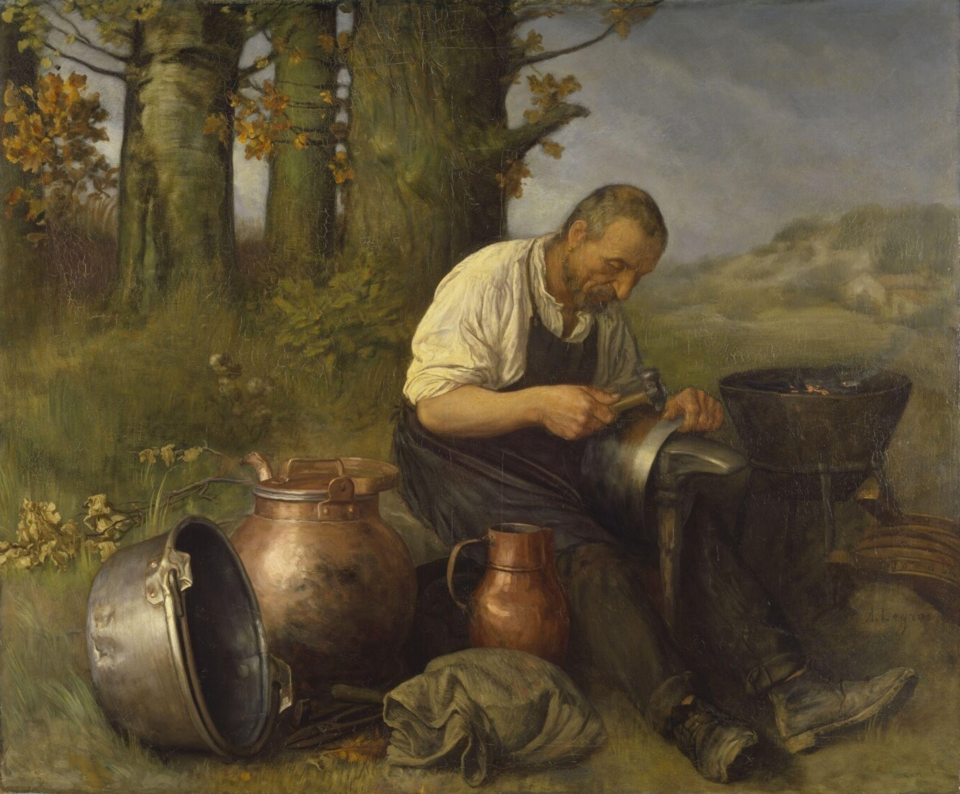
58. Blacksmith – Compared to a lot of jobs, blacksmith doesn’t seem that bad. After all, it was a highly in demand profession and one where you get to make a lot of cool stuff like weapons, armor, horseshoes, and tools. However, before you strike the hammer on that anvil, here’s some things you need to know about blacksmith life since you were apprenticed from 5-8 years old and spend 7-10 years learning the trade in an agonizingly long and difficult process. While you’ll spend most of that period doing grunt work. First, expect a work environment where you’re basically in Hell with the lid off. Like constant exposure to heat, smoke, and toxic emissions causing respiratory issues, vision problems, and hearing loss. Forge temperatures could range from 1,500-2,000 º F and feature poor ventilation. Working with scrap metals can result in metal fume fever and a lifetime of inhaling toxic fumes frequently leading to incurable conditions like lead poisoning. Second, expect the work to comprise of brutal, repetitive, and heavy lifting. Blacksmiths like you often suffer from chronic ailments such as locked-up backs, trembling hands, stress injuries, broken bones, and stiff joints severely shortening your working years. That many die before reaching 50. Third, expect your workday to be incredibly busy since you’re expected to build and fix everything. So when you’re not forging plows, horseshoes, or nails, you’ll be doing odd jobs to make ends meet. But at least it pays well, doesn’t it? Actually, it will depend on location. If you live in a small rural village with a limited customer base that can’t always pay in actual currency, you might have to stick with trading for goods or services instead. In short, you’ll just have to haggle. Speaking of customers, they tend to be very notoriously unreliable. On the bright side, it’s way better than being a pirate.

59. Prohibition Agent – A man on the federal vice squad, the Prohibition Agent is the man who shuts down speakeasies, pursues gangsters, and never stops to rid the world of illegal booze. In reality, being a Prohibition Agent in the United States was a 1920s nightmare. For one, temperance was a controversial issue and most of the US public see you as a government killjoy destroying a good time. Expect hostility and speakeasy owners using low-paid cops and tipsters to thwart federal raids. Second, there are only 3,000 of you responsible for enforcing the 18th Amendment across a vast country of millions who want to drink and thousands of bootleggers more than willing to support them. So it’s no surprise that speakeasies had doubled in number by 1929. Not to mention be less effective in cracking down on organized crime than the IRS. Third, if you want to catch anyone, you’ll have to get creative but don’t overdo it. Legendary agents like Izzy and Moe arrested thousands while wearing wild disguises. Only to be fired by their own bosses for being “too vaudevillian” and attracting too much public attention. Fourth, taking down heavily armed mobs and busting up illegal stills can easily turn into deadly shootouts. Expect to constantly watch your back as the cash involved means the syndicates have significant firepower and motives to outsmart you. But at least it pays well, right? Don’t be silly, there’s a reason why agents like you were very prone to massive cash bribes from organized crime. As 10% of you will be fired for either taking payoffs or getting involved in the bootlegging business yourselves. Probably should’ve worked for the IRS instead.

60. Gangster Moll – American pop culture depicts a gangster’s moll as a glamorous life with every luxury she could ask for. Yet, before you attach yourself to a gangster, here are the reasons why you should seriously reconsider. For one, you’ll live in a world of chronic stress, often looking over your shoulder, anticipating police raids, rival hits, or betrayal. Also, know that your gangster boyfriend will use you to transport weapons or money, which will turn you into targets for law enforcement or rival gangs. Second, like the mob wife, expect your gangster partner to prioritize his criminal family over you and leave you alone for long periods of time. Also, note that he may have a wife and kids who won’t be as disposable as you. In addition, you’ll be financially dependent on the mob as well. Third, note that the mob relationships are heavily characterized by physical violence, control, and emotional abuse. He may also have other girlfriends, too. Also, if you know too much or try to leave your gangster boyfriend, expect to risk kidnapping, being used as a bargaining chip, or even murder. So basically being a gangster moll is a lot like being a mob wife except that you’re treated more as disposable property to the gangster you’re loyal to.

Historical Professions That Actually Sucked: Part 5 Dressmaker to Coachman

While many historical professions may suck due to long hours, low pay, grueling work, and horrible work conditions, some seem to offer a great amount of wealth and power such as plantation owner or anything to do with royalty. But many of them come with severe restrictions, high expenses, and their own brand of psychological terror. Plantation owners were often in debt and worried about their slaves rising against them. Medieval knights had to pay pretty prices for their armor, weapons, and horses. Princesses were daddy’s political pawns to marry off to secure an alliance with France. Of course, here are ten more historical professions with the dark realties behind them.

41. Dressmaker – You see her on many period pieces whenever a female character needs a new dress for some social event like a major ball. Given that she’s designing and having dresses created for multiple clients, you wonder if the dressmaker on Bridgerton is the closest there is to a fairy godmother on the show. Since you might suspect she has magical powers to complete dress orders and still have the time and stamina to have an active social life. Even if she does have some people to help her with the fitting, cutting, and time-consuming sewing. Because given that it takes place in the Regency, she almost certainly doesn’t have a sewing machine. Although given that Bridgerton is more historical fantasy than reality, anything is possible. But for most of history up until the early 20th century, being a dressmaker was an incredibly demanding profession that often required an arduous, unpaid apprenticeship learning the trade on the job. A typical workweek comprised of 10-hour days and 6 days a week. Yet, that work is highly cyclical with intense rushes during the spring and fall seasons and often surviving on sparse incomes on mending work during off-season. There was also a hierarchy of dressmaking. You have the most experienced artisans who take exact measurements, draft patterns, and economically cut the fabric to prevent waste called cutters. You have the ones working directly with clients, pinning, and shaping garments on the body called fitters. Then you have the entry-level apprentices and lower-ter seamstresses who do the delicate hand-sewing work, hemming, and embellishment attachments called finishers or table monkeys. An average seamstress in the late 1800s was often paid $0.85 to $2.50 a day depending on her skill. Working at night by candlelight or gaslight takes a toll on a dressmaker’s eyesight. Carrying heavy fabrics and constant hunching over tables causes back problems. While the dressmaker profession would soon begin a long decline thanks to paper dress patterns and the rise of large department stores with ready-to-wear clothes you can get off the rack.

42. Messenger – Whether they be an ancient runner or a messenger on horseback, couriers have been the those who transported products and delivered letters from the dawn of civilization to the invention of mass communication and mechanized transit. But being a messenger back in the so-called “ye goode olde days” was much more stressful than many may perceive on the screen. As a messenger, you’d be forced to travel massive distances on either foot or horseback over harsh, unpaved roads, and bandit-infested forests. Increment weather poses constant. Rain, snow, or mud could easily ruin fragile scrolls, destroy the message entirely, delay delivery, or possibly putting your life in jeopardy. You’d also often lack access to proper shelter or reliable food. You’d frequently survive on meager rations in dilapidated conditions while remaining in constant hyper-vigilance against ambush. Then there’s the fact that you’ll be dealing with rulers, warlords, and other powerful people, some of whom might be your boss’s enemies. And some who likely don’t have the best coping skills, especially when things don’t go their way. There’s a reason why the saying “don’t shoot the messenger” exists as recipients of bad news often distrust or dislike the ones giving it. Even when they know you had no part in the decision. Unfortunately, there are powerful people who don’t follow this advice. And that’s not getting to what you have to go through when you’re serving on the battlefield in wartime.

43. Expedition Porter – Aiding the white hero during a jungle mission, a line of porters follow around carrying all the stuff, setting up camps, acting as guides, and catering to the party’s every need. However, these non-white porters are actually among the unsung heroes who never receive their due. As a porter, you often haul loads exceeding your own body weight over treacherous terrain, high-altitude mountain passes, parched deserts, savage savannahs, or mosquito-infested jungles. Sometimes over 100lbs at a time when no weight limits or workplace safety guidelines didn’t actually exist. Since you must pay for your food and basic needs out of your meager daily wages (typically $25-30 a day), you might actually lose money during the expedition before you factor in tips. As for gear, it may depend on the person or company you work for. Some may receive proper equipment. Some may lack basic clothing or even sleeping bags. While you may become highly susceptible to conditions like high-altitude sickness, frostbite, dehydration hypothermia, malaria, dysentery, animal attacks, injuries, and other fun stuff that you just have to push through. Because taking the day off means losing your much-needed income. However, there is a silver lining in that you don’t have to worry about any ancient curses should you tag along with an archaeologist who decides to loot some dead ruler’s tomb.

44. Longbowman – In English history, the longbowman is often heralded as the elite fighter that won them the Battle of Agincourt during the Hundred Years’ War. But although the English longbow was an effective medieval weapon against high odds, it wasn’t a great gig to have. For one, as a longbowman, you’re working with a weapon with a massive draw of 100-160lbs. Regularly pulling one from childhood permanently warped archers’ skeletons, resulting in enlarged left arms, thicker bone density, and sometimes, even uneven spines. Since training caused burned shoulders, raw fingers, and calluses, you needed to start training with your grandpa just to build the right muscles and tendons. Oh, and English medieval law mandates that all able-bodied men practice archery on Sundays and holidays instead of resting. Failing to do so could mean fines or time in the stocks. If war broke out, then you had to go as a conscript. Sure, you’d likely wear padded armor and kettle helmets. But while your weapon may result in devastating casualties on the French nobility, enemy capture might mean either losing your drawing fingers or being killed entirely so you won’t be able to shoot again. And while you might think your status as an archer might consign you to the back, you might also have to drop it and resort to brutal, bloody melees using hammers, stakes, and swords. Nonetheless, like the knight, your skill as a longbowman would eventually become obsolete with the introduction of firearms.

45. Crusader – Ah, to be a knight venturing out to the Holy Land during the Crusades, fighting to gain Jerusalem for the glory of Christendom. However, before you put on your armor and take up your sword, here’s a few things you need to know. First, arming, traveling, and equipping a soldier for the long journey to the Holy Land is astronomically expensive. Many nobles were forced to heavily mortgage or completely sell off their estates to fund the long trek, often leaving their families destitute if they failed to return. Second, the long trip to Egypt and the Levant will involve harsh terrains, extreme heat, and severe supplies shortages. Thousands died from starvation, exposure, and endemic diseases long before ever seeing a battlefield. But once you see one, know that wearing heavy chainmail and tunics while fighting Muslims in the intense, dry Middle East heat will be incredibly physically exhausting. While keeping an immense army fed and watered in a foreign land caused immense suffering, frequently forcing crusaders into desperate scenarios just to survive. But why do it? Well, aside from religious devotion, there’s debt forgiveness and protection of estates back home.

46. Prospector – Whenever there’s a gold rush, you’ll always found people like the prospector to rush in and try to strike it rich. Whether it’s at Sutter’s Mill or the Klondike. However, wherever gold’s discovered, the being a prospector hoping to get lucky and strike it rich is basically the historical equivalent of the guy who’s always at the local gas station to buy scratch-off tickets but never wins the lottery. But under more extraneous circumstances. For one, finding large amounts of gold was rare. You were more likely to be struck by a meteor than making more than minimum wage was zero, especially for novices. Yet, didn’t stop many from spending their life savings on gear and supplies, only to find absolutely nothing. Since gold is incredibly heavy and settles on the bottom of riverbeds, prospectors had to shovel through massive amounts of gravel, swing pickaxes, and bend over pans in icy water all day, destroying their joints and back. While digging on the fringes of civilization meant enduring extreme weather, isolation, and disease. Many perished from exposure, scurvy, and dysentery long before striking it rich. Even when prospectors did find any gold, local merchants, saloons, and outfitters jacked up prices of basic food and tools so much that miners’ profits were constantly drained. In addition, historical gold rushes quickly became overcrowded, leading to highly-regulated environments. While the ones who really struck it rich were the people who made money off these idiots.

47. Crime Boss – So much of our pop culture glorifies the life of a crime boss, which is a step up from the run-of-the mill gangster. But a criminal leadership role can come with many challenges. As a crime boss, you may be raking in hundreds of dollars. However, you’ll constantly have to look over your shoulders since anyone in your inner circle could turn informant or try to take over. The constant danger of assassination or arrest along with irregular sleep, drug use, and poor diet results in an incredibly unhealthy and stressful lifestyle that could manifest in physical ailments like stomach ulcers and heart disease. So is there any wonder why so many real-life mob bosses were fat? Also, you’ll always be on the clock and under massive pressure. Facing intense scrutiny from federal authorities will force you to live a highly restricted, secretive, and abnormal daily lives. Not to mention a toll on your personal life as your kids grow up without a dad, your wife endures constant fear and abuse, and the ever-looming threat of violence should the marriage go south. While you may accumulate vast wealth and power, you’ll ultimately be trapped in a violent subculture. You’ll also find yourself permanently shut out of legitimate society or high-class social circles. Thus, after reading this, you can completely understand why Tony Soprano felt he had to see a therapist on The Sopranos.

48. Fur Trapper – In the days of early America, fur trapping was a major industry that may not be romanticized. But many of the men who’ve held this job certainly have been as frontier heroes like Kit Carson, Hugh Glass, James “Tomahawk” Beckwourth, Jim Bridger, and others who’ve had their names written in the annals of great mountain men. But trapping pelts wasn’t a job for the faint of heart. So before you put on your buckskins and head out to the Rockies, here’s a few pointers. First, as a mountain man of the American West Fur Trade Exploration or perhaps a small-time lone operative in Canada or Siberia, expect to be away for months at a time or to lead a nomadic lifestyle. Maybe take an Indian wife like Kit Carson did twice. At any rate, you’ll spend long periods being cut off from civilization, family, and medical care, leading to profound psychological toll. That it’s a miracle Hugh Glass got mauled by a grizzly bear and lived. Second, expect to haul heavy loads of traps and pelts on foot or canoes. While you routinely deal with malnutrition, scurvy, and untreated injuries like broken bones and animal bites, which can destroy your body and often fatal in the wilderness. Another reason that makes you question how Hugh Glass was able to travel 200 miles to Fort Kiowa, South Dakota after a near-fatal bear attack. Third, as a fur trapper, you’ll live and work at the entire mercy of the elements. Expect severe frostbite, hypothermia, and starvation, particularly during harsh winters when game becomes scarce. Fourth, depending on the region or area, expect to be sent into places subject to territorial disputes and violent conflicts between colonial forces and displace indigenous people. Fifth, expect to be deeply in debt to your fur trading company. You’ll have to buy overpriced supplies like firearms, powder, and traps on credit at the season’s start. While you’re at the mercy of the company’s valuation of your pelts at the season’s end. So nail as many beavers as you can. And finally, the fur trapping industry’s driven by fluctuating European fashion. Once styles shift from beaver hats to silk hats in the 1830s, expect the market to collapse overnight, wiping out the primary source of income for thousands of you.

49. Mercenary – A soldier of fortune, mercenaries have a divided reputation in popular media. On one hand, people don’t look kindly on those who fight for money. On the other hand, there are many cool depictions of them and some have even been immortalized like “Roland the Headless Thompson Gunner.” But we must understand that throughout history, being a mercenary was more of a professional soldier equivalent of an Uber driver. Because most mercenaries were professional soldiers whose lord or government had really no need of what they had to offer. Since they didn’t know anything else but fighting, they have to make a living somehow. However, if you find yourself needing to be a mercenary, here’s what you need to know. First, expect rulers to delay payments or simply default when wars end. Unpaid mercenaries frequently mutinied, went on strike, or formed roaming bandit bands just to survive when the money ran dry. Second, don’t expect mercy or be treated as a valuable prisoner of war. Since you fight for money rather than a homeland, opposing armies often seek to wipe you out of the field. Third, should you be crippled in battle or catch an infectious disease in camp, then kiss your career goodbye. Sure, there are elite companies like the Varangian Guard or the Renaissance Condottieri offering prestige. Swiss mercenaries are also held in high regard as well (although Switzerland is the mercenary capital of Europe at the time). But your typical average soldier-for-hire has no welfare or retirement. Just whatever they managed to carry. Fifth, expect feudal lords and peasant conscripts to despise you. While knights and nobles can surrender and be ransomed, mercenaries like you are seen as expendable scum or opportunist thugs. While broader society treats you with deep moral and cultural suspicion. Finally, when you’re not actively at war, expect local governments to hunt you and your fellow mercenaries in your band as outlaws. As they fear your sheer presence and political influence.

50. Coachman – For much of history, the coachman was always the guy who transported people and cargo from Point A to Point B regardless of road conditions. But even being a “knight of the road” has it’s challenges. So before you get up in your stage coach, here’s some things to remember. For one, sitting on the carriage’s open, unshielded “box” seat means you must face extreme heat, freezing blizzards, relentless rain for hours. Expect to suffer from trench foot, frostbite, and chronic rheumatism. While being exposed to the carriage parts’ constant squeaks and wind for up to 10-15 hours a day will take a severe physical toll on your hearing. Second, due to heavily loaded baggage with narrow, pitted, and uneven roads, expect your top-heavy carriages to be highly prone to flipping. Sparks and passing traffic can easily spook skittish horses, potentially leading to catastrophic accidents. These crashes resulted in many fatal injuries for many drivers and passengers. Also expect to make grim choices of plunging into flooded, icy rivers or over unsafe log bridges. Third, if you’re a long-distance stagecoach driver, know that you always stand a very real risk of being robbed by highwaymen and attacked on remote routes. After all, bandits target stagecoaches because they carried strongboxes, cash, and mail, leading to violent confrontations. Fourth, expect to maintain strict, demanding schedules while dealing with difficult passengers and constantly navigating busy market streets. And despite carrying all of the occupational risk, expect to face public blame and even legal trouble in the event of a mechanical breakdown or carriage flip. Even though the incident may have more to do with a negligent owner pushing the vehicle past its limits. Finally, should you be on a long-distance or mail coach route, expect to experience relentless fatigue while working shifts often stretching into multiple days. So you’ll have only brief moments of sleep.

Historical Professions That Actually Sucked: Part 4 Old West Lawman to Laundress

In history, we must concede that many of the worst jobs in the past were done by children. If there’s anything in the chimney sweep entry to go by. But it was far from the only one as child labor has been a mainstay in our world far longer than we’d like to admit. Kids worked in fields, mines, factories, on ships, and on the battlefield. And it’s one of the reasons why child labor is such a horrible thing our day in age. Still, one of these jobs will pertain to a child-dominated profession such as drummer boy. Nonetheless, there are probably people who once imagined themselves as a heroic old western lawman like Wyatt Earp. Perhaps they fancied themselves owning a large plantation which sounds kind of sick if you dig into it. Or possibly be a gladiator in the arena fighting for honor. Or perhaps envy the women on Mob Wives, which exists for some reason. In any respect, here are some more romanticized historical jobs and the dark realities behind them.

31. Old West Lawman – No hero is more celebrated in westerns than the Old West lawman. Wearing a star on his badge of either sheriff or marshal, he is the man between law and order and complete anarchy. But before you slap on that badge, know that this is less town hero and more glorified janitor. While movie lawmen spend their days protecting hapless townspeople from dangerous outlaws, you’ll spend most of your time breaking up saloon brawls, dealing with drunks, and enforcing local ordinances. You’ll also do plenty of administrative tasks like collecting local taxes, serving court orders, and doing endless paperwork. All of which take up far more of your time than chasing outlaws. Yet, when you deal with rustlers, bandits, gunfighters, robbers, and outlaws, then hope you’re fine with solitary rides through desolate, unforgiving terrain. If you need back up, expect it to take hours or days away so you’ll have to face Native Americans, deadly weather, and fatal ambushes on your own. While bad guns, escapable wooden jails, and rudimentary investigative methods such as relying on wanted posters in saloons will make catching criminals incredibly difficult. Your time on the job will likely not be long due to low life expectancy, especially in a world of primitive sanitation and poor medical care. Should you get shot, recovering in a remote outpost without the proper treatment often proved fatal. If you’re a sheriff, as an elected official, you’ll have to constantly campaign and please the local voting base to keep your badge. Alienate powerful ranchers or corrupt politicians, consider yourself out of a job or blacklisted entirely. But at least it pays wells well, right? Actually given the unreliable pay, it’s not unusual for frontier lawmen to straddle the line between law enforcement and illicit activities like gambling and protection rackets just to make ends meet. Then there’s the fact you’re working in a clunky justice system where suspects often walked free due to lack of evidence so expect some of your dangerous arrests being entirely pointless.

32. Plantation Owner – Slavery is an absolutely wretched institution where people were forced to work against their will, denied any semblance of dignity, broke up families, created centuries of generational trauma within whole communities, and left a toxic stain on the fabric of humanity many still don’t want to reckon with. However, most of its recent depictions usually don’t ignore this reality. And even more quaint and misleading portrayals often offend people so much that they’re willing to call bullshit. However, when it comes to portraying plantation owners, they’re often portrayed as wealthy proprietors living a carefree lavish lifestyle in fancy mansions while their forced workforce silently suffers. While many poorer whites aspire to be like them someday. Yet, while plantation owners built immense wealth on the backs of enslaved people, they led a way of life that was inherently toxic, volatile, and deeply paranoid. Should you own a large plantation in the Antebellum South, expect to live in a perpetual state of terror over your slaves potentially rebelling against you for reasons like constant whippings, constant abuse, forced labor, treating them less than human, breaking up their families, sexual coercion, and other things. Because slaves outnumbered whites on most plantations, the system relies heavily on extreme brutality to retain control. Such constant paranoia will make planters like you psychological prisoners in your own homes so you’ll be forced to live under heavy guard. Since you have absolute legal control over other human beings, expect to live in a culture of constant suspicion, knowing that your life, livelihood, and property are under threat every day through daily acts of resistance, sabotage, and escape. And that’s nothing compared to what’s coming in the 1860s. In addition, you’ll live highly isolated from major towns and cultural centers. While the Southern climate and mosquito-infested swampy environments make fine breeding grounds for disease like malaria and yellow fever (both of which don’t really have treatments like). So expect you and your family to frequently fall victim to deadly outbreaks. But at least there’s a good payout, right? Well, as a planter, you operate on a highly risky and inefficient business model. You’ll have to tie almost all your capital up in your slave and land purchases, leaving you deeply vulnerable to market crashes, fluctuating crop prices, and bad weather. Many plantation families like yours were heavily in debt to Northern banks and constantly on the brink of financial ruin. Sure, this doesn’t seem to make the plantation lifestyle seem much fun, doesn’t it?

33. Drummer Boy – Thanks to entities like Disney and war movies, many boys probably imagined themselves being a drummer boy at some point. Especially after hearing the story of Johnny Shiloh who was a real guy. However, the reality behind such Disney biopic treatments is was far grimmer. So if you’re a boy between the ages of 12-17 and wish to take up the battered drum, here’s what you need to know. For one, since your sick beats serve as a vital communication method on the battlefield before radio, you and the buglers will be a high-value targets for enemy snipes. Since drumbeats and bugle calls are the only ways to issue battlefield commands. So enemy sharpshooters and skirmishers will target you to throw your army into chaos. Because you have to communicate orders across an entire battle line, you must stand out in the open. Often right near the officers and regiment color while marching directly into enemy lines to keep up morale. When fighting’s done, you often must carry stretchers which involves collecting and carrying your maimed or dying comrades off the field. Second, once you put on that uniform, you’ll be treated exactly like an adult soldier and your commanders won’t make allowances for your youth. You’ll also severe punishments like whippings, beatings, and even executions either for disobeying orders or crying on duty. Third, you have to endure the same brutal campaign conditions as your fellow troops such as long marches, inadequate footwear, starvation rations, and freezing weather, leading to rampant disease and sickness that will mow down an army faster than bullets ever did.

34. WWII Soviet Soldier – During World War II, Soviet soldiers were the key fighters who braved the fierce elements and fought for the glory of Mother Russia as well as turned the tide of the war during the Battle of Stalingrad. However, out of all the forces fighting for the Allies, the Soviet solider suffered the most on the Eastern Front. Of course, given Mother Russia’s hour of urgent need, you’ve likely been conscripted and don’t have a choice in the matter of serving. So before you put on your fur hat and venture to the Eastern Front, here’s some info. When you’re serving the Russian military, know that Uncle Joe Stalin demands absolute obedience. If you’re stationed at a “blocking detachment” behind the front lines, expect orders to shoot retreating soldiers. Here in Mother Russia, commanders have executed thousands of conscripted Red Army soldiers you to enforce discipline. They’ll also see many of you conscripts as politically suspect and treat you as expendable. In addition, expect shortages of food, boots, and winter clothing. Sure, US Lend-Lease aid money will boost Soviet logistics. But basic conditions at the Eastern Front will remain harsh throughout the Great Patriotic War. Naturally, you’ll endure freezing winters and deep mud bogging down operations. Since sanitation’s poor, expect rampant issues with lice, bedbugs, and diseases like dysentery. Oh, and due to massive troop needs and the loss of experienced officers due to a few of Stalin’s pre-war purges many of you will be sent into combat with very little training. This gap in credibility will contribute to an exorbitant loss of life. So it’s no wonder that over 20 million Russian soldiers and civilians will die by the end of the war. With entire divisions frequently wiped out during the initial German invasion and chaotic retreats. Still, despite these conditions, the Red Army will ultimately adapt, mobilize vast numbers, and industrial resources to drive the Germans out. Oh, and if you get captured, don’t expect the Germans to treat you with any semblance of decency. Still, on the bright side, unlike other armed forces during World War II, they accept women.

35. Tanner – Now the historical profession of tanner isn’t depicted as the kind of job most people want to work in since it involved making leather for clothes and shoes. Yet, many people have no idea how bad it actually was. Throughout most of history, tanning was considered one of the foulest, most grueling, and dangerous professions. For one, tanning involves soaking raw animal hides in foul mixtures that include putrefied dog shit, pigeon droppings, and stale urine. Unsurprisingly, this created an overwhelming, stomach-churning odor permanently clinging to you. You also regularly work with dangerous, caustic substances. You’d inhale toxic leather dust as well as used compounds like arsenic and sulfuric acid. These can cause severe respiratory problems, chemical burns, and risked heavy metal poisoning. Every day, you stand for hours in deep chemical pits pulling and scraping heavy, waterlogged, and rotting hides by hand, which is physically exhausting. You also have to work outdoors or in unventilated shed, which means enduring freezing winters and sweltering summers while continuously wrestling with wet, slippery materials. Naturally, due to the unavoidable, pervasive stench of rotting stench and bodily fluids, most historical societies see you as social pariahs. So often you’ll be forced to live and work in the outskirts of towns, separate from polite society, simply because of how you stank. But at least it’s an essential job that pays well? Essential, yes. But despite tanning being a highly specialized skill that’s essential to prevent hides form rotting and turning them into wearable cloth, tanners like you were often viewed as doing dirty, bottom-tier, menial labor. You receive hardly any money or free time for your troubles. While even lower-class peasants even look down on you, including the local pig farmer.

36. Miller – On the surface, being a miller doesn’t seem too bad. After all, it’s not a lower-class job and you might own a windmill or watermill to grind grain. It’s also a rather essential job as well so what’s the catch? Well, if you live in the Middle Ages, there are plenty with an elderly senile Spanish nobleman mistaking your wind-powered production building as a giant is the least of your worries. First, the work environment is extremely dangerous. As a miller, you routinely inhale fine grain dust, often resulting in a chronic lung condition called “miller’s lung.” Also, millstones running dry can easily create sparks and ignite airborne dust, resulting in catastrophic explosions. Second, expect everyone in town to see you as crooked. Since peasants are legally required to have grain ground by the lord’s official miller and can’t process it at home, they must trust you to accurately measure out their flour and take your cut. Due to the lack of standardized weights and measures and transparent measuring equipment, this opaque process fuels widespread suspicion amongst the peasantry that millers like you are skimming extra flour for themselves. Finally, since you’re economically dependent on your local lord, you’ll often collect taxes or portions of the harvest on the lord’s behalf. Again placing you in angry peasants’ crosshairs during famines or bread riots. Sure, being a miller was a far cry from a lot of other historical professions. But it wasn’t necessarily one that merits any respect as the local lord’s bitch. Hey, at least you get a windmill and aren’t the executioner.

37. Gladiator – Ah, to be a gladiator in the Roman Coliseum. Cheering crowd, ferocious beasts, and bloody fights that are almost fatal. Are you not entertained? However, to be an ancient Roman gladiator is to be treated as a combination of professional athlete and prison athlete. Contrary to popular belief, most gladiators did live to fight another day as they were long-term investments no one would waste on a few matches. You can even be treated as a celebrity with endorsement deals. That being said, if you ever become a gladiator, it’s likely that it originally wasn’t your choice. Since you’d be classified as inflames, stripping you of your basic legal protections and placing you in Ancient Rome’s lowest tier alongside pimps, prostitutes, and actors. Though some freed people volunteered but mainly due to needing money if they had any sense. While most gladiators were often enslaved or prisoners of war. Nevertheless, you and your co-workers will be shackled to small cells at the training camp called the ludus, where you’ll live in terrible conditions. To provide just enough sustenance for the arena without giving way to expensive luxuries you’ll mostly eat barley and beans. This high-carb plant-based diet is specifically enforced to add an extra layer of fat to your body so superficial cuts and wounds bleed more visibly for the crowd’s entertainment. And sure, you’ll get the best medical care available to treat any arena injuries, ancient medical practices are rudimentary. And while most gladiators lived to fight another day, life expectancy was low with roughly ¼  to 1/3 of fighters dying in their first match. If you lose and the crowd or games sponsor didn’t grant you any mercy, expect your body to be unceremoniously poked with a hot iron to confirm death and dragged out of the arena. Sure, it’s a rough life, but if you stick at it long enough, win over the crowd, and win enough victories, you can receive a wooden sword and not have to fight another day. Except you’ll likely keep fighting as a free agent or as a trainer called a lanista because let’s be honest, you’ve been a gladiator for so long that you don’t really know what else to do with your life at this point. No wonder Spartacus successfully revolted at his gladiator school.

38. Mob Wife – Given that mob wives are a thing and there’s a mob wife aesthetic trend on TikTok, this needs to be discussed. Here in America, a mob wife in the popular imagination is an image of a woman with a luxurious lifestyle with no accounting for aesthetic taste. She’s brash, she’s confident, she’s tacky as hell, she doesn’t know what her husband does for work and doesn’t ask, and she stands by her man. Even if he constantly cheats on her or abuses her. So why do so many of them end up divorced? Nevertheless, despite what you see in the movies or on The Sopranos, being married to a gangster isn’t nearly the glamorous life many women seem to think it is. For one, even if your gangster husband may be a complete saint to you and your kids, much of your family life is going to revolve around whatever’s going on with him, especially if he ends up in prison or witness protection. Yet, it’s more likely that your gangster husband will be a complete shithead who treats you and your kids like utter garbage. He’ll also spend long periods of time away from home, most likely with his crime family. Second, you’ll likely know what he actually does for a living but you can never really discuss it with him or with anyone unless things go south, which they probably will at some point. Sometimes you may even be complicit in his activities. Third, despite what pop culture may tell you, most mob wives don’t live in luxury. Sure, some do, but most of the dolled-up mob wives you see are often married to the bosses. However, many married to the rank and file have daily worries about putting food on the table, their husbands not getting caught or killed by rivals, and keeping your kids off the street so they don’t end up like their dads. Some even work long hours to make ends meet and it’s probably not beyond the imagination that some rely on government aid programs like medical assistance and food stamps. Since illegal money opportunities aren’t always stable and a steady income isn’t always guaranteed. Especially if the husband winds up in the clink. And most of these women come from poverty and don’t have the education and skills to seek a job that pays a living wage. Fourth, marry a mobster and you’ll likely not have a good support system as you’ll be socially isolated from legitimate society. Sure, you may get to hang out with other mob wives, but they won’t stand by you should anything happen to your husband. And if your husband proves abusive, well, you’re likely not to call the cops.

39. Mistress – Now this entry isn’t really about what it’s like to be any married man’s side piece. This is about being a certain kind of mistress such as a rich guy’s kept woman. Yes, it may be luxurious at first. But being a wealthy man’s side piece might seem glamorous in some respect. However, if a wealthy Gilded Age tycoon wants to set you up in some nice brownstone, here are some things you need to know. First, accept that he’s never going to leave his wife. Sure, he may not love her but most wealthy and noble men don’t marry for love anyway. They marry for money, social connections, legitimacy, to secure the next generation, and expand their family networks. Dumping her for you just isn’t done and would prove social suicide. That being said, as your sugar daddy’s sidepiece, you exist completely outside the law. Since legal inheritance favored legitimate heirs, expect you and whatever bastards you have with him be legally barred from holding titles and be completely shut out from his estate. Because you have no legal rights to your lover’s assets, you should meticulously save and invest in the allowance he provides for you. Because you’ll always be at constant financial risk. If you don’t, he could leave you with nothing if he decides to dump you or die. Second, be invisible. While the fiercely patriarchal polite society might make accommodations for very discreet affairs, public exposure means instant banishment from respectable social circles. And if your man’s infidelity becomes public, other married women will see you as the villain and ostracize you. Since they’ll see you as a threat to their own households, rather than blame the husband for not keeping it in his pants. To survive, you must live entirely in the shadows. Meaning that your movements, housing, and social life are heavily policed to maintain propriety’s illusion. Because if you’re outed as a mistress, expect a difficult time reintegrating into polite society and securing a respectable, advantageous marriage. With elite society permanently marking you as “damaged goods” and into the very lifestyle you’re forced to maintain. Third, know that your sugar daddy has all the financial, societal, and legal cards. You can’t demand marriage, public commitment, or equal treatment without destroying the very arrangement that supports you. Of course, there were some mistresses who graduated to wives but not without breaking up families or causing a public scandal. But this doesn’t happen often.

40. Laundress – Because we live in an age of modernized washing machines, it’s difficult to imagine how doing laundry before this wonderful invention was like. Although most of us probably imagine a bunch of women washing clothes in the river. But in later times when industry reigned like the 1800s, there was the profession of laundress, which was a notoriously miserable job that involves washing other people’s clothes. Because if a family could afford to pay someone to do their laundry, it usually did. But before you take your washing bucket, here’s some pointers. First, every drop of water must be carried from a pump or well to be heated over heavy fires as you scrub fabric for hours in your 14-hour working day. The soap you’ll use isn’t the gentle stuff you bathe with. No, it’s harsh lye made from ash used to cut through grime, which regularly eats away at the skin on your hands. Some laundresses even used aged urine for dissolving stains and lifting dirt. Mmmm, who can resist your newly washed clothes smelling like you just wet the bed a week ago? Wringing out heavy, soaked garments requires immense grip and arm strength, often twisting clothes until your knuckles and joints became permanently damaged. While laundry days turn homes and communal wash houses into sweltering, damp factories. The constant humidity ruins air quality, and due to the physical strain, women sometimes fainted while working. While you’ll also have to iron as well. But at least the job pays well, doesn’t it? Actually no, but at least you don’t have to worry aging out and it served as a good side hustle for housewives. So if you think doing laundry’s difficult today, just remember that most women in the 1800s would dream of a mechanized washing machine.

Historical Professions That Actually Sucked: Part 3 Princess to Spartan Warrior

Of course, when it comes to historical jobs, there seems to be some distinct categories. First, are the dangerous and degrading jobs often reserved for those who are poor and marginalized. Or ones where the desperately poor and marginalized are often drawn to. Second, are the professions occupied by more wealthy people that have some strings attached such as lack of decision autonomy or a need to take on considerable debt. Third, are the jobs that are still around today and seem pretty normal. But had other implications due to lack of certain technologies or policy at the time. Fourth are the jobs that we idealized and dream about that actually weren’t that great. Like being a princess, queen, samurai, knight, or an ancient warrior for Sparta or Rome. In this post, we’ll look into more historical jobs that weren’t as great as we think they are.

21. Princess – At some point in their lives, many young girls often imagine themselves as wanting to be a princess thanks to a steady diet of Disney Princess films and fairy tales. After all, who doesn’t want to live in a castle, be waited on by servants, have sassy animal sidekicks, marry a handsome prince, and live happily ever after? However, when it comes to the days before constitutional monarchy and representative democracy, being a princess never really guaranteed you a happy ending. For one, your birth will probably be seen as a disappointment to at least one of your parents simply due to lacking the desired genitalia. After all, male heirs are desired and being born a girl will likely render you ineligible for the throne in countries with male-only succession laws. Especially if you’re the firstborn or born into a family of sisters. Second, if you have a brother or an older sister, you’ll grow up with someone in your family who’ll receive way more attention from everyone than you. Then there’s the fact that your royal status makes you daddy’s little political bargaining chip. So in the most likely scenario that you’re low in the line of succession, you’ll soon have to leave your whole life behind to marry a prince or king whom you haven’t met yet and in a country where you may not speak the language. The betrothal agreement may have been brokered when you were still in diapers and you may already know who the guy may be. In some cases, he may be the uncle or cousin or someone who’s old enough to be your dad or grandpa. But you don’t have any choice in the matter regardless. Once you’re there, you must go through with the ceremony regardless of your personal feelings about your intended husband and start learning the language, assimilate into the court culture, and popping out kids pronto. Know that boys are preferred and that if anything in the bedroom goes wrong, it’s always your fault. Even if your husband has his own sexual hangups (Louis XVI of France), is fundamentally sterile (King Charles II of Spain), or simply refuses to do his duty (Czar Peter III of Russia). If he’s got a mistress and doesn’t think much of you, well, you’ll just have to live with it. But don’t go get yourself a boyfriend since that’s just unforgivable. Because that could result in divorce and lifelong imprisonment at best or beheading at worst. If you find yourself in line to the throne, well, expect some major objection to your position just because of your gender. Just ask Empress Matilda who was her dad’s designated heir and still had to fight a war with her cousin King Stephen over it, which she didn’t get. And if you’re in ancient Egypt, you’ll have to marry your brother and worry about relatives conspiring to kill you.

22. Queen Consort – Sure, being a queen consort may be one step up from being a princess but with more power and responsibility. Well, power depending on who your husband is and the state of your relationship with him as well as how often he’s at the palace. Still, as the king’s wife, you must stand by your man, pop out kids, rule as regent when he’s unable to fulfill his royal duties, be a shining example as the kingdom’s mother, and ensure good relations with your husband’s kingdom and your home country. Even if he ignores you and prefers the company of his mistresses that you’ll just have to accept (King Henri II and King Louis XIV of France). Even if he openly hates you, treats you like crap in public, and banishes you from the country (King George IV of Great Britain). Even if your inability to get pregnant is more his problem than yours (King Charles II of Spain and King Louis XVI of France). Even if his whole family hates you (Napoleon Bonaparte). Even if he has you locked up because he just doesn’t like you (King Philip II Augustus of France). Even if you do everything right but he still wants to get rid of you because you’re entering your 40s and still haven’t given him a son that’s lived past infancy (Henry VIII). If you’re in an Asian country or the Ancient Near East, you’ll have to deal with concubines and secondary wives competing for your husband’s attention and favor. If you’re a Hapsburg or come from a heavily tangled family tree, expect to be constantly pregnant from your teenage years, bury a bunch of your kids during infancy, and die before you reach 30. In any respect, you’ll be under tremendous pressure to produce an heir if you don’t have one already and have little privacy especially on your wedding night and when you give birth. But if you play your cards right, survive the childbirth and palace intrigue, and retain your place at court as long as your husband’s still alive, you might graduate to queen mother who might be able to rule through your children. Although you’ll be asked to retire to a convent at some point.

23. Pharaoh – Oh, to be Pharoah of Ancient Egypt living in a palace with a pile of treasure and being treated as a living god. Except absolute divine power will never give you a break. As Egypt’s chief diplomat and HR manager, you spend a lot of time drowning in scrolls, reading military dispatches, settling land disputes, and handling endless taxes. As a living incarnation of Horus, you’re responsible for everything going wrong. And we mean everything like weak Nile floods, plagues, or failed harvests which were often signs of you upsetting the universe’s balance. So best to fake solutions to these problems you have nothing to do with and can’t fix anyway. Since you’re seen as a literal god, there won’t be a large gene pool of eligible spouses so you’ll marry your sister and cousin within a very tangled family tree. Also, expect your extreme royal inbreeding to result in high infant mortality and severe physical health problems in your kids like bone diseases and clubbed feet. As for your royal palace, it’s basically a Game of Thrones-style den of family plots and betrayals where your ambitious relatives would happily poison you for the throne if they could get away with it. Then let’s not forget that you must undergo exhaustive daily rituals to keep the gods happy like reciting specific prayers, eating sanctified food, and performing symbolic banishing of evil from sunrise to late at night. If you’re a woman, there’s a high chance you might have to cross dress at official ceremonies and keep fake beard. That or liken yourself as an incarnation of Isis. But at least you get an epic send off in a great big fancy tomb as well as leave a legacy of vast public work projects people will remember you for. Well, that’s kind of complicated. Yes, you’ll definitely get one hell of a funeral and be buried in a fancy tomb. However, it’s almost inevitable that your earthly belongings will be stolen once the sand around you grows cold. Especially if you’re entombed in one of those massive pyramids that eventually went out of style after the Old Kingdom. In fact, you’ll probably be lucky if future archaeologists just find your sarcophagus and nothing else. As for your monuments, well, there’s a chance future generations might violently chisel your face off your own temples or try to erase you from existence in the official records. Although erasure might mean that you get to keep your stuff in the afterlife until you’re dug up by some archaeologist in a few thousand years. Just ask Pharaoh Tutankhamen. Still, if your body ends up dug up and put on display in a museum, consider it a win.

24. Outlaw – Whether you’re in the Old West, Merry Old England, 1930s Middle America, or anywhere else in the good old days, everyone seems to love a dashing outlaw sticking it to the man as a Robin Hood figure that the public treats like a rock star. Yet, whether you’re a bank robber, train robber, highwayman, or gunfighter, being an outlaw wasn’t the fun and games it’s portrayed to be in movies or TV shows. Especially at a time when criminal protections were few and far between. If they ever existed at all. Being a fugitive from justice means that you’re stripped of certain legal protections and benefits that the rest of us enjoy as well as possibly running from the authorities for your life. If it’s medieval Europe, then anyone in the general public could murder you with complete impunity. At any rate, you’ll be living a nomadic existence where you’re always looking over your shoulder, unable to trust strangers or anyone else. Because law enforcement or bounty hunters are always on your tail. Whether they be the Sheriff of Nottingham, the King’s men, or the Pinkertons. You can never let your guard down, not even in front of your friends traveling with you. Because any one of them can betray you if there’s a reward. Which can leave you with nothing but enemies. You should also anticipate that you stand a very good chance of getting shot and watching your closest friends die or go to prison. Even if you survive the shootouts, you’re always on the run and will have to go hundreds of miles while wounded or in pain to avoid the local authorities. And you could forget seeking medical attention because you can’t count on every doctor being Samuel Mudd. Nor are most people going to treat you like you’re some sort of Robin Hood, especially if you have to steal from them just to feed yourself. Still, at any rate, you can always flee the authorities any way you can but the law will eventually catch up to you. Because many of you will die violent deaths like Bonnie and Clyde (shot in their car by police), Billy the Kid (shot in the back by Pat Garrett), Jesse James (shot in the back by Robert Ford), Butch Cassidy and the Sundance Kid (most likely killed in a Bolivian shootout), Dick Turpin (arrested for stealing chickens, turned in by his mailman, and hanged), and John Dillinger (shot in a movie theater by Feds).

25. WWI Fighter Pilot – Firing guns at each other in their biplanes, WWI dogfights are often depicted as a major spectacle in the sky. Hell, even Snoopy often fantasizes about being a flying ace hell-bent on taking down the Red Baron. Besides, better to be up in the air than down in those hellish trenches. However, we should note that by the time World War I broke out, the airplane was barely a decade old. Sure, your biplane may look pretty cool. But it’s a fragile, open cockpit death trap that’s often susceptible to engine failures and structural collapses. You’re talking about a flying contraption made from canvas, wood, and wire. But what kind of armor doesn’t have? Armor? Don’t be silly, there’s no armor on that thing. But wouldn’t a single burst of enemy fire inflict tons of damage? You mean shred the fuselage, disable the engine, or ignite highly flammable fuel tanks, yes. But what about parachutes? You won’t have a parachute. Are parachutes not available yet? They are. But military leaders refuse to issue them due to being too bulky for small cockpits. While some commanders are afraid that parachutes will only encourage pilots to abandon their aircraft too easily. So if your plane catches fire and has its wings shot up, best make your peace with God as you burn alive and crash to your inevitable death. So it’s no wonder that the WWI fighter pilot’s average life expectancy on the job is 4 to 6 weeks. Sometimes even mere days. Since we fight year round, expect to fly in freezing temperatures, wind, and rain at high altitudes. That it’s possible you can face severe frostbite before engaging in life-or-death dogfights. But surely the training’s good? You kidding? The casualty rate’s so staggering that the military needs new guys like yesterday. So training’s drastically cut short that we often get new cadets with less than a few dozen hours of flying time. Sometimes pilots have to build their own planes during instruction. But surely people see flying aces as heroes? No doubt about it. But know that your comrades in the trenches despise you since the superstar treatment reports give you often make them feel ignored. Still, at least your paid well and get better living quarters so there’s that.

26. Waitress – With financial volatility, prevalence of wage theft, long hours of constant physical labor, constant abuse from customers, establishment inefficiencies, sexual harassment, and poor management support, there’s no need to state that being a waitress absolutely sucks in today’s world. However, the waitresses have been around since at least the 1620s and they probably dealt with the same kind of bullshit as their modern counterparts and not much has changed. But until relatively recent times, they were seen as women of “loose morals” and were mainly employed to serve drinks to men from taverns to the music hall “pretty waiter girls” of the 1860s who were often paid in tips. And in these days before feminism was mainstream, you can guess what kind of side hustle many of these waitresses turned to after hours. Yes, prostitution since paltry salaries waiting tables made sex work necessary to make a living. Schoolteacher-turned-sociologist Frances Donovan went undercover in 1917 witnessing these waitresses’ lives in Chicago. But what’s shocking in historical times is how being expected to provide drinks and sexual services was just part of the waitress job description from the late 19th century to Prohibition in fact. And their places were often targets of vice squads. One undercover vice investigator wrote about being in a New York City saloon during World War I wrote: “I picked out a blond waitress and went up with her on the upper floor. When she was ready to lay down she asked me for money.” Waitresses in 1918 El Paso were required to receive mandatory STD testing. Donovan herself took off her wedding ring to increase her day’s tips. Underlying it all was the cause of economic need, writing, “Because of the economic inefficiency of the men in her world, the waitress fails to reveal her ideal of domesticity and so she takes on a life of semi-prostitution.” Of course, Fred Harvey was seeking to turn waitressing into a respectable profession from the 1880s to the 1930s with his Harvey Girls at his restaurants as they were white girls replacing a workforce of black men and this idea wouldn’t take hold until much later in the 20th century. Today, even though waitressing is still a rough and awful job filled with all kinds of abuse, at least no one expects the women waiting tables to give them a little something in the back. Even if it’s at Hooters, probably.

27. Frontier Settler – Americans always like to glorify the pioneering spirit of the western settlers in their covered wagons, taming the wilderness, and starting a new life in a humble homestead. Think you have what it takes to survive on the frontier? Well, before you embark on the Oregon Trail, here are some tips. First, make friends with the trees and animals because you’ll spend long periods of time completely cut off from civilization. So say goodbye to social gatherings and modern medicine. Second, always keep your hunting rifle in handy because survival often depends entirely on the weather. Settlers like you can face crop failures, droughts, and devastating blizzards. So if you can’t properly cache meat and collect firewood before the first snow, then you might well join the choir invisible. Third, you have to fell massive trees with basic axes to build your log cabin or dig out a sod house. Farming will be especially grueling so you’ll be planting your first corn crop around uncleared tree stumps. Fourth, you’ll have to carry every drop of water for cooking, cleaning and bathing, all of which you’ll have to heat on wood stove. While you have to build your own drafty outhouse for your own private business. Fifth, expect constant hazards such as dangerous wildlife like bears and mountain lions along with deadly diseases like cholera, malaria, typhoid, and the ever-classic dysentery. Also, expect violent clashes over local territory with the local residents who we like to pretend don’t exist and will eventually evict to some far-off reservation. Finally, remember to take care of your tools because relying on poor ones will often prove fatal. A dull knife, the wrong gunpowder, or the wrong sharpening techniques can be the difference between eating or starving to death. Just remember that many of those venturing into the wilderness either died or ultimately found the hardships so unbearable that they eventually abandoned their claims and returned to civilization. So happy trails.

28. Commercial Fisherman – When it comes to popular depictions of fishermen in historical times, they seemed rather genteel with great catches and always enjoying themselves and their families in the portside town. Even current depictions like in Coda depict fishing as a part-time job for high school kids. Except no, it isn’t. Far from it, in fact and more like “Downeaster Alexa.” Today, commercial fishing is considered to be among the most dangerous jobs in the world due to remote locations, small crews, and the constant threat of rogue waves. Crew members work grueling multi-day or multi-week shifts with very little sleep. While working during physical exhaustion dramatically increases likelihood of fatal workplace accidents. As for earnings, well, they’re rarely guaranteed and rely entirely on the catch’s size and market value, making it incredibly stressful when stocks or low or prices crash. In historical times, commercial fishing was likely no different since the 17th century though catches were far more plentiful. However, keep in mind that until the late 19th century, fishing crews also had to reside on wooden ships in squalid conditions, deal with pirates, and had no access to refrigeration. But at least it’s better than working on a whaling ship.

29. Roman Legionnaire – There’s nothing more glorious than serving in the Roman Army where you get to fight under illustrious Roman generals and expand her glorious empire. But before you go off galivanting throughout the Mediterranean, let’s go over a few things about being a Roman legionnaire. When you put your name on the scroll, expect your enlistment period to last a minimum of 25 years in a far-flung hostile frontier. So make sure you say goodbye to your loved ones because you may never see your hometown again. Your starting pay will be the same as a farm worker. But the state will deduct the cost of your weapons, food, and clothing directly from your paycheck. And you have to carry your armor, weapons, shield, and backpack 90 miles a day. Want to get married? You won’t be legally allowed to do so. Anyway, expect extreme discipline through terror. Should your unit mutiny or show cowardice in combat, commanders can enact a measure called decimation where every tenth man in your regiment’s beaten or stoned to death. Lesser infractions such as falling asleep on watch were punished by fustuarium, where everyone in the unit gets the lash. While you’ll be spending most of your time building things like roads, bridges, forts, and digging massive trenches. Because idle hands might mean potential mutiny. Nonetheless, if you stick this out, there is a chance you can rise through the ranks and receive a nice piece of land upon your retirement. That is if you make it through your 25-year enlistment first.

30. Spartan Warrior – Any fan of 300 might fantasize being among the 300 Spartan warriors in the Battle of Thermopylae. But before you get into your hoplite armor and take up your sword and shield, here’s a little FYI. For one, as a boy of seven, expect to be stripped from your mother and sent to the Agoge, a kiddie military school where you’ll be routinely beaten, sleep in freezing conditions, and go without any supper to encourage stealing, which only resulted in more beatings if you’re caught. And no, you don’t get a choice either. When you’re 15, expect to endure the Krypteria, where you’ll be sent into the wilderness to spy and murder enslaved helots. You’ll also participate in ritual public whippings at the altar of Artemis Orthia where you’ll endure extreme agony in order to prove your loyalty. After you go through the Krypteria, it’s 10 years in the army on active service followed by decades of reserve service until you reach 60. Assuming you live that long. Although you’ll be expected to marry by 30 and produce little Spartan warriors and future warrior moms, expect to spend your late teens and 20s living in the barracks. For meals, you’ll be eating syssitia, a combination of unappetizing pork and blood soup. If you can’t afford your food portion to these mandatory meals, you could be stripped of your citizenship. Also, remember whenever you’re entering battle, never show fear and retreat and always come home either with your shield or on it. Because returning without your shield is the ultimate disgrace guaranteed to result in social exile or suicide.

Historical Professions That Actually Sucked: Part 2 Medical School Professor to Whaler

We’re off to a great start. Nonetheless, those first ten were far from the only jobs that the stories we read, listen, and watch often glamorize and romanticize. Ever imagine yourself as a showgirl or bar maid at the Moulin Rouge or the Old West? How about fighting for American independence during the Revolution? Or mushing sled dogs during the Klondike Gold Rush? Or driving a chariot during a high-stakes race on Ben Hur? Or maybe fancy yourself working on the railroad, serving on a whaling ship, or sweeping chimneys? Here is another addition of ten more romanticized jobs with darker realities that many of us either ignore or don’t really think about too much.

11. Medical School Professor – This one isn’t exactly obvious since it’s pretty much the same as it was in the olden days: teaching new generations of doctors with the latest scientific knowledge and technology available. Albeit with certain risk for disease when there wasn’t much emphasis on sanitation. However, back in the olden days when obtaining dead bodies to dissect was very difficult to come by due to strict anti-dissection laws and lack of preservation methods, there’s an added dimension to this job that many tend to overlook but was once subject to a famous serial murder case in 19th century Scotland. Sure, teaching future doctors required tremendous curiosity and understanding of how the human body works. But it also required the ability to not ask too many questions of where those dead bodies came from. Sure, they could dissect executed criminals, but even in harsher times, the supply didn’t meet the demand. So more often than not, a medical school professor would have to pay for those bodies to men who dug them up from a cemetery, which by the way was an illegal but lucrative side gig for many. So much so that people took great measures to protect their loved one’s corpses from grave robbers. And if you’re a medical school professor who pays for those bodies out of your own salary, the average person isn’t going to like you for dissecting their loved ones in front of their students. Then there’s the University of Edinburgh professor named Robert Knox who unwittingly paid for a bunch of dead bodies from a couple of Irish guys who turned out to be serial killers. Before the Burke and Hare murders, he was seen as a revolutionary scientist and respected anatomist. After the Burke and Hare murders became a sensation in the newspapers, the British medical establishment saw him as a disgraced public figure and pushed him out. Yet, it’s probably fair to ask how times other medical school professors bought bodies that didn’t make a temporary stopover to the local cemetery.

12. Bar Maid – Ah, the pretty bar maid who’s always happy to serve drinks to a rowdy crowd, chat with customers, and even give them a wink or two. Maybe even share a romance with the hero either in a Belle Epoque nightclub, German bier haus, or an Old West saloon. Then there’s Manet’s A Bar at the Foiles Bergere that features a bar maid who doesn’t seem to like her job very much. Being a barmaid is a grueling job where you’re working 8 to 12 hours, possibly as late as 3 or 4 in the morning. During that time, you must carry heavy cases of bottles or heavy kegs. You must deal with sexual harassment such as perverted comments, inappropriate touching, and customers mistaking good customer service for romantic interest. You also have to put up with drunk and combative customers who pose a daily hazard. As cutting them off can result in verbal hostility. You have no days off for emotions and often have to hear lectures from strangers on how you should “smile more.” Not to mention a disrupted social life. And that’s what the job of bar maid’s like today. If you were that barmaid at the Foiles Bergere, you’d be dealing with the same crap at longer hours, at a lower salary, and a greater reliance on tips. In fact, the Foiles Bergere was a notorious establishment for picking up prostitutes. While 19th century French society viewed barmaids like you as Guy de Maupassant put it, “vendors of drink and of love.” So yes, you’ll also be serving some paying customers upstairs but not with drinks.

13. Medieval Squire – In stories about heroic knights, the noble squire tags along as his sidekick during his boss’s adventures, assisting him however he could. Or if it’s Sancho Panza, happily tag along for the ride because seeing your boss attack windmills brings a much-needed escape to your otherwise boring life. But to be a squire in reality was like being on a seven-year internship as a knight’s personal assistant from completing your time as a page at 14 to 21. You have to clean and polish your master’s heavy, bloody plate armor with harsh abrasives such as sand, vinegar, and possibly your own piss. You must accompany your knight directly onto the battlefield and often take the brunt of danger. In addition to camp and sparring partner duty, you also have to drag your knight to a safe place should he get wounded or killed. As for training, expect to endure a harsh regimen as your knight beats you with a stick every time you make a mistake along with punishing sword drills in the mud, bleeding knuckles during shield lessons, and enduring harsh weather. Your living accommodations will comprise of sleeping in your master’s drafty stable alongside his unruly war horses along with meager food rations while you must serve a luxurious feast to your knight. But if you stick it out for 7 years, you earn that long-awaited knighthood you endured so much abuse for. Unless you can’t afford the price tag for the ceremony or the equipment which could be incredibly expensive. That many squires simply remained servants or became mercenaries simply because they couldn’t afford to be officially knighted.

14. Showgirl – Whether a Parisian cabaret dancer at the Moulin Rouge, a Ziegfield Girl in an old Broadway chorus line, a saloon girl in the Old West, or a lady in a feather headdress in Las Vegas, showgirls are always these beautiful well-dressed goddesses with shiny costumes amid bright lights on the stage who sing, dance, play, and/or entertain patrons with a smile. But behind the fancy costumes and the limelight, a showgirl’s life involved grueling physical demands, severe age and weight limits, and brutal exploitation. Currently, Las Vegas showgirls must perform high-energy, precision routines up to 2 shows every night that could result in chronic foot, knee, and back injuries. Their career span is notoriously short with many women being pushed out or “aged out” once they reach their late 20s or 30s. They also have to maintain rigorous weight, height, and appearance standards. With the pressure to maintain that specific look contributing to an environment that could quickly lead to replacement and blacklisting. Instead of artists and athletes meriting respect, they’re often treated as interchangeable props and objects of male desire. While working late on the Las Vegas Strip can leave performers prone to aggressive, drunken crowds, unwanted advances, and unsafe working conditions. But at least they get paid well for this, don’t they? Actually, they’re often paid relatively low, contracted wages compared to their off-stage labor. Even though their casino resort workplaces may yield massive ticket sales. Most of these Vegas showgirls’ historical counterparts had to contend with a lot of the same crap and then some. Ziegfeld girls were expected to maintain a flawless public image, socialize with wealthy patrons, and navigate relentless attention of stage-door “Johnnies,” rich men who lavished them with expensive gifts and Park Avenue apartments. Sure, some Ziegfeld girls would marry rich sugar daddies and enjoy successful show biz careers like Barbara Stanwyck. Yet, others struggled with transitioning from a working-class life to high society. While the social pressures, volatile relationships, and physical toll from fame often led to tragedy. Those working at a Belle Epoque night club or an Old West saloon may also work as prostitutes on the side though this wasn’t universal.

15. Continental Soldier– Ah, to be a member of the Continental Army during the American Revolution. Your commander is George Washington and you’re fighting for independence from the tyrannical Great Britain. However, fighting for independence shouldn’t be taken lightly so you better know the significant risks involved. Because fighting for life, liberty, and the pursuit of happiness will be a completely miserable 6-8 years. Most of you will likely be from impoverished backgrounds and between the ages of 15-30. Since your new country’s government has no power to tax, you’ll spend a lot of time constantly starving, freezing, and unpaid. If you’re paid in Continental currency at $6.23 monthly, severe hyperinflation will render it worthless. And because merchants don’t want to receive worthless currency, they won’t sell anything to the Continental Army. So expect frequent food and supply shortages. You’ll also often lack adequate clothing, blankets, and shoes so enjoy the catching exposure, frostbite, and starvation during the winter at Valley Forge. Besides, it’s not like you needs those toes anyway. As for camp conditions, well, they’ll be notoriously filthy with diseases like smallpox killing more of you than musket balls ever will. Offenses from petty theft to minor insubordination will get you a dozen floggings from your friend or a drummer boy or even public execution. And if you get captured by the British, well, expect spending your POW days on a decaying, unsanitary prison ship in New York harbor where the starvation and disease will make it more likely that you’ll not leave there alive.

16. Chariot Racer – The epic chariot race scene in Ben Hur is among the most memorable in cinema and mostly holds up to historical accuracy if we ignore Messala’s participation. In ancient Greece and Rome, chariot racing was a highly popular spectator sport. Even more popular than gladiator matches and we know Romans loved their gladiators. With the Circus Maximus able to seat up to 150,000-250,000 screaming fans watching competitors racing teams of 4 horses for 7 laps along a narrow track divided by a central barrier. However, we must concede that racing chariots were helmed by slaves or hired professionals. Because the sport was extremely violent and often fatal. Collisions were frequent. And because drivers wrapped the reins around their waists for better control, crashes meant being dragged to death. But they also carried curved knives in case of emergencies. Still, despite the risks, successful chariot racers could become a megastar athlete of the ancient Greco-Roman world. One Gaius Appuleius Diocles competed for 24 years, won 1,462 of his 4,257 starts, and become one of the highest paid athletes of his day. Yet, his biggest victory was being able to retire at 42. Scorpus was said to win over 2,000 before a collision at the meta killed him at 27. Some slave racers were able to win their freedom if they raced long enough. But given the high fatality rate, such illustrious careers weren’t likely.

17. Musher – Dog sledding might seem rather benign nowadays since sled dog teams mostly used for racing and recreation. But mushing is one of the oldest forms of transportation in the Arctic and was one of the primary modes for getting from point A to point B for thousands of years. Until the mid-20th century, dog sledding was a primary mode of transportation in the Arctic and essential to survival since dog sleds carried freight, mail, and passengers across the frozen North. Norwegian explorer Roald Amundsen used sled dogs to carry supplies during his Antarctic expedition, eventually becoming the first to reach the South Pole. However, mushing is an extremely grueling, exhausting and financially draining lifestyle. You’re dealing with navigating through extreme freezing temperatures, intense winds, and whiteouts for days or weeks on end. If you must do a speedy relay of serum during a diphtheria outbreak in Nome, you’ll have to sleep in short bursts lasting 2-4 hours as well as constantly watch over and care for your dogs before briefly hitting the hay so keep that alarm clock handy. You may also risk severe frostbite, hypothermia, and injury in the remote wilderness. You should also be wary of the local wildlife like moose, wolves, and grizzly bears which can seriously injure or kill dogs on the line. In today’s dollars, keeping a medium-sized kennel annually can cost between $30,000-$75,000 for food, equipment, and veterinary care and it’s not exactly a profitable enterprise. And that’s not getting into what the dogs must contend with. While 20th century advances in transportation such as airplanes and snowmobiles would render dog sledding as no longer essential for the most part.

18. Railroad Worker – With locomotives becoming a dominant form of transportation during the 19th century, railroad construction sprang throughout much of the western world. Although building the railroad isn’t as glamorized as other professions, it’s still immortalized in the tale of John Henry who beat a drilling machine before dying from exhaustion. Nonetheless, although we know that building railroad track was hard and grueling work, we often don’t see the full picture. When it came to building the Transcontinental Railroad in the United States during the 1860s, the workforce was very diverse with Chinese, Irish, German, and Italian immigrants along with Mormons and American Civil War veterans. Chinese railroad workers who did most of the manual back-breaking labor on the western Central Pacific Railroad faced severe discrimination, long days, lower wages than their white counterparts and had to pay for food and board, and dangerous working conditions (like blasting tunnels through solid granite). They also faced a lot of harassment by their white co-workers seeing them as competition. But why did they hire Chinese workers? Because most white people in California didn’t want to work on the railroad. Yet, Chinese workers did go on strike once in 1867 while building track along the Sierra Nevada. But at least Chinese workers didn’t drink as well as regularly bathed and washed their own clothes. The same couldn’t be said about their white counterparts who lived in cramped quarters, didn’t bathe much, and became susceptible to water-borne illnesses. Then there were fears of Native American raids to worry about in the Great Plains area since attacks were known to happen on that land the US government had stolen from them. The labor was backbreaking through bad weather conditions. Still, during the construction of the Transcontinental Railroad, hundreds would die from explosions, accidents, landslides, and disease.

19. Chimney Sweep – Who remembers all the happily singing and dancing chimney sweeps in Mary Poppins? Well, that’s a rather spirited and quaint homage to what’s been long-considered as one of the most brutal and dangerous jobs to ever exist. From the late 17th to the late 19th centuries, the job of chimney sweep often involved forcing desperately impoverished small boys as young as 3 years old into dangerously narrow 14-18 inch venting systems of wealthier homes. Many of these children were orphans but some were sold out by their destitute parents. And sometimes girls were used, too. Often they worked in a forced apprenticeship under an adult master sweep who had complete control over their lives as their legal guardian. This tied them to their master and to their profession until adulthood with no legal route to escape. While the local parish often paid the master sweep to take these children in and teach them the trade. Money brought by paying customers went to the master. Today we call this arrangement legalized child trafficking and child slavery. Anyway, these little chimney cleaning boys regularly suffocated inside the flues or died after getting hopelessly stuck in the labyrinth brickwork along with falling and burns. Should a child freak out or climbed too slowly, “masters” sometimes resorted to lighting small fires at the chimney’s fire to force them to move faster. Because sweeps were forced to wedge themselves into tight spaces and navigate small corners in unnatural positions, many suffered from twisted spines, deformed ankles, and twisted kneecaps. Constant exposure to toxic coal soot and ash caused horrific, long-term health conditions that would give pediatricians trauma-inducing nightmares. Inhaling the residue ruined children’s lungs and caused a specific, incredibly painful, and fatal form of scrotal cancer called “Chimney Sweep’s Carcinoma.” And like most jobs that employed child laborers, sweeps typically worked without pay, were barely fed, and were forced to sleep in basements on piles of filthy soot bags. This resulted in them frequently suffering from eye inflammation and blindness from rubbing soot in their eyes. While bathtime was rare if not, then nonexistent. The job of child chimney sweep was such a nightmarish practice that British Parliamentarians began to crack down on this exploitation in 1875. And the fact they did this during the Victorian Era really says something.

20. Whaler – Although this practice has long gone by the wayside due to the number of whales it put on the endangered species list, commercial whaling was big business back in the olden days when whale oil was used fuel our lamps. Yet, the idea of serving on a whaling ship evokes being in a Herman Melville story where the biggest danger is a one-legged captain who let it go with that one white whale. That or catchy sea shanties on TikTok. However, before you grab your harpoon to get yourself a nice sized sperm whale, know that the job was famously miserable. You get to hunt large, desperate animals from small, fragile wooden rowboats. Should that whale thrash and dive deep, expect the boat be smashed to splinters or drag the crew to their watery death. When you successfully harpoon a whale, know that it’ll frantically swim away and drag your little whaleboat at breakneck speeds across choppy, freezing ocean waters. This is what we call the “Nantucket Sleighride.” But once you successfully kill the whale it’s on to the processing phase. First, it’s the physically exhausting and messy “cutting in” that involves hacking into thick, oily blubber in freezing, storm-tossed waters while enduring the stench of whale flesh was nauseating and overwhelming. Then there’s the boiling process where that blubber’s melted down in massive brick furnaces on deck called tryworks that turned the whaling ship into a floating fire hazard and filled the living quarters with thick, choking, black soot. As for accommodations, expect your whaling voyage to last 3-4 years where you’ll be crowded with your fellow sailors in damp, dark, and unventilated spaces below deck. You’ll sleep in bug-infested bunks and survive on a monotonous diet of spoiled food like wormy hard tack and salted meat. Due to living in the 19th century, medical care will be primitive so expect to lose a limb, suffer severe burns from burning oil, or die from outbreaks of scurvy, typhoid, or dysentery. But at least the job pays well? Uh, actually being part of a whaling crew won’t guarantee you a set wage but a “lay” which is a percentage of the voyage’s profits. But after your captain deducts ridiculous fees for food, gear, and supplies, you’ll likely find yourself deeply in debt to the ship’s owners and having to go through all this nightmare again.

Historical Professions That Actually Sucked: Part 1 Royal Courtier to Sailor

In historical movies and TV shows, we often see certain professions as more romanticized than others. After all, who wouldn’t want to be a brave knight or a noble samurai? Who wouldn’t want to travel the untamed wilderness of the West on horseback and sing songs at the campfire as a cowboy of the Old West? And who wouldn’t want to wear the cool black clothes of a medieval executioner? Yet, all too often these jobs often have dark sides that everyone seems to ignore. Not to mention, contain aspects that we might not actually consider. What might seem cool might actually be seen at a different time as a job for those living on the fringes of society. Or how much a feudal vassal’s armor and weapons might actually cost. In this series, we look at professions that are often romanticized on screen but with much darker realities.

1. Royal Courtier – Just imagine living in the palace, wearing fancy clothes, enjoying every luxury and entertainment, waiting on the monarch, and advising them on important policy whether it be at Versailles under King Louis XIV, Hampton Court under King Henry VIII, or the Winter Palace under Empress Catherine the Great. Being part of a ruler’s entourage was the place to be. Except court politics could be a never-ending nightmare of palace intrigue and gossip which could range from Mean Girls to Game of Thrones. Sure, royal courts provide great opportunities for nobles to advance their careers and status, seek marriages for themselves and their kids, find positions for family members, and increase influence. If you’re an attractive young woman, being a king’s mistress can also open many doors. However, winning and keeping the monarch’s favor isn’t easy and there’s plenty of competition that you can’t always control. Sure, you can always ally with other nobles but understand that backstabbing is rampant and you can’t instantly fact-check what you hear in the rumor mill. Not to mention the need to maintain an expensive lifestyle in order to appear rich regardless of the financial ledger would say. Then there’s the ruler to contend with. If he’s Henry VIII, expect to be walking on eggshells, managing his temper tantrums, and trying to avoid the ax for as long as possible. If he’s Louis XIV, expect to massage his enormous ego, let him bang your wife and/or daughter (or sleep with him if you’re a woman), watch him do daily activities like it’s a theatrical performance, and not try to outshine him. If she’s Queen Elizabeth I, don’t get married without seeking her permission, flirt with her but don’t expect a marriage proposal, and don’t say anything negative about her looks. And if he’s Czar Peter the Great, just play along with whatever obsession he has whether it’s getting that haircut, updating that wardrobe, or whatever torments he may subject you to with modernizing the Russian Empire. Also, due to horrendous hygienic and sanitation standards, you might have to pack up and move house a few times a year just so servants can clean up the castle while you’re gone. Unless it’s Versailles, of course.

    2. Medieval Knight – The romantic image of a knight and shining armor performing heroic deeds and rescuing a fair maiden has left an indelible mark throughout the ages. But in order to become a knight, you mostly must either have a dad who’s a knight or be a younger son of a noble family, become a page to a noble family from 7 to 14, and serve at least seven more years as a squire. Once you’re dubbed, you’ll have to show up to battle whenever your lord calls you. But when you’re not, you get to farm your own estate, protect your village from raids, police duty, and mediating local disputes. As for your armor, weapons, and horse, well, you’ll be paying out the nose due to this being pre-industrial times. You’ll either have to get the money from your allowance from your noble daddy or work your own land. Or you can always go one a crusade in the Holy Land. Oh, and when firearms and cannons show up, your battle skills will be rendered pointless and your title will be reduced to an honorific. But people will write courtly romances about you so hope that helps.

    3. Samurai – In the popular imagination, a samurai was from a noble warrior class in feudal Japan who served their lords with their utmost skill in battle and lived by a strict code of honor stressing loyalty and discipline. Yet, we must understand that samurai originally existed as armed retainers charged with defending their lord’s property and enforcing authority. In order to become a samurai, you must be a son from a samurai warrior clan just to qualify for training at the local dojo. While training will mostly consist of a series of endurance tests from the time you’re five with severe physical punishments for the slightest mistakes. Once you make it, you’ll have to spend much of your daily life either at war against your lord’s rival, doing covert operations as a ninja, or carrying out your daimyo’s orders amongst the local peasantry. If you have an older brother, you’ll have to marry into another household, give up your samurai status, or be your brother’s dependent. If your master died without a successor or got exiled, you could lose your family’s lands along with your rice stipends, be reduced to poverty, and live as a ronin mercenary or bandit to survive. If it’s the peaceful Edo period, you’ll have either have to accept a bureaucratic position or go deeply into debt trying to retain your expensive, required status. That you might have to resort to the utmost indignity of getting a job. And if you get captured, shame, or fail your lord in some way, then you have to commit seppuku as an honorable exit. Oh and by the way, like the medieval knight, your battle skills will be rendered worthless with the introduction of firearms. And your status will be abolished during the Meiji Restoration.

    4. Old West Cowboy – Many a western fan has once imagined themselves roaming the open range on a horse wearing their white Stetson hat, sitting at the camp fire at night as the doagies retire, and carrying a six-shooter on their hip. However, we must understand that cowboys were the guys who herded beef cattle from Texas ranches to the nearest Transcontinental railroad post in Nebraska that would later transport them to the Chicago slaughterhouses that Upton Sinclair later wrote as horror fuel in The Jungle. But the harsh reality doesn’t stop there. Unlike what westerns show, being a cowboy was an exhausting, filthy, and dangerous job mostly taken by young men living on the margins of society such as men of color (including former slaves), immigrants, gays, and/or those living in poverty. Because the job required you to spend 15-18-hour days on horseback with night shifts guarding the herd along with grueling and monotonous manual labor. So make the most of what little sleep you can since you won’t get your 8 hours in. Dangers that await you will be stampedes, lightning strikes, dangerous river waters, animals that could kill you, harsh weather conditions, and the biggest hazard, disease. And if you’re sick and/or injured, you better have something you can treat with a home remedy because there won’t be a doctor around for miles. So if you get dysentery, scurvy, typhus, cholera, gangrene, or anything serious, you might as well make your peace with Jesus in your short life on the range. Oh, but the pay is probably good isn’t it? Well, actually the pay is about a dollar a day and you have to buy your own gear. And you won’t have enough money left over to buy a six shooter. Also, cowboys only roamed the open range from the 1860s to the 1880s. Mamas, don’t let your babies grow up to be cowboys indeed.

    5. Shepherd – When we think of shepherds, we imagine someone looking after the sheep in the peaceful countryside, especially if we hear readings at church. However, we must not blame religion for romanticizing this profession because that happened long after the Bible was written and when the shepherding was dying out within much of the world (although the profession still exists in some areas). The nature of shepherd life was very familiar to ancient and medieval audiences while the idea of shepherding has become lost in translation in our modern day. Because the life of a shepherd in ancient and medieval times was a grueling, dangerous and isolating job done by nomadic, low-class, people. As they often lived alone or in small wagons on remote ranges for months, going weeks without seeing another human being. As a shepherd, you had to endure constant exposure to elements, notoriously stubborn animals, predators and criminals wanting to take some of your flock, endless days in the wilderness, and massive social stigma. Since tending to sheep was a 24/7 job that involved dealing with waste, blood, and carcasses, many communities saw shepherds as ritually unclean. Didn’t help that their commitment made it absolutely impossible for them to attend religious services, participate in rituals, or take part in any form of community life. And since people often view you as uneducated, rough, and untrustworthy, you won’t be able to testify at court as a witness. But at least you get a crook and a dog if you’re lucky.

    6. Executioner – When you watch a film or TV show in historical times, you often come across the executioner. Black clad, hooded, and carrying a deadly weapon, he often stands out as a formidable badass. Yet, there’s plenty about the executioner’s job that the popular imagination often ignores. For one, most people in history never grew up wanting to be one. You become executioners either to avoid the ax or because their family’s chock full of executioners and are practically barred to seek any alternative career choice. Being an executioner was seen as one of the more essential jobs in your society. But because your profession involved, well, torturing and killing people, you’ll easily become perhaps the most hated person in town. And unlike what the movies show, you mostly worked without a hood unless there was a real reason to hide your identity. You’ll be barred from public establishment and community life as well as live on the outskirts. If you hang out with anyone, it’ll mostly be with other executioners families or the criminals you’ll have to hang or behead. If you marry, it’ll be with some executioner’s daughter and you’ll probably teach your sons the tools of the trade. Also, since tortures and executions don’t happen every day, you’ll have to undertake some crappy side hustles such as roadkill removal, cesspool cleaning, gambler and prostitute tax collection, and underground medical care. Not to mention, keep in mind that executions are public events everyone’s required to attend on a Saturday afternoon. So if you botch a hanging or beheading, well, you’ll have to worry about causing a riot that could end you. And we haven’t gotten to the emotional and psychological toll from killing all those criminals. But at least it’s a steady gig that entitles you to a “hangman’s share” on market goods. Also, note that the stigma against executioners wasn’t just exclusive to Christian Europe either. East Asian civilizations while many early western civilizations weren’t kind to them either.

    7. Prostitute – When it comes to popular imagination, the depiction of sex workers often go in so many different directions depending on the time period and/or location that the story is set. Or what type of sex worker a character might be and how obvious her profession might be to the viewer. Because not every fictional prostitute isn’t a poor, desperate soiled dove who has to sell her body to make ends meet. Some are those well-dressed women who hang around a saloon and live in that one house full of women that often receives male visitors. Some are relatively wealthy women in fine clothes who talk about growing up poor and seem to have at least one sugar daddy. Some hang out at some vague public establishment that’s staffed by women yet somehow have an all-male clientele. Still, we must understand that many women entered into the world’s oldest profession because it was one of the few career choices women had before feminism and women’s rights. However, being a prostitute comes with a hornet’s nests of complications aside from the social stigma of them being seen as indecent, immoral, criminal, or a necessary evil. For one, your market value is mostly determined by your beauty, youth, health, social skills, the type of training you receive, and the target clientele. And you’ll always have your biology working against you thanks to what the passage of time does to people’s looks. So best to join in while you’re in your early teens and exceptionally attractive if you want to max out your earning potential. Especially if you live in a brothel under a madam or pimp and have recurring debts to them that you’ll probably never pay back. Secondly, you’ll be up against stiff competition because prostitutes once constituted higher fraction of the population than they do now and understand that there will always be someone younger and prettier than you. Third, effective contraceptives will likely not exist so you’ll likely end up pregnant and/or infected with an STD at some point, both of which could affect your earnings and shorten your life. With treatments that could likely kill you or leave you a drug addict. Fourth, most of your clientele will likely be dirtbags who range from cheating family man to moral degenerate who thinks he can do whatever the hell he wants to you. You’ll almost certainly bang men you don’t like, men who don’t like you, men who will hurt you, and men who’d kill you. And if any man hurts you, then going to the police isn’t really an option for you. Fifth, while sex work might open doors to you such as courtesan, madam, or marriage to one’s sugar daddy, you’ll more likely end up dead, jailed, or discarded to a life of poverty. And that’s not getting into the fact the multitudes of women who engaged in prostitution as a side hustle it was once assumed that all working-class women were prostitutes.

    8. Gangster – Ah, who doesn’t want to be a gangster? Sure, they do illegal stuff but they earn a lot of money, wear nice suits, hang out with each other at swankiest clubs, date beautiful women, and make acting like a complete turd look awesome. But don’t let the gangster movies fool you because being a gangster was a miserable existence. Especially if you keep in mind that most gangsters started as teenagers from marginalized backgrounds such as people of color, immigrants, and/or the poor. Yet, if you should choose to be a gangster, best know the risks. You’ll face constant paranoia as you’re targeted by rival groups and actively pursued by law enforcement. Not to mention, while your crime boss may preach about the meaning of “work family” most gangs are built on fear and self-preservation. While members frequently turn on each other or turn in state’s evidence for a reduced sentence or witness protection. Although it’s possible to rise through the ranks, you’re more likely to be killed on the streets or locked in a jail cell. Wither way say goodbye to autonomy or future prospects. Sure, it’s possible to earn good money as a gangster, most low to mid-level street soldiers barely scrape to get by from one illicit project to the next. Secondly, the gang takes precedence over all personal aspirations making it impossible to build a legitimate career, a peaceful home, or long-term financial stability. Not to mention, ruins the lives of your family, often leaving them without support, grieving, or in harm’s way. Third, your bosses will likely be complete assholes who only value for your ability to make money for them and stay out of trouble. If you mess up, then expect your life to have an expiration date. And if you want out, best way is to flip and give state’s evidence. But by then, you probably have wasted so much of your life as a criminal that you may not think it’s worth it. Either that, or someone will stab you in the back.

      9. Golden Age Pirate – Oh, to be a pirate on the high seas during the Golden Age of Piracy, where you sail on a ship with your hearties, get into epic sword fights, woo pretty wenches, search for buried treasure, and go on all kinds of adventures. However, being a Golden Age pirate is actually a pretty miserable life. That most men who became pirates were either privateers whose license to plunder enemy ships expired or sailors escaping from naval life. For one, living on a wooden ship was horrendous in which you’ll be on a floating hovel crammed with your shipmates in dark spaces where you must navigate by touch and sound. Hygiene and sanitation are nonexistent so you’ll be living in disease-ridden filth alongside vermin. While fine dining comprises of salted meat that tastes like a well-worn shoe and flavorless hard tack biscuits. All washed down with a swig a rum. Then you’ll have to worry about braving storms, currents, reefs, along with other perils on the high seas. Yet, since you’re most likely a veteran sailor who’s long used to this crap life, this aspect of pirate life probably won’t discourage you. Despite what movies may show, pirate combat wasn’t the stuff of choreographed swashbuckling but brutal, unforgiving affairs where pirates relied on sheer ferocity of will to instill terror. Yet, most pirate captains will try to put the frights on the merchant ship crews before it came to that. If you wind up injured or sick, well, good luck finding a doctor since that will entail your fellow crewmates kidnapping one from another ship which could take days. While the medical care itself won’t be the most reliable. But most pirate ships will have workman’s comp. Sure, you may get a share of the booty on raids but don’t always expect it to be gold or silver. But rather practical items like soap, sugar, candles, utensils and other items making life a little more bearable. While any gold and silver you get will likely be spent at some bar or brothel in the Caribbean since you likely won’t live very long anyway. Given that you’re likely to be caught and hanged by the authorities, succumb to scurvy, or get caught in a natural disaster. Or if you’re captain, you may have to worry about your own crewmates who might want to replace you. If you mess up big time, you might end up marooned on an island.

      10. Sailor – Although being a pirate was not what the movies make it out to be, we must understand that they often turned to pirating because it was one step up from living as a sailor. Now while movies don’t overly romanticize sailor life on wooden ships, it doesn’t paint a full picture. That it’s easier to imagine the Mutiny on the HMS Bounty as a rebellion against an unusually brutal and tyrannical captain instead of an uprising against a brutal system that he represented. In fact, there were many factors that caused the mutiny. But as far as Captain Bligh is concerned, it had less to do with his treatment of sailors on board which was better than average and more to do with him giving them a months-long Tahitian vacation where many experienced a degree of freedom that they didn’t have before in their wretched sailing lives. And some didn’t want to return to their miserable life onboard. That and possibly being on the autistic spectrum but that’s another story. But why? Because a sailor’s life during the days of wooden ships was absolutely wretched. Many times, sailors were often people on the fringes of society such as petty criminals, impressed drunks (i.e. kidnapped), and the desperately poor. They were also subject to harsh discipline, constant work, bad weather, disease, terrible food, months of isolation, boredom, and abysmal pay. Oh, and if you’re thrown overboard, it’s highly likely you’ll drown because most wooden ship sailors didn’t know how to swim and few captains offered lessons. Voyages can last months or years and with a high possibility of you never seeing home again. Sure, you’re likely to have medical attention should you get sick or injured than a pirate would. But within the Age of Sail, medical care is nothing to shout over and might even make you feel worse. And if you’re on a war ship, well, expect cannon fire and flying splinters. Thus, is it any wonder why some Bligh’s crew mutinied after spending months in paradise free to do whatever they wanted?