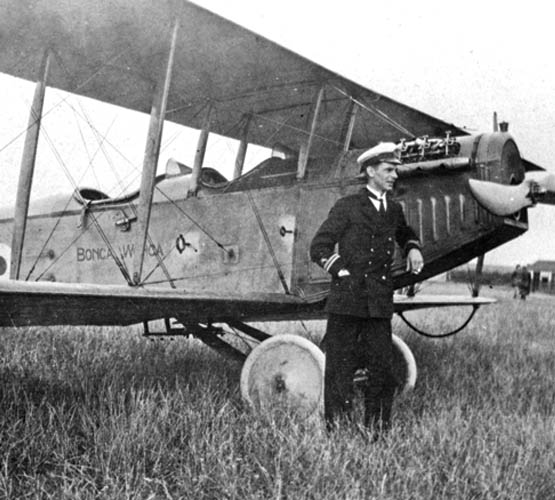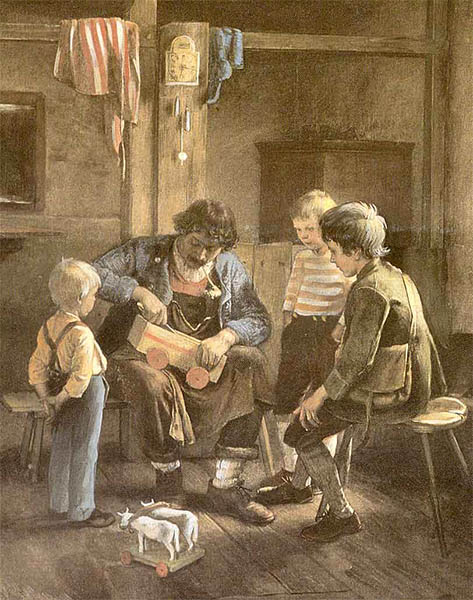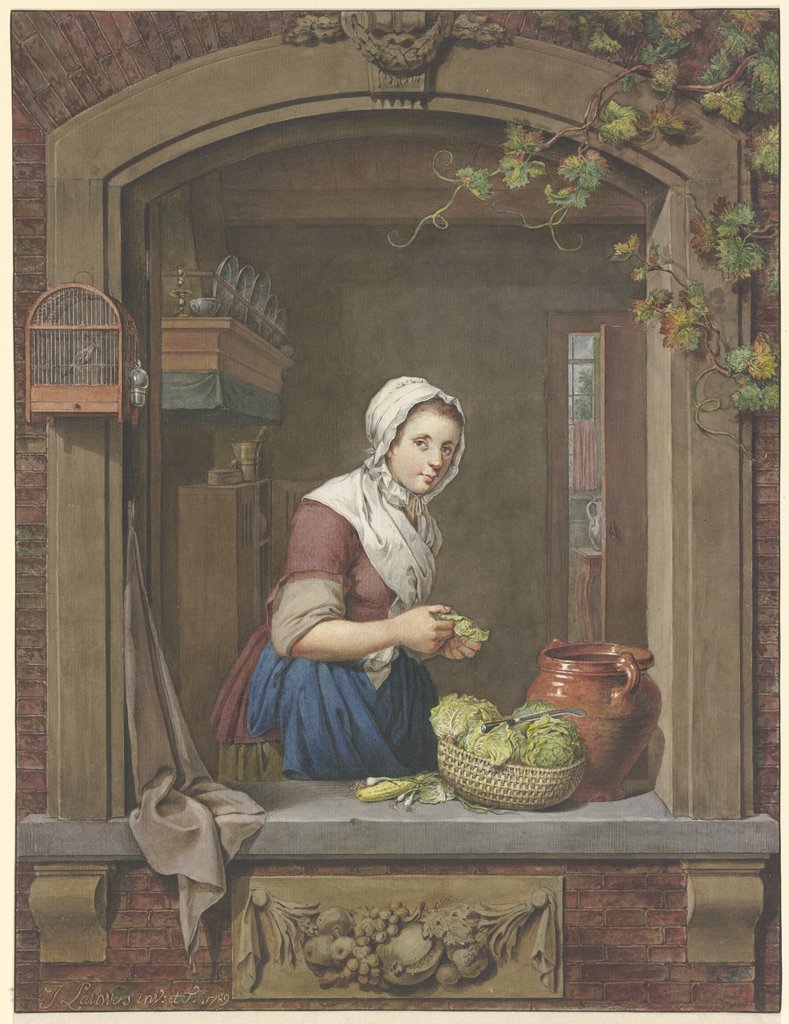
Many of these jobs you may see are servant roles since there were many of them in the great houses from the early modern to after World War II. There were so many different kinds of maids from scullery to lady’s maid. Cooks often supervised with cooking food for both upstairs and downstairs. While you also have your chauffeurs, stable grooms, coachmen, groundskeepers, and gamekeepers outside the mansion. Anyway, perhaps you imagined yourself as a Knight Templar going on a Crusade. How about a wayfarer? Or maybe a lighthouse keeper at some remote location. In this post, here are ten more historical jobs and their dark realities.
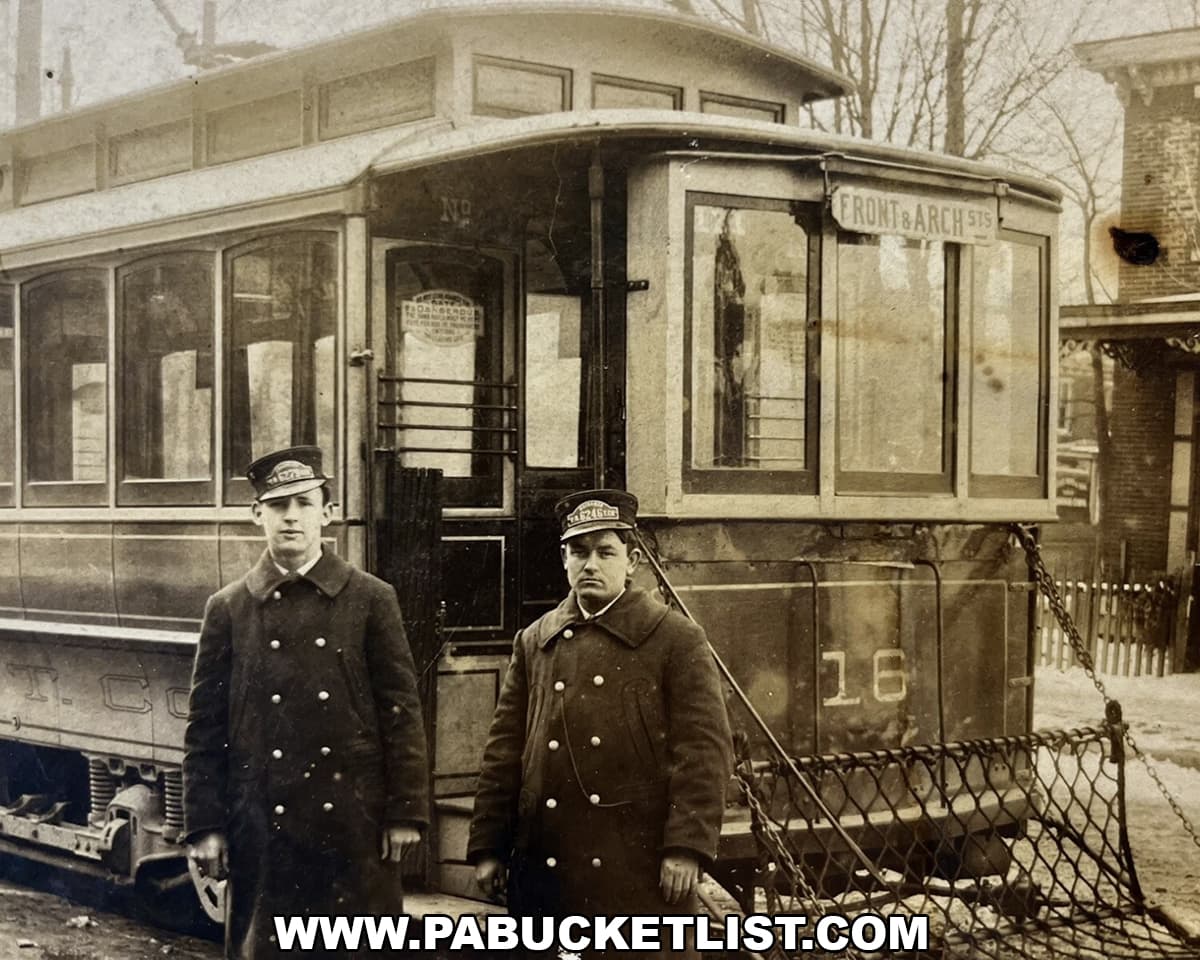
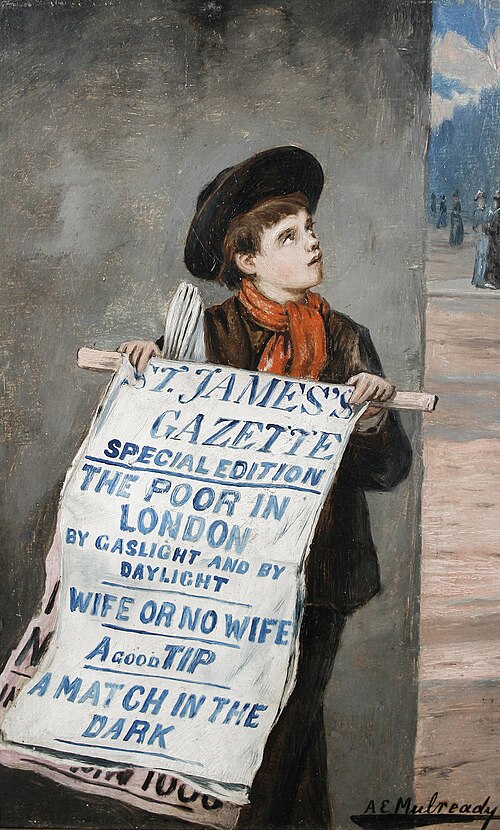
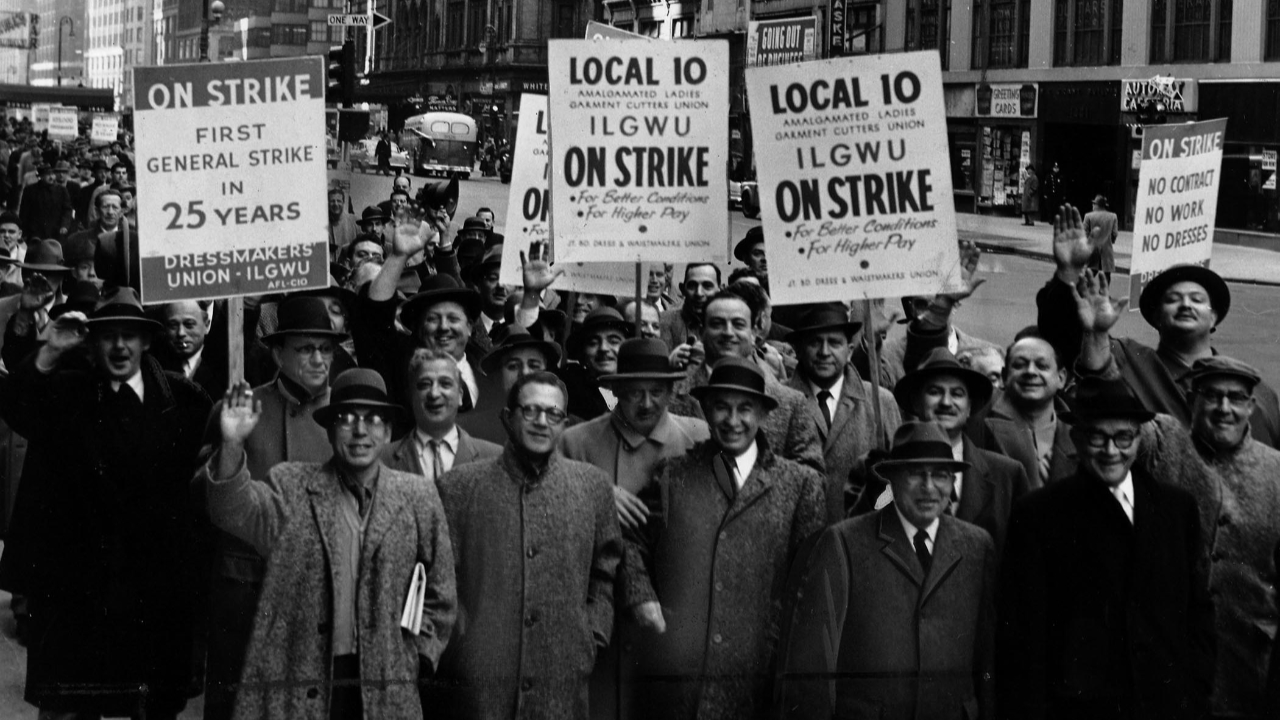
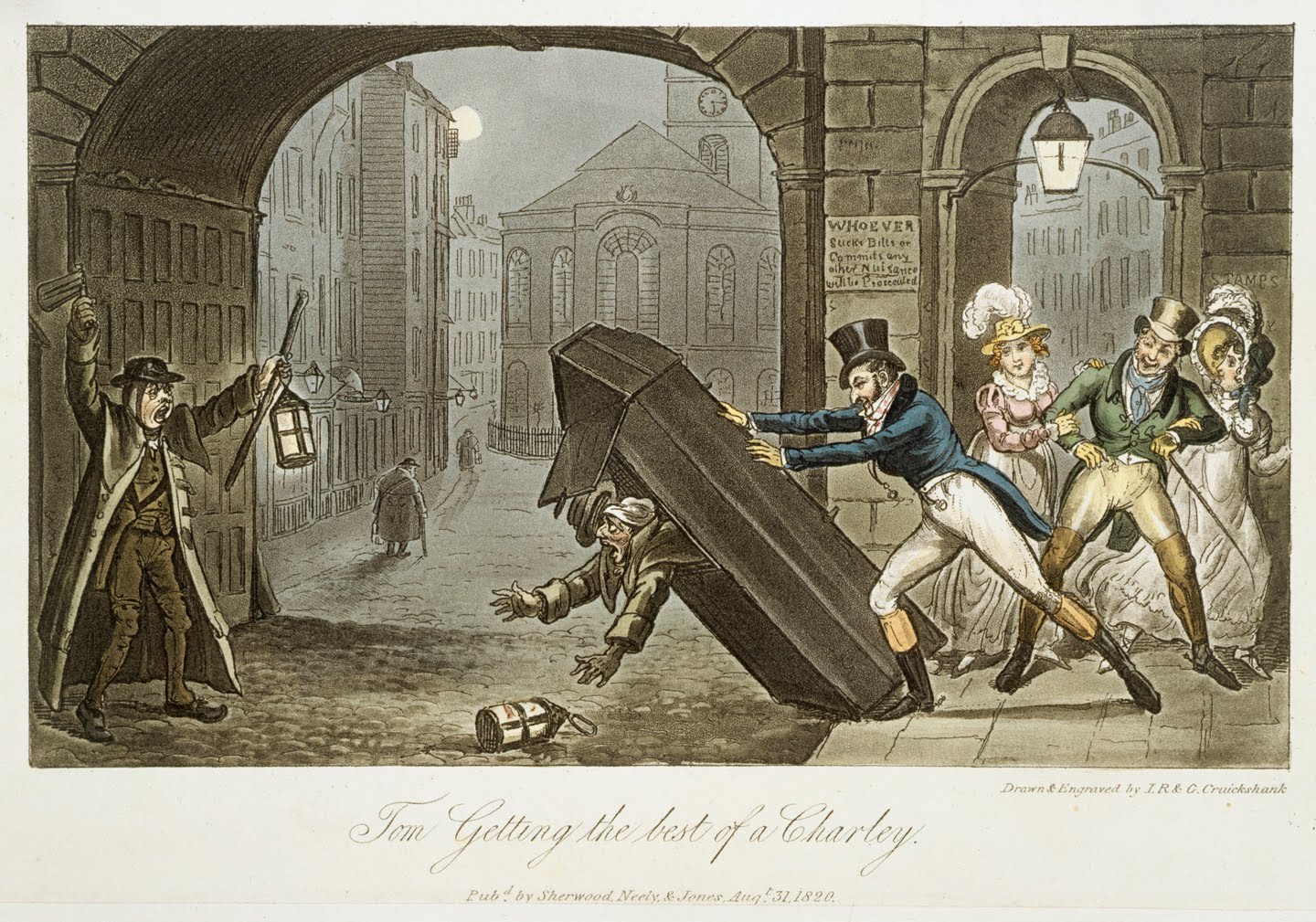
241. Streetcar Operator – In their heyday, trolleys were often a quaint form of transportation that went away far too soon and now only exist in San Francisco and the Neighborhood of Make-Believe. Yet, being a streetcar operator was hardly a grand adventure. First, streetcar operators worked very long hours and often went literal years without a single scheduled day off. Second, during the early 1910s, the average streetcar operator earned 19-20 cents an hour, making staying afloat a constant struggle. Third, streetcar companies kept high turnover rates and frequently used spies or secret riders to catch workers in “irregular activities” firing them on the spot without a hearing. Fourth, early trolleys offered almost no protection from the elements, leaving operators freezing in winter and baking in summer on open platforms. Fifth, standing for 10-14 hours straight while manually cranking heavy controllers and hand-brakes wrecked operators’ backs and joints. Sixth, driving massive, unyielding streetcars through chaotic, mixed dirt-road traffic of horses, pedestrians, and early automobiles caused constant near-collisions. Seventh, conductors had to deal with overcrowding, fare disputes, and unruly passengers face-to-face with no backup. Lastly, when unions finally unionized for basic rights, companies regularly held massive forces of violent strikebreakers, resulting in bloody street battles. And unfortunately, street cars would later fall by the wayside in most cities with the rise of buses.
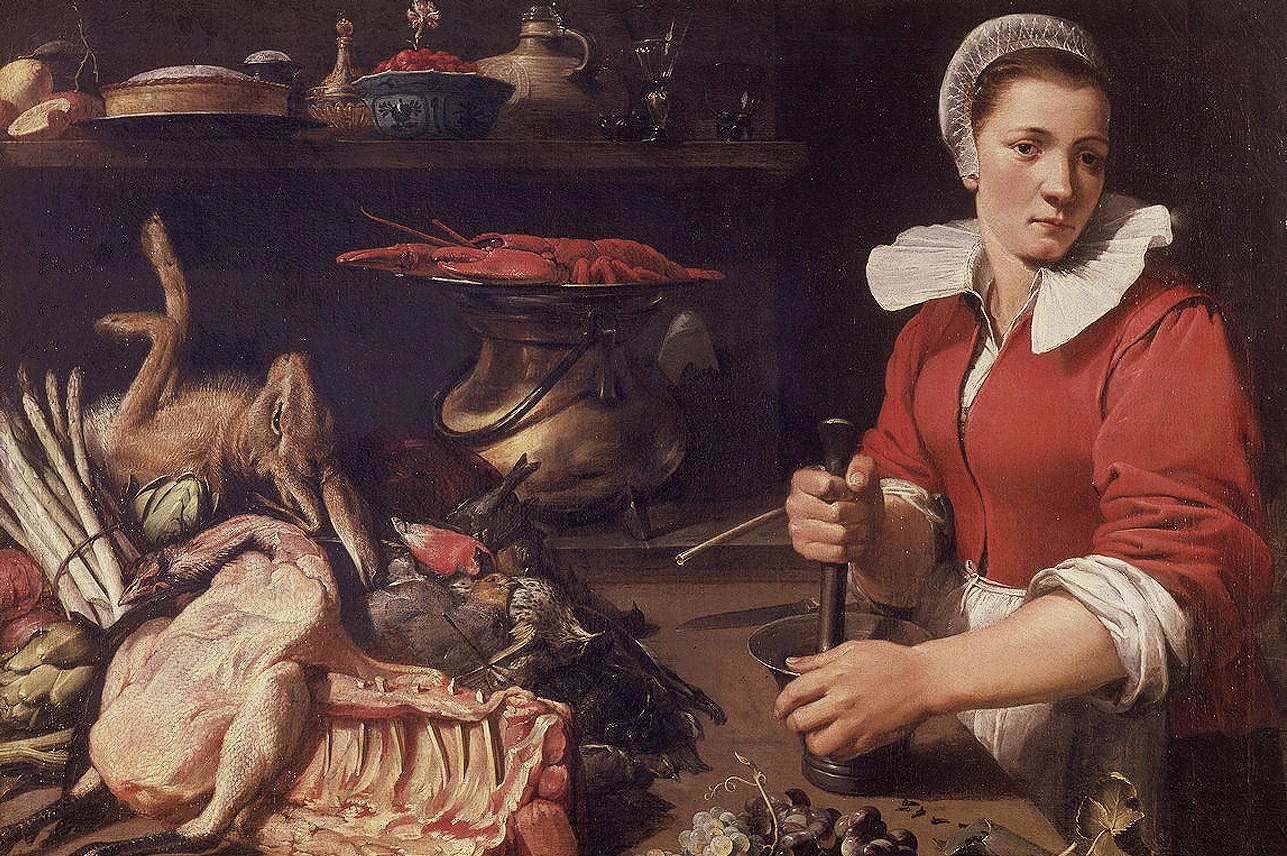
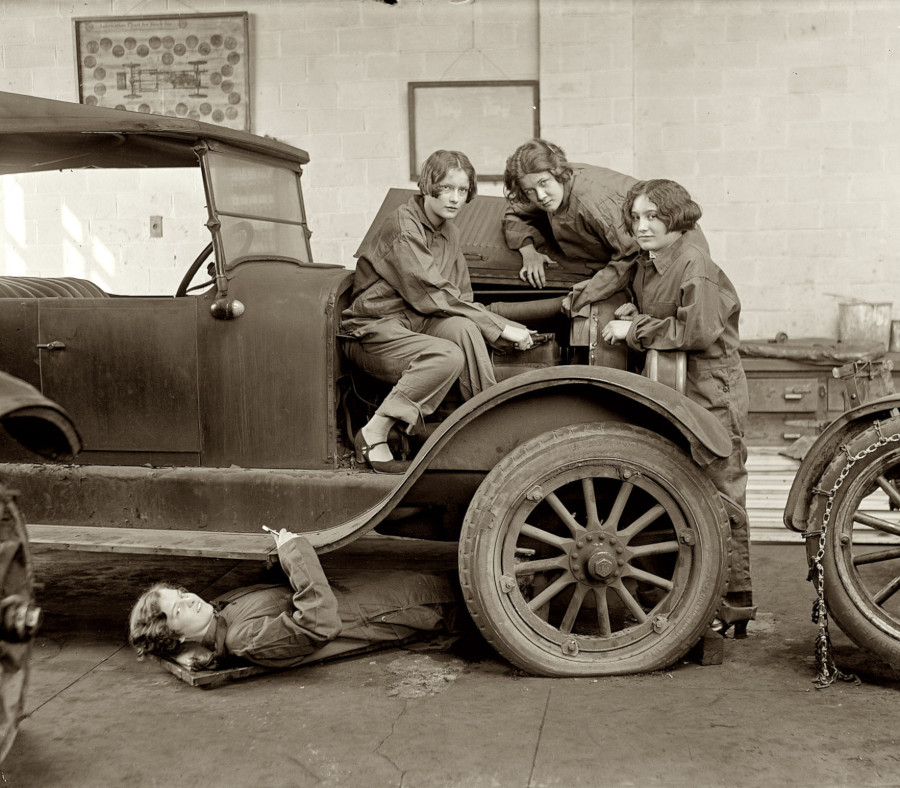
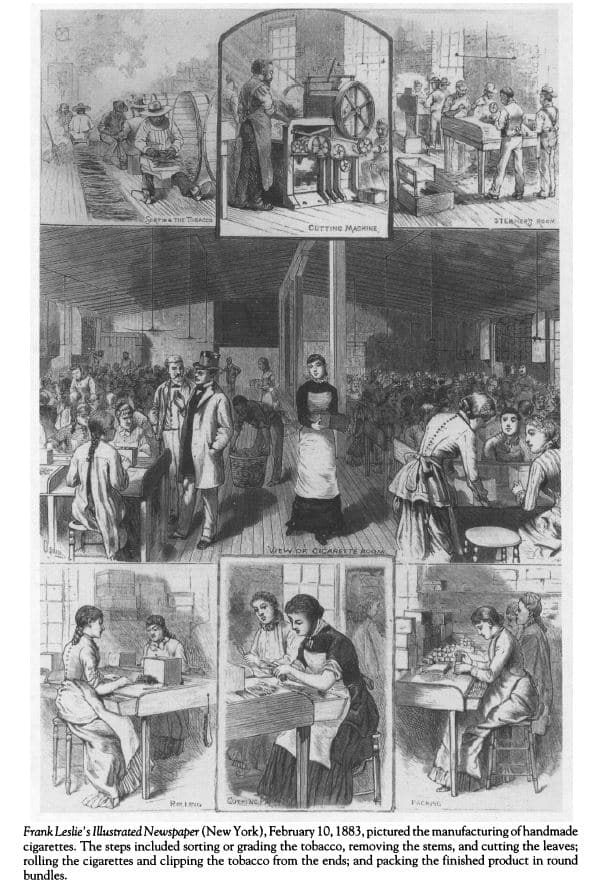
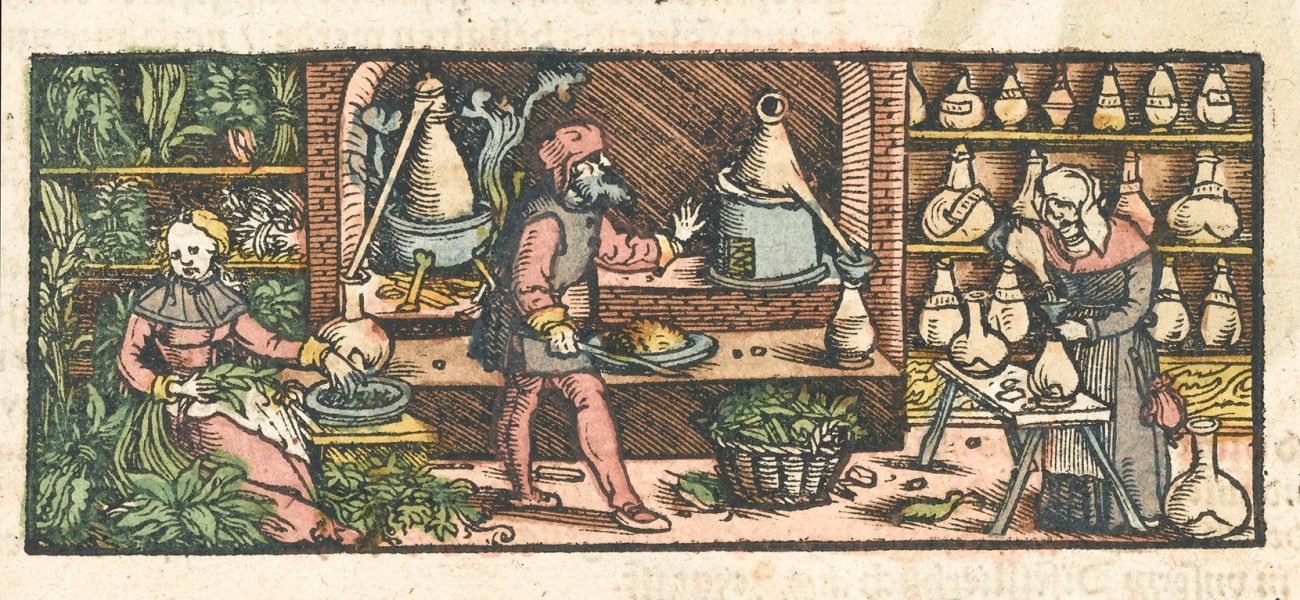
242. Cook – In great houses and restaurants cooks often created dishes for those upstairs and downstairs. But a cook’s life in the olden days was anything but tasty. First, cooking meant constantly hauling heavy wood, tending open hearths, and breathing in thick, lung-destroying smoke in poorly ventilated rooms. Daily hazards without protective gear included severe burns, scalding liquids, heavy cast iron, and open flames. Second, every ingredient required manual processing from scratch. This means plucking poultry, grinding grain by hand, and chopping massive amounts of firewood. Third, urban historical cooks often faced ingredients secretly poisoned by merchants, such as bread cut with toxic alum or chalk, or cheese dyed with dangerous lead. Fourth, food preservation entirely relied on heavy salting, smoking, or drying, meaning cooks constantly managed near-spoiled staples and seasonal scarcity. Fifth, cooking and butchering residue soaked into skin, hair, and clothing, making the physical stench of the job a permanent personal trait. Finally, old cookbooks omitted temperatures, exact measurements, and precise timings, forcing cooks to rely purely on trial and error.

243. Scullery Maid – Amongst the cooks assistants is the scullery maid who often cleans the dishes. But the scullery maid was a miserable job for teenage girls, some even as young as 10-12. Not to mention, it’s the lowest, hardest-working, and dirtiest job in the domestic staff hierarchy. First, scrubbing pots, pans, and massive stone floors meant standing on thin wooden mats with freezing water constantly splashing onto their feet and skirts. Cleaning heavy grease and soot off metal cookware required caustic lye soap and sharp sand, which tore up their skin and caused painful sores. Second, before toilets, they’re tasked with emptying and cleaning the stinky chamber pots used by higher-ranking indoor servants. Third, scullery maids were always the first people to wake up in the morning, often lighting the heavy kitchen fires as well as the last to go to bed at night. Fourth, they received the lowest pay and took orders not just from the master and mistress, but also from the cook and other servants, too. Lastly, breaks were practically non-existent and scullery maids rarely ate with the rest of the staff because someone always had to watch the kitchen. But if you happen to serve a brooding impoverished aristocrat, you might find yourself as mistress of the house if you keep at it. Albeit if he catches you playing dress-up in his mom’s old clothes when you’re in your late teens.
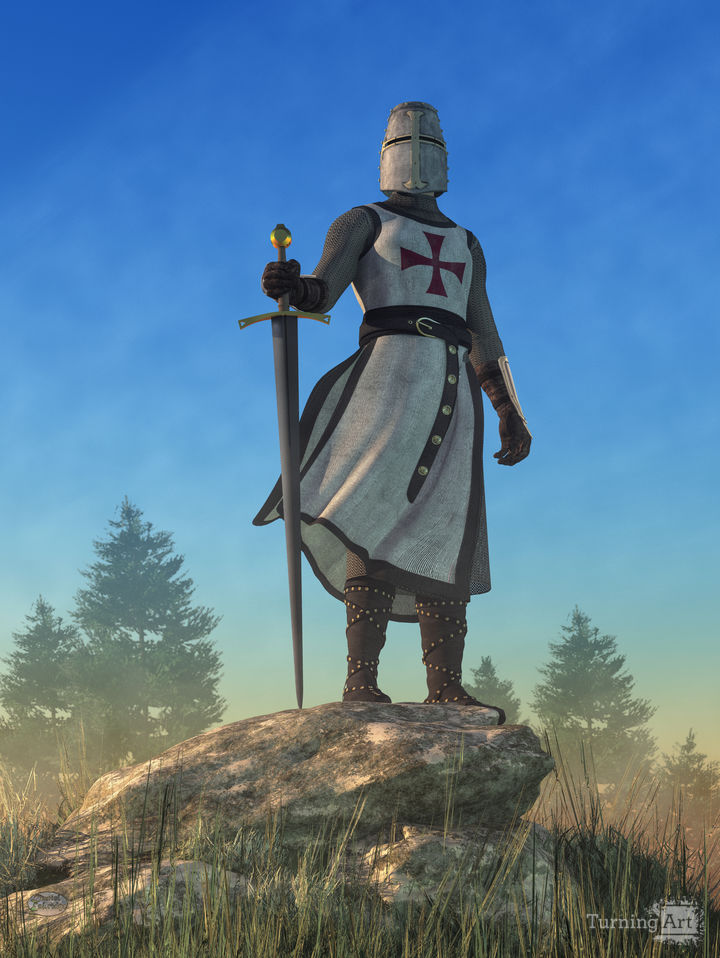
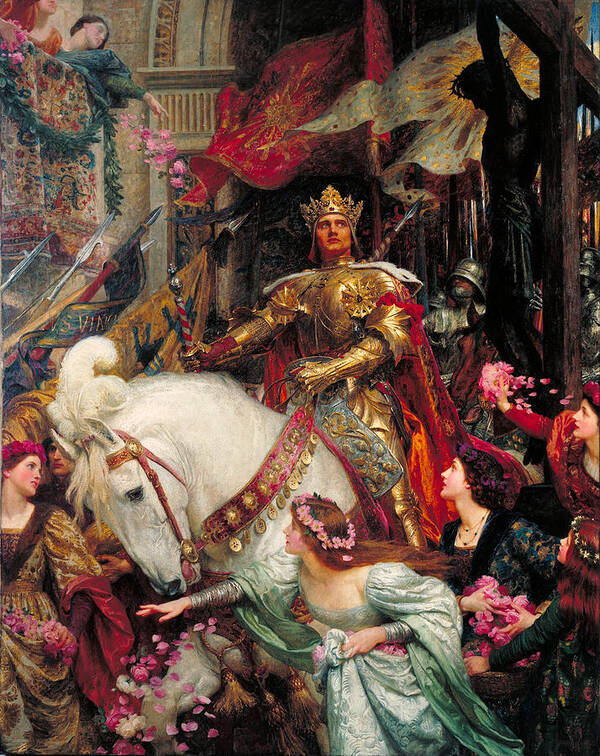
244. Knight Templar – In the public imagination, being a knight templar during the Crusades seemed like being the ultimate crusader. Yet, in reality, it was one many wouldn’t wish for themselves. First, vows banned kissing any woman (including their own mother), eating more than 3 times a week, wearing fancy clothes, or having any personal property. Second, knights endured bloody frontline battles, heavy armor in hot climates, and high risks of slow, painful deaths from battlefield infections and disease. Finally, what brought down the Knights Templar was their tendency to loan money to certain people who were unable to pay it back. When King Philip IV of France was deeply in debt to them, he had them arrested on October 13, 1307, tortured into giving false confessions of heresy, and burned at the stake.

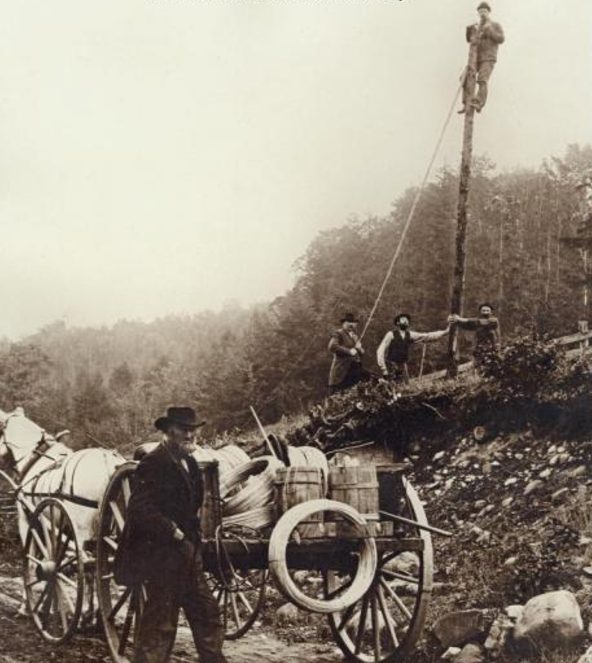
245. Wayfarer – In the public imagination wayfarers are often seen as brave adventurers. But the life of one was far from an exciting romp. Since it was a time when people rarely traveled outside their hometown unless they absolutely had. Or if they wanted to go on a pilgrimage. First, muddy tracks turned to deep ruts or swamps, forcing people walk 20-30 miles a day on foot. Second, due to lack of Gore-Tex or thermal gear, travelers faced freezing rain, scorching sun, and snow wearing heavy wool and leather. Third, travelers experienced constant foot rot, severe blisters, infected cuts, and ruined joints from carrying heavy packs without ergonomic support. Fourth, outlaws, corrupt local lords, and rogue soldiers targeted isolated travelers on lonely roads for whatever meager coins or clothes they carried. So always take a dagger with you and use the buddy system. Fifth, water sources carried lethal bacteria like cholera and dysentery, forcing many to drink weak small beer or wine instead. Sixth, inns were filthy, overcrowded, flea-ridden sties where patrons shared beds with strangers or farm animals. Seventh, strangers without local papers or noble patronage were viewed with extreme suspicion as spies, vagrants, or criminals. Lastly, local xenophobia meant wayfarers were often cheated on prices, denied help, or driven out of towns before nightfall.
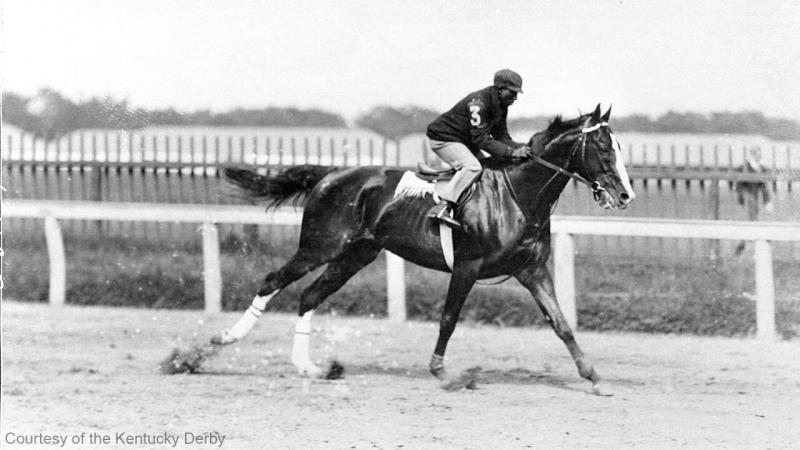
246. Jockey – Given how widespread horse racing is and how much people like betting on it, jockeys have been a mainstay in our popular imagination. Especially in the lawn jockey statues in many people’s front lawns. However, historical jockeys had it particularly rough on the track. First, early tracks were uneven. Crowded pack riding led to catastrophic crashes. Riders regularly broke bones, suffered permanent concussions, and spent months recovering in hospitals with little to no medical safety nets. Second, jockeys faced strict, low weight limits and used dangerous methods to drop pounds. Riders frequently induced vomiting, used harsh laxatives, sweated out water in heavy wool suits, and fasted for days, leading to chronic fainting and long-term health damage. Third, in the United States, white jockeys actively bullied, boxed out, ran rivals into the rails, and struck black competitors with riding crops during races. Lastly, despite dominating early American horse racing (winning 15 of the first 28 Kentucky Derbies), black jockeys were systematically stripped of licenses, physically threatened, and completely purged from the tracks by the 1920s due to Jim Crow racism.
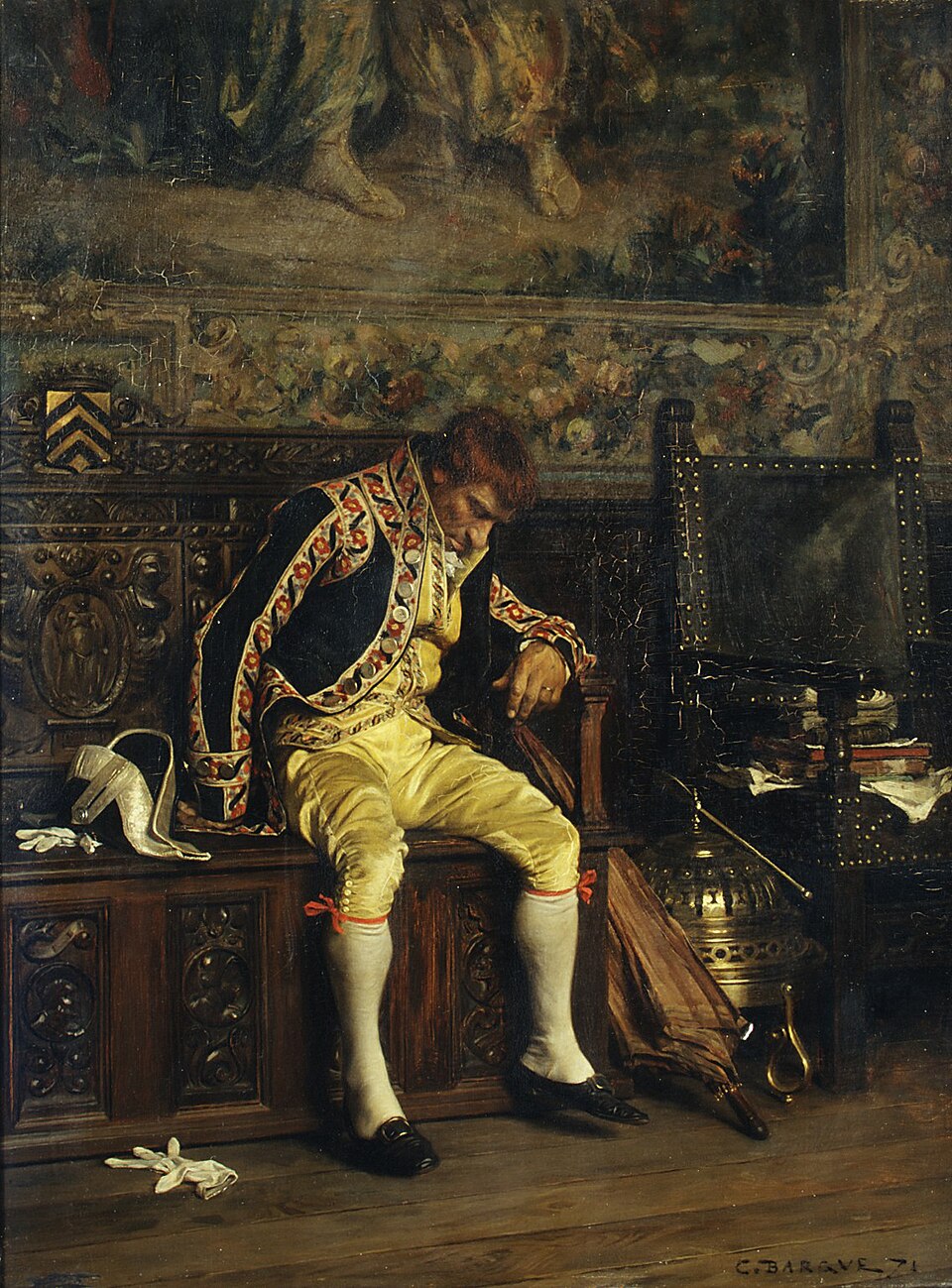
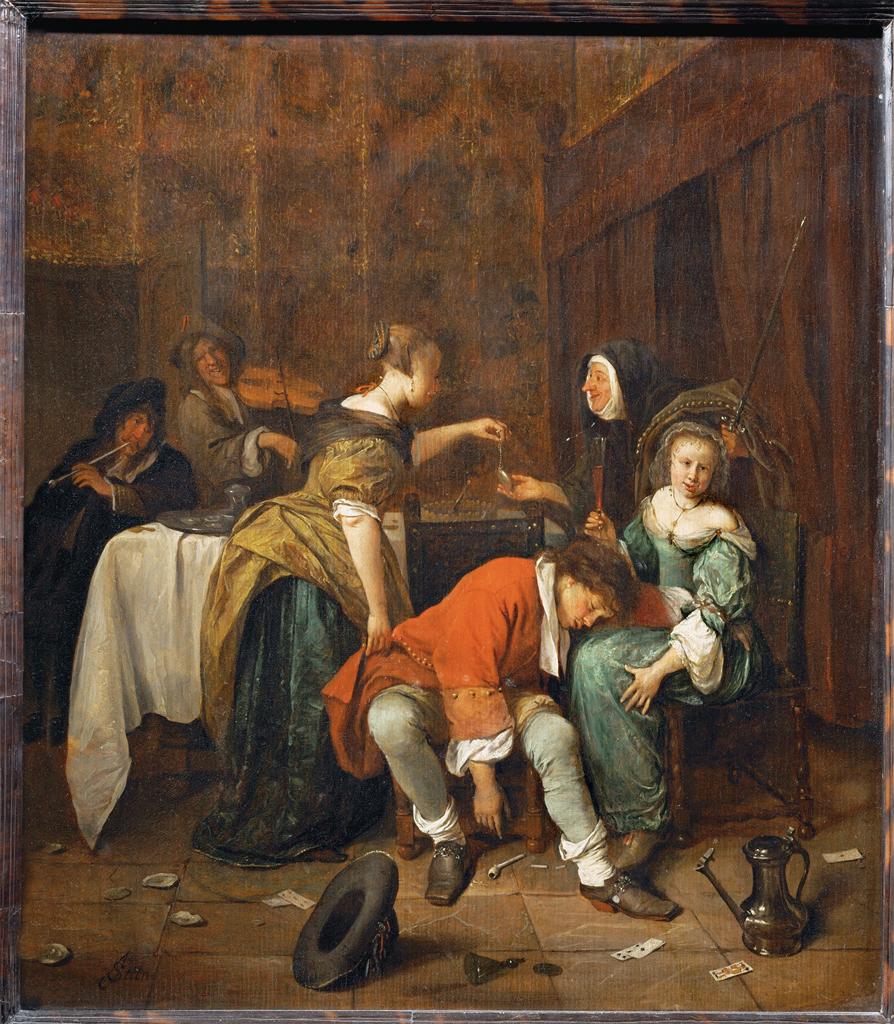
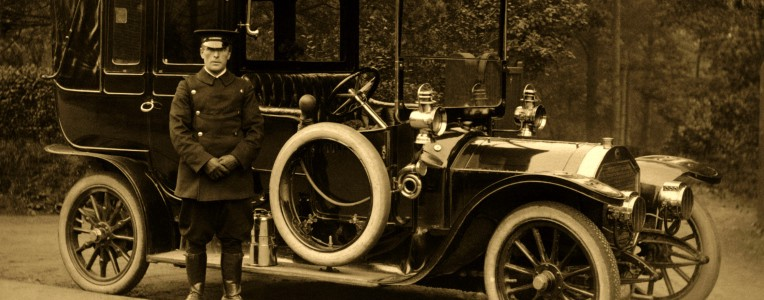
247. Footman – At any great house, a footman was a male servant who was meant to be seen. Yet, the life of a footman wasn’t one that Downton Abbey would depict. First, days began at dawn which was around 5 or 6 AM and regularly didn’t end until 11 PM or later after the master’s household finally went to sleep. Second, beneath the fancy clothes, footmen did the estate’s heavy lifting, carrying massive scuttles of coal up multiple flights of stairs, moving heavy furniture, and lugging multi-course silver platters. Third, early footmen sometimes worked as “running footmen” who had to sprint or jog alongside moving carriages for miles to clear obstacles, risking severe injury and exhaustion. Fourth, hiring footmen heavily depended on superficial traits. Employers judged men like livestock, requiring them to be well over 6 ft tall with well-shaped legs to look good in tight knee-breeches and silk stockings. Fifth, because footmen stood outside or walked with the family in public view, they were frequent targets of street bullies throwing mud at their white stockings or pinched their legs to see if they used padding. Sixth, footmen slept communally in cramped spaces such as the butler’s pantry and had almost no time off, personal life, or social autonomy. Finally, they faced constant micro-management and reprimands from the family and upper servants like the butler. While they were trapped at the bottom of the domestic hierarchy. But at least the job wasn’t as bad as the scullery maid.
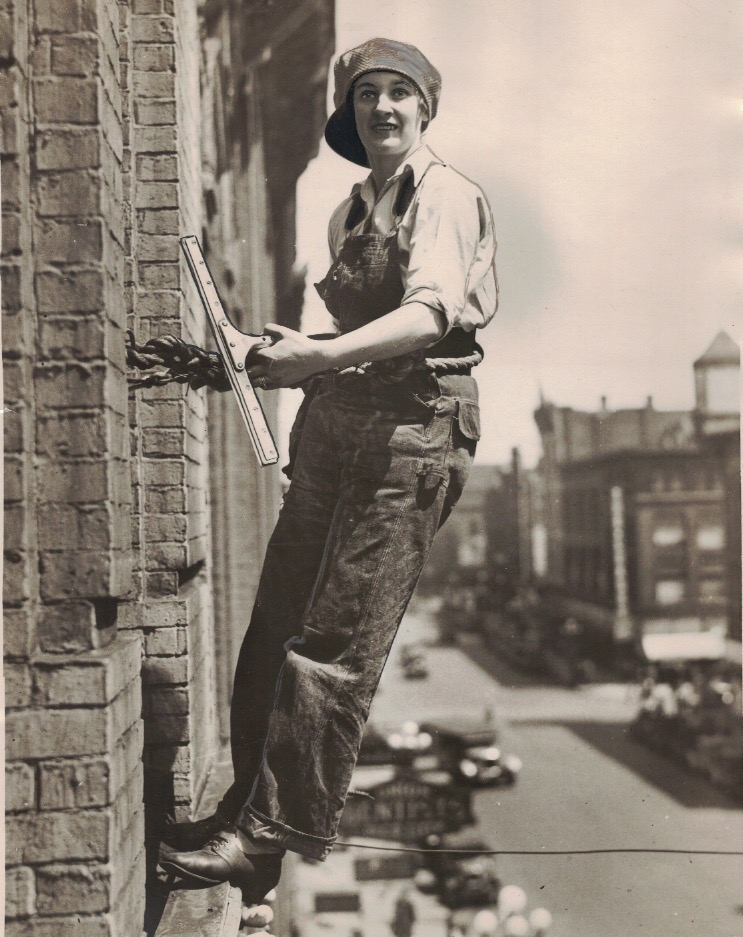
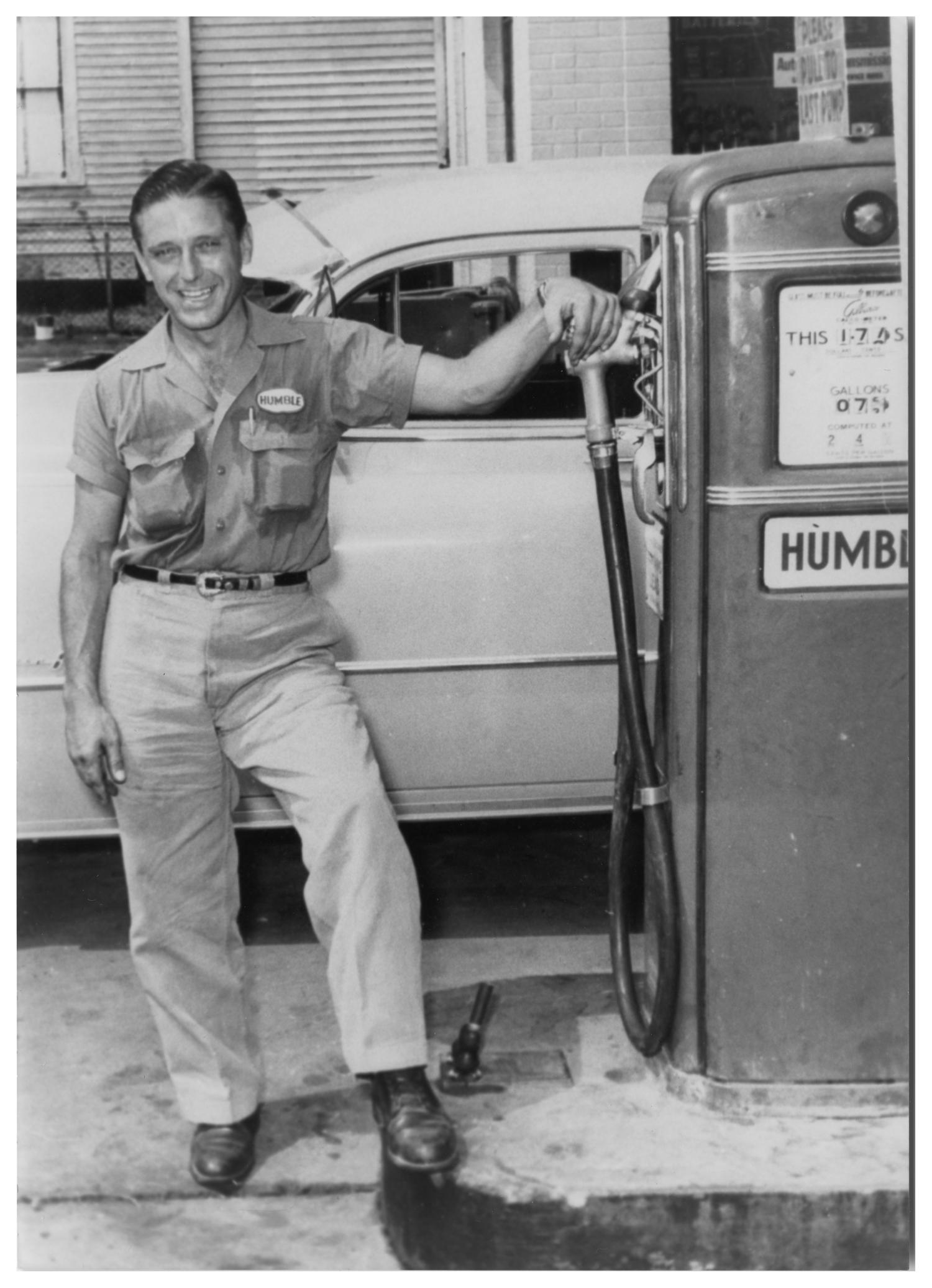
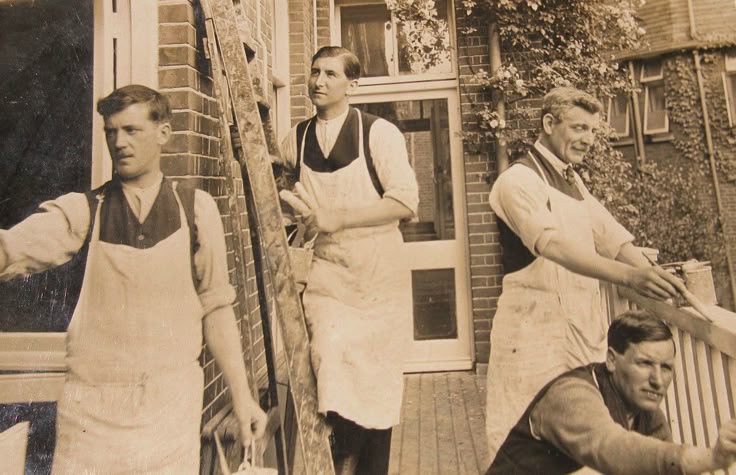
248. Window Cleaner – With the rise of skyscrapers came the rise of the window cleaner. But cleaning windows in the past was nothing like having to clean an office building the local pigeons often used as a toilet. First, window cleaners balanced on high-rise ledges, wooden scaffolding, or hung from simple bosun’s chains without harnesses or modern safety anchors. Large wooden ladders were too heavy to carry, hard to set up on uneven city streets, and prone to slipping against wet or icy buildings. Second, cleaners worked in freezing winter winds, rain, and scorching sun while trying to maintain balance high above the ground. Third, before the invention of modern expensive poles and purified water systems in the mid-20th century, everything had to be hand-scrubbed up close. Since the efficient rubber-bladed squeegee wasn’t invented until the 1930s, drying relied heavily on rags and chamois leather. Lastly, cleaners scrubbed with basic soap, vinegar, or ammonia mixtures using stiff rags, requiring massive physical effort to cut through heavy urban coal soot and grime.

249. Lighthouse Keeper – In the public imagination, a historical lighthouse keeper is depicted either as a quaint family man living in isolation or as a complete nutter who lives with roommates who are just as insane. The actual life of a lighthouse keeper probably leans on The Lighthouse than A Light Between Oceans. First, keepers lived on remote, wind-battered rocks or tiny islands for months with little to no human contact. Since the light must burn 365 days a year, there are no vacations or trips off the rock. Third, fierce storms constantly threatened to wash away or batter the towers, causing severe mental stress. Fourth, keepers hauled heavy fuel supplies (like tons of coal and oil) up massive spiral staircases by hand. Fifth, they spent hours polishing soot-covered glass, scrubbing brass, and painting salt-damaged buildings. Sixth, weight-driven lens rotation systems had to be manually rewound like giant grandfather clocks multiple times a day. Finally, Fresnel lenses floated in liquid mercury baths to spin smoothy. Keepers unknowingly breathed in toxic fumes causing shaking, memory loss, and erratic “madness.” No wonder so many lighthouse keepers went nuts.
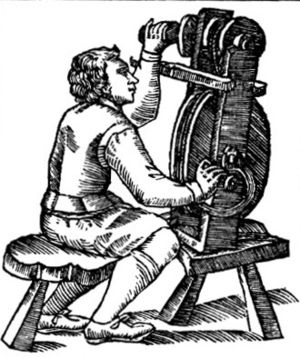
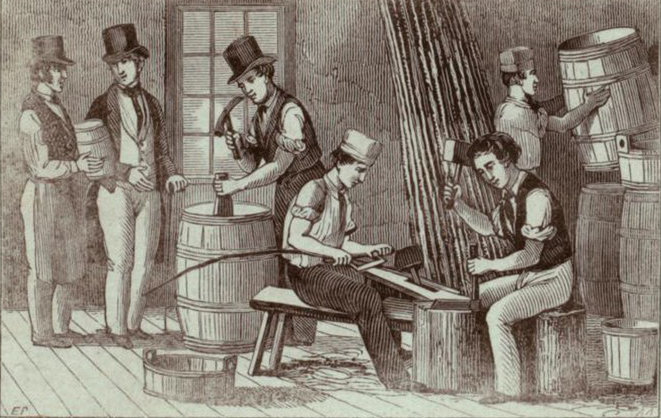
250. Lens Grinder – With the arrival of glasses, telescopes, and microscopes, glass lenses became more essential. But the life of a lens grinder was a brutal one. First, grinding glass using gritty quartz or emery abrasives released fine silica dust into the air, which workers breathed in daily. This caused severe lung damage and early death, famously cutting short the life of philosopher Baruch Spinoza who ground lenses as a day job. Second, hours spent squinting at tiny, imperfect refractions under poor lighting or candlelight permanently ruined grinders’ vision. Third, lens grinders spent days manually rubbing glass blanks back and forth against concave or convex metal tools called “laps” using progressively finer abrasive grit. Fourth, one small slip or uneven pressure while shaping brittle glass on a ceramic or metal wheel could shatter the lens instantly, ruining hours of precise work. Lastly, the meticulous process took hours or days per single lens, yet the finished product often suffered from optical aberrations due to primitive tools and inconsistent materials.