

As with all good things, they all must come to an end at some point. Of course, there are more professions that we idealized out there that weren’t as good as depicted. But we all have to stop somewhere. Nonetheless, when we nostalgize the past, we often ignore the aspects of life that was often more difficult due to lack of technological advancement that made our lives easier that we often forget that many jobs entailed doing things by hand which took longer and took a physical toll on bodies. The lack of scientific knowledge like germ theory made people in medical professions less able to diagnose ailments or treat them effectively. Not to mention, lack of sanitation often made things so much worse. While lack of safety precautions and labor rights made many of these professions much more dangerous and exhausting. Anyway, here are more historical professions and their dark realities.

291. Groundskeeper – In historical settings, you often see grand estates with well-manicured lawns and well pruned trees even when there are no efficient lawn mowers in the period like on Bridgerton. Yet, a groundskeeper’s life was a brutal slog. First, groundskeepers had to move stone, soil, and wood by hand or with basic carts. Mowing these vast lawns on great estates or cutting thick brush required scythes, sickles, and shears. Second, managing grazing livestock used to keep grass short (like goats and sheep) meant dealing with trampled turf and constant animal wase. Third, groundskeepers worked outside all day in the freezing cold, heavy rain, or blistering heat without climate-controlled relief. Fourth, dirty soil and rusty tools put groundskeepers at constant risk of deep cuts, back strains, blisters, and infections. Fifth, they had to deal with swarms of mosquitos and ticks along with spoiled or stagnant water features carrying illness. But at least it paid well, right? Actually, groundskeepers were paid very little for back-breaking work while their position as low-class manual labor with no career path or job protection. And if it’s America before 1865, guess who did the landscaping on these vast plantations. Yep, the slaves.
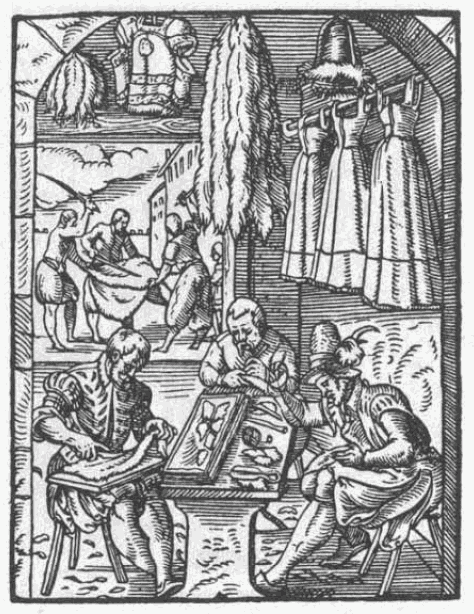
292. Furrier – In historical settings, you see rich characters wearing fur coats or fur trim regardless of era. But being a furrier who made those coats was not at all fuzzy. First, furriers used stale human urine to soften and treat animal hides. Second, they used toxic mercury compounds to cure pelts, causing severe tremors, tooth loss, and madness (which originated the “mad hatter”). Curing processes also relied on rancid oils and smoke that burned eyes and lungs. Third, workshops were tiny and filled with thick, floating fur dust and hair fragments that workers inhaled all day. Fourth, handling raw, unwashed animal hides meant constant risk of contracting anthrax or other fatal infections from livestock. Fifth, the intense, rot-heavy stench of decaying fat, blood, and urine permanently clung to furriers’ skin, hair, and clothes. Sixth, furriers spent hours hunched over a wooden beam, scraping rotting flesh and fat off wet pelts by hand using a dull knife. Lastly, all that soaking, washing, and wringing out heavy hides in freezing water ruined furriers’ hands and joints long before old age.

293. Minter – Today, we take our access to currency for granted. Yet, in the old days, someone had to make coins. But a minter’s life was anything but a cash cow. First, melting and handling gold, silver, and base metal alloys resulted in constant inhalation of toxic fumes and dust, including lead and heavy metal used in processing and refining. Second, striking heavy coin faces with a hammer day in and day out wrecked minters’ joints, arms, and hearing. While the intense heat from furnaces caused severe burns and exhaustion. Third, should a coin batch come out underweight or substandard, the minter was often accused of stealing precious metals or plotting fraud against the crown. Also, know that treason and counterfeiting laws were downright medieval so to speak. Convicted minters faced execution, hanging, or having their hands chopped off. Fourth, minter workshops were tightly locked, heavily guarded environments. Workers were treated with great suspicion and under close watch by royal sheriffs or officials as theft prevention. Finally, despite daily handling fortunes in gold and silver, working-class minters were paid modest wages and bore all the physical risks while kings and knights reaped all the profits. Guess literally making money wasn’t all it’s cracked up to be.

294. Plumber – In our age of indoor plumbing fixtures, the humble plumber has become an indispensable part of our daily lives. Yet, being a plumber in the olden days was no pleasant pipe dream. First, the word plumbing is derived from the Latin word plumbum meaning lead, which was often used to make pipes. Historical plumbers handled and soldered it daily, causing chronic lead poisoning, madness, and colic. Second, plumbers had no rubber gloves, face masks, or chemical goggles to block noxious waste or toxic fumes. While working with ancient or medieval drains meant direct contact with raw sewage loaded with cholera, typhoid, and dysentery. Third, before modern regulations (like those inspired by 20th century outbreaks), cross connections often mixed sewage right into drinking water lines. Fourth, transporting and installing cast iron or lead pipe components without modern power tools wrecked backs and joints. Lastly, crawling into unmapped, pitch-black cesspools, unvented outhouses, and rotting wooden tunnels meant risking cave-ins, asphyxiation from toxic gases, and vermin bites.

295. Goldsmith – No gilded display of massive wealth would be possible without the goldsmith’s assistance. But a historical goldsmith wasn’t all shiny. First, old gilding methods used a toxic gold and mercury paste. Heating it released invisible, deadly mercury vapors causing shaking, tooth loss, madness, and death. Second, workshops lacked proper ventilation so smiths constantly inhaled charcoal smoke, acid fumes, and fine metal dust. Third, fine detailed work under dim candle or window light ruined eyesight long before middle age. Fourth, working with literal fortunes made goldsmiths prime targets for violent robberies, home invasions, and kidnappings. Fifth, should a goldsmith shortchange a gold coin’s purity or crown plate, punishments were swift and brutal. These could range from heavy mutilation to execution. Sixth, every single microscopic gold speck was tracked. Losing even a fraction of a gram through an accident could result in debt or imprisonment. Seventh, long hours bent over small anvils and benches wreaked chronic skeletal and muscular damage. Finally, young trainees spent years enduring harsh conditions, low to no pay, and intensive labor just to learn trade secrets. Definitely no job for gold diggers indeed.
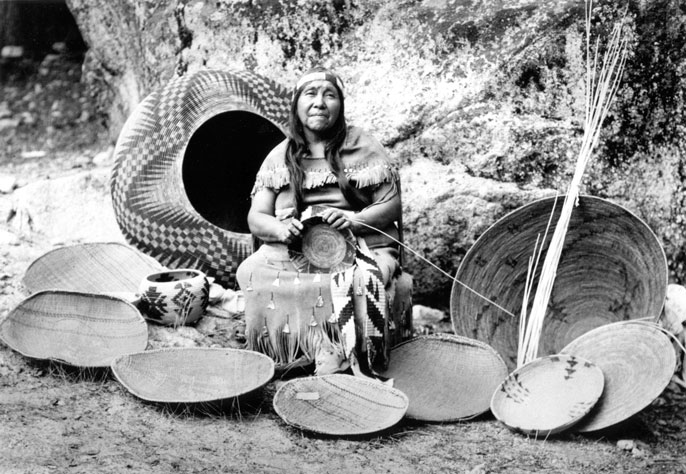
296. Basket Weaver – Basketry is an ancient art that’s present in most cultures and civilizations. But while basketry has long been seen as a hobby or cultural demonstration, making them for a living was anything but easy. First, splitting wood, roots, and willow branches by hand using teeth or crude blades tore skin and split fingernails. Second, bending over in awkward positions for 10-14 hours a day ruined backs, necks, and joints. Third, basket weavers developed severe arthritis, permanent calluses, deep cuts, and total loss of fingerprint sensitivity from constant friction against rigid, abrasive fibers. Fourth, basket weavers walked miles through swamps, forests, and thickets in freezing or scorching weather to find the exact right species of ash, oak, and willow. Fifth, they hauled massive bundles of green wood, boiled heavy vats of bark over open fires, and soaked materials in freezing water. Sixth, basket weavers worked long after dark by the dim, smoky light of coal oil lamps or candles just to finish quota, ruining eyesight. Seventh, although they spent days or weeks on a single masterpiece or utility basket, merchants and wagon jobbers often paid them mere pennies. Lastly, basket weavers eventually watched their entire livelihood get undercut and ruined by the invention of cheap, mass-produced metal pots, wooden crates, and wire baskets.

297. Civil Rights Activist – Those involved in the Civil Rights Movement during the 1950s, 1960s, and beyond have been enshrined as American heroes, particularly Dr. Martin Luther King Jr. However, to be a civil rights activist required the courage of a Christian martyr in the colosseum. Because they had to contend with a shitload of crap that so many don’t realize whenever MLK Day or Black History Month comes around. First, civil rights activists faced brutal beatings, police fire hoses, bombings, and assassinations. Second, they lived under constant chronic, severe stress and danger, similar to being in a war zone. Even though their activities mostly consisted of peaceful protesting against segregation and black disenfranchisement. Third, government agencies like the FBI subjected civil rights leaders to intense surveillance, harassment, and persecution. We should also note the fact that FBI Director J. Edgar Hoover was a white supremacist who saw civil rights leaders and activists as in league with Communists. And no, Martin Luther King was definitely not spared from this. Fourth, many civil rights activists lost their jobs, homes, or personal property for speaking out or trying to vote. Finally, they faced fierce opposition not just from opponents, but also from local communities and even their own families. However, the fierce opposition these people faced, their hard-fought efforts led to landmark civil rights legislation that we should never take for granted. While most of the activists who took part in it wear their time as a badge of honor, particularly Congressman John Lewis who showed up at a convention in an outfit similar to what he wore when he was nearly beaten to death on the Edmund Pettus Bridge.

298. Flight Attendant – When air travel began taking hold among the masses so did the rise of the flight attendant. But their lives weren’t always soaring through the friendly skies, especially since most of the early ones were women. First, airlines forced women to quit if they married or reached the ages of 32-35. They could also lose their jobs if they became pregnant or had children. Second, carriers enforced a strict whites-only hiring practice for decades. Third, airline companies regularly weighed staff and fired anyone who gained even a few pounds. While bosses checked flight attendants’ hair, makeup, and leg shaves before every trip. After all, marketing campaigns used staff as sexualized bait to attract male travelers. Fourth, crews hauled massive, heavy fiberglass bags before rolling luggage existed. Fifth, long international flights offered no designated sleep time while on duty. Finally, before the 1970s, cabins were filled with secondhand cigarette smoke while early planes experienced frequent, frightening mechanical bumps. That’s not even getting into the sexual harassment and uncooperative flyers these women had to face.
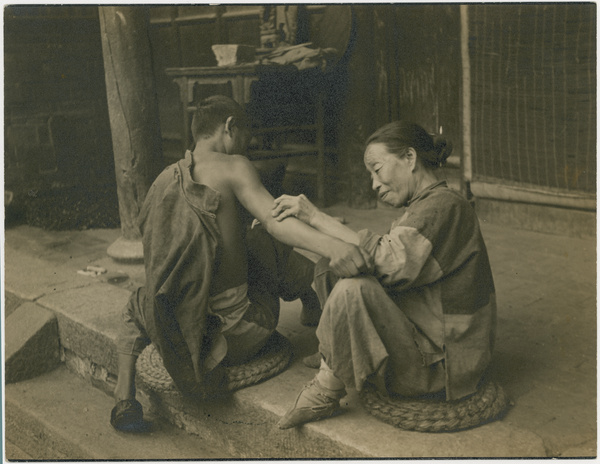
299. Acupuncturist – Today, acupuncture is a relatively safe form of Asian medical treatment for those who wish to avoid taking addictive pain medicine. But in history, being an acupuncturist was no easy feat. First, needles were made of thick bronze, iron, or stone and were reused across patients without sanitation. Not surprisingly, this resulted in severe bacterial infections and abscesses. Second, practitioners lacked precise internal anatomy maps, making deep needle insertion a constant hazard for punctured lungs or internal organs. Third, while modern acupuncture needles are of ultra-fine, flexible stainless steel, ancient needles were basically clunky lancets or long spikes. Fourth, despite being an ancient Chinese medical practice, acupuncture soon fell out of favor with changing dynasties and elites. In 1822, the Ching dynasty officially banned and removed acupuncture from the Imperial Medical Academy, labeling it a low-class or lost trade. Fifth, because treatments often failed or caused fatal infections, acupuncturists faced heavy legal and social retaliation whenever high-status patients worsened. Lastly, traditional healers were ranked below elite-scholar bureaucrats and faced constant pressure to justify their methods against competing philosophical and medical systems.

300. Gamekeeper – As a ranger on his employer’s property, the gamekeeper patrolled the grounds of a great estate. Yet, the gamekeeper’s life was far from that of Hagrid. First, gamekeepers patrolled vast estates at night, making them key targets for desperate or organized poachers armed with clubs, knives, and guns. Violent midnight skirmishes and bloody sieges were common, leaving many gamekeepers severely beaten or killed in the line of duty. Second, gamekeepers worked grueling, irregular schedules. They started at dawn to monitor wildlife and stayed out through freezing, pitch-black nights to catch trespassers. Third, daily tasks required heavy manual labor in all weather conditions, from intense predator trapping (using brutal gin traps) to breeding dogs and tending vast woodland stretches. Fourth, because gamekeepers enforced harsh, elite-driven game laws that criminalized subsistence poaching, local rural communities widely hated them. Finally, the rural poor saw them as wealthy landowners’ brutal enforcers, cutting them off from local friendships, trust, and community support.


