

You may notice with these historical professions that working in agriculture was a grueling life that didn’t always reap big rewards. Dairy farming involved constant milking, no days off, and dealing with big animals that could kick you and sometimes suffered from labor and delivery complications. Pigs in ancient and medieval times were like Pumbaa on roid rage who wreaked all kinds of damage than the cute pink snout animals we think of today. While chickens could be wiped out by outbreaks or cold. Anyway, perhaps you’ve fancied yourself as a carnival barker telling people to step right up for the latest attraction. Maybe even saw yourself as a falconer working with majestic birds of prey. Or perhaps you may have imagined yourself as a pastoral gardener watering flowers. Here are ten more historical professions and their dark realities.
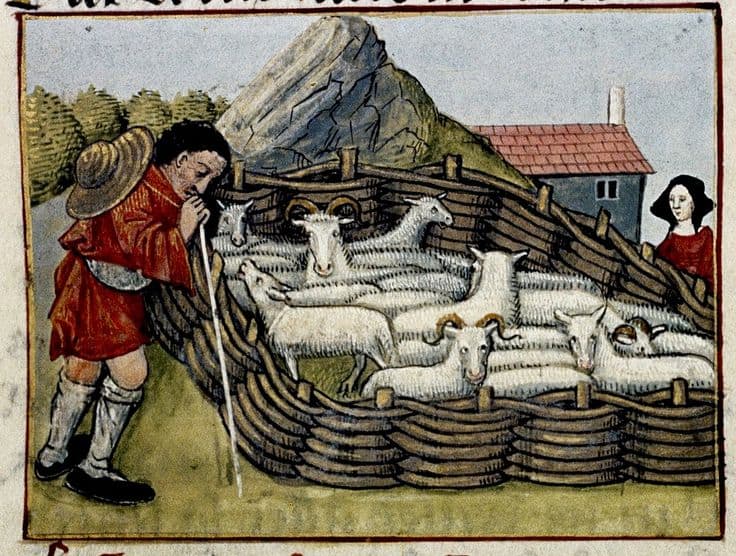
281. Sheep Farmer – Sheep farm often evoke quiet pastoral imagery in highland areas. But the life of a sheep farmer was anything but idyllic. First, sheep farmers faced freezing winters, flash floods, and scorching droughts with zero modern forecasting or emergency rescue. Second, sheep required constant monitoring day and night to prevent wandering or panic, leaving no time for rest. Third, cattle ranchers deeply hated sheep farmers, arguing that sheep ruined the land by eating grass down to the roots and destroying the soil. Cattlemen attacked sheep camps, poisoned water sources, slaughtered flocks en masse, and murdered herders during the range wars in the American West and Texas. Fourth, sheep farmers constantly dealt with gruesome conditions like flystrike (where flies lay eggs in sheep’s wool and maggots eat the flesh), foot rot, and intestinal worms. Fifth, wolves, coyotes, and cougars constantly hunted the flock, meaning farmers had to kill predators or lose their entire livelihood overnight. Lastly, processing wool, tending to sick, heavy animals required backbreaking manual effort long before mechanical tools or modern medicine existed.
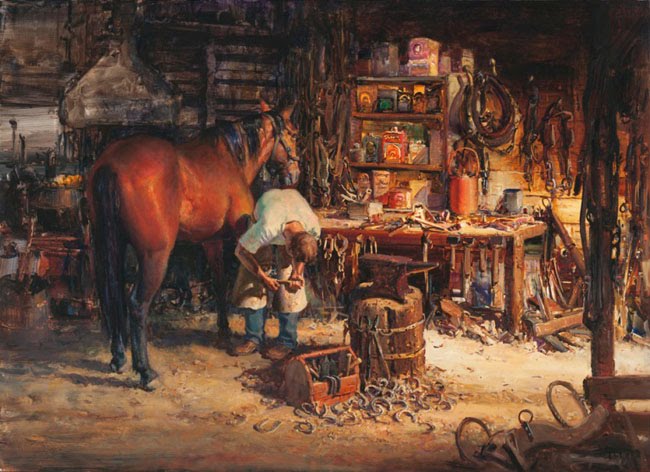
282. Farrier – Farriers made horseshoes, which was a very underrated skill at the time we often don’t think about. But when horses were the primary means of transport, they occupied a major place of importance. Yet, their live was anything but a fun pony ride. First, working bent over a horse’s heavy leg exposed farriers to sudden kicks, bites, crushing bites, and getting trampled in tight stalls. Second, bending over hooves all day destroyed backs, knees, and joints long before modern medicine before modern ergonomics or pain relief existed. Third, farriers breathed in toxic, coal smoke, heavy metal fumes, and burning hoof in poorly ventilated, dark smithies. Fourth, banging a hot iron over a roaring forge required immense upper body strength. Fifth, historical farriers doubled as low-level vets, forced to treat gruesome wounds, infections, and lameness using harsh, unscientific methods like bleeding or toxic salves. Finally, working-class or military horses were often overworked, sick, fractious, making every shoeing session a fight with stressed and/or traumatized animal.
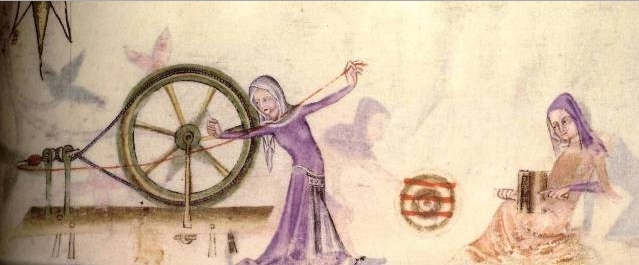
283. Carder – Before a wool could be spun, it had to be carded through. But the people who carded the wool often had grueling lives. First, hand-carding required scraping 2 paddle-like boards covered in sharp wire or iron teeth against each other for hours on end, causing severe muscle strain in the arms, wrists, and back. Second, workers in early mills faced damp, cold, and loud environments that bred illness and constant physical aches. Third, raw wool was heavy with grease (lanolin), dirt, dung, and burrs, meaning carders handled filthy, foul-smelling material before it was even semi-clean. Fourth, breathing in fine, floating particles of dust, dirt, and microscopic wool or cotton fibers ruined workers’ lungs for a long time. Fifth, the dense metal or nail teeth on the hand cards frequently slipped or punctured the carder’s fingers and hands. Sixth, carding was often regulated to domestic chores, low-paid cottage labor, or harsh youth apprenticeships (such as the famously brutal carding apprenticeship endured by a young Millard Fillmore), carders sat at the bottom of the textile production ladder. Finally, carding offered zero creative outlet or variation, just endless, unyielding strokes to untangle and align fibers for pennies a pound.
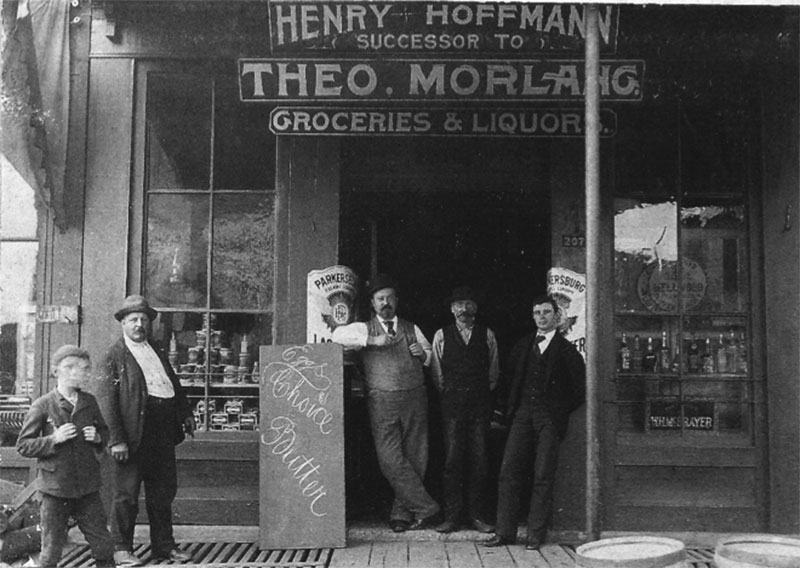
284. Grocer – In our modern lives, grocery stores have always been central to people’s existence more than any other store. Yet, in history, running a grocery store could be a very painstaking process. First, grocers had to scoop flour, sugar, and lard out of massive barrels and haul 100lb sacks a day. Second, unpaved dirt roads meant dust, mud, and street waste tracked right inside. Third, heaters ran on dirty coal stoves, covering goods in soot while mice and rats infested the food stocks. Fourth, keeping dairy and meat fresh was a constant, losing battle before modern cooling. Fifth, customers bought food on a running tab and rarely paid upfront, leaving grocers short on cash for months. And you think grocery stores are struggling to stay in business today. Sixth, grocers didn’t have self-serve aisles. They stood behind a counter all day running back and forth to pull every single item a buyer requested on a handwritten list. Lastly, every sale involved arguing over prices and amounts with picky shoppers.
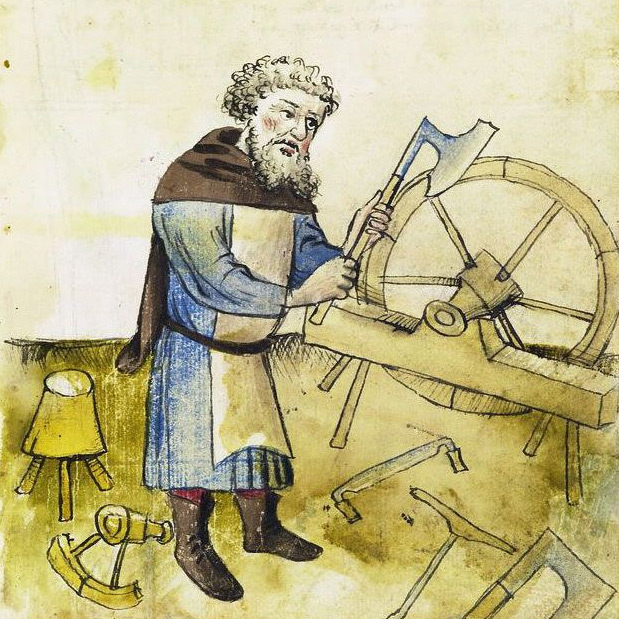
285. Wheelwright – In historical settings, wheeled carts and carriages are often a common sight. But being a wheelwright was far from a smooth circle. First, fitting the metal tire required heating it in a roaring fire before it glowed, then racing to slam it onto the wooden frame before it cooled too fast, risking severe burns. Second, quenching the hot iron with water caused it to instantly shrink, crushing the wood into a precise “dish” shape. Any miscalculation meant that a wheel could violently shatter or warp. Third, hours of hand-carving dense hardwoods like oak and ash led to chronic joint damage, splinter infections, and constant exhaustion. Fourth, wheels were made entirely by “rule of thumb” and eye without blueprints. If the spokes were off by a fraction of an inch, the whole wheel would wobble and collapse under a heavy wagon load. Fifth, wheels had to match exact load rut measurements down to the half-inch. If a new wheel didn’t fit the regional ruts, it couldn’t navigate muddy roads and the customer would reject it. Sixth, rural wheelwrights were a “one-stop shop” expected to build entire carts, fix farm gates, and craft coffins as the local undertaker. Finally, making a single set of durable wagon wheels took up to a week of intense labor, keeping workers trapped in a cycle of heavy, repetitive manual toil just to make a basic living.
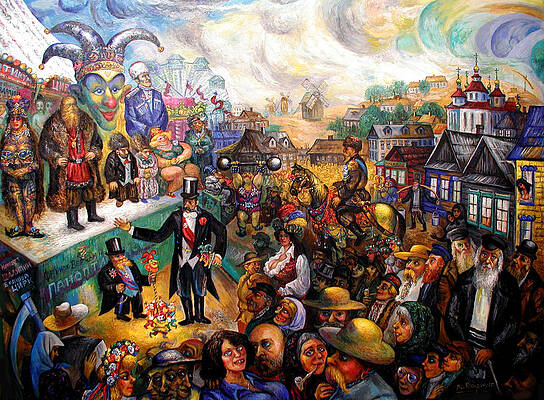
286. Carnival Barker – In historical settings, you often see the carnival barker shout to onlookers to step right up to see some major attraction in town. But the life of a carnival bark wasn’t all fun and games. For one, promoters and crew worked exhausting, irregular hours under harsh outdoor conditions. Second, compensation was low and unpredictable, heavily reliant on how a venue or event performed. Third, living on the road meant sharing quarters with little to no personal space or stability. Fourth, a single rainy weekend could ruin attendance or completely wipe out expected earnings. Fifth, most traveling shows offered little to no health insurance or safety nets if a worker got hurt on the job. Lastly, the constant moving and high-stress environment made it difficult to maintain normal relationships outside the carnival bubble.
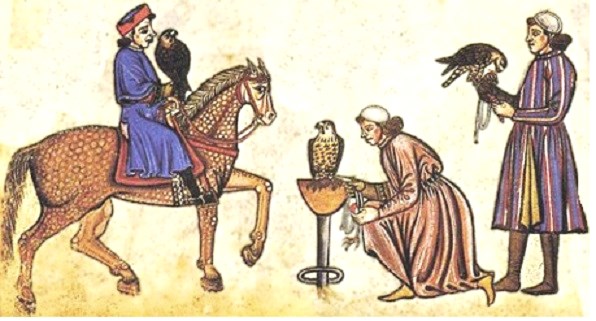
287. Falconer – Falconry is often associated with the Middle Ages as a cool practice. Yet, being a falconer was never as great as it looked. In a sense, it was the avian equivalent of a dog trainer charged with training a wolf as a hunting dog for some wealthier patron. First, falconers had to carry raw, bloody meat and clean massive amounts of sharp bird droppings, living in a permanent cloud of musk, meat scraps, and urates. Second, training a wild-caught raptor required “watching” a process where a falconer must remain awake for days straight, gently touching or keeping the bird awake to break its wild spirit. Third, a single botched flight could mean a trained, incredibly expensive bird would fly away forever, ruining months of work or angering a violent, wealthy master. Fourth, raptors possess razor-sharp talons and crushing grip strength. A single defensive squeeze or panic response meant deep puncture wounds that easily became infected. Fifth, falconers were exposed to lethal avian diseases like frounce (trichomoniasis) and fungal infections that could spread or ruin the hunting season. Finally, under historical English rulers like King Edward III, stealing or accidentally harming a noble’s trained hawk could be punished by death or heavy loss of status.
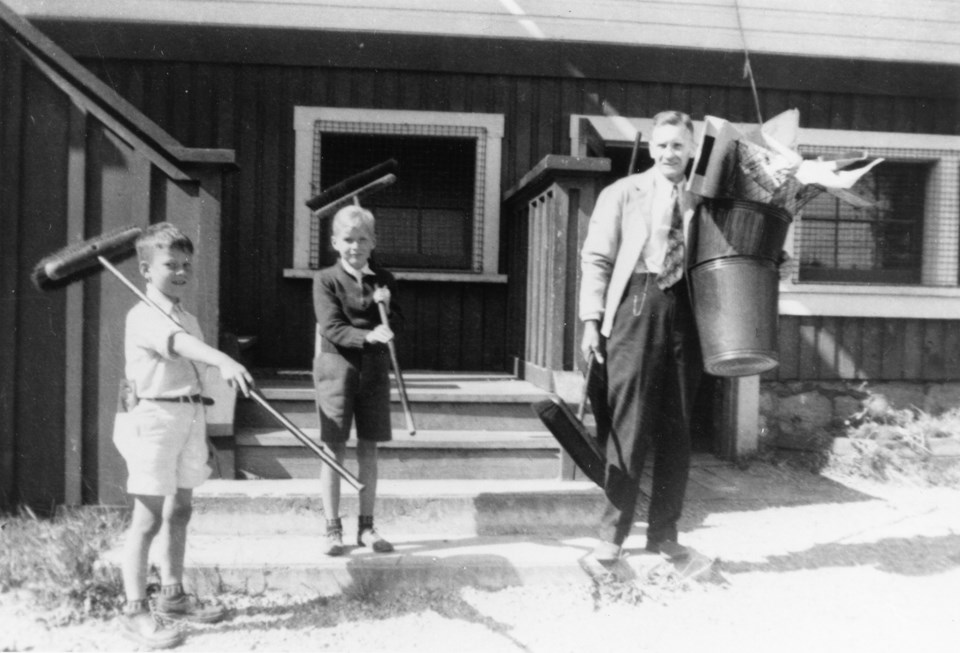
288. Janitor – In American public schools, the chief custodian is often considered part of the institution and often the guy who’s been there the longest. Many are even paid better than teachers. But in history, being a janitor was worse than any clean up job. First, due to the non-existence of indoor plumbing and flushing toilets, cleaners had to manually clean heavy, reeking chamber pots and clear out primitive privies and cesspits without protective suits. Second, early cleaning agents relied on harsh, caustic substances like lye, ammonia, and strong acids that burned skin and damaged lungs. Third, workers scrubbed floors with their hands and knees with stiff brushes for long hours, leading to chronic joint damage, cuts, and infections without rubber gloves or proper boots. Finally, custodial work was seen as menial and degrading, paying next to nothing while forcing workers to remain invisible and except employers’ verbal and physical abuse.
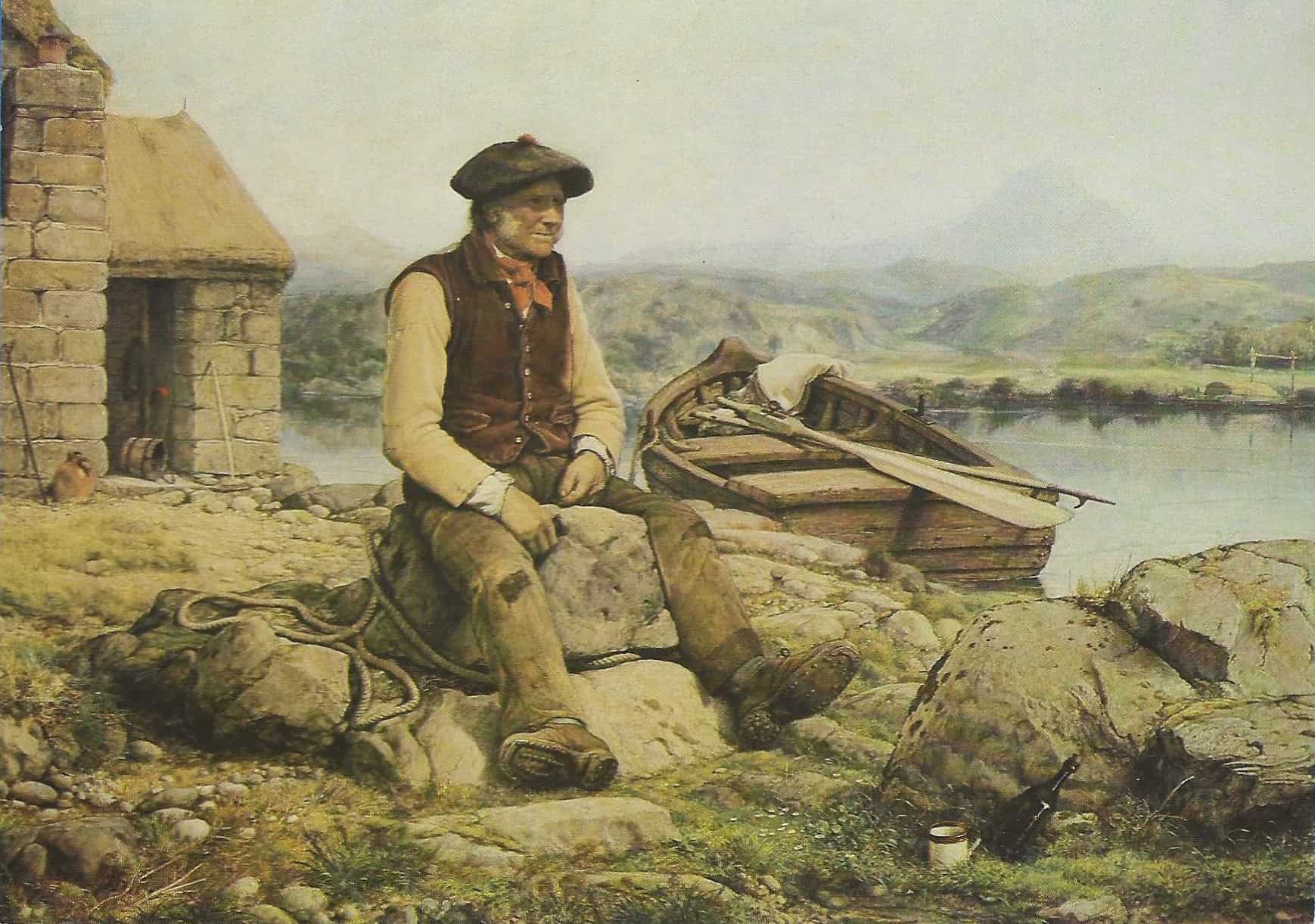
289. Ferryman – When it comes to crossing a dangerous waterway, you often rely on a ferry. But the lives of ferrymen weren’t always smooth travel. First, before mechanized engines, crossing a wide river meant hauling heavy wooden boats across using hand-over-hand muscle power on rough hemp ropes or long wooden poles. Second, ferrymen worked in freezing winter ice, torrential spring floods, and baking summer heat, without any shelter on open water. Third, standing on wet, leaky wooden flatboats meant chronic joint pain, damp clothing, and high rates of illness. Fourth, fast-moving runoff, hidden underwater snags like submerged trees, and heavy cargo such as loaded wagons or livestock could capsize a craft in seconds, resulting in frequent drownings. Fifth, living at remote river crossings meant long, lonely hours with little human contact outside impatient travelers. Sixth, most local operators earned very little money, relying on small coins or barter from passing peasants or merchants. Lastly, the arrival of modern bridges and steam-power boats in the 19th century instantly destroyed the ferrymen’s livelihood, leaving many desperate and destitute.
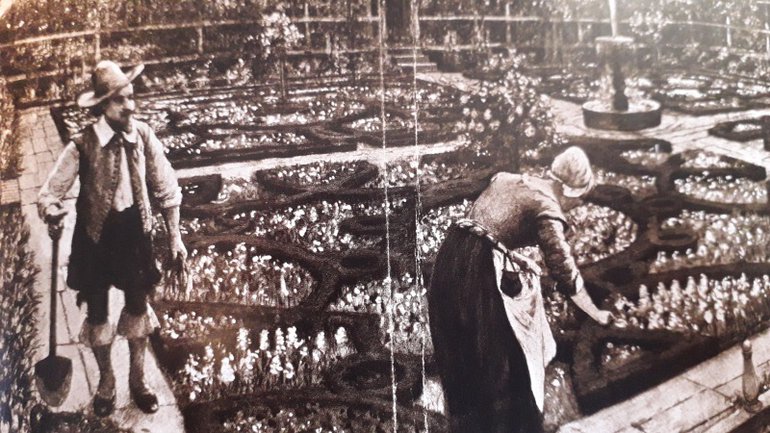
290. Gardener – Being a gardener seems like a rather peaceful life on the estate since it often entails just growing flowers. But the life of a gardener wasn’t coming up roses. First, due to power tools not existing yet, every inch of earth must be turned using heavy iron spades, wooden plows, or hand hoes without ergonomic grips. Second, gardeners spent 10-14 hours bent double weeding, planting, and harvesting in the mud. Third, watering meant hauling heavy wooden buckets from distant wells or rivers by hand. Fourth, plastic hoses, drip irrigation systems, and quick fixes for blights like pesticides didn’t exist. Thus, gardeners had to pick destructive caterpillars, beetles, and hornworms individually by hand. Fifth, a single unexpected frost, drought or hailstorm could wipe out months of work and result in starvation. Sixth, professional gardeners on great estates were seen as low-level servants, working long hours for little pay. Finally, for ordinary people, gardening wasn’t a fun hobby like it is today. In fact, it was life-or-death survival. As failure meant no food for winter.


