
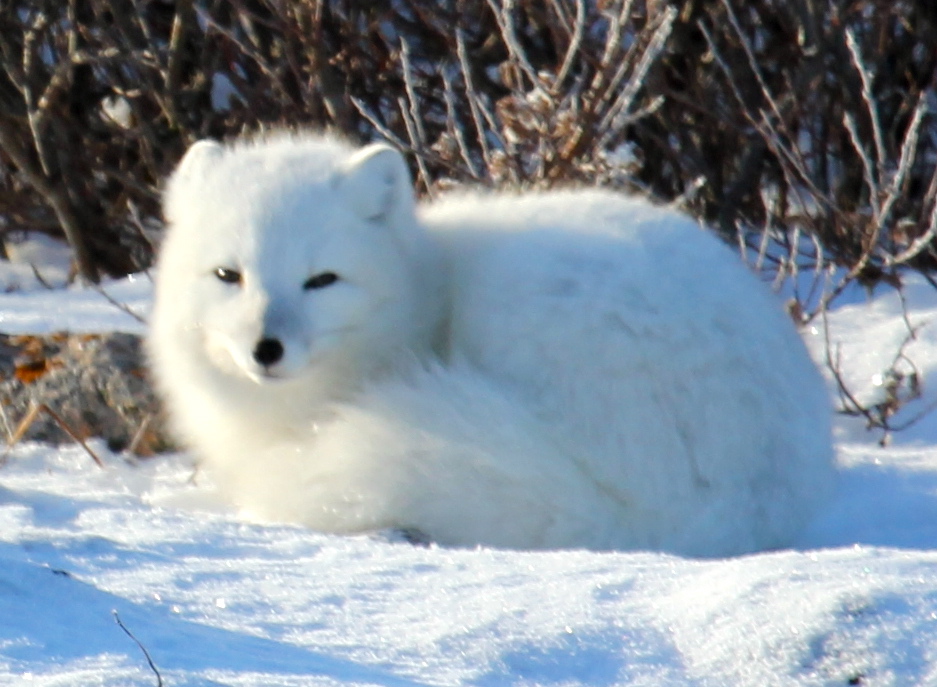
Although cuteness is often subjective, it’s also a common feature in the animal kingdom. In many nature documentaries, you’ll find plenty of adorable creatures that will warm, melt, or break your heart. But if you live in the United States of America, know that there are plenty of cute creatures out there and you don’t always need to go to a zoo to see them. In this series, we’ll look at the fifty of the most adorable creatures from the United States. But first, each cute creatures must follow a certain criteria:
- Must be an adult – although there are plenty of cute babies animals out there, they don’t always stay that way. For instance, many species of seal pups are irresistibly cute but they don’t always retain much of the cuteness when they get older. So the animal has to be cute in adult form in order to qualify.
- Must be wild – sure, we all think pets and farm animals are adorable, but we can’t have any pet or livestock breeds. Thus, the animals have to live in a wild setting. Feral animals don’t count because they’re once domesticated.
- Must be native – in other words, it can’t be an animal one can see at the zoo. Nor can it be anything introduced within human habitation or expand range. For instance, the Mexican Long-Nosed Armadillo might seem like a great cute animal to represent Texas but its presence in the United States only dates to the 19th century. Thus, the animal must be native to its representative state.
In this post, we’ll meet a little beach mouse from Alabama, a couple of foxes in Alaska and California, a little owl in Arizona, an iconic songbird in Arkansas, a Rocky Mountain potato in Colorado, a rabbit in Connecticut, a little shorebird in Delaware, a celebrated marine mammal in Florida, and a unique little duck in Georgia.
- Alabama
Alabama Beach Mouse (Peromyscus polionotus ammobates)
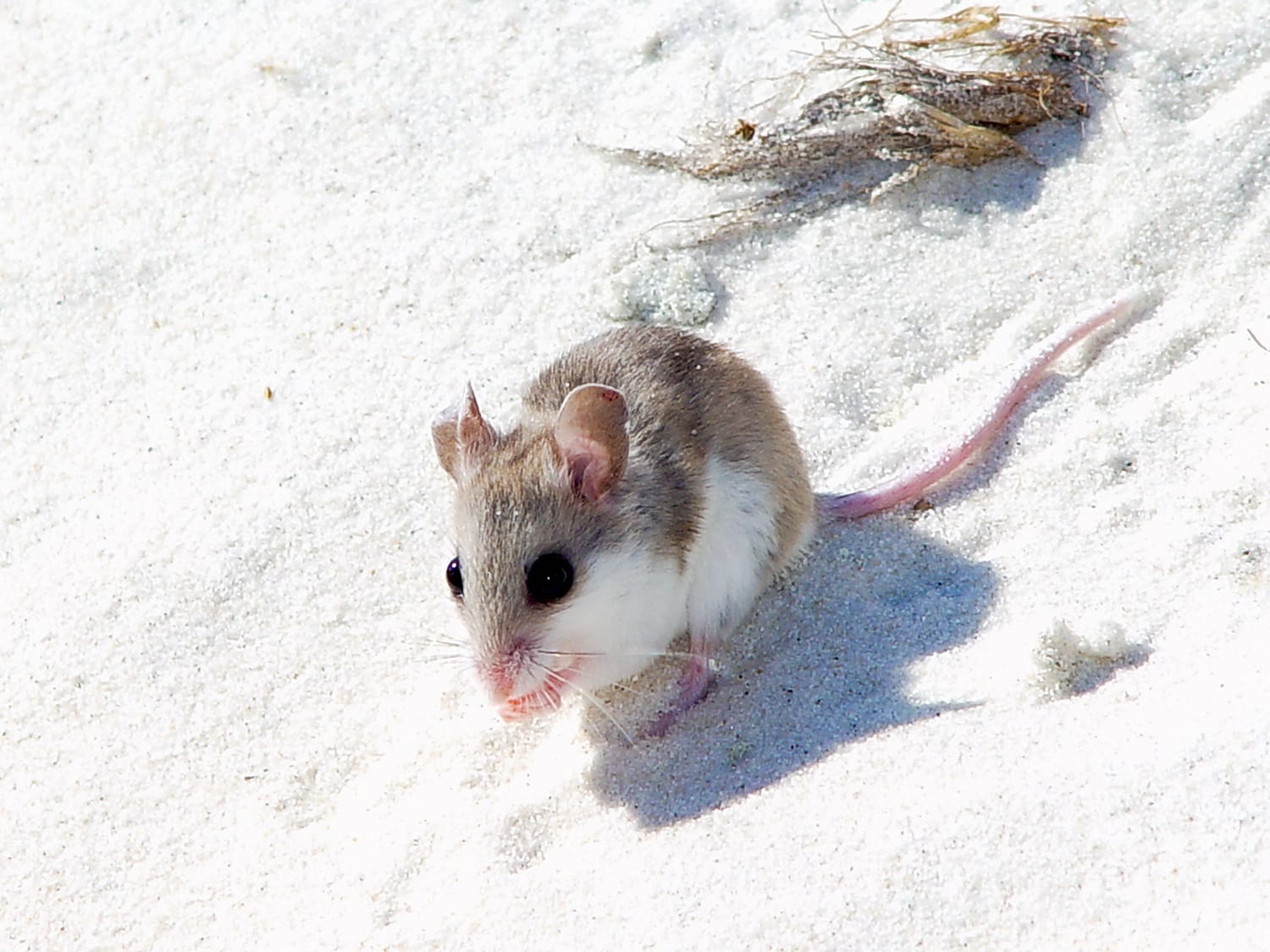
Why the Cutest: It’s 3 inches long with big eyes and large ears. Nonetheless, it’s one of the more unique critters found in Alabama, even if it’s one that’s not as often seen there.
Lifespan: Usually 9 months in the wild and up to 6 years in captivity. Key predators are domestic and wild cats, domestic dogs, foxes, great horned owls, blue herons, raccoons, birds, and snakes.
Location and Habitat: It primarily lives within its Gulf Coast. Often lives in frontal scrub or sand dunes.
Diet: Often comprises of seeds and fruits from coastal plants like sea oats and beach grass along with occasional insects.
Behavior: Has lifelong monogamous pairs that often produce 3-4 offspring per litter. It also digs underground burrows for shelter and food storage. Nocturnal and generally avoids humans, buildings, and trash.
Conservation Status: Currently listed as Endangered due to coastal buildings, hurricanes, and loss of dunes. Protected by state and federal laws found in areas like Bon Secour National Wildlife Refuge and Gulf State Park.
Trivia: Often spreads and buries seeds in its home range, which help grow plants that stabilize the sand dunes.
Other Candidates: Perdido Key Beach Mouse, Southern Flying Squirrel, Eastern Chipmunk, and Appalachian Cottontail.
2. Alaska
Arctic Fox (Vulpes lagopus)
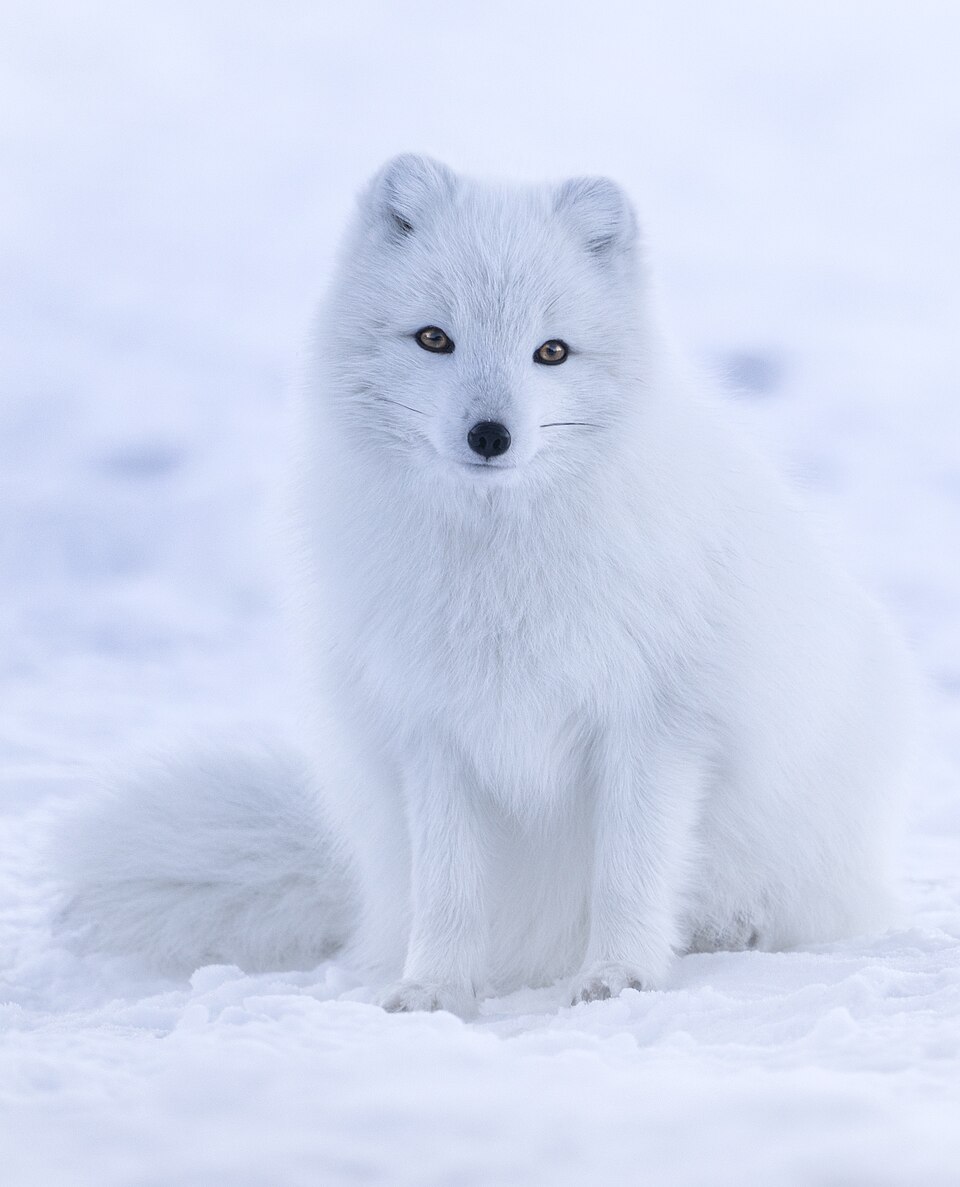
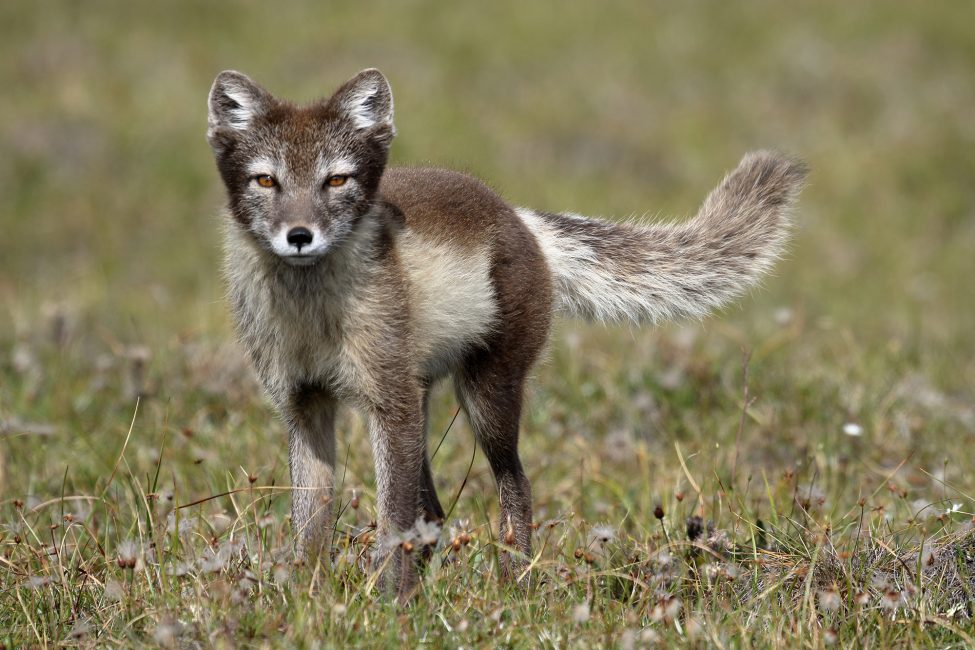
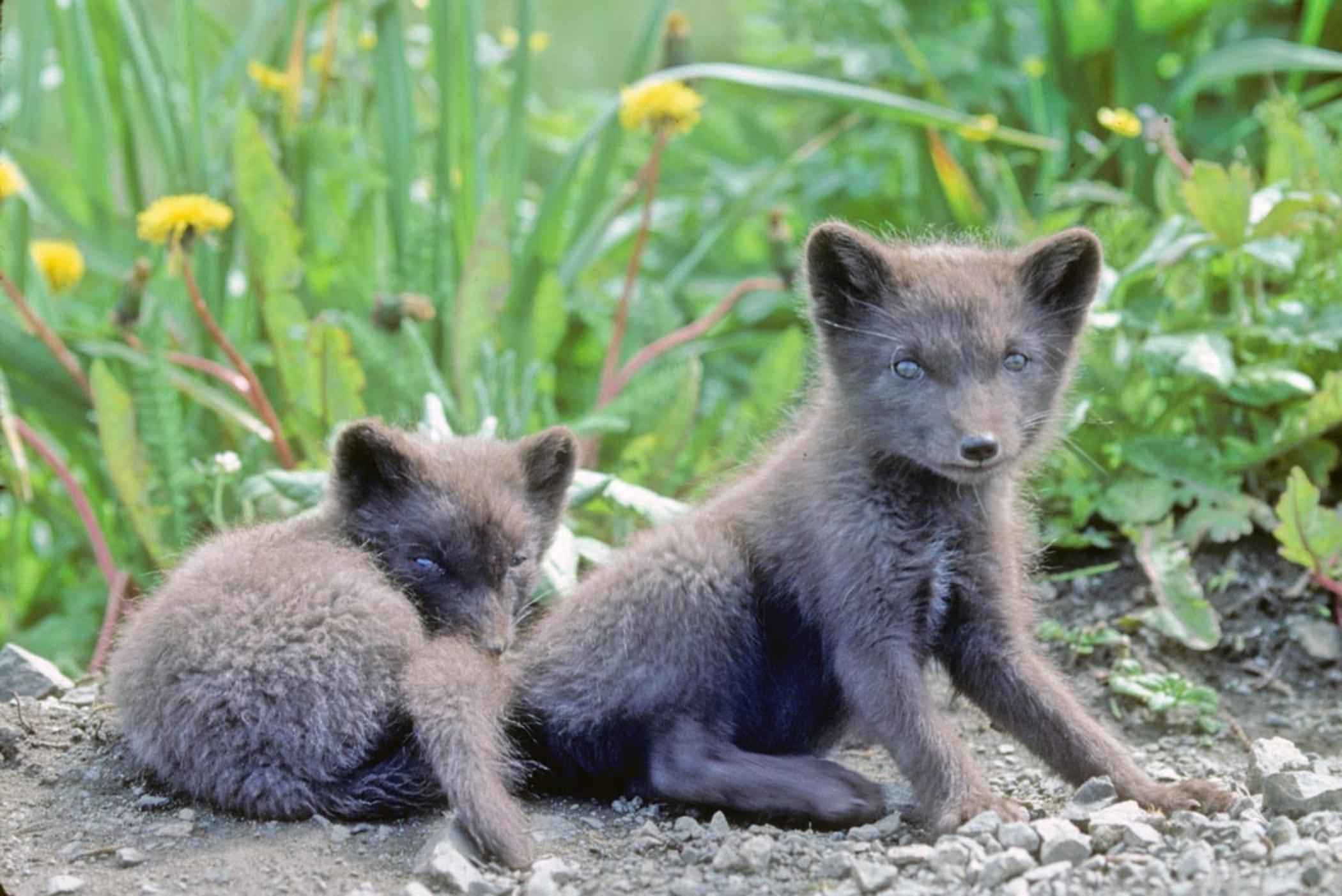
Why the Cutest: Its fluffy white winter coat, short muzzle, rounded ears, furry paws, and bright, dark, expressive eyes makes it look like a small puppy dog anyone would want to pet (even in its summer coat) or a floating cloud of fur. Still, when it comes to cute animals, Alaska is one of the most wildlife-rich states with plenty of competition. But the Arctic fox stands out because its cuteness embodies the state’s characteristic Arctic spirit.
Lifespan: In the wild most usually don’t live past their first year. But should a fox cub be lucky to reach adulthood, it can expect to live for 3 or 4 years. However, some exceptional ones could live up to the ripe old age of 11. While the oldest recorded age was 16. Predators include domestic dogs, golden eagles, bald eagles, snowy owls, hawks, Arctic wolves, polar bears, wolverines, red foxes, and brown bears.
Location and Habitat: Live in the Arctic regions of the Northern Hemisphere within the Arctic tundra. In Alaska, it can reside from treeless coastal tundra and pack ice as well as rocky coastline cliffs from the Aleutian Islands to Utqiagvik and the Canadian border. Known to migrate toward sea ice in the winter and returns inland during the spring.
Diet: Has a large varied omnivorous diet. Preys on lemmings, voles, ringed seal pups, fish, waterfowl, and seabirds. Also eats carrion, berries, seaweed, insects, and other small invertebrates.
Behavior: They form monogamous pairs during the breeding season (usually in April and May) and stay together to raise their young in complex underground dens. But both females and males can be promiscuous if there are abundant prey and predators present. Other family members may occasionally assist in raising the pups. Can produce between 3-25 pups at a time.
Conservation Status: Although listed as Least Concern, they do face significant threat in certain areas in its own range due to climate change, habitat loss, competition with other animals such as the red fox, disease, and other factors.
Trivia: It sheds twice a year switching between a short, brown and cream, lighter summer coat and a long, thicker, white winter coat (actually twice as long as its summer coat. Come in white and blue morphs. Winter coat provides the best insulation of any mammal. Also possesses exceptional hearing to locate prey under the snow.
Other Candidates: Sea Otter, Horned Puffin, Tuffed Puffin, Collared Pika, Lemming, Boreal Chickadee, and Red Fox.
3. Arizona
Elf Owl (Micrathene whitneyi)
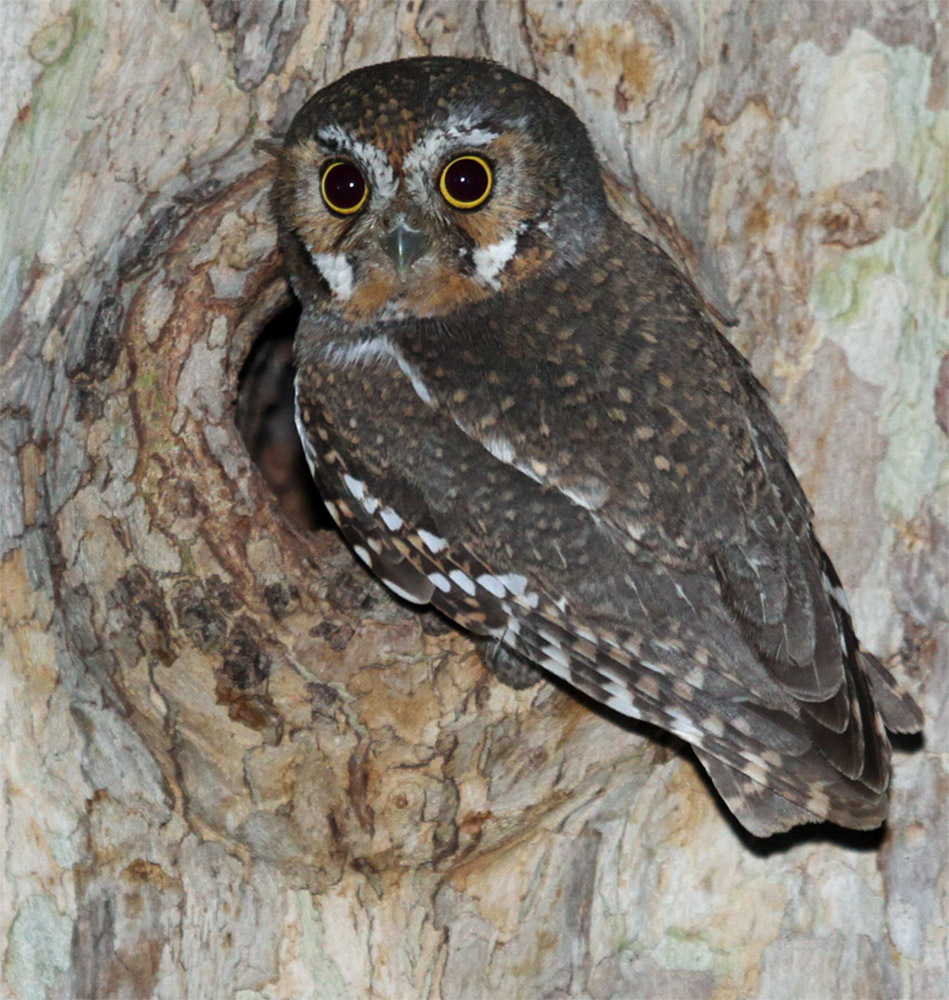
Why the Cutest: Arizona has no shortage of cute critters. But the elf owl stands out because Arizona is its primary American residence. It’s also the world’s smallest bird of prey that’s only 5-6 inches tall and weighing at 1.4 oz which is similar to a sparrow. Helps if males make cute, puppy-like yipping noises to defend their territory and attract mates. Other cuteness features include big yellow eyes, soft plumage, and feisty personality.
Lifespan: Usually live from 3-6 years in the wild but can live up to 10 in captivity. Common causes of death are predation, exposure, and intra-species competition. Predators are usually jays, hawks, and bigger owls.
Location and Habitat: Resides in the Southwestern US and Mexico, spending spring and summer in the former and winter in the latter. Often found in arid deserts, canyon woodlands, and brushy terrain.
Diet: Primarily hunts insects, particularly flying ones. But it will also occasionally feed on small mammals, reptiles, and birds.
Behavior: Nests in old woodpecker holes in saguaro cacti or trees and are notoriously territorial. Like most owls, it is nocturnal. Is usually monogamous during the breeding season (usually laying between 1-5 eggs) and typically remains in breeding pairs as parents with the mom watching over the kids and the dad constantly out hunting for the whole family. This lasts until spring (such as late March to early May) to as late as July. But can be found in small groups during the Mexican migration season and when mobbing predators.
Conservation Status: Although listed as Least Concern, their populations have significantly declined due to habitat loss thanks to human development and introduction of invasive species, particularly in California. It’s said that there are fewer than 150,000 in the United States.
Trivia: Removes the stinger from scorpions before eating them. Can play dead when handled, an adaptation that encourages a predator to relax its grip so the owl could escape. Males and females have distinct vocalizations with the former having a more complex repertoire than the latter.
Other Candidates: Coatimundi, Kit Fox, Ringtail, Sonoran Desert Toad, and Javelina.
4. Arkansas
Eastern Bluebird (Sialia sialis)
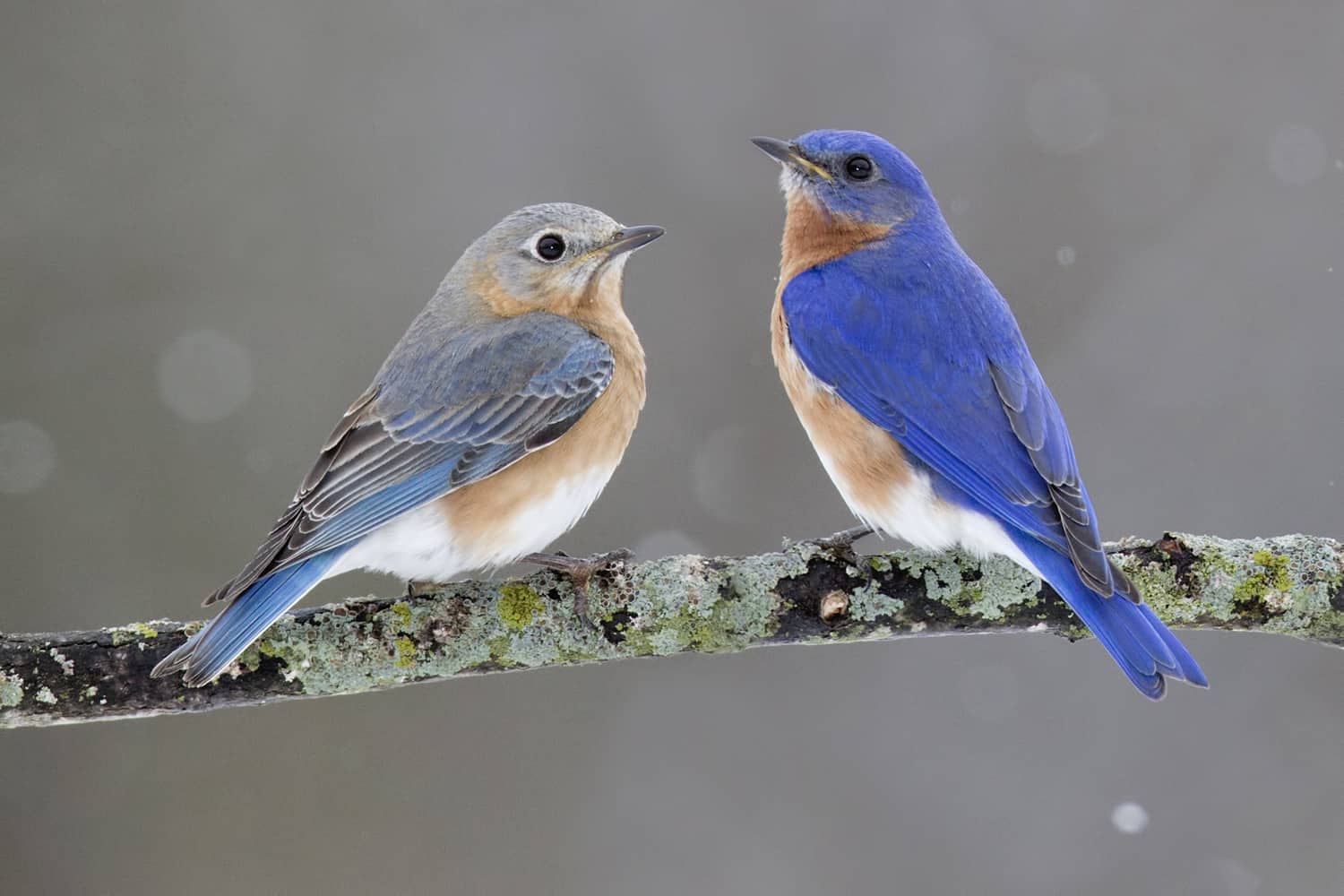
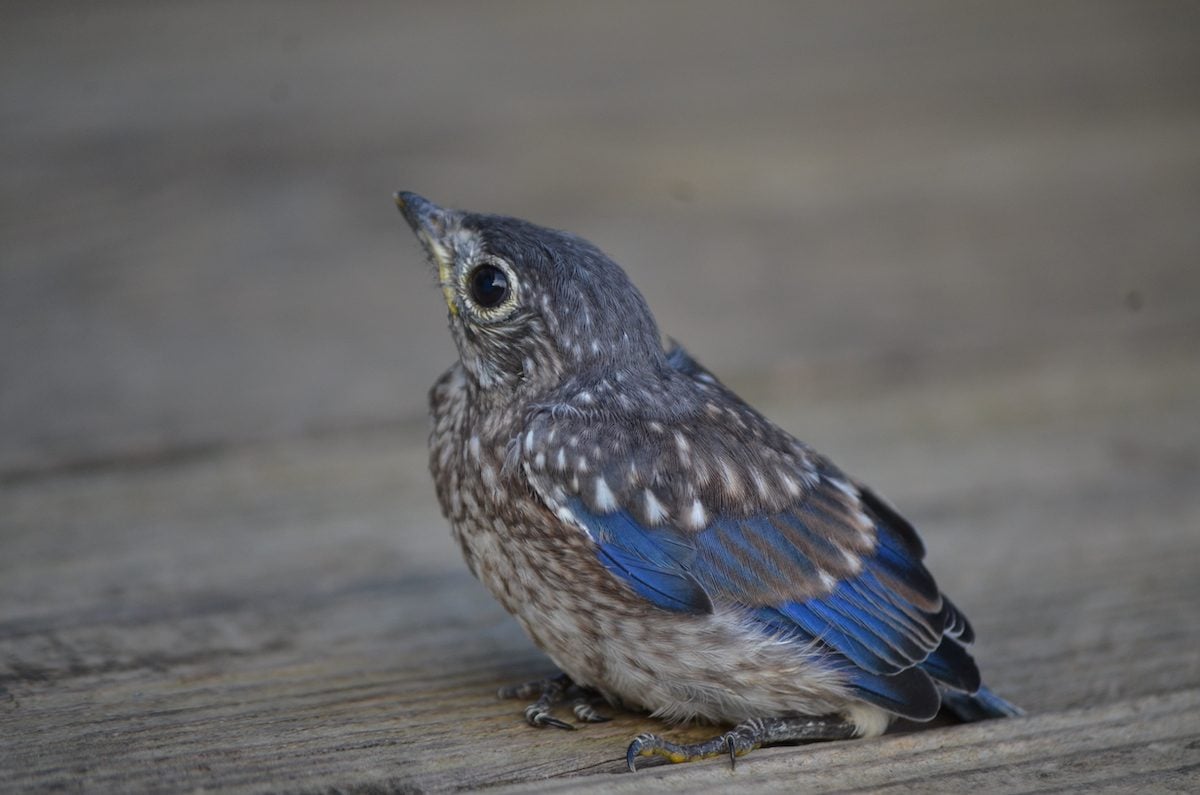
Why the Cutest: It is a 6.3-8.3 inch songbird and ball of colorful fluff has been a longtime favorite of birders since colonial days. Males have a deep royal blue head and back with a rusty orange breast. It also has a large round head, big dark eyes, and quiet, calm posture when perched. While it makes soft, waroling, musical call instead of harsh chirps. Since Arkansas isn’t known to have many distinctive critters to stand out, an American one would do just nicely.
Lifespan: Adults typically lives around 6-10 years though most usually die within the first year of life. Causes of death are often starvation, freezing, and predation. Predators include eastern chipmunks, flying squirrels, American black bears, fire ants, raccoons, rat snakes, eastern racers, American kestrels, falcons, owls, domestic cats, and hawks.
Location and Habitat: Found across the United States east of the Rocky Mountains, southern Canada, and parts of Central America. Northern groups move south for the winter. Southern populations reside in their home range all-year-round. Prefer to reside in open country, farms, pastures, roadside edges, parks, and golf courses with scattered trees.
Diet: Food intake depends on the season. During the spring and summer, it mostly eats insects like caterpillars, beetles, grasshoppers, and spiders. During the fall and winter, it shifts to eating wild berries, sumac, and small fruits.
Behavior: Typically nests in wooden tree hollows or wooden nest boxes because it can’t carve it own holes. Like most birds, it’s monogamous during breeding season and can lay up to 2-7 eggs per clutch as well as raise up to 3 broods a year. Also typically social, sometimes gathering in flocks of over a hundred.
Conservation Status: Once considered Endangered during much of the 20th century due to habitat loss and competition with invasive starlings and house sparrows and the presence of DDT. But populations rebounded thanks to the Bluebird Nesting Program. Today it’s listed as Least Concern. However, as far as backyard birding is concerned, they’re not exactly a type of bird you’d see every day.
Trivia: Perches on low posts or tree branches before dropping to the ground to catch prey. Has been popular with Americans since colonial times and often associated with the coming of spring.
Other Candidates: Eastern Chipmunk, Southern Flying Squirrel, North American River Otter, and Gray Fox.
5. California
Island Fox (Urocyon littoralis)
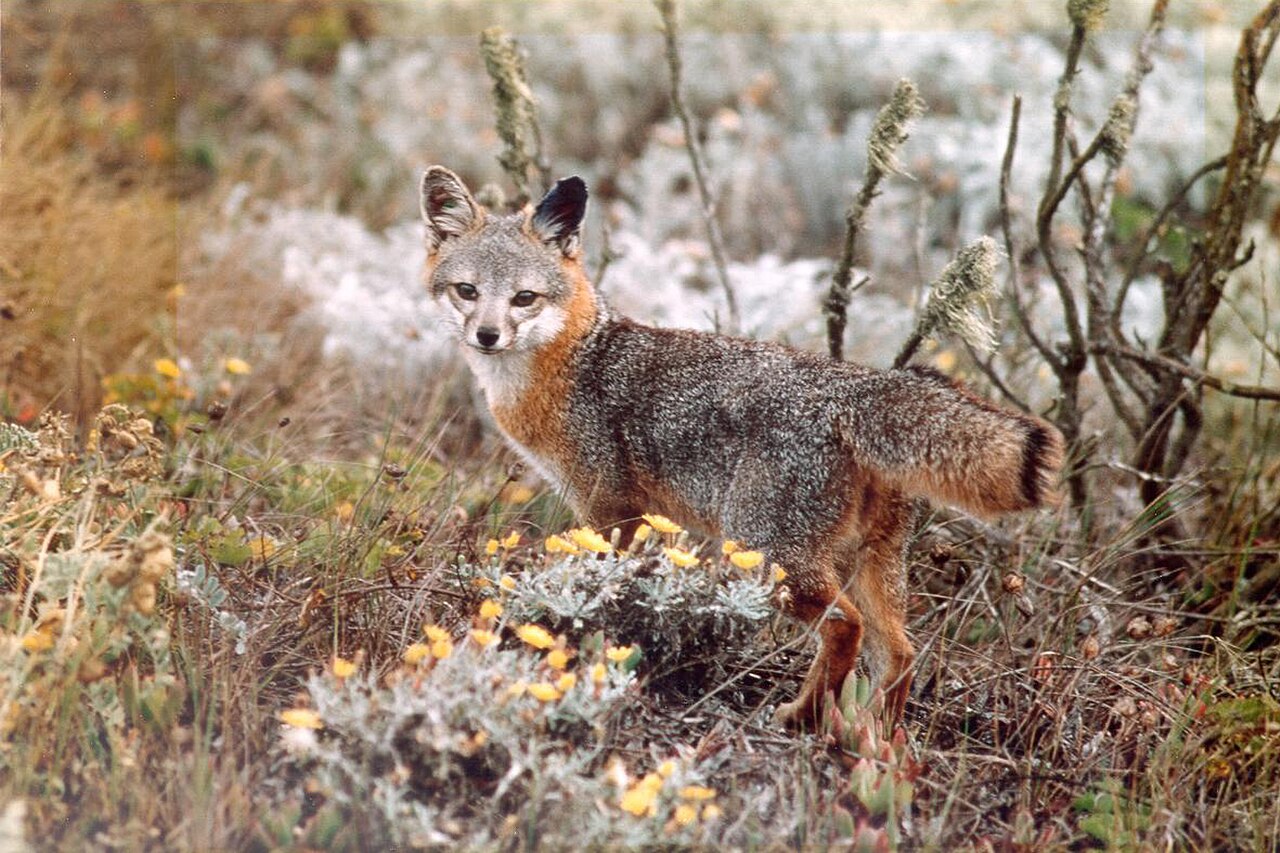
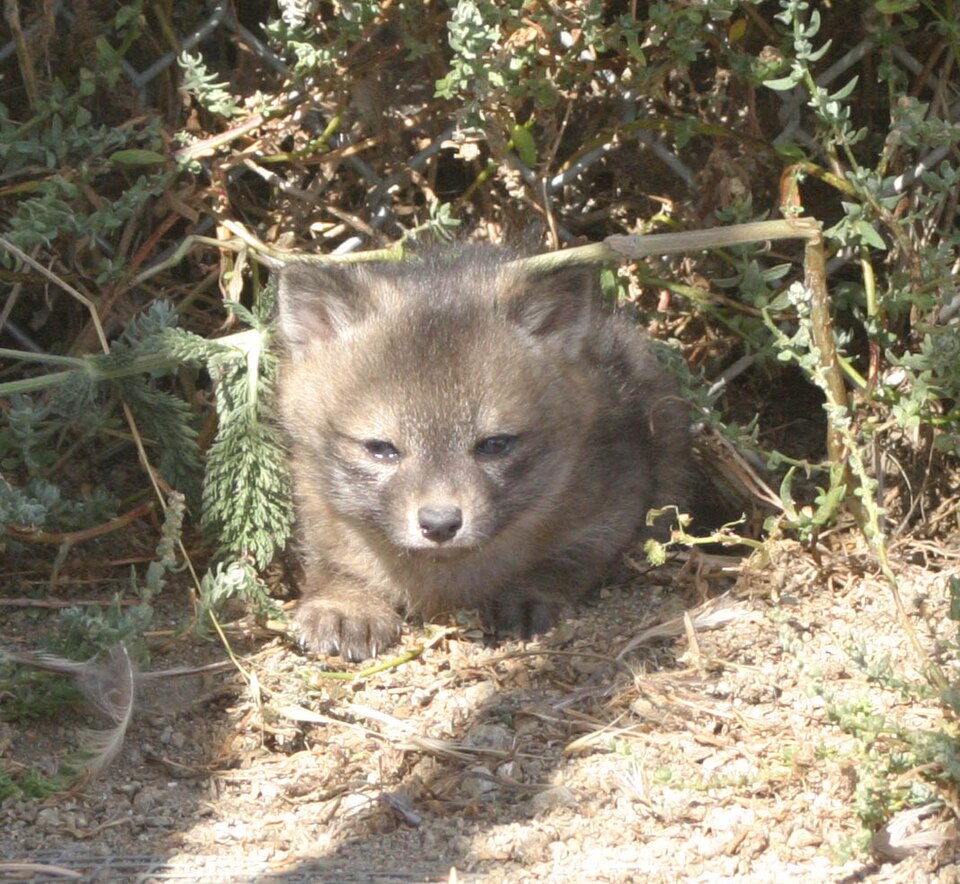
Why the Cutest: First, while California wildlife has a treasure trove of cute critters, the Island Fox is one that exclusively resides there. Second, when you first see an adult version of this cat-sized animal, you’d almost swear that it was just a gray fox pup that’s just left the den. It’s also generally docile, shows little fear of humans, and are easily tamed.
Lifespan: Usually live around 4-6 years in the wild and up to 8 years in captivity. Eagles are often its natural predators.
Location and Habitat: Lives on 6 of the 8 Channel Islands of California. Preferred habitat comprises of complex vegetation with perennially fruiting bushes. But it lives in most types of habitats like temperate forests, grasslands, and chaparrals.
Diet: Eats fruits, insects, eggs, land snails, crabs, lizards, amphibians, small mammals, and edible human garbage. Known for scavenging for food on the coastline.
Behavior: Is mostly a solitary animal and diurnal (though some nocturnal populations exist). Although they have complex communication dynamics such as vocalizations, body posture, facial expressions, and urination to mark territory. Typically form monogamous pairs from January and through the breeding season from late February to early March. Typical litters produce 1-5 pups with an average of 2 or 3.
Conservation Status: Currently classified as Near Threatened due to recovery efforts after facing significant declines in the 1990s that made them Critically Endangered. This was due to golden eagle predation, the presence of feral pigs that the National Park Service later eradicated on the Channel Islands, disease, and the introduction of invasive species. But in the last decade, Island Fox populations have recently rebounded but they’re not quite out the woods. Especially since climate change poses a significant threat to the species with rising temperatures, vegetation loss, drought, and wildfire frequency.
Trivia: Said to evolve from the larger mainland Gray Fox and has resided in the Channel Islands for over 7,000 years possibly with the assistance of human populations. Plays an important role by native Channel Islanders who semi-domesticated them as pets, for pelts, or other functions such as pest control. Skilled at climbing trees.
Other Candidates: Sea Otter, American Pika, Ringtail, and Narrow-Face Kangaroo Rat.
6. Colorado
American Pika (Ochotona princeps)
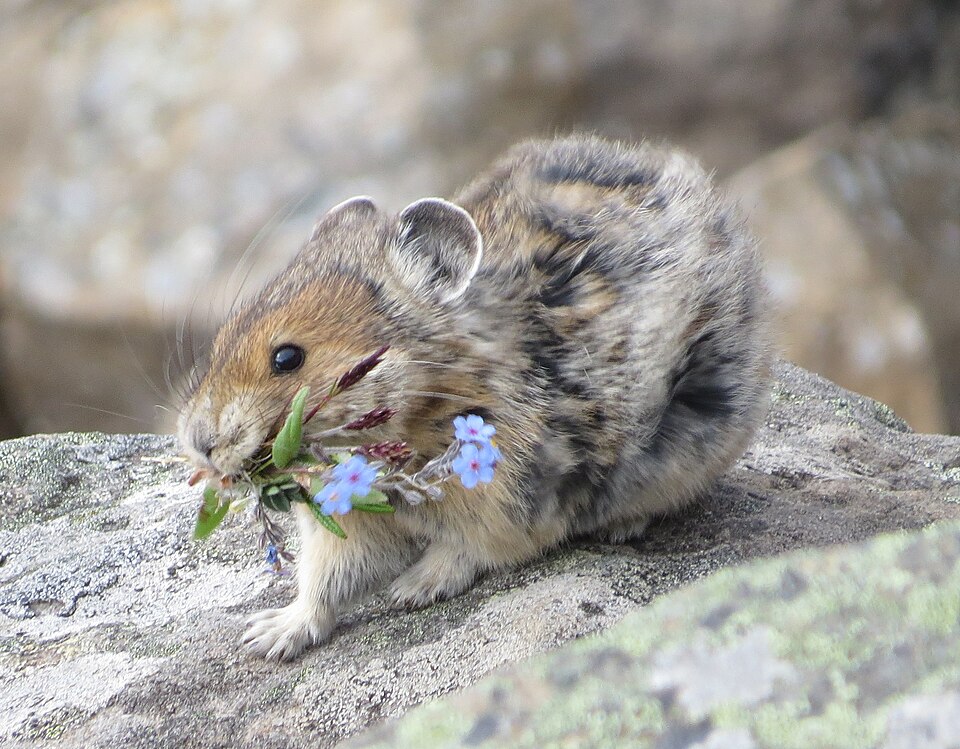
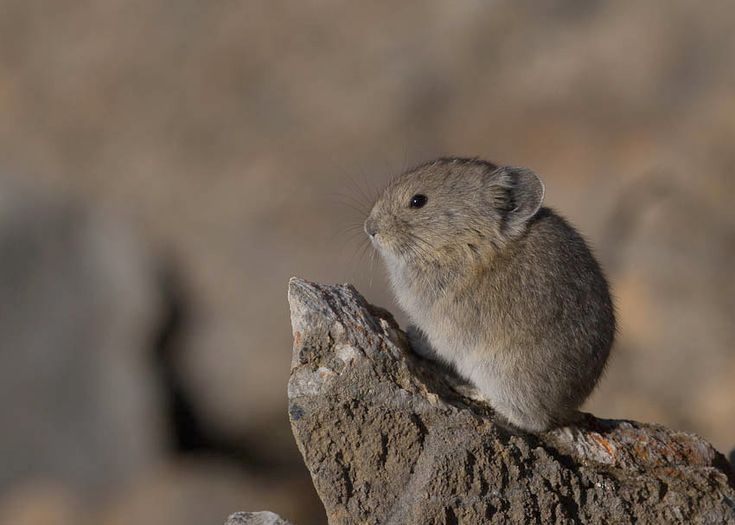
Why the Cutest: As Colorado is the Rocky Mountain State, the American Pika is an iconic Rocky Mountain critter. These Rocky Mountain potatoes resemble a hardy, fuzzy mountain mouse. They’re also vocal animals using a variety of calls and songs to warn of approaching predators and during breeding season.
Lifespan: Usually live around 3-7 years in the wild. Predators include eagles, hawks, coyotes, bobcats, cougars, foxes, and weasels.
Location and Habitat: Native to the mountainous regions of western North America, typically inhabiting rocky slopes and talus fields at or above the tree line.
Diet: It’s a generalist herbivore that eats a wide range of vegetation such as various sedges, grasses, thistles and fireweed.
Behavior: Doesn’t hibernate during the winter and is primarily active during the day. Doesn’t dig burrows but may enlarge existing in the talus to create shelter. Establishes dens and nests below rock surfaces. Forms mating pairs with those of the opposite sex in adjacent territory during breeding season before the snowmelt. Females have an average litter of 3 young and will only raise a second litter if the first fails to survive. Territorial defense often involves aggressive displays and confrontation are often rare, usually between same-sex neighbors who don’t know each other.
Conservation Status: Although it’s listed as Least Concern, its populations in the Southwest have been declining due to habitat loss and climate change.
Trivia: Forages through direct consumption and caching vegetation in so-called “hay piles” for the summer months. Despite resembling a chunky mouse, it’s actually more closely related to rabbits and hares.
Other Candidates: Black-Tailed Prairie Dog, Yellow-Bellied Marmot, and Red Fox.
7. Connecticut
New England Cottontail (Sylvilagus transitionalis)
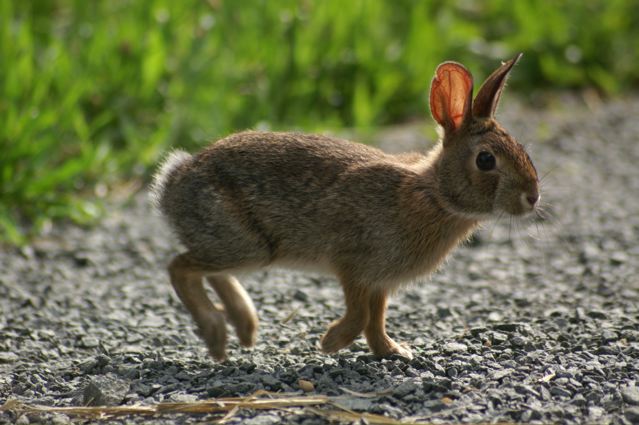
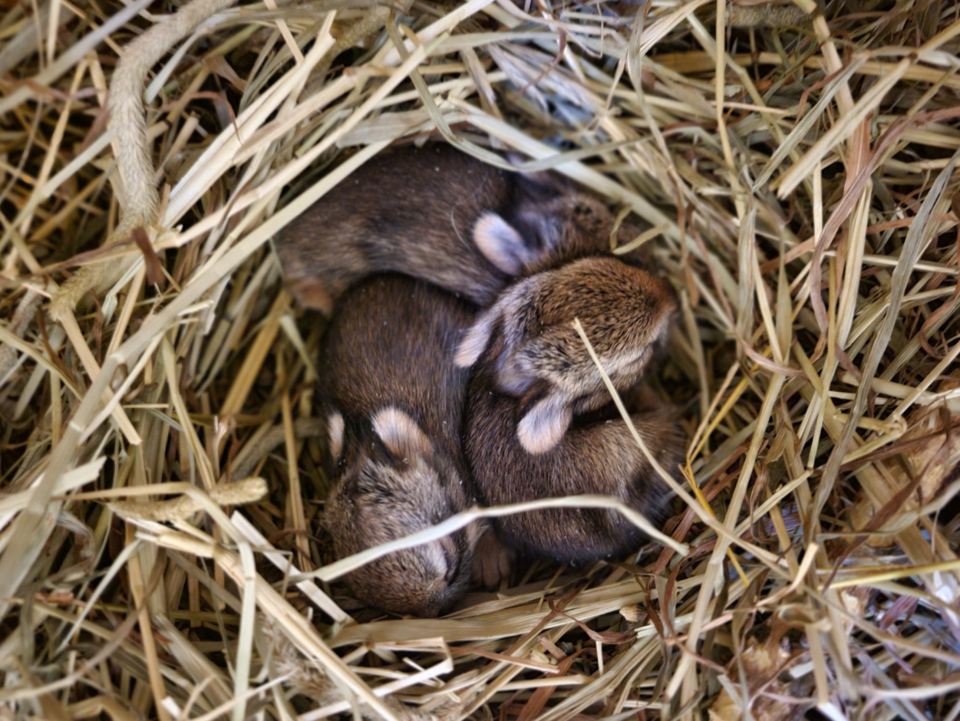
Why the Cutest: It is New England’s only native rabbit. Furthermore, in 2013, Connecticut’s state government embarked on a project in Litchfield County to set aside significant amount of land for a meadowland and a second-growth forest that the rabbit needs. Has soft-gray and brown fur, rounded ears with distinct black margins, and a fluffy white tail. Helps if it bears a similar resemblance to the Eastern Cottontail. And who doesn’t love rabbits?
Lifespan: Usually live up to 3 years in the wild. That is if it’s among the 15% who survive its first year. Predators include weasels, domestic cats, domestic dogs, red foxes, fishers, birds of prey, coyotes, bobcats, gray wolves, eastern cougars, wolverines, and Canada lynx.
Location and Habitat: Lives in fragmented populations across New England from southern Maine to Southern New York along with a small area in Quebec. Prefers woodlands of higher elevation and northern latitude. Thrives in early successional forests with a dense understory of thick, tangled scrubland or brushland vegetation.
Diet: Herbivorous with a diet based on the seasons. Spring and summer cuisine comprise of herbaceous plants like leaves, stems, wood, bark, flowers, fruits, and seeds from grasses and forbs. Fall and winter fare consists of mostly woody plants.
Behavior: Builds nests in depressions which it lines with grasses and fur and are often reluctant to leave cover, rarely straying 16 ft from shelter. Breeding season can range from January to September with females able to breed 2-3 times a year producing litters of 3-8. Form breeding groups of dominant females. Males perform courtship displays of running and jumping with them jumping over a female. Females often appear indifferent up to the point of being paired off and display dominance through nesting, birth, and nursing periods to avoid harassment by uninvolved males. Males have no investment in their young. Is shy and mostly nocturnal.
Conservation Status: Currently listed as Vulnerable since 1996 due to reduction in suitable habitat, introduction of the Eastern Cottontail in the early 1900s which has taken over many areas, introduction of certain invasive plants like the multiflora rose, and increase density of the White-Tailed Deer.
Trivia: To avoid predators, it runs for cover, freeze, relies on camouflage, or runs in a zig-zag pattern to confuse its enemies.
Other Candidates: Eastern Chipmunk, Northern Flying Squirrel, North American River Otter, Black-Capped Chickadee, Red Fox, and Eastern Cottontail.
8. Delaware
Piping Plover (Charadrius melodus)
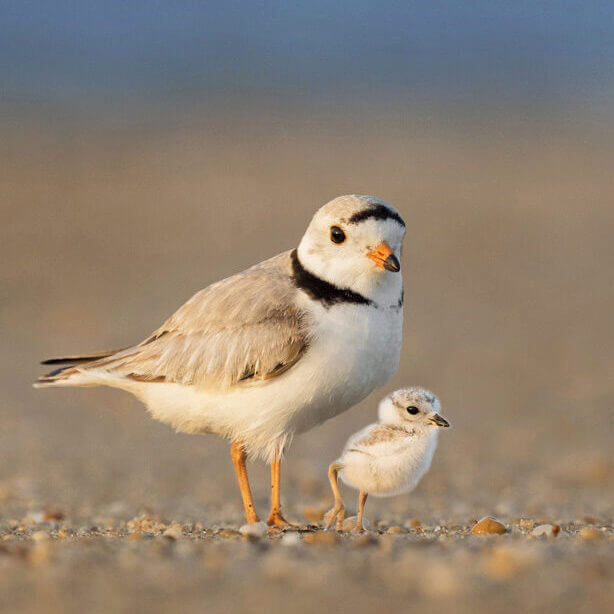
Why the Cutest: This little guy was featured in its very own Pixar short called Piper and for good reason. Even if the plover in question was only a chick. Having a large, round head, a short, thick neck, and a stubby bill, these stubby and sandy-colored balls of fluff also vocalize with soft, whistled peep peeps with their alarm call a soft pee-werp. Typically runs in short, quick spurts before stopping with fast, comical steps. Newborn chicks resemble walking puff balls on spindly legs.
Lifespan: Usually live up to around 5-6 years, though some have been known to live as long as 11-14 or more. Even though most deaths occur within the first few weeks of life or during long migrations. Predators include crows, cats, raccoons, and foxes.
Location and Habitat: Lives in Atlantic coastal beaches and along the shores of the Great Lakes. Although it migrates to the southern Atlantic coast, the Gulf of Mexico, and the Caribbean during the winter. Sometimes even as south as Ecuador and Venezuela. Prefers to reside in open sand or gravel beaches, sand dunes, and barrier islands along the Atlantic Coast, Great Plains, and Great Lakes.
Diet: Mainly eats insects, marine worms, and crustaceans. Typically forages around the high tide wrack zones and along the water’s edge.
Behavior: Females lay 2-4 eggs inside shallow depressions (scrapes) dug in dirty sand, which males dig. Males also perform elaborate courtship ceremonies, including stone tossing and flights featuring repeated dives. If a female deems a male’s scrapes as sufficient, she will mate with him. Both males and females share in incubation duties and eggs usually hatch on the same day.
Conservation Status: Listed as Near Threatened due to historical feather hunting, ongoing habitat loss, and climate change. Conservation groups have used beach cordons, symbolic fencing, and educational outreach to help chicks survive. One area reserved for them is in Delaware’s Cape Henlopen State Park. But while recovery efforts yielded slow population growth, only some populations have met recovery goals set for them.
Trivia: Parents often pull off a “broken wing display” whenever a predator may threaten their chicks’ safety.
Other Candidates: Delmarva Peninsula Fox Squirrel, North American River Otter, Gray Fox, Red Fox, Black-Capped Chickadee, and Harbor Seal.
9. Florida
West Indian Manatee (Trichechus manatus)

Why the Cutest: The West Indian Manatee is among Florida’s most iconic animals. Called the “sea cow,” its endearing with its chubby body, wrinkly, whiskered face, and slow, peaceful, sweet and curious personality. This makes the manatee seem to resemble a giant, friendly water potato. Baby manatees often look extra small and playful next to their mothers.
Lifespan: Typically lives around 30-40 years though can live up to 60 years in the wild. Oldest captive manatee was 69. Many die much younger due to human and environmental hazards. Has no natural predators.
Location and Habitat: Native to warm, coastal areas of the Caribbean from the eastern US to northern Brazil. Inhabit mostly shallow coastal areas, including rivers and estuaries. Have been spotted as far north as Massachusetts, as west as the Gulf Coast of Texas, and as far inland as Memphis, Tennessee.
Diet: Feeds on aquatic plants like seagrass as a principal staple. But also eats grasses, roots, leaves, and algae. Grazes up to 4-5 hours a day. Though some individuals do eat the occasional marine invertebrate but often inadvertently.
Behavior: Is often solitary but aggregate in warm water habitats and form breeding herds with larger and older males often dominating. Yet, they don’t form permanent pair bonds males contribute no parental care for the calves. Females usually give birth to one calf though twins can occur. Calves stay close to their mothers though.
Conservation Status: Classified as Near Threatened due to historical exploitation, watercraft collisions, loss of warm-water habitat, harmful algae blooms, entanglement, entrapment, and ingestion of debris. Although populations in Florida have increased due to conservation efforts but intervention needs to be continued.
Trivia: Uses its whiskers to navigate through the water. Can withstand major changes in salinity so can be found in both freshwater and saltwater. Since it eats abrasive plants, their molars are often worn down and replaced many times throughout its life. Can grow up to 13ft long and weigh up to 1,300lbs.
Other Candidates: Key Deer, Bottlenose Dolphin, North American River Otter, and Burrowing Owl.
10. Georgia
Ruddy Duck (Oxyura jamaicensis)
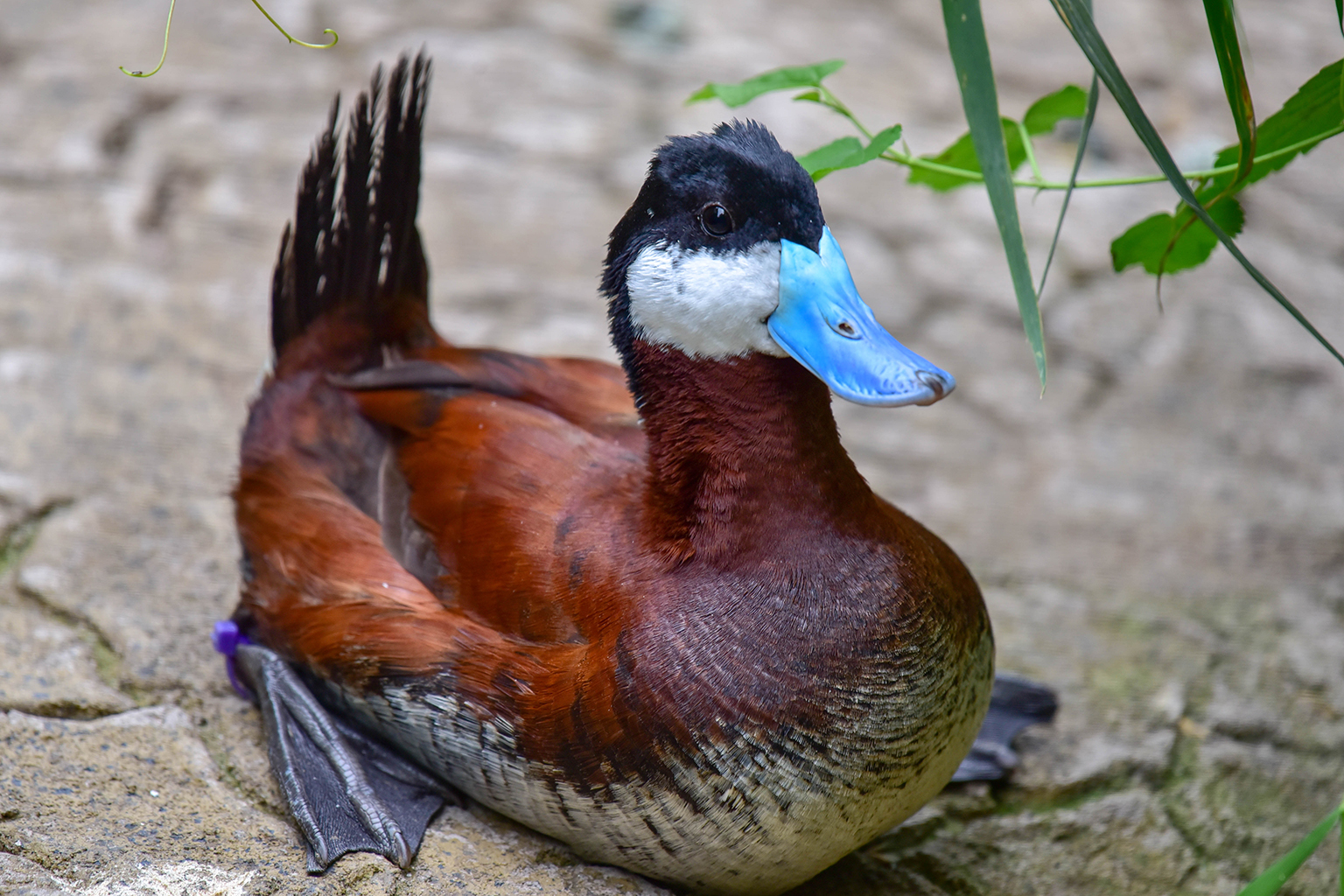
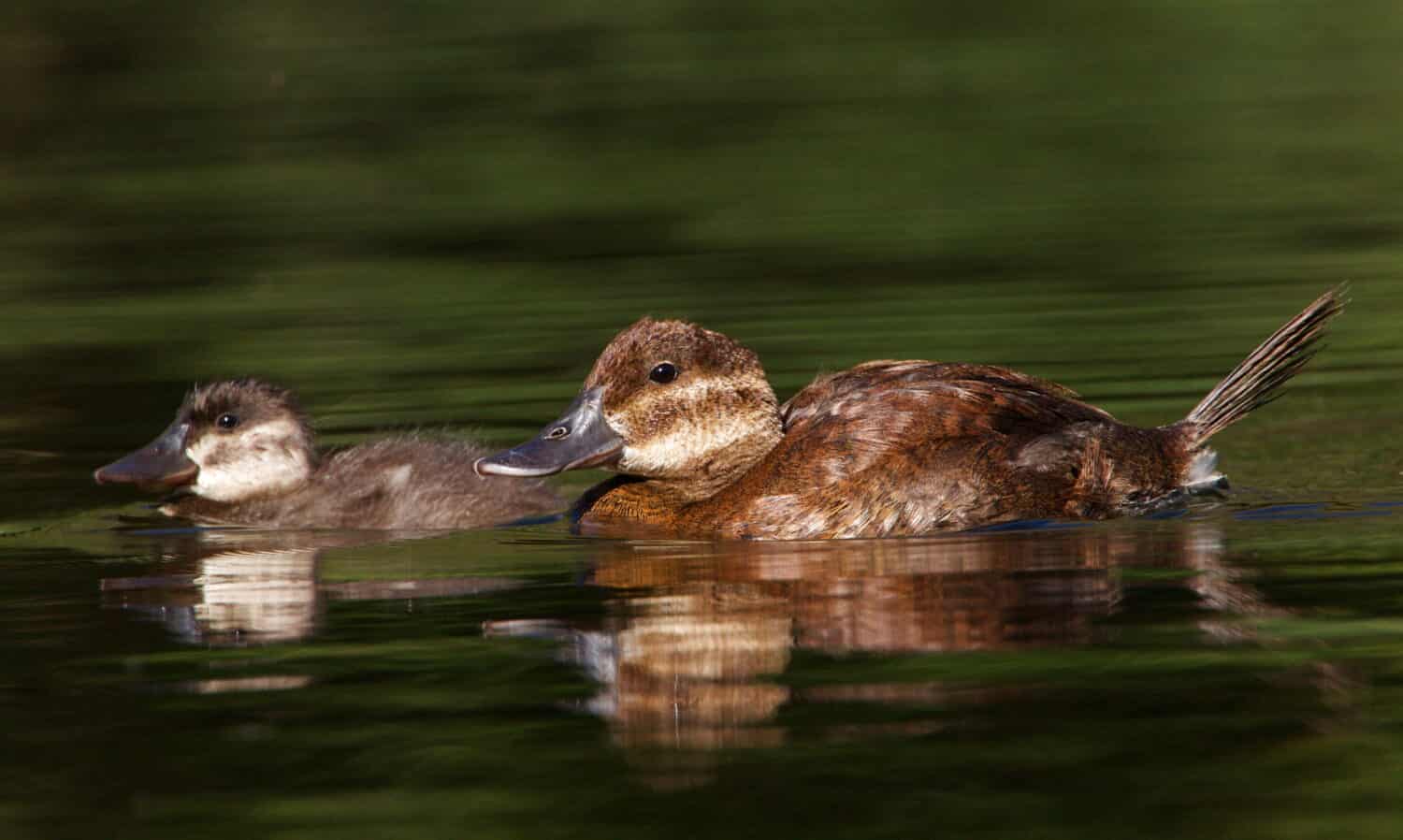
Why the Cutest: With its small, chunky shape with a thick neck and oversized, spiky tail cocked straight up, the ruddy duck is a charming bird in American waterways. The bright chestnut-red male has a black and white had and sports a vivid blue bill, making it look like a ducky cartoon character. It’s often aggressive and beats bubbles during courtship. So it’s no wonder that it’s considered as one of the cutest waterfowl.
Lifespan: Usually lives 2-3 years in the wild, though oldest recorded lifespan was 13 years. Can live up to 20 years in the wild. Causes of death are predation and hunting. Predators include minks, raccoons, red foxes, red-tailed hawks, and great horned owls.
Location and Habitat: Lives in North and Central America. Resides primarily in freshwater marshes, prairie ponds, lakes, and reservoirs. Migrate to coastal bays in unfrozen lakes and ponds.
Diet: Primarily eats aquatic insects, crustaceans, small mollusks, and plant seeds.
Behavior: Known for being fiercely aggressive and pugnacious during the breeding season, sometimes even chasing small animals near the water’s edge. Males produce a distinct drumming sound by beating their lower bill on their chest. Done hard enough, this drumming that often swirls of bubbles appear in the water in a process called “bubbling” which could be done while confronting other meals or courting a female. Nest I n dense marsh thickets near water with females building nests out of grass within tall vegetation to hide from predators. Females lay remarkably large eggs relative to their body size, often 5-15 of them. Yet, while the male protects the female during incubation, he takes no part in duckling rearing. Ducklings are highly independent, able to swim and dive within the first day of hatching. Females could also lay their eggs in other nests.
Conservation Status: Classified as Least Concern and is considered invasive outside the US, particularly in Great Britain.
Trivia: Has short wings relative to its body size, meaning it needs to start running across the water’s surface to take flight. Is an expert diver that propels itself with large feet to forage underwater.
Other Candidates: North American River Otter, Gray Fox, Southern Flying Squirrel, Black-Capped Chickadee, and Virginia Opossum.


