
When it comes to historical professions, what makes them terrible may not always be the job itself. Sometimes it’s the low pay combined with lack of labor rights and safety regulations. Sometimes it’s lack of technical advancement and investment in better infrastructure. Especially when roads were just muddy tracks. Sometimes it’s lack of scientific knowledge in microbiology and sanitation. Sometimes it’s even lack of standardized systems of weights and measures as well as certain instruments like measuring gear or thermometers. And sometimes it’s plain old discrimination. Anyway, here are ten mor historical jobs that actually kind of sucked.
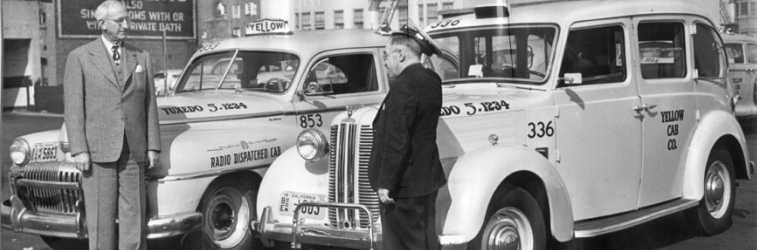
251. Taxi Driver – A yellow checkered cab is an iconic feature of many cities that you see on TV and movies before Uber came along. But being a taxi driver in the past was one with a myriad of challenges. First, classic workhorse vehicles like Checker Cabs featured heavy truck-steering and powerful winter heaters. But they completely lacked air conditioning during sweltering summer shifts. Second, drivers worked grueling 12-hour shifts sitting cramped seats, leading to chronic physical pain, fatigue, and an inability to find safe public bathrooms during a shift. Third, night shift meant regular exposure to stick-up men, erratic passengers, and fare beaters amid rampant urban crime. Fourth, taxi drivers regularly faced moral and physical dilemmas in decaying cities, often refusing service or fleeing “off duty” when flagged near high crime neighborhoods. Finaly, by 1979, fleet structures shifted heavily toward cab leasing models classifying workers as independent contractors. Under this structure, taxi drivers began every shift in a financial deficit, forced to pay upfront daily lease and gas costs before turning a profit on long, exhausting hours. Today, we call such practices as wage theft. No wonder Travis Bickle didn’t go to therapy in Taxi Driver.
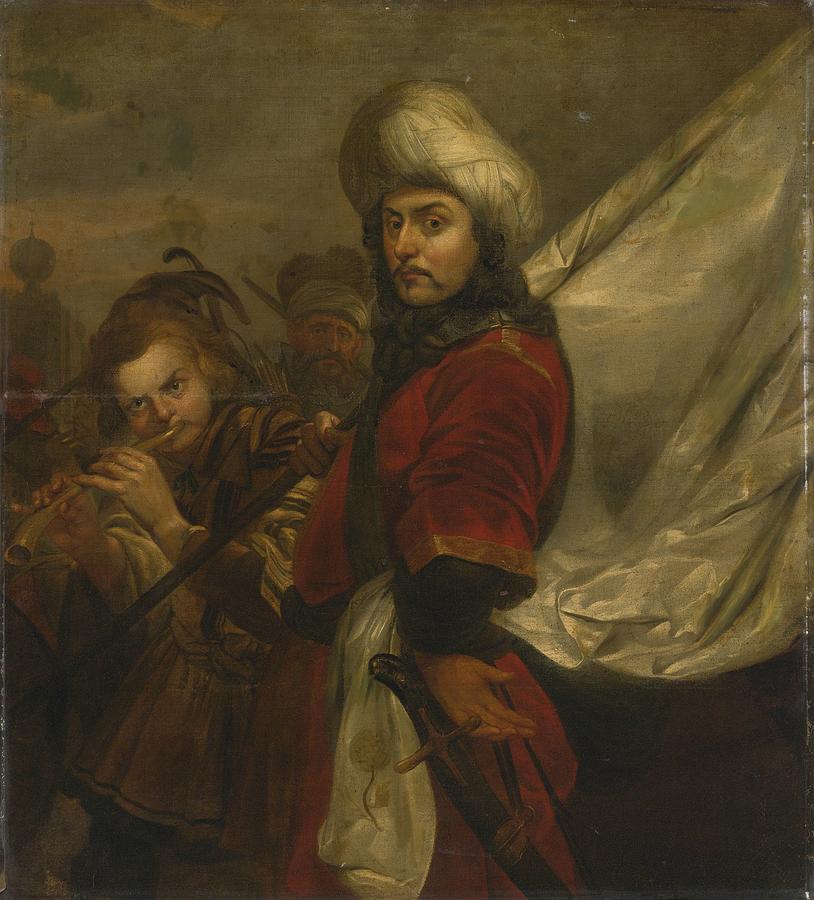
252. Standard Bearer – In historical films, standard bearers are often the guys who carried the flag on the battlefield. But a standard bearer’s life was nothing worth waving the flag for. First, enemy troops instantly targeted standard bearers because dropping the banner ruined army morale and signaled a loss. Second, holding a heavy pole, eagle standard, or large flag meant the bearer couldn’t properly use a shield or weapon for self-defense. Third, bearers had to walk right at the front at every charge to guide the troops through smoke and chaos. Lastly, losing the unit’s flag brought permanent disgrace to the surviving soldiers and ruined the entire military command’s reputation. No pressure. Thus, soldiers fought to the death around the pole because letting go of the standard meant total defeat.
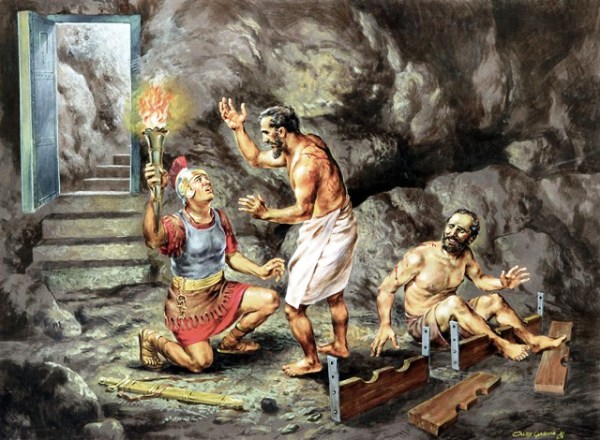
253. Jailer – In historical books, movies, and TV shows, the jailer often looks like the cool guy a character had to get past once the found themselves in the slammer. But a jailer’s life wasn’t anywhere near the dream it seemed on the outside. First, outbreaks like typhus (known as jail fever) regularly killed both prisoners and staff working in close quarters with them. Second, dungeons were damp, dark, and filled with human waste, creating a breeding ground for cholera and dysentery. Third, jailers had no medical knowledge, clean water, or protective gear to stop airborne or waterborne sickness. Fourth, guards handled desperate, violent criminals without modern riot gear, tasers, or backup support. Didn’t help that jails held rebels, murderers, and thieves with nothing left to lose. While gangs or prisoners’ allies on the outside often targeted jailers for revenge or bribes. Fifth, historically, many jailers had to buy their position and pay for the prison’s upkeep from their own pockets. Jailers only made money if they could extort fees, food money, or bribes from prisoners or their families visiting them. If a prisoner was too poor, the jailer lost money keeping them. Lastly, if a high-profile prisoner escaped, the jailer could face heavy fines, imprisonment, or execution for letting them go.
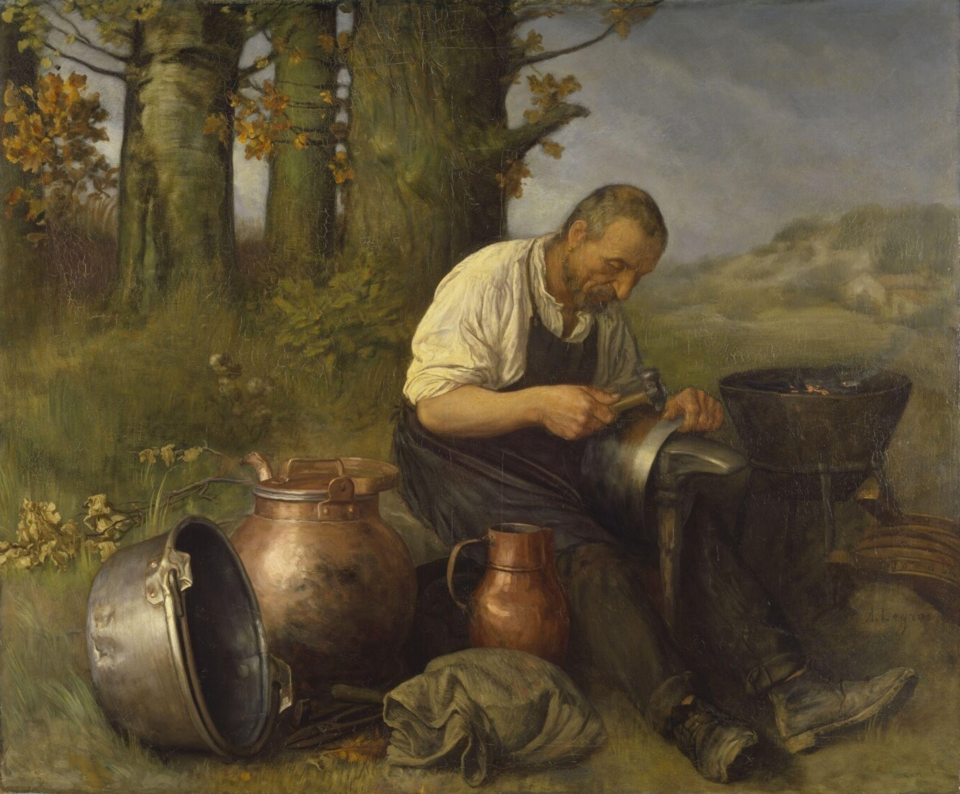
254. Tinker – Since a lack of mass production made many practical items expensive, tinkers existed to repair small household items like pots, pans, and other metal goods as well as do other odd jobs. But a tinker’s life was one of great instability. First, traveling tinkers were seen as outsiders. Locals distrusted them, accused them of stealing, and looked down on their nomadic way of life. Second, tinkers walked long distances in bad weather carrying heavy tools and metal stock. Their camps offered little comfort, and they lacked safe, permanent housing during harsh winters. Third, tinkers relied on small-scale repairs of pots and pans or odd jobs. Pay was low and unpredictable, entirely depending on whether villagers needed mending and were willing to pay. Lastly, working constantly with scrap metal, toxic solders like lead, and crude charcoal fires exposed tinkers to dangerous fumes, burns, and chronic illnesses without medical support.

255. Cartographer – Maps are essential for our navigation throughout our history. But before aviation and GPS, making a map wasn’t at all easy. First, painters used deadly poisons like lead white, arsenic green, and mercury-based vermillion for map colors, often licking their brushes into a fine point. Second, drafting microscopic grid lines and calligraphy by candlelight or dim window light quickly destroyed eyesight. Third, surveyors gathering raw data faced extreme weather, malaria, hostile locals, and fatal accidents while lugging heavy brass instruments through swamps and mountains. Fourth, explorers regularly brought back false distances, made-up islands, or missing coastlines, forcing cartographers to guess. For instance, maps copied a fictional rumor of 250 years showing California as a great island because a 1510 Spanish novel said so. While printers refused to fix it. Note that no Europeans were in California in 1510. Then there’s the Mountains of Kong that appeared on many African maps for nearly a century until people actually went to where they’re supposed to be and found a plateau landscape instead. Fifth, pressures from map publishers meant you can never leave a blank spot, admitting you didn’t know meant making up sea monsters or empty space that clients hated. Sixth, kings and trading companies treated accurate maps as classified military weapons. Showing a trade route or shoal incorrectly on purpose was standard to trick rivals. But getting caught meant prison or execution. Seventh, the Church punished or censored cartographers whose work clashed with biblical literalism or traditional cosmological views. Lastly, print shops regularly stole finished maps, meaning original cartographers rarely made a fair profit and starved while pirate copycats sold fake editions.
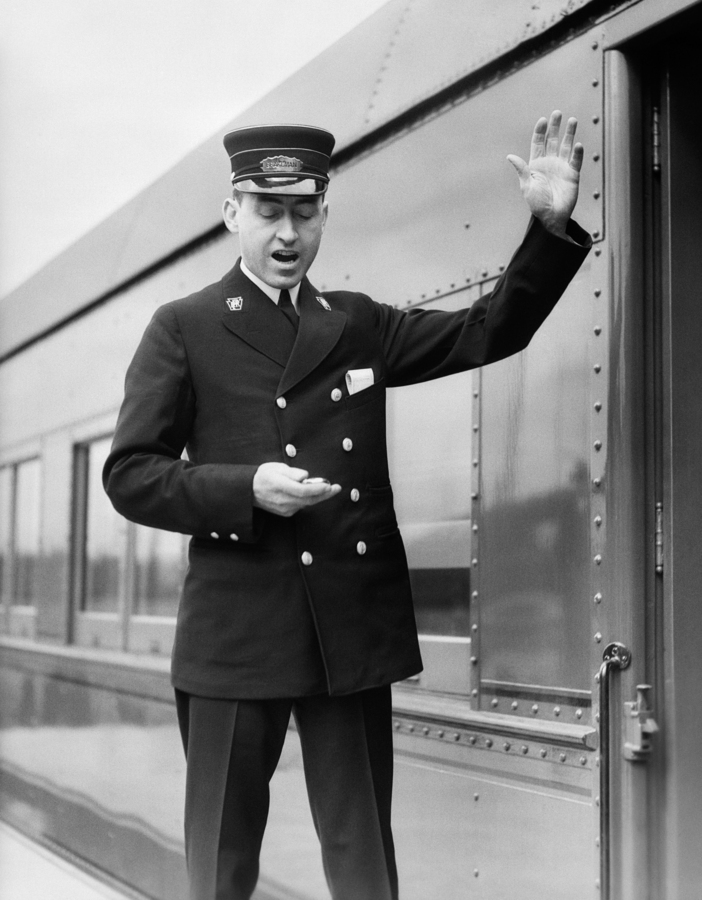
256. Train Conductor – In historical settings, a blue-clad conductor always appeared on board to greet passengers before their journeys. But life for a historical conductor wasn’t anything you’d see on Shining Time Station. First, shuffling between heavy railcars to manually drop link-or-pin or early knuckle couplers meant crushed fingers, hands, or limbs were constant risk. Second, derailments, head-on collisions, and bridge collapses regularly resulted in fatal or life-altering crush injuries. Third, early operations lacked modern automated brakes, requiring conductors to climb atop swaying, ice-covered freight cars in the dark to manually crank hand brakes. Fourth, conductors worked entirely exposed to freezing winter blizzards, pouring rain, and scorching summer heat without climate-controlled cabins. Fifth, shifts regularly stretched 12-16 hours before Federal Hours of Service laws strictly limited consecutive duty. Being on the “extra board” meant being on call 24/7 with very little notice to report for a run, destroying any hope of a normal family life. Sixth, train crews spent days stranded away from home, sleeping in sub-par railroad shanties, flea-bitten boarding houses, or caboose bunks. Seventh, exposure to coal smoke, soot, and dramatic temperature shifts triggered chronic respiratory issues, severe joint pain, and profound exhaustion. Lastly, witnessing pedestrians of vehicles struck by heavy trains or unshielded rural tracks left many train conductors with unaddressed psychological trauma.
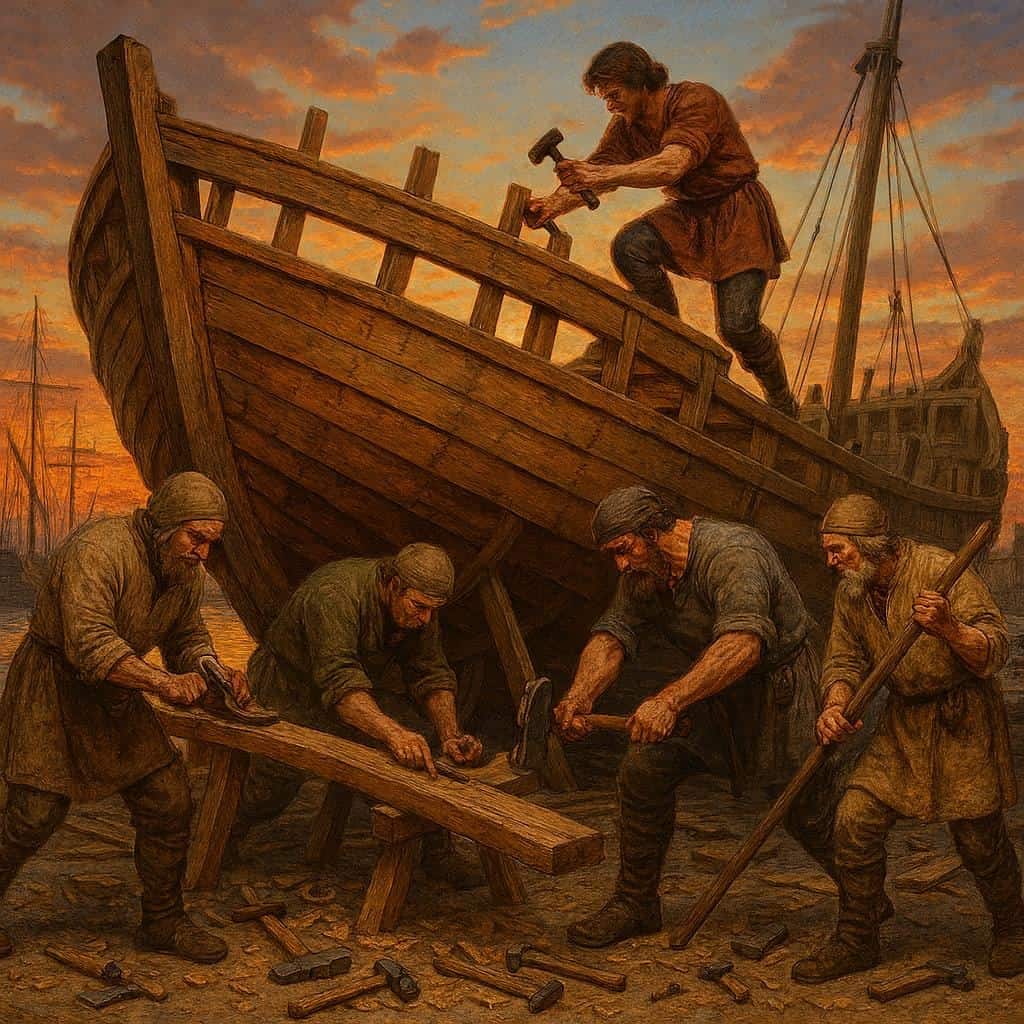
257. Shipwright – In historical settings during the Age of Sail, wooden sailing ships appeared as floating castles gracefully moving across the sea. Although history buffs see them as perhaps the worst cruise ship experience of your life. However, building one of these as a shipwright was a nightmarish experience. First, moving massive oak logs and timber hulls required raw muscle power, primitive leverage, and heavy capstans that could break bones if a rope snapped. Second, sub-workers like pit sawyers spent all day in wet, dark holes beneath the timer stocks, covered in sawdust and sweat while pulling hand saws upward against gravity. Third, heavy rigging, rolling timbers, and spinning capstan bars regularly crushed limbs and shattered ribs. Fourth, workers boiled pitch, tar, and sulfur caulking by hand, breathing in toxic fumes ruining their lungs and burning their skin. Fifth, shipyards were muddy, open-air, and freezing in the winter or stifling in the summer. Finally, despite needing elite geometry and woodworking skills, ordinary shipwrights earned modest wages while facing constant risk of unemployment between major contracts.
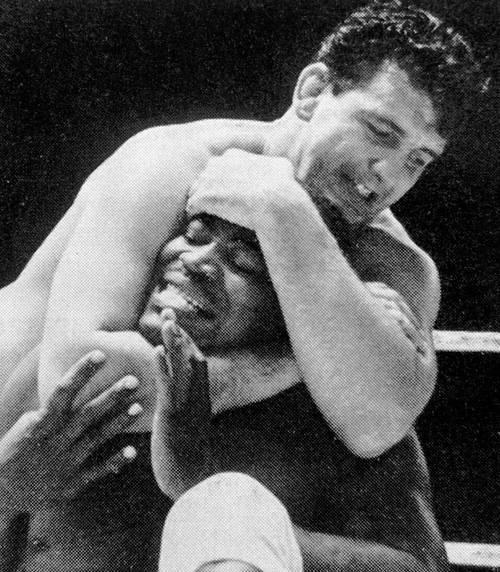
258. Wrestler – In some historical settings, wrestlers also make appearances alongside boxers. But the life of a historical wrestler was anything but glorious. First, promoters classified wrestlers as independent contractors, meaning athletes paid out of pocket for broken bones, surgeries, and chronic injuries. Second, wrestlers lived out of cars and cheap motels, driving hundreds of miles every single night between small towns. Third, wrestling matches were punishing, and performers often had to “receipt” or physically fight back against rogue opponents or tough guys trying to expose the business. Fourth, local promoters regularly skipped gate receipts, and because there was no centralized union or oversight, wrestlers were often underpaid or cheated out of payoffs. Fifth, should a wrestler fall out of favor with a powerful booker like Vince McMahon Sr. or Sam Muchnick, they could be blackballed from every major territory across the country overnight. Lastly, performers needed to maintain the illusion of wrestling’s authenticity 24/7 in public, risking violent confrontations with aggressive fans who genuinely wanted to prove the sport was fake.
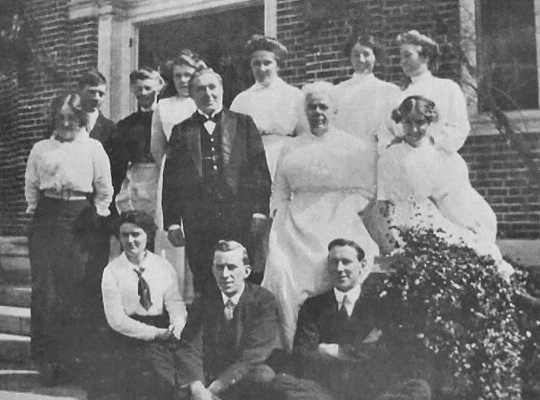
259. Butler – The genial butler who’s been with the family for over a generation is a key feature in great house in many historical TV shows, movies, and books. Bonus points if they have English accents even if it’s in 1920s Duluth (unless they’re black) or commit murder. But despite his manners, the life of a butler was anything but genteel. First, traditional great houses mandated butlers to remain single. As servant marriage was seen as a distraction, an unwanted expense, and a risk for petty theft, Second, living at the workplace meant no separation between life and duty: they were on call constantly 24/7. Third, butlers had to maintain strict emotional distance from both the family upstairs and the junior staff they managed. Fourth, butlers were held entirely responsible for the behavior and mistakes of every junior footman, maid, and valet. If the silver wasn’t polished or a meal was late, blame fell on them. Fifth, long before guests woke up, butlers oversaw heavy lifting, cleaning, and the meticulous logging and decanting of heavy wine inventories. Lastly, every social misstep, a clumsy move formal service, or showing visible stress could result in immediate dismissal and a ruined reputation. Especially if some blackmailer shows up over your past show business career as a straight man for The Cheerful Charlies. And should there be a maid in the dining room, well, anticipate possible societal collapse.
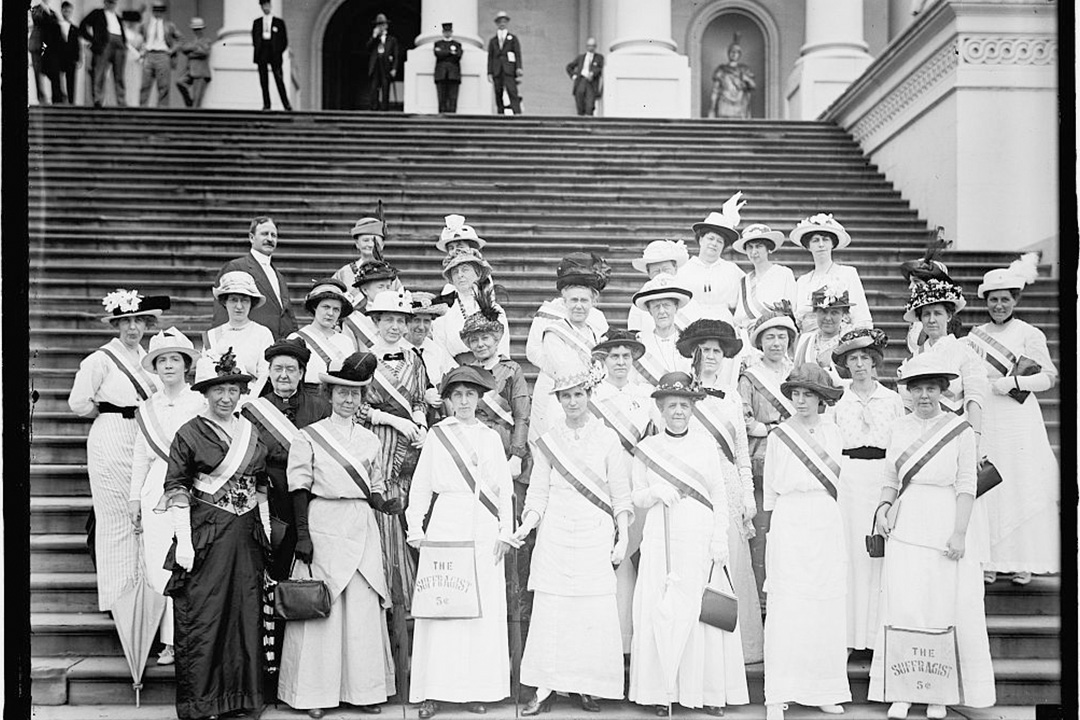
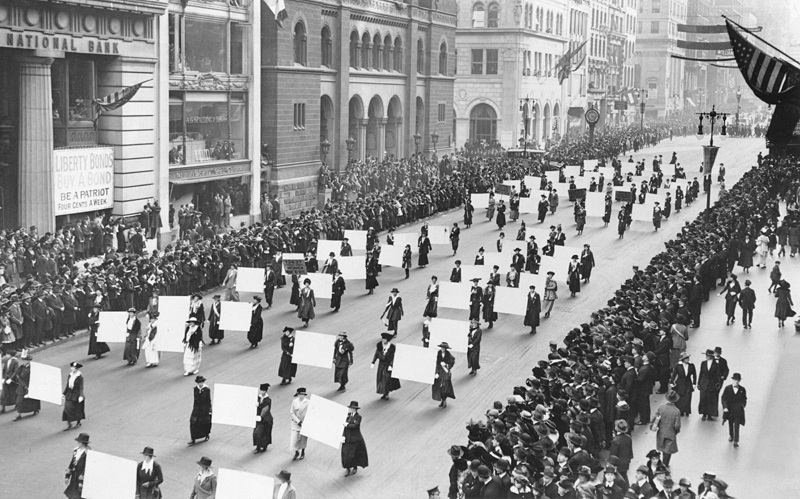
260. Suffragette – Suffragettes were often the women out protesting for women’s right to vote, especially during the Victorian Era and the Gilded Age. In Mary Poppins, they’re often seen as a bit out of touch with reality but inevitably right. Yet, being a suffragette was anything but a cakewalk. And the struggle for women’s right to vote was an incredibly brutal one that should never be forgotten or taken for granted. For one, standing on public street corners to sell papers or speak left women exposed to angry mobs, physical shoves, and flying debris with no police protection. Second, activists were routinely spat on, pelted with rotten food, and beaten by hostile crowds viewing them as unmanly or dangerous. Third, when arrested for vandalism or protesting, suffragettes went on hunger strikes to demand political prisoner status. Prison guards pinned down women and shoved metal tubes or rubber hoses down their throats or noses to force food into them, causing sever physical and mental trauma. The government released starving, sick prisoners just long enough to regain their health only to rearrest them and repeat the cycle. Fourth, many people including women, hated the militant tactics (like breaking windows and setting fires) and blamed suffragettes for turning public opinion against women’s rights. Finally, working-class suffragettes faced harsher punishments and less legal protection than aristocratic women who could use their social status to ease their burdens. In America, we should also understand the racial tensions regarding the Southern suffragettes who wanted the right to vote but not for their fellow black women as well as the white leaders like Alice Paul caving to them and selling out black suffragettes like Ida B. Wells. But like union organizers, we should thank God these women did what they did to earn the women’s right to vote. And we all have all these women to thank for it.


