Historical Professions That Actually Sucked: Part 29 Sheep Farmer to Gardener

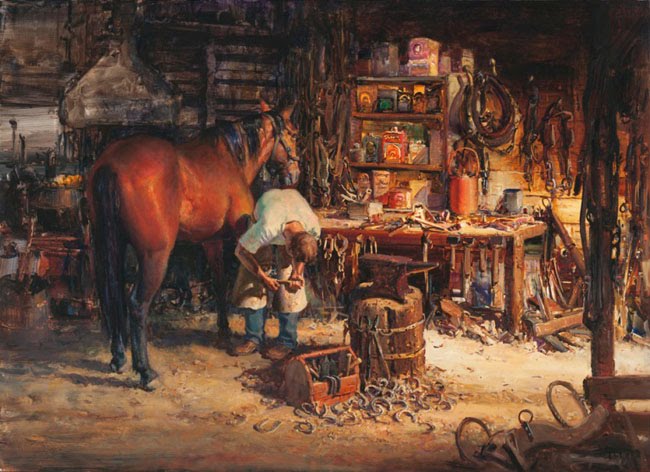
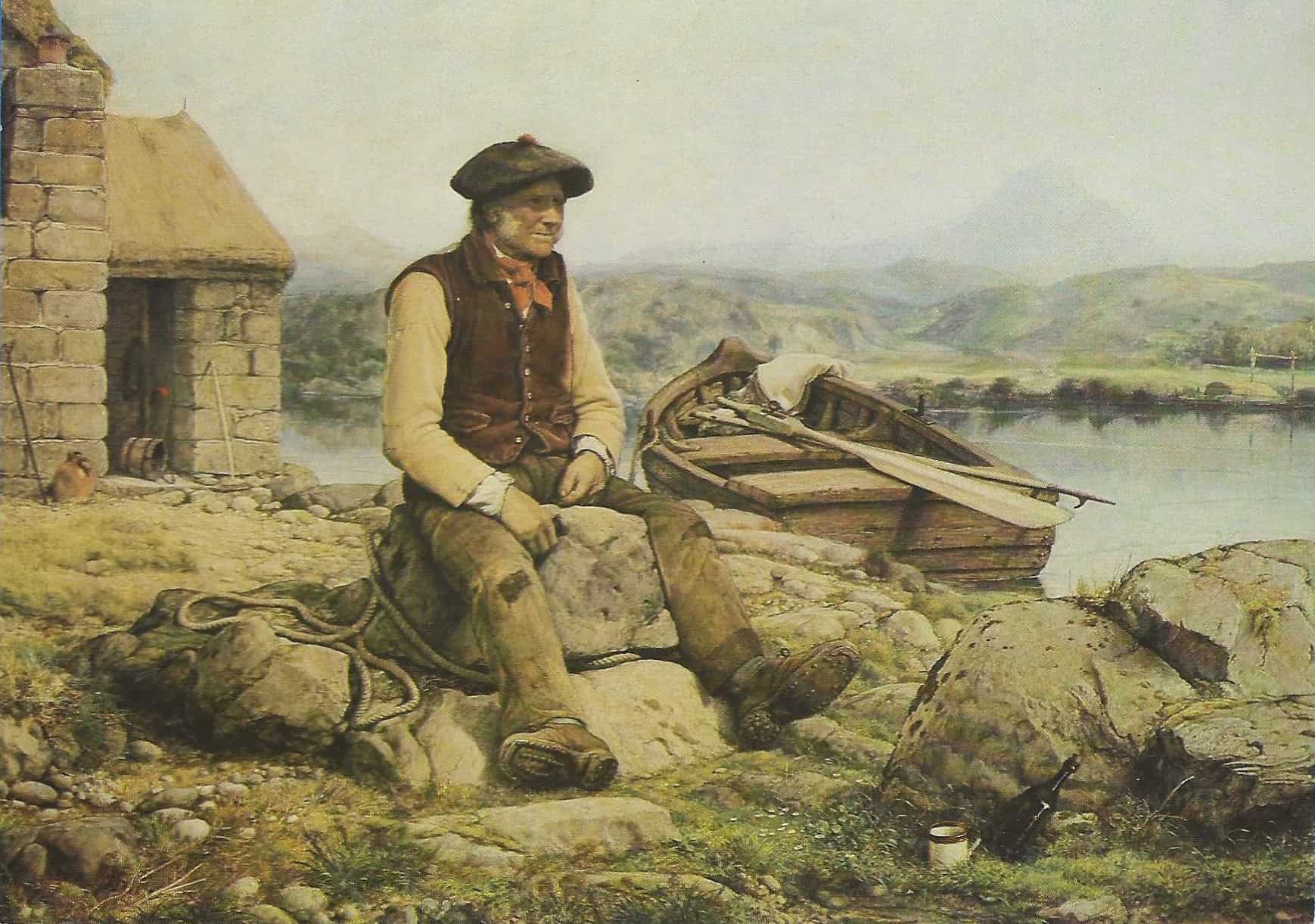
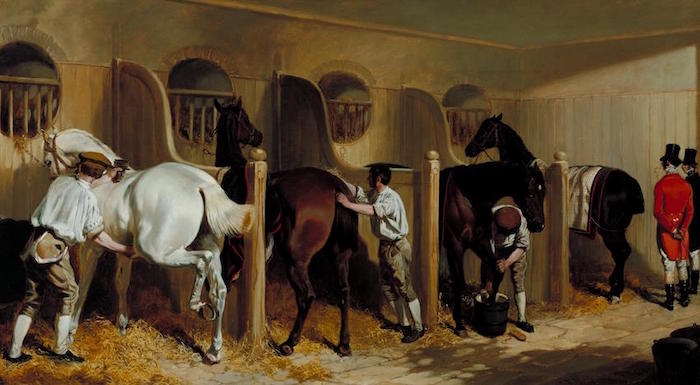
Landseer, Edwin Henry; Shoeing; Tate; http://www.artuk.org/artworks/shoeing-199734

              You may notice with these historical professions that working in agriculture was a grueling life that didn’t always reap big rewards. Dairy farming involved constant milking, no days off, and dealing with big animals that could kick you and sometimes suffered from labor and delivery complications. Pigs in ancient and medieval times were like Pumbaa on roid rage who wreaked all kinds of damage than the cute pink snout animals we think of today. While chickens could be wiped out by outbreaks or cold. Anyway, perhaps you’ve fancied yourself as a carnival barker telling people to step right up for the latest attraction. Maybe even saw yourself as a falconer working with majestic birds of prey. Or perhaps you may have imagined yourself as a pastoral gardener watering flowers. Here are ten more historical professions and their dark realities.

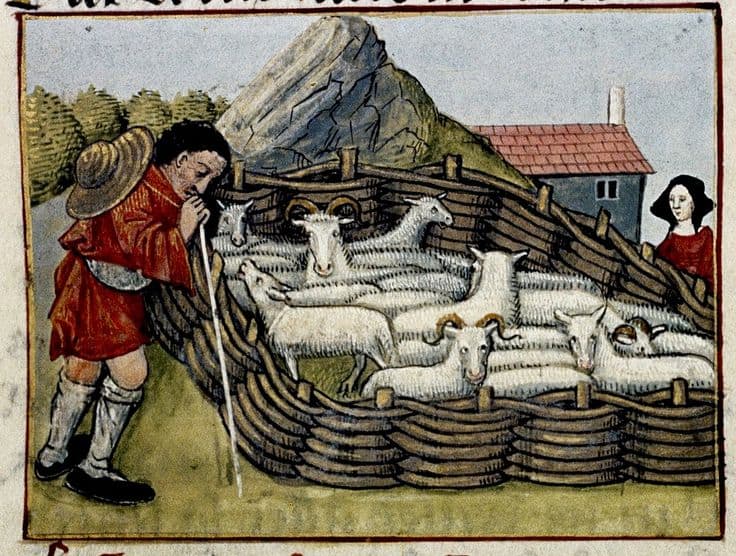
281. Sheep Farmer – Sheep farm often evoke quiet pastoral imagery in highland areas. But the life of a sheep farmer was anything but idyllic. First, sheep farmers faced freezing winters, flash floods, and scorching droughts with zero modern forecasting or emergency rescue. Second, sheep required constant monitoring day and night to prevent wandering or panic, leaving no time for rest. Third, cattle ranchers deeply hated sheep farmers, arguing that sheep ruined the land by eating grass down to the roots and destroying the soil. Cattlemen attacked sheep camps, poisoned water sources, slaughtered flocks en masse, and murdered herders during the range wars in the American West and Texas. Fourth, sheep farmers constantly dealt with gruesome conditions like flystrike (where flies lay eggs in sheep’s wool and maggots eat the flesh), foot rot, and intestinal worms. Fifth, wolves, coyotes, and cougars constantly hunted the flock, meaning farmers had to kill predators or lose their entire livelihood overnight. Lastly, processing wool, tending to sick, heavy animals required backbreaking manual effort long before mechanical tools or modern medicine existed.

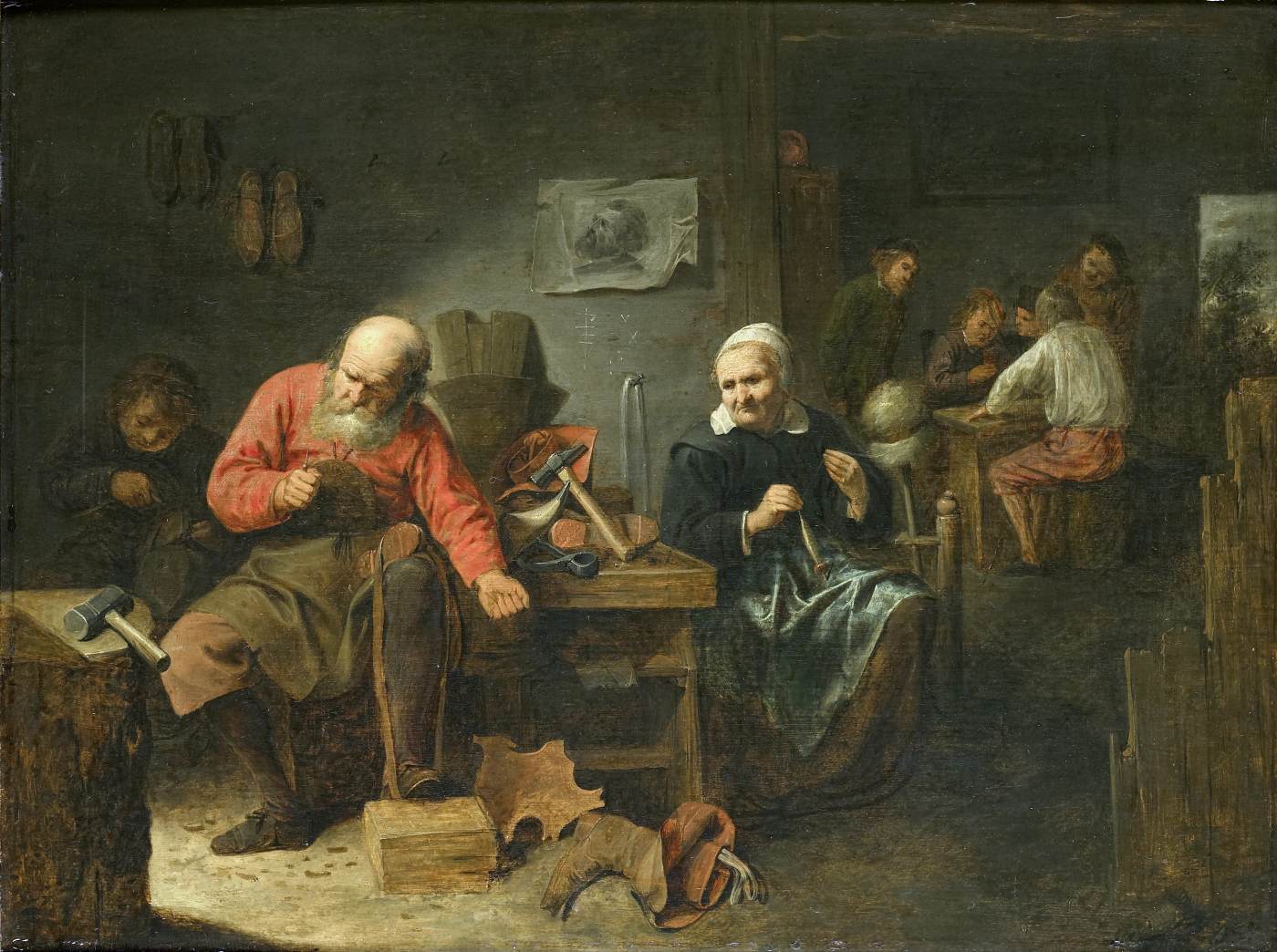
282. Farrier – Farriers made horseshoes, which was a very underrated skill at the time we often don’t think about. But when horses were the primary means of transport, they occupied a major place of importance. Yet, their live was anything but a fun pony ride. First, working bent over a horse’s heavy leg exposed farriers to sudden kicks, bites, crushing bites, and getting trampled in tight stalls. Second, bending over hooves all day destroyed backs, knees, and joints long before modern medicine before modern ergonomics or pain relief existed. Third, farriers breathed in toxic, coal smoke, heavy metal fumes, and burning hoof in poorly ventilated, dark smithies. Fourth, banging a hot iron over a roaring forge required immense upper body strength. Fifth, historical farriers doubled as low-level vets, forced to treat gruesome wounds, infections, and lameness using harsh, unscientific methods like bleeding or toxic salves. Finally, working-class or military horses were often overworked, sick, fractious, making every shoeing session a fight with stressed and/or traumatized animal.

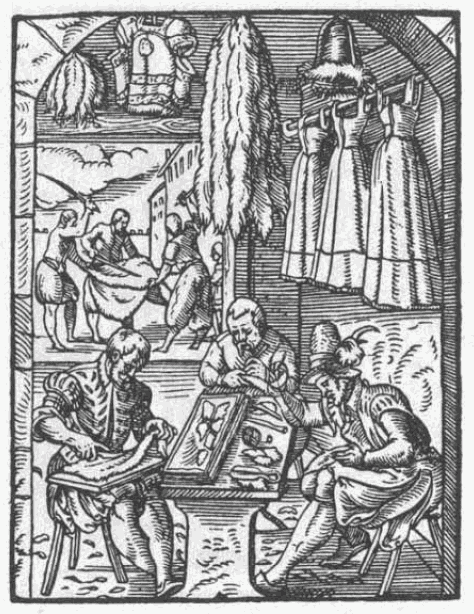
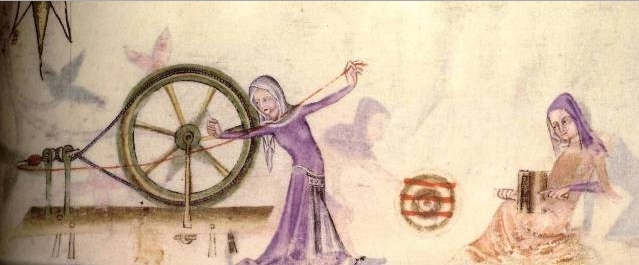
283. Carder – Before a wool could be spun, it had to be carded through. But the people who carded the wool often had grueling lives. First, hand-carding required scraping 2 paddle-like boards covered in sharp wire or iron teeth against each other for hours on end, causing severe muscle strain in the arms, wrists, and back. Second, workers in early mills faced damp, cold, and loud environments that bred illness and constant physical aches. Third, raw wool was heavy with grease (lanolin), dirt, dung, and burrs, meaning carders handled filthy, foul-smelling material before it was even semi-clean. Fourth, breathing in fine, floating particles of dust, dirt, and microscopic wool or cotton fibers ruined workers’ lungs for a long time. Fifth, the dense metal or nail teeth on the hand cards frequently slipped or punctured the carder’s fingers and hands. Sixth, carding was often regulated to domestic chores, low-paid cottage labor, or harsh youth apprenticeships (such as the famously brutal carding apprenticeship endured by a young Millard Fillmore), carders sat at the bottom of the textile production ladder. Finally, carding offered zero creative outlet or variation, just endless, unyielding strokes to untangle and align fibers for pennies a pound.

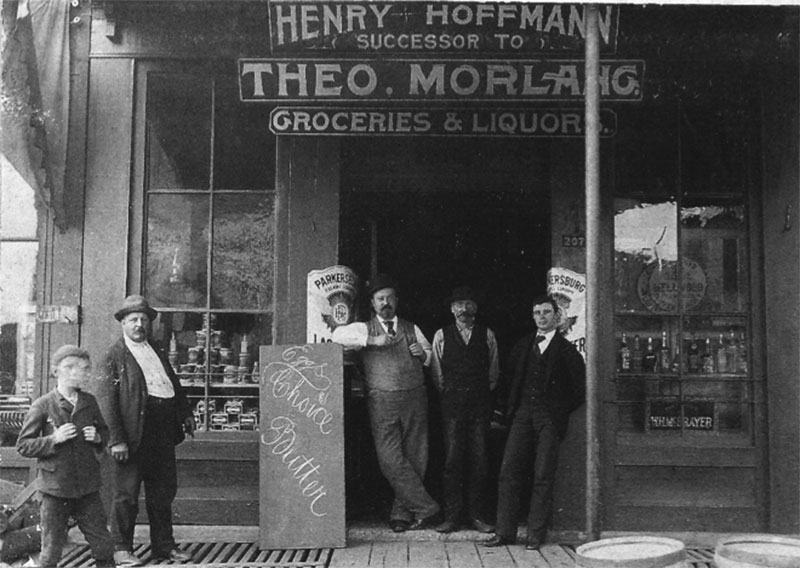
284. Grocer – In our modern lives, grocery stores have always been central to people’s existence more than any other store. Yet, in history, running a grocery store could be a very painstaking process. First, grocers had to scoop flour, sugar, and lard out of massive barrels and haul 100lb sacks a day. Second, unpaved dirt roads meant dust, mud, and street waste tracked right inside. Third, heaters ran on dirty coal stoves, covering goods in soot while mice and rats infested the food stocks. Fourth, keeping dairy and meat fresh was a constant, losing battle before modern cooling. Fifth, customers bought food on a running tab and rarely paid upfront, leaving grocers short on cash for months. And you think grocery stores are struggling to stay in business today. Sixth, grocers didn’t have self-serve aisles. They stood behind a counter all day running back and forth to pull every single item a buyer requested on a handwritten list. Lastly, every sale involved arguing over prices and amounts with picky shoppers.

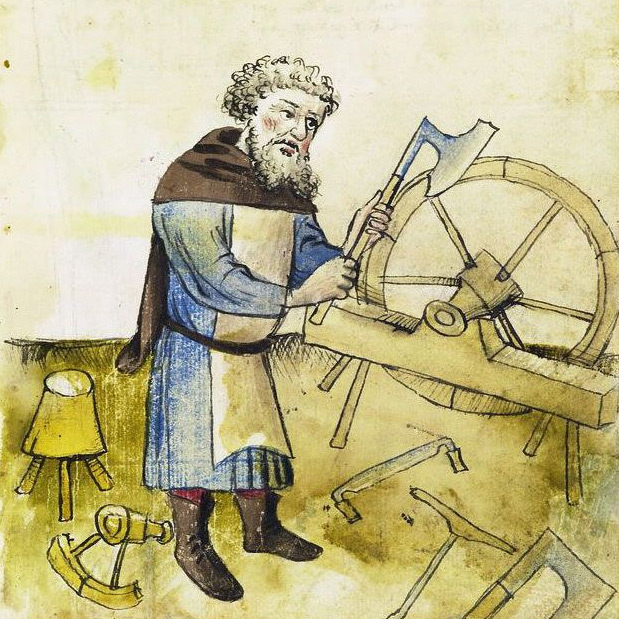
285. Wheelwright – In historical settings, wheeled carts and carriages are often a common sight. But being a wheelwright was far from a smooth circle. First, fitting the metal tire required heating it in a roaring fire before it glowed, then racing to slam it onto the wooden frame before it cooled too fast, risking severe burns. Second, quenching the hot iron with water caused it to instantly shrink, crushing the wood into a precise “dish” shape. Any miscalculation meant that a wheel could violently shatter or warp. Third, hours of hand-carving dense hardwoods like oak and ash led to chronic joint damage, splinter infections, and constant exhaustion. Fourth, wheels were made entirely by “rule of thumb” and eye without blueprints. If the spokes were off by a fraction of an inch, the whole wheel would wobble and collapse under a heavy wagon load. Fifth, wheels had to match exact load rut measurements down to the half-inch. If a new wheel didn’t fit the regional ruts, it couldn’t navigate muddy roads and the customer would reject it. Sixth, rural wheelwrights were a “one-stop shop” expected to build entire carts, fix farm gates, and craft coffins as the local undertaker. Finally, making a single set of durable wagon wheels took up to a week of intense labor, keeping workers trapped in a cycle of heavy, repetitive manual toil just to make a basic living.

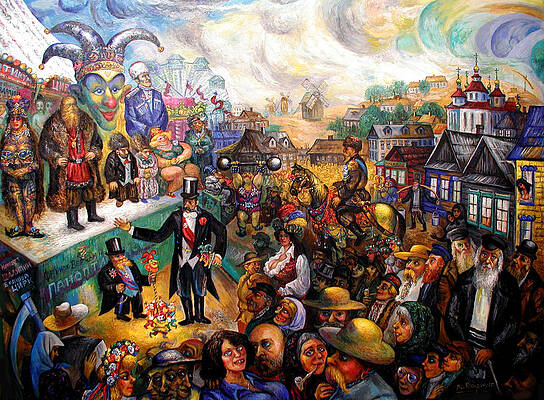
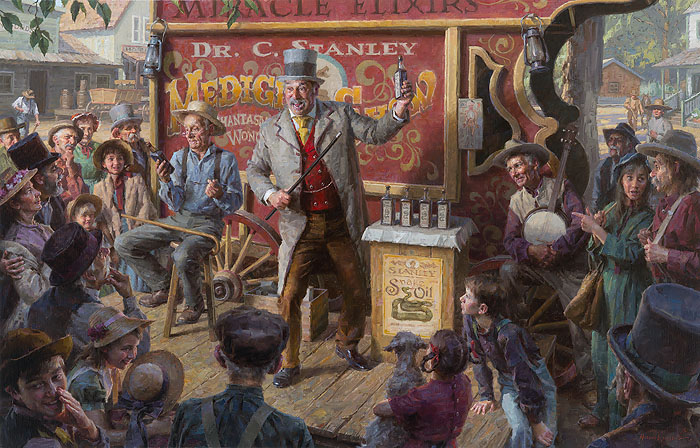
286. Carnival Barker – In historical settings, you often see the carnival barker shout to onlookers to step right up to see some major attraction in town. But the life of a carnival bark wasn’t all fun and games. For one, promoters and crew worked exhausting, irregular hours under harsh outdoor conditions. Second, compensation was low and unpredictable, heavily reliant on how a venue or event performed. Third, living on the road meant sharing quarters with little to no personal space or stability. Fourth, a single rainy weekend could ruin attendance or completely wipe out expected earnings. Fifth, most traveling shows offered little to no health insurance or safety nets if a worker got hurt on the job. Lastly, the constant moving and high-stress environment made it difficult to maintain normal relationships outside the carnival bubble.

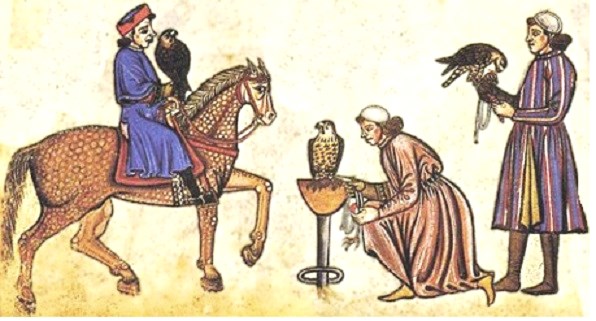
287. Falconer – Falconry is often associated with the Middle Ages as a cool practice. Yet, being a falconer was never as great as it looked. In a sense, it was the avian equivalent of a dog trainer charged with training a wolf as a hunting dog for some wealthier patron. First, falconers had to carry raw, bloody meat and clean massive amounts of sharp bird droppings, living in a permanent cloud of musk, meat scraps, and urates. Second, training a wild-caught raptor required “watching” a process where a falconer must remain awake for days straight, gently touching or keeping the bird awake to break its wild spirit. Third, a single botched flight could mean a trained, incredibly expensive bird would fly away forever, ruining months of work or angering a violent, wealthy master. Fourth, raptors possess razor-sharp talons and crushing grip strength. A single defensive squeeze or panic response meant deep puncture wounds that easily became infected. Fifth, falconers were exposed to lethal avian diseases like frounce (trichomoniasis) and fungal infections that could spread or ruin the hunting season. Finally, under historical English rulers like King Edward III, stealing or accidentally harming a noble’s trained hawk could be punished by death or heavy loss of status.

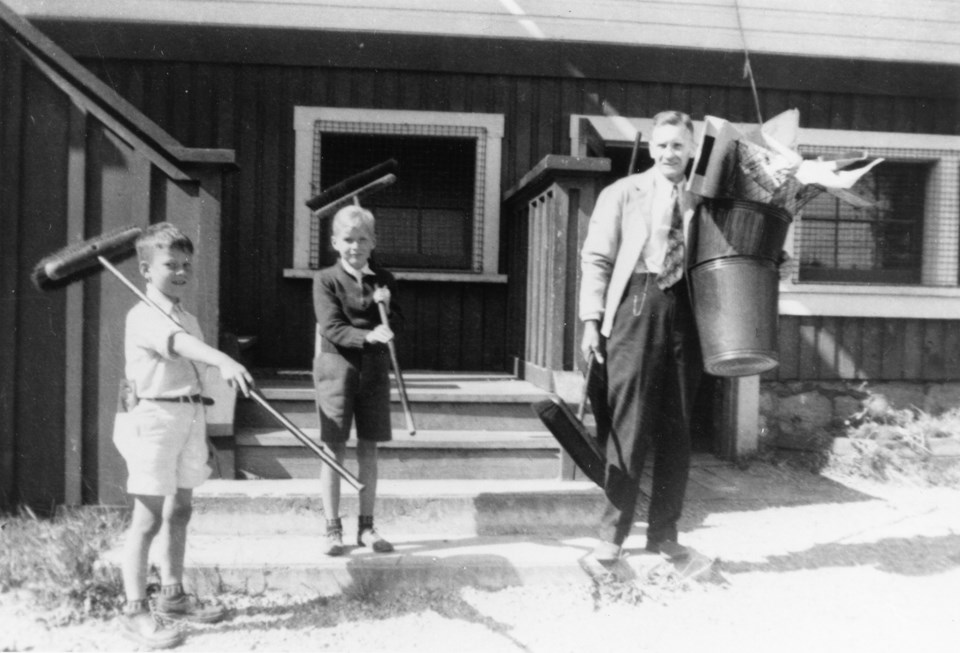
288. Janitor – In American public schools, the chief custodian is often considered part of the institution and often the guy who’s been there the longest. Many are even paid better than teachers. But in history, being a janitor was worse than any clean up job. First, due to the non-existence of indoor plumbing and flushing toilets, cleaners had to manually clean heavy, reeking chamber pots and clear out primitive privies and cesspits without protective suits. Second, early cleaning agents relied on harsh, caustic substances like lye, ammonia, and strong acids that burned skin and damaged lungs. Third, workers scrubbed floors with their hands and knees with stiff brushes for long hours, leading to chronic joint damage, cuts, and infections without rubber gloves or proper boots. Finally, custodial work was seen as menial and degrading, paying next to nothing while forcing workers to remain invisible and except employers’ verbal and physical abuse.

289. Ferryman – When it comes to crossing a dangerous waterway, you often rely on a ferry. But the lives of ferrymen weren’t always smooth travel. First, before mechanized engines, crossing a wide river meant hauling heavy wooden boats across using hand-over-hand muscle power on rough hemp ropes or long wooden poles. Second, ferrymen worked in freezing winter ice, torrential spring floods, and baking summer heat, without any shelter on open water. Third, standing on wet, leaky wooden flatboats meant chronic joint pain, damp clothing, and high rates of illness. Fourth, fast-moving runoff, hidden underwater snags like submerged trees, and heavy cargo such as loaded wagons or livestock could capsize a craft in seconds, resulting in frequent drownings. Fifth, living at remote river crossings meant long, lonely hours with little human contact outside impatient travelers. Sixth, most local operators earned very little money, relying on small coins or barter from passing peasants or merchants. Lastly, the arrival of modern bridges and steam-power boats in the 19th century instantly destroyed the ferrymen’s livelihood, leaving many desperate and destitute.

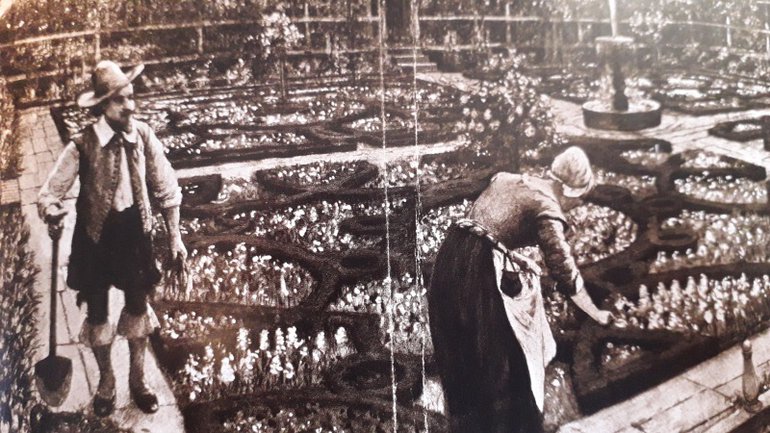
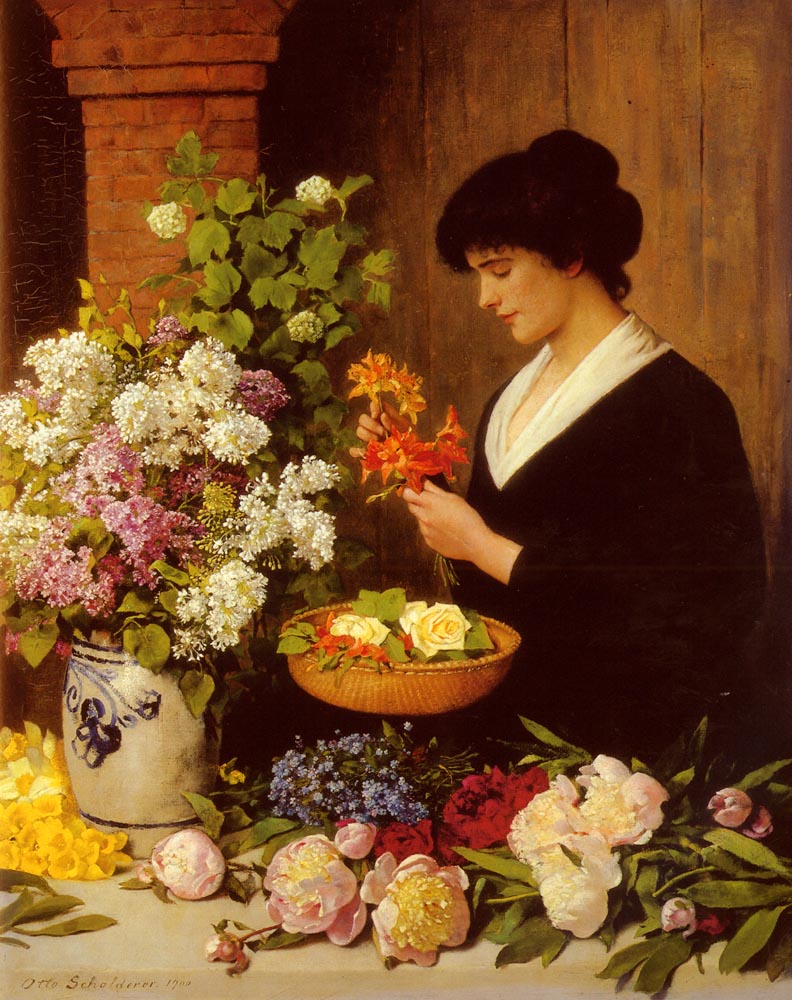
290. Gardener – Being a gardener seems like a rather peaceful life on the estate since it often entails just growing flowers. But the life of a gardener wasn’t coming up roses. First, due to power tools not existing yet, every inch of earth must be turned using heavy iron spades, wooden plows, or hand hoes without ergonomic grips. Second, gardeners spent 10-14 hours bent double weeding, planting, and harvesting in the mud. Third, watering meant hauling heavy wooden buckets from distant wells or rivers by hand. Fourth, plastic hoses, drip irrigation systems, and quick fixes for blights like pesticides didn’t exist. Thus, gardeners had to pick destructive caterpillars, beetles, and hornworms individually by hand. Fifth, a single unexpected frost, drought or hailstorm could wipe out months of work and result in starvation. Sixth, professional gardeners on great estates were seen as low-level servants, working long hours for little pay. Finally, for ordinary people, gardening wasn’t a fun hobby like it is today. In fact, it was life-or-death survival. As failure meant no food for winter.

Historical Professions That Actually Sucked: Part 28 Garbage Collector to Chicken Farmer

Of course, when it comes to certain professions, we often don’t see what they were like whenever there was a new technological breakthrough in its infancy. While regulations were slow to catch up. Early aviation professions were extremely dangerous, especially during World War I. Early electricians were said to have minimal training and a high fatality rate. While drivers had to bake in their vehicles during the summer because air conditioning hadn’t been invented yet. Anyway, here are ten more historical jobs and the dark realities behind them.

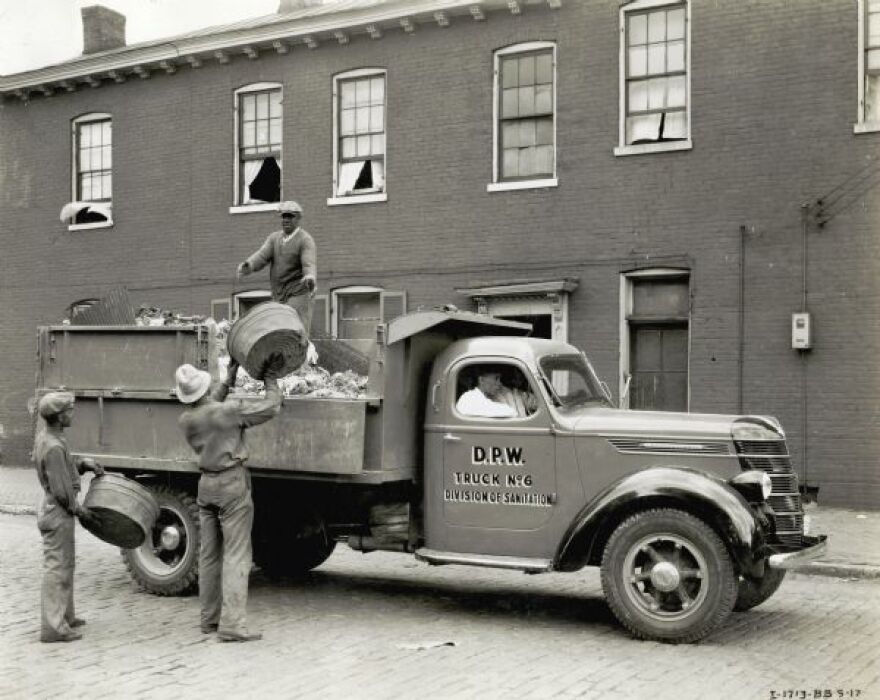
271. Garbage Collector – Before his assassination, Dr. Martin Luther King Jr. had gone to Memphis to support a garbage worker strike. Now while garbage workers are very essential to our society, the history of this job has always been a very dirty business. For one, the job was extremely dangerous. Workers shoveled and lifted dense loads by hand without hydraulic trucks or safety gear. They suffered from cuts and infections from sharp objects, broken glass, and rusty metal hidden in the muck. While workers fell from high carts or were hurt by unpredictable, spooked draft horses. Second, working conditions can be very disgusting. Collectors waded through rotting food, industrial runoff, and dead animal carcasses left right in the streets. Many historical sanitation workers (like medieval “gong farmers” or night soil men) had to shovel raw human sewage out of cesspools by hand in the dark. While swarms of flies, rats, and dangerous pathogens covered both the trash and the workers handling them. Third, due to the foul nature of their work, society treated waste collectors as outcasts. Finally, pay was extremely low, leaving garbage workers trapped in poverty with no legal rights or health benefits. It was for the last of these reasons why King was in Memphis around the time of his assassination. And let’s just say when garbage workers go on strike in your city, it’s a municipal nightmare.

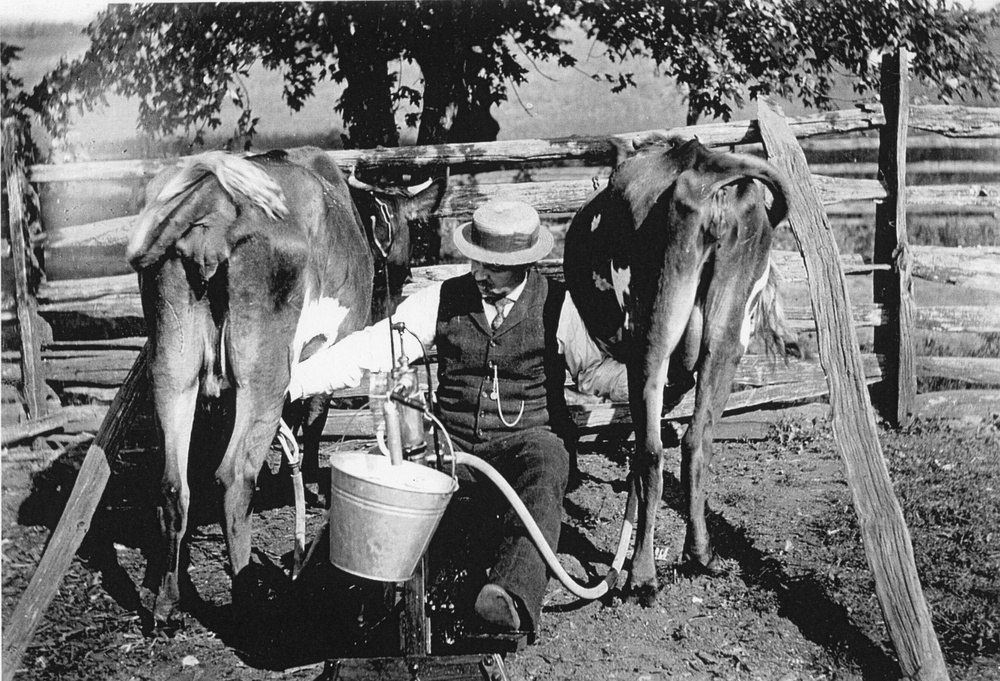
272. Dairy Farmer – A dairy farm often seems like a place of pastoral peace with cows in the pasture, cute calves, and the regular milking schedule. But the dairy farmer life wasn’t anything to squeeze at. First, cows must be milked twice a day, every single day of the year, meaning no weekends, holidays, or sick days. Work started well before dawn like around 4 AM and ended long after dark, leaving little sleep. Second, before modern machinery everything from pitching manure, hauling heavy milk cans, and milking was done entirely by hand. Third, without refrigeration, milk spoils rapidly. If a storm knocked out the power, the transport wagon broke down, or the local creamery flooded, the entire day’s income was instantly lost. Fourt, working with 1,200lb animals in tight spaces meant frequent kicks, tramplings, and bone fractures. Fifth, raw, unpasteurized environments exposed farmers to diseases like brucellosis and tuberculosis directly from the herd. Finally, if you read any of the James Herriot books, you may be aware of all the life-threatening complications cows seem to have when they’re giving birth, which is often a high-stakes, life-or-death situation. And it seems like Herriot’s calls revolve around bovine obstetrics more than anything else.

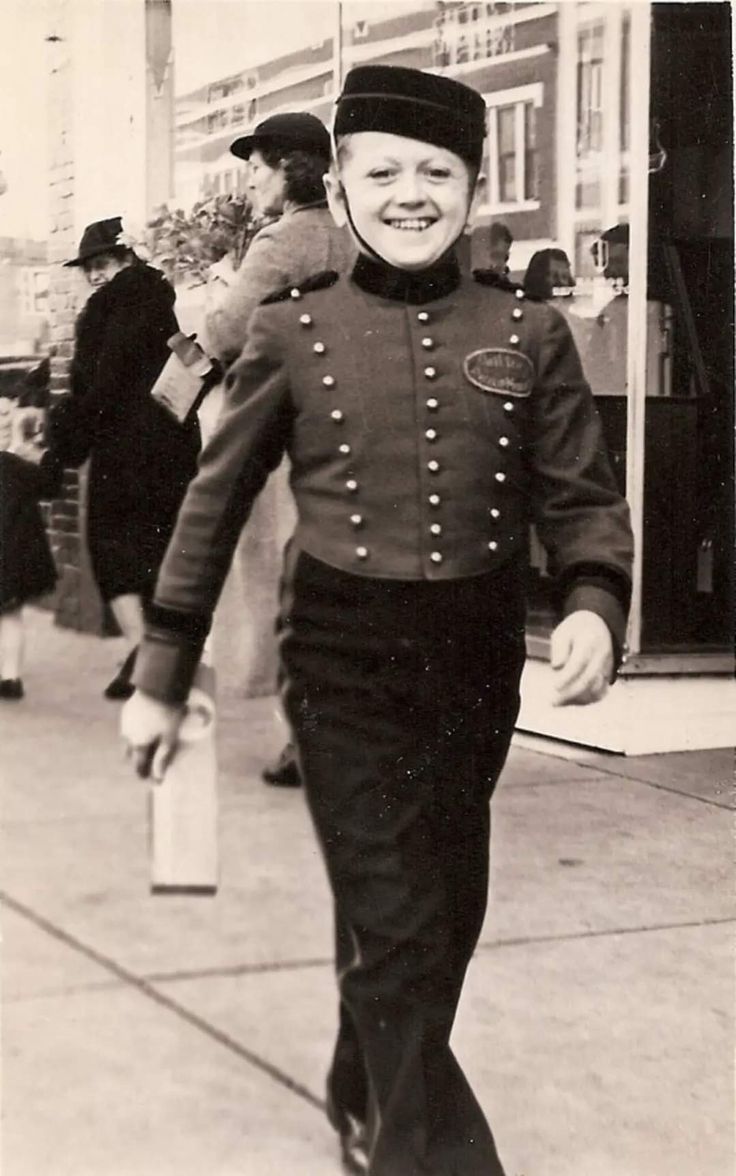
273. Bellhop – In old movies or anything with a historical setting, bellhops are often a feature at any high-end hotel scenes. But their life was anything but a charming room service call. First, hotels paid bellhops little to nothing, forcing them to rely entirely on guests’ generosity. A stingy guest meant doing back-breaking work for zero reward. Second, shifts regularly stretched past 12-14 hours a day, 7 days a week with no safety nets, sick leave, or formal rest breaks. Third, before rolling suitcases and modern elevators, bellhops had to haul giant, heavy steamer trunks up multiple flights of stairs by hand if the cage elevator was broken or packed. Fourth, workers answered to “2 masters” who were often the tyrannical hotel manager who could arbitrarily fine them for minor mistakes and demanding guests treating them like servants. Lastly, bellhops were frequently young teenage boys (or younger) who were subject to harsh discipline and denied proper education or growth just to save the hotel’s labor costs. But as far as child labor jobs were concerned, at least it’s better than chimney sweep or news boy.

274. Ship’s Cook – Like a ship’s doctors and carpenters, a ship’s cook was an essential part of the crew. He may even be Long John Silver if you’re reading Robert Louis Stevenson. But not everything about a ship’s cook life was tasty. For one, before electric stoves, cooking required open flames or brick hearths packed with sand on a floating wooden ship. One large wave could tip the fire and threaten the entire vessel. Second, when the weather became rough and the crew needed warm food the most, lighting a fire was strictly forbidden to prevent disasters, leaving the kitchen completely shut down. Third, like Long John Silver in Treasure Island, cooks were often older or disabled sailors unfit for regular deck work, meaning men with missing limbs or chronic injuries were tasked with heavy lifting in tiny, rolling spaces. And to believe this is one thing that Robert Louis Stevenson got right. Fourth, supplies like hardtack biscuits were frequently teeming with weevils or maggots. While salted meats turned hard as wood and rancid during long voyages. Since meat was soaked in heavy brine, it also had to be soaked and boiled in already scare ship water just to become chewable. Fifth, if rations tasted terrible (which they often did due to spoiled ingredients), the hungry, miserable crew blamed the cook rather than the supply system. Finally, disgruntled sailors or strict quartermasters closely monitored the food distribution, placing the cook at constant risk of punishment or violence if morale dropped.

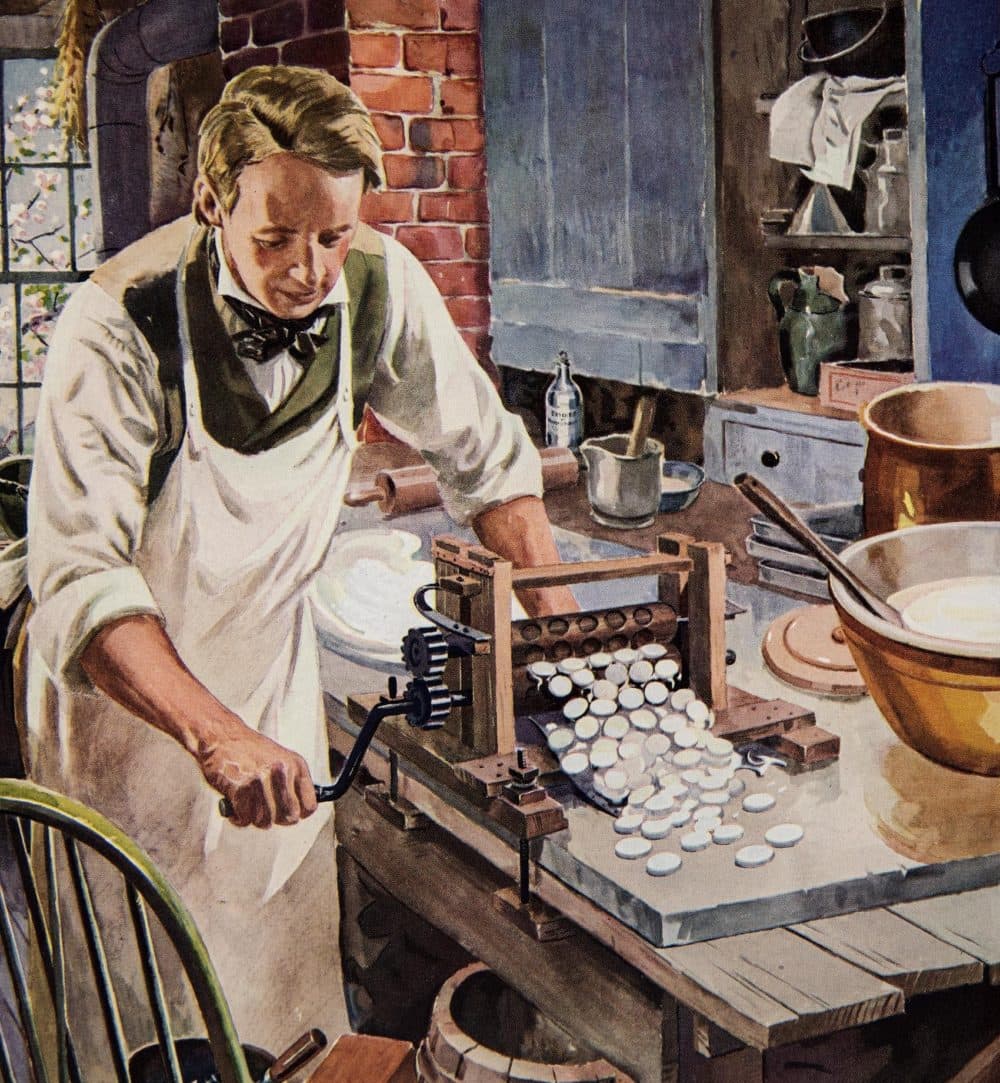
“Oliver Chase and his first lozenge machine. 1847. (Courtesy Cambridge Historical Commission)

275. Confectioner – In the popular imagination, being in a candy factory feels like being in a fantasy world thanks for authors like Ian Fleming and Roald Dahl. But the life of a historical confectioner was anything but sweet. First, they stood next to open coal or wood fires for hours boiling heavy vats of sugar syrup, reaching temperatures over 300 ºF with no ventilation or air conditioning. Naturally, confectioners suffered constant, painful molten sugar splatters sticking to the skin and burning deep. They breathed in heavy clouds of burning sugar, spice dust, and sulfur fumes used to bleach sugar white. While they hand-cranked, pounded, pulled, and kneaded dense candy masses by hand before heavy machinery existed, destroying wrists, backs, and joints. Second, confectioners colored vibrant candies using toxic heavy metals like copper (emerald green), lead chromate (bright yellow), and mercury sulfide (vermillion red) before safe food dyes existed. Handlers and makers routinely handled arsenic and copper-laced pigments, resulting in chronic illness or death on the job. Then there’s the fact that sugar, molasses, and chocolate production were associated with slavery. But that’s a different story.

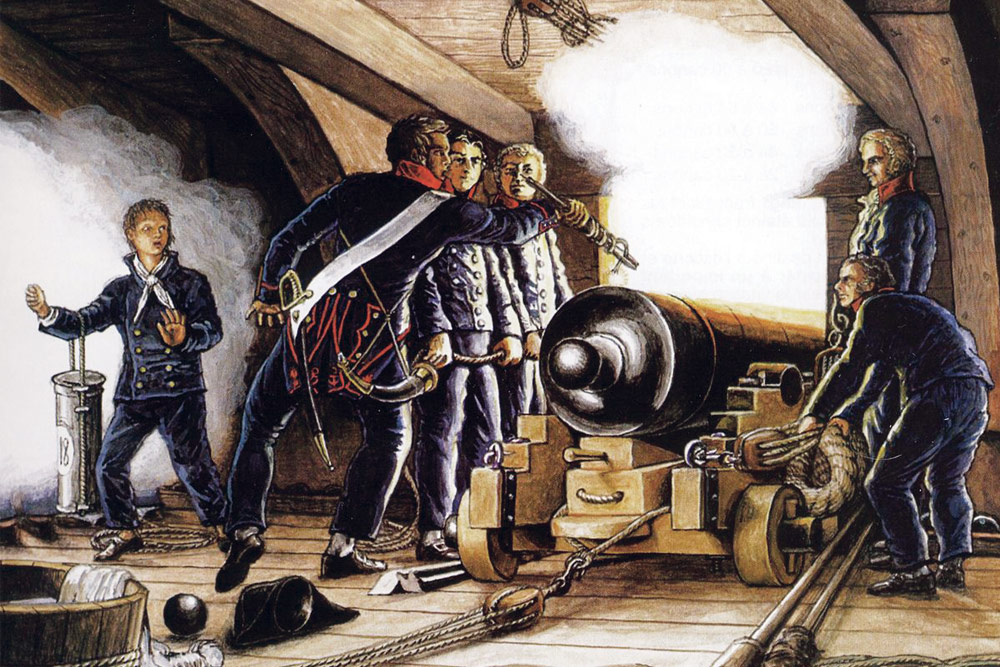
276. Cabin Boy – In books like Treasure Island, being a cabin boy seemed like embarking on a great sea adventure. But the life of a cabin boy was far from those fun maritime adventure stories. First, cabin boys were the cook’s helpers and did every filthy, unwanted job on the ship that grown sailors refused to do. While older crew members and officers routinely punched, slapped, or caned them for the smallest mistakes. Second, the work requires them to be active 24 hours a day with very little rest. Third, on warships, young boys often served as “powder monkeys” running explosive gunpowder bags to the gun decks while under enemy fire. Lastly, should a ship sink and survivors drift in a lifeboat starving, maritime custom and desperation dictated that the youngest, smallest, and most expendable person being the first chosen to be killed and eaten. Guess who’d that be. Yup, the cabin boy. This famously happened to a 17-year-old cabin boy named Richard Parker in 1884.

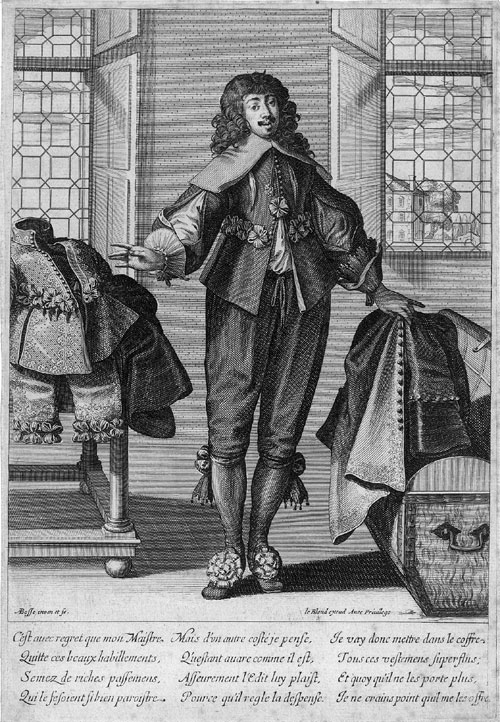
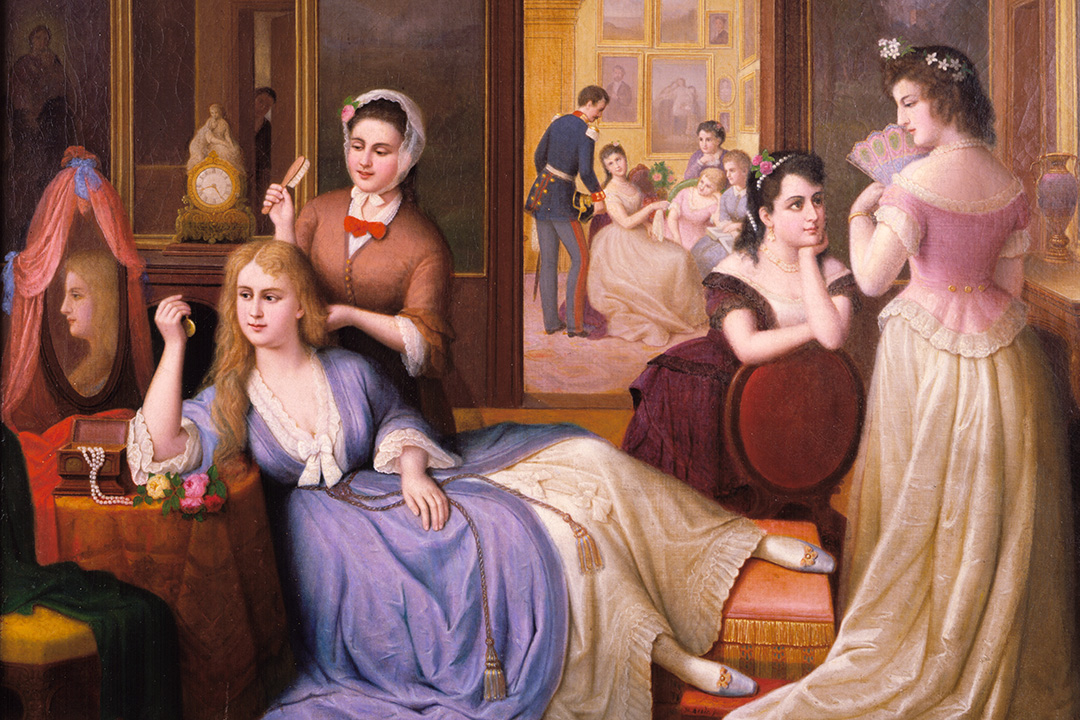
277. Valet – In Jeeves and Wooster, Jeeves is the definition of a perfect valet or gentleman’s gentleman and was always there to get Bertie Wooster out of some unwanted romantic entanglement. But valet’s life wasn’t exactly what Jeeves embodied. First, valets rose hours before their masters to prep clothes, draw bath, polish boots, and heat rooms. They were on call 24/7, sleeping near or traveling everywhere with their demanding employer. Second, valets had to shave, dress, or tend to the personal hygiene and whims of spoiled, erratic aristocrats. Third, should a master’s cravat be tied wrong, his boots not gleam, or his gun misfire during a hunt due to a late cartridge, the valet took the fury. Fourth, valets lugged heavy trunks, booked transit on the fly, and walked through dangerous terrain or weather carrying heavy gear. Finally, although it was a top-tier servant job, it was difficult to move higher, leaving many stuck as permanent servants with no real future. Although if Bertie Wooster took a wife, Jeeves would probably receive a major promotion to butler. Given that the guy is so brilliant and indispensable.

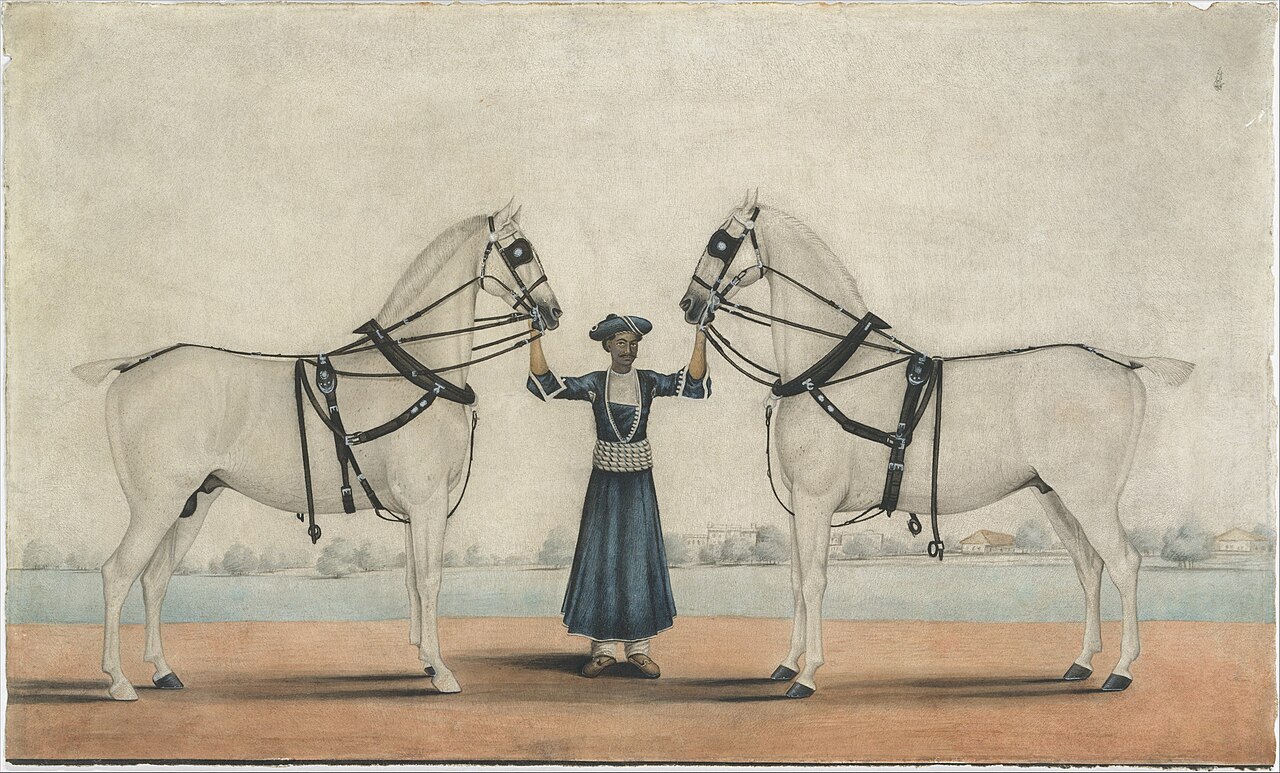
278. Stable Groom – In a great house before cars, there always had to be stables and people taking care of the horses. But being a stable groom wasn’t all a roll in the hay. First, stable grooms had to shovel heavy, wet manure and soiled straw all day long, then “squaring off” muck heaps by hand to limit terrible smells and flies. They hauled heavy buckets of water and pitched tons of hay without mechanical help. In addition, they even spent hours scrubbing mud, polishing heavy leather, and cleaning carriages after every single use. Second, stable grooms worked before dawn until past 8 or 9 PM, only finishing after the master’s horses returned from late evening social outings. Third, stable grooms contended with large, high-strung, or frightened animals in cramped, dark wooden stalls. This put them at risk of getting crushed, kicked, or trampled with no access to medical care or workers’ compensation. They also breathed in massive amounts of ammonia from urine and dust from hay, resulting in chronic lung problems and tuberculosis. Fourth, stable grooms worked in unheated stone barns during freezing-cold winters with ice cold water that risked numb or cracked skin. Finally, stable grooms were often treated on the lowest tier of the domestic staff. While they often slept in the loft above the horses in the heat, dust and smell.

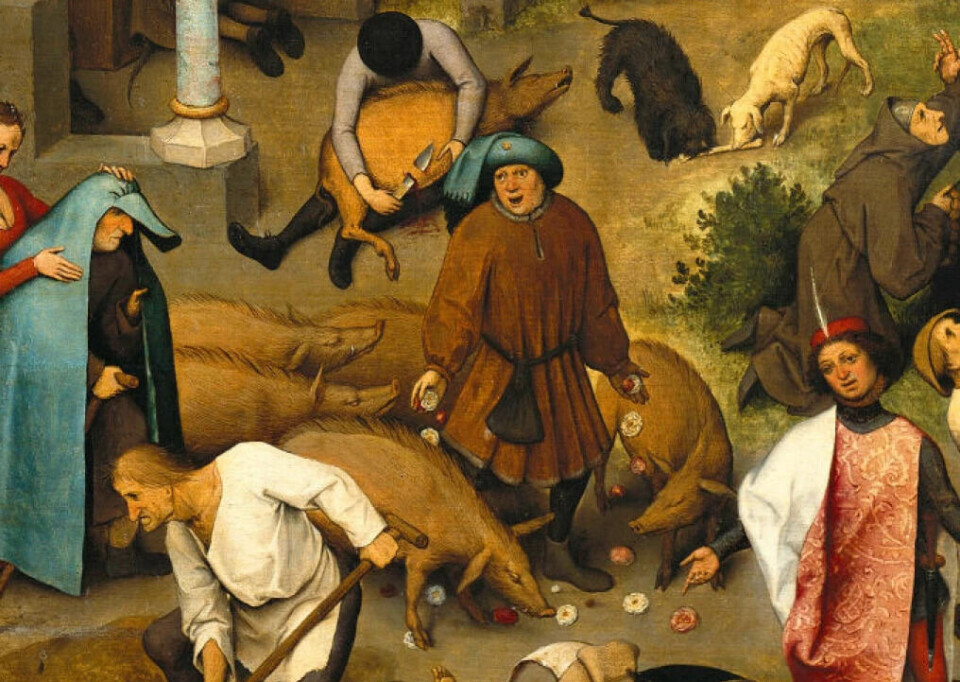
279. Pig Farmer – Pig farming is indeed a stinky business, especially since their feces stink more than their fellow livestock brethren. But in the past, tending to pigs was a true endurance test. First, pigs took months or years to grow while consuming massive amounts of food without producing milk, wool, or eggs in the meantime. Second, historical breeds closely resembled wild boars, featuring sharp tusks, bristly hair, and dangerous tempers while distressed or cornered. Less cute little pink snout and more like roid rage Pumbaa. These would be the pigs that the Prodigal Son was tending to in the parable from Saint Luke’s Gospel. Third, free-roaming pigs constantly wrecked fences, gardens, and town property by digging with their snouts. Fourth, medieval and early modern towns frequently banned or fined pig keepers because heavy manure odors were believed to spread plagues and fevers. Fifth, loose pigs could knock over people’s livestock, such as the famous incident where a runaway pig killed a French prince by colliding with his horse. Lastly, farmers had to trek deep into forests during autumn to secure paid feeding rights (pannage) for acorns just to keep the animals alive through winter.

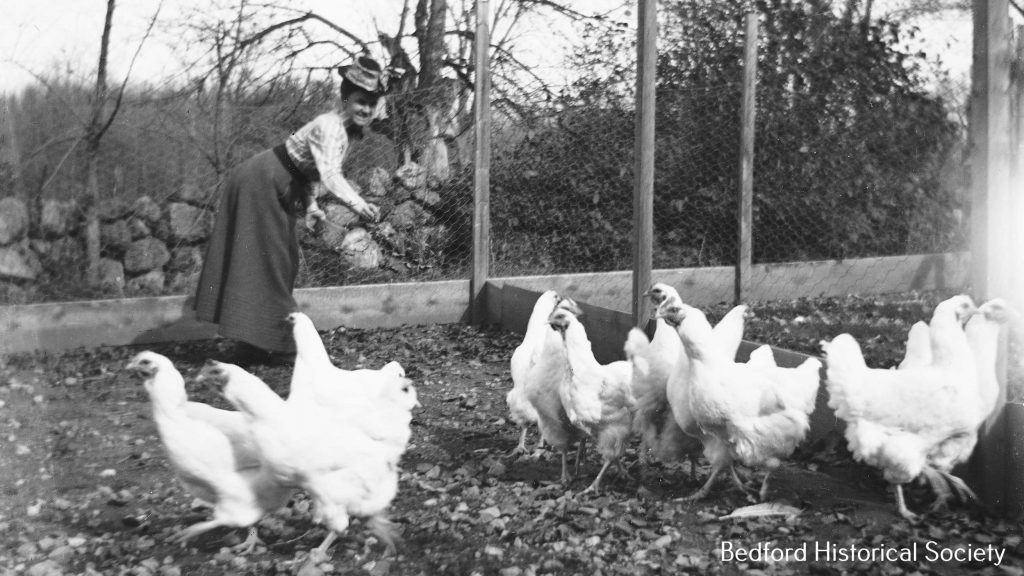
280. Chicken Farmer – Compared to being a pig or dairy farmer, chicken farming is often depicted as a peaceful venture. But being a chicken farmer before the Industrial Revolution was one where you couldn’t count your chickens before they hatched. First, outbreaks like Newcastle disease or avian flu could wipe out an entire flock overnight. Second, without artificial heat or commercial feed, freezing temperatures meant chickens stopped laying eggs and froze to death. Third, since antibiotics and vaccines didn’t exist, chicken farmers were left helpless against common infections and parasites. Fourth, for a long time, chickens were secondary farm chores usually managed by farm wives for extra egg money, not a primary wealth source. Fifth, chickens relied on foraging, bugs, and kitchen scraps rather than optimized commercial feed, making growth slow and unpredictable. Finally, weasels, foxes, hawks, and raccoons constantly raided chicken coops, requiring nonstop vigilance and heavy fortification.

Historical Professions That Actually Sucked: Part 27 Bus Driver to Florist

Some of these professions depict people who struggled to make the world a better place. Suffragettes went to great lengths to gain the right to vote even going on prison hunger strikes and resorting to acts of terror. Union organizers risked their jobs and their lives to encourage workers to stand up for themselves and strike for higher wages and better working conditions. While muckraking journalists went deep into the dark corners of society to expose abuse, corruption and whatever was wrong with society during the Progressive Era. Anyway, ever dreamed about being in an old-timey burlesque show? How about selling wares as a peddler? Or maybe styling hair in ways that defy gravity? Here are ten more historical professions and their dark realities.

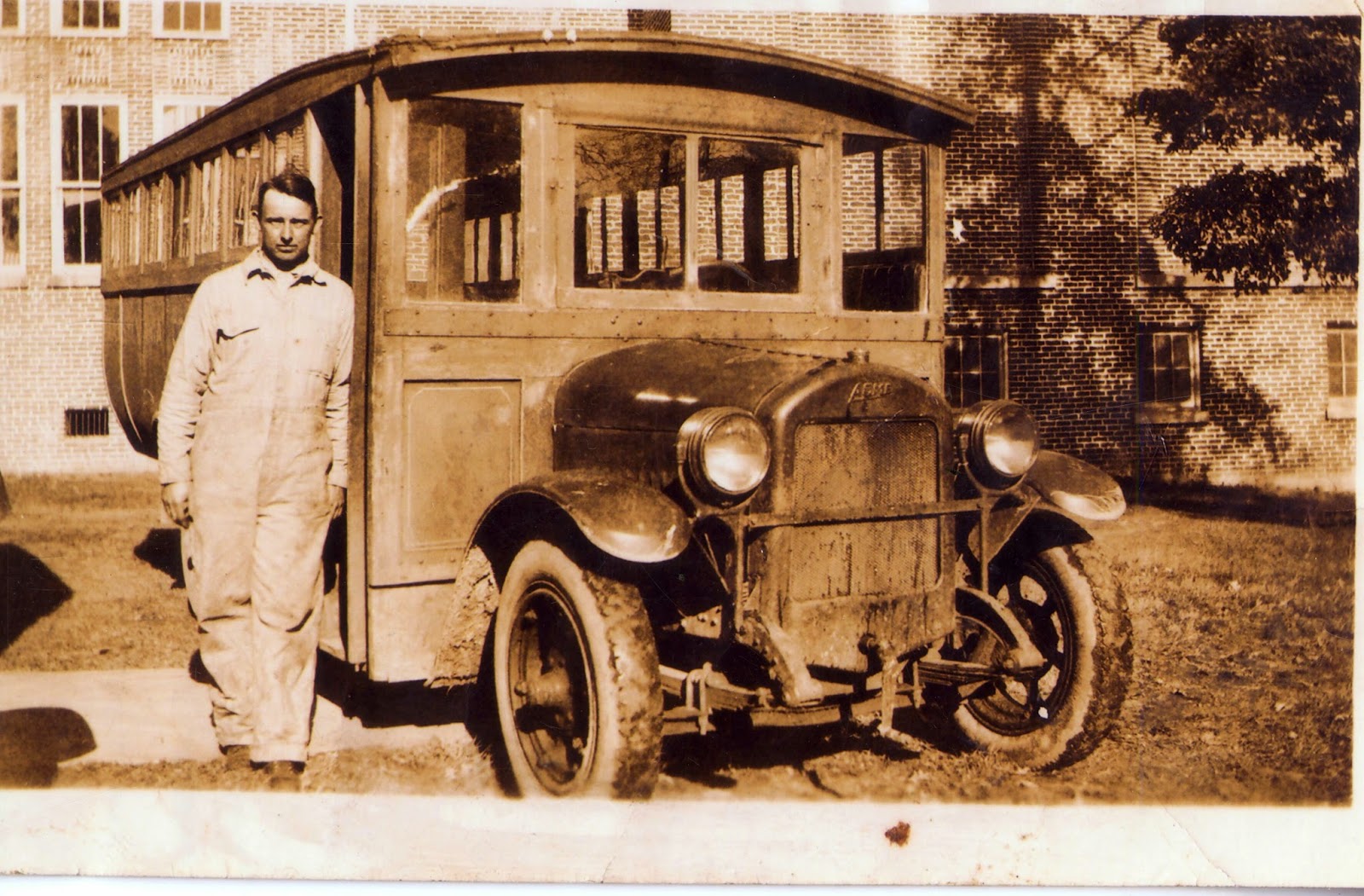
261. Bus Driver – A bus driver is often a common sight in the mass transit world. But in the past, driving a bus was anything but a smooth path. First, older buses lacked power steering, requiring massive upper-body strength just to turn the vehicle around city corners. Second, drivers baked in uninsulated metal cabins during summer heatwaves and froze during winter because heaters were either primitive or non-existent. Third, solid rubber tires, stiff leaf-spring suspensions, and unergonomic or hard-sprung iron seats transferred every single pothole into the driver’s spine. Fourth, poor engine combustion and leaky cabin seats meant drivers constantly inhaled heavy clouds of carbon monoxide along with raw diesel or gasoline fumes. Fifth, shifts forced bus drivers to be on duty during morning rush hour, sit around unpaid for hours, and return for the evening commute, stretching the workday across 12-14 hours. Finally, bus drivers had to manually crank heavy starting mechanisms, shovel coal, tend fires in early heating systems, and manually handle heavy luggage or freight.

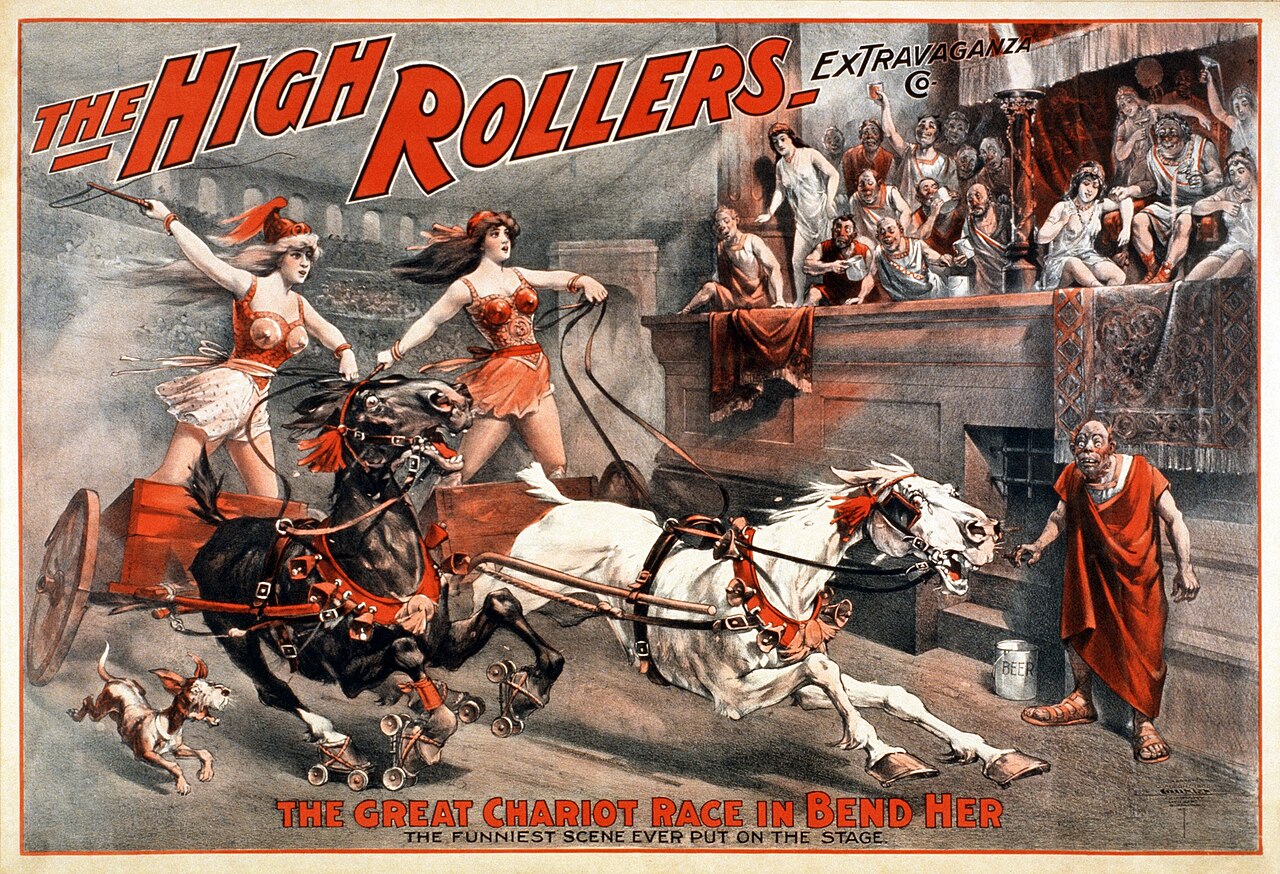
262. Burlesque Performer – In historical media, burlesque performers always seem like the equivalent of an old-timey stripper with some manners. Yet, the life of these women was no striptease. First, performers on the major circuits (like the Columbia and Mutual Wheels) didn’t just pop inside for a local gig. They signed on for a grueling 40-week continuous touring season. Second, troupes endlessly traveled by train from city to city, performing the same heavy routines over and over in shifting, often rundown theaters. Third, audiences during the heyday of American Burlesque were loud, demanding, and rough. Performers faced immediate hostility, jeering, booing, and objects thrown by unimpressed crowds if a show failed or failed to entertain. Fourth, dancers regularly endured physical discomfort from wearing heavy, elaborate costumes and high heels while navigating unsupportive or leering environments. Fifth, as the 1920s and 1930s shifted to striptease, local authorities and vice squads targeted theaters with continuous raids and obscenity crackdowns. Dancers walked a razor-thin legal wire where a single misstep or gesture deemed too explicit could result in sudden arrest for corrupting public morals. In fact, entire houses were routinely shut down by municipal orders (such as New York City Mayor Fiorello LaGuardia’s total ban on burlesque in 1937), leaving performers abruptly out of work. Sixth, despite entertaining thousands, working-class burlesque carried heavy social stigma, branding performers as “low class” and ostracizing them from polite society or their own families. Finally, economic exploitation by theater owners and producers meant that despite the physical labor and risk, the actual take-home pay for chorus and line performers was meager.

263. Hairstylist – Many historical media feature elaborate hair styles among aristocratic men and women, especially in the 17th and 18th century. But styling that hair was anything but a beauty sleep. First, stylists mixed and adapted 18th century hair powders made of starch laced with toxic minerals like white lead, breathing in dangerous dust all day. Second, ancient and Renaissance bleaching recipes forced workers to handle raw wood ash, lye, sulfur and quicklime, all of which ruined lungs and burned skin. Third, early commercial hair and scalp colorants frequently relied on heavy metals like lead acetate, causing chronic poisoning. Fourth, elaborate washed updos styled with animal-fat pomades became breeding grounds of lice, fleas, and dust, forcing clients (and stylists managing wigs) to contend with constant infestations. Fifth, infrequent liquid washing meant managing hair heavily greased, matted, and packed with old dry powders. Sixth, building towering Georgian or Ancient Roman structures required holding heavy styling tools and maintaining awkward postures for hours without ergonomic chairs. Lastly, working in small, closed royal chambers or early salons meant constantly inhaling heavy aerosols, burnt animal fats, and harsh chemical fumes.

264. Shoemaker – Then and now shoes were amongst the most essential clothing when it comes to getting from point A to B. However, the life of a shoemaker was a grueling one and they couldn’t rely on elves to help them. First, tanning and treating leather required noxious substances like urine, animal dung, and chromium salts, filling small workshops with foul, lung-destroying stenches. Second, shoemakers spent 14-16 hours a day hunched over a work bench, driving awls and needles with heavy force, ruining their spines and chests. Third, constantly working with sharp knives, heavy awls, and hot wax meant deep cuts, punctures, and chronic infections were just the typical week hazards. Fourth, despite needing high skill, most independent shoemakers lived on the edge of ruin, famously struggling to afford enough leather for the next job. Fifth, when shoe-sewing machines arrived in the 19th century, factory owners forced people into 16-hour workdays for pennies. Lastly, true master shoemakers who built new shoes hated being confused with poor, illiterate “cobblers” who only patched old footwear. Although both groups worked endlessly just to survive.

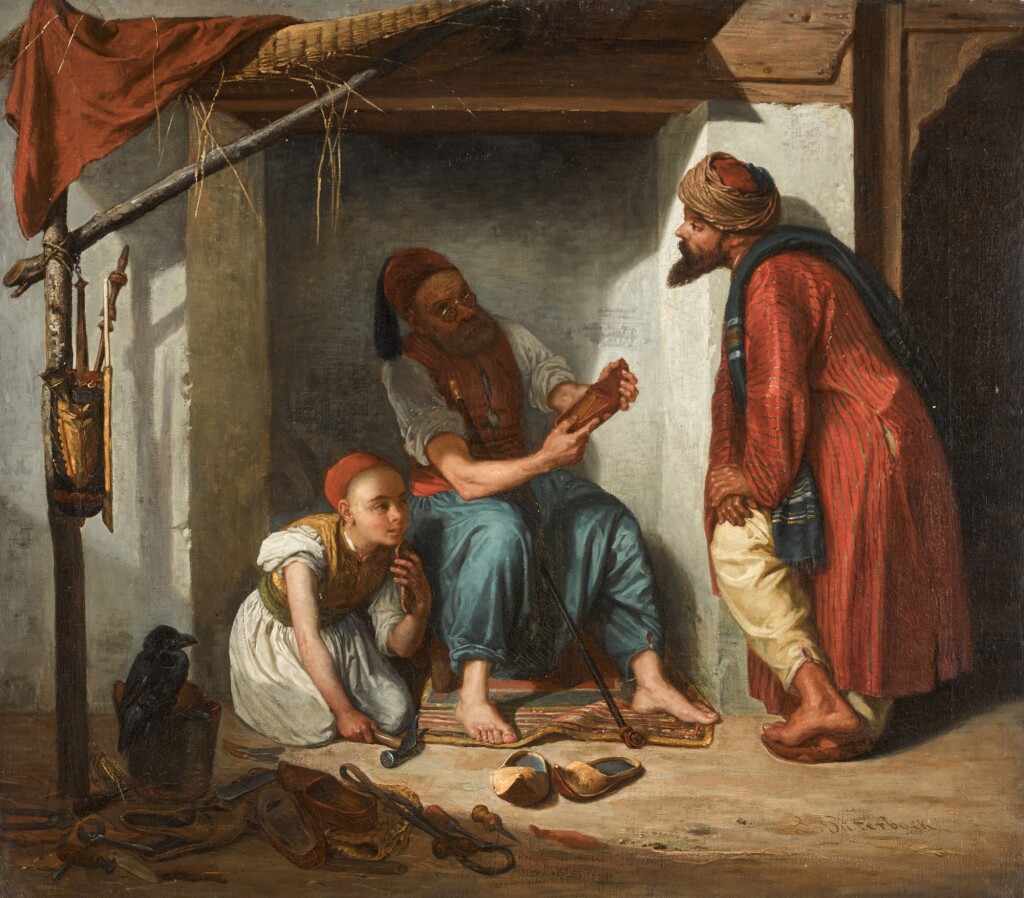
265. Cobbler – Given that mass production didn’t exist, cobblers served communities by repairing old shoes. But a cobbler’s life was a brutal one. First, guilds of elite shoemakers (cordwainers) legally banned cobblers from using brand-new leather, forcing them to patch shoes using scraps or old materials. Second, calling a master shoemaker a “cobbler” was a severe insult due to cobblers being viewed as unskilled, uneducated, and perpetually impoverished. Third, cobblers spent their days handling rotting, mud-caked, and sweat-soaked shoes worn by people who rarely washed their feet or changed their stockings. Fourth, working low to the ground on a simple 3-legged stool or hard bench caused chronic, back, neck, and joint pain. Finally, hours spent pulling tight stitches, hammering iron tacks, and slicing thick hide with razor-sharp knives meant frequent punctures, cuts, and repetitive strain injuries.

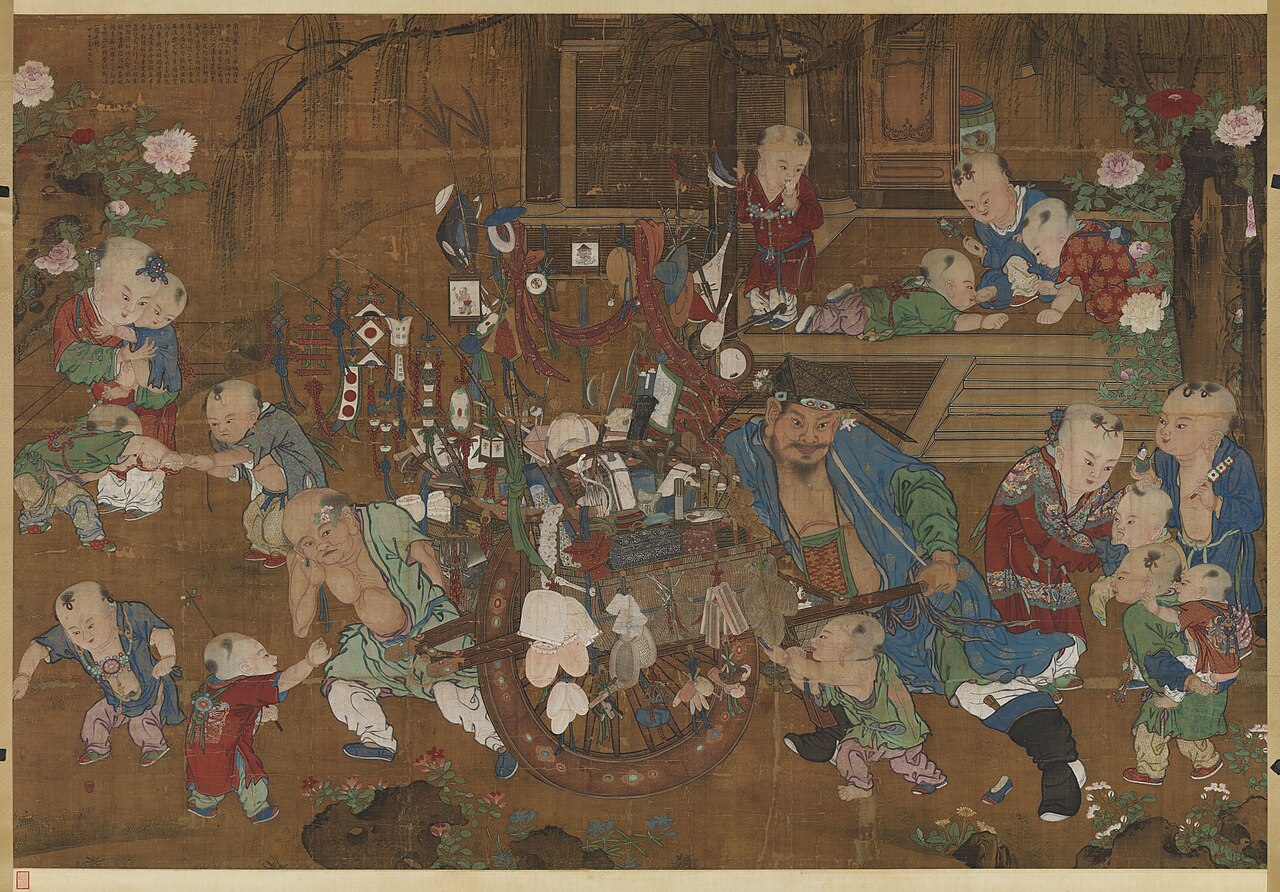
266. Peddler – Traveling from town to town with an array of wares one can’t do without, the peddler often makes a presence in much of the historical public imagination. But being a peddler of goods was a much challenging profession than it looked. First, peddlers carried loads weight up to 100lbs on foot across rough terrain for miles every day. Second, they walked through mud, snow, and freezing rain with no reliable shelter or waterproof gear. Third, they spent weeks alone in remote areas without any medical help should they fall sick or break a limb. Fourth, they risked attacks from wild animals, highwaymen, and rough terrain long before modern roads or police existed. Fifth, locals viewed outsiders with intense paranoia, often accusing peddlers of being spies, thieves, or con artists. Sixth, governments passed strict laws treating itinerant hawkers like criminals or vagrants, requiring expensive licenses that many peddlers could rarely afford. Finally, marginalized groups who turned to peddling for survival (like the Roma and Jews as popularly depicted) faced compounded discrimination and community shame.

267. Snake Oil Salesman – Although snake oil salesmen may be sleazy con artists, they’re always seen as people able to put on a show in the westerns. Yet, being a snake oil salesman was no easy con game. And despite the name, not all of these snake oil salesmen didn’t always promote snake oil, just quack medicine of dubious effectiveness. First, snake oil salesmen hauled heavy wagons of fake medicine across rough, muddy roads from town to town with no permanent home. They’d also be forced to move quickly because once people used the fake tonic, they realized it didn’t work and turned hostile. Second, snake oil salesmen also weren’t above performing outrageous stunts like handling live, angry rattlesnakes on stage during medicine shows just to draw crowds. Third, they risked tarring, feathering, or physical violence from furious locals and cheated customers. Fourth, they always had to watch out for local sheriffs or federal inspectors enforcing fraud and misbranding laws. Lastly, they relied on fake plant-in-the-crowd testimonials that could fall apart any second if a real doctor showed up.

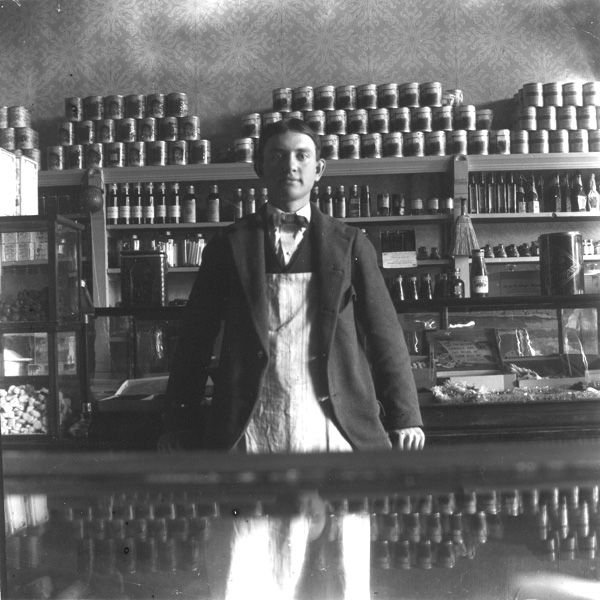
268. Store Clerk – In historical settings, it’s not unusual to have major characters take a stint as a store clerk, especially when they’re first starting out on their own. Yet, being a historical store clerk was absolutely brutal. First, shops opened at sunrise and closed late at night, often leaving workers with 14-16 hour days. And you thought working an 8-hour retail shift was bad. Second, clerks had to stand all day on hard wood or stone floors, and sitting was seen as a sign of laziness. Third, due to the nonexistence of pallet jacks and forklifts, clerks had to haul massive, heavy barrels of flour, sugar, and crates of goods by hand. Fourth, stores lacked indoor plumbing, proper heating, or air conditioning, meaning clerks froze during the winter and sweltered during the summer. Fifth without modern vacuums and cleaning supplies, sweeping thick layers of dirt and scrubbing wooden floors was a daily, exhaustive chore. Sixth, many historical apprentices and young clerks lived in tiny rooms above the shop owned by their boss, giving them zero privacy and total control over their free time. Finally, bosses could fine or dock a clerk’s tiny pay for minor mistakes like being a minute late or showing a lack of extreme politeness.

269. Perfumer – Back when people rarely bathed, perfume was essential to help rich people smell their best within the palaces or country estates. First, perfumers had to hand-collect or process raw ambergris (whale gut waste), musk (from slaughtered deer), and civet (anal gland goo from caged, terrified cats), which all smelled rancid before mixing. In addition, perfumers also used heavy metals and poisons like lead, arsenic, and mercury in cosmetics and fragrances. Second, early European perfumers often started as leather tanners, soaking animal hides in urine and dung before trying to cover the stench. Third, perfumers had to crush heavy roots, resins, and flowers by hand in hot, poorly ventilated rooms with open flames and boiling vats. Fourth, breathing in pure, choking alcohol fumes, chemical dust, and strong floral absolutes all day long caused chronic coughing and lung problems. Lastly, being tied to royal courts meant that during major uprisings (like the French Revolution), perfumers were viewed as enemies of the people and symbols of corrupt wealth. So you can guess that many of them met their ends to the guillotine just for their profession alone.

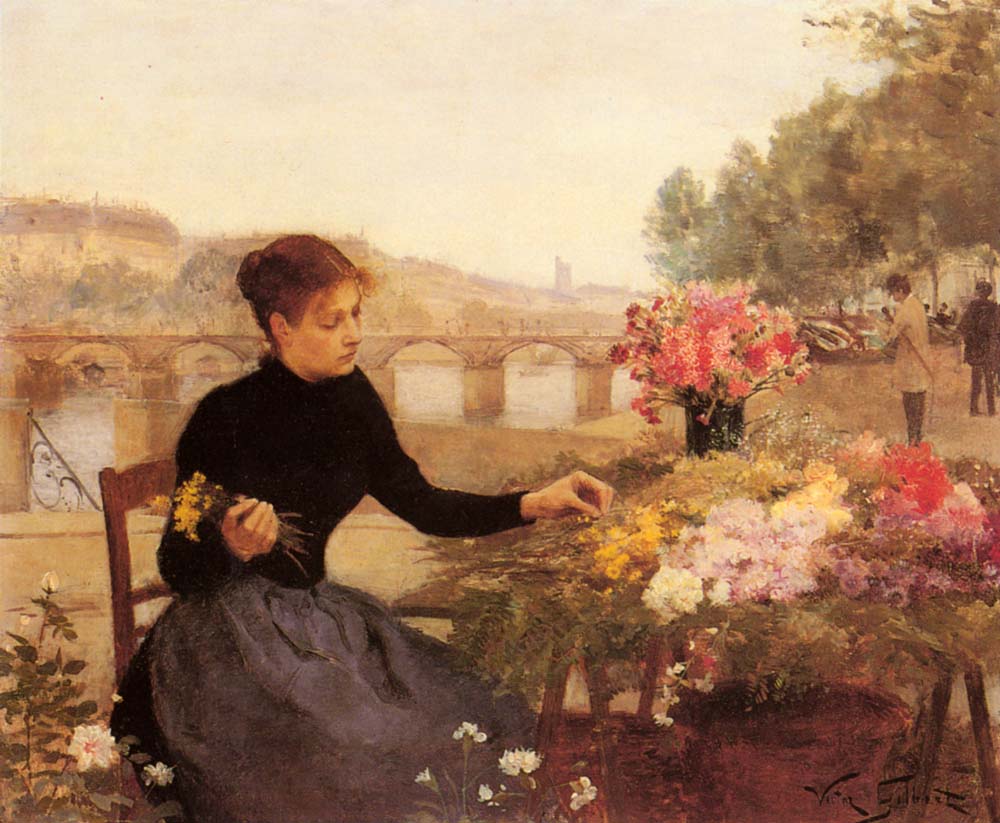
270. Florist – In historical settings, florists often have their work cut out for them. Because who’s going to supply the flowers for all those balls, weddings, and funerals? Yet, a historical florist’s life was anything but flowery. First, flowers died fast because shops relied on cold cellars and ice blocks instead of electric coolers. Second, workers handled freezing water, thorny stems, sharp wire, and heavy dirt all day by hand. Third, many popular plants and dyes used in old arrangements contained toxic chemicals like arsenic and lead. Fourth, because Victorians used strict floriography rules, mixing up a single bloom meant sending an accidental insult instead of love. Fifth, at funerals, florists faced immense stress building massive, bizarre funeral displays under tight public judgment and scoring. Finally, florists could only sell what local greenhouses grew or what arrived slowly by train or wagon. Assuming the flowers would still be alive by the time they’d arrive.

Historical Professions That Actually Sucked: Part 26 Taxi Driver to Suffragette

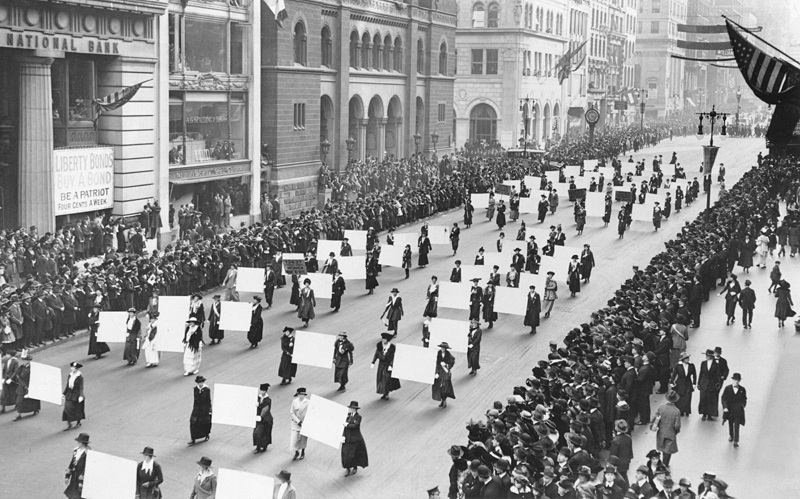
Suffragists parade down Fifth Avenue, 1917. Advocates march in October 1917, displaying placards containing the signatures of more than one million New York women demanding the vote. The New York Times Photo Archives

              When it comes to historical professions, what makes them terrible may not always be the job itself. Sometimes it’s the low pay combined with lack of labor rights and safety regulations. Sometimes it’s lack of technical advancement and investment in better infrastructure. Especially when roads were just muddy tracks. Sometimes it’s lack of scientific knowledge in microbiology and sanitation. Sometimes it’s even lack of standardized systems of weights and measures as well as certain instruments like measuring gear or thermometers. And sometimes it’s plain old discrimination. Anyway, here are ten mor historical jobs that actually kind of sucked.

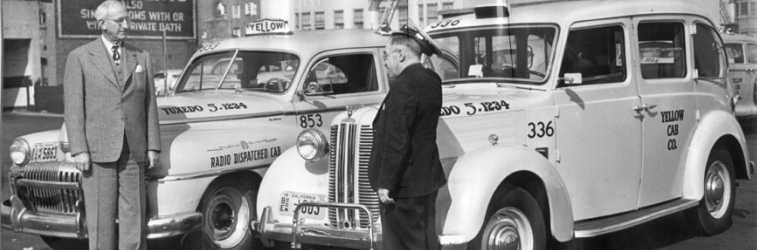
251. Taxi Driver – A yellow checkered cab is an iconic feature of many cities that you see on TV and movies before Uber came along. But being a taxi driver in the past was one with a myriad of challenges. First, classic workhorse vehicles like Checker Cabs featured heavy truck-steering and powerful winter heaters. But they completely lacked air conditioning during sweltering summer shifts. Second, drivers worked grueling 12-hour shifts sitting cramped seats, leading to chronic physical pain, fatigue, and an inability to find safe public bathrooms during a shift. Third, night shift meant regular exposure to stick-up men, erratic passengers, and fare beaters amid rampant urban crime. Fourth, taxi drivers regularly faced moral and physical dilemmas in decaying cities, often refusing service or fleeing “off duty” when flagged near high crime neighborhoods. Finaly, by 1979, fleet structures shifted heavily toward cab leasing models classifying workers as independent contractors. Under this structure, taxi drivers began every shift in a financial deficit, forced to pay upfront daily lease and gas costs before turning a profit on long, exhausting hours. Today, we call such practices as wage theft. No wonder Travis Bickle didn’t go to therapy in Taxi Driver.

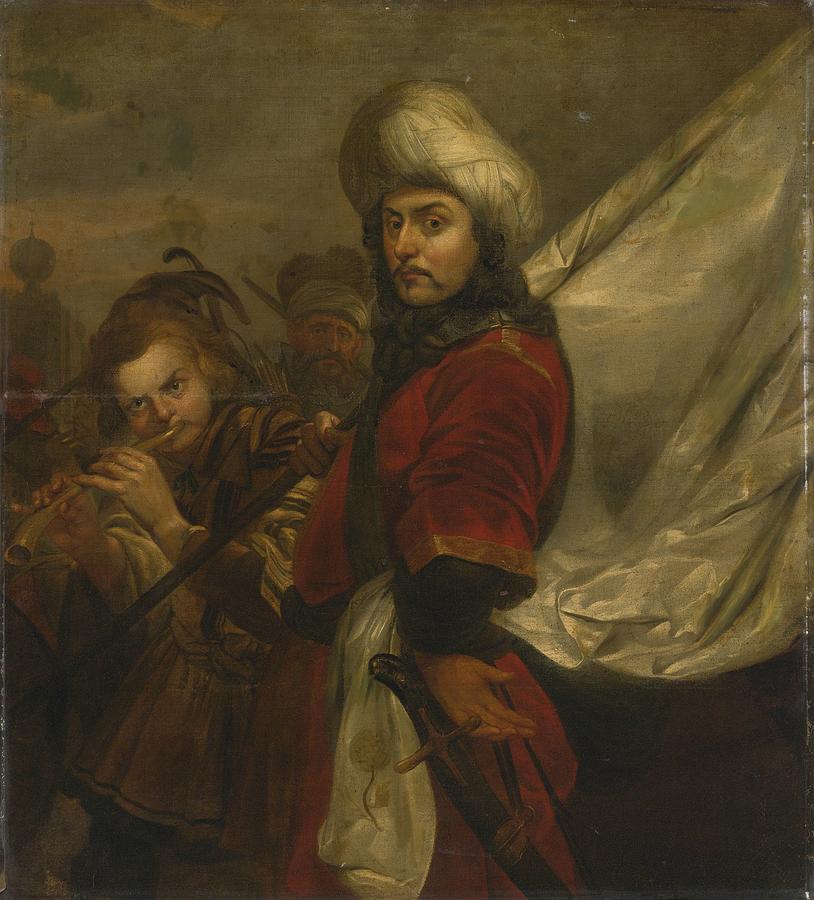
252. Standard Bearer – In historical films, standard bearers are often the guys who carried the flag on the battlefield. But a standard bearer’s life was nothing worth waving the flag for. First, enemy troops instantly targeted standard bearers because dropping the banner ruined army morale and signaled a loss. Second, holding a heavy pole, eagle standard, or large flag meant the bearer couldn’t properly use a shield or weapon for self-defense. Third, bearers had to walk right at the front at every charge to guide the troops through smoke and chaos. Lastly, losing the unit’s flag brought permanent disgrace to the surviving soldiers and ruined the entire military command’s reputation. No pressure. Thus, soldiers fought to the death around the pole because letting go of the standard meant total defeat.

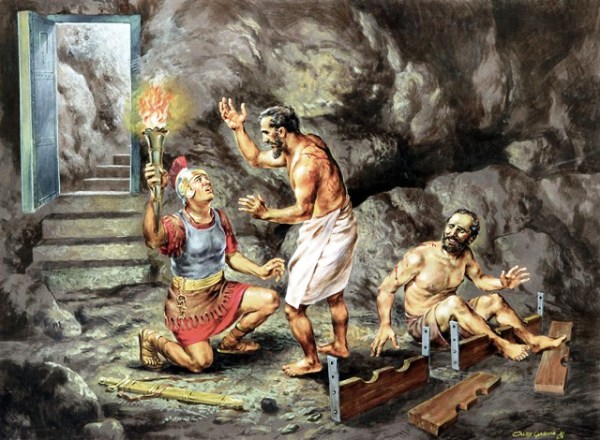
253. Jailer – In historical books, movies, and TV shows, the jailer often looks like the cool guy a character had to get past once the found themselves in the slammer. But a jailer’s life wasn’t anywhere near the dream it seemed on the outside. First, outbreaks like typhus (known as jail fever) regularly killed both prisoners and staff working in close quarters with them. Second, dungeons were damp, dark, and filled with human waste, creating a breeding ground for cholera and dysentery. Third, jailers had no medical knowledge, clean water, or protective gear to stop airborne or waterborne sickness. Fourth, guards handled desperate, violent criminals without modern riot gear, tasers, or backup support. Didn’t help that jails held rebels, murderers, and thieves with nothing left to lose. While gangs or prisoners’ allies on the outside often targeted jailers for revenge or bribes. Fifth, historically, many jailers had to buy their position and pay for the prison’s upkeep from their own pockets. Jailers only made money if they could extort fees, food money, or bribes from prisoners or their families visiting them. If a prisoner was too poor, the jailer lost money keeping them. Lastly, if a high-profile prisoner escaped, the jailer could face heavy fines, imprisonment, or execution for letting them go.
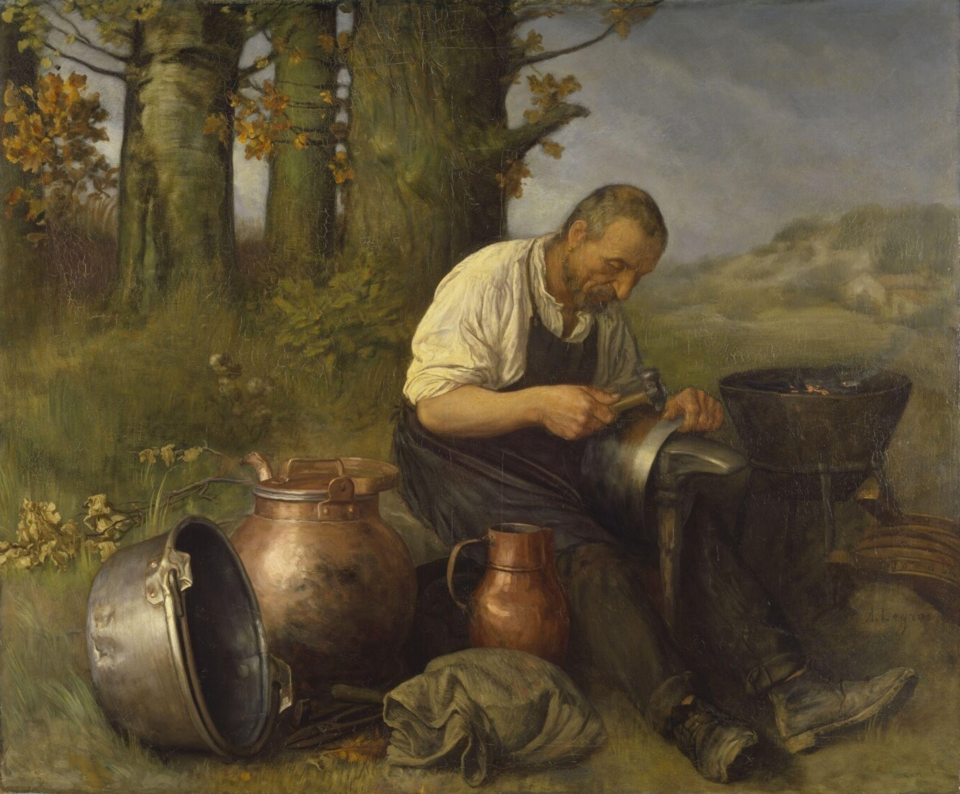
254. Tinker – Since a lack of mass production made many practical items expensive, tinkers existed to repair small household items like pots, pans, and other metal goods as well as do other odd jobs. But a tinker’s life was one of great instability. First, traveling tinkers were seen as outsiders. Locals distrusted them, accused them of stealing, and looked down on their nomadic way of life. Second, tinkers walked long distances in bad weather carrying heavy tools and metal stock. Their camps offered little comfort, and they lacked safe, permanent housing during harsh winters. Third, tinkers relied on small-scale repairs of pots and pans or odd jobs. Pay was low and unpredictable, entirely depending on whether villagers needed mending and were willing to pay. Lastly, working constantly with scrap metal, toxic solders like lead, and crude charcoal fires exposed tinkers to dangerous fumes, burns, and chronic illnesses without medical support.
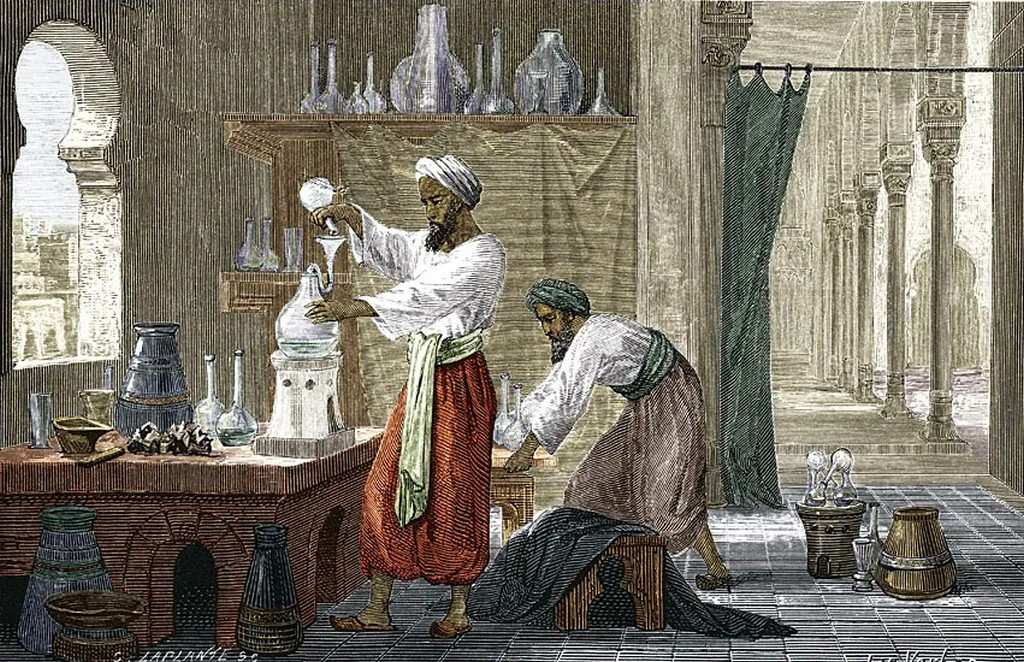
255. Cartographer – Maps are essential for our navigation throughout our history. But before aviation and GPS, making a map wasn’t at all easy. First, painters used deadly poisons like lead white, arsenic green, and mercury-based vermillion for map colors, often licking their brushes into a fine point. Second, drafting microscopic grid lines and calligraphy by candlelight or dim window light quickly destroyed eyesight. Third, surveyors gathering raw data faced extreme weather, malaria, hostile locals, and fatal accidents while lugging heavy brass instruments through swamps and mountains. Fourth, explorers regularly brought back false distances, made-up islands, or missing coastlines, forcing cartographers to guess. For instance, maps copied a fictional rumor of 250 years showing California as a great island because a 1510 Spanish novel said so. While printers refused to fix it. Note that no Europeans were in California in 1510. Then there’s the Mountains of Kong that appeared on many African maps for nearly a century until people actually went to where they’re supposed to be and found a plateau landscape instead. Fifth, pressures from map publishers meant you can never leave a blank spot, admitting you didn’t know meant making up sea monsters or empty space that clients hated. Sixth, kings and trading companies treated accurate maps as classified military weapons. Showing a trade route or shoal incorrectly on purpose was standard to trick rivals. But getting caught meant prison or execution. Seventh, the Church punished or censored cartographers whose work clashed with biblical literalism or traditional cosmological views. Lastly, print shops regularly stole finished maps, meaning original cartographers rarely made a fair profit and starved while pirate copycats sold fake editions.
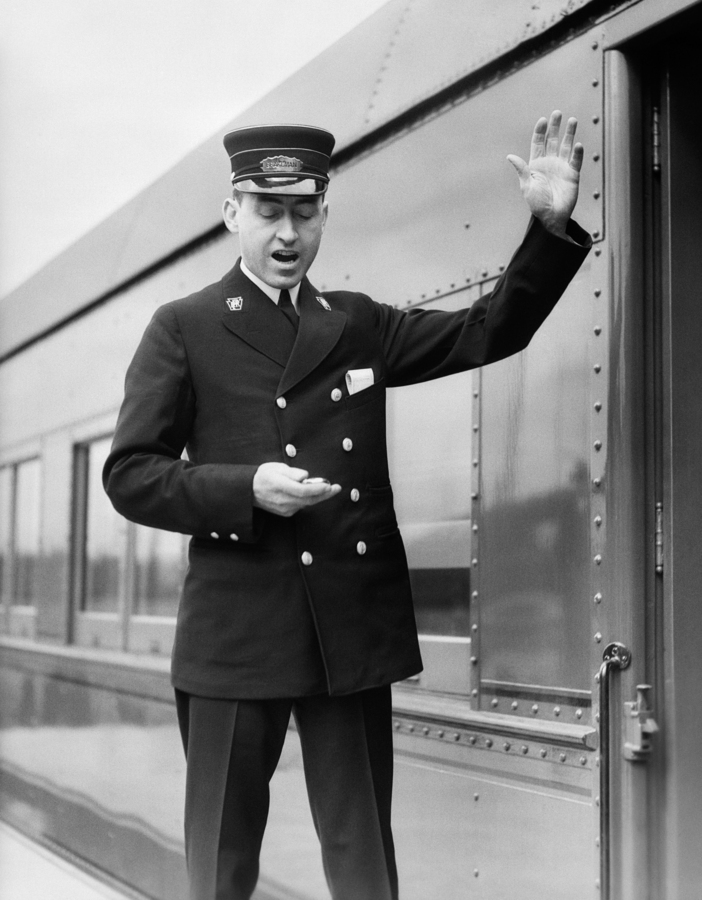
256. Train Conductor – In historical settings, a blue-clad conductor always appeared on board to greet passengers before their journeys. But life for a historical conductor wasn’t anything you’d see on Shining Time Station. First, shuffling between heavy railcars to manually drop link-or-pin or early knuckle couplers meant crushed fingers, hands, or limbs were constant risk. Second, derailments, head-on collisions, and bridge collapses regularly resulted in fatal or life-altering crush injuries. Third, early operations lacked modern automated brakes, requiring conductors to climb atop swaying, ice-covered freight cars in the dark to manually crank hand brakes. Fourth, conductors worked entirely exposed to freezing winter blizzards, pouring rain, and scorching summer heat without climate-controlled cabins. Fifth, shifts regularly stretched 12-16 hours before Federal Hours of Service laws strictly limited consecutive duty. Being on the “extra board” meant being on call 24/7 with very little notice to report for a run, destroying any hope of a normal family life. Sixth, train crews spent days stranded away from home, sleeping in sub-par railroad shanties, flea-bitten boarding houses, or caboose bunks. Seventh, exposure to coal smoke, soot, and dramatic temperature shifts triggered chronic respiratory issues, severe joint pain, and profound exhaustion. Lastly, witnessing pedestrians of vehicles struck by heavy trains or unshielded rural tracks left many train conductors with unaddressed psychological trauma.

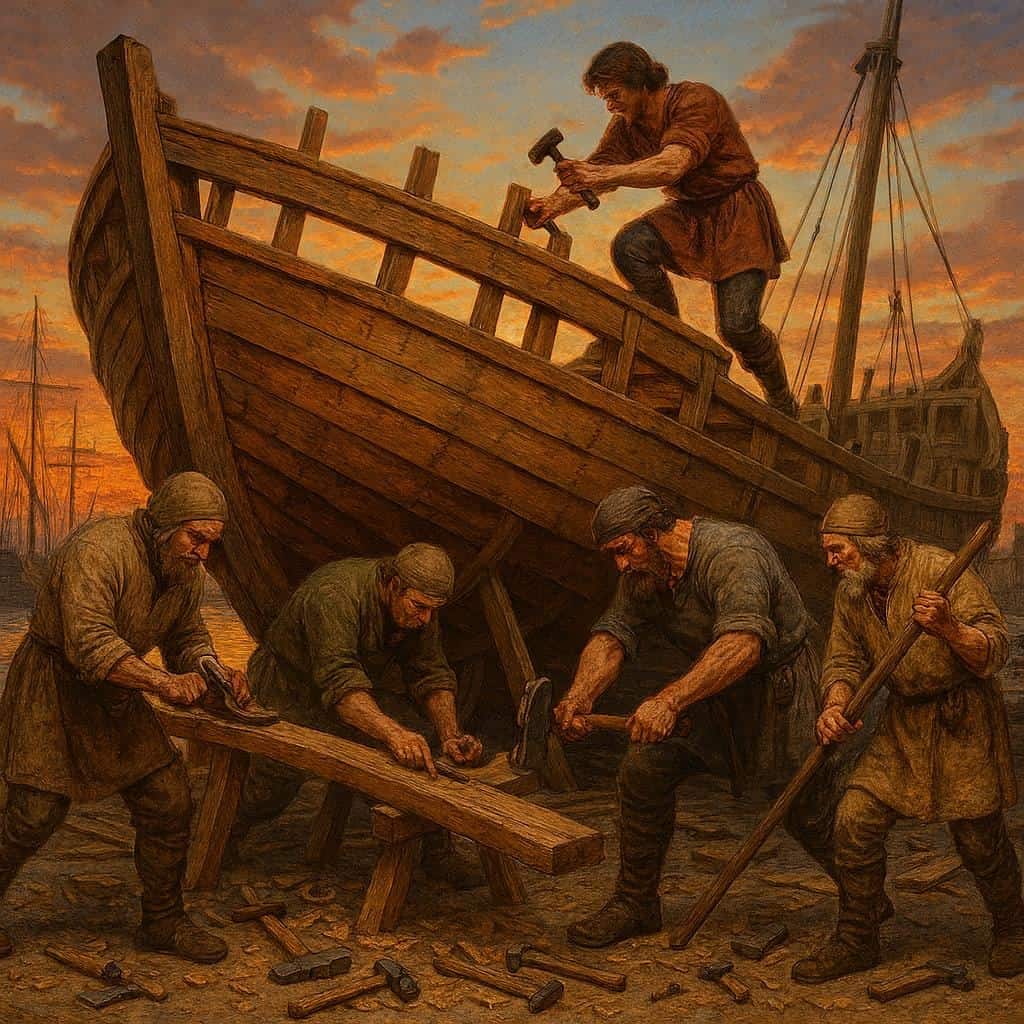
257. Shipwright – In historical settings during the Age of Sail, wooden sailing ships appeared as floating castles gracefully moving across the sea. Although history buffs see them as perhaps the worst cruise ship experience of your life. However, building one of these as a shipwright was a nightmarish experience. First, moving massive oak logs and timber hulls required raw muscle power, primitive leverage, and heavy capstans that could break bones if a rope snapped. Second, sub-workers like pit sawyers spent all day in wet, dark holes beneath the timer stocks, covered in sawdust and sweat while pulling hand saws upward against gravity. Third, heavy rigging, rolling timbers, and spinning capstan bars regularly crushed limbs and shattered ribs. Fourth, workers boiled pitch, tar, and sulfur caulking by hand, breathing in toxic fumes ruining their lungs and burning their skin. Fifth, shipyards were muddy, open-air, and freezing in the winter or stifling in the summer. Finally, despite needing elite geometry and woodworking skills, ordinary shipwrights earned modest wages while facing constant risk of unemployment between major contracts.

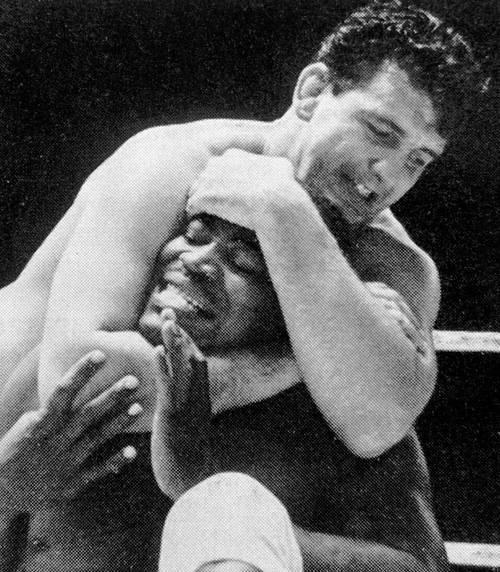
258. Wrestler – In some historical settings, wrestlers also make appearances alongside boxers. But the life of a historical wrestler was anything but glorious. First, promoters classified wrestlers as independent contractors, meaning athletes paid out of pocket for broken bones, surgeries, and chronic injuries. Second, wrestlers lived out of cars and cheap motels, driving hundreds of miles every single night between small towns. Third, wrestling matches were punishing, and performers often had to “receipt” or physically fight back against rogue opponents or tough guys trying to expose the business. Fourth, local promoters regularly skipped gate receipts, and because there was no centralized union or oversight, wrestlers were often underpaid or cheated out of payoffs. Fifth, should a wrestler fall out of favor with a powerful booker like Vince McMahon Sr. or Sam Muchnick, they could be blackballed from every major territory across the country overnight. Lastly, performers needed to maintain the illusion of wrestling’s authenticity 24/7 in public, risking violent confrontations with aggressive fans who genuinely wanted to prove the sport was fake.

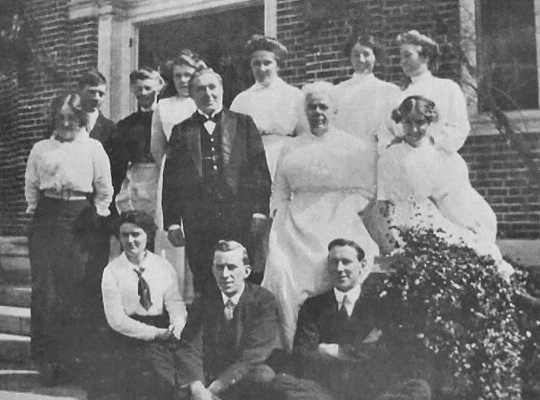
259. Butler – The genial butler who’s been with the family for over a generation is a key feature in great house in many historical TV shows, movies, and books. Bonus points if they have English accents even if it’s in 1920s Duluth (unless they’re black) or commit murder. But despite his manners, the life of a butler was anything but genteel. First, traditional great houses mandated butlers to remain single. As servant marriage was seen as a distraction, an unwanted expense, and a risk for petty theft, Second, living at the workplace meant no separation between life and duty: they were on call constantly 24/7. Third, butlers had to maintain strict emotional distance from both the family upstairs and the junior staff they managed. Fourth, butlers were held entirely responsible for the behavior and mistakes of every junior footman, maid, and valet. If the silver wasn’t polished or a meal was late, blame fell on them. Fifth, long before guests woke up, butlers oversaw heavy lifting, cleaning, and the meticulous logging and decanting of heavy wine inventories. Lastly, every social misstep, a clumsy move formal service, or showing visible stress could result in immediate dismissal and a ruined reputation. Especially if some blackmailer shows up over your past show business career as a straight man for The Cheerful Charlies. And should there be a maid in the dining room, well, anticipate possible societal collapse.

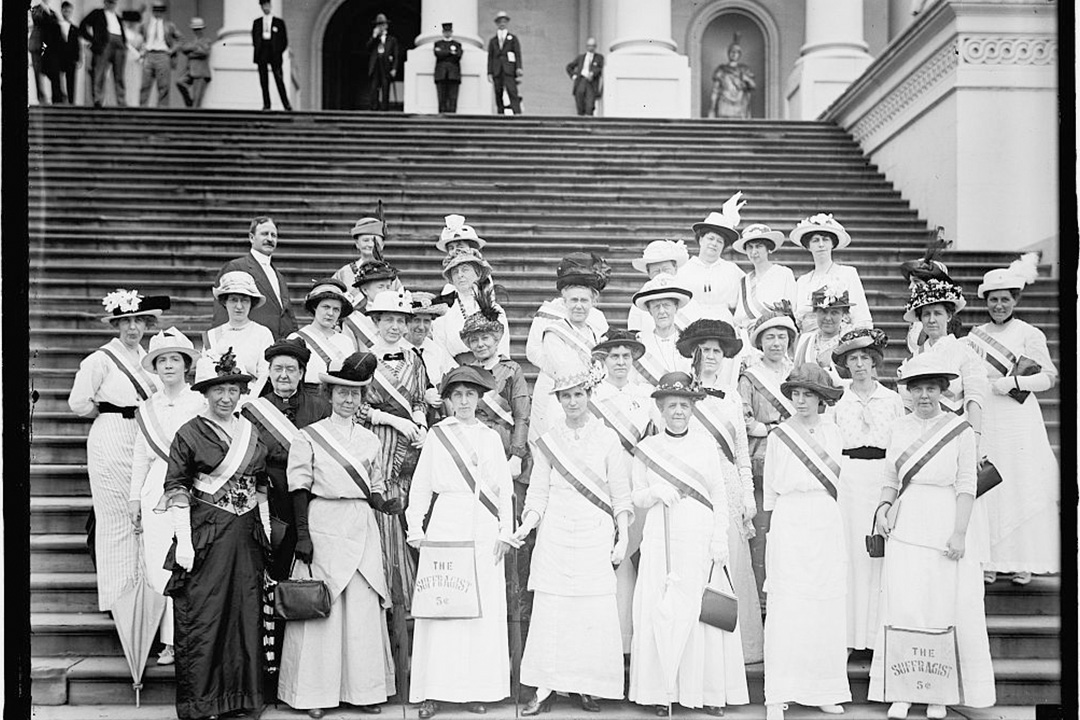
260. Suffragette – Suffragettes were often the women out protesting for women’s right to vote, especially during the Victorian Era and the Gilded Age. In Mary Poppins, they’re often seen as a bit out of touch with reality but inevitably right. Yet, being a suffragette was anything but a cakewalk. And the struggle for women’s right to vote was an incredibly brutal one that should never be forgotten or taken for granted. For one, standing on public street corners to sell papers or speak left women exposed to angry mobs, physical shoves, and flying debris with no police protection. Second, activists were routinely spat on, pelted with rotten food, and beaten by hostile crowds viewing them as unmanly or dangerous. Third, when arrested for vandalism or protesting, suffragettes went on hunger strikes to demand political prisoner status. Prison guards pinned down women and shoved metal tubes or rubber hoses down their throats or noses to force food into them, causing sever physical and mental trauma. The government released starving, sick prisoners just long enough to regain their health only to rearrest them and repeat the cycle. Fourth, many people including women, hated the militant tactics (like breaking windows and setting fires) and blamed suffragettes for turning public opinion against women’s rights. Finally, working-class suffragettes faced harsher punishments and less legal protection than aristocratic women who could use their social status to ease their burdens. In America, we should also understand the racial tensions regarding the Southern suffragettes who wanted the right to vote but not for their fellow black women as well as the white leaders like Alice Paul caving to them and selling out black suffragettes like Ida B. Wells. But like union organizers, we should thank God these women did what they did to earn the women’s right to vote. And we all have all these women to thank for it.