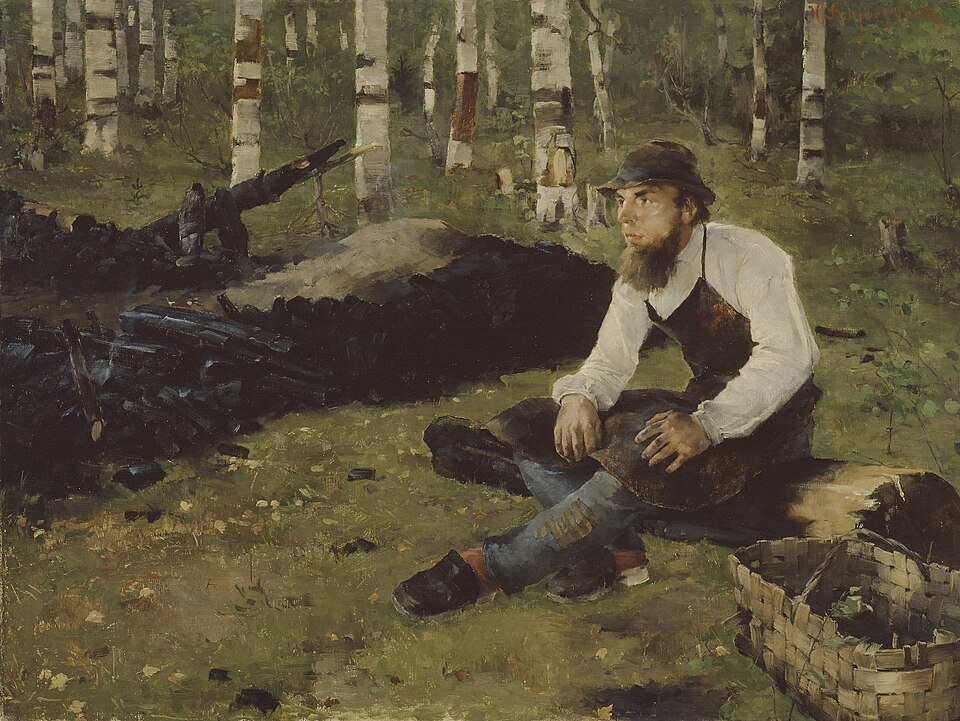
Historical Professions That Actually Sucked: Part 5 Dressmaker to Coachman

While many historical professions may suck due to long hours, low pay, grueling work, and horrible work conditions, some seem to offer a great amount of wealth and power such as plantation owner or anything to do with royalty. But many of them come with severe restrictions, high expenses, and their own brand of psychological terror. Plantation owners were often in debt and worried about their slaves rising against them. Medieval knights had to pay pretty prices for their armor, weapons, and horses. Princesses were daddy’s political pawns to marry off to secure an alliance with France. Of course, here are ten more historical professions with the dark realties behind them.

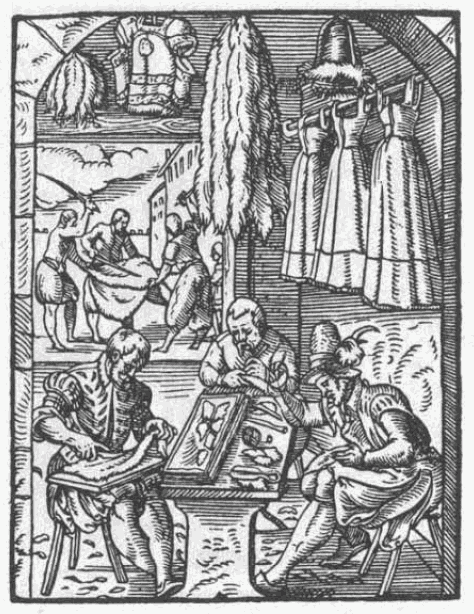
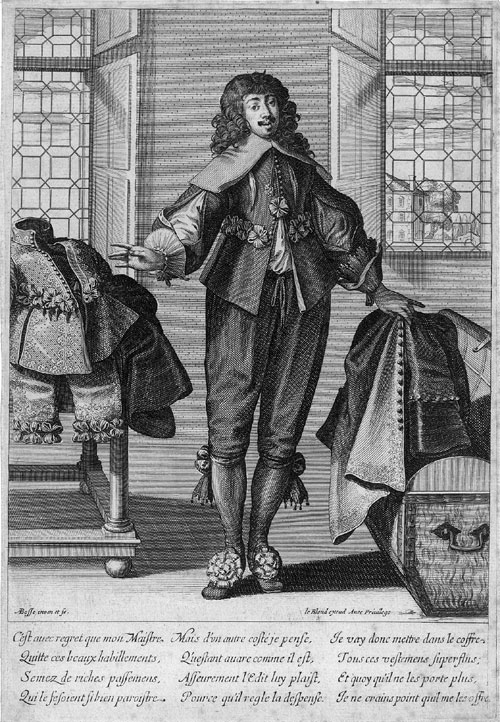
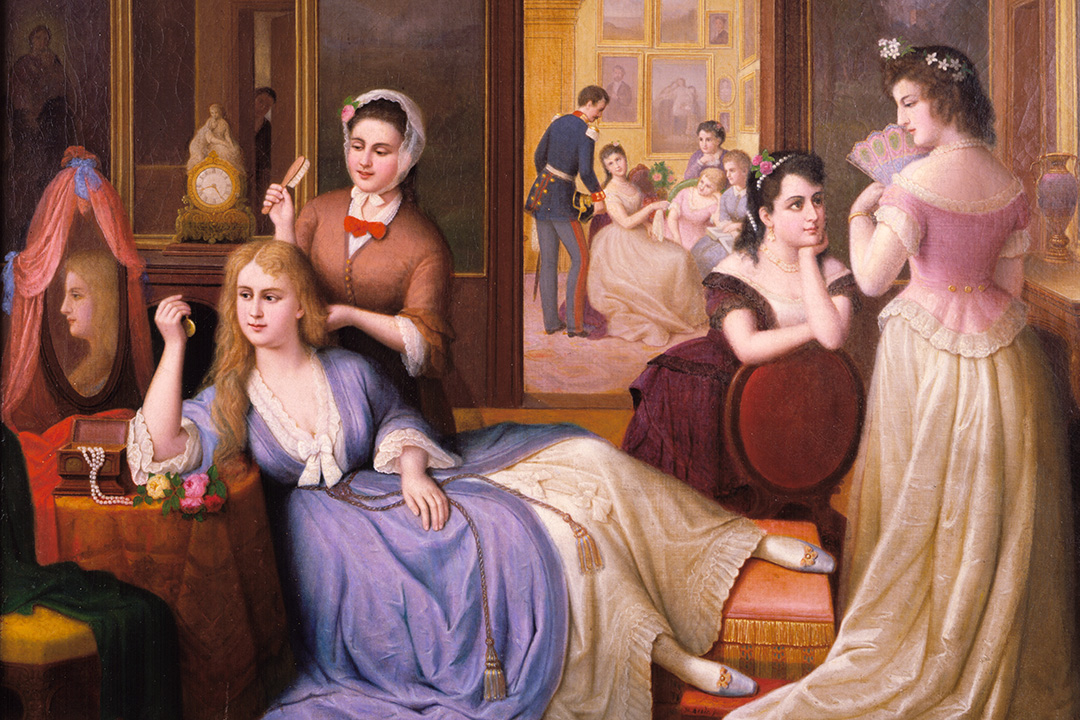
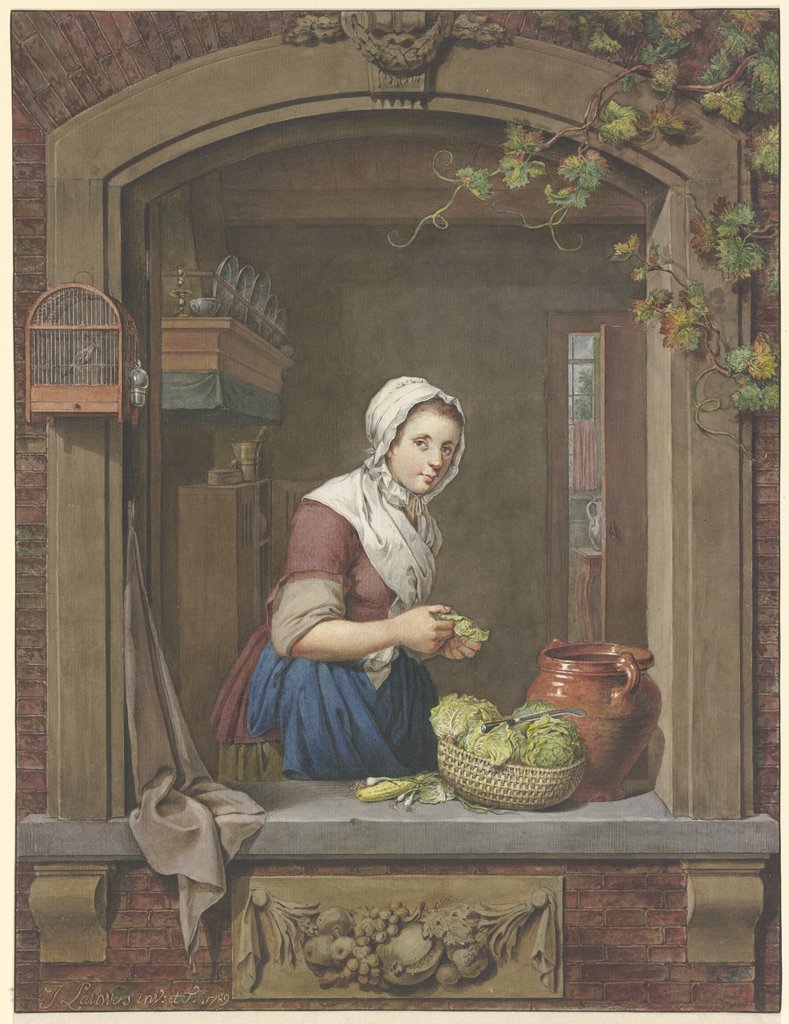
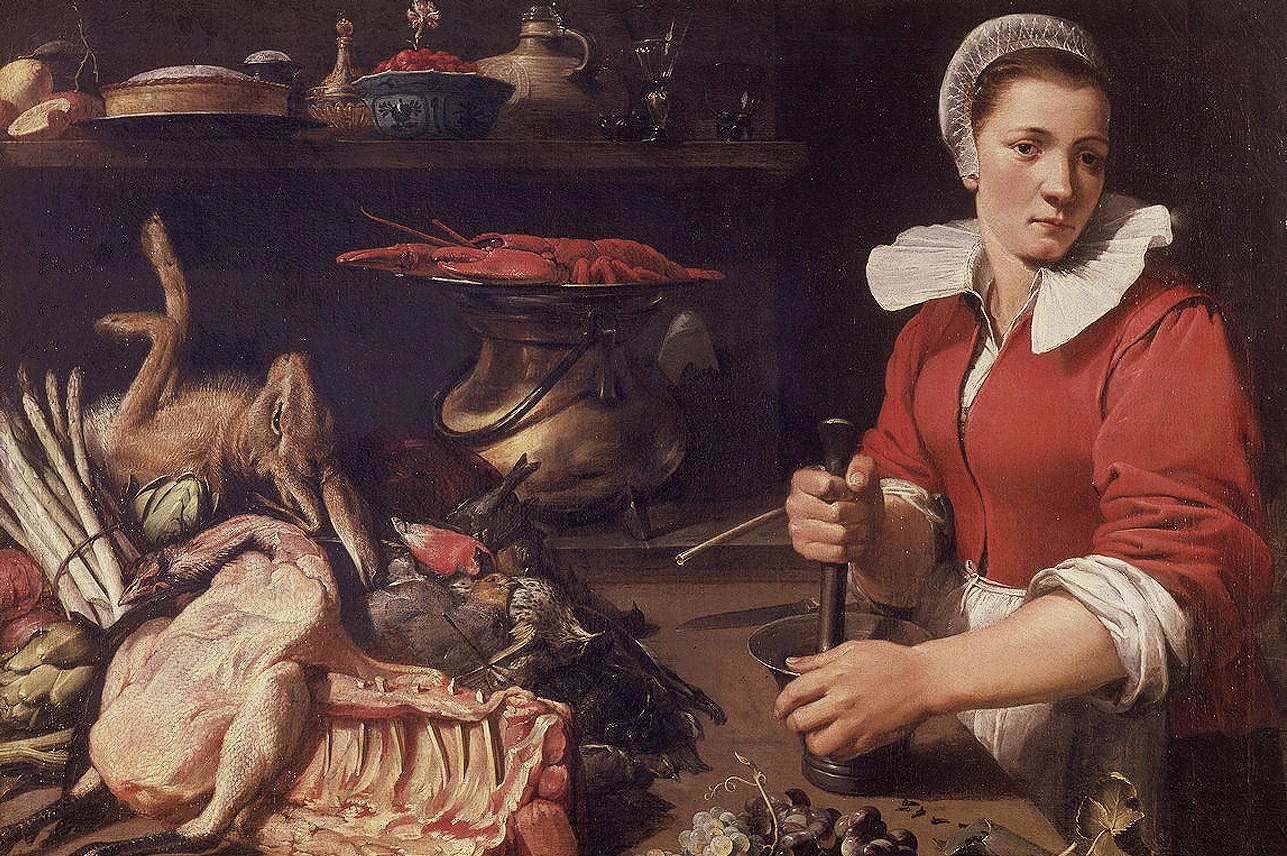
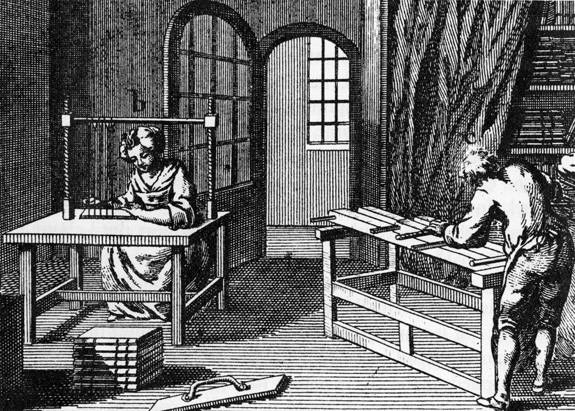
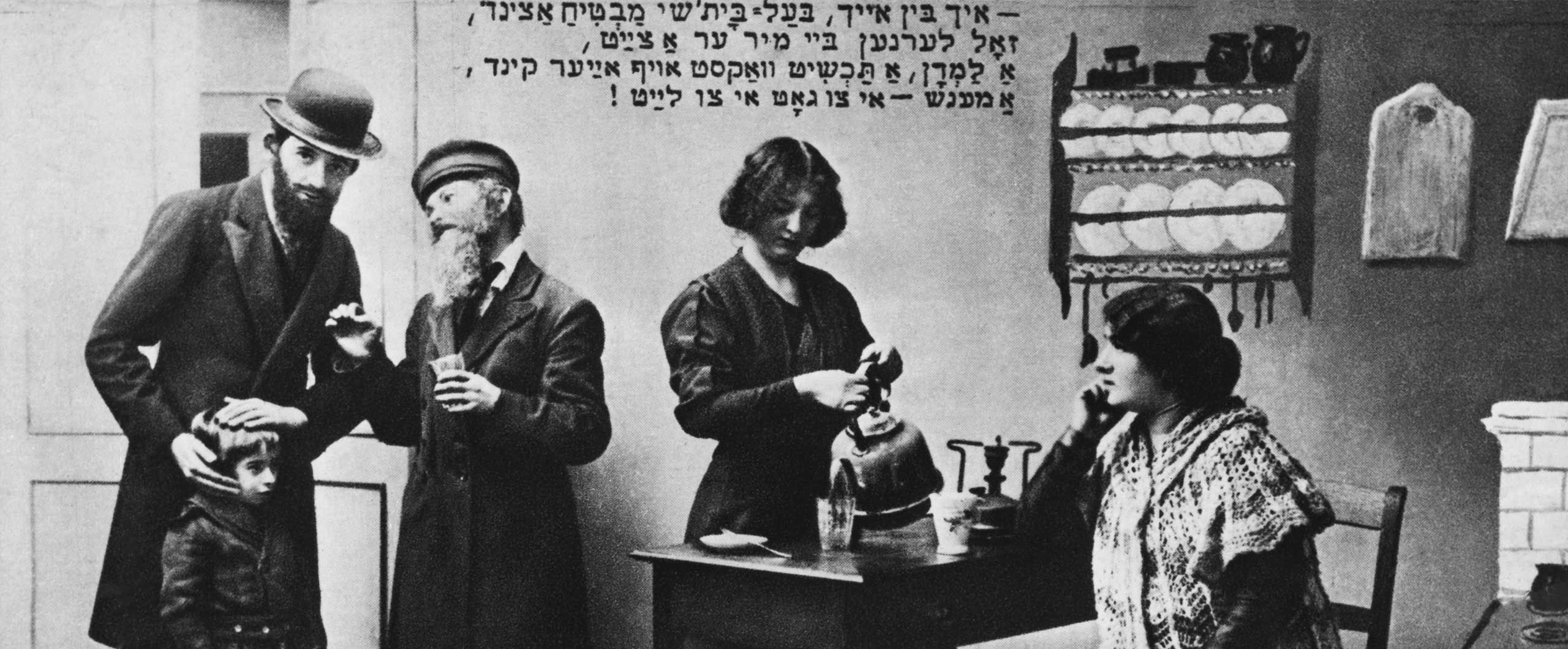
41. Dressmaker – You see her on many period pieces whenever a female character needs a new dress for some social event like a major ball. Given that she’s designing and having dresses created for multiple clients, you wonder if the dressmaker on Bridgerton is the closest there is to a fairy godmother on the show. Since you might suspect she has magical powers to complete dress orders and still have the time and stamina to have an active social life. Even if she does have some people to help her with the fitting, cutting, and time-consuming sewing. Because given that it takes place in the Regency, she almost certainly doesn’t have a sewing machine. Although given that Bridgerton is more historical fantasy than reality, anything is possible. But for most of history up until the early 20th century, being a dressmaker was an incredibly demanding profession that often required an arduous, unpaid apprenticeship learning the trade on the job. A typical workweek comprised of 10-hour days and 6 days a week. Yet, that work is highly cyclical with intense rushes during the spring and fall seasons and often surviving on sparse incomes on mending work during off-season. There was also a hierarchy of dressmaking. You have the most experienced artisans who take exact measurements, draft patterns, and economically cut the fabric to prevent waste called cutters. You have the ones working directly with clients, pinning, and shaping garments on the body called fitters. Then you have the entry-level apprentices and lower-ter seamstresses who do the delicate hand-sewing work, hemming, and embellishment attachments called finishers or table monkeys. An average seamstress in the late 1800s was often paid $0.85 to $2.50 a day depending on her skill. Working at night by candlelight or gaslight takes a toll on a dressmaker’s eyesight. Carrying heavy fabrics and constant hunching over tables causes back problems. While the dressmaker profession would soon begin a long decline thanks to paper dress patterns and the rise of large department stores with ready-to-wear clothes you can get off the rack.

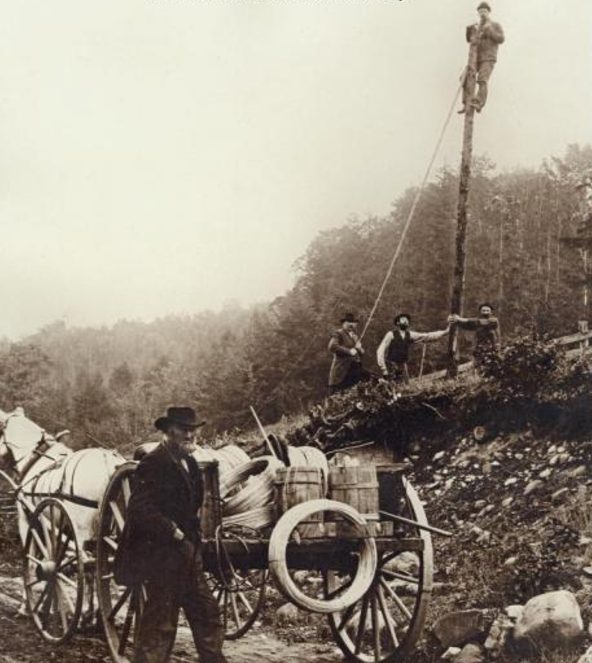
42. Messenger – Whether they be an ancient runner or a messenger on horseback, couriers have been the those who transported products and delivered letters from the dawn of civilization to the invention of mass communication and mechanized transit. But being a messenger back in the so-called “ye goode olde days” was much more stressful than many may perceive on the screen. As a messenger, you’d be forced to travel massive distances on either foot or horseback over harsh, unpaved roads, and bandit-infested forests. Increment weather poses constant. Rain, snow, or mud could easily ruin fragile scrolls, destroy the message entirely, delay delivery, or possibly putting your life in jeopardy. You’d also often lack access to proper shelter or reliable food. You’d frequently survive on meager rations in dilapidated conditions while remaining in constant hyper-vigilance against ambush. Then there’s the fact that you’ll be dealing with rulers, warlords, and other powerful people, some of whom might be your boss’s enemies. And some who likely don’t have the best coping skills, especially when things don’t go their way. There’s a reason why the saying “don’t shoot the messenger” exists as recipients of bad news often distrust or dislike the ones giving it. Even when they know you had no part in the decision. Unfortunately, there are powerful people who don’t follow this advice. And that’s not getting to what you have to go through when you’re serving on the battlefield in wartime.

43. Expedition Porter – Aiding the white hero during a jungle mission, a line of porters follow around carrying all the stuff, setting up camps, acting as guides, and catering to the party’s every need. However, these non-white porters are actually among the unsung heroes who never receive their due. As a porter, you often haul loads exceeding your own body weight over treacherous terrain, high-altitude mountain passes, parched deserts, savage savannahs, or mosquito-infested jungles. Sometimes over 100lbs at a time when no weight limits or workplace safety guidelines didn’t actually exist. Since you must pay for your food and basic needs out of your meager daily wages (typically $25-30 a day), you might actually lose money during the expedition before you factor in tips. As for gear, it may depend on the person or company you work for. Some may receive proper equipment. Some may lack basic clothing or even sleeping bags. While you may become highly susceptible to conditions like high-altitude sickness, frostbite, dehydration hypothermia, malaria, dysentery, animal attacks, injuries, and other fun stuff that you just have to push through. Because taking the day off means losing your much-needed income. However, there is a silver lining in that you don’t have to worry about any ancient curses should you tag along with an archaeologist who decides to loot some dead ruler’s tomb.

44. Longbowman – In English history, the longbowman is often heralded as the elite fighter that won them the Battle of Agincourt during the Hundred Years’ War. But although the English longbow was an effective medieval weapon against high odds, it wasn’t a great gig to have. For one, as a longbowman, you’re working with a weapon with a massive draw of 100-160lbs. Regularly pulling one from childhood permanently warped archers’ skeletons, resulting in enlarged left arms, thicker bone density, and sometimes, even uneven spines. Since training caused burned shoulders, raw fingers, and calluses, you needed to start training with your grandpa just to build the right muscles and tendons. Oh, and English medieval law mandates that all able-bodied men practice archery on Sundays and holidays instead of resting. Failing to do so could mean fines or time in the stocks. If war broke out, then you had to go as a conscript. Sure, you’d likely wear padded armor and kettle helmets. But while your weapon may result in devastating casualties on the French nobility, enemy capture might mean either losing your drawing fingers or being killed entirely so you won’t be able to shoot again. And while you might think your status as an archer might consign you to the back, you might also have to drop it and resort to brutal, bloody melees using hammers, stakes, and swords. Nonetheless, like the knight, your skill as a longbowman would eventually become obsolete with the introduction of firearms.

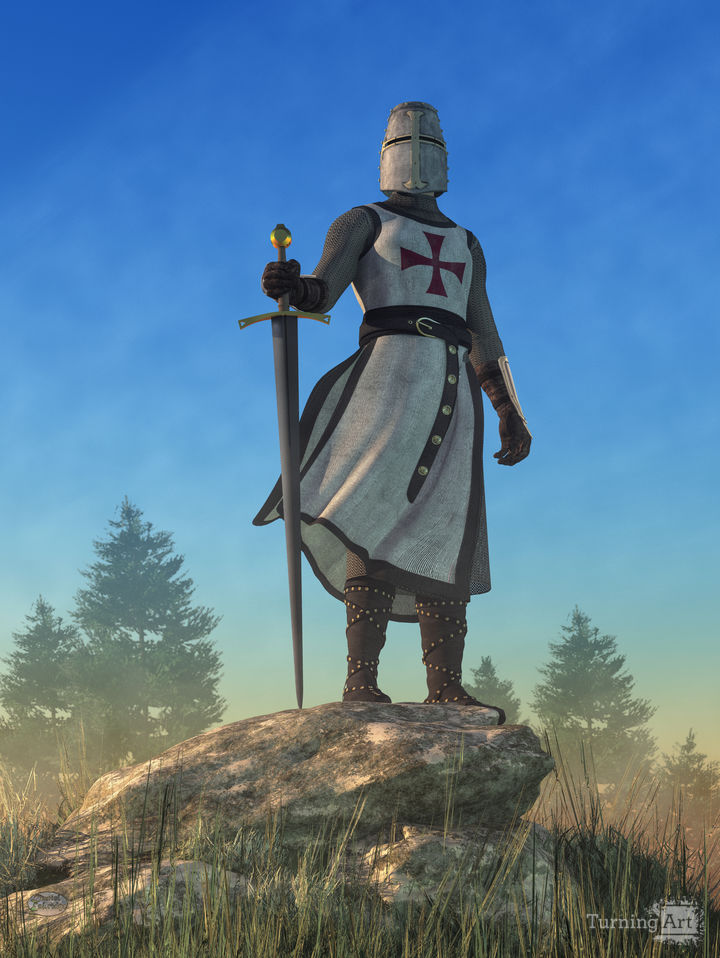
45. Crusader – Ah, to be a knight venturing out to the Holy Land during the Crusades, fighting to gain Jerusalem for the glory of Christendom. However, before you put on your armor and take up your sword, here’s a few things you need to know. First, arming, traveling, and equipping a soldier for the long journey to the Holy Land is astronomically expensive. Many nobles were forced to heavily mortgage or completely sell off their estates to fund the long trek, often leaving their families destitute if they failed to return. Second, the long trip to Egypt and the Levant will involve harsh terrains, extreme heat, and severe supplies shortages. Thousands died from starvation, exposure, and endemic diseases long before ever seeing a battlefield. But once you see one, know that wearing heavy chainmail and tunics while fighting Muslims in the intense, dry Middle East heat will be incredibly physically exhausting. While keeping an immense army fed and watered in a foreign land caused immense suffering, frequently forcing crusaders into desperate scenarios just to survive. But why do it? Well, aside from religious devotion, there’s debt forgiveness and protection of estates back home.

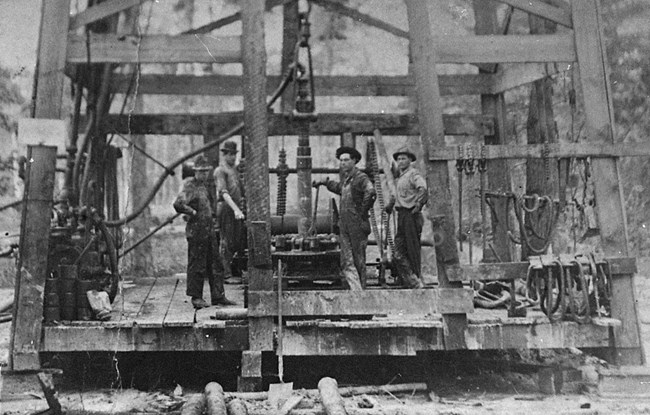
46. Prospector – Whenever there’s a gold rush, you’ll always found people like the prospector to rush in and try to strike it rich. Whether it’s at Sutter’s Mill or the Klondike. However, wherever gold’s discovered, the being a prospector hoping to get lucky and strike it rich is basically the historical equivalent of the guy who’s always at the local gas station to buy scratch-off tickets but never wins the lottery. But under more extraneous circumstances. For one, finding large amounts of gold was rare. You were more likely to be struck by a meteor than making more than minimum wage was zero, especially for novices. Yet, didn’t stop many from spending their life savings on gear and supplies, only to find absolutely nothing. Since gold is incredibly heavy and settles on the bottom of riverbeds, prospectors had to shovel through massive amounts of gravel, swing pickaxes, and bend over pans in icy water all day, destroying their joints and back. While digging on the fringes of civilization meant enduring extreme weather, isolation, and disease. Many perished from exposure, scurvy, and dysentery long before striking it rich. Even when prospectors did find any gold, local merchants, saloons, and outfitters jacked up prices of basic food and tools so much that miners’ profits were constantly drained. In addition, historical gold rushes quickly became overcrowded, leading to highly-regulated environments. While the ones who really struck it rich were the people who made money off these idiots.

47. Crime Boss – So much of our pop culture glorifies the life of a crime boss, which is a step up from the run-of-the mill gangster. But a criminal leadership role can come with many challenges. As a crime boss, you may be raking in hundreds of dollars. However, you’ll constantly have to look over your shoulders since anyone in your inner circle could turn informant or try to take over. The constant danger of assassination or arrest along with irregular sleep, drug use, and poor diet results in an incredibly unhealthy and stressful lifestyle that could manifest in physical ailments like stomach ulcers and heart disease. So is there any wonder why so many real-life mob bosses were fat? Also, you’ll always be on the clock and under massive pressure. Facing intense scrutiny from federal authorities will force you to live a highly restricted, secretive, and abnormal daily lives. Not to mention a toll on your personal life as your kids grow up without a dad, your wife endures constant fear and abuse, and the ever-looming threat of violence should the marriage go south. While you may accumulate vast wealth and power, you’ll ultimately be trapped in a violent subculture. You’ll also find yourself permanently shut out of legitimate society or high-class social circles. Thus, after reading this, you can completely understand why Tony Soprano felt he had to see a therapist on The Sopranos.

48. Fur Trapper – In the days of early America, fur trapping was a major industry that may not be romanticized. But many of the men who’ve held this job certainly have been as frontier heroes like Kit Carson, Hugh Glass, James “Tomahawk” Beckwourth, Jim Bridger, and others who’ve had their names written in the annals of great mountain men. But trapping pelts wasn’t a job for the faint of heart. So before you put on your buckskins and head out to the Rockies, here’s a few pointers. First, as a mountain man of the American West Fur Trade Exploration or perhaps a small-time lone operative in Canada or Siberia, expect to be away for months at a time or to lead a nomadic lifestyle. Maybe take an Indian wife like Kit Carson did twice. At any rate, you’ll spend long periods being cut off from civilization, family, and medical care, leading to profound psychological toll. That it’s a miracle Hugh Glass got mauled by a grizzly bear and lived. Second, expect to haul heavy loads of traps and pelts on foot or canoes. While you routinely deal with malnutrition, scurvy, and untreated injuries like broken bones and animal bites, which can destroy your body and often fatal in the wilderness. Another reason that makes you question how Hugh Glass was able to travel 200 miles to Fort Kiowa, South Dakota after a near-fatal bear attack. Third, as a fur trapper, you’ll live and work at the entire mercy of the elements. Expect severe frostbite, hypothermia, and starvation, particularly during harsh winters when game becomes scarce. Fourth, depending on the region or area, expect to be sent into places subject to territorial disputes and violent conflicts between colonial forces and displace indigenous people. Fifth, expect to be deeply in debt to your fur trading company. You’ll have to buy overpriced supplies like firearms, powder, and traps on credit at the season’s start. While you’re at the mercy of the company’s valuation of your pelts at the season’s end. So nail as many beavers as you can. And finally, the fur trapping industry’s driven by fluctuating European fashion. Once styles shift from beaver hats to silk hats in the 1830s, expect the market to collapse overnight, wiping out the primary source of income for thousands of you.

49. Mercenary – A soldier of fortune, mercenaries have a divided reputation in popular media. On one hand, people don’t look kindly on those who fight for money. On the other hand, there are many cool depictions of them and some have even been immortalized like “Roland the Headless Thompson Gunner.” But we must understand that throughout history, being a mercenary was more of a professional soldier equivalent of an Uber driver. Because most mercenaries were professional soldiers whose lord or government had really no need of what they had to offer. Since they didn’t know anything else but fighting, they have to make a living somehow. However, if you find yourself needing to be a mercenary, here’s what you need to know. First, expect rulers to delay payments or simply default when wars end. Unpaid mercenaries frequently mutinied, went on strike, or formed roaming bandit bands just to survive when the money ran dry. Second, don’t expect mercy or be treated as a valuable prisoner of war. Since you fight for money rather than a homeland, opposing armies often seek to wipe you out of the field. Third, should you be crippled in battle or catch an infectious disease in camp, then kiss your career goodbye. Sure, there are elite companies like the Varangian Guard or the Renaissance Condottieri offering prestige. Swiss mercenaries are also held in high regard as well (although Switzerland is the mercenary capital of Europe at the time). But your typical average soldier-for-hire has no welfare or retirement. Just whatever they managed to carry. Fifth, expect feudal lords and peasant conscripts to despise you. While knights and nobles can surrender and be ransomed, mercenaries like you are seen as expendable scum or opportunist thugs. While broader society treats you with deep moral and cultural suspicion. Finally, when you’re not actively at war, expect local governments to hunt you and your fellow mercenaries in your band as outlaws. As they fear your sheer presence and political influence.

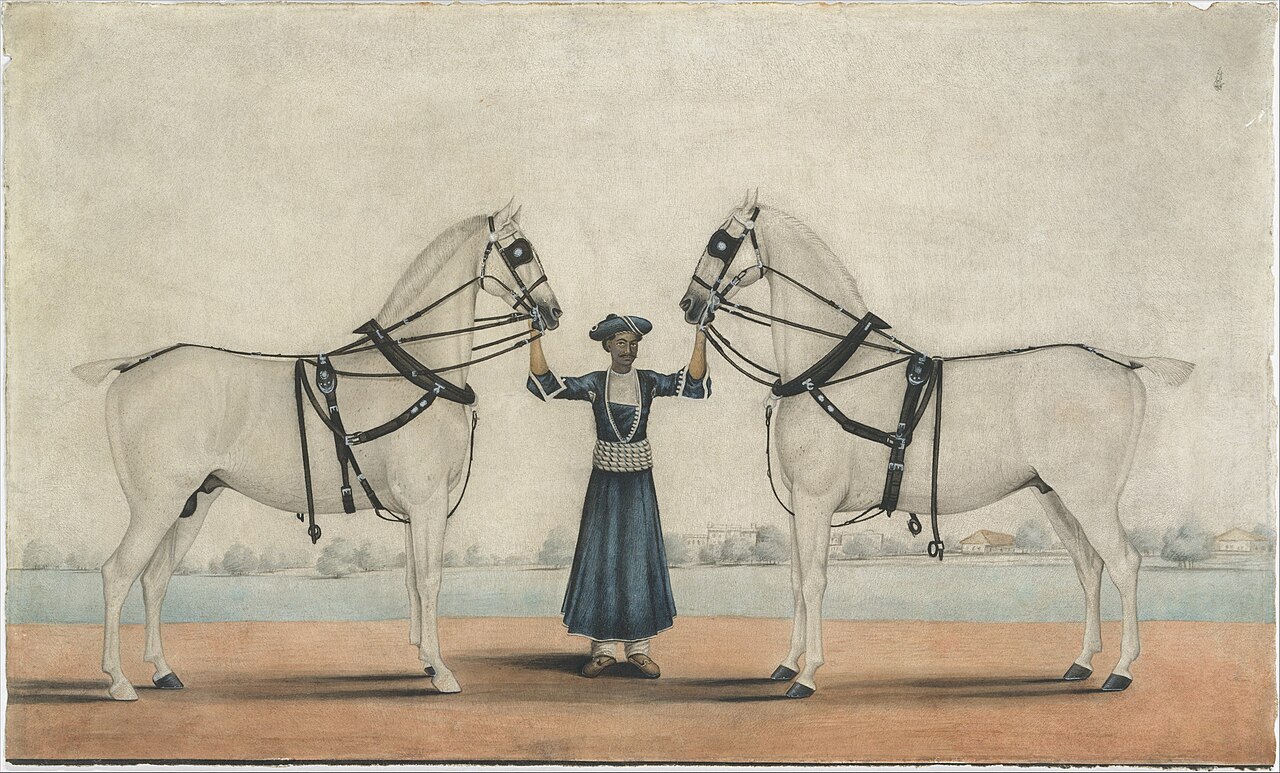
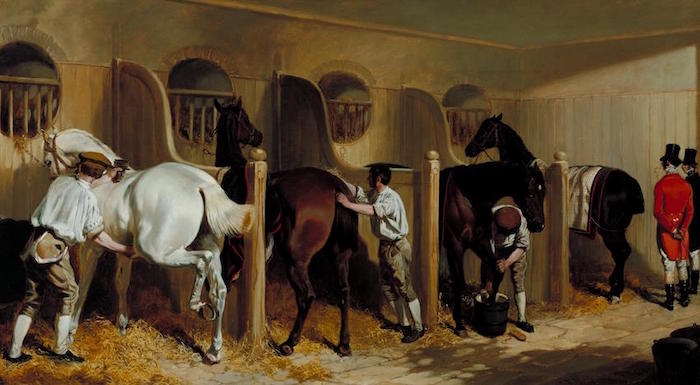
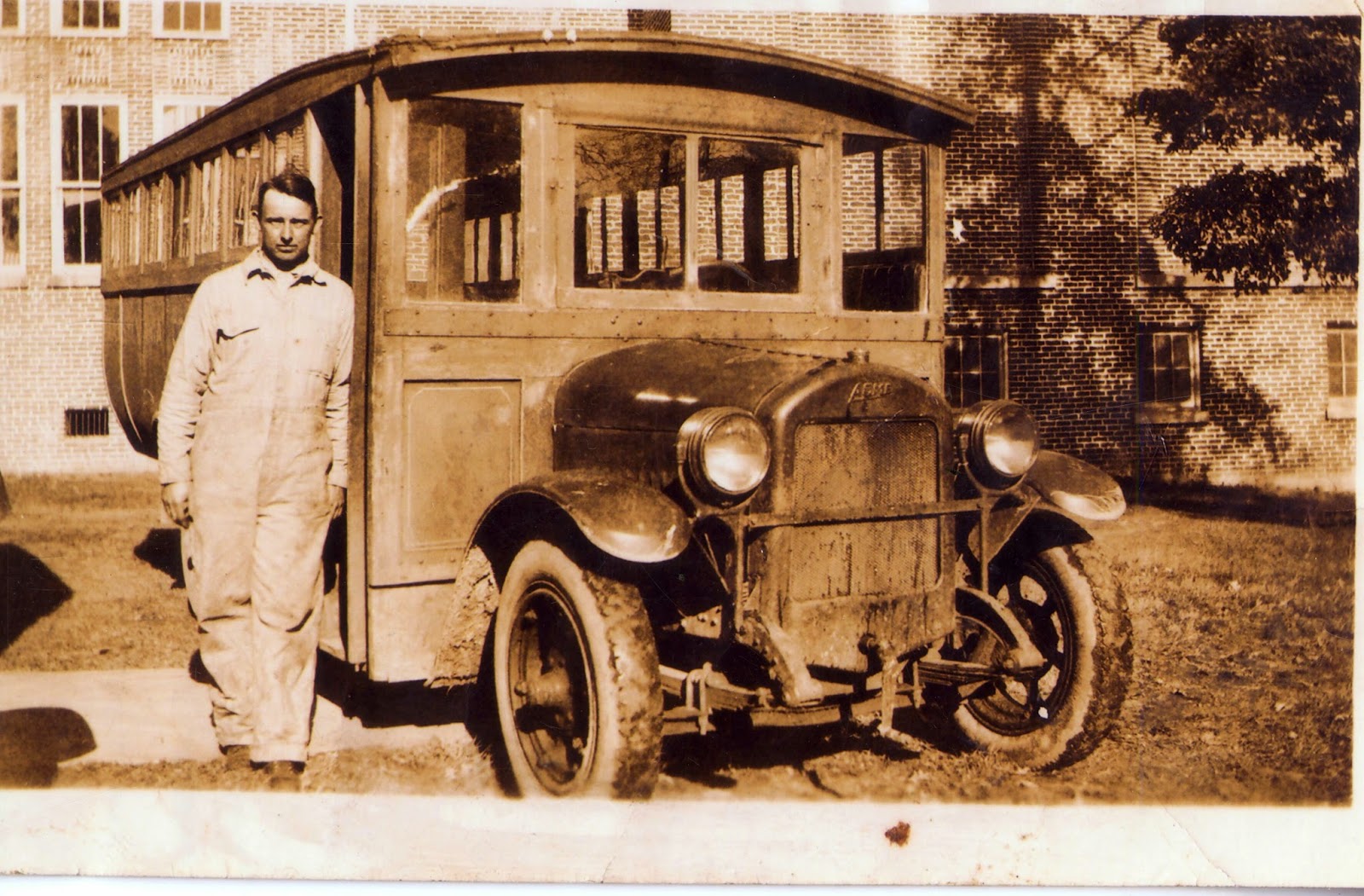
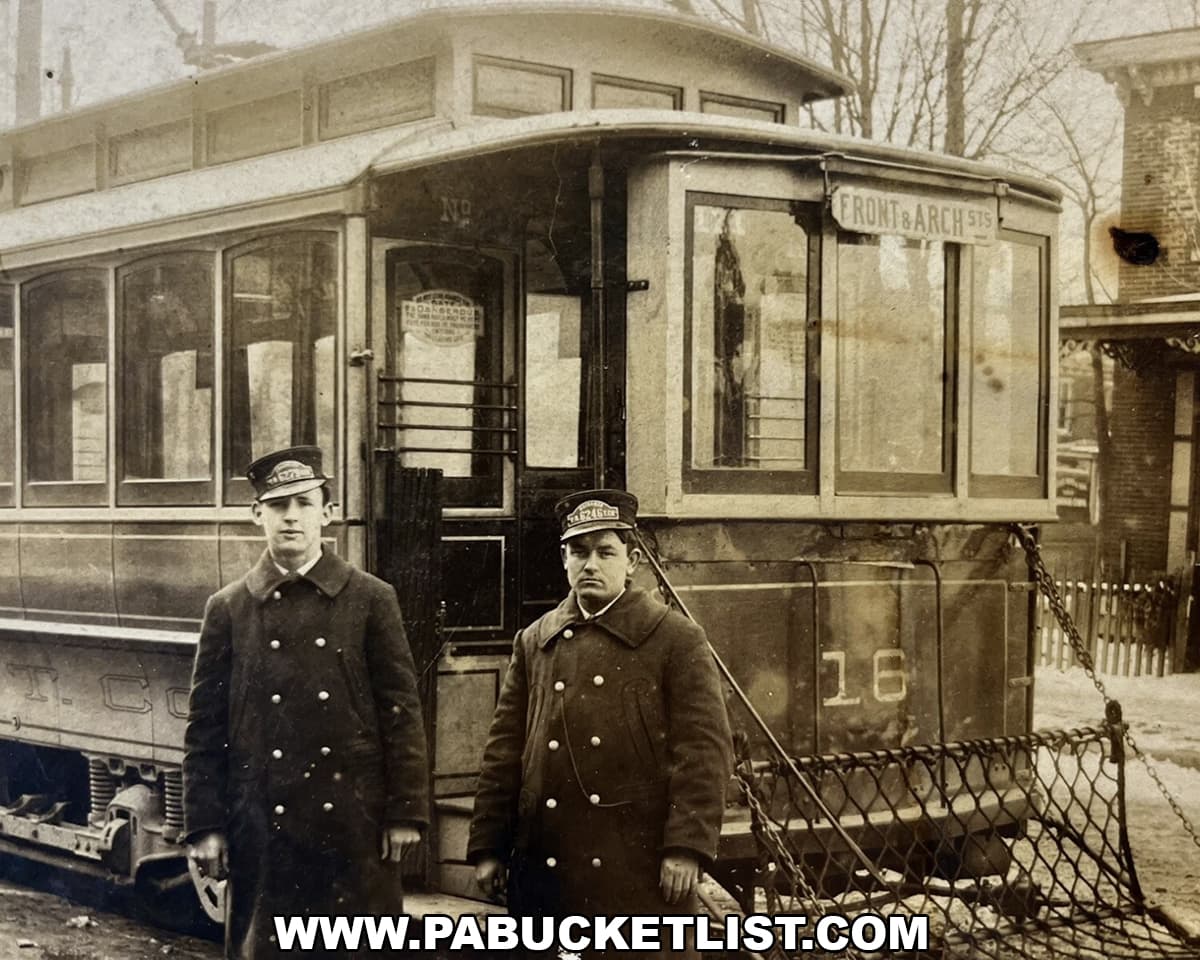
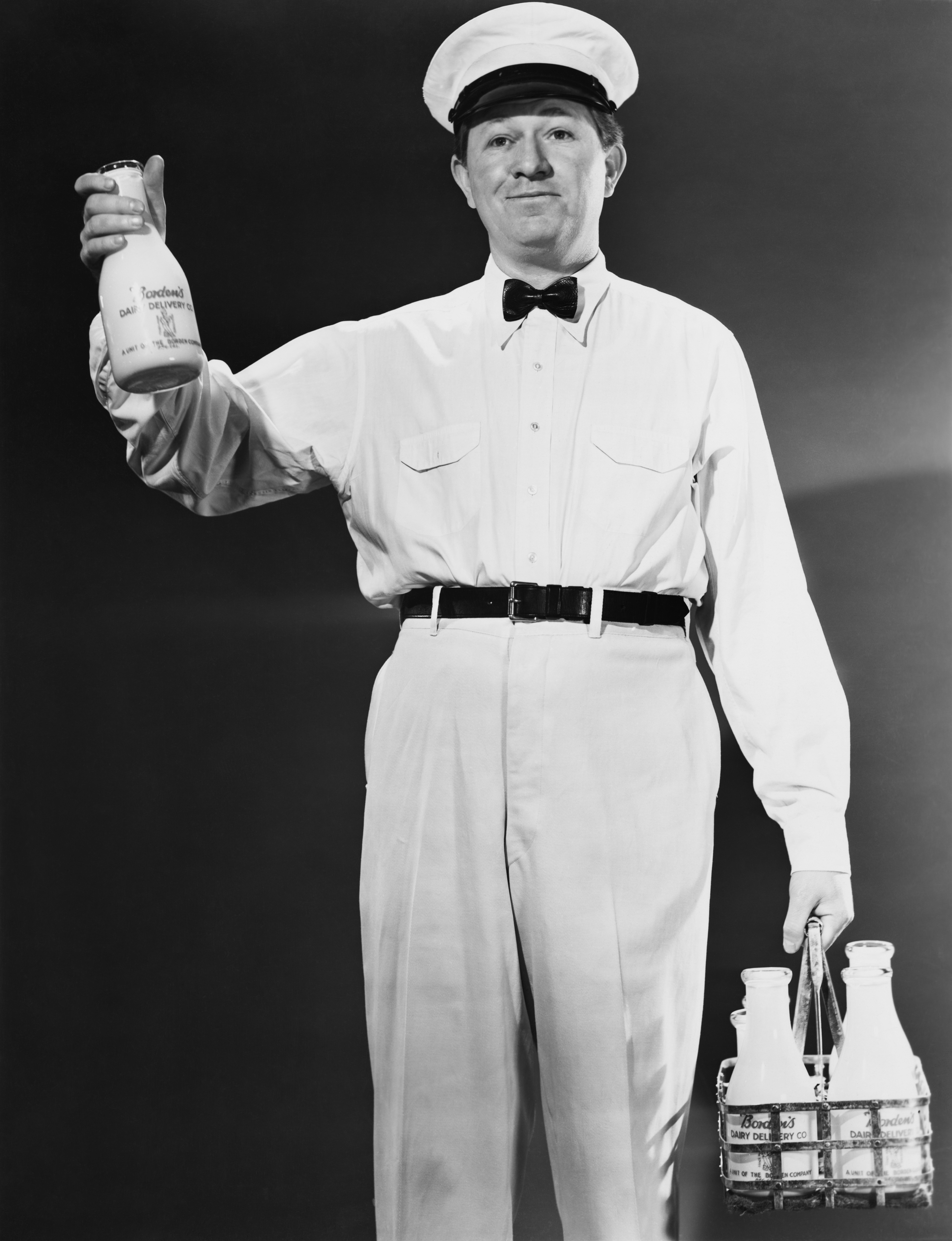
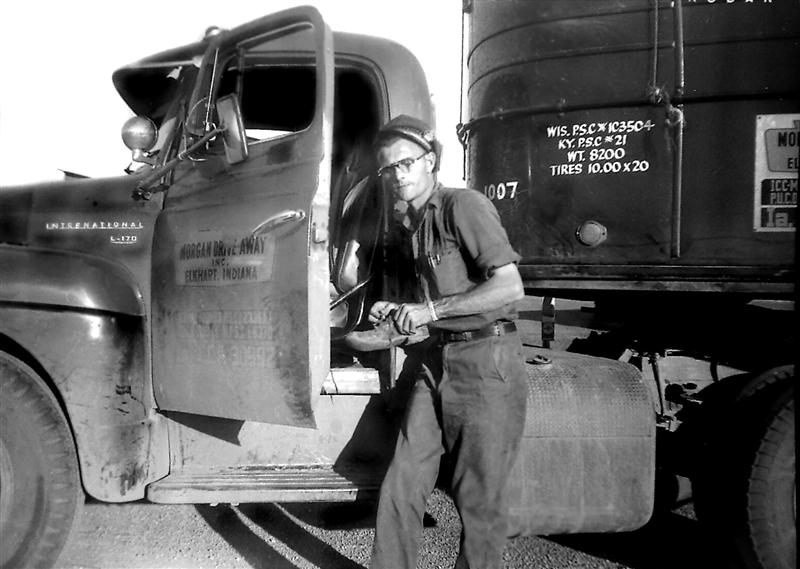
50. Coachman – For much of history, the coachman was always the guy who transported people and cargo from Point A to Point B regardless of road conditions. But even being a “knight of the road” has it’s challenges. So before you get up in your stage coach, here’s some things to remember. For one, sitting on the carriage’s open, unshielded “box” seat means you must face extreme heat, freezing blizzards, relentless rain for hours. Expect to suffer from trench foot, frostbite, and chronic rheumatism. While being exposed to the carriage parts’ constant squeaks and wind for up to 10-15 hours a day will take a severe physical toll on your hearing. Second, due to heavily loaded baggage with narrow, pitted, and uneven roads, expect your top-heavy carriages to be highly prone to flipping. Sparks and passing traffic can easily spook skittish horses, potentially leading to catastrophic accidents. These crashes resulted in many fatal injuries for many drivers and passengers. Also expect to make grim choices of plunging into flooded, icy rivers or over unsafe log bridges. Third, if you’re a long-distance stagecoach driver, know that you always stand a very real risk of being robbed by highwaymen and attacked on remote routes. After all, bandits target stagecoaches because they carried strongboxes, cash, and mail, leading to violent confrontations. Fourth, expect to maintain strict, demanding schedules while dealing with difficult passengers and constantly navigating busy market streets. And despite carrying all of the occupational risk, expect to face public blame and even legal trouble in the event of a mechanical breakdown or carriage flip. Even though the incident may have more to do with a negligent owner pushing the vehicle past its limits. Finally, should you be on a long-distance or mail coach route, expect to experience relentless fatigue while working shifts often stretching into multiple days. So you’ll have only brief moments of sleep.

Historical Professions That Actually Sucked: Part 4 Old West Lawman to Laundress

In history, we must concede that many of the worst jobs in the past were done by children. If there’s anything in the chimney sweep entry to go by. But it was far from the only one as child labor has been a mainstay in our world far longer than we’d like to admit. Kids worked in fields, mines, factories, on ships, and on the battlefield. And it’s one of the reasons why child labor is such a horrible thing our day in age. Still, one of these jobs will pertain to a child-dominated profession such as drummer boy. Nonetheless, there are probably people who once imagined themselves as a heroic old western lawman like Wyatt Earp. Perhaps they fancied themselves owning a large plantation which sounds kind of sick if you dig into it. Or possibly be a gladiator in the arena fighting for honor. Or perhaps envy the women on Mob Wives, which exists for some reason. In any respect, here are some more romanticized historical jobs and the dark realities behind them.

31. Old West Lawman – No hero is more celebrated in westerns than the Old West lawman. Wearing a star on his badge of either sheriff or marshal, he is the man between law and order and complete anarchy. But before you slap on that badge, know that this is less town hero and more glorified janitor. While movie lawmen spend their days protecting hapless townspeople from dangerous outlaws, you’ll spend most of your time breaking up saloon brawls, dealing with drunks, and enforcing local ordinances. You’ll also do plenty of administrative tasks like collecting local taxes, serving court orders, and doing endless paperwork. All of which take up far more of your time than chasing outlaws. Yet, when you deal with rustlers, bandits, gunfighters, robbers, and outlaws, then hope you’re fine with solitary rides through desolate, unforgiving terrain. If you need back up, expect it to take hours or days away so you’ll have to face Native Americans, deadly weather, and fatal ambushes on your own. While bad guns, escapable wooden jails, and rudimentary investigative methods such as relying on wanted posters in saloons will make catching criminals incredibly difficult. Your time on the job will likely not be long due to low life expectancy, especially in a world of primitive sanitation and poor medical care. Should you get shot, recovering in a remote outpost without the proper treatment often proved fatal. If you’re a sheriff, as an elected official, you’ll have to constantly campaign and please the local voting base to keep your badge. Alienate powerful ranchers or corrupt politicians, consider yourself out of a job or blacklisted entirely. But at least it pays wells well, right? Actually given the unreliable pay, it’s not unusual for frontier lawmen to straddle the line between law enforcement and illicit activities like gambling and protection rackets just to make ends meet. Then there’s the fact you’re working in a clunky justice system where suspects often walked free due to lack of evidence so expect some of your dangerous arrests being entirely pointless.

32. Plantation Owner – Slavery is an absolutely wretched institution where people were forced to work against their will, denied any semblance of dignity, broke up families, created centuries of generational trauma within whole communities, and left a toxic stain on the fabric of humanity many still don’t want to reckon with. However, most of its recent depictions usually don’t ignore this reality. And even more quaint and misleading portrayals often offend people so much that they’re willing to call bullshit. However, when it comes to portraying plantation owners, they’re often portrayed as wealthy proprietors living a carefree lavish lifestyle in fancy mansions while their forced workforce silently suffers. While many poorer whites aspire to be like them someday. Yet, while plantation owners built immense wealth on the backs of enslaved people, they led a way of life that was inherently toxic, volatile, and deeply paranoid. Should you own a large plantation in the Antebellum South, expect to live in a perpetual state of terror over your slaves potentially rebelling against you for reasons like constant whippings, constant abuse, forced labor, treating them less than human, breaking up their families, sexual coercion, and other things. Because slaves outnumbered whites on most plantations, the system relies heavily on extreme brutality to retain control. Such constant paranoia will make planters like you psychological prisoners in your own homes so you’ll be forced to live under heavy guard. Since you have absolute legal control over other human beings, expect to live in a culture of constant suspicion, knowing that your life, livelihood, and property are under threat every day through daily acts of resistance, sabotage, and escape. And that’s nothing compared to what’s coming in the 1860s. In addition, you’ll live highly isolated from major towns and cultural centers. While the Southern climate and mosquito-infested swampy environments make fine breeding grounds for disease like malaria and yellow fever (both of which don’t really have treatments like). So expect you and your family to frequently fall victim to deadly outbreaks. But at least there’s a good payout, right? Well, as a planter, you operate on a highly risky and inefficient business model. You’ll have to tie almost all your capital up in your slave and land purchases, leaving you deeply vulnerable to market crashes, fluctuating crop prices, and bad weather. Many plantation families like yours were heavily in debt to Northern banks and constantly on the brink of financial ruin. Sure, this doesn’t seem to make the plantation lifestyle seem much fun, doesn’t it?

33. Drummer Boy – Thanks to entities like Disney and war movies, many boys probably imagined themselves being a drummer boy at some point. Especially after hearing the story of Johnny Shiloh who was a real guy. However, the reality behind such Disney biopic treatments is was far grimmer. So if you’re a boy between the ages of 12-17 and wish to take up the battered drum, here’s what you need to know. For one, since your sick beats serve as a vital communication method on the battlefield before radio, you and the buglers will be a high-value targets for enemy snipes. Since drumbeats and bugle calls are the only ways to issue battlefield commands. So enemy sharpshooters and skirmishers will target you to throw your army into chaos. Because you have to communicate orders across an entire battle line, you must stand out in the open. Often right near the officers and regiment color while marching directly into enemy lines to keep up morale. When fighting’s done, you often must carry stretchers which involves collecting and carrying your maimed or dying comrades off the field. Second, once you put on that uniform, you’ll be treated exactly like an adult soldier and your commanders won’t make allowances for your youth. You’ll also severe punishments like whippings, beatings, and even executions either for disobeying orders or crying on duty. Third, you have to endure the same brutal campaign conditions as your fellow troops such as long marches, inadequate footwear, starvation rations, and freezing weather, leading to rampant disease and sickness that will mow down an army faster than bullets ever did.

34. WWII Soviet Soldier – During World War II, Soviet soldiers were the key fighters who braved the fierce elements and fought for the glory of Mother Russia as well as turned the tide of the war during the Battle of Stalingrad. However, out of all the forces fighting for the Allies, the Soviet solider suffered the most on the Eastern Front. Of course, given Mother Russia’s hour of urgent need, you’ve likely been conscripted and don’t have a choice in the matter of serving. So before you put on your fur hat and venture to the Eastern Front, here’s some info. When you’re serving the Russian military, know that Uncle Joe Stalin demands absolute obedience. If you’re stationed at a “blocking detachment” behind the front lines, expect orders to shoot retreating soldiers. Here in Mother Russia, commanders have executed thousands of conscripted Red Army soldiers you to enforce discipline. They’ll also see many of you conscripts as politically suspect and treat you as expendable. In addition, expect shortages of food, boots, and winter clothing. Sure, US Lend-Lease aid money will boost Soviet logistics. But basic conditions at the Eastern Front will remain harsh throughout the Great Patriotic War. Naturally, you’ll endure freezing winters and deep mud bogging down operations. Since sanitation’s poor, expect rampant issues with lice, bedbugs, and diseases like dysentery. Oh, and due to massive troop needs and the loss of experienced officers due to a few of Stalin’s pre-war purges many of you will be sent into combat with very little training. This gap in credibility will contribute to an exorbitant loss of life. So it’s no wonder that over 20 million Russian soldiers and civilians will die by the end of the war. With entire divisions frequently wiped out during the initial German invasion and chaotic retreats. Still, despite these conditions, the Red Army will ultimately adapt, mobilize vast numbers, and industrial resources to drive the Germans out. Oh, and if you get captured, don’t expect the Germans to treat you with any semblance of decency. Still, on the bright side, unlike other armed forces during World War II, they accept women.

35. Tanner – Now the historical profession of tanner isn’t depicted as the kind of job most people want to work in since it involved making leather for clothes and shoes. Yet, many people have no idea how bad it actually was. Throughout most of history, tanning was considered one of the foulest, most grueling, and dangerous professions. For one, tanning involves soaking raw animal hides in foul mixtures that include putrefied dog shit, pigeon droppings, and stale urine. Unsurprisingly, this created an overwhelming, stomach-churning odor permanently clinging to you. You also regularly work with dangerous, caustic substances. You’d inhale toxic leather dust as well as used compounds like arsenic and sulfuric acid. These can cause severe respiratory problems, chemical burns, and risked heavy metal poisoning. Every day, you stand for hours in deep chemical pits pulling and scraping heavy, waterlogged, and rotting hides by hand, which is physically exhausting. You also have to work outdoors or in unventilated shed, which means enduring freezing winters and sweltering summers while continuously wrestling with wet, slippery materials. Naturally, due to the unavoidable, pervasive stench of rotting stench and bodily fluids, most historical societies see you as social pariahs. So often you’ll be forced to live and work in the outskirts of towns, separate from polite society, simply because of how you stank. But at least it’s an essential job that pays well? Essential, yes. But despite tanning being a highly specialized skill that’s essential to prevent hides form rotting and turning them into wearable cloth, tanners like you were often viewed as doing dirty, bottom-tier, menial labor. You receive hardly any money or free time for your troubles. While even lower-class peasants even look down on you, including the local pig farmer.

36. Miller – On the surface, being a miller doesn’t seem too bad. After all, it’s not a lower-class job and you might own a windmill or watermill to grind grain. It’s also a rather essential job as well so what’s the catch? Well, if you live in the Middle Ages, there are plenty with an elderly senile Spanish nobleman mistaking your wind-powered production building as a giant is the least of your worries. First, the work environment is extremely dangerous. As a miller, you routinely inhale fine grain dust, often resulting in a chronic lung condition called “miller’s lung.” Also, millstones running dry can easily create sparks and ignite airborne dust, resulting in catastrophic explosions. Second, expect everyone in town to see you as crooked. Since peasants are legally required to have grain ground by the lord’s official miller and can’t process it at home, they must trust you to accurately measure out their flour and take your cut. Due to the lack of standardized weights and measures and transparent measuring equipment, this opaque process fuels widespread suspicion amongst the peasantry that millers like you are skimming extra flour for themselves. Finally, since you’re economically dependent on your local lord, you’ll often collect taxes or portions of the harvest on the lord’s behalf. Again placing you in angry peasants’ crosshairs during famines or bread riots. Sure, being a miller was a far cry from a lot of other historical professions. But it wasn’t necessarily one that merits any respect as the local lord’s bitch. Hey, at least you get a windmill and aren’t the executioner.

37. Gladiator – Ah, to be a gladiator in the Roman Coliseum. Cheering crowd, ferocious beasts, and bloody fights that are almost fatal. Are you not entertained? However, to be an ancient Roman gladiator is to be treated as a combination of professional athlete and prison athlete. Contrary to popular belief, most gladiators did live to fight another day as they were long-term investments no one would waste on a few matches. You can even be treated as a celebrity with endorsement deals. That being said, if you ever become a gladiator, it’s likely that it originally wasn’t your choice. Since you’d be classified as inflames, stripping you of your basic legal protections and placing you in Ancient Rome’s lowest tier alongside pimps, prostitutes, and actors. Though some freed people volunteered but mainly due to needing money if they had any sense. While most gladiators were often enslaved or prisoners of war. Nevertheless, you and your co-workers will be shackled to small cells at the training camp called the ludus, where you’ll live in terrible conditions. To provide just enough sustenance for the arena without giving way to expensive luxuries you’ll mostly eat barley and beans. This high-carb plant-based diet is specifically enforced to add an extra layer of fat to your body so superficial cuts and wounds bleed more visibly for the crowd’s entertainment. And sure, you’ll get the best medical care available to treat any arena injuries, ancient medical practices are rudimentary. And while most gladiators lived to fight another day, life expectancy was low with roughly ¼  to 1/3 of fighters dying in their first match. If you lose and the crowd or games sponsor didn’t grant you any mercy, expect your body to be unceremoniously poked with a hot iron to confirm death and dragged out of the arena. Sure, it’s a rough life, but if you stick at it long enough, win over the crowd, and win enough victories, you can receive a wooden sword and not have to fight another day. Except you’ll likely keep fighting as a free agent or as a trainer called a lanista because let’s be honest, you’ve been a gladiator for so long that you don’t really know what else to do with your life at this point. No wonder Spartacus successfully revolted at his gladiator school.

38. Mob Wife – Given that mob wives are a thing and there’s a mob wife aesthetic trend on TikTok, this needs to be discussed. Here in America, a mob wife in the popular imagination is an image of a woman with a luxurious lifestyle with no accounting for aesthetic taste. She’s brash, she’s confident, she’s tacky as hell, she doesn’t know what her husband does for work and doesn’t ask, and she stands by her man. Even if he constantly cheats on her or abuses her. So why do so many of them end up divorced? Nevertheless, despite what you see in the movies or on The Sopranos, being married to a gangster isn’t nearly the glamorous life many women seem to think it is. For one, even if your gangster husband may be a complete saint to you and your kids, much of your family life is going to revolve around whatever’s going on with him, especially if he ends up in prison or witness protection. Yet, it’s more likely that your gangster husband will be a complete shithead who treats you and your kids like utter garbage. He’ll also spend long periods of time away from home, most likely with his crime family. Second, you’ll likely know what he actually does for a living but you can never really discuss it with him or with anyone unless things go south, which they probably will at some point. Sometimes you may even be complicit in his activities. Third, despite what pop culture may tell you, most mob wives don’t live in luxury. Sure, some do, but most of the dolled-up mob wives you see are often married to the bosses. However, many married to the rank and file have daily worries about putting food on the table, their husbands not getting caught or killed by rivals, and keeping your kids off the street so they don’t end up like their dads. Some even work long hours to make ends meet and it’s probably not beyond the imagination that some rely on government aid programs like medical assistance and food stamps. Since illegal money opportunities aren’t always stable and a steady income isn’t always guaranteed. Especially if the husband winds up in the clink. And most of these women come from poverty and don’t have the education and skills to seek a job that pays a living wage. Fourth, marry a mobster and you’ll likely not have a good support system as you’ll be socially isolated from legitimate society. Sure, you may get to hang out with other mob wives, but they won’t stand by you should anything happen to your husband. And if your husband proves abusive, well, you’re likely not to call the cops.

39. Mistress – Now this entry isn’t really about what it’s like to be any married man’s side piece. This is about being a certain kind of mistress such as a rich guy’s kept woman. Yes, it may be luxurious at first. But being a wealthy man’s side piece might seem glamorous in some respect. However, if a wealthy Gilded Age tycoon wants to set you up in some nice brownstone, here are some things you need to know. First, accept that he’s never going to leave his wife. Sure, he may not love her but most wealthy and noble men don’t marry for love anyway. They marry for money, social connections, legitimacy, to secure the next generation, and expand their family networks. Dumping her for you just isn’t done and would prove social suicide. That being said, as your sugar daddy’s sidepiece, you exist completely outside the law. Since legal inheritance favored legitimate heirs, expect you and whatever bastards you have with him be legally barred from holding titles and be completely shut out from his estate. Because you have no legal rights to your lover’s assets, you should meticulously save and invest in the allowance he provides for you. Because you’ll always be at constant financial risk. If you don’t, he could leave you with nothing if he decides to dump you or die. Second, be invisible. While the fiercely patriarchal polite society might make accommodations for very discreet affairs, public exposure means instant banishment from respectable social circles. And if your man’s infidelity becomes public, other married women will see you as the villain and ostracize you. Since they’ll see you as a threat to their own households, rather than blame the husband for not keeping it in his pants. To survive, you must live entirely in the shadows. Meaning that your movements, housing, and social life are heavily policed to maintain propriety’s illusion. Because if you’re outed as a mistress, expect a difficult time reintegrating into polite society and securing a respectable, advantageous marriage. With elite society permanently marking you as “damaged goods” and into the very lifestyle you’re forced to maintain. Third, know that your sugar daddy has all the financial, societal, and legal cards. You can’t demand marriage, public commitment, or equal treatment without destroying the very arrangement that supports you. Of course, there were some mistresses who graduated to wives but not without breaking up families or causing a public scandal. But this doesn’t happen often.

40. Laundress – Because we live in an age of modernized washing machines, it’s difficult to imagine how doing laundry before this wonderful invention was like. Although most of us probably imagine a bunch of women washing clothes in the river. But in later times when industry reigned like the 1800s, there was the profession of laundress, which was a notoriously miserable job that involves washing other people’s clothes. Because if a family could afford to pay someone to do their laundry, it usually did. But before you take your washing bucket, here’s some pointers. First, every drop of water must be carried from a pump or well to be heated over heavy fires as you scrub fabric for hours in your 14-hour working day. The soap you’ll use isn’t the gentle stuff you bathe with. No, it’s harsh lye made from ash used to cut through grime, which regularly eats away at the skin on your hands. Some laundresses even used aged urine for dissolving stains and lifting dirt. Mmmm, who can resist your newly washed clothes smelling like you just wet the bed a week ago? Wringing out heavy, soaked garments requires immense grip and arm strength, often twisting clothes until your knuckles and joints became permanently damaged. While laundry days turn homes and communal wash houses into sweltering, damp factories. The constant humidity ruins air quality, and due to the physical strain, women sometimes fainted while working. While you’ll also have to iron as well. But at least the job pays well, doesn’t it? Actually no, but at least you don’t have to worry aging out and it served as a good side hustle for housewives. So if you think doing laundry’s difficult today, just remember that most women in the 1800s would dream of a mechanized washing machine.

Historical Professions That Actually Sucked: Part 3 Princess to Spartan Warrior

Of course, when it comes to historical jobs, there seems to be some distinct categories. First, are the dangerous and degrading jobs often reserved for those who are poor and marginalized. Or ones where the desperately poor and marginalized are often drawn to. Second, are the professions occupied by more wealthy people that have some strings attached such as lack of decision autonomy or a need to take on considerable debt. Third, are the jobs that are still around today and seem pretty normal. But had other implications due to lack of certain technologies or policy at the time. Fourth are the jobs that we idealized and dream about that actually weren’t that great. Like being a princess, queen, samurai, knight, or an ancient warrior for Sparta or Rome. In this post, we’ll look into more historical jobs that weren’t as great as we think they are.

21. Princess – At some point in their lives, many young girls often imagine themselves as wanting to be a princess thanks to a steady diet of Disney Princess films and fairy tales. After all, who doesn’t want to live in a castle, be waited on by servants, have sassy animal sidekicks, marry a handsome prince, and live happily ever after? However, when it comes to the days before constitutional monarchy and representative democracy, being a princess never really guaranteed you a happy ending. For one, your birth will probably be seen as a disappointment to at least one of your parents simply due to lacking the desired genitalia. After all, male heirs are desired and being born a girl will likely render you ineligible for the throne in countries with male-only succession laws. Especially if you’re the firstborn or born into a family of sisters. Second, if you have a brother or an older sister, you’ll grow up with someone in your family who’ll receive way more attention from everyone than you. Then there’s the fact that your royal status makes you daddy’s little political bargaining chip. So in the most likely scenario that you’re low in the line of succession, you’ll soon have to leave your whole life behind to marry a prince or king whom you haven’t met yet and in a country where you may not speak the language. The betrothal agreement may have been brokered when you were still in diapers and you may already know who the guy may be. In some cases, he may be the uncle or cousin or someone who’s old enough to be your dad or grandpa. But you don’t have any choice in the matter regardless. Once you’re there, you must go through with the ceremony regardless of your personal feelings about your intended husband and start learning the language, assimilate into the court culture, and popping out kids pronto. Know that boys are preferred and that if anything in the bedroom goes wrong, it’s always your fault. Even if your husband has his own sexual hangups (Louis XVI of France), is fundamentally sterile (King Charles II of Spain), or simply refuses to do his duty (Czar Peter III of Russia). If he’s got a mistress and doesn’t think much of you, well, you’ll just have to live with it. But don’t go get yourself a boyfriend since that’s just unforgivable. Because that could result in divorce and lifelong imprisonment at best or beheading at worst. If you find yourself in line to the throne, well, expect some major objection to your position just because of your gender. Just ask Empress Matilda who was her dad’s designated heir and still had to fight a war with her cousin King Stephen over it, which she didn’t get. And if you’re in ancient Egypt, you’ll have to marry your brother and worry about relatives conspiring to kill you.

22. Queen Consort – Sure, being a queen consort may be one step up from being a princess but with more power and responsibility. Well, power depending on who your husband is and the state of your relationship with him as well as how often he’s at the palace. Still, as the king’s wife, you must stand by your man, pop out kids, rule as regent when he’s unable to fulfill his royal duties, be a shining example as the kingdom’s mother, and ensure good relations with your husband’s kingdom and your home country. Even if he ignores you and prefers the company of his mistresses that you’ll just have to accept (King Henri II and King Louis XIV of France). Even if he openly hates you, treats you like crap in public, and banishes you from the country (King George IV of Great Britain). Even if your inability to get pregnant is more his problem than yours (King Charles II of Spain and King Louis XVI of France). Even if his whole family hates you (Napoleon Bonaparte). Even if he has you locked up because he just doesn’t like you (King Philip II Augustus of France). Even if you do everything right but he still wants to get rid of you because you’re entering your 40s and still haven’t given him a son that’s lived past infancy (Henry VIII). If you’re in an Asian country or the Ancient Near East, you’ll have to deal with concubines and secondary wives competing for your husband’s attention and favor. If you’re a Hapsburg or come from a heavily tangled family tree, expect to be constantly pregnant from your teenage years, bury a bunch of your kids during infancy, and die before you reach 30. In any respect, you’ll be under tremendous pressure to produce an heir if you don’t have one already and have little privacy especially on your wedding night and when you give birth. But if you play your cards right, survive the childbirth and palace intrigue, and retain your place at court as long as your husband’s still alive, you might graduate to queen mother who might be able to rule through your children. Although you’ll be asked to retire to a convent at some point.

23. Pharaoh – Oh, to be Pharoah of Ancient Egypt living in a palace with a pile of treasure and being treated as a living god. Except absolute divine power will never give you a break. As Egypt’s chief diplomat and HR manager, you spend a lot of time drowning in scrolls, reading military dispatches, settling land disputes, and handling endless taxes. As a living incarnation of Horus, you’re responsible for everything going wrong. And we mean everything like weak Nile floods, plagues, or failed harvests which were often signs of you upsetting the universe’s balance. So best to fake solutions to these problems you have nothing to do with and can’t fix anyway. Since you’re seen as a literal god, there won’t be a large gene pool of eligible spouses so you’ll marry your sister and cousin within a very tangled family tree. Also, expect your extreme royal inbreeding to result in high infant mortality and severe physical health problems in your kids like bone diseases and clubbed feet. As for your royal palace, it’s basically a Game of Thrones-style den of family plots and betrayals where your ambitious relatives would happily poison you for the throne if they could get away with it. Then let’s not forget that you must undergo exhaustive daily rituals to keep the gods happy like reciting specific prayers, eating sanctified food, and performing symbolic banishing of evil from sunrise to late at night. If you’re a woman, there’s a high chance you might have to cross dress at official ceremonies and keep fake beard. That or liken yourself as an incarnation of Isis. But at least you get an epic send off in a great big fancy tomb as well as leave a legacy of vast public work projects people will remember you for. Well, that’s kind of complicated. Yes, you’ll definitely get one hell of a funeral and be buried in a fancy tomb. However, it’s almost inevitable that your earthly belongings will be stolen once the sand around you grows cold. Especially if you’re entombed in one of those massive pyramids that eventually went out of style after the Old Kingdom. In fact, you’ll probably be lucky if future archaeologists just find your sarcophagus and nothing else. As for your monuments, well, there’s a chance future generations might violently chisel your face off your own temples or try to erase you from existence in the official records. Although erasure might mean that you get to keep your stuff in the afterlife until you’re dug up by some archaeologist in a few thousand years. Just ask Pharaoh Tutankhamen. Still, if your body ends up dug up and put on display in a museum, consider it a win.

24. Outlaw – Whether you’re in the Old West, Merry Old England, 1930s Middle America, or anywhere else in the good old days, everyone seems to love a dashing outlaw sticking it to the man as a Robin Hood figure that the public treats like a rock star. Yet, whether you’re a bank robber, train robber, highwayman, or gunfighter, being an outlaw wasn’t the fun and games it’s portrayed to be in movies or TV shows. Especially at a time when criminal protections were few and far between. If they ever existed at all. Being a fugitive from justice means that you’re stripped of certain legal protections and benefits that the rest of us enjoy as well as possibly running from the authorities for your life. If it’s medieval Europe, then anyone in the general public could murder you with complete impunity. At any rate, you’ll be living a nomadic existence where you’re always looking over your shoulder, unable to trust strangers or anyone else. Because law enforcement or bounty hunters are always on your tail. Whether they be the Sheriff of Nottingham, the King’s men, or the Pinkertons. You can never let your guard down, not even in front of your friends traveling with you. Because any one of them can betray you if there’s a reward. Which can leave you with nothing but enemies. You should also anticipate that you stand a very good chance of getting shot and watching your closest friends die or go to prison. Even if you survive the shootouts, you’re always on the run and will have to go hundreds of miles while wounded or in pain to avoid the local authorities. And you could forget seeking medical attention because you can’t count on every doctor being Samuel Mudd. Nor are most people going to treat you like you’re some sort of Robin Hood, especially if you have to steal from them just to feed yourself. Still, at any rate, you can always flee the authorities any way you can but the law will eventually catch up to you. Because many of you will die violent deaths like Bonnie and Clyde (shot in their car by police), Billy the Kid (shot in the back by Pat Garrett), Jesse James (shot in the back by Robert Ford), Butch Cassidy and the Sundance Kid (most likely killed in a Bolivian shootout), Dick Turpin (arrested for stealing chickens, turned in by his mailman, and hanged), and John Dillinger (shot in a movie theater by Feds).

25. WWI Fighter Pilot – Firing guns at each other in their biplanes, WWI dogfights are often depicted as a major spectacle in the sky. Hell, even Snoopy often fantasizes about being a flying ace hell-bent on taking down the Red Baron. Besides, better to be up in the air than down in those hellish trenches. However, we should note that by the time World War I broke out, the airplane was barely a decade old. Sure, your biplane may look pretty cool. But it’s a fragile, open cockpit death trap that’s often susceptible to engine failures and structural collapses. You’re talking about a flying contraption made from canvas, wood, and wire. But what kind of armor doesn’t have? Armor? Don’t be silly, there’s no armor on that thing. But wouldn’t a single burst of enemy fire inflict tons of damage? You mean shred the fuselage, disable the engine, or ignite highly flammable fuel tanks, yes. But what about parachutes? You won’t have a parachute. Are parachutes not available yet? They are. But military leaders refuse to issue them due to being too bulky for small cockpits. While some commanders are afraid that parachutes will only encourage pilots to abandon their aircraft too easily. So if your plane catches fire and has its wings shot up, best make your peace with God as you burn alive and crash to your inevitable death. So it’s no wonder that the WWI fighter pilot’s average life expectancy on the job is 4 to 6 weeks. Sometimes even mere days. Since we fight year round, expect to fly in freezing temperatures, wind, and rain at high altitudes. That it’s possible you can face severe frostbite before engaging in life-or-death dogfights. But surely the training’s good? You kidding? The casualty rate’s so staggering that the military needs new guys like yesterday. So training’s drastically cut short that we often get new cadets with less than a few dozen hours of flying time. Sometimes pilots have to build their own planes during instruction. But surely people see flying aces as heroes? No doubt about it. But know that your comrades in the trenches despise you since the superstar treatment reports give you often make them feel ignored. Still, at least your paid well and get better living quarters so there’s that.

26. Waitress – With financial volatility, prevalence of wage theft, long hours of constant physical labor, constant abuse from customers, establishment inefficiencies, sexual harassment, and poor management support, there’s no need to state that being a waitress absolutely sucks in today’s world. However, the waitresses have been around since at least the 1620s and they probably dealt with the same kind of bullshit as their modern counterparts and not much has changed. But until relatively recent times, they were seen as women of “loose morals” and were mainly employed to serve drinks to men from taverns to the music hall “pretty waiter girls” of the 1860s who were often paid in tips. And in these days before feminism was mainstream, you can guess what kind of side hustle many of these waitresses turned to after hours. Yes, prostitution since paltry salaries waiting tables made sex work necessary to make a living. Schoolteacher-turned-sociologist Frances Donovan went undercover in 1917 witnessing these waitresses’ lives in Chicago. But what’s shocking in historical times is how being expected to provide drinks and sexual services was just part of the waitress job description from the late 19th century to Prohibition in fact. And their places were often targets of vice squads. One undercover vice investigator wrote about being in a New York City saloon during World War I wrote: “I picked out a blond waitress and went up with her on the upper floor. When she was ready to lay down she asked me for money.” Waitresses in 1918 El Paso were required to receive mandatory STD testing. Donovan herself took off her wedding ring to increase her day’s tips. Underlying it all was the cause of economic need, writing, “Because of the economic inefficiency of the men in her world, the waitress fails to reveal her ideal of domesticity and so she takes on a life of semi-prostitution.” Of course, Fred Harvey was seeking to turn waitressing into a respectable profession from the 1880s to the 1930s with his Harvey Girls at his restaurants as they were white girls replacing a workforce of black men and this idea wouldn’t take hold until much later in the 20th century. Today, even though waitressing is still a rough and awful job filled with all kinds of abuse, at least no one expects the women waiting tables to give them a little something in the back. Even if it’s at Hooters, probably.

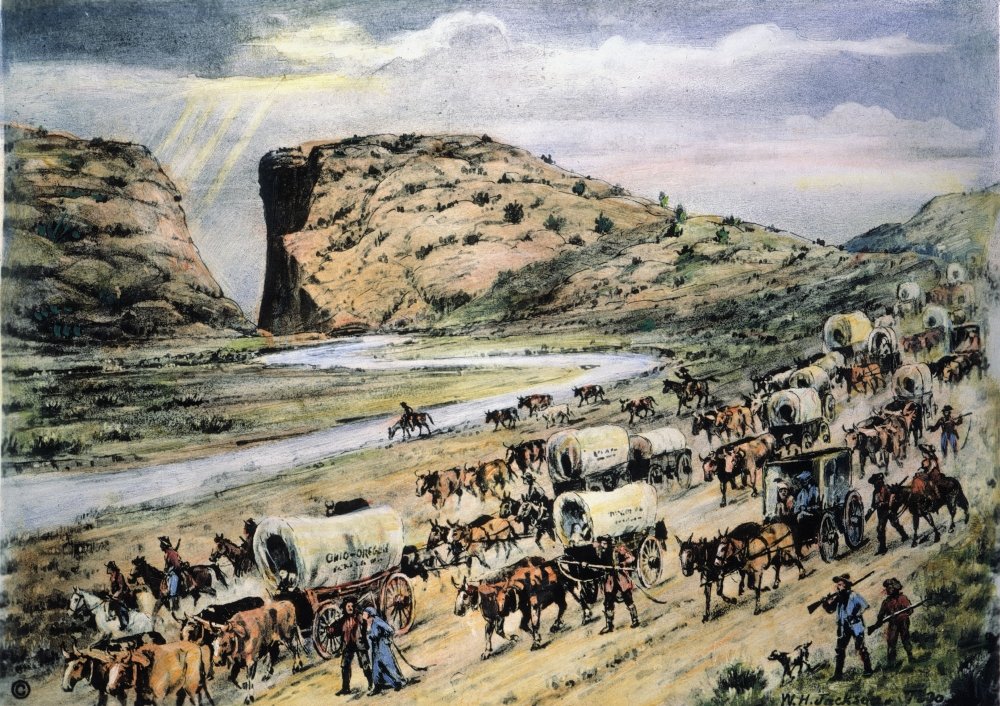
27. Frontier Settler – Americans always like to glorify the pioneering spirit of the western settlers in their covered wagons, taming the wilderness, and starting a new life in a humble homestead. Think you have what it takes to survive on the frontier? Well, before you embark on the Oregon Trail, here are some tips. First, make friends with the trees and animals because you’ll spend long periods of time completely cut off from civilization. So say goodbye to social gatherings and modern medicine. Second, always keep your hunting rifle in handy because survival often depends entirely on the weather. Settlers like you can face crop failures, droughts, and devastating blizzards. So if you can’t properly cache meat and collect firewood before the first snow, then you might well join the choir invisible. Third, you have to fell massive trees with basic axes to build your log cabin or dig out a sod house. Farming will be especially grueling so you’ll be planting your first corn crop around uncleared tree stumps. Fourth, you’ll have to carry every drop of water for cooking, cleaning and bathing, all of which you’ll have to heat on wood stove. While you have to build your own drafty outhouse for your own private business. Fifth, expect constant hazards such as dangerous wildlife like bears and mountain lions along with deadly diseases like cholera, malaria, typhoid, and the ever-classic dysentery. Also, expect violent clashes over local territory with the local residents who we like to pretend don’t exist and will eventually evict to some far-off reservation. Finally, remember to take care of your tools because relying on poor ones will often prove fatal. A dull knife, the wrong gunpowder, or the wrong sharpening techniques can be the difference between eating or starving to death. Just remember that many of those venturing into the wilderness either died or ultimately found the hardships so unbearable that they eventually abandoned their claims and returned to civilization. So happy trails.

28. Commercial Fisherman – When it comes to popular depictions of fishermen in historical times, they seemed rather genteel with great catches and always enjoying themselves and their families in the portside town. Even current depictions like in Coda depict fishing as a part-time job for high school kids. Except no, it isn’t. Far from it, in fact and more like “Downeaster Alexa.” Today, commercial fishing is considered to be among the most dangerous jobs in the world due to remote locations, small crews, and the constant threat of rogue waves. Crew members work grueling multi-day or multi-week shifts with very little sleep. While working during physical exhaustion dramatically increases likelihood of fatal workplace accidents. As for earnings, well, they’re rarely guaranteed and rely entirely on the catch’s size and market value, making it incredibly stressful when stocks or low or prices crash. In historical times, commercial fishing was likely no different since the 17th century though catches were far more plentiful. However, keep in mind that until the late 19th century, fishing crews also had to reside on wooden ships in squalid conditions, deal with pirates, and had no access to refrigeration. But at least it’s better than working on a whaling ship.

29. Roman Legionnaire – There’s nothing more glorious than serving in the Roman Army where you get to fight under illustrious Roman generals and expand her glorious empire. But before you go off galivanting throughout the Mediterranean, let’s go over a few things about being a Roman legionnaire. When you put your name on the scroll, expect your enlistment period to last a minimum of 25 years in a far-flung hostile frontier. So make sure you say goodbye to your loved ones because you may never see your hometown again. Your starting pay will be the same as a farm worker. But the state will deduct the cost of your weapons, food, and clothing directly from your paycheck. And you have to carry your armor, weapons, shield, and backpack 90 miles a day. Want to get married? You won’t be legally allowed to do so. Anyway, expect extreme discipline through terror. Should your unit mutiny or show cowardice in combat, commanders can enact a measure called decimation where every tenth man in your regiment’s beaten or stoned to death. Lesser infractions such as falling asleep on watch were punished by fustuarium, where everyone in the unit gets the lash. While you’ll be spending most of your time building things like roads, bridges, forts, and digging massive trenches. Because idle hands might mean potential mutiny. Nonetheless, if you stick this out, there is a chance you can rise through the ranks and receive a nice piece of land upon your retirement. That is if you make it through your 25-year enlistment first.

30. Spartan Warrior – Any fan of 300 might fantasize being among the 300 Spartan warriors in the Battle of Thermopylae. But before you get into your hoplite armor and take up your sword and shield, here’s a little FYI. For one, as a boy of seven, expect to be stripped from your mother and sent to the Agoge, a kiddie military school where you’ll be routinely beaten, sleep in freezing conditions, and go without any supper to encourage stealing, which only resulted in more beatings if you’re caught. And no, you don’t get a choice either. When you’re 15, expect to endure the Krypteria, where you’ll be sent into the wilderness to spy and murder enslaved helots. You’ll also participate in ritual public whippings at the altar of Artemis Orthia where you’ll endure extreme agony in order to prove your loyalty. After you go through the Krypteria, it’s 10 years in the army on active service followed by decades of reserve service until you reach 60. Assuming you live that long. Although you’ll be expected to marry by 30 and produce little Spartan warriors and future warrior moms, expect to spend your late teens and 20s living in the barracks. For meals, you’ll be eating syssitia, a combination of unappetizing pork and blood soup. If you can’t afford your food portion to these mandatory meals, you could be stripped of your citizenship. Also, remember whenever you’re entering battle, never show fear and retreat and always come home either with your shield or on it. Because returning without your shield is the ultimate disgrace guaranteed to result in social exile or suicide.

Historical Professions That Actually Sucked: Part 2 Medical School Professor to Whaler

We’re off to a great start. Nonetheless, those first ten were far from the only jobs that the stories we read, listen, and watch often glamorize and romanticize. Ever imagine yourself as a showgirl or bar maid at the Moulin Rouge or the Old West? How about fighting for American independence during the Revolution? Or mushing sled dogs during the Klondike Gold Rush? Or driving a chariot during a high-stakes race on Ben Hur? Or maybe fancy yourself working on the railroad, serving on a whaling ship, or sweeping chimneys? Here is another addition of ten more romanticized jobs with darker realities that many of us either ignore or don’t really think about too much.

11. Medical School Professor – This one isn’t exactly obvious since it’s pretty much the same as it was in the olden days: teaching new generations of doctors with the latest scientific knowledge and technology available. Albeit with certain risk for disease when there wasn’t much emphasis on sanitation. However, back in the olden days when obtaining dead bodies to dissect was very difficult to come by due to strict anti-dissection laws and lack of preservation methods, there’s an added dimension to this job that many tend to overlook but was once subject to a famous serial murder case in 19th century Scotland. Sure, teaching future doctors required tremendous curiosity and understanding of how the human body works. But it also required the ability to not ask too many questions of where those dead bodies came from. Sure, they could dissect executed criminals, but even in harsher times, the supply didn’t meet the demand. So more often than not, a medical school professor would have to pay for those bodies to men who dug them up from a cemetery, which by the way was an illegal but lucrative side gig for many. So much so that people took great measures to protect their loved one’s corpses from grave robbers. And if you’re a medical school professor who pays for those bodies out of your own salary, the average person isn’t going to like you for dissecting their loved ones in front of their students. Then there’s the University of Edinburgh professor named Robert Knox who unwittingly paid for a bunch of dead bodies from a couple of Irish guys who turned out to be serial killers. Before the Burke and Hare murders, he was seen as a revolutionary scientist and respected anatomist. After the Burke and Hare murders became a sensation in the newspapers, the British medical establishment saw him as a disgraced public figure and pushed him out. Yet, it’s probably fair to ask how times other medical school professors bought bodies that didn’t make a temporary stopover to the local cemetery.

12. Bar Maid – Ah, the pretty bar maid who’s always happy to serve drinks to a rowdy crowd, chat with customers, and even give them a wink or two. Maybe even share a romance with the hero either in a Belle Epoque nightclub, German bier haus, or an Old West saloon. Then there’s Manet’s A Bar at the Foiles Bergere that features a bar maid who doesn’t seem to like her job very much. Being a barmaid is a grueling job where you’re working 8 to 12 hours, possibly as late as 3 or 4 in the morning. During that time, you must carry heavy cases of bottles or heavy kegs. You must deal with sexual harassment such as perverted comments, inappropriate touching, and customers mistaking good customer service for romantic interest. You also have to put up with drunk and combative customers who pose a daily hazard. As cutting them off can result in verbal hostility. You have no days off for emotions and often have to hear lectures from strangers on how you should “smile more.” Not to mention a disrupted social life. And that’s what the job of bar maid’s like today. If you were that barmaid at the Foiles Bergere, you’d be dealing with the same crap at longer hours, at a lower salary, and a greater reliance on tips. In fact, the Foiles Bergere was a notorious establishment for picking up prostitutes. While 19th century French society viewed barmaids like you as Guy de Maupassant put it, “vendors of drink and of love.” So yes, you’ll also be serving some paying customers upstairs but not with drinks.

13. Medieval Squire – In stories about heroic knights, the noble squire tags along as his sidekick during his boss’s adventures, assisting him however he could. Or if it’s Sancho Panza, happily tag along for the ride because seeing your boss attack windmills brings a much-needed escape to your otherwise boring life. But to be a squire in reality was like being on a seven-year internship as a knight’s personal assistant from completing your time as a page at 14 to 21. You have to clean and polish your master’s heavy, bloody plate armor with harsh abrasives such as sand, vinegar, and possibly your own piss. You must accompany your knight directly onto the battlefield and often take the brunt of danger. In addition to camp and sparring partner duty, you also have to drag your knight to a safe place should he get wounded or killed. As for training, expect to endure a harsh regimen as your knight beats you with a stick every time you make a mistake along with punishing sword drills in the mud, bleeding knuckles during shield lessons, and enduring harsh weather. Your living accommodations will comprise of sleeping in your master’s drafty stable alongside his unruly war horses along with meager food rations while you must serve a luxurious feast to your knight. But if you stick it out for 7 years, you earn that long-awaited knighthood you endured so much abuse for. Unless you can’t afford the price tag for the ceremony or the equipment which could be incredibly expensive. That many squires simply remained servants or became mercenaries simply because they couldn’t afford to be officially knighted.

14. Showgirl – Whether a Parisian cabaret dancer at the Moulin Rouge, a Ziegfield Girl in an old Broadway chorus line, a saloon girl in the Old West, or a lady in a feather headdress in Las Vegas, showgirls are always these beautiful well-dressed goddesses with shiny costumes amid bright lights on the stage who sing, dance, play, and/or entertain patrons with a smile. But behind the fancy costumes and the limelight, a showgirl’s life involved grueling physical demands, severe age and weight limits, and brutal exploitation. Currently, Las Vegas showgirls must perform high-energy, precision routines up to 2 shows every night that could result in chronic foot, knee, and back injuries. Their career span is notoriously short with many women being pushed out or “aged out” once they reach their late 20s or 30s. They also have to maintain rigorous weight, height, and appearance standards. With the pressure to maintain that specific look contributing to an environment that could quickly lead to replacement and blacklisting. Instead of artists and athletes meriting respect, they’re often treated as interchangeable props and objects of male desire. While working late on the Las Vegas Strip can leave performers prone to aggressive, drunken crowds, unwanted advances, and unsafe working conditions. But at least they get paid well for this, don’t they? Actually, they’re often paid relatively low, contracted wages compared to their off-stage labor. Even though their casino resort workplaces may yield massive ticket sales. Most of these Vegas showgirls’ historical counterparts had to contend with a lot of the same crap and then some. Ziegfeld girls were expected to maintain a flawless public image, socialize with wealthy patrons, and navigate relentless attention of stage-door “Johnnies,” rich men who lavished them with expensive gifts and Park Avenue apartments. Sure, some Ziegfeld girls would marry rich sugar daddies and enjoy successful show biz careers like Barbara Stanwyck. Yet, others struggled with transitioning from a working-class life to high society. While the social pressures, volatile relationships, and physical toll from fame often led to tragedy. Those working at a Belle Epoque night club or an Old West saloon may also work as prostitutes on the side though this wasn’t universal.

15. Continental Soldier– Ah, to be a member of the Continental Army during the American Revolution. Your commander is George Washington and you’re fighting for independence from the tyrannical Great Britain. However, fighting for independence shouldn’t be taken lightly so you better know the significant risks involved. Because fighting for life, liberty, and the pursuit of happiness will be a completely miserable 6-8 years. Most of you will likely be from impoverished backgrounds and between the ages of 15-30. Since your new country’s government has no power to tax, you’ll spend a lot of time constantly starving, freezing, and unpaid. If you’re paid in Continental currency at $6.23 monthly, severe hyperinflation will render it worthless. And because merchants don’t want to receive worthless currency, they won’t sell anything to the Continental Army. So expect frequent food and supply shortages. You’ll also often lack adequate clothing, blankets, and shoes so enjoy the catching exposure, frostbite, and starvation during the winter at Valley Forge. Besides, it’s not like you needs those toes anyway. As for camp conditions, well, they’ll be notoriously filthy with diseases like smallpox killing more of you than musket balls ever will. Offenses from petty theft to minor insubordination will get you a dozen floggings from your friend or a drummer boy or even public execution. And if you get captured by the British, well, expect spending your POW days on a decaying, unsanitary prison ship in New York harbor where the starvation and disease will make it more likely that you’ll not leave there alive.

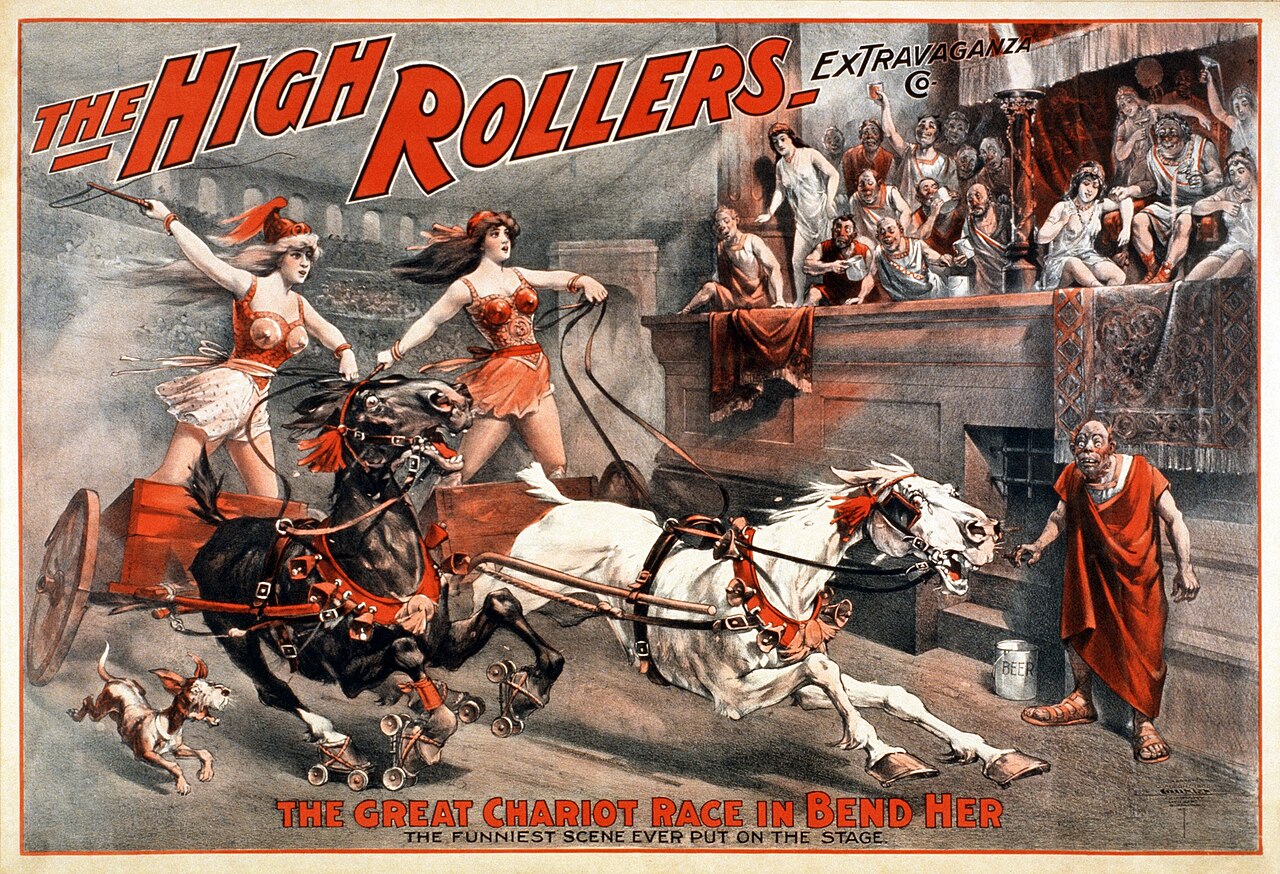
16. Chariot Racer – The epic chariot race scene in Ben Hur is among the most memorable in cinema and mostly holds up to historical accuracy if we ignore Messala’s participation. In ancient Greece and Rome, chariot racing was a highly popular spectator sport. Even more popular than gladiator matches and we know Romans loved their gladiators. With the Circus Maximus able to seat up to 150,000-250,000 screaming fans watching competitors racing teams of 4 horses for 7 laps along a narrow track divided by a central barrier. However, we must concede that racing chariots were helmed by slaves or hired professionals. Because the sport was extremely violent and often fatal. Collisions were frequent. And because drivers wrapped the reins around their waists for better control, crashes meant being dragged to death. But they also carried curved knives in case of emergencies. Still, despite the risks, successful chariot racers could become a megastar athlete of the ancient Greco-Roman world. One Gaius Appuleius Diocles competed for 24 years, won 1,462 of his 4,257 starts, and become one of the highest paid athletes of his day. Yet, his biggest victory was being able to retire at 42. Scorpus was said to win over 2,000 before a collision at the meta killed him at 27. Some slave racers were able to win their freedom if they raced long enough. But given the high fatality rate, such illustrious careers weren’t likely.
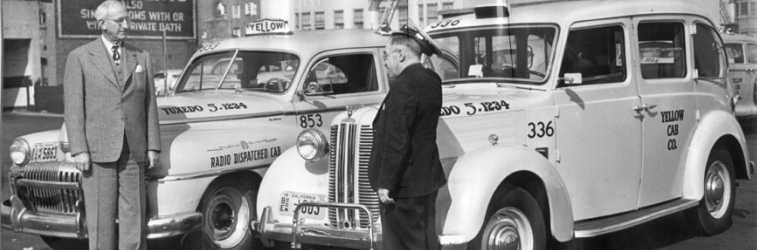
17. Musher – Dog sledding might seem rather benign nowadays since sled dog teams mostly used for racing and recreation. But mushing is one of the oldest forms of transportation in the Arctic and was one of the primary modes for getting from point A to point B for thousands of years. Until the mid-20th century, dog sledding was a primary mode of transportation in the Arctic and essential to survival since dog sleds carried freight, mail, and passengers across the frozen North. Norwegian explorer Roald Amundsen used sled dogs to carry supplies during his Antarctic expedition, eventually becoming the first to reach the South Pole. However, mushing is an extremely grueling, exhausting and financially draining lifestyle. You’re dealing with navigating through extreme freezing temperatures, intense winds, and whiteouts for days or weeks on end. If you must do a speedy relay of serum during a diphtheria outbreak in Nome, you’ll have to sleep in short bursts lasting 2-4 hours as well as constantly watch over and care for your dogs before briefly hitting the hay so keep that alarm clock handy. You may also risk severe frostbite, hypothermia, and injury in the remote wilderness. You should also be wary of the local wildlife like moose, wolves, and grizzly bears which can seriously injure or kill dogs on the line. In today’s dollars, keeping a medium-sized kennel annually can cost between $30,000-$75,000 for food, equipment, and veterinary care and it’s not exactly a profitable enterprise. And that’s not getting into what the dogs must contend with. While 20th century advances in transportation such as airplanes and snowmobiles would render dog sledding as no longer essential for the most part.
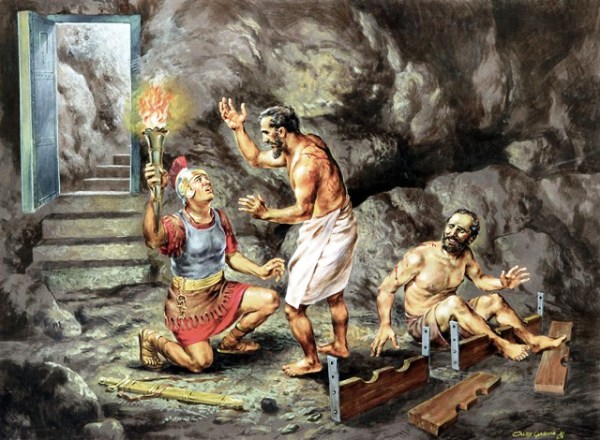
18. Railroad Worker – With locomotives becoming a dominant form of transportation during the 19th century, railroad construction sprang throughout much of the western world. Although building the railroad isn’t as glamorized as other professions, it’s still immortalized in the tale of John Henry who beat a drilling machine before dying from exhaustion. Nonetheless, although we know that building railroad track was hard and grueling work, we often don’t see the full picture. When it came to building the Transcontinental Railroad in the United States during the 1860s, the workforce was very diverse with Chinese, Irish, German, and Italian immigrants along with Mormons and American Civil War veterans. Chinese railroad workers who did most of the manual back-breaking labor on the western Central Pacific Railroad faced severe discrimination, long days, lower wages than their white counterparts and had to pay for food and board, and dangerous working conditions (like blasting tunnels through solid granite). They also faced a lot of harassment by their white co-workers seeing them as competition. But why did they hire Chinese workers? Because most white people in California didn’t want to work on the railroad. Yet, Chinese workers did go on strike once in 1867 while building track along the Sierra Nevada. But at least Chinese workers didn’t drink as well as regularly bathed and washed their own clothes. The same couldn’t be said about their white counterparts who lived in cramped quarters, didn’t bathe much, and became susceptible to water-borne illnesses. Then there were fears of Native American raids to worry about in the Great Plains area since attacks were known to happen on that land the US government had stolen from them. The labor was backbreaking through bad weather conditions. Still, during the construction of the Transcontinental Railroad, hundreds would die from explosions, accidents, landslides, and disease.

19. Chimney Sweep – Who remembers all the happily singing and dancing chimney sweeps in Mary Poppins? Well, that’s a rather spirited and quaint homage to what’s been long-considered as one of the most brutal and dangerous jobs to ever exist. From the late 17th to the late 19th centuries, the job of chimney sweep often involved forcing desperately impoverished small boys as young as 3 years old into dangerously narrow 14-18 inch venting systems of wealthier homes. Many of these children were orphans but some were sold out by their destitute parents. And sometimes girls were used, too. Often they worked in a forced apprenticeship under an adult master sweep who had complete control over their lives as their legal guardian. This tied them to their master and to their profession until adulthood with no legal route to escape. While the local parish often paid the master sweep to take these children in and teach them the trade. Money brought by paying customers went to the master. Today we call this arrangement legalized child trafficking and child slavery. Anyway, these little chimney cleaning boys regularly suffocated inside the flues or died after getting hopelessly stuck in the labyrinth brickwork along with falling and burns. Should a child freak out or climbed too slowly, “masters” sometimes resorted to lighting small fires at the chimney’s fire to force them to move faster. Because sweeps were forced to wedge themselves into tight spaces and navigate small corners in unnatural positions, many suffered from twisted spines, deformed ankles, and twisted kneecaps. Constant exposure to toxic coal soot and ash caused horrific, long-term health conditions that would give pediatricians trauma-inducing nightmares. Inhaling the residue ruined children’s lungs and caused a specific, incredibly painful, and fatal form of scrotal cancer called “Chimney Sweep’s Carcinoma.” And like most jobs that employed child laborers, sweeps typically worked without pay, were barely fed, and were forced to sleep in basements on piles of filthy soot bags. This resulted in them frequently suffering from eye inflammation and blindness from rubbing soot in their eyes. While bathtime was rare if not, then nonexistent. The job of child chimney sweep was such a nightmarish practice that British Parliamentarians began to crack down on this exploitation in 1875. And the fact they did this during the Victorian Era really says something.
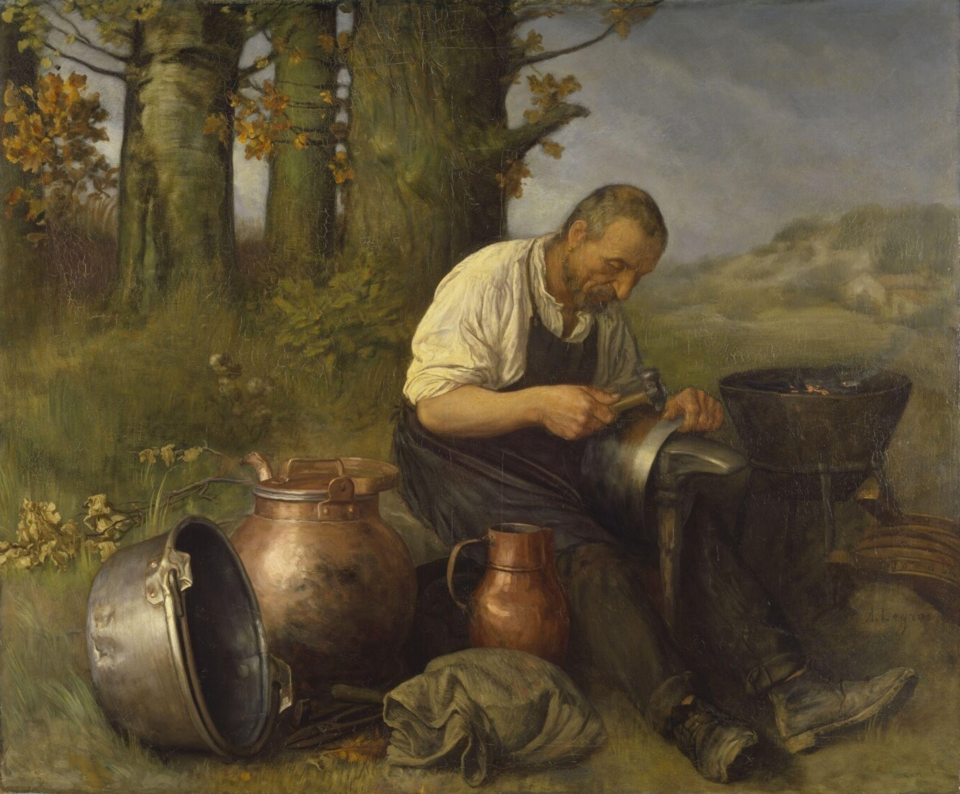
20. Whaler – Although this practice has long gone by the wayside due to the number of whales it put on the endangered species list, commercial whaling was big business back in the olden days when whale oil was used fuel our lamps. Yet, the idea of serving on a whaling ship evokes being in a Herman Melville story where the biggest danger is a one-legged captain who let it go with that one white whale. That or catchy sea shanties on TikTok. However, before you grab your harpoon to get yourself a nice sized sperm whale, know that the job was famously miserable. You get to hunt large, desperate animals from small, fragile wooden rowboats. Should that whale thrash and dive deep, expect the boat be smashed to splinters or drag the crew to their watery death. When you successfully harpoon a whale, know that it’ll frantically swim away and drag your little whaleboat at breakneck speeds across choppy, freezing ocean waters. This is what we call the “Nantucket Sleighride.” But once you successfully kill the whale it’s on to the processing phase. First, it’s the physically exhausting and messy “cutting in” that involves hacking into thick, oily blubber in freezing, storm-tossed waters while enduring the stench of whale flesh was nauseating and overwhelming. Then there’s the boiling process where that blubber’s melted down in massive brick furnaces on deck called tryworks that turned the whaling ship into a floating fire hazard and filled the living quarters with thick, choking, black soot. As for accommodations, expect your whaling voyage to last 3-4 years where you’ll be crowded with your fellow sailors in damp, dark, and unventilated spaces below deck. You’ll sleep in bug-infested bunks and survive on a monotonous diet of spoiled food like wormy hard tack and salted meat. Due to living in the 19th century, medical care will be primitive so expect to lose a limb, suffer severe burns from burning oil, or die from outbreaks of scurvy, typhoid, or dysentery. But at least the job pays well? Uh, actually being part of a whaling crew won’t guarantee you a set wage but a “lay” which is a percentage of the voyage’s profits. But after your captain deducts ridiculous fees for food, gear, and supplies, you’ll likely find yourself deeply in debt to the ship’s owners and having to go through all this nightmare again.

Historical Professions That Actually Sucked: Part 1 Royal Courtier to Sailor

In historical movies and TV shows, we often see certain professions as more romanticized than others. After all, who wouldn’t want to be a brave knight or a noble samurai? Who wouldn’t want to travel the untamed wilderness of the West on horseback and sing songs at the campfire as a cowboy of the Old West? And who wouldn’t want to wear the cool black clothes of a medieval executioner? Yet, all too often these jobs often have dark sides that everyone seems to ignore. Not to mention, contain aspects that we might not actually consider. What might seem cool might actually be seen at a different time as a job for those living on the fringes of society. Or how much a feudal vassal’s armor and weapons might actually cost. In this series, we look at professions that are often romanticized on screen but with much darker realities.

1. Royal Courtier – Just imagine living in the palace, wearing fancy clothes, enjoying every luxury and entertainment, waiting on the monarch, and advising them on important policy whether it be at Versailles under King Louis XIV, Hampton Court under King Henry VIII, or the Winter Palace under Empress Catherine the Great. Being part of a ruler’s entourage was the place to be. Except court politics could be a never-ending nightmare of palace intrigue and gossip which could range from Mean Girls to Game of Thrones. Sure, royal courts provide great opportunities for nobles to advance their careers and status, seek marriages for themselves and their kids, find positions for family members, and increase influence. If you’re an attractive young woman, being a king’s mistress can also open many doors. However, winning and keeping the monarch’s favor isn’t easy and there’s plenty of competition that you can’t always control. Sure, you can always ally with other nobles but understand that backstabbing is rampant and you can’t instantly fact-check what you hear in the rumor mill. Not to mention the need to maintain an expensive lifestyle in order to appear rich regardless of the financial ledger would say. Then there’s the ruler to contend with. If he’s Henry VIII, expect to be walking on eggshells, managing his temper tantrums, and trying to avoid the ax for as long as possible. If he’s Louis XIV, expect to massage his enormous ego, let him bang your wife and/or daughter (or sleep with him if you’re a woman), watch him do daily activities like it’s a theatrical performance, and not try to outshine him. If she’s Queen Elizabeth I, don’t get married without seeking her permission, flirt with her but don’t expect a marriage proposal, and don’t say anything negative about her looks. And if he’s Czar Peter the Great, just play along with whatever obsession he has whether it’s getting that haircut, updating that wardrobe, or whatever torments he may subject you to with modernizing the Russian Empire. Also, due to horrendous hygienic and sanitation standards, you might have to pack up and move house a few times a year just so servants can clean up the castle while you’re gone. Unless it’s Versailles, of course.

    2. Medieval Knight – The romantic image of a knight and shining armor performing heroic deeds and rescuing a fair maiden has left an indelible mark throughout the ages. But in order to become a knight, you mostly must either have a dad who’s a knight or be a younger son of a noble family, become a page to a noble family from 7 to 14, and serve at least seven more years as a squire. Once you’re dubbed, you’ll have to show up to battle whenever your lord calls you. But when you’re not, you get to farm your own estate, protect your village from raids, police duty, and mediating local disputes. As for your armor, weapons, and horse, well, you’ll be paying out the nose due to this being pre-industrial times. You’ll either have to get the money from your allowance from your noble daddy or work your own land. Or you can always go one a crusade in the Holy Land. Oh, and when firearms and cannons show up, your battle skills will be rendered pointless and your title will be reduced to an honorific. But people will write courtly romances about you so hope that helps.

    3. Samurai – In the popular imagination, a samurai was from a noble warrior class in feudal Japan who served their lords with their utmost skill in battle and lived by a strict code of honor stressing loyalty and discipline. Yet, we must understand that samurai originally existed as armed retainers charged with defending their lord’s property and enforcing authority. In order to become a samurai, you must be a son from a samurai warrior clan just to qualify for training at the local dojo. While training will mostly consist of a series of endurance tests from the time you’re five with severe physical punishments for the slightest mistakes. Once you make it, you’ll have to spend much of your daily life either at war against your lord’s rival, doing covert operations as a ninja, or carrying out your daimyo’s orders amongst the local peasantry. If you have an older brother, you’ll have to marry into another household, give up your samurai status, or be your brother’s dependent. If your master died without a successor or got exiled, you could lose your family’s lands along with your rice stipends, be reduced to poverty, and live as a ronin mercenary or bandit to survive. If it’s the peaceful Edo period, you’ll have either have to accept a bureaucratic position or go deeply into debt trying to retain your expensive, required status. That you might have to resort to the utmost indignity of getting a job. And if you get captured, shame, or fail your lord in some way, then you have to commit seppuku as an honorable exit. Oh and by the way, like the medieval knight, your battle skills will be rendered worthless with the introduction of firearms. And your status will be abolished during the Meiji Restoration.

    4. Old West Cowboy – Many a western fan has once imagined themselves roaming the open range on a horse wearing their white Stetson hat, sitting at the camp fire at night as the doagies retire, and carrying a six-shooter on their hip. However, we must understand that cowboys were the guys who herded beef cattle from Texas ranches to the nearest Transcontinental railroad post in Nebraska that would later transport them to the Chicago slaughterhouses that Upton Sinclair later wrote as horror fuel in The Jungle. But the harsh reality doesn’t stop there. Unlike what westerns show, being a cowboy was an exhausting, filthy, and dangerous job mostly taken by young men living on the margins of society such as men of color (including former slaves), immigrants, gays, and/or those living in poverty. Because the job required you to spend 15-18-hour days on horseback with night shifts guarding the herd along with grueling and monotonous manual labor. So make the most of what little sleep you can since you won’t get your 8 hours in. Dangers that await you will be stampedes, lightning strikes, dangerous river waters, animals that could kill you, harsh weather conditions, and the biggest hazard, disease. And if you’re sick and/or injured, you better have something you can treat with a home remedy because there won’t be a doctor around for miles. So if you get dysentery, scurvy, typhus, cholera, gangrene, or anything serious, you might as well make your peace with Jesus in your short life on the range. Oh, but the pay is probably good isn’t it? Well, actually the pay is about a dollar a day and you have to buy your own gear. And you won’t have enough money left over to buy a six shooter. Also, cowboys only roamed the open range from the 1860s to the 1880s. Mamas, don’t let your babies grow up to be cowboys indeed.

    5. Shepherd – When we think of shepherds, we imagine someone looking after the sheep in the peaceful countryside, especially if we hear readings at church. However, we must not blame religion for romanticizing this profession because that happened long after the Bible was written and when the shepherding was dying out within much of the world (although the profession still exists in some areas). The nature of shepherd life was very familiar to ancient and medieval audiences while the idea of shepherding has become lost in translation in our modern day. Because the life of a shepherd in ancient and medieval times was a grueling, dangerous and isolating job done by nomadic, low-class, people. As they often lived alone or in small wagons on remote ranges for months, going weeks without seeing another human being. As a shepherd, you had to endure constant exposure to elements, notoriously stubborn animals, predators and criminals wanting to take some of your flock, endless days in the wilderness, and massive social stigma. Since tending to sheep was a 24/7 job that involved dealing with waste, blood, and carcasses, many communities saw shepherds as ritually unclean. Didn’t help that their commitment made it absolutely impossible for them to attend religious services, participate in rituals, or take part in any form of community life. And since people often view you as uneducated, rough, and untrustworthy, you won’t be able to testify at court as a witness. But at least you get a crook and a dog if you’re lucky.

    6. Executioner – When you watch a film or TV show in historical times, you often come across the executioner. Black clad, hooded, and carrying a deadly weapon, he often stands out as a formidable badass. Yet, there’s plenty about the executioner’s job that the popular imagination often ignores. For one, most people in history never grew up wanting to be one. You become executioners either to avoid the ax or because their family’s chock full of executioners and are practically barred to seek any alternative career choice. Being an executioner was seen as one of the more essential jobs in your society. But because your profession involved, well, torturing and killing people, you’ll easily become perhaps the most hated person in town. And unlike what the movies show, you mostly worked without a hood unless there was a real reason to hide your identity. You’ll be barred from public establishment and community life as well as live on the outskirts. If you hang out with anyone, it’ll mostly be with other executioners families or the criminals you’ll have to hang or behead. If you marry, it’ll be with some executioner’s daughter and you’ll probably teach your sons the tools of the trade. Also, since tortures and executions don’t happen every day, you’ll have to undertake some crappy side hustles such as roadkill removal, cesspool cleaning, gambler and prostitute tax collection, and underground medical care. Not to mention, keep in mind that executions are public events everyone’s required to attend on a Saturday afternoon. So if you botch a hanging or beheading, well, you’ll have to worry about causing a riot that could end you. And we haven’t gotten to the emotional and psychological toll from killing all those criminals. But at least it’s a steady gig that entitles you to a “hangman’s share” on market goods. Also, note that the stigma against executioners wasn’t just exclusive to Christian Europe either. East Asian civilizations while many early western civilizations weren’t kind to them either.

    7. Prostitute – When it comes to popular imagination, the depiction of sex workers often go in so many different directions depending on the time period and/or location that the story is set. Or what type of sex worker a character might be and how obvious her profession might be to the viewer. Because not every fictional prostitute isn’t a poor, desperate soiled dove who has to sell her body to make ends meet. Some are those well-dressed women who hang around a saloon and live in that one house full of women that often receives male visitors. Some are relatively wealthy women in fine clothes who talk about growing up poor and seem to have at least one sugar daddy. Some hang out at some vague public establishment that’s staffed by women yet somehow have an all-male clientele. Still, we must understand that many women entered into the world’s oldest profession because it was one of the few career choices women had before feminism and women’s rights. However, being a prostitute comes with a hornet’s nests of complications aside from the social stigma of them being seen as indecent, immoral, criminal, or a necessary evil. For one, your market value is mostly determined by your beauty, youth, health, social skills, the type of training you receive, and the target clientele. And you’ll always have your biology working against you thanks to what the passage of time does to people’s looks. So best to join in while you’re in your early teens and exceptionally attractive if you want to max out your earning potential. Especially if you live in a brothel under a madam or pimp and have recurring debts to them that you’ll probably never pay back. Secondly, you’ll be up against stiff competition because prostitutes once constituted higher fraction of the population than they do now and understand that there will always be someone younger and prettier than you. Third, effective contraceptives will likely not exist so you’ll likely end up pregnant and/or infected with an STD at some point, both of which could affect your earnings and shorten your life. With treatments that could likely kill you or leave you a drug addict. Fourth, most of your clientele will likely be dirtbags who range from cheating family man to moral degenerate who thinks he can do whatever the hell he wants to you. You’ll almost certainly bang men you don’t like, men who don’t like you, men who will hurt you, and men who’d kill you. And if any man hurts you, then going to the police isn’t really an option for you. Fifth, while sex work might open doors to you such as courtesan, madam, or marriage to one’s sugar daddy, you’ll more likely end up dead, jailed, or discarded to a life of poverty. And that’s not getting into the fact the multitudes of women who engaged in prostitution as a side hustle it was once assumed that all working-class women were prostitutes.

    8. Gangster – Ah, who doesn’t want to be a gangster? Sure, they do illegal stuff but they earn a lot of money, wear nice suits, hang out with each other at swankiest clubs, date beautiful women, and make acting like a complete turd look awesome. But don’t let the gangster movies fool you because being a gangster was a miserable existence. Especially if you keep in mind that most gangsters started as teenagers from marginalized backgrounds such as people of color, immigrants, and/or the poor. Yet, if you should choose to be a gangster, best know the risks. You’ll face constant paranoia as you’re targeted by rival groups and actively pursued by law enforcement. Not to mention, while your crime boss may preach about the meaning of “work family” most gangs are built on fear and self-preservation. While members frequently turn on each other or turn in state’s evidence for a reduced sentence or witness protection. Although it’s possible to rise through the ranks, you’re more likely to be killed on the streets or locked in a jail cell. Wither way say goodbye to autonomy or future prospects. Sure, it’s possible to earn good money as a gangster, most low to mid-level street soldiers barely scrape to get by from one illicit project to the next. Secondly, the gang takes precedence over all personal aspirations making it impossible to build a legitimate career, a peaceful home, or long-term financial stability. Not to mention, ruins the lives of your family, often leaving them without support, grieving, or in harm’s way. Third, your bosses will likely be complete assholes who only value for your ability to make money for them and stay out of trouble. If you mess up, then expect your life to have an expiration date. And if you want out, best way is to flip and give state’s evidence. But by then, you probably have wasted so much of your life as a criminal that you may not think it’s worth it. Either that, or someone will stab you in the back.

      9. Golden Age Pirate – Oh, to be a pirate on the high seas during the Golden Age of Piracy, where you sail on a ship with your hearties, get into epic sword fights, woo pretty wenches, search for buried treasure, and go on all kinds of adventures. However, being a Golden Age pirate is actually a pretty miserable life. That most men who became pirates were either privateers whose license to plunder enemy ships expired or sailors escaping from naval life. For one, living on a wooden ship was horrendous in which you’ll be on a floating hovel crammed with your shipmates in dark spaces where you must navigate by touch and sound. Hygiene and sanitation are nonexistent so you’ll be living in disease-ridden filth alongside vermin. While fine dining comprises of salted meat that tastes like a well-worn shoe and flavorless hard tack biscuits. All washed down with a swig a rum. Then you’ll have to worry about braving storms, currents, reefs, along with other perils on the high seas. Yet, since you’re most likely a veteran sailor who’s long used to this crap life, this aspect of pirate life probably won’t discourage you. Despite what movies may show, pirate combat wasn’t the stuff of choreographed swashbuckling but brutal, unforgiving affairs where pirates relied on sheer ferocity of will to instill terror. Yet, most pirate captains will try to put the frights on the merchant ship crews before it came to that. If you wind up injured or sick, well, good luck finding a doctor since that will entail your fellow crewmates kidnapping one from another ship which could take days. While the medical care itself won’t be the most reliable. But most pirate ships will have workman’s comp. Sure, you may get a share of the booty on raids but don’t always expect it to be gold or silver. But rather practical items like soap, sugar, candles, utensils and other items making life a little more bearable. While any gold and silver you get will likely be spent at some bar or brothel in the Caribbean since you likely won’t live very long anyway. Given that you’re likely to be caught and hanged by the authorities, succumb to scurvy, or get caught in a natural disaster. Or if you’re captain, you may have to worry about your own crewmates who might want to replace you. If you mess up big time, you might end up marooned on an island.

      10. Sailor – Although being a pirate was not what the movies make it out to be, we must understand that they often turned to pirating because it was one step up from living as a sailor. Now while movies don’t overly romanticize sailor life on wooden ships, it doesn’t paint a full picture. That it’s easier to imagine the Mutiny on the HMS Bounty as a rebellion against an unusually brutal and tyrannical captain instead of an uprising against a brutal system that he represented. In fact, there were many factors that caused the mutiny. But as far as Captain Bligh is concerned, it had less to do with his treatment of sailors on board which was better than average and more to do with him giving them a months-long Tahitian vacation where many experienced a degree of freedom that they didn’t have before in their wretched sailing lives. And some didn’t want to return to their miserable life onboard. That and possibly being on the autistic spectrum but that’s another story. But why? Because a sailor’s life during the days of wooden ships was absolutely wretched. Many times, sailors were often people on the fringes of society such as petty criminals, impressed drunks (i.e. kidnapped), and the desperately poor. They were also subject to harsh discipline, constant work, bad weather, disease, terrible food, months of isolation, boredom, and abysmal pay. Oh, and if you’re thrown overboard, it’s highly likely you’ll drown because most wooden ship sailors didn’t know how to swim and few captains offered lessons. Voyages can last months or years and with a high possibility of you never seeing home again. Sure, you’re likely to have medical attention should you get sick or injured than a pirate would. But within the Age of Sail, medical care is nothing to shout over and might even make you feel worse. And if you’re on a war ship, well, expect cannon fire and flying splinters. Thus, is it any wonder why some Bligh’s crew mutinied after spending months in paradise free to do whatever they wanted?