
Of course, when it comes to certain professions, we often don’t see what they were like whenever there was a new technological breakthrough in its infancy. While regulations were slow to catch up. Early aviation professions were extremely dangerous, especially during World War I. Early electricians were said to have minimal training and a high fatality rate. While drivers had to bake in their vehicles during the summer because air conditioning hadn’t been invented yet. Anyway, here are ten more historical jobs and the dark realities behind them.
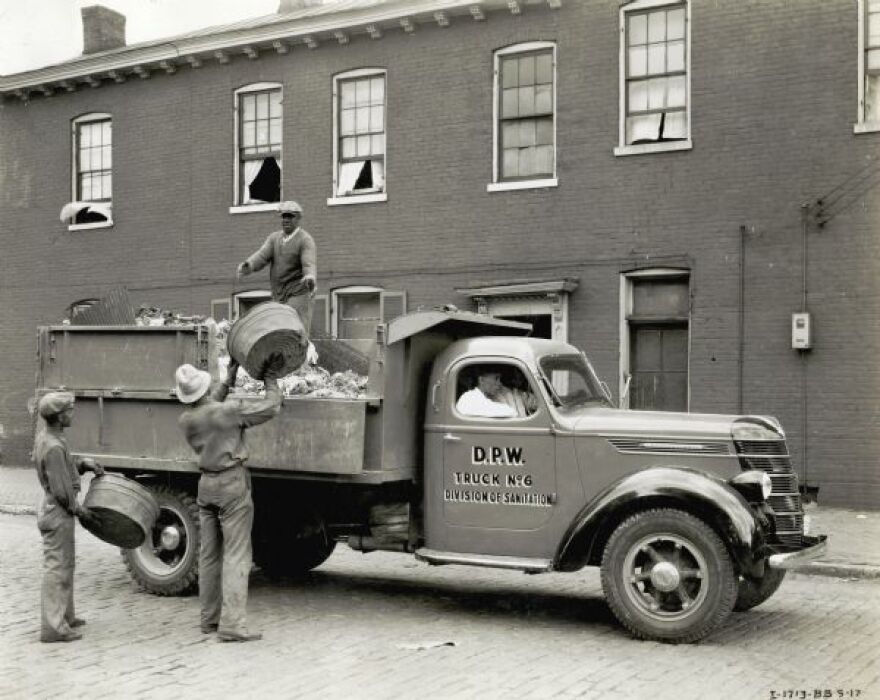
271. Garbage Collector – Before his assassination, Dr. Martin Luther King Jr. had gone to Memphis to support a garbage worker strike. Now while garbage workers are very essential to our society, the history of this job has always been a very dirty business. For one, the job was extremely dangerous. Workers shoveled and lifted dense loads by hand without hydraulic trucks or safety gear. They suffered from cuts and infections from sharp objects, broken glass, and rusty metal hidden in the muck. While workers fell from high carts or were hurt by unpredictable, spooked draft horses. Second, working conditions can be very disgusting. Collectors waded through rotting food, industrial runoff, and dead animal carcasses left right in the streets. Many historical sanitation workers (like medieval “gong farmers” or night soil men) had to shovel raw human sewage out of cesspools by hand in the dark. While swarms of flies, rats, and dangerous pathogens covered both the trash and the workers handling them. Third, due to the foul nature of their work, society treated waste collectors as outcasts. Finally, pay was extremely low, leaving garbage workers trapped in poverty with no legal rights or health benefits. It was for the last of these reasons why King was in Memphis around the time of his assassination. And let’s just say when garbage workers go on strike in your city, it’s a municipal nightmare.
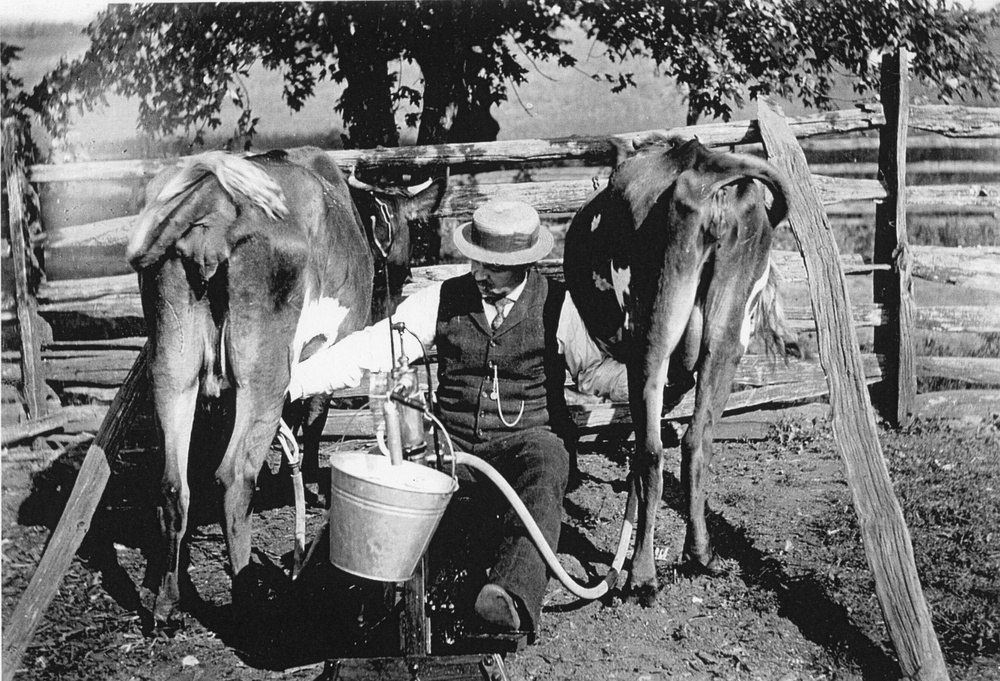
272. Dairy Farmer – A dairy farm often seems like a place of pastoral peace with cows in the pasture, cute calves, and the regular milking schedule. But the dairy farmer life wasn’t anything to squeeze at. First, cows must be milked twice a day, every single day of the year, meaning no weekends, holidays, or sick days. Work started well before dawn like around 4 AM and ended long after dark, leaving little sleep. Second, before modern machinery everything from pitching manure, hauling heavy milk cans, and milking was done entirely by hand. Third, without refrigeration, milk spoils rapidly. If a storm knocked out the power, the transport wagon broke down, or the local creamery flooded, the entire day’s income was instantly lost. Fourt, working with 1,200lb animals in tight spaces meant frequent kicks, tramplings, and bone fractures. Fifth, raw, unpasteurized environments exposed farmers to diseases like brucellosis and tuberculosis directly from the herd. Finally, if you read any of the James Herriot books, you may be aware of all the life-threatening complications cows seem to have when they’re giving birth, which is often a high-stakes, life-or-death situation. And it seems like Herriot’s calls revolve around bovine obstetrics more than anything else.
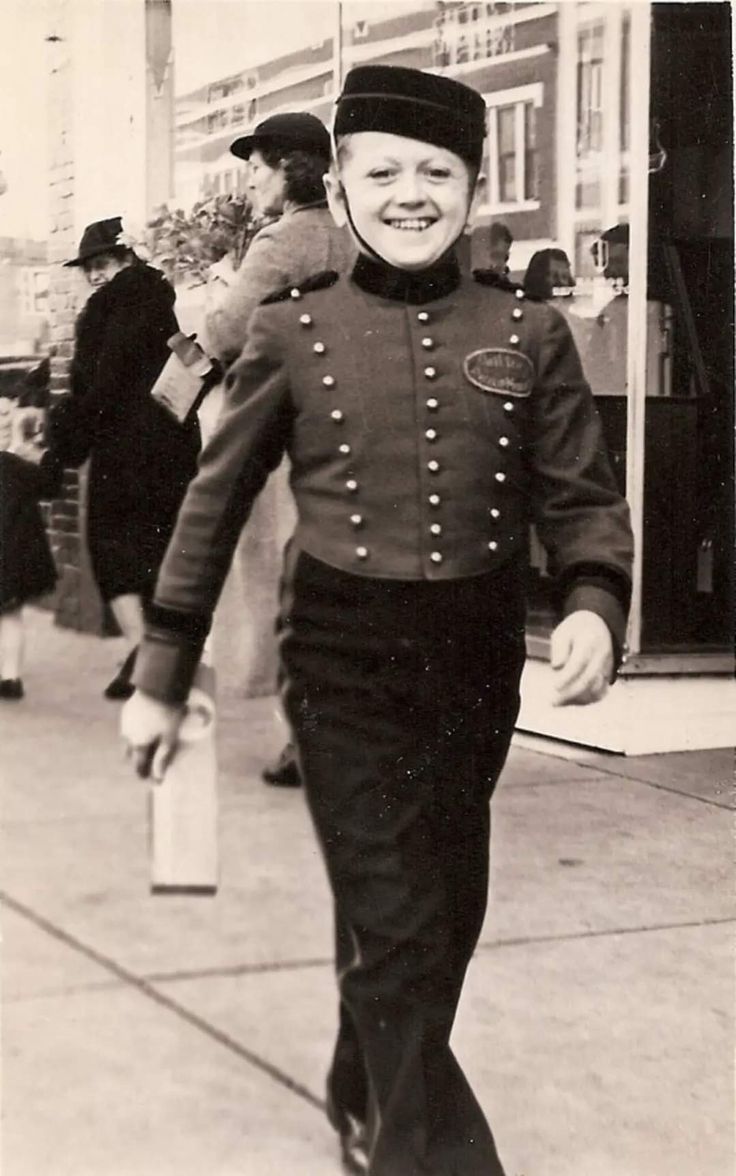
273. Bellhop – In old movies or anything with a historical setting, bellhops are often a feature at any high-end hotel scenes. But their life was anything but a charming room service call. First, hotels paid bellhops little to nothing, forcing them to rely entirely on guests’ generosity. A stingy guest meant doing back-breaking work for zero reward. Second, shifts regularly stretched past 12-14 hours a day, 7 days a week with no safety nets, sick leave, or formal rest breaks. Third, before rolling suitcases and modern elevators, bellhops had to haul giant, heavy steamer trunks up multiple flights of stairs by hand if the cage elevator was broken or packed. Fourth, workers answered to “2 masters” who were often the tyrannical hotel manager who could arbitrarily fine them for minor mistakes and demanding guests treating them like servants. Lastly, bellhops were frequently young teenage boys (or younger) who were subject to harsh discipline and denied proper education or growth just to save the hotel’s labor costs. But as far as child labor jobs were concerned, at least it’s better than chimney sweep or news boy.

274. Ship’s Cook – Like a ship’s doctors and carpenters, a ship’s cook was an essential part of the crew. He may even be Long John Silver if you’re reading Robert Louis Stevenson. But not everything about a ship’s cook life was tasty. For one, before electric stoves, cooking required open flames or brick hearths packed with sand on a floating wooden ship. One large wave could tip the fire and threaten the entire vessel. Second, when the weather became rough and the crew needed warm food the most, lighting a fire was strictly forbidden to prevent disasters, leaving the kitchen completely shut down. Third, like Long John Silver in Treasure Island, cooks were often older or disabled sailors unfit for regular deck work, meaning men with missing limbs or chronic injuries were tasked with heavy lifting in tiny, rolling spaces. And to believe this is one thing that Robert Louis Stevenson got right. Fourth, supplies like hardtack biscuits were frequently teeming with weevils or maggots. While salted meats turned hard as wood and rancid during long voyages. Since meat was soaked in heavy brine, it also had to be soaked and boiled in already scare ship water just to become chewable. Fifth, if rations tasted terrible (which they often did due to spoiled ingredients), the hungry, miserable crew blamed the cook rather than the supply system. Finally, disgruntled sailors or strict quartermasters closely monitored the food distribution, placing the cook at constant risk of punishment or violence if morale dropped.
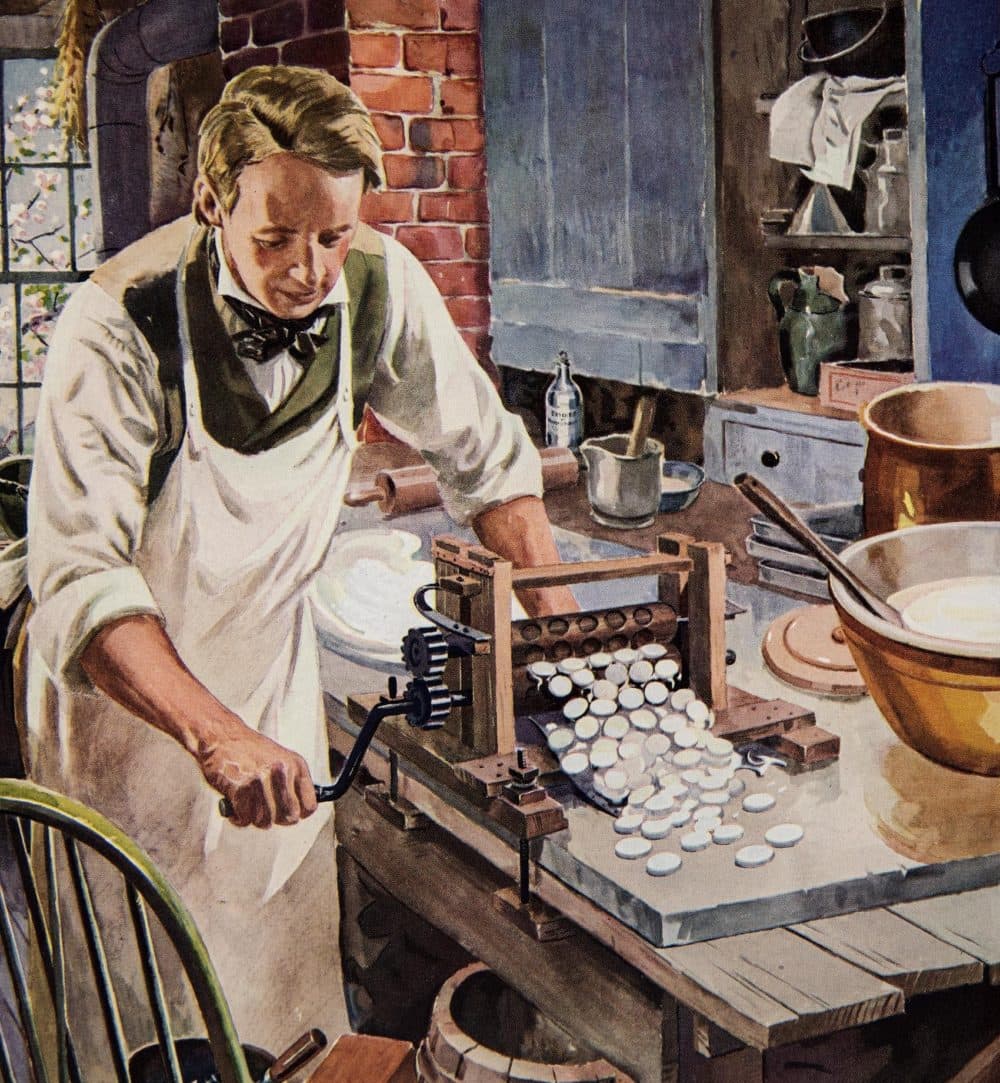
275. Confectioner – In the popular imagination, being in a candy factory feels like being in a fantasy world thanks for authors like Ian Fleming and Roald Dahl. But the life of a historical confectioner was anything but sweet. First, they stood next to open coal or wood fires for hours boiling heavy vats of sugar syrup, reaching temperatures over 300 ºF with no ventilation or air conditioning. Naturally, confectioners suffered constant, painful molten sugar splatters sticking to the skin and burning deep. They breathed in heavy clouds of burning sugar, spice dust, and sulfur fumes used to bleach sugar white. While they hand-cranked, pounded, pulled, and kneaded dense candy masses by hand before heavy machinery existed, destroying wrists, backs, and joints. Second, confectioners colored vibrant candies using toxic heavy metals like copper (emerald green), lead chromate (bright yellow), and mercury sulfide (vermillion red) before safe food dyes existed. Handlers and makers routinely handled arsenic and copper-laced pigments, resulting in chronic illness or death on the job. Then there’s the fact that sugar, molasses, and chocolate production were associated with slavery. But that’s a different story.
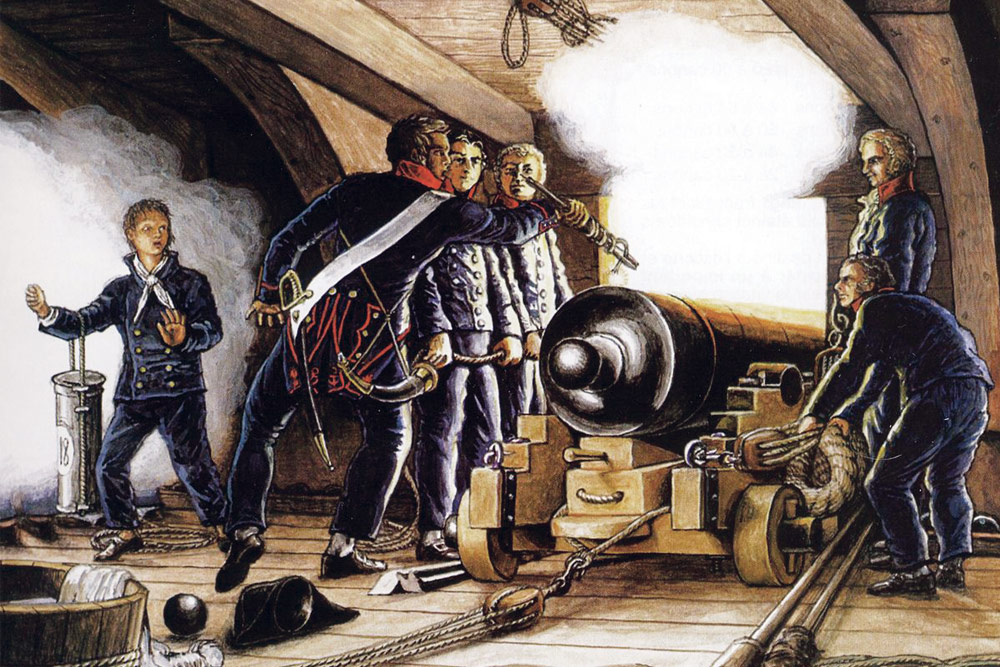
276. Cabin Boy – In books like Treasure Island, being a cabin boy seemed like embarking on a great sea adventure. But the life of a cabin boy was far from those fun maritime adventure stories. First, cabin boys were the cook’s helpers and did every filthy, unwanted job on the ship that grown sailors refused to do. While older crew members and officers routinely punched, slapped, or caned them for the smallest mistakes. Second, the work requires them to be active 24 hours a day with very little rest. Third, on warships, young boys often served as “powder monkeys” running explosive gunpowder bags to the gun decks while under enemy fire. Lastly, should a ship sink and survivors drift in a lifeboat starving, maritime custom and desperation dictated that the youngest, smallest, and most expendable person being the first chosen to be killed and eaten. Guess who’d that be. Yup, the cabin boy. This famously happened to a 17-year-old cabin boy named Richard Parker in 1884.
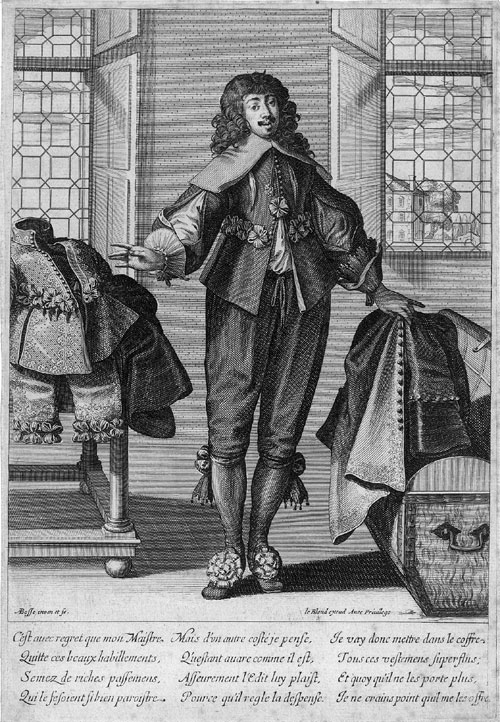
277. Valet – In Jeeves and Wooster, Jeeves is the definition of a perfect valet or gentleman’s gentleman and was always there to get Bertie Wooster out of some unwanted romantic entanglement. But valet’s life wasn’t exactly what Jeeves embodied. First, valets rose hours before their masters to prep clothes, draw bath, polish boots, and heat rooms. They were on call 24/7, sleeping near or traveling everywhere with their demanding employer. Second, valets had to shave, dress, or tend to the personal hygiene and whims of spoiled, erratic aristocrats. Third, should a master’s cravat be tied wrong, his boots not gleam, or his gun misfire during a hunt due to a late cartridge, the valet took the fury. Fourth, valets lugged heavy trunks, booked transit on the fly, and walked through dangerous terrain or weather carrying heavy gear. Finally, although it was a top-tier servant job, it was difficult to move higher, leaving many stuck as permanent servants with no real future. Although if Bertie Wooster took a wife, Jeeves would probably receive a major promotion to butler. Given that the guy is so brilliant and indispensable.
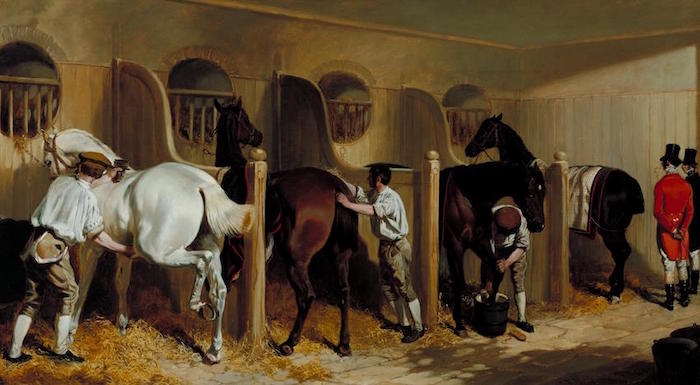
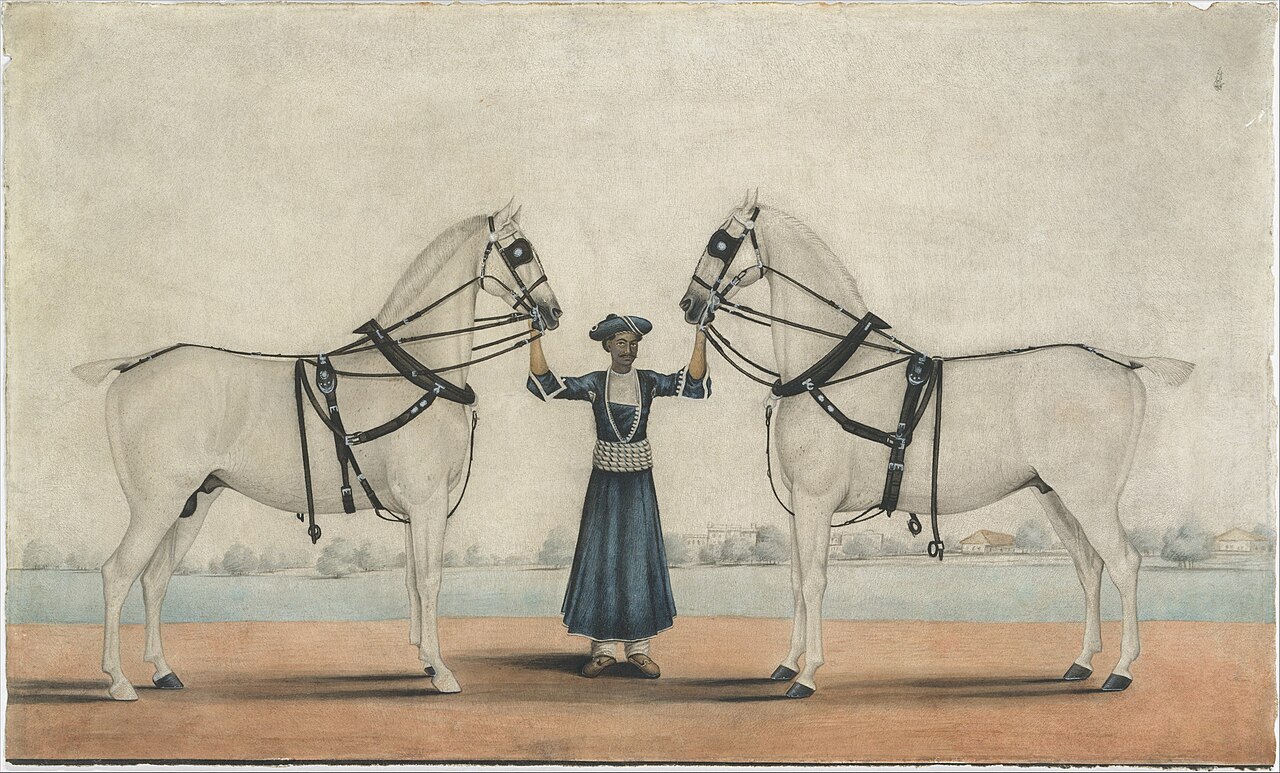
278. Stable Groom – In a great house before cars, there always had to be stables and people taking care of the horses. But being a stable groom wasn’t all a roll in the hay. First, stable grooms had to shovel heavy, wet manure and soiled straw all day long, then “squaring off” muck heaps by hand to limit terrible smells and flies. They hauled heavy buckets of water and pitched tons of hay without mechanical help. In addition, they even spent hours scrubbing mud, polishing heavy leather, and cleaning carriages after every single use. Second, stable grooms worked before dawn until past 8 or 9 PM, only finishing after the master’s horses returned from late evening social outings. Third, stable grooms contended with large, high-strung, or frightened animals in cramped, dark wooden stalls. This put them at risk of getting crushed, kicked, or trampled with no access to medical care or workers’ compensation. They also breathed in massive amounts of ammonia from urine and dust from hay, resulting in chronic lung problems and tuberculosis. Fourth, stable grooms worked in unheated stone barns during freezing-cold winters with ice cold water that risked numb or cracked skin. Finally, stable grooms were often treated on the lowest tier of the domestic staff. While they often slept in the loft above the horses in the heat, dust and smell.
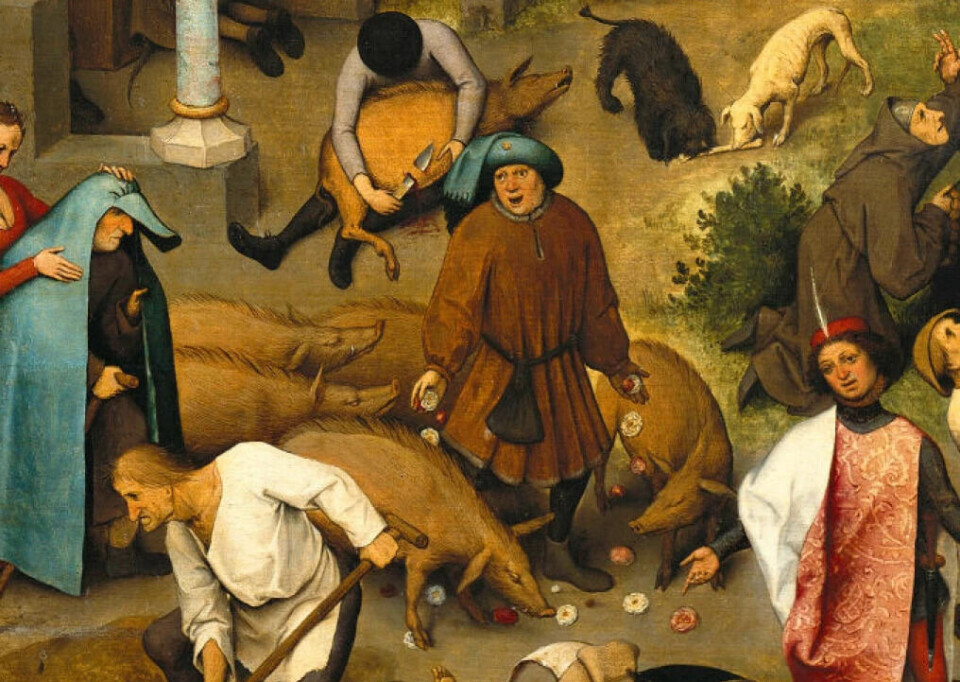
279. Pig Farmer – Pig farming is indeed a stinky business, especially since their feces stink more than their fellow livestock brethren. But in the past, tending to pigs was a true endurance test. First, pigs took months or years to grow while consuming massive amounts of food without producing milk, wool, or eggs in the meantime. Second, historical breeds closely resembled wild boars, featuring sharp tusks, bristly hair, and dangerous tempers while distressed or cornered. Less cute little pink snout and more like roid rage Pumbaa. These would be the pigs that the Prodigal Son was tending to in the parable from Saint Luke’s Gospel. Third, free-roaming pigs constantly wrecked fences, gardens, and town property by digging with their snouts. Fourth, medieval and early modern towns frequently banned or fined pig keepers because heavy manure odors were believed to spread plagues and fevers. Fifth, loose pigs could knock over people’s livestock, such as the famous incident where a runaway pig killed a French prince by colliding with his horse. Lastly, farmers had to trek deep into forests during autumn to secure paid feeding rights (pannage) for acorns just to keep the animals alive through winter.
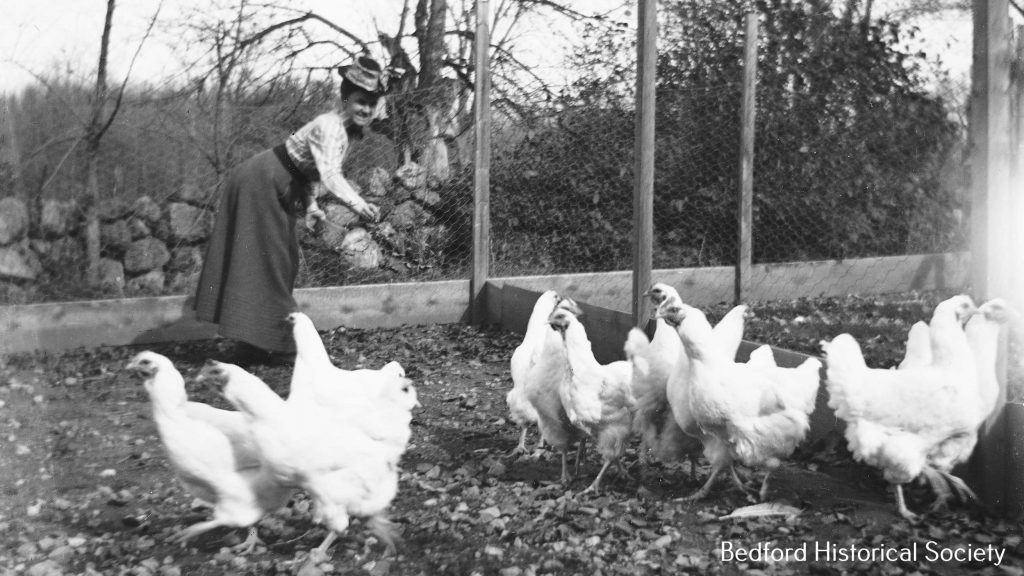
280. Chicken Farmer – Compared to being a pig or dairy farmer, chicken farming is often depicted as a peaceful venture. But being a chicken farmer before the Industrial Revolution was one where you couldn’t count your chickens before they hatched. First, outbreaks like Newcastle disease or avian flu could wipe out an entire flock overnight. Second, without artificial heat or commercial feed, freezing temperatures meant chickens stopped laying eggs and froze to death. Third, since antibiotics and vaccines didn’t exist, chicken farmers were left helpless against common infections and parasites. Fourth, for a long time, chickens were secondary farm chores usually managed by farm wives for extra egg money, not a primary wealth source. Fifth, chickens relied on foraging, bugs, and kitchen scraps rather than optimized commercial feed, making growth slow and unpredictable. Finally, weasels, foxes, hawks, and raccoons constantly raided chicken coops, requiring nonstop vigilance and heavy fortification.


