
Some of these professions depict people who struggled to make the world a better place. Suffragettes went to great lengths to gain the right to vote even going on prison hunger strikes and resorting to acts of terror. Union organizers risked their jobs and their lives to encourage workers to stand up for themselves and strike for higher wages and better working conditions. While muckraking journalists went deep into the dark corners of society to expose abuse, corruption and whatever was wrong with society during the Progressive Era. Anyway, ever dreamed about being in an old-timey burlesque show? How about selling wares as a peddler? Or maybe styling hair in ways that defy gravity? Here are ten more historical professions and their dark realities.
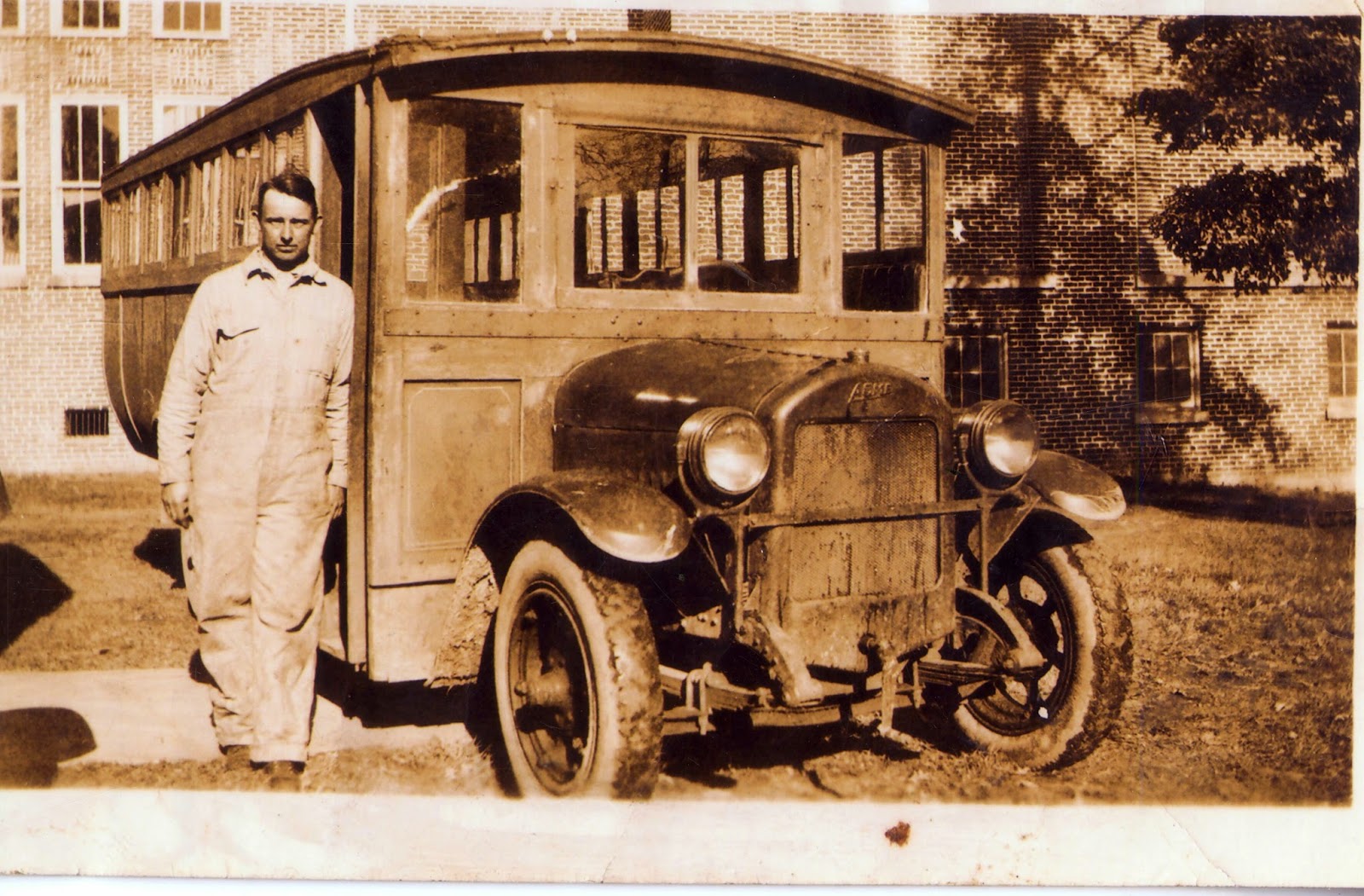
261. Bus Driver – A bus driver is often a common sight in the mass transit world. But in the past, driving a bus was anything but a smooth path. First, older buses lacked power steering, requiring massive upper-body strength just to turn the vehicle around city corners. Second, drivers baked in uninsulated metal cabins during summer heatwaves and froze during winter because heaters were either primitive or non-existent. Third, solid rubber tires, stiff leaf-spring suspensions, and unergonomic or hard-sprung iron seats transferred every single pothole into the driver’s spine. Fourth, poor engine combustion and leaky cabin seats meant drivers constantly inhaled heavy clouds of carbon monoxide along with raw diesel or gasoline fumes. Fifth, shifts forced bus drivers to be on duty during morning rush hour, sit around unpaid for hours, and return for the evening commute, stretching the workday across 12-14 hours. Finally, bus drivers had to manually crank heavy starting mechanisms, shovel coal, tend fires in early heating systems, and manually handle heavy luggage or freight.
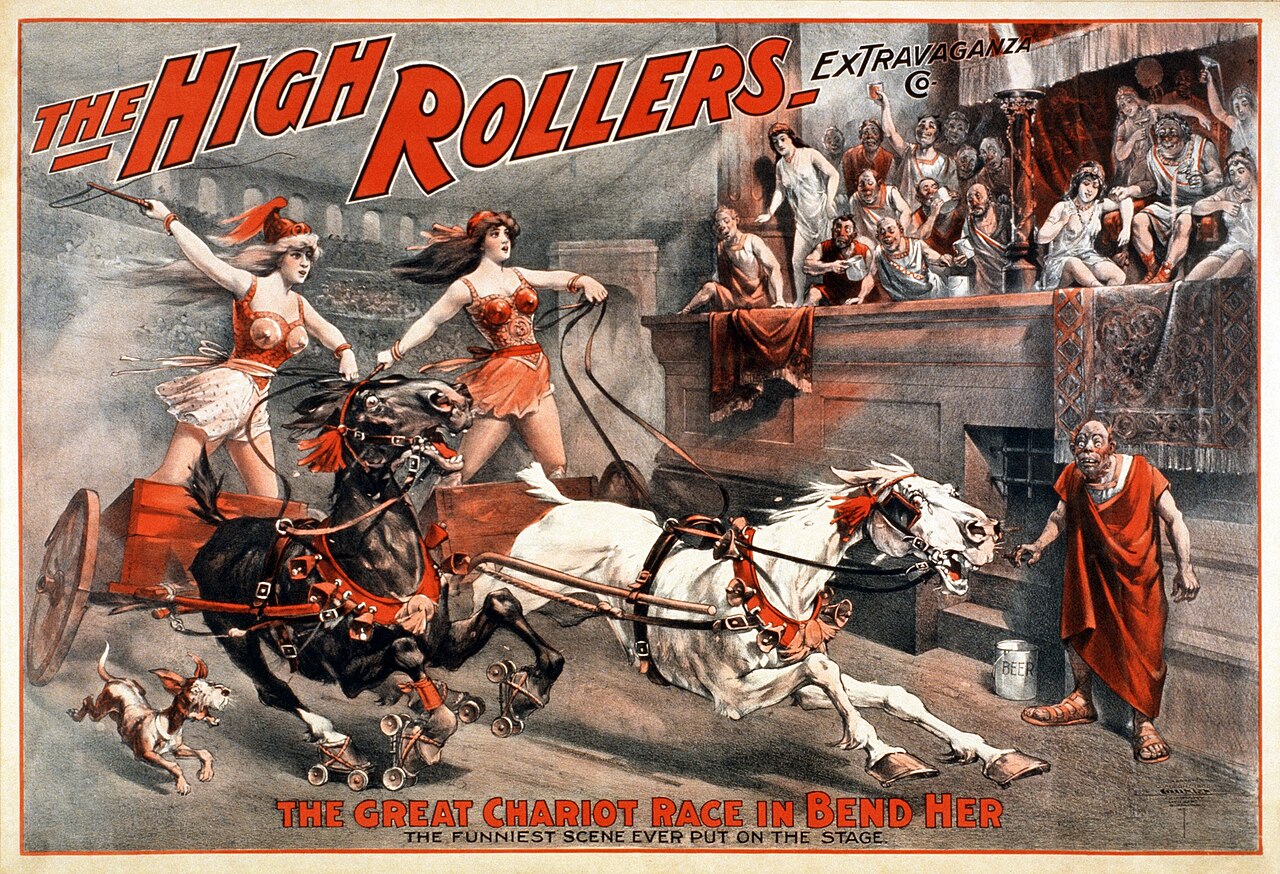
262. Burlesque Performer – In historical media, burlesque performers always seem like the equivalent of an old-timey stripper with some manners. Yet, the life of these women was no striptease. First, performers on the major circuits (like the Columbia and Mutual Wheels) didn’t just pop inside for a local gig. They signed on for a grueling 40-week continuous touring season. Second, troupes endlessly traveled by train from city to city, performing the same heavy routines over and over in shifting, often rundown theaters. Third, audiences during the heyday of American Burlesque were loud, demanding, and rough. Performers faced immediate hostility, jeering, booing, and objects thrown by unimpressed crowds if a show failed or failed to entertain. Fourth, dancers regularly endured physical discomfort from wearing heavy, elaborate costumes and high heels while navigating unsupportive or leering environments. Fifth, as the 1920s and 1930s shifted to striptease, local authorities and vice squads targeted theaters with continuous raids and obscenity crackdowns. Dancers walked a razor-thin legal wire where a single misstep or gesture deemed too explicit could result in sudden arrest for corrupting public morals. In fact, entire houses were routinely shut down by municipal orders (such as New York City Mayor Fiorello LaGuardia’s total ban on burlesque in 1937), leaving performers abruptly out of work. Sixth, despite entertaining thousands, working-class burlesque carried heavy social stigma, branding performers as “low class” and ostracizing them from polite society or their own families. Finally, economic exploitation by theater owners and producers meant that despite the physical labor and risk, the actual take-home pay for chorus and line performers was meager.
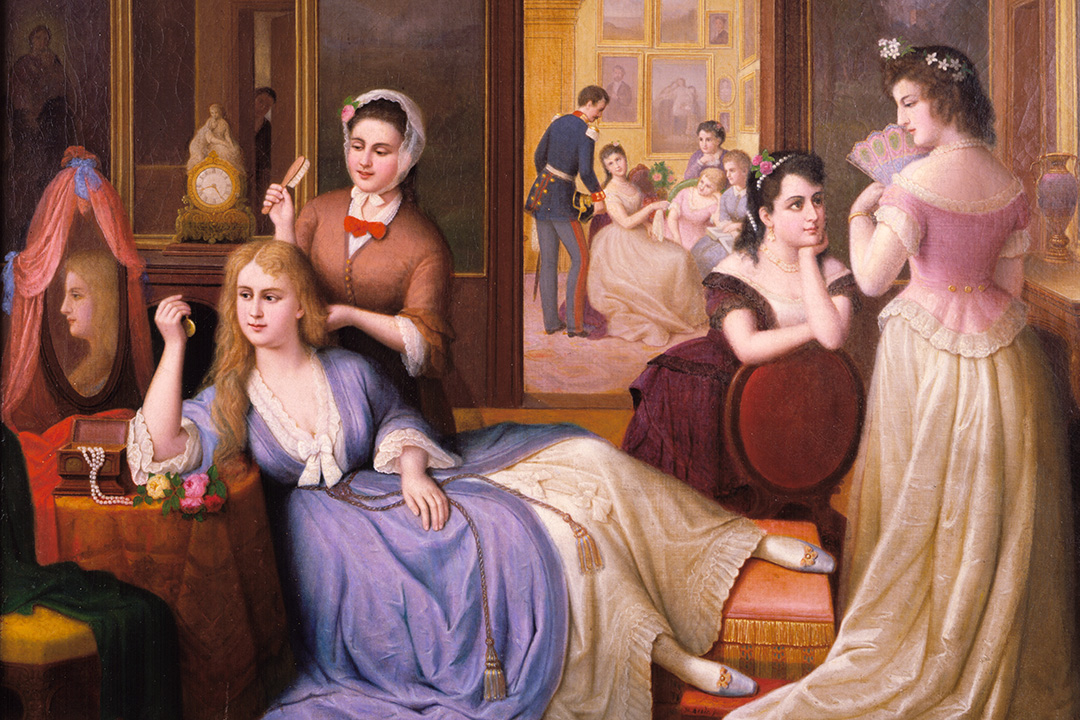
263. Hairstylist – Many historical media feature elaborate hair styles among aristocratic men and women, especially in the 17th and 18th century. But styling that hair was anything but a beauty sleep. First, stylists mixed and adapted 18th century hair powders made of starch laced with toxic minerals like white lead, breathing in dangerous dust all day. Second, ancient and Renaissance bleaching recipes forced workers to handle raw wood ash, lye, sulfur and quicklime, all of which ruined lungs and burned skin. Third, early commercial hair and scalp colorants frequently relied on heavy metals like lead acetate, causing chronic poisoning. Fourth, elaborate washed updos styled with animal-fat pomades became breeding grounds of lice, fleas, and dust, forcing clients (and stylists managing wigs) to contend with constant infestations. Fifth, infrequent liquid washing meant managing hair heavily greased, matted, and packed with old dry powders. Sixth, building towering Georgian or Ancient Roman structures required holding heavy styling tools and maintaining awkward postures for hours without ergonomic chairs. Lastly, working in small, closed royal chambers or early salons meant constantly inhaling heavy aerosols, burnt animal fats, and harsh chemical fumes.
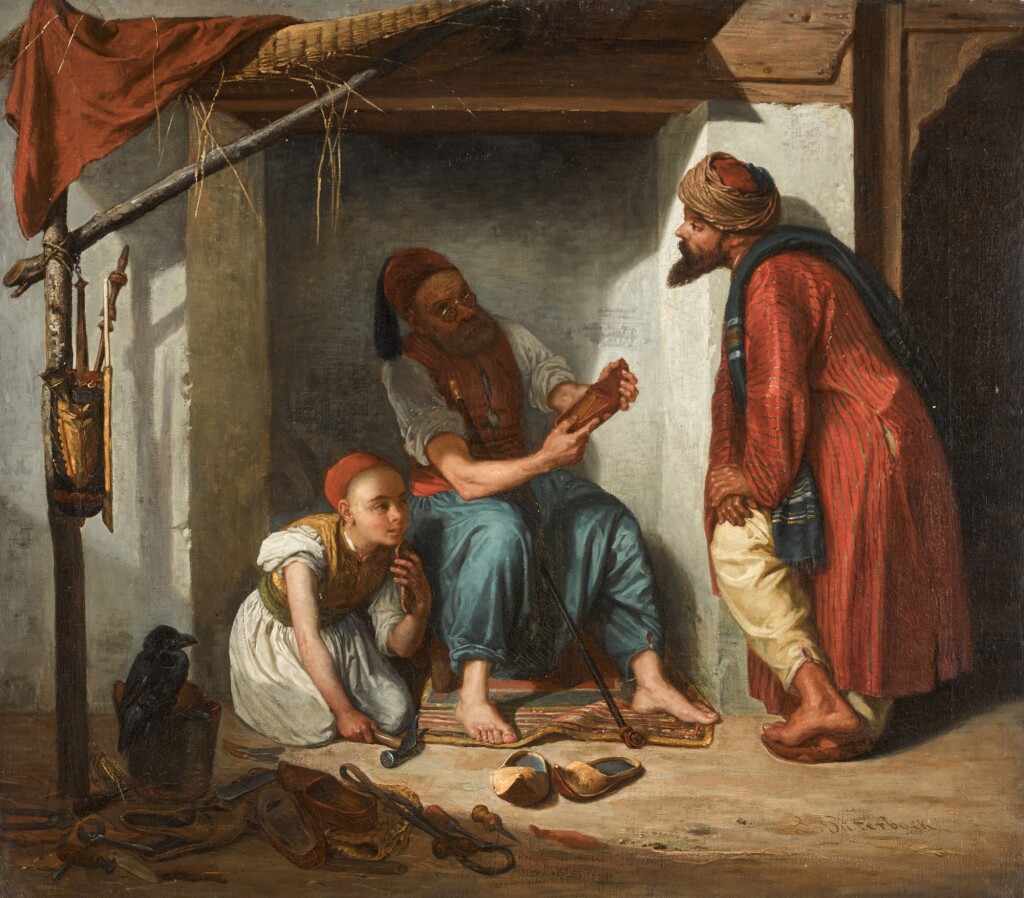
264. Shoemaker – Then and now shoes were amongst the most essential clothing when it comes to getting from point A to B. However, the life of a shoemaker was a grueling one and they couldn’t rely on elves to help them. First, tanning and treating leather required noxious substances like urine, animal dung, and chromium salts, filling small workshops with foul, lung-destroying stenches. Second, shoemakers spent 14-16 hours a day hunched over a work bench, driving awls and needles with heavy force, ruining their spines and chests. Third, constantly working with sharp knives, heavy awls, and hot wax meant deep cuts, punctures, and chronic infections were just the typical week hazards. Fourth, despite needing high skill, most independent shoemakers lived on the edge of ruin, famously struggling to afford enough leather for the next job. Fifth, when shoe-sewing machines arrived in the 19th century, factory owners forced people into 16-hour workdays for pennies. Lastly, true master shoemakers who built new shoes hated being confused with poor, illiterate “cobblers” who only patched old footwear. Although both groups worked endlessly just to survive.
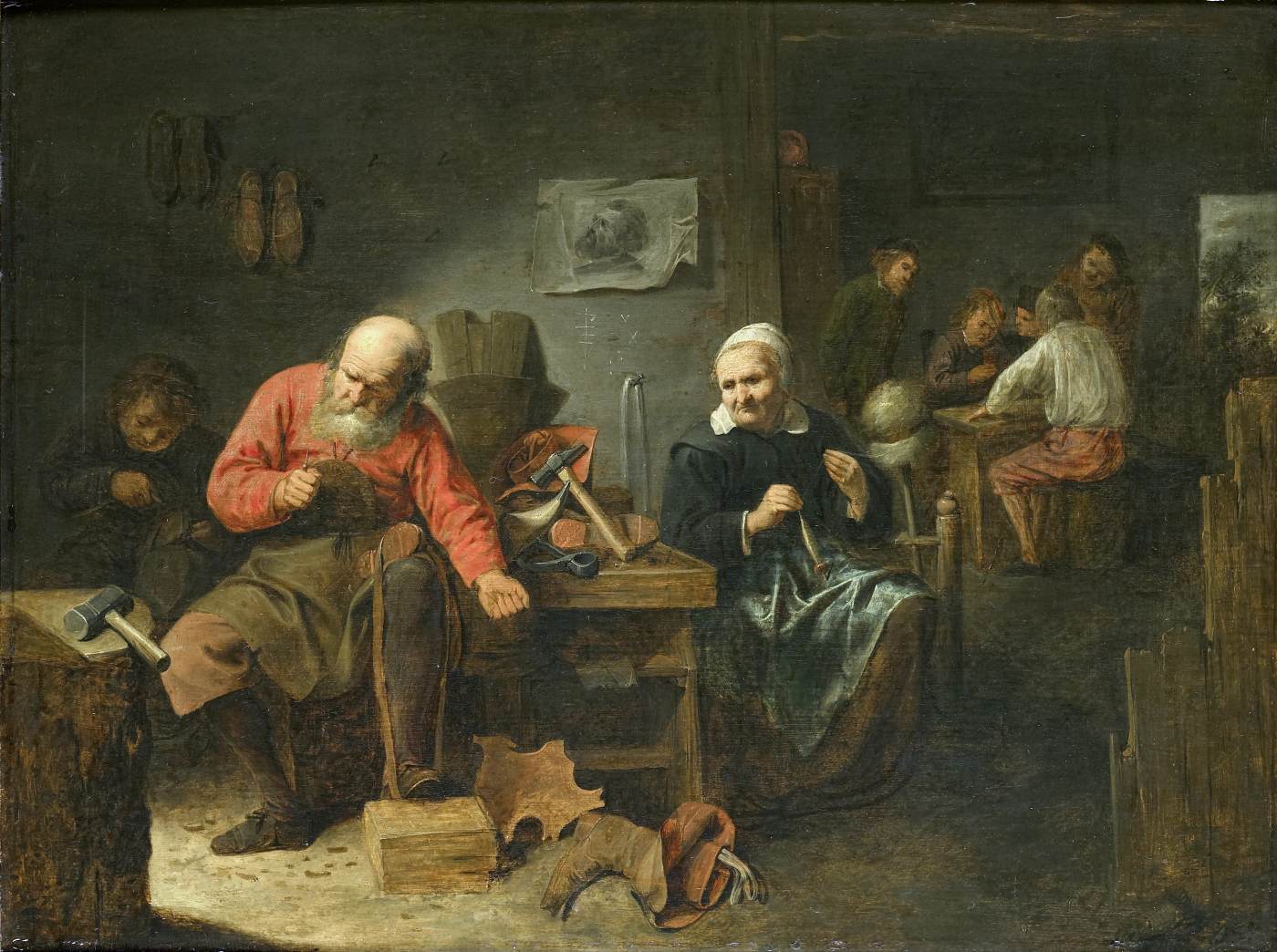
265. Cobbler – Given that mass production didn’t exist, cobblers served communities by repairing old shoes. But a cobbler’s life was a brutal one. First, guilds of elite shoemakers (cordwainers) legally banned cobblers from using brand-new leather, forcing them to patch shoes using scraps or old materials. Second, calling a master shoemaker a “cobbler” was a severe insult due to cobblers being viewed as unskilled, uneducated, and perpetually impoverished. Third, cobblers spent their days handling rotting, mud-caked, and sweat-soaked shoes worn by people who rarely washed their feet or changed their stockings. Fourth, working low to the ground on a simple 3-legged stool or hard bench caused chronic, back, neck, and joint pain. Finally, hours spent pulling tight stitches, hammering iron tacks, and slicing thick hide with razor-sharp knives meant frequent punctures, cuts, and repetitive strain injuries.
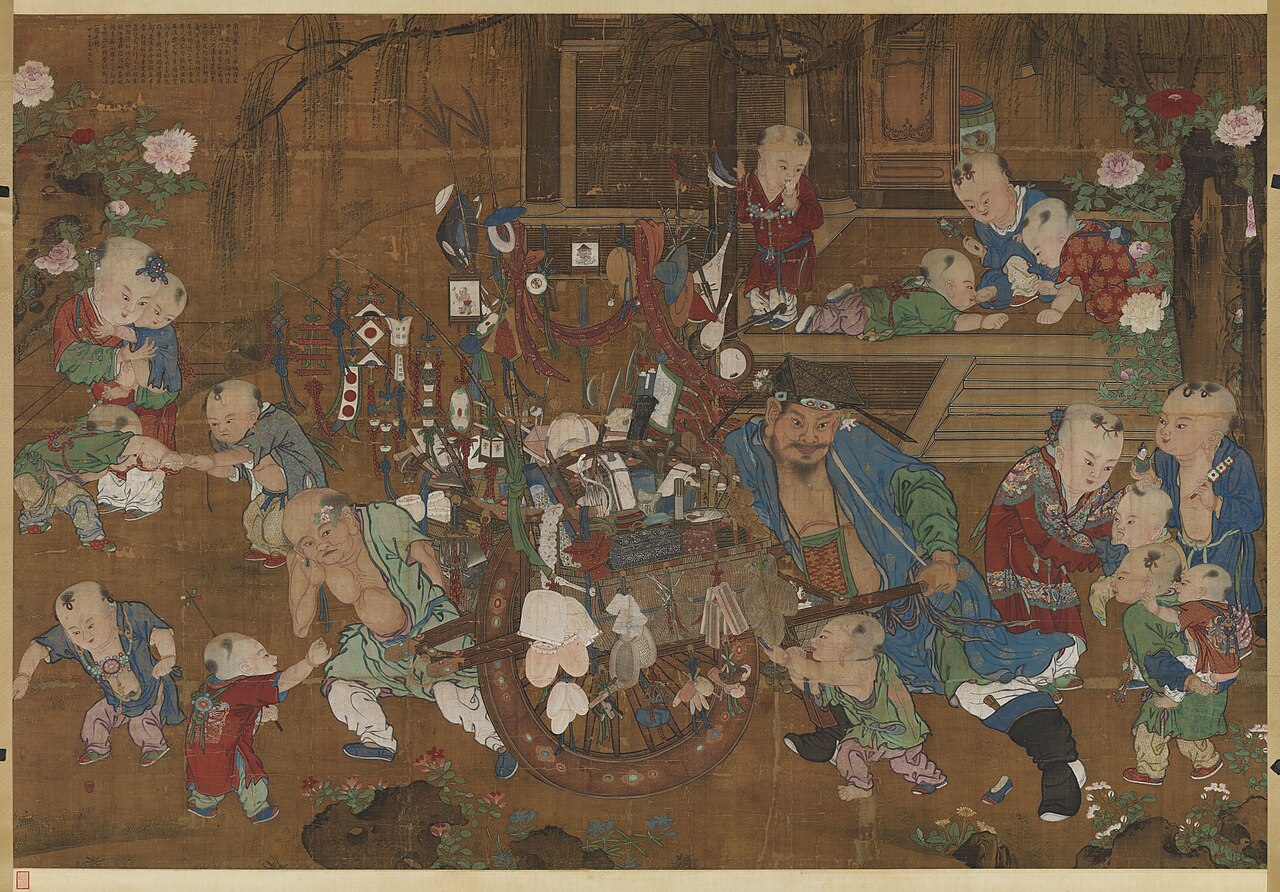
266. Peddler – Traveling from town to town with an array of wares one can’t do without, the peddler often makes a presence in much of the historical public imagination. But being a peddler of goods was a much challenging profession than it looked. First, peddlers carried loads weight up to 100lbs on foot across rough terrain for miles every day. Second, they walked through mud, snow, and freezing rain with no reliable shelter or waterproof gear. Third, they spent weeks alone in remote areas without any medical help should they fall sick or break a limb. Fourth, they risked attacks from wild animals, highwaymen, and rough terrain long before modern roads or police existed. Fifth, locals viewed outsiders with intense paranoia, often accusing peddlers of being spies, thieves, or con artists. Sixth, governments passed strict laws treating itinerant hawkers like criminals or vagrants, requiring expensive licenses that many peddlers could rarely afford. Finally, marginalized groups who turned to peddling for survival (like the Roma and Jews as popularly depicted) faced compounded discrimination and community shame.
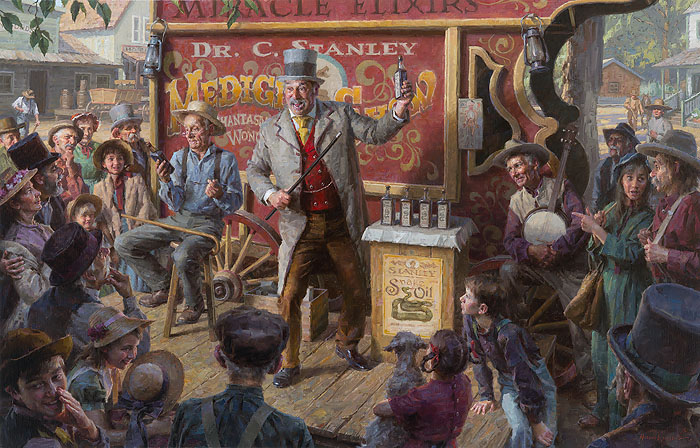
267. Snake Oil Salesman – Although snake oil salesmen may be sleazy con artists, they’re always seen as people able to put on a show in the westerns. Yet, being a snake oil salesman was no easy con game. And despite the name, not all of these snake oil salesmen didn’t always promote snake oil, just quack medicine of dubious effectiveness. First, snake oil salesmen hauled heavy wagons of fake medicine across rough, muddy roads from town to town with no permanent home. They’d also be forced to move quickly because once people used the fake tonic, they realized it didn’t work and turned hostile. Second, snake oil salesmen also weren’t above performing outrageous stunts like handling live, angry rattlesnakes on stage during medicine shows just to draw crowds. Third, they risked tarring, feathering, or physical violence from furious locals and cheated customers. Fourth, they always had to watch out for local sheriffs or federal inspectors enforcing fraud and misbranding laws. Lastly, they relied on fake plant-in-the-crowd testimonials that could fall apart any second if a real doctor showed up.
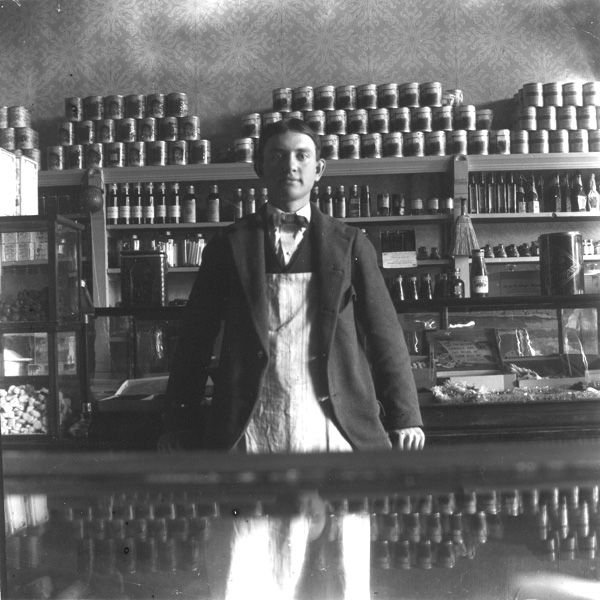
268. Store Clerk – In historical settings, it’s not unusual to have major characters take a stint as a store clerk, especially when they’re first starting out on their own. Yet, being a historical store clerk was absolutely brutal. First, shops opened at sunrise and closed late at night, often leaving workers with 14-16 hour days. And you thought working an 8-hour retail shift was bad. Second, clerks had to stand all day on hard wood or stone floors, and sitting was seen as a sign of laziness. Third, due to the nonexistence of pallet jacks and forklifts, clerks had to haul massive, heavy barrels of flour, sugar, and crates of goods by hand. Fourth, stores lacked indoor plumbing, proper heating, or air conditioning, meaning clerks froze during the winter and sweltered during the summer. Fifth without modern vacuums and cleaning supplies, sweeping thick layers of dirt and scrubbing wooden floors was a daily, exhaustive chore. Sixth, many historical apprentices and young clerks lived in tiny rooms above the shop owned by their boss, giving them zero privacy and total control over their free time. Finally, bosses could fine or dock a clerk’s tiny pay for minor mistakes like being a minute late or showing a lack of extreme politeness.
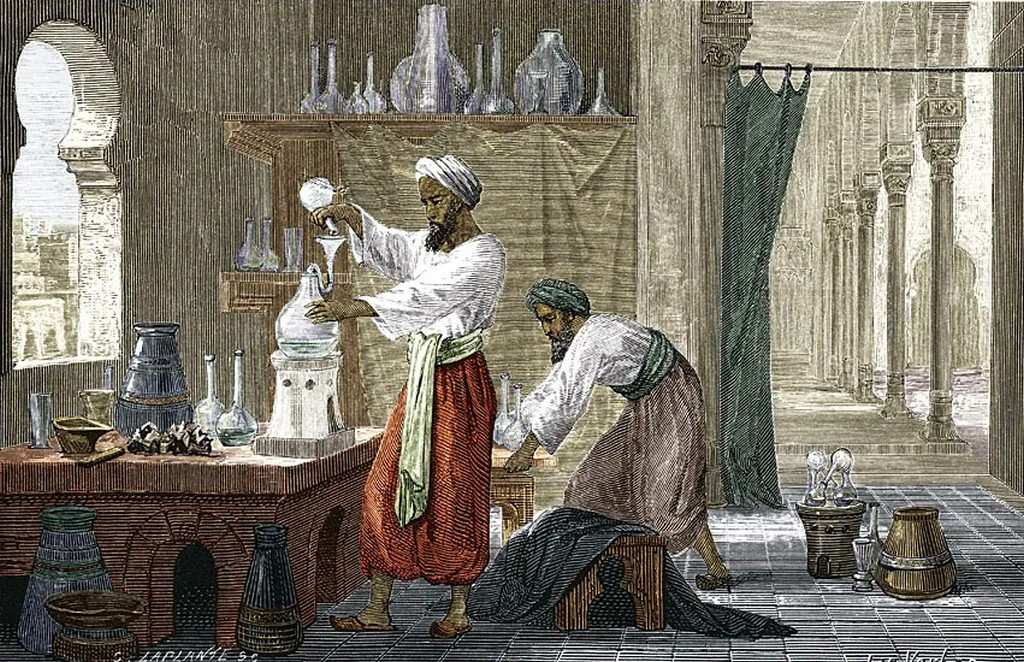
269. Perfumer – Back when people rarely bathed, perfume was essential to help rich people smell their best within the palaces or country estates. First, perfumers had to hand-collect or process raw ambergris (whale gut waste), musk (from slaughtered deer), and civet (anal gland goo from caged, terrified cats), which all smelled rancid before mixing. In addition, perfumers also used heavy metals and poisons like lead, arsenic, and mercury in cosmetics and fragrances. Second, early European perfumers often started as leather tanners, soaking animal hides in urine and dung before trying to cover the stench. Third, perfumers had to crush heavy roots, resins, and flowers by hand in hot, poorly ventilated rooms with open flames and boiling vats. Fourth, breathing in pure, choking alcohol fumes, chemical dust, and strong floral absolutes all day long caused chronic coughing and lung problems. Lastly, being tied to royal courts meant that during major uprisings (like the French Revolution), perfumers were viewed as enemies of the people and symbols of corrupt wealth. So you can guess that many of them met their ends to the guillotine just for their profession alone.
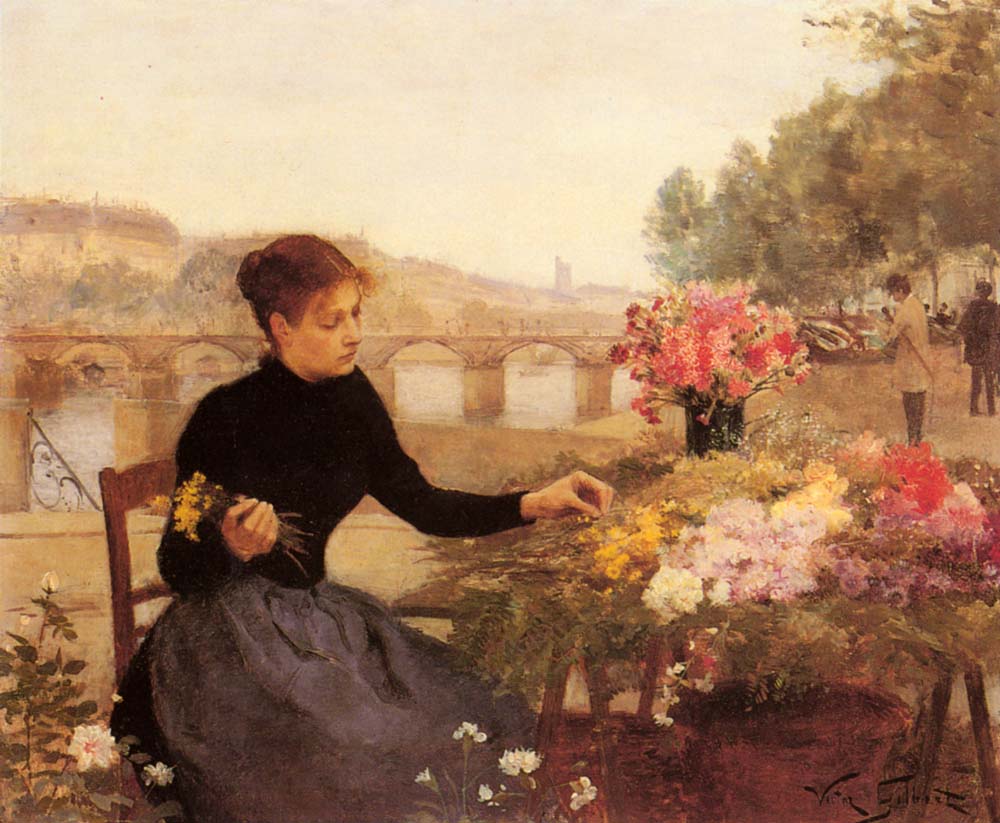
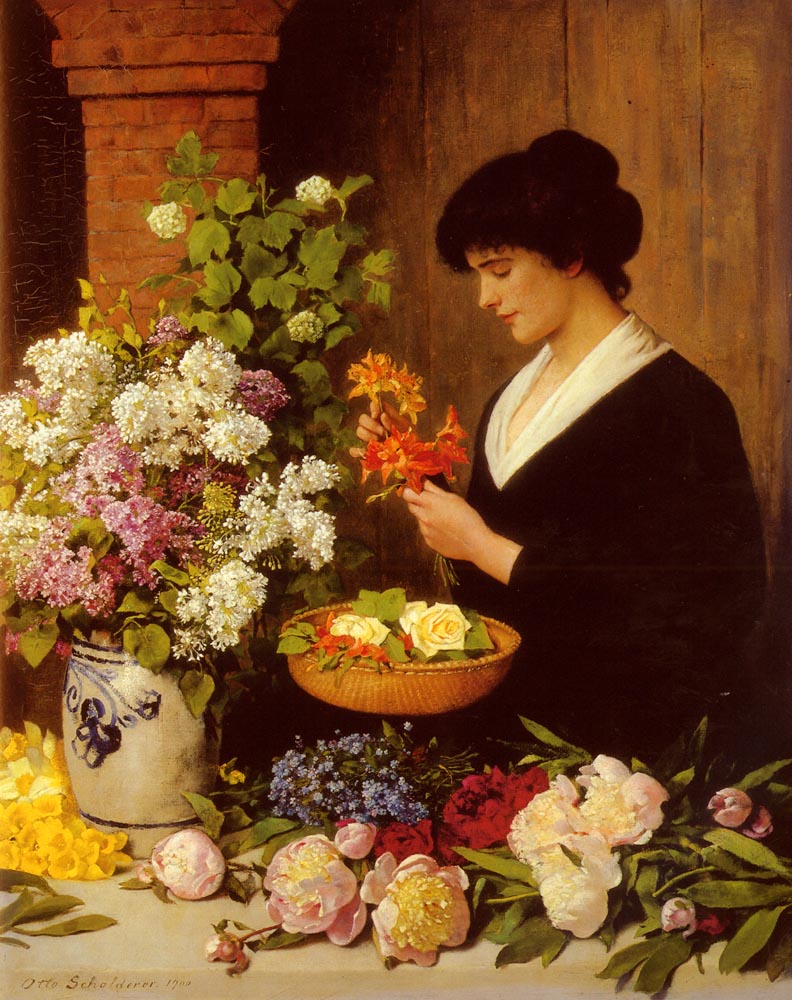
270. Florist – In historical settings, florists often have their work cut out for them. Because who’s going to supply the flowers for all those balls, weddings, and funerals? Yet, a historical florist’s life was anything but flowery. First, flowers died fast because shops relied on cold cellars and ice blocks instead of electric coolers. Second, workers handled freezing water, thorny stems, sharp wire, and heavy dirt all day by hand. Third, many popular plants and dyes used in old arrangements contained toxic chemicals like arsenic and lead. Fourth, because Victorians used strict floriography rules, mixing up a single bloom meant sending an accidental insult instead of love. Fifth, at funerals, florists faced immense stress building massive, bizarre funeral displays under tight public judgment and scoring. Finally, florists could only sell what local greenhouses grew or what arrived slowly by train or wagon. Assuming the flowers would still be alive by the time they’d arrive.


