

You may notice that many of these wildflowers are often the state flowers in many of these states. But that isn’t always the case. Still, states have a habit becoming attached to certain flowers that it often becomes part of its emblem. Yet, as you’ll see later, it’s not unusual for some states to have the same state flower with the common violet being one for 4. But I can’t use the common violet for all four of them. Anyway, in this post, you’ll see a columbine from New England, a lily from the Midwest, two lady’s slippers, a coreopsis, an evening primrose, a small pink flower westerners can’t resist in Montana, two mallow flowers, and a violet with a polarizing reputation.
21. Massachusetts
Eastern Red Columbine (Aquilegia canadensis)
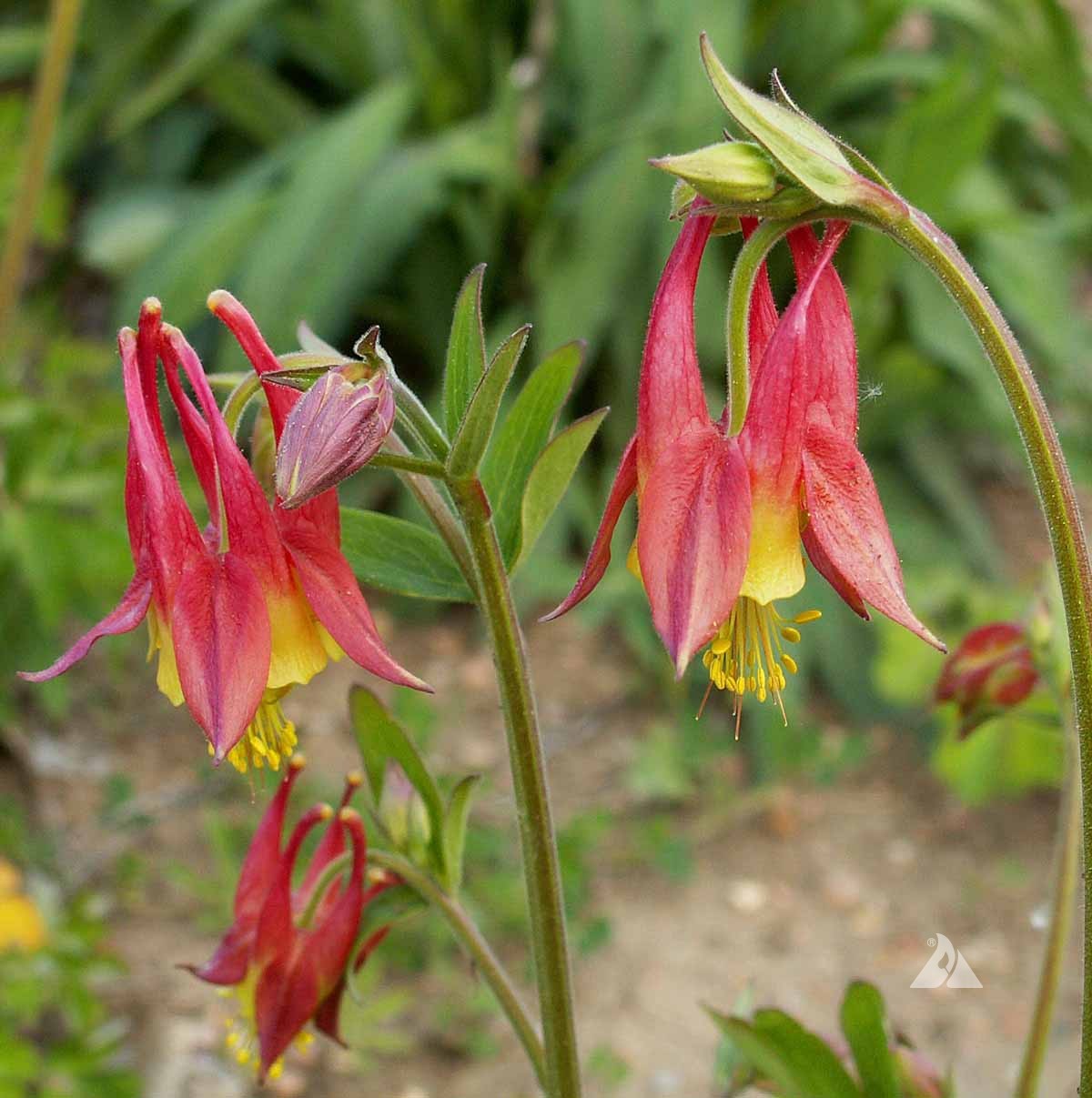
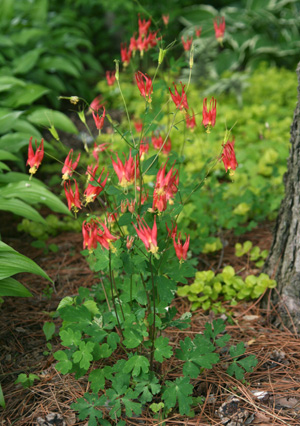
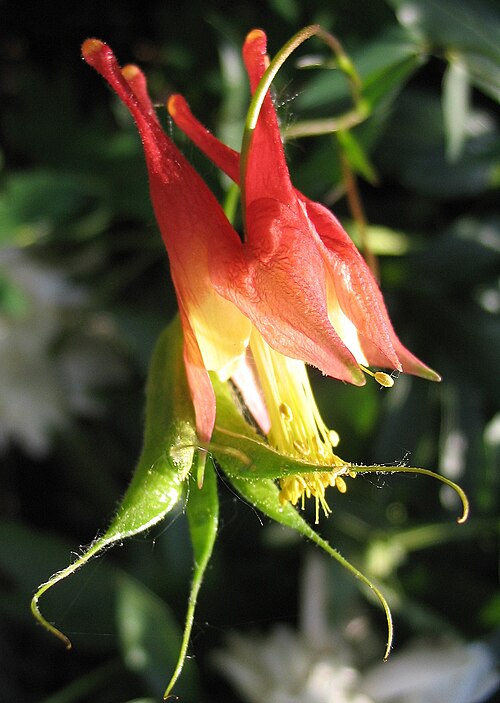
Why the Prettiest: It’s an herbaceous perennial known for its nodding, two-toned red and yellow spurred flowers that attract hummingbirds and butterflies. Its dainty, downward-facing red and yellow blooms with backward-pointing spurs holding nectar. While its foliage consists of deeply lobed, fern-like leaves that are semi-evergreen.
Location: Native to eastern and central North America, from New Brunswick to Florida as west as from Saskatchewan to Texas. Sole native columbine from eastern North America.
Environment: Inhabits woodlands, forest edges, rocky slopes, and shaded bluffs. But can live in a wide range of habitats. Can grow up to 6-35 in tall.
Bloom Season: Blooms from mid-spring to early summer such as from April to July. Primary pollinator is the Ruby-Throated Hummingbird but also attracts bees, bumblebees, and hawk moths. While the rusty-patched bumblebee has been known for nectar robbing by cutting holes in the spurs. Host plant for the common duskywing butterfly and columbine borer moth.
Color Varieties: Available in red and yellow.
Gardening Conditions: Commonly kept as an ornamental plant. Has a mixed mating system where it can self-pollinate and outcross. Is self-compatible and can produce seeds without a pollinator but doesn’t fully compensate. Reproductive success is also reliant on population size with larger and more densely populated areas producing more seeds. Resistant to deer and rabbit browsing. Susceptible to leaf miner activity that only creates a serpentine trail among the leaves and has a low susceptibility to disease in its native range. Grows best in light to moderate shade and prefers well-drained sandy loams, thriving in limestone-based or circumneutral soils. Plants grown in soils too moist or rich may produce weak plants with shorter lifespans. Seedlings generally flower in second year. Mature plants are highly resistant to drought. Perfect for woodland gardens, rock gardens, shady borders, and native pollinator spaces.
Conservation Status: Currently listed as Secure.
Trivia: Has a chemical defensive system in which it releases hydrogen cyanide when plant tissue is damaged. Used by several Native American communities as a love charm by crushing its seeds and rubbed on hands like the Pawnee. Seeds also used by Omaha, Pawnee, and Ponca as perfume. Used by Pawnee and Cherokee as medicine as well.
Other Candidates: Pink Lady’s Slipper, New England Aster, and Cardinal Flower.
22. Michigan
Michigan Lily (Lilium michiganense)
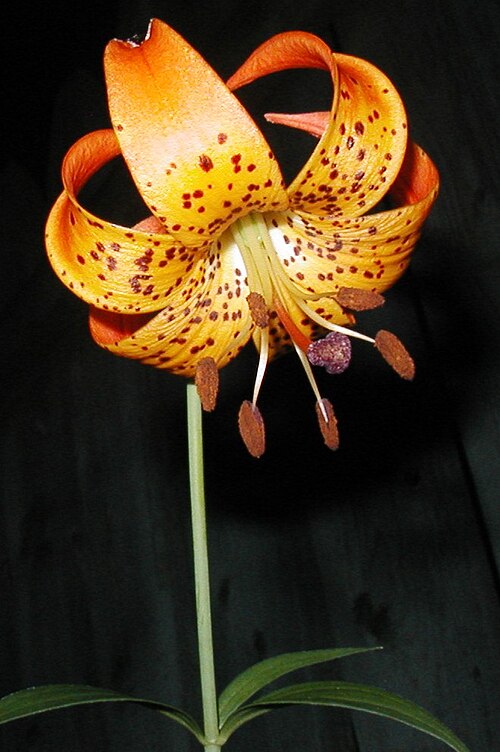
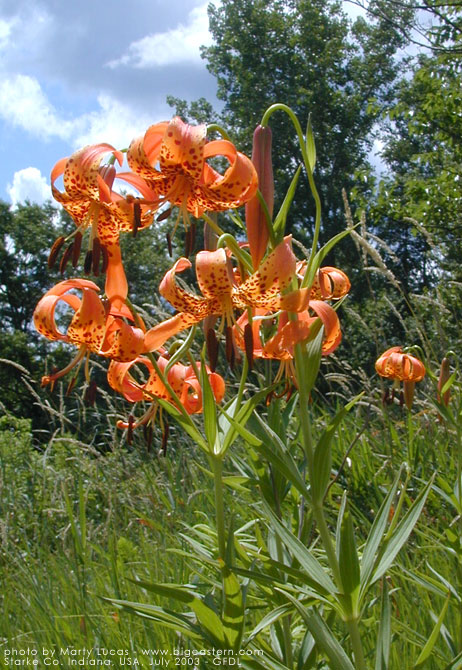
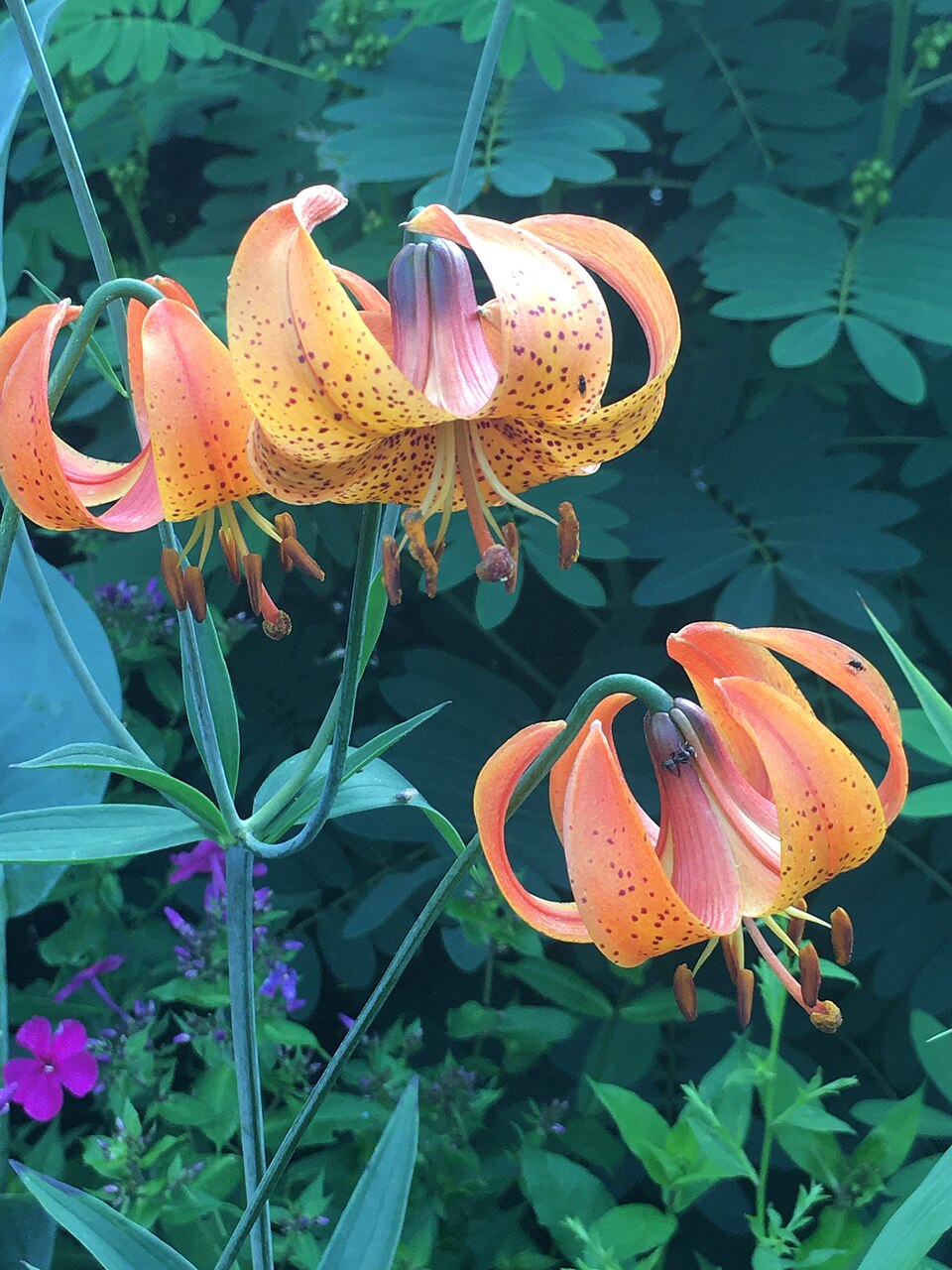
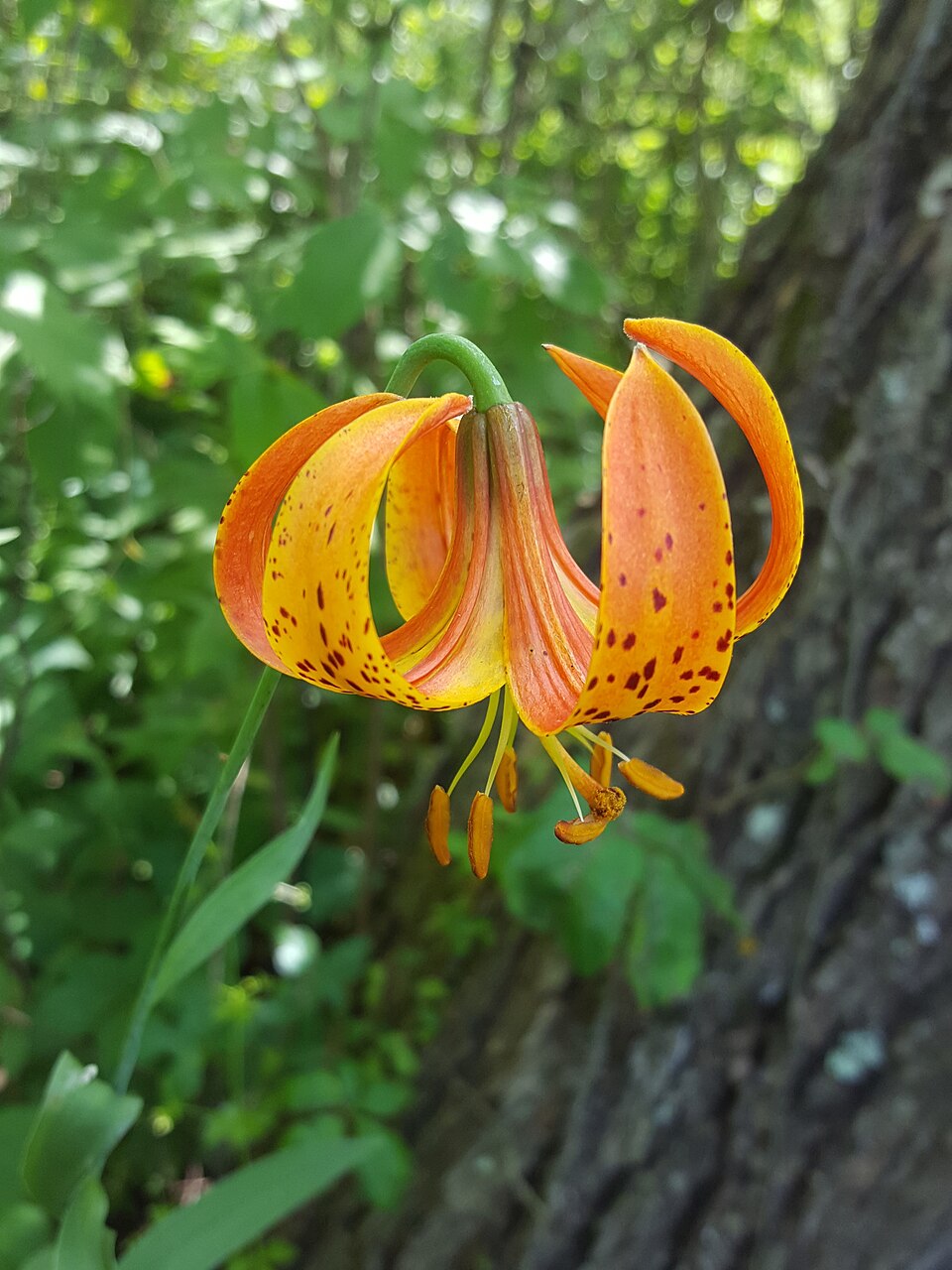
Why the Prettiest: It’s a striking bulbous perennial in the Great Lakes and Upper Mississippi known for its bright orange, heavily spotted downward-facing flowers with petals curving sharply backward. While its leaves are lance-shaped and arranged in distinct whorls around the stem’s middle.
Location: Native to the Great Lakes and Upper Mississippi Valley regions of the United States and Canada, from South Dakota through Ontario to New York, south to Georgia to Oklahoma.
Environment: Inhabits wet meadows, fens, moist woodland edges, bottom lands and prairies. Can grow up to 5 x 2 ft.
Bloom Season: Blooms during the summer from June to August. Attracts hummingbirds, large butterflies, and sphinx moths.
Color Varieties: Available in red-orange with purple-brown spots.
Gardening Conditions: Needs full sun or partial shade. Prefers rich, deep, moist, and cool organic soils. Though adapts well to average, well-drained garden loam or clay. Ideal for native plant gardens, perennial borders, cottage gardens, or naturalized damp areas along ponds or streams. But know that voles, chipmunks, and deer love to eat the foliage or dig up the bulbs.
Conservation Status: Listed as Secure but is endangered in New York and threatened in Tennessee.
Trivia: Is often confused for the Asian Tiger Lily.
Other Candidates: Large-Flowered Trillium, Dwarf Lake Iris, Blazing Star, Prairie Smoke, and Marsh Marigold.
23. Minnesota
Showy Lady’s Slipper (Cypripedium reginae)
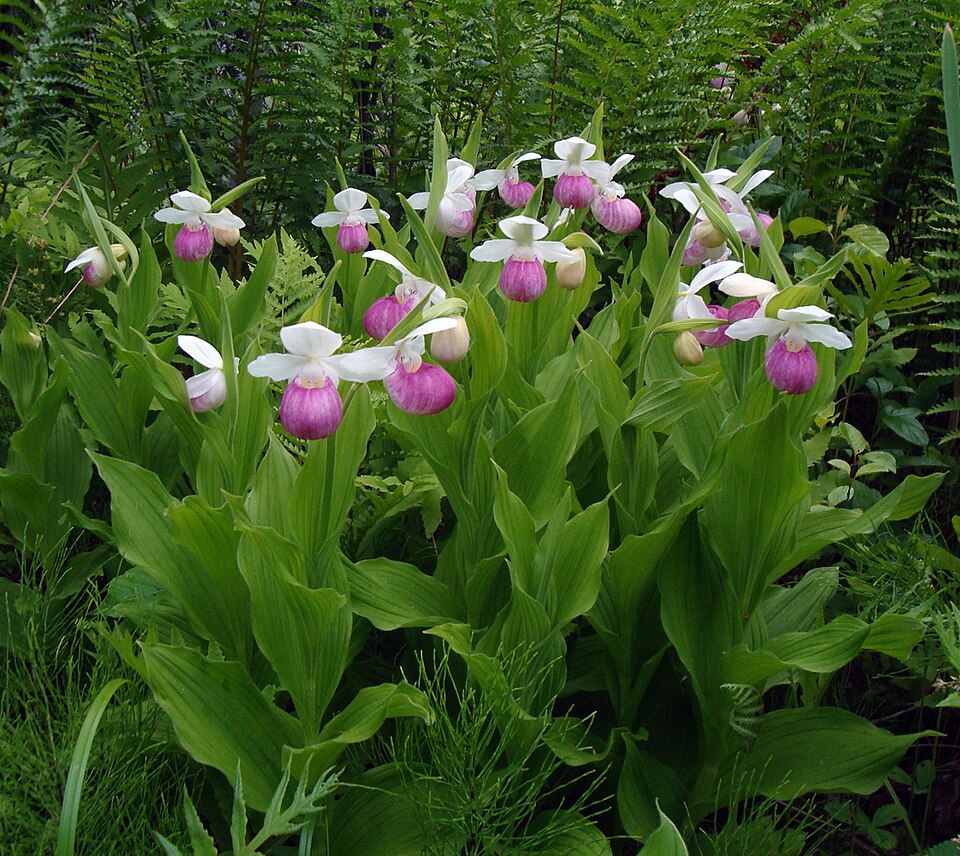
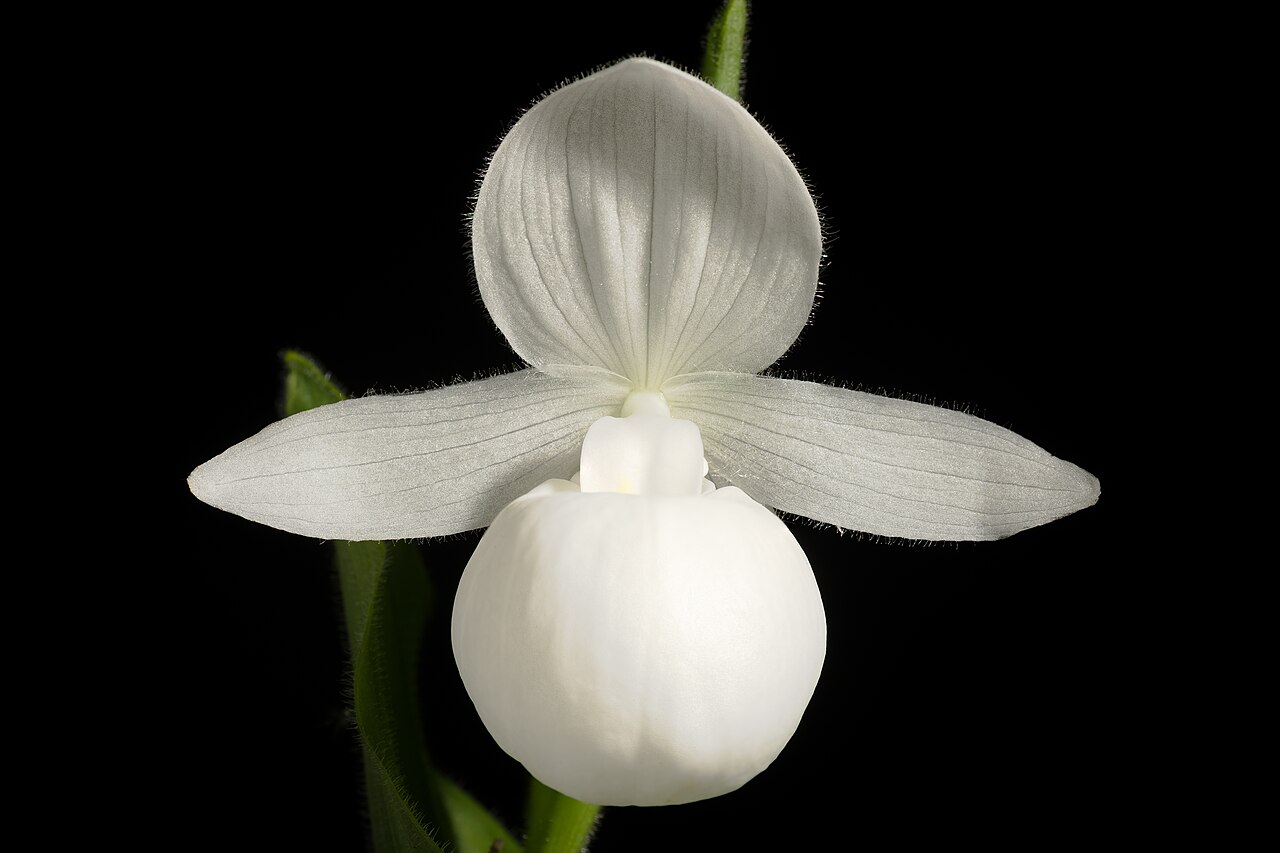
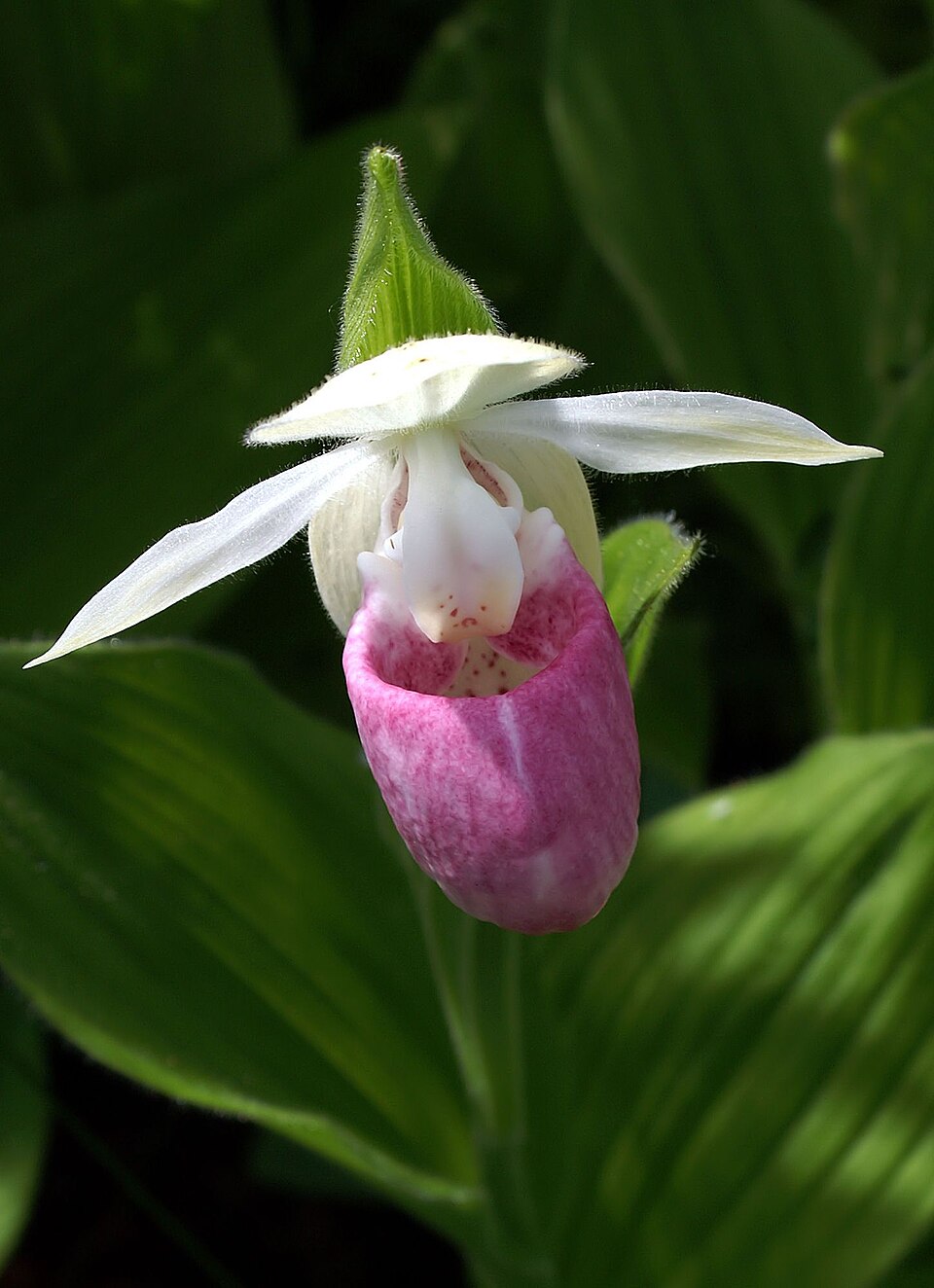
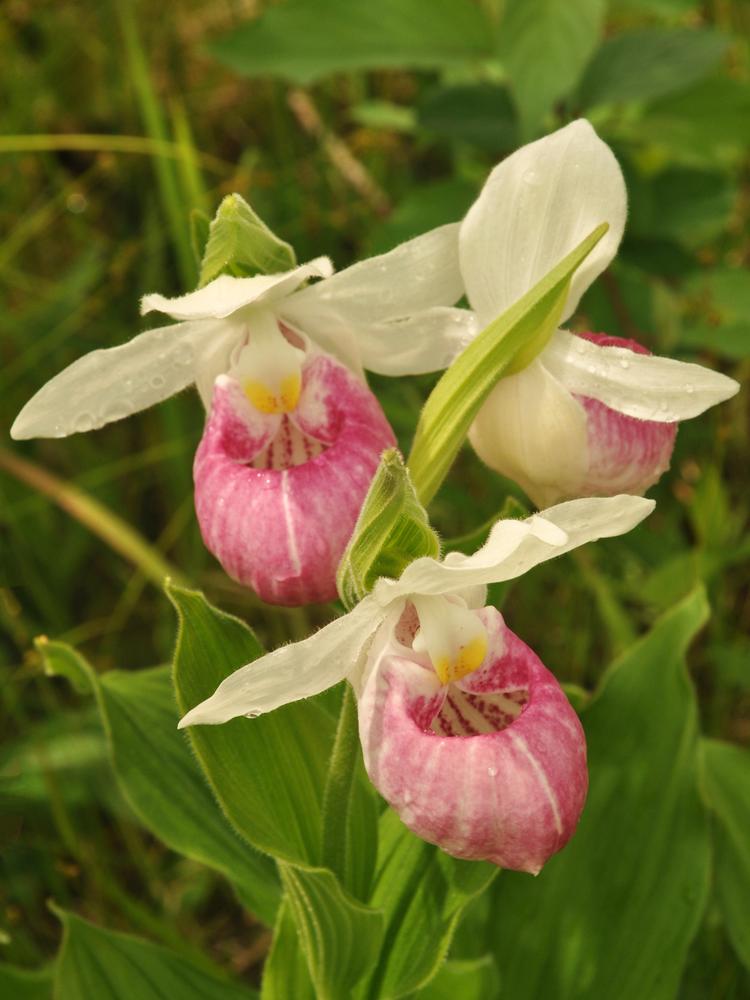
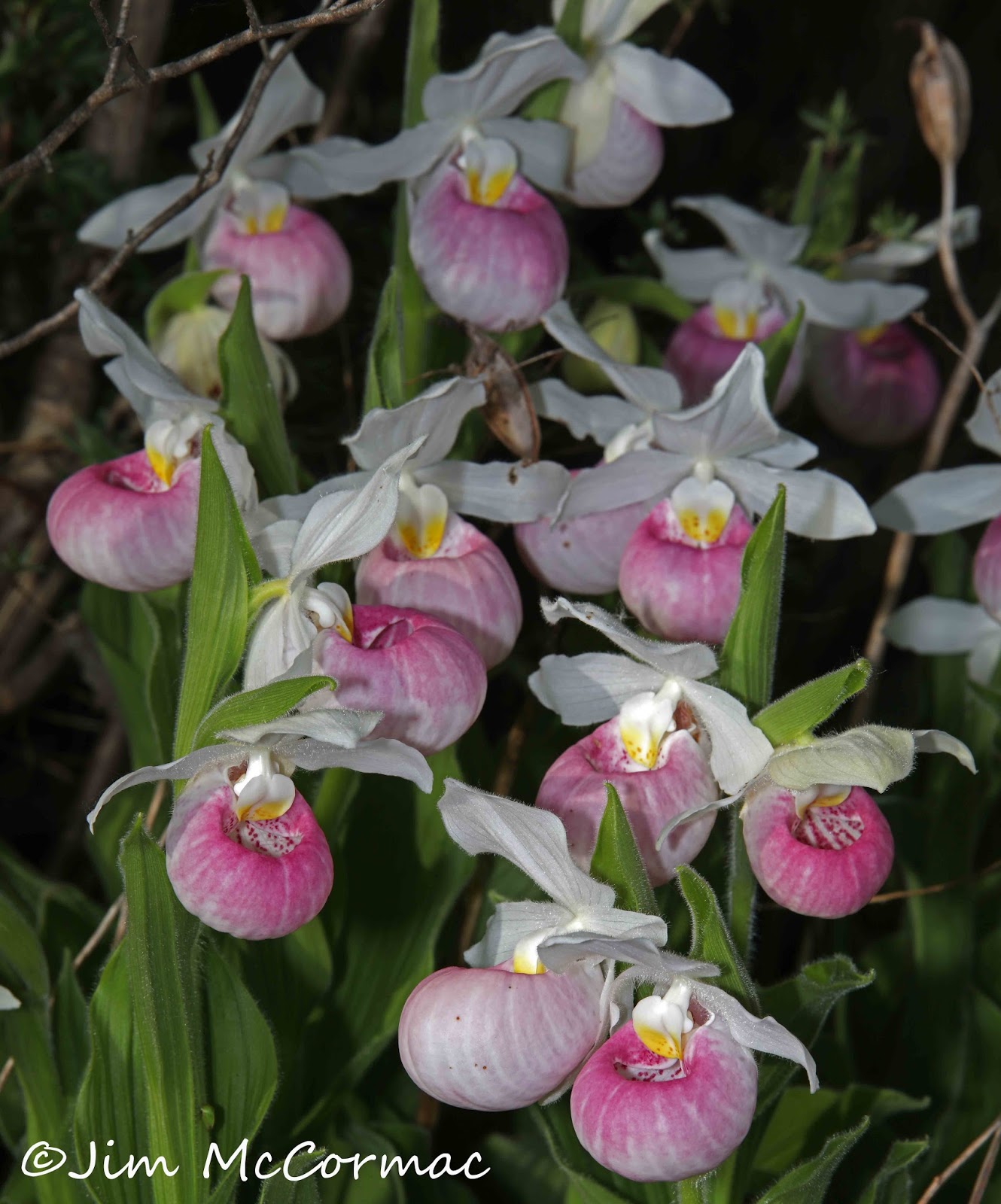
Why the Prettiest: For one, it’s Minnesota’s state flower as well as a rare native orchid in North America. It features brilliant white petals paired with a large, bulbous pouch suffused with deep pink and magenta.
Location: Native to northern North America. Can be found from as north as Saskatchewan to as south as Arkansas and Tennessee. Has a strong presence in the Great Lakes region.
Environment: Grows in wetlands such as fens, wooded swamps, and riverbanks. Most likely found in mossy hummocks. Can grow up to 0.7-3ft tall, making it the tallest native northern orchid.
Bloom Season: Blooms in early to midsummer such as from June to July. Attracts and depends on pollinators like syrphid flies, beetles, and Megachile bees. Occasionally eaten by white-tailed deer.
Color Varieties: Available in white with a pouch that can be purple, pink, and white.
Gardening Conditions: Thrives in neutral to basic soils but can grow in slightly acidic conditions. Prefers very loose soil when growing in fens. Can tolerate full sun but prefers partial shade for part of the day. Since full sun exposure can bleach its lip and less deeply colored. A single seed pod can produce 50,000 seeds but there’s low seed to flowering germination. Thus, vegetative reproduction is far more common. Foliage hairs contain oils that can cause a rash similar to poison ivy or dermatitis.
Conservation Status: Currently listed as Least Concern. Although it’s quite rare due to its habitat destruction and exploding deer population. So its critically imperiled and vulnerable in various states and Canadian provinces.
Trivia: Forms in clumps by branching of underground rhizomes. Roots are typically within a few inches of soil’s top. Was known to Charles Darwin who unsuccessfully tried to cultivate the plant. Provincial flower of Prince Edward Island. Has been used in native remedies for dermatitis, toothaches, anxiety, headaches, and as an antispasmodic stimulant and sedative.
Other Candidates: Large-Flowered Trillium, Purple Coneflower, Bee Balm, and Butterfly Weed.
24. Mississippi
Plains Coreopsis (Coreopsis tinctoria)
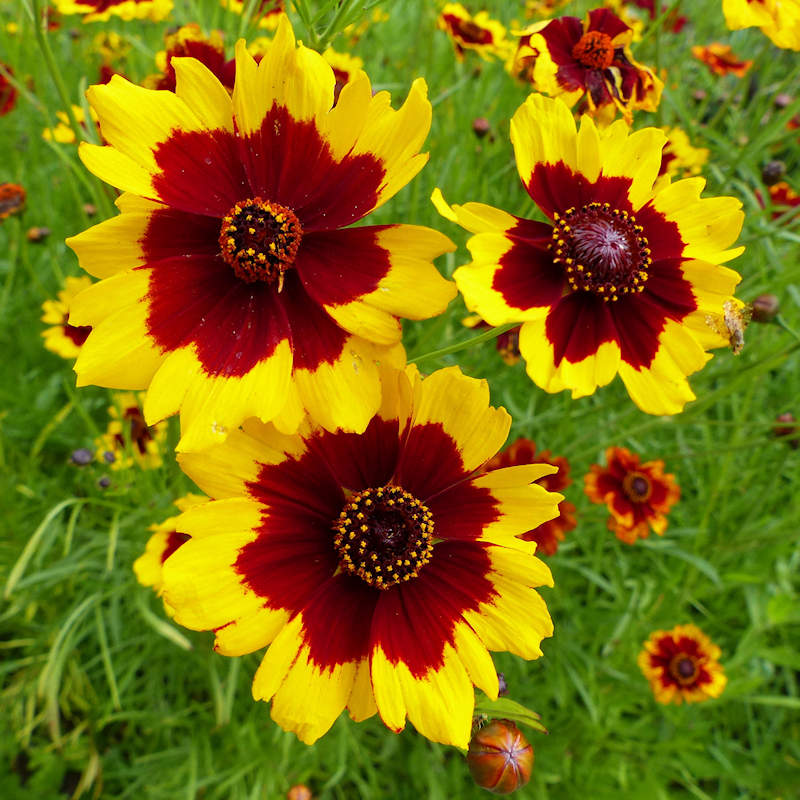
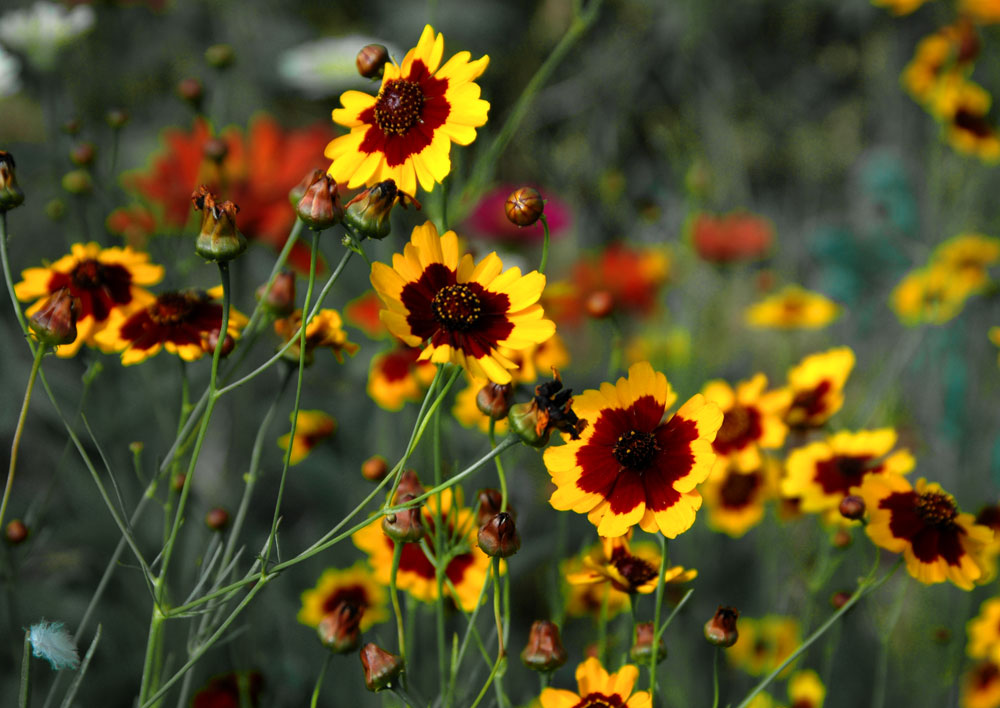
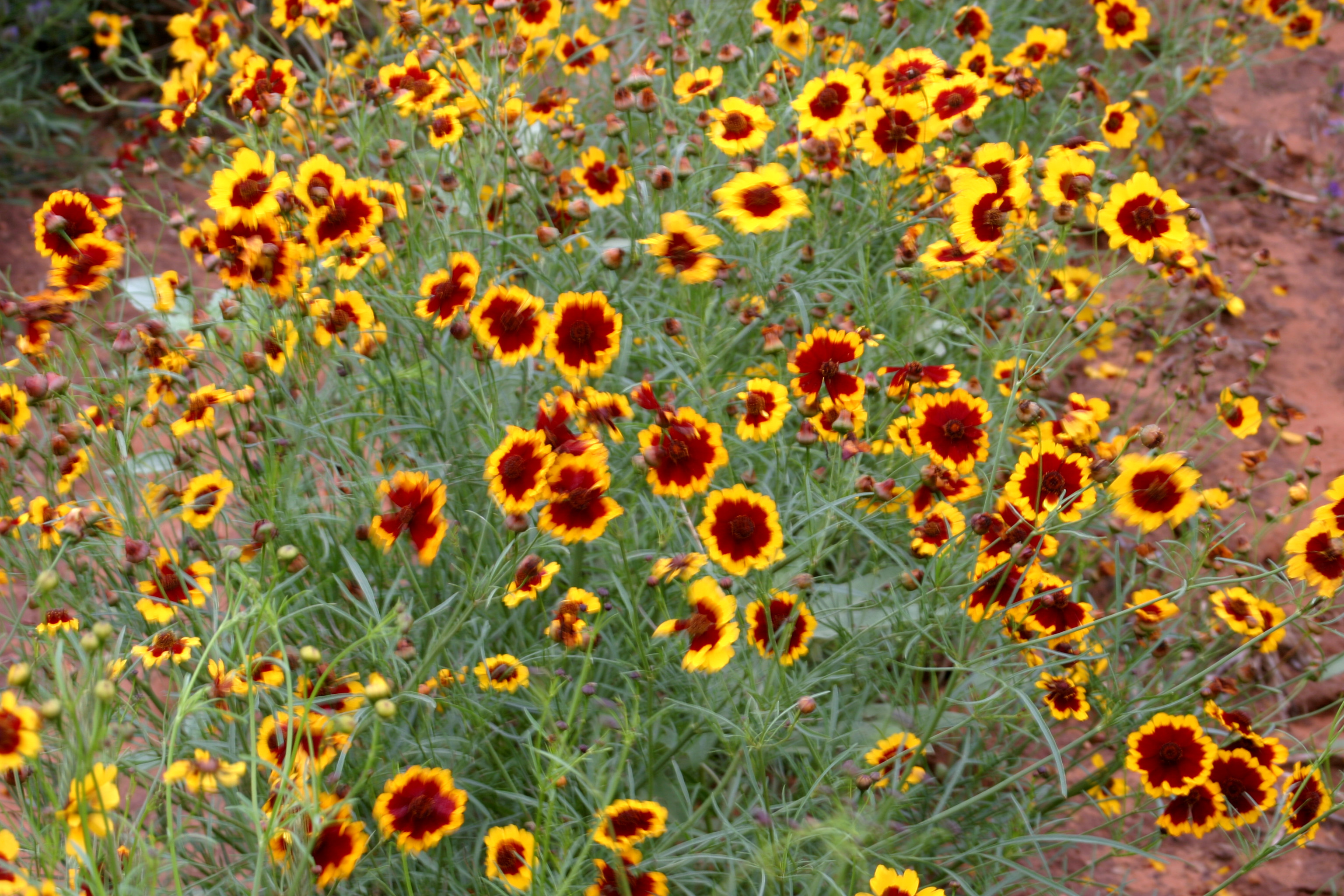
Why the Prettiest: This annual and biennial forb is a fast-growing, cheerful native wildflower featuring bright, yellow petals and rich maroon or brown centers.
Location: Native in Canada, northeastern Mexico, and most of the United States.
Environment: Grows in disturbed areas such as roadsides, ditches, pastures, and cultivated fields. Often found in prairies, savannas, and plains at elevations up to 6,562 ft above sea level. Can grow up to 12-40 in tall.
Bloom Season: Blooms from June to September or by the first frost. Attracts long- and short-tongued bees, wasps, butterflies, and beetles. Is larval host to various insects.
Color Varieties: Available in yellow and deep red or brown.
Gardening Conditions: Grows well in many types of soil. But prefers sandy or well-drained loam types. Though prefers full sun, it can grow in partial shade. Though often said to be an annual, it can sometimes produce a better bloom in its second year. Self-seeds in open, bare soil. Cultivated as an ornamental plant for gardens and as a native plant for wildlife gardens and natural landscaping.
Conservation Status: Currently listed as Secure.
Trivia: Zuni used blossoms to make a mahogany red dye for yarn, a hot beverage before coffee, and female fertility treatment.
Other Candidates: Giant Blue Iris, Yellow Jessamine, Black-Eyed Susan, Purple Coneflower, Butterfly Weed, and Cardinal Flower.
25. Missouri
Missouri Evening Primrose (Oenothera macrocarpa)
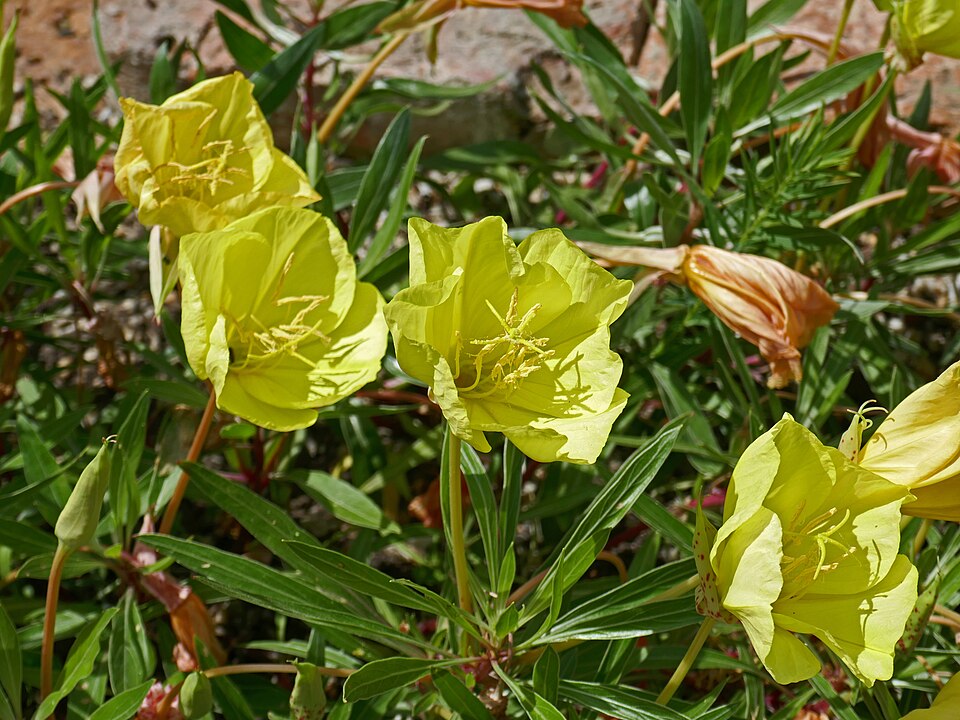
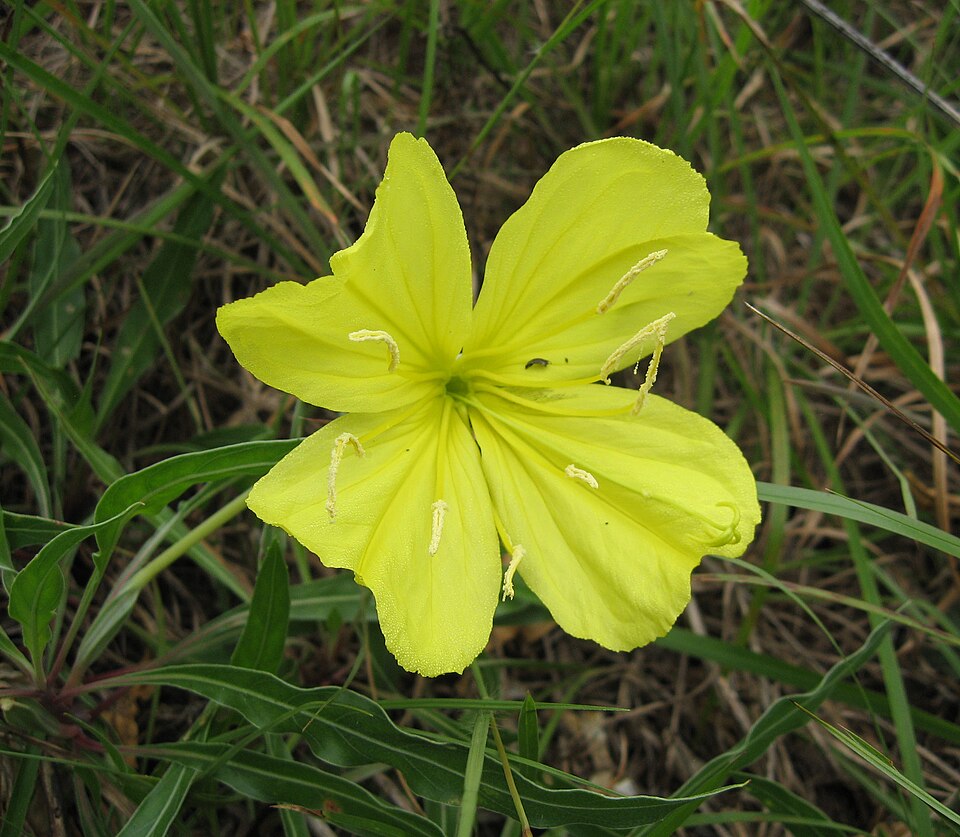
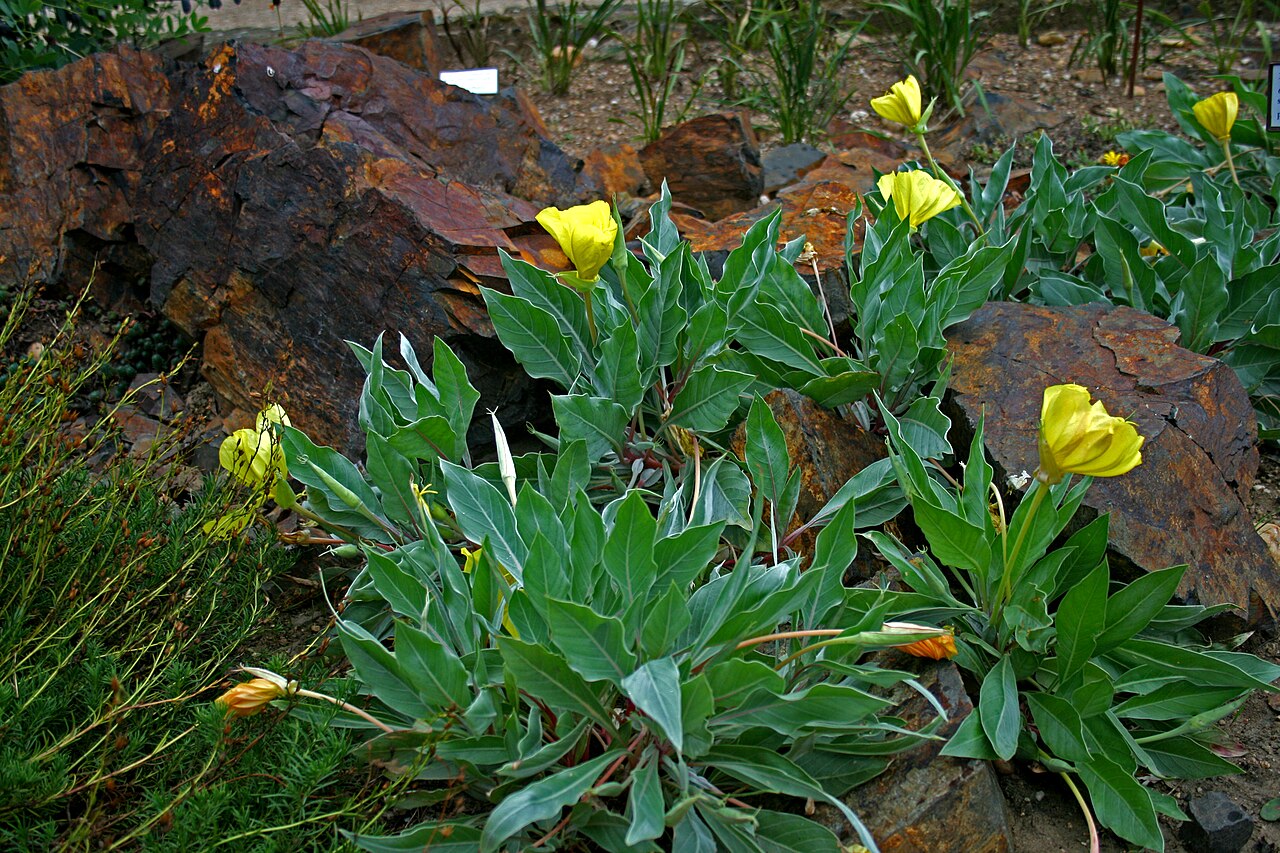
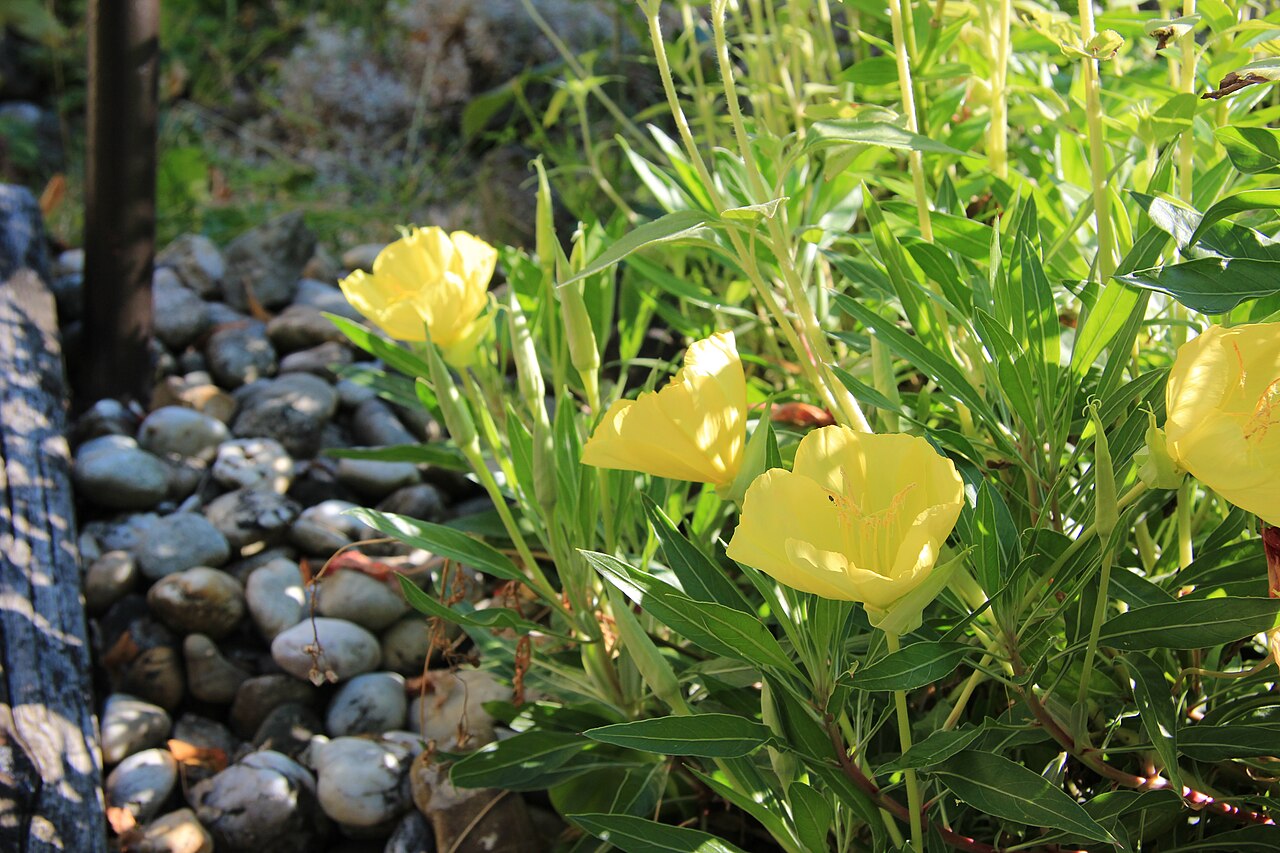
Why the Prettiest: This tough, low-lying perennial blooms showy, giant, fragrant bright yellow flowers opening in the evening. Foliage is narrow, lance-shaped, gray-green to deep green leaves on reddish trailing stems.
Location: Native to northeastern Mexico and the south-central United States.
Environment: Found in calcareous prairies, limestone outcrops, glades, bluffs, quarries, and roadsides. Can grow up to 18 in tall.
Bloom Season: Blooms from late spring to late summer such as from May to August. Typically open in late afternoon or evening and glow through the night before fading the next morning. Pollinated by sphinx and hawk moths.
Color Varieties: Available in canary yellow.
Gardening Conditions: Suitable for ground cover in poor, sandy soil that doesn’t become waterlogged during the winter, in full sun. But tolerates partial shade. Dislikes wet, poorly-drained soils and rich, crowded environments. Has low water needs and can resist drought due to a deep taproot. Offers good moderate resistance against deer and rabbits.
Conservation Status: Currently listed as Secure.
Trivia: Produces distinct, 4-ridged seed pods that turn burgundy and sienna in the fall. Seed pods are often used in flower arrangements.
Best Viewing: Best seen at night during the summer.
Other Candidates: Purple Coneflower, Black-Eyed Susan, Prairie Blazing Star, Virginia Bluebell, and Dutchman’s Breeches.
26.Montana
Bitterroot (Lewisia rediviva)
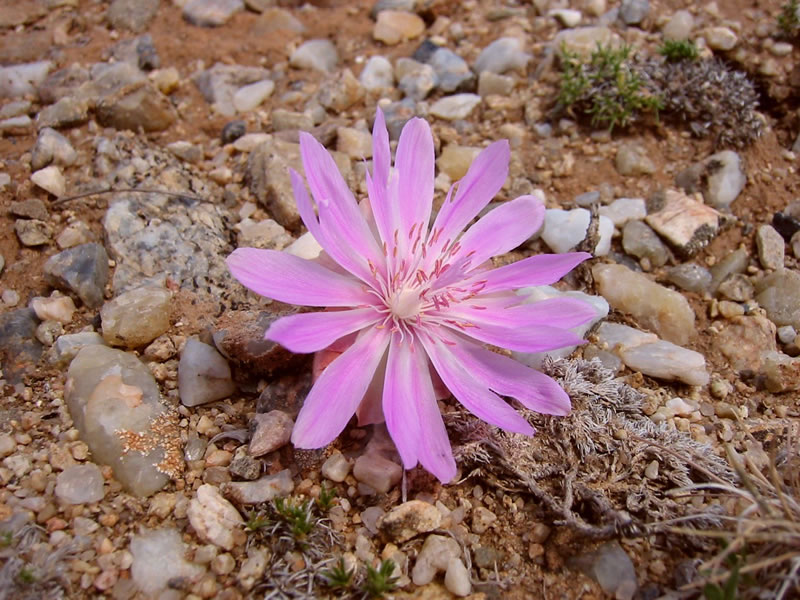
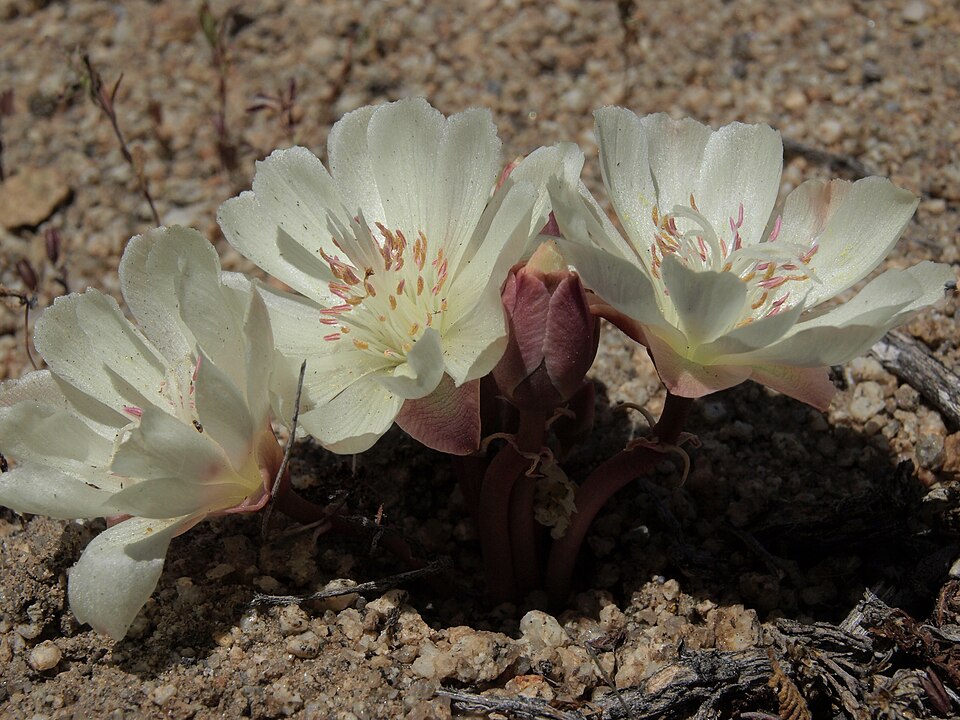
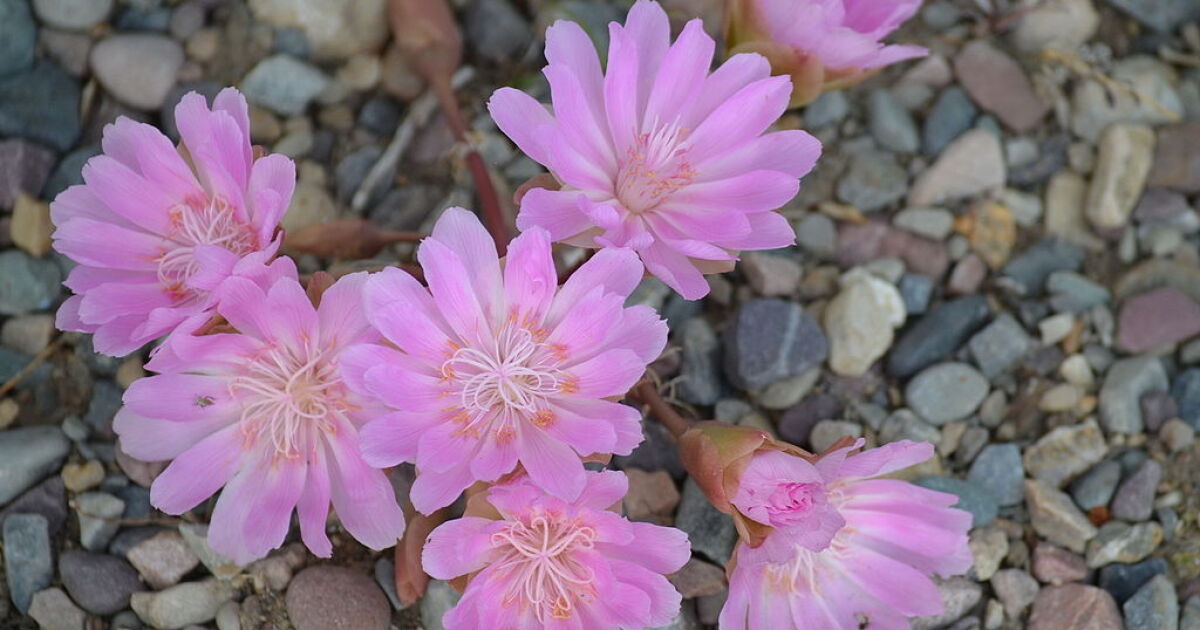
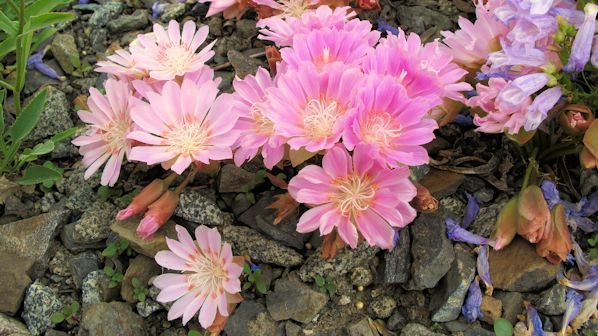
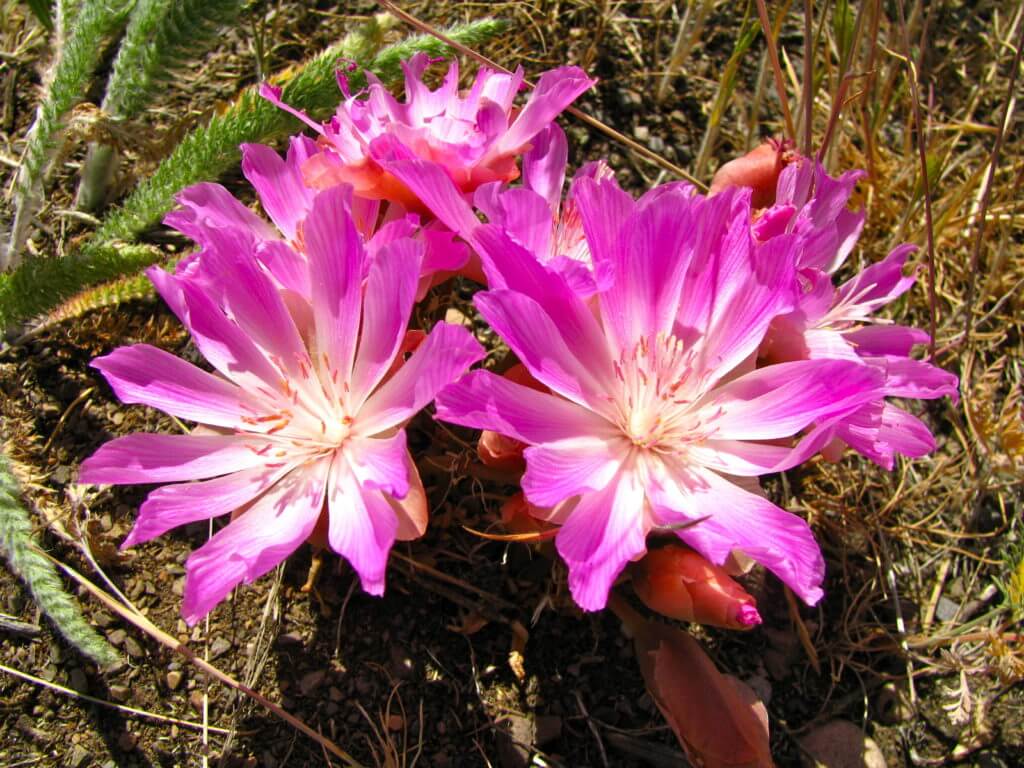
Why the Prettiest: It’s Montana’s state flower since 1895 and has many geographical features with its name within its borders like the Bitterroot Mountains, the Bitterroot Valley, and the Bitterroot River. It’s a small, low-growing perennial that rarely exceeds 2 inches in height. Its fleshy rosette of succulent leaves in early spring usually wither away before the flower blooms. Blossoms are star-shaped flowers can range from deep pink to white or lavender.
Location: Native to the western North America from as north as British Columbia to as south as southern California and as east as western Montana.
Environment: Inhabits low to moderate elevations on grassland, open bushland, and forest. Can grow up to an inch.
Bloom Season: Blooms from April to July.
Color Varieties: Available in pink, white, and lavender.
Gardening Conditions: Can survive extremely dry conditions. Prefers dry rocky or gravelly soils.
Conservation Status: Currently listed as Secure.
Trivia: If collected early enough, its roots can be peeled, boiled, and made into a jelly-like food. Used by Native Americans as food and for ceremonies before harvest. Merriwether Lewis ate it during the Lewis and Clark Expedition. Can regenerate from dry and seemingly dead roots.
Other Candidates: Indian Paintbrush, Arrowleaf Balsamroot, Glacier Lily, and Silvery Lupine.
27. Nebraska
Purple Poppy Mallow (Callirhoe involucrate)
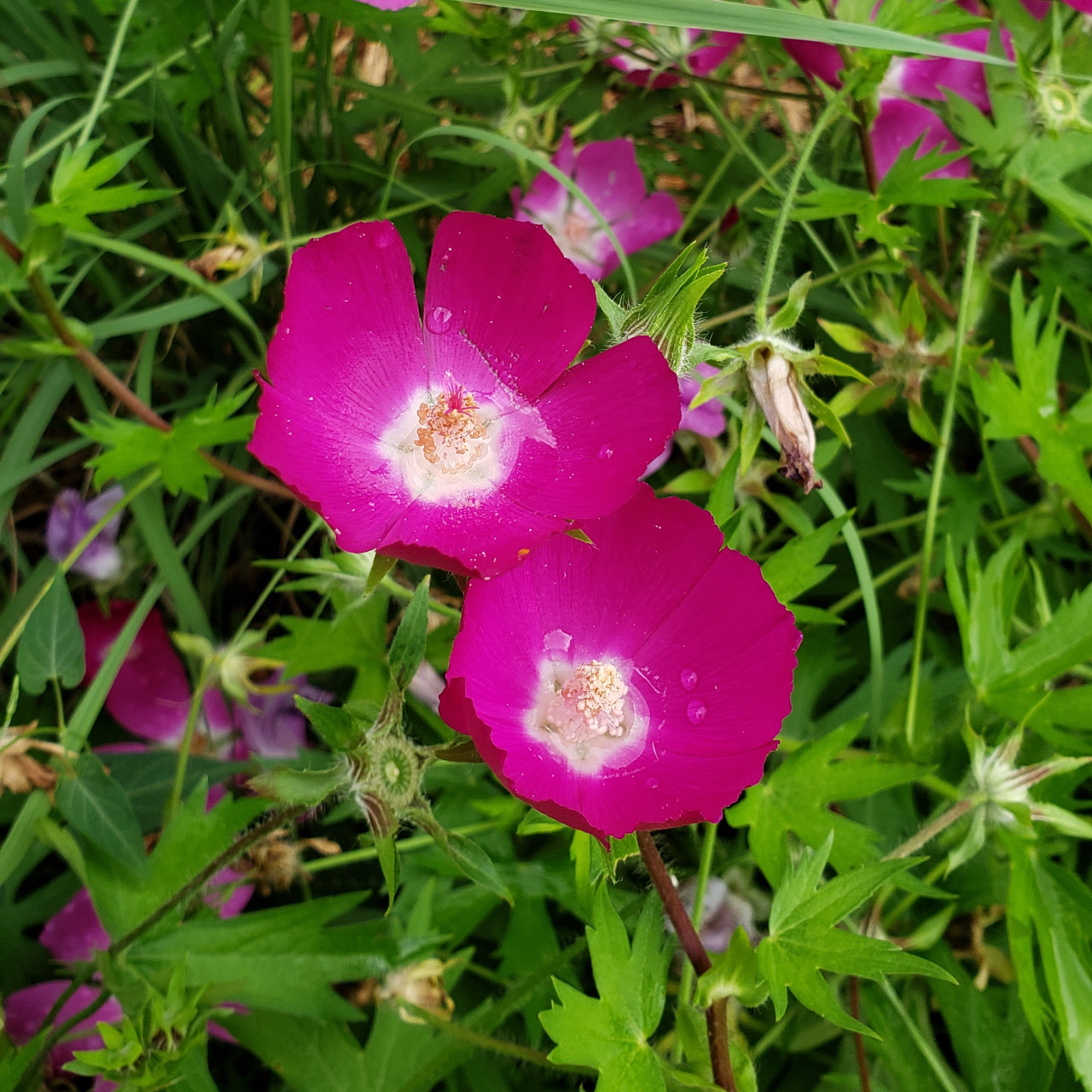
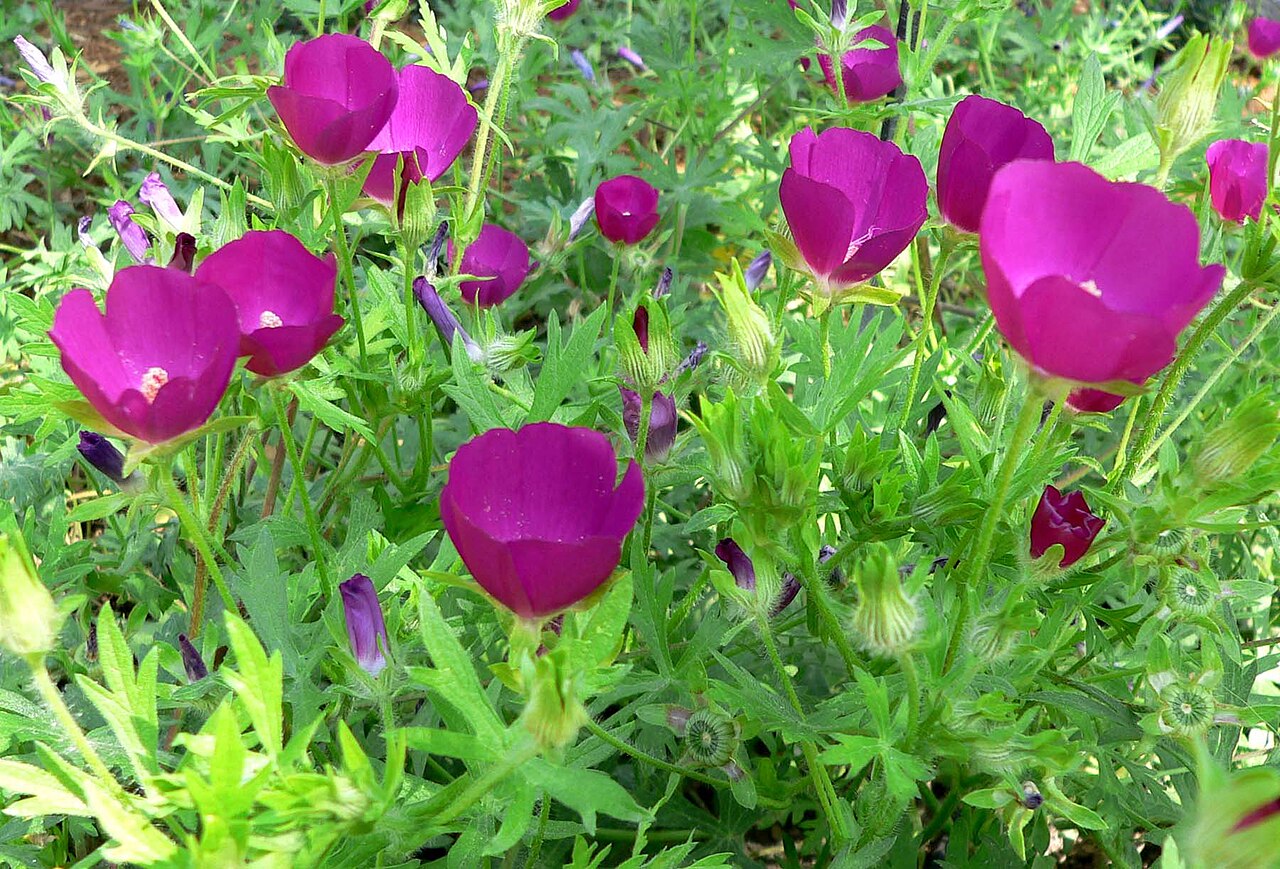
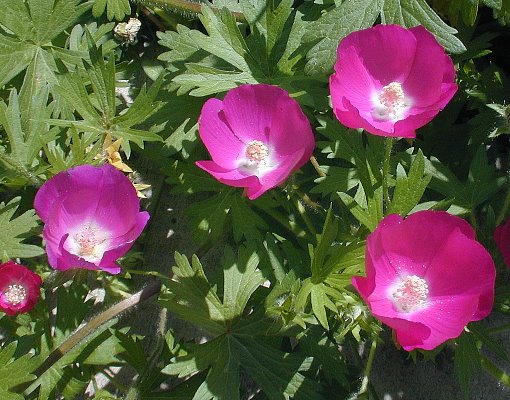
Why the Prettiest: It’s a tough, low-lying native perennial of the Great Plains that features vibrant, cup-shaped magenta blooms with white centers.
Location: Native to the US Great Plains and adjacent areas of northern Mexico.
Environment: Found in upland prairies, roadsides, pastures, and other open, disturbed areas. Grows 6-12 in and spreads 3ft.
Bloom Season: Blooms late spring through summer and into fall. Attracts bees, bumblebees, and butterflies.
Color Varieties: Available in bright magenta or wine-red.
Gardening Conditions: Prefers dry, sandy, or loamy, well-drained soils. Dislikes wet, soggy roots, which can cause crown rot. Prefers full sun. Makes a good water thrifty ground cover, making it excellent for rock gardens, borders, and cascading over retaining walls. Due to a deep tap root, it’s very drought resistant once established. But it’s difficult to move or transplant so choose a permanent spot carefully. Generally deer resistant though rabbits may graze on young growth.
Conservation Status: Currently listed as Secure.
Trivia: Used by Native Americans as a pain reliever.
Other Candidates: Western Prairie Fringed Orchid, Purple Coneflower, Prairie Coneflower, Carolina Puccoon, Black-Eyed Susan, Scarlet Globemallow, and Blue False Indigo.
28. Nevada
Desert Globemallow (Sphaeralcea ambigua)
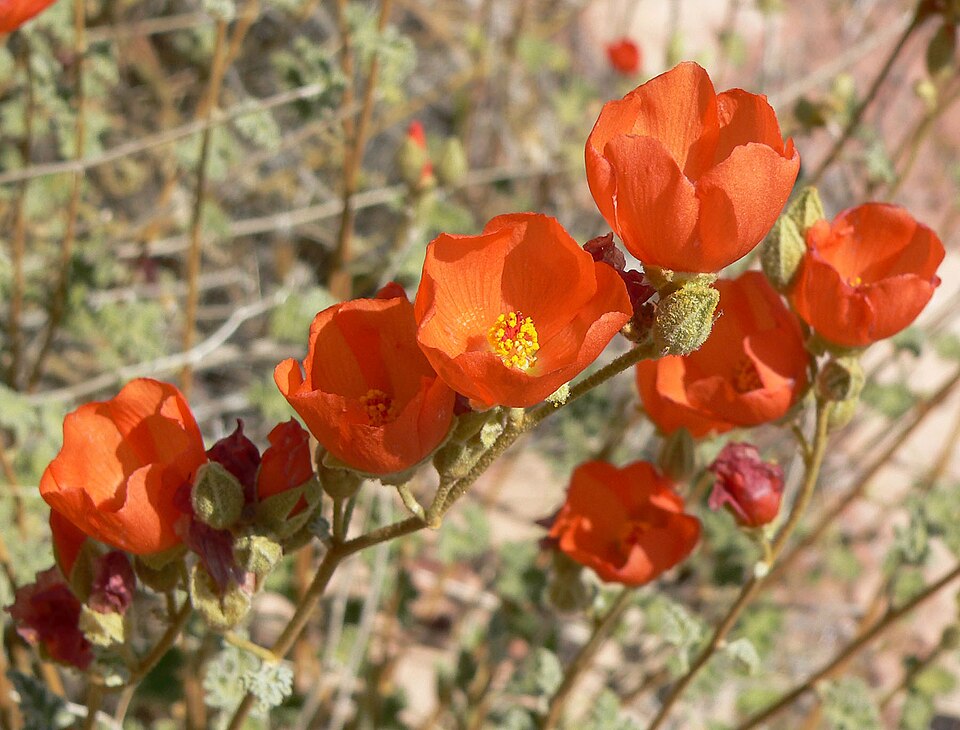
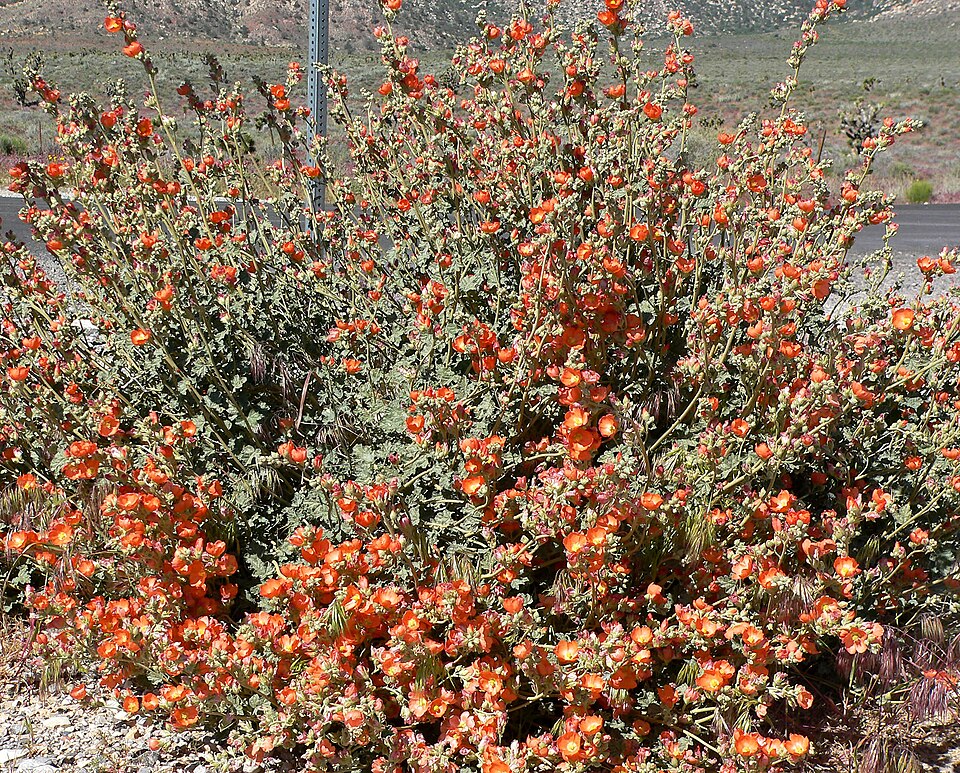
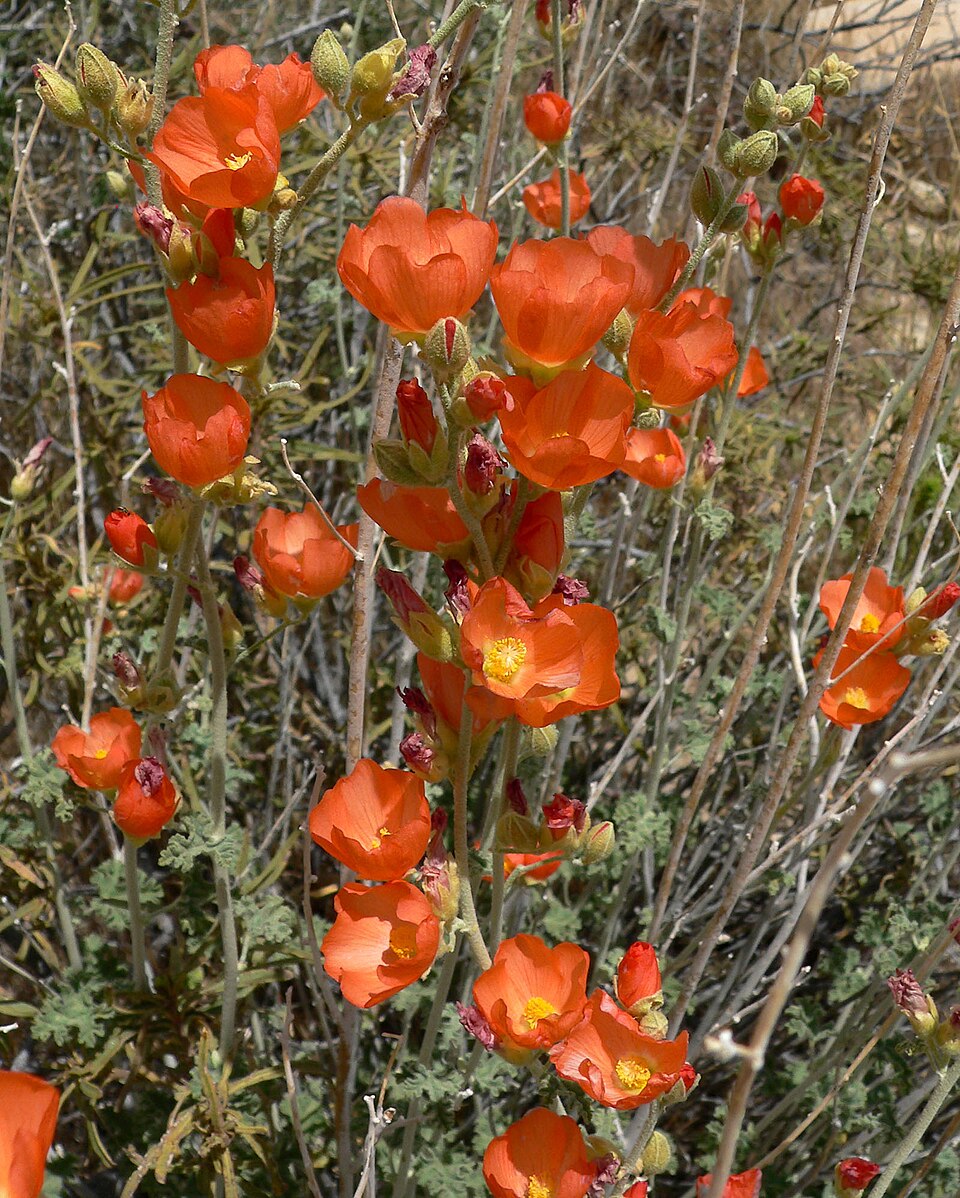
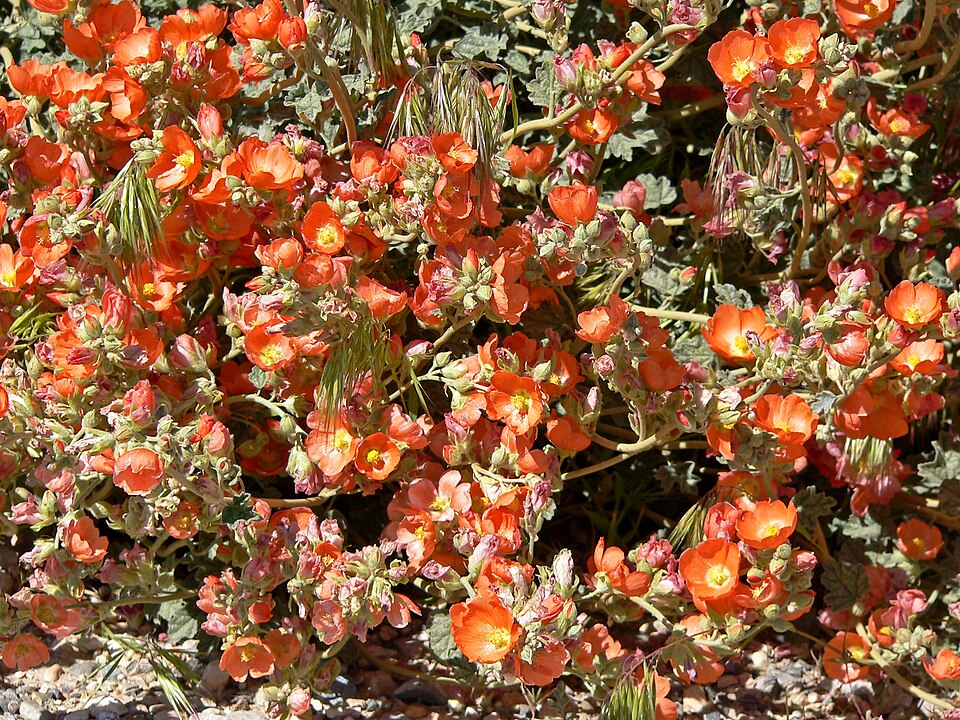
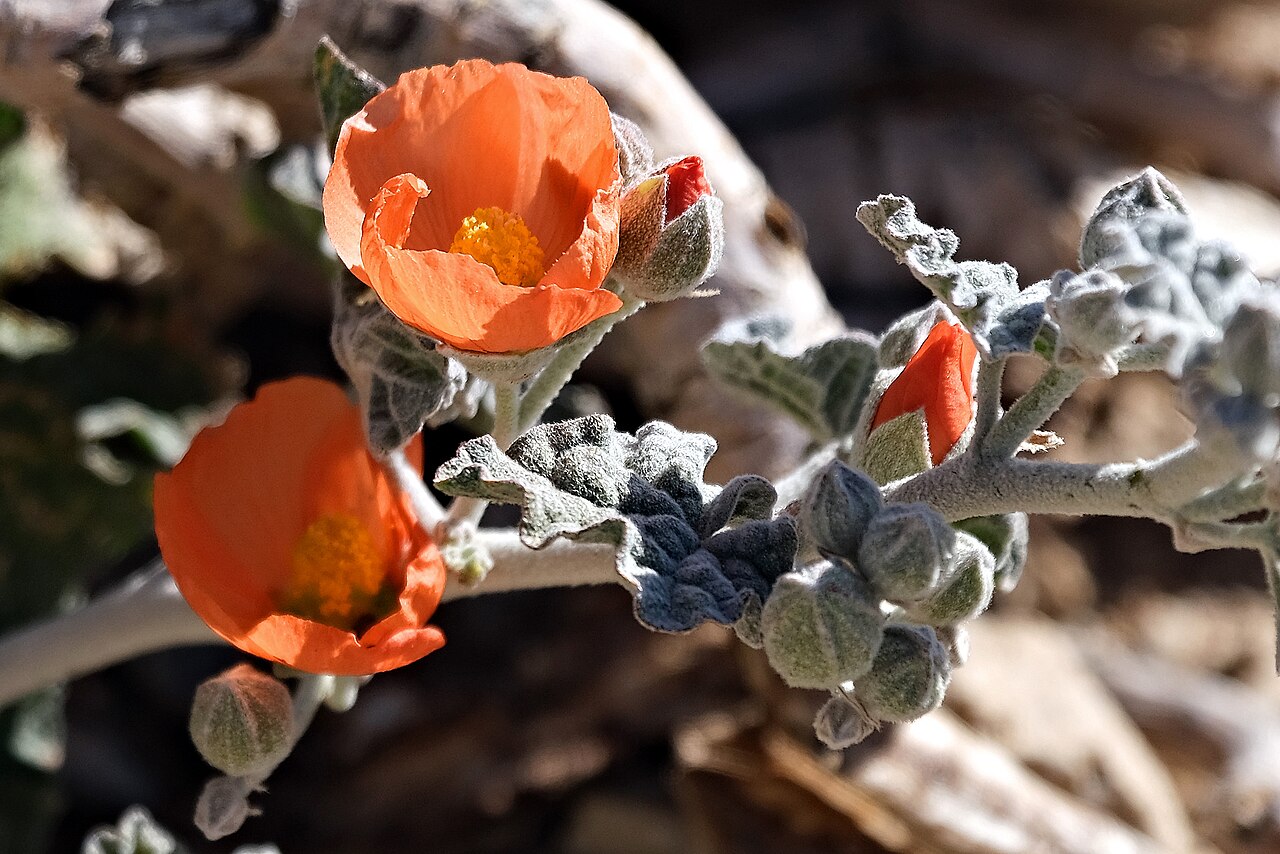
Why the Prettiest: This is a perfect flower for a mostly desert state since it’s a tough, drought-tolerant perennial shrub with bright apricot-orange, bowl-shaped, hollyhock like blooms. While its fuzzy, whitish-green or green leaves have scalloped edges.
Location: Native to the southwestern United States and northwest Mexico.
Environment: Found in Mojave, Great Basin, and Sonoran Desert ecoregions. Grows well in alkaline soils, both sandy and clay, usually near creosote bush or desert chaparral habitats at 490-8,200ft in elevation. Can grow up to 2-4ft tall.
Bloom Season: Blooms from spring to summer but could last for months. Attracts numerous bee pollinators, including the specialist ground-dwelling bee. Also attracts hummingbirds and butterflies. Provides food and habitat for other species.
Color Varieties: Available in orange.
Gardening Conditions: Can be used in native, pollinator, or drought resistant gardens and as a buffer against invasive species. Requires full sun with natural rainfall, though you can increase flowering with supplemental watering. Prefers sandy, desert soil with good drainage but can tolerate some clay. But hates heavily wet soil. Still, it can be trimmed back after heavy blooming to encourage neat shape and fresh flowers.
Conservation Status: Currently listed as Secure.
Trivia: Used by the Shoshone people as a medicinal plant.
Other Candidates: Desert Peach, Indian Paintbrush, Lupine, Desert Marigold, and Palmer’s Penstemon.
29. New Hampshire
Pink Lady’s Slipper (Cypripedium acaule)
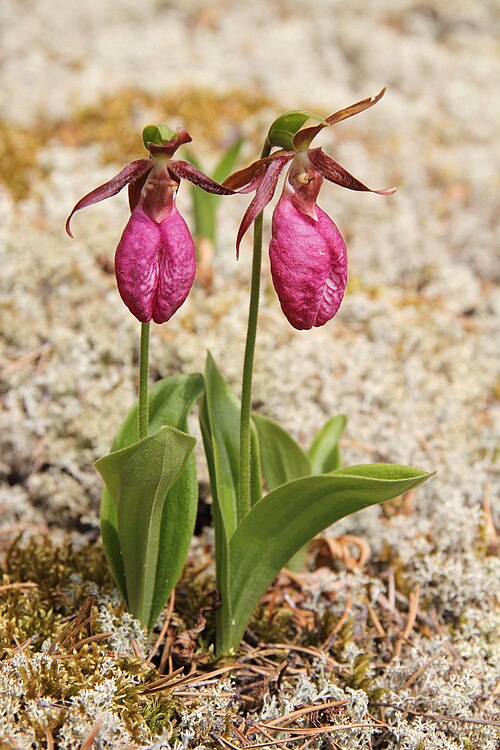
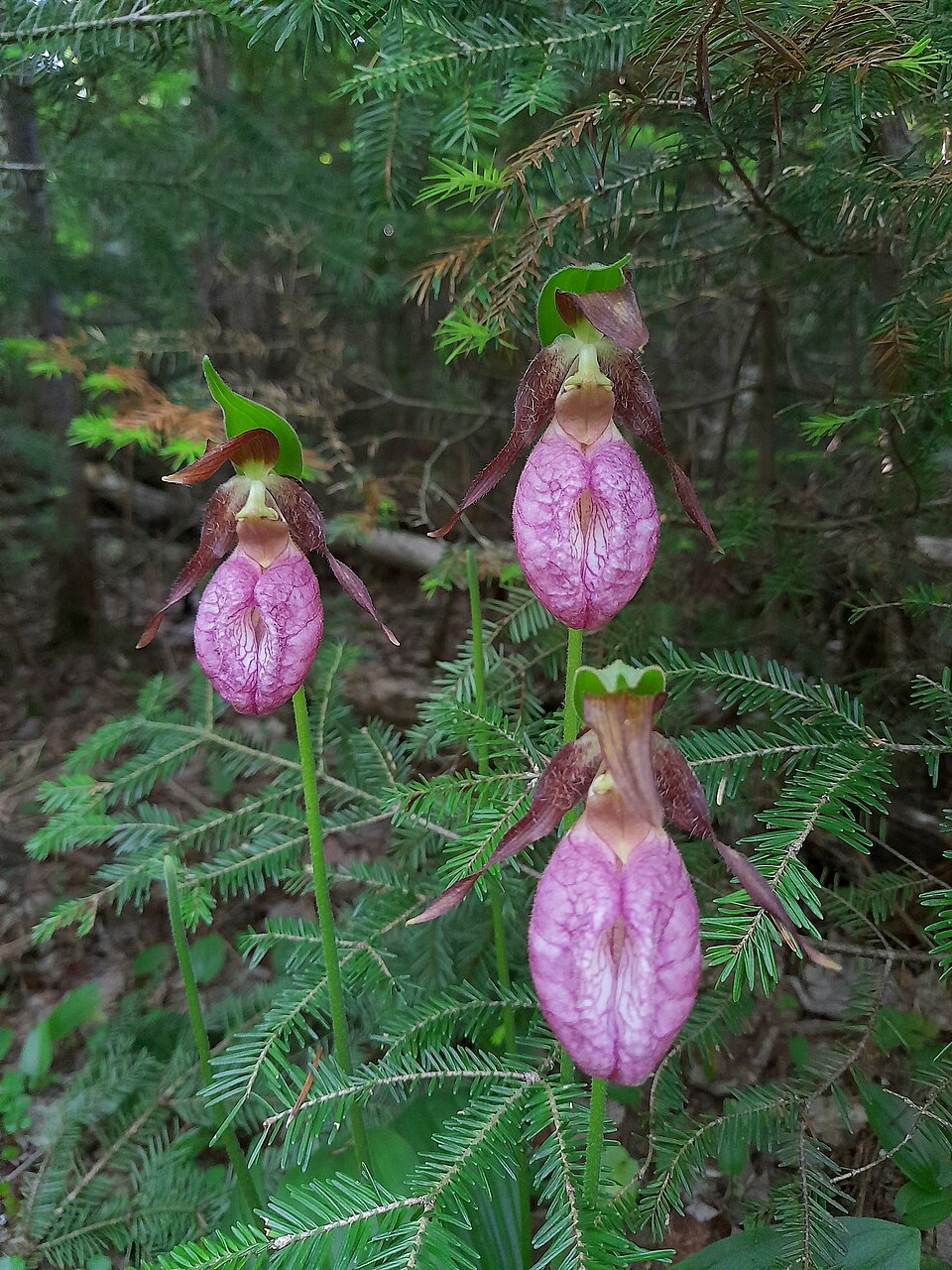
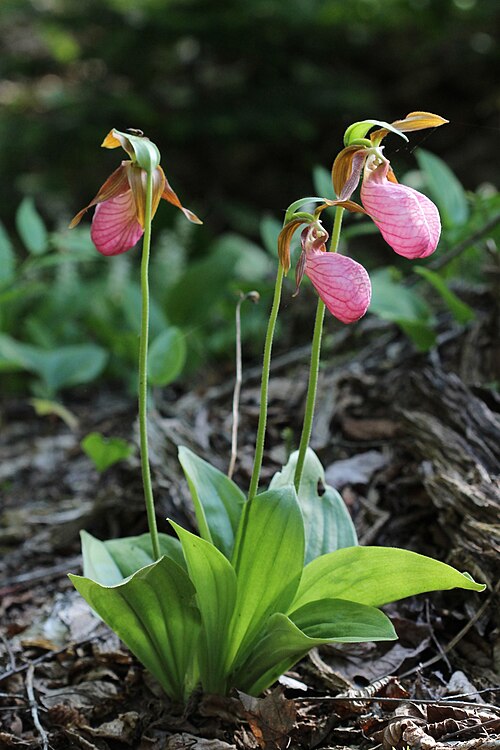
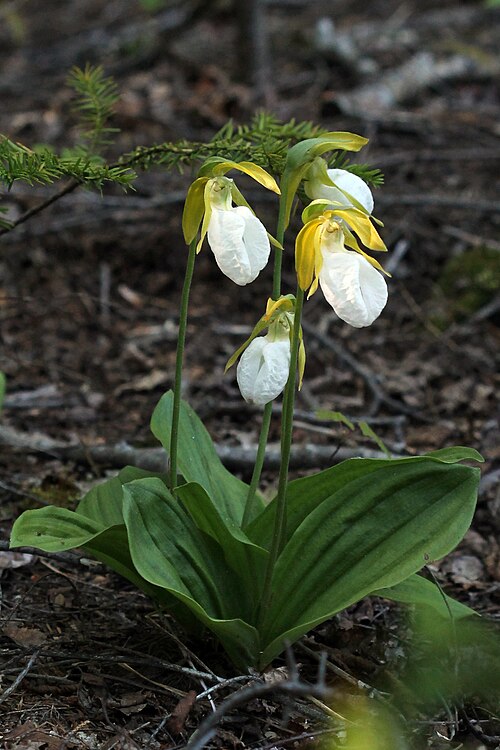
Why the Prettiest: For one, it’s New Hampshire’s state wildflower. It’s also a striking orchid for its unique pouch-shaped pink flower. Its single pink or magenta pouch resembles a moccasin shoe.
Location: Native to eastern North America, particularly in the Great Lakes region, the Northeast, along the Appalachian Mountains, and every Canadian province save for British Columbia.
Environment: Found in pine forests with sandy soil, where it’s often seen in large colonies. Also grows in deciduous woods. Though mature well-shaded forests are preferred. Can grow up to 1ft 4 in tall.
Bloom Season: Blooms from mid-spring to early summer such as from May to July. Attracts bees but they eventually stop visiting because it doesn’t produce nectar and offers no food but still gets pollinated through deception, usually by queens.
Color Varieties: Available in pink, magenta, and white.
Gardening Conditions: Takes many years to go from seed to plant that gathering seed-bearing specimens is presently unsustainable. Since tiny seeds need a special soil fungus to germinate and feed the young plant. Requires highly acidic soil and tolerates a range shade and moisture. Though prefers partial shade and well-drained slopes. Highly sensitive to shade and soil disturbances and environmental changes. Due to its fragile relationship with soil fungi, it usually dies if you dig it up and move it to a home garden. Not as common as other flowers in garden stores due to the extra care involved should the growing site not be suitable for its cultivation. Though germination labs have increased its availability.
Conservation Status: Currently listed as Least Concern but has experienced substantial population decline due to habitat loss, deforestation, and development. Considered vulnerable in New York, endangered in Illinois and Tennessee, and unusual in Georgia.
Trivia: Provincial flower of Saint Edward Island. Used by Native Americans as medicine. Used by Algonquin for treating menstrual disorders. Can live up to 20 years in its natural habitat.
Other Candidates: Wild Lupine, Painted Trillium, Mountain Avens, Blue Flag Iris, and Cardinal Flower.
30. New Jersey
Common Blue Violet (Viola sororia)
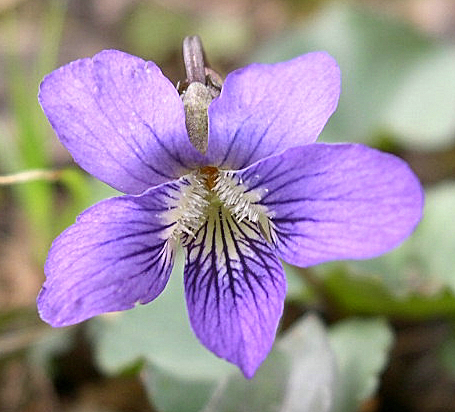
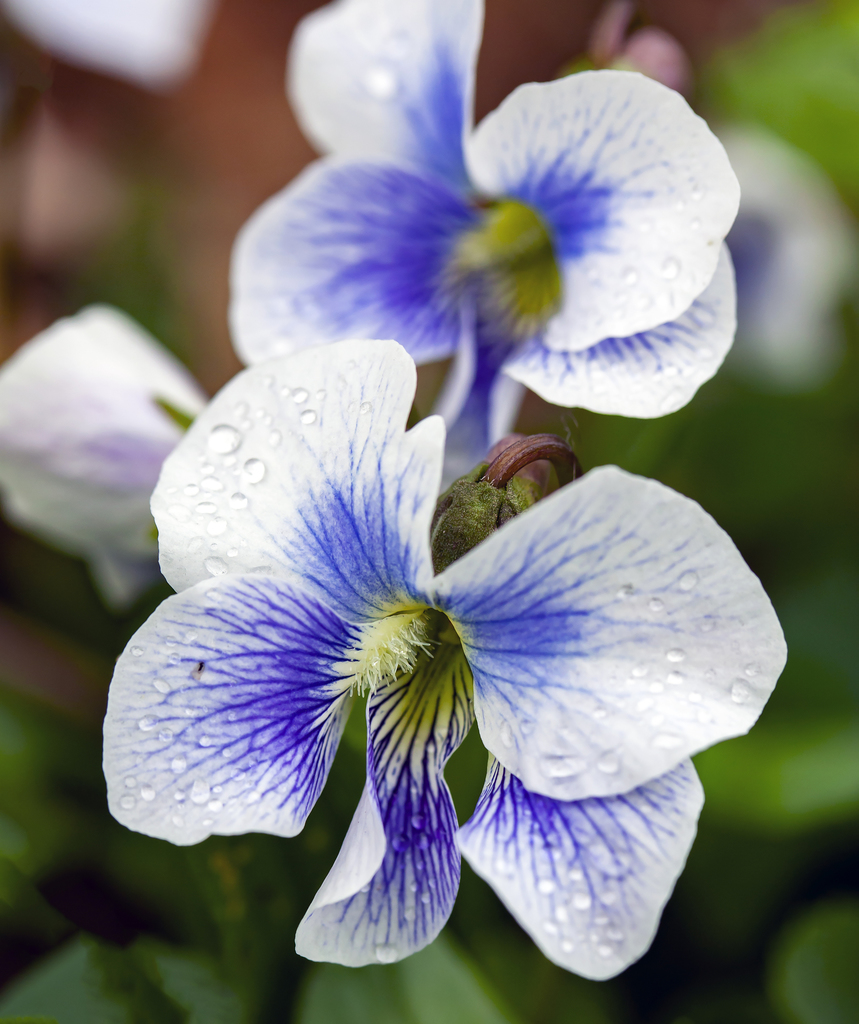
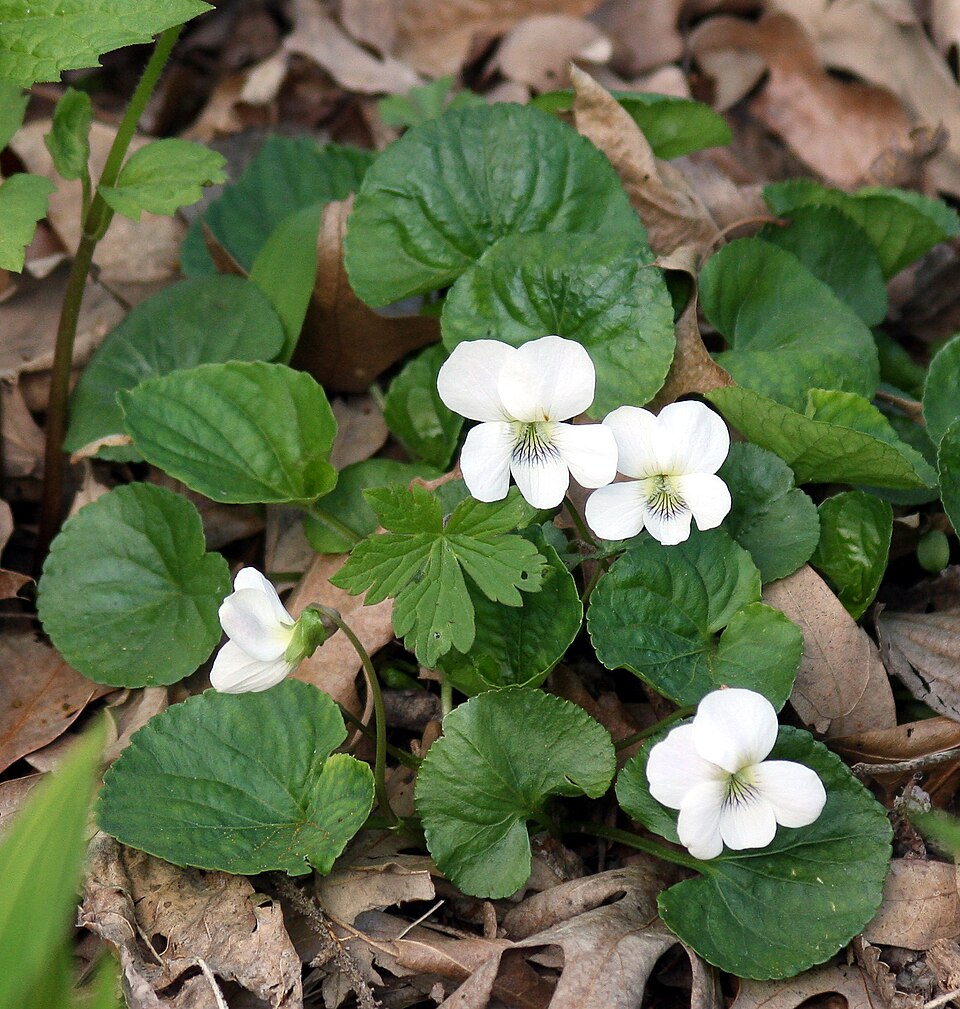
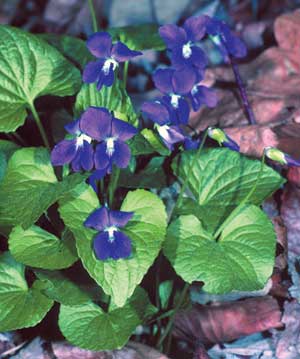
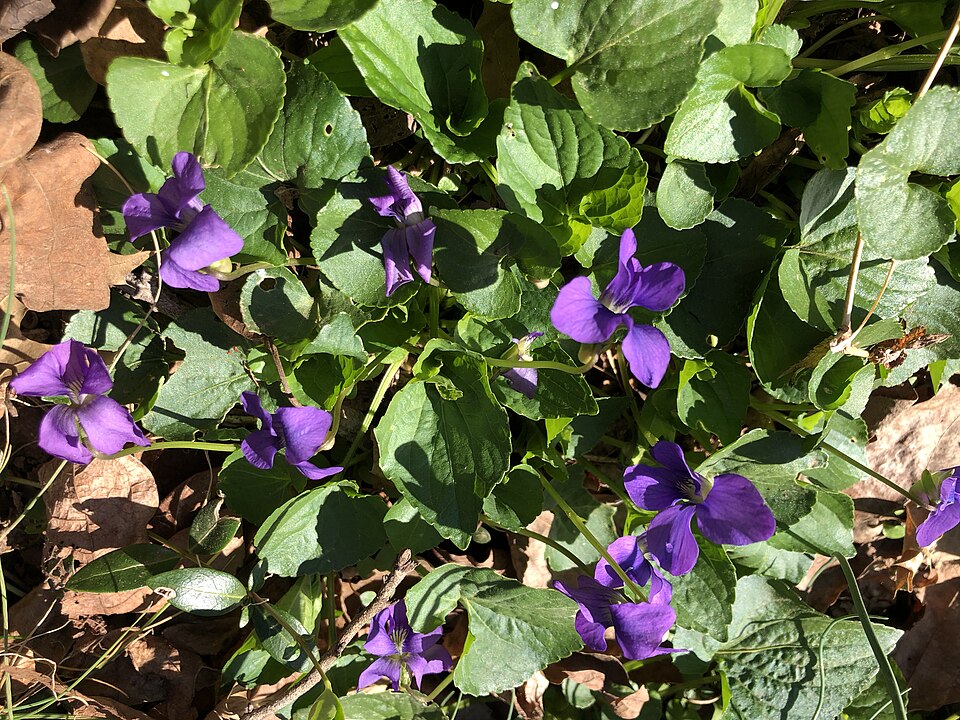
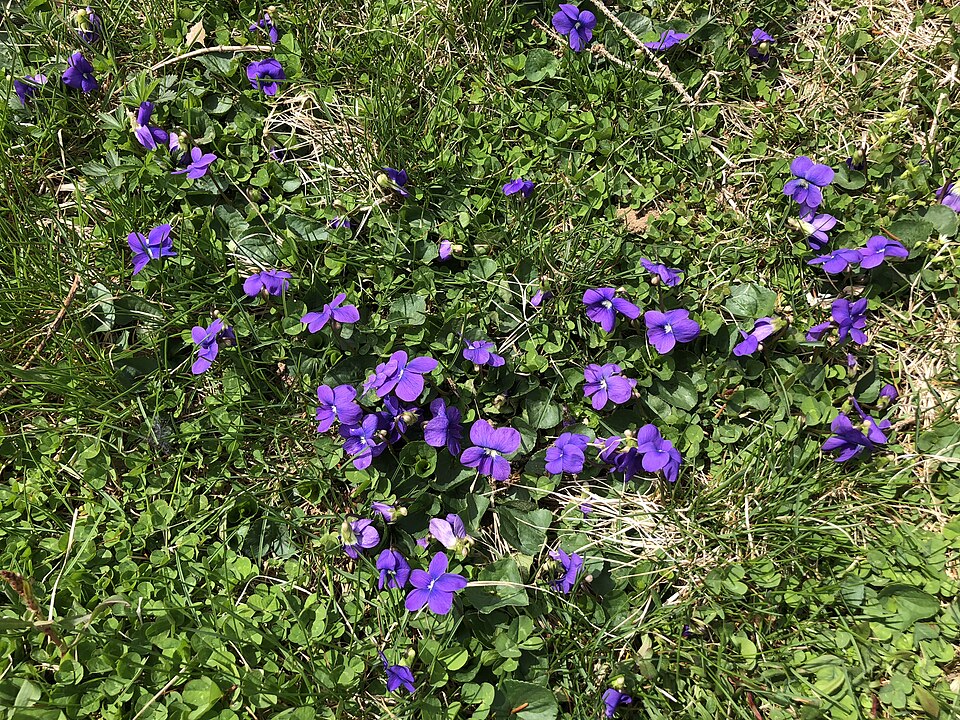
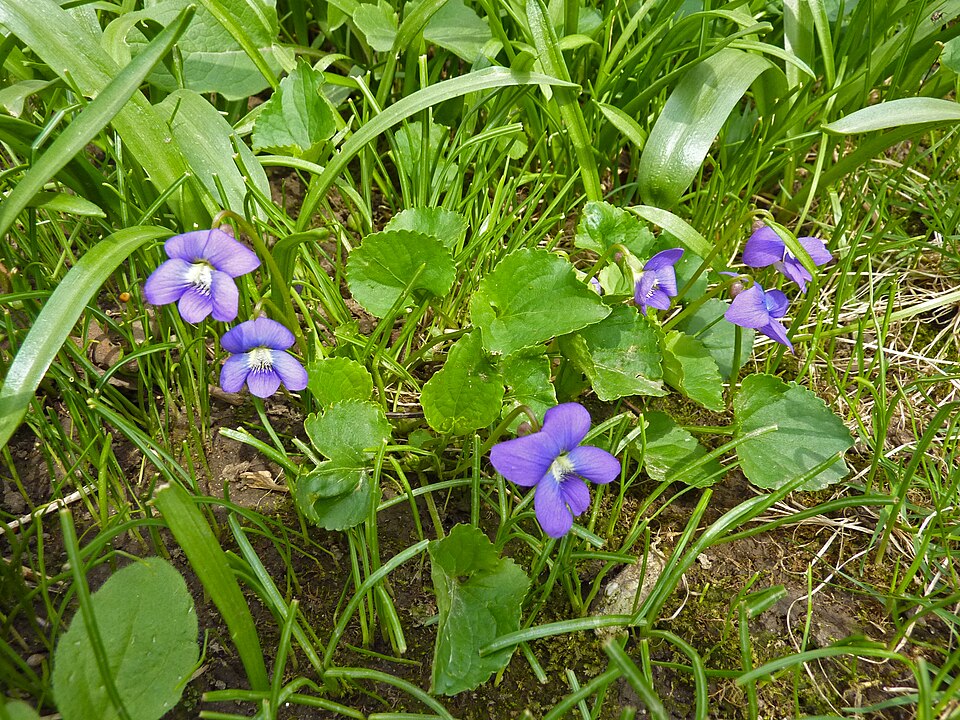
Why the Prettiest: It’s New Jersey’s state flower as well as that of Illinois, Rhode Island, and Wisconsin. It’s a low-growing, herbaceous perennial with glossy, heart-shaped leaves with scalloped edges and blue-purple flowers with white throats.
Location: Native to eastern North America from southern Canada to northern Mexico.
Environment: Native habitats are moist, rich woods and swamps. But often found in lawns and gardens or pretty much anywhere. Can grow up to 4-6 in tall.
Bloom Season: Blooms from April to June. Larval host for fritillary butterflies. Attracts mason bees, sweat bees, and specialist mining bees. Serves as food for wild turkeys, rabbits, deer, livestock, mourning doves, bobwhites, and white-footed mice. Seeds are dispersed by ants.
Color Varieties: Available in bluish purple, white, pink, and blue-and-white.
Gardening Conditions: Grows best in well-drained and shady habitats, likely on forest floors. But can adapt to sunny or partly shady conditions. Prefers soil that’s moist, rich, and well-drained. Has no known toxicities nor insect or disease problems and is safe around pets. Reproduces by seed and vegetatively. Can be a soft, living carpet in shade gardens and woodland edges.
Conservation Status: Currently listed as Secure.
Trivia: Used as a medicine by Europeans and Native Americans. Can be eaten raw or cooked, or brewed for tea. May also work as an anti-inflammatory and used for topically skin conditions. Yet, many consider it as a weed. Can self-fertilize and shoot seeds as far as 9ft away. Used to decorate waterways and park areas. Known as a symbol of love and modesty by Sappho, Shakespeare, and Christina Rossetti. A 1920s play in France called The Captive also established it as a “lesbian flower.”
Other Candidates: Virginia Bluebell, Black-Eyed Susan, Butterfly Weed, and Spotted Beebalm.


