

In this series, you may have noticed that just because a job’s done by a woman, doesn’t mean it’s any easier. Laundresses had to wash clothes risking skin problems and joint issues. Milkmaids had grueling workdays as well as risked arthritis and unpredictable animals. But at least the cowpox shielded them from smallpox outbreaks. While match girls and garment workers often faced body horrors no one would wish on any living soul. Anyway, ever imagined yourself as Geppetto in his workshop making clocks and toys for children? Ever wanted to be an emperor of Japan or China. Or perhaps you may have wanted to see yourself as a medieval king. Here are ten more historical professions and why they weren’t as great as portrayed.
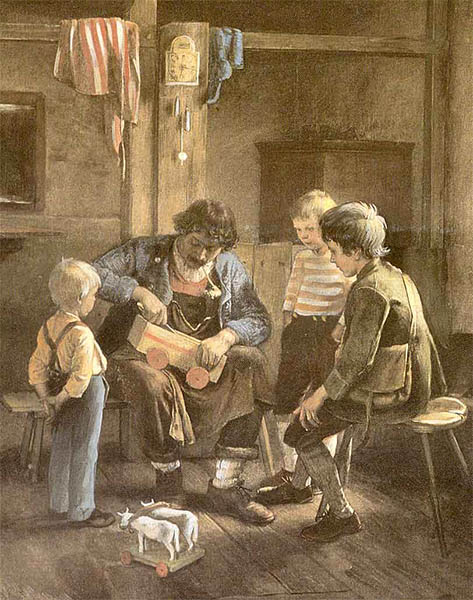
211. Toy Maker – When it comes to a historical toy maker, the image of Geppetto in Pinocchio often comes to mind. In many ways, it’s often seen as a profession all full of whimsy. However, the reality was a difficult and grueling one that didn’t guarantee making a living puppet. First, hand carving wooden toys or sewing rag dolls took many hours. But since toys were considered luxury items for the poor or seasonal novelties, toymakers made very little. Thus, that would explain why Geppetto also made clocks as well. Second, many historical toy makers worked in cottage industries under harsh guild rules or for middlemen paying pennies per finished batch. Third, crafting items like tin soldiers or wooden horses required precision daylight work, stretching into long night shifts by candlelight ruining eyesight. Fourth, brightly-colored historical toys were often painted using heavy-metal pigments containing lead, arsenic (Scheele’s green), and mercury. Toy makers constantly breathed in toxic paint dust and handled poisonous metals or chemicals with bare hands during production. Making one wonder how Geppetto managed to remain in good health with a full set of teeth. Fifth, toys sold heavily only around holidays like Christmas, leaving toy makers cash-strapped and desperate for income during the rest of the year. Finally, consumer demand shifted quickly based on economic downturns or changing fads, leaving excess inventory that families couldn’t eat or trade for food.

212. Dry Cleaner – Today, the dry cleaner is the person you see to clean clothes that you can’t just through into the washer and dryer. But their historical counterparts went through a nightmare to take care of gorgeous period outfits during the Gilded Age through the early 20th century. First, 19th and early 20th century dry clean shops washed clothes in flammable petroleum solvents like gasoline, benzene, and turpentine. A single spark from rubbing dry fabric together could literally ignite a room and more. As 19th to early 20th century newspaper reports routinely recorded entire dry-cleaning shops and city blocks exploding. Second, workers breathed heavy vapors of benzene, carbon tetrachloride, and gasoline all day long without safety gear. Breathing these toxic chemicals wreaked radical neurological damage, organ failure, and high cancer risks. Since gasoline fumes are heavier than air, they pooled low to the ground and filled basements. Third, long before petroleum, ancient Roman and medieval fullers cleaned clothes using vats of human and animal urine as an ammonia source, making a foul and harsh environment. Fourth, before automated tumbling machines, workers had to hand-scour every single garment in open tubs of harsh chemicals. Lastly, dry clean shops were often pushed out of major cities by governments due to constant threat of deadly block-destroying fires.
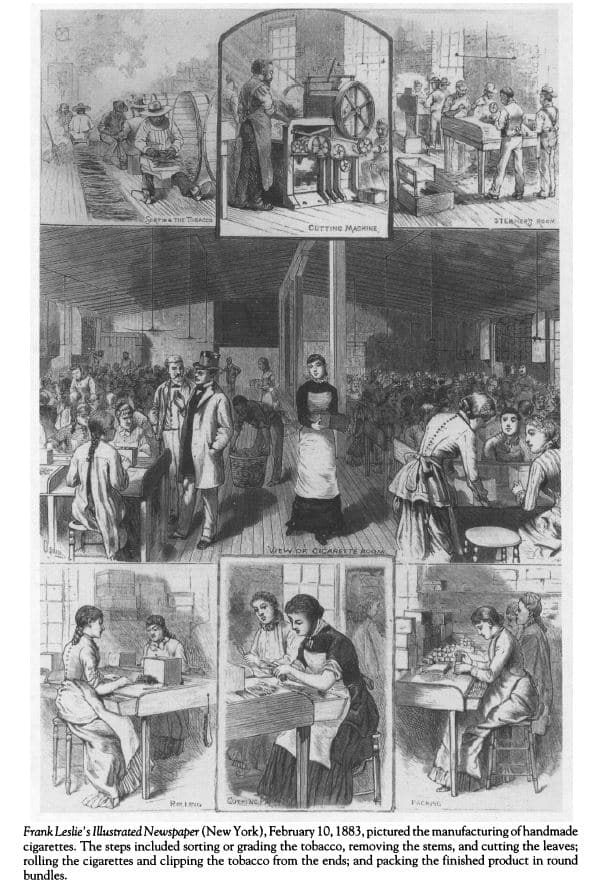
213. Tobacco Roller – In period settings from the 19th to the 1970s, you often see characters taking a smoke. But those who rolled cigarettes and cigars didn’t live lives well lit. First, rooms were packed with dry tobacco dust, causing chronic coughing, black phlegm, and ruined lungs. Second, workers stood or sat stiffly for grueling 10-hour shifts, repeating the exact same hand motions thousands of times a day. Constant twisting and shaping tore up fingers, causing severe joint pain and cramps. Third, instead of hourly rates, workers were paid strictly by how many items they finished. A slow hour meant no money. While factory owners constantly squeezed wages as competition grew. Lastly, after James Bonsack invented his high-speed Bonsack machine rolling 210 per minute, skilled hand rollers were rapidly cast aside and replaced with cheap mechanical labor.

214. Spinner – Turning wool into yarn, spinners were where we get the term “spinster” from since it was done by unmarried women past marriageable age. But unlike what the term implies, being a spinner wasn’t the best way for a single woman to support herself. First, hand spinners were among the poorest of the poor. Their daily pay rate was so low that a childless single woman could actually earn more doing backbreaking agricultural labor in the fields than spinning at home. Thus, spinners were more likely to be mothers, widows, the elderly, and the physically disabled who wouldn’t be able to work in the fields. While the low wages they earned were often considered to supplement a family’s income. Not exactly a way for a woman to independently support herself. Second, spinners weren’t paid extra for making superior yarn. Merchants bought cheap yarn and mixed it together, there was no incentive to work harder or being the best. Third, when the Industrial Revolution came along, hand spinner wages dropped over time, matching or falling below medieval daily pay rates. Fourth, before industrial mills, turning raw fiber into thread consumed a woman’s every waking hour she had left over after cooking, cleaning, and raising children. Fifth, hours upon hours of repetitive motion hunched over a spindle or great wheel ruined backs, strained eyes, and caused joint and muscle pain. Sixth, rural workers relied on clothier merchants to drop off raw wool and pick up finished yarn. Merchants often traveled 20-30 miles to find desperate workers and held total power over their livelihoods. Lastly, during the late 1700s, laws like the English Worsted Acts created quasi-police forces to specifically monitor, detect, and prosecute hand spinners for alleged fraud or flaws in their reeling.
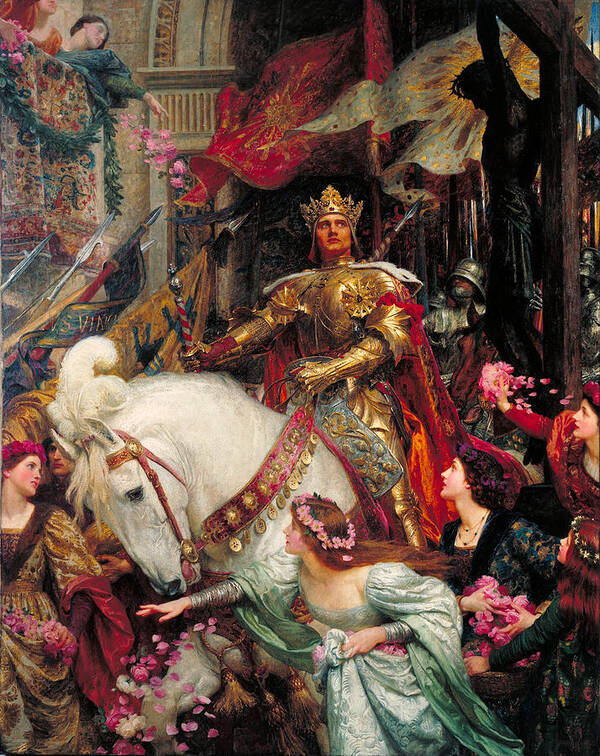
215. Medieval King – In the public imagination, medieval kings are often seen as the ultimate authority as chosen by God. But the reality was more like undergoing the immersive experience of Game of Thrones. Especially when you account that the story’s derives from the English Wars of the Roses, when it wasn’t at all good to be the king. First, medieval kings didn’t bathe as regularly as we do, dealt with lice and fleas, and used foul-smelling primitive toilets. Due to lack of antibiotics and painkillers, simple infections, bad teeth, or minor wounds could easily kill a king. Second, royal food was heavy on meat and expensive spices. But lack of sanitation meant food poisoning and dysentery were constant threats. Third, kings resided in drafty castles that lacked ventilation, sometimes requiring him to break ice in a bowl so he could wash his face in the morning. They also quickly got dirty and smelly within a certain amount of time, often causing he and his entourage to pick up stakes and move to another residence for a few months as the servants began cleanup. Seriously, medieval castle accommodations make the poop cruise seem like a luxurious experience. Fourth, kings were expected to lead armies in heavy armor, risking injury or death on the battlefield. Fifth, nobles and families frequently plotted to overthrow, imprison, or kill the king to take his crown. Child kings could be particularly vulnerable in this regard given what happened to the Princes in the Tower. Sixth, keeping powerful lords happy required endless negotiation and failure often led to civil war. Seventh, the Catholic Church could excommunicate kings or turn their people against them since kingly excommunication meant churches weren’t allowed to baptize, marry, bestow sacraments, or perform funerals. But these excommunications often didn’t last long. Lastly, medieval kings also had to marry a foreign princess of reproductive age and later marry off kids to secure diplomatic ties.
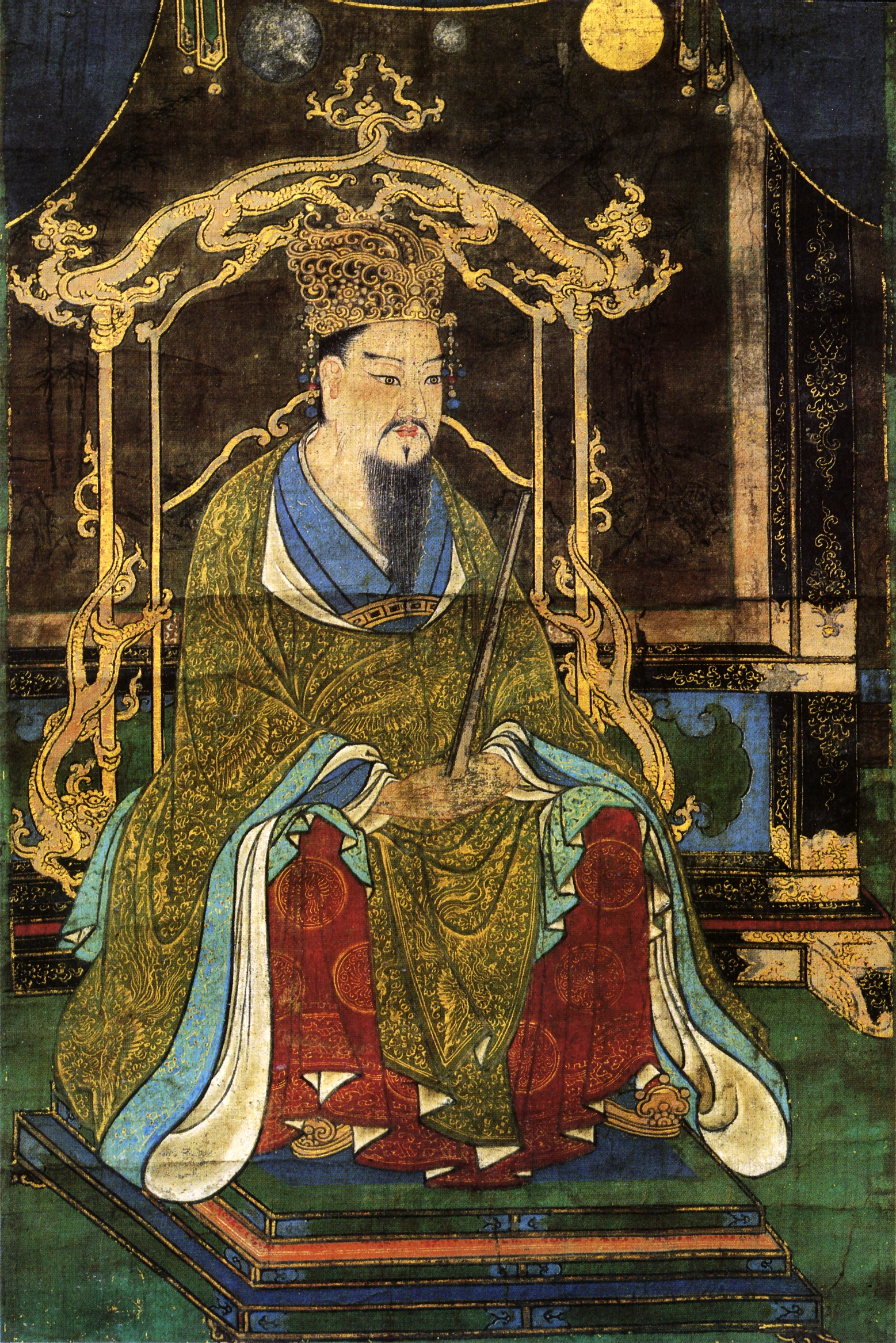
216. Japanese Emperor – Being an emperor often means great power, lots of treasures, and a gigantic palace and court. But this hasn’t always been the case most of known Japanese history. First, for nearly 700 years, military dictators called shoguns held all the actual political and military power. The emperor was stuck in a palace at Kyoto while the samurai rain the country. Second, Japanese emperors were heavily guarded and isolated. They were kept away from the general public and real-world events, essentially trapped in a golden cage by whichever clan was running the military government at the time. Third, because shoguns controlled the land and peasant taxes, the imperial court often ran out of money. During some periods of extreme poverty, imperial family members and court nobles had to sell their own handwritten calligraphy and poetry just to afford food and basic supplies. Fourth, because they were seen as divine descendants of the Shinto sun goddess Amaterasu, strict, boring rituals restricted every part of their lives. They had to speak, dress, and sit in very specific ways. Lastly, many emperors were forced to abdicate while they were still young, sometimes even children so that senior retired emperors could manipulate the throne from behind the scenes.
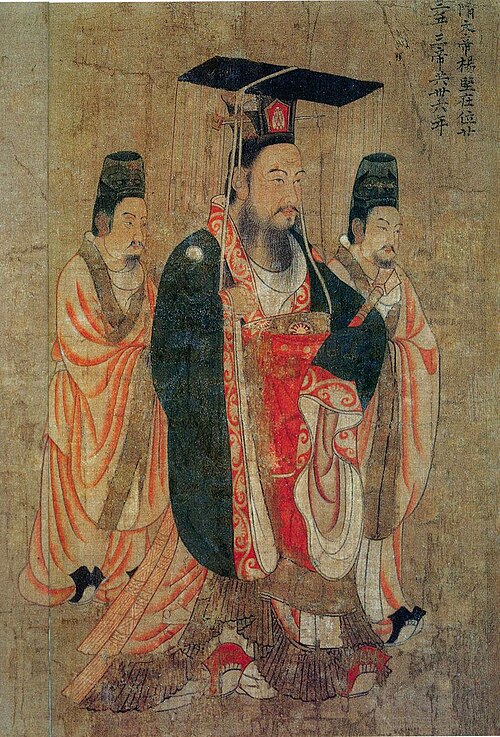
217. Chinese Emperor – Clad in yellow robes, the Chinese Emperor was the supreme authority of a vast empire of one of the largest and oldest countries on earth. But being one was like being the star of Game of Thrones. First, emperors woke up before dawn for long meetings with officials to read reports, sign laws, and decide on punishments or executions. Second, most of the later emperors lived in the Forbidden City where they rarely left, meaning they were heavily isolated and tricked by corrupt officials hiding bad news. Third, old traditions and court protocols controlled every emperor’s word and action. Fourth, under the Mandate of Heaven, should a natural disaster like a flood, earthquake, or famine happen, the people blamed the emperor, viewing it as a sign that he lost the right to rule. This often caused rebellions. Fifth, palace eunuchs, relatives, wives, and concubines constantly fought for power, poisoned rivals, or manipulated child emperors, leading to frequent coups and violent deaths. Finally, should an emperor inherit the throne as a child, it almost always resulted in political chaos, foreign attacks, and a dynasty’s fall. By the way, China stopped having emperors altogether in 1911 with the republican-led Wuchang Uprising after the Ching Dynasty collapsed due to military defeats, foreign colonization, economic crises, and anger against the Manchu rulers, culminating in the formal abdication of toddler emperor Pu Yi.
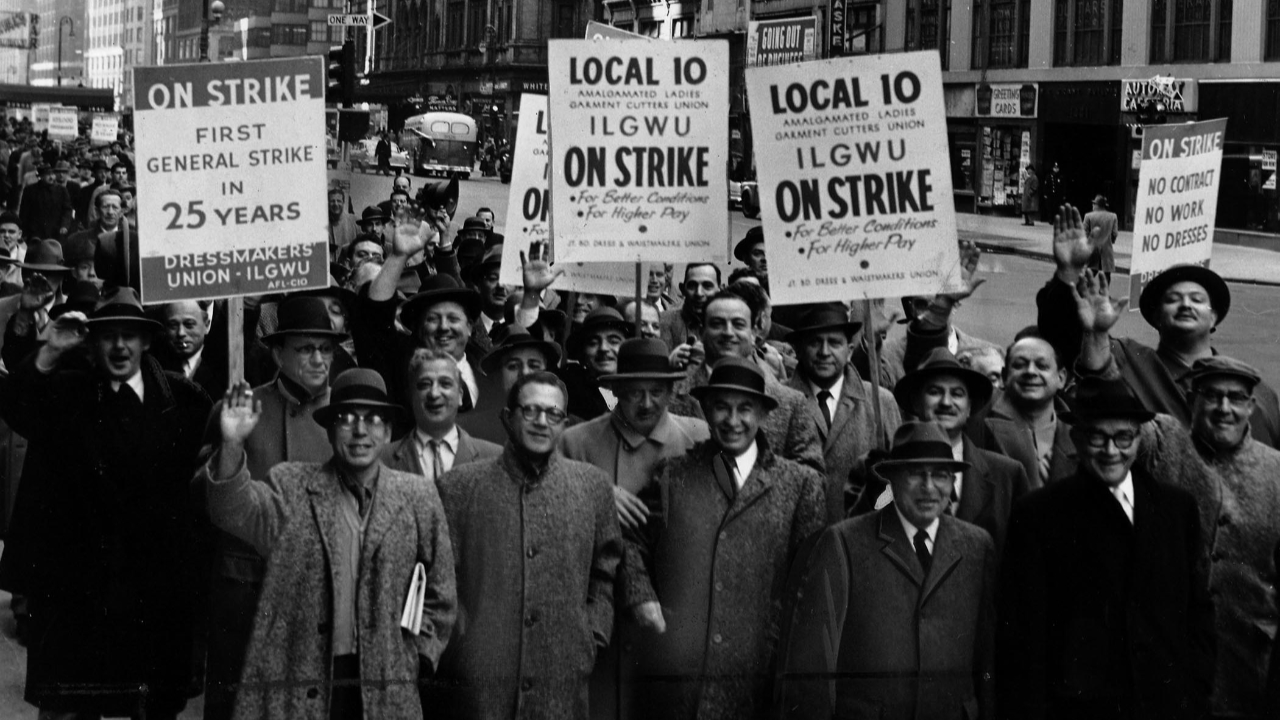
218. Union Organizer – The rise of industrialization and the widening gap between the rich owners and poor workers led to the rise of unions. But the life of a union organizer during the Gilded Age to the early 20th century wasn’t for the faint-hearted. First, as a union organizer, know that the establishment is solidly against you. Bosses hired private security forces like the Pinkertons to beat, shoot, and intimidate union organizers. National Guard units and local police were routinely deployed to crush strikes and jail labor leaders. Organizers in isolated industrial areas like coal camps or textile mill villages, risked their lives walking into neighborhoods where company control was absolute. Second, getting caught organizing meant losing your job and being put on secret industry lists banning you from ever working in that trade again. Note that because unions haven’t reached mainstream acceptance yet, there was no unemployment pay or strike fund safety net in the early eras, meaning that failed strikes often meant literal starvation for the organizer and their allies. Third, early courts viewed unions as illegal criminal conspiracies so union organizers could be arrested for simply trying to talk to workers about wages. Judges constantly issued emergency court orders making public gatherings, speeches, or picketing illegal on the spot. Fourth, union organizers had to operate in total stealth, constantly moving, sleeping in boarding houses under fake names and fearing spies and informants within the workforce. Finally, local business owners, newspapers, and churches often sided with the company, painting organizers as dangerous outside agitators or foreign radicals trying to destroy the town. The Catholic Church under Pope Leo XIII was one of the first institutions to approve of labor unions in the 1880s. But that doesn’t mean the local Catholic priest would agree. Nonetheless, while being a union organizer was a profession that required a steel spine, their efforts eventually improved millions of people’s lives in government policy.
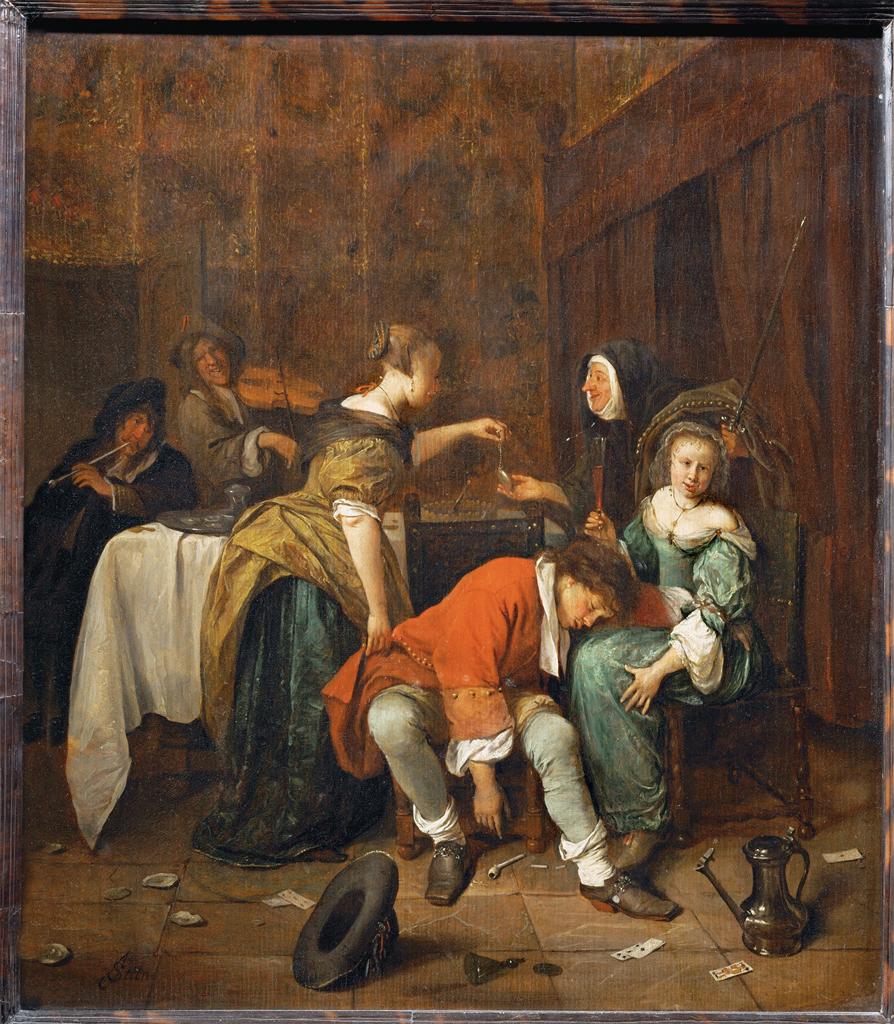
219. Madam – In many period pieces and westerns, madams often seem like they’re the most successful woman in town, always wear the nicest clothes, and mind her girls like a maternal figure. However, a madam’s life was far from fabulous one the public imagination tends to depict. First, since operating a brothel was illegal in most eras and jurisdictions, madams regularly faced police crackdowns, heavy fines, and jail time. To remain open, madams had to constantly pay off corrupt local police officers and politicians, eating into the profits they made. Second, madams lived completely outside respectable society, carrying a social stigma cutting them off from legal protections or civil recourse. Third, most madams didn’t own the buildings they used. In fact, they paid exorbitant rents to wealthy, powerful landlords who held all the real estate. Landlords and suppliers often forced madams into deep debt cycles, loaning them startup or repair money with punishing interest rates. Fourth, many madams were tethered to violent male criminals, pimps, or gang members who treated them and their workers as property or cash cows. Fifth, madams had to manage unruly, armed, or drunk patrons (including local politicians and thugs) without reliable police help if things turned violent. Lastly, keeping a house running meant liability for sick, injured or desperate workers while handling dangerous disputes in secret.

220. Kabuki Actor – Japanese kabuki theater always appears like a dream with actors donning elaborate costumes. However, there was nothing dreamy about being a kabuki actor in feudal Japan. First, since the Tokugawa Shogunate viewed kabuki as a threat to public morals and social order, there were repeated bans. Women were completely banned from performing in 1629 and young male actors (wakashu) were outlawed in 1652. These bans forced the entire industry to adopt an all-male format (yaro-kabuki) under constant police watch. Second, kabuki actors were classified near the bottom of Japan’s social hierarchy, stripped of ordinary citizen rights, and forbidden from mingling with higher social classes mingling in respectable urban districts. Third, kabuki performances lasted all day in unconditioned, open air or wooden playhouses requiring massive vocal projection without microphones. Fourth, kabuki performers had to master hyper-stylized, physically punishing movements, heavy traditional makeup, and specialized roles (such as the onnagata specializing entirely in female mimicry) passed town through intense family bloodlines with no room for personal deviation. Finally, despite massive popularity among ordinary townspeople, kabuki actors were culturally ostracized from the samurai elite and official government bodies. In fact, they were treated as disruptive vagrants instead of respected artists.

