
It’s always interesting to see what’s considered quaint hobbies as once grueling jobs with long hours. Pottery was a factory operation that led to silicosis, lead poisoning and joint strain. Weaving caused respiratory problems, joint issues, and back problems. While a career in carpentry could wreck someone’s body before middle age. Anyway, have you imagined yourself riding an elephant in the jungle? How about performing on a Vaudeville stage? Or perhaps an old-timey archaeologist making a grand discovery and beating up Nazis before lunch. Just watch out for the snakes in the meantime. Here are ten more historical jobs and their dark realities.
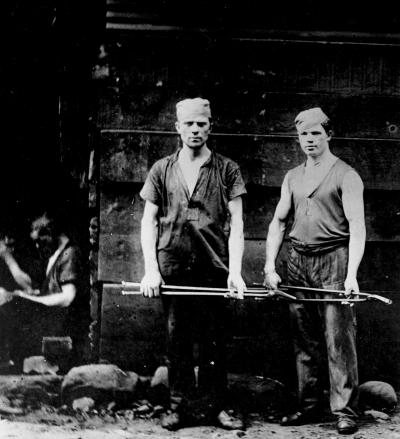
161. Steel Worker – Another job that leaves many in the Rust Belt nostalgic, steel workers often made the material that was once used to build many city buildings during the Gilded Age and beyond. However, the life of a steel worker wasn’t one you’d wish on anyone. First, before you enter the mill, know that a typical workweek consists of 12-shifts 7 days a week. Also, expect shift switches every 2 weeks so you’ll be forced to work an occasional 18-24 hour shift without any rest. But at least you get holidays? Sorry, but mills rarely shut down which will only be the 4th of July. While holidays like Christmas and Thanksgiving simply don’t exist in this workplace. Second, ambient temperatures near open-hearth and blast furnaces are hellish, causing sweat to literally boil on a worker’s skin or pour through their clothes to fill their shoes. Expect to lose a massive amount of body weight within your first few months on the job due to the sheer physical toll. But you’ll also breathe in heavy smoke, coal dust, and invisible, odorless carbon monoxide gas causing chronic illness or asphyxiation. Finally, should a drop of water accidentally mix with molten metal or slag, expect violent explosions, scattering a liquid fire across the floor. Watch out for those high-speed rolling mills and snapping conveyor tracks that can launch multi-ton, glowing-hot steel-bars directly into the workspace at lethal speeds. Oh, and since this is the time before modern labor laws and safety enforcement, expect to encounter unguarded machinery, massive overhead crane failures, and fatal falls with no compensation or safety net if you’re maimed or killed. Oh, and if you complain and decide to go on strike, we’ll send private detective force to violently suppress it.
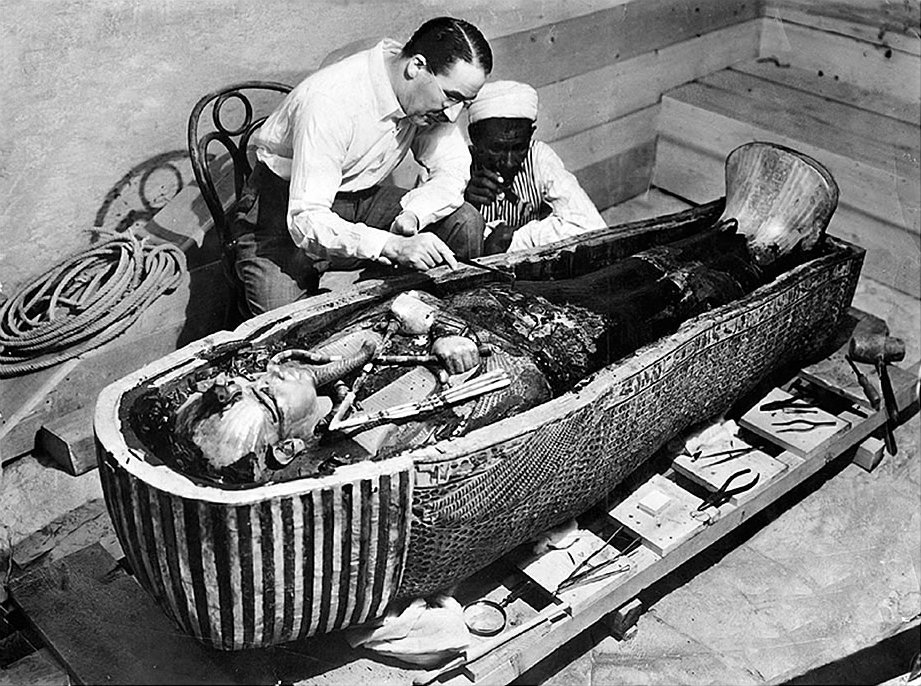
162. Archaeologist – With Indiana Jones and The Mummy franchises, entire generations grew up seeing a historical archaeologist as a daring adventurer. However, the real life of an archaeologist was nothing how Raiders of the Lost Ark makes it out to be aside from the unwitting destruction of ancient buildings and the fear of snakes. First, expect to move tons of dirt under basic picks, shovels, and wheelbarrows without mechanical help. Of course, porters will often be doing the actual digging but still. Expect to endure extreme heat, freezing cold, pouring rain, and constant dust or thick mud with primitive outdoor gear. And no, it won’t just comprise of a bull whip and a pistol. You’ll also risk tropical diseases, severe infections, dysentery, and poisonous snake bites far from any real hospitals. Thus, making Indy’s fear of snakes entirely justified. As for living conditions, expect to eat rancid rations, drink dirty water, and sleep in damp tents for months at a time. So best to know how to take care of your private business far from civilization and bring some extra pairs of brown pants and underwear just in case of an accident. Second, using blunt instruments like pick axes will frequently smash fragile ancient artifacts before anyone notices. Because you won’t have a microscope to record soil layers or organic remains, you won’t be able to know an item’s true historical story just so you can grab a shiny object that belongs in a museum. Also, you’ll have to blindly guess artifact’s age because modern science tools like radiocarbon dating don’t exist yet. Lastly, expect to wait months for mail, having zero communication, and being completely stranded in the earth’s remote corners. While moving heavy stone statues and crates of pottery across deserts or jungles using pack animals, wooden carts, or raw human muscle from porters. Yet, on the bright side, you won’t run the risk of activating an ancient curse should you uncover any ancient Egyptian tomb.
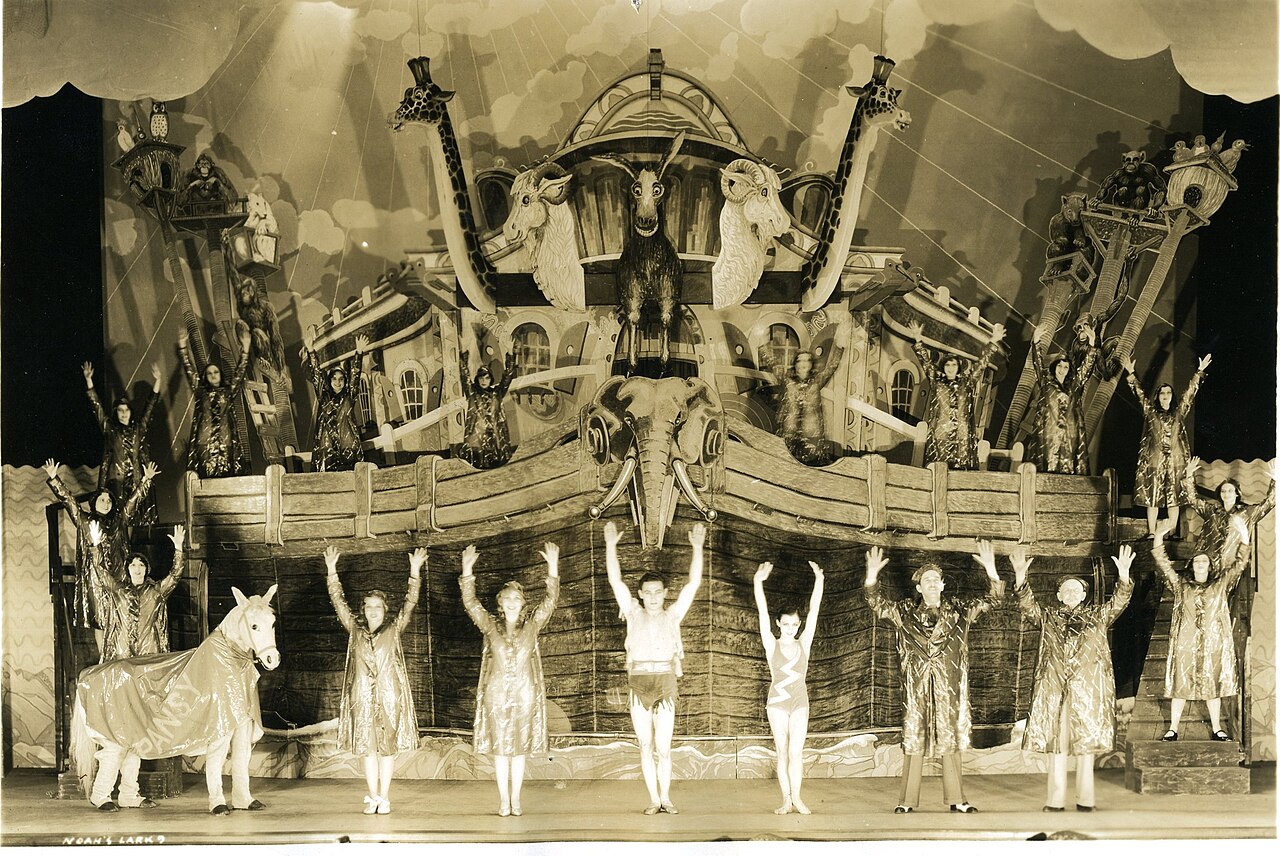
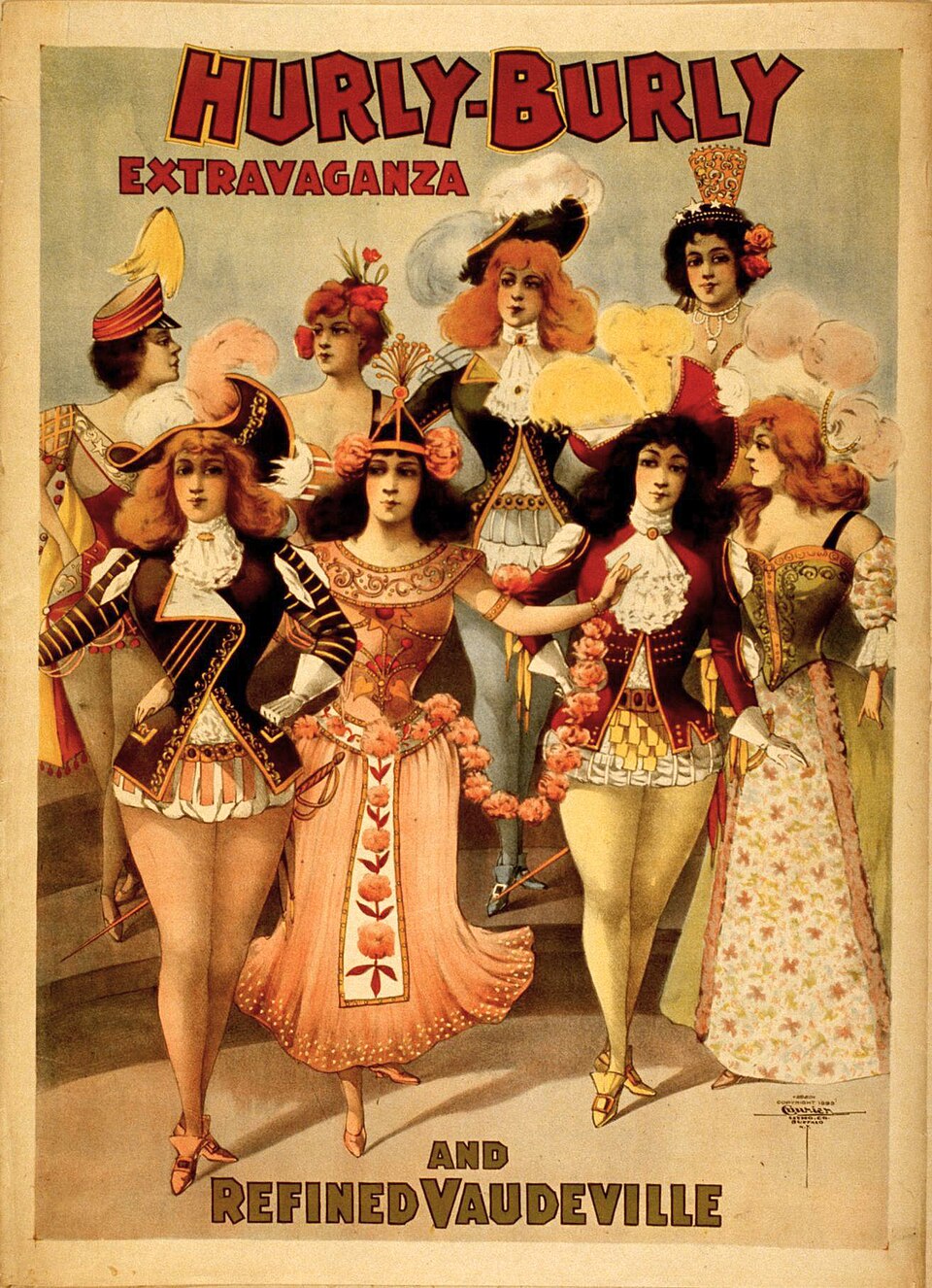
163. Vaudeville Performer – In historical movies and TV shows, Vaudeville and similar stage work are often portrayed as a stepping stone for many future Old Hollywood movie stars. Or remembered with great nostalgia as a family-friendly variety show that was accessible to middle-class families multiple times a week. Acts could be jugglers, illusionists, dancers, comics, singers, quick-change artists, short playlets or sketches, mini-musicals, or any craze or novelty capturing the public’s attention. But the reality was far from what the limelight portrays. In fact, it was more of a performance boot camp. For one, Vaudeville performers traveled from town to town every few days with no rest. Sometimes hopping on late-night trains to reach the next city on the circuit. In each town, they performed the exact same 8-10 minute routine 4-5 times a day. While no one wanted to get stuck in the dreaded opening and closing spots on the bill while audiences were still noisy or walking out. Since acts hired week-to-week could be instantly fired if no one laughed or clapped. Dressing rooms were tiny and constant transit disrupted sleeping schedules. Those just starting out made very little money while trying to climb the ladder. Some performers like Buster Keaton and songwriter George M. Cohan grew up on the Vaudeville circuit and within a show-biz family. Some entered as children trying to support their families. They also had to pay and fix their own props, makeup, and costumes, which ate at their paychecks. Strict, bad-tempered theater managers could cut and change one’s act on a whim. If an act was bad, harsh audiences could loudly boo or throw objects. Oh, and Vaudeville will eventually decline with the rising mediums of films and radio. Also, while plenty of people managed to achieve soaring popularity and fame, most usually remained poor and died in obscurity. Still, it was one of the first entertainments to cross racial and class boundaries. Not to mention gave us acts like Will Rogers, Charlie Chaplin, Lon Chaney, the Marx Brothers, the Three Stooges, Buster Keaton, Harry Houdini, Bill “Bojangles” Robinson, Eddie Cantor, Bob Hope, Cary Grant, Judy Garland, Laurel and Hardy, Jack Benny, Abbott and Costello, George Burns and Gracie Allen, Bessie Smith, Ma Rainey, Fred Astaire, James Cagney, Cab Calloway, Rita Hayworth, Sammy Davis Jr., and Mae West.

164. Elephant Rider – Riding an elephant often seems pretty cool when you watch movies taking place during a bygone time in India and the Middle East. However, being an elephant rider was anything but smooth, especially since they were used in war and logistics. Since it’s basically means sitting on an unpredictable, un-domesticated wild animal that could panic, had zero brakes, and made one a prime target in combat. For one, sitting on an elephant’s neck makes one an easy target for enemy archers, javelins, and siege weapons. Many riders were given a chisel and mallet. Just in case a war elephant panicked and began crushing its own army. That way, they could drive the spike into the elephant’s brain to kill it. We should also understand that despite being trainable, you can never truly domesticate an elephant. They’re just wild animals kept in captivity but still have their wild, skittish instincts. Loud noises, fire, or blood could trigger panic in an elephant. When they bolted, they often crushed friend and foe alike, ignoring your commands completely. And if you have a horny male, well, you might want to get your affairs in order. Not to mention, elephant riders likely had to care for their elephant 24/7 and taking care of them don’t come cheap. Probably should just stick to riding horses instead. Much less trouble.

165. Aztec Priest – In movies and TV shows, Aztec priests are often seen as sinister men decked in cool jewelry and willing to gleefully sacrifice freshly brought captives. But being am Aztec priest was more than just ripping hearts out of people. First, priests went through harsh schooling called the calmecac, where minor mistakes brought swift, violent punishment. While they were cut off from normal family life, luxury, and comfort to live a life of heavy fear, endless fasting, and rigid duty. Second, priests constantly pierced their own ears, tongues, and legs using sharp cactus needles or maguey spines. They’d drag thick cords of straw through holes in their bleeding tongues. In addition, they had to wake up at all hours of the night to perform chants, keep fires burning, and watch the stars. Third, their temples were covered in old blood, making them smell like rotten slaughterhouses. During major festivals, high-ranking priests dressed up in freshly-flayed skins of sacrificed people and wore them for days. Finally, if crops failed, war was lost, or natural disasters hit, people often blamed priests for not praying hard enough or failing to keep the gods happy.

166. Medicine Man – In pop culture, Native American medicine men are often seen as healing wizards. In real life, there was nothing magical about these healing and spiritual leaders. First, during severe community crises or deadly epidemics like smallpox, tribes blamed or punished medicine men if treatments failed to stop disaster. If a prominent patient died or a hunt failed, angry tribe members could accuse a healer of dark magic or professional failure, leading to violent retaliation or banishment. Second, medicine men endured years of grueling apprenticeship, memorizing complex plant properties, tribal history, and secret rituals. Because in most Native American tribes, a written language is nonexistent. Third, medicine men were expected to fast, stay awake for long ceremonies, and place themselves in contact with sickness and injury. Lastly, authentic traditional customs strictly forbade charging high fees or making a profit for healing so medicine relied on modest gifts.

167. War Chief – Decked in war bonnets, Plains war chiefs always seem to be the most badass looking leader on the battlefield. However, the war chief life wasn’t what you’d see in the western films. For one, to earn the title, warriors had to experience face-to-face combat (touching a living enemy without killing them), taking an enemy weapon, and sneaking into an enemy camp. Second, a war chief needed to lead successful war parties while being personally responsible for the survival of his warriors under his command. Finally, war chiefs were expected to display unmatched bravery every single time conflict broke out, leaving no room for error or fear. Then there’s the fact that once white settlers entered the picture, they had to make heart-wrenching decisions whether to keep fighting, flee to somewhere else, or surrender peacefully and let settlers take over their land.
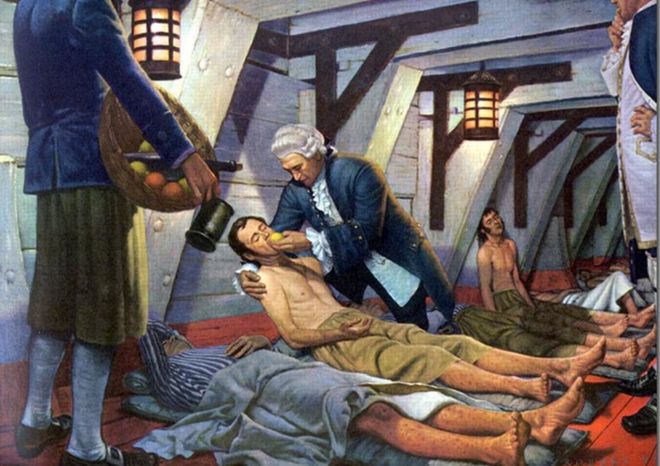
168. Ship’s Doctor – While the ship’s carpenter fixes the ship, the ship’s doctor fixes the people and often can’t be easily replaced. Yet, a ship’s doctor’s life during the Age of Sail wasn’t one of smooth sailing. For one, surgery meant amputations and wound stitching with raw, unsterilized tools while patients were fully awake. Second, due to a reliance on the now scientifically debunked theory of humoralism, ship doctors routinely bled patients, induced vomiting, or used toxic compounds like mercury to treat illnesses. Third, early practitioners were often lower-status “barber-surgeons” who pulled teeth and care alongside medical duties. Fourth, on a wooden ship, the “cockpit” or sick bay was located in the deep, dark hold, lacking proper space for instruments, lint, or clean dressing. Fifth, private practice vastly paid better, leaving ships to absorb unsuccessful and practitioners who lacked authority or proper uniforms. Finally, ship doctors had to manage catastrophic outbreaks of scurvy, typhus, and yellow fever with virtually no effective medicines.
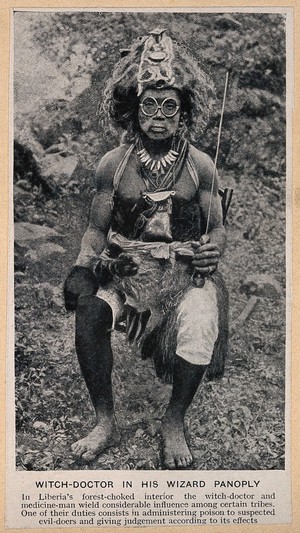
169. Witch Doctor – In movies and TV, witch doctors often appear as wizards who treat people with magical voodoo. In reality, the witch doctor’s life wasn’t what you’d see on the screen. First, if a patient died or a crop failed, the healer often took direct blame for causing the tragedy through dark magic. Second, European folk healers and midwives were often tortured and executed during witch trials if church or state authorities viewed their non-standard methods as heresy. Third, during the expansion of European empires, traditional practitioners like Zimbabwe’s n’anga faced severe crackdowns and criminalization by colonial powers and missionaries pushing western medicine. Fourth, working with raw herbs, plants, and animal parts meant accidental poisonings were common. Mainly because exact dosages were unknown and accurate weights and measures didn’t exist. Fifth, witch doctors had no access to sanitary tools, germ theory, or antiseptic knowledge, so this naturally meant they worked in unsanitary environments with high infection rates. Finally, communities expected absolute miracles, resulting in with doctors bearing the physical and psychological burden of failure when facing incurable diseases. But at least, they never had to worry about their friends from the other side dragging them to Hell if he didn’t pay up.
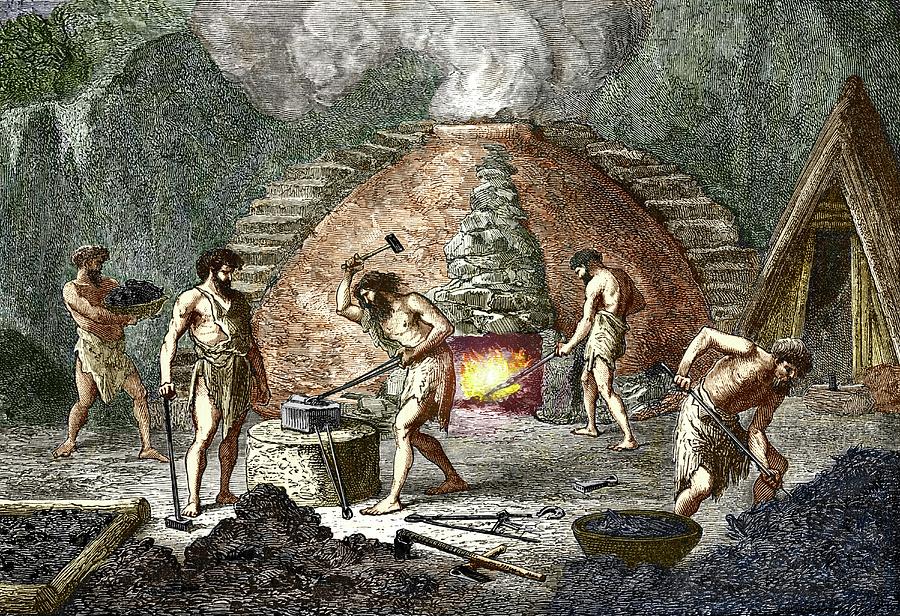
170. Smelter – Although the role of a blacksmith is well represented, his supplier is barely visible in the popular imagination. But being a smelter was like being a blacksmith with all the danger and none of the glory. Even though they’re the ones who refine the metals so smiths could use them for their creations. First, inhaling heavy metal fumes (like lead, arsenic, mercury, and zinc) and sulfur dioxide caused chronic respiratory failure, neurological damage, and early death. Second, working inches from furnaces reaching 1,500-3,000 º F resulted in severe heat exhaustion, burns, and blinding cataracts. Third, direct exposure to molten metal and pressurized gases meant catastrophic explosions could maim or kill instantly. Fourth, operating archaic blast furnaces or crude bloomeries required round-the-clock manual labor and zero safety gear. Lastly, heavily lifting raw ore and crude tools cause crippling repetitive stress injuries, deafness from the air blast roars, and skeletal deformities.


