
Many jobs we may see as quaint and simple weren’t always what they appeared. Being a town crier seems like just shouting events by the hour. Even though it also required being on night watch duty and facing an angry public over bad news. Chauffeurs are often shown driving rich people. But they also repaired cars and in the early days, handling a car was a more complex process than it is now. Medicine men and witch doctors are often seen as healing people through magic powers or herbs. But they weren’t magical. While they also had to memorize countless things from oral tradition and face blame while their treatments failed, especially when faced with European diseases. Anyway, ever imagined yourself as a galley rower on Ben Hur? How about a prince in the Ottoman Empire? Or even an herbalist mixing concoctions from ancient recipes? Here are ten more historical professions and their grim realities.

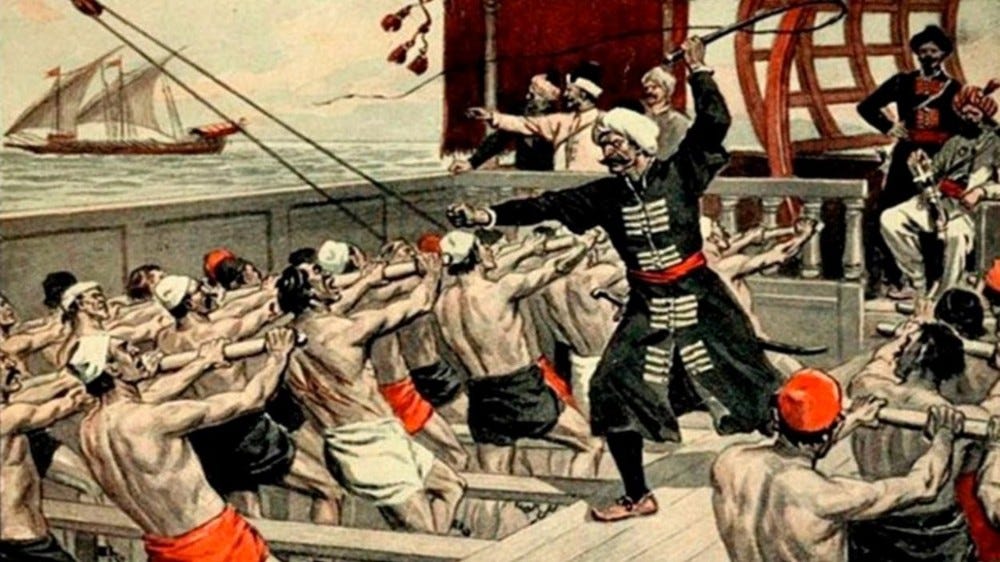
181. Galley Rower – Although the image of galley rowers in Ben Hur is a highly inaccurate one. For one, Ancient Greece and Rome didn’t have galley slaves. Most of their rowers were free citizen volunteers from poorer classes. And they were generally paid very well. Yet, in the early modern period, galley rower was a job for slaves and convicts within much of the Mediterranean. In the Baltic countries, they recruited armed conscripts. In any case, the reality was very brutal. First, rowers had to pull massive, heavy oars for hours or days straight without stopping. Overseers walked gangways with whips, lashing at rowers who slowed down from sheer exhaustion. While most rowers died within 1-5 years from disease, malnutrition, and exhaustion. Second, rowers were directly shackled to their wooden benches where they ate, slept, and relieved themselves without ever being unchained (that is when chain were used, which was very limited when rowers were slaves and convicts). Since galleys sat very low in the water, rowers just sat feet from the waterline, constantly getting soaked by freezing saltwater eating at their skin. While food and water rations were meager, often leaving men starving while performing heavy labor. So let’s just say it would be more historically accurate for Charlton Heston to resemble a Nazi concentration camp survivor than some sweaty cross fit guy at the gym. Finally, even if a rower managed to break from the chains, escaping was nearly impossible because local peasants hunted escapees for bounties. And if a ship escaped during battle, chained rowers drowned with it.

182. Match Girl – Although this description may evoke the idea of the tragic Hans Christian Andersen story about little girl who freezes to death on the street while trying to keep warm, this entry isn’t about her. Rather, it’s about the girls who made the matches she tried to sell. Many of whom would rather prefer freezing to death on a street than what they got. Especially if you’ve seen Enola Holmes 2. First, white phosphorus fumes caused phosphorus necrosis, a horrific condition where the jawbone rotted, glowed in the dark, and required jaw removal. Match girls also suffered from severe abscesses, tooth loss, and sometimes fatal brain damage. Second, match girls worked 14-hours day for a low weekly wage. To make matters worse, bosses docked meager pay for minor infractions like talking, dropping a match, going to the bathroom, or having dirty feet. Lastly, backbreaking and delicate manual labor left workers chronically undersized and underfed. While unprotected factory equipment caused lost fingers.
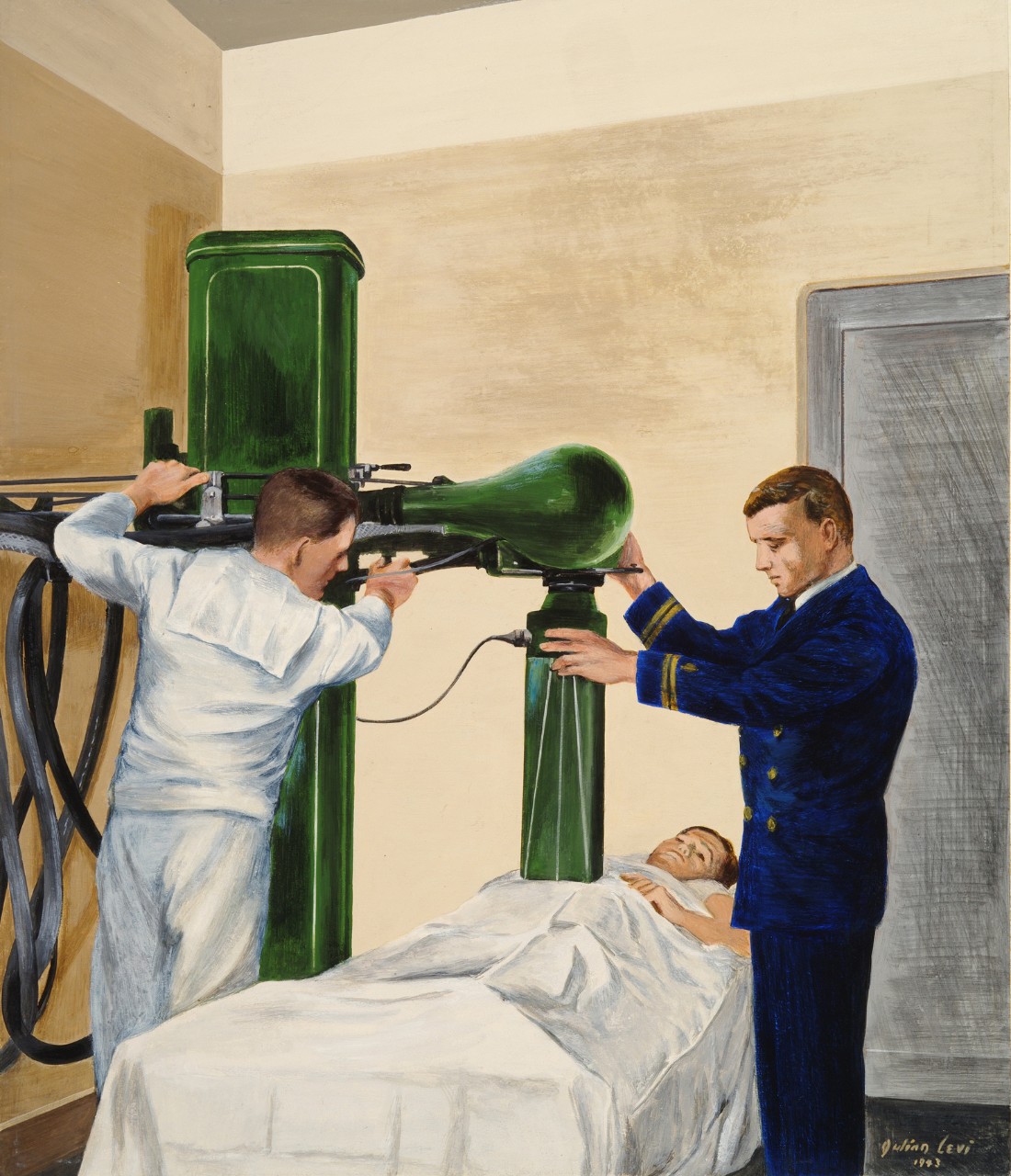
183. X-Ray Technician – The discovery of radium led to significant breakthrough with X-ray technology. But to be an x-ray technician in the olden days was not for the faint-hearted. First, technicians worked without lead aprons, barriers, or film badges. Second, workers routinely tested and calibrated live equipment by placing their own bare hands directly into the x-ray beam. Chronic exposure led to severe radiation dermatitis, horribly scarred skin, deformed nails, lost fingers, amputations, and fatal cancers. Third, early x-ray scans took up to 90 minutes and used thousands of times more radiation than modern medical imaging. Fourth, early x-ray equipment lacked proper electrical and radiation insulation, exposing technicians to high-voltage shocks and scatter radiation. Finally, outdated medical guidebooks from the mid-20th century taught x-ray technicians to use up to 60% more radiation on black patients due to false racist beliefs about bone density.

184. Newsreel Cameraman – Early developments in film led to the newsreels that played in theaters from the early to mid-20th century. Yet, as Buster Keaton may depict on The Cameraman, the life of a newsreel cameraman wasn’t an easy one. First, carrying heavy, hand-cranked or spring-wound 35mm cameras like the Bell & Howell Filmo and Eyemo weighed 30-40lbs or more. They also had to lug around heavy wooden tripods, extra film magazines, and heavy leather cases throughout rough terrain. While shooting these things handheld meant absorbing all the weight with your back and shoulders, resulting in physical exhaustion. Second, newsreel cameramen had to shoot in a variety of dangerous situations. They filmed at active front lines during World War II and other conflicts without modern body armor or embedded safety protocols. They had to stand dangerously close to speeding race cars, burning buildings, or natural disasters just to get footage of a thrilling act. They even had to face hostile protestors, riots, and physical violence while being visibly marked as press. Third, working with short film rolls that totaled to only a few minutes so you had to guess the exposure right the first time. They had to shoot blind without monitors, praying that the focus and exposure were correct because they couldn’t check until the film was developed days later. In addition, they had to physically ship canisters via plane, train, or motorcycle courier to meet high theatrical distribution deadlines before the news went cold.
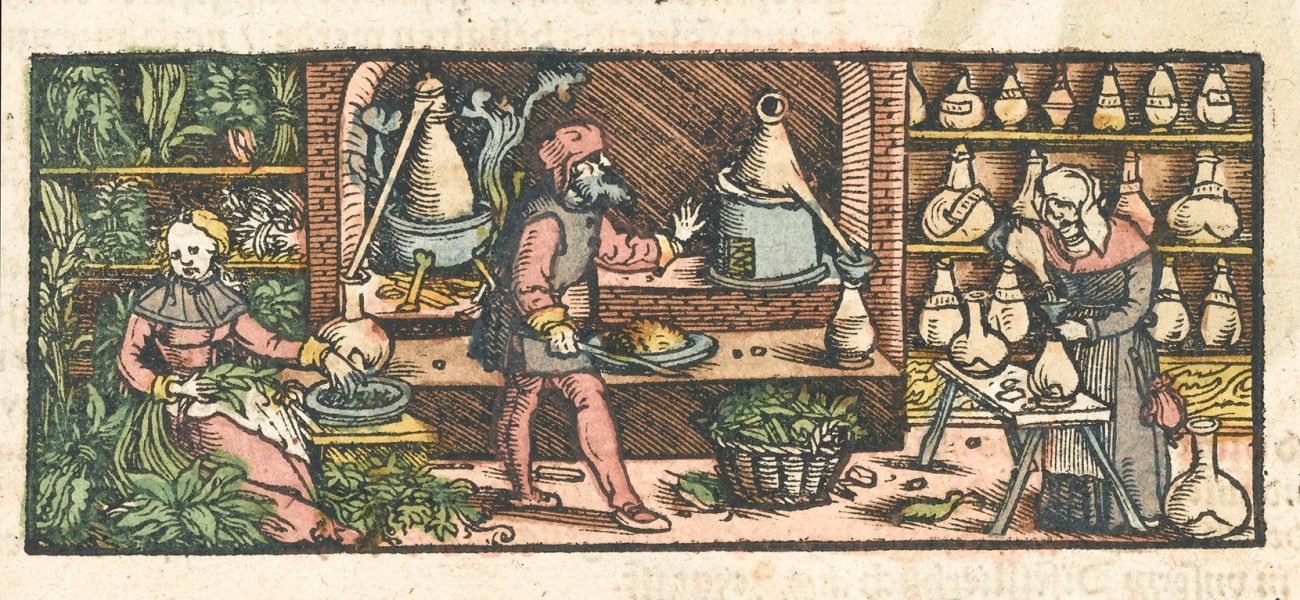
185. Herbalist – In medieval villages, the herbalist was often the go-to person to provide for whatever ails you. First, should a plant cure fail or work too well, church and state authorities often accused local healers of magic or poison. Second, educated male practitioners and medical guilds eventually aggressively pushed independent folk healers out of society. Third, when plagues or unstoppable epidemics struck, herbalists often found themselves scapegoated by terrified communities. Fourth, foraging, digging roots, and processing tons of raw vegetation by hand required exhausting physical work in all weather types. Handling deadly nightshade, hemlock, and heavy metals without modern safety gear meant herbalists frequently poisoned themselves. In addition, plant potency wildly varied based on soil, weather, and storage time, making consistent dosing impossible. Fifth, herbalists mostly treated the poor who couldn’t pay, often receiving scraps, trade goods, or no pay at all. Sixth, reliance of unscientific systems like doctrine of signatures meant treatments were more based on superstition than actual results. Finally, unlike modern practitioners, herbalists had no formal protections, licenses, or institutional backing when treatments failed.
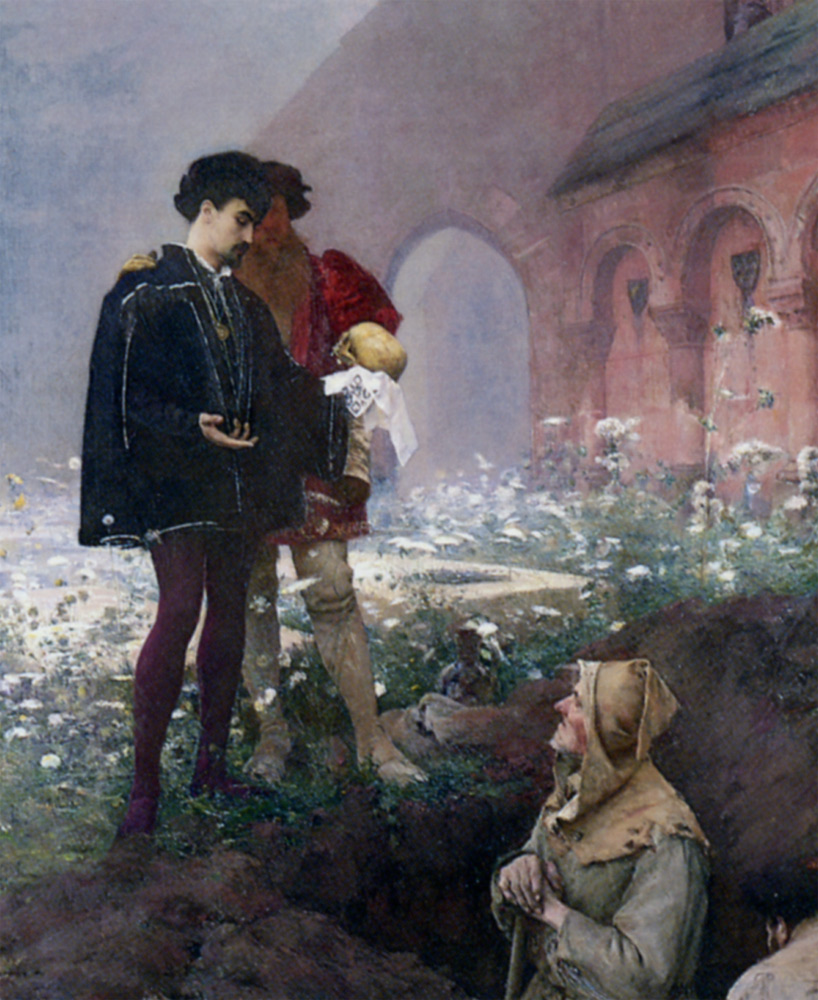
186. Grave Digger – Although digging a grave wasn’t a glamorous job, the reality was a whole other nightmare. First, due to machinery being nonexistent, graves were dug entirely by hand using shovels and picks. If the deceased died during the winter, then grave diggers had to break through freezing and hard-packed ground. They also faced collapsing dirt walls, toxic decomposition gases in confined spaces, and deep physical exhaustion. Second, grave diggers regularly handled bodies infected with deadly diseases like cholera, plague, typhus, and smallpox. Minor cuts or blisters from rough hand tools easily became infected from contaminated graveyard soil. Third, local communities shunned grave diggers whom they viewed as unclean, eerie, or bad omens. Lastly, despite performing an essential public health function, grave diggers were paid very little and kept trapped within the lower classes. That’s not mentioning the threat of resurrection men stealing freshly dead bodies for anatomists from the Scientific Revolution to well into the 19th century.

187. Ottoman Prince – Being a prince in the Ottoman Empire might seem like the lap of Oriental luxury. Because unless you’re the oldest or most favored son, two fates await you once your sultan daddy kicks the bucket. First, Sultan Mehmet II made a law allowing a new sultan to kill all his brothers to stop civil wars. The standard modus operandi was often a silk cord strangling so royal blood wouldn’t be spilled on the ground. Also, there was no exemption on infant brothers or rival babies. Because they got the silk cord strangling as soon as a new sultan took power. Later on, the Ottoman Empire stopped killing all brothers and instead locked them inside a luxury prison inside Topkapi Palace called the Kafes. Princes lived in these golden rooms trapped for decades with no idea what was going on in the outside world. While living in total isolation made many of these trapped princes deeply paranoid, sick, or mentally unstable by the time they accidentally got pulled out to rule. Let’s just say the whole caging princes thing led to a line of incompetent sultans and the empire went downhill from there.

Munitions workers could often be picked out in a crowd because of the distinctive yellow colouring of their hair and skin caused by the sulphur used in production. They were nicknamed canaries.
artist: Forbes, Stanhope Alexander
Place made: England, United Kingdom
made: 1918 Published: –
Copyrighted work available under Creative Commons Attribution only licence CC BY 4.0 http://creativecommons.org/licenses/by/4.0/
188. Munitions Worker – Being a munitions worker was one way a woman could support the war effort back home. But the ladies who made the bombs and bullets did it with much sacrifice. First, munitions factories faced constant risks of massive, catastrophic explosions that could kill hundreds and obliterate entire buildings at once. Handling heavy artillery shells and fast-moving, poorly guarded equipment led to frequently lost fingers, hands, or limbs. Second, if you’re among the “Canary Girls” of World War II who handled sulfur and dynamite, then expect to have bright yellow skin to earn the degrading nickname. Speaking of the bright yellow skin, chemical exposure caused severe internal damage, destroying livers and killing workers through toxic jaundice. Third, factories ran day and night, forcing munitions workers to stand for grueling shifts up to 12 hours long. Many worked 6-7 days a week with minimal breaks, leading to extreme chronic exhaustion and physical burnout.
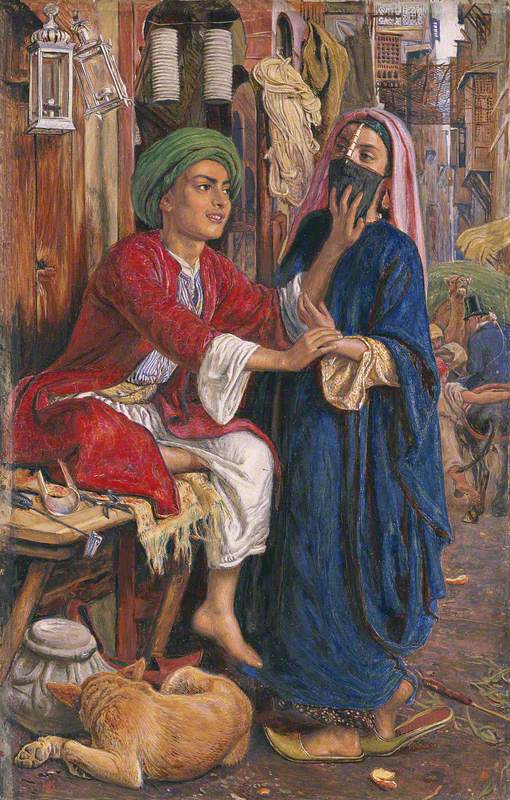
189. Lantern Maker – You often see lanterns in historical settings. But we often don’t know what it was like for the people who make them. And their lives were anything but well lit. First, soldering metal frames of horn or glass lanterns required constant work with molten lead, tin, and chemical fluxes, leading to heavy metal poisoning. Working in unventilated spaces with charcoal or coal fires used to heat soldering irons meant breathing in a daily diet of toxic fumes and heavy smoke. While cutting and piercing intricate hole patterns into sheet metal (for punched-tin lanterns) in dim, natural light destroyed workers’ vision. Second, before glass was cheap, lantern makers boiled and split animal horns (like cow or sheep) down into thin, translucent plates. This process smelled wretched and required razor-sharp scraping by hand to get the horn clear enough to let light through. Working constantly with thin, sheared sheet iron and brass meant deep cuts, punctures, and chronic infections were typical workday hazards. Fitting thin glass panes or delicate horn sheets into rigid metal frames without shattering or cutting oneself demanded extreme, stressful precision. Third, since lanterns were common household items, lantern makers couldn’t charge very much of them despite the grueling hours of manual labor involved. Finally, guild regulations, cheap mass production in industrial eras, and the sheer amount of time required to build a single durable piece kept lantern makers trapped in cycles of poverty.
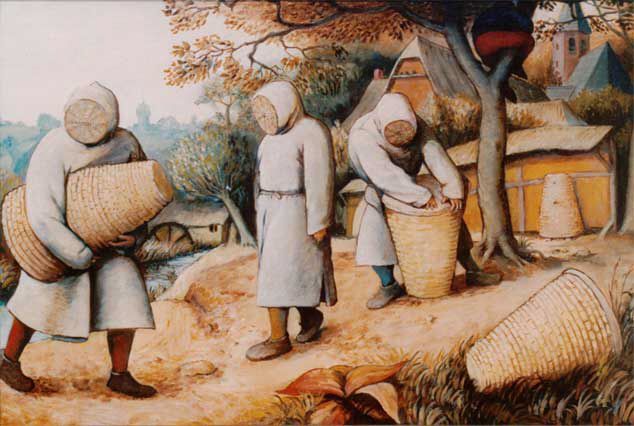
190. Beekeeper – Beekeepers have always been essential for farming since the dawn of agriculture. But the historical beekeeper life was anything but honey. In fact, it was a thousand ways to get stung and instant death to anyone with a bee allergy. First, traditional straw baskets called skeps forced bees to directly attached to the dome. Thus, you couldn’t safely inspect or remove honey without a handful of stings. To harvest the honey and wax, beekeepers routinely suffocated or burned the entire colony using sulfur smoke, wiping out their own workforce. Of course, today we call it a suicide move. While squeezing the comb meant straining honey mixed with dead bee larvae and pollen, ruining the purity and making a sticky, rotting mess. Second, early face protection consisted of a crude woven wicker or sparse cloth masked offering poor visibility and allowed angry bees craw right inside. Heavy wool garments trapped heat and sweat, yet angry guards could still sting right through the fabric whenever the hive got agitated. Without controlled metal smokers, subduing bees relied on primitive, smoky fires that often failed or pissed off the swarm further. Third, total ignorance of modern pathogenic diseases meant a single microscopic infection or parasite outbreak wiped out entire apiaries overnight. Fourth, people blamed sudden hive abandonment or swarming on witchcraft, bad luck, or approaching death, forcing beekeepers to “tell the bees” of family tragedies to avoid curses. Lastly, should winter kill the bees, beekeepers lost both the sweetener and valuable candle wax with no way to buy quick replacement packages.


