
You may notice that a lot of professions pertaining to the air and sea often tend to be not for the faint hearted. The Age of Sail may have been a time of wooden ships and iron men. But it also meant poor sanitation, bad medical care, terrible food, cramped spaces, rampant diseases, and plenty of things that could go wrong as well as plenty ways to die. Oh, and months away from sea possibly never knowing when or whether you’ll ever see your family again. Also, while movie wooden ships may be massive, floating castles, most merchant and passenger ships were actually as big as an average house in the suburbs. While early airplanes were practically flying death traps resulting in the deaths of many pilots. That you’d assume that the Red Baron’s guardian angel had been working overtime before coughing out from exhaustion. Because even the Red Baron eventually got shot down. Anyway, here are ten more historical professions and their dark realities.
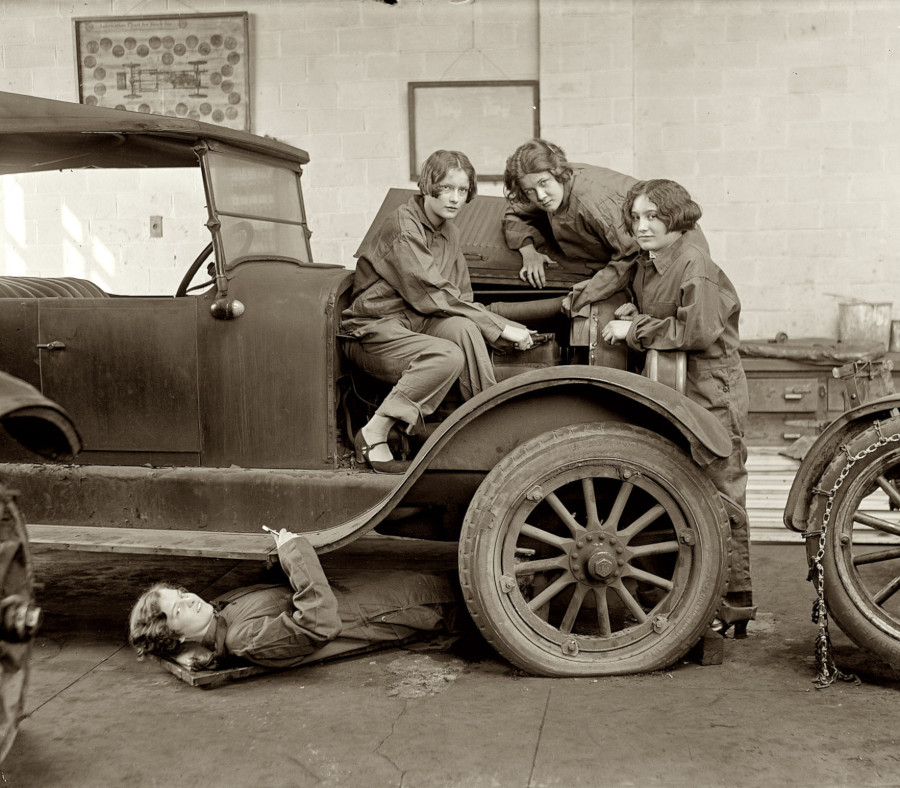
231. Mechanic – Today, mechanics are among the standard people in anyone’s neighborhood who perform an essential service by repairing people’s cars. But their historical counterparts had it so much worse that you couldn’t blame them for overcharging. First, workers constantly breathed in toxic exhaust fumes, leaded gasoline vapors, asbestos brake dust, and heavily oil grime soaking into their skin. Second, body shops lacked modern ventilation, heavy-duty elevators, or ergonomic support, resulting in ruined backs, crushed fingers, and black-lung style issues. To make matters worse, garages had no climate control leaving mechanics freezing during winter and baking during summer. Fourth, fixing engine problems meant manual trial-and-error, reading dirty spark plugs, and listening closely to engine ticks instead of plugging in a diagnostic scanner. Mechanics and drivers also had to constantly file down ignition points, set mechanical gaps, and manually adjust carburetors just to keep cars running smoothly on a weekly basis. Fifth, old metal components rusted solid, meaning every single bolt needed a torch, brute force, and knuckles against sharp engine bays. Sixth, in a world without internet, tracking down rare replacement parts required flipping through giant paper catalogs or calling junkyards. If the part didn’t exist, mechanics had to machine weld a custom piece from scratch. Lastly, mechanics had to buy and maintain all of their heavy hand tools out of pocket, cutting heavily into meager wages.
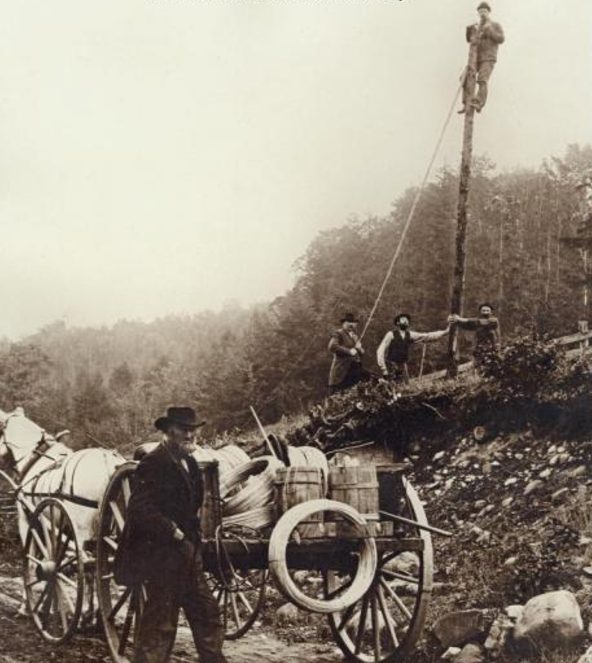
232. Electrician – Today, when the power goes out and you need some wiring done, it’s always advised to call an electrician. Because doing one’s own electrical work is a very dumb way to die. But when electricity was just getting started, being an electrician may have been as dangerous as being struck by lightning. First, early electricians received minimal training and handled live wires with their bare hands, rubber cloth, or simple leather gloves. Second, in the early days of powerlines and urban grids, historical statistics suggest that up to 50% of hired linemen in some regions suffered fatal accidents or severe injuries due to lack of protective gear and protocols. Third, electricians had no reliable multimeters, circuit breakers, or standardized ways to know if a line was dead before touching it. Fourth, since early wire were insulated with cheap, rubberized cloth, cotton and tar which easily degraded, sparked, and triggered hidden fires inside the walls. Early residential setups like knob-and-tube wiring lacked any ground wire, so any fault or moisture could electrify whole building structures. Fifth, during fierce competition between direct current (DC) or alternating current (AC), grid standards shifted rapidly. Workers had to navigate chaotic, makeshift urban infrastructure packed with poorly mapped, high-voltage lines. Sixth, linemen and station workers regularly worked 12-hour days, 7 days a week whether in freezing rain, snow, and extreme heat for as little as 15-20 cents an hour. Finally, decades before modern safety organizations like OSHA existed, workers bore the full brunt of corporate negligence, directly leading to the bloody formation of early labor unions like the International Brotherhood of Electrical Workers to fight for basic survival.

233. Nanny – Nannies in historical shows, movies, and books are often benevolent women who treat their employers’ children as their own. While magical ones like Mary Poppins even solve family dysfunction. However, being nanny was nothing like you see in a live-action Disney movie. First, nannies lived and worked in the nursery, usually located at the very top of large houses to keep children’s noise away from family. They were also cut off from the rest of the household staff. Second, while other servants may get an afternoon or evening off, nannies were on duty 24 hours a day, 7 days a week, sleeping in the same room or right next to the children to handle night wakings and illnesses. Third, while nannies were considered senior domestic staff and too high class to socialize with downstairs kitchen and house maids, they weren’t part of the upstairs family either. This left them with no peers, no romantic prospects, and very little adult conversation for months or years at a time. Fourth, carrying heavy infants, boiling endless loads of heavy cotton diapers by hand, and hauling coal up multiple flights of stairs to heat the nursery kept nannies in a state of chronic physical exhaustion. Top-floor nurseries were notoriously drafty and poorly heated, exposing nannies to chronic winter chills and dampness. Fifth, nannies did all the hands-on parenting such as the feeding, bathing, teaching, and comforting while upper class parents often saw their children in brief, polite visits. Finally, once the kids grew old enough for boarding school or governesses, the nanny’s job ended. And she was often let go with little security, forced to the children she raised as her own.
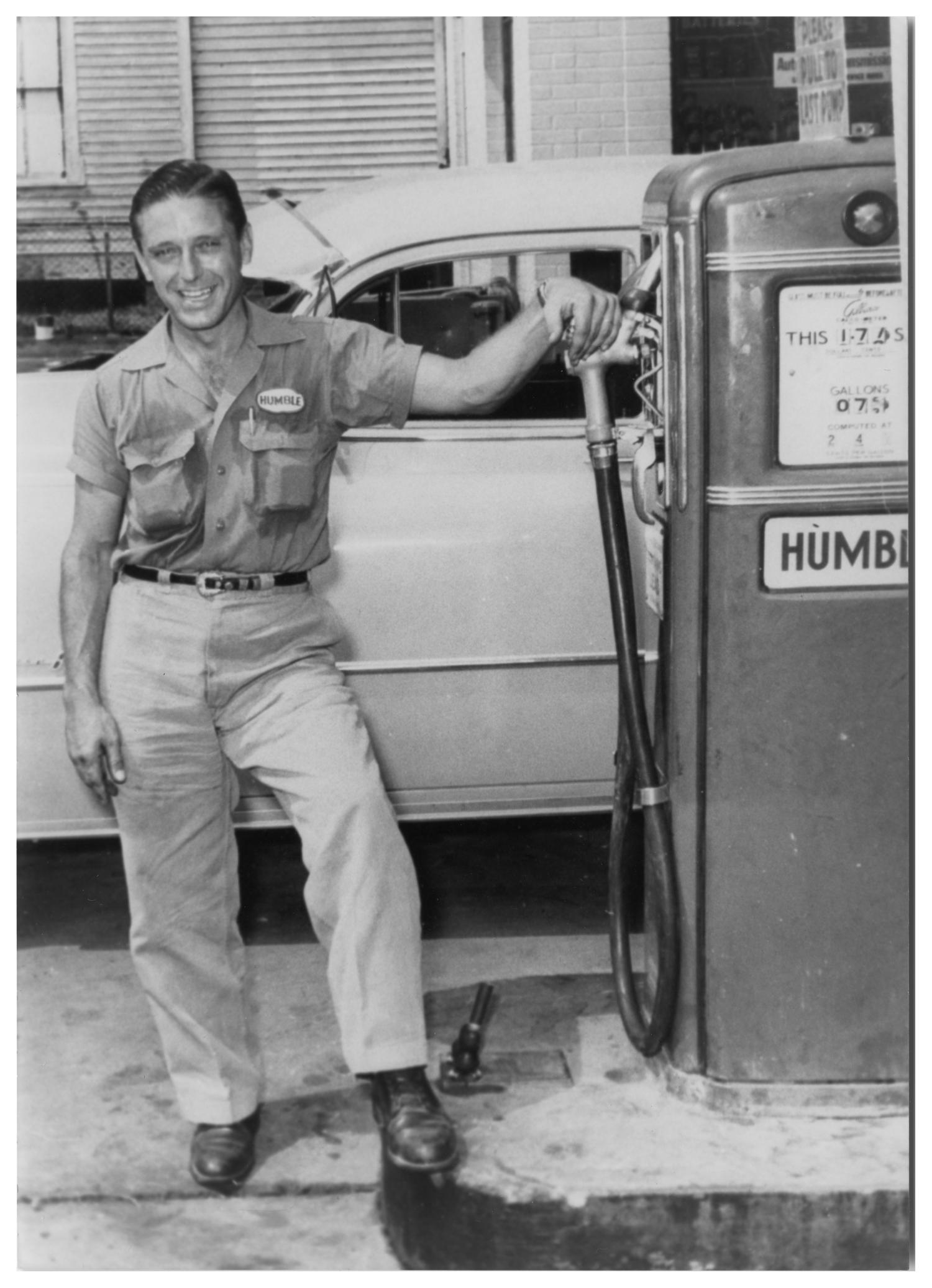
234. Gas Station Attendant – At old-time gas stations, gas station attendants always seem to hang around ready to fill your car. But the job was hardly what you might see in vintage postcards. In fact, it was more like being a waiter who pumped one’s car for worse treatment pay. For one, gas station attendants had to stand in freezing winter snow, pouring rain, or baking summer heat to pump gas. They were constantly exposed to strong, unhealthy gasoline fumes and chemicals like benzene all day long. All while standing on hard concrete floors for hours without breaks. Second, whenever customers yelled about high gas prices or slow service, gas attendants often took the blame. Even worse, people often either looked down at gas station attendants or saw them as invisible. Third, working alone at night brought real fears of robberies, violence, or dangerous drivers. Fourth, hourly wages were minimal with no tips or extra benefits for hard work. Lastly, workdays mostly comprised of doing the exact same minor tasks over and over again on long, dull shifts. Nevertheless, while this profession died out with the rise of self-service pumps, it still exists in New Jersey.
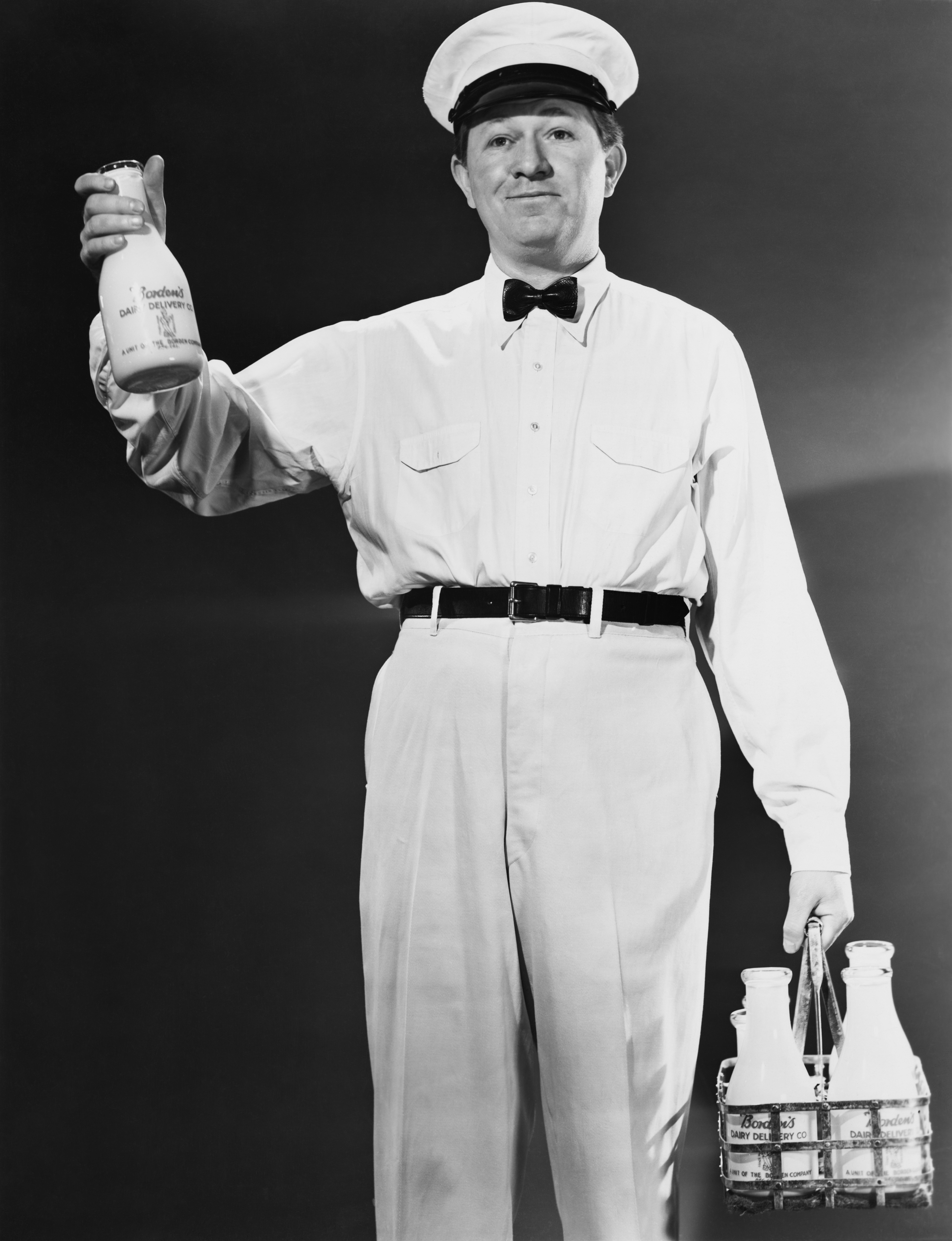
235. Milkman – In many old cartoons and movies, the milkman is as much a common sight as the postman. But the milkman life wasn’t like you’d see in a 1930s Warner Brothers cartoon. First, milkmen had to carry heavy crates filled with glass bottles up and down countless steps every single morning. Hazards included slipping on ice, wet steps, icy pavements during freezing winter mornings. They also had to face angry or aggressive dogs on customer properties. Second, milkmen began their shifts during the middle of the night, often at 2 or 3 AM to ensure fresh delivery before breakfast. So they probably didn’t have time to bang any housewives unless they had to go around to collect the bottles later that day. Even though there are plenty of jokes about kids looking like them. They also had to work through snowstorms, severe rain, and freezing temperature without modern climate-controlled vehicles. Third, milkmen had to chase down customers and carry large amounts of cash, making them robbery targets. Even though the bills were usually small. Lastly, they had to handle, wash, and collect heavy, fragile glass bottles from doorsteps. While this job would later die out with the advent of supermarkets and better refrigeration.
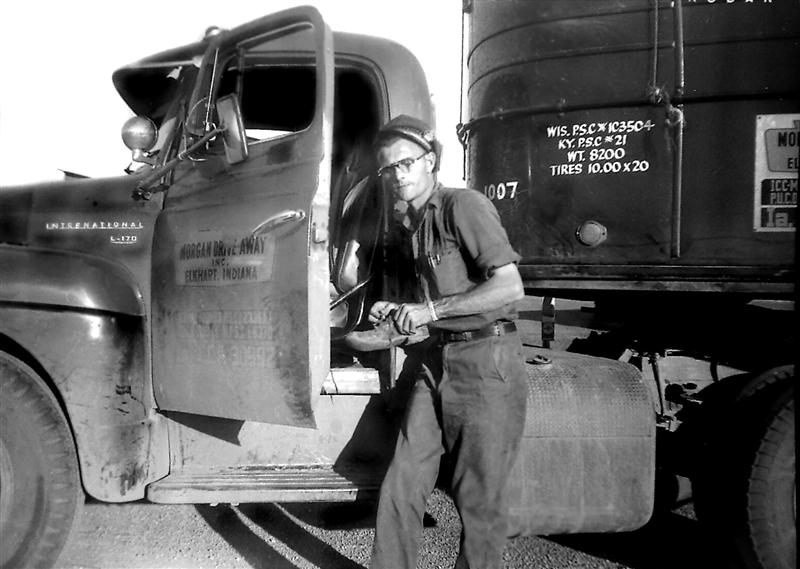
236. Truck Driver – When cars began taking the roads, trucks began to replace the horse team and wagons. Yet, early truck drivers didn’t have it easy during the early 20th century. First, since early trucks lacked air conditioning, proper heating, sound proofing, and comfortable suspension, drivers were constantly exposed to bone-rattling vibration and extreme weather. Second, drivers typically worked 14-18 hour days, sometimes even more without modern legal limits, forcing many of them to rely on dangerous amphetamines just to remain awake at the wheel. Third, constant exposure of thick diesel exhaust and heavy particulate matter severely damaged drivers’ lungs and heart over time. Fourth, during the early decades of motorized freight, drivers were often held personally responsible and forced to pay out of pocket for any damaged cargo during transit. Fifth, early truck drivers earned minimal daily wages despite doing backbreaking labor with little to no compensation for the endless hours spent waiting to load or unload. Lastly, roadside infrastructure consisted of dirty, unkempt gas stations with almost no food, sanitation, or resting amenities.
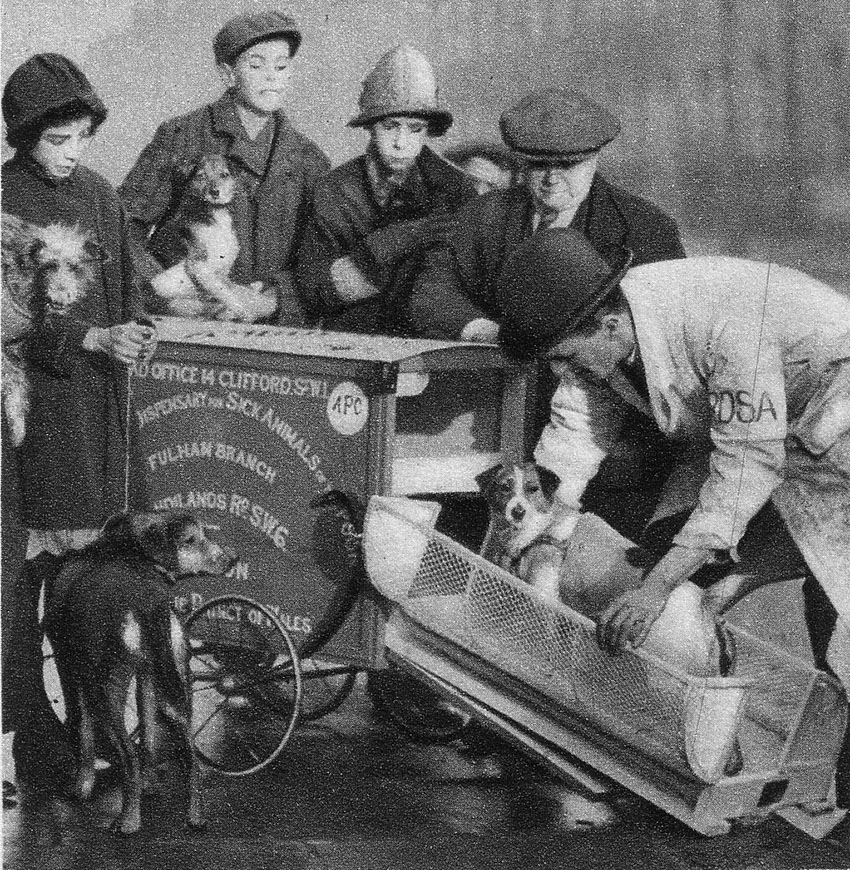
237. Dogcatcher – In the film Lady and the Tramp, the dogcatcher is basically a dog policeman that the canine characters often outsmart. But the life of a real dogcatcher at the time the movie is set was far from what anyone would wish on the dogs they caught. First, dogcatchers were typically seen as the absolute bottom of the political and social ladder, inspiring the classic insult that a disliked politician “couldn’t get elected dogcatcher.” Second, municipalities paid dogcatchers very little, forcing them to rely on bounty systems and fees to make any money. Third, because dogcatchers took family pets as well as often killed them or held them for ransom if owners couldn’t pay a fine, local communities deeply feared or despised them. Fourth, dogcatchers had to wrangle scared, aggressive, or genuinely rabid packs of roaming dogs without modern protective gear, tranquilizers, or professional animal handling training. Lastly, the bounty system encouraged corruption, leading some unscrupulous dogcatchers to resort to outright dog theft, frequently snatching pets off porches or out of open windows just to collect a reward or fee.

238. Sap Tapper – When it comes to extracting sap, many think it means tapping a maple tree and putting a small faucet and bucket over it. It’s not. But historical sap tappers didn’t have the sweetest life. For one, tapping happened in late winter or early spring when freezing nights turned to muddy, thawing days. Sap workers trudges through deep snow and icy slush carrying heavy loads. Second, hand drilling holes into dozens of frozen hardwood trees meant working outdoors in biting cold without modern thermal gear. Third, tappers hauled gallons of raw sap (which is roughly 97% water) manually from trees across rough forest terrain to central boiling camps. A single gallon of finished syrup required boiling down roughly 40 gallons of sap. Fourth, before modern tubing or tractors, sap was collected using yoke systems, wooden buckets, or sleds pulled through deep woods. Fifth, boiling down sap demanded massive wood fires kept burning day and night. Tappers slept near evaporating vats to stoke fires and prevent the batch from burning. Lastly, workers spent days hunched over boiling cauldrons in open-air or crude sugar shacks, inhaling heavy smoke or enduring intense heat while battling freezing drafts on their backs. On the bright side, at least this job is better than being a lumberjack.
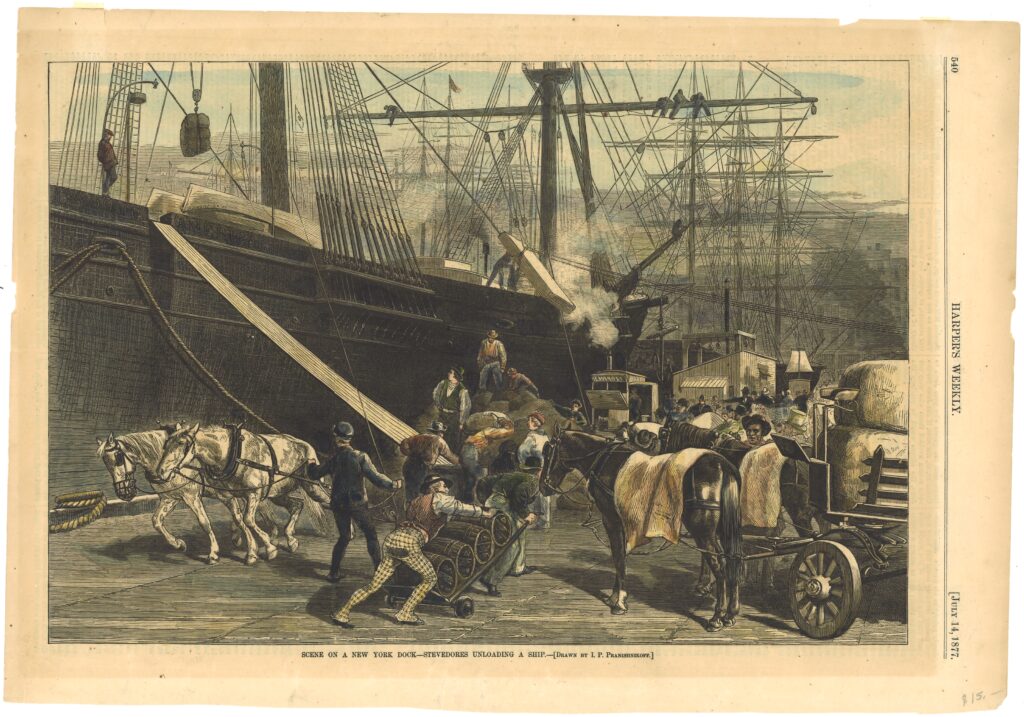
239. Dock Worker – In history, dock workers were often the people who unloaded a ship’s cargo. But being one wasn’t smooth sailing, especially if you’ve seen On the Waterfront. First, every day began with men gathering in a semi-circle at the pier in the morning, begging a hiring boss for a day’s work. Bosses chose who worked based on kickbacks, bribes, or personal favoritism, leaving older or outspoken men to starve. If you were lucky, know that hours were often feast or famine. So it’s possible to work a grueling 16 hours and have no work for the next two weeks. Second, dock workers had to move hundreds of tons of cargo entirely by hand or with weak ropes and steam-winches. This cargo could comprise of timber, bags of grain, and barrels. Third, workers were routinely crushed by falling crates, dropped cargo nets, or slipped on wet, slick ship decks. Fourth, shoveling bulk materials like coal or grain meant breathing toxic dust ruining lungs with zero protective gear provided. Fifth, pay was low and erratic, forcing families into deep poverty and debt. Sixth, workers were sometimes paid in tokens or forced to spend their meager cash at high-priced company-run boarding houses and pubs. Lastly, port bosses deliberately pitted different racial and ethnic groups to prevent union organizing and higher wages. Although you could say the same about bosses in other industries at the time.
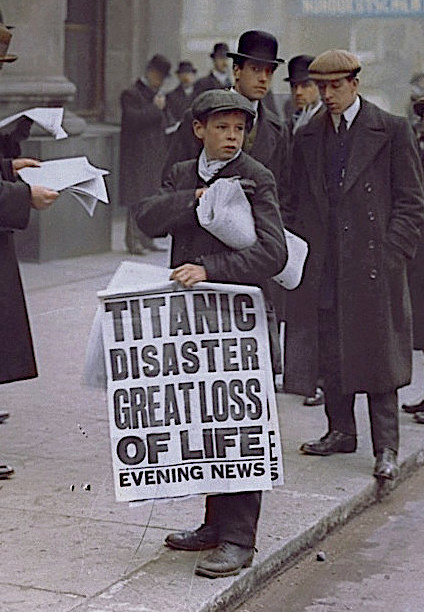
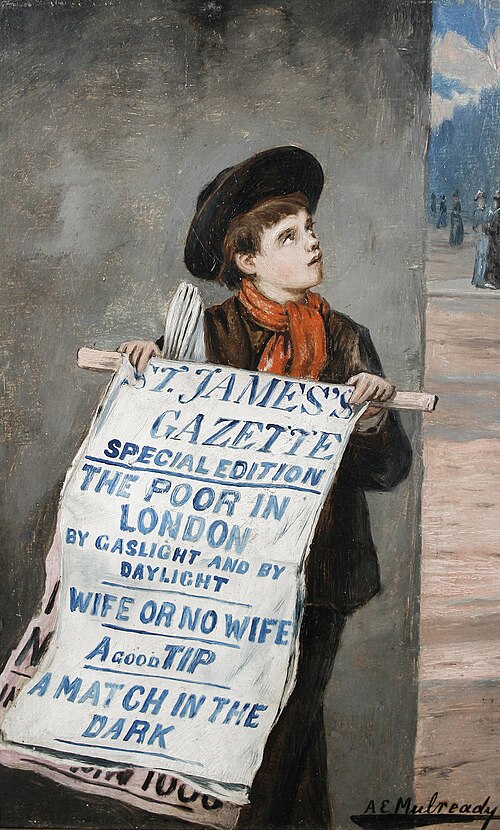
240. News Boy – Compared to most child labor jobs back in the old days, news boy doesn’t really seem very bad since it involves promoting and delivering papers. But if you’ve seen Newsies, it’s clear that these boys didn’t have it so great despite not being in as much danger as their peers (especially the chimney sweeps). First, children as young as 4 or 5 worked long, exhausting hours in all weather conditions from freezing winters to scorching summers, often without proper shoes or warm clothing. Second, carrying heavy bundles of papers resulted in chronic physical ailments, curved spines, sore throats from screaming headlines, and stunted growth. Third, meager earnings meant frequently skipped regular meals. Fourth, selling on a busy chaotic city street meant dodging speeding horses, carriages, and early automobiles or “flipping” moving streetcars to catch customers, leading to frequent injuries and deaths. Fifth, newsies faced daily threats of getting robbed, beaten by older street toughs or rival gangs, and harassed by police. Sixth, grueling schedules forced children to drop out of school, trapping them in a long-term cycle of poverty and illiteracy. Seventh, newsboys had to buy their newspaper bundles upfront from publishers with their own meager cash. If they couldn’t sell papers, they absorbed financial loss instead of the publishers. Lastly, publishers like Joseph Pulitzer and William Randolph Hearst hiked the wholesale price of paper bundles during the Spanish-American War, squeezing children’s profits down to pennies a day and resulting into historic uprisings like the News Boys’ Strike of 1899.


