
Although we often see the gig economy as a recent invention, it’s hardly anything new. Hobos traveled cross country from job to job during hard economic times. Mercenaries went from war to war fighting for whoever paid them. Some women did other people’s laundry in their homes. Anyway, perhaps many have imagined themselves as composers or opera singers? How about as humble potters and weaver. In this post, here are ten more historical jobs and their dark realities.
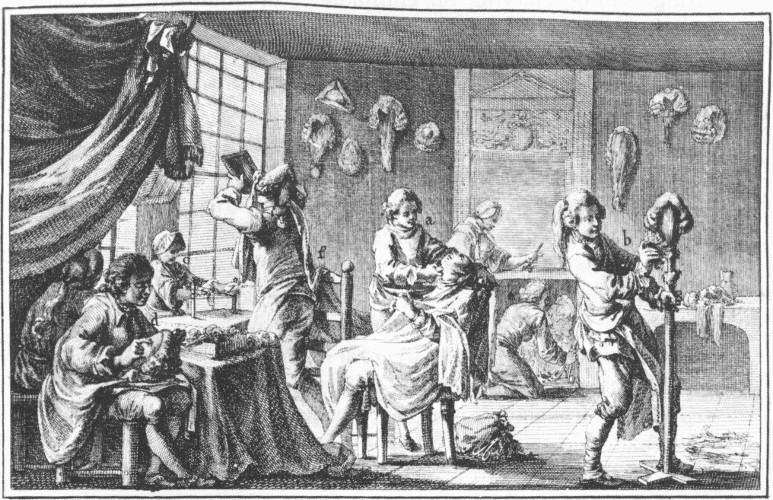
151. Wig Maker – The 17th and 18th centuries were high time for wigs with anyone who’s able to afford one getting one. Yet, what about the guy who made these crazy contraptions? Well, it wasn’t quite hair-raising as you might assume. First, since good hair was difficult to come by, wig makers often scoured the countryside. They often bought locks from poor rural women willing to part with their vanity for quick cash, or from tanners and dealers who collected hair from morgues and battlefields. Second, to style the hair and keep its shape, wig makers heavily relied on animal fats like beef suet, lard, or bear grease. They’d then coat the sticky hair in heavily scented powders made from good starch and flour. Third, combine these animal fats with horrendous Cavalier years’ personal hygiene habits, the wigs quickly soured. Making wig makers battle the constant smell of rotting grease and sweat, often having to saturate the hair in overpowering flower or herb scents to mask the odor. Fourth, to get those tight curls, wig makers shaped the hair over clay blocks or wooden pegs, cover them in a thick paste of flour, and “bake” them in a bakery oven or specialized stove to set the curl. This was a delicate, hot, and highly combustible process. Didn’t help that curls were all the rage in 17th and 18th century hairstyles. Lastly, wearing wigs at the time was a way to hide conditions like syphilis and severe lice. Naturally, wig makers had to handle and maintain infested hair. Servants or wig makers themselves had to delouse, dirty, bloody, or pest-ridden wigs. On the bright side, this was a highly respected, heavily sought-after trade. Since a high-end wig could cost the equivalent of a common laborer’s weekly wages.
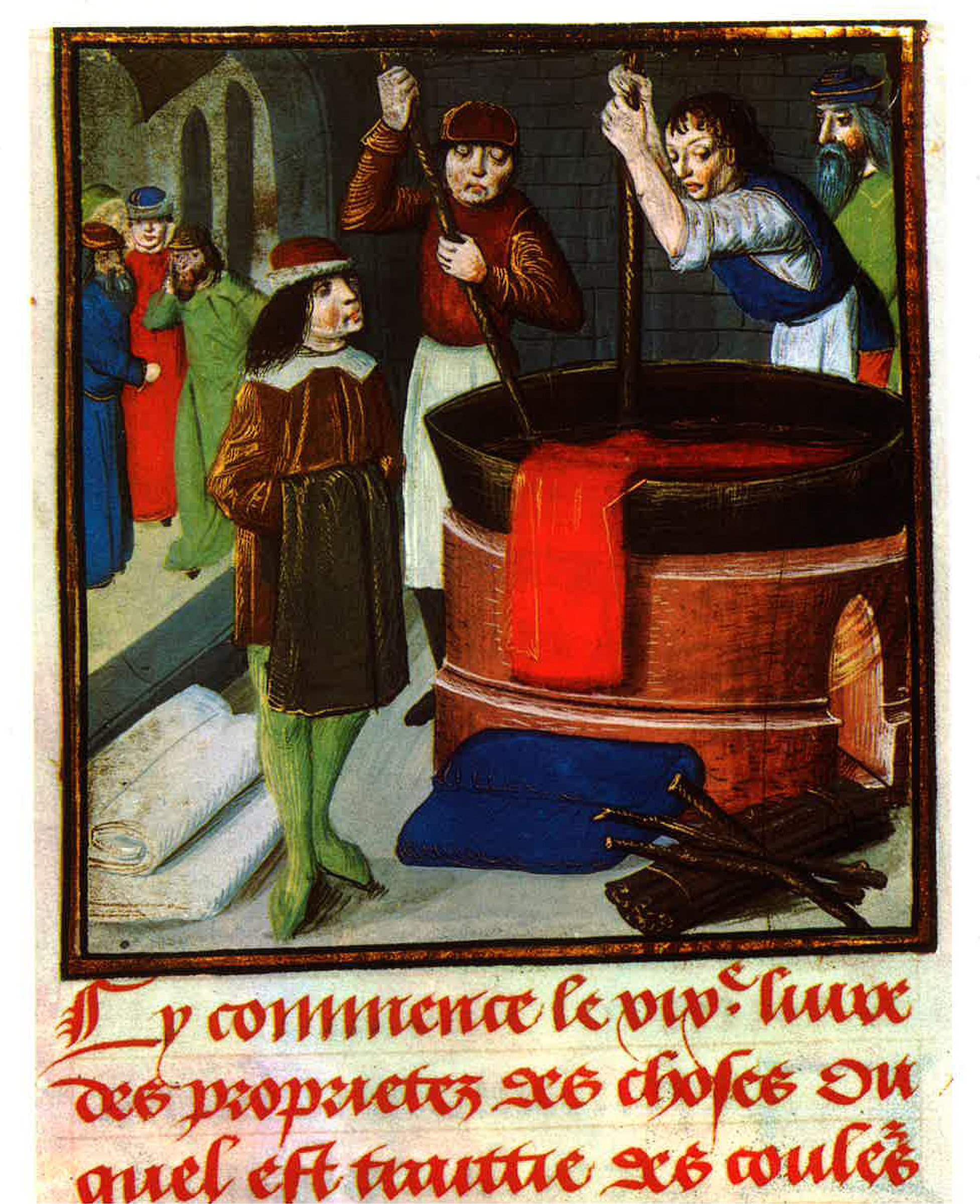
152. Dyer – Throughout historical media, you often see people decked in rather colorful clothes. Yet, none ever think how they came into those fabrics. Nonetheless, for much of history, being a dyer was considered one of the worst and most miserable professions. First, the ammonia found in stale urine was universally used as a mordant to help bind dyes to the fabric. Dyers fermented massive vats of it, and in the case of indigo and woad, fabrics were soaked in vats of rotting human urine for days. Due to the unbearable smell of toxic runoff and fire hazards, dyers were legally forced to the outskirts of towns or banished to the edge of rivers. Dyers’ hands, nails, and clothes were permanently stained the color of whatever they worked with at the time. Those specializing in black, brown, and blue dyes carried those colors on their skin for life. Second, dyers required mordants like arsenic, lead, and tin to set properly. Working directly with these substances over boiling pots led to heavy metal poisoning, respiratory issues, and severe health problems. Woad, the plant often used to make blue, required intense processing forcing workers to inhale airborne particulates that caused illness. Didn’t help that the work involved lifting giant, soaking wet fabric, constantly stirring boiling vats, and standing in wet, unventilated rooms. Third, because dyers seemed to magically transform drab, dull wool into vibrant, unnatural colors, they were often viewed with heavy public suspicion. Sometimes they’d be suspected as practicing witches. Despite producing fabrics that the upper class used to show off their wealth, dyers were typically treated as low-class members of the community and were excluded from elite merchant guilds from many cities. While heating vats of flammable acids, oils, and botanicals meant dye houses frequently burned down. Lastly, if a dyer miscalculated the water temperature by even a few degrees, the dyer would fail to set evenly, or the fabric would felt and be ruined. This instantly destroyed the merchant’s expensive raw materials, putting the dyer in deep debt.

153. Coal Miner – Although the job as coal miner was certainly no picnic, people have no idea how much it sucked during the Gilded Age or earlier when worker’s rights and safety regulations were practically non-existent. Especially when you account for how conservatives in the US seem to nostalgize over the profession (mainly because they come from rather economically depressed areas in Appalachia). First, miners faced constant threats of cave-ins, toxic gas exposure, and explosive coal dust. Before modern safety regulations, over 95,000 miners died in the US between 1900 and 1950 alone. Second, breathing heavy coal dust every day resulted in pneumoconiosis (black lung). This condition permanently damaged lungs, leading to a lifetime of agonizing wheezing, coughing, and premature death. Third, in many areas of the United States, coal miners lived in isolated, company-owned towns. The company owned their housing, tools, and the local general store, often paying them in company “scrip” instead of actual US currency. This kept miners in a continuous cycle of debt, making it impossible to quit or leave. Oh, and should miners die or suffer disabling injuries, the company would likely evict his family and leave them destitute. Fourth, mining was extremely physically demanding. Miners spent long 10-12 hour shifts hunched or crawling in narrow, damp, and dark tunnels swinging pickaxes, and hauling heavy carts by hand. Lastly, young boys (some as young as 9), worked the mines as “breaker boys,” sitting for hours in the dark, dusty conditions separating rock from coal, permanently damaging their hands and lungs. In some places in the US South, coal mining was done by convict labor who had poor food rations, cramped sleeping quarters, and inadequate health care. Violent convicts bullied and abused weaker ones. Physical punishments for not meeting coal collection quotas included whippings, being tied up and tossed into solitary confinement, and water torture. Shackles, chains, and other methods were used to prevent escape. Oh, and if anyone complains about the conditions and decides to go on strike, well, expect company town eviction and armed retaliation.
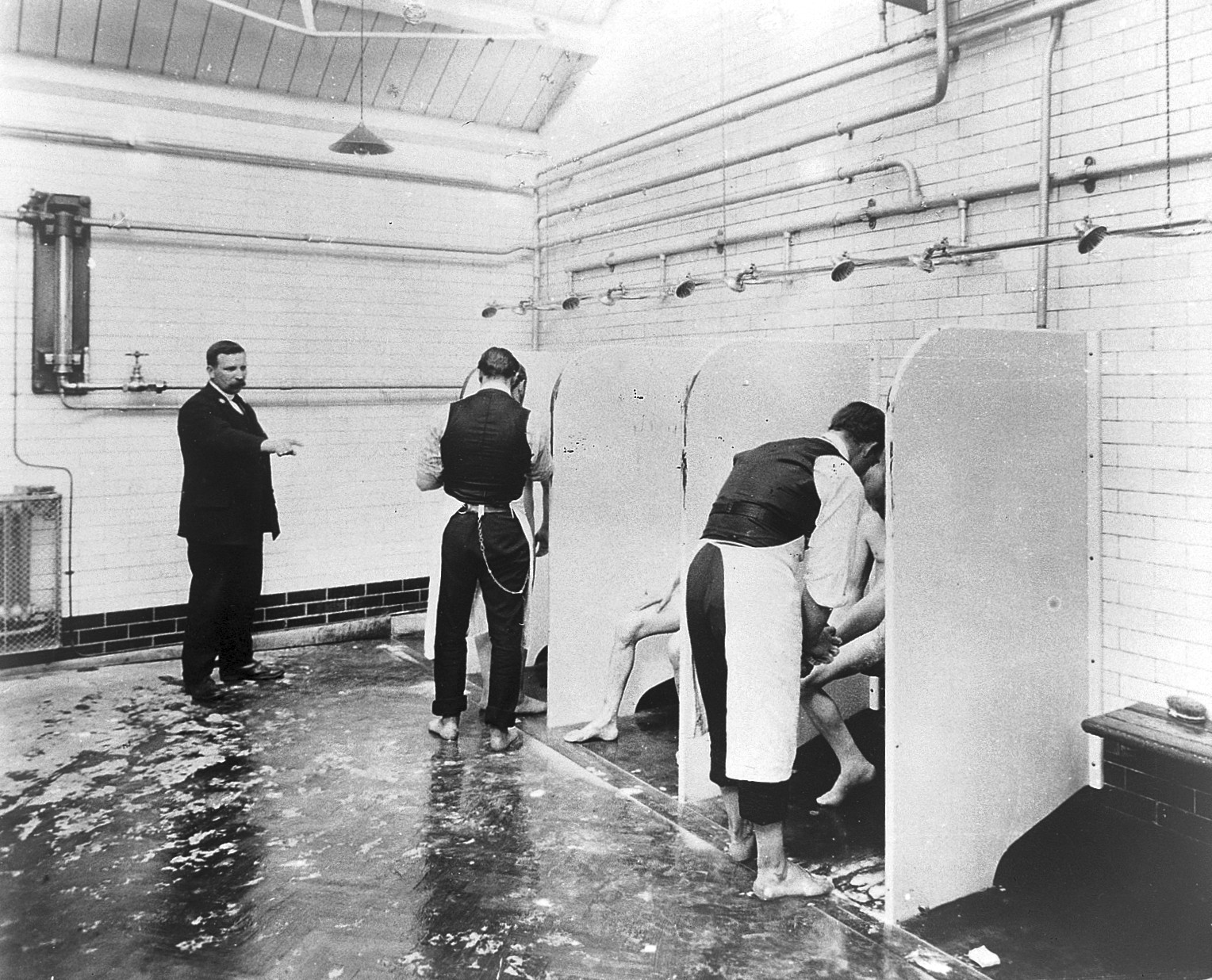
154. Orderly – In many old movies, you often come across the hospital orderly. Often depicted as a man, no one thinks much of them. Even though it’s a profession dating all the way back to the Byzantine era. Yet, this job wasn’t the sanitary image we often see, which was more of a nurse’s aide and a janitor. First, before modern germ theory and antibiotics, orderlies cleaned infectious wounds, handled biohazardous waste, and dealt with highly contagious disease at crowded hospitals. This put them at constant risk for contracting illnesses like cholera, typhus, and tuberculosis. Second, without modern lifting devices, orderlies did all the heavy lifting in hospitals. They were responsible for carrying heavy patients, turning uncooperative individuals, and lugging endless supplies and firewood. Third, orderlies were frequently treated as glorified servants, working shifts sometimes stretching up to 90 hours a week during wartime or industrialization. Fourth, orderlies were essentially subordinate manual laborers with no medical credentials, expected to take orders from doctors and nurses while performing the absolute “dirtiest” hospital duties. Fifth, orderlies assigned to asylums were tasked with subduing, wrestling, and physically restraining combative or mentally ill patients without the benefit of modern tranquilizers or safety protocols. Finally, the job lacked social status and pay was notoriously low. Since many people in the 19th and 20th viewed orderlies as a last-resort job for the unskilled working poor.

155. Potter – When we think of pottery, we often think of those people who do ceramics as hobby. Yet, in history, being a potter wasn’t something people did to relax. Far from it. For one, glazes relied on toxic heavy metals like lead, including the bright, shiny ones used in Mesopotamia and the Middle Ages. Potters also constantly breathed in silica dust, leading to silicosis and absorbed lead, which slowly accumulated into their bodies. Lead poisoning caused neurological damage, paralysis, sterility, and even death. Second, harvesting and preparing clay without modern machinery was grueling work. Digging from riverbeds, hauling it, and wedging it by hand required incredible strength. Throwing it or coiling thousands of utilitarian pieces caused lifelong joint and repetitive strain injuries. Third, the origin of the phrase “going potty” comes from mental deterioration historical potters suffered. Prolonged exposure to toxic metal and mineral vapors during the firing process deeply affected their nervous systems, sometimes inducing, “madness.” Lastly, because early ceramics were entirely utilitarian and meant for daily wage packets or basic food storage, potters in early civilizations (like Mesopotamia or Rome) were mostly viewed as low-class laborers instead of artisans. Since it was a trade driven by relentless demand and low profit margins.
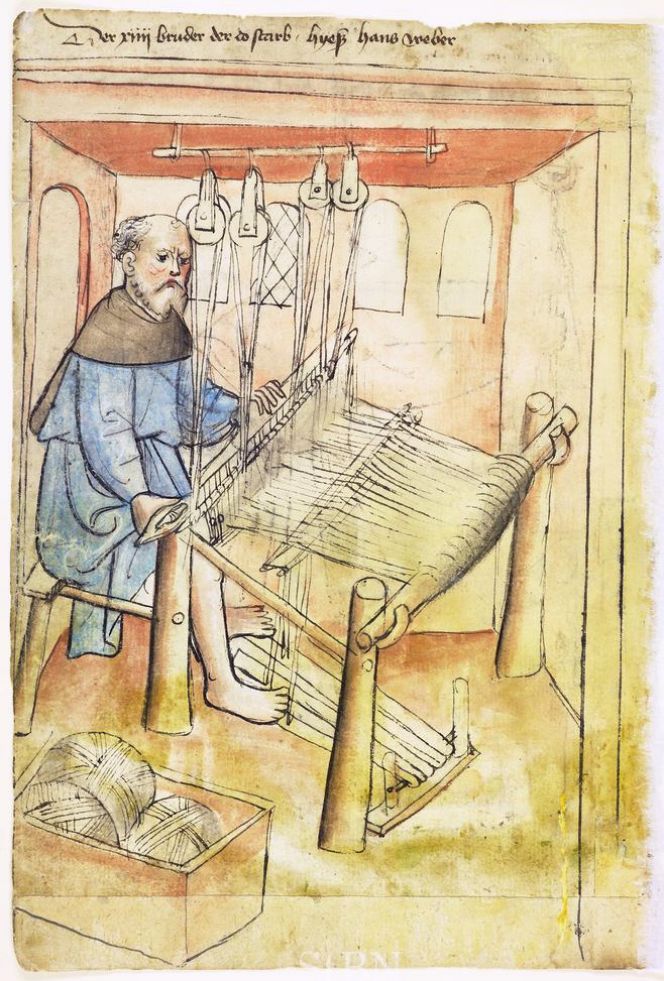
156. Weaver – To many, weaving is a cozy, rustic hobby. However, in history, it was an exhausting and dangerous grind. For one, in textile mills, weavers used their mouths to suck the thread through the shuttle’s eye to thread the loom. This disgusting, repetitive habit known as “the kiss of death” rapidly spread tuberculosis through weave rooms, as a single infected worker could contaminate an entire space. Second, weaving required hunched, contorted postures for 14-16 hour days. Operating heavy treadle looms battered the weaver’s joints, causing severe back pain, respiratory problems from inhaling airborne lint, and even physical deformities in the spine and hips. Third, weavers were often trapped in cycles of debt. During the British colonization of India, agents (gomasthas) strictly supervised local weavers, forcing them to exclusively sell to the British at below-market while forcing them to buy materials at inflated prices. Fourth, when working from home, weavers had to operate in damp, poorly ventilated cellars. Moisture was necessary to keep the thread pliable so it wouldn’t snap, meaning weavers spent their days in cold, dark, and moldy environments that ruined their lungs and joints. Lastly, the invention of power looms during the Industrial Revolution (1760-1840) completely obliterated the handloom industry. Weavers who spent their lives mastering a complex, painstaking trade suddenly found themselves unable to compete with the sheer output and low cost of factory made textiles. Many of them would become Luddites because of this.
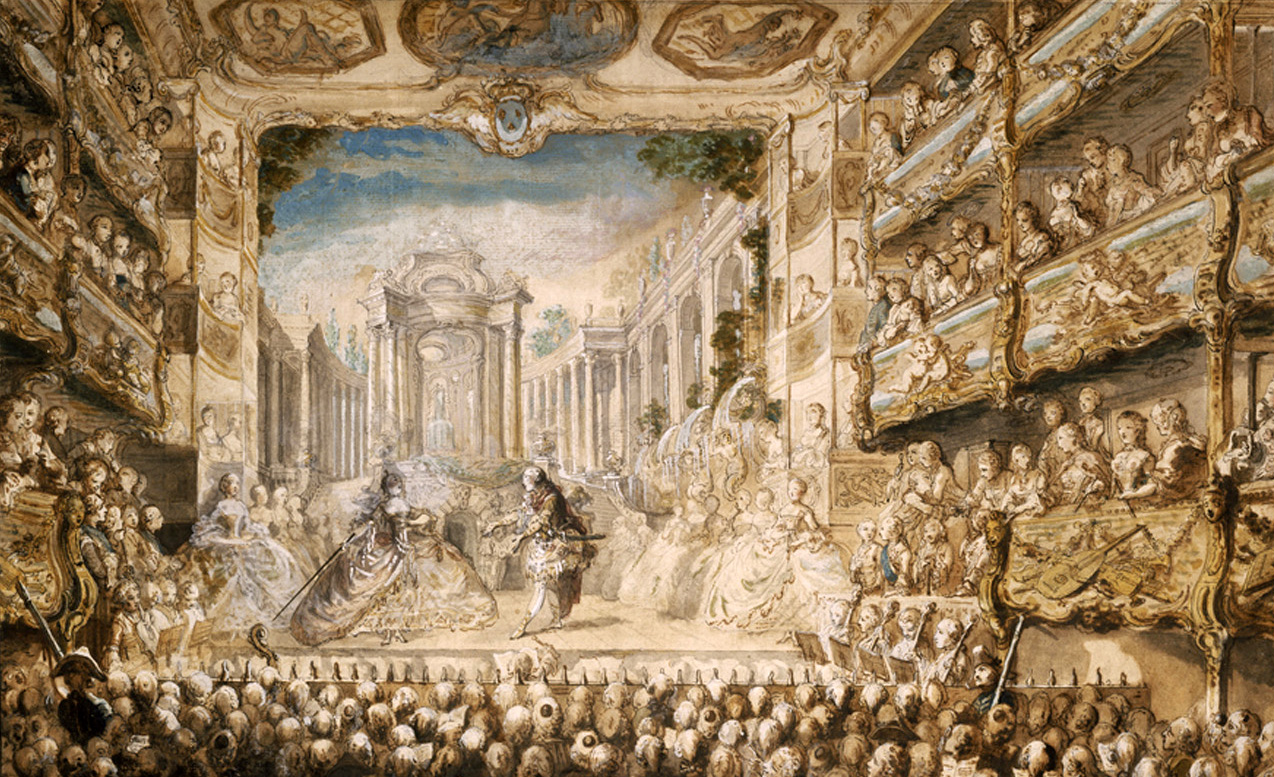
157. Opera Singer – Today opera singers are often seen as among the ultimate music artists. But when opera was in its heyday, this wasn’t always the case. For one, performers were historically viewed as public property and moral outcasts, often placed on the lowest rungs of society despite entertaining the elite. Society linked itinerant singing with promiscuity and lawlessness. This meant female singers were frequently branded with the status only slightly above sex workers. During the 17th and early 18th centuries, young boys with exceptional voices were castrated to preserve their high pitch, facing a lifetime of fascination mixed with deep social alienation regarding their mutilation. Second, singers had to force their voices to cut through massive live orchestras without microphones, leading to chronic vocal strain and premature burnout. Vocal health treatments in past centuries often included dangerous substances like mercury, bloodletting, and toxic concoctions prescribed by quack doctors. Performers also faced grueling travel conditions in unheated carriages, performing nightly regimens wrecking their physical health. Finally, lacking labor protection, opera singers entirely depended on the whims of wealthy aristocrats or theater managers who could withhold pay at any moment. While opera crowds could be notoriously volatile, ready to riot, throw heavy objects, or loudly boo performers who cracked a note or fell out of favor.

158. Composer – Today, we often view classical composers as old masters whose music can supply a year’s worth of prestige 19th century cover bands (orchestras). But the life of a composer wasn’t exactly music to anyone’s ears. For one, even successful composers like Johann Sebastian Bach and Joseph Haydn had to were treated like household staff, required to wear uniforms, and eat with the cooks. Bach had to write a brand new cantata for every single Sunday church service, leaving him no rest. Especially since he’d eventually have a total of 20 kids within 2 marriages. Not to mention, having other things to do like teaching music during the day. While princes and kings could fire composers or ban their music on a whim if a piece sounded too complex or modern. So if it ain’t Baroque, that might be a problem. But certainly no problem you can’t Handel. Then there’s the fact modern copyright regulations are non-existent. So anyone could copy, sell, or change a composer’s sheet music without paying them a single cent. Poor health was treated with bleeding and toxic mercury treatments. And no, neither made Robert Schumann’s mental health issues or Beethoven’s deafness any better. While many great composers died young, broke, or exhausted from overwork and untreated infections. Wolfgang Amadeus Mozart died from what was likely a sudden illness at only 35 with outstanding debts (though he wasn’t buried in a pauper’s grave). Franz Schubert died at only 31 just as his career was taking off from what was likely typhoid, though some suspect syphilis. Felix Mendelssohn died at only 38 after a series of strokes, possibly fueled by nervous problems (seizures) and overwork, leaving a wife and 5 kids. Frederic Chopin died at 39 officially from tuberculosis but he had been in bad health since his childhood. Yet, historians even debate his cause of death, too. While Robert Schumann died in a sanatorium of pneumonia at only 46. But at least composers left such beautiful music for the masses. Yes, but keep in mind that Bach’s music was almost lost until the 19th century when Felix Mendelsohn rediscovered it for the masses. Seriously, ending up famous and rich like George Frederic Handel was often the exception than the rule.
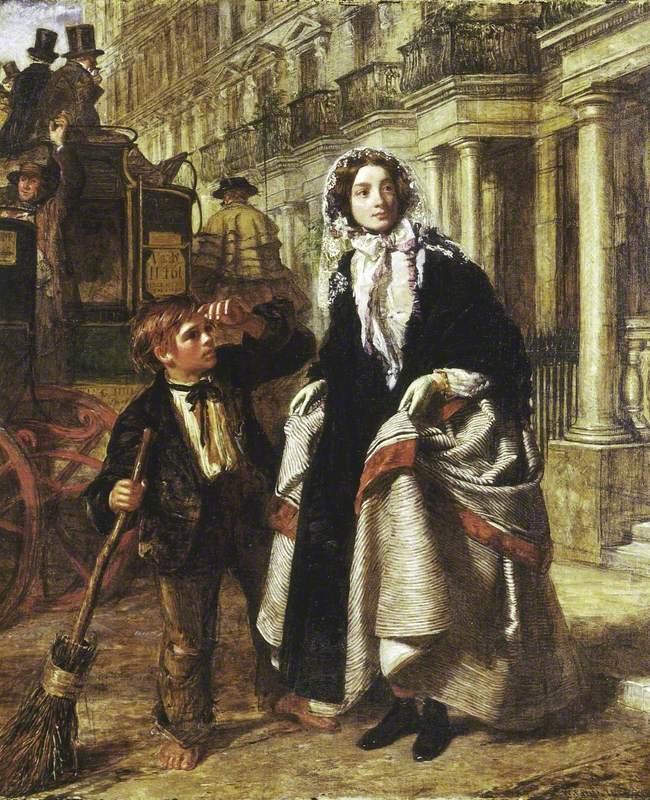
159. Street Sweeper – In historical movies and TV shows, the streets are often immaculate whether the setting be a cobblestone village path in Europe or a dusty street in the American West. Somehow this makes a street sweeper seem like a guy with super-speed powers. Yet the reality wasn’t a clean sweep. First, in the days before cars, thousands of working horses, oxen, and farm animals dropped tons of manure onto city roads daily, which required shoveling by hand. Gutters doubled as sewers filled with rotting food, dead animals, and the contents of household chamber pots. While heavy coal ash, soot, and chemical runoff coated paving stones during the Industrial Revolution. Second, unsurprisingly, workers faced high rates of fatal infections like cholera, typhoid, and tetanus from exposure to biological waste. Breathing in thick clouds of dried horse manure, dust, and coal particulates caused chronic and fatal respiratory illness. Manual sweepers worked directly in unpaved or cobblestone streets amid unpredictable, fast-moving horse-drawn carriages and early automobiles without safety gear. Lastly, municipal and independent sweepers barely earned enough to survive, leaving their own families hungry while cleaning wealthy neighborhoods. Informal “crossing sweepers” (often the poorest workers or children) were seen by society as barely better than beggars, relying completely on unpredictable tips from rich pedestrians.

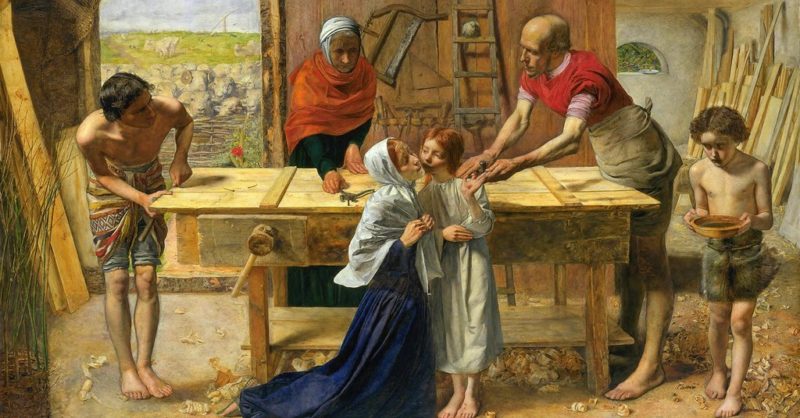
160. Carpenter – In historical settings, a carpenter seems like a rather good paying benign job. But historical carpenter often didn’t have it so easy, especially since they spent most of the past without power tools. First, every board had to pit-sawed by hand (this involved one person standing in a pit covered in sawdust, the other on top) or shaped entirely with heavy hand planes and adzes. Splinters, severe ax wounds, crushed fingers from heavy timber framing, and eye damage from flying wood chips were a constant part of the carpenter life. While working at dangerous heights on scaffolding made from tied-together poles and frayed ropes meant a single slip could result in death or permanent disability. Second, lifting massive green (wet) oak or pine timber beams without cranes or hydraulic elevators wrecked backs, knees, and joints before a carpenter reached middle age. Since work was mostly outdoors or in open-air frames exposed to freezing winters, pouring rain, and scorching summer heat. While sharpening heavy iron and steel hand tools took hours of grueling grindstone work after a 10-12 hour workday. Finally, many carpenters were poorly paid, sometimes in food, land use, or trade goods rather than in actual coin, making it difficult to pay taxes and debts. Training started in early youth as an unpaid or low-paid apprentice, enduring years of strict servitude under a master craftsman just to learn the trade. While work was entirely seasonal and project-based. When winter hit or a local community’s money dried up, carpenters faced immediate poverty.


