

What’s astonishing about many of these old jobs is how dangerous many of them could be before safety gear, regulations, and labor rights. If you worked near a furnace, you’re likely to inhale toxic fumes, be prone to so many deadly accidents, and likely not live past the age of 50. If you worked with cloth, expect back and joint pain and respiratory problems. While dyers often worked with flammable chemicals that often burned down their shops. Anyway, it’s likely that many of you would fancy yourselves as the town crier at some point. Or perhaps make medieval armor. Or even drive some rich person as a chauffer during the early 20th century. Here are ten more historical jobs and why they weren’t as great as portrayed.
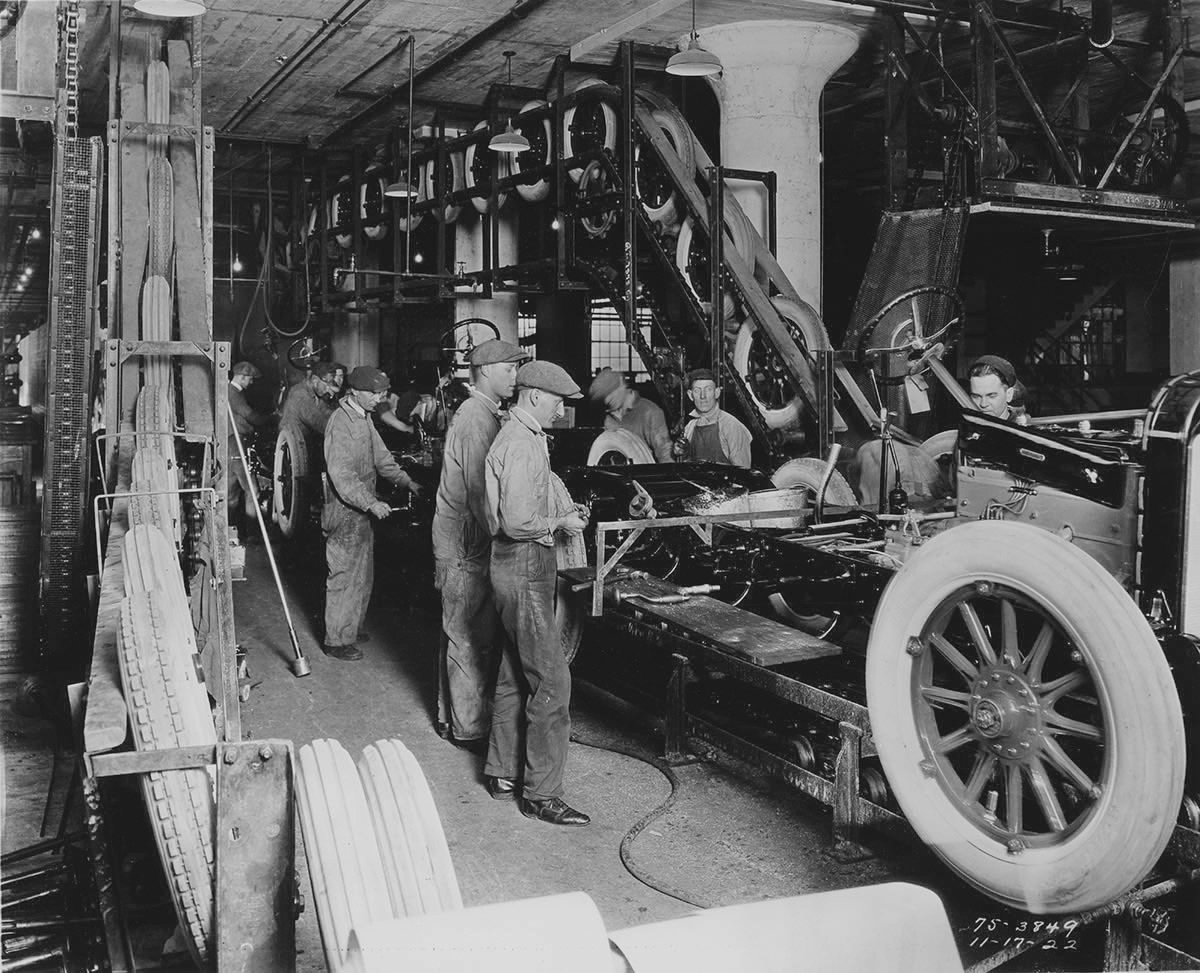
171. Auto Worker – Sure, being an early auto worker seems like a job people would move to Detroit for, especially since Henry Ford’s facility promises a living wage. However, building Model Ts all say wasn’t all that it’s cracked up to be. Or why someone like Walter Reuther existed as Ford’s nemesis. First, workers faced fast, heavy equipment causing frequent crush injuries, cuts, and burns. Factories were also filled with paint fumes, metal dust, and smoke ruining eyes and lungs. While constant heavy lifting and rigid postures led to broken bodies and lifelong joint pain. Second, workers did the exact small task thousands of times a day. Bosses constantly made assembly lines move faster, leaving no time to rest or catch a break. While workers felt like robot parts instead of creative craftspeople. Third, economic drops meant workers losing their jobs overnight. While high stress bred intense anger and violence on the shop floor between workers and bosses. And note that Henry Ford loathed unions.

172. Telegraph Operator – Before telephones were invented, telegraph was a major way of communication throughout much of the 19th century. But operating one of these wasn’t just sitting at a desk clicking Morse code and transcribing messages. First, tapping in Morse code thousands of times a day caused a painful repetitive strain injury, similar to modern carpal tunnel syndrome. Operators also suffered from constant mental exhaustion and hearing strain from listening to clicking sounders in noisy stations for hours. Second, railroad operators controlled single-track train movements via key clicks, a single mistranslated dot or dash could cause a head-on collision. Speed was everything. Operators were strictly judged on how fast and accurately they could clear heavy message backlogs without stopping. No pressure. Lastly, operators or linemen had to venture out in pitch-black nights, storms, or war zones to fix snapped wires, risking electrocution, falls, or gunfire. While many worked long, lonely shifts in remote, drafty depots with minimal pay and little room for upward mobility.

173. Radio Operator – In 20th century war movies, you’d often find a man at the radio trying to give feedback as bombs drop everywhere. You may also find a radio guy on the ship as well. However, a radio operator’s life wasn’t as glorious in a war zone. First, enemy forces were specifically trained to spot and kill radio operators first to blind a unit calling in artillery, air support, or medical evacuations. Second, large whip antennas made obvious visual markers, drawing heavy sniper fire, mortar shells, and explosives right onto the operator’s spot. Third, operators had to stick close to commanders to relay orders, resulting them sharing the highest-risk footprint on the battlefield. Fourth, carrying bulky backpacks added 25-30lbs of extra weight on top of standard combat loads. Fifth, commercial maritime operators spent months isolated from family aboard ships with no outside communication except scratchy, delayed telegrams. Finally, early vacuum-tube gear ran dangerously hot and broke down constantly in humid and freezing conditions, requiring operators to manually troubleshoot complex wiring circuits under pressure.
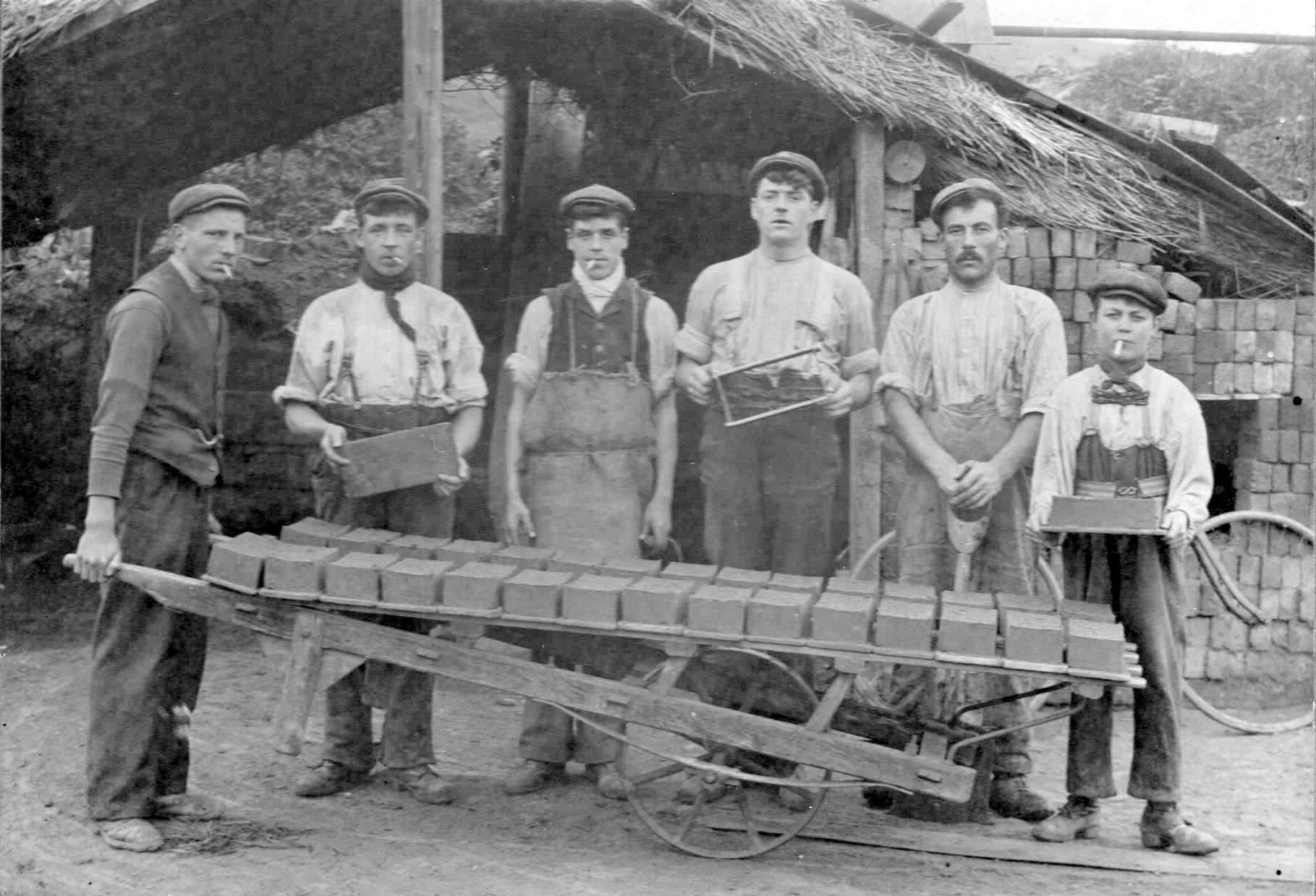
174. Brick Maker – In historical films, books, and movies, you often see beautiful brick houses. And you never get to see the people who make them. But their lives often weren’t well stacked or laid. First, brick makers spent hours knee-deep in pits, trampling heavy clay and mud mixed with sand or straw by foot. Molding and moving took thousands of wet, heavy bricks by hand every day destroyed backs and wrists. While much of the grueling work in historical brickyards was offloaded to enslaved people, convicts, prisoners of war, or the poorest class of indentured laborers. Second, workers constantly inhaled thick clouds of fine silica and brick dust, leading to chronic lung disease and silicosis. Third, tending to primitive kilns and clamps meant enduring extreme, dehydrating heat for days on end during the firing process. Lastly, burning wood, coal, or coke inside poorly ventilated setups exposed workers to heavy smoke and toxic combustible gases.

175. Garment Worker – Many may admire the costumes of period dramas based in the Gilded Age. Yet, many have little idea on the people who made them. First, workers routinely toiled a 56-70 hour workweek, often stretching from early morning to late at night, especially during peak fashion seasons. Second, instead of by the hour, workers were strictly paid in piecework, which only amounted to pennies per day and less than $5 a week during the early 1900s. To make matters worse, bosses routinely docked meager pay through arbitrary fines for showing up a minute late, talking, or minor “damage” to the fabric. Third, cramped, poorly lit apartments doubled as both living quarters and production workshops, spreading diseases like tuberculosis. Fourth, sewing machine needles punched through workers’ fingers in the rush to meet strict quotas and lint-filled air ruined lungs. Fifth, factory doors were often locked from the outside to prevent unauthorized breaks or union organizers, leading to catastrophic disasters such as the 1911 Triangle Shirtwaist Factory Fire where 146 workers died, mostly immigrant women and girls. Sixth, verbal and physical abuse was common, and young immigrant women faced severe gender-based intimidation, harassment, and exploitation. Lastly, young children worked long hours in hazardous conditions instead of attending school, resulting in many being maimed and killed.

176. Paper Maker – For centuries, paper has been the material we write and print information on. But we often have no idea about those who made this crucial resource that’s shaped daily lives for over millennia. And their lives weren’t quite paper-made so to speak. First, workers sorted through discarded clothes collected by rag pickers off the streets. These textiles often carried filth, bodily fluids, and deadly contagions like smallpox or plague. To break down cotton and linen fibers, rags were packed into large vats with water and lime to ferment for weeks, creating an overpowering stench of decay where roughly 1/3 of the material rotted into a foul sludge. Second, finding enough cloth was a constant crisis. Mills faced sever deficits leading to “rag wars” and smuggling networks, forcing paper makers constantly hunting for worn-out scraps. Third, paper mills had to be built directly over fast-moving streams or rivers for water power, meaning workers spent long shifts in freezing, damp rooms, constantly handling icy water. Fourth, workdays weren’t measured by standard hours but by strict quotas of paper posts. Slow paper makers had to keep working by dim candlelight into the night. Finally, boiling, bleaching, and handling caustic lime to break down fibers ruined workers’ skin, burned their hands, and filled their lungs with caustic dust and heavy steam.
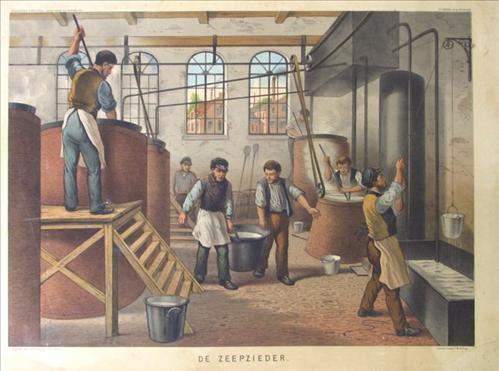
177. Soap Maker – Soap has been an essential component in human hygiene practices since ancient times. But making it wasn’t squeaky clean. In fact, it was a rather dirty and stinky business. First, soap makers used leftover, rotting kitchen grease or unrefined tallow from butchered animals that reeked before the cooking even started. Second, to get the alkaline base, workers bleached water through caustic wood ashes, handling a harsh chemical burning skin and blinding the careless. Third, boiling vats of rotting fat and caustic ash produced a vile, choking odor forcing soap houses to the edge of town. Fourth, batches required 6-8 hours of continuous heavy stirring over blazing open fires in massive, boiling kettles. Splashes from the boiling lye-fat mixture caused severe, blistering chemical and heat burns. Naturally, this was heavy, unglamorous domestic or low-class labor with absolutely no modern safety gear or ventilation. Fifth, in places like 18th century Great Britain, heavy luxury taxes on soap led to intense government surveillance, locked equipment, and mandatory minimum production quotas of one imperial ton per boil. Lastly, independent or small-scale soap makers faced severe fines or enforcement if they tried making or selling goods outside strict guild or tax laws.
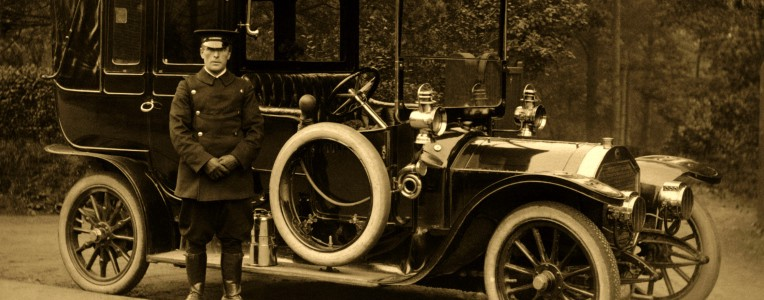
178. Chauffeur – Being a chauffeur in a period drama seems like a cushy deal whether you’re driving Miss Daisy or romancing your boss’s daughter before attempting to eloping with her. Yet, the chauffeur life was anything but a smooth ride. First, early cars constantly broke down. A 1903 Cadillac advertisement joked that you bought a “round trip” meaning it might get you home before failing. Drivers had to preheat engine cylinder heads using dangerous “hot tubes” before the car could even start. While fixing solid rubber tire punctures and roadside engine failures meant working covered in grease, coal dust, and oil in all weather conditions. All of this makes one wonder how Branson was able to carry a romance with Sibyl on Downton Abbey. Second, hand-cranking a stubborn engine frequently resulted in severe backfires, breaking wrists, and fractured arms. Early unpaved roads turned into deep, impassable mud pits, requiring exhausting physical labor to dig vehicles out. While the earliest cars didn’t come with features like windshields, heaters, or enclosed cabs, leaving drivers exposed to freezing rain, snow, and scorching heat. Third, the word chauffeur originates from the French word for “heater-upper” or stoker, reflecting they were originally treated like industrial boiler workers. Chauffeurs also occupied an awkward middle ground: expected to act as deferential household servants while possessing specialized technical skills that their wealthy employers didn’t understand. They also faced intense public and media hostility during the “chauffeur problem” era of 1903-1912. They were unfairly blamed for road chaos while their employers squeezed their wages and demanded 24/7 availability.

179. Town Crier – You often see this guy ringing his bell in town and given news of the day within the market square. But although this seems like a rather easy gig, it was anything but. First, shouting “Hear ye!” all day in loud market squares ruined vocal cords. Second, if you’re on night duty, you also had to patrol the streets, chase criminals, and put out fires. Think about it as being both a nighttime beat cop and firefighter. And if ambulances existed, you’d probably be on paramedic duty, too. Third, criers stood outside and yelled in freezing rain, snow, and mud because microphones and speakers didn’t exist yet. But one would think they’d at least invent some rudimentary bullhorn to yell through. Fourth, criers had to announce tax hikes, bad laws, and executions. Even though hurting them was considered a crime, angry crowds still yelled at or threw things at them. To make matters worse, people actually paid criers to shame their enemies, neighbors, or cheating spouses, landing the crier in the middle of nasty personal fights. Fifth, mist criers often made very little money and had to take other jobs just to survive. Lastly, the job disappeared once cheap newspapers and radios let people read or hear the news themselves.
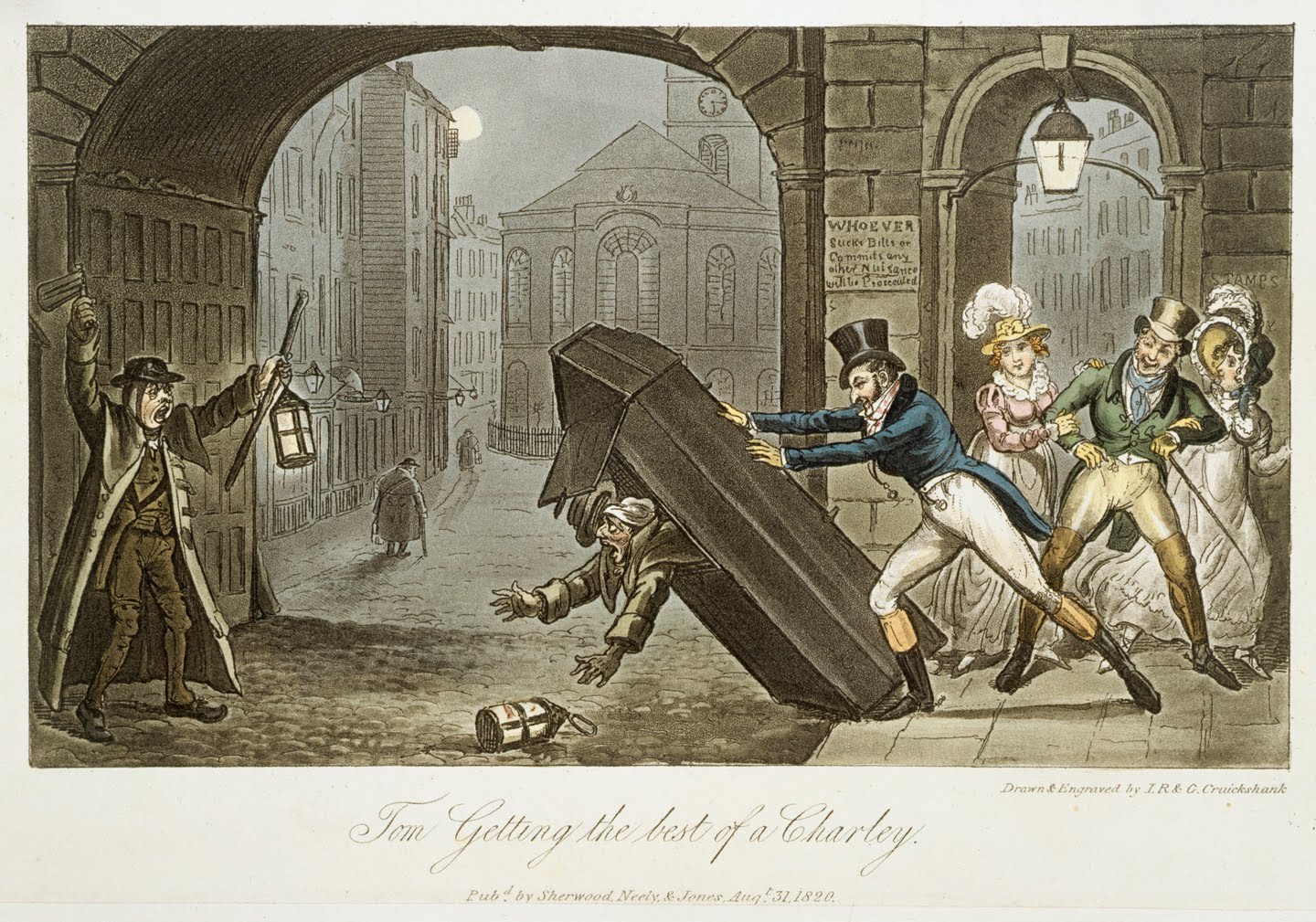
180. Night Watchman – Night watchmen always seem to be the friendly neighborhood night cop on the street in old movies. In real life, the job was far from quaint and one that didn’t bring respect it deserved. For one, patrolling unlit, muddy streets alone meant facing violent criminals, cutthroats, and rabid animals armed with little more than a wooden club or lantern. Second, the job sat near the bottom of the social ladder, often considered one step above a grave digger or executioner. Third, wages were so low or the work was so uncomfortably conscripted that only the most desperate people took the job. Fourth, watchmen earned a widespread reputation for being elderly, incompetent, or drunk on duty, making them the butt of endless jokes in plays and local town gossip. Lastly, the job required one to spend all night exposed to freezing winter cold, pouring rain, and thick fog without modern thermal gear or communication devices.


