
Although it’s often assumed that married working-class women were often housewives who tended to the home and family, this doesn’t exactly tell the whole story. As you’ve seen in this series, working class women held many of these jobs regardless of marital status like laundress, spinner, camp follower, milkmaid, and more. Some even required them to have children like the job of wetnurse. While women settlers did much of the heavy lifting alongside their household duties, which gave rise to the idea of joint property ownership in the American West. Anyway, have you ever imagined yourself leading a wagon train throughout the Oregon Trail? How about a court jester entertaining royalty? Or maybe an old timey bush pilot in the wilderness. Once again, here are ten more historical professions and the dark realities behind them.
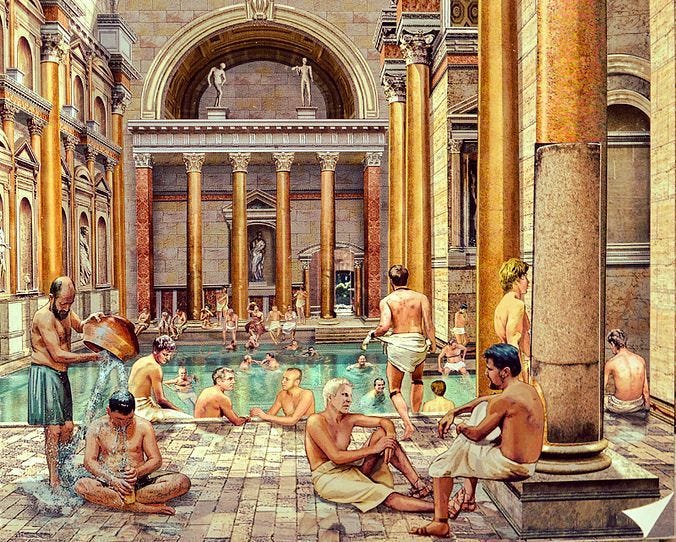
221. Roman Bath Attendant – In ancient Rome, the baths were often a major center for hygiene and socializing. However, being a Roman bath attendant was a miserable job which would make a teenager’s summer working at a public pool seem like a tropical vacation. First, workers maintained the underground hypocaust furnaces, enduring suffocating, scorching heat in cramped spaces to keep the water boiling. Second, attendants hauled massive amounts of firewood, water, and waste continuously throughout long shifts. Third, attendants used dull metal tools called strigils to physically scrape sweat, dirt, and rancid olive oil off patrons’ bodies. Fourth, bathwater was rarely changed, often turning into thick scum of skin oils, dirt, and human waste that attendants had to clean and wade through. Fifth, workers faced constant exposure to lice, intestinal worms, and fungal infections thriving on wet, warm floors. Sixth, most Roman bath attendants were enslaved people or poor laborers who had no legal rights and suffered verbal or physical abuse from wealthy, entitled bathers. Lastly, angry patrons often blamed attendants whenever their clothes or valuables were stolen from changing rooms by pickpockets.

222. Silk Farmer – Throughout much of history, silk was such a hot commodity in the western world that it led to the Silk Road as well as Eurasian trade during the Middle Ages. However, being a silk farmer was a much more brutal gig. For one, since silkworms ate constantly, silk farmers had to chop mulberry leaves day and night for weeks. Second, worm trays needed to be kept meticulously clean and warm. One little sick caterpillar could ruin an entire harvest. Third, during the final stages of caterpillar growth, families often worked in shifts through the night to feed billions of tiny, chewy mouths. Fourth, whole silkworm populations could suddenly die from bacterial or viral infections overnight, destroying a year’s income in hours. Fifth, cold snaps or wet weather ruined mulberry tree leaves, starving the worms or stunting their growth. Sixth, to harvest the continuous thread, workers plunged cocoons into boiling vats of water. These vats filled workspaces with the heavy, sickening smell of decaying chrysalis and boiling sericin glue. Lastly, reeling the fine silk required workers to plunge their hands into scalding water all day, leaving their skin raw, blistered, and scarred.

223. Olive Grower – Olives were a major industry in the Mediterranean world and olive groves are part of the pastoral aesthetic alongside vineyards. But working at a historical olive garden was nothing like working at the American restaurant chain. First, as an olive grower, you had to wait 5-15 years for newly planted trees to bear a useful crop. Thus, you often planted these trees for your grandchildren rather than yourself. Second, stripping tiny fruit by hand or beating branches by sticks took months of freezing, grueling winter labor, often stretching into spring. Third, if you couldn’t get your olives to the oil press quickly enough or if the oil oxidized in its amphorae, your entire harvest turned rancid and worthless. Finally, since mature olive trees took decades to grow, a single invading army, massive fire, or hard freeze could wipe out generations of wealth in mere minutes.
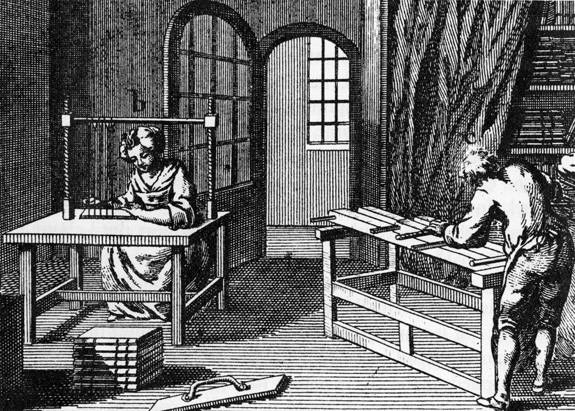
224. Book Binder – In historical settings, you’re bound to find yourself in a scene where there are massive libraries containing shelves filled with beautiful leather-bound books with gilded print. But a book binder’s life was far from a charmed one in a cozy library. First, book binders handled dangerous substances like lead, mercury, and arsenic used in pigments and inks along with corrosive acids for treating leather. Second, book binders used heavy beating hammers and screw presses for hours on end to flatten and compact paper signatures, causing chronic joint and muscle pain. Third, raw materials included animal hides (like sheep, calf, or goat skin) that usually arrived unwashed, stinking, and rife with bacteria or insect infestations. Fourth, young trainees endured years of unpaid, menial labor, often facing physical abuse from masters while sleeping on the shop floor. Sixth, despite the high skill requiring to sew, glue, round spines, and tool leather, most independent book binders earned very little. Finally, boiling animal-skin glues and scraping leather or parchment filled tiny workshops with choking fumes and dust.

225. Moneylender – In The Merchant of Venice, we find the Jewish character of the moneylender Shylock who was originally seen as the villain but ended up as the guy modern audiences usually root for. While many modern actors dream of playing him. But being a moneylender was no less different than being a glorified loan shark. For one, major religions like Christianity condemned charging any interest on loans as a grave moral sin and exploitation of the poor. While famous writers like Dante Aligheri placed moneylenders deep in the circles of hell. So it shouldn’t surprise us that many of the small-time moneylenders we see are Jews like Shylock. Still, when it comes to medieval and Renaissance Christianity in regards of moneylending, it’s complicated. Because the Knights Templar were into lending money and so were prominent families like the Medicis and Fuggers. Second, courts often refused to protect loan contracts or outright banned the trade, forcing operators into criminalized shadows. Third, powerful monarchs and nobles regularly borrowed massive sums and solved their debt problems by expelling, imprisoning, or killing moneylenders instead of paying. By the way, French King Philip IV’s inability to pay the Knights Templar eventually led to the fall of the order. Fourth, should a poor harvest or a defaulting merchant fail to repay money, the moneylender absorbed total losses with limited legal recourse. This explains why Shylock demands a pound of flesh from Antonio in The Merchant of Venice. And given that he’s Jewish in a very Anti-Semitic world as well as not exactly prospering in one of the few jobs he could legitimately hold, you don’t really blame him. Even though he’s supposed to be the bad guy. Finally, society blamed moneylenders for structural economic crashes, making them perpetual targets for pogroms, asset seizures, and state-sanctioned violence. So even Shylock may seem like a complete shithead, he has plenty to be pissed off about.

226. Court Jester – Dressed in a pied outfit with a jingles hat, the court jester was the resident comedian who could get away with saying anything as long as he was funny enough. But being a court jester was no royal banquet of nonstop laughs. First, given that free speech isn’t a protected asset, jesters needed to survive by reading a king’s unpredictable mood. One bad or poorly timed joke could instantly result in imprisonment, beating by offended nobles, or execution. So if your boss is Henry VIII, may God have mercy on your soul. Second, court jesters possessed no real rank, armor, or legal safety within the castle hierarchy, making them politically disposable when political tensions were high. Third, when royals or courts needed to vent frustration or shift blame during crises, jesters were often the first targets of abuse. Fourth, years of tumbling, performing physical comedy, and enduring stress took a heavy toll on a jester’s physical health, resulting in chronic joint and body pain. Fifth, despite being surrounded by royalty, many were chosen for unusual physical traits and treated as social outsiders, leaving them emotionally marginalized. Finally, once they grew old and outlived their usefulness, court jesters were swiftly replaced, often dying in obscurity with unceremonious burials outside stables. On the bright side, it was available for women, say things that would get most people executed, and act as political advisers.
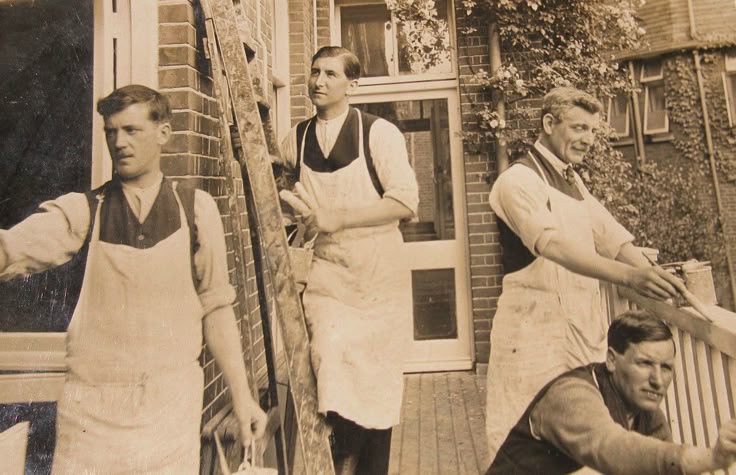
227. House Painter – Today house painting is associated with the finishing in a building’s construction. But in history, it was a dangerous profession with a constant risk of poison. First, painters ground massive amounts of toxic white lead into linseed oil, causing chronic illness known as “painter’s colic,” leading to severe abdominal pain, paralysis, and brain damage. Vivid colors like Scheele’s Green and Paris Green relied on copper acetoarsenite, shedding toxic dust sickening workers and residents alike. Second, house painters handled dry, powdered toxic pigments bare-handed and daily inhaled heavy-metal particles before modern respirators or ventilation existed. Third, since pre-mixed cans didn’t exist through most of history, house painters had to crush, mix, and grind raw materials by hand and while on-site. Fourth, scraping and burning off thick, accumulating layers of lead paint using primitive, dangerous heat tools exposed workers to toxic fumes. Fifth, painters balanced on crude, wooden planks and rickety, heavy ladders for high exterior work without harnesses or fall protection. Lastly, house painters worked entirely exposed to extreme summer heat, freezing cold, and rain while performing grueling, overhead physical labor.

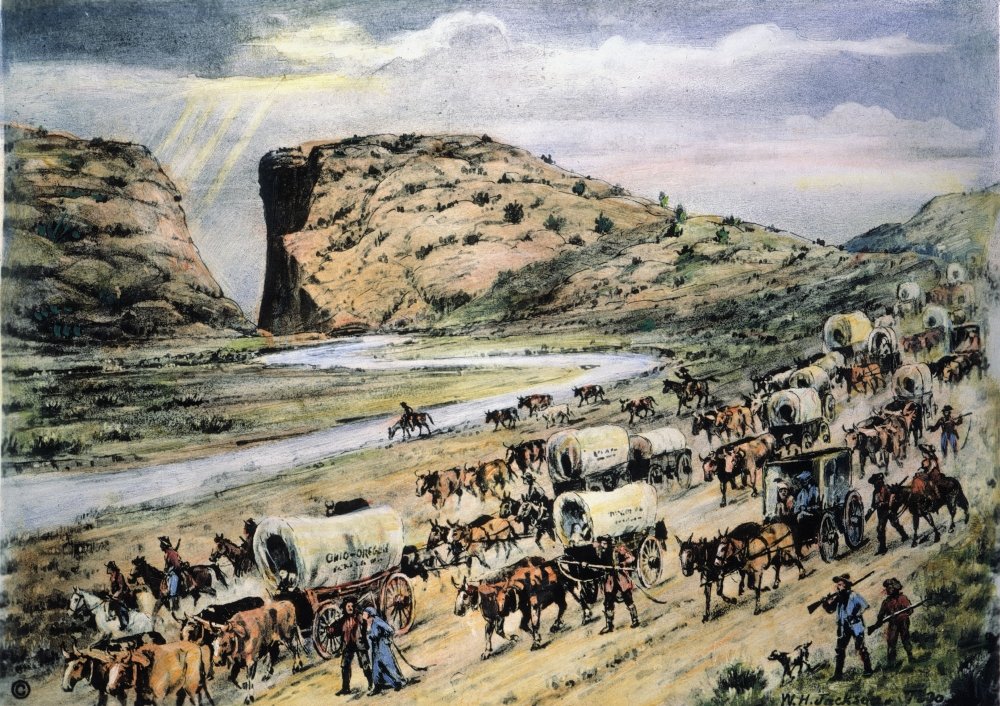
228. Wagon Master – In westerns, the wagon master always leads the frontier settlers across the west and through each danger the party encounters. But life as a wagon was anything but happy trails. First, like a ship’s captain, the wagon master’s word was law. So if you’re leading settlers across the Oregon Trail, every bad outcome, mistake, or death fell squarely on you. So best to study what happened to the Donner Party so you and your party won’t end up like them. Second, wagon masters had to be mechanics for broken wagons, veterinarians for sick oxen, a doctor for injuries, a hunter for food, and a weather forecaster. Third, they bore the stress of choosing safe routes through unknown terrain and judging treacherous river crossings. Fourth, they had to actively watch for hostile outlaws, rough weather, and dangerous terrain while protecting the group. Fifth, amongst the party, they had to constantly settle arguments, stop fights, and deal with anxious travelers. Lastly, being wagon master meant living in harsh elements, getting no real sleep, and constantly exerting massive physical effort just to keep things moving.
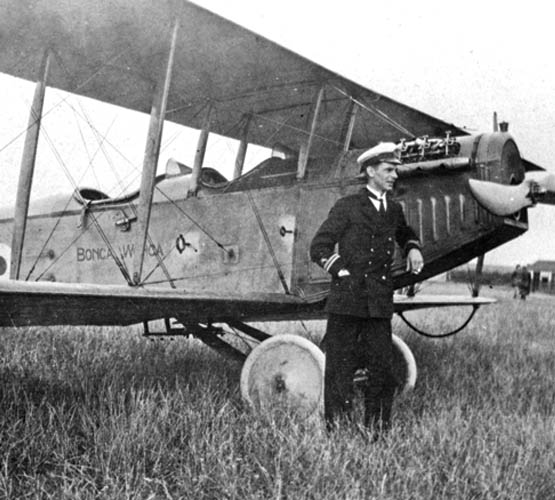
229. Bush Pilot – In many historical settings based during the 20th century, you have the bush pilot who seems like kind of a nut but always gets the heroes to the rescue zone. But being a bush pilot in the olden days was like many jobs relating to aviation, dangerous. First, early planes had weak, fragile engines that often failed. Second, bush pilots flew over vast swaths of wilderness without accurate charts and often had to sketch their own. Third, compasses wildly spun near magnetic north. Open-cockpit planes exposed pilots to freezing wind. Fourth, should a pilot crash in remote wilderness, there was no Coast Guard or search party available to save them. Fifth, bush pilots had to act as their own mechanics, fuelers, and survivalists, often fixing broken planes in sub-zero snow with no heated hangars. Lastly, beyond flying, bush pilots loaded heavy cargo, fueled the plane by hand, and managed all chores alone.
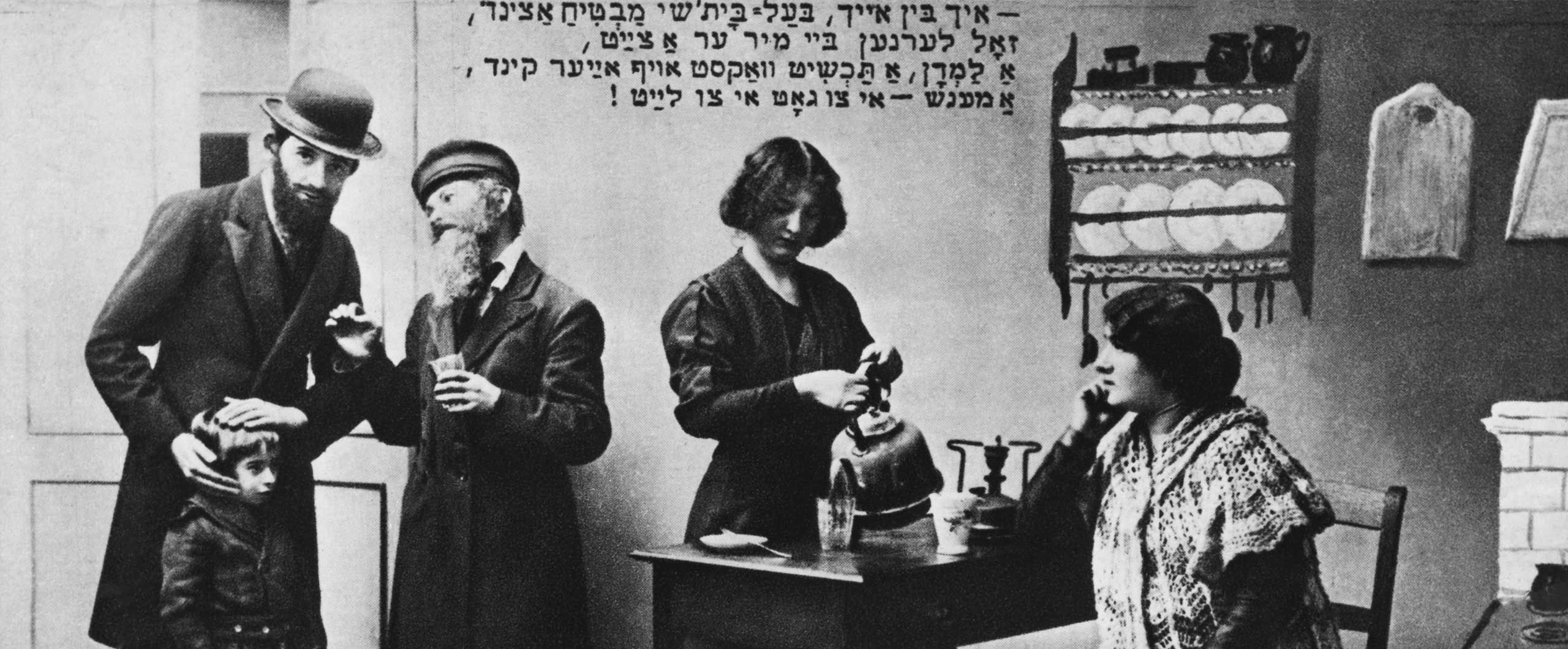
230. Matchmaker – In historical media, matchmakers are often the people who bring couples together for arranged marriages within a community. Think of Yenta from Fiddler on the Roof or the bitchy matchmaker from Mulan. But their life could be one never-ending headache. First, traveling between respective villages to inspect prospective brides and grooms meant risking attacks from highway robbers or enduring harsh weather without modern transport. Second, matchmakers had to rely on word-of-mouth, local gossip, or slow mail to vet candidates. This made falling victim to deception very easy, especially during the days without reliable mass communication, literacy, or transportation networks. Let alone make background checks almost impossible. Third, should a marriage prove abusive or unstable, blame fell on the matchmaker’s taste, judgment, and truthfulness. Fourth, within many traditional communities, a failed or deeply unhappy match could result in the matchmaker being banned, ridiculed, or denied their fee entirely. Fifth, matchmakers had to satisfy strict family demands regarding social class, wealth, dowries, in lineage rather than personal affection or compatibility. Lastly, as modern ideas of romantic love grew, historical marriage brokers were frequently vilified in public and literature as meddling gossips who commercialized human intimacy. Although you can totally see this trend going on in the song “Matchmaker, Matchmaker” in Fiddler on the Roof.


