Historical Professions That Actually Sucked: Part 20 Cooper to Vinter

              For every job you might see on TV, movies, or in a book, there are plenty of background people whose work remains invisible. Behind a blacksmith who creates weapons, tools, horseshoes, and other useful items, there were always smelters who had to refine the ore. Behind the scribe and printer are the people who had to make the paper. And behind the building professions are carpenters, brickmakers, smiths, masons, and sawmill workers. Anyway, ever wondered what a cooper was? Perhaps you want to know what a teamster may be. Or maybe you imagined yourself as a druid at some point. In this post, we look at ten more historical professions and their dark realities.
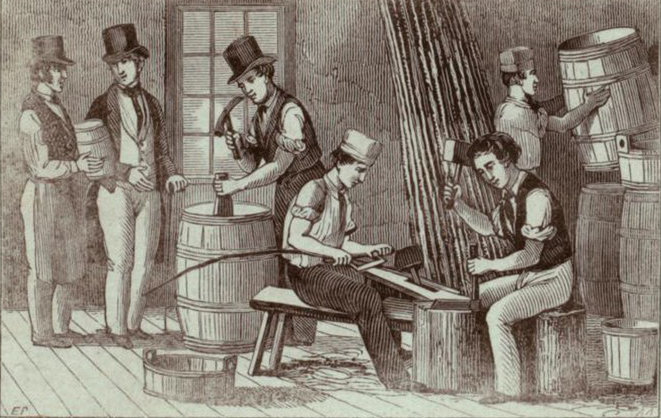
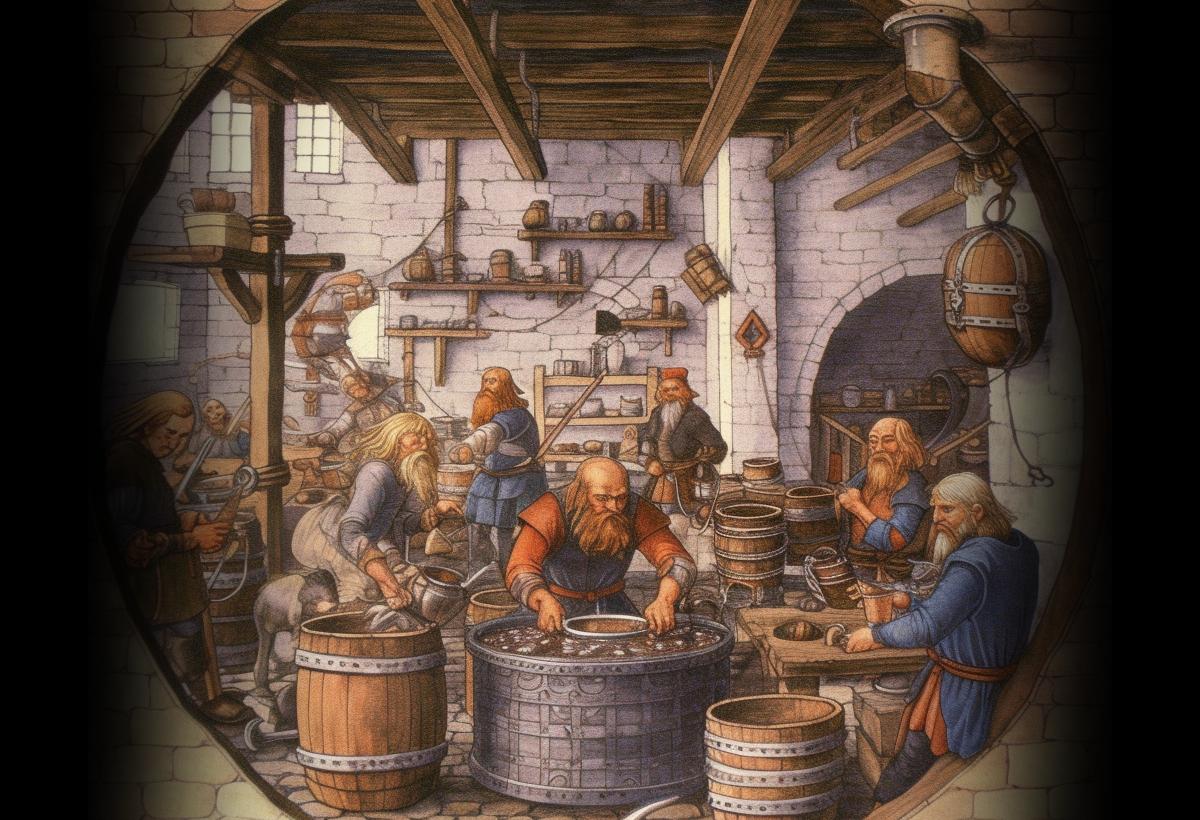
191. Cooper – If you’re not familiar with the term, a cooper is someone who made and repaired barrels, casks, and vats. Due to the lack of refrigeration until more recent times and a high demand for proper food storage, a cooper’s job was a very essential one. But their lives were often not a barrel of monkeys. First, coopers worked with green white oak, a wood that’s exceptionally dense and heavy. Workers routinely lifted and maneuvered staves and finished barrels weighing from 40-100+ lbs. Second, shaping wood by hand, bending thick staves using open fires and heavy chains, and hammering iron hoops required relentless muscular effort, leading to chronic back and joint pain. Third, learning the complex geometry and manual skills required to make a completely watertight vessel without glue took up to 4-7 years of low-wage apprenticeship. Fourth, despite requiring specialized, generational knowledge, traditional coopers were often poorly paid for the sheer volume of grueling manual work they produced. Fifth, bending wood required searing heat over open flames to toast and make staves pliable, increasing risk of severe burns. Lastly, if a tight cooper made a single mathematical or cutting error on a liquid cask, the entire barrel would leak, ruining expensive contents like wine, whale oil, or gunpowder, and forcing the cooper to start over. Still, on the bright side, John Alden served as a cooper on the Mayflower and Priscilla Mullins was perfectly happy to marry him.
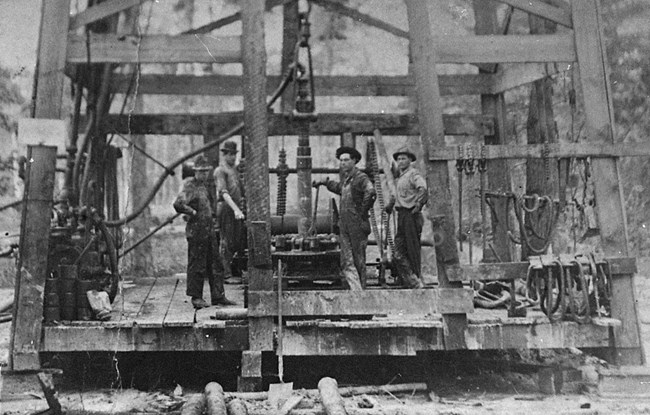
192. Oil Rig Worker – Working on an oil rig is a dangerous business today. But back in the early industry times, it was certainly the stuff of There Will Be Blood. For one, to no one’s surprise, workers faced constant risk of blowouts, heavily failing equipment, and toxic gas leaks without modern regulatory safety nets. Second, severe safety failures often led to disasters resulting in horrific losses. Third, oil rig crews pulled 12-hour shifts, working up to 7 days a week for months at a time without a single day off. Fourth, the heavy physical labor (called “roustabout” work) involved handling greasy, freezing, or scalding machinery that regularly broke bones or wrecked backs. Fifth, workers spent weeks or months isolated on remote land sites or far out to sea platforms, completely cut off from normal social contact. Finally, onshore crews dealt with freezing, muddy wilderness nightmares. While offshore workers endured violent ocean storms to wash them right off deck.
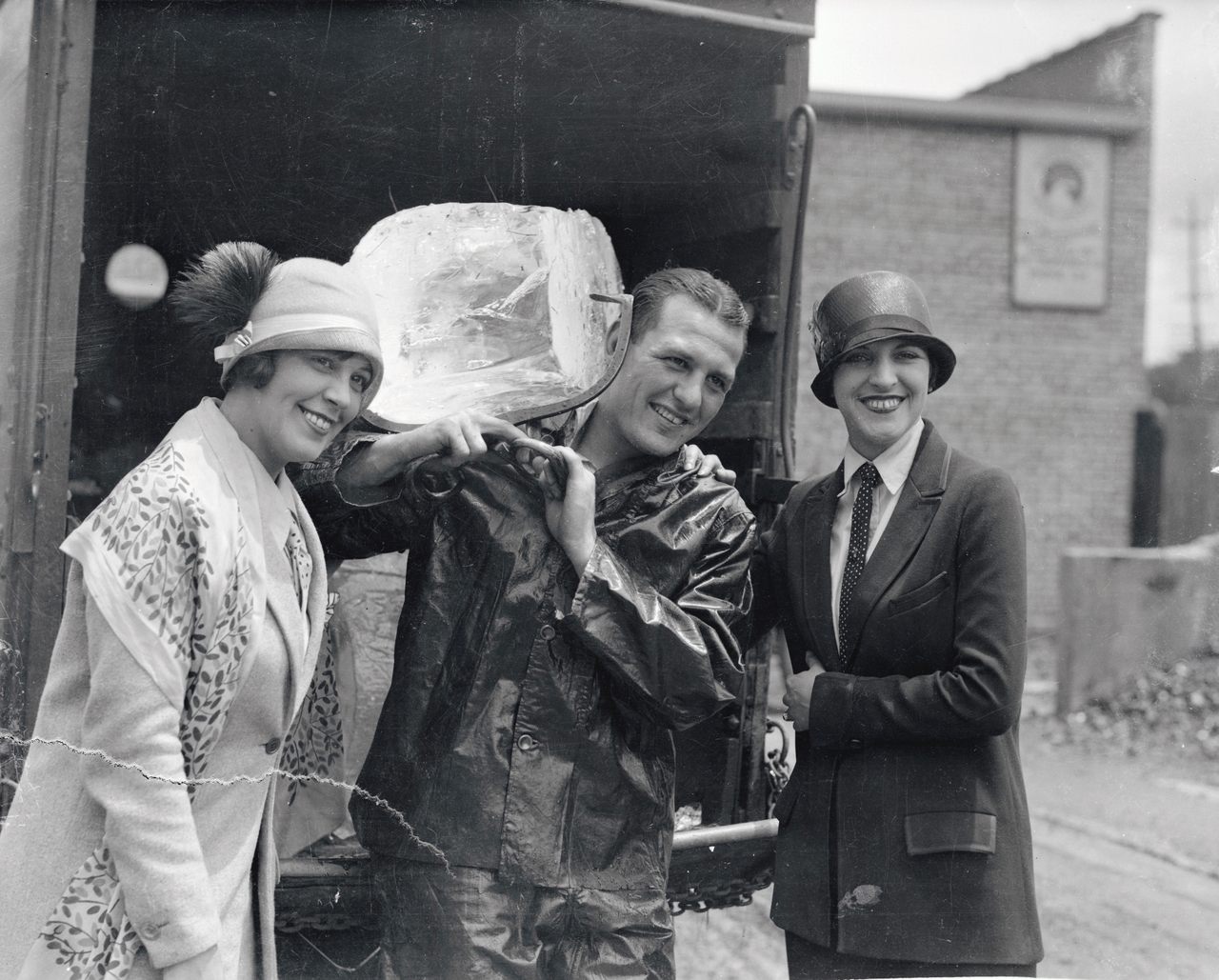
193. Iceman – You may see icemen in the early scenes of Frozen where they take frozen ice blocks from the mountains. But the real icemen didn’t live as quaint a life as you might see in Arendelle. First, icemen hauled solid 50-100lb blocks of ice from horse-drawn wagons, carrying up multiple flights of stairs using sharp metal tongs. Second, a regular day began at 4:00 AM, working through weekends and holidays, particularly under intense summer heat where demand peaked and ice melted fast. Third, wearing heavy leather vests and wet burlap padding meant the icemen spent all day soaked in freezing meltwater, facing severe risks of slipping and joint damage. Fourth, because icemen had to be strong and visited homes during the day while husbands were away, communities gossiped about them and unfairly blamed them for neighborhood drama. Lastly, the job would fall into an irreversible decline with the widespread availability of the refrigerator.
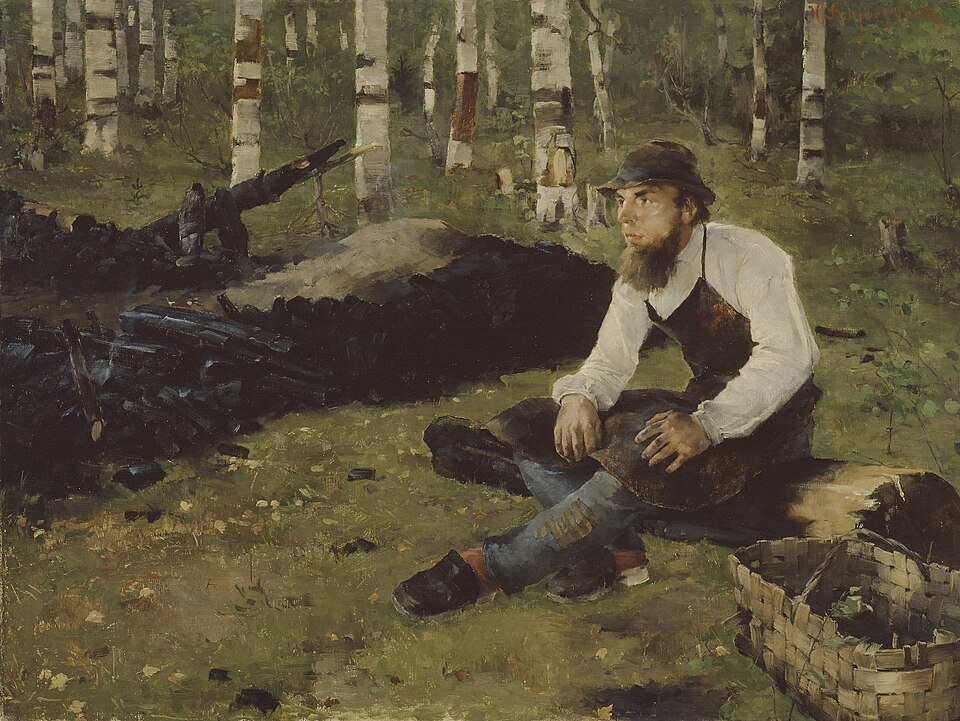
194. Charcoal Burner – Before the coal mining became widespread, charcoal was often an industrial fuel of choice. But the charcoal burner’s life was not one you’d be burning for. First, charcoal burners constantly breathed in thick smoke filled with tar, acetic acid, creosote, and naphtha from pyroligneous vapor, ruining their lungs. While skin and eyes were permanently stained black and irritated by soot, ash, and flying embers. Second, charcoal burners lived in tiny, lonely huts deep in the woods far away from towns and families for months at a time. Lastly, charcoal burners were often feared and ostracized by mainstream society. Superstitious villagers often viewed them with deep suspicion, accusing them of witchcraft or dark, unnatural practices simply because they worked alone in the woods.

195. Teamster – Teamsters are mainly seen as truck drivers hauling goods from one place to another and venturing vast distances. But in history, a teamster’s job was an incredibly rough road despite their profession being among the most essential within whole economies. First, historical teamsters worked 12-18 hour days 7 days a week. An average teamster in 1900 only earned $2 a day at that, which is good by the standards but still pretty terrible if you account for the financial risks involved. Second, teamsters handled heavy freight in all weather extremes such as freezing mud, snow, and summer heat without any climate-controlled cabs. Third, if merchandise was lost, stolen, or damaged, the teamster was often forced to pay out. Fifth, teamsters were also held liable for bad accounts and failed collections from customers. Sixth, as with many jobs of the day, teamsters faced complete lack of labor laws, workplace compensation, or workplace safety regulations. Lasty, in the advent of our modern transportation and roads, we must account the risks of caring for horses pulling the freight wagons as well as rigors of traveling on unpaved roads. Then there’s the fact they had to care for horses which aren’t at all the low-maintenance animals they’re often perceived.

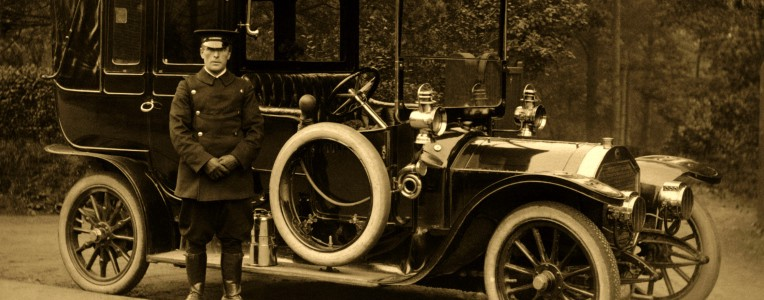
196. Ambulance Driver – Today, ambulance service is often taken for granted. But this wasn’t always the case in the olden days. And the ambulance driver’s life was far from a glamorous one. First, for decades, ambulance drivers had no medical training while paramedics and EMTs weren’t really a thing. Their only job was loading bleeding, broken, or dying people into a vehicle and drive as fast as possible. Since many towns and cities had no dedicated ambulance services, local morticians and funeral homes filled the void. This meant patients were thrown into the back of hearses alongside standard equipment. Before community-based care like Pittsburgh’s pioneering Freedom House Service changed standards in 1967, emergency transport in major cities frequently consisted of a police paddy wagon ride with zero treatment. Second, early horse-drawn carriages, converted Model T Fords, and military trucks had rigid suspension systems. Driving over unpaved and shell-ridden roads meant patients suffering brutal jolts that often worsened internal injuries. Historical vehicles lacked heating or air conditioning. Drivers and patients froze during winter fronts or sweltered in unventilated compartments during summer. Third, engines stalled, tires blew out on muddy tracks, and early vehicles lacked power steering or synchronized gears, making them exhausting to move through dense traffic or rough terrain. Fourth, during World War I ambulance operations, drivers like future Nobel Prize-winning author Ernest Hemingway faced active artillery and machine-gun fire despite Red Cross markings. Because medical convoys were often shelled on purpose. Lastly, wartime ambulance drivers had to pull screaming, severely mutilated soldiers directly out of mud-filled trenches, handle constant triage decisions under pressure, and watch young men die in the back of their vehicles with no way to ease their pain.

197. Undertaker – In our popular imagination, the undertaker is probably the creepiest but most well dressed-man in the historical village. He’d also be the one with the coolest-looking ride. However, being one in the past wasn’t anything to die for. First, before modern arterial embalming became widespread during and after he American Civil War, dead body preservation relied on heavy metals and volatile liquids. Undertakers regularly used significant amounts of toxic arsenic, corrosive alcohol, or primitive ice cooling boards. Second, during the 19th century, bodies often remained in home parlors for days. Thus, undertakers had to manage melting ice chests or rely on crude temporary storage while racing against decomposition in spaces without air conditioning. Third, 19th century mortality rates were exceptionally high due to outbreaks of cholera, smallpox, tuberculosis, scarlet fever, measles, and typhoid. Because autopsies and body preparations were done without protective equipment, ventilation, or sanitary running water in home visits, undertakers faced constant, direct exposure to highly contagious and lethal pathogens. Fourth, many early funerals weren’t just funeral coordinators. They were also local cabinet and furniture makers who had to build custom wooden coffins by hand on short notice. Fifth, undertakers were responsible for hauling heavy wooden caskets, navigating narrow staircases or removing house windows to extract bodies, digging graves by hand in all weather conditions, and managing horse-drawn hearses over unpaved, muddy roads. Sixth, if you’re familiar with Edgar Allan Poe stories, you’d know that the 19th century suffered from a cultural panic over premature burial. Undertakers had to frequently deal with distraught families placing bells, glass panels, or breathing tubes in coffins, demanding prolonged watches over the deceased. Finally, Victorian public mourning expectations were suffocating. Communities pressured undertakers to supply flawless, expensive carriages, plumes, and black drapery, often catching brunt of financial stress and social hostility over families deeply over-indebted by the cost of a “respectable” funeral.
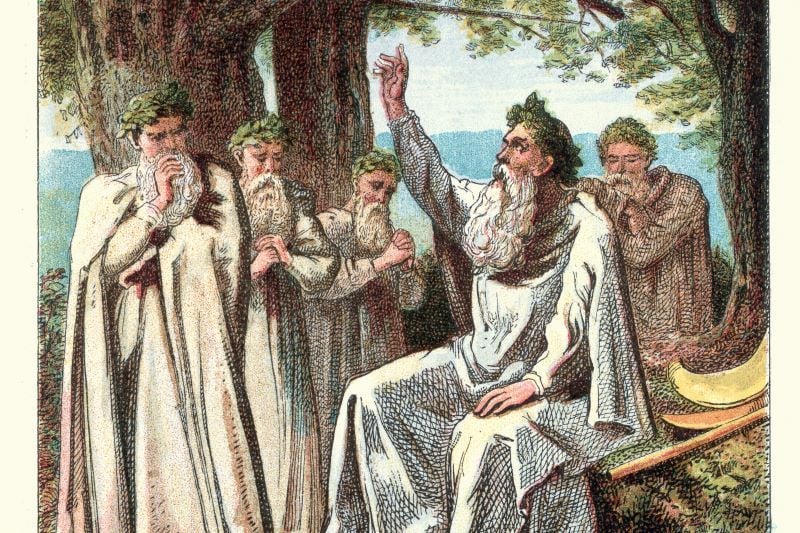
198. Druid – Druids are often seen as the closest thing to wizards in anything pertaining to sword and sandal entertainment. Sure, they were religious figures, but they also did way more than that. However, their lives in Celtic Europe were nothing what you’d see on the screen. First, to be a druid in a society lacking a writing system, a student had to endure a 20-year education comprising of memorizing thousands of verses of law, history, medicine, and astronomy entirely by mouth. All because writing this sacred knowledge was strictly forbidden. Forget a vital legal precedent or ritual verse during an oral exam, your career and social standing effectively evaporated. No pressure. Second, Roman emperors like Tiberius and Claudius banned druids, with Roman legions actively hunting them down (such as the slaughter of Anglesey) because druids served as the political and spiritual backbone of anti-Roman rebellions in western Europe. Third, druids had to preside over high-stakes tribal rituals, which Roman historians included grim human sacrifices to appease the gods or predict the future. Of course, given how Romans depicted people they didn’t like, this might come across as propaganda. But archaeological findings of bog bodies in western and central Europe have lent some credibility to these allegations. Especially since a lot of them were determined as privileged nobles, maybe even chieftans. Lastly, druids functioned as supreme judges, tax-exempt elite, and diplomats in Celtic society. Whenever tribal wars broke out or deals went south, everyone expected a druid to either fix it or take the blame.

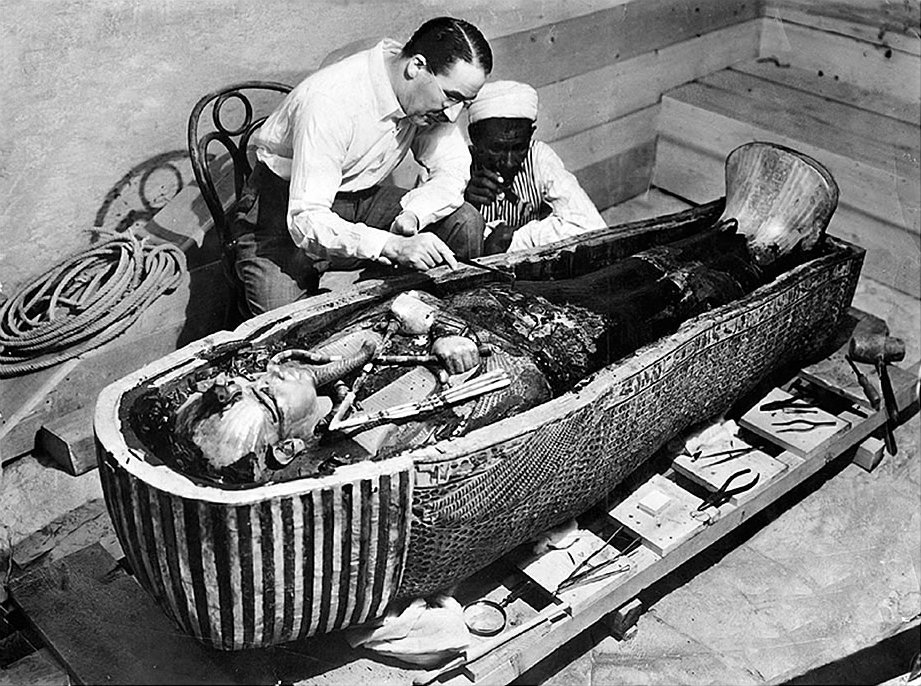
199. Ancient Egyptian Embalmer – Today mummies are often seen as iconic in our public imagination that they become the villains in a film franchise. However, the lives of people who actually mummify people were actually quite miserable under the sweltering Egyptian sun. First, ancient Egyptian embalmers worked in hot, enclosed spaces with decaying bodies, bodily fluids, and strong-smelling palm wine and resins. Organ removal was among their duties and comprised of a horror show. Brain removal meant shoving a hook up the nose to smash it and letting it drain out. They also had to pull out the lungs, liver, stomach, and intestines by hand through a small abdominal cut. Third, ancient Egyptian embalmers also stood in and around massive amounts of natron salt, which dried out corpses in 40 days. Yet, also severely dried and cracked the workers’ skin. Fourth, ancient Egyptian embalmers worked in stifling, hot “pure places” where the decomposition rate before the salt took effect was high and rife with bacteria. Though the embalmers themselves wouldn’t know that. Fifth, if you’re the guy who made the abdominal cut to pull out the organs, well, you’d be viewed as a desecrator. Meaning that after cutting the corpse open, you had to flee the crowd ceremonially threw rocks and curses at you for violating the body.

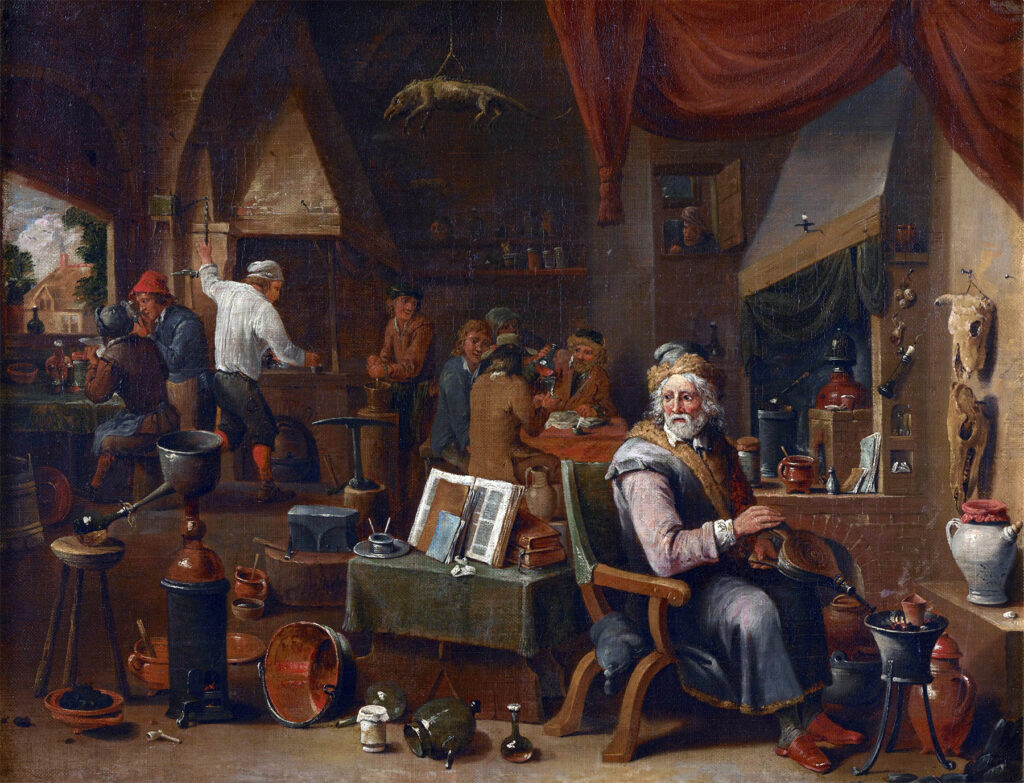
200. Vinter – In the public imagination, wine making is depicted as a rather quaint pastoral activity. But a vinter’s life wasn’t one of happy grape stomping. Actually since wine presses have existed since ancient times, grape stomping was more for the postcards than the reality. Unless there weas no way to afford one. First, given that they mostly operated in times before microscopes and modern scientific understanding, vinters didn’t understand yeast or chemistry, meaning random chance could turn batches into sour vinegar. Wine was stored in either porous clay or leaky wooden barrels without wooden seals, causing foul taste and rapid oxidation. To mask rot and spoilage, vinters added tree resin, lead, ashes, and seawater to the liquid. Second, during the late 19th century, a tiny aphid from North America destroyed millions of European acres, driving entire farming families into deep poverty, including vinters. Desperate grower tried bizarre and useless tricks to save their vines such as burying live toads under the roots to draw out the “poison.” Lastly, a single frost or unseasonal hailstorm could wipe out an entire year of income within minutes, leading to starvation and debt.
Historical Professions That Actually Sucked: Part 19 Galley Rower to Beekeeper

Many jobs we may see as quaint and simple weren’t always what they appeared. Being a town crier seems like just shouting events by the hour. Even though it also required being on night watch duty and facing an angry public over bad news. Chauffeurs are often shown driving rich people. But they also repaired cars and in the early days, handling a car was a more complex process than it is now. Medicine men and witch doctors are often seen as healing people through magic powers or herbs. But they weren’t magical. While they also had to memorize countless things from oral tradition and face blame while their treatments failed, especially when faced with European diseases. Anyway, ever imagined yourself as a galley rower on Ben Hur? How about a prince in the Ottoman Empire? Or even an herbalist mixing concoctions from ancient recipes? Here are ten more historical professions and their grim realities.

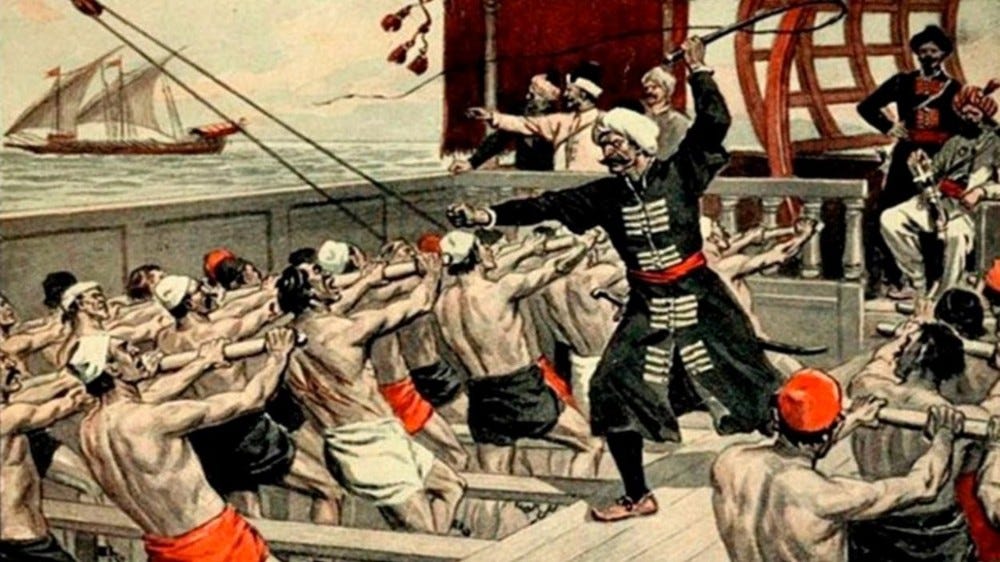
181. Galley Rower – Although the image of galley rowers in Ben Hur is a highly inaccurate one. For one, Ancient Greece and Rome didn’t have galley slaves. Most of their rowers were free citizen volunteers from poorer classes. And they were generally paid very well. Yet, in the early modern period, galley rower was a job for slaves and convicts within much of the Mediterranean. In the Baltic countries, they recruited armed conscripts. In any case, the reality was very brutal. First, rowers had to pull massive, heavy oars for hours or days straight without stopping. Overseers walked gangways with whips, lashing at rowers who slowed down from sheer exhaustion. While most rowers died within 1-5 years from disease, malnutrition, and exhaustion. Second, rowers were directly shackled to their wooden benches where they ate, slept, and relieved themselves without ever being unchained (that is when chain were used, which was very limited when rowers were slaves and convicts). Since galleys sat very low in the water, rowers just sat feet from the waterline, constantly getting soaked by freezing saltwater eating at their skin. While food and water rations were meager, often leaving men starving while performing heavy labor. So let’s just say it would be more historically accurate for Charlton Heston to resemble a Nazi concentration camp survivor than some sweaty cross fit guy at the gym. Finally, even if a rower managed to break from the chains, escaping was nearly impossible because local peasants hunted escapees for bounties. And if a ship escaped during battle, chained rowers drowned with it.

182. Match Girl – Although this description may evoke the idea of the tragic Hans Christian Andersen story about little girl who freezes to death on the street while trying to keep warm, this entry isn’t about her. Rather, it’s about the girls who made the matches she tried to sell. Many of whom would rather prefer freezing to death on a street than what they got. Especially if you’ve seen Enola Holmes 2. First, white phosphorus fumes caused phosphorus necrosis, a horrific condition where the jawbone rotted, glowed in the dark, and required jaw removal. Match girls also suffered from severe abscesses, tooth loss, and sometimes fatal brain damage. Second, match girls worked 14-hours day for a low weekly wage. To make matters worse, bosses docked meager pay for minor infractions like talking, dropping a match, going to the bathroom, or having dirty feet. Lastly, backbreaking and delicate manual labor left workers chronically undersized and underfed. While unprotected factory equipment caused lost fingers.

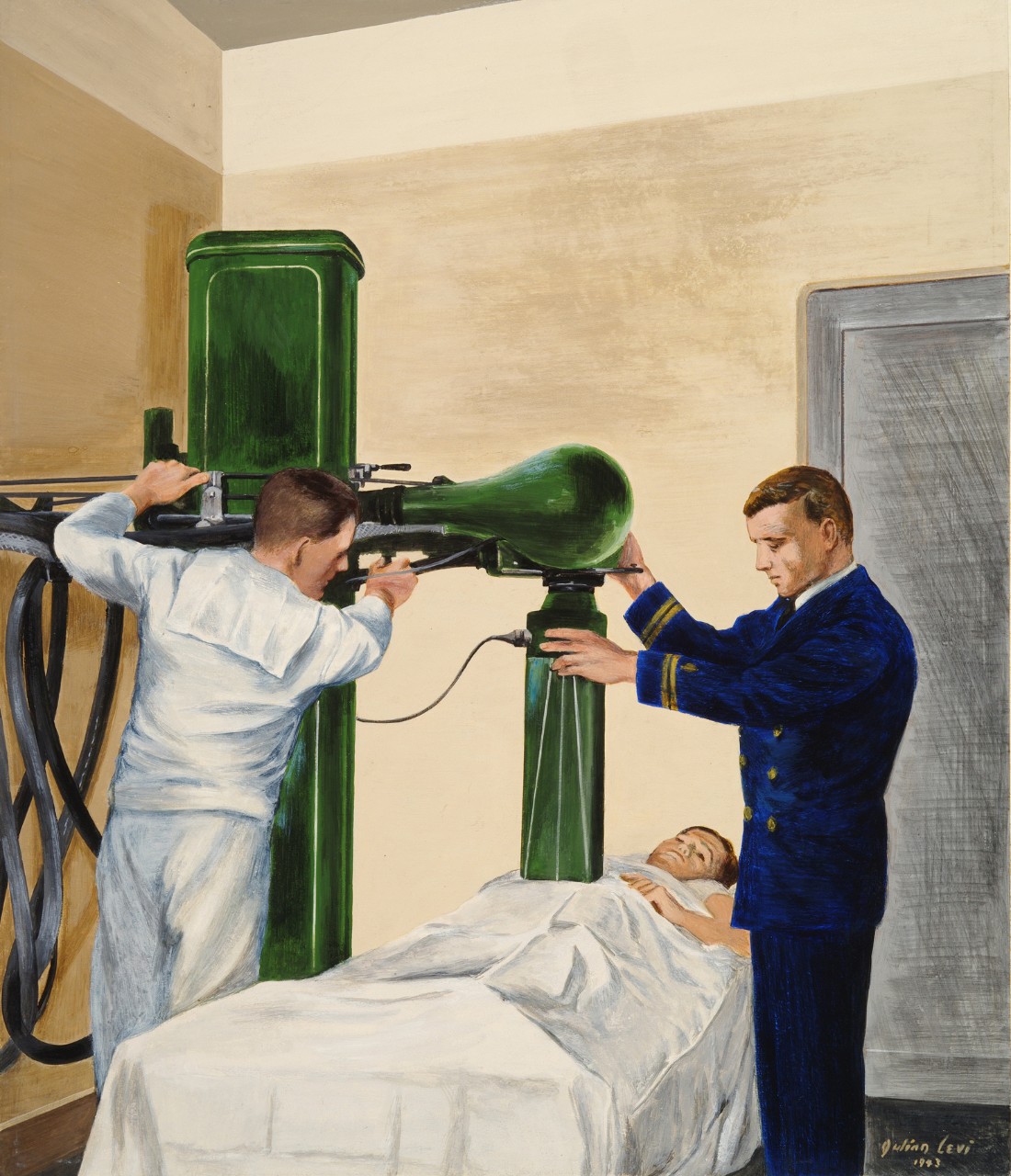
183. X-Ray Technician – The discovery of radium led to significant breakthrough with X-ray technology. But to be an x-ray technician in the olden days was not for the faint-hearted. First, technicians worked without lead aprons, barriers, or film badges. Second, workers routinely tested and calibrated live equipment by placing their own bare hands directly into the x-ray beam. Chronic exposure led to severe radiation dermatitis, horribly scarred skin, deformed nails, lost fingers, amputations, and fatal cancers. Third, early x-ray scans took up to 90 minutes and used thousands of times more radiation than modern medical imaging. Fourth, early x-ray equipment lacked proper electrical and radiation insulation, exposing technicians to high-voltage shocks and scatter radiation. Finally, outdated medical guidebooks from the mid-20th century taught x-ray technicians to use up to 60% more radiation on black patients due to false racist beliefs about bone density.

184. Newsreel Cameraman – Early developments in film led to the newsreels that played in theaters from the early to mid-20th century. Yet, as Buster Keaton may depict on The Cameraman, the life of a newsreel cameraman wasn’t an easy one. First, carrying heavy, hand-cranked or spring-wound 35mm cameras like the Bell & Howell Filmo and Eyemo weighed 30-40lbs or more. They also had to lug around heavy wooden tripods, extra film magazines, and heavy leather cases throughout rough terrain. While shooting these things handheld meant absorbing all the weight with your back and shoulders, resulting in physical exhaustion. Second, newsreel cameramen had to shoot in a variety of dangerous situations. They filmed at active front lines during World War II and other conflicts without modern body armor or embedded safety protocols. They had to stand dangerously close to speeding race cars, burning buildings, or natural disasters just to get footage of a thrilling act. They even had to face hostile protestors, riots, and physical violence while being visibly marked as press. Third, working with short film rolls that totaled to only a few minutes so you had to guess the exposure right the first time. They had to shoot blind without monitors, praying that the focus and exposure were correct because they couldn’t check until the film was developed days later. In addition, they had to physically ship canisters via plane, train, or motorcycle courier to meet high theatrical distribution deadlines before the news went cold.

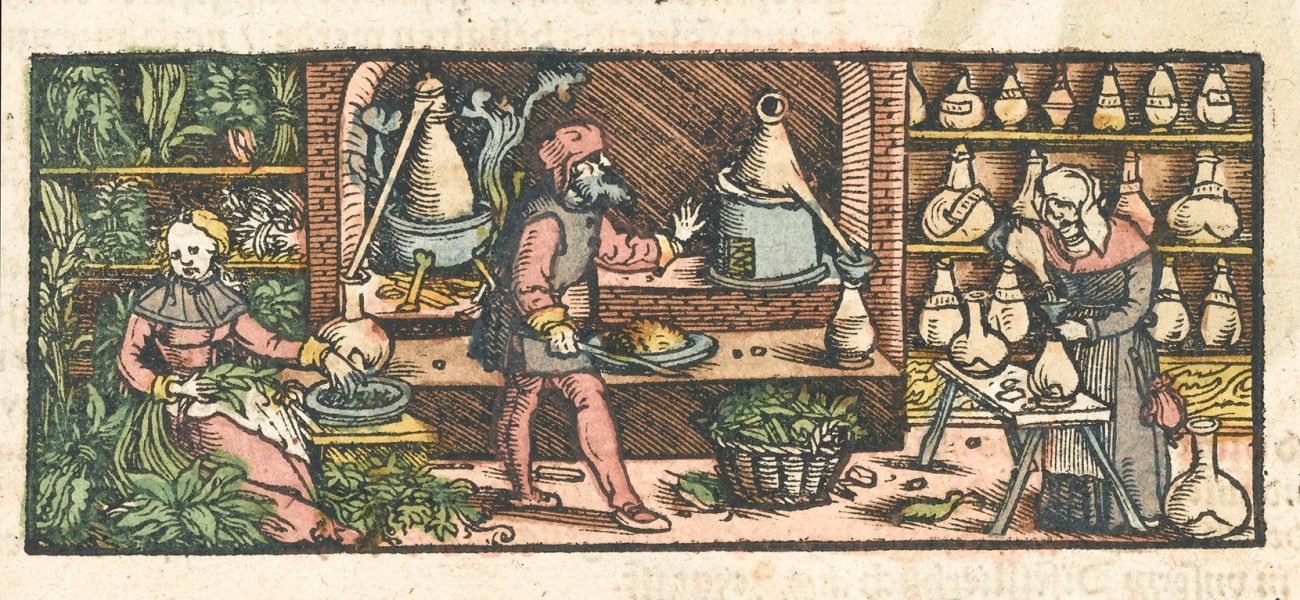
185. Herbalist – In medieval villages, the herbalist was often the go-to person to provide for whatever ails you. First, should a plant cure fail or work too well, church and state authorities often accused local healers of magic or poison. Second, educated male practitioners and medical guilds eventually aggressively pushed independent folk healers out of society. Third, when plagues or unstoppable epidemics struck, herbalists often found themselves scapegoated by terrified communities. Fourth, foraging, digging roots, and processing tons of raw vegetation by hand required exhausting physical work in all weather types. Handling deadly nightshade, hemlock, and heavy metals without modern safety gear meant herbalists frequently poisoned themselves. In addition, plant potency wildly varied based on soil, weather, and storage time, making consistent dosing impossible. Fifth, herbalists mostly treated the poor who couldn’t pay, often receiving scraps, trade goods, or no pay at all. Sixth, reliance of unscientific systems like doctrine of signatures meant treatments were more based on superstition than actual results. Finally, unlike modern practitioners, herbalists had no formal protections, licenses, or institutional backing when treatments failed.

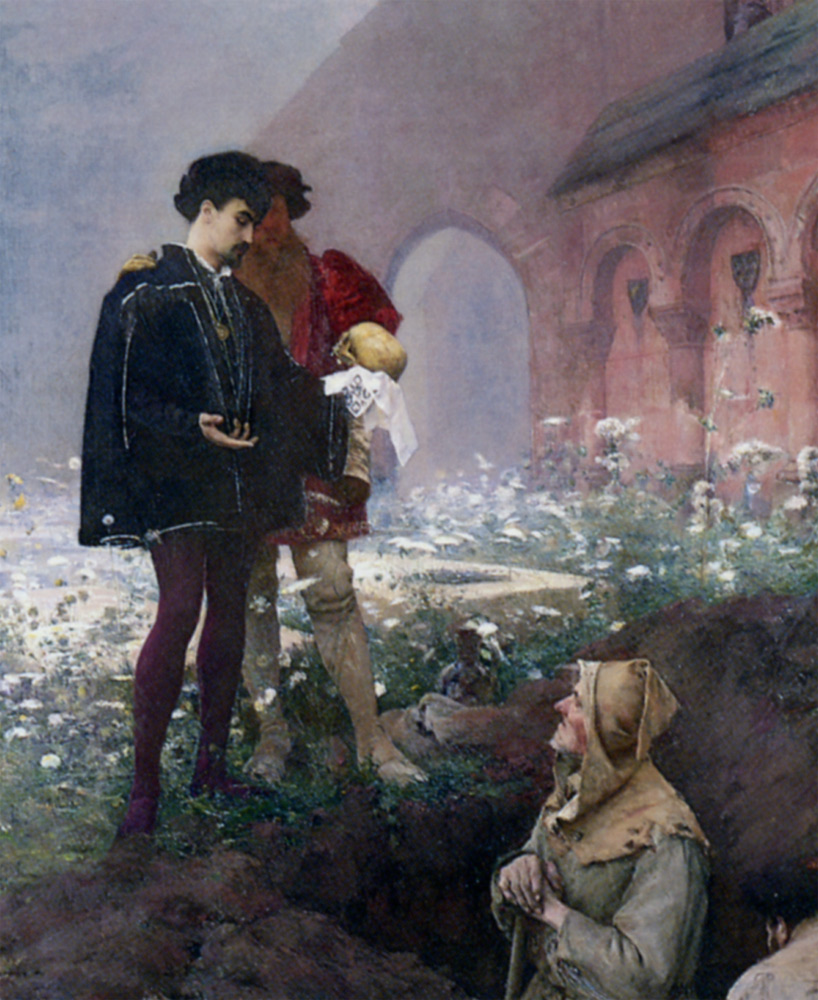
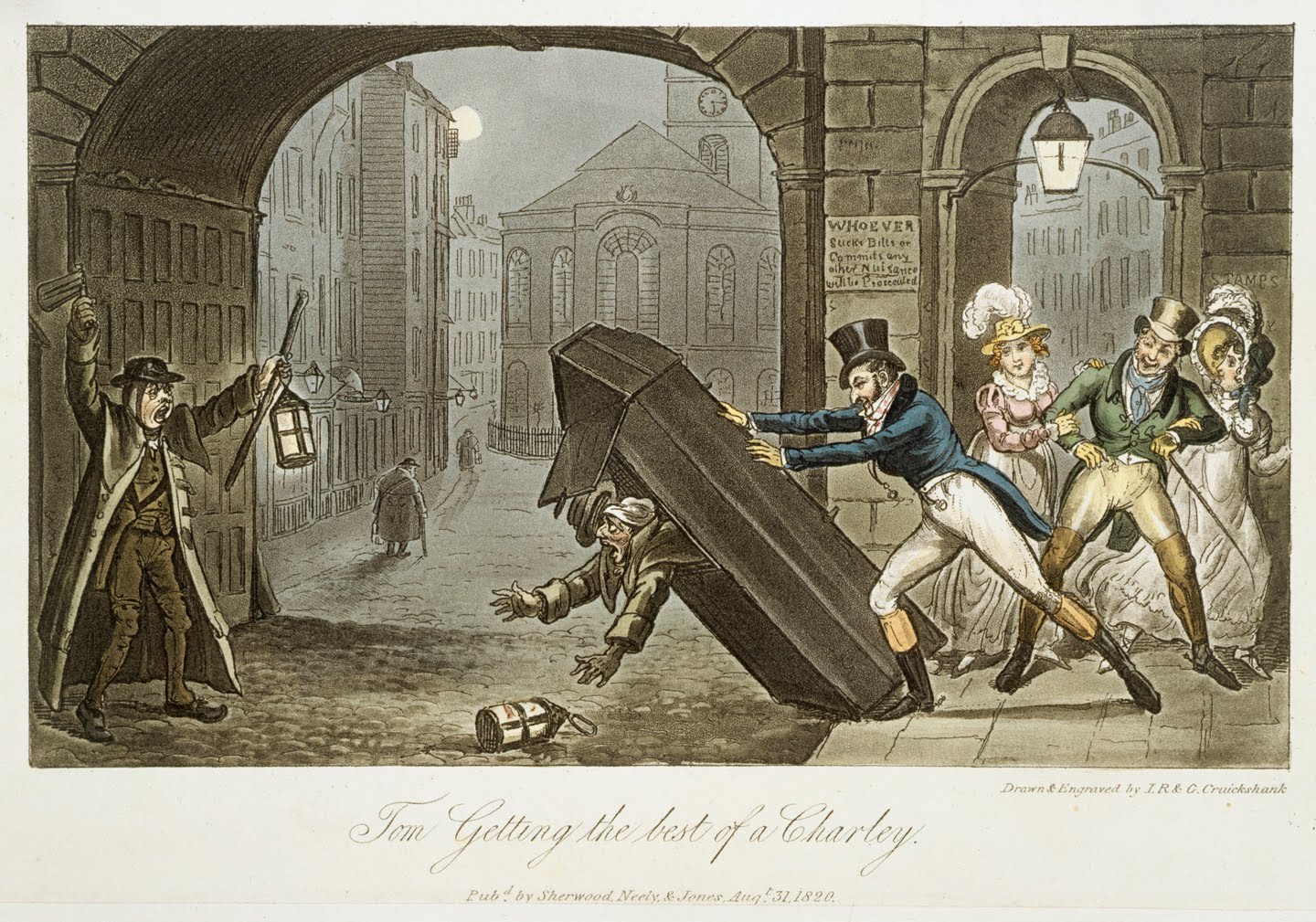
186. Grave Digger – Although digging a grave wasn’t a glamorous job, the reality was a whole other nightmare. First, due to machinery being nonexistent, graves were dug entirely by hand using shovels and picks. If the deceased died during the winter, then grave diggers had to break through freezing and hard-packed ground. They also faced collapsing dirt walls, toxic decomposition gases in confined spaces, and deep physical exhaustion. Second, grave diggers regularly handled bodies infected with deadly diseases like cholera, plague, typhus, and smallpox. Minor cuts or blisters from rough hand tools easily became infected from contaminated graveyard soil. Third, local communities shunned grave diggers whom they viewed as unclean, eerie, or bad omens. Lastly, despite performing an essential public health function, grave diggers were paid very little and kept trapped within the lower classes. That’s not mentioning the threat of resurrection men stealing freshly dead bodies for anatomists from the Scientific Revolution to well into the 19th century.

187. Ottoman Prince – Being a prince in the Ottoman Empire might seem like the lap of Oriental luxury. Because unless you’re the oldest or most favored son, two fates await you once your sultan daddy kicks the bucket. First, Sultan Mehmet II made a law allowing a new sultan to kill all his brothers to stop civil wars. The standard modus operandi was often a silk cord strangling so royal blood wouldn’t be spilled on the ground. Also, there was no exemption on infant brothers or rival babies. Because they got the silk cord strangling as soon as a new sultan took power. Later on, the Ottoman Empire stopped killing all brothers and instead locked them inside a luxury prison inside Topkapi Palace called the Kafes. Princes lived in these golden rooms trapped for decades with no idea what was going on in the outside world. While living in total isolation made many of these trapped princes deeply paranoid, sick, or mentally unstable by the time they accidentally got pulled out to rule. Let’s just say the whole caging princes thing led to a line of incompetent sultans and the empire went downhill from there.


Munitions workers could often be picked out in a crowd because of the distinctive yellow colouring of their hair and skin caused by the sulphur used in production. They were nicknamed ‘canaries’.

artist: Forbes, Stanhope Alexander

Place made: England, United Kingdom
made: 1918 Published: –

Copyrighted work available under Creative Commons Attribution only licence CC BY 4.0 http://creativecommons.org/licenses/by/4.0/

188. Munitions Worker – Being a munitions worker was one way a woman could support the war effort back home. But the ladies who made the bombs and bullets did it with much sacrifice. First, munitions factories faced constant risks of massive, catastrophic explosions that could kill hundreds and obliterate entire buildings at once. Handling heavy artillery shells and fast-moving, poorly guarded equipment led to frequently lost fingers, hands, or limbs. Second, if you’re among the “Canary Girls” of World War II who handled sulfur and dynamite, then expect to have bright yellow skin to earn the degrading nickname. Speaking of the bright yellow skin, chemical exposure caused severe internal damage, destroying livers and killing workers through toxic jaundice. Third, factories ran day and night, forcing munitions workers to stand for grueling shifts up to 12 hours long. Many worked 6-7 days a week with minimal breaks, leading to extreme chronic exhaustion and physical burnout.

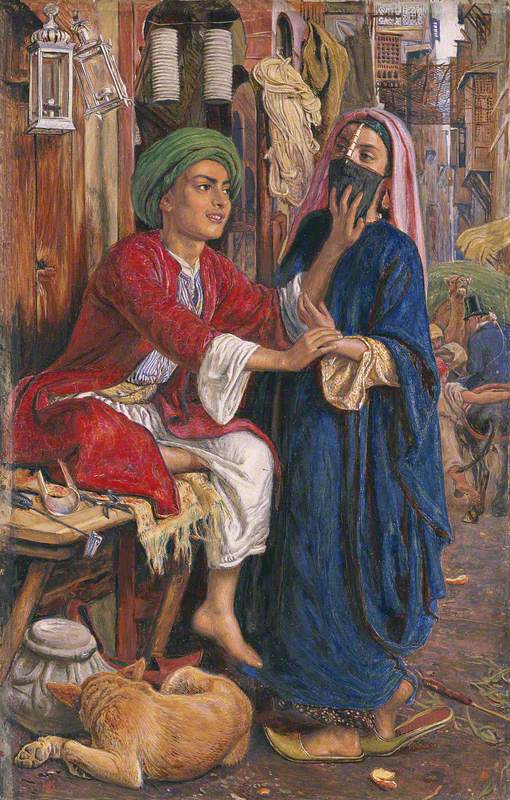
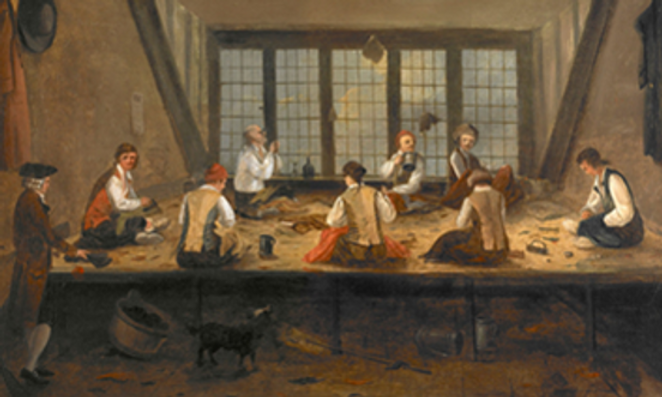
189. Lantern Maker – You often see lanterns in historical settings. But we often don’t know what it was like for the people who make them. And their lives were anything but well lit. First, soldering metal frames of horn or glass lanterns required constant work with molten lead, tin, and chemical fluxes, leading to heavy metal poisoning. Working in unventilated spaces with charcoal or coal fires used to heat soldering irons meant breathing in a daily diet of toxic fumes and heavy smoke. While cutting and piercing intricate hole patterns into sheet metal (for punched-tin lanterns) in dim, natural light destroyed workers’ vision. Second, before glass was cheap, lantern makers boiled and split animal horns (like cow or sheep) down into thin, translucent plates. This process smelled wretched and required razor-sharp scraping by hand to get the horn clear enough to let light through. Working constantly with thin, sheared sheet iron and brass meant deep cuts, punctures, and chronic infections were typical workday hazards. Fitting thin glass panes or delicate horn sheets into rigid metal frames without shattering or cutting oneself demanded extreme, stressful precision. Third, since lanterns were common household items, lantern makers couldn’t charge very much of them despite the grueling hours of manual labor involved. Finally, guild regulations, cheap mass production in industrial eras, and the sheer amount of time required to build a single durable piece kept lantern makers trapped in cycles of poverty.

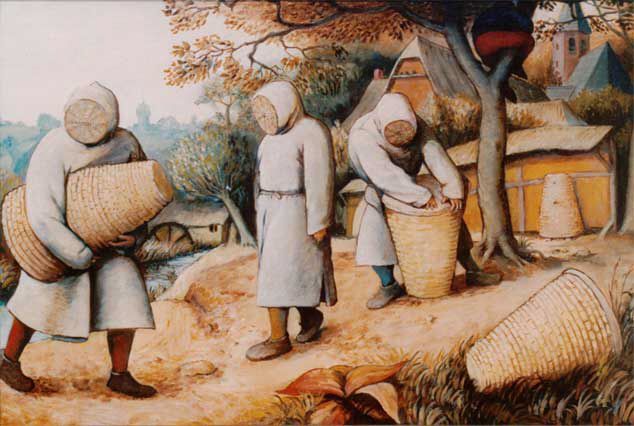
190. Beekeeper – Beekeepers have always been essential for farming since the dawn of agriculture. But the historical beekeeper life was anything but honey. In fact, it was a thousand ways to get stung and instant death to anyone with a bee allergy. First, traditional straw baskets called skeps forced bees to directly attached to the dome. Thus, you couldn’t safely inspect or remove honey without a handful of stings. To harvest the honey and wax, beekeepers routinely suffocated or burned the entire colony using sulfur smoke, wiping out their own workforce. Of course, today we call it a suicide move. While squeezing the comb meant straining honey mixed with dead bee larvae and pollen, ruining the purity and making a sticky, rotting mess. Second, early face protection consisted of a crude woven wicker or sparse cloth masked offering poor visibility and allowed angry bees craw right inside. Heavy wool garments trapped heat and sweat, yet angry guards could still sting right through the fabric whenever the hive got agitated. Without controlled metal smokers, subduing bees relied on primitive, smoky fires that often failed or pissed off the swarm further. Third, total ignorance of modern pathogenic diseases meant a single microscopic infection or parasite outbreak wiped out entire apiaries overnight. Fourth, people blamed sudden hive abandonment or swarming on witchcraft, bad luck, or approaching death, forcing beekeepers to “tell the bees” of family tragedies to avoid curses. Lastly, should winter kill the bees, beekeepers lost both the sweetener and valuable candle wax with no way to buy quick replacement packages.

Historical Professions That Actually Sucked: Part 18 Auto Worker to Night Watchman

              What’s astonishing about many of these old jobs is how dangerous many of them could be before safety gear, regulations, and labor rights. If you worked near a furnace, you’re likely to inhale toxic fumes, be prone to so many deadly accidents, and likely not live past the age of 50. If you worked with cloth, expect back and joint pain and respiratory problems. While dyers often worked with flammable chemicals that often burned down their shops. Anyway, it’s likely that many of you would fancy yourselves as the town crier at some point. Or perhaps make medieval armor. Or even drive some rich person as a chauffer during the early 20th century. Here are ten more historical jobs and why they weren’t as great as portrayed.

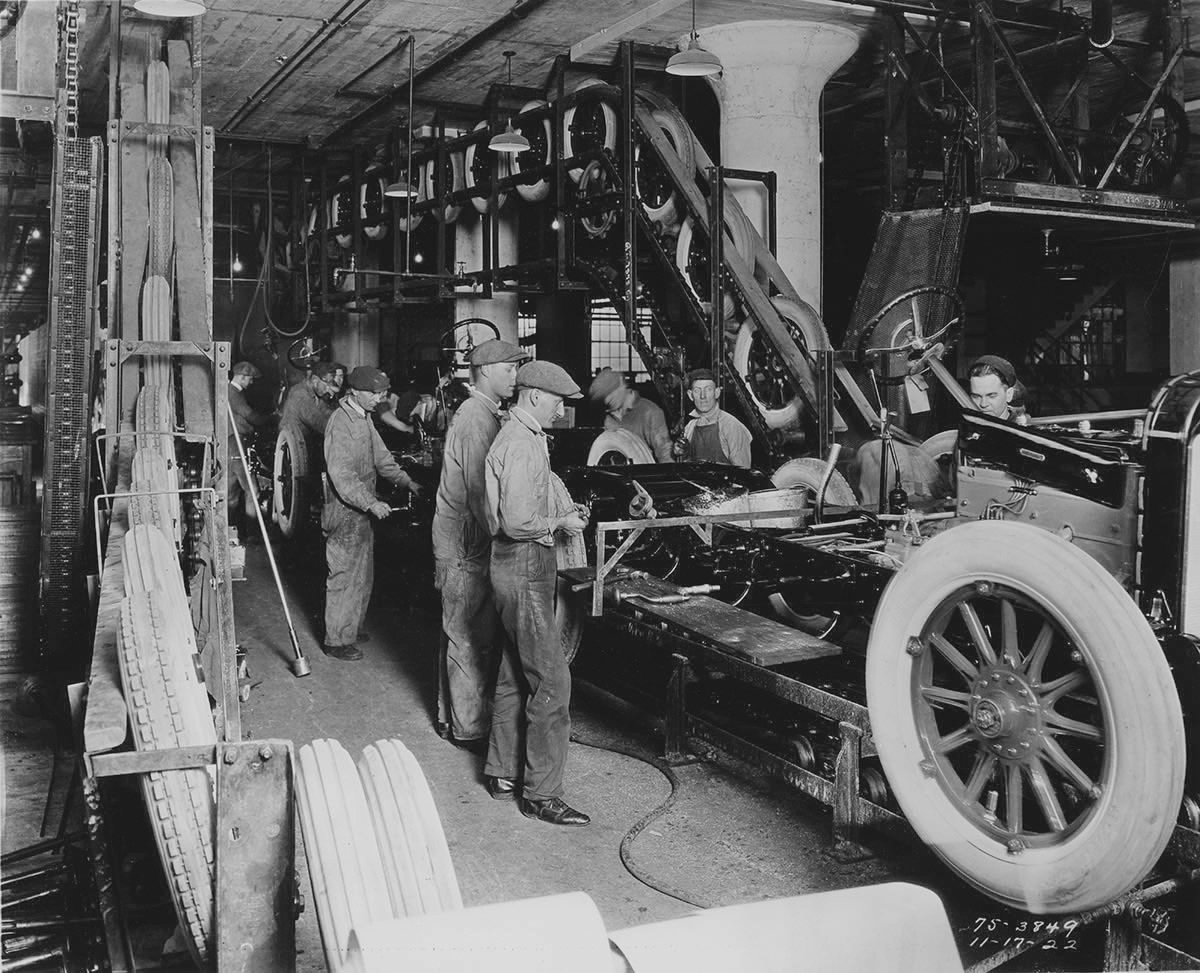
171. Auto Worker – Sure, being an early auto worker seems like a job people would move to Detroit for, especially since Henry Ford’s facility promises a living wage. However, building Model Ts all say wasn’t all that it’s cracked up to be. Or why someone like Walter Reuther existed as Ford’s nemesis. First, workers faced fast, heavy equipment causing frequent crush injuries, cuts, and burns. Factories were also filled with paint fumes, metal dust, and smoke ruining eyes and lungs. While constant heavy lifting and rigid postures led to broken bodies and lifelong joint pain. Second, workers did the exact small task thousands of times a day. Bosses constantly made assembly lines move faster, leaving no time to rest or catch a break. While workers felt like robot parts instead of creative craftspeople. Third, economic drops meant workers losing their jobs overnight. While high stress bred intense anger and violence on the shop floor between workers and bosses. And note that Henry Ford loathed unions.

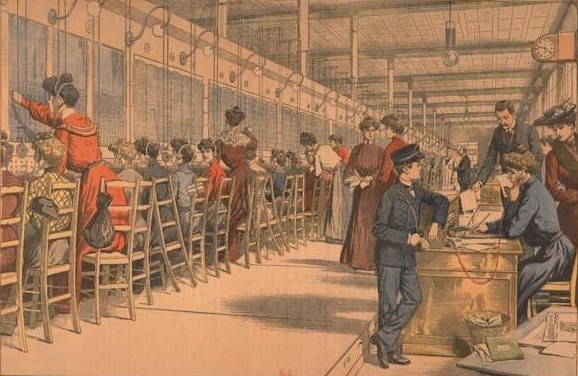
172. Telegraph Operator – Before telephones were invented, telegraph was a major way of communication throughout much of the 19th century. But operating one of these wasn’t just sitting at a desk clicking Morse code and transcribing messages. First, tapping in Morse code thousands of times a day caused a painful repetitive strain injury, similar to modern carpal tunnel syndrome. Operators also suffered from constant mental exhaustion and hearing strain from listening to clicking sounders in noisy stations for hours. Second, railroad operators controlled single-track train movements via key clicks, a single mistranslated dot or dash could cause a head-on collision. Speed was everything. Operators were strictly judged on how fast and accurately they could clear heavy message backlogs without stopping. No pressure. Lastly, operators or linemen had to venture out in pitch-black nights, storms, or war zones to fix snapped wires, risking electrocution, falls, or gunfire. While many worked long, lonely shifts in remote, drafty depots with minimal pay and little room for upward mobility.

173. Radio Operator – In 20th century war movies, you’d often find a man at the radio trying to give feedback as bombs drop everywhere. You may also find a radio guy on the ship as well. However, a radio operator’s life wasn’t as glorious in a war zone. First, enemy forces were specifically trained to spot and kill radio operators first to blind a unit calling in artillery, air support, or medical evacuations. Second, large whip antennas made obvious visual markers, drawing heavy sniper fire, mortar shells, and explosives right onto the operator’s spot. Third, operators had to stick close to commanders to relay orders, resulting them sharing the highest-risk footprint on the battlefield. Fourth, carrying bulky backpacks added 25-30lbs of extra weight on top of standard combat loads. Fifth, commercial maritime operators spent months isolated from family aboard ships with no outside communication except scratchy, delayed telegrams. Finally, early vacuum-tube gear ran dangerously hot and broke down constantly in humid and freezing conditions, requiring operators to manually troubleshoot complex wiring circuits under pressure.

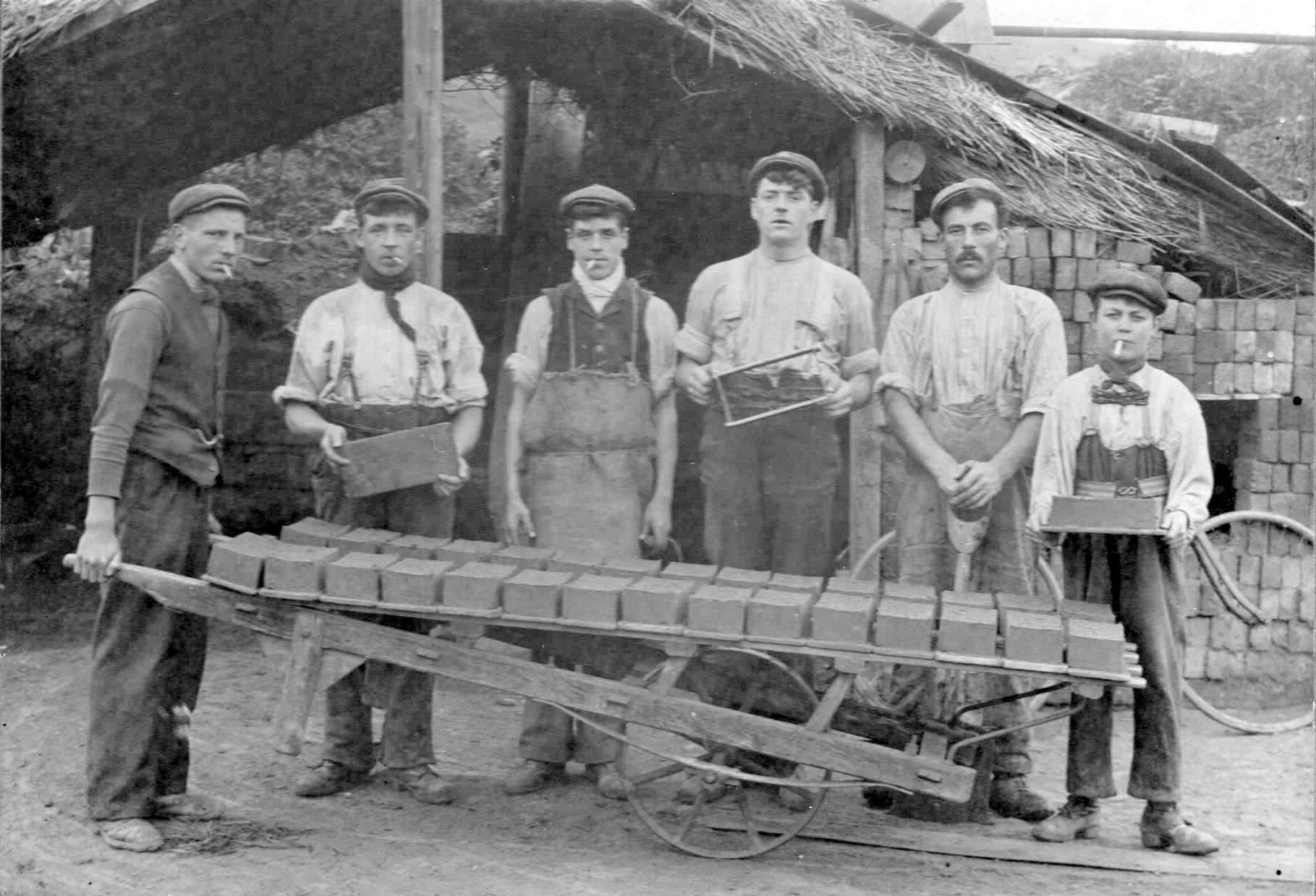
174. Brick Maker – In historical films, books, and movies, you often see beautiful brick houses. And you never get to see the people who make them. But their lives often weren’t well stacked or laid. First, brick makers spent hours knee-deep in pits, trampling heavy clay and mud mixed with sand or straw by foot. Molding and moving took thousands of wet, heavy bricks by hand every day destroyed backs and wrists. While much of the grueling work in historical brickyards was offloaded to enslaved people, convicts, prisoners of war, or the poorest class of indentured laborers. Second, workers constantly inhaled thick clouds of fine silica and brick dust, leading to chronic lung disease and silicosis. Third, tending to primitive kilns and clamps meant enduring extreme, dehydrating heat for days on end during the firing process. Lastly, burning wood, coal, or coke inside poorly ventilated setups exposed workers to heavy smoke and toxic combustible gases.

175. Garment Worker – Many may admire the costumes of period dramas based in the Gilded Age. Yet, many have little idea on the people who made them. First, workers routinely toiled a 56-70 hour workweek, often stretching from early morning to late at night, especially during peak fashion seasons. Second, instead of by the hour, workers were strictly paid in piecework, which only amounted to pennies per day and less than $5 a week during the early 1900s. To make matters worse, bosses routinely docked meager pay through arbitrary fines for showing up a minute late, talking, or minor “damage” to the fabric. Third, cramped, poorly lit apartments doubled as both living quarters and production workshops, spreading diseases like tuberculosis. Fourth, sewing machine needles punched through workers’ fingers in the rush to meet strict quotas and lint-filled air ruined lungs. Fifth, factory doors were often locked from the outside to prevent unauthorized breaks or union organizers, leading to catastrophic disasters such as the 1911 Triangle Shirtwaist Factory Fire where 146 workers died, mostly immigrant women and girls. Sixth, verbal and physical abuse was common, and young immigrant women faced severe gender-based intimidation, harassment, and exploitation. Lastly, young children worked long hours in hazardous conditions instead of attending school, resulting in many being maimed and killed.

176. Paper Maker – For centuries, paper has been the material we write and print information on. But we often have no idea about those who made this crucial resource that’s shaped daily lives for over millennia. And their lives weren’t quite paper-made so to speak. First, workers sorted through discarded clothes collected by rag pickers off the streets. These textiles often carried filth, bodily fluids, and deadly contagions like smallpox or plague. To break down cotton and linen fibers, rags were packed into large vats with water and lime to ferment for weeks, creating an overpowering stench of decay where roughly 1/3 of the material rotted into a foul sludge. Second, finding enough cloth was a constant crisis. Mills faced sever deficits leading to “rag wars” and smuggling networks, forcing paper makers constantly hunting for worn-out scraps. Third, paper mills had to be built directly over fast-moving streams or rivers for water power, meaning workers spent long shifts in freezing, damp rooms, constantly handling icy water. Fourth, workdays weren’t measured by standard hours but by strict quotas of paper posts. Slow paper makers had to keep working by dim candlelight into the night. Finally, boiling, bleaching, and handling caustic lime to break down fibers ruined workers’ skin, burned their hands, and filled their lungs with caustic dust and heavy steam.

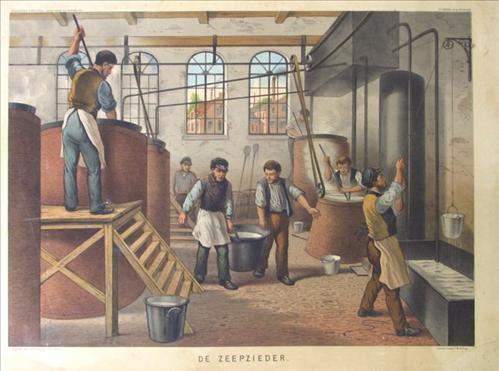
177. Soap Maker – Soap has been an essential component in human hygiene practices since ancient times. But making it wasn’t squeaky clean. In fact, it was a rather dirty and stinky business. First, soap makers used leftover, rotting kitchen grease or unrefined tallow from butchered animals that reeked before the cooking even started. Second, to get the alkaline base, workers bleached water through caustic wood ashes, handling a harsh chemical burning skin and blinding the careless. Third, boiling vats of rotting fat and caustic ash produced a vile, choking odor forcing soap houses to the edge of town. Fourth, batches required 6-8 hours of continuous heavy stirring over blazing open fires in massive, boiling kettles. Splashes from the boiling lye-fat mixture caused severe, blistering chemical and heat burns. Naturally, this was heavy, unglamorous domestic or low-class labor with absolutely no modern safety gear or ventilation. Fifth, in places like 18th century Great Britain, heavy luxury taxes on soap led to intense government surveillance, locked equipment, and mandatory minimum production quotas of one imperial ton per boil. Lastly, independent or small-scale soap makers faced severe fines or enforcement if they tried making or selling goods outside strict guild or tax laws.

178. Chauffeur – Being a chauffeur in a period drama seems like a cushy deal whether you’re driving Miss Daisy or romancing your boss’s daughter before attempting to eloping with her. Yet, the chauffeur life was anything but a smooth ride. First, early cars constantly broke down. A 1903 Cadillac advertisement joked that you bought a “round trip” meaning it might get you home before failing. Drivers had to preheat engine cylinder heads using dangerous “hot tubes” before the car could even start. While fixing solid rubber tire punctures and roadside engine failures meant working covered in grease, coal dust, and oil in all weather conditions. All of this makes one wonder how Branson was able to carry a romance with Sibyl on Downton Abbey. Second, hand-cranking a stubborn engine frequently resulted in severe backfires, breaking wrists, and fractured arms. Early unpaved roads turned into deep, impassable mud pits, requiring exhausting physical labor to dig vehicles out. While the earliest cars didn’t come with features like windshields, heaters, or enclosed cabs, leaving drivers exposed to freezing rain, snow, and scorching heat. Third, the word chauffeur originates from the French word for “heater-upper” or stoker, reflecting they were originally treated like industrial boiler workers. Chauffeurs also occupied an awkward middle ground: expected to act as deferential household servants while possessing specialized technical skills that their wealthy employers didn’t understand. They also faced intense public and media hostility during the “chauffeur problem” era of 1903-1912. They were unfairly blamed for road chaos while their employers squeezed their wages and demanded 24/7 availability.

179. Town Crier – You often see this guy ringing his bell in town and given news of the day within the market square. But although this seems like a rather easy gig, it was anything but. First, shouting “Hear ye!” all day in loud market squares ruined vocal cords. Second, if you’re on night duty, you also had to patrol the streets, chase criminals, and put out fires. Think about it as being both a nighttime beat cop and firefighter. And if ambulances existed, you’d probably be on paramedic duty, too. Third, criers stood outside and yelled in freezing rain, snow, and mud because microphones and speakers didn’t exist yet. But one would think they’d at least invent some rudimentary bullhorn to yell through. Fourth, criers had to announce tax hikes, bad laws, and executions. Even though hurting them was considered a crime, angry crowds still yelled at or threw things at them. To make matters worse, people actually paid criers to shame their enemies, neighbors, or cheating spouses, landing the crier in the middle of nasty personal fights. Fifth, mist criers often made very little money and had to take other jobs just to survive. Lastly, the job disappeared once cheap newspapers and radios let people read or hear the news themselves.

180. Night Watchman – Night watchmen always seem to be the friendly neighborhood night cop on the street in old movies. In real life, the job was far from quaint and one that didn’t bring respect it deserved. For one, patrolling unlit, muddy streets alone meant facing violent criminals, cutthroats, and rabid animals armed with little more than a wooden club or lantern. Second, the job sat near the bottom of the social ladder, often considered one step above a grave digger or executioner. Third, wages were so low or the work was so uncomfortably conscripted that only the most desperate people took the job. Fourth, watchmen earned a widespread reputation for being elderly, incompetent, or drunk on duty, making them the butt of endless jokes in plays and local town gossip. Lastly, the job required one to spend all night exposed to freezing winter cold, pouring rain, and thick fog without modern thermal gear or communication devices.

Historical Professions That Actually Sucked: Part 17 Steel Worker to Smelter

              It’s always interesting to see what’s considered quaint hobbies as once grueling jobs with long hours. Pottery was a factory operation that led to silicosis, lead poisoning and joint strain. Weaving caused respiratory problems, joint issues, and back problems. While a career in carpentry could wreck someone’s body before middle age. Anyway, have you imagined yourself riding an elephant in the jungle? How about performing on a Vaudeville stage? Or perhaps an old-timey archaeologist making a grand discovery and beating up Nazis before lunch. Just watch out for the snakes in the meantime. Here are ten more historical jobs and their dark realities.

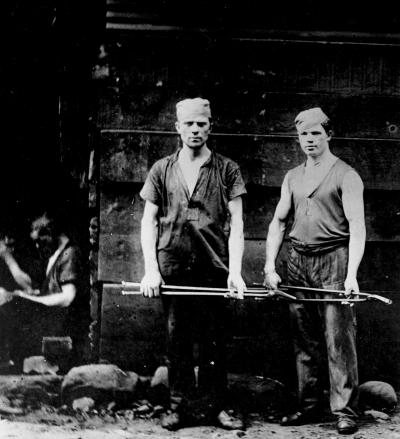
161. Steel Worker – Another job that leaves many in the Rust Belt nostalgic, steel workers often made the material that was once used to build many city buildings during the Gilded Age and beyond. However, the life of a steel worker wasn’t one you’d wish on anyone. First, before you enter the mill, know that a typical workweek consists of 12-shifts 7 days a week. Also, expect shift switches every 2 weeks so you’ll be forced to work an occasional 18-24 hour shift without any rest. But at least you get holidays? Sorry, but mills rarely shut down which will only be the 4th of July. While holidays like Christmas and Thanksgiving simply don’t exist in this workplace. Second, ambient temperatures near open-hearth and blast furnaces are hellish, causing sweat to literally boil on a worker’s skin or pour through their clothes to fill their shoes. Expect to lose a massive amount of body weight within your first few months on the job due to the sheer physical toll. But you’ll also breathe in heavy smoke, coal dust, and invisible, odorless carbon monoxide gas causing chronic illness or asphyxiation. Finally, should a drop of water accidentally mix with molten metal or slag, expect violent explosions, scattering a liquid fire across the floor. Watch out for those high-speed rolling mills and snapping conveyor tracks that can launch multi-ton, glowing-hot steel-bars directly into the workspace at lethal speeds. Oh, and since this is the time before modern labor laws and safety enforcement, expect to encounter unguarded machinery, massive overhead crane failures, and fatal falls with no compensation or safety net if you’re maimed or killed. Oh, and if you complain and decide to go on strike, we’ll send private detective force to violently suppress it.

162. Archaeologist – With Indiana Jones and The Mummy franchises, entire generations grew up seeing a historical archaeologist as a daring adventurer. However, the real life of an archaeologist was nothing how Raiders of the Lost Ark makes it out to be aside from the unwitting destruction of ancient buildings and the fear of snakes. First, expect to move tons of dirt under basic picks, shovels, and wheelbarrows without mechanical help. Of course, porters will often be doing the actual digging but still. Expect to endure extreme heat, freezing cold, pouring rain, and constant dust or thick mud with primitive outdoor gear. And no, it won’t just comprise of a bull whip and a pistol. You’ll also risk tropical diseases, severe infections, dysentery, and poisonous snake bites far from any real hospitals. Thus, making Indy’s fear of snakes entirely justified. As for living conditions, expect to eat rancid rations, drink dirty water, and sleep in damp tents for months at a time. So best to know how to take care of your private business far from civilization and bring some extra pairs of brown pants and underwear just in case of an accident. Second, using blunt instruments like pick axes will frequently smash fragile ancient artifacts before anyone notices. Because you won’t have a microscope to record soil layers or organic remains, you won’t be able to know an item’s true historical story just so you can grab a shiny object that belongs in a museum. Also, you’ll have to blindly guess artifact’s age because modern science tools like radiocarbon dating don’t exist yet. Lastly, expect to wait months for mail, having zero communication, and being completely stranded in the earth’s remote corners. While moving heavy stone statues and crates of pottery across deserts or jungles using pack animals, wooden carts, or raw human muscle from porters. Yet, on the bright side, you won’t run the risk of activating an ancient curse should you uncover any ancient Egyptian tomb.

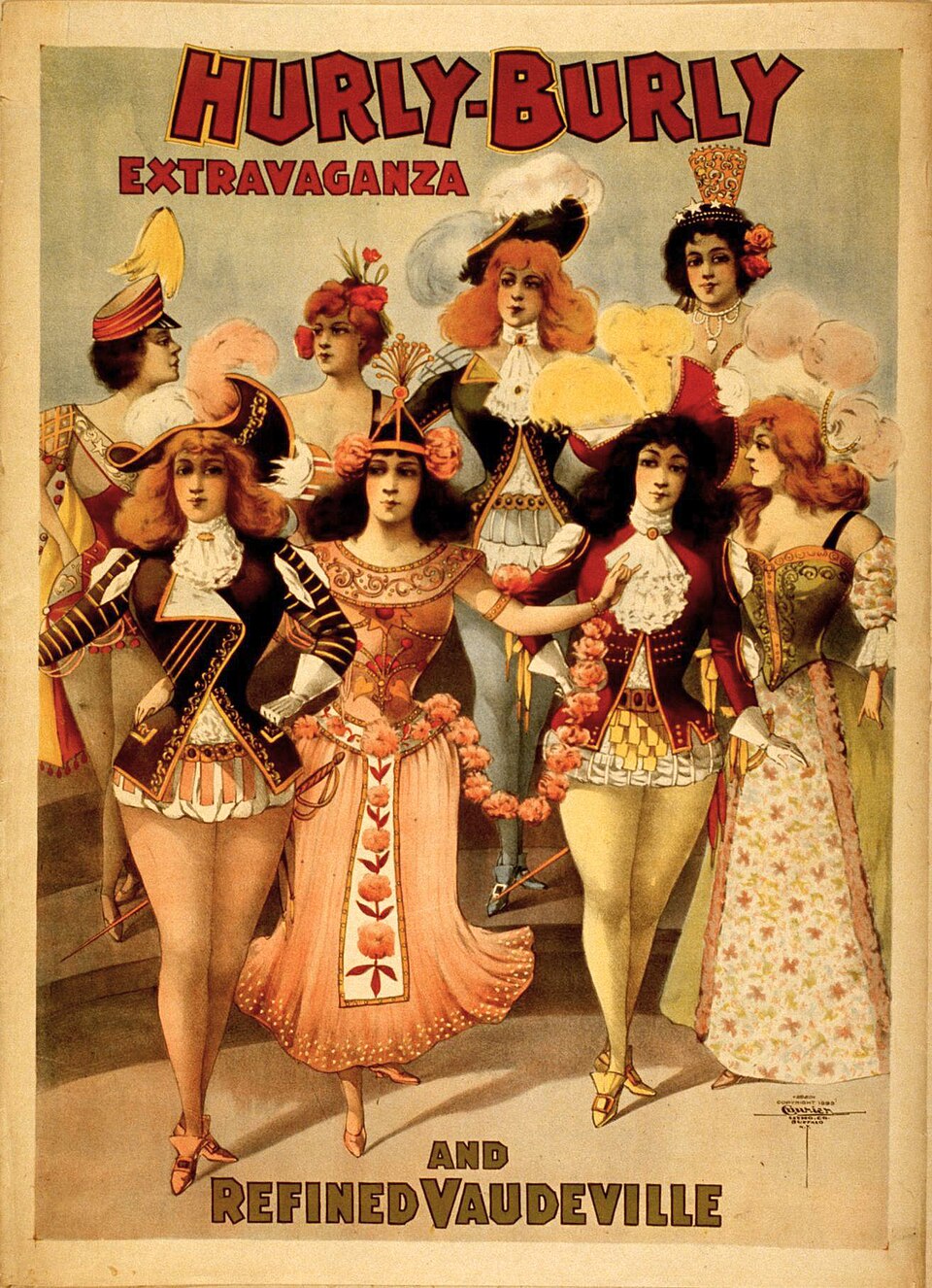
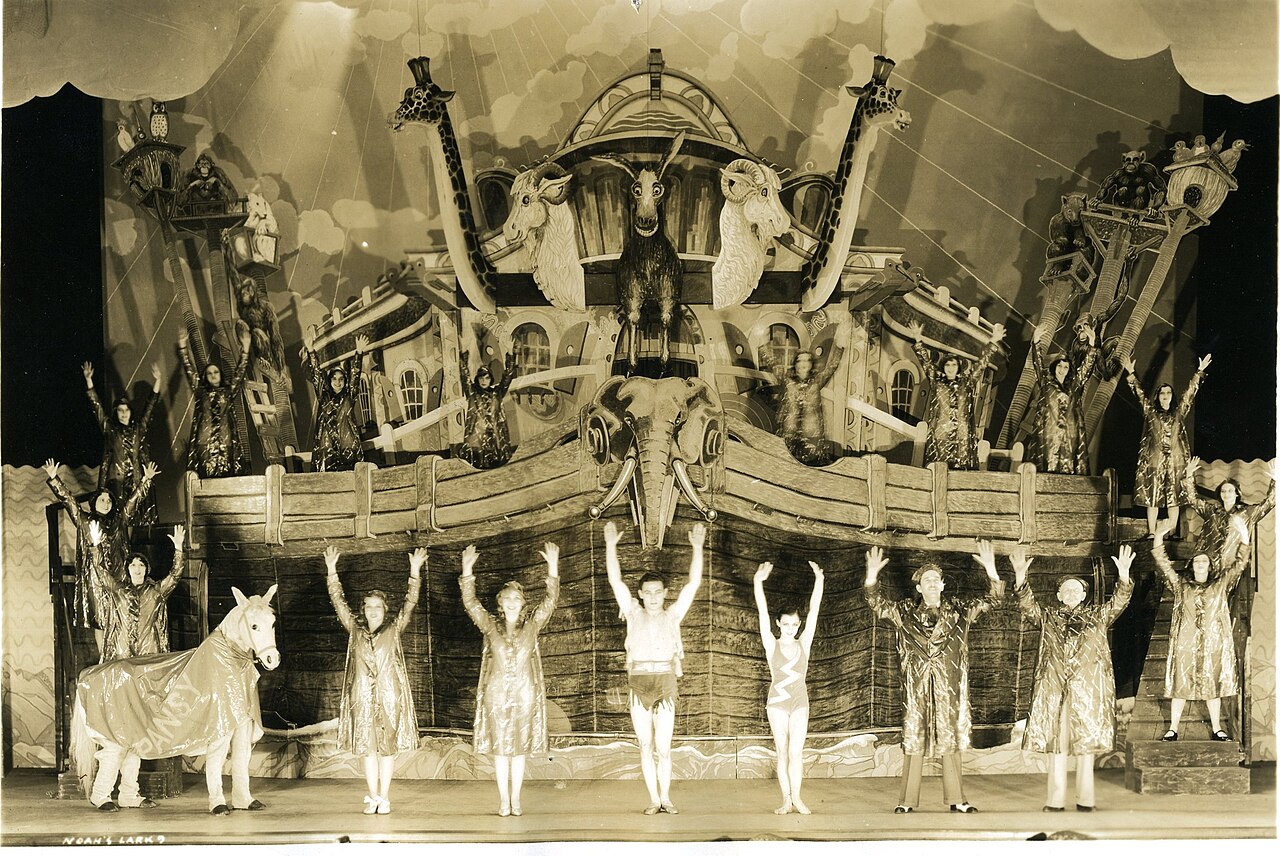
163. Vaudeville Performer – In historical movies and TV shows, Vaudeville and similar stage work are often portrayed as a stepping stone for many future Old Hollywood movie stars. Or remembered with great nostalgia as a family-friendly variety show that was accessible to middle-class families multiple times a week. Acts could be jugglers, illusionists, dancers, comics, singers, quick-change artists, short playlets or sketches, mini-musicals, or any craze or novelty capturing the public’s attention. But the reality was far from what the limelight portrays. In fact, it was more of a performance boot camp. For one, Vaudeville performers traveled from town to town every few days with no rest. Sometimes hopping on late-night trains to reach the next city on the circuit. In each town, they performed the exact same 8-10 minute routine 4-5 times a day. While no one wanted to get stuck in the dreaded opening and closing spots on the bill while audiences were still noisy or walking out. Since acts hired week-to-week could be instantly fired if no one laughed or clapped. Dressing rooms were tiny and constant transit disrupted sleeping schedules. Those just starting out made very little money while trying to climb the ladder. Some performers like Buster Keaton and songwriter George M. Cohan grew up on the Vaudeville circuit and within a show-biz family. Some entered as children trying to support their families. They also had to pay and fix their own props, makeup, and costumes, which ate at their paychecks. Strict, bad-tempered theater managers could cut and change one’s act on a whim. If an act was bad, harsh audiences could loudly boo or throw objects. Oh, and Vaudeville will eventually decline with the rising mediums of films and radio. Also, while plenty of people managed to achieve soaring popularity and fame, most usually remained poor and died in obscurity. Still, it was one of the first entertainments to cross racial and class boundaries. Not to mention gave us acts like Will Rogers, Charlie Chaplin, Lon Chaney, the Marx Brothers, the Three Stooges, Buster Keaton, Harry Houdini, Bill “Bojangles” Robinson, Eddie Cantor, Bob Hope, Cary Grant, Judy Garland, Laurel and Hardy, Jack Benny, Abbott and Costello, George Burns and Gracie Allen, Bessie Smith, Ma Rainey, Fred Astaire, James Cagney, Cab Calloway, Rita Hayworth, Sammy Davis Jr., and Mae West.

164. Elephant Rider – Riding an elephant often seems pretty cool when you watch movies taking place during a bygone time in India and the Middle East. However, being an elephant rider was anything but smooth, especially since they were used in war and logistics. Since it’s basically means sitting on an unpredictable, un-domesticated wild animal that could panic, had zero brakes, and made one a prime target in combat. For one, sitting on an elephant’s neck makes one an easy target for enemy archers, javelins, and siege weapons. Many riders were given a chisel and mallet. Just in case a war elephant panicked and began crushing its own army. That way, they could drive the spike into the elephant’s brain to kill it. We should also understand that despite being trainable, you can never truly domesticate an elephant. They’re just wild animals kept in captivity but still have their wild, skittish instincts. Loud noises, fire, or blood could trigger panic in an elephant. When they bolted, they often crushed friend and foe alike, ignoring your commands completely. And if you have a horny male, well, you might want to get your affairs in order. Not to mention, elephant riders likely had to care for their elephant 24/7 and taking care of them don’t come cheap. Probably should just stick to riding horses instead. Much less trouble.

165. Aztec Priest – In movies and TV shows, Aztec priests are often seen as sinister men decked in cool jewelry and willing to gleefully sacrifice freshly brought captives. But being am Aztec priest was more than just ripping hearts out of people. First, priests went through harsh schooling called the calmecac, where minor mistakes brought swift, violent punishment.  While they were cut off from normal family life, luxury, and comfort to live a life of heavy fear, endless fasting, and rigid duty. Second, priests constantly pierced their own ears, tongues, and legs using sharp cactus needles or maguey spines. They’d drag thick cords of straw through holes in their bleeding tongues. In addition, they had to wake up at all hours of the night to perform chants, keep fires burning, and watch the stars. Third, their temples were covered in old blood, making them smell like rotten slaughterhouses. During major festivals, high-ranking priests dressed up in freshly-flayed skins of sacrificed people and wore them for days. Finally, if crops failed, war was lost, or natural disasters hit, people often blamed priests for not praying hard enough or failing to keep the gods happy.

166. Medicine Man – In pop culture, Native American medicine men are often seen as healing wizards. In real life, there was nothing magical about these healing and spiritual leaders. First, during severe community crises or deadly epidemics like smallpox, tribes blamed or punished medicine men if treatments failed to stop disaster. If a prominent patient died or a hunt failed, angry tribe members could accuse a healer of dark magic or professional failure, leading to violent retaliation or banishment. Second, medicine men endured years of grueling apprenticeship, memorizing complex plant properties, tribal history, and secret rituals. Because in most Native American tribes, a written language is nonexistent. Third, medicine men were expected to fast, stay awake for long ceremonies, and place themselves in contact with sickness and injury. Lastly, authentic traditional customs strictly forbade charging high fees or making a profit for healing so medicine relied on modest gifts.

167. War Chief – Decked in war bonnets, Plains war chiefs always seem to be the most badass looking leader on the battlefield. However, the war chief life wasn’t what you’d see in the western films. For one, to earn the title, warriors had to experience face-to-face combat (touching a living enemy without killing them), taking an enemy weapon, and sneaking into an enemy camp. Second, a war chief needed to lead successful war parties while being personally responsible for the survival of his warriors under his command. Finally, war chiefs were expected to display unmatched bravery every single time conflict broke out, leaving no room for error or fear. Then there’s the fact that once white settlers entered the picture, they had to make heart-wrenching decisions whether to keep fighting, flee to somewhere else, or surrender peacefully and let settlers take over their land.

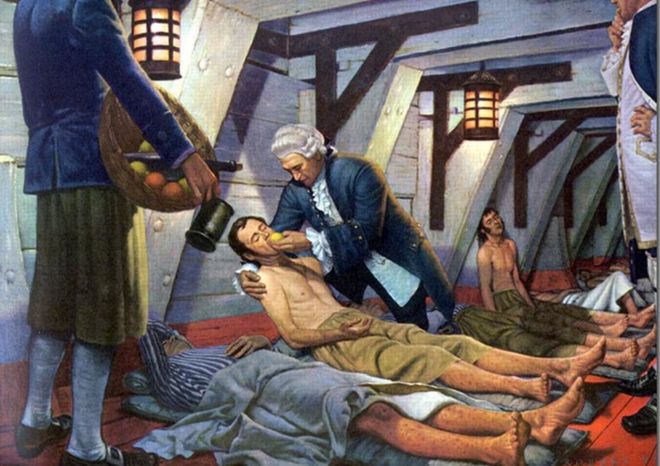
168. Ship’s Doctor – While the ship’s carpenter fixes the ship, the ship’s doctor fixes the people and often can’t be easily replaced. Yet, a ship’s doctor’s life during the Age of Sail wasn’t one of smooth sailing. For one, surgery meant amputations and wound stitching with raw, unsterilized tools while patients were fully awake. Second, due to a reliance on the now scientifically debunked theory of humoralism, ship doctors routinely bled patients, induced vomiting, or used toxic compounds like mercury to treat illnesses. Third, early practitioners were often lower-status “barber-surgeons” who pulled teeth and care alongside medical duties. Fourth, on a wooden ship, the “cockpit” or sick bay was located in the deep, dark hold, lacking proper space for instruments, lint, or clean dressing. Fifth, private practice vastly paid better, leaving ships to absorb unsuccessful and practitioners who lacked authority or proper uniforms. Finally, ship doctors had to manage catastrophic outbreaks of scurvy, typhus, and yellow fever with virtually no effective medicines.

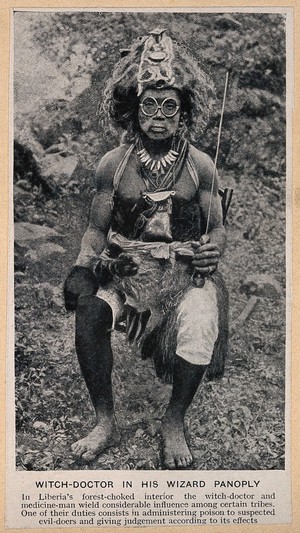
169. Witch Doctor – In movies and TV, witch doctors often appear as wizards who treat people with magical voodoo. In reality, the witch doctor’s life wasn’t what you’d see on the screen. First, if a patient died or a crop failed, the healer often took direct blame for causing the tragedy through dark magic. Second, European folk healers and midwives were often tortured and executed during witch trials if church or state authorities viewed their non-standard methods as heresy. Third, during the expansion of European empires, traditional practitioners like Zimbabwe’s n’anga faced severe crackdowns and criminalization by colonial powers and missionaries pushing western medicine. Fourth, working with raw herbs, plants, and animal parts meant accidental poisonings were common. Mainly because exact dosages were unknown and accurate weights and measures didn’t exist. Fifth, witch doctors had no access to sanitary tools, germ theory, or antiseptic knowledge, so this naturally meant they worked in unsanitary environments with high infection rates. Finally, communities expected absolute miracles, resulting in with doctors bearing the physical and psychological burden of failure when facing incurable diseases. But at least, they never had to worry about their friends from the other side dragging them to Hell if he didn’t pay up.

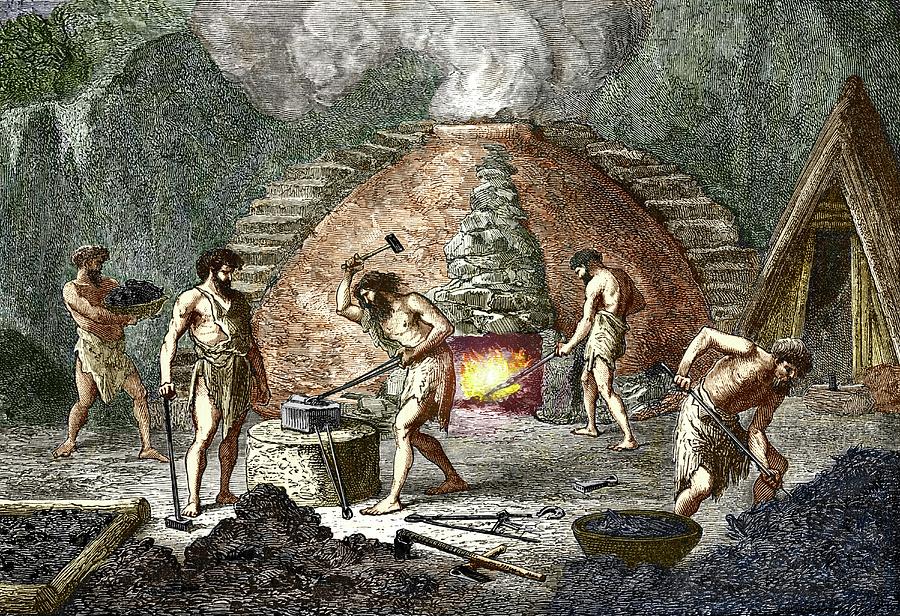
170. Smelter – Although the role of a blacksmith is well represented, his supplier is barely visible in the popular imagination. But being a smelter was like being a blacksmith with all the danger and none of the glory. Even though they’re the ones who refine the metals so smiths could use them for their creations. First, inhaling heavy metal fumes (like lead, arsenic, mercury, and zinc) and sulfur dioxide caused chronic respiratory failure, neurological damage, and early death. Second, working inches from furnaces reaching 1,500-3,000 º F resulted in severe heat exhaustion, burns, and blinding cataracts. Third, direct exposure to molten metal and pressurized gases meant catastrophic explosions could maim or kill instantly. Fourth, operating archaic blast furnaces or crude bloomeries required round-the-clock manual labor and zero safety gear. Lastly, heavily lifting raw ore and crude tools cause crippling repetitive stress injuries, deafness from the air blast roars, and skeletal deformities.

Historical Professions That Actually Sucked: Part 16 Wig Maker to Carpenter

              Although we often see the gig economy as a recent invention, it’s hardly anything new. Hobos traveled cross country from job to job during hard economic times. Mercenaries went from war to war fighting for whoever paid them. Some women did other people’s laundry in their homes. Anyway, perhaps many have imagined themselves as composers or opera singers? How about as humble potters and weaver. In this post, here are ten more historical jobs and their dark realities.

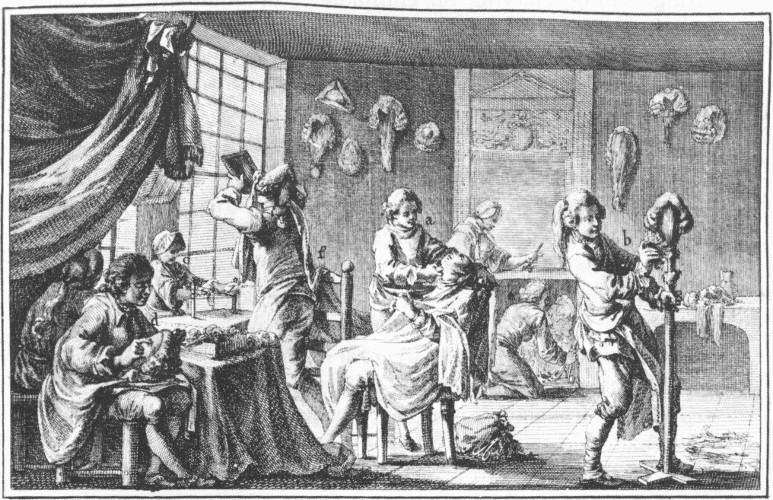
151. Wig Maker – The 17th and 18th centuries were high time for wigs with anyone who’s able to afford one getting one. Yet, what about the guy who made these crazy contraptions? Well, it wasn’t quite hair-raising as you might assume. First, since good hair was difficult to come by, wig makers often scoured the countryside. They often bought locks from poor rural women willing to part with their vanity for quick cash, or from tanners and dealers who collected hair from morgues and battlefields. Second, to style the hair and keep its shape, wig makers heavily relied on animal fats like beef suet, lard, or bear grease. They’d then coat the sticky hair in heavily scented powders made from good starch and flour. Third, combine these animal fats with horrendous Cavalier years’ personal hygiene habits, the wigs quickly soured. Making wig makers battle the constant smell of rotting grease and sweat, often having to saturate the hair in overpowering flower or herb scents to mask the odor. Fourth, to get those tight curls, wig makers shaped the hair over clay blocks or wooden pegs, cover them in a thick paste of flour, and “bake” them in a bakery oven or specialized stove to set the curl. This was a delicate, hot, and highly combustible process. Didn’t help that curls were all the rage in 17th and 18th century hairstyles. Lastly, wearing wigs at the time was a way to hide conditions like syphilis and severe lice. Naturally, wig makers had to handle and maintain infested hair. Servants or wig makers themselves had to delouse, dirty, bloody, or pest-ridden wigs. On the bright side, this was a highly respected, heavily sought-after trade. Since a high-end wig could cost the equivalent of a common laborer’s weekly wages.

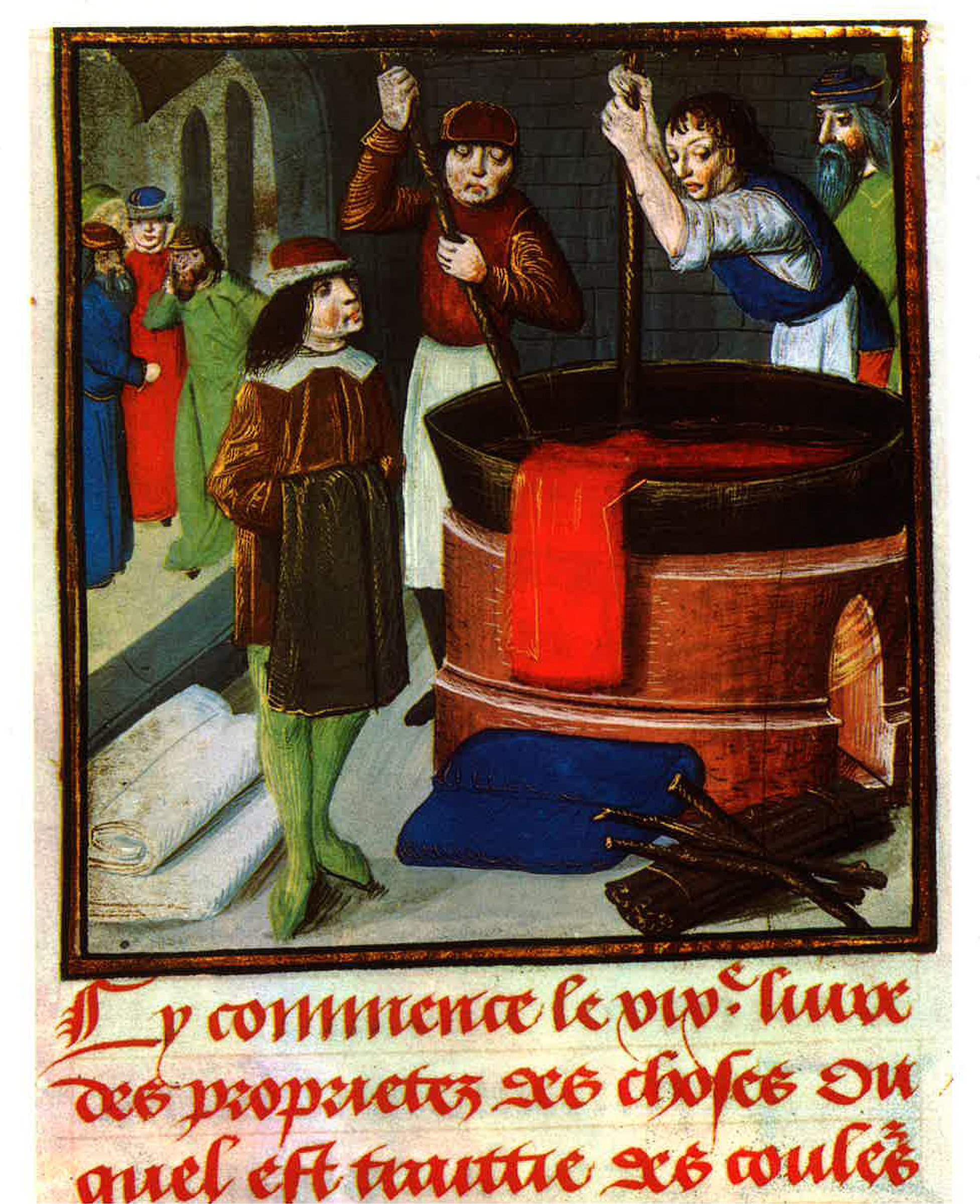
152. Dyer – Throughout historical media, you often see people decked in rather colorful clothes. Yet, none ever think how they came into those fabrics. Nonetheless, for much of history, being a dyer was considered one of the worst and most miserable professions. First, the ammonia found in stale urine was universally used as a mordant to help bind dyes to the fabric. Dyers fermented massive vats of it, and in the case of indigo and woad, fabrics were soaked in vats of rotting human urine for days. Due to the unbearable smell of toxic runoff and fire hazards, dyers were legally forced to the outskirts of towns or banished to the edge of rivers. Dyers’ hands, nails, and clothes were permanently stained the color of whatever they worked with at the time. Those specializing in black, brown, and blue dyes carried those colors on their skin for life. Second, dyers required mordants like arsenic, lead, and tin to set properly. Working directly with these substances over boiling pots led to heavy metal poisoning, respiratory issues, and severe health problems. Woad, the plant often used to make blue, required intense processing forcing workers to inhale airborne particulates that caused illness. Didn’t help that the work involved lifting giant, soaking wet fabric, constantly stirring boiling vats, and standing in wet, unventilated rooms. Third, because dyers seemed to magically transform drab, dull wool into vibrant, unnatural colors, they were often viewed with heavy public suspicion. Sometimes they’d be suspected as practicing witches. Despite producing fabrics that the upper class used to show off their wealth, dyers were typically treated as low-class members of the community and were excluded from elite merchant guilds from many cities. While heating vats of flammable acids, oils, and botanicals meant dye houses frequently burned down. Lastly, if a dyer miscalculated the water temperature by even a few degrees, the dyer would fail to set evenly, or the fabric would felt and be ruined. This instantly destroyed the merchant’s expensive raw materials, putting the dyer in deep debt.
153. Coal Miner – Although the job as coal miner was certainly no picnic, people have no idea how much it sucked during the Gilded Age or earlier when worker’s rights and safety regulations were practically non-existent. Especially when you account for how conservatives in the US seem to nostalgize over the profession (mainly because they come from rather economically depressed areas in Appalachia). First, miners faced constant threats of cave-ins, toxic gas exposure, and explosive coal dust. Before modern safety regulations, over 95,000 miners died in the US between 1900 and 1950 alone. Second, breathing heavy coal dust every day resulted in pneumoconiosis (black lung). This condition permanently damaged lungs, leading to a lifetime of agonizing wheezing, coughing, and premature death. Third, in many areas of the United States, coal miners lived in isolated, company-owned towns. The company owned their housing, tools, and the local general store, often paying them in company “scrip” instead of actual US currency. This kept miners in a continuous cycle of debt, making it impossible to quit or leave. Oh, and should miners die or suffer disabling injuries, the company would likely evict his family and leave them destitute. Fourth, mining was extremely physically demanding. Miners spent long 10-12 hour shifts hunched or crawling in narrow, damp, and dark tunnels swinging pickaxes, and hauling heavy carts by hand. Lastly, young boys (some as young as 9), worked the mines as “breaker boys,” sitting for hours in the dark, dusty conditions separating rock from coal, permanently damaging their hands and lungs. In some places in the US South, coal mining was done by convict labor who had poor food rations, cramped sleeping quarters, and inadequate health care. Violent convicts bullied and abused weaker ones. Physical punishments for not meeting coal collection quotas included whippings, being tied up and tossed into solitary confinement, and water torture. Shackles, chains, and other methods were used to prevent escape. Oh, and if anyone complains about the conditions and decides to go on strike, well, expect company town eviction and armed retaliation.

154. Orderly – In many old movies, you often come across the hospital orderly. Often depicted as a man, no one thinks much of them. Even though it’s a profession dating all the way back to the Byzantine era. Yet, this job wasn’t the sanitary image we often see, which was more of a nurse’s aide and a janitor. First, before modern germ theory and antibiotics, orderlies cleaned infectious wounds, handled biohazardous waste, and dealt with highly contagious disease at crowded hospitals. This put them at constant risk for contracting illnesses like cholera, typhus, and tuberculosis. Second, without modern lifting devices, orderlies did all the heavy lifting in hospitals. They were responsible for carrying heavy patients, turning uncooperative individuals, and lugging endless supplies and firewood. Third, orderlies were frequently treated as glorified servants, working shifts sometimes stretching up to 90 hours a week during wartime or industrialization. Fourth, orderlies were essentially subordinate manual laborers with no medical credentials, expected to take orders from doctors and nurses while performing the absolute “dirtiest” hospital duties. Fifth, orderlies assigned to asylums were tasked with subduing, wrestling, and physically restraining combative or mentally ill patients without the benefit of modern tranquilizers or safety protocols. Finally, the job lacked social status and pay was notoriously low. Since many people in the 19th and 20th viewed orderlies as a last-resort job for the unskilled working poor.

155. Potter – When we think of pottery, we often think of those people who do ceramics as hobby. Yet, in history, being a potter wasn’t something people did to relax. Far from it. For one, glazes relied on toxic heavy metals like lead, including the bright, shiny ones used in Mesopotamia and the Middle Ages. Potters also constantly breathed in silica dust, leading to silicosis and absorbed lead, which slowly accumulated into their bodies. Lead poisoning caused neurological damage, paralysis, sterility, and even death. Second, harvesting and preparing clay without modern machinery was grueling work. Digging from riverbeds, hauling it, and wedging it by hand required incredible strength. Throwing it or coiling thousands of utilitarian pieces caused lifelong joint and repetitive strain injuries. Third, the origin of the phrase “going potty” comes from mental deterioration historical potters suffered. Prolonged exposure to toxic metal and mineral vapors during the firing process deeply affected their nervous systems, sometimes inducing, “madness.” Lastly, because early ceramics were entirely utilitarian and meant for daily wage packets or basic food storage, potters in early civilizations (like Mesopotamia or Rome) were mostly viewed as low-class laborers instead of artisans. Since it was a trade driven by relentless demand and low profit margins.

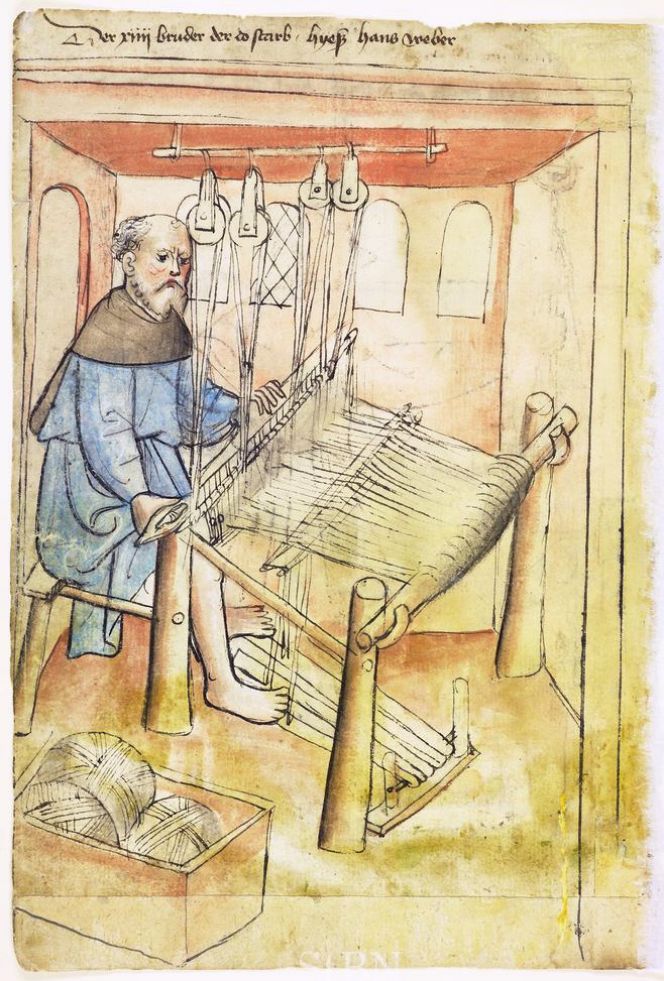
156. Weaver – To many, weaving is a cozy, rustic hobby. However, in history, it was an exhausting and dangerous grind. For one, in textile mills, weavers used their mouths to suck the thread through the shuttle’s eye to thread the loom. This disgusting, repetitive habit known as “the kiss of death” rapidly spread tuberculosis through weave rooms, as a single infected worker could contaminate an entire space. Second, weaving required hunched, contorted postures for 14-16 hour days. Operating heavy treadle looms battered the weaver’s joints, causing severe back pain, respiratory problems from inhaling airborne lint, and even physical deformities in the spine and hips. Third, weavers were often trapped in cycles of debt. During the British colonization of India, agents (gomasthas) strictly supervised local weavers, forcing them to exclusively sell to the British at below-market while forcing them to buy materials at inflated prices. Fourth, when working from home, weavers had to operate in damp, poorly ventilated cellars. Moisture was necessary to keep the thread pliable so it wouldn’t snap, meaning weavers spent their days in cold, dark, and moldy environments that ruined their lungs and joints. Lastly, the invention of power looms during the Industrial Revolution (1760-1840) completely obliterated the handloom industry. Weavers who spent their lives mastering a complex, painstaking trade suddenly found themselves unable to compete with the sheer output and low cost of factory made textiles. Many of them would become Luddites because of this.
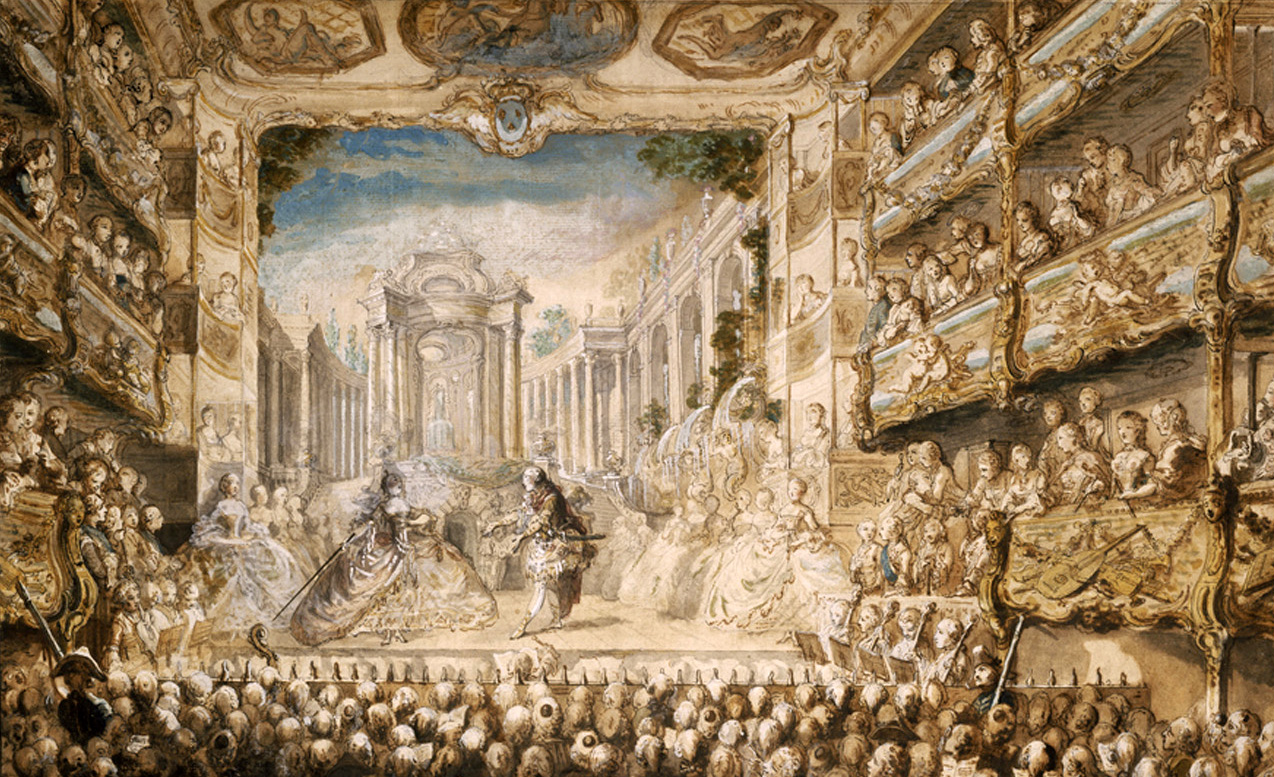
157. Opera Singer – Today opera singers are often seen as among the ultimate music artists. But when opera was in its heyday, this wasn’t always the case. For one, performers were historically viewed as public property and moral outcasts, often placed on the lowest rungs of society despite entertaining the elite. Society linked itinerant singing with promiscuity and lawlessness. This meant female singers were frequently branded with the status only slightly above sex workers. During the 17th and early 18th centuries, young boys with exceptional voices were castrated to preserve their high pitch, facing a lifetime of fascination mixed with deep social alienation regarding their mutilation. Second, singers had to force their voices to cut through massive live orchestras without microphones, leading to chronic vocal strain and premature burnout. Vocal health treatments in past centuries often included dangerous substances like mercury, bloodletting, and toxic concoctions prescribed by quack doctors. Performers also faced grueling travel conditions in unheated carriages, performing nightly regimens wrecking their physical health. Finally, lacking labor protection, opera singers entirely depended on the whims of wealthy aristocrats or theater managers who could withhold pay at any moment. While opera crowds could be notoriously volatile, ready to riot, throw heavy objects, or loudly boo performers who cracked a note or fell out of favor.
158. Composer – Today, we often view classical composers as old masters whose music can supply a year’s worth of prestige 19th century cover bands (orchestras). But the life of a composer wasn’t exactly music to anyone’s ears. For one, even successful composers like Johann Sebastian Bach and Joseph Haydn had to were treated like household staff, required to wear uniforms, and eat with the cooks. Bach had to write a brand new cantata for every single Sunday church service, leaving him no rest. Especially since he’d eventually have a total of 20 kids within 2 marriages. Not to mention, having other things to do like teaching music during the day. While princes and kings could fire composers or ban their music on a whim if a piece sounded too complex or modern. So if it ain’t Baroque, that might be a problem. But certainly no problem you can’t Handel. Then there’s the fact modern copyright regulations are non-existent. So anyone could copy, sell, or change a composer’s sheet music without paying them a single cent. Poor health was treated with bleeding and toxic mercury treatments. And no, neither made Robert Schumann’s mental health issues or Beethoven’s deafness any better. While many great composers died young, broke, or exhausted from overwork and untreated infections. Wolfgang Amadeus Mozart died from what was likely a sudden illness at only 35 with outstanding debts (though he wasn’t buried in a pauper’s grave). Franz Schubert died at only 31 just as his career was taking off from what was likely typhoid, though some suspect syphilis. Felix Mendelssohn died at only 38 after a series of strokes, possibly fueled by nervous problems (seizures) and overwork, leaving a wife and 5 kids. Frederic Chopin died at 39 officially from tuberculosis but he had been in bad health since his childhood. Yet, historians even debate his cause of death, too. While Robert Schumann died in a sanatorium of pneumonia at only 46. But at least composers left such beautiful music for the masses. Yes, but keep in mind that Bach’s music was almost lost until the 19th century when Felix Mendelsohn rediscovered it for the masses. Seriously, ending up famous and rich like George Frederic Handel was often the exception than the rule.

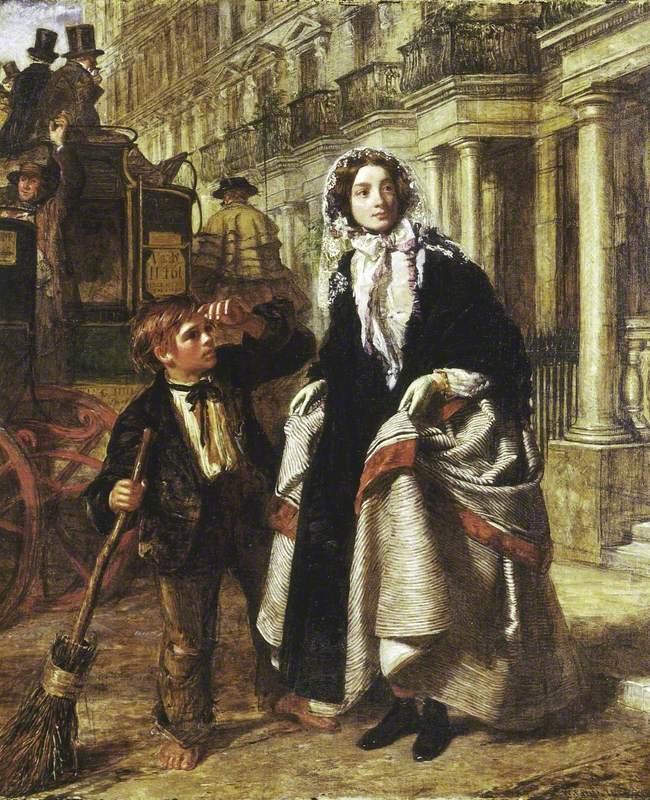
159. Street Sweeper – In historical movies and TV shows, the streets are often immaculate whether the setting be a cobblestone village path in Europe or a dusty street in the American West. Somehow this makes a street sweeper seem like a guy with super-speed powers. Yet the reality wasn’t a clean sweep. First, in the days before cars, thousands of working horses, oxen, and farm animals dropped tons of manure onto city roads daily, which required shoveling by hand. Gutters doubled as sewers filled with rotting food, dead animals, and the contents of household chamber pots. While heavy coal ash, soot, and chemical runoff coated paving stones during the Industrial Revolution. Second, unsurprisingly, workers faced high rates of fatal infections like cholera, typhoid, and tetanus from exposure to biological waste. Breathing in thick clouds of dried horse manure, dust, and coal particulates caused chronic and fatal respiratory illness. Manual sweepers worked directly in unpaved or cobblestone streets amid unpredictable, fast-moving horse-drawn carriages and early automobiles without safety gear. Lastly, municipal and independent sweepers barely earned enough to survive, leaving their own families hungry while cleaning wealthy neighborhoods. Informal “crossing sweepers” (often the poorest workers or children) were seen by society as barely better than beggars, relying completely on unpredictable tips from rich pedestrians.

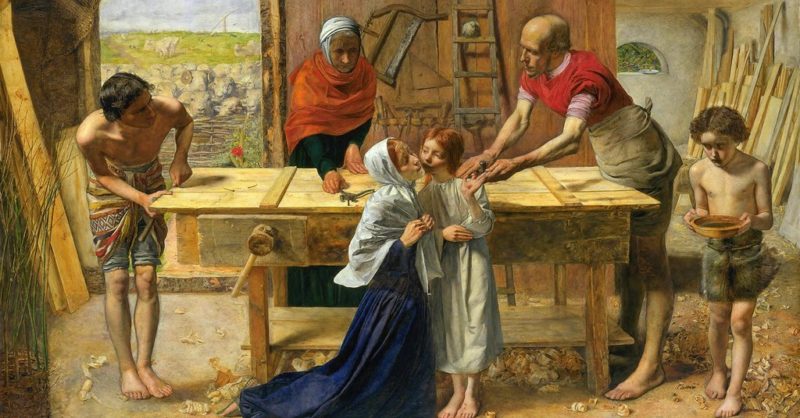
160. Carpenter – In historical settings, a carpenter seems like a rather good paying benign job. But historical carpenter often didn’t have it so easy, especially since they spent most of the past without power tools. First, every board had to pit-sawed by hand (this involved one person standing in a pit covered in sawdust, the other on top) or shaped entirely with heavy hand planes and adzes. Splinters, severe ax wounds, crushed fingers from heavy timber framing, and eye damage from flying wood chips were a constant part of the carpenter life. While working at dangerous heights on scaffolding made from tied-together poles and frayed ropes meant a single slip could result in death or permanent disability. Second, lifting massive green (wet) oak or pine timber beams without cranes or hydraulic elevators wrecked backs, knees, and joints before a carpenter reached middle age. Since work was mostly outdoors or in open-air frames exposed to freezing winters, pouring rain, and scorching summer heat. While sharpening heavy iron and steel hand tools took hours of grueling grindstone work after a 10-12 hour workday. Finally, many carpenters were poorly paid, sometimes in food, land use, or trade goods rather than in actual coin, making it difficult to pay taxes and debts. Training started in early youth as an unpaid or low-paid apprentice, enduring years of strict servitude under a master craftsman just to learn the trade. While work was entirely seasonal and project-based. When winter hit or a local community’s money dried up, carpenters faced immediate poverty.

Historical Professions That Actually Sucked: Part 15 Ninja to Governess

You may have noticed that historical athlete jobs actually weren’t that great. Race car drivers risked their lives with little money. Players on major sports franchises used to take second jobs during the off-season and were plunged into poverty after retirement. Olympic athletes were banned if they’re caught playing professional sports. While Eastern Bloc athletes had to take steroids, were constantly monitored as political tools, had no social lives, and could get flack if they didn’t win an Olympic gold medal. Not sure what that would mean for the 1980 Soviet Hockey team. Anyway, ever imagined yourself as a ninja? Maybe you thought driving a tank during World War II was a sweet gig. And who wouldn’t want to be a governess in a period drama. In this post, we look at another ten historical jobs and their dark realities.

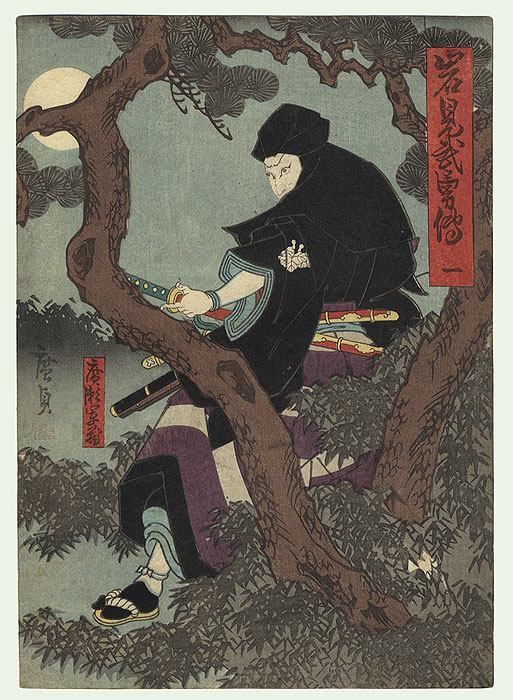
141. Ninja – Many movies and TV shows make being a ninja seems like a cool thing. However, the ninja reality was nothing like it was seen on the screen. Since ninjas acted more like covert agents, not a black-clad kung fu force. It also wasn’t very glamorous either. For one, ninjas had very low life expectancy and reaching 30 was uncommon. There also wasn’t any retirement so older ninjas still had to go on dangerous missions. Second, ninjas were actually just spies and secret agents, not warriors. Their job mostly comprised of sneaking around and listening to people talk. Thus, it was more about gathering secrets than having cool sword fights. Third, due to security reasons, relationships were forbidden and many ninjas led lonely lives. Fourth, training was tough and often resulted in permanent injuries. Since ninjas had to learn how to resist torture and endure extreme weather. Lastly, due to being secret spies, no one could know who was a ninja and who wasn’t. They lived in the shadows and did the “dirty work” of war, so they rarely received any public honor or rewards.

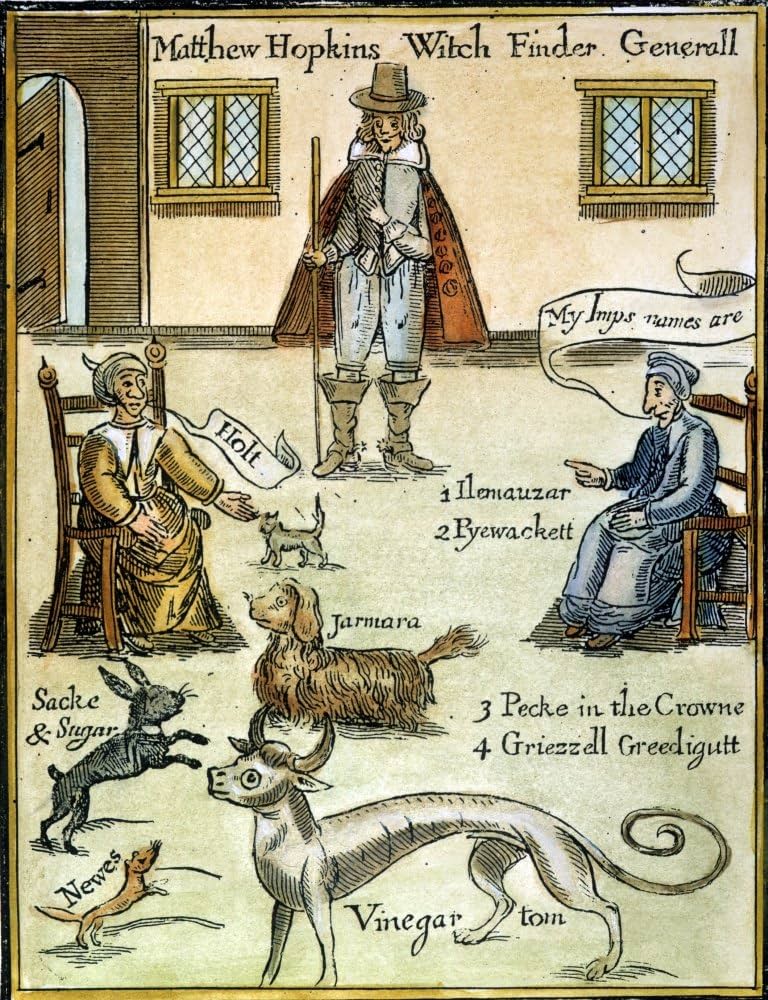
142. Witchfinder – Although being a witchfinder is more of a villainous job during the days od with hysteria, they often look pretty snazzy in their 17th century outfits. While the real job was a rather miserable one. First, witchfinders constantly traveled between small villages, often sleeping in damp, uncomfortable inns and dealing with unpredictable, exhausting weather. Second, one of the witchfinder’s main duties was stripping suspects and shaving their bodies to find a “witch’s teat” or “witch’s mark” (claiming an extra growth or blemish where an evil spirit would drink blood). It was grueling, invasive, and deeply unglamorous process. Third, instead of using magic, witchfinders used torture and sleep deprivation. They’d force suspects (often poor or elderly women) to stay awake for days while watching them, waiting for a “familiar” (like a cat, spider, or toad) to appear. Fourth, witchfinders were professional scapegoats for communities facing natural disasters or illness. Should they fail to find a witch or accuse a beloved member of the village, they quickly became the town’s rage target. Fifth, witchfinders often performed a swimming test, where a suspect was tied up and thrown into deep water. Mainly due to the belief that pure water would “reject” the witch, causing them to float, while an innocent person would sink. Doing this meant wading into dirty, freezing waters to pull out terrified, struggling, and sometimes drowning suspects. Sixth, witchfinders only got paid if they actually convicted a witch. If an entire village paid for the witchfinder’s services but didn’t secure any convictions, he often didn’t get any money. Lastly, witchfinders are deeply remembered as villains or fools of history. After the hunts ended and witch trials were outlawed, many of them were widely hated, forced into hiding, or buried in shame.

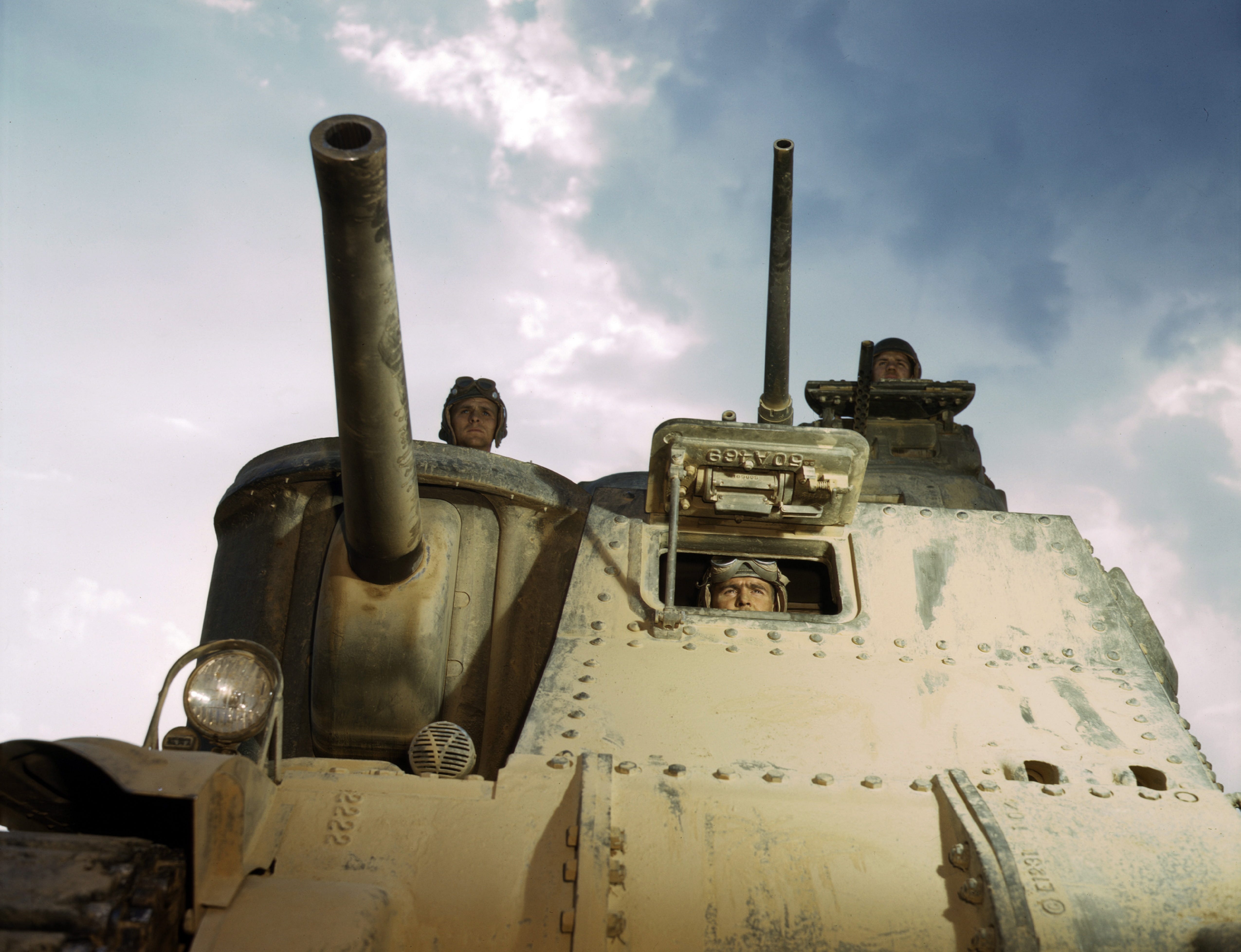
143. Tank Driver – In 20th century conflicts, tanks have become a feature in warfare at least since World War I. But driving these things wasn’t really a joy ride that it’s depicted in war movies. First, if you’re claustrophobic, being inside a tank was like being in Hell where temperatures could easily sour past 100 º F. Engines roared so loud to cause ear pain, and the compartment fills with thick, poisonous diesel smoke and grease. Second, drivers had to squeeze through tiny hatches. Once inside, they spent hours hunched over steering controls with almost no ability to stretch or move their legs. Third, operating a 50-70 ton is physically dangerous. Crew members often got fingers or limbs crushed by heavy metal hatches and moving track parts. Finally, unlike normal cars, tanks don’t have soft suspension. Tank drivers constantly bounced around, often causing broken bones and severe bruising just from the vehicle’s movement. Yet, on the bright side, better to be in a tank than serving on an air bomber crew or a submarine.

144. Flame Thrower – In war movies, the flame thrower is the guy who sprays infernal destruction everywhere he goes whether to destroy fields or forest brush. Yet, the life was far from wanton burning as it was one of the most dangerous jobs in the 20th century military. First, carrying 50-70lbs of pressurized fuel made you the biggest battlefield target. Should enemy bullets hit your fuel tank, it would rupture and could either cause devastating explosions or spray you with burning fuel. Second, while modern rifles let soldiers shoot from hundreds of yards away, the flamethrower’s effective range was only about 20-50 meters. Meaning operators needed to run out into the open and get dangerously close to enemy bunkers or trenches just to use the weapon. Third, unlike what you see in war movies, flamethrowers don’t continuously spread endless carnage. Backpack tanks only held enough fuel for 10-15 seconds of total firing time. Not exactly the stuff of war cinema. Fourth, shooting a giant jet of fire in an enclosed bunker or trench didn’t just burn people. The fire also instantly sucked out all the oxygen out of the air and created toxic smoke, with operators often suffocating their enemies as well as themselves. Lastly, because flamethrowers were widely seen as terrifying and inhumane weapons, there was a known and unspoken rule that opposing soldiers rarely showed mercy to the captured flamethrower or its operators. In fact, they often executed flame throwers on the spot.

145. Firefighter – While firefighters are among the community’s most respected heroes, this wasn’t always the case. In fact, in the olden days, being a firefighter was a far different life. First, early firefighters were called “smoke eaters” since self-contained breathing apparatuses (SCBAs) didn’t exist. Instead, when going into a burning building, they simply had to hold their breath, ultimately inhaling massive amounts of thick, dangerous smoke. Second, instead of modern fire-resistant suits, historical firefighters wore heavy canvas coats and tall leather boots. Whenever this gear got wet or hot, they became incredibly heavy and offered almost no real protection against intense flames or extreme heat. Third, before introduction of public fire departments (which would be around the time of the American Civil War in the US), private insurance companies had their own fire brigades. If a building was on fire, firefighters would check the wall for a company’s metal plaque. If the building was insured by a rival, the crew would literally pack up their hoses and let it burn. Fourth, fire companies frequently fought each other in the streets for the right to put out fires and claim the insurance companies’ cash reward. It wasn’t uncommon for crews to physically brawl, slash rival hoses, or guard fire hydrants with weapons while buildings burned. Lastly, before modern government-run fire departments, volunteer and private fire crews operated as fraternal clubs (VFDs still do in some capacity). Should you be injured or killed on the job, there was no guaranteed medical care, sick leave, or financial support for your family.

146. Milkmaid – Milkmaids are often a major feature on historical farms in period shows and movies. But the real thing was a grueling job with a major benefit that paved the way for a ground-breaking medical breakthrough. First, your job didn’t just involve milking cows. You also did heavy, manual farming from 4 am until late at night. A single milkmaid could be expected to milk up to 10 cows twice a day by hand. Second, milking a cow involved repeatedly squeezing a cow’s teat using your thumb and forefinger. This repetitive motion caused painful tendon inflammation and joint stiffness known as “milker’s cramps.” This was a repetitive strain injury (RSI) leaving many women with permanently damaged hands. Third, before the days of concrete floors and automated sanitation, milking took place in dirty, wet, and drafty barns. Milkmaids spent hours kneeling on cold, damp straw in the freezing winter and sweltering summer. Fourth, cows are large, unpredictable animals. Milkmaids routinely risked being kicked, stepped on, or knocked over in cramped, slippery stalls. Finally, cows often carried a viral infection called cowpox. When milkmaids handled the infected udders, their sores were passed onto their hands. While these were rarely serious, they were painful and often irritating. Yet, ironically, getting the annoying cowpox was actually the best part of the milkmaids’ job since it often saved their lives from smallpox. Since frequent exposure to cowpox led them to develop a natural immunity to a notorious disease known to cause disfiguring scars and death. Thus, leading milkmaids being known as having clear skin. And it was this immunity that led to Dr. Edward Jenner to create the first vaccine.

147. Brewer – Historical movies and TV shows are often awash in alcoholic beverages. Yet, many have no idea of what it’s like to actually brew the stuff. First, fermentation naturally produces carbon dioxide. In poorly ventilated spaces, this invisible gas displaced oxygen, suffocating brewers who leaned too far into their vats. Speaking of the vats, they were massive wooden tubs. Brewers risked slipping into boiling hot water or plunging into vats of sticky, fermenting mash, a hazard causing tragic fatalities in early breweries. Second, before the Industrial Revolution, everything in the brewing process must be done by hand. Brewers spent hours milling grain, hauling heavy buckets of water, and stirring giant vats using large wooden oars. Because there are no modern chemical sanitizers, cleaning large wooden barrels was a nightmare. Brewers had to crawl inside tiny, freezing, or sweltering wooden kegs to scrub them clean, risking respiratory issues from mold and fumes. Third, since no one understood microbiology at the time, fermentation was a mystery. Should wild yeast or bacteria sneaked into the brew, the entire batch would turn sour or spoil, resulting in total loss of time and expensive ingredients. Fourth, should a brewer make one bad batch, water their beer down, or price-gouge customers, they risked severe penalties such as being tied to a public stool or dunked in a pond or river. Lastly, brewing required boiling massive volumes of water over open flames, making the brew house stifling, smoky, and dangerously hot, even in the dead of winter. Still, on the bright side, know that many brewers in medieval and early modern Europe were women. And it was also a rather high paying gig compared to other career paths.

148. Hobo – Traveling in ragged clothes without a home to stay in, the hobo has become an iconic image of the Great Depression. But their lives weren’t exactly what many of us imagine them to be. First, despite being seen as an unemployed homeless guy, hobos were actually migratory workers traveling the country to find jobs. And it wasn’t exactly something people aspired to be, but a last resort of the desperately poor. In addition, it also predated the Great Depression because Charlie Chaplin built a whole career playing one from the 1910s. Second, railroads were a constant danger zone. Railroad companies hired security guards called “railroad bulls” who were notoriously heavily armed and violently beating or arresting anyone caught sneaking onto a freight train. Thus, the line in “The Big Rock Candy Mountain” about the railroad bulls being blind. Despite what you see in movies, hopping onto fast-moving trains requires precise timing. Many hobos were killed or had their limbs severed by falling under the steel wheels. In fact, records show that nearly 50,000 “tramps” were killed by freight trains between 1898-1908 alone. Should a hobo get lucky to jump into a boxcar, hiding inside one risked freezing to death in the winter or suffocating in long, unventilated railway tunnels. Second, sleeping outdoors or in drafty train cars meant hobos were completely at the mercy of freezing winters, baking summers, and torrential rain. If a hobo got sick or got injured on the road, they didn’t have access to hospitals or medicine. Without medical care or antibiotics, minor infections or illnesses were often deadly. Third, finding enough to eat was a daily, exhausting struggle. Because they didn’t have money, hobos had to beg door-to-door, dig through garbage, or hunt for scraps to make communal meals called “Mulligan’s stew.” Didn’t help that many towns passed strict laws against vagrancy (homelessness or unemployment) and actively drove hobos out. Travelers had to rely on a secret system of chalk marks on walls known as the Hobo Code, to figure out which towns were safe and which had angry police or hostile locals. Finally, despite that many hobos were just hardworking laborers displaced by poor economic times, society treated them like criminals, outcasts, or “bums” who simply refused to work. They faced heavy discrimination and were seen with deep suspicion wherever they traveled. Leaving home also meant giving up family support and a permanent roof over one’s head. The nomadic lifestyle was incredibly lonely and because of the harsh living conditions, very few hobos lived to old age. And that’s not getting into all the folk music.

149. Glassmaker – At any Renaissance Festival, you’d always see a glassmaker showing how glass is made. Yet in history, being a glassmaker wasn’t exactly the theme park version. First, in 13th century Venice, the glassmakers’ guild on the island of Murano closely guarded their techniques. To prevent leaks, the state forbade them from leaving. Should a glassmaker flee, the guild may imprison his family or even send assassins to eliminate him. Second, furnaces routinely operated at thousands of degrees, causing extreme heat exhaustion. Workers constantly faced severe heatstroke, dehydration, and a serious risk of losing their sight from the brilliant, unfiltered light of the molten batch. Third, glassmakers inhaled toxic fumes, such as lead (for leaded glass), arsenic, and various heavy metals used to color the glass. Many suffered from severe respiratory ailments and shortened life expectancies. Fourth, glass factories heavily relied on child labor. Unskilled laborers were relegated to the hottest, most dangerous parts of the floor. Lastly, before modern gas and electric furnaces, glassmakers relied on vast amounts of wood. In places like medieval Britain, this led to workshops being banished to deep forests, with entire operations moving constantly as the surrounding trees were depleted for fuel.

150. Governess – In period dramas, the governess is often a go-to job for a female protagonist. Often becoming a love interest for her student’s older brother, guardian, or widowed dad. In reality, most governesses didn’t get this happy ending. For one, this was a fallen on hard times job for an educated but impoverished gentlewoman. Many women took this job when their families went bankrupt. Wages were meager and she was expected to maintain a specific, modest, and proper wardrobe. Should she lose her job or get sick, her lack of savings meant a rapid descent into absolute poverty. Second, she was socially marooned within her employer’s estate. Due to her “genteel” background, she couldn’t socialize with working class servants. However, as hired help, she was entirely excluded from upper-class social life and treated with condescension by the parents. Third, she was typically forced to eat solitary meals, spend evenings alone in unheated attic rooms, and had a severely restricted personal life. She wasn’t allowed to make friends with the staff or participate in the family’s leisure time. Fourth, unlike other staff, she was virtually on call 24/7. As she’s responsible for the continuous education and moral upbringing of the girls and younger boys. So they had to enforce strict rules while receiving little or no respect from the kids themselves. Finally, because she was isolated and without family support nearby, she was incredibly vulnerable to exploitation. Like maids and other female servants, she frequently faced unwanted sexual advances from male household members or guests. So much for romance.

Historical Professions That Actually Sucked: Part 14 Boxer to Eastern Bloc Athlete

Sometimes many of the crap jobs were often essential. Camp followers weren’t often treated with the respect they deserve, but they kept an army running. Tanners and chandlers were shunned by made essential products no one could do without. While frontier schoolteachers were force to crash at with their students’ families due to their crappy pay but taught children in isolated rural areas. Anyway, ever imagined yourself as an Olympic athlete in the olden days? How about serving in a calvary or Mongol hordes? Or even a G-Man hunting gangers. Here’s another post of ten more historical jobs and their dark realities.

131. Boxer – In historical pieces, you often come across an old-time boxing match. Yet, the boxer reality was nothing you could swipe at. First, while modern boxing matches usually go 12 rounds, historical boxing matches often required fighters to go 15, 20, or even unlimited number of rounds until someone was knocked out. This meant fighters had to pace themselves differently and take a massive amount of damage over an hour or more in fighting. Second, boxers had to rely on less padded gloves, making every punch more damaging. Common injuries comprised of concussions, detached retinas, broken ribs, and severe facial scarring. There were no ringside doctors checking for brain injuries and “fighting through pain” was a mandatory survival skill rather than a heroic choice. Sometimes they even died in the ring like Frankie Campbell in his fight with Max Baer, haunting the latter for the rest of his life. Third, while a few famous boxers made good money, the rest were horribly exploited by corrupt managers and promoters. Fighters rarely saw their fair share of their purses. They had to fight multiple times a month, sometimes days apart to survive. This made them easy prey to long-term brain damage. Lastly, although boxing was one of thew sports black fighters could participate in, but they faced severe institutional racism. Even when undeniably the best in the world, black champions like Jack Johnson and Joe Gans were often barred from fighting for the heavyweight title, forced to carry the weight of intense societal prejudice, or pressure to “throw” fights.

132. Olympic Athlete – Today, being an Olympic athlete is to compete amongst the best of the best. Yet, in the olden days, the life could be brutal. Ancient Greek athletes competed naked in the burning sun, covered only in olive oil to protect their skin from the heat and the wind (not sure how that worked). No weight classes or medical teams existed, meaning frequent and brutal injuries. There were no silver or bronze medals. You either won or lost everything. Cheaters were publicly whipped or heavily fined. While married women were strictly forbidden from watching the games under penalty of death. In the modern Olympics, let’s look at the American athlete Jim Thorpe, said to be the greatest modern athlete the world had ever seen. Only to be stripped of his Olympic medals once he was found to have played semi-pro sports under his own name. Because during the 20th century, Olympic rules required athletes to be strict amateurs. If they made any money playing a sport like Thorpe did, they were instantly banned. While many athletes starved or went bankrupt trying to train full-time without getting paid.

133. Saloon Girl – Providing entertainment for the weary traveler, saloon girls are always dressed well and serve with a smile. But life as an Old West saloon girl was far from a glamorous one. First, despite being depicted wearing sparkling, high-end dresses, many saloon girls were widows, orphans, or refugees from farms or mills. They wore what they could, often breathing secondhand smoke and working in stifling heat. Second, a major part of a saloon girl’s job was encouraging men to buy drinks. While the customers paid high prices for real whiskey, the girls were usually served colored sugar water or weak cold tea. The women lived off small wages and a percentage of these overpriced drinks, so they had to constantly hustle to make ends meet. Third, saloons were lawless places filled with armed men, heavy drinking, and gambling. Brawls, accidental shootings, and violence were common hazards that many Old West towns and establishments had gun control measures. While saloon owners often protected their employees from out-of-line customers, the threat of danger was always there. Fourth, because they worked in male-dominated spaces, saloon girls weren’t seen as “proper” women. Respectable society shunned them and they were often lumped together with prostitutes, making it nearly impossible to leave that life and find traditional employment. Lastly, hygiene was incredibly poor, saloons were poorly ventilated, and frontier medical care was limited. Saloon girls dealt with the constant threat of infectious diseases, and an unplanned pregnancy meant the end of their career, as birth control was virtually nonexistent.

134. Rum Runner – With their fast shifts to avoid the law, the rum runner was often a daring figure of 1920s Prohibition America. But the reality was often fast and short. First, rum runners often raced in the dark without lights to avoid being seen. Unsurprisingly, this resulted in frequent, deadly collisions with sandbars, reefs, and other ships. US Coast Guard aggressively patrolled the waters and didn’t hesitate to fire upon smugglers. If caught, crews faced devastating $10,000 fines, prison time, and losing their boats. Second, the rum runner’s most terrifying threat wasn’t police but other criminals. Armed hoodlums known as “go-through guys” waited in fast, heavily armed boats. They specialized in hijacking rum runners to steal the booze and cash. These hijackers frequently killed crews and sank the ships to leave no witnesses. Third, smuggling wasn’t just confined to sunny southern waters prone to hurricanes. Rum runners also navigated through the Atlantic and the Great Lakes’ stormy coasts. Crews had to endure sub-freezing temperatures, icy waters, and towering, dangerous waves. Many captains and deckhands simply froze to death or were lost at sea during severe winter storms. Fourth, moving thousands of heavy cases of booze was a physical nightmare. Crews had to transfer fragile glass bottles from large “motherships” sitting in international waters to smaller, faster boats. This often happened in total darkness, freezing rain, and high winds. Heavy lifting and intense stress took a major toll on the body. Fifth, as in many professions operating outside the law, trust was difficult to come by. Rum runners were constantly worried that corrupt officials, rivals, and their own nervous crew members would leak their drop-off schedules and locations to the police or rival gangs. Finally, to outrun the Coast Guard, runners constantly monitored their boats, putting incredible strain on their engines. The boats were frequently broken down, requiring immense repairs, and sometimes failed right when they needed to escape the authorities.

135. Ship’s Carpenter – Although not a glamorized position on a wooden ship, a ship’s carpenter was essential and deeply underappreciated part of the crew. Yet, their lives weren’t always chippy. During naval battles or pirate attacks, a ship’s carpenter couldn’t fight. Instead they had to remain below deck near the waterline, armed with wooden wedges and hammers. All while cannonballs smashed through the wood around them, their job was to frantically jam wedges into the holes to keep the ship from sinking. Second, since wooden ships were constantly twisting and bending in the water, causing the planks to loosen and leak. Ship carpenters spent endless days hammer-packing oakum (crushed ropes mixed with tar) into gaps within the ship’s wood to keep the ocean out. This was impossible work needing to be repeated every time a ship sailed. Third, beyond woodwork, carpenters were responsible for the ship’s grimmest work. When a sailor died at sea, the carpenter had to stitch the body into a canvas burial shroud and build any necessary weights before the funeral at sea. Fifth, a ship’s carpenter’s tools had to be in perfect condition at all times. They also had other responsibilities. Sounding a well meant dropping a measuring stick to the ship’s bottom to see how much sea water had leaked in, ensuring the crew didn’t sink overnight. Mending the masts involved splinting shattered wooden masts high above the deck during wild storms so the ship could keep moving. While measuring water comprised of carefully managing the ship’s drinking water barrels and fixing any that began leaking. Lastly, should a ship’s carpenter die or fail, the entire ship could sink or break apart at sea. Let’s hope these unsung heroes were paid their proper due because their work on the ship was often a matter of life or death. Since these guys deserve much more glory than they’re given.

136. Cavalryman – Riding on a horse, the calvary have always been known to show up at the last minute in many westerns. But despite the glamor in movies, the life of a cavalry man was far from a ride into the sunset. For one, you had to really love horses that you’re willing to center your entire life around one. Because your horse wasn’t just a cool pet but your weapon and needs more attention and care than you did. In fact, you have to brush, scrub, and check your horse for injuries every day. Even a simple saddle blister could put you and your horse out of commission. Horses also need lots of water every single day, drinking as much as 13 gallons on a summer campaign just to survive. Before running water, finding and lugging this much water was a constant logistical nightmare. Horses also eat a massive amount of food and are massive pooping machines. Cleaning up after them, maintaining their heavy leather gear, and keeping them from deadly illnesses like colic was back-breaking work. Second, because you sat on a giant, tall animal, you were a very easy target for archers and later, anyone with a rifle or cannon. In gunpowder eras, a group of horses was the very first thing enemy cannons aimed at. With cannonballs skipping across the ground throwing riders and shattering horses’ legs. If you’re sent to attack foot soldiers, you usually couldn’t just trample them. Disciplined soldiers often packed tightly together and created a wall of spears, pikes, or bayonets. A horse’s instinct is to avoid running into sharp objects, making direct charges incredibly difficult and dangerous. Third, military technology was rarely on your side. Rifled muskets and rapid-fire machine guns made massive cavalry charges almost impossible to survive. Charging a gun line meant getting picked off long before you ever got close enough to swing a sword. Maintaining a cavalry army was incredibly expensive. Governments could often equip and train 8 foot soldiers at the cost of one single cavalryman. So despite being highly valued, you were under-supported. Lastly, riding a horse for hundreds of miles was terrible for human joints. Cavalrymen often suffered from severe back pain, chafed skin, and saddle sores that easily became infected. Furthermore, falling off a horse during a chaotic battle or have a wounded horse collapse on top of you frequently resulted in broken bones or death.

137. Wet Nurse – Sent for when there’s a new baby, a wetnurse always cared for children who came from richer families than they did. But their life can often be a thankless slog. For one, unless you’re Moses’ mother Jochebed, wet nurses often had to leave their own newborn babies behind. Because wet nurses couldn’t feed their own babies, these children often suffered from malnutrition or faced much higher death rates. Second, lactation requires a massive amount of calories and energy. Wet nurses had to constantly produce milk for months, sometimes up to 3 years. This led to physical exhaustion, severe nipple chafing, and general burnout. Third, employers dictated every aspect of a wet nurse’s life. They were told what to eat, forbidden from drinking alcohol, and strictly banned from having sexual intercourse, as employers believed it would “spoil” the milk. Fourth, in many historical eras, such as during American slavery, the role was deeply traumatic. Enslaved women were forced to nurse their enslaver’s children while neglecting their own babies, suffering under the constant threat of family separation, physical punishment, or sexual assault. Fifth, before modern medicine, people didn’t know a thing about germs. If the employer’s baby got sick or died as it often happened, the wet nurse was frequently blamed and fired. All despite having no medical knowledge to prevent the illness. Lastly, since wealthy families feared a wet nurse’s milk would transfer bad traits into their baby, wet nurses were heavily judged, controlled, and micromanaged on irrational superstitions.

138. Mongol Raider – During the Middle Ages, nothing could put the frights to people than the legions of Genghis Khan’s horseback raiders. But the life was anything but glorious. For one, the vast plains of the Eurasian Steppe feature freezing winters and scorching summers. Raiding parties covered hundreds of miles on horseback, constantly enduring these extremes. Despite being part of the force that amassed the largest land empire in history, Mongol raiders didn’t enjoy grand feasts on the road. Just mainly dairy products and horse meat. Should food run low, they’d slice into their horse’s veins and drink their blood for survival. And if wounded by enemy arrows, spears, or stones, expect your medical care to be extremely basic and infections often deadly. Second, Mongol military law strictly ran under Yassa (a code of law Genghis Khan created). Abandon your post or flee battle, you and your entire 10-man unit was often executed. While young and old alike were required to participate in massive, months long, circular winter hunts (nerge). These were designed to stimulate the horrors and exhaustion of real battles. While every raider had to take care of 3-5 horses, meaning constantly feeding, grooming, and managing the animals. Even if you’re already completely worn out from fighting. Third, campaigns were long with raiders often separated from their families for years at a time. Mongol tactics required raiders to move incredibly fast, feign retreats to lure enemies into traps, and act as the first wave in dangerous sieges. Raiders took the brunt of heavy enemy fire. Because the Mongols’ entire society was a military machine, women at home had to manage massive herds, set up and take down heavy felt tents (gers), and protect themselves if attacked while all the men were away.

139. G-Man – Fighting interstate crime during Prohibition and the 1930s, the G-Man was often depicted as the FBI’s finest. But being an early FBI agent wasn’t all glory in catching bad guys. First, strict dress codes had agents wearing a suit, tie, and fedora hat even in the hottest and most humid summer weather. Because FBI director J. Edgar Hoover strictly forbade “short-sleeve” attire so you had to risk heat stroke just to look sharp. Speaking of Hoover, he was FBI boss for almost 50 years and a nightmare micromanaging boss willing to fire people for even minor mistakes. One minute late, one typo, or scuffed shoes could mean your career over in a heartbeat. Hunting down notorious monsters and bank robbers like John Dillinger and Baby-Face Nelson meant working non-stop. When a major case was happening, sleep was rare and weekends didn’t exist. Starting in the 1950s and 1960s, Hoover forced agents to perform secret and illegal wiretaps. Agents had to sneak around, placing hidden microphones, often knowing their boss’s surveillance went far beyond catching actual criminals and included spying on civil rights leaders and politicians. And yes, that meant tapping on Martin Luther King Jr. Finally, unlike modern desk jobs, historical G-men faced heavily armed outlaws and mafia bosses. It was a stressful life, where every footstep in a dark alley could put your life on the line.

140. Eastern Bloc Athlete – As a representative of an Eastern European country, these athletes competed with the western world to show feats of strength and speed. However, the life of one was often as a political tool. First, as an Eastern Bloc athlete during the Cold War, taking anabolic steroids weren’t optional. Even athletes as young as 12 years old were administered these “little blue pills” by team doctors. Of course, they’d often be told they were just “vitamins” or medicine to ensure a faster recovery. But this hidden doping left athletes with severe, lasting health issues, including liver disease, heart disease, and reproductive problems. Especially if the women’s team levels are high enough for them to pass as men. Second, Eastern Bloc athletes were considered government party and treated as tools to prove communism as the best system in the world. State police heavily watched, listened to, and controlled these athletes so nobody would try to escape. Even when competing globally, they were heavily supervised and rarely allowed to mix with people from other foreign countries. While failing to win a gold medal could result in losing state funding, getting demoted, or being banned from the sport entirely. So watch out for the 1980 men’s US Hockey Team. Third, since the Olympics only allowed “amateurs” during the Cold War, Eastern Bloc countries gave them fake jobs in the military or police forces. Even though they were expected to be professionals who trained all day, every day. Thus, meaning their sport consumed their entire life, leaving no room for a personal life or education. Lastly, because living conditions were poor under communist regimes and athletes could see how the rest of the world lived during their travels, many wanted to escape. But keep in mind that defecting means leaving friends and family forever. And that if you flee, the government might punish the loved ones you leave behind.

Historical Professions That Actually Sucked: Part 13 Inquisitor to Court Painter

              When it comes to certain law enforcement occupations, you tend to noticed how many of them weren’t always well-liked. Despite how our elders say that cops were respected in the olden days, historical evidence showed that the general public often saw them as thugs for the rich and powerful. And most ordinary citizens weren’t above committing physical violence against them. Customs officers went after criminals that much of the public saw as prominent figures of society and weren’t too happy to see them arrested. While Old West lawmen had their work cut out for them. Anyway, have you ever imagined yourself an alchemist trying to concoct the elixir of life? How about a brave muckraking journalist exposing systemic injustice? Or maybe even a court painter painting portraits of the royal family. In this post, here are ten more historical professions that seemed cooler on the screen than they actually were.

121. Inquisitor – Sure, we may not like these heretic persecuting inquisitors who love to torture and burn hapless victims at the stake. All because they disagree with some precepts of the Catholic Church. But the inquisitor life wasn’t the torture happy fun time it’s cracked up to be. First, inquisitors were mostly highly educated lawyers, priests, and judges whose days involved reading legal texts, recording testimonies, and managing mountains of paperwork. Rules required inquisitors to write down exactly what the accused said. Sometimes trials required a minimum of multiple witnesses to secure a conviction. Should those witnesses die or change their stories, the inquisitor’s case fell apart and they had to start over. Thus, daily life was less like Scorch Dave Saturday and more like a religion-oriented assistant district attorney. Second, inquisitors often traveled from town to town to set up temporary tribunals. Given that they lived during the medieval and early modern eras, this meant riding horses or walking on muddy roads for weeks. But when the inquisitor came to town, locals often treated them with suspicion. As their status as an outsider threatened local traditions and political structures. Third, inquisitors investigated several powerful, rich heretics or secret religious groups with a lot to lose. Because trials could result in prison or property loss, they were frequent targets of revenge, poisonings, and assassination attempts. Proof that even when it comes to religious doctrines, rich people would do anything to avoid accountability. Fourth, inquisitors were caught in the middle of intense political fights between the Catholic Church and local monarchs. Rulers often wanted inquisitors to find people guilty to help take away power and property from their local rivals. Should inquisitors be too lenient, local rulers could accuse them of being too soft and punish them. Should the inquisitors be too harsh, they could receive a reprimand from the Pope. Fifth, interrogators spent hours questioning suspects. If torture was eventually approved (which only happened in a minority of cases and under strict medical rules), the inquisitor had to be present to oversee it. Listening to screams and dealing with the psychological weight of putting fellow human beings on trial took a massive toll. Finally, many inquisitors were monks or priests pulled away from their scholarly, religious lives to do this difficult, dangerous detective work. They weren’t getting rich from the job. While many just simply wanted to finish their terms so they could return to their monasteries. So inquisitors were less like torture-happy religious fanatics and more like US attorneys working for the Trump administration on Game of Thrones.

122. Barnstormer – Anyone who’s watched anything on early flight may be familiar with the idea of the daring barnstormer doing a wide range of aerial stunts during the 1920s. But their life was often dangerous and short. First, pilots flew surplus World War I planes like the Curtiss JN-4 “Jenny,” which were mostly made from wood and canvas as well as can only go up to 75 mph. Stunts like wing-walking, mid-air plane-swapping, and flying through barns could be extremely dangerous. Crashes and fatalities were common and pilots spent months in hospitals. Second, barnstormers traveled from town to town looking for open farm fields to use as temporary runways. They were essentially independent gig-workers entirely dependent on ticket sales and passenger rides to pay for their food, lodging, and gas. They were frequently forced to sleep on the ground and even on their airplanes’ wings. Third, despite death-defying feats, barnstormers were generally not well paid. Due to the difficulty making a living, many of these pilots often had to take second jobs during the winter off-season as mechanics, gas station attendants, or flight instructors. Finally, the extreme danger and highly publicized accidents eventually forced the US government to step in. The Air Commerce Act of 1926 introduced strict pilot licensing, mandatory aircraft maintenance, and flight rules. Later, stricter rules made it impossible for barnstormers to perform their tricks at low altitudes and the military stopped selling the cheap, surplus planes they relied on.

123. Kamikaze Pilot – Oh, yes, those Japanese World War II pilots who would rather crash into the battleship than live another day in dishonor. These men have been romanticized as willing suicide bombers. However, the reality was way grimmer. Sure, the kamikaze program relied on volunteers. In reality, commanders manipulated young men with peer pressure. They were often gathered in a room and told to step forward if they didn’t want to volunteer. Due to heavy Bushido code influence in the military (that prioritized loyalty and death before dishonor), stepping forward meant bringing public shame to themselves and their families. So kamikaze pilots volunteered like Katniss Everdeen did in the Hunger Games. Second, during the later years of World War II, Japan was running out of resources, fuel, and experienced instructors. Because pilots were going on a one-way trip their training rarely included landing. So they were simply taught how to take off, fly straight, and dive. Third, the assigned aircraft to these missions was often outdated, obsolete, and poorly maintained.  They were no match for superior aircraft, patrolling fighters, and heavy anti-aircraft artillery from the Allied (mainly American) forces. Fourth, this was a highly ineffective strategy with an estimated 14-19% of kamikaze pilots actually hitting their targeted ships. American defenses shot many of them down long before they could reach their targets. Lastly, kamikaze pilots sat in cockpits knowing that their fate was sealed. Despite propaganda framing them as heroes, many wrote in their final letters about their fear accused the military of incompetence and senseless waste. If a pilot aborted the mission due to bad weather or mechanical failure, they were sent back again, and repeated failures could result in execution for cowardice.

124. Photographer – Although photographer seems like a rather simple job involving taking a picture and developing pictures in a dark room, early photography production wasn’t like it is now. Because the guys who took those pictures for the Ken Burns Civil War documentary had to go through so much just to document this conflict.  First, before modern film, taking a picture required the wet-plate collodion process. This wasn’t just all about loading a camera and clicking a button. No, this involved mixing glass plates with toxic, flammable, and foul-smelling chemicals (like nitrate and ether) right there on the spot. If you were a traveling photographer, you had to drag a heavy, pitch-black portable darkroom tent everywhere you went. Second, 19th century cameras were massive wooden boxes mounted on heavy tripods. A typical kit including a camera, glass plates, heavy glass lenses, a tripod, and bottles of liquid chemicals could easily weigh over 100lbs. If you wanted to take a picture of a mountain or battlefield, you had to hike up all that gear up the hill yourself. Third, the chemicals used to capture and print photos were incredibly dangerous. Breathing in ether and cyanide fumes all day caused severe headaches, dizziness, and sometimes fainting. Flash powder (used to light dark outdoor shots before flashbulbs) was made by mixing magnesium with highly volatile ingredients. Should it ignite too close to you, it can cause severe burns or fatal explosions. Fourth, because coating glass plates was a manual process, even a tiny speck of dust could ruin a picture. You had a very small window of time to get it right: the glass plate had to stay wet through the entire exposure and development process. If the plate dried before you snapped the photo, the image wouldn’t show up. Lastly, early cameras took a long time to soak up enough light to make a picture. If you were shooting a portrait, your subject had to sit completely still for several seconds to minutes. Photographers often used metal clamps hiding behind the subject’s head just to force them to stay perfectly still without twitching and blinking. Think about how Matthew Brady and Co. went above and beyond to get all that Civil War footage next time you hear “Ashoka Farewell.”

125. Alchemist – Whether it’s to turn lead into gold or make an elixir of life, alchemists always seemed to toil in their laboratories and look good doing it. Yet, all that glitters in this profession wasn’t gold. First, the job was very dangerous. Alchemists spent hours handling dangerous elements like lead, mercury, arsenic, and sulfur. Prolonged exposure led to sever health issues, including nerve damage, organ failure, and madness (the origin of the “mad hatter” concept). Experiments were highly volatile. Mishandling chemicals or misjudging temperatures often caused fires or outright explosions. Because this was at time when modern science was in its infancy, there was no safety gear. Many alchemists poisoned themselves or burned down their workspaces. Second, rare chemicals, specialized glass, and high-quality charcoal for furnaces were incredibly expensive. Many alchemists spent their entire life savings trying to turn cheap metals into gold (the process of transmutation), leaving them broke.  Third, although kings and nobles frequently sponsored alchemists, they expected them to make good on promises even if it’s to make gold or the elixir of life. If they failed to deliver as so often the case, they could face imprisonment or execution for fraud. Because monarchs often locked alchemists away to force them to produce wealth exclusively for the crown, they frequently worked in isolated, prison-like conditions. Lastly, alchemists spent thousands of hours searching for the “Philosopher’s Stone” (a mythical substance that could grant immortality and turn lead into gold). Only to chase impossible goals that didn’t really exist. They also wrote notes in complex, confusing symbols and metaphors (like the “Green Lion” or the “King’s Bath”) to keep their secrets safe. This made it nearly impossible to learn from one another, slowing scientific progress.

126. Muckraking Journalist – During the Progressive Era, investigative journalists like Upton Sinclair, Ida Tarbell, Nellie Bly, Ida B. Wells, and others exposed societal problems and injustices through books, articles, and other media. But it was an exhausting, dangerous, and even lonely job. For one, exposing mob bosses, corrupt politicians, or violent company heads put a massive target on the reporter’s back. They were frequently threatened, assaulted, censored, and even murdered for getting too close to the truth. Second, the job required endless hours of grueling work. Journalists spent months or even years digging through dusty, complicated court and government documents, conducting endless interviews, or going undercover in dangerous conditions (like filthy factories and slums) to gather proof. Nellie Bly once pretended to be a mad woman to write about conditions in an insane asylum. Although she easily got in, she had a very difficult time getting out even after she dropped the act. Of course, this was due to sexism. Third, powerful companies had bottomless pockets. When journalists exposed corporate greed or dangerous working conditions, wealthy targets often fought back by hiring teams of lawyers to file expensive lawsuits designed to bankrupt the journalists and their publications. Fourt, muckraking journalism was expensive to produce but difficult to monetize. Many magazines and newspapers went out of business when the wealthy targets of their expose retaliated by pulling their advertising dollars. Finally, even when they successfully exposed corruption, reporters were often attacked by the very public and politicians they were trying to help. President Theodore Roosevelt famously branded these reporters as “muckrakers” comparing them to the character in a story who obsessed with looking at the dirt on the floor that he ignored everything else. However, in defense, if it wasn’t for Upton Sinclair working undercover in the slaughterhouses, we wouldn’t have food safety regulations or the FDA. Ida Tarbell exposed Standard Oil and brought John D. Rockefeller to his knees with the US government breaking up his company in 32 different factions. While Ida B. Wells exposed the evils of lynching as a tool to retain white supremacy in the South.

127. Sheriff – Whether going against Robin Hood in Nottingham or in the Old West, a sheriff was always the guy charged to keep law and order within a town. But the real thing was a largely miserable gig. First, on the American frontier and the Thirteen Colonies, law enforcement was just a fraction of the job. Sheriffs were heavily tasked with collecting property taxes, serving civil court papers, dealing with land disputes, and handling livestock. Medieval sheriffs (called shire reeves) were the king’s personal taxmen, making the peasants they taxed universally hate them. Second, during the 1880s, American sheriffs were paid through a “fee system” rather than a set salary. Meaning they earned money directly from the arrests they made, warrants served, and miles traveled. Because of this, sheriffs were heavily incentivized to spend massive amounts of time on the road doing tedious paperwork to get paid. Failing to balance the budget meant the government could take the loss out of their own pockets. Third, despite depictions as swift bringers of justice, historical lawmen constantly faced lethal threats. Having a fierce reputation often meant outlaws or vengeful gangs actively sought them out to make a name for themselves. Since sheriffs had little backup, they relied on posse comitatus, which is conscripting normal, untrained local citizens to hunt down criminals. This could sometimes escalate into bloody feuds, like the Lincoln County War in New Mexico. Lastly, sheriff was a powerful aristocratic position in medieval England that nobody wanted. Because the job required hosting royal judges, maintaining the local castle, and paying tributes to the crown, it was so notoriously expensive that many nobles spent their entire fortunes and actively avoided being chosen.

1913.09.001 recto no frame

128. Camp Follower – In the American imagination, Molly Pitcher often embodies the iconic contributions of camp followers during the American Revolution. However, in reality, camp followers were often the unsung heroes in war who acted as the backbone of the army’s support system and often didn’t get the respect they truly deserve. Especially since many of these people comprised of women and children who accompanied their husbands and fathers with their armies. For one, as the backbone for the army’s support system, they did all the unglamorous work to keep the camps running: laundry, cooking, mending uniforms, and nursing sick soldiers. And yes, some did bring water to exhausted soldiers and shot cannons. While tasks that modern armies use machines and logistics for were done entirely by hand. So followers worked from sunrise to sunset in all weather conditions. Second, since camps were muddy, cramped, and lacked proper plumbing, diseases like dysentery, typhus and smallpox spread rapidly, putting them and their kids at severe risk of sickness and death. Third, since armies struggled to feed their actual fighting men, camp followers usually received only half or a quarter of a standard soldier’s food ration. Thus, in order to survive, they had to forage extra wild food, plants, or firewood, making their daily survival a guessing game. Fourth, followers had to keep up with the army’s movements which meant walking miles alongside heavy wagons. They marched through blazing summers and freezing winters. If the army was forced to retreat, the followers and their children were forced to flee alongside the troops, picking up their entire lives at a moment’s notice. Fifth, following an army meant living directly in a war zone. Should an army be attacked or had to retreat, followers were caught in the crossfire while facing brutal treatment, starvation, or even enslavement by opposing forces. Lastly, despite doing necessary work to keep the army going, they received very little respect. During periods like the American Revolution or the American Civil War, many people looked down on camp followers, viewing them as a burden or unfairly assuming they were only there for illicit activities. 

129. Fashion Model – In the popular imagination, fashion models from bygone days seem to evoke a kind of wholesome nostalgia. However, modeling back in the day wasn’t what it was cracked up to be. For one, in the late 19th and early 20th century, modeling wasn’t considered a respectable profession. Because models made a living displaying their bodies, society frequently compared them to courtesans or prostitutes. To protect their reputations and project modesty, models often had to wear dark, unglamorous sheaths underneath the designer. Second, models acted like human mannequins so they had to wear exactly what the designer dictated, no matter how painful or dangerous. Before the 1920s, models were routinely laced into tight corsets to achieve the exaggerated silhouette (like the Victorian hourglass), which restricted their breathing as well as caused fainting or organ displacement. They also frequently wore dresses dyed with arsenic, causing severe skin lesions or garments coated with flammable materials. Third, before the rise of modern labor protections, modeling was notoriously precarious. Since department stores initially viewed modeling as a sales expense, models were mostly paid very little, often in clothes than cash. In international markets (which began booming in the mid-to late 20th century), young models were often flown to hubs like Tokyo or Milan. They were immediately placed into debt for housing, travel, and portfolio fees, leaving many with no actual earnings at the end of their trip. Finally, the industry was incredibly controlling of a model’s physical appearance. Agents and executives routinely what a model could or couldn’t look like. Models were frequently pressured to undergo plastic surgery, remove moles, and drastically alter their bodies if they wanted to work. Before the CFDA and Model Alliance began lobbying for models’ health and wellness in the 21st century, legal safeguards were virtually non-existent. Models had to endure rampant sexual harassment and exploitation with little recourse.

130. Court Painter -On the surface, being a court painter seemed like a sweet gig, since it meant receiving a steady paycheck. But the reality was no masterpiece. First, famous painters like the Limbourg brothers, Jan Van Eyck, and Diego Valesquez were officially classified as valets. This meant living in the servants’ wing, wearing a uniform, and being available 24/7 to carry out whatever tasks the king wanted. Second, although the best part of the job was making grand, original portraits, the worst part was painting dozens of identical copies. Before cameras, these paintings were handed out to allies and foreign nobles as diplomatic gifts. You spent years grinding paint and churning out replicas. Third, by the way, royal patrons didn’t want realistic art. They wanted to look like flawless gods, which would be a challenge if you work for the Spanish Hapsburgs. You had to make ugly kings look handsome, old queens look young, and fix physical deformities caused by royal inbreeding. If a ruler didn’t like how they looked, your reputation and sometimes your head was on the line. Fourth, although Francisco Goya was able to get away with depicting the Spanish Bourbons in a highly unflattering light, artists who painted the truth instead of lies often faced harsh punishments. Lastly, as a court painter, your career was tied to the ruler’s lifespan. If your patron died or was overthrown, you were often out of a job or forced to win over a brand-new boss who may not even like your style.

Historical Professions That Actually Sucked: Part 12 Old West Rancher to Colonial Settler

              While we may have a serene view of people in professions like printer and scribe, both had rather rough lives than you’d expect. Printers had to deal with exposure to metals and chemicals, assemble plates that could easily unravel, and operate a press that took immense upper body strength and caused a lot of accidents. That it’s amazing that Benjamin Franklin was able to succeed in that trade in one piece. While being a scribe was boring, painstaking, and left little room for a costly error. Anyway, how many of you imagined yourself as a Viking raider? Had any idea of what it was like being a settler in the New World? Or even a soldier in the British Empire? Here are ten more historical professions and the dark realities behind them.

111. Old West Rancher – In westerns, an Old West cattle rancher often seems like being a cowboy but in a more stationary location. But the reality was no ride into the sunset. First, riding horses for days on end ruined spines and hips. Many ranchers suffered from severe arthritis in their lower bodies without any access to real pain relief. Save maybe opium. Whether the temperature was over 100 degrees or below freezing, cattle still needed water, fences had to be mended, and stables must be cleaned. While the roar of a lightning strike or a dog barking could spook a heard of 2,000 cattle. Stampedes were incredibly dangerous, often resulting in crushed bones or death. Second, harsh winters meant freezing cattle to death. Summer droughts meant dried up watering holes and failing crops. Without modern medicine, sickness spread fast. With conditions like cholera, malaria, and tuberculosis being common and deadly. Ranchers also constantly risked encounters with wolves, bears, mountain lions, and venomous snakes. Third, most ranchers lived in drafty log cabins or temporary sod houses that leaked during heavy rain as well as lacked both electricity and running water. Because water had to be hauled and heated, bathing was a luxury that might only happen once a week. While stagnant water tanks and outhouses smelled foul. Endless days on the range, sometimes stretching for months at a time, caused severe loneliness and psychological stress. Lastly, although many men went west hoping to strike it rich with a cattle herd, the economics were against them. Average cowboys and ranch hands only made $25-40 a month. They were only paid when the herd was finally sold, meaning long stretches with empty pockets. While the cost of land, tools, and supplies was constantly rising as the price they received for beef remained stubbornly low.

Basilica of Saint Denis, Paris, France. Jan. 18, 2020.

112. Stone Mason – In movies, books, and TV shows, stone masons were always the carvers who supplied the blocks that built castles, cathedrals, churches, and other public buildings. However, while it was a deservedly highly respected profession, it wasn’t often easy. First, carving stone creates a thick, invisible silica dust. Breathing this in every day shatters your lungs, leading to a deadly and painful respiratory disease called silicosis. Second, lifting, hauling, and setting heavy blocks of raw stone took a massive toll on the body. Masons suffered from chronic joint pain, hernias, and lifelong physical injuries. Third, working at great heights on scaffolding made of tied ropes and wood was terrifyingly risky. One slip up while carrying heavy materials meant a long fall or death. Fourth, as a stone mason, you work completely outdoors with your hands freezing in the winter and baking in the summer. All while swinging heavy hammers. Fifth, staring at the bright, white stone under the glaring sun for hours, combined with dust blowing into the eyes caused many masons to go blind as they aged. Fifth, to become a master, you had to spend roughly 7 years as a teenage apprentice trading your youth, sweat, and long hours just to learn the trade. Lastly, building monumental projects like castles or cathedrals took decades. Masons lived in temporary, drafty shacks on the job site for years, forcing them away from their families and a normal home life.

113. Customs Officer – In the popular imagination, a customs officer is often someone whom many characters want to get certain goods across without much detection. Yet, despite their calm demeanor, the historical customs officer was like that of a local public official who nobody liked. Nonetheless, while we all know that customs officers are supposed to track down smugglers, we have no idea what smuggling was like back in the day. But back in the Age of Sail, smugglers comprised of heavily armed gangs. And customs officers had to deal with these guys on a daily basis. Smugglers violently defended their illegal shipments. Officers who intercepted them were often beaten, shot, or kidnapped. Second, historically, people viewed customs duties as a way for the government to steal their money. Smuggling was seen as a Robin Hood-style community service instead of a crime. So naturally, customs officers lived in hostile towns where locals refused to help them or warned smugglers when revenue men were coming. Third, before modern ports and heated inspection stations, customs officers had to patrol rocky, freezing coastlines or local dirt trails in all kinds of weather. Many spent days in small, cold bouncing boats, often seasick, trying to chase down fast smuggling ships. Finally, for a long time the base pay was terrible. To make a living, a customs officer often had to rely on the “moiety system,” where they got a cut of the money from the goods they seized. Because of this, it was common for corrupt higher-ups or government officials to cheat customs officers out of their rewards or take bribes from rich merchants and look the other way.

114. Frontier Schoolteacher – In westerns, the image of a frontier one-room schoolhouse looms large. In some, a female schoolteacher may even be a hero’s love interest or wife. Yet, being the teacher there was certainly no picnic. First, teachers didn’t earn enough money to rent their own rooms. Instead, they’d have to rotate living with the different families of their own students. This meant they had no privacy, were subject to the host family’s strict rules, and were sometimes forced to sleep in the same beds as the children they taught. Today, most people would see their teacher as the last person they’d invite to a sleepover, let alone share a bed with them which is deeply inappropriate. Yet, in the olden days, this was seen as completely normal. Second, female teachers were paid significantly less than men for the exact same work. Their contracts were also incredibly strict. Many schools banned teachers from getting married, drinking, or even attending dances unchaperoned. Breaking these rules resulted in immediate termination. But sharing a bed with your students? Perfectly acceptable. Can’t see what could happen here (sarcasm). Third, teachers weren’t just responsible for educating the children, they were also the janitors. They had to arrive early in the morning to chop firewood, haul water from nearby wells, clean chimneys, and sweep the dirt floors. Fourth, books, paper, and pens were incredibly scarce. Teachers had to get creative just to hold class. For instance, some teachers scratched lesson plans into dirt floors with sticks while students used pieces of charcoal to write on their hands or on wood scraps. Lastly, many frontier schoolhouses were made of rough logs or prairie sod, both of which often leaked when it rained. During winter, the drafty buildings were freezing, sometimes even causing the teacher’s feet to frost over. In warmer months, dirt floors could be a breeding ground for fleas.


115. British Soldier – Being a soldier in the British Empire seems like quite the adventure. From the French and Indian War to World War I, a redcoat could travel the world from North America, Africa, the Caribbean, the Middle East, and India during the Raj. But a British soldier’s life wasn’t without hardship during the 18th and 19th century. First, a rank and file British soldier earned pennies a day and was further reduced by deductions for food, clothing, and equipment. When serving in peacetime, society viewed British troops as the “scum of the earth.” And that’s just the celebrated Duke of Wellington. Doesn’t help that most joined only to escape unemployment, starvation, or prison. While enlistment was often for life or for long terms ranging from 7-21 years, making it nearly impossible to return to civilian life. Second, British soldiers were subject to harsh discipline. The army used the “cat o’ nine tails” whip to punish minor infractions, often delivering hundreds of lashes scarring the men for life. Desertion or mutiny often resulted in death by firing squad or hanging. Officers regulated every second of a soldier’s day, enforcing mind-numbing drills to turn men into unthinking machines. Wealthy officers often bought their officer commissions, meaning that leadership was based on money than military talent. A fact that would later prove disastrous with the Charge of the Light Brigade. Third, diseases killed far more fighting men than actual combat. With yellow fever, malaria, typhus, and the classic dysentery devastating regiments. Food consisted of insect-infested hard tack and years-old salted meat. Those iconic red wool uniforms were thick, heavy, and tightly fitted. They also choked soldiers in tropical climates like India and the Caribbean. Living quarters were cramped, damp, and lacked proper sanitation, allowing disease to spread like wild fire. Lastly, tactics required soldiers standing shoulder-to-shoulder in tight formations while every musket and cannonball fired directly at them. Gunpowder quickly blinded the battlefield, leaving soldiers fighting in choking, terrifying fog. And if wounded, battlefield surgery usually meant quick amputation without anesthesia, using unwashed tools.

116. Police Officer – In historical settings, police officers are often clad in tall hats and nice black uniforms while on the block. In the US, they may even have Irish accents for some reason. However, the life of police officer back in the day makes the issues faced by their modern counterparts seem like a tea party. For one, in the 19th and early 20th centuries, police forces were deeply tied to corrupt local politics. Jobs were often awarded as favors rather than through merit. Officers were expected to act as muscle for local politicians, ignore crimes committed by political allies, and enforce illegal activities in exchange for bribes. Those refusing to play along faced either swift retaliation or termination. Second, before patrol cars and modern radios, officers had to walk massive, lonely, “beats” in the dark and cold. If things went wrong, they had little backup. During major events like the 1931 Wickersham Commission, records show that police resorted to extreme, high-handed violence to keep the peace, often alienating the public and making the job more dangerous. Third, police officers operated with almost no investigative technology. They had to rely on physical descriptions or a “rogue’s gallery” (books of mugshots) to identify repeat offenders. Without DNA or fingerprint matching, they were often forced to rely on forced confessions or intimidation to solve crimes. Today, we refer these last two tactics as torture. Fourth, historical police officers were often on the front lines of violent labor strikes, riots, and social uprisings. Due to being seen as stooges to the government and wealthy, they often faced deep hatred and physical violence from everyday citizens. Lastly, before vaccines and modern sanitation, cops faced many everyday health risks on duty. They regularly interacted with crowded, unsanitary slums, handled dead bodies, and dealt with people suffering highly contagious and deadly conditions without protective gear.

117. Naval Officer – Compared to the able seamen, life aboard a ship as an officer during the Age of Sail seemed more like a much cushier gig at sea. Yet, a naval officer’s life was anything but smooth sailing. Especially if one happens to be Captain Bligh or Fletcher Christian. Given that one wasn’t adequately supported by the British government before the Bounty voyage while the other had suffered a serious mental breakdown that led to the mutiny. For one, before mandating citrus fruits on board, long voyages meant that sailors and officers alike lost their teeth watched their old wounds open up as their bodies ran out of Vitamin C. Fevers, malaria, and cramped conditions with poor hygiene made deaths from illness highly likely. Second, naval commanders have faced strict, unforgiving culture where a single mistake could cost them their job. Should a ship run aground or failed an inspection, the commanding officer was often immediately fired or punished, regardless of their career’s overall success. Third, without refrigerators, food on long deployments consisted of dried, salted meat (which became tough as wood) and hard tack biscuits infested with maggots. Many officers brought their own personal stashes, but eventually even that went bad. Fourth, aboard the ship, officers were entirely separated from the enlisted crew. They ate in a private mess (or wardroom) and weren’t allowed to befriend the sailors they led. In addition, they were completely disconnected from their families for months and years at a time. Fifth, like many of the sailors, officers never learned how to swim. Falling overboard usually went drowning. While wooden warships were giant, wooden splinters waiting to explode during cannon fire. Lastly, the military justice system was brutal. Officers could be “kicked off the ship” for minor offenses or face devastating court martials that ruined their reputations for life.

118. Viking Raider – In our public imagination, being a Viking raider seems like a ferocious Scandinavian scourge on the coastal monastery. While their ships look pretty awesome to behold. However, despite what TV shows may suggest, Viking life wasn’t the smooth sailing life it was cracked up to be. First, Viking longship life wasn’t an action-packed adventure. Rowing required immense, constant physical effort. As a Viking, you rowed for hours in rough, freezing, and wet conditions. Being seasick opened you to ridicule. Longships had no cabins or toilets. You slept on the open deck or under a tent, exposed to the rain, wind, and freezing sea spray. You survived on high protein but foul-tasting foods like stale bread, thin porridge, and preserved (often fermented or rotting) fish and meat. Scurvy was a constant threat. Second, raiding wasn’t at all an honorable dance of clashing swords but an exhausting and terrifying slog. Since metal armor and swords were incredibly expensive, most everyday raiders could only afford thick leather garments, iron helmets, and heavy wooden shields. Vikings heavily relied on the shock value of sudden, brutal violence to intimidate unarmed monks and villagers. If a raid went wrong and an actual army showed up, Vikings were often in deep trouble. If you were lucky enough not to die in the fight, basic medicine made even a simple cut life-threatening. Injuries easily go infected, often leading to a slow and painful end. Wonder if dying from injuries after a battle qualified them to enter Valhalla. Fourth, despite the reputation as a full-time warrior, most Vikings were actually farmers. While raiding was just a seasonal gig to get silver and trade goods. Scandinavia was very cold, dark climate. Winters were incredibly long. Keeping animals and crops alive was a constant struggle. When not raiding, you spent your days doing grueling farm work like milking cows, cutting wood, and grinding grain by hand until your shoulders burned. The hard outdoor lifestyle and constant heavy lifting meant that even if you survived combat, your body would be wrecked by severe arthritis by your late 30s. Who knew the simple Scandinavian farm life was just as brutal as the raiding? Maybe even more so. Finally, the idea that all Vikings went to Valhalla when they died was a belief that helped them face their world’s grim realities. Because in real life, a large percenters of raiders never made it home, often falling to sickness, accidents, or starvation.

119. Merchant – A merchant always seems to have it made in a period drama with all their fine products from exotic places that they always have up for sale. But being a merchant was far from the high life. First, as a merchant, every time you crossed a river, entered a city gate, or passed into a new lord’s territory, you paid a heavy tax. The costs always ate at your profit. Roads were often just mud tracks. Moving goods by ox-cart was slow. And you risked getting robbed or losing everything if the weather ruined your shipment. Traveling by sea meant risking your life. Pirates could easily board your ship, steal your inventory, and throw you overboard. Second, because you’re not farming or making anything with your hands, many societies see you as a “parasite” charging extra for things. Since the Medieval Catholic Church taught that charging interest was a sin, people assume you’re cheating if you buy low and sell high. If you’re in ancient China or Japan, you legally sit at the bottom of the social ladder. In Europe, despite being rich, expect the knights and nobles to look down on you. Third, since there are no credit card or buy guarantees, you have to worry about customers using fake coins, which is a constant headache. The most famous example of this is the historical Ea-Nasir Tablet from thousands of years ago in ancient Mesopotamia. On it, a frustrated buyer complained to merchant Ea-Nasir for selling, cheap low-quality copper and being rude to his delivery team. Fourth, since you don’t “belong” to a local lord’s land, you have no protection. So if a local king needs money, he can simply steal or seize your inventory without breaking any laws. Lastly, due to banks and wire transfers being non-existent, you must haul heavy bags of gold or silver with you to buy new goods, which basically puts a “rob me” sign on your back. If you offer credit, getting paid back could take months or years across dangerous distances.

120. Colonial Settler – Seeking a new life in the New World, colonial settlers are often depicted as brave ancestors. If you live in America, they’re the Pilgrims or the inhabitants of Jamestown. If you live in Australia, they probably committed small time felony. But life in a new world was no picnic. First, settlers arrived completely unequipped to grow food in unfamiliar climates and soil. For instance, in Jamestown’s early days as a colony, failure to plant enough crops or hunt the local wildlife led to a horrific period known as “the starving time.” People resorted to eating horses, dogs, cats, rats, leather shoes, and even human corpses just to survive. Second, since European bodies weren’t used to the germs and environments in new territories. Tropical and foreign environments brought illnesses settlers had no medicine for. In warm, swampy colonies, mosquitoes brought deadly malaria. On long boat rides and during early winters, lack of fresh fruits and vegetables often caused scurvy, where teeth fell out and old wounds reopen. Third, since colonists were taking land, they often found themselves surrounded by angry and frightened indigenous populations. Instead of a peaceful new start, settlers lived in forts and constant fear of attacks, raids, and destruction of their crops. Fourth, unlike a modern move where one can just go to a store, settlers were completely cut off. Settlers faced freezing winters and scorching, humid summers that destroyed homes and crops. While the distance from civilization meant a lonely, brutal existence with no guarantee that you’d see another friendly face for months. Fifth, many regular settlers weren’t in charge. Many were essentially indentured servants worked for rich nobles or companies in their home country. They were forced into grueling labor and couldn’t just quit. As their bosses controlled their food, housing, and freedom. Finally, as time went on, the reality of displacing, enslaving, or eliminating native populations left a dark legacy of guilt, fear, and intergenerational violence. While creating deeply unstable societies where people lived in a constant, defensive stage of high alert.

Historical Professions That Actually Sucked: Part 11 Confederate Soldier to Scribe

You may have noticed in the previous posts that historical medicine was often a messy business. Especially given the lack of knowledge of germs often led to unsanitary conditions. Old treatments often comprise of blood letting, hacking off limbs, herbal remedies, or rudimentary surgery without anesthesia. While post-event infections often made everything worse because nobody in the medical establishment washed their hands or washed the wounds. And ironically the first doctor who embarked on a hand-washing campaign died of sepsis in an insane asylum. Still, ever imagined yourself as part of a World War II bomber crew? Or perhaps a Confederate soldier fighting for a lost cause or his Southern Belle? Or maybe an Old Testament prophet sent to deliver God’s message. In this post, here are ten more historical jobs and their dark realities that you often don’t think about.

101. Confederate Soldier – For decades so many have idolize the Confederate soldier fighting for the Old South and a dying way of life. Though the real Confederate soldier had a life more like Cold Mountain than Gone with the Wind. For one, let’s be honest about what these soldiers are actually fighting for. No, it’s not for some cherished way of life, states’ rights, or Southern ideals. No, it was for the preservation and continuation of forcing black people into a life of involuntary servitude in the plantation economy. Not to mention, all that comes with it such as white supremacy and the belief that blacks don’t have rights that the white man was bound to respect. If that’s not terrible enough, we must understand that the vast majority of southern whites didn’t own slaves nor lived on these large plantations. And yet, they supported slavery anyway because it gave someone they could look down upon regardless of their financial situation. And even if the plantation economy didn’t benefit them. Second, 2/3 of Confederate soldier deaths were due to disease, not battle wounds. Due to lack of anesthesia and antiseptics, amputation led to massive infection rates. Camps lacked clean water and waste disposal, creating breeding grounds for parasites and body lice. Third, Confederate soldiers were frequently reduced to eating hard tack and “parched corn.” Near-total absence of fresh vegetables and Vitamin C caused widespread scurvy, rotting teeth, and bleeding gums. While the Union blockading major waterways and destroying Southern railroads meant food rotted at depots instead of reaching the front lines. Fourth, due to severe leather shortages, thousands of soldiers marched and fought barefoot through winter snow and rocky terrain. The Confederate government couldn’t supply standard gray uniforms, forcing soldiers to wear home-spun clothes dyed with hickory nuts (“butternuts”). Tents were rare, forcing men to sleep directly on the mud under thin, infested blankets. Finally, soldiers were paid in Confederate currency, which suffered from runaway hyperinflation and became completely worthless in 1864. Letters from home detailed how wives and children were starving due to Union raids and food riots, triggering massive desertion rates. While soldiers faced a vastly better-equipped, better-fed, and numerically superior Union Army. All in the name of preserving the perverse institution of slavery. How pathetic.

102. WWII Bomber Crewman – During World War II, air bombers carpeted bombed Nazi Germany to hell and back. Yet, being part a bomber crew was far from a joy ride. In fact, it was one of the deadliest jobs in the military and the basis for Catch-22. First, at 30,000ft, where bombers flew to avoid ground fire, temperatures plunged to -40 to -70 º F. Bombers were unpressurized and had open windows and gun ports, meaning crews were blasted by freezing winds. Touching metal could easily freeze skin and frostbite remained a constant threat. In addition, thin air caused hypoxia, a dangerous lack of oxygen making men dizzy, or lose consciousness if their masks failed or froze. Second, waves of German fighters constantly targeted bombers and anti-aircraft artillery constantly bombarded them. Flak shells exploded in the air, filling the sky with jagged pieces of hot metal that could easily rip through the bomber’s thin aluminum cover and the men inside. Due to no onboard medics, crewmen had to resort to basic first aid such as injecting morphine into wounded comrades and hoping they’d survive the hours-long flight home. Third, the odds of making it through a full tour of duty were grim. For instance, early in the war, the chance of surviving a standard 25 mission tour for American B-17 bomber crews was only 25%. Average life expectancy was very short. It’s said that an estimated 100,000 Americans were either killed or went missing during air campaigns. Fourth, if a bomber was shot and the pilot ordered the crew to bail out, the escape process was scary. Men had to climb out of the narrow hatches in heavy, bulky flight suits while the plane was spinning, burning, or being torn apart. Due to being positioned in the plane’s very back, tail gunners had it particularly rough. For they were often trapped and had the most difficult time reaching the exit. Lastly, if you’re familiar with Catch-22 and Twelve O’Clock High, the psychological stress was overwhelming. Every mission meant men facing the very real risk of painful death. Crewmen suffered from extreme fatigue, often developing what we today call post-traumatic stress disorder (PTSD). But what was then known as “combat fatigue.” Men were often haunted by constant sounds of screaming, roaring engines, and gunfire, coupled with the loss of their friends flying in other planes beside them. On the bright side, at least it’s not submarine duty.

103. Switchboard Operator – Out of many of the jobs that don’t exist anymore, being a switchboard operator seems rather doable. Since it involves connecting communication lines and listening to everyone’s conversations. But it’s also one that many don’t think much of. Yet, it’s one that certainly wasn’t a non-stop party line. First, operators had to plug heavy cords called jacks into switchboard sockets to connect callers. Doesn’t seem too bad. But imagine having to do this hundreds of times a day with your hands constantly raised above your chest level. Second shifts were long, and operators were expected to connect a certain number of calls every hour. Falling behind or making a small mistake meant heavy penalties. Second, callers often blamed operators for bad connections, dropped lines, or reaching the wrong number. And like many customer service jobs, operators had to endure yelling, cursing, and rude comments from frustrated callers. Third, operators weren’t allowed to chit chat with their co-workers, eat at their desks, or leave for unscheduled breaks. While early switchboards meant operators had to listen to part of a conversation to know when a call ended and to unplug the cord. This left very little privacy, and supervisors sometimes monitored calls to ensure operators’ politeness. Lastly, in places like hospitals and police stations, operators had to keep calm while handling life-threatening emergencies, dealing with tragic news, or fielding bomb threats. As for the pay, well, since it’s a female-dominated profession, the pay’s probably low. Nevertheless, the profession mostly died out with the advent of technology allowing phone users to simply dial another phone without the operator’s aid had became widespread in the 1930s. Still, if you want a customer service job but don’t like in person contact during the early 20th century, this is the perfect job for you. Seriously, compared to the other professions in this series, it’s about as bad as a standard service industry job.

104. Southern Belle – The image of the Southern Belle is a romanticized symbol of charm and luxury. But being a Southern Belle was no bed of roses. For one, it’s essentially a full-time job of performing. Women in the upper echelons Southern Plantation society were raised with the sole purpose of marrying well, meaning they constantly had to act cheerful, agreeable, and submissive to men. They had no say in the family’s plantation business, were denied meaningful careers, and were discouraged from expressing strong opinions or showing anger. Second, while Southern hospitality sounds warm, exercising politeness was exhausting. Society demanded women never be blunt or direct, forcing them to bottle up their true feelings and often led to a culture of passive-aggressive gossiping and superficial relationships. Third, the famous Southern Belle outfit was a nightmare to wear in the Southern heat. Women were expected to wear heavy, multilayered dresses, corsets restricting their breathing, and large sunhats to protect their skin from tanning. Maintaining a “flawless” appearance was incredibly difficult in hot, muggy weather, especially when tackling severe humidity and bug bites. Fourth, because Southern Belles were raised to be fragile and ornamental, many were entirely dependent on men and slaves who supported their lifestyle. They lacked the practical skills required to take care of themselves, making them feel completely helpless when times got tough, such as during the Civil War when many husbands and fathers died. Nonetheless, this didn’t stop Southern gentlemen from the “Southern Belle” myth to mask the horrors of slavery. While Southern women were expected to uphold it acing as “pure” symbols of a flawless Old South that never was. This meant ignoring the exploitation around them to keep up appearances, which created a toxic, oppressive, and whitewashed view of history. But if you read Gone With the Wind and/or watch the movie, you see how Scarlett O’Hara and Melanie Wilkes aren’t the fragile flowers they were raised to be and only needed a man to get them out of a burning Atlanta.

105. Old Testament Prophet – Although those of the Abrahamic faiths look upon the Old Testament prophets as divine messengers of God, they were more akin to the Jewish equivalent to Cassandra during the Trojan War. First, as the original “truth to power” guys sent by God Himself, frequently calling out corrupt kings, greedy priests, and wealthy elites often didn’t go well. Jeremiah once got locked in the stocks for a day by a temple official Pashur because he didn’t like what Jeremiah had to say. Second, people hated hearing what they were doing wrong so social ostracization was guaranteed. Jeremiah lived in complete isolation since he wasn’t allowed to marry or attend weddings and funerals, making him deeply depressed. Third, God often required His prophets to perform bizarre, highly embarrassing acts to get stubborn people’s attention. This could comprise of cooking food over cow and human feces to warn of coming famine (Ezekiel), marrying a promiscuous woman and give your kids shitty names to illustrate Israel’s unfaithfulness (Hosea), or walking around completely naked in public for 3 years as a walking warning to the people (Isaiah). Fourth, according to Deuteronomy, the rule of the prophet was strict: if a prophet claimed to speak for God, his message had to be 100% correct every single time. Should a prediction fail, he was declared a fraud. Yet, as with Cassandra, note that being 100% right didn’t mean that people were going to listen to them. Fifth, not surprisingly, if you were seen as a threat, kings often wanted you dead. Uriah also prophesized against Jerusalem in a way that pissed off King Jehoiakim that he sent men to track Uriah down and murder him. Finally, extreme burnout was common among prophets and some even begged God from sharing bad news. But too often they felt a burning, uncontrollable urge from God forcing them to keep speaking out. And even if you try to flee from your assignment, God will just send a storm and have you swallowed by a whale for a few days until you agree to go to Ninevah like He asked you to in the first place. Just ask Jonah.

106. Tailor – A key figure in many historical villages, tailors are often seen as the ones who make clothes. But the tailor job wasn’t something that can be done in a stitch. For one, tailors traditionally worked while sitting cross-legged on wooden table up to 14-16 hours a day. This unnatural position cause severe hip problems, curved spines, and hunched shoulders, making chronic pain an occupational hazard. Second, before electricity, tailors sewed entirely by light from dim candles or small windows. Many of them went blind or suffered from severe eye strain from focusing on tiny stitches in dark rooms. Third, before modern washing machines, pressing heavy wool broadcloth required massive, solid-iron smoothing irons weighing up to 15-20lbs. Tailors had to constantly heat them, breathing in smoke and toxic fumes all day. Fourth, tailors with clients from royalty and the wealthy elite were under immense pressure to get everything right. Should a tailor accidentally cut a fabric wrong or ruin a customer’s expensive imported silk, they had to pay for the destroyed material from their own pockets. Finally, the tailoring trade was run by a strict, old-fashioned guilds. Secrets were heavily guarded and tailors worked under the eye of a Master Tailor who controlled their wages, hours, and ability to move up in the world.

107. Apothecary – In the olden days, when you needed a fix, the apothecary was the person you turned to. But given that it was an era before modern medicine, an apothecary’s life was one of great difficulty. First, apothecaries mixed whatever they had, meaning they spent hours of grinding highly toxic substances like mercury (used to treat infections but led to brain damage and teeth falling out), lead (used in salves and wound dressings), arsenic (use as a cure-all, despite being a notorious poison), and tobacco (those in 17th century Europe also controlled this trade, despite it being a highly addictive and dangerous commodity). Second, since there were no pre-packaged pills, apothecaries had to prepare everything themselves. This meant boiling animal parts, crushing foul-smelling herbs, and rendering fats. They had to practice humoral theory as people believed sickness being caused by a humoral imbalance. If a patient was sick, an apothecary may either bleed them with leeches or force them to vomit. Third, because pre-modern medicine was mostly guesswork, patients often didn’t get better. Should a wealthy or royal person die after taking an apothecary’s custom concoctions, it was incredibly easy for angry families to accuse them of intentional poisoning. In some historical eras, causing a prominent client’s death could end with the apothecary imprisoned or executed. No pressure. Fourth, apothecary shops were filled with volatile substances. Grinding sulfur, distilling raw alcohol, and mixing acidic compounds without proper safety gear led to accidental fires and explosions were a regular workplace hazard. Lastly, to become an apothecary, one had to survive a brutal, unpaid 7-year apprenticeship as a teenager mostly doing grunt work like (sweeping floors, scrubbing pots, and crushing ingredients for long periods of time) just to learn the trade.

108. Baker – A mainstay in any historical village, the baker is always busy making his fresh bread. However, a baker’s life wasn’t always as quaint as stories present, especially during the 18th and 19th centuries. First, bakehouses were poorly ventilated, damp cellars packed with coal smoke and flour dust. Constantly breathing this thick air caused chronic and progressive illness called “baker’s lung.” As a result, a Victorian baker’s lifespan was drastically reduced, many dying around the age of 49 after years of hacking up flower instead of air. Second, since modern baking tools didn’t exist, all dough had to be mixed and kneaded by hand. Bakers worked grueling 18-hour shifts, 7 days a week, relying on little more than sawdust to absorb the moldy water on the cellar floors. Since every town depended on ovens to eat, days off and holidays were practically unheard of. Finally, since most homes didn’t have ovens, families brought their own prepared dough to the local baker. Because laws at the time like the Medieval Assize of Bread strictly regulated the exact weight and loaf price, the punishment for an underweight loaf or suspected thief was severe. If caught short-changing a customer, bakers could be publicly tied to a wooden hurdle and dragged through the streets with the stolen dough tied around their necks or even lose an ear.

109. Printer – When one hears about the life of Benjamin Franklin getting his start as a printer, it makes the profession seem cool. Since he managed to make it into a profit-making venture where he could get his ideas out in the open within Colonial Philadelphia. Yet, before you ink your printing press, here’s what you need to know. First, that movable metal type typically used for printing was usually made of an alloy containing lead, tin, and antimony. Constantly handling this metal by the thousands caused lead to rub off workers’ hands and eventually into their bodies, leading to chronic illness, brain damage, and extreme physical pain often called “printer’s disease.”  Second, printers had to mix their own ink recipe using lampblack (soot) mixed with boiled linseed oil and pine rosin. Heating, mixing, and continuously applying these substances meant breathing toxic, oily, and soot chemical vapors for hours on end. Third, operating the heavy, room-sized wooden and cast-iron presses took immense physical exertion.  The operator had to constantly crank the screw mechanism, exerting thousands of pounds of pressure, over and over again to press the paper onto the inked letters. It was so exhausting that even 2 or 3 pressmen frequently traded jobs to share the heavy lifting burden. Fourth, the heavy mechanical press and fast-moving setup carried high risks. Workers routinely lost fingers or crushed limbs when hands or clothing got caught in the moving platens or screw mechanisms. Finally, to make matters worse, all the tiny metal letters were organized by hand into the frame. Should a worker trip or fumble their hand, an entire tray of thousands of letters could be dropped and scattered into a disorganized mess in a dreaded accident known as being “pied.”  While we now wonder how Benjamin Franklin was lucky enough to remain in one piece.

110. Scribe – In pop culture, being scribe seems like a glorified secretary writing a historical chronicle. But the reality wasn’t like you may imagine. For one, sitting in a hunched position for hours wreaked havoc on the body. Anthropological studies of ancient Egyptian scribes shows they suffered from severe osteoarthritis in their spines, shoulders, knees, and thumbs. They also developed neck strain from constantly looking down and flat spots on their ankles from squatting cross-legged for days on end. Second, you have to deal with terrible conditions. Working in dimly-lit rooms, often in bitter cold, ruined scribes’ eyesight. Scribes chewed on spiny rush plants to create brush-like writing tips, ruining their jaw joints. While writing with bird feathers (quills) required constant sharpening, and scratching out mistakes on stiff animal skin (vellum) was frustrating and messy. Third, writing the exact same document and book over and over by hand required intense, silent focus for months or even years. The boredom drove many scribes crazy, often venting their frustrations by scribbling complaints in the margins of their books such as “Oh, my hand” and “This shit sucks.” Many medieval monks even amused themselves by drawing little cartoons in the margins depicting killer rabbits, knights fighting snails, and all kinds of amusing weird imagery called drollery. Fourth, Because every single letter had to be perfect, a simple quill slip could ruin a whole page of expensive parchment. For scribes copying religious and legal texts, making an error was terrifying. As they’d worry about miscopying a divine rule could anger the gods. Lastly, since scribes were highly educated, they occupied a precarious position between the powerful, often illiterate kings and strict religious leaders. If the king didn’t like the official records or advice being read to them, the unfortunate messenger who recorded the history or law was in deep trouble. That’s not getting into how many characters many of these scribes had to memorize in languages that didn’t have alphabets.