
You may have noticed in the previous posts that historical medicine was often a messy business. Especially given the lack of knowledge of germs often led to unsanitary conditions. Old treatments often comprise of blood letting, hacking off limbs, herbal remedies, or rudimentary surgery without anesthesia. While post-event infections often made everything worse because nobody in the medical establishment washed their hands or washed the wounds. And ironically the first doctor who embarked on a hand-washing campaign died of sepsis in an insane asylum. Still, ever imagined yourself as part of a World War II bomber crew? Or perhaps a Confederate soldier fighting for a lost cause or his Southern Belle? Or maybe an Old Testament prophet sent to deliver God’s message. In this post, here are ten more historical jobs and their dark realities that you often don’t think about.
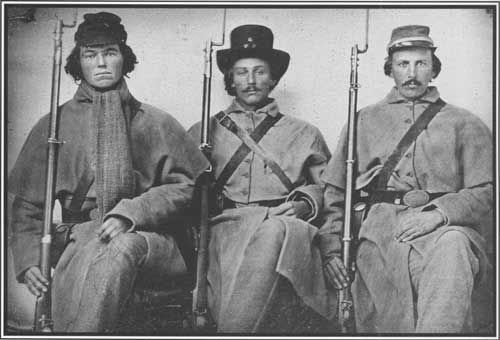
101. Confederate Soldier – For decades so many have idolize the Confederate soldier fighting for the Old South and a dying way of life. Though the real Confederate soldier had a life more like Cold Mountain than Gone with the Wind. For one, let’s be honest about what these soldiers are actually fighting for. No, it’s not for some cherished way of life, states’ rights, or Southern ideals. No, it was for the preservation and continuation of forcing black people into a life of involuntary servitude in the plantation economy. Not to mention, all that comes with it such as white supremacy and the belief that blacks don’t have rights that the white man was bound to respect. If that’s not terrible enough, we must understand that the vast majority of southern whites didn’t own slaves nor lived on these large plantations. And yet, they supported slavery anyway because it gave someone they could look down upon regardless of their financial situation. And even if the plantation economy didn’t benefit them. Second, 2/3 of Confederate soldier deaths were due to disease, not battle wounds. Due to lack of anesthesia and antiseptics, amputation led to massive infection rates. Camps lacked clean water and waste disposal, creating breeding grounds for parasites and body lice. Third, Confederate soldiers were frequently reduced to eating hard tack and “parched corn.” Near-total absence of fresh vegetables and Vitamin C caused widespread scurvy, rotting teeth, and bleeding gums. While the Union blockading major waterways and destroying Southern railroads meant food rotted at depots instead of reaching the front lines. Fourth, due to severe leather shortages, thousands of soldiers marched and fought barefoot through winter snow and rocky terrain. The Confederate government couldn’t supply standard gray uniforms, forcing soldiers to wear home-spun clothes dyed with hickory nuts (“butternuts”). Tents were rare, forcing men to sleep directly on the mud under thin, infested blankets. Finally, soldiers were paid in Confederate currency, which suffered from runaway hyperinflation and became completely worthless in 1864. Letters from home detailed how wives and children were starving due to Union raids and food riots, triggering massive desertion rates. While soldiers faced a vastly better-equipped, better-fed, and numerically superior Union Army. All in the name of preserving the perverse institution of slavery. How pathetic.
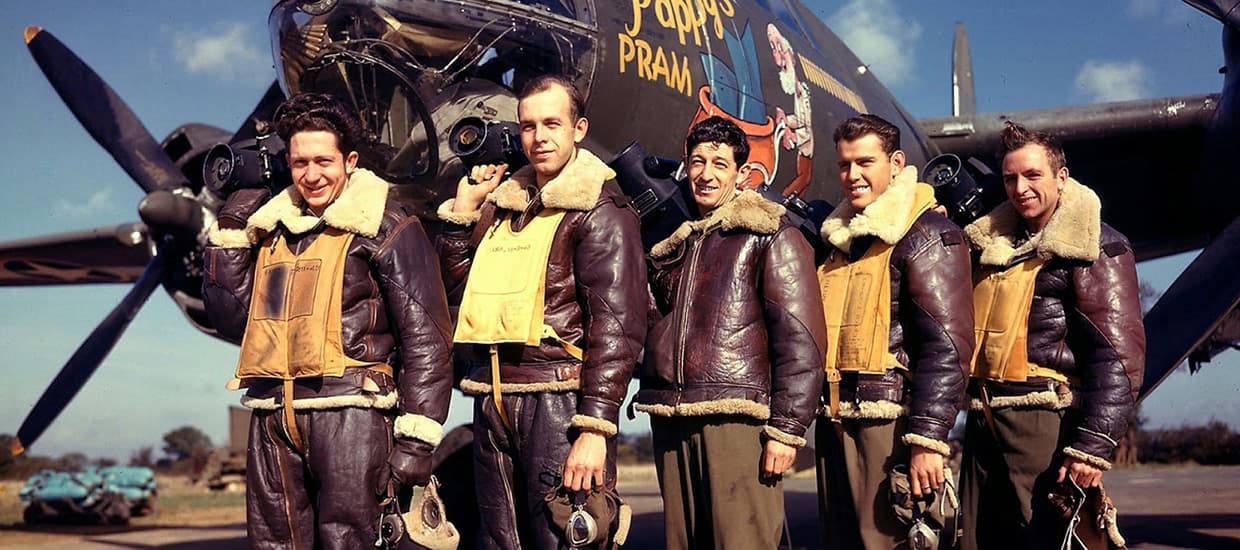
102. WWII Bomber Crewman – During World War II, air bombers carpeted bombed Nazi Germany to hell and back. Yet, being part a bomber crew was far from a joy ride. In fact, it was one of the deadliest jobs in the military and the basis for Catch-22. First, at 30,000ft, where bombers flew to avoid ground fire, temperatures plunged to -40 to -70 º F. Bombers were unpressurized and had open windows and gun ports, meaning crews were blasted by freezing winds. Touching metal could easily freeze skin and frostbite remained a constant threat. In addition, thin air caused hypoxia, a dangerous lack of oxygen making men dizzy, or lose consciousness if their masks failed or froze. Second, waves of German fighters constantly targeted bombers and anti-aircraft artillery constantly bombarded them. Flak shells exploded in the air, filling the sky with jagged pieces of hot metal that could easily rip through the bomber’s thin aluminum cover and the men inside. Due to no onboard medics, crewmen had to resort to basic first aid such as injecting morphine into wounded comrades and hoping they’d survive the hours-long flight home. Third, the odds of making it through a full tour of duty were grim. For instance, early in the war, the chance of surviving a standard 25 mission tour for American B-17 bomber crews was only 25%. Average life expectancy was very short. It’s said that an estimated 100,000 Americans were either killed or went missing during air campaigns. Fourth, if a bomber was shot and the pilot ordered the crew to bail out, the escape process was scary. Men had to climb out of the narrow hatches in heavy, bulky flight suits while the plane was spinning, burning, or being torn apart. Due to being positioned in the plane’s very back, tail gunners had it particularly rough. For they were often trapped and had the most difficult time reaching the exit. Lastly, if you’re familiar with Catch-22 and Twelve O’Clock High, the psychological stress was overwhelming. Every mission meant men facing the very real risk of painful death. Crewmen suffered from extreme fatigue, often developing what we today call post-traumatic stress disorder (PTSD). But what was then known as “combat fatigue.” Men were often haunted by constant sounds of screaming, roaring engines, and gunfire, coupled with the loss of their friends flying in other planes beside them. On the bright side, at least it’s not submarine duty.
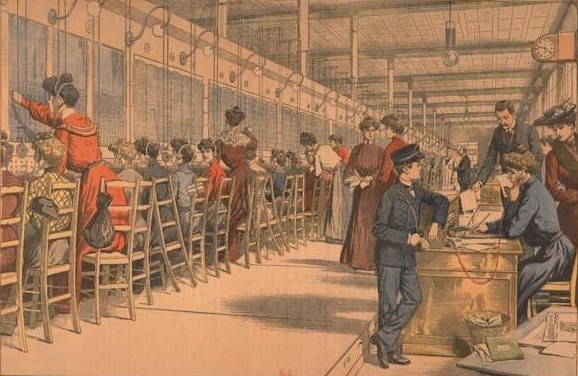
103. Switchboard Operator – Out of many of the jobs that don’t exist anymore, being a switchboard operator seems rather doable. Since it involves connecting communication lines and listening to everyone’s conversations. But it’s also one that many don’t think much of. Yet, it’s one that certainly wasn’t a non-stop party line. First, operators had to plug heavy cords called jacks into switchboard sockets to connect callers. Doesn’t seem too bad. But imagine having to do this hundreds of times a day with your hands constantly raised above your chest level. Second shifts were long, and operators were expected to connect a certain number of calls every hour. Falling behind or making a small mistake meant heavy penalties. Second, callers often blamed operators for bad connections, dropped lines, or reaching the wrong number. And like many customer service jobs, operators had to endure yelling, cursing, and rude comments from frustrated callers. Third, operators weren’t allowed to chit chat with their co-workers, eat at their desks, or leave for unscheduled breaks. While early switchboards meant operators had to listen to part of a conversation to know when a call ended and to unplug the cord. This left very little privacy, and supervisors sometimes monitored calls to ensure operators’ politeness. Lastly, in places like hospitals and police stations, operators had to keep calm while handling life-threatening emergencies, dealing with tragic news, or fielding bomb threats. As for the pay, well, since it’s a female-dominated profession, the pay’s probably low. Nevertheless, the profession mostly died out with the advent of technology allowing phone users to simply dial another phone without the operator’s aid had became widespread in the 1930s. Still, if you want a customer service job but don’t like in person contact during the early 20th century, this is the perfect job for you. Seriously, compared to the other professions in this series, it’s about as bad as a standard service industry job.
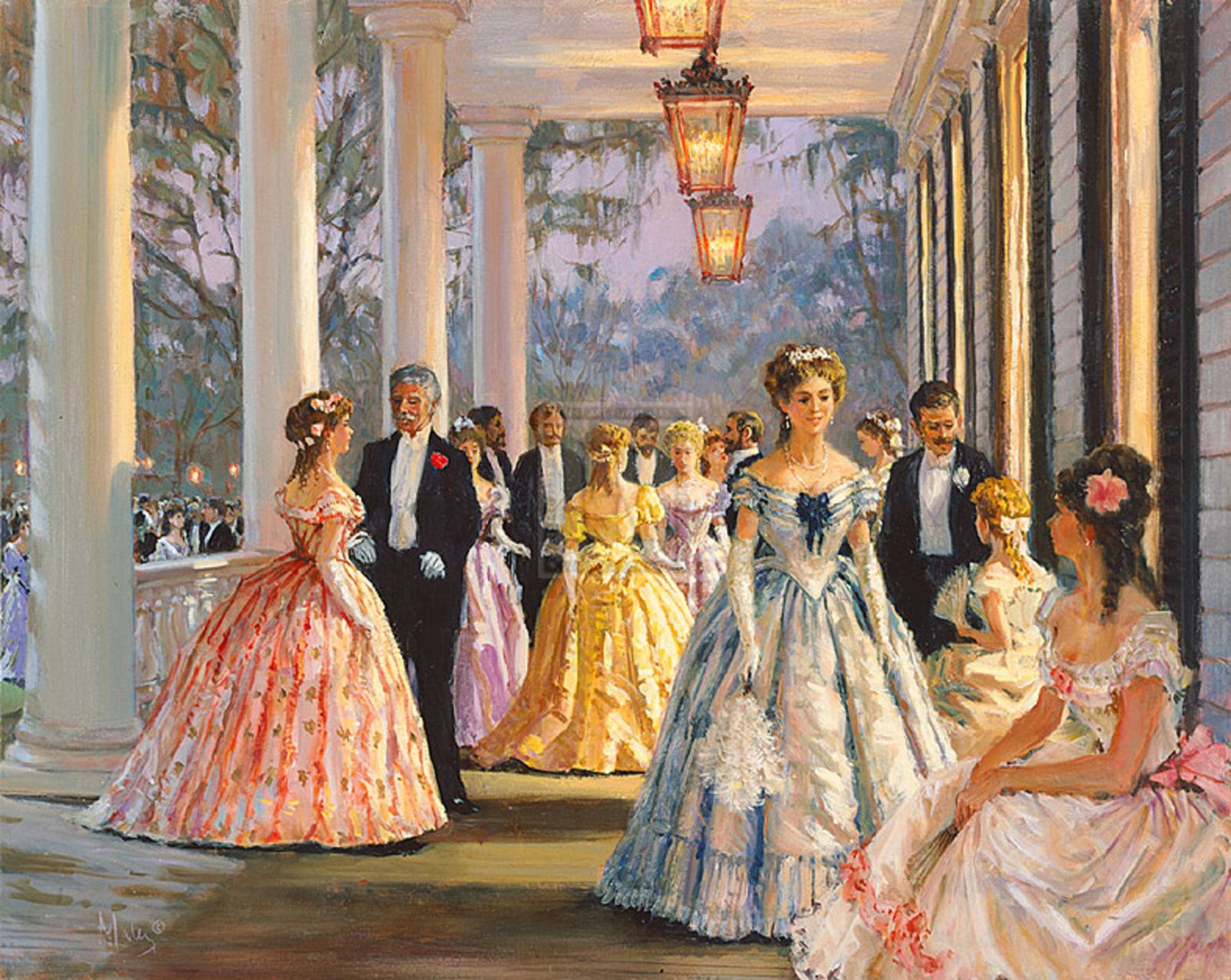
104. Southern Belle – The image of the Southern Belle is a romanticized symbol of charm and luxury. But being a Southern Belle was no bed of roses. For one, it’s essentially a full-time job of performing. Women in the upper echelons Southern Plantation society were raised with the sole purpose of marrying well, meaning they constantly had to act cheerful, agreeable, and submissive to men. They had no say in the family’s plantation business, were denied meaningful careers, and were discouraged from expressing strong opinions or showing anger. Second, while Southern hospitality sounds warm, exercising politeness was exhausting. Society demanded women never be blunt or direct, forcing them to bottle up their true feelings and often led to a culture of passive-aggressive gossiping and superficial relationships. Third, the famous Southern Belle outfit was a nightmare to wear in the Southern heat. Women were expected to wear heavy, multilayered dresses, corsets restricting their breathing, and large sunhats to protect their skin from tanning. Maintaining a “flawless” appearance was incredibly difficult in hot, muggy weather, especially when tackling severe humidity and bug bites. Fourth, because Southern Belles were raised to be fragile and ornamental, many were entirely dependent on men and slaves who supported their lifestyle. They lacked the practical skills required to take care of themselves, making them feel completely helpless when times got tough, such as during the Civil War when many husbands and fathers died. Nonetheless, this didn’t stop Southern gentlemen from the “Southern Belle” myth to mask the horrors of slavery. While Southern women were expected to uphold it acing as “pure” symbols of a flawless Old South that never was. This meant ignoring the exploitation around them to keep up appearances, which created a toxic, oppressive, and whitewashed view of history. But if you read Gone With the Wind and/or watch the movie, you see how Scarlett O’Hara and Melanie Wilkes aren’t the fragile flowers they were raised to be and only needed a man to get them out of a burning Atlanta.
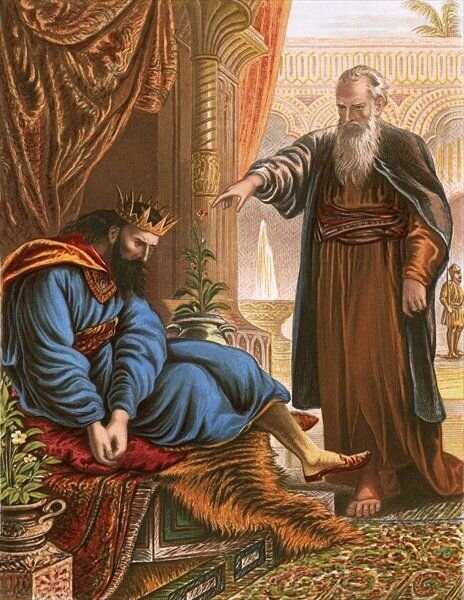
105. Old Testament Prophet – Although those of the Abrahamic faiths look upon the Old Testament prophets as divine messengers of God, they were more akin to the Jewish equivalent to Cassandra during the Trojan War. First, as the original “truth to power” guys sent by God Himself, frequently calling out corrupt kings, greedy priests, and wealthy elites often didn’t go well. Jeremiah once got locked in the stocks for a day by a temple official Pashur because he didn’t like what Jeremiah had to say. Second, people hated hearing what they were doing wrong so social ostracization was guaranteed. Jeremiah lived in complete isolation since he wasn’t allowed to marry or attend weddings and funerals, making him deeply depressed. Third, God often required His prophets to perform bizarre, highly embarrassing acts to get stubborn people’s attention. This could comprise of cooking food over cow and human feces to warn of coming famine (Ezekiel), marrying a promiscuous woman and give your kids shitty names to illustrate Israel’s unfaithfulness (Hosea), or walking around completely naked in public for 3 years as a walking warning to the people (Isaiah). Fourth, according to Deuteronomy, the rule of the prophet was strict: if a prophet claimed to speak for God, his message had to be 100% correct every single time. Should a prediction fail, he was declared a fraud. Yet, as with Cassandra, note that being 100% right didn’t mean that people were going to listen to them. Fifth, not surprisingly, if you were seen as a threat, kings often wanted you dead. Uriah also prophesized against Jerusalem in a way that pissed off King Jehoiakim that he sent men to track Uriah down and murder him. Finally, extreme burnout was common among prophets and some even begged God from sharing bad news. But too often they felt a burning, uncontrollable urge from God forcing them to keep speaking out. And even if you try to flee from your assignment, God will just send a storm and have you swallowed by a whale for a few days until you agree to go to Ninevah like He asked you to in the first place. Just ask Jonah.
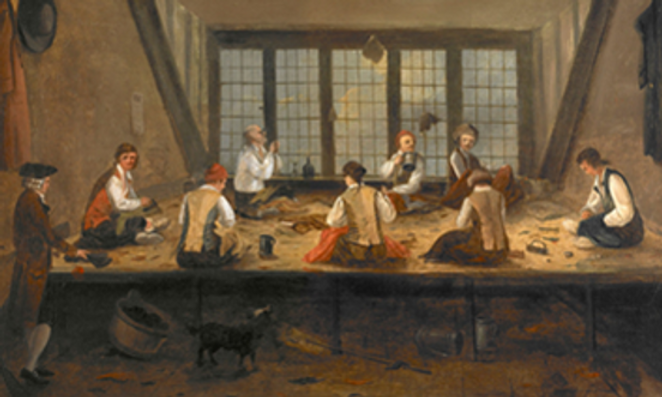
106. Tailor – A key figure in many historical villages, tailors are often seen as the ones who make clothes. But the tailor job wasn’t something that can be done in a stitch. For one, tailors traditionally worked while sitting cross-legged on wooden table up to 14-16 hours a day. This unnatural position cause severe hip problems, curved spines, and hunched shoulders, making chronic pain an occupational hazard. Second, before electricity, tailors sewed entirely by light from dim candles or small windows. Many of them went blind or suffered from severe eye strain from focusing on tiny stitches in dark rooms. Third, before modern washing machines, pressing heavy wool broadcloth required massive, solid-iron smoothing irons weighing up to 15-20lbs. Tailors had to constantly heat them, breathing in smoke and toxic fumes all day. Fourth, tailors with clients from royalty and the wealthy elite were under immense pressure to get everything right. Should a tailor accidentally cut a fabric wrong or ruin a customer’s expensive imported silk, they had to pay for the destroyed material from their own pockets. Finally, the tailoring trade was run by a strict, old-fashioned guilds. Secrets were heavily guarded and tailors worked under the eye of a Master Tailor who controlled their wages, hours, and ability to move up in the world.
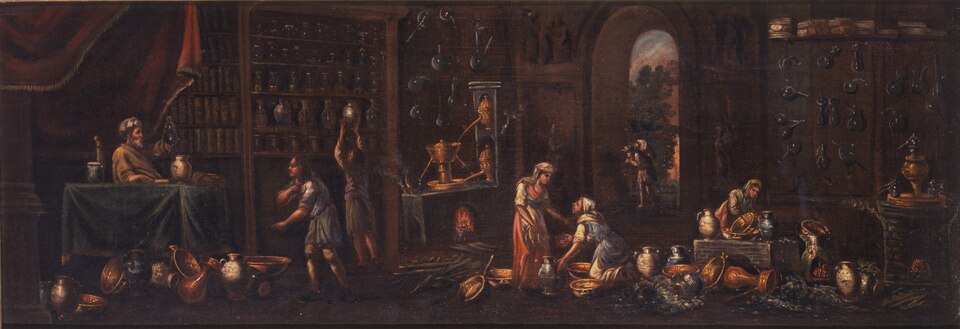
107. Apothecary – In the olden days, when you needed a fix, the apothecary was the person you turned to. But given that it was an era before modern medicine, an apothecary’s life was one of great difficulty. First, apothecaries mixed whatever they had, meaning they spent hours of grinding highly toxic substances like mercury (used to treat infections but led to brain damage and teeth falling out), lead (used in salves and wound dressings), arsenic (use as a cure-all, despite being a notorious poison), and tobacco (those in 17th century Europe also controlled this trade, despite it being a highly addictive and dangerous commodity). Second, since there were no pre-packaged pills, apothecaries had to prepare everything themselves. This meant boiling animal parts, crushing foul-smelling herbs, and rendering fats. They had to practice humoral theory as people believed sickness being caused by a humoral imbalance. If a patient was sick, an apothecary may either bleed them with leeches or force them to vomit. Third, because pre-modern medicine was mostly guesswork, patients often didn’t get better. Should a wealthy or royal person die after taking an apothecary’s custom concoctions, it was incredibly easy for angry families to accuse them of intentional poisoning. In some historical eras, causing a prominent client’s death could end with the apothecary imprisoned or executed. No pressure. Fourth, apothecary shops were filled with volatile substances. Grinding sulfur, distilling raw alcohol, and mixing acidic compounds without proper safety gear led to accidental fires and explosions were a regular workplace hazard. Lastly, to become an apothecary, one had to survive a brutal, unpaid 7-year apprenticeship as a teenager mostly doing grunt work like (sweeping floors, scrubbing pots, and crushing ingredients for long periods of time) just to learn the trade.
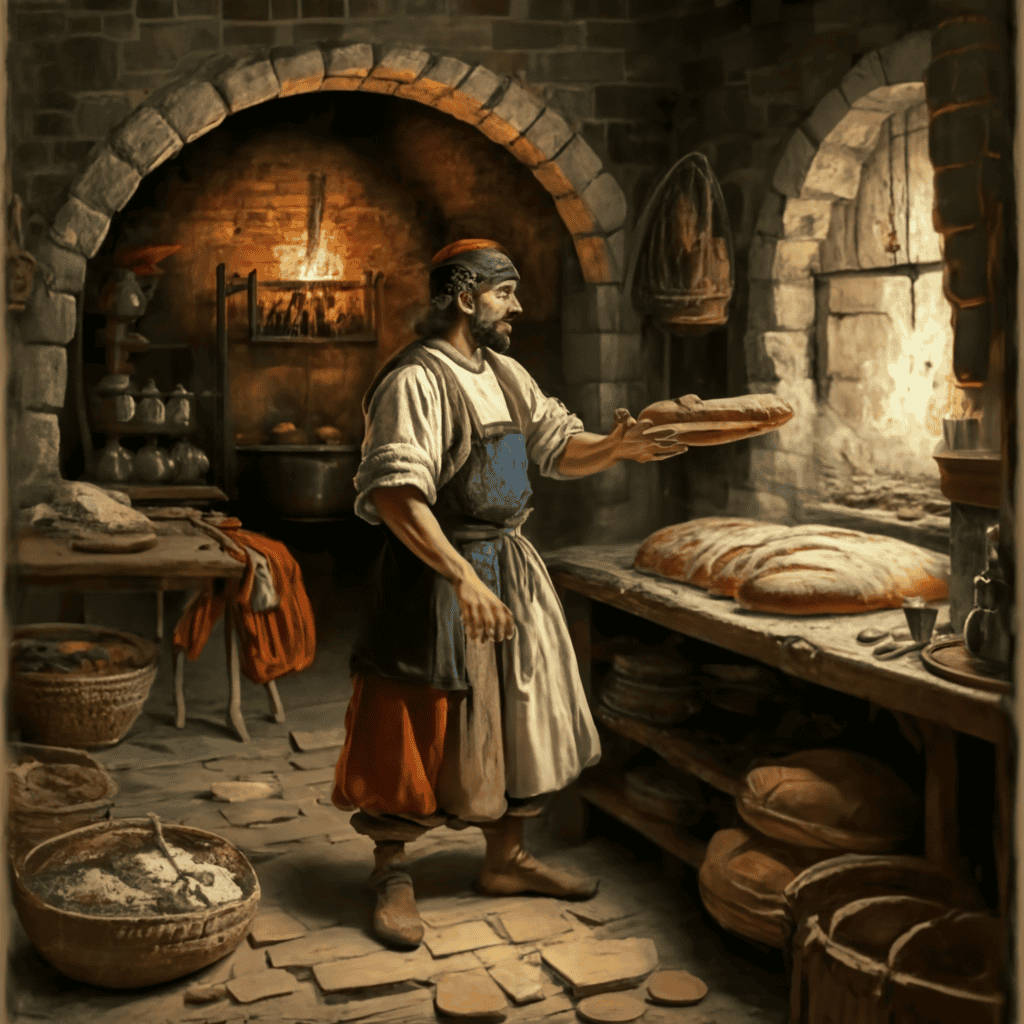
108. Baker – A mainstay in any historical village, the baker is always busy making his fresh bread. However, a baker’s life wasn’t always as quaint as stories present, especially during the 18th and 19th centuries. First, bakehouses were poorly ventilated, damp cellars packed with coal smoke and flour dust. Constantly breathing this thick air caused chronic and progressive illness called “baker’s lung.” As a result, a Victorian baker’s lifespan was drastically reduced, many dying around the age of 49 after years of hacking up flower instead of air. Second, since modern baking tools didn’t exist, all dough had to be mixed and kneaded by hand. Bakers worked grueling 18-hour shifts, 7 days a week, relying on little more than sawdust to absorb the moldy water on the cellar floors. Since every town depended on ovens to eat, days off and holidays were practically unheard of. Finally, since most homes didn’t have ovens, families brought their own prepared dough to the local baker. Because laws at the time like the Medieval Assize of Bread strictly regulated the exact weight and loaf price, the punishment for an underweight loaf or suspected thief was severe. If caught short-changing a customer, bakers could be publicly tied to a wooden hurdle and dragged through the streets with the stolen dough tied around their necks or even lose an ear.

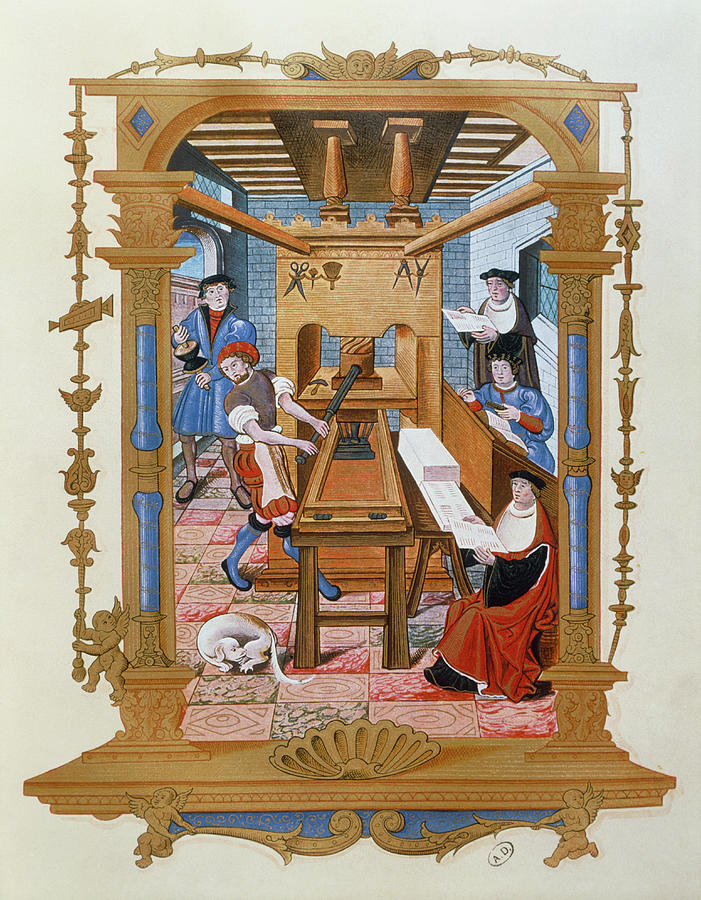
109. Printer – When one hears about the life of Benjamin Franklin getting his start as a printer, it makes the profession seem cool. Since he managed to make it into a profit-making venture where he could get his ideas out in the open within Colonial Philadelphia. Yet, before you ink your printing press, here’s what you need to know. First, that movable metal type typically used for printing was usually made of an alloy containing lead, tin, and antimony. Constantly handling this metal by the thousands caused lead to rub off workers’ hands and eventually into their bodies, leading to chronic illness, brain damage, and extreme physical pain often called “printer’s disease.” Second, printers had to mix their own ink recipe using lampblack (soot) mixed with boiled linseed oil and pine rosin. Heating, mixing, and continuously applying these substances meant breathing toxic, oily, and soot chemical vapors for hours on end. Third, operating the heavy, room-sized wooden and cast-iron presses took immense physical exertion. The operator had to constantly crank the screw mechanism, exerting thousands of pounds of pressure, over and over again to press the paper onto the inked letters. It was so exhausting that even 2 or 3 pressmen frequently traded jobs to share the heavy lifting burden. Fourth, the heavy mechanical press and fast-moving setup carried high risks. Workers routinely lost fingers or crushed limbs when hands or clothing got caught in the moving platens or screw mechanisms. Finally, to make matters worse, all the tiny metal letters were organized by hand into the frame. Should a worker trip or fumble their hand, an entire tray of thousands of letters could be dropped and scattered into a disorganized mess in a dreaded accident known as being “pied.” While we now wonder how Benjamin Franklin was lucky enough to remain in one piece.

110. Scribe – In pop culture, being scribe seems like a glorified secretary writing a historical chronicle. But the reality wasn’t like you may imagine. For one, sitting in a hunched position for hours wreaked havoc on the body. Anthropological studies of ancient Egyptian scribes shows they suffered from severe osteoarthritis in their spines, shoulders, knees, and thumbs. They also developed neck strain from constantly looking down and flat spots on their ankles from squatting cross-legged for days on end. Second, you have to deal with terrible conditions. Working in dimly-lit rooms, often in bitter cold, ruined scribes’ eyesight. Scribes chewed on spiny rush plants to create brush-like writing tips, ruining their jaw joints. While writing with bird feathers (quills) required constant sharpening, and scratching out mistakes on stiff animal skin (vellum) was frustrating and messy. Third, writing the exact same document and book over and over by hand required intense, silent focus for months or even years. The boredom drove many scribes crazy, often venting their frustrations by scribbling complaints in the margins of their books such as “Oh, my hand” and “This shit sucks.” Many medieval monks even amused themselves by drawing little cartoons in the margins depicting killer rabbits, knights fighting snails, and all kinds of amusing weird imagery called drollery. Fourth, Because every single letter had to be perfect, a simple quill slip could ruin a whole page of expensive parchment. For scribes copying religious and legal texts, making an error was terrifying. As they’d worry about miscopying a divine rule could anger the gods. Lastly, since scribes were highly educated, they occupied a precarious position between the powerful, often illiterate kings and strict religious leaders. If the king didn’t like the official records or advice being read to them, the unfortunate messenger who recorded the history or law was in deep trouble. That’s not getting into how many characters many of these scribes had to memorize in languages that didn’t have alphabets.


