

You may have noticed that historical athlete jobs actually weren’t that great. Race car drivers risked their lives with little money. Players on major sports franchises used to take second jobs during the off-season and were plunged into poverty after retirement. Olympic athletes were banned if they’re caught playing professional sports. While Eastern Bloc athletes had to take steroids, were constantly monitored as political tools, had no social lives, and could get flack if they didn’t win an Olympic gold medal. Not sure what that would mean for the 1980 Soviet Hockey team. Anyway, ever imagined yourself as a ninja? Maybe you thought driving a tank during World War II was a sweet gig. And who wouldn’t want to be a governess in a period drama. In this post, we look at another ten historical jobs and their dark realities.
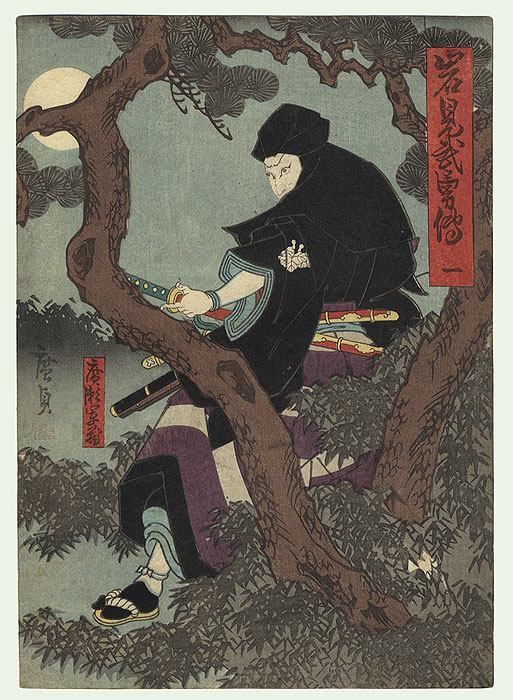
141. Ninja – Many movies and TV shows make being a ninja seems like a cool thing. However, the ninja reality was nothing like it was seen on the screen. Since ninjas acted more like covert agents, not a black-clad kung fu force. It also wasn’t very glamorous either. For one, ninjas had very low life expectancy and reaching 30 was uncommon. There also wasn’t any retirement so older ninjas still had to go on dangerous missions. Second, ninjas were actually just spies and secret agents, not warriors. Their job mostly comprised of sneaking around and listening to people talk. Thus, it was more about gathering secrets than having cool sword fights. Third, due to security reasons, relationships were forbidden and many ninjas led lonely lives. Fourth, training was tough and often resulted in permanent injuries. Since ninjas had to learn how to resist torture and endure extreme weather. Lastly, due to being secret spies, no one could know who was a ninja and who wasn’t. They lived in the shadows and did the “dirty work” of war, so they rarely received any public honor or rewards.
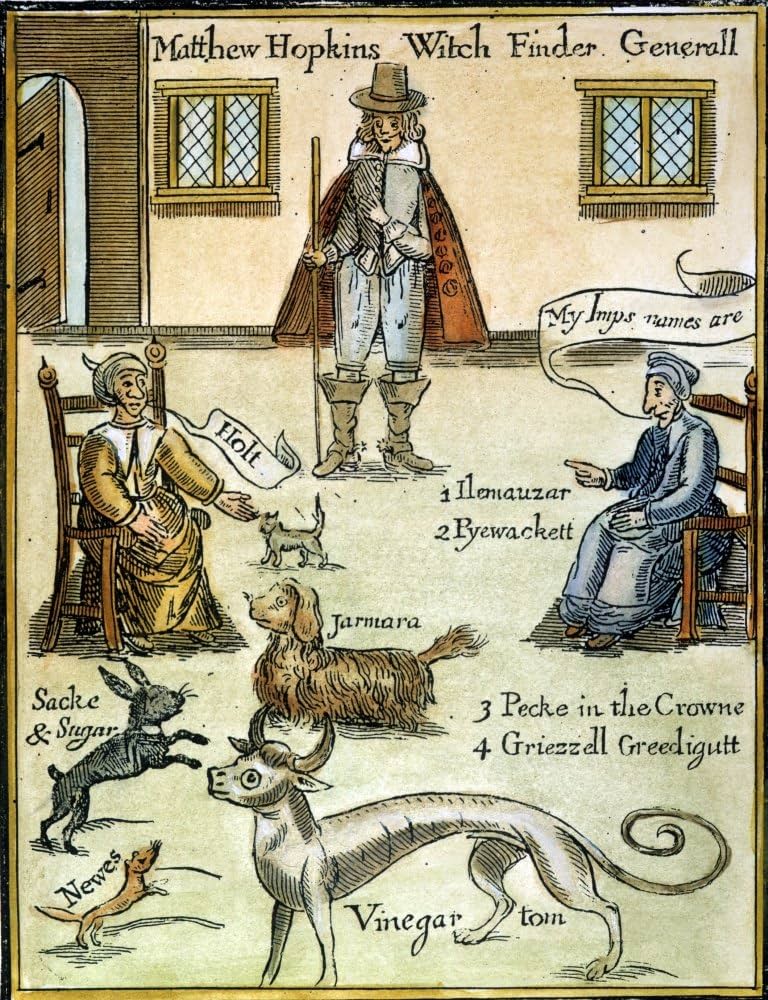
142. Witchfinder – Although being a witchfinder is more of a villainous job during the days od with hysteria, they often look pretty snazzy in their 17th century outfits. While the real job was a rather miserable one. First, witchfinders constantly traveled between small villages, often sleeping in damp, uncomfortable inns and dealing with unpredictable, exhausting weather. Second, one of the witchfinder’s main duties was stripping suspects and shaving their bodies to find a “witch’s teat” or “witch’s mark” (claiming an extra growth or blemish where an evil spirit would drink blood). It was grueling, invasive, and deeply unglamorous process. Third, instead of using magic, witchfinders used torture and sleep deprivation. They’d force suspects (often poor or elderly women) to stay awake for days while watching them, waiting for a “familiar” (like a cat, spider, or toad) to appear. Fourth, witchfinders were professional scapegoats for communities facing natural disasters or illness. Should they fail to find a witch or accuse a beloved member of the village, they quickly became the town’s rage target. Fifth, witchfinders often performed a swimming test, where a suspect was tied up and thrown into deep water. Mainly due to the belief that pure water would “reject” the witch, causing them to float, while an innocent person would sink. Doing this meant wading into dirty, freezing waters to pull out terrified, struggling, and sometimes drowning suspects. Sixth, witchfinders only got paid if they actually convicted a witch. If an entire village paid for the witchfinder’s services but didn’t secure any convictions, he often didn’t get any money. Lastly, witchfinders are deeply remembered as villains or fools of history. After the hunts ended and witch trials were outlawed, many of them were widely hated, forced into hiding, or buried in shame.
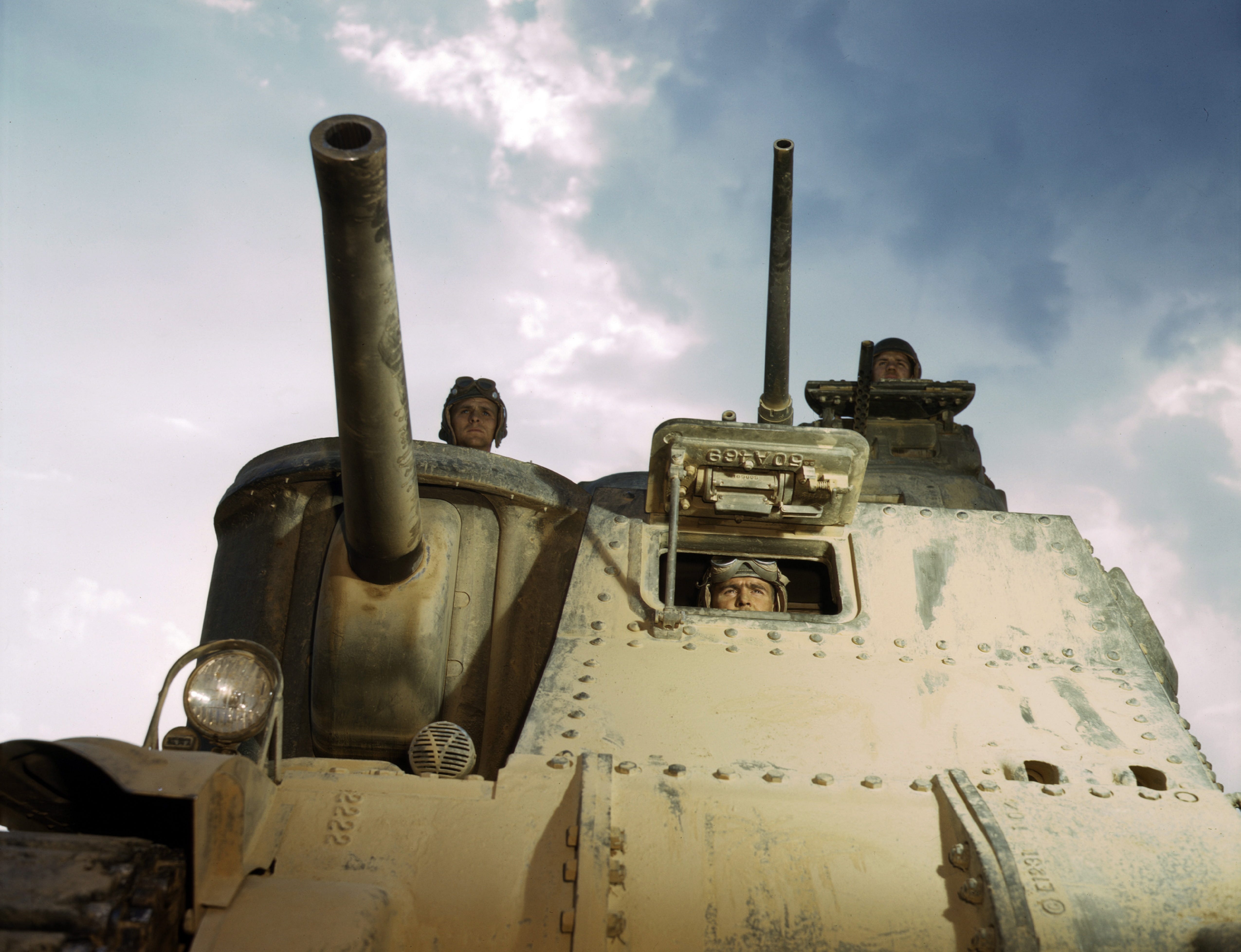
143. Tank Driver – In 20th century conflicts, tanks have become a feature in warfare at least since World War I. But driving these things wasn’t really a joy ride that it’s depicted in war movies. First, if you’re claustrophobic, being inside a tank was like being in Hell where temperatures could easily sour past 100 º F. Engines roared so loud to cause ear pain, and the compartment fills with thick, poisonous diesel smoke and grease. Second, drivers had to squeeze through tiny hatches. Once inside, they spent hours hunched over steering controls with almost no ability to stretch or move their legs. Third, operating a 50-70 ton is physically dangerous. Crew members often got fingers or limbs crushed by heavy metal hatches and moving track parts. Finally, unlike normal cars, tanks don’t have soft suspension. Tank drivers constantly bounced around, often causing broken bones and severe bruising just from the vehicle’s movement. Yet, on the bright side, better to be in a tank than serving on an air bomber crew or a submarine.

144. Flame Thrower – In war movies, the flame thrower is the guy who sprays infernal destruction everywhere he goes whether to destroy fields or forest brush. Yet, the life was far from wanton burning as it was one of the most dangerous jobs in the 20th century military. First, carrying 50-70lbs of pressurized fuel made you the biggest battlefield target. Should enemy bullets hit your fuel tank, it would rupture and could either cause devastating explosions or spray you with burning fuel. Second, while modern rifles let soldiers shoot from hundreds of yards away, the flamethrower’s effective range was only about 20-50 meters. Meaning operators needed to run out into the open and get dangerously close to enemy bunkers or trenches just to use the weapon. Third, unlike what you see in war movies, flamethrowers don’t continuously spread endless carnage. Backpack tanks only held enough fuel for 10-15 seconds of total firing time. Not exactly the stuff of war cinema. Fourth, shooting a giant jet of fire in an enclosed bunker or trench didn’t just burn people. The fire also instantly sucked out all the oxygen out of the air and created toxic smoke, with operators often suffocating their enemies as well as themselves. Lastly, because flamethrowers were widely seen as terrifying and inhumane weapons, there was a known and unspoken rule that opposing soldiers rarely showed mercy to the captured flamethrower or its operators. In fact, they often executed flame throwers on the spot.

145. Firefighter – While firefighters are among the community’s most respected heroes, this wasn’t always the case. In fact, in the olden days, being a firefighter was a far different life. First, early firefighters were called “smoke eaters” since self-contained breathing apparatuses (SCBAs) didn’t exist. Instead, when going into a burning building, they simply had to hold their breath, ultimately inhaling massive amounts of thick, dangerous smoke. Second, instead of modern fire-resistant suits, historical firefighters wore heavy canvas coats and tall leather boots. Whenever this gear got wet or hot, they became incredibly heavy and offered almost no real protection against intense flames or extreme heat. Third, before introduction of public fire departments (which would be around the time of the American Civil War in the US), private insurance companies had their own fire brigades. If a building was on fire, firefighters would check the wall for a company’s metal plaque. If the building was insured by a rival, the crew would literally pack up their hoses and let it burn. Fourth, fire companies frequently fought each other in the streets for the right to put out fires and claim the insurance companies’ cash reward. It wasn’t uncommon for crews to physically brawl, slash rival hoses, or guard fire hydrants with weapons while buildings burned. Lastly, before modern government-run fire departments, volunteer and private fire crews operated as fraternal clubs (VFDs still do in some capacity). Should you be injured or killed on the job, there was no guaranteed medical care, sick leave, or financial support for your family.
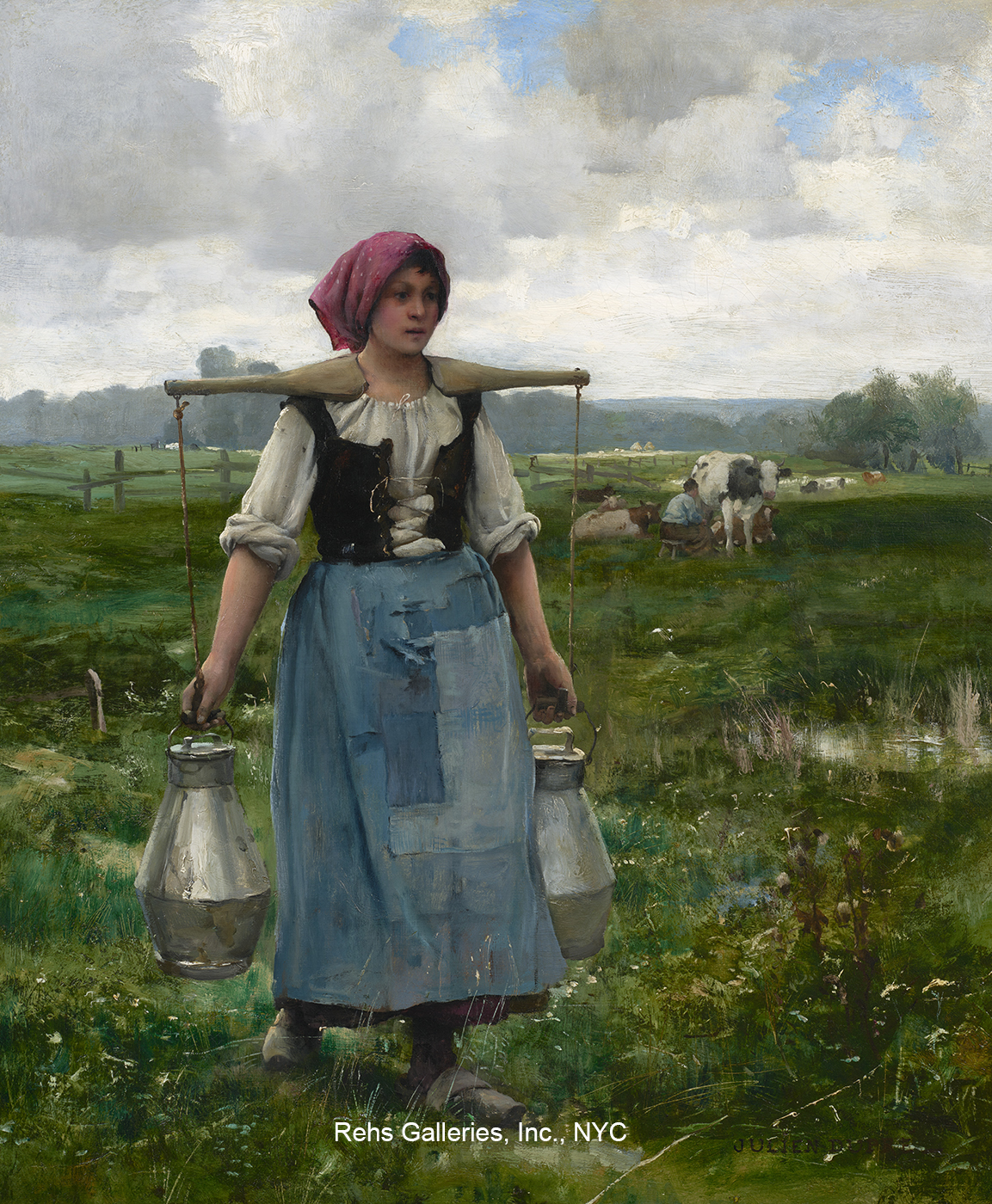
146. Milkmaid – Milkmaids are often a major feature on historical farms in period shows and movies. But the real thing was a grueling job with a major benefit that paved the way for a ground-breaking medical breakthrough. First, your job didn’t just involve milking cows. You also did heavy, manual farming from 4 am until late at night. A single milkmaid could be expected to milk up to 10 cows twice a day by hand. Second, milking a cow involved repeatedly squeezing a cow’s teat using your thumb and forefinger. This repetitive motion caused painful tendon inflammation and joint stiffness known as “milker’s cramps.” This was a repetitive strain injury (RSI) leaving many women with permanently damaged hands. Third, before the days of concrete floors and automated sanitation, milking took place in dirty, wet, and drafty barns. Milkmaids spent hours kneeling on cold, damp straw in the freezing winter and sweltering summer. Fourth, cows are large, unpredictable animals. Milkmaids routinely risked being kicked, stepped on, or knocked over in cramped, slippery stalls. Finally, cows often carried a viral infection called cowpox. When milkmaids handled the infected udders, their sores were passed onto their hands. While these were rarely serious, they were painful and often irritating. Yet, ironically, getting the annoying cowpox was actually the best part of the milkmaids’ job since it often saved their lives from smallpox. Since frequent exposure to cowpox led them to develop a natural immunity to a notorious disease known to cause disfiguring scars and death. Thus, leading milkmaids being known as having clear skin. And it was this immunity that led to Dr. Edward Jenner to create the first vaccine.
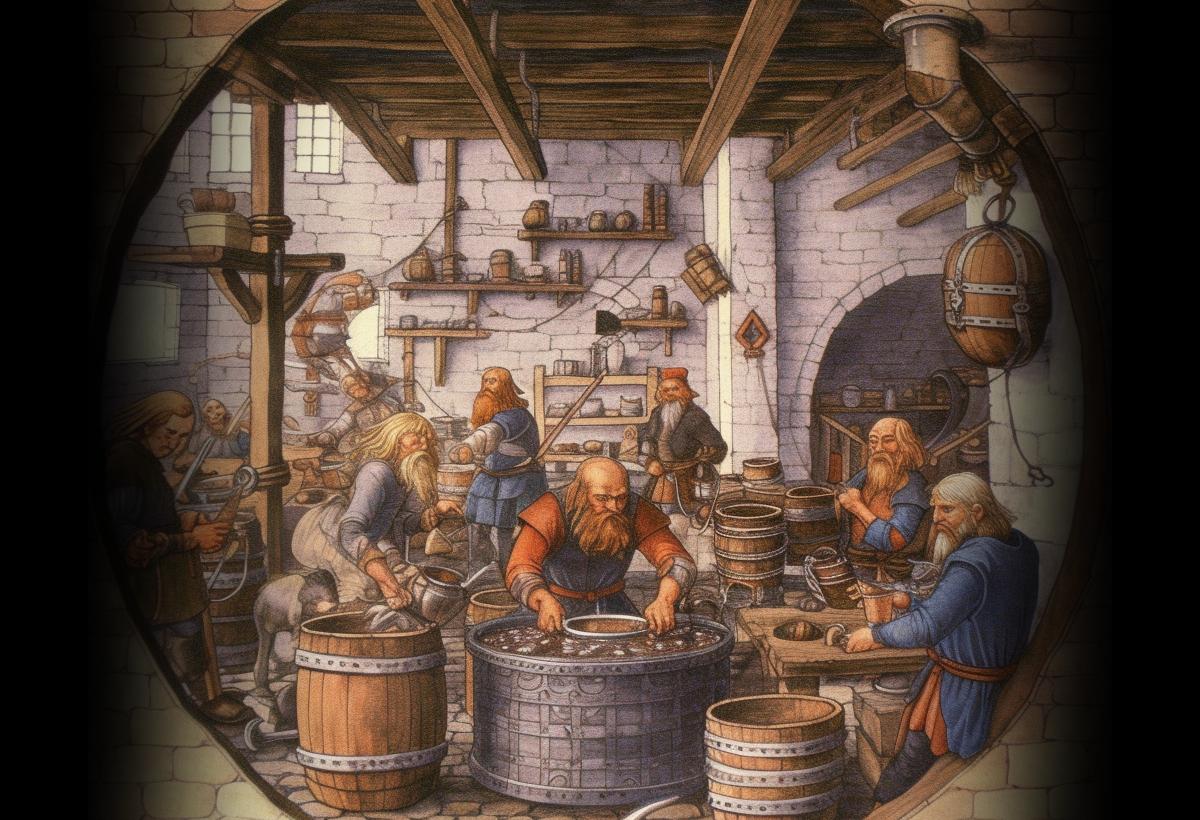
147. Brewer – Historical movies and TV shows are often awash in alcoholic beverages. Yet, many have no idea of what it’s like to actually brew the stuff. First, fermentation naturally produces carbon dioxide. In poorly ventilated spaces, this invisible gas displaced oxygen, suffocating brewers who leaned too far into their vats. Speaking of the vats, they were massive wooden tubs. Brewers risked slipping into boiling hot water or plunging into vats of sticky, fermenting mash, a hazard causing tragic fatalities in early breweries. Second, before the Industrial Revolution, everything in the brewing process must be done by hand. Brewers spent hours milling grain, hauling heavy buckets of water, and stirring giant vats using large wooden oars. Because there are no modern chemical sanitizers, cleaning large wooden barrels was a nightmare. Brewers had to crawl inside tiny, freezing, or sweltering wooden kegs to scrub them clean, risking respiratory issues from mold and fumes. Third, since no one understood microbiology at the time, fermentation was a mystery. Should wild yeast or bacteria sneaked into the brew, the entire batch would turn sour or spoil, resulting in total loss of time and expensive ingredients. Fourth, should a brewer make one bad batch, water their beer down, or price-gouge customers, they risked severe penalties such as being tied to a public stool or dunked in a pond or river. Lastly, brewing required boiling massive volumes of water over open flames, making the brew house stifling, smoky, and dangerously hot, even in the dead of winter. Still, on the bright side, know that many brewers in medieval and early modern Europe were women. And it was also a rather high paying gig compared to other career paths.

148. Hobo – Traveling in ragged clothes without a home to stay in, the hobo has become an iconic image of the Great Depression. But their lives weren’t exactly what many of us imagine them to be. First, despite being seen as an unemployed homeless guy, hobos were actually migratory workers traveling the country to find jobs. And it wasn’t exactly something people aspired to be, but a last resort of the desperately poor. In addition, it also predated the Great Depression because Charlie Chaplin built a whole career playing one from the 1910s. Second, railroads were a constant danger zone. Railroad companies hired security guards called “railroad bulls” who were notoriously heavily armed and violently beating or arresting anyone caught sneaking onto a freight train. Thus, the line in “The Big Rock Candy Mountain” about the railroad bulls being blind. Despite what you see in movies, hopping onto fast-moving trains requires precise timing. Many hobos were killed or had their limbs severed by falling under the steel wheels. In fact, records show that nearly 50,000 “tramps” were killed by freight trains between 1898-1908 alone. Should a hobo get lucky to jump into a boxcar, hiding inside one risked freezing to death in the winter or suffocating in long, unventilated railway tunnels. Second, sleeping outdoors or in drafty train cars meant hobos were completely at the mercy of freezing winters, baking summers, and torrential rain. If a hobo got sick or got injured on the road, they didn’t have access to hospitals or medicine. Without medical care or antibiotics, minor infections or illnesses were often deadly. Third, finding enough to eat was a daily, exhausting struggle. Because they didn’t have money, hobos had to beg door-to-door, dig through garbage, or hunt for scraps to make communal meals called “Mulligan’s stew.” Didn’t help that many towns passed strict laws against vagrancy (homelessness or unemployment) and actively drove hobos out. Travelers had to rely on a secret system of chalk marks on walls known as the Hobo Code, to figure out which towns were safe and which had angry police or hostile locals. Finally, despite that many hobos were just hardworking laborers displaced by poor economic times, society treated them like criminals, outcasts, or “bums” who simply refused to work. They faced heavy discrimination and were seen with deep suspicion wherever they traveled. Leaving home also meant giving up family support and a permanent roof over one’s head. The nomadic lifestyle was incredibly lonely and because of the harsh living conditions, very few hobos lived to old age. And that’s not getting into all the folk music.

149. Glassmaker – At any Renaissance Festival, you’d always see a glassmaker showing how glass is made. Yet in history, being a glassmaker wasn’t exactly the theme park version. First, in 13th century Venice, the glassmakers’ guild on the island of Murano closely guarded their techniques. To prevent leaks, the state forbade them from leaving. Should a glassmaker flee, the guild may imprison his family or even send assassins to eliminate him. Second, furnaces routinely operated at thousands of degrees, causing extreme heat exhaustion. Workers constantly faced severe heatstroke, dehydration, and a serious risk of losing their sight from the brilliant, unfiltered light of the molten batch. Third, glassmakers inhaled toxic fumes, such as lead (for leaded glass), arsenic, and various heavy metals used to color the glass. Many suffered from severe respiratory ailments and shortened life expectancies. Fourth, glass factories heavily relied on child labor. Unskilled laborers were relegated to the hottest, most dangerous parts of the floor. Lastly, before modern gas and electric furnaces, glassmakers relied on vast amounts of wood. In places like medieval Britain, this led to workshops being banished to deep forests, with entire operations moving constantly as the surrounding trees were depleted for fuel.
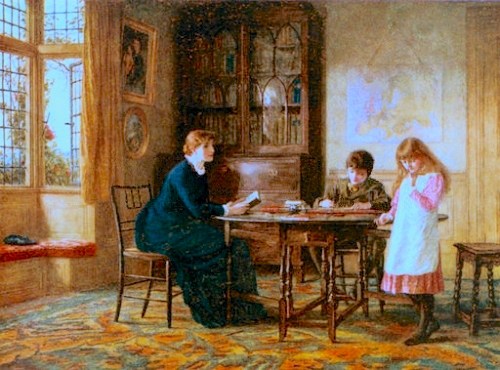
150. Governess – In period dramas, the governess is often a go-to job for a female protagonist. Often becoming a love interest for her student’s older brother, guardian, or widowed dad. In reality, most governesses didn’t get this happy ending. For one, this was a fallen on hard times job for an educated but impoverished gentlewoman. Many women took this job when their families went bankrupt. Wages were meager and she was expected to maintain a specific, modest, and proper wardrobe. Should she lose her job or get sick, her lack of savings meant a rapid descent into absolute poverty. Second, she was socially marooned within her employer’s estate. Due to her “genteel” background, she couldn’t socialize with working class servants. However, as hired help, she was entirely excluded from upper-class social life and treated with condescension by the parents. Third, she was typically forced to eat solitary meals, spend evenings alone in unheated attic rooms, and had a severely restricted personal life. She wasn’t allowed to make friends with the staff or participate in the family’s leisure time. Fourth, unlike other staff, she was virtually on call 24/7. As she’s responsible for the continuous education and moral upbringing of the girls and younger boys. So they had to enforce strict rules while receiving little or no respect from the kids themselves. Finally, because she was isolated and without family support nearby, she was incredibly vulnerable to exploitation. Like maids and other female servants, she frequently faced unwanted sexual advances from male household members or guests. So much for romance.


