

While we may have a serene view of people in professions like printer and scribe, both had rather rough lives than you’d expect. Printers had to deal with exposure to metals and chemicals, assemble plates that could easily unravel, and operate a press that took immense upper body strength and caused a lot of accidents. That it’s amazing that Benjamin Franklin was able to succeed in that trade in one piece. While being a scribe was boring, painstaking, and left little room for a costly error. Anyway, how many of you imagined yourself as a Viking raider? Had any idea of what it was like being a settler in the New World? Or even a soldier in the British Empire? Here are ten more historical professions and the dark realities behind them.
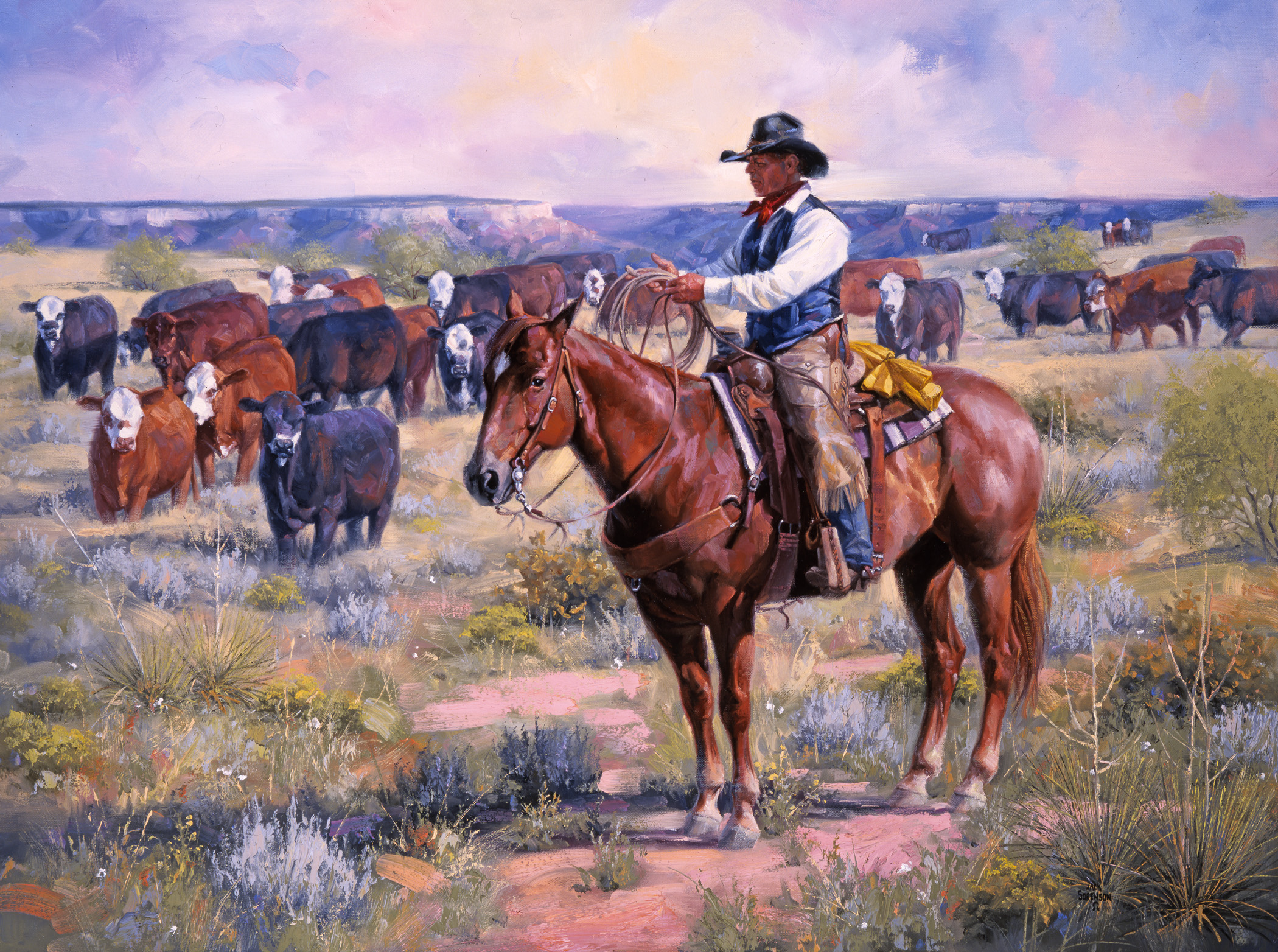
111. Old West Rancher – In westerns, an Old West cattle rancher often seems like being a cowboy but in a more stationary location. But the reality was no ride into the sunset. First, riding horses for days on end ruined spines and hips. Many ranchers suffered from severe arthritis in their lower bodies without any access to real pain relief. Save maybe opium. Whether the temperature was over 100 degrees or below freezing, cattle still needed water, fences had to be mended, and stables must be cleaned. While the roar of a lightning strike or a dog barking could spook a heard of 2,000 cattle. Stampedes were incredibly dangerous, often resulting in crushed bones or death. Second, harsh winters meant freezing cattle to death. Summer droughts meant dried up watering holes and failing crops. Without modern medicine, sickness spread fast. With conditions like cholera, malaria, and tuberculosis being common and deadly. Ranchers also constantly risked encounters with wolves, bears, mountain lions, and venomous snakes. Third, most ranchers lived in drafty log cabins or temporary sod houses that leaked during heavy rain as well as lacked both electricity and running water. Because water had to be hauled and heated, bathing was a luxury that might only happen once a week. While stagnant water tanks and outhouses smelled foul. Endless days on the range, sometimes stretching for months at a time, caused severe loneliness and psychological stress. Lastly, although many men went west hoping to strike it rich with a cattle herd, the economics were against them. Average cowboys and ranch hands only made $25-40 a month. They were only paid when the herd was finally sold, meaning long stretches with empty pockets. While the cost of land, tools, and supplies was constantly rising as the price they received for beef remained stubbornly low.
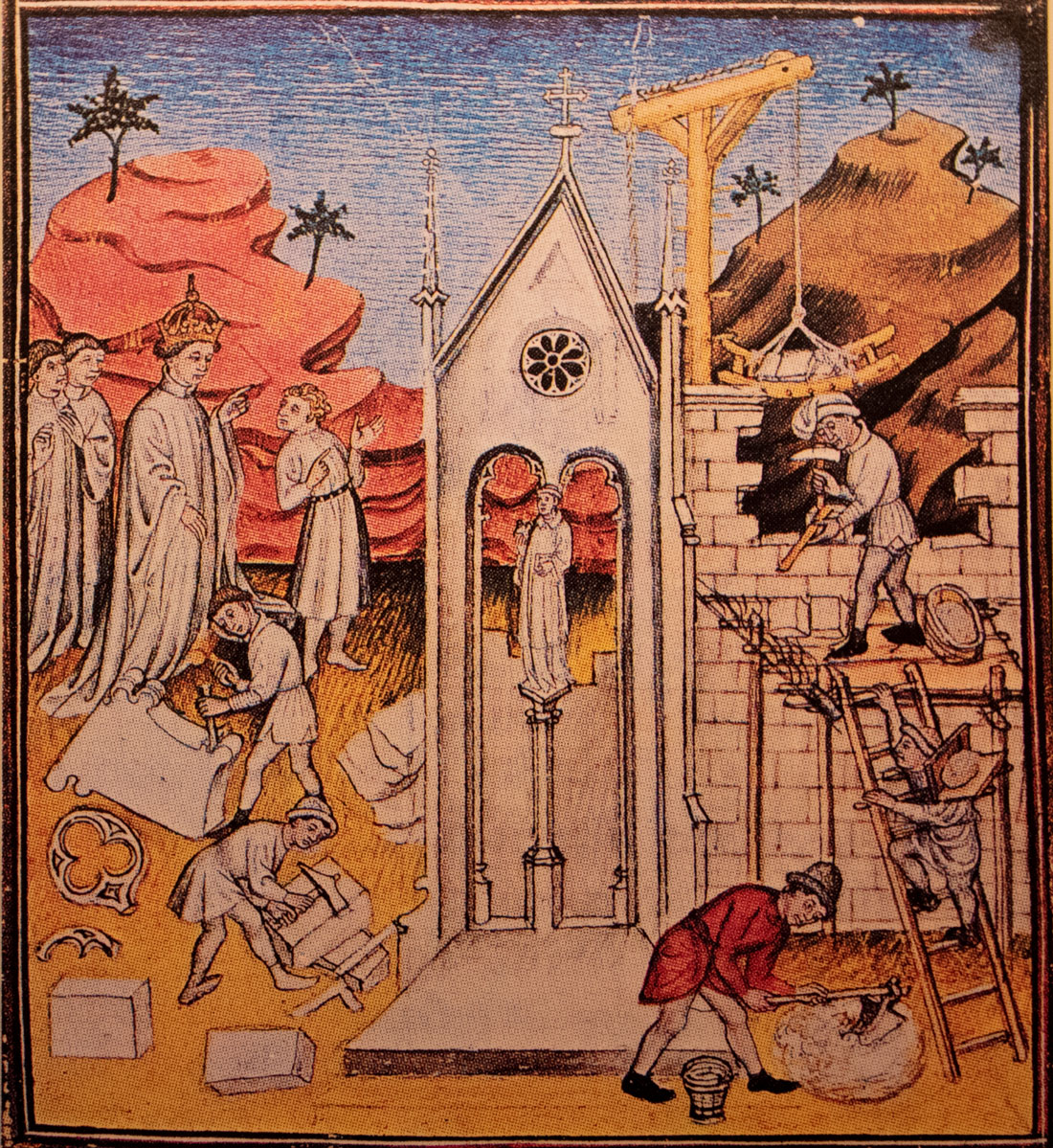
112. Stone Mason – In movies, books, and TV shows, stone masons were always the carvers who supplied the blocks that built castles, cathedrals, churches, and other public buildings. However, while it was a deservedly highly respected profession, it wasn’t often easy. First, carving stone creates a thick, invisible silica dust. Breathing this in every day shatters your lungs, leading to a deadly and painful respiratory disease called silicosis. Second, lifting, hauling, and setting heavy blocks of raw stone took a massive toll on the body. Masons suffered from chronic joint pain, hernias, and lifelong physical injuries. Third, working at great heights on scaffolding made of tied ropes and wood was terrifyingly risky. One slip up while carrying heavy materials meant a long fall or death. Fourth, as a stone mason, you work completely outdoors with your hands freezing in the winter and baking in the summer. All while swinging heavy hammers. Fifth, staring at the bright, white stone under the glaring sun for hours, combined with dust blowing into the eyes caused many masons to go blind as they aged. Fifth, to become a master, you had to spend roughly 7 years as a teenage apprentice trading your youth, sweat, and long hours just to learn the trade. Lastly, building monumental projects like castles or cathedrals took decades. Masons lived in temporary, drafty shacks on the job site for years, forcing them away from their families and a normal home life.
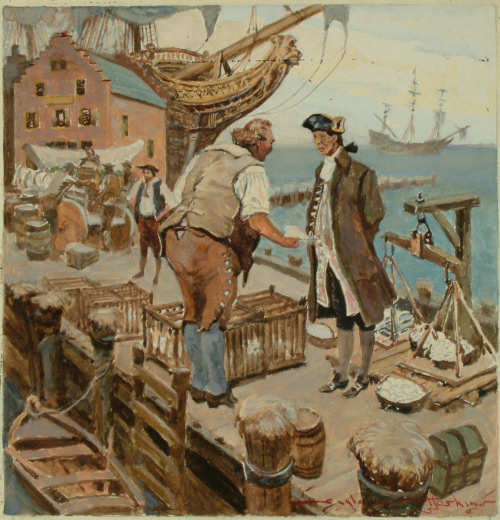
113. Customs Officer – In the popular imagination, a customs officer is often someone whom many characters want to get certain goods across without much detection. Yet, despite their calm demeanor, the historical customs officer was like that of a local public official who nobody liked. Nonetheless, while we all know that customs officers are supposed to track down smugglers, we have no idea what smuggling was like back in the day. But back in the Age of Sail, smugglers comprised of heavily armed gangs. And customs officers had to deal with these guys on a daily basis. Smugglers violently defended their illegal shipments. Officers who intercepted them were often beaten, shot, or kidnapped. Second, historically, people viewed customs duties as a way for the government to steal their money. Smuggling was seen as a Robin Hood-style community service instead of a crime. So naturally, customs officers lived in hostile towns where locals refused to help them or warned smugglers when revenue men were coming. Third, before modern ports and heated inspection stations, customs officers had to patrol rocky, freezing coastlines or local dirt trails in all kinds of weather. Many spent days in small, cold bouncing boats, often seasick, trying to chase down fast smuggling ships. Finally, for a long time the base pay was terrible. To make a living, a customs officer often had to rely on the “moiety system,” where they got a cut of the money from the goods they seized. Because of this, it was common for corrupt higher-ups or government officials to cheat customs officers out of their rewards or take bribes from rich merchants and look the other way.

114. Frontier Schoolteacher – In westerns, the image of a frontier one-room schoolhouse looms large. In some, a female schoolteacher may even be a hero’s love interest or wife. Yet, being the teacher there was certainly no picnic. First, teachers didn’t earn enough money to rent their own rooms. Instead, they’d have to rotate living with the different families of their own students. This meant they had no privacy, were subject to the host family’s strict rules, and were sometimes forced to sleep in the same beds as the children they taught. Today, most people would see their teacher as the last person they’d invite to a sleepover, let alone share a bed with them which is deeply inappropriate. Yet, in the olden days, this was seen as completely normal. Second, female teachers were paid significantly less than men for the exact same work. Their contracts were also incredibly strict. Many schools banned teachers from getting married, drinking, or even attending dances unchaperoned. Breaking these rules resulted in immediate termination. But sharing a bed with your students? Perfectly acceptable. Can’t see what could happen here (sarcasm). Third, teachers weren’t just responsible for educating the children, they were also the janitors. They had to arrive early in the morning to chop firewood, haul water from nearby wells, clean chimneys, and sweep the dirt floors. Fourth, books, paper, and pens were incredibly scarce. Teachers had to get creative just to hold class. For instance, some teachers scratched lesson plans into dirt floors with sticks while students used pieces of charcoal to write on their hands or on wood scraps. Lastly, many frontier schoolhouses were made of rough logs or prairie sod, both of which often leaked when it rained. During winter, the drafty buildings were freezing, sometimes even causing the teacher’s feet to frost over. In warmer months, dirt floors could be a breeding ground for fleas.

115. British Soldier – Being a soldier in the British Empire seems like quite the adventure. From the French and Indian War to World War I, a redcoat could travel the world from North America, Africa, the Caribbean, the Middle East, and India during the Raj. But a British soldier’s life wasn’t without hardship during the 18th and 19th century. First, a rank and file British soldier earned pennies a day and was further reduced by deductions for food, clothing, and equipment. When serving in peacetime, society viewed British troops as the “scum of the earth.” And that’s just the celebrated Duke of Wellington. Doesn’t help that most joined only to escape unemployment, starvation, or prison. While enlistment was often for life or for long terms ranging from 7-21 years, making it nearly impossible to return to civilian life. Second, British soldiers were subject to harsh discipline. The army used the “cat o’ nine tails” whip to punish minor infractions, often delivering hundreds of lashes scarring the men for life. Desertion or mutiny often resulted in death by firing squad or hanging. Officers regulated every second of a soldier’s day, enforcing mind-numbing drills to turn men into unthinking machines. Wealthy officers often bought their officer commissions, meaning that leadership was based on money than military talent. A fact that would later prove disastrous with the Charge of the Light Brigade. Third, diseases killed far more fighting men than actual combat. With yellow fever, malaria, typhus, and the classic dysentery devastating regiments. Food consisted of insect-infested hard tack and years-old salted meat. Those iconic red wool uniforms were thick, heavy, and tightly fitted. They also choked soldiers in tropical climates like India and the Caribbean. Living quarters were cramped, damp, and lacked proper sanitation, allowing disease to spread like wild fire. Lastly, tactics required soldiers standing shoulder-to-shoulder in tight formations while every musket and cannonball fired directly at them. Gunpowder quickly blinded the battlefield, leaving soldiers fighting in choking, terrifying fog. And if wounded, battlefield surgery usually meant quick amputation without anesthesia, using unwashed tools.

116. Police Officer – In historical settings, police officers are often clad in tall hats and nice black uniforms while on the block. In the US, they may even have Irish accents for some reason. However, the life of police officer back in the day makes the issues faced by their modern counterparts seem like a tea party. For one, in the 19th and early 20th centuries, police forces were deeply tied to corrupt local politics. Jobs were often awarded as favors rather than through merit. Officers were expected to act as muscle for local politicians, ignore crimes committed by political allies, and enforce illegal activities in exchange for bribes. Those refusing to play along faced either swift retaliation or termination. Second, before patrol cars and modern radios, officers had to walk massive, lonely, “beats” in the dark and cold. If things went wrong, they had little backup. During major events like the 1931 Wickersham Commission, records show that police resorted to extreme, high-handed violence to keep the peace, often alienating the public and making the job more dangerous. Third, police officers operated with almost no investigative technology. They had to rely on physical descriptions or a “rogue’s gallery” (books of mugshots) to identify repeat offenders. Without DNA or fingerprint matching, they were often forced to rely on forced confessions or intimidation to solve crimes. Today, we refer these last two tactics as torture. Fourth, historical police officers were often on the front lines of violent labor strikes, riots, and social uprisings. Due to being seen as stooges to the government and wealthy, they often faced deep hatred and physical violence from everyday citizens. Lastly, before vaccines and modern sanitation, cops faced many everyday health risks on duty. They regularly interacted with crowded, unsanitary slums, handled dead bodies, and dealt with people suffering highly contagious and deadly conditions without protective gear.
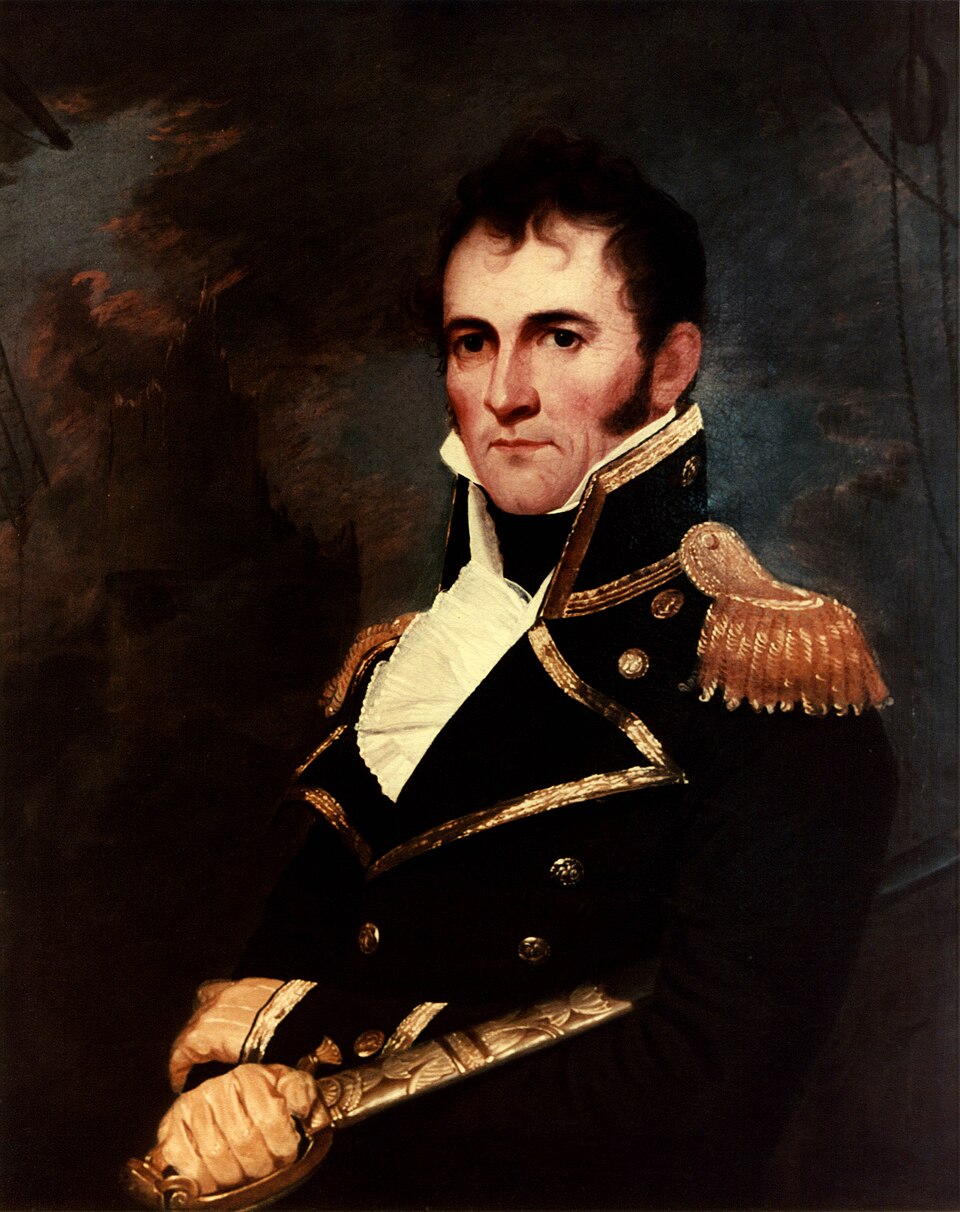
117. Naval Officer – Compared to the able seamen, life aboard a ship as an officer during the Age of Sail seemed more like a much cushier gig at sea. Yet, a naval officer’s life was anything but smooth sailing. Especially if one happens to be Captain Bligh or Fletcher Christian. Given that one wasn’t adequately supported by the British government before the Bounty voyage while the other had suffered a serious mental breakdown that led to the mutiny. For one, before mandating citrus fruits on board, long voyages meant that sailors and officers alike lost their teeth watched their old wounds open up as their bodies ran out of Vitamin C. Fevers, malaria, and cramped conditions with poor hygiene made deaths from illness highly likely. Second, naval commanders have faced strict, unforgiving culture where a single mistake could cost them their job. Should a ship run aground or failed an inspection, the commanding officer was often immediately fired or punished, regardless of their career’s overall success. Third, without refrigerators, food on long deployments consisted of dried, salted meat (which became tough as wood) and hard tack biscuits infested with maggots. Many officers brought their own personal stashes, but eventually even that went bad. Fourth, aboard the ship, officers were entirely separated from the enlisted crew. They ate in a private mess (or wardroom) and weren’t allowed to befriend the sailors they led. In addition, they were completely disconnected from their families for months and years at a time. Fifth, like many of the sailors, officers never learned how to swim. Falling overboard usually went drowning. While wooden warships were giant, wooden splinters waiting to explode during cannon fire. Lastly, the military justice system was brutal. Officers could be “kicked off the ship” for minor offenses or face devastating court martials that ruined their reputations for life.

118. Viking Raider – In our public imagination, being a Viking raider seems like a ferocious Scandinavian scourge on the coastal monastery. While their ships look pretty awesome to behold. However, despite what TV shows may suggest, Viking life wasn’t the smooth sailing life it was cracked up to be. First, Viking longship life wasn’t an action-packed adventure. Rowing required immense, constant physical effort. As a Viking, you rowed for hours in rough, freezing, and wet conditions. Being seasick opened you to ridicule. Longships had no cabins or toilets. You slept on the open deck or under a tent, exposed to the rain, wind, and freezing sea spray. You survived on high protein but foul-tasting foods like stale bread, thin porridge, and preserved (often fermented or rotting) fish and meat. Scurvy was a constant threat. Second, raiding wasn’t at all an honorable dance of clashing swords but an exhausting and terrifying slog. Since metal armor and swords were incredibly expensive, most everyday raiders could only afford thick leather garments, iron helmets, and heavy wooden shields. Vikings heavily relied on the shock value of sudden, brutal violence to intimidate unarmed monks and villagers. If a raid went wrong and an actual army showed up, Vikings were often in deep trouble. If you were lucky enough not to die in the fight, basic medicine made even a simple cut life-threatening. Injuries easily go infected, often leading to a slow and painful end. Wonder if dying from injuries after a battle qualified them to enter Valhalla. Fourth, despite the reputation as a full-time warrior, most Vikings were actually farmers. While raiding was just a seasonal gig to get silver and trade goods. Scandinavia was very cold, dark climate. Winters were incredibly long. Keeping animals and crops alive was a constant struggle. When not raiding, you spent your days doing grueling farm work like milking cows, cutting wood, and grinding grain by hand until your shoulders burned. The hard outdoor lifestyle and constant heavy lifting meant that even if you survived combat, your body would be wrecked by severe arthritis by your late 30s. Who knew the simple Scandinavian farm life was just as brutal as the raiding? Maybe even more so. Finally, the idea that all Vikings went to Valhalla when they died was a belief that helped them face their world’s grim realities. Because in real life, a large percenters of raiders never made it home, often falling to sickness, accidents, or starvation.

119. Merchant – A merchant always seems to have it made in a period drama with all their fine products from exotic places that they always have up for sale. But being a merchant was far from the high life. First, as a merchant, every time you crossed a river, entered a city gate, or passed into a new lord’s territory, you paid a heavy tax. The costs always ate at your profit. Roads were often just mud tracks. Moving goods by ox-cart was slow. And you risked getting robbed or losing everything if the weather ruined your shipment. Traveling by sea meant risking your life. Pirates could easily board your ship, steal your inventory, and throw you overboard. Second, because you’re not farming or making anything with your hands, many societies see you as a “parasite” charging extra for things. Since the Medieval Catholic Church taught that charging interest was a sin, people assume you’re cheating if you buy low and sell high. If you’re in ancient China or Japan, you legally sit at the bottom of the social ladder. In Europe, despite being rich, expect the knights and nobles to look down on you. Third, since there are no credit card or buy guarantees, you have to worry about customers using fake coins, which is a constant headache. The most famous example of this is the historical Ea-Nasir Tablet from thousands of years ago in ancient Mesopotamia. On it, a frustrated buyer complained to merchant Ea-Nasir for selling, cheap low-quality copper and being rude to his delivery team. Fourth, since you don’t “belong” to a local lord’s land, you have no protection. So if a local king needs money, he can simply steal or seize your inventory without breaking any laws. Lastly, due to banks and wire transfers being non-existent, you must haul heavy bags of gold or silver with you to buy new goods, which basically puts a “rob me” sign on your back. If you offer credit, getting paid back could take months or years across dangerous distances.
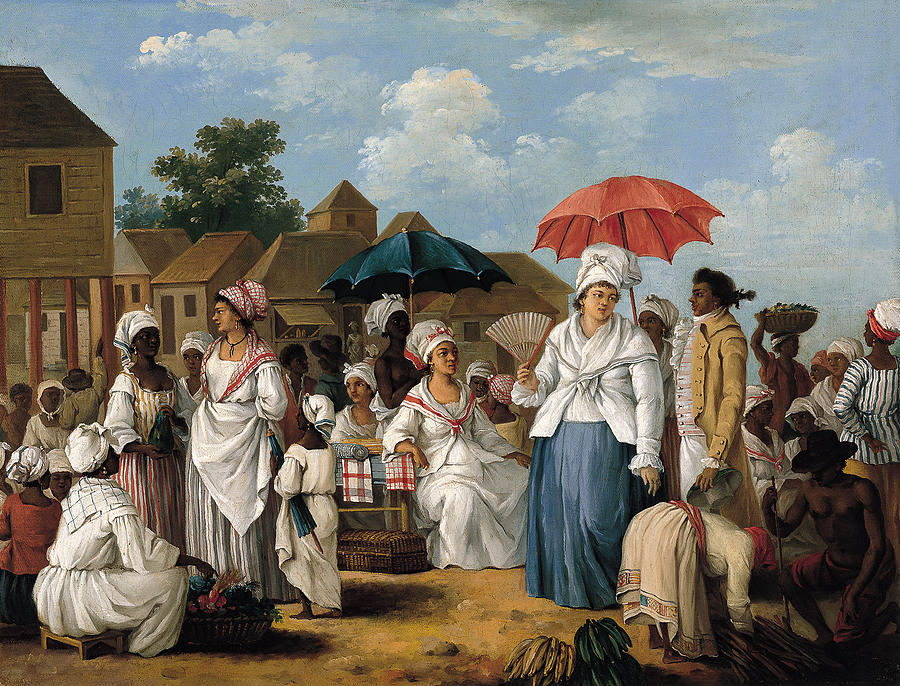
120. Colonial Settler – Seeking a new life in the New World, colonial settlers are often depicted as brave ancestors. If you live in America, they’re the Pilgrims or the inhabitants of Jamestown. If you live in Australia, they probably committed small time felony. But life in a new world was no picnic. First, settlers arrived completely unequipped to grow food in unfamiliar climates and soil. For instance, in Jamestown’s early days as a colony, failure to plant enough crops or hunt the local wildlife led to a horrific period known as “the starving time.” People resorted to eating horses, dogs, cats, rats, leather shoes, and even human corpses just to survive. Second, since European bodies weren’t used to the germs and environments in new territories. Tropical and foreign environments brought illnesses settlers had no medicine for. In warm, swampy colonies, mosquitoes brought deadly malaria. On long boat rides and during early winters, lack of fresh fruits and vegetables often caused scurvy, where teeth fell out and old wounds reopen. Third, since colonists were taking land, they often found themselves surrounded by angry and frightened indigenous populations. Instead of a peaceful new start, settlers lived in forts and constant fear of attacks, raids, and destruction of their crops. Fourth, unlike a modern move where one can just go to a store, settlers were completely cut off. Settlers faced freezing winters and scorching, humid summers that destroyed homes and crops. While the distance from civilization meant a lonely, brutal existence with no guarantee that you’d see another friendly face for months. Fifth, many regular settlers weren’t in charge. Many were essentially indentured servants worked for rich nobles or companies in their home country. They were forced into grueling labor and couldn’t just quit. As their bosses controlled their food, housing, and freedom. Finally, as time went on, the reality of displacing, enslaving, or eliminating native populations left a dark legacy of guilt, fear, and intergenerational violence. While creating deeply unstable societies where people lived in a constant, defensive stage of high alert.


