

Sometimes many of the crap jobs were often essential. Camp followers weren’t often treated with the respect they deserve, but they kept an army running. Tanners and chandlers were shunned by made essential products no one could do without. While frontier schoolteachers were force to crash at with their students’ families due to their crappy pay but taught children in isolated rural areas. Anyway, ever imagined yourself as an Olympic athlete in the olden days? How about serving in a calvary or Mongol hordes? Or even a G-Man hunting gangers. Here’s another post of ten more historical jobs and their dark realities.

131. Boxer – In historical pieces, you often come across an old-time boxing match. Yet, the boxer reality was nothing you could swipe at. First, while modern boxing matches usually go 12 rounds, historical boxing matches often required fighters to go 15, 20, or even unlimited number of rounds until someone was knocked out. This meant fighters had to pace themselves differently and take a massive amount of damage over an hour or more in fighting. Second, boxers had to rely on less padded gloves, making every punch more damaging. Common injuries comprised of concussions, detached retinas, broken ribs, and severe facial scarring. There were no ringside doctors checking for brain injuries and “fighting through pain” was a mandatory survival skill rather than a heroic choice. Sometimes they even died in the ring like Frankie Campbell in his fight with Max Baer, haunting the latter for the rest of his life. Third, while a few famous boxers made good money, the rest were horribly exploited by corrupt managers and promoters. Fighters rarely saw their fair share of their purses. They had to fight multiple times a month, sometimes days apart to survive. This made them easy prey to long-term brain damage. Lastly, although boxing was one of thew sports black fighters could participate in, but they faced severe institutional racism. Even when undeniably the best in the world, black champions like Jack Johnson and Joe Gans were often barred from fighting for the heavyweight title, forced to carry the weight of intense societal prejudice, or pressure to “throw” fights.

132. Olympic Athlete – Today, being an Olympic athlete is to compete amongst the best of the best. Yet, in the olden days, the life could be brutal. Ancient Greek athletes competed naked in the burning sun, covered only in olive oil to protect their skin from the heat and the wind (not sure how that worked). No weight classes or medical teams existed, meaning frequent and brutal injuries. There were no silver or bronze medals. You either won or lost everything. Cheaters were publicly whipped or heavily fined. While married women were strictly forbidden from watching the games under penalty of death. In the modern Olympics, let’s look at the American athlete Jim Thorpe, said to be the greatest modern athlete the world had ever seen. Only to be stripped of his Olympic medals once he was found to have played semi-pro sports under his own name. Because during the 20th century, Olympic rules required athletes to be strict amateurs. If they made any money playing a sport like Thorpe did, they were instantly banned. While many athletes starved or went bankrupt trying to train full-time without getting paid.

133. Saloon Girl – Providing entertainment for the weary traveler, saloon girls are always dressed well and serve with a smile. But life as an Old West saloon girl was far from a glamorous one. First, despite being depicted wearing sparkling, high-end dresses, many saloon girls were widows, orphans, or refugees from farms or mills. They wore what they could, often breathing secondhand smoke and working in stifling heat. Second, a major part of a saloon girl’s job was encouraging men to buy drinks. While the customers paid high prices for real whiskey, the girls were usually served colored sugar water or weak cold tea. The women lived off small wages and a percentage of these overpriced drinks, so they had to constantly hustle to make ends meet. Third, saloons were lawless places filled with armed men, heavy drinking, and gambling. Brawls, accidental shootings, and violence were common hazards that many Old West towns and establishments had gun control measures. While saloon owners often protected their employees from out-of-line customers, the threat of danger was always there. Fourth, because they worked in male-dominated spaces, saloon girls weren’t seen as “proper” women. Respectable society shunned them and they were often lumped together with prostitutes, making it nearly impossible to leave that life and find traditional employment. Lastly, hygiene was incredibly poor, saloons were poorly ventilated, and frontier medical care was limited. Saloon girls dealt with the constant threat of infectious diseases, and an unplanned pregnancy meant the end of their career, as birth control was virtually nonexistent.
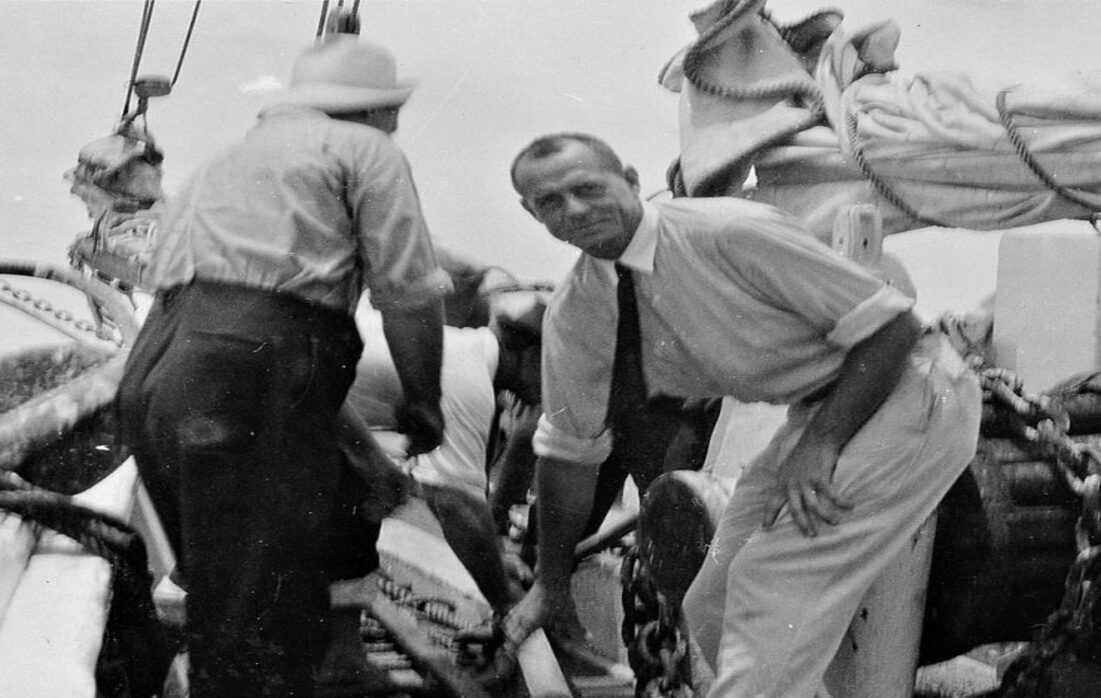
134. Rum Runner – With their fast shifts to avoid the law, the rum runner was often a daring figure of 1920s Prohibition America. But the reality was often fast and short. First, rum runners often raced in the dark without lights to avoid being seen. Unsurprisingly, this resulted in frequent, deadly collisions with sandbars, reefs, and other ships. US Coast Guard aggressively patrolled the waters and didn’t hesitate to fire upon smugglers. If caught, crews faced devastating $10,000 fines, prison time, and losing their boats. Second, the rum runner’s most terrifying threat wasn’t police but other criminals. Armed hoodlums known as “go-through guys” waited in fast, heavily armed boats. They specialized in hijacking rum runners to steal the booze and cash. These hijackers frequently killed crews and sank the ships to leave no witnesses. Third, smuggling wasn’t just confined to sunny southern waters prone to hurricanes. Rum runners also navigated through the Atlantic and the Great Lakes’ stormy coasts. Crews had to endure sub-freezing temperatures, icy waters, and towering, dangerous waves. Many captains and deckhands simply froze to death or were lost at sea during severe winter storms. Fourth, moving thousands of heavy cases of booze was a physical nightmare. Crews had to transfer fragile glass bottles from large “motherships” sitting in international waters to smaller, faster boats. This often happened in total darkness, freezing rain, and high winds. Heavy lifting and intense stress took a major toll on the body. Fifth, as in many professions operating outside the law, trust was difficult to come by. Rum runners were constantly worried that corrupt officials, rivals, and their own nervous crew members would leak their drop-off schedules and locations to the police or rival gangs. Finally, to outrun the Coast Guard, runners constantly monitored their boats, putting incredible strain on their engines. The boats were frequently broken down, requiring immense repairs, and sometimes failed right when they needed to escape the authorities.

135. Ship’s Carpenter – Although not a glamorized position on a wooden ship, a ship’s carpenter was essential and deeply underappreciated part of the crew. Yet, their lives weren’t always chippy. During naval battles or pirate attacks, a ship’s carpenter couldn’t fight. Instead they had to remain below deck near the waterline, armed with wooden wedges and hammers. All while cannonballs smashed through the wood around them, their job was to frantically jam wedges into the holes to keep the ship from sinking. Second, since wooden ships were constantly twisting and bending in the water, causing the planks to loosen and leak. Ship carpenters spent endless days hammer-packing oakum (crushed ropes mixed with tar) into gaps within the ship’s wood to keep the ocean out. This was impossible work needing to be repeated every time a ship sailed. Third, beyond woodwork, carpenters were responsible for the ship’s grimmest work. When a sailor died at sea, the carpenter had to stitch the body into a canvas burial shroud and build any necessary weights before the funeral at sea. Fifth, a ship’s carpenter’s tools had to be in perfect condition at all times. They also had other responsibilities. Sounding a well meant dropping a measuring stick to the ship’s bottom to see how much sea water had leaked in, ensuring the crew didn’t sink overnight. Mending the masts involved splinting shattered wooden masts high above the deck during wild storms so the ship could keep moving. While measuring water comprised of carefully managing the ship’s drinking water barrels and fixing any that began leaking. Lastly, should a ship’s carpenter die or fail, the entire ship could sink or break apart at sea. Let’s hope these unsung heroes were paid their proper due because their work on the ship was often a matter of life or death. Since these guys deserve much more glory than they’re given.
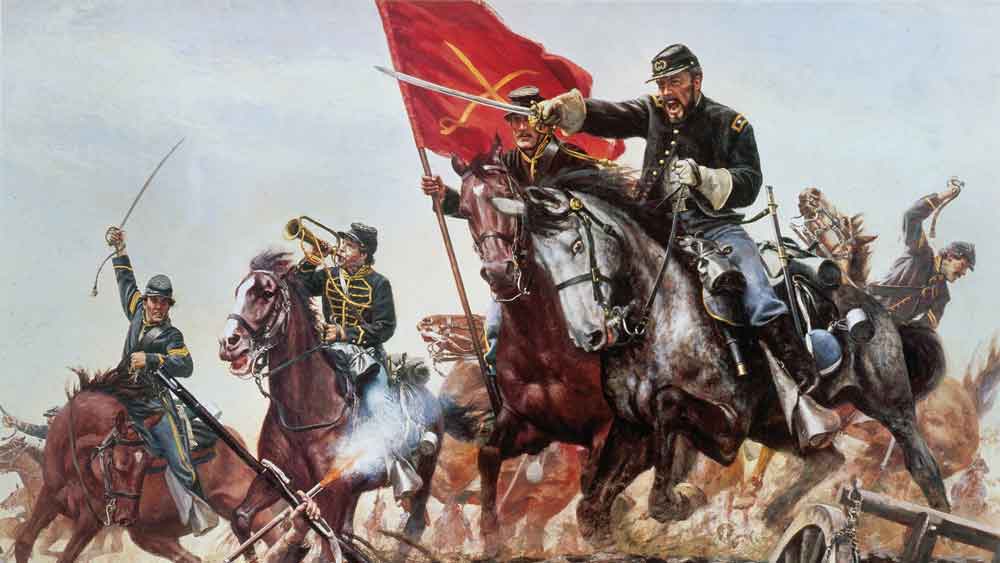
136. Cavalryman – Riding on a horse, the calvary have always been known to show up at the last minute in many westerns. But despite the glamor in movies, the life of a cavalry man was far from a ride into the sunset. For one, you had to really love horses that you’re willing to center your entire life around one. Because your horse wasn’t just a cool pet but your weapon and needs more attention and care than you did. In fact, you have to brush, scrub, and check your horse for injuries every day. Even a simple saddle blister could put you and your horse out of commission. Horses also need lots of water every single day, drinking as much as 13 gallons on a summer campaign just to survive. Before running water, finding and lugging this much water was a constant logistical nightmare. Horses also eat a massive amount of food and are massive pooping machines. Cleaning up after them, maintaining their heavy leather gear, and keeping them from deadly illnesses like colic was back-breaking work. Second, because you sat on a giant, tall animal, you were a very easy target for archers and later, anyone with a rifle or cannon. In gunpowder eras, a group of horses was the very first thing enemy cannons aimed at. With cannonballs skipping across the ground throwing riders and shattering horses’ legs. If you’re sent to attack foot soldiers, you usually couldn’t just trample them. Disciplined soldiers often packed tightly together and created a wall of spears, pikes, or bayonets. A horse’s instinct is to avoid running into sharp objects, making direct charges incredibly difficult and dangerous. Third, military technology was rarely on your side. Rifled muskets and rapid-fire machine guns made massive cavalry charges almost impossible to survive. Charging a gun line meant getting picked off long before you ever got close enough to swing a sword. Maintaining a cavalry army was incredibly expensive. Governments could often equip and train 8 foot soldiers at the cost of one single cavalryman. So despite being highly valued, you were under-supported. Lastly, riding a horse for hundreds of miles was terrible for human joints. Cavalrymen often suffered from severe back pain, chafed skin, and saddle sores that easily became infected. Furthermore, falling off a horse during a chaotic battle or have a wounded horse collapse on top of you frequently resulted in broken bones or death.

137. Wet Nurse – Sent for when there’s a new baby, a wetnurse always cared for children who came from richer families than they did. But their life can often be a thankless slog. For one, unless you’re Moses’ mother Jochebed, wet nurses often had to leave their own newborn babies behind. Because wet nurses couldn’t feed their own babies, these children often suffered from malnutrition or faced much higher death rates. Second, lactation requires a massive amount of calories and energy. Wet nurses had to constantly produce milk for months, sometimes up to 3 years. This led to physical exhaustion, severe nipple chafing, and general burnout. Third, employers dictated every aspect of a wet nurse’s life. They were told what to eat, forbidden from drinking alcohol, and strictly banned from having sexual intercourse, as employers believed it would “spoil” the milk. Fourth, in many historical eras, such as during American slavery, the role was deeply traumatic. Enslaved women were forced to nurse their enslaver’s children while neglecting their own babies, suffering under the constant threat of family separation, physical punishment, or sexual assault. Fifth, before modern medicine, people didn’t know a thing about germs. If the employer’s baby got sick or died as it often happened, the wet nurse was frequently blamed and fired. All despite having no medical knowledge to prevent the illness. Lastly, since wealthy families feared a wet nurse’s milk would transfer bad traits into their baby, wet nurses were heavily judged, controlled, and micromanaged on irrational superstitions.

138. Mongol Raider – During the Middle Ages, nothing could put the frights to people than the legions of Genghis Khan’s horseback raiders. But the life was anything but glorious. For one, the vast plains of the Eurasian Steppe feature freezing winters and scorching summers. Raiding parties covered hundreds of miles on horseback, constantly enduring these extremes. Despite being part of the force that amassed the largest land empire in history, Mongol raiders didn’t enjoy grand feasts on the road. Just mainly dairy products and horse meat. Should food run low, they’d slice into their horse’s veins and drink their blood for survival. And if wounded by enemy arrows, spears, or stones, expect your medical care to be extremely basic and infections often deadly. Second, Mongol military law strictly ran under Yassa (a code of law Genghis Khan created). Abandon your post or flee battle, you and your entire 10-man unit was often executed. While young and old alike were required to participate in massive, months long, circular winter hunts (nerge). These were designed to stimulate the horrors and exhaustion of real battles. While every raider had to take care of 3-5 horses, meaning constantly feeding, grooming, and managing the animals. Even if you’re already completely worn out from fighting. Third, campaigns were long with raiders often separated from their families for years at a time. Mongol tactics required raiders to move incredibly fast, feign retreats to lure enemies into traps, and act as the first wave in dangerous sieges. Raiders took the brunt of heavy enemy fire. Because the Mongols’ entire society was a military machine, women at home had to manage massive herds, set up and take down heavy felt tents (gers), and protect themselves if attacked while all the men were away.

139. G-Man – Fighting interstate crime during Prohibition and the 1930s, the G-Man was often depicted as the FBI’s finest. But being an early FBI agent wasn’t all glory in catching bad guys. First, strict dress codes had agents wearing a suit, tie, and fedora hat even in the hottest and most humid summer weather. Because FBI director J. Edgar Hoover strictly forbade “short-sleeve” attire so you had to risk heat stroke just to look sharp. Speaking of Hoover, he was FBI boss for almost 50 years and a nightmare micromanaging boss willing to fire people for even minor mistakes. One minute late, one typo, or scuffed shoes could mean your career over in a heartbeat. Hunting down notorious monsters and bank robbers like John Dillinger and Baby-Face Nelson meant working non-stop. When a major case was happening, sleep was rare and weekends didn’t exist. Starting in the 1950s and 1960s, Hoover forced agents to perform secret and illegal wiretaps. Agents had to sneak around, placing hidden microphones, often knowing their boss’s surveillance went far beyond catching actual criminals and included spying on civil rights leaders and politicians. And yes, that meant tapping on Martin Luther King Jr. Finally, unlike modern desk jobs, historical G-men faced heavily armed outlaws and mafia bosses. It was a stressful life, where every footstep in a dark alley could put your life on the line.
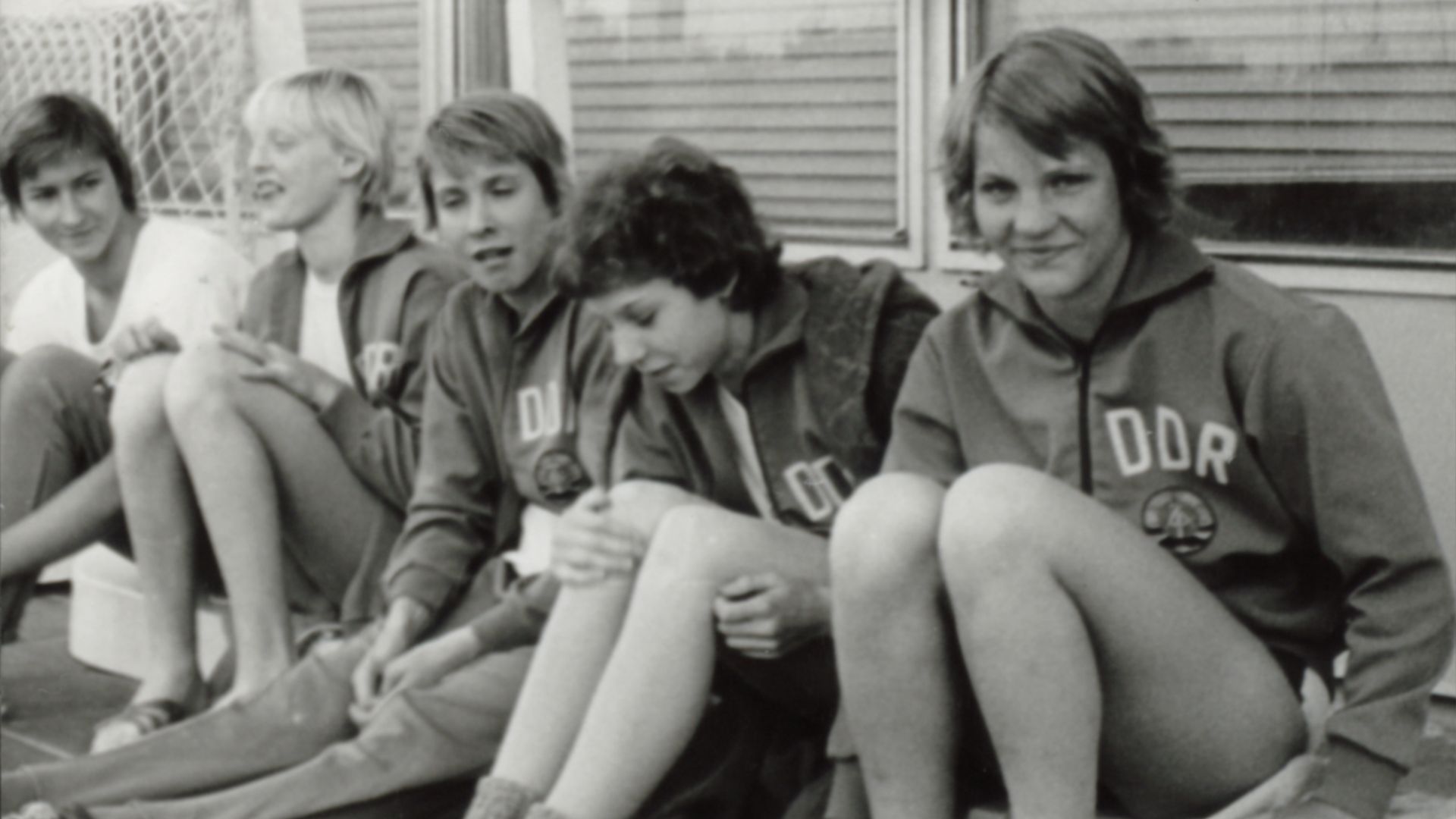
140. Eastern Bloc Athlete – As a representative of an Eastern European country, these athletes competed with the western world to show feats of strength and speed. However, the life of one was often as a political tool. First, as an Eastern Bloc athlete during the Cold War, taking anabolic steroids weren’t optional. Even athletes as young as 12 years old were administered these “little blue pills” by team doctors. Of course, they’d often be told they were just “vitamins” or medicine to ensure a faster recovery. But this hidden doping left athletes with severe, lasting health issues, including liver disease, heart disease, and reproductive problems. Especially if the women’s team levels are high enough for them to pass as men. Second, Eastern Bloc athletes were considered government party and treated as tools to prove communism as the best system in the world. State police heavily watched, listened to, and controlled these athletes so nobody would try to escape. Even when competing globally, they were heavily supervised and rarely allowed to mix with people from other foreign countries. While failing to win a gold medal could result in losing state funding, getting demoted, or being banned from the sport entirely. So watch out for the 1980 men’s US Hockey Team. Third, since the Olympics only allowed “amateurs” during the Cold War, Eastern Bloc countries gave them fake jobs in the military or police forces. Even though they were expected to be professionals who trained all day, every day. Thus, meaning their sport consumed their entire life, leaving no room for a personal life or education. Lastly, because living conditions were poor under communist regimes and athletes could see how the rest of the world lived during their travels, many wanted to escape. But keep in mind that defecting means leaving friends and family forever. And that if you flee, the government might punish the loved ones you leave behind.


