
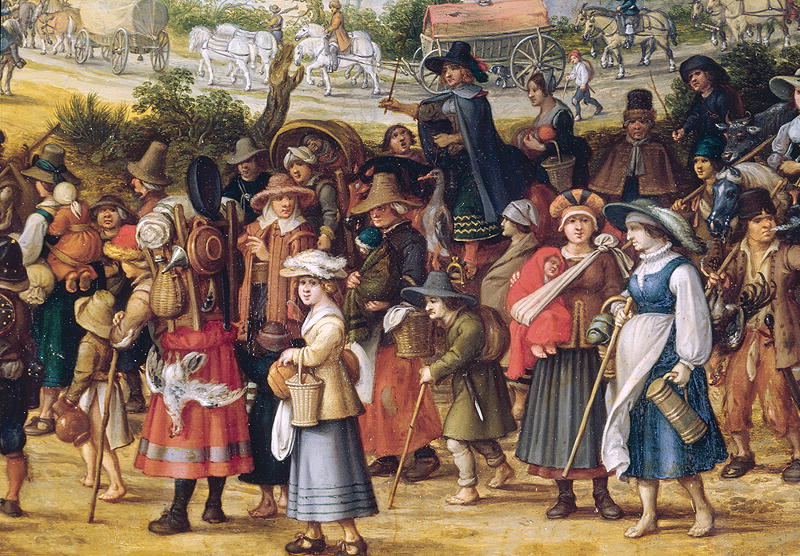
When it comes to certain law enforcement occupations, you tend to noticed how many of them weren’t always well-liked. Despite how our elders say that cops were respected in the olden days, historical evidence showed that the general public often saw them as thugs for the rich and powerful. And most ordinary citizens weren’t above committing physical violence against them. Customs officers went after criminals that much of the public saw as prominent figures of society and weren’t too happy to see them arrested. While Old West lawmen had their work cut out for them. Anyway, have you ever imagined yourself an alchemist trying to concoct the elixir of life? How about a brave muckraking journalist exposing systemic injustice? Or maybe even a court painter painting portraits of the royal family. In this post, here are ten more historical professions that seemed cooler on the screen than they actually were.
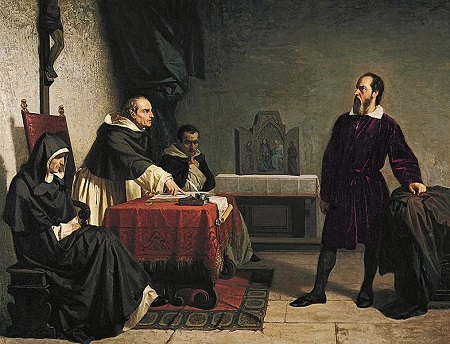
121. Inquisitor – Sure, we may not like these heretic persecuting inquisitors who love to torture and burn hapless victims at the stake. All because they disagree with some precepts of the Catholic Church. But the inquisitor life wasn’t the torture happy fun time it’s cracked up to be. First, inquisitors were mostly highly educated lawyers, priests, and judges whose days involved reading legal texts, recording testimonies, and managing mountains of paperwork. Rules required inquisitors to write down exactly what the accused said. Sometimes trials required a minimum of multiple witnesses to secure a conviction. Should those witnesses die or change their stories, the inquisitor’s case fell apart and they had to start over. Thus, daily life was less like Scorch Dave Saturday and more like a religion-oriented assistant district attorney. Second, inquisitors often traveled from town to town to set up temporary tribunals. Given that they lived during the medieval and early modern eras, this meant riding horses or walking on muddy roads for weeks. But when the inquisitor came to town, locals often treated them with suspicion. As their status as an outsider threatened local traditions and political structures. Third, inquisitors investigated several powerful, rich heretics or secret religious groups with a lot to lose. Because trials could result in prison or property loss, they were frequent targets of revenge, poisonings, and assassination attempts. Proof that even when it comes to religious doctrines, rich people would do anything to avoid accountability. Fourth, inquisitors were caught in the middle of intense political fights between the Catholic Church and local monarchs. Rulers often wanted inquisitors to find people guilty to help take away power and property from their local rivals. Should inquisitors be too lenient, local rulers could accuse them of being too soft and punish them. Should the inquisitors be too harsh, they could receive a reprimand from the Pope. Fifth, interrogators spent hours questioning suspects. If torture was eventually approved (which only happened in a minority of cases and under strict medical rules), the inquisitor had to be present to oversee it. Listening to screams and dealing with the psychological weight of putting fellow human beings on trial took a massive toll. Finally, many inquisitors were monks or priests pulled away from their scholarly, religious lives to do this difficult, dangerous detective work. They weren’t getting rich from the job. While many just simply wanted to finish their terms so they could return to their monasteries. So inquisitors were less like torture-happy religious fanatics and more like US attorneys working for the Trump administration on Game of Thrones.
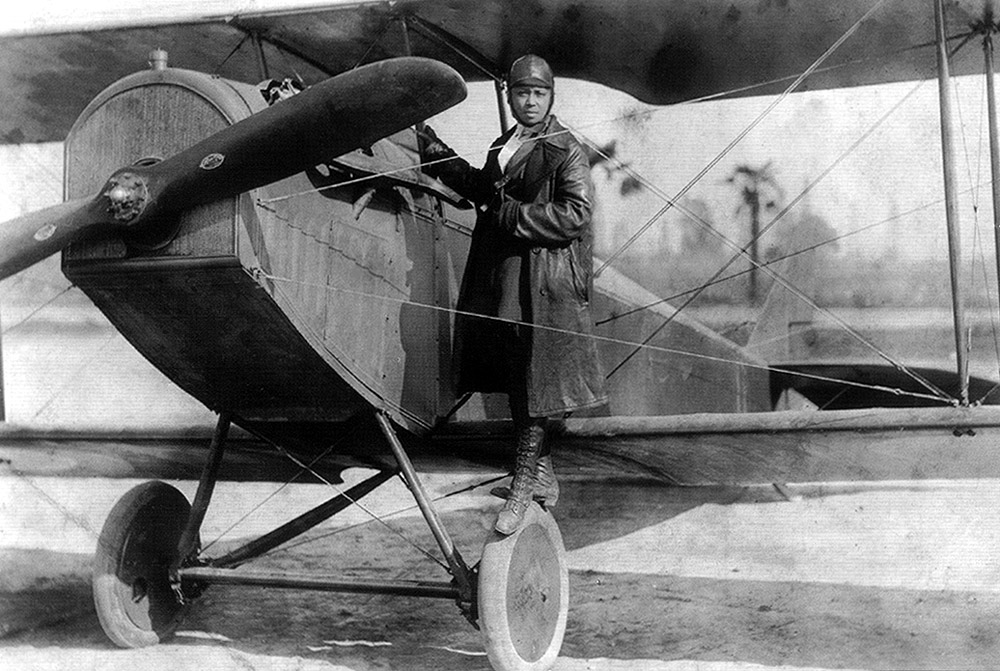
122. Barnstormer – Anyone who’s watched anything on early flight may be familiar with the idea of the daring barnstormer doing a wide range of aerial stunts during the 1920s. But their life was often dangerous and short. First, pilots flew surplus World War I planes like the Curtiss JN-4 “Jenny,” which were mostly made from wood and canvas as well as can only go up to 75 mph. Stunts like wing-walking, mid-air plane-swapping, and flying through barns could be extremely dangerous. Crashes and fatalities were common and pilots spent months in hospitals. Second, barnstormers traveled from town to town looking for open farm fields to use as temporary runways. They were essentially independent gig-workers entirely dependent on ticket sales and passenger rides to pay for their food, lodging, and gas. They were frequently forced to sleep on the ground and even on their airplanes’ wings. Third, despite death-defying feats, barnstormers were generally not well paid. Due to the difficulty making a living, many of these pilots often had to take second jobs during the winter off-season as mechanics, gas station attendants, or flight instructors. Finally, the extreme danger and highly publicized accidents eventually forced the US government to step in. The Air Commerce Act of 1926 introduced strict pilot licensing, mandatory aircraft maintenance, and flight rules. Later, stricter rules made it impossible for barnstormers to perform their tricks at low altitudes and the military stopped selling the cheap, surplus planes they relied on.
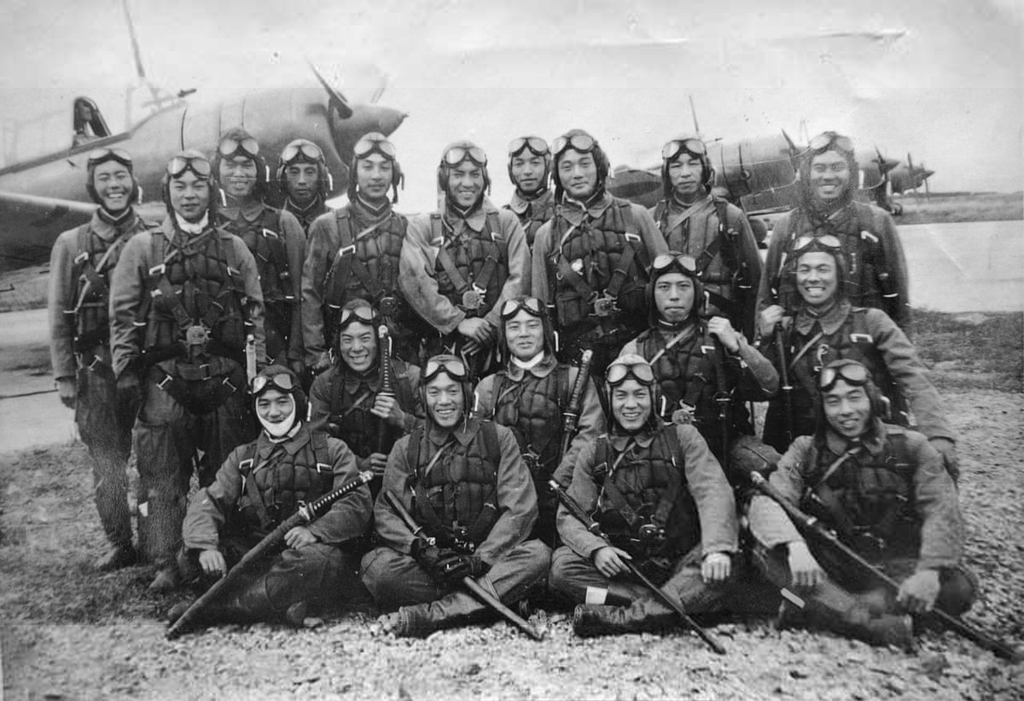
123. Kamikaze Pilot – Oh, yes, those Japanese World War II pilots who would rather crash into the battleship than live another day in dishonor. These men have been romanticized as willing suicide bombers. However, the reality was way grimmer. Sure, the kamikaze program relied on volunteers. In reality, commanders manipulated young men with peer pressure. They were often gathered in a room and told to step forward if they didn’t want to volunteer. Due to heavy Bushido code influence in the military (that prioritized loyalty and death before dishonor), stepping forward meant bringing public shame to themselves and their families. So kamikaze pilots volunteered like Katniss Everdeen did in the Hunger Games. Second, during the later years of World War II, Japan was running out of resources, fuel, and experienced instructors. Because pilots were going on a one-way trip their training rarely included landing. So they were simply taught how to take off, fly straight, and dive. Third, the assigned aircraft to these missions was often outdated, obsolete, and poorly maintained. They were no match for superior aircraft, patrolling fighters, and heavy anti-aircraft artillery from the Allied (mainly American) forces. Fourth, this was a highly ineffective strategy with an estimated 14-19% of kamikaze pilots actually hitting their targeted ships. American defenses shot many of them down long before they could reach their targets. Lastly, kamikaze pilots sat in cockpits knowing that their fate was sealed. Despite propaganda framing them as heroes, many wrote in their final letters about their fear accused the military of incompetence and senseless waste. If a pilot aborted the mission due to bad weather or mechanical failure, they were sent back again, and repeated failures could result in execution for cowardice.

124. Photographer – Although photographer seems like a rather simple job involving taking a picture and developing pictures in a dark room, early photography production wasn’t like it is now. Because the guys who took those pictures for the Ken Burns Civil War documentary had to go through so much just to document this conflict. First, before modern film, taking a picture required the wet-plate collodion process. This wasn’t just all about loading a camera and clicking a button. No, this involved mixing glass plates with toxic, flammable, and foul-smelling chemicals (like nitrate and ether) right there on the spot. If you were a traveling photographer, you had to drag a heavy, pitch-black portable darkroom tent everywhere you went. Second, 19th century cameras were massive wooden boxes mounted on heavy tripods. A typical kit including a camera, glass plates, heavy glass lenses, a tripod, and bottles of liquid chemicals could easily weigh over 100lbs. If you wanted to take a picture of a mountain or battlefield, you had to hike up all that gear up the hill yourself. Third, the chemicals used to capture and print photos were incredibly dangerous. Breathing in ether and cyanide fumes all day caused severe headaches, dizziness, and sometimes fainting. Flash powder (used to light dark outdoor shots before flashbulbs) was made by mixing magnesium with highly volatile ingredients. Should it ignite too close to you, it can cause severe burns or fatal explosions. Fourth, because coating glass plates was a manual process, even a tiny speck of dust could ruin a picture. You had a very small window of time to get it right: the glass plate had to stay wet through the entire exposure and development process. If the plate dried before you snapped the photo, the image wouldn’t show up. Lastly, early cameras took a long time to soak up enough light to make a picture. If you were shooting a portrait, your subject had to sit completely still for several seconds to minutes. Photographers often used metal clamps hiding behind the subject’s head just to force them to stay perfectly still without twitching and blinking. Think about how Matthew Brady and Co. went above and beyond to get all that Civil War footage next time you hear “Ashoka Farewell.”
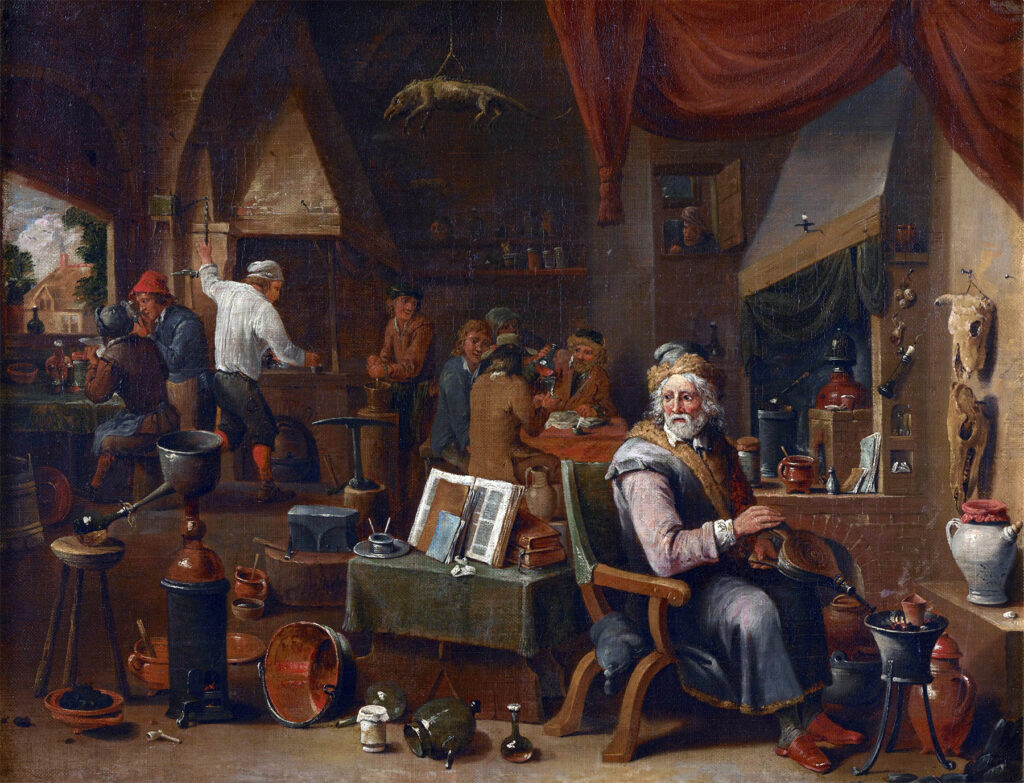
125. Alchemist – Whether it’s to turn lead into gold or make an elixir of life, alchemists always seemed to toil in their laboratories and look good doing it. Yet, all that glitters in this profession wasn’t gold. First, the job was very dangerous. Alchemists spent hours handling dangerous elements like lead, mercury, arsenic, and sulfur. Prolonged exposure led to sever health issues, including nerve damage, organ failure, and madness (the origin of the “mad hatter” concept). Experiments were highly volatile. Mishandling chemicals or misjudging temperatures often caused fires or outright explosions. Because this was at time when modern science was in its infancy, there was no safety gear. Many alchemists poisoned themselves or burned down their workspaces. Second, rare chemicals, specialized glass, and high-quality charcoal for furnaces were incredibly expensive. Many alchemists spent their entire life savings trying to turn cheap metals into gold (the process of transmutation), leaving them broke. Third, although kings and nobles frequently sponsored alchemists, they expected them to make good on promises even if it’s to make gold or the elixir of life. If they failed to deliver as so often the case, they could face imprisonment or execution for fraud. Because monarchs often locked alchemists away to force them to produce wealth exclusively for the crown, they frequently worked in isolated, prison-like conditions. Lastly, alchemists spent thousands of hours searching for the “Philosopher’s Stone” (a mythical substance that could grant immortality and turn lead into gold). Only to chase impossible goals that didn’t really exist. They also wrote notes in complex, confusing symbols and metaphors (like the “Green Lion” or the “King’s Bath”) to keep their secrets safe. This made it nearly impossible to learn from one another, slowing scientific progress.
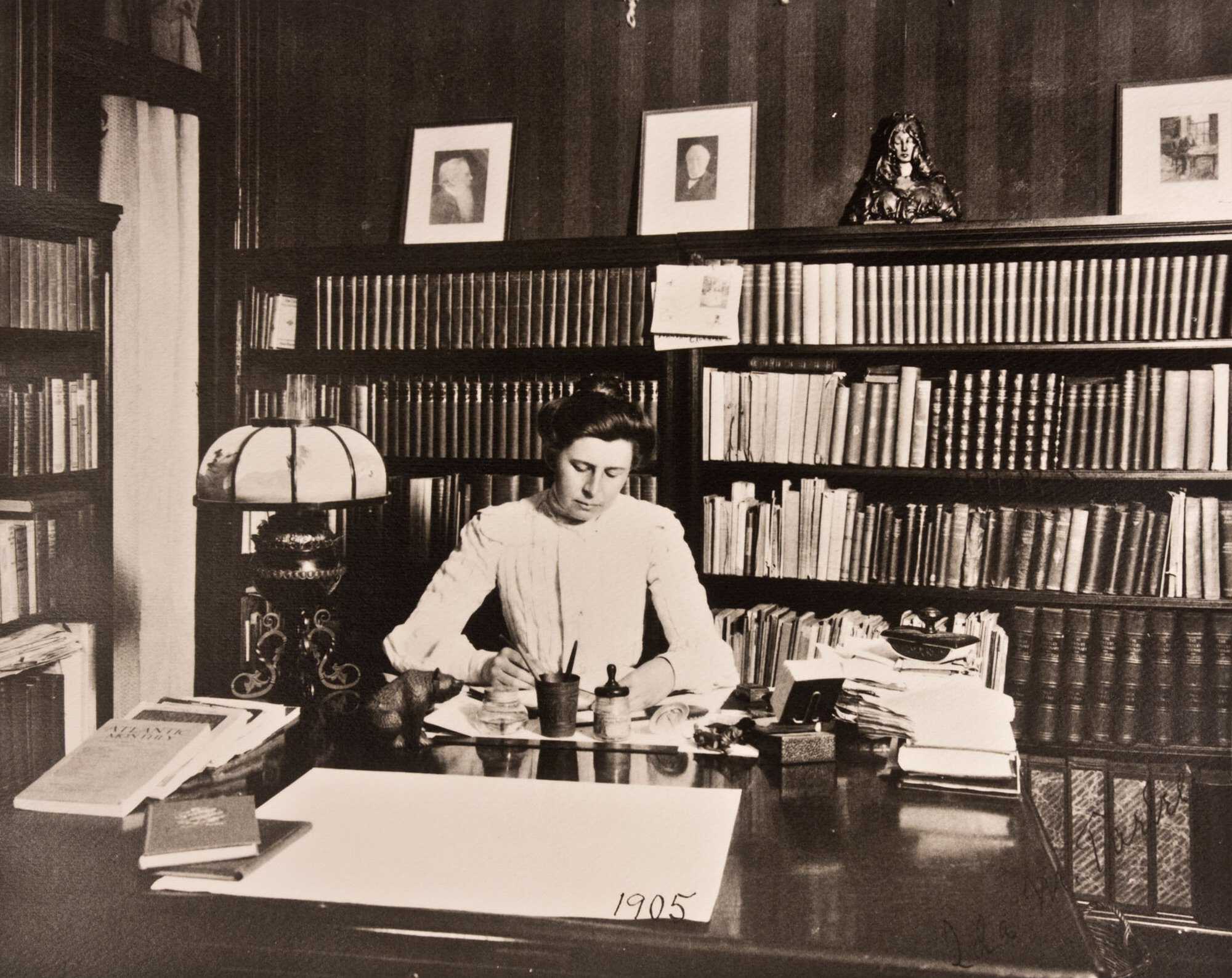
126. Muckraking Journalist – During the Progressive Era, investigative journalists like Upton Sinclair, Ida Tarbell, Nellie Bly, Ida B. Wells, and others exposed societal problems and injustices through books, articles, and other media. But it was an exhausting, dangerous, and even lonely job. For one, exposing mob bosses, corrupt politicians, or violent company heads put a massive target on the reporter’s back. They were frequently threatened, assaulted, censored, and even murdered for getting too close to the truth. Second, the job required endless hours of grueling work. Journalists spent months or even years digging through dusty, complicated court and government documents, conducting endless interviews, or going undercover in dangerous conditions (like filthy factories and slums) to gather proof. Nellie Bly once pretended to be a mad woman to write about conditions in an insane asylum. Although she easily got in, she had a very difficult time getting out even after she dropped the act. Of course, this was due to sexism. Third, powerful companies had bottomless pockets. When journalists exposed corporate greed or dangerous working conditions, wealthy targets often fought back by hiring teams of lawyers to file expensive lawsuits designed to bankrupt the journalists and their publications. Fourt, muckraking journalism was expensive to produce but difficult to monetize. Many magazines and newspapers went out of business when the wealthy targets of their expose retaliated by pulling their advertising dollars. Finally, even when they successfully exposed corruption, reporters were often attacked by the very public and politicians they were trying to help. President Theodore Roosevelt famously branded these reporters as “muckrakers” comparing them to the character in a story who obsessed with looking at the dirt on the floor that he ignored everything else. However, in defense, if it wasn’t for Upton Sinclair working undercover in the slaughterhouses, we wouldn’t have food safety regulations or the FDA. Ida Tarbell exposed Standard Oil and brought John D. Rockefeller to his knees with the US government breaking up his company in 32 different factions. While Ida B. Wells exposed the evils of lynching as a tool to retain white supremacy in the South.
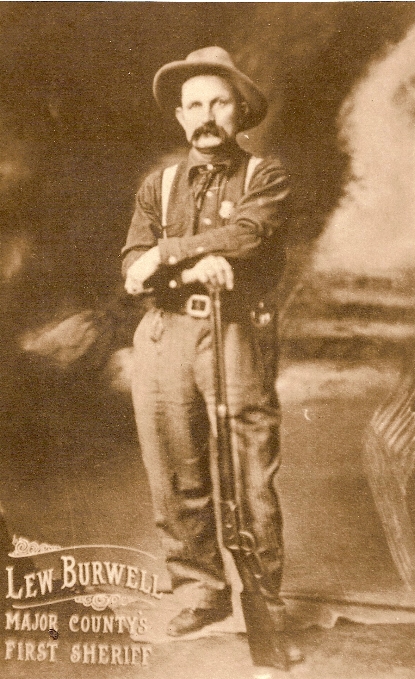
127. Sheriff – Whether going against Robin Hood in Nottingham or in the Old West, a sheriff was always the guy charged to keep law and order within a town. But the real thing was a largely miserable gig. First, on the American frontier and the Thirteen Colonies, law enforcement was just a fraction of the job. Sheriffs were heavily tasked with collecting property taxes, serving civil court papers, dealing with land disputes, and handling livestock. Medieval sheriffs (called shire reeves) were the king’s personal taxmen, making the peasants they taxed universally hate them. Second, during the 1880s, American sheriffs were paid through a “fee system” rather than a set salary. Meaning they earned money directly from the arrests they made, warrants served, and miles traveled. Because of this, sheriffs were heavily incentivized to spend massive amounts of time on the road doing tedious paperwork to get paid. Failing to balance the budget meant the government could take the loss out of their own pockets. Third, despite depictions as swift bringers of justice, historical lawmen constantly faced lethal threats. Having a fierce reputation often meant outlaws or vengeful gangs actively sought them out to make a name for themselves. Since sheriffs had little backup, they relied on posse comitatus, which is conscripting normal, untrained local citizens to hunt down criminals. This could sometimes escalate into bloody feuds, like the Lincoln County War in New Mexico. Lastly, sheriff was a powerful aristocratic position in medieval England that nobody wanted. Because the job required hosting royal judges, maintaining the local castle, and paying tributes to the crown, it was so notoriously expensive that many nobles spent their entire fortunes and actively avoided being chosen.

128. Camp Follower – In the American imagination, Molly Pitcher often embodies the iconic contributions of camp followers during the American Revolution. However, in reality, camp followers were often the unsung heroes in war who acted as the backbone of the army’s support system and often didn’t get the respect they truly deserve. Especially since many of these people comprised of women and children who accompanied their husbands and fathers with their armies. For one, as the backbone for the army’s support system, they did all the unglamorous work to keep the camps running: laundry, cooking, mending uniforms, and nursing sick soldiers. And yes, some did bring water to exhausted soldiers and shot cannons. While tasks that modern armies use machines and logistics for were done entirely by hand. So followers worked from sunrise to sunset in all weather conditions. Second, since camps were muddy, cramped, and lacked proper plumbing, diseases like dysentery, typhus and smallpox spread rapidly, putting them and their kids at severe risk of sickness and death. Third, since armies struggled to feed their actual fighting men, camp followers usually received only half or a quarter of a standard soldier’s food ration. Thus, in order to survive, they had to forage extra wild food, plants, or firewood, making their daily survival a guessing game. Fourth, followers had to keep up with the army’s movements which meant walking miles alongside heavy wagons. They marched through blazing summers and freezing winters. If the army was forced to retreat, the followers and their children were forced to flee alongside the troops, picking up their entire lives at a moment’s notice. Fifth, following an army meant living directly in a war zone. Should an army be attacked or had to retreat, followers were caught in the crossfire while facing brutal treatment, starvation, or even enslavement by opposing forces. Lastly, despite doing necessary work to keep the army going, they received very little respect. During periods like the American Revolution or the American Civil War, many people looked down on camp followers, viewing them as a burden or unfairly assuming they were only there for illicit activities.

129. Fashion Model – In the popular imagination, fashion models from bygone days seem to evoke a kind of wholesome nostalgia. However, modeling back in the day wasn’t what it was cracked up to be. For one, in the late 19th and early 20th century, modeling wasn’t considered a respectable profession. Because models made a living displaying their bodies, society frequently compared them to courtesans or prostitutes. To protect their reputations and project modesty, models often had to wear dark, unglamorous sheaths underneath the designer. Second, models acted like human mannequins so they had to wear exactly what the designer dictated, no matter how painful or dangerous. Before the 1920s, models were routinely laced into tight corsets to achieve the exaggerated silhouette (like the Victorian hourglass), which restricted their breathing as well as caused fainting or organ displacement. They also frequently wore dresses dyed with arsenic, causing severe skin lesions or garments coated with flammable materials. Third, before the rise of modern labor protections, modeling was notoriously precarious. Since department stores initially viewed modeling as a sales expense, models were mostly paid very little, often in clothes than cash. In international markets (which began booming in the mid-to late 20th century), young models were often flown to hubs like Tokyo or Milan. They were immediately placed into debt for housing, travel, and portfolio fees, leaving many with no actual earnings at the end of their trip. Finally, the industry was incredibly controlling of a model’s physical appearance. Agents and executives routinely what a model could or couldn’t look like. Models were frequently pressured to undergo plastic surgery, remove moles, and drastically alter their bodies if they wanted to work. Before the CFDA and Model Alliance began lobbying for models’ health and wellness in the 21st century, legal safeguards were virtually non-existent. Models had to endure rampant sexual harassment and exploitation with little recourse.

130. Court Painter -On the surface, being a court painter seemed like a sweet gig, since it meant receiving a steady paycheck. But the reality was no masterpiece. First, famous painters like the Limbourg brothers, Jan Van Eyck, and Diego Valesquez were officially classified as valets. This meant living in the servants’ wing, wearing a uniform, and being available 24/7 to carry out whatever tasks the king wanted. Second, although the best part of the job was making grand, original portraits, the worst part was painting dozens of identical copies. Before cameras, these paintings were handed out to allies and foreign nobles as diplomatic gifts. You spent years grinding paint and churning out replicas. Third, by the way, royal patrons didn’t want realistic art. They wanted to look like flawless gods, which would be a challenge if you work for the Spanish Hapsburgs. You had to make ugly kings look handsome, old queens look young, and fix physical deformities caused by royal inbreeding. If a ruler didn’t like how they looked, your reputation and sometimes your head was on the line. Fourth, although Francisco Goya was able to get away with depicting the Spanish Bourbons in a highly unflattering light, artists who painted the truth instead of lies often faced harsh punishments. Lastly, as a court painter, your career was tied to the ruler’s lifespan. If your patron died or was overthrown, you were often out of a job or forced to win over a brand-new boss who may not even like your style.


