

Despite how some images of certain professions may give us feelings of nostalgia, it often baffles the mind to how dangerous they could be. Train engineers risked life and limb every time they went to work and were almost always on call. Mail carriers had more obstacles to overcome. Actors were seen as moral vagrants and prostitutes. Anyway, it’s likely that you may have imagined yourself as exploring the unknown parts of the world. You have admired the graceful geisha. Or think that grenadiers just guard Buckingham Palace. In this post, we’ll look at ten more historical jobs and their shady realities that we don’t often think about.

71. Explorer – Traveling through parts yet unknown, explorers have mapped and shaped the world for better or for worse. But explorer life wasn’t always one of glamorous discoveries. So before you embark on your ship or on an expedition, here’s what you need to know. First, expect your fresh food supply to run out in weeks. Due to lack of knowledge of Vitamin C at the time, scurvy will rot your gums, open old wounds, and cause teeth to fall out. Explorers often resorted to eating leather boots, sawdust, candles, and pack animals just to survive. Second, due to the complete absence of modern medicine, simple infections, snake bites, or blood poisoning often means a slow death. Dysentery and cholera tears through camps. While respiratory diseases plague cramped, damp ships. Third, expect to be paralyzed by the weather. Whether it’s being pinned down by blizzards or stranded in stagnant doldrums, you’ll have to ration shrinking food supplies for weeks or months while simply doing nothing aside from waiting to starve or freeze. Whichever comes first. Fourth, since you live at a time of no GPS SOS buttons, radios, or a way of calling for backup, leaving home means completely disappearing into the void for years at a time. Leaving your family completely in the dark regarding your own location while you have no idea on what’s going on back home. Fifth, when food runs out, expect morale to plummet while living in fear of your own freezing, desperate, or starving crews turning on you. Lastly, without access to accurate maps, expect to sail into uncharted reefs or hack through impassable jungles. Since you’ll rely on rudimentary instruments like sextants, you’ll put you and your crew’s life at the mercy of imperfect map and weather obstructions.
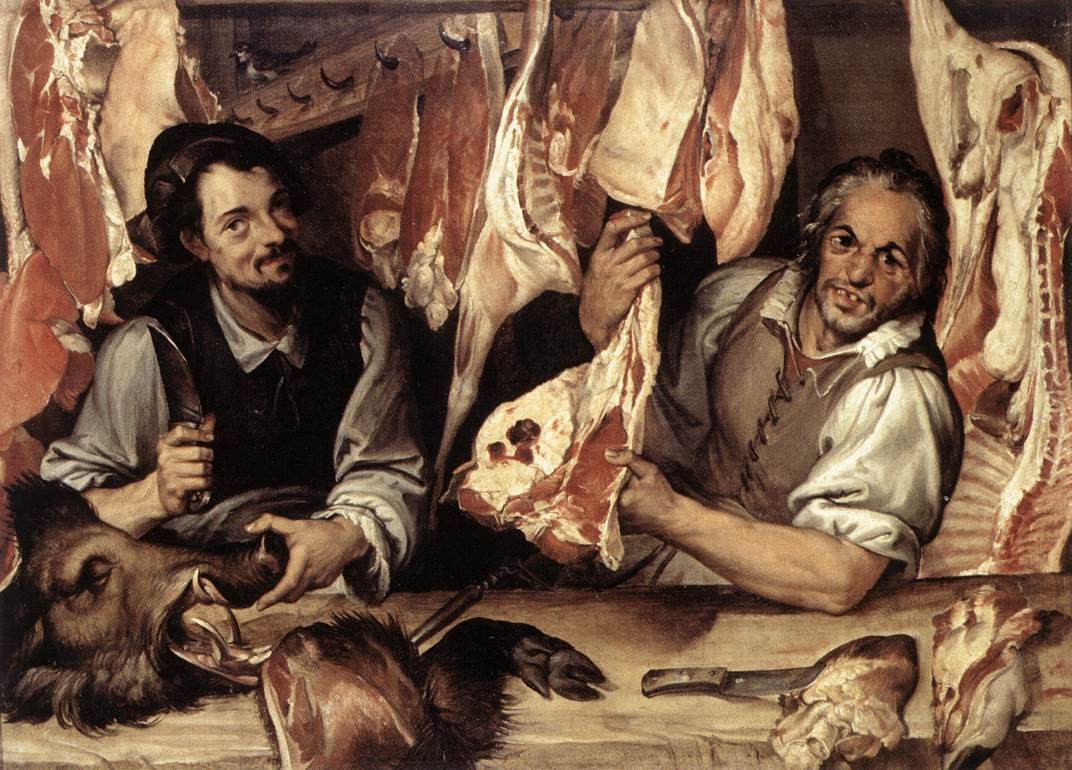
72. Butcher – Like the miller and blacksmith, the butcher is one of the mainstays of the Fisher Price historical village set and for good reason. But while this is a job many expect to be unpleasant, that’s just scratching the surface. First, because being a butcher means handling blood, carcasses, and death, it’s considered an “unclean” trade. Although you’re seen as providing a vital service in Europe, you’ll often be socially isolated and have to live in designated streets or rows away from polite society. If you live in East Asia before modern times, then well, consider yourself as part of the lowest “untouchable” caste, facing heavy discrimination. Due to heavy pre-modern influence of moral philosophies like Confucianism and Buddhism, expect people to look down on commerce and taking life. Second, since modern refrigeration doesn’t exist yet, butchering’s physically exhausting and dangerous. Since meat’s a perishable product, you must work at a breakneck pace to dress animals and get cuts to market before spoilage. So you’ll put yourself at constant risk of severe injury from sharp blades. That it’ll be a miracle you’ll grow old and die with all your digits intact. While the stink of blood, fat, and animal waste constantly clings to you, alienating you from the general public. Fourth, due to tainted meat’s tendency to cause mass illness, food safety regulations are ruthlessly enforced without modern science to help them. Get caught selling spoiled or contaminated meat, you’ll face heavy fines, imprisonment, and public humiliation. If you’re in Medieval Europe, you can be put in the pillory while your rotten meat will be burned right in front of you. Finally, if you live in Medieval Europe, always check the liturgical calendar and watch out for mandated fasting and meatless days like Lent and Fridays. During these periods, selling meat is forbidden. So you’ll be forced into intense periods of over-production when you’re next allowed to work. But on the bright side, at least you’re not the executioner.
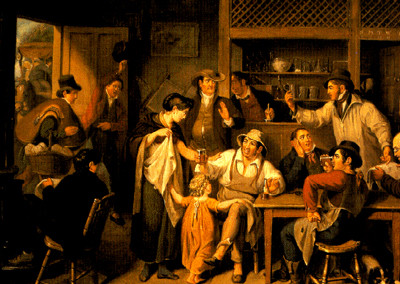
73. Tavern Keeper – For much of history, the tavern was the public gathering place for local life outside of religious and government buildings. While being a tavern keeper is often depicted as a community fixture from Medieval Europe to the Old West where you provide food, drinks, and lodging for weary travelers. So before you open a keg of ale, let’s go over a few things about tavern keeping. You start your day before dawn having to clear out last night’s foul-smelling straw from the floor that’s often soaked in beer, urine, and vomit before replacing it with fresh straw. Due to poorly ventilated hearths and no indoor plumbing, preparing massive amounts of food means hauling lots of water from a well or pump and breathing in carbon monoxide. Since taverns are major communication hubs, they often act as the epicenter of superspreader events due to daily hosting hundreds of potentially diseased or contagious travelers, mercenaries, and locals. While open flames, candles, and poor ventilation mean that your entire livelihood and home could and often did burn to the ground. Expect town officials checking your brews by pouring ale onto a bench and sitting in it. If their leather pants stuck to the wood, then the ale has too much unfermented sugar. So you’ll be heavily fined or forced to drink the spoiled beverage in front of the entire town square. Local and/or religious authorities also heavily regulate you as well. As allowing brawls, gambling, or illegal prostitution on your premises can result in you losing your license or facing prosecution. Since taverns are melting pots of different social classes getting drunk, expect frequent violent fights that can turn violent and occasionally kill someone. You’re also expected to calm down drunken brawlers, break up knife fights, and protect your establishment. And if you’re a saloon keeper, you must make sure that your patrons drop their firearms by the door. You also have to act as a localized diplomat or spy, knowing everyone’s secrets while keeping your patrons’ trust. All while avoiding treason accusations or conspiracy by local authorities. On the plus side, although keeping a tavern is stressful work that will involve you and your whole family maintaining it, it’s actually one of the better jobs since you aren’t stigmatized by the general public but the center of it. And that puts you in a good position in the community.
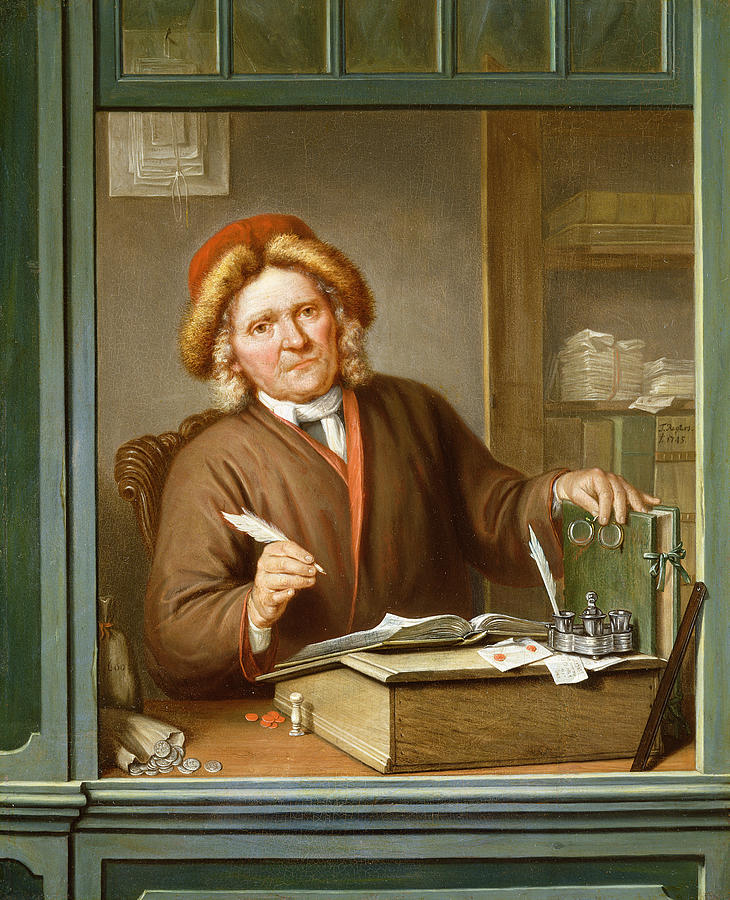
74. Tax Collector – Today being a tax collector is just a local official most people don’t think much of until the tax bill comes due. But from Biblical times to Colonial America, they were amongst the most hated people in town. But is was as a bad job as they say? In the aspect other jobs were, no. But in the social aspect, absolutely. Although it’s one of the oldest professions, it almost universally sucked since it made you the face of an unwanted bill. In the ancient world, tax collectors were often locals hired by occupying foreign forces who weren’t always liked. Roman-occupied Palestine during the life of Jesus is a prime example of this. Because a tax collector’s job was to collect revenue for a hated foreign power, their neighbors and family viewed them as a traitor amongst their own people. In some empires that didn’t hire civil servants, the government auctioned off the right to collect taxes to the highest bidder. Thus, the only way for the tax collector to break even and profit, you have to charge your fellow citizens way more than the official rate, leading deep resentment from those being exploited. Thus, due to their reputation for extortion and collaborating with foreign powers, tax collectors were perceived as social pariahs. Jesus’ own ancient Jewish community strictly grouped them in the same category as murderers, robbers, and prostitutes. They were banned from synagogues and couldn’t even testify in Jewish courts. That’s why the gospels have stories about Jesus reaching out to these people when other people wouldn’t. Because your entire job is shaking people down for their hard-earned money, your job is frequently dangerous. In fact, you may have to hire “thugs” or rely on military protection just to do your job. Should the people stage a rebellion or popular uprising (like the Zealot revolts in Rome), your house will be the first stop for the violent mob. Sure, although the IRS may not be popular because it required the government to pry into people’s private financial records, at least it can brag about nailing Al Capone.
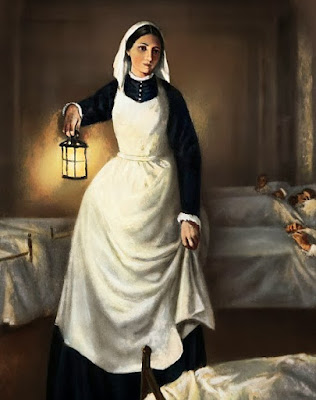
75. Nurse – In historical dramas, nurses always appeared as angels during wartime and potential love interests. However, when an upper middle-class girl named Florence Nightingale told her family that she wanted to be a nurse in 1844, they weren’t about it at all, to put it mildly. And not because she was a woman wanting a career. But rather before she came along to formalize the job as the modern profession we know today, nursing had a terrible reputation. In fact, in the English-speaking world, nursing was relegated to the “undesirable” classes. Hospitals frequently staffed their wards with recovering patients, workhouse inmates, or women serving sentences for petty crimes (like public drunkenness). Because they were untrained and lacked job security, mistreatment of patients and rampant alcoholism among the staff were common. And now you can see the look of horror on Mr. and Mrs. Nightingale’s faces. Yet, even after Florence Nightingale came in to found modern nursing and revolutionize medicine as we know it, it didn’t easily catch on. For one, nursing before modern sanitation and antibiotics was incredibly dangerous. Caring for contagious patients meant high exposure to cholera, typhus, and tuberculosis, the last being the death nail to any career in the medical field if you ask Anton Chekov and Doc Holliday. Battlefield nurses in wars like the Crimean and the American Civil War worked in unimaginable filth, treated horrific injuries without gloves, masks, or antiseptic. This frequently resulted in the nurses themselves contracting lethal diseases. And if you think historical nursing was about treating patients and administering medication, you’re sorely mistaken. Nurses also did the heavy, grueling work of running medical facilities in an era long before automated equipment and janitorial staffs. These tasks include hauling coal, scrubbing floors, washing linens, scrubbing bedpans, pounding raw drugs, cooking food for patients, and lifting and turning heavy, immobile patients for hours on end with no mechanical help. Early nursing systems were also strictly hierarchical with nurses being completely subservient to physicians. In many cases, nurses couldn’t comfort patients or offer basic relief like water unless a doctor had explicitly recommended it, making them feel helpless and unable to exercise basic compassion. For a long time, hospitals took advantage of nursing students who provided cheap labor in exchange for meager room and board. Later, during the transition to “private duty nursing,” nurses faced brutal economic realities. They relied on temporary work registries, meaning their financial security was constantly in jeopardy, especially during economic downturns during the Gret Depression. But one silver lining is that after Florence Nightingale, nurses weren’t expected by their workplaces to be sexually available by their own establishments.
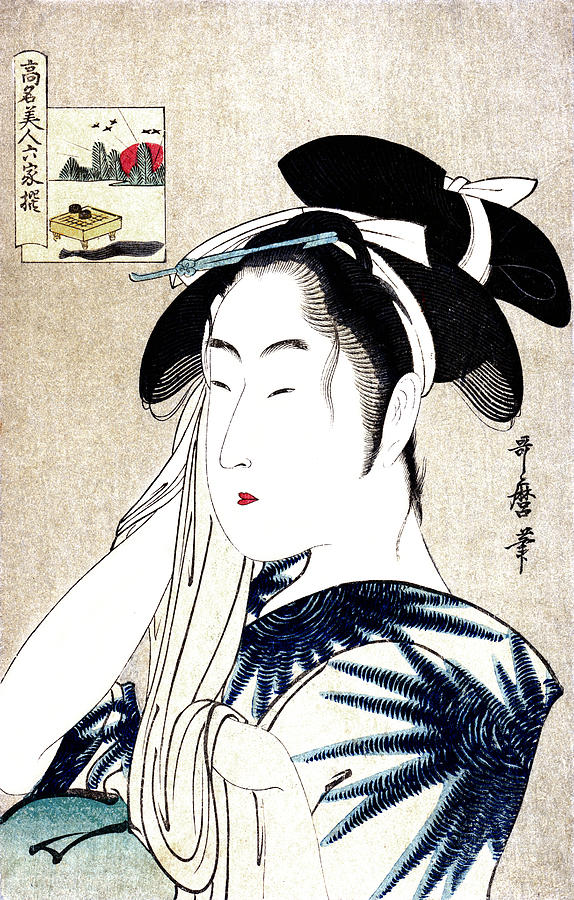
76. Geisha – Legendary Japanese beauties and entertainers, they almost have an ethereal quality to them. However, the job wasn’t as effortless as these women make it out to be. Before you put on that kimono before the modern times, here’s what you need to know. First, you’ll likely start out as a teenage girl your young woman sold to a geisha house (okiya) by your impoverished family. While the house initially pays for your expensive kimono, lessons, and food, you’ll be bound to a system of debt-bondage that will make it very difficult to leave. Doesn’t help that you’ll be paid less than minimum wage in the process. Second, you’ll be completely isolated from the outside world. You’ll be cut off from your family, have no personal privacy, and be heavily restricted from having any romantic relationships. Third, your iconic oshiri makeup is lead-based, which will cause you severe skin damage and hair loss over time. While walking in wooden elevated clogs (geta) and sitting on tatami mats in heavy, restrictive kimonos caused severe back and joint pain. While you must maintain perfect composure and entertain patrons no matter how dull, drunk, or handsy they may be. Fourth, while modern Japan views geishas as highly respected traditional artists, the ruling elite of feudal Japan considered geishas like you on the lowest tier of society. Lastly, many street prostitutes started referring to themselves as geishas as a way to cater to foreign soldiers during and after World War II. This will almost destroy the real geisha profession and give rise to harmful stereotypes persisting today.

77. Grenadier – You remember these guys as the men in the red uniforms and tall furry hats who guard Buckingham Palace. While the hardest part of their day seems like standing at the gates and remaining unflappable to those pesky tourists trying to break their composure. But this wasn’t always the grenadier’s job. In fact, the very word “grenadier” reveals that their original job was of an elite front-line soldier specialized with throwing grenades. And in the 18th century, a grenade was essentially a hollow cast-iron sphere filled with gunpowder and sealed with a fuse. Throwing one of these required incredible upper-body strength and nerves of steel. Grenadiers also had to carry a burning match-cord (slow match) in a special case on their uniforms. During the battlefield chaos, they had to pull the grenade, transfer the burning match to the fuse, light it, and throw it. All while at the risk of being shot at close range. Should a grenadier throw the grenade too early, the enemy could just pick it up and throw it back. If he held it too long to prevent this, the explosive could detonate in his hand or in the air right above his comrades. And given this grenade’s short firing range (which was 30-50 yards), grenadiers were frequently exposed to their own blasts. Since grenadiers were seen as the bravest and most imposing men in the army, they were often grouped together as shock troops. Whenever a breach had to be stormed or a line broken, the grenadiers went first. Meaning they had to directly sprint into the face of devastating, concentrated fire and artillery, taking the brunt of the casualties in nearly every major battle. Selected for their sheer size, height, and physical strength, a grenadier’s gear didn’t just carry a normal musket, heavy leather pouches, and a sword, they also carried a large satchel filled with iron grenades. To free their arms for throwing, they also had to wear a specialized miter or bearskin caps instead of the wide-brimmed hats standard infantry wore. Sure, these tall hats look imposing and intimidating, but they’re exceptionally heavy and offer no protection from the elements. Even though tactical use of the iron ball grenades actually declined in the late 1700s due to inaccurate ranges and dangerous logistics, grenadiers remained an army’s premier assault and elite flank units. In addition, commanders still subjected them to the most physically exhausting tasks on the battlefield, including frantic outflanking marches and grueling uphill charges.
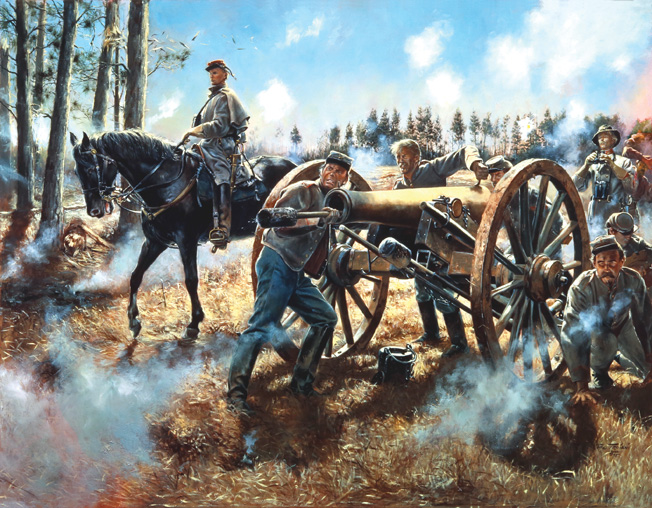
78. Artilleryman – Also fighting alongside the grenadier was the artilleryman or a gunner who operates the cannons on the battlefield. Of course, this is hardly a glamorous job but it’s one that many people don’t think much of. But being an artilleryman was an absolute nightmare. For one, firing a cannon creates a massive shockwave. Since ear protection didn’t exist, repeated booming blasts caused instant, permanent hearing damage and ruptured eardrums. Over time, concussions from blasts could scramble an artilleryman’s brain, causing long-term problems. And they thought CTE was just something that happened to NFL football players. Second, because artillery caused the majority of battlefield deaths like in both World War I and World War II, enemy armies make destroying your guns their top priority. Enemies used “counter battery fire,” which entails shooting heavy artillery guns at your artillery. This leaves artillerymen sitting ducks out in the open, often taking direct hits. Third, before the availability of modern, clean-burning propellants, cannons used black gunpowder or early chemical explosives. When fired, these weapons filled the air with thick clouds of choking, toxic smoke. Artillerymen constantly breathed this in, scarring their lungs and making them sick. Fourth, moving a cannon was incredibly hard work. Before motorized vehicles, gun crews and horses had to drag multi-ton metal cannons across muddy, uneven battlefields. During the fight, pushing, loading, and aiming cannon required hours of heavy, sweaty lifting. Fifth, early cannon artillery shells were highly unpredictable. Sometimes a shell would explode inside the barrel, blowing up the entire gun crew. In the days of black gunpowder, if a spark lingered while you tried to reload, the gun could prematurely fire and blow the loader’s arms off. Sixth, in the traditional line of battle, artillery always went behind infantry and for good reason. However, should an enemy’s army break through the front line, artillerymen were completely exposed. Due to being busy operating heavy cannon, they often had to defend themselves in desperate hand-to-hand combat using their short swords and loading tools. Finally, when off the battlefield, artillerymen lived in crowded, muddy camps. They had to sleep on the hard ground and endure freezing weather, all while by being a target for enemy chemical weapons or raids.

79. Plague Doctor – One historical costume that gets a lot of attention is of the plague doctor. Resembling Big Bird’s evil twin, you’re bound to find at least one at a costume party or Renaissance Festival. However, the real job was more of a nightmare than anything you’d see on Halloween. First, due to prevalence of the miasma theory of diseases spreading through stinky air, plague doctors filled the famous bird-like beak masks with pleasant-smelling herbs to block this rancid air. Considering this is the era before modern sanitation while horses took dumps on the streets, you could imagine that smelly bad air being everywhere. As for treating actual symptoms, well, they used the latest medical practices available like bloodletting or applying live toads to the swollen sores. Of course, these treatments were ineffective and sometimes killed patients faster. Second, plague doctors constantly exposed themselves to well, the plague. Since the disease actually spread through fleas and bacteria, the cool leather suit and the sweet-swelling evil Big Bird mask did absolutely nothing to protect them. In fact, many plague doctors became infected and died within weeks of taking the job. Third, when a plague hit, cities hired plague doctors because the “real” physicians usually fled to the countryside to save their own skins. Because they handled contagious bodies, local laws forced them into strict quarantine. They couldn’t live near healthy people, go to public spaces, or see their families. Thus, they were prisoners of their own job. But at least the job pays well, doesn’t it? Actually city governments paid plague doctors a salary that was very difficult to collect. In fact, many cities outright refused to pay plague doctors up after the work was done. Sometimes desperate citizens kidnapped them for ransom.
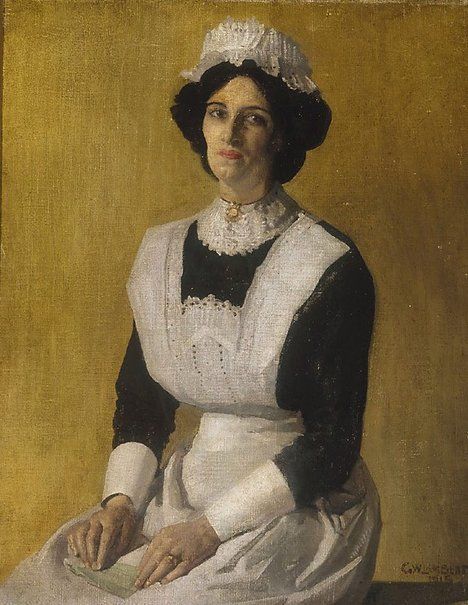
80. Maid – A mainstay in many period pieces, maids are often background characters or characters themselves. Sometimes they may find romance. Sometimes they’d find a dead body. Yet, like many servants, it was hardly a day at the palace. For one, as a maid, you worked from early in the morning to late at night. At no time did you have any free time or were able to get off. If your boss needed something in the middle of the night, you’d get up and do it. You were rarely allowed guests, even in the kitchen. If you had any opportunity for a social life at all, it would be on that half-day you had off once a week or Sunday morning for church. Sometimes not even that. If you were a maid of all work, you could forget having any life at all. Second, your employer feels entitled to dictate everything about your life. As a servant, you weren’t allowed to date. But given that no dating rules aren’t the most enforceable, you’ll be constantly watched for any signs of a love life or gasp, pregnancy. Some employers didn’t even like their servants leaving the house, occasionally locking them inside. Third, despite you being expected to live at your workplace, not all country estates have servants’ quarters or wings until later in the 19th century. So don’t count on having a bed, let alone a room to yourself. Perhaps expect to sleep in closets, on landings, or even the kitchen floor. If you’re lucky enough to get a room, it won’t have a door. If a key existed, your employer or the housekeeper kept it, not you. Fourth, if you’re harassed or assaulted, you have no recourse. If you speak up, consider yourself out of a job. And if you find yourself pregnant, then they’ll blame you and send you out the door. Speaking of pregnancy, your employer really doesn’t want that to happen. Sure, they may frame it in terms of needing to embody virtue, morality, and respectability. But it’s mainly because getting married and having children would interfere with your 24/7 availability. Even when the pregnancy’s entirely your boss’ fault due to putting you in a position where you couldn’t say no. Fifth, expect your wages not being paid on time. You should also expect your employer to withhold some of your pay for all kinds of infractions like breaking things, leaving before the agreed-on date, going home for the holidays, not going to church, badly done work, getting drunk, etc. Sure, you could sue for unpaid wages, but why go through all the trouble? Also, your wages will be far lower than what your male co-workers earn naturally. Since it’s only supposed to be a job you do until you could find a husband. But if you don’t, then expect your wages to decrease as you age or consider advancing to cook, housekeeper, or lady’s maid. Finally, it’s likely that your employers resent you if you’re in the 18th and 19th century.


