
While people in show business today are often respected if they manage to break into the mainstream, this wasn’t the case in the olden days. In fact, many of them occupied low rungs of society. Romans saw actors in the same rung as gladiators, prostitutes, and criminals. Showgirls were exploited and expected to be sexually available to male customers. Silent film actors worked grueling hours, worked in harsh conditions, and had their lives scrutinized by the studios and the press. While black jazz musicians were often screwed due to systemic racism in the recording industry. Anyway, perhaps you dreamed of being an astronaut during the early days of space travel. Maybe you imagined yourself as a sword-fighting musketeer. Or perhaps an old-timey circus performer. Nonetheless, in this post, here are ten more historical jobs and their dark realities.

81. Astronaut – To be an astronaut, one would have to be made of the right stuff so to speak. But to be someone to make that one small step for man, you’d have to really be one tough cookie. Because while being an astronaut now is nothing to sneeze at, the old days were a whole different matter. For one, early spacecraft lacked bathrooms or running water. Doing your business meant using plastic bags and tape, which often leaked or failed in zero gravity. Astronauts quickly got smelly, sticky, and sick from the lack of proper bathing. Also, as of 2026, bathing mostly comprises of sponge baths and wearing the same clothes until they wore out to be thrown away. But at least there’s toilets. Second, being in zero gravity really screws up your brain. More than half of all astronauts today suffer from severe motion sickness in their first few days. Early on, this meant dealing with intense dizziness and puking inside a small, sealed helmet. Third, early capsules like Mercury and Gemini gave you as much room as the front seat of a compact car. Astronauts were strapped into their seats for hours before launch. And due to their suits being so stiff, they couldn’t move their arms without significant effort. Fourth, speaking of these capsules, they offered poor insulation against the vacuum of space. The side facing the sun would be extremely hot while the shaded side would be freezing cold. The cabins were often drafty and damp, making it difficult to stay comfortable or sleep. Finally, during a mission, early astronauts lived in the ultimate “fishbowl” meaning that every breath they took, every move they made, doctors back earth tracked and record them for very justifiable reasons. Since everyone wanted these people to return home alive. They had zero privacy, were constantly away from their families, and had to work long shifts while doing dangerous tasks. That’s not getting into the constant risk of death and working with experimental technology. On the bright side, at least it pays well, gives you a great sense of accomplishment, and people look up to you as a hero. Besides, despite all what these people went through, most of the early astronauts always saw their time in space as a great privilege to be part of history.
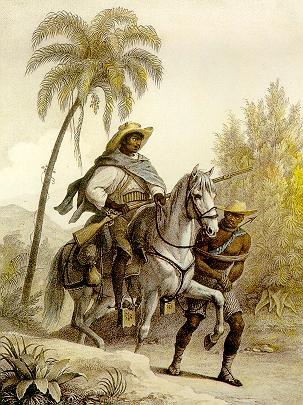
82. Bounty Hunter – Whether it’s in the Middle Ages or out west, bounty hunters always seem to be the definitive anti-hero stopping at nothing to get the job done. But despite how cool bounty hunters may appear in westerns or science fiction, the job was anything but. For one, tracking outlaws meant spending weeks in the wilderness dealing with freezing weather, starvation, and disease. You also had to survive confrontations with hardened criminals who knew they’d hang if caught. Due to this, bounty hunters had a high mortality rate and were frequent targets by the friends and family of the people they pursued. Second, while movies show huge life-changing payouts, the reality was much less profitable. Most were about $100 or less, hardly enough for a full-time gig. Also, governments and banks often refused to pay after you bring the suspect in, using legal loopholes or claiming the paperwork wasn’t filed exactly right. While bringing in a fugitive “dead or alive” was a risky endeavor. A damaged body could ruin your chances of getting paid because authorities couldn’t identify the criminal. Thus, in order to make ends meet, bounty hunters often had to work other dangerous day jobs like mining, ranching, or as a local police officer. Third, unlike the cool bounty hunters you see in westerns, most people widely disliked bounty hunters. Many people in Old West towns hated the banks, railroads, and wealthy landowners who paid for these services. In fact, ordinary citizens often chose to hide outlaws rather than help a bounty hunter, viewing the latter as a greedy mercenary. Fourth, a bounty hunter was basically a solo police officer without a gang. Should you corner a violent gang, you had to fight entirely on your own or with a small, hired crew. You had to provide your own weapons, horses, and food. And if you were injured on the job, there was no healthcare or paid time off.
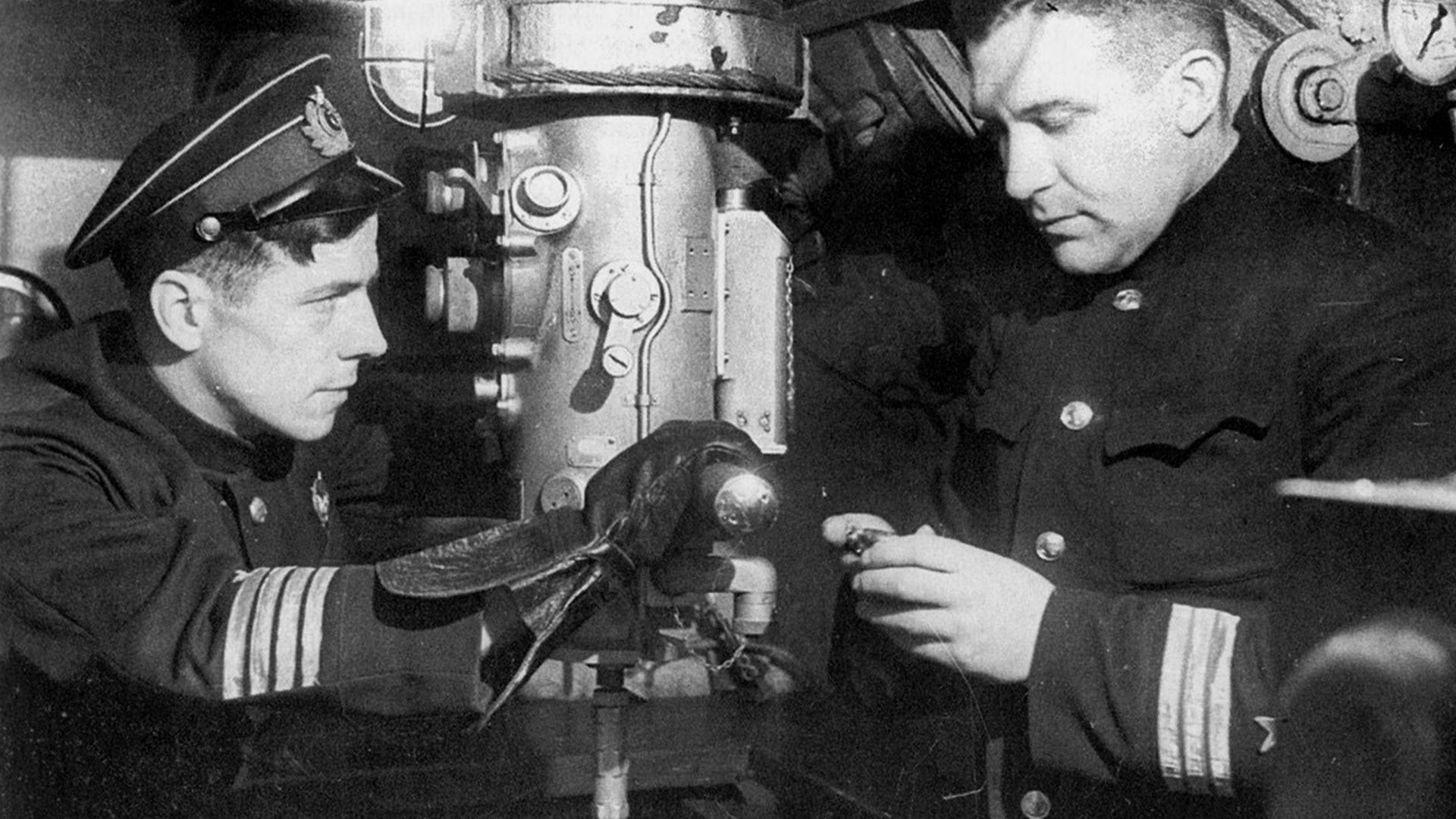
83. Submarine Crewman – Whether it’s hunting for the German U-Boats during the world wars or looking at undersea life, being on a submarine always seemed like a thrilling adventure. Yet, submarine life wasn’t like being at Captain Nemo’s digs. For one, you and over 50 other guys are in a cramped metal tube for weeks where there aren’t enough beds for everyone. Since crew members work in 8-hour ships, it’s best that you find a friend to share your bunk. When one man woke up and went to his job, another man crawled in the exact warm bed to sleep. So say goodbye to your personal space. Second, there were almost no showers and few toilets. That means you and up to 40 of your crewmates share the same bathroom and can’t bathe for a month. Crew members also didn’t change their clothes for weeks. So expect the submarine to reek of B.O., sweat, unwashed bodies, and damp metal. Third, due to lack of fresh air, all smells remained inside the submarine. How would you like to inhale the refreshing scent of diesel engine fumes and battery? Well, you better get used to it. Since the crew can’t throw away the trash, garbage was stuffed into every empty space. Also, food was often stored right next to torpedoes, giving the cuisine a taste of toxic fuel. Fourth, you and your fellow crewmates are often underwater for weeks at a time without ever seeing the sun. This will completely mess up your natural circadian rhythm. When the crew finally surfaced and breathed fresh air, expect the sudden change in oxygen and bright light sometimes making you dizzy. Fifth, during a battle, being trapped in a submarine was extremely scary. If the ship got hit, the boat could rapidly sink. It’s no wonder this was one of the most dangerous jobs in the military during World War II. For instance, about 75% of German U-Boat sailors died during the war. Finally, during a sea battle, you had to basically sit quietly in the dark while enemy ships dropped underwater bombs (called depth charges). And remember, sound travels faster through water. So try to stay calm when any loud explosions make the submarine shake violently. This constant pressure naturally caused severe anxiety and stress.
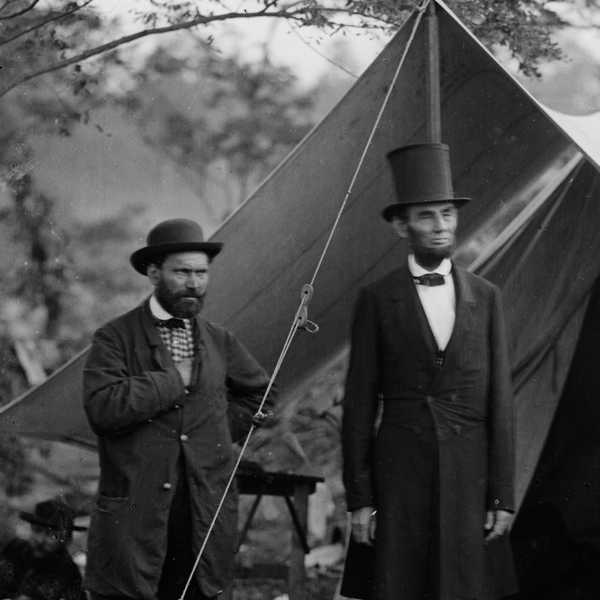
84. Pinkerton Detective – Working for a major detective agency in Chicago, the Pinkerton detective never sleep. Especially when it comes to capturing Old West outlaws in westerns. However, the job itself was anything but glamorous. For one, after the American Civil War, the Pinkerton Detective Agency gained a notorious reputation for acting as a private army for wealthy industrialists. Because during the late 1800s, Pinkerton detectives were used as strikebreakers and union infiltrators. Because they were frequently used to crush strikes and protect corporate interests, working-class people despised them. Second, detectives went undercover for months at a time, living in fear of being discovered. For instance, when famous agent James McParland infiltrated the Molly Maguires (a coal miner secret society), exposure meant almost certain death. Third, agents were charged with tracking down notorious outlaws like Butch Cassidy, the Sundance Kid, or the James-Younger Gang, putting targets on their backs. Raids on these targets could erupt in chaos and result in tragedy, turning public opinion against the agency further. Fourth, their anti-union activities attracted so much controversy that the US government passed the Anti-Pinkerton Act in 1893, outlawing the federal government to hire Pinkerton agents or any similar private security forces. Lastly, even today, former employees share that the job can still be grueling. Modern reviews regarding the Pinkerton corporate and security services complain about low, unlivable pay, unpaid overtime, and lack of government support.
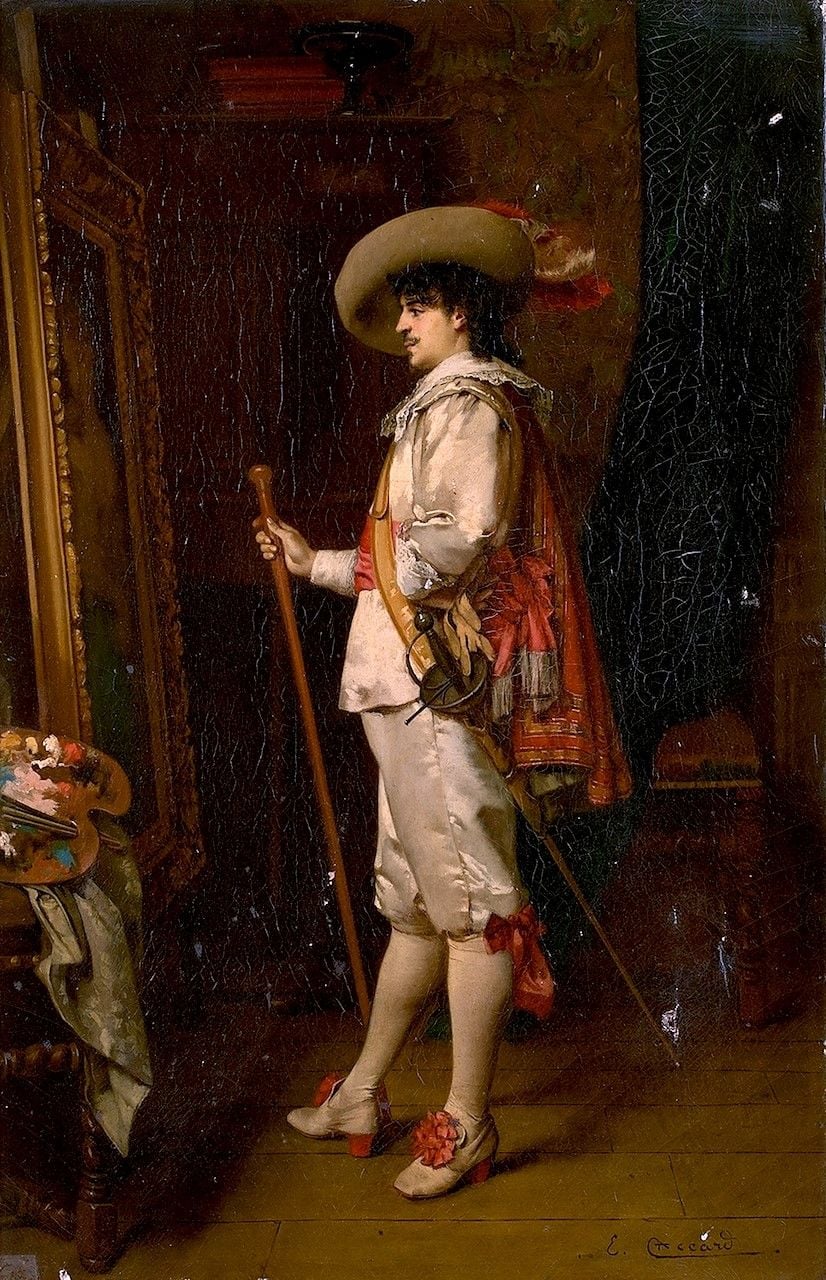
85. Musketeer – Best remembered as the swashbuckling heroes in the classic Alexandre Dumas novel The Three Musketeers, the musketeer is an iconic figure in the popular imagination. Too bad Dumas basically lied on what a musketeer actually does. Because you never really see any of the musketeers work with, well, muskets. Unfortunately, their muskets weighed 10-15lbs and were so long and unwieldly that they had to rest them on a wooden stick just to aim. These 17th century muskets took a long time to reload and the gunpowder was highly unstable. A careless soldier with a lit match could accidentally light the gunpowder and blow up his entire squad. While a long reloading time made them highly vulnerable to enemy charges. So a musketeer required protection from fellow soldiers called pikemen who carried long spears to keep enemies away. In addition despite their romanticized reputation as elite fighters, musketeers spent 90% of their time marching in the mud, setting up camp, and doing chores. To make matters worse, musketeers had to be nobles so even if a soldier was incredibly brave and a great fighter, he couldn’t get promoted to certain high ranks if he was born to a poor family. So maybe Dumas was right to make the musketeers be rapier wielding duelists. But at least they get to wear cool outfits.

86. Missionary – Whether a priest in Latin America or a minister in Africa, missionaries have traveled to the ends of the earth to spread the word of God. But the job was anything but a godly adventure. First, missionaries had to travel months, sometimes years, across oceans and rough terrain to reach their destinations. Moving to totally new parts of the world exposed them to illnesses their bodies weren’t used to. Many missionaries died from diseases like malaria before they could even start. They also lived in basic, uncomfortable conditions, far from any doctors or modern comforts. Although this wasn’t a much of a problem for Dr. David Livingstone because he was an actual doctor. Second, locals treated missionaries with deep suspicion, rightly seeing them as threats to their traditional ways of life and community bonds. In some cases, missionaries were also stuck between native people and ruling colonial governments. Sometimes like in The Mission, they protected locals from greedy traders or local soldiers trying to exploit them. But locals still grouped them together as “invaders.” And sometimes they were just as exploitative to the locals such as in the Spanish Americas and the British Empire. Seriously, missionary relationships with the locals can be very complicated. Should the missionaries be Protestant, having to send kids back to their home countries (so they wouldn’t get sick or lose their cultural roots) often meant families being separated for long periods of time. Finally, let’s not ignore that missionaries forced conversions and punished indigenous children speaking their native language or practicing their cultural traditions. Also, by teaching people that their ancient ancestors were “primitive” and “wrong,” left behind generations of communities dealing with fractured identities and shame. But at least the Spanish ones had good taste in architecture and interior design.
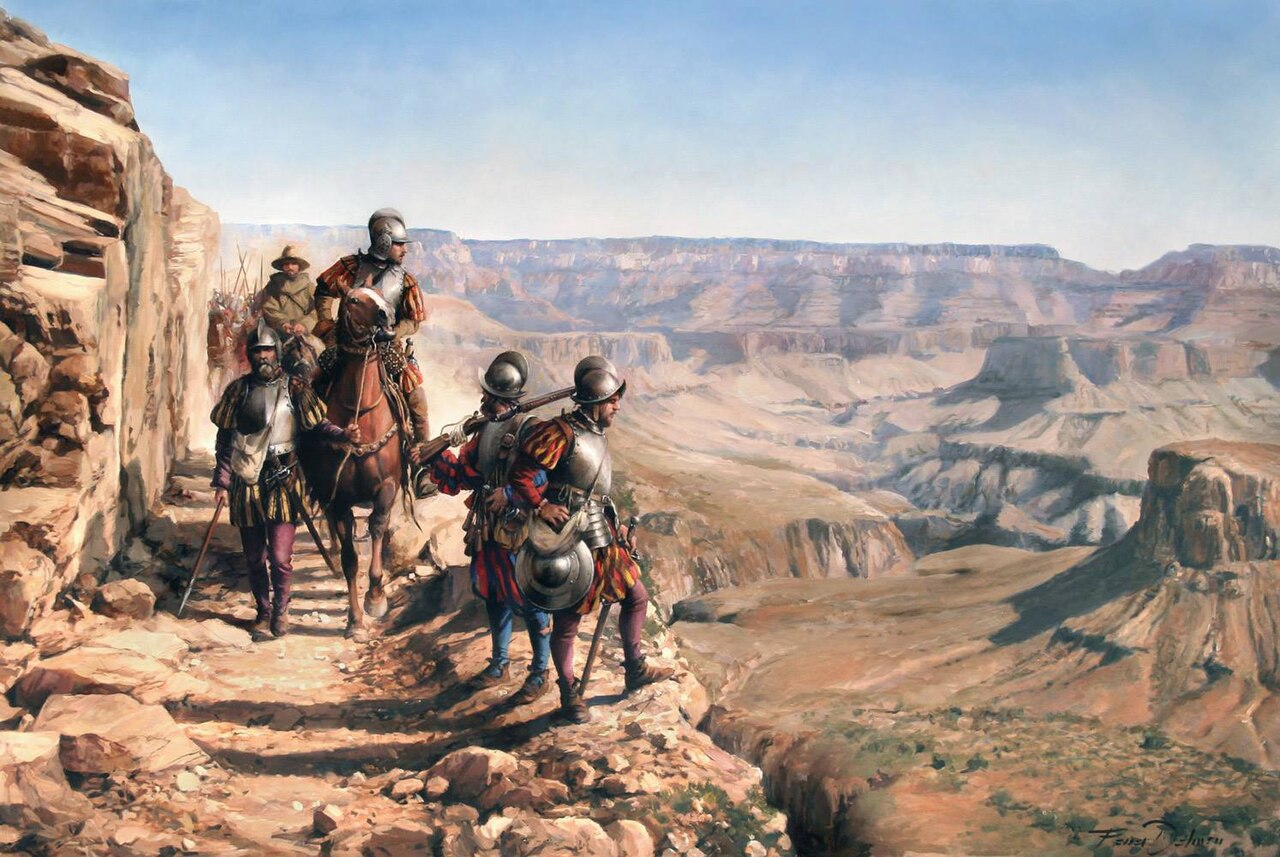
87. Conquistador – Sure, conquistadors aren’t exactly good guys in media. But sometimes media makes being the bad guys look pretty cool now and then. And conquistadors coming in, causing hell in Meso and South America, and stealing a haul of loot are no exception. However, if you’re an indigenous person in Latin America, well, you can at least take some comfort that the guys who nearly erased your culture didn’t have it that great either. For one, conquistadors weren’t regular army on a royal payroll, but private contractors who financed their own gear. Marching hundreds of miles through unfamiliar, hostile terrain meant no supply lines. Expeditions frequently ran out of food, forcing them to eat their own horses, boots, or leather saddles just to survive. Second, the Americas threw every harsh climate imaginable at them from freezing temperatures and altitude sickness in the Andes Mountains, to scorching and arid deserts, lush jungles filled with every possible death trap, and low-lying mosquito-infested swamps. Third, while Spanish diseases devastated Native populations, conquistadors were also highly vulnerable to tropical fevers, malaria, yellow fever, and dysentery ripped through camps. Without modern medicine, even a minor sword cut or basic infection could quickly become fatal. Fourth, while many indigenous groups have advance sanitation and daily bathing habits, 16th century Europeans rarely bathed and wore heavy woolen clothes in the tropics. While they were constantly infested with lice and fleas. Fifth, since conquistadors were vastly outnumbered by the Native American empires they attacked, they lived in constant, terrifying fear of ambushes. So they often had to sleep in their uncomfortable, heavy armor. But at least this job pays well, right? Don’t be silly. Conquistador outings in the Americas were essentially high-risk investments. Many rank-and-file soldiers borrowed heavily to buy armors and weapons. Should an expedition find nothing, they returned physically broken, heavily in debt, or dead. Only a tiny fraction of the leaders ever got rich. Whereas, the average soldier saw very little of that legendary “plunder.”

88. Continental Officer – Serving as a Continental officer seems like a great honor especially if one’s close to General George Washington. But the reality wasn’t a 4th of July picnic. For one, like their Continental rank and file, Continental officers were paid in Continental currency, which lost its value so quickly that a colonel’s monthly pay could barely buy a pair of boots. While many officers went into debt just to pay for their uniforms. Second, many colonial militias voted for their own officers. Should an officer be a strict boss, his men may simply refuse to follow his orders or threaten to leave. Third, also like the Continental soldier, Continental officers were more likely to die from smallpox, typhus, and dysentery than from any British musket ball. Supplies were so bad that officers often shared their freezing, starving conditions as their enlisted men. Fourth, the Continental Congress constantly undermined commanders by giving ranks to wealthy, politically connected men who had absolutely no military experience. Leading to fierce rivalries, backstabbing, and plots to oust General Washington. Finally, like their enlisted counterparts, Continental officers were often treated as traitors than as prisoners of war. They could be thrown into notoriously brutal prison ships in New York, where thousands died of starvation and disease.
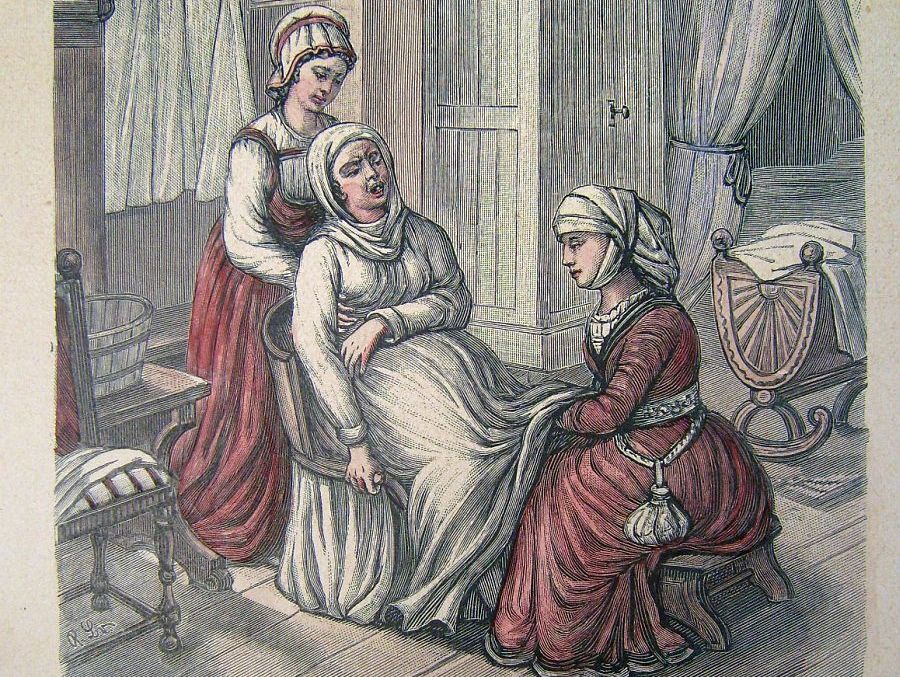
89. Midwife – When it comes to a woman giving birth in a historical setting, one always has to have a midwife around to see it through. However, the midwife life was a brutal one. First, before modern medicine, infant and maternal mortality rates were very high. Whenever a childbirth was beset with tragedy, the community often looked for a scapegoat, making midwives frequent targets to blame. Second, from the 15th to 17th centuries in Europe, local religious leaders and male physicians were deeply suspicious of independent female healers. Because midwives held birth secrets and dealt with life and death, they often faced accusations of witchcraft. The famous 1486 book on hunting witches, the Malleus Maleficarum, even claimed that midwives did “more harm to the Catholic faith,” than anyone else, leading to terrifying witch trials. Third, midwives often worked around the clock like in early 20th century London. They’d carry heavy bags, be out in rain and snow at all hours of the night to deliver babies, often for little pay and sometimes for free. Shifts could also last as long as 48 hours. Fourth, without modern sanitation, antiseptics, or pain relief, midwives had to watch women endure hours of agonizing labor while managing severe bleeding or life-threatening infections. Without modern pain medications, midwives had to rely on herbal remedies, massage, and emotional comfort to get mothers through the ordeal. Lastly, beginning in the 18th and 19th centuries, male doctors began taking an interest in childbirth. So the medical establishment systemically pushed out traditional midwives out of the profession, calling them “dirty,” “uneducated,” and “dangerous.” Eventually laws were passed preventing traditional community midwives from practicing.
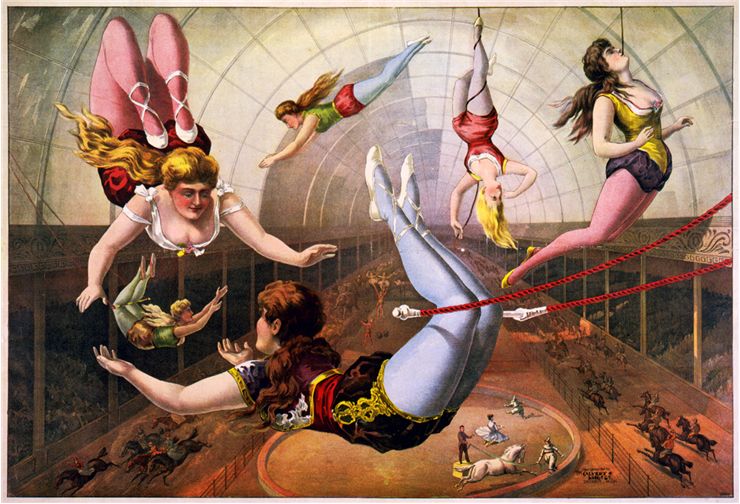
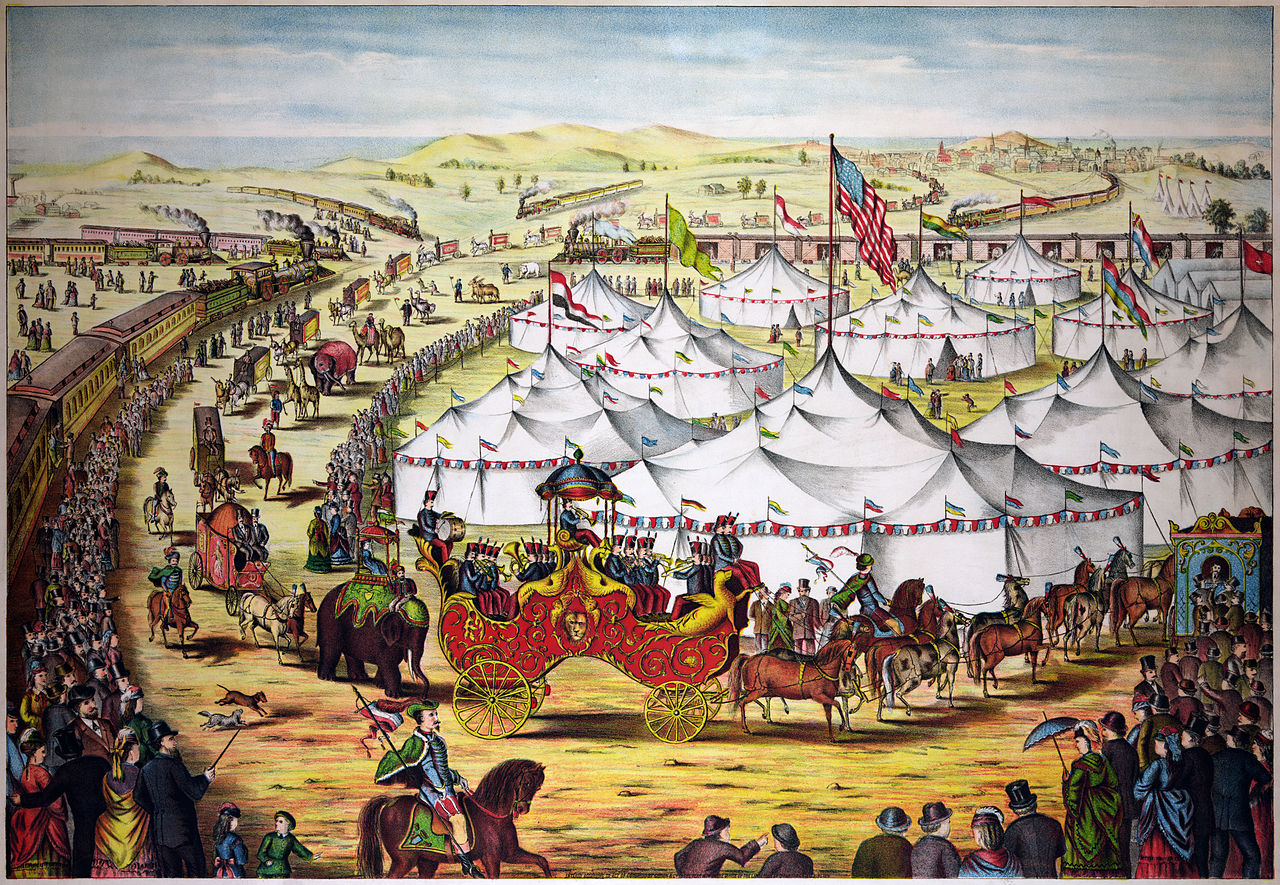
90. Circus Performer – Stories about the circus often depict exotic animals, acrobats, clowns, dancers, freaks, and other colorful characters under an enormous tent. However, life under the Big Top during its heyday was less of a colorful spectacle and more of a nightmare. And not just for the animals either. First, if you become a circus performer, know that historical circuses traveled constantly, moving hundreds of people, animals, and tons of equipment by horse and wagon (later by heavy train) was exhausting. As a performer, you’re expected to set up and tear down massive canvas tents, perform multiple daily shows, and sleep in cramped, unsanitary quarters. This took an immense physical toll and you couldn’t take a sick day. Second, if you’re an aerialist, acrobat, human cannonball or anyone else who specializes in incredibly high-stakes, life threatening tricks, know that this is a time when modern safety harnesses, medical nets, and strict labor laws don’t yet exist. So a single bad fall or miscalculation can spell severe injury or death. Performers daily risked their lives and if they got hurt, well, their career was over. Third, if you have a physical disability or unique medical condition, you’ll be subject to severe human rights abuses. Promoters like P.T. Barnum frequently forced these people into degrading stage names and fabricated backstories to make them seem exotic or alien to the audience. These performers were treated like property, put on public display like zoo animals, and exploited for profit. Fourth, many so-called “golden age” circus managers exerted total control over their workers’ lives. Performers signed restrictive contracts that included heavy fines for breaking curfews, missing rehearsals, or even getting sick. Managers could dock pay or fire performers on the spot, leaving them stranded in unknown towns with no money to return home. Lastly, since life on the road was notoriously tough, circus owners were often ruthless. Performers and sideshow acts who grew older, lost their physical peak, or became injury prone were often fired and frequently left to fend for themselves. Without modern retirement, savings, or disability benefits, aging performers often ended up in extreme poverty.


