
You may notice in this series that the criminal professions aren’t really as great as the movies and TV. Sure, they’re seen as earning a lot of money and hanging out with their friends. However, life on the wrong side of the law is one of constant danger from the law or rival criminal gangs. Not to mention the constant threat of betrayal is always breathing down your neck. That it’s hardly any wonder why so many end up dead or in prison. Anyway, how many of you had wished you could be the top man in Rome during the Empire? How about a glamorous silent film actor during the 1920s? Or even a courtesan living a lavish lifestyle in Belle Epoque Paris? Here are ten more historical professions and their grim realities.
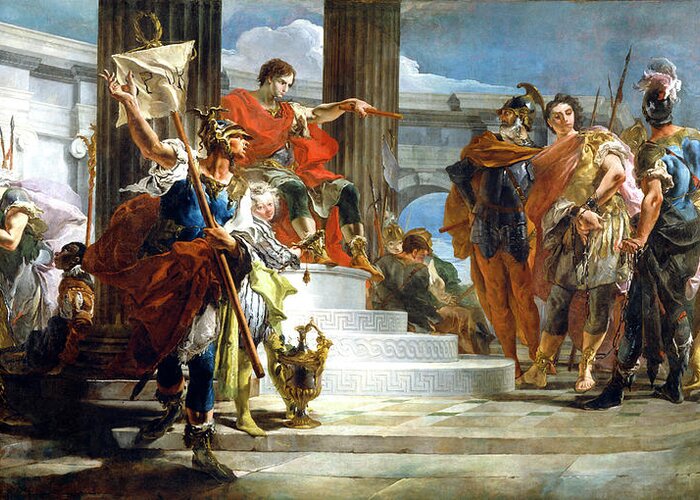
61. Roman Emperor – Being a Roman Emperor means being the most powerful man in the western world. With pop culture always depicting them in a glorious toga and with every need at their disposal. But before you get too comfortable in that purple toga and laurel wreath, here’s what you need to know. First, you’re faced with the constant threat of assassination. With your personal Praetorian guard posing your biggest danger. Wait, aren’t they supposed to protect you? Yes, they’re technically your bodyguards. But they also realized early on that they make a fortune by killing the emperor and selling the throne to the highest bidder. This chaos defined periods like the Third Century Crisis when dozens of emperors, were killed by their own troops, abdicated, or overthrown within months. Think of it as if the Secret Service killed the US President before putting the presidency up for auction. Second, if you think being emperor just consists of eating grapes and watching gladiator matches, you’re sorely mistaken. You’re essentially an administrative one-man Supreme Court. This means listening to petitions, reviewing trials, and setting legal precedents across a massive Mediterranean empire stretching from England to the Holy Land. All while deal with wealthy senators making petty and politically motivated accusations against yours truly. Third, whenever everything goes south, you’re the guy everyone will blame. Whether it’s delayed grain shipments, a local plague outbreak, or a devastating fire, people will look to you to fix it. If it’s a military campaign, forget about delegating it from your villa in the capital. No, you must issue orders from the front lines while facing hostile tribes or rival empires. Fourth, know that every waking hour of your day is a public performance. That means looking pious, strong, and respectable 24/7. All daily palace activities are strictly choreographed to reinforce your status. Not to mention, constantly having to appease the masses with bread and circuses to remain popular as well as keeping the army paid and happy to stay alive.
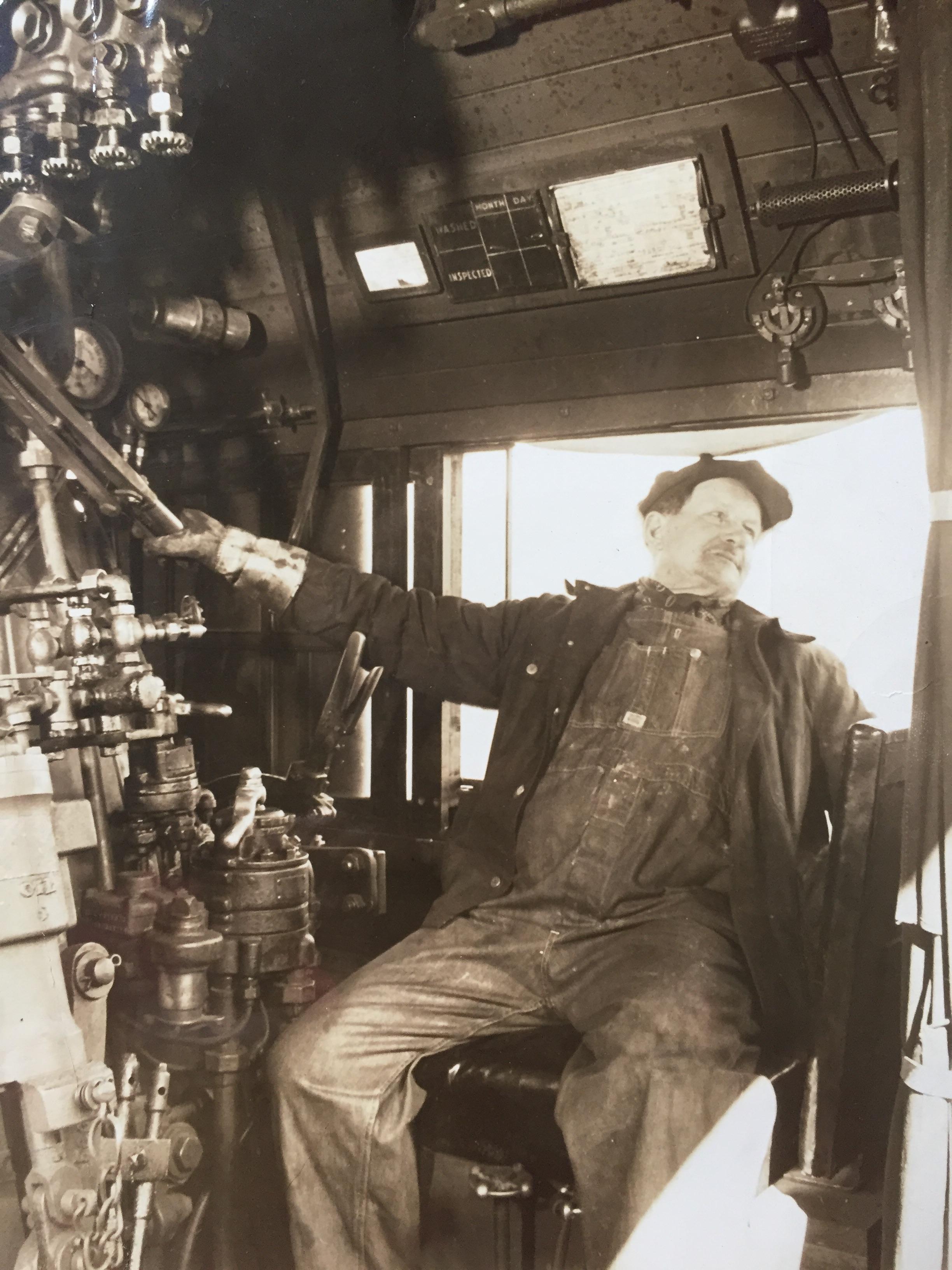
62. Train Engineer – In movies and TV show period pieces and westerns, the train engineer was a guy whom you don’t really think much of unless he’s the brave Casey Jones or if you’re singing delightful kid songs. However, being a train engineer in the olden was nothing like it is now. In fact, it was a nightmare people today can’t imagine. First, since predictable shifts don’t exist, you’re required to be on-call 24/7 and live by the phone. Missing one meant demotion or termination so you’ll be forced into a lifestyle of chronic sleep deprivation and disrupted family lives. Second, during the Age of Steam, know that a single water glass failure could result in a massive, devastating boiler explosion in seconds. That means you and your firemen literally putting your lives on the line with every trip while racing down tracks to meet punishing schedules. Sometimes lasting for 18 hours to whole days. Third, operating a locomotive means dealing with unpredictable variables. So expect witnessing terrible, unavoidable tragedies like striking stalled cars at crossings or pedestrian accidents. Fourth, since cabs aren’t climate controlled at this time, you must endure freezing winters and scorching summers. Expect cab environments to be loud, dirty, and filled with blinding smoke and soot, leading to a host of long-term respiratory and health issues. Finally, if you must do long-hauls, you must know virtually every inch of rail lines by memory, handle complex routing, and do mechanical troubleshooting on the fly while on the road. But at least it pays well.

63. Courtesan – A high-end prostitute with a wealthier clientele, a courtesan is a dolled-up woman who’s seems to have it better than your common streetwalker. Some even became fashion icons, influencers, and legends in their own right like Cora Pearl, La Belle Otero, Lola Montez, Lady Emma Hamilton, Madame Du Barry, Kitty Fisher, Catherine Walters, and Mata Hari. But the reality was far darker and one you should seriously reconsider. For one, you’re often contractually bound to indenture, effectively making you your brothel owner’s property. You have no legal right to choose clients or choose the terms of your work. Doesn’t help that many of you came in as minors sold by your impoverished families, which we today widely recognize as a severe form of forced sex work. Second, despite what you see in many period dramas, a courtesan like you rarely kept the money you earn. Even when you’re beset with lavish gifts or allowances, you’re often trapped in insurmountable debt. Doesn’t help that brothel owners heavily inflate costs for required food, extravagant clothing, makeup, and housing. Furthermore, courtesans often fell victim to swindlers or abusive partners who exploited their wealth. Third, due to this being the advent of modern medicine, you’re highly vulnerable to sexually transmitted diseases. With syphilis being notorious for ravaging your co-workers. You also have to worry about unintended pregnancies, frequent back-alley abortions, and the toxic effects of heavy makeup like white lead-based powder. All of which will severely damage your physical health and often lead to early deaths. Fourth, regardless of education, wit, or financial success, courtesans like you face deep-rooted social marginalization. The general public sees you as “immoral.” Because your survival depends on your patrons, your status in society is incredibly fragile. Should you fall from favor, you have no safety net and will most likely be cast in extreme poverty. Finally, contrary to the idea of a glamorous sisterhood, your environment amongst your courtesan co-workers is intensely competitive and often cruel. You have to constantly outshine one another to attract wealthy benefactors. Doesn’t help that common courtesans endured harsh living conditions and psychological abuse as well as live under a brothel owner’s strict hierarchy. Sure, some women become rich being a courtesan and it’s better than a common prostitute. But most of the time it’s just as deeply exploitative as being a regular prostitute.
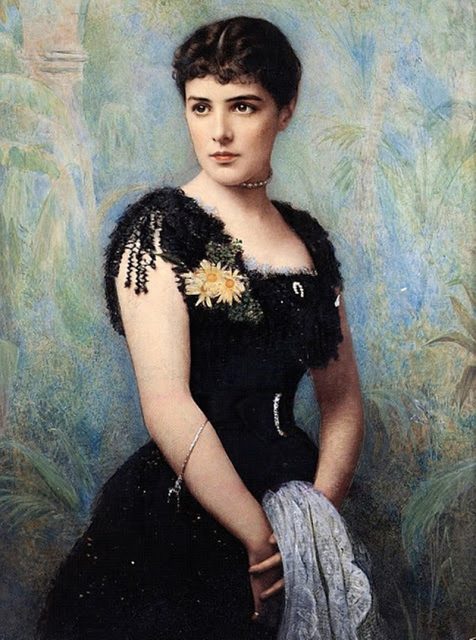
64. Dollar Princess – On Downton Abbey, Lady Cora Crawley’s one of hundreds of rich young American heiresses from newly rich American business tycoons to titled European aristocracy needing cash. These include names like British MP Nancy Astor, Winston Churchill’s mother Jennie, a vicereine of India named Lady Mary Curzon, Anna Gould, and Consuelo Vanderbilt. However, most of these dollar princesses didn’t have a happy ending like Lady Cora. In fact, a lot of these dollar princesses had noble marriages that were downright miserable. If you were a dollar princess, it was mostly because your ambitious parents forced you into matrimony as a bargaining chip. While your prospective husband most likely sees you as a human down payment needed to save his crumbling estate. And he’ll like you treat you with apathy and disdain. Because your marriage was a business transaction between your families, don’t be surprised if your husband’s got a mistress he’ll likely maintain on your dowry. Like many noble husbands of dollar princesses. So don’t be surprised if he subjects you to public humiliation by flaunting his infidelities and squandering your massive dowry on other women. Sure, you may came from astronomical wealth, don’t think the European elite will look highly on you. In fact, they’re more likely to thumb their noses at you, mock your “new money” origins, criticize your customs, and treat you as a social upstart. If you’re thinking about divorcing your shithead husband, then know that many countries have strict laws preventing you from easy divorce or escape your abusive or neglectful partner. Furthermore, you’ll be forced into highly restrictive domestic and ceremonial duties without any personal autonomy. So basically being a dollar princess means your ambitious parents forcing you to exchange your American independence and cultural ties to assimilate in into rigid, isolating European class systems. While effectively funding lifestyles that were often entirely built on despising them.
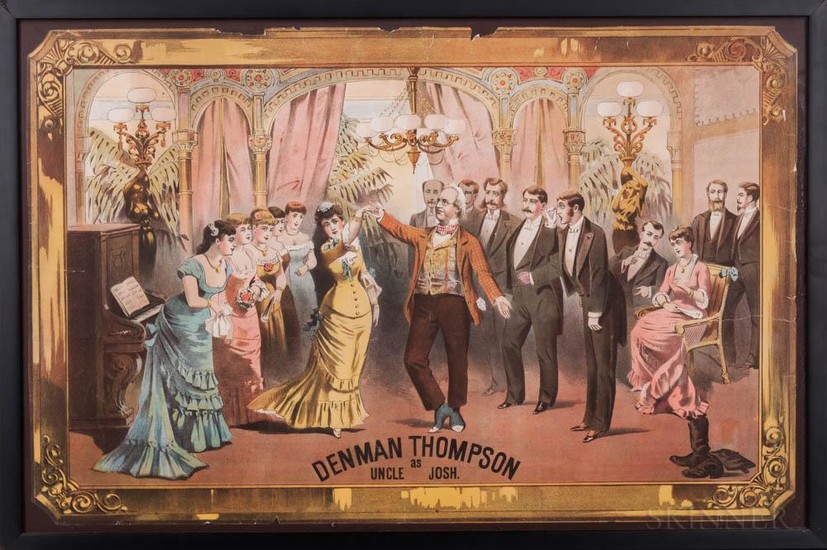
65. Theater Actor – To be an actor in a historical theater. To get the stage and applause as one of the first people to recite Shakespeare and other major playwrights might seem like a fantasy to many. However, throughout most of history, most actors in the theater never received the red carpet treatment. In fact, quite the opposite. Should you aspire to be an actor throughout much of history, here’s what you need to know. First, many cultures see you with intense moral contempt. And this isn’t just a medieval Christian thing either. In ancient Rome, actors are seen as infamis, stripped of their civil rights and legally placed in the exact same class as gladiators, prostitutes, and criminals. And if you were an actress, people viewed you as no better than a prostitute. Second, because of your low social standing, you virtually have no legal protection. In some eras, acting is treated as vagrancy. Local magistrates viewed traveling acting troupes with massive suspicions. They also can ban them from towns or shut down theaters entirely to “keep the peace” or keep workers from skipping out on their jobs. Third, before the rise in modern film, acting wasn’t a consistently reliable or lucrative full-time career. A theater actor like you will be dependent on seasonal festivals, unpredictable civil sponsorships, or wealthy patrons. If the show flopped or a plague swept the city and closed public gathering spaces, you’d be instantly out of work without any safety net. Fourth, since the acting profession is tied to public deception, philosophers and religious leaders condemn it because performers like you lie for a living, put your bodies on display, or play characters that could offend local leaders or morality codes. Fifth, playwrights and actors like you have to constantly walk a tightrope with the authorities. Satirizing the wrong politician, or touching on forbidden, taboo subjects in a script can get you fined, imprisoned, or banished. Finally, traveling from town to town is physically demanding. Theaters can be loud, cramped, and unsafe. Performers like you must overcome poor, smoking lighting, and use highly athletic and operatic acting styles to project your voice across large, noisy crowds without the benefit of modern microphones.

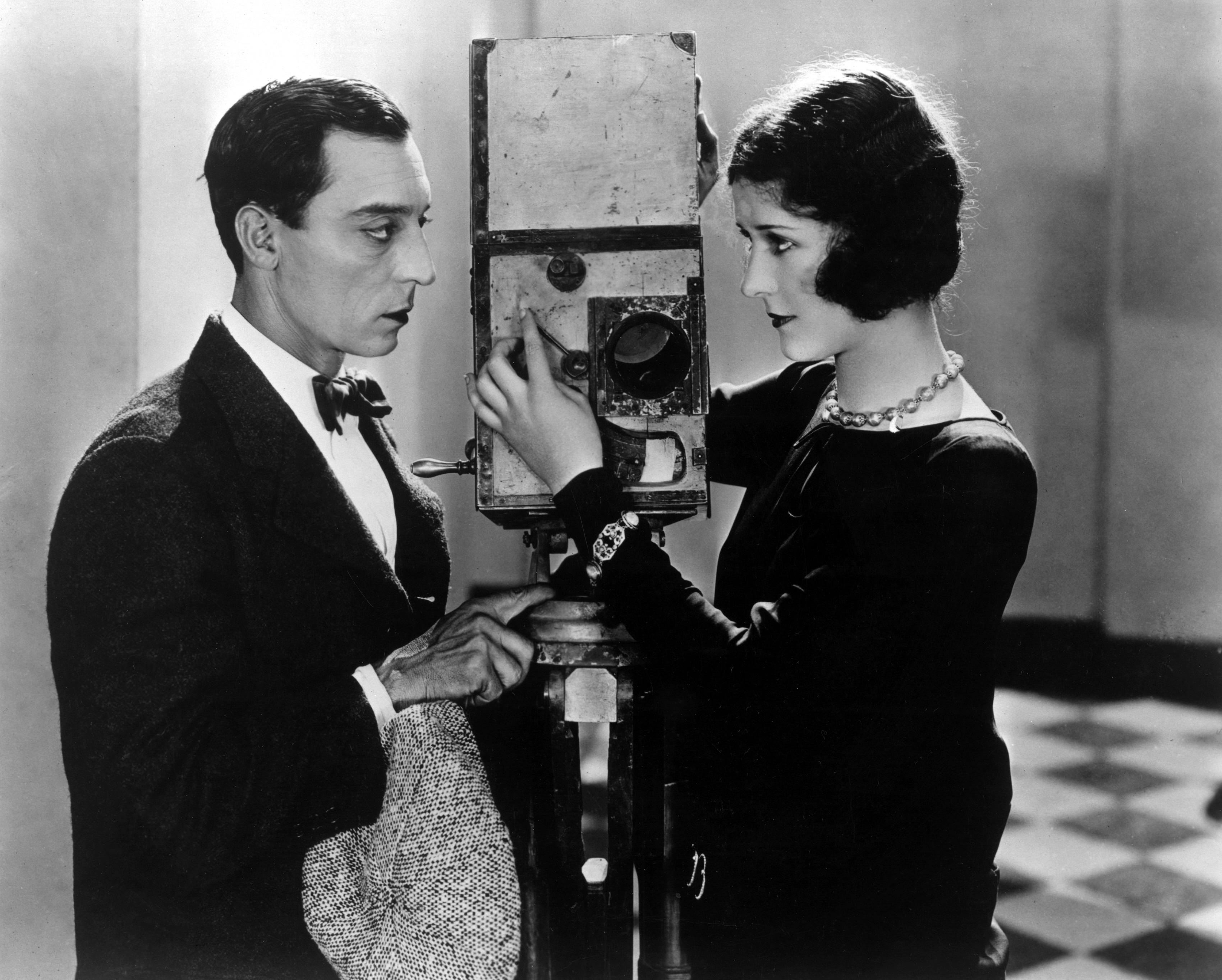
66. Silent Film Actor – Silent film actors are often romanticized for their celebrity in the early days of filmmaking. Big names like Charlie Chaplin, Buster Keaton, Clara Bow, Mary Pickford, Rudolph Valentino, Douglas Fairbanks Sr., Lon Chaney, Harold Lloyd, Gloria Swanson, John Gilbert, Louise Brooks, and others are still major names today. But despite their glamorous images in old timey posters and magazine covers, life as a silent screen actor was nothing like it seemed to be. For one, since this is the era before CGI and professional stunt doubles, actors like Buster Keaton risked life and limb performing their own high-speed chases, falls, and acrobatics. Naturally, serious injuries and even fatalities were shockingly common. Keaton occasionally suffered from broken bones and even a fractured neck. Harold Lloyd had half of his own right hand obliterated in a 1919 on-set explosion. Actor Wallace Reid began taking morphine to deal with his injuries he suffered from an on-set train accident and later developed an opiate addiction that later killed him. Second, since orthochromatic film stock didn’t react well to natural skin tones, actors had to cake their faces in thick, toxic lead-based grease paint and heavy powders. Third, to properly expose the film, studios used intensely hot, roaring carbon-arc lamps. Their brightness and radiation frequently caused temporary (and sometimes permanent) blindness, a painful condition known as “Klieg eyes.” Fourth, while it’s all quiet on the set today, Silent Era directors shouted directions, played lively music to set the mood, or yelled instructions as the camera rolled. All while actors were expected to act natural amid total auditory chaos. Fifth, as always with Hollywood, the gossip machine is absolutely vicious. Unscrupulous studio executives and publicists strictly controlled actors’ public and private lives, creating immense personal stress. Actors whose lives become embroiled in scandal faced losing their careers like Fatty Arbuckle, Mabel Normand, Clara Bow, and others. And if they were gay, well, the studio often recommended they enter into a lavender marriage. Rudolph Valentino’s first marriage with lesbian actress Jean Acker is the most famous example. And it did not end well. Lastly, when the transition to sound films in the late 1920s destroyed the silent film industry, many silent film actors were abruptly let go if they lacked stage experience, had accents, or were simply discarded by studio executives wanting to clean house. That’s not getting into the 18-hour schedules, the studio mandated drug use, the exploitation of child stars, and the treatment of actors of color.

67. Lamplighter – Alongside the chimney sweep, the lamplighter is another fixture in the Victorian landscape before electric lighting. As they’re the ones who put on the natural gas-powered street lamps at night at sundown and put them out at sunrise. However, before you light up the streets, know that such a job wasn’t as quaint as you see in period dramas. First, you had to walk long routes twice a day: once at dusk to light 70-80 gas lamps and again at daybreak to put them all out. Second, you have to climb slick, icy ladders in the dark while carrying torches or long poles making falls and injuries a constant hazard. Third, you worked in every condition imaginable, including bitterly cold blizzards, sweltering hot nights, and heavy rain because someone had to light the streets at night. Fourth, handling volatile gas lines and breathing toxic fumes was a daily reality for lighting and maintenance. Fifth, this is a 7-day-a-week job where you have no days off. You also have to be on call regardless of holidays as well. If you’re not lighting the lamps or putting them out, you’d spend the day conducting routine maintenance such as checking gas lines, cleaning the glass, and making minor repairs. But at least it pays well, doesn’t it? Actually, the average wage for a lamplighter was $1-$2 a day, which was decent at the time but still on the low side. But it sure beats cleaning chimneys.

68. Race Car Driver – Another quaint remnant from a bygone age was the historical race car driver. Driving in multi-colored cars, they seem like a charming aspect of early 20th century life. However, we must acknowledge that regardless of how race car drivers deal with in their races today, their early 20th century predecessors had it much worse. Should you be an early race car driver, here’s what you need to know. First, you’ll sit inches away from large, unprotected aluminum and rubber fuel tanks. Should your car crash and rupture the tank ruptured, you were often trapped in the inferno wearing nothing but a normal shirt or basic, non-fire-resistant suit. Since it’s before the days of the HANS device and trackside medical response teams, a severe crash often results in fatal head trauma, broken neck, or a slow death on the trackside due to lack of immediate, advanced medical care. Second, since air conditioning and cooling vests aren’t a thing, cockpit temperatures exceed 130 degrees, resulting in severe dehydration, heat exhaustion, and physical collapse. While maneuvering heavy, non-power-steering machines require immense physical strength. As a driver, this means wrestling the steering wheel and pushing heavy, unassisted break pedals for hours, resulting in blistered hands, bruised ribs, and chronic fatigue. Third, you have to race through fevers, injuries, and grief after burying teammates while knowing that a single mechanical failure could mean the end. But doesn’t this job at least pay well? Sorry, but this isn’t the era of modern multimillion-dollar contracts. So you’d be receiving little support and be quickly replace if you suffer an injury or slump, often leaving you with chronic physical pain, damaged health, and empty pockets after your career ends.
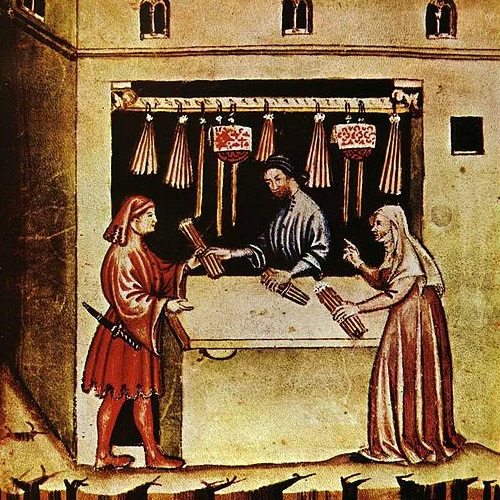
69. Chandler – Within the olden days economy, a chandler made candles and soap for homes and churches. Although this role is one many don’t think much of, chandlers occupied a rather important role in the local economy. Yet, before you boil the tallow, here’s what you need to know about being one. For one, you’ll most likely be a “tallow chandler,” meaning you’ll make candles from animal fat. This involves rendering huge vats of discarded suet (beef and mutton fat) in boiling cauldrons. This process releases a thick, nauseating odor smelling like rancid meat and rotting carcasses. Due to extreme foulness, towns often banish you to the outskirts just to keep the stink away from the general public. Second, you spend endless hours inhaling toxic, greasy smoke and fumes, causing respiratory issues. Boiling tallow is also highly flammable with frequent splashes and burns. While a stray spark could easily level an entire workshop. Third, you’ll make candles in two ways: dipping or pouring. You’ll spend hours dipping flax or linen wicks into hot fat, letting them cool, and dipping them again to build up the wax. You need immense patience for this process, which causes sore arms, sticky skin, and grease-stained clothing that’s almost impossible to wash. Lastly, despite your products being a daily necessity, you occupy a very low rung on the social ladder. Since tallow candles emit a lot of black soot and carry lower-class associations, this leaves the “respectable” and profitable beeswax candle market to the wax chandlers.
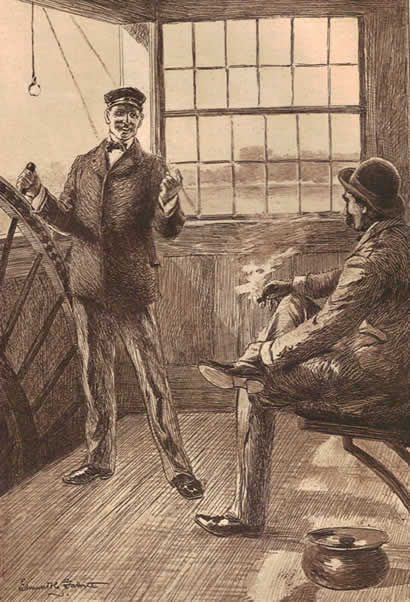
70. Steamboat Captain – The image of a steamed-power riverboat during the 19th century is one of nostalgia and charm for many. Especially if it’s featured in a cartoon, movie, or musical. There are even river boat cruise fleets. However, being charge of these boats was no picnic or dinner cruise. Should you be an old-time steamboat captain, here’s what you need to know. First, once the boat’s out on the water, you must relinquish complete navigational authority to your river pilot. Because pilots have hyper-specialized knowledge of shifting sandbars, hidden snags, and river bends, they don’t answer to anyone including you. Second, steamboats utilize highly pressurized, poorly regulated steam engines, making them infamous for catastrophic explosions. Whenever these volatile engines fail, expects hundreds of lives lost and boats destroyed, ruining both your and the your crew’s investments. No pressure. Third, rivers like the Mississippi and the Missouri are littered with submerged obstacles like “snags” (large trees lodged in the riverbed). They could also puncture a steamboat’s hull, causing it to sink in mere minutes. Fourth, like most steam boat captains and their employers, expect to frequently engage in reckless races against rival steamboats to secure lucrative freight contracts and bragging rights. Pushing the engines to their absolute limits to beat another boat often directly led to boiler explosions ore disastrous fires. Finally, whenever cargo is lost, passengers die, or the boat runs aground, expect to bear the brunt of the legal and financial fallout.


