
In many respects, we take for granted our daily lives of convenience with washing machines, cars, and mass communication. That we forget some of the aspects of our daily lives were done under considerable risk. Think laundry’s a pain? Families in the olden days often pay poor women to wash theirs as soon as they could afford to. Mainly because washing clothes in those days was a high-risk endeavor that took hours. Think truck drivers have it rough? Mushers had to move freight as well as contend with freezing elements within an unforgiving wilderness. While coachmen had to navigate terrible roads on relentless schedules, skittish horses, and in top heavy vehicles that posed a major risk of flipping over. Think communication is slow? But you least don’t have to hire a messenger. That being said, ever imagined yourself as a frontier doctor treating patients out west? How about a black jazz musician at the Cotton Club during the Harlem Renaissance? Or even a lumberjack in the American Northwest? In this post we’ll look at ten more historic professions and their dark realities.
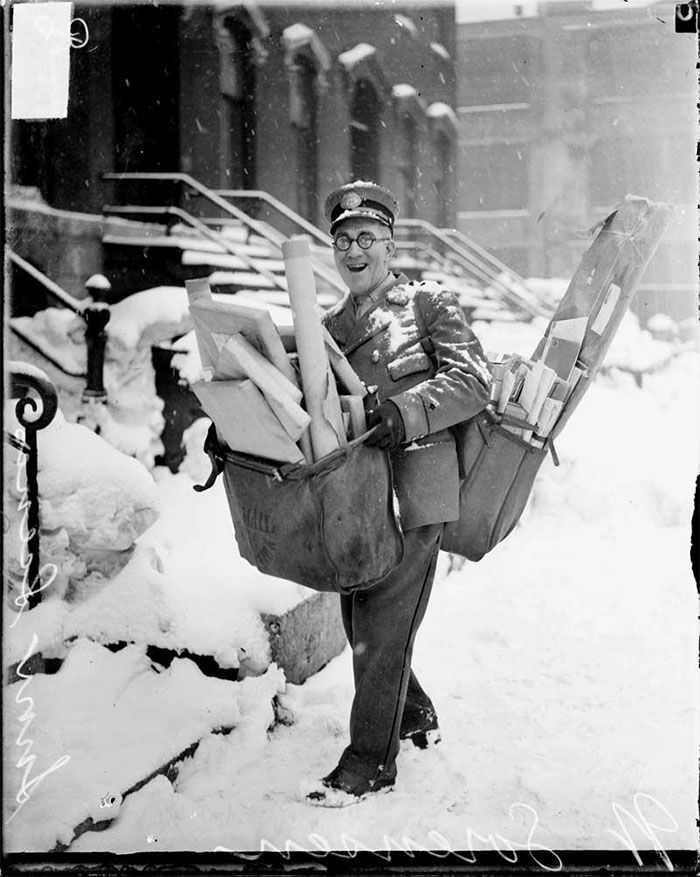
51. Mail Carrier – While the job of mail carrier is often a grueling one today, it’s a government job that always provides great benefits. Even though there’s a reason why the term “going postal” exists. But whatever hardships modern mail carriers had today is nothing compared to what their historical counterparts faced. Even though they’re often depicted as friendly people who don’t often to contend with any drama during their working lives save one neighbor’s unleashed and overexcited dog. Should you be an old timey mail carrier, here’s what you need to know. First, you must battle extreme weather for hours while on foot. If you’re in a rural area, hope you’re okay with navigating on unpaved, muddy, and often flooded roads using horses, bicycles, or walking miles of treacherous terrain. Second, since there’s no automated processing, expect to lug heavy canvas satchels over your shoulders that’ll leave you with significant long-term back and joint issues. Third, expect to deal with daily threats on foot routes such as aggressive stray dogs, territorial wildlife, and even hostile property owners. Finally, if you work on a railway or remote mail route, expect to risk severe derailments, robberies, and accidents on poorly maintained infrastructure. On the bright side, they’re not exactly picky on candidates since women and diverse mail carriers existed in the United States as far as 1845.
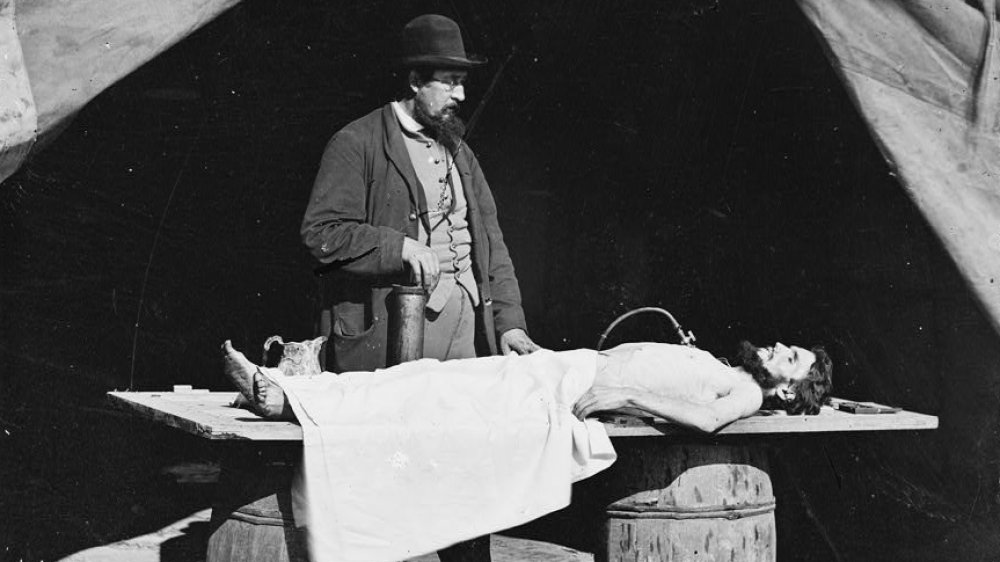
52. Frontier Doctor – The character of the frontier doctor is always a mainstay in a typical western town on TV shows and movies. They can even be a woman like Dr. Quinn (and that’s not just talking about the TV show). But they’re always a friendly presence and a pillar in their community who’s always willing to lend a helping hand through any means available. However, should you be a frontier physician, here’s some aspects you have to reckon with. First, self-reliance is a must since you’ll be entirely on your own, often riding or driving for miles in extreme weather at any time of day or night to reach patients. Second, you’ll be routinely forced to improvise, using whatever rudimentary instruments or household items you have on hand. Because medications and up-to-date tools are rarely available. Third, expect townspeople to view you with extreme suspicion, sometimes accusing you of performing the devil’s work when your intervention saves a life. Since 19th century medical techniques are crude and performed without proper anesthetics, your treatment methods will almost certainly freak out many people. Fourth, you’ll have to learn a lot of new things on the job such as handling severe trauma, amputating limbs, and sometimes even double as veterinarians if no other help’s available. Lastly, know that you’ll be isolated from academic and hospital networks. So keeping up with the medical knowledge will be entirely up to you, leading to inconsistent standards and high stress levels. But on the bright side, since frontier towns are in desperate need of doctors, they accept women.
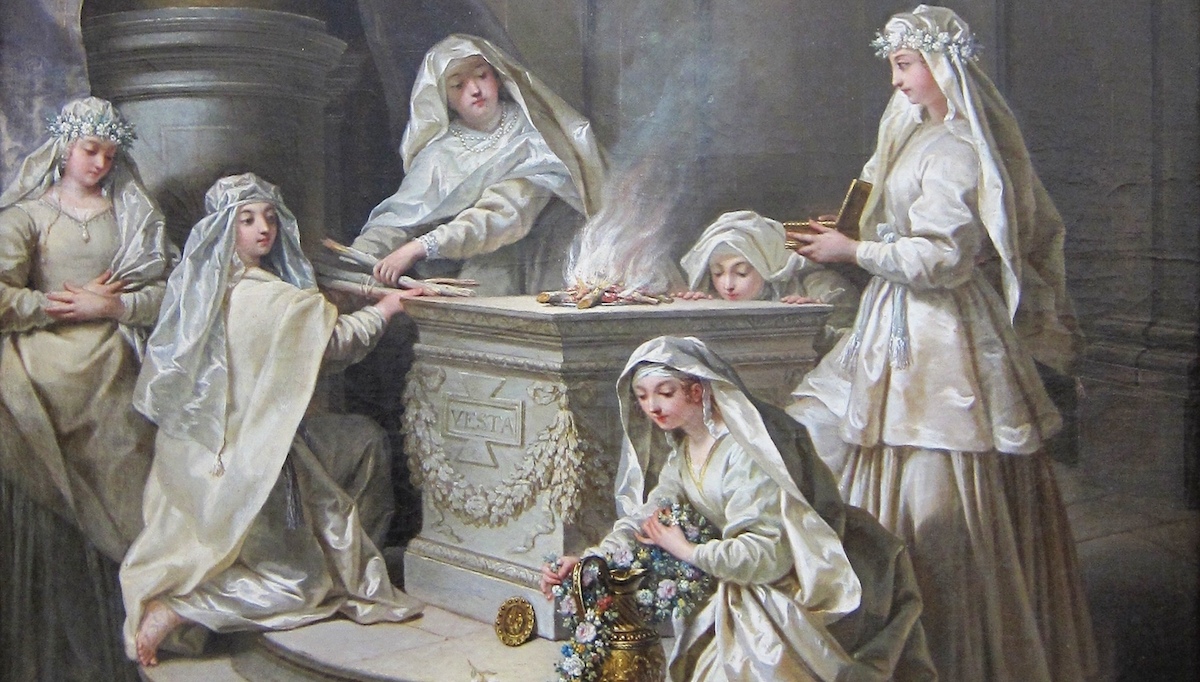
53. Vestal Virgin – One of the best known religious aspects of Ancient Rome were the Vestal Virgins who serve the goddess Vesta and keep the sacred flame alive at her temple. Yet, being a Vestal Virgin wasn’t a bed of roses. For one, most girls didn’t have a choice since they were ritually “taken” between the ages of 6-10 at the start of their 30-year term, cutting them off from family, marriage, and motherhood during their prime. They had to also be completely free of “bodily defects” (meaning physical and mental disabilities), adding immense pressure to uphold Break your 30-year vow of celibacy that you didn’t make on your own free will, then you’ll be charged with incestum and sentenced to burn alive in an underground chamber with a ration of bread and water. Should the sacred flame of Vesta accidentally go out due to an accidental lapse in attention, the Pontifex Maximus will strip you naked and whip you in the dark. Of course, while Vestal Virgins gain unique political privileges most Roman women could dream of, they also had to spend decades locked away under strict supervision. On the bright side, once your 30 years are up, you can do whatever you like. But most of the time, you’ll likely renew your vows since you’ve been doing this for so long.
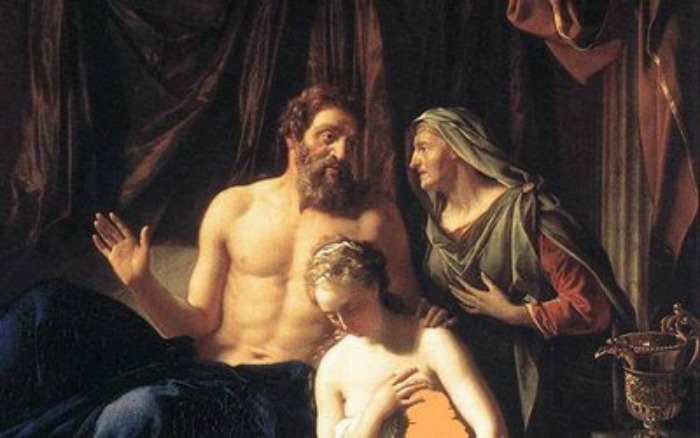
54. Concubine – Although not as highly romanticized as other jobs, concubines are often seen as pretty palace women who are dressed in the finest clothes. But the reality behind the exotic costumes can be like Game of Thrones. Of course, if you find yourself a concubine, you likely didn’t choose this role. Rather you got the gig due to being kidnapped or given away by your parents. While your purpose is to win over your sovereign’s affection and produce a male heir. And your value will be based on your youth and beauty. But once inside the palace, you’d be sequestered behind high walls, forbidden from interacting with the outside world, and eunuchs constantly monitoring you. Second, since harem life is hyper-competitive, you must constantly scheme to win the your sovereign’s affection to maintain your status. Falling out of favor means demotion, banishment, or even death. If you’re in the court of Imperial China, remember that disgraced, aging, and disfavored concubines faced punishment in the “cold palace,” a secluded, damp wing of the imperial compound where their status is stripped and left to live in misery. In addition, know that you occupy a precarious position below the official wife. Also, if you live in Imperial China, know that your kids are seen as legally inferior and are forced to show subservience to the primary wife as their “legal mother.” Finally, as younger women enter the palace, the sovereign and palace physicians often neglect older concubines. So you’ll often end your days living in chronic pain and dying quiet, unnoticed deaths. Should the Chinese emperor die before you, expect to end your days in a convent unless your son ascends the throne. If you’re in the Ottoman Empire, you’ll likely have to contend with your son being strangled by a silk cord. Also, know that concubines aren’t exclusive to rulers, they can also exist in wealthy households as well. In that, your primary goal would be to give your master a male heir but many of the same rules apply at a smaller scale.

55. Ronin – The samurai equivalent of a mercenary, ronin are always roaming from town to town protecting hapless villagers against bandits. Or is that just the movie Seven Samurai? Nonetheless, if you’re a samurai who’s made it to the Edo period, this is what likely awaits you. Since the Tokugawa shogunate would abolish many of the daimyos you work under. And it’s basically a step down from privileged elite warrior to penniless, roaming outcast, stripped of everything after becoming one. Most likely it would be due to your daimyo’s death and exile. But you could also leave or be dismissed. Yet, the latter happened more often during earlier eras when Japan was tearing itself apart by constant war. So there was plenty of opportunity to find a new master. Although some could be farmers who joined wars to escape poverty but never got the title of samurai. Anyway, since you lack a lord to guarantee your honor and loyalty, you’re viewed with deep suspicion, sometimes prone to societal humiliation. In addition, you’re also under heavy legal restrictions. During certain periods, you can be banned from carrying daisho (paired swords symbolizing samurai status) and even be subjected to either forced relocation or strict surveillance. In addition, given that you’re a former warlord lackey, you can forget abiding by the bushido. Since many ronin were forced to abandon it just to pay bills. Employment opportunities include jobs like gambling parlor bouncer, mercenary, martial arts teacher in a private dojo, street performer, scholar, artist, merchant, farmer, or Buddhist monk. While others just became criminals terrorizing villages that came their way.
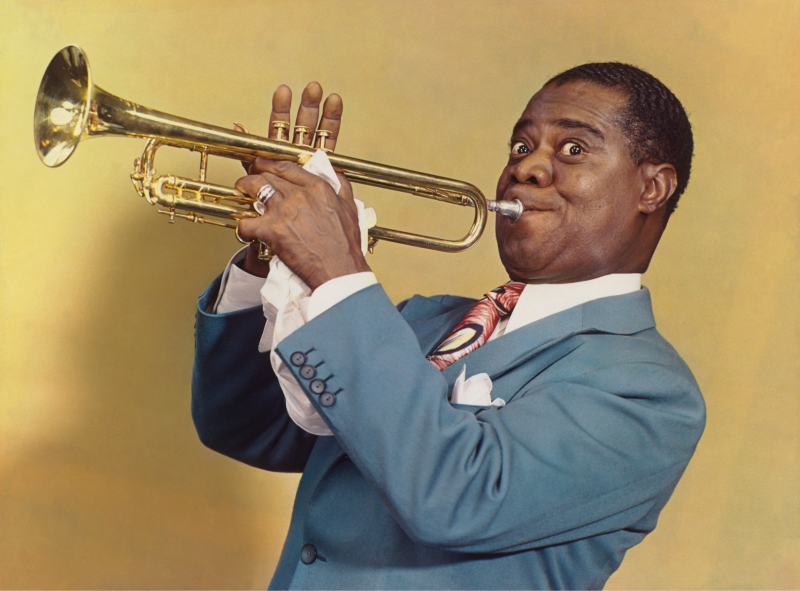
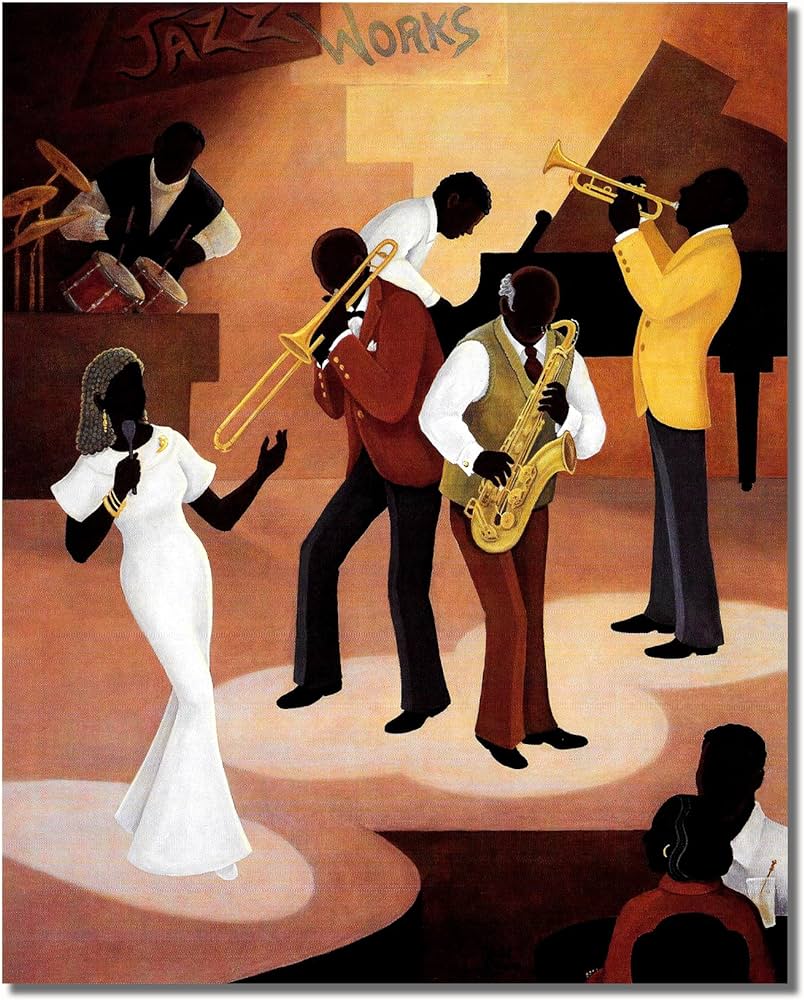
56. Black Jazz Musician – The early 1900s saw the rise of a new type of music originating from African American communities called jazz whose popularity exploded during the 1920s and would endure in the next few decades to come. Many became legends such as Louis Armstrong, Duke Ellington, John Coltrane, Charlie “Bird” Parker, Billie Holiday, Ella Fitzgerald, Miles Davis, and more. But black jazz musicians didn’t have it easy mainly due to them living in an era of racial segregation. For one, record companies frequently took publishing rights and royalties from these artists. While giving them only a fraction of the artists white artists made covering their work. Second, prominent touring musicians often endured segregated tours even if their name was Louis Armstrong. While on the road, they had to eat at back doors, sleep in substandard “colored only” housing, and play to strictly segregated audiences. Didn’t help that white bands capitalized on their music innovations and popularized the genre. While black jazz musicians remained relegated to a commercial underclass. Unless that black talent was of legendary status, record executives actively marketed black-produced music exclusively to black people. While marketing their white counterparts to the broader mainstream, drastically stunting the black creators’ earning potential and fame. Critics often praised European-derived and styles and white performers as “serious art.” While they typecasted black performers as playing raw, primitive dance music. By the way, the same pattern occurred in early rock music and hip hop music to a lesser extent. Sure, we remember names like Chuck Berry and Tupac, but many more know Elvis and Eminen. So if you think this systemic racism was just a thing of the past, then you’re sorely mistaken. Yet, even worse, from the late mid-to-late 20th century, severe public education cuts disproportionately affected black neighborhoods, removing access to instruments and early music training. While jazz became an academic subject taught in conservatories, many of the genre’s oral tradition and community roots became rigid, further alienating young black musicians who shifted focus toward newer, culturally relevant genres like hip hop.

57. Lumberjack – Oh, yes, an icon of rugged masculinity, the historical lumberjack is a man of great strength and endurance who spends his days chopping those tall trees in the wilderness. Today, it’s one of the worst and most dangerous professions in North American, but it was probably much worse before the days of OSHA. Should you be an old timey lumberjack, here’s what you need to know. First, expect to face severe hazards from falling limbs, rolling logs, and unpredictable or snapping trees. That being crushed by a fallen limb or an entire tree is just a regular occurrence. Second, you’ll have to do grueling manual labor in all weather conditions, leading to high rates of overexertion and musculoskeletal injuries. Third, you’ll operate heavy, axes and two-person crosscut saws. Fourth, expect being away from your family for months and living in remote temporary camps far way from the nearest vestige of civilization. You’ll be sleeping in tightly packed, unventilated shacks on hay or straw mattresses that are often infested with lice and fleas. Since you and your fellow logger men will be sleeping side by side, you’ll have to dry your soaking wet, sweat-drenched clothes over a single wood stove, filling the room with a suffocating stench of you and your co-workers’ B.O. Doesn’t help that it’s a winter operation since snow makes it easier to slide heavy logs over iced roads to frozen rivers. So expect frostbite, deep snow, bitter temperatures, and extreme delays for emergency medical care. Fifth, then there’s the spring river drive where you’ll have to jump across freezing, rushing water on top of massive piles of wood to dislodge log jams. Fall into the icy water, then you risked being crushed by moving logs or pulled under the current. Either way, you’d be in for a bad week. Finally, middle-class society sees these transient, single, seasonal log workers like you as social pariahs and dangerous moral threats. Towns even built specific red-light districts to keeps lumberjacks segregated from the general public. Wonder if it’s because some of them wear high heels, suspenders, and a bra? But this job still pays well doesn’t it? Actually, loggers have historically low to median incomes. So, no.
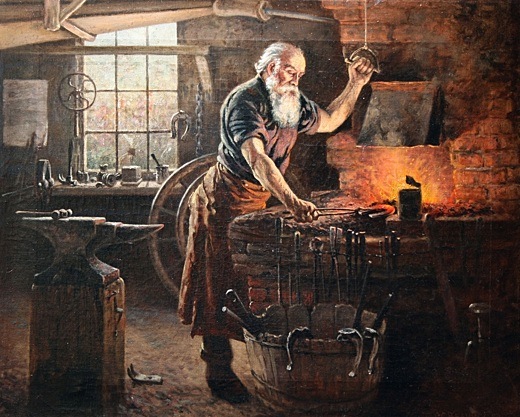
58. Blacksmith – Compared to a lot of jobs, blacksmith doesn’t seem that bad. After all, it was a highly in demand profession and one where you get to make a lot of cool stuff like weapons, armor, horseshoes, and tools. However, before you strike the hammer on that anvil, here’s some things you need to know about blacksmith life since you were apprenticed from 5-8 years old and spend 7-10 years learning the trade in an agonizingly long and difficult process. While you’ll spend most of that period doing grunt work. First, expect a work environment where you’re basically in Hell with the lid off. Like constant exposure to heat, smoke, and toxic emissions causing respiratory issues, vision problems, and hearing loss. Forge temperatures could range from 1,500-2,000 º F and feature poor ventilation. Working with scrap metals can result in metal fume fever and a lifetime of inhaling toxic fumes frequently leading to incurable conditions like lead poisoning. Second, expect the work to comprise of brutal, repetitive, and heavy lifting. Blacksmiths like you often suffer from chronic ailments such as locked-up backs, trembling hands, stress injuries, broken bones, and stiff joints severely shortening your working years. That many die before reaching 50. Third, expect your workday to be incredibly busy since you’re expected to build and fix everything. So when you’re not forging plows, horseshoes, or nails, you’ll be doing odd jobs to make ends meet. But at least it pays well, doesn’t it? Actually, it will depend on location. If you live in a small rural village with a limited customer base that can’t always pay in actual currency, you might have to stick with trading for goods or services instead. In short, you’ll just have to haggle. Speaking of customers, they tend to be very notoriously unreliable. On the bright side, it’s way better than being a pirate.

59. Prohibition Agent – A man on the federal vice squad, the Prohibition Agent is the man who shuts down speakeasies, pursues gangsters, and never stops to rid the world of illegal booze. In reality, being a Prohibition Agent in the United States was a 1920s nightmare. For one, temperance was a controversial issue and most of the US public see you as a government killjoy destroying a good time. Expect hostility and speakeasy owners using low-paid cops and tipsters to thwart federal raids. Second, there are only 3,000 of you responsible for enforcing the 18th Amendment across a vast country of millions who want to drink and thousands of bootleggers more than willing to support them. So it’s no surprise that speakeasies had doubled in number by 1929. Not to mention be less effective in cracking down on organized crime than the IRS. Third, if you want to catch anyone, you’ll have to get creative but don’t overdo it. Legendary agents like Izzy and Moe arrested thousands while wearing wild disguises. Only to be fired by their own bosses for being “too vaudevillian” and attracting too much public attention. Fourth, taking down heavily armed mobs and busting up illegal stills can easily turn into deadly shootouts. Expect to constantly watch your back as the cash involved means the syndicates have significant firepower and motives to outsmart you. But at least it pays well, right? Don’t be silly, there’s a reason why agents like you were very prone to massive cash bribes from organized crime. As 10% of you will be fired for either taking payoffs or getting involved in the bootlegging business yourselves. Probably should’ve worked for the IRS instead.
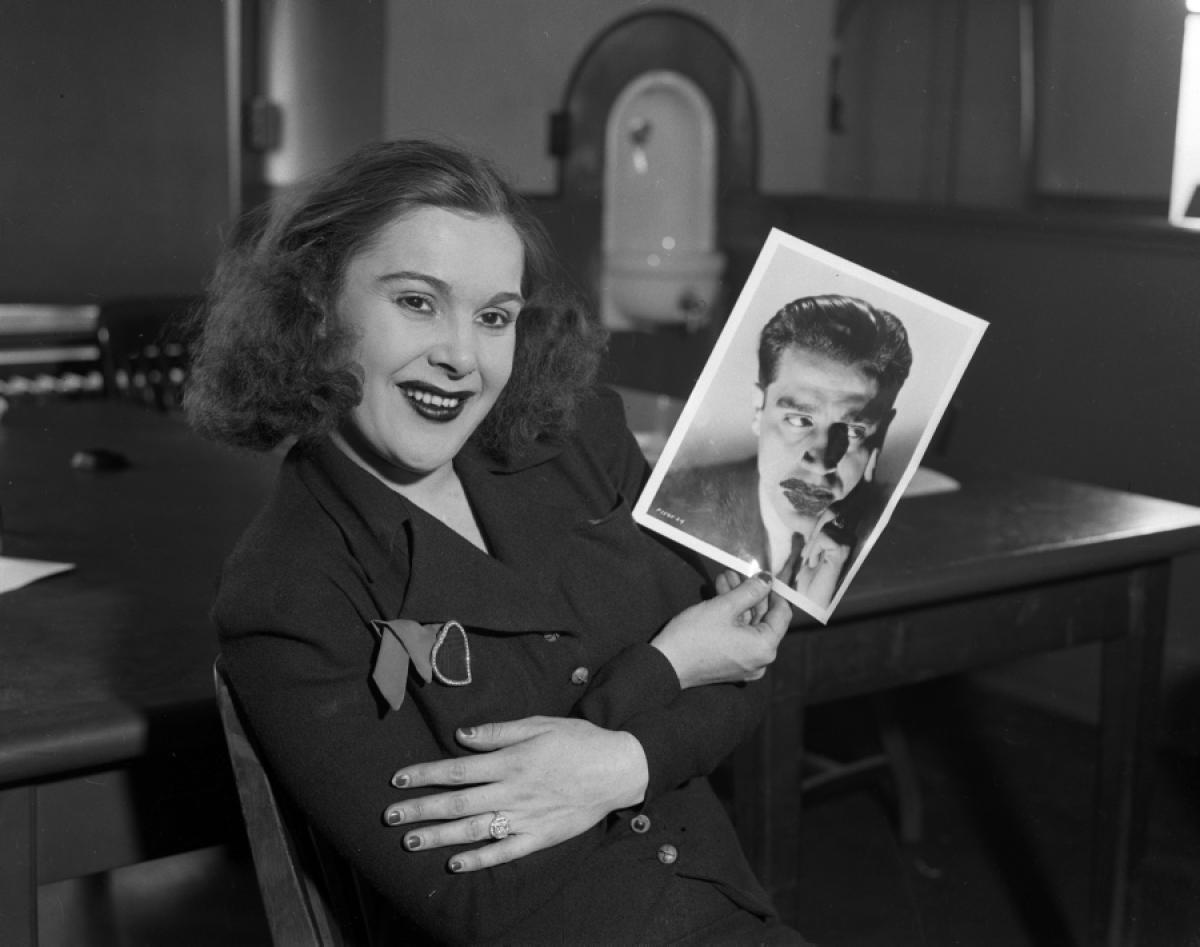
60. Gangster Moll – American pop culture depicts a gangster’s moll as a glamorous life with every luxury she could ask for. Yet, before you attach yourself to a gangster, here are the reasons why you should seriously reconsider. For one, you’ll live in a world of chronic stress, often looking over your shoulder, anticipating police raids, rival hits, or betrayal. Also, know that your gangster boyfriend will use you to transport weapons or money, which will turn you into targets for law enforcement or rival gangs. Second, like the mob wife, expect your gangster partner to prioritize his criminal family over you and leave you alone for long periods of time. Also, note that he may have a wife and kids who won’t be as disposable as you. In addition, you’ll be financially dependent on the mob as well. Third, note that the mob relationships are heavily characterized by physical violence, control, and emotional abuse. He may also have other girlfriends, too. Also, if you know too much or try to leave your gangster boyfriend, expect to risk kidnapping, being used as a bargaining chip, or even murder. So basically being a gangster moll is a lot like being a mob wife except that you’re treated more as disposable property to the gangster you’re loyal to.


