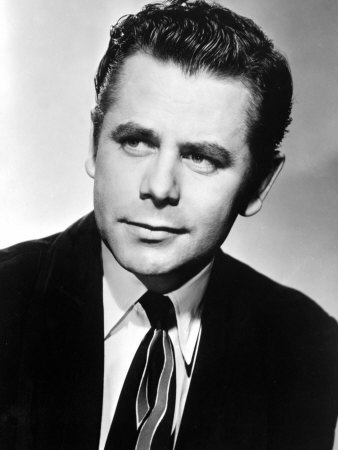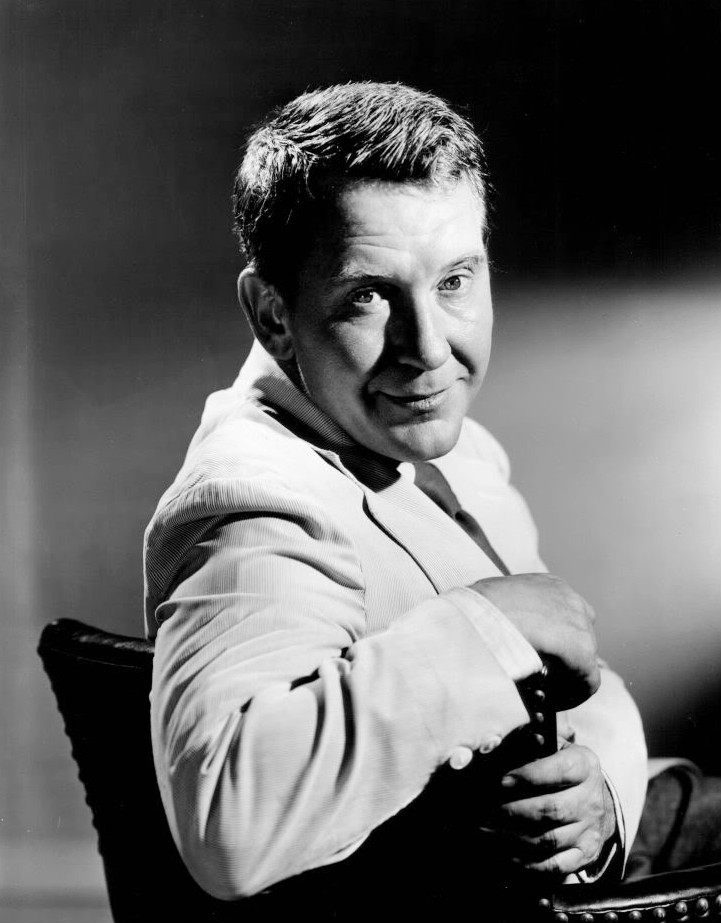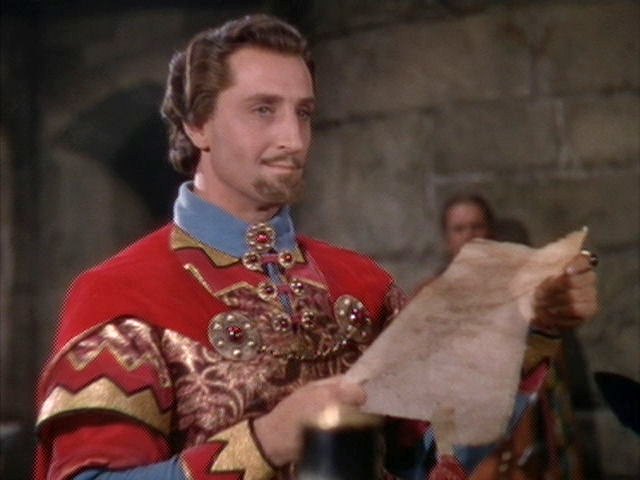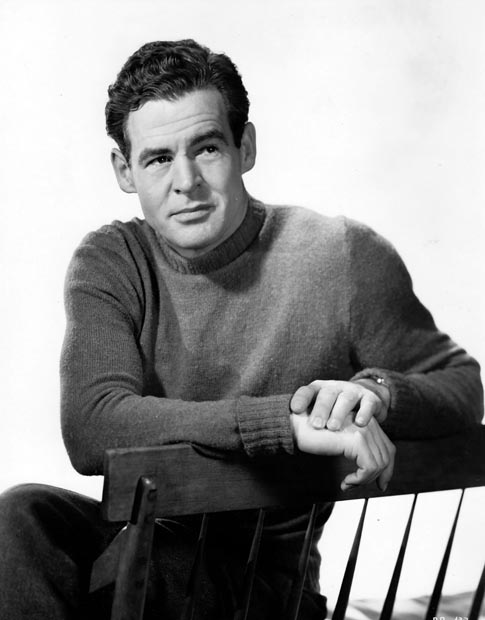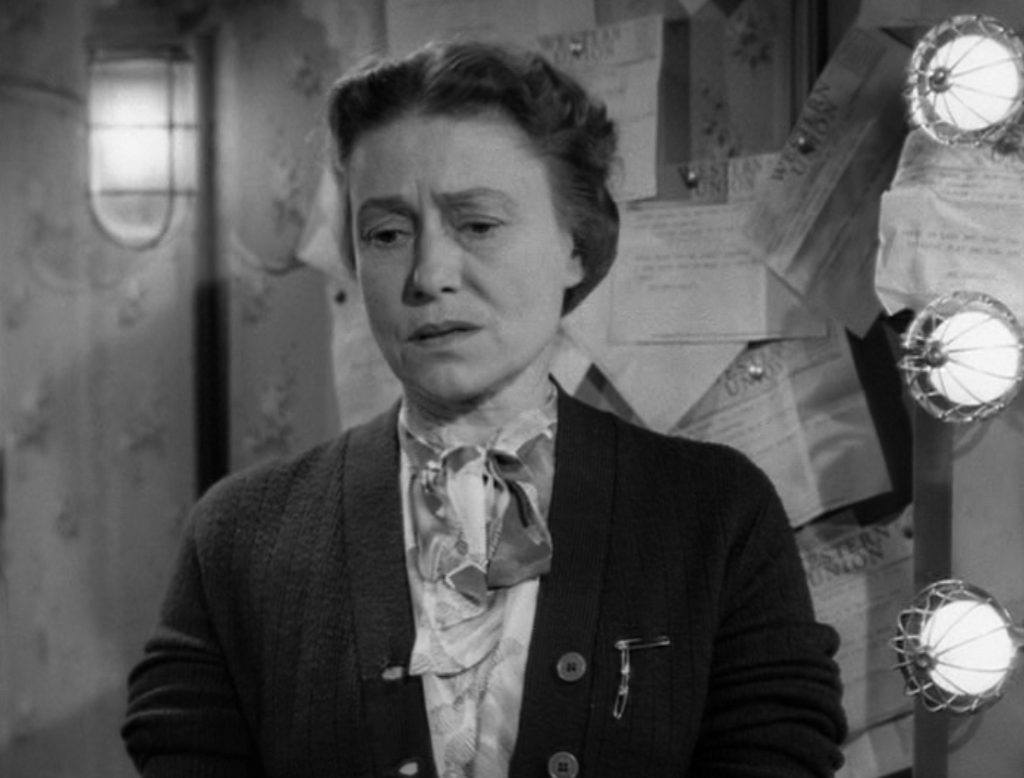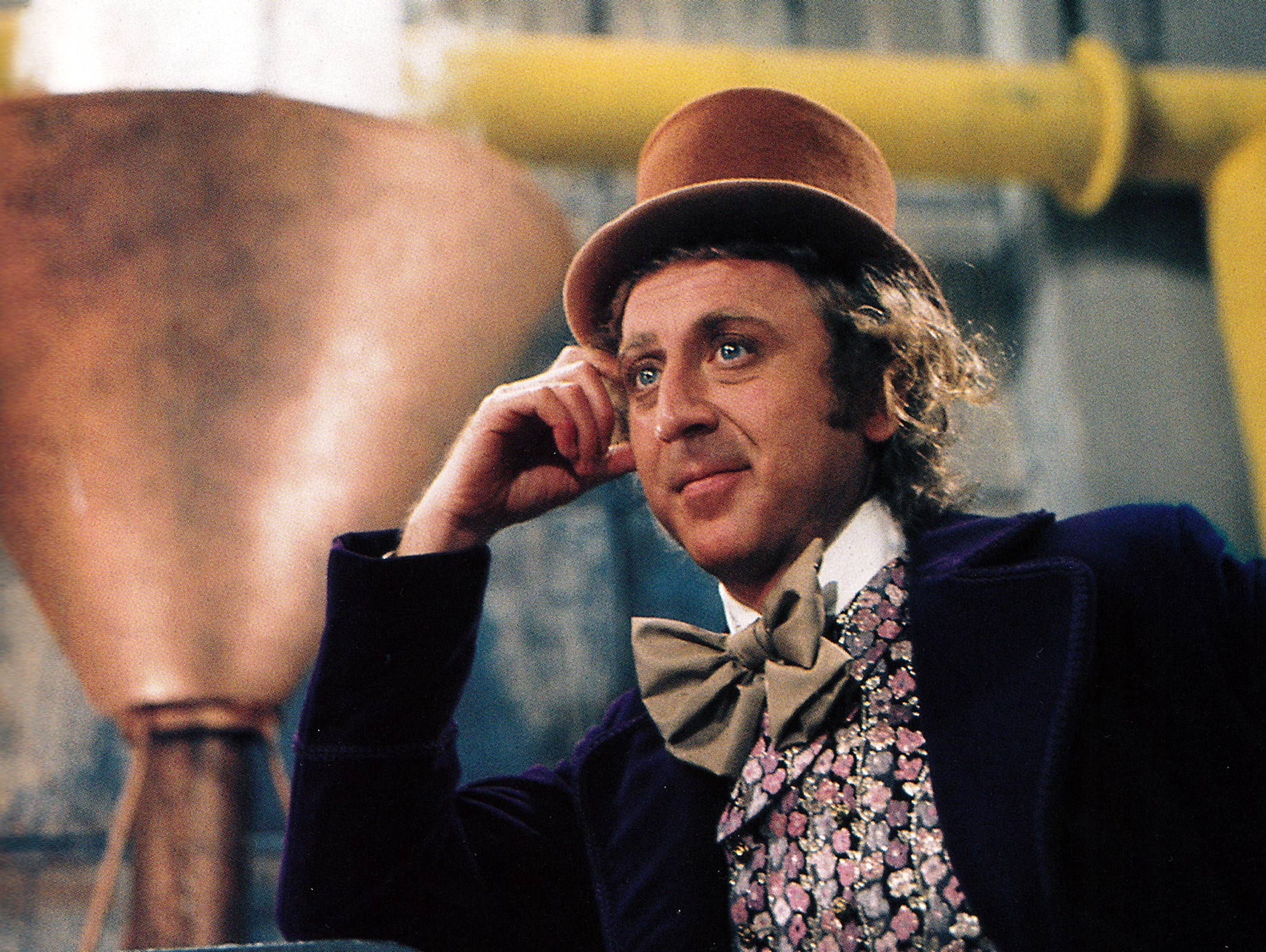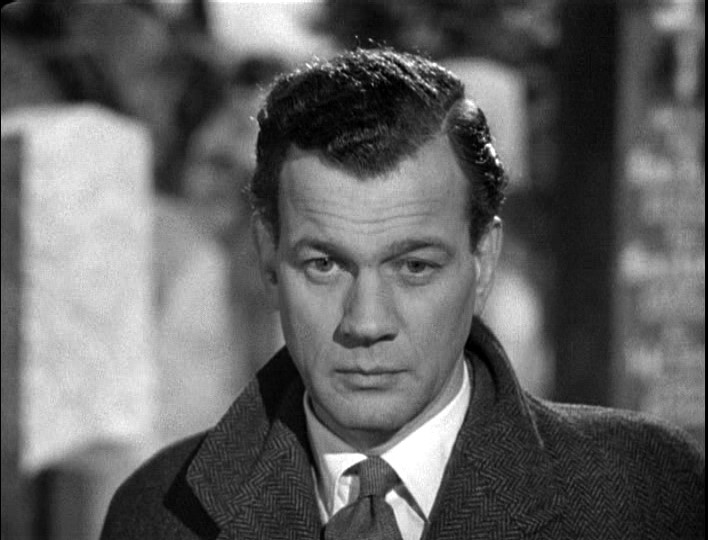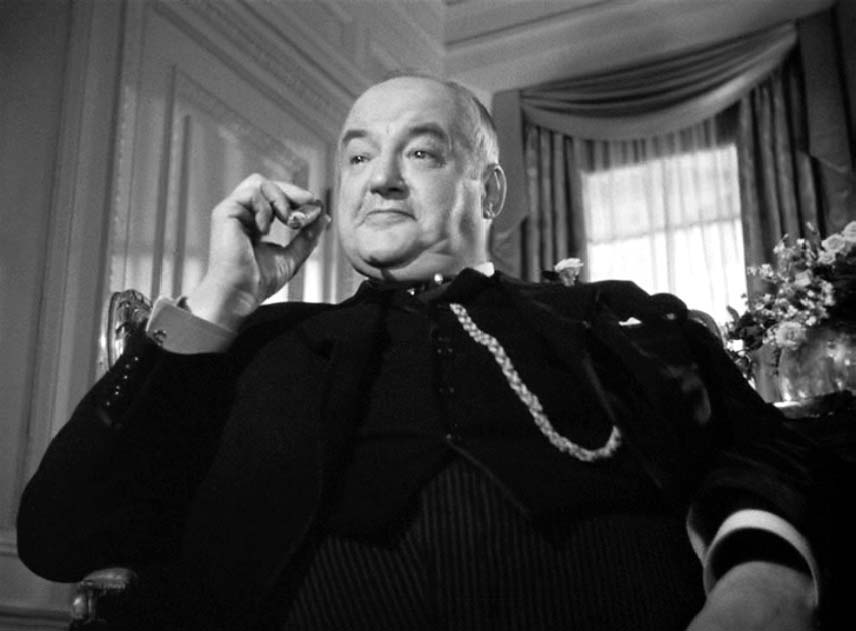
Movie Stars Who Have Never Won an Oscar: Part 14 – Dolores Del Rio to Van Johnson

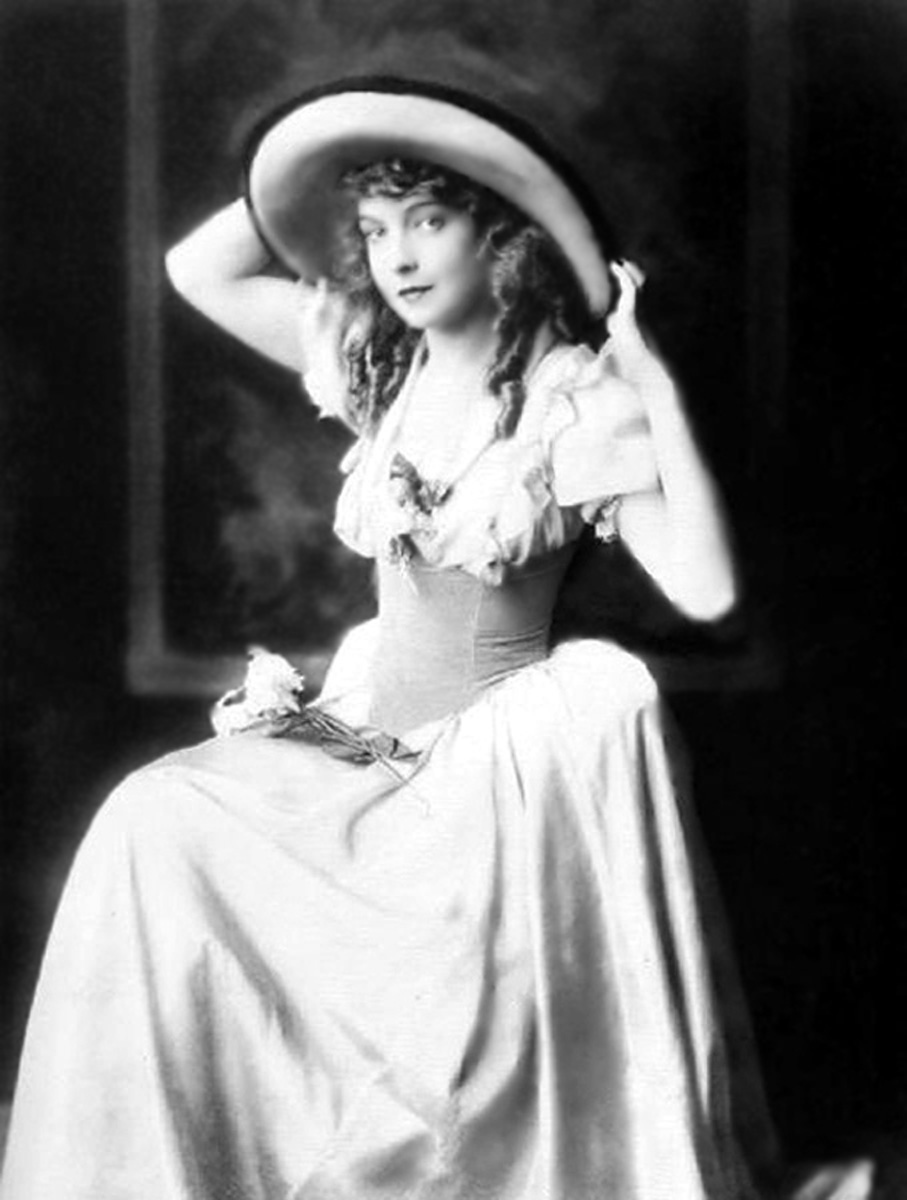
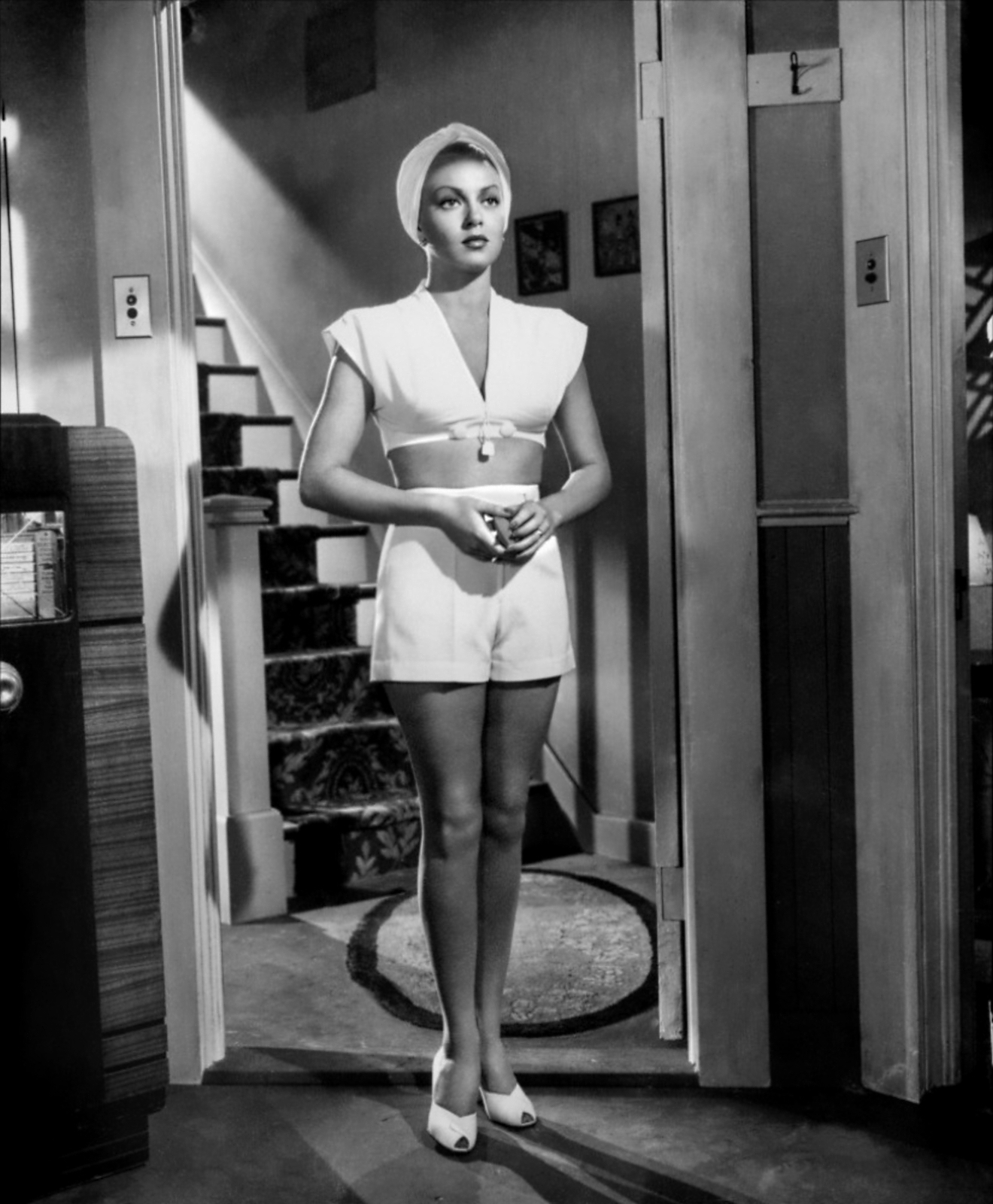
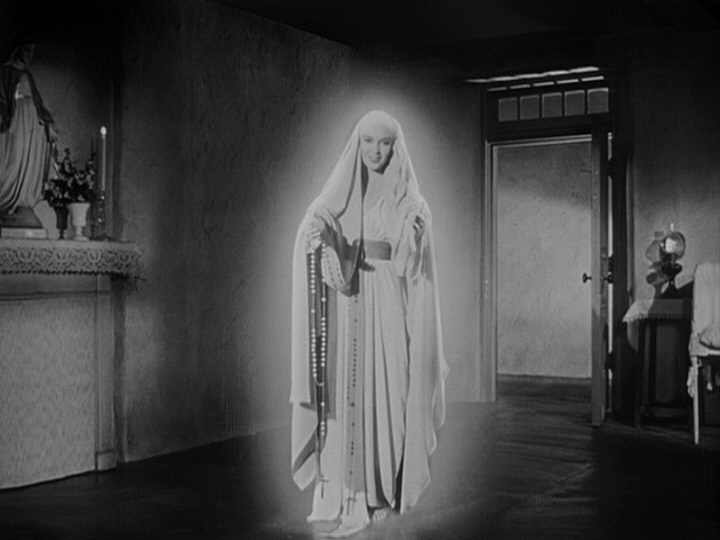
Though Linda Darnell played the Virgin Mary in The Song of Bernadette, she didn't receive credit for her role for her off-screen persona was anything but. Of course, the reason here was that the studios wanted to see her as a sex symbol and that she ran off with a much older cameraman.

Though Linda Darnell played the Virgin Mary in The Song of Bernadette, she didn’t receive credit for her role for her off-screen persona was anything but, especially in later years. Of course, the reason here was that the studios wanted to see her as a sex symbol and that she ran off with a much older cameraman in 1943.

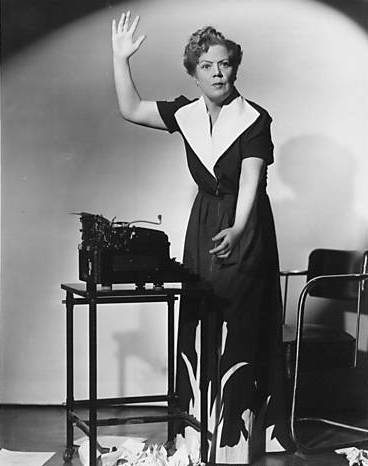
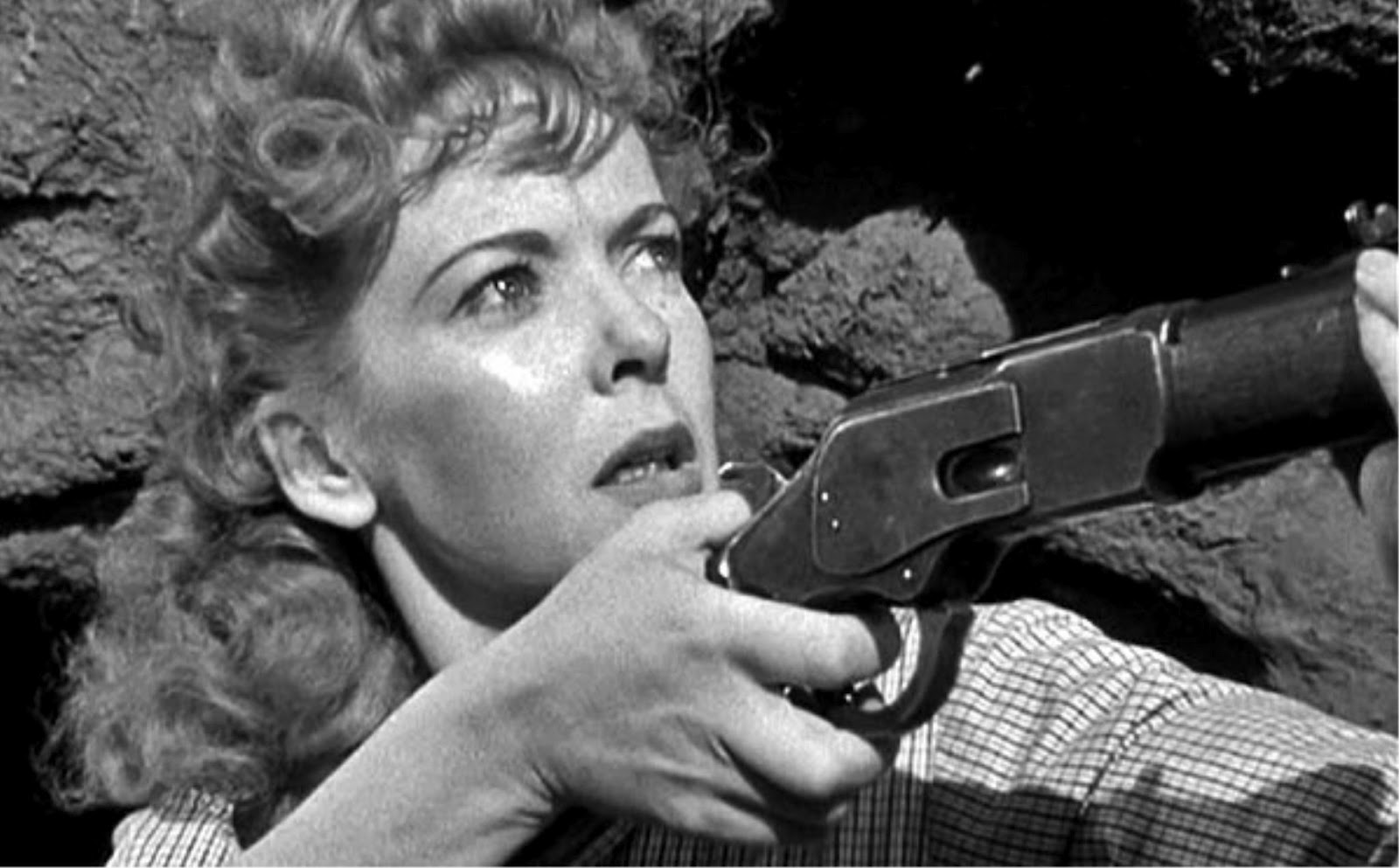
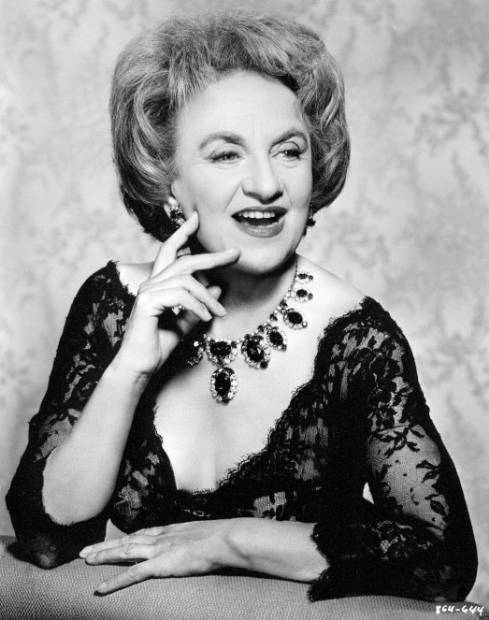
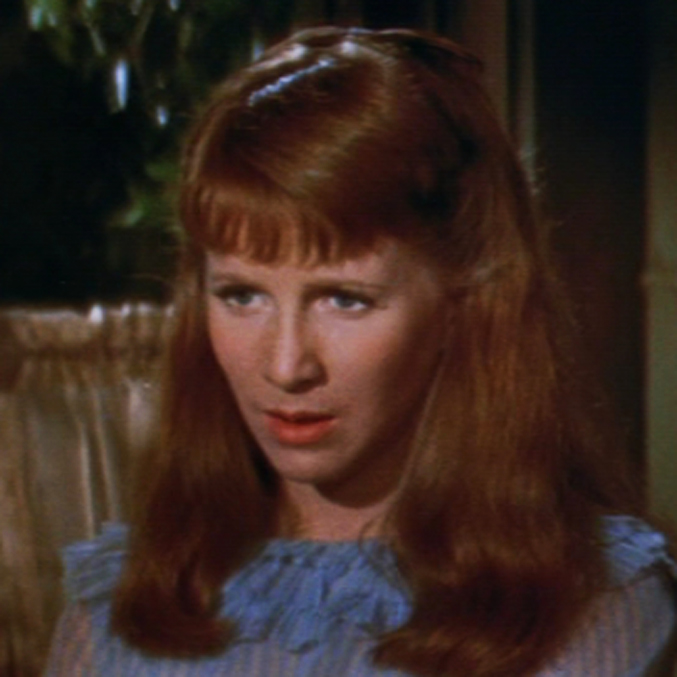
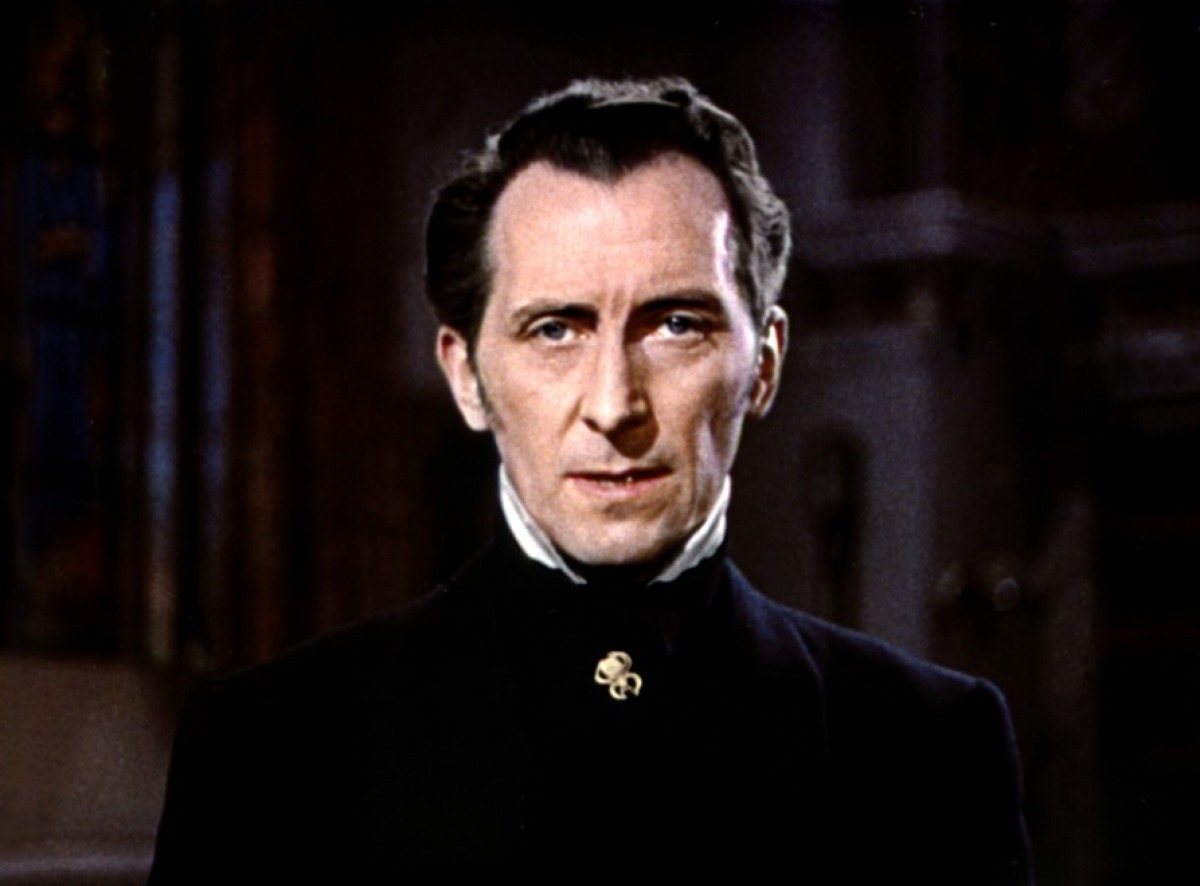
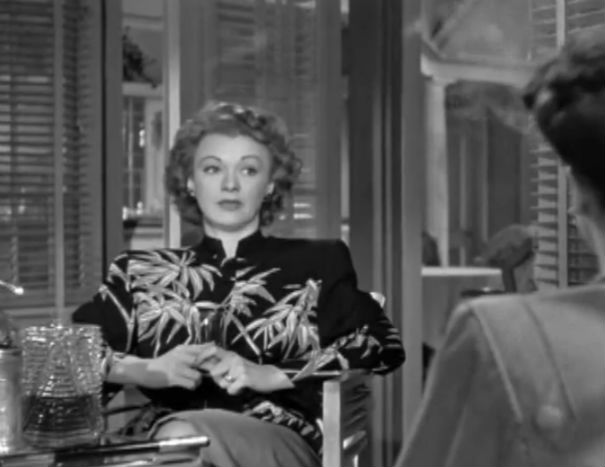
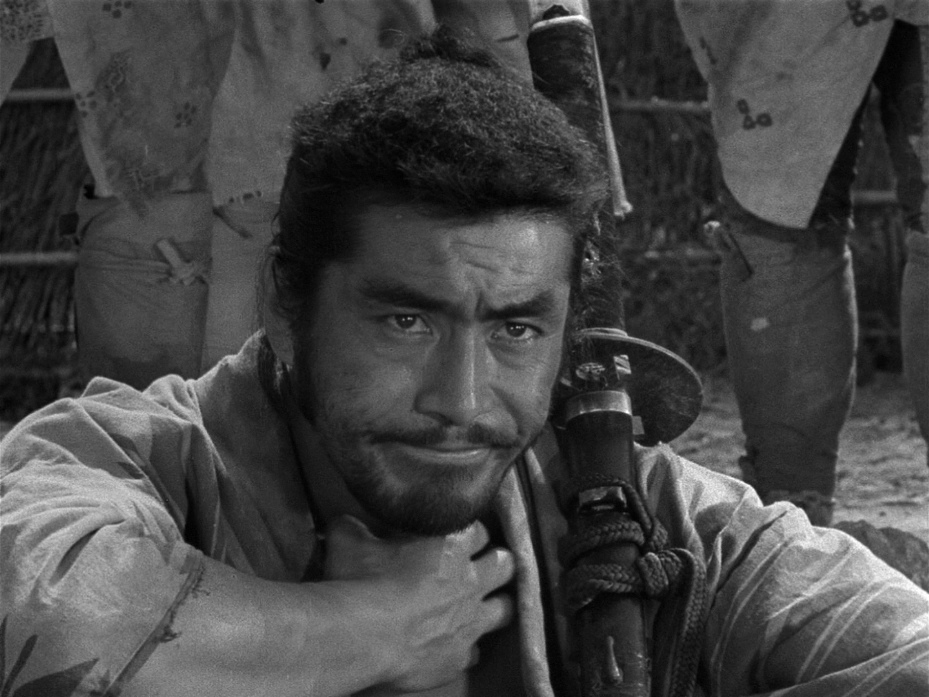
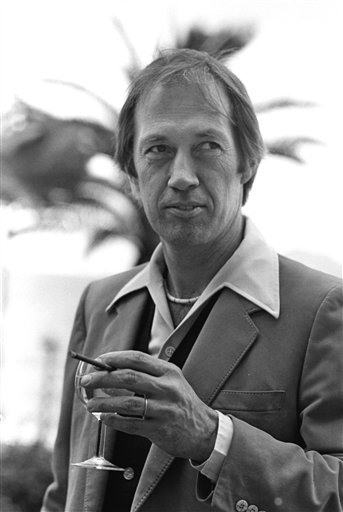
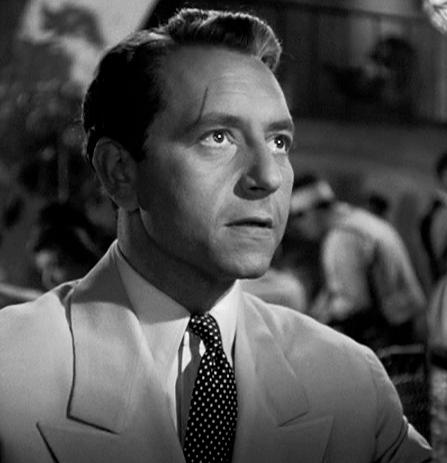
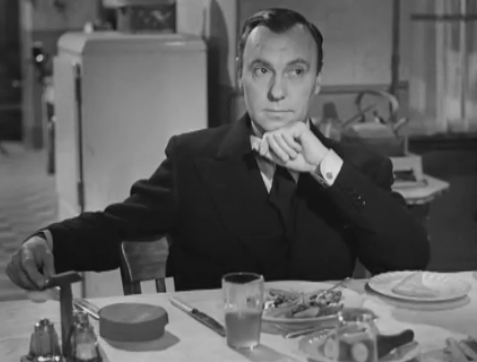
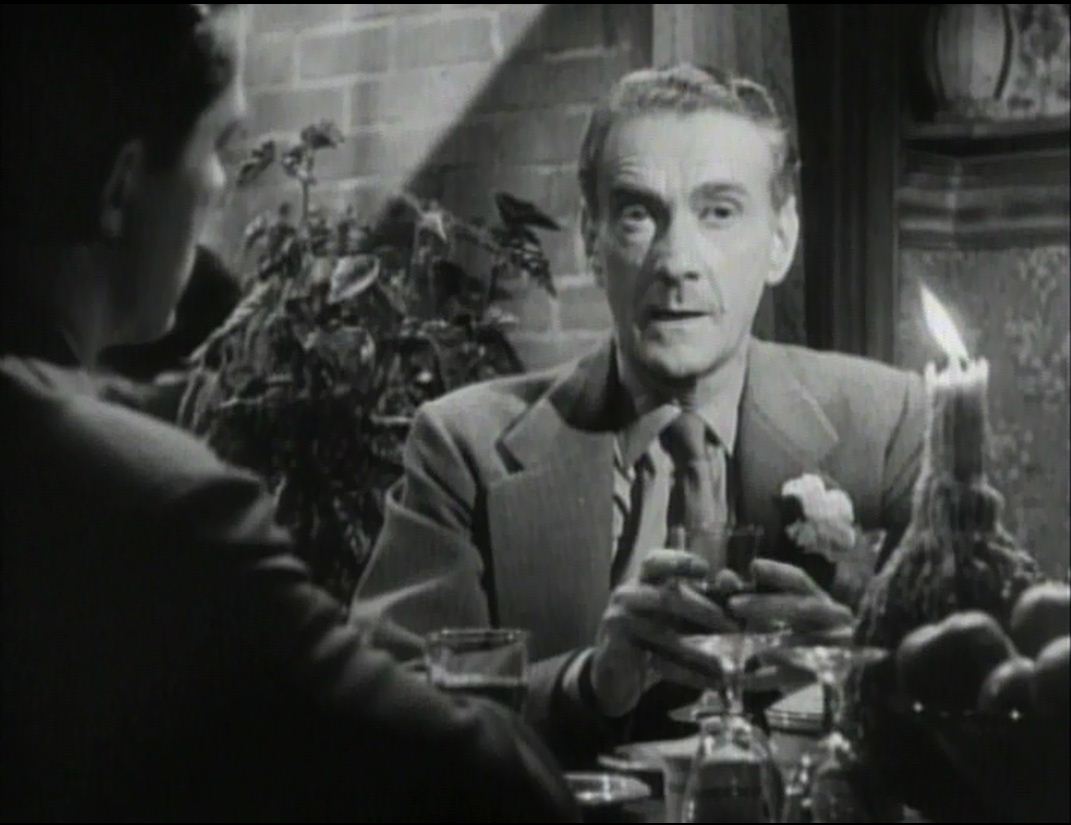
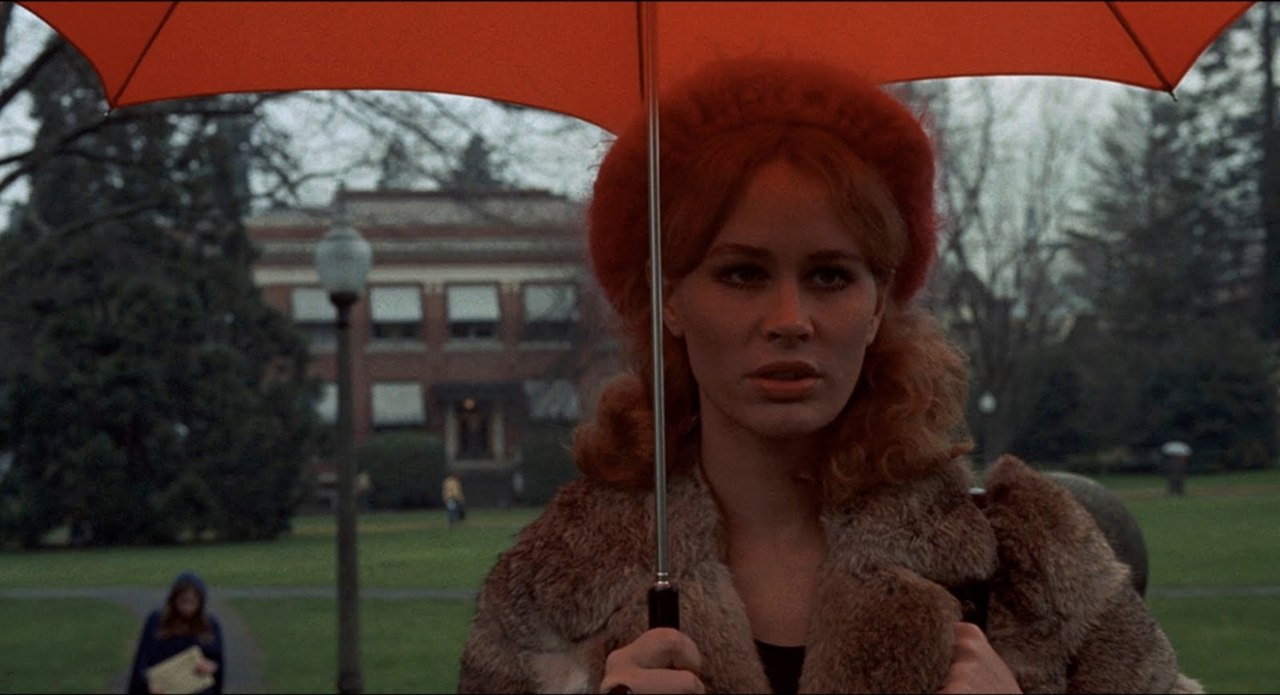
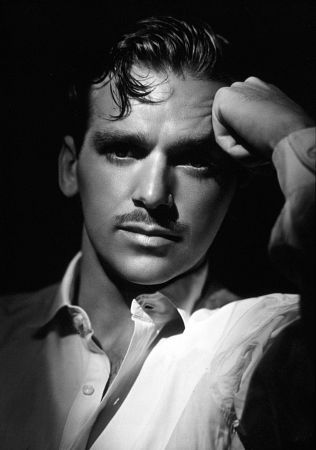
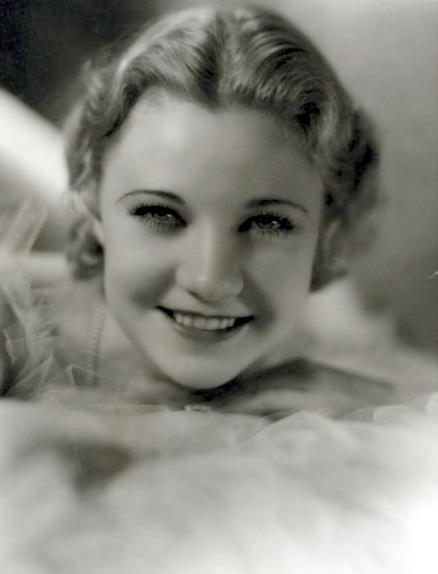
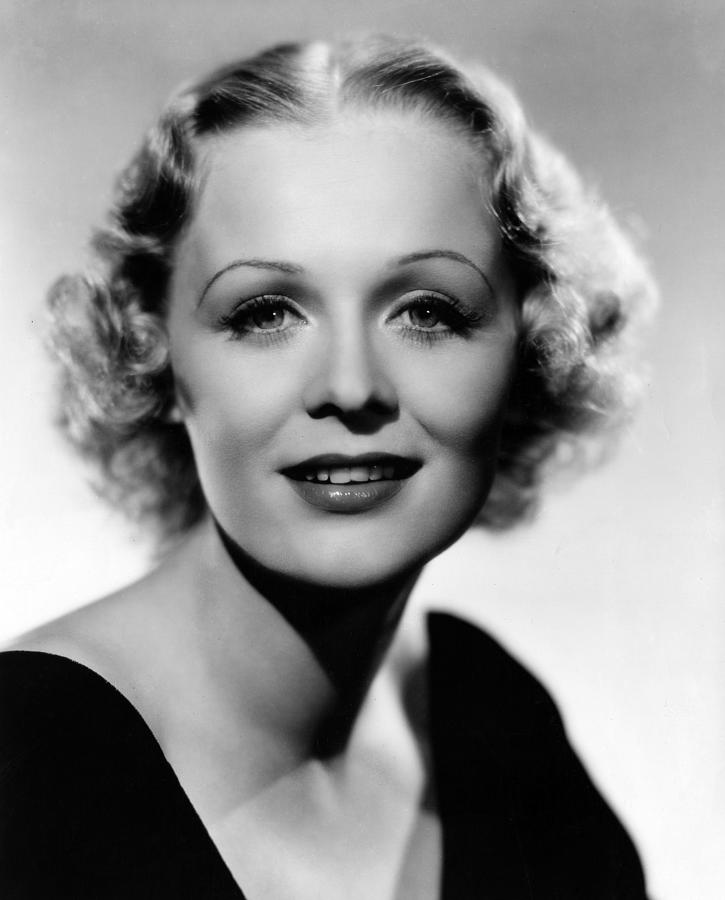
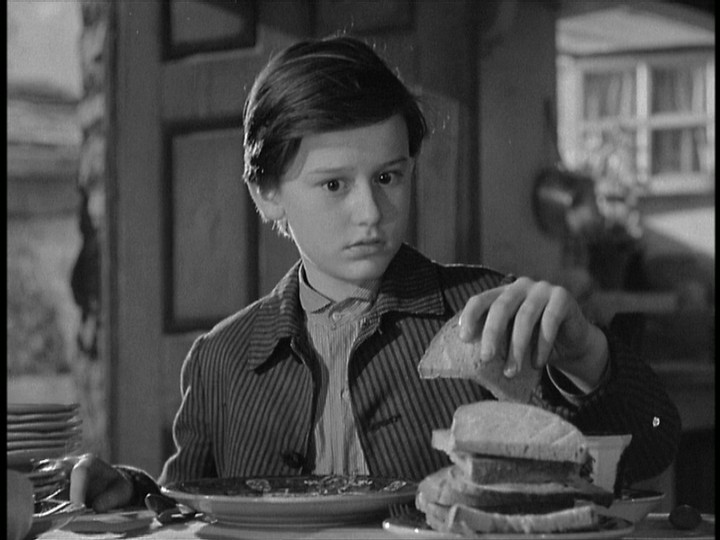
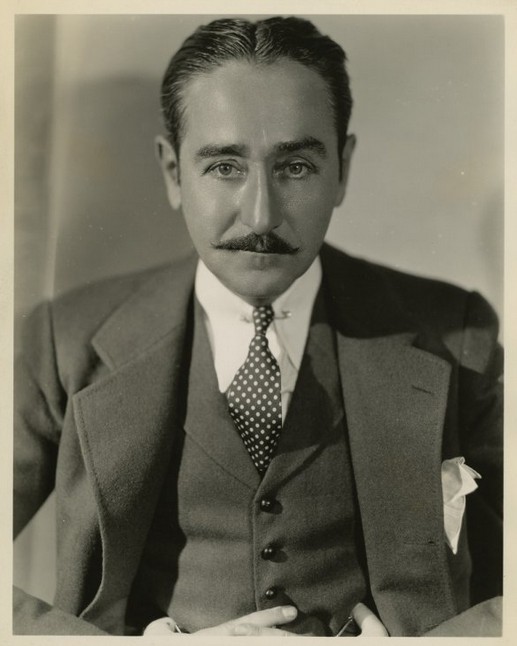
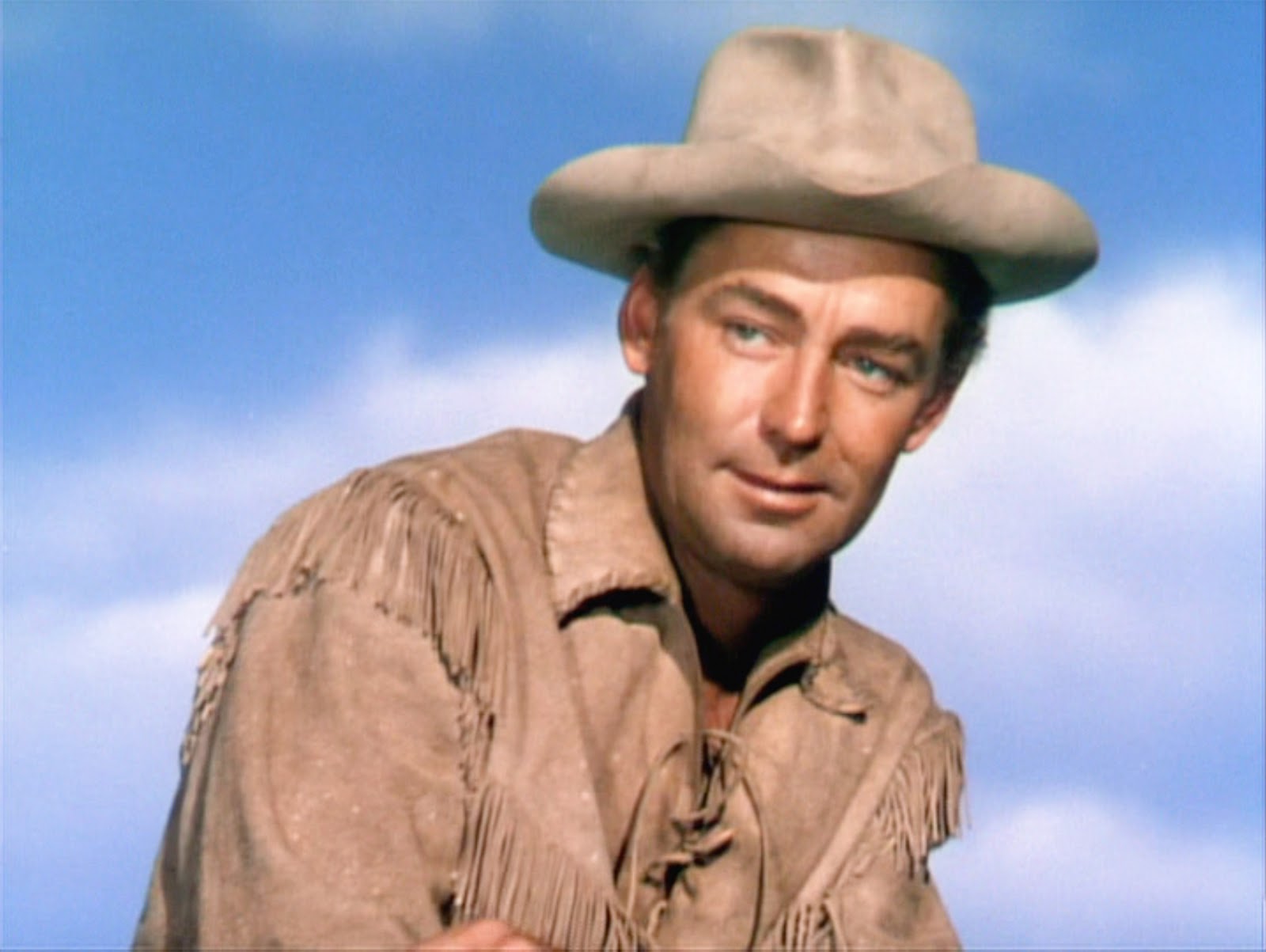
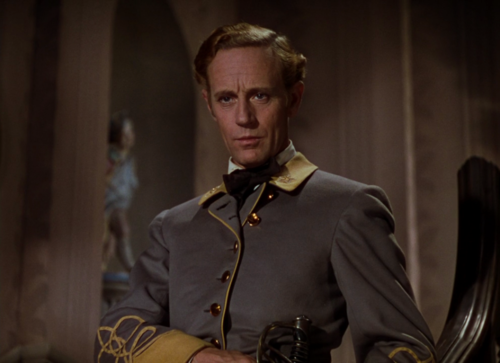
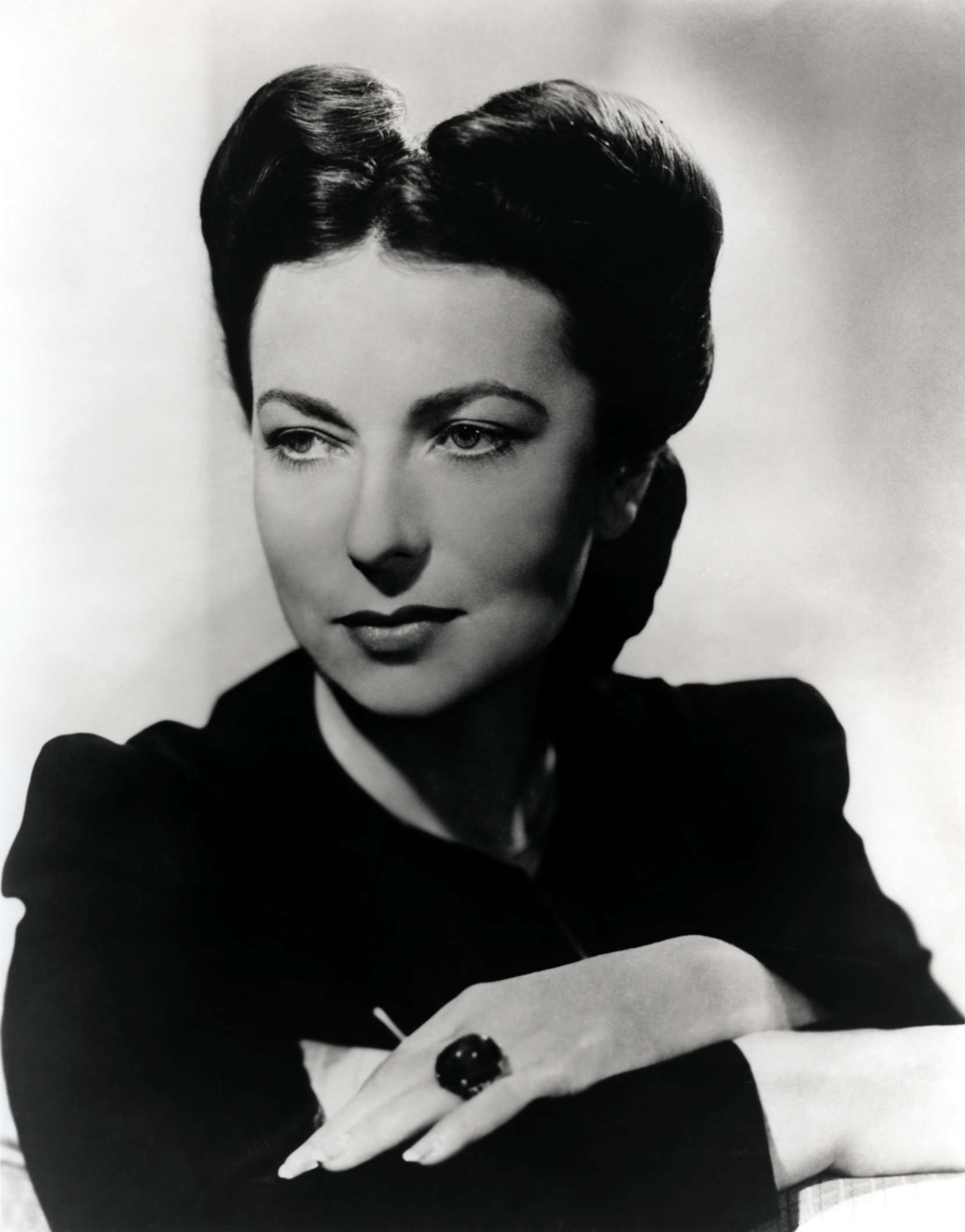
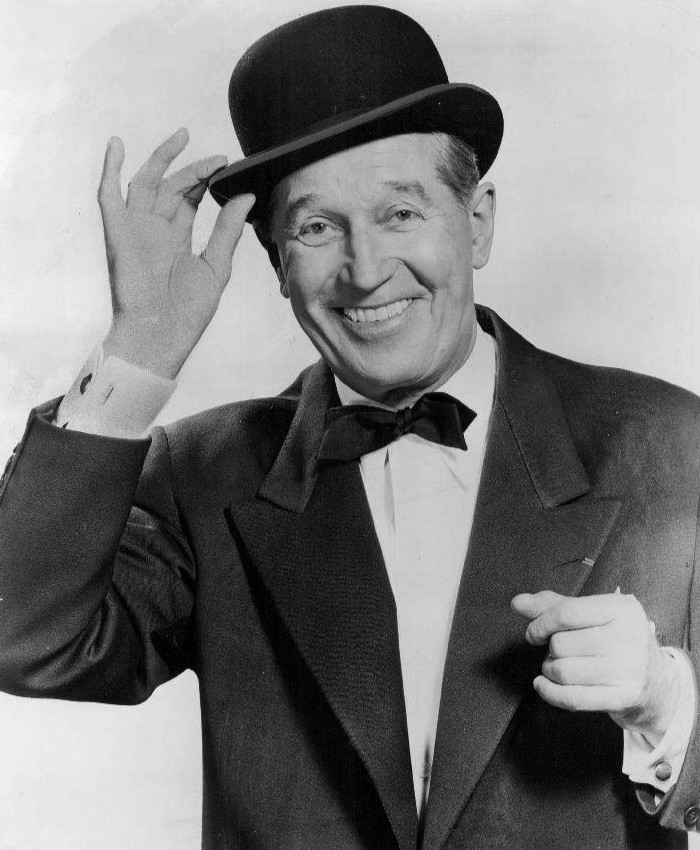
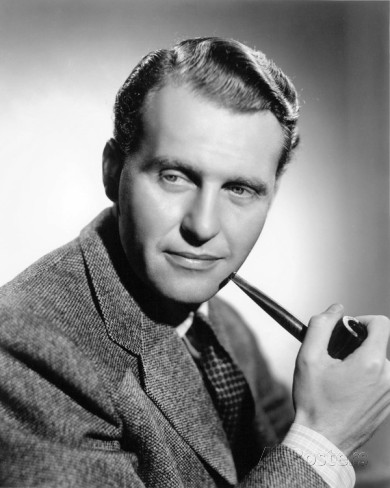
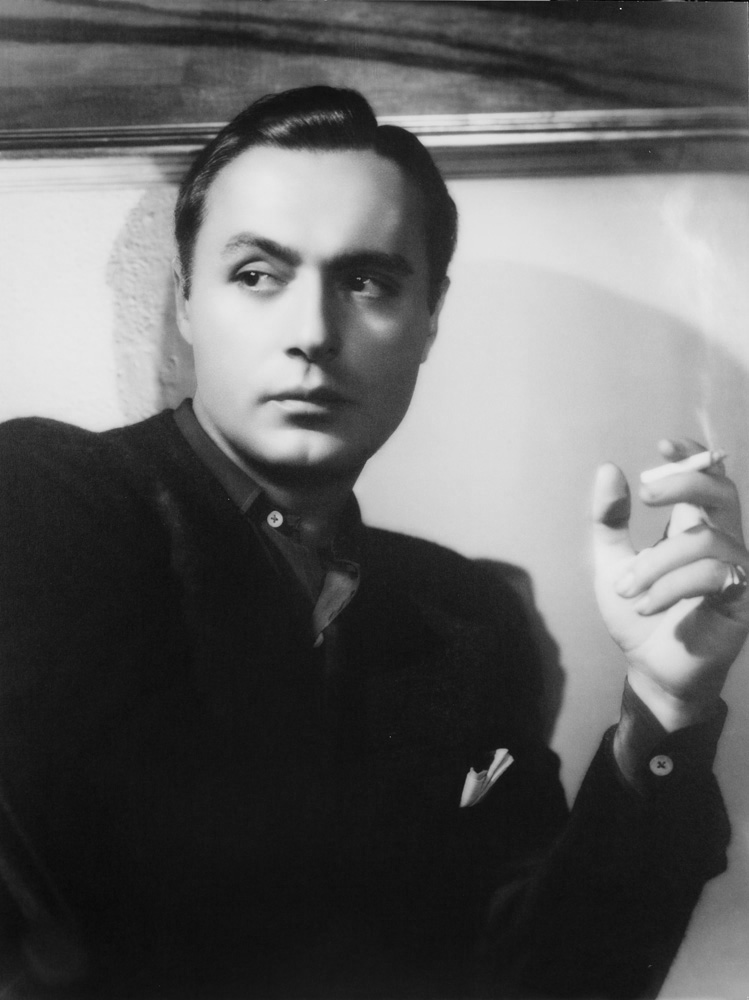
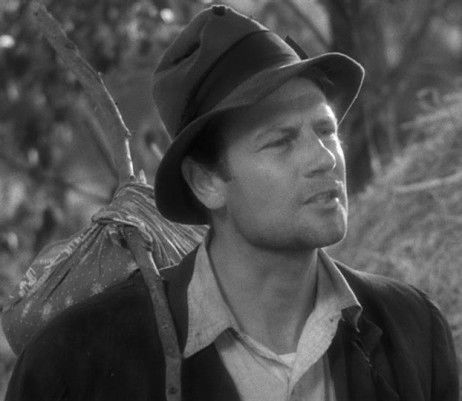
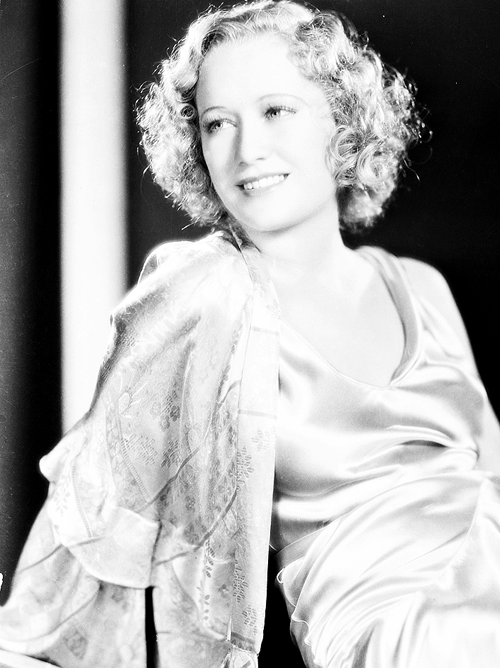
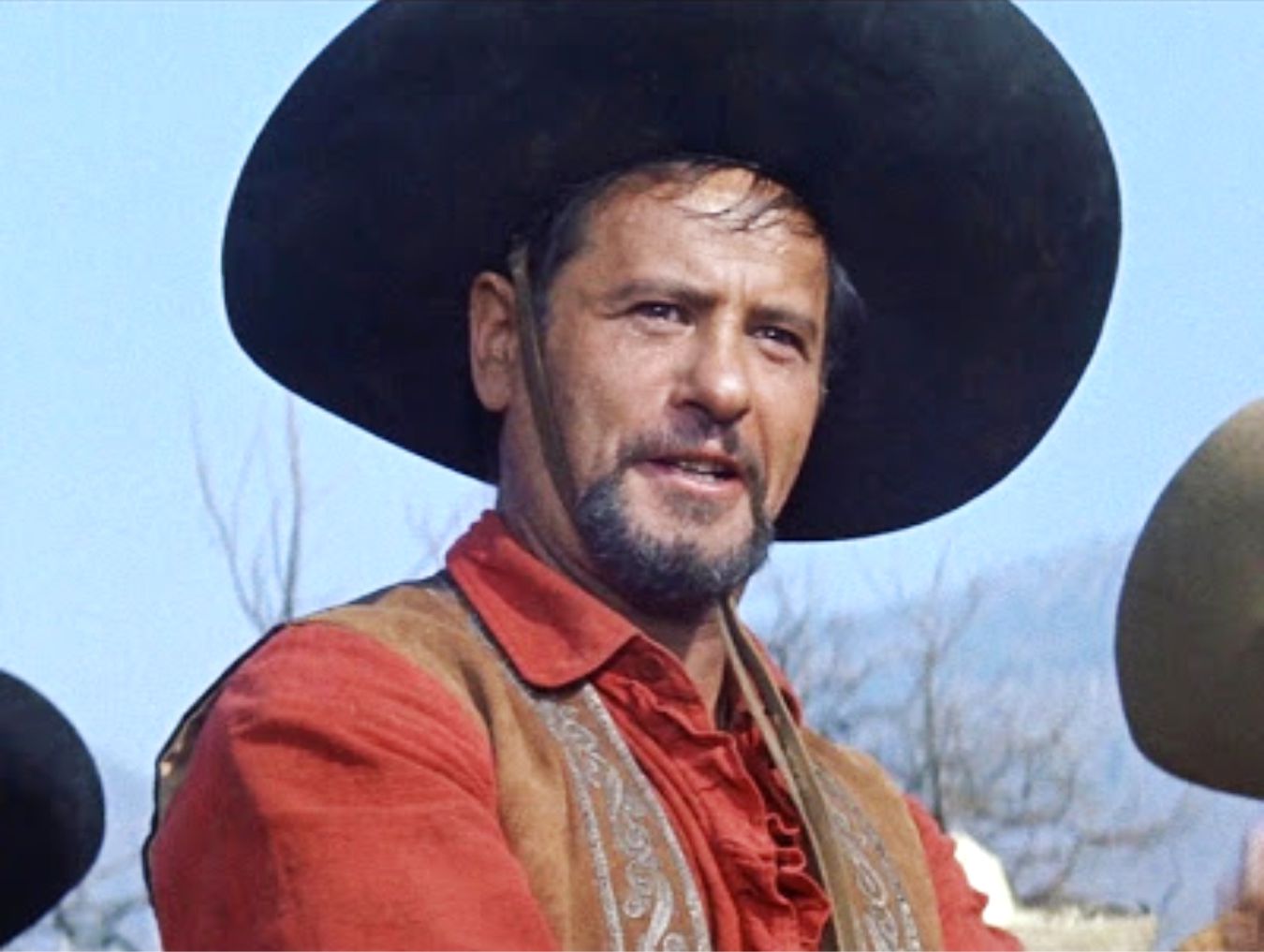
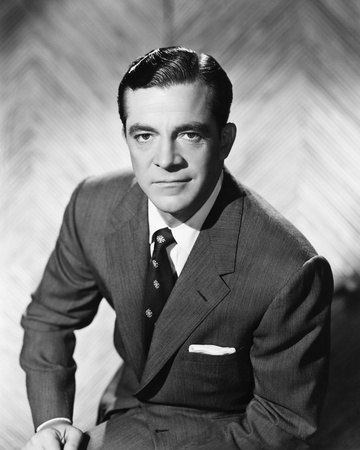
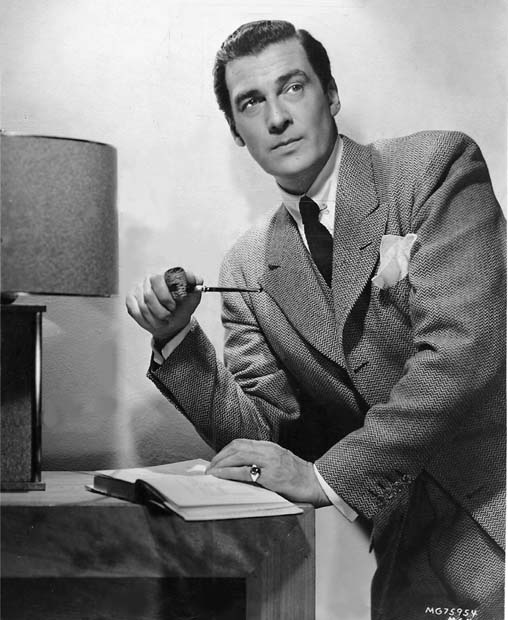
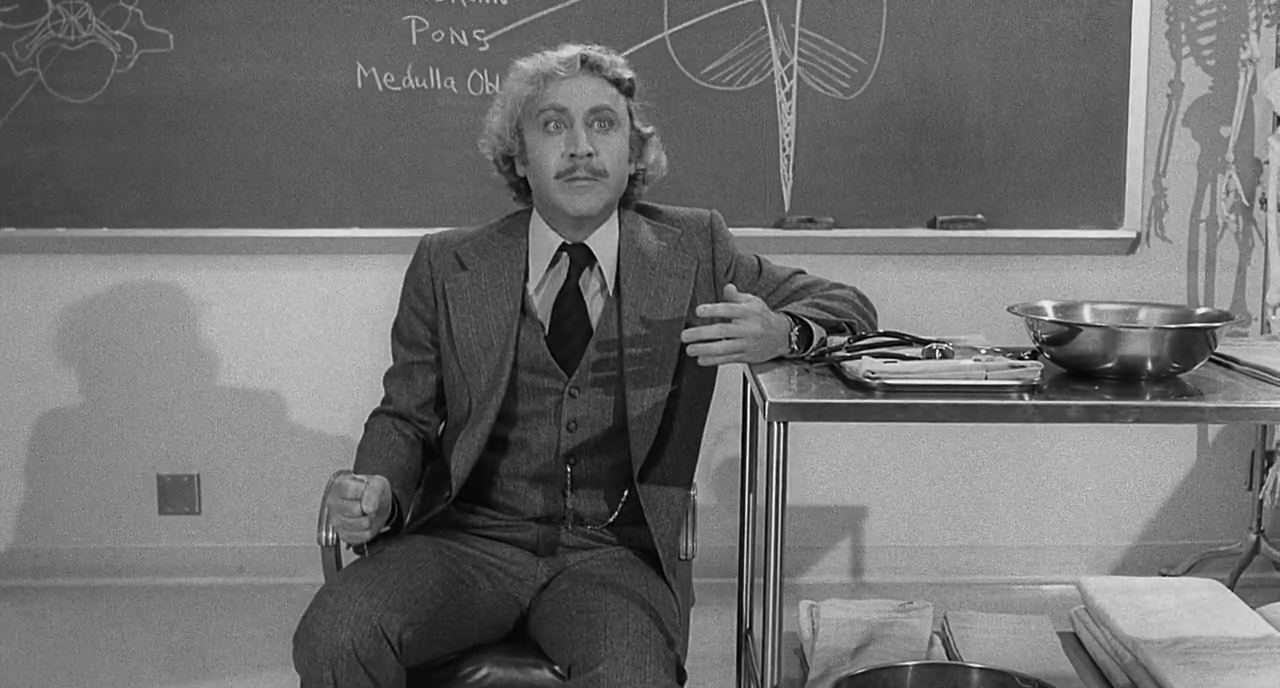
Of course, since my Oscar-less actors and actresses series deals mostly with the players from The Golden Age of Hollywood, it should be no surprise that most of the actors featured are white. Old Hollywood was not a great place for people of color during this period since such players would usually get consigned to play rather stereotypical roles, many of which presented who demographics in a negative light. African Americans usually played servants happy to work for their masters during segregation. Hispanics were portrayed as sensuous Latin lovers, banditos, or lazy workers who took after lunch siesta or else suffer from heat exhaustion. And if a main character had an Asian love interest, then he or she was played by a white person because the Hays Code basically banned interracial kissing onscreen. Of course, I featured quite a few movie stars of color from the era since they were basically robbed of any critical attention in their careers. In this selection, I bring you 10 more movie legends you may or may not have heard of. First, we have Dolores Del Rio who was called “The Female Rudolph Valentino” as well as the first Latin American actress to gain international recognition. Second, we have Glenda Farrell and Joan Blondell known funny ladies associated with the Pre-Code Era and the 1930s. Third, comes prolific character actor and Hollywood patriarch John Carradine better known as the father of David Carradine and Keith Carradine who played Frank Lundy from Dexter. After that is Frances Farmer who’s less remembered for her performances than for her time in a mental institution followed by Sylvia Sidney, an actress who played gangster molls and old ladies in Tim Burton movies like Beetlejuice and Mars Attacks!. Then there are Joan Bennett and Linda Darnell who were remembered as film noir dames yet with personal lives marred by scandals that nearly threatened their careers. Next there is Herbert Marshall who starred in many well-regarded films as a leading man despite being a WWI amputee. And last but not least, we have Van Johnson known for playing cheery roles despite his personal life being no bed of roses. So without further adieu, I bring you 10 more actors and actresses who never had a gold statuette on their mantlepieces.

131. Dolores Del Rio
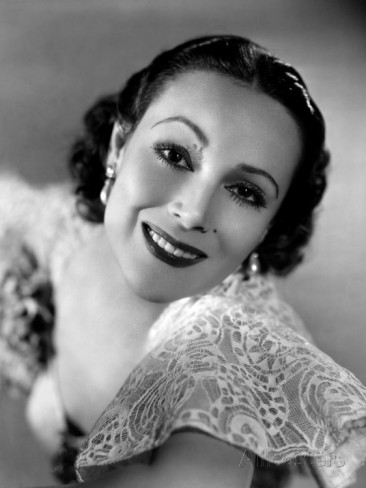
Dolores Del Rio was the first Latin American actress to gain international attention and one of the most important female figures in Mexico's Golden Age of Cinema during the 1940s and 1950s. Yet, even though Hispanics are the fastest growing demographic in the US, she never received an honorary Oscar in her lifetime.

Dolores Del Rio was the first Latin American actress to gain international attention and one of the most important female figures in Mexico’s Golden Age of Cinema during the 1940s and 1950s. Yet, even though Hispanics are the fastest growing demographic in the US, she never received an honorary Oscar in her lifetime.

Personal Life: (1905-1983) Born María de los Dolores Asúnsolo López-Negrete in Durango, Mexico. Father was director of the Bank of Durango and parents were members of the ruling class during the Porifirio Diaz regime. Family lost all assets during the Mexican Revolution and were forced to relocate to Mexico City, living under President Francisco I. Madero, who was her mother’s cousin. Attended the Liceo Franco Mexicano and was chosen to dance for a local hospital benefit and eventually marrying the benevolent group’s leader Jaime Martínez del Río y Viñent at 16 with a 2 year honeymoon in Europe. Yet, once they returned, Jaime lost his fortune and his country’s estate due to the bottom falling out in the cotton market and she miscarried (but instructed never to try for another child). Discovered by a First National director who convinced her and her first husband to go to Hollywood. Made her first film in 1925. Married 3 times. Married to third husband Lewis Riley for 24 years. Suffered a severe kidney infection in 1930. Though suffered a pain in her bones since the 1960s she was diagnosed with osteomyelitis in 1978. Diagnosed with Hepatitis B in 1981 caught through expired vitamin injections which developed into cirrhosis. Died of liver disease in Newport Beach, California at 77.
Famous for: Mexican actress who was considered one of the most beautiful women in Hollywood during the 1920s. One of the few silent superstars to make the transition to talkies and noted for her participation in Pre-Code musicals. When her Hollywood career began to decline, she returned to her native country and join the Mexican film industry, which was at its peak, becoming the most important star in the Golden Age of Mexican cinema. First Latin American female star to be recognized internationally. Notable roles are Carlotta Da Silva from Joanna, Charmaine de la Cognac from What Price Glory?, Katyusha Maslova from Resurrection, Carmen from The Loves of Carmen, Ramona, Evangeline, Luana from Bird of Paradise, Madame DuBarry, Belinnha de Rezende from Flying Down to Rio, Inez from Wonder Bar, Josette Martell from Journey into Fear, Maria Candelaria, Mrs. Erlynne from Story of a Bad Woman, María Dolores from The Fugitive, Spanish Woman from Cheyenne Autumn, Gilda “La Doña” from Casa de Mujeres, and Grandma from The Children of Sanchez.
Nominated for: Del Rio was never nominated for an Oscar.
Most Crushing Loss: Not receiving an honorary Oscar as a pioneer for her accomplishments in films in both the US and Mexico, especially since the American Hispanic population is on the rise and most Latinos have Mexican ancestry.
Reasons: For one, de Rio was Mexican. Second, she was a bigger star in Hollywood during the silent and Pre-Code eras and mainly spent the rest of her career in Mexico. Also was suspected of Communism since 1934 when she attended a special screening of a Sergei Eisenstein’s ¡Que viva México! with Ramon Novarro and Lupe Velez. Was also associated with people like Diego Rivera, Frida Kahlo, Charles Chaplin and Orson Welles who also had some (perceived) ties to communism. Not to mention, she befriended Eva Peron and the Duke of Windsor. She would later be denied to work in the US for 2 years during the 1950s.
Trivia: Romantically linked to Orson Welles. Was a juror at some international film festivals like Cannes Film Festival (1957), Berlin Film Festival (1962), and San Sebastián Film Festival (1976). Co-founder of the Sociedad Protectora del Tesoro Artistico de México (Society for the Protection of the artistic treasures of Mexico) with the philanthropist Felipe García Beraza that was responsible for protecting buildings, paintings, and other works of art and culture in Mexico. Helped found the Cultural Festival Cervantino in Guanajuato. Help found, lead, and support “Rosa Mexicano” that was meant to protect Mexican actresses and their children. Her Coyoacan “La Escondia” was a popular place for celebrities like Diego Rivera, Frida Kahlo, María Félix, Merle Oberon, David O’Selznick, Jennifer Jones, the Prince Edward, Duke of Windsor and Wallis Simpson, Princess Soraya of Iran and more. Upon her return to Hollywood, Elvis Presley presented her with a bouquet of flowers saying, “Lady, I know exactly who you are. It’s an honor to work with one of the largest and most respected legends of Classic Hollywood. As you will be my mother in the film, I want to ask permission for my ophthalmologist make contact lenses that mimic the color of your eyes.” She took to him and regard him with maternal affection.

132. Joan Blondell

Establishing herself as a brassy blonde during Hollywood's Pre-Code Era, Joan Blondell enjoyed a long career of appearing in 80 films from Goldiggers of 1933 to Grease.

Establishing herself as a brassy blonde during Hollywood’s Pre-Code Era, Joan Blondell enjoyed a long career of appearing in 80 films from Goldiggers of 1933 to Grease.

Personal Life: (1906-1979) Born Rose Joan Blondell in New York City to a vaudeville family. Father was one of the original Katzenjammer Kids. Slept in a property trunk as a baby and made her first stage appearance at 4 months being carried onstage in it. Grew up in Dallas, Texas. Attended what’s now the University of North Texas which was a teacher’s college in Denton, where her mother was an actress. Worked as a fashion model, stage hand, and clerk at a New York store before joining a stock company and performing on Broadway, including a play with James Cagney. Both were discovered by Al Jolson in 1930 and made their first film the same year. Married 3 times with second marriage being to Dick Powell and third to Mike Todd (who ran off with her savings) and had 3 children. Died of leukemia at 73.
Famous for: American actress whose career spanned 5 decades. Appeared in 100 movies and TV productions. Notable roles are Myrtle from Sinner’s Holiday, Mamie from The Public Enemy, Maloney from Night Nurse, Nurse Adams, aka Miss Pinkerton from Miss Pinkerton, Mary Keaton from Three on a Match, Carol from Gold Diggers of 1933, Nan from Footlight Parade, Peggy Revere from Stage Struck, Jenny Blake from Lady for a Night, Aunt Sissy from A Tree Grows in Brooklyn, Zeena Krumbein from Nightmare Alley, Annie Rawlins from The Blue Veil, Peg Costello from Desk Set, Edith from The Opposite Sex, Molly Hays from Angel Baby, Lady Fingers from The Cincinnati Kid, Vi from Grease, and Dolly Kenyon from The Champ.
Nominated for: Blondell was nominated for Best Supporting Actress in 1951 for The Blue Veil.
Most Crushing Loss: Not being nominated for Best Supporting Actress in 1945 for A Tree Grows in Brooklyn.
Reasons: Well, she was burned by the competition during her nomination. Also, she was known predominantly as a comic actress. Not to mention, she did a few risqué photos during the Pre-Code era when she established herself as a wisecracking blonde.
Trivia: Under the name Rosebud Blondell, she was 1926 Miss Dallas and placed 4th in the Miss America pageant in Atlantic City, New Jersey. Wrote a novel called Center Door Fancy.

133. Glenda Farrell

Glenda Farrell is best known as the resilient, fast-talking, crime solving reporter Torchy Blane from a series of 1930s films. Her most famous character would later be the inspiration for Nancy Drew and Lois Lane.

Glenda Farrell is best known as the resilient, fast-talking, crime solving reporter Torchy Blane from a series of 1930s films. Her most famous character would later be the inspiration for Nancy Drew and Lois Lane.

Personal Life: (1904-1971) Born in Enid, Oklahoma. Began her acting career with at theatrical company at 7. Made her first film in 1925. Married twice and had a son with first husband Thomas Richards. Married to second husband Dr. Henry Ross for 30 years (who was buried with her). Died of lung cancer at 66.
Famous for: American actress best known as Torchy Blane in a 1930s film series. Notable roles are Olga Stassoff from Little Caesar, Mrs. Black, Prisoner at Checkers Table from Three on a Match, Florence Dempsey from Mystery of the Wax Museum, Missouri Martin from Lady for a Day, Marie from I Am a Fugitive from a Chain Gang, Torchy Blane from Smart Blonde and other films, Jean Fenderson from Prison Break, Mae Blythe Agridowski from Johnny Eager, Regina Rush from The Talk of the Town, Hazel Bixby from I Love Trouble, Maude Snodgrass from Susan Slept Here, Mrs. Nesbit from The Girl in the Red Velvet Swing, Mrs. Winston from Secret of the Incas, and Mrs. Mueller from Middle of the Night.
Nominated for: Farrell was never nominated for an Oscar.
Most Crushing Loss: Not being nominated for Best Supporting Actress in 1932 for I Am a Fugitive from a Chain Gang since the award didn’t exist. Yet, she played the only person who genuinely cared about Paul Muni in the film.
Reasons: She was basically best known as the career oriented, competent, self-reliant, and intelligent Torchy Blane which got her typecast and partly inspired Nancy Drew and possibly Lois Lane.
Trivia: Second husband was a West Point graduate and member of General Dwight D. Eisenhower’s staff during WWII. Mother of Tommy Farrell. Buried at Arlington National Cemetery.

134. John Carradine
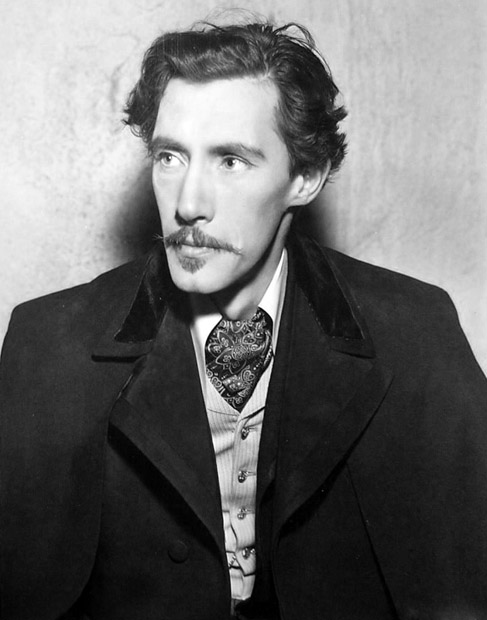
Though better known as the patriarch of the Carradine family, John Carradine was a prolific character actor who appeared in 227 film and TV credits throughout his career. Did everything from horror and westerns to Shakespearean drama.

Though better known as the patriarch of the Carradine family, John Carradine was a prolific character actor who appeared in 227 film and TV credits throughout his career. Did everything from horror and westerns to Shakespearean drama.

Personal Life: (1906-1988) Born Richmond Reed Carradine in Manhattan’s Greenwich Village in New York City. Father was correspondent for the Associated Press while mother was a surgeon. Grandfather was evangelical author Beverly Carradine. At 2, his father died of tuberculosis. Stepfather was a paper manufacturer who was physically abusive. Ran away from home at 14 but later returned. Studied sculpture at Philadelphia’s Graphic Arts Institute. Was arrested for vagrancy and suffered a broken nose in jail that didn’t set correctly. Made his stage debut at New Orleans in 1925. Shipped bananas from Dallas to Los Angeles and worked as a set designer for Cecil B. DeMille. Made first film in 1930. Retired in 1987. Married 4 times and had 5 sons. Adopted Bruce and had David to first wife Ardanelle McCool Cosner and Christopher, Keith, and Robert to second wife Sonia Sorel. Both these 2 marriages ended in divorce and very acrimonious custody and alimony battles that resulted in his younger children being sent to an abused children’s home as wards of the court as well as himself in jail. Was separated from his third wife Doris Grimshaw when she died in a fire in 1971 started by her burning cigarette. Suffered from crippling arthritis before dying of multiple organ failure in Italy at 82.
Famous for: American actor best known for his role in horror films, westerns, and Shakespeare theater. Member of Cecil B. DeMille’s and later John Ford’s stock company. Was one of the most prolific character actors in movie Hollywood history as well as patriarch of the Carradine family. Made about 227 credit appearances. Notable roles are Enjolras from Les Miserables, Beauty Smith from White Fang, David Rizzio from Mary of Scotland, Jim Farrar from Ramona, Sand Diviner from The Garden of Allah, Gordon from Kidnapped, Bob Ford from Jesse James, Barryman from The Hound of the Baskervilles, Hatfield from Stagecoach, Jim Casy from The Grapes of Wrath, Porter Rockwell from Brigham Young, Nacional from Blood and Sand, Gaston Morel from Bluebeard, Orange Povey from Captain Kidd, Charles Forestier from The Private Affairs of Belle Ami, Old Tom from Johnny Guitar, Fletcher from The Kentuckian, Giacomo from The Court Jester, Bruce Alden from The Patsy, Jeff Blair from Cheyenne Autumn, and other roles in westerns and horror movies.
Nominated for: Carradine was never nominated for an Oscar.
Most Crushing Loss: Not being nominated for Best Supporting Actor in 1940 for Stagecoach. Also, not receiving an honorary Oscar for his sheer volume of work men like Eli Wallach and Mickey Rooney have.
Reasons: Well, other than appearing in westerns and horror movies, his acrimonious custody and alimony battles might have hurt his chances.
Trivia: Was said to be apprentice for Lincoln Monument sculptor Daniel Chester French. Third wife typed the script to The Treasure of the Sierra Madre. Son Christopher is vice president of Disney Imagineering. Had the word “HAM” on his Mercedes-Benz license plate. Had climbed 328 steps of Milan’s Gothic Duomo Cathedral when he was fatally stricken.

135. Joan Bennett
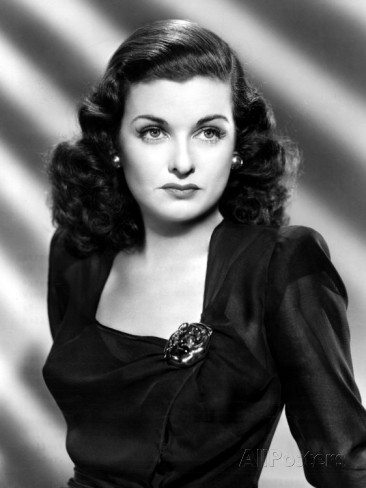
Joan Bennett had 3 distinct phases of her career: first as a winsome blonde, second as a sensuous femme fatale, and third as a warmhearted matriarch such as in Dallas. Also has a scandal in which her husband shot her agent over suspicion she and the agent were having an affair.

Joan Bennett had 3 distinct phases of her career: first as a winsome blonde, second as a sensuous femme fatale, and third as a warmhearted matriarch such as in Dark Shadows. Also has a scandal in which her husband shot her agent over suspicion she and the agent were having an affair.

Personal Life: (1910-1990) Born in Fort Lee, New Jersey from a famous theatrical family. Father was an actor Richard Bennett while mother was an actress and literary agent. Made her first film in 1916 with her parents. Attended L’Hermitage, which was a finishing school in Versailles, France. Married 4 times and had 4 children. Married to third husband producer Walter Wanger for 25 years (I’ll get to him later). Retired in 1982. Died of a heart attack at 80.
Famous for: American actress who appeared in more than 70 films from the silent era well into the sound era. Best known for her femme fatale roles in Fritz Lang movies. Had three distinct phases to her long and successful career, first as a winsome blonde ingenue, then as a sensuous brunette femme fatale (with looks that movie magazines often compared to those of Hedy Lamarr), and finally as a warmhearted wife/mother figure. Notable roles are Phyllis Benton from Bulldog Drummond, Lady Clarissa Pevensey from Disraeli, Lucy Blackburn from The Mississippi Gambler, Delores Fenton from Puttin’ on the Ritz, Helen Riley from Me and My Gal, Amy from Little Women, Helen Berkeley from The Man Who Broke the Bank at Monte Carlo, Brenda Bentley from The House Across the Bay, Princess Maria Theresa from The Man in the Iron Mask, June Delaney from Girl Trouble, Sophia Baumer from Margin for Error, Alice Reed from The Woman in the Window, Katharine “Kitty” March from Scarlet Street, Margaret “Margot” Macomber from The Macomber Affair, Peggy from The Woman on the Beach, Ellie Banks from Father of the Bride and Father’s Little Dividend, Amelie Ducotel from We’re No Angels, Madame Blanc from Suspira, and Elizabeth Collins Stoddard from House of Dark Shadows.
Nominated for: Bennett was never nominated for an Oscar.
Most Crushing Loss: Not being nominated for Best Actress in 1947 for The Macomber Affair in which you really can’t tell whether to love her or hate her.
Reasons: Well, her career went through major damage in a 1961 scandal when her third husband Walter Wanger shot and injured her agent Jennings Lang in the balls over suspicion of him having an affair with his wife at the time (which she flatly denied). This in front of her. Wanger got off on a temporary insanity defense and a 4 month prison stint for assault with intent to kill. Nevertheless, she was virtually blacklisted for this for a time (yet I can’t understand why she stayed married to the jerk for 4 more years. Jesus!)
Trivia: Played Elizabeth Collins Stoddard on the daytime soap opera Dark Shadows. Sister of Constance Bennett. Granddaughter of legendary Jamaican-born Shakespearean actor Lewis Morrison who was of English, Spanish, Jewish, and African ancestry.

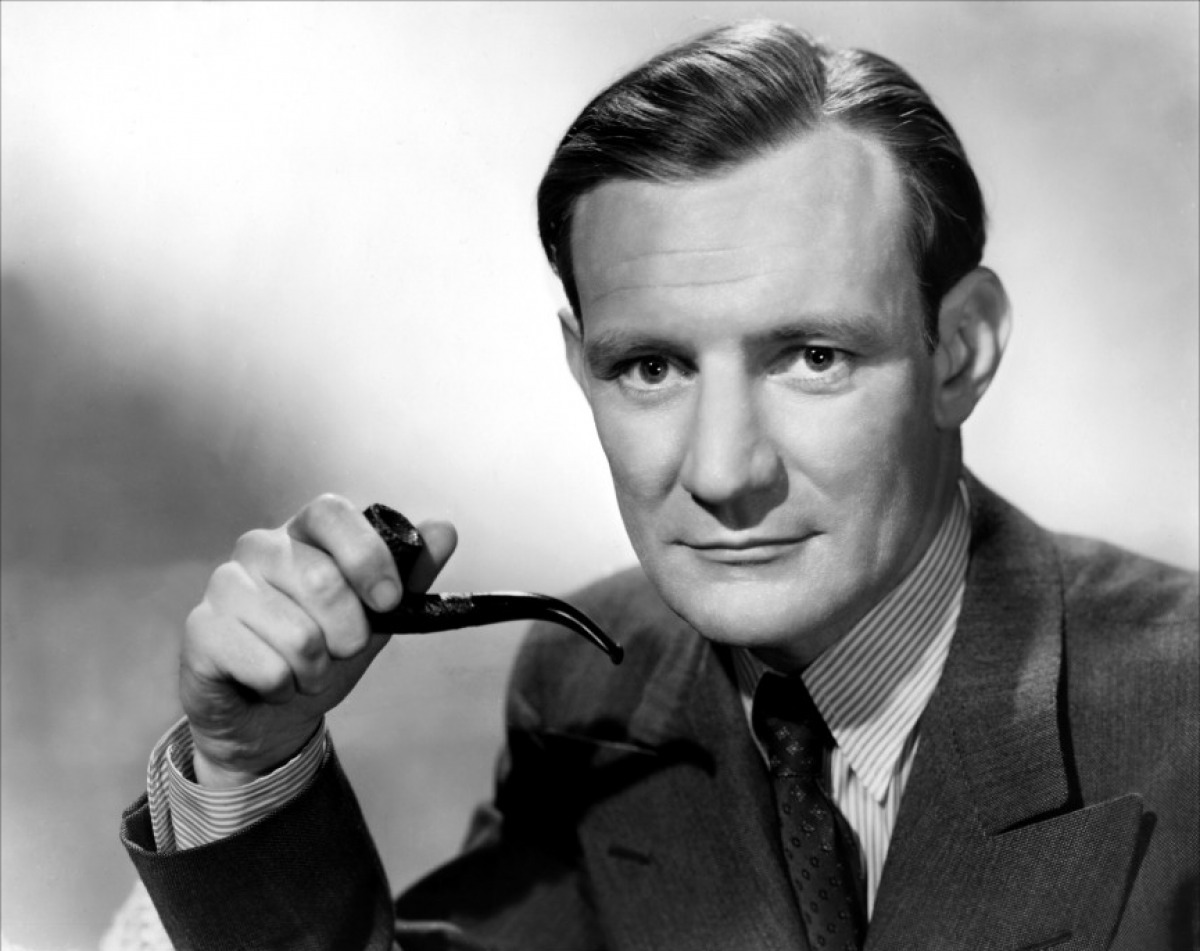
136. Herbert Marshall

Despite losing a leg while fighting for his country during WWI, Herbert Marshall managed to be an in-demand leading man in the 1930s. This might be because he had a nice English accent and that he was never expected to do a sex scene.

Despite losing a leg while fighting for his country during WWI, Herbert Marshall managed to be an in-demand leading man in the 1930s. This might be because he had a nice English accent and that he was never expected to do a sex scene.

Personal Life: (1890-1966) Born in London. Parents were stage actors and his father also dabbled in writing and directing. Primarily raised by his aunts yet would occasionally appear on stage with his parents. Worked as an accounting clerk and an assistant manager for a troupe run by his father’s friend as well as a series of backstage jobs. Thus, decided to become an actor. Served in the London Scottish Regiment during WWI but was shot in the right knee by a sniper. His leg would later be amputated after a series of operations and he was in the hospital for 3 months. After he learned to walk with a prosthetic, he decided to return to the theater. Yet, he would suffer from the phantom pain associated with it for the rest of his life. Made his film debut in 1927. Married 5 times and had 2 children to his second and third wives. Suffered from bouts of depression and alcoholism. Suffered from a pulmonary embolism in 1951. Died of heart failure at 75.
Famous for: British actor who starred in many popular and well-regarded Hollywood films in the 1930s and 1940s. After a successful theater career in Britain and North America, became an in-demand Hollywood leading man, frequently appearing in romantic melodramas and occasional comedies. Turned to character acting in his later years. Notable roles are Geoffrey Hammond from The Letter, Edward ‘Ned’ Faraday from Blonde Venus, Gaston Monescu from Trouble in Paradise, Walter Fane from The Painted Veil, Gray Meredith from A Bill of Divorcement, Robert Crosbie from The Letter, Horace Giddens from The Little Foxes, W. Somerset Maugham from The Razor’s Edge, Scott Chavez from Duel in the Sun, Archibald Craven from The Secret Garden, William, Earl of Mackworth from The Black Shield of Falworth, and Lord Robert Dudley from The Virgin Queen.
Nominated for: Marshall was never nominated for an Oscar.
Most Crushing Loss: Not being nominated for Best Supporting Actor in 1946 for The Razor’s Edge.
Reasons: Though he was respected and liked by his colleagues for his professionalism, talent, gentlemanly demeanor, and pleasant attitude, he had a private turbulent life that periodically appeared in gossip columns.
Trivia: Grandfather wrote several books on art and travel while his uncle was a dramatic critic. Great-nephew of Edward Wollstonecraft who was a nephew of Mary Wollstonecraft and cousin of Mary Shelley. Was called “Bart” by his mother because she hated the nickname, “Bertie.” Was visited in the hospital by King George V during WWI and when asked to pick up which of his legs was fake, chose the wrong one. Made numerous appearances on the Armed Forces Radio Services during WWII and helped organize British war relief in Hollywood. Used his own money for travel to visit military hospitals during WWII and particularly focused on encouraging amputee soldiers to keep a positive attitude and not think of themselves as handicapped or limited. He even discussed his own experience with his amputation and gave them tips on how to use their prosthetics. Daughter Ann was Jack Nicholson’s personal assistant. Had an affair with Gloria Swanson. Starred in his own radio series A Man Called “X.”

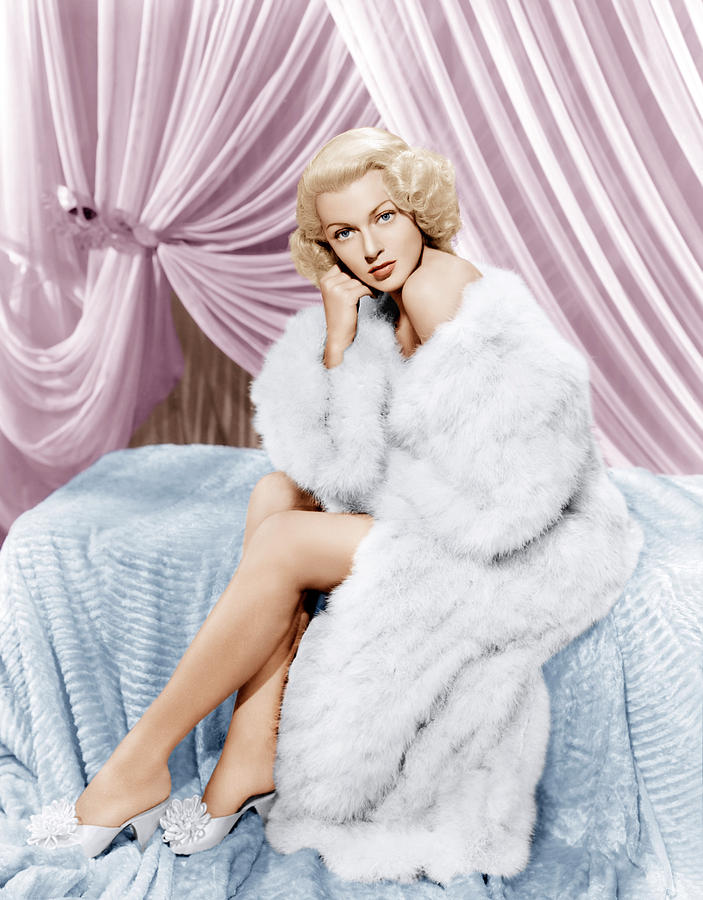
137. Linda Darnell

From an ambitious stage mother, alcoholism, affairs, mental illness, and legal battles to her legendary death in a house fire, Linda Darnell's life was full of drama from the time she came to Hollywood at 15. She may have had a perfect face yet her life was a hot mess.

From an ambitious stage mother, alcoholism, affairs, mental illness, and legal battles to her legendary death in a house fire, Linda Darnell’s life was full of drama from the time she came to Hollywood at 15. She may have had a perfect face yet her life was a hot mess which would end in flames -literally.

Personal Life: (1923-1965) Born Monetta Eloyse Darnall in Dallas, Texas. Father was a postal clerk. Parents’ marriage wasn’t happy and she grew up a shy and reserved girl in a house of domestic turmoil. Mother had big plans for her and thought she was the only one of her children with potential as an actress and ignored rearing her other kids. Mother’s reputation in her neighborhood ranged from “aggressive” to “downright mean.” Worked as a model at 11 and started acting at 13. Also, performed in beauty contests. Spotted by a talent scout from 20th Century Fox in 1937 who invited her for a screen test in Hollywood but was initially rejected for being too young (she was a teenager). At 15, she secured a contract in 1939 but lied about her age (posed as 17 but listed at 19). Made her first film in 1939. Married 3 times and adopted a daughter with first husband Peverell Marley. Died from severe burns sustained in a house fire in Chicago, Illinois at 41, which burned 80-90% of her body.
Famous for: American actress who appeared in supporting roles for big budget films at 20th Century Fox throughout the 1940s and rose to fame co-starring opposite Tyrone Power in adventure films. Established a main character career after her role in Forever Amber. Won critical acclaim for her work in Unfaithfully Yours and A Letter to Three Wives. Notable roles are Carolyn Sayers from Star Dust, Zina Webb – The Outsider from Bringham Young, Lolita Quintero from The Mark of Zorro, Carmen Espinosa from Blood and Sand, Virginia Clemm from The Loves of Edgar Allan Poe, The Virgin Mary from The Song of Bernadette, Dawn Starlight from Buffalo Bill, Netta Longdon from Hangover Square, Stella from Fallen Angel, Tuptim from Anna and the King of Siam, Amber St. Clair from Forever Amber, Chihuahua from My Darling Clementine, Daphne De Carter from Unfaithfully Yours, Lora Mae Hollingsway from A Letter to Three Wives, Edie Johnson from No Way Out, and Edwina Mansfield from Blackbeard the Pirate.
Nominated for: Darnell was never nominated for an Oscar.
Most Crushing Loss: Not being nominated for Best Supporting Actress in 1949 for A Letter to Three Wives in which her portrayal of a social climber is sympathetic and well balanced compared to others.
Reasons: Though she appeared onscreen as The Virgin Mary in The Song of Bernadette, her off-screen lifestyle was particularly notorious and made perfect tabloid fodder. She struggled with alcoholism, weight gain, and mental health issues. She fought legal battles with agents and estranged husbands causing her financial woes as well as distanced herself from her dysfunctional family. She also had a lot of affairs and it’s said Ann Miller was her only friend. This didn’t help that 20th Century Fox wanted her to be a movie sex symbol.
Trivia: Was a witness at Lana Turner’s first wedding to Husband Stephen Crane. Star Dust was basically based on her beginnings in Hollywood. Romantically linked to Mickey Rooney, Howard Hughes, and Joseph L. Mankiewicz.

138. Frances Farmer
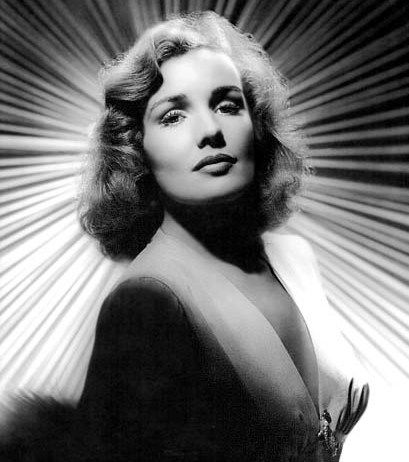
Frances Farmer isn't as known for her work in Hollywood during the 1930s than for her involuntary commitment to a mental hospital, which has become the stuff of Hollywood legend that Jessica Lange played her in a film.

Frances Farmer isn’t as known for her work in Hollywood during the 1930s than for her involuntary commitment to a mental hospital, which has become the stuff of Hollywood legend that Jessica Lange played her in a film.

Personal Life: (1913-1970) Born in Seattle, Washington. Father was a prominent lawyer. Worked as a movies usher, waitress, tutor and factory worker while attending the University of Washington. Made her first film in 1936 at Paramount. Married 3 times with first marriage to Leif Erickson. Died of esophageal cancer at 56.
Famous for: American actress and TV host. Notable roles are Lotta Morgan/Lotta Bostrom from Come and Get It, Josie Mansfield from The Toast of New York, Ruby Taylor from South of Pago Pago, Linda Chalmers from Flowing Gold, Doris Halliday from Rhythm on the Range, Kitty Carr from World Premiere, Elaine Raden from Among the Living, and Isabel Blake from Son of Fury: The Story of Benjamin Blake.
Nominated for: Farmer was never nominated for an Oscar.
Most Crushing Loss: Not being nominated for Best Supporting Actress in 1936 for Come and Get It, if any.
Reasons: Well, not only was Farmer alleged to be a Communist and an atheist, she had an outspoken style that made her uncooperative and contemptuous. She rebelled against the studio’s control and resisted every attempt they made to glamorize her private life. Refused to attend Hollywood parties or date other stars for the gossip columns. Not to mention, she’s more famous for her dramatic fall from grace when she was arrested on multiple charges and involuntarily committed to a mental hospital twice (with her mother having to assume legal guardianship). However, contrary to popular fictional portrayals, she was never lobotomized.
Trivia: Was agnostic and influenced by the writings of Friedrich Nietzsche according to a high school essay of hers she won $100 in a contest yet she would later convert to Roman Catholicism in 1959. Also won contests to Europe and the Soviet Union during her college years. Romantically linked to Clifford Odets. Had a second career as a daytime TV host in Indiana from 1958-1964.

139. Sylvia Sidney

Though Sylvia Sidney achieved fame by playing gangster gals in 1930s crime dramas, she is better known by younger viewers as the afterlife caseworker from Beetlejuice and the Slim Whitman loving grandmother from Mars Attacks!. Also wrote 2 books on needle point.

Though Sylvia Sidney achieved fame by playing gangster gals in 1930s crime dramas, she is better known by younger viewers as the afterlife caseworker from Beetlejuice and the Slim Whitman loving grandmother from Mars Attacks!. Also wrote 2 books on needle point.

Personal Life: (1910-1990) Born Sophia Kosow in The Bronx of New York City to Russian and Romanian Jews. Father was a Russian Jewish immigrant who worked as a clothing salesman. Mother would later become a dressmaker. Parents divorced in 1915 and mother remarried a man named Sidney who adopted her. Became an actress at 15 as a way of overcoming shyness and trained in the Theater Guild’s School of Acting, appearing in several theatrical productions during the 1920s. Discovered by a Hollywood talent scout in 1926 and made her first film later that year. Married 3 times and had a son wit second husband Luther Adler, who died of Lou Gehrig’s disease. Was a lifelong smoker. Died of esophageal cancer in New York City at 88.
Famous for: American actress who rose to prominence in the 1930s appearing in numerous crime dramas, often playing a gangster’s girlfriend or sister. Notable roles are Nan Cooley from City Streets, Roberta “Bert” Alden from An American Tragedy, Rose Maurrant from Street Scene, Helen Smith from The Miracle Man, Joan Prentice from Merrily We Go to Hell, Cho-Cho San from Madame Butterfly, Katherine Grant from Fury, Mrs. Verloc from Sabotage, Joan Graham from You Only Live Once, Drina from Dead End, Cecily Harrington from Love from a Stranger, Fantine from Les Miserables, Mrs. Pritchett from Summer Wishes, Winter Dreams, Miss Coral from I Never Promised You a Rose Garden, Juno from Beetlejuice, and Grandma Florence Norris from Mars Attacks!
Nominated for: Sidney was nominated for Best Supporting Actress in 1973 for Summer Wishes, Winter Dreams.
Most Crushing Loss: Not being nominated for Best Supporting Actress in 1977 for I Never Promised You a Rose Garden.
Reasons: Sidney was typecast as gangster molls and sisters early in her career and kindly old ladies in her later years. In 1977, she spoke of how producers came to typecast her as “the girl of the gangster, then the sister who was bringing up the gangster, then later the mother of the gangster, and they always had me ironing somebody’s shirt.” As for her Oscar nomination, she was just burned by the competition. Not to mention, she was a more prominent actress in the theater than in films.
Trivia: Tim Burton was a big fan of hers. Wrote 2 popular books on needle point.

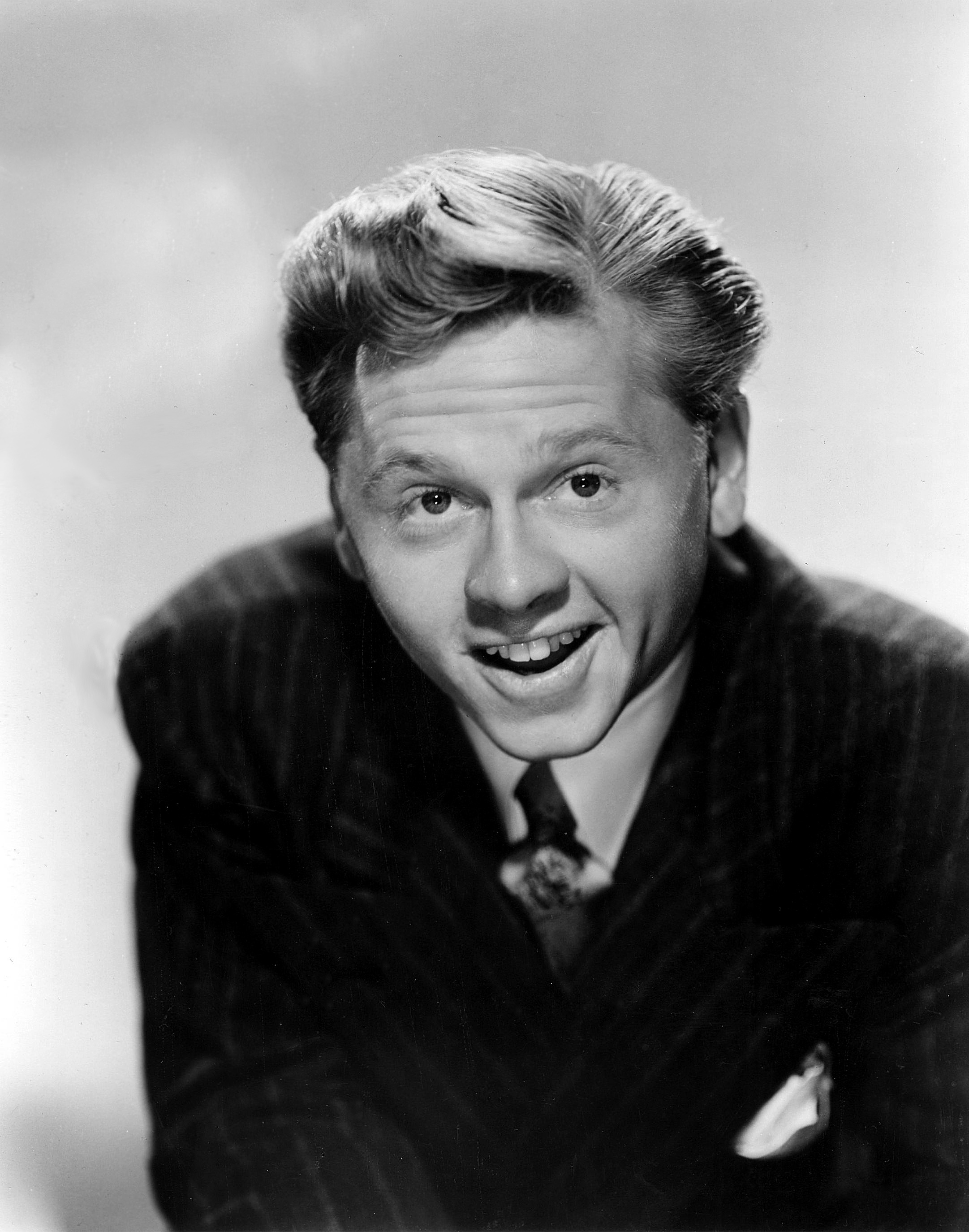
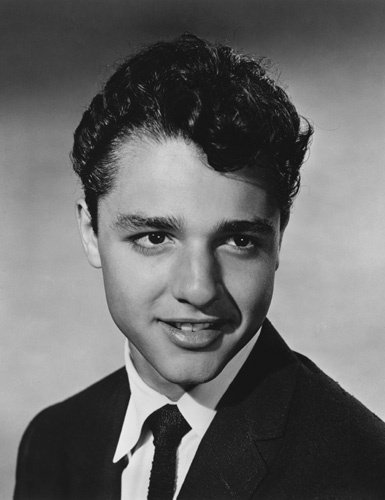
140. Van Johnson
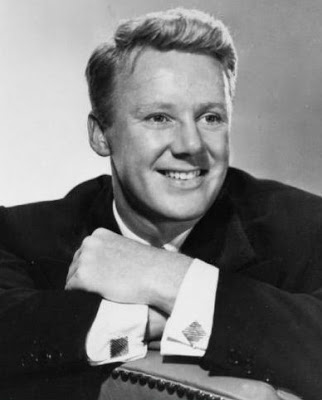
Though Van Johnson was the embodiment of the cheery wholesome boy next door onscreen during the 1950s, much of his live wasn't which included a difficult childhood, a 1943 near-fatal car accident, and a supposedly engineered marriage by MGM to quell gay rumors which ended horribly.

Though Van Johnson was the embodiment of the cheery wholesome boy next door onscreen during the 1950s, much of his live wasn’t which included a difficult childhood, a 1943 near-fatal car accident, and a supposedly engineered marriage by MGM to quell gay rumors which ended horribly.

Personal Life: (1916-2008) Born Charles Van Dell Johnson in Newport, Rhode Island. Father was a plumber and real estate salesman. Mother was an alcoholic who left the family when he was a child and he had a chilly relationship with his father. Moved to New York City after graduating from high school and made his stage debut in 1935. Made his first movie in 1940. Was involved in a car crash in 1943 which left him with a metal plate on his forehead and scars on his face that the plastic surgery at the time couldn’t correctly conceal. Also had his scalp nearly sheared off. Yet, he slapped his scalp and crawled 50 yards to get to rescue workers for aid. Injury exempted him from service during WWII. Married to stage actress Eve Abbott for 23 years and had a daughter (though marriage might’ve been a publicity stunt to quell gay rumors). Retired in 1992. Died in New York of natural causes at 92.
Famous for: American actor, singer, and dancer who was a major MGM star during and after WWII. Was the embodiment of “the boy next door wholesomeness” that made him a popular Hollywood star in the 1940s and 1950s. Was one of the last surviving matinee idols of Hollywood’s Golden Age. Notable roles are Marcus Macauley from The Human Comedy, Ted Randall from A Guy Named Joe, Ted Lawson from Thirty Seconds Over Tokyo, Spike McManus from State of the Union, John Alden from Plymouth Adventure, Lt. Stephen Maryk, USNR from The Caine Mutiny, Jeff Douglas from Brigadoon, Maurice Bendix from The End of the Affair, Charles Wills from Last Time I Saw Paris, Al Yearling from Divorce American Style, and Larry from The Purple Rose of Cairo.
Nominated for: Johnson was never nominated for an Oscar.
Most Crushing Loss: Not being nominated for Best Actor in 1954 for The Caine Mutiny.
Reasons: Despite his image as a cheery guy, Johnson was reputed to be morose and moody because of his difficult early life and had little tolerance for unpleasantness. He and his daughter were estranged by his death. Also it’s said he was involved in many homosexual proclivities which were well known within the film industry but mostly covered up due to respect for privacy and Louis B. Mayer’s efforts to quash scandal (yet, this can’t really be proven). Still his marriage ended very bitterly and his life was frequent tabloid fodder.
Trivia: Was friends with Lucille Ball. Usually wore heavy makeup in his roles since 1943 with the sole exception of The Caine Mutiny. Always wore red socks.

Movie Stars Who Have Never Won an Oscar: Part 13 – Ward Bond to Spring Byington

1960 was a big year for actress Jean Simmons who had 2 memorable performances that years as a slave girl who romances Kirk Douglas in Spartacus as well as Sister Sharon Falconer from Elmer Gantry, a role she should've received an Oscar nomination for but didn't.

1960 was a big year for actress Jean Simmons who had 2 memorable performances that years as a slave girl who romances Kirk Douglas in Spartacus as well as Sister Sharon Falconer from Elmer Gantry, a role she should’ve received an Oscar nomination for but didn’t.

I really wanted to get this series in before the Oscars ceremony, yet I completed all the rough work just the Friday before. However, I’m glad that I am already more than halfway through with this series after yesterday so there won’t be much left. In this selection, we look at 10 more film legends who never received the golden statuette like some of last night’s nominees. Some may be bridesmaids but never brides while others may not even get the bridesmaid honor. First, there is Ward Bond, a supporting player who was in some of the most famous films in the Golden Age of Hollywood. Second, we have character legends Beulah Bondi, Marjorie Main, and Spring Byington who were actresses best known for playing matronly older women and/or moms. After that is Peter Lawford best known as a Rat Pack member and onetime brother-in-law to John F. Kennedy followed by Jean Hagen famous for her funny as hell performance as the talentless Lina Lamont from Singin’ in the Rain. Then we have actor James Whitmore who most of us would recognize from The Shawshank Redemption, once I show a picture of him. Next we have Jean Simmons, a British actress whose career spanned over 60 years but is best known as Kirk Douglas’ love interest from Spartacus. Then we have Elsa Lanchester best known as the bride of Frankenstein. And last but not least, there is Dame Judith Anderson, an actress you may not recognize but she was in movies like Rebecca, Laura, Cat on a Hot Tin Roof, The Ten Commandments, and Star Trek III: The Search for Spock. So for your reading pleasure, here are some more actors and actresses who never won Oscars.

121. Ward Bond

Throughout his career, Ward Bond appeared in over 200 supporting roles, had long working relationships with Frank Capra and John Ford, and starred in in the TV show Wagon Train. This is him as a Union Captain from Gone With the Wind.

Throughout his career, Ward Bond appeared in over 200 supporting roles, had long working relationships with Frank Capra and John Ford, and starred in in the TV show Wagon Train. This is him as a Union Captain from Gone With the Wind.

Personal Life: (1903-1960) Born Wardell Edwin Bond in Benklemen, Nebraska. Moved to Denver, Colorado in 1919. Attended USC and got into acting as a member of the football team with John Wayne when Ford hired the whole team to do a movie in 1929. Was an epileptic and rejected for the draft during WWII. Married twice. Died of a heart attack in Dallas at 57.
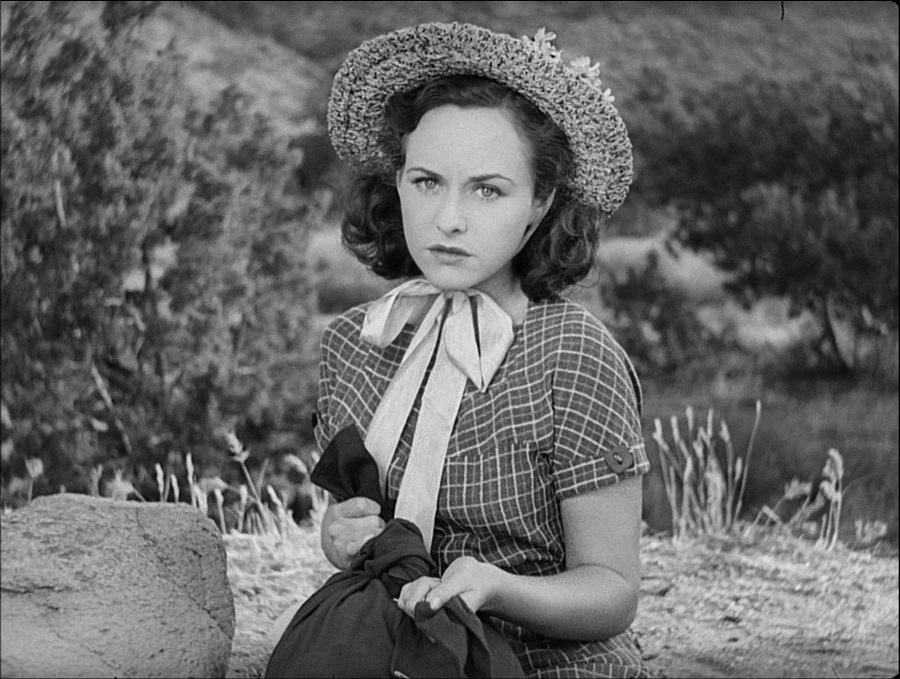
Famous for: American actor whose rugged appearance and easygoing charm were featured in over 200 films mostly in supporting roles. Made 23 films with John Wayne and 25 films with John Ford. Often played policemen and soldiers. Notable roles are Captain Tom from Gone With the Wind, Policeman from The Grapes of Wrath, Franz from The Mortal Storm, Ape from Kit Carson, Townley from Santa Fe Trail, Ike Botkin from Sergeant York, Detective Tom Polhaus from The Maltese Falcon, Morgan Earp from My Darling Clementine, Honey Bragg from Canyon Passage,
‘Boats’ Mulcahey C.B.M. from They Were Expendable, Bert from It’s a Wonderful Life, La Hire from Joan of Arc, Father Peter Lonergan from The Quiet Man, John McIvers from Johnny Guitar, and Pat Wheeler from Rio Bravo.
Nominated for: Bond was never nominated for an Oscar.
Most Crushing Loss: Not receiving an honorary Oscar for the output of his career mostly because he didn’t live long enough.
Reasons: Bond was more of a character actor who mostly appeared in westerns. Also he was heavily involved in right-wing politics and displayed enthusiasm for blacklisting suspected Communists, which earned the enmity of many.
Trivia: Played on the USC football team at the same time as future USC coach Jesse Hill and John Wayne. Was a starting lineman on USC’s first national championship team in 1928. Starred in Wagon Train from 1957 to 1960. Has appeared in More AFI Top 100 Movies than any other actor. Was to attend a football game at the Cotton Bowl between SMU and Texas A&M. John Wayne gave the eulogy at his funeral. Was best friends with John Wayne. Appeared in 30 movies in 1935. Appeared in 3 Best Picture winners.

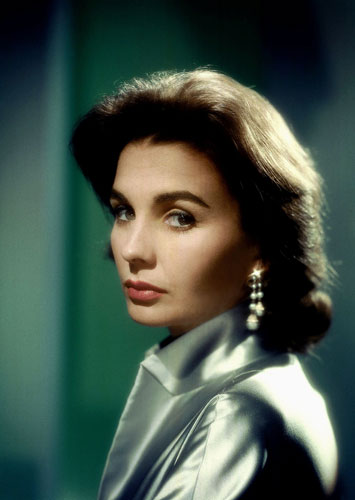
122. Jean Simmons

Throughout the 1940s through 1960s, Jean Simmons appeared in some of the most noteworthy films of the era such as Great Expectations, Hamlet, The Robe, Guys and Dolls, Elmer Gantry, and Spartacus.

Throughout the 1940s through 1960s, Jean Simmons appeared in some of the most noteworthy films of the era such as Great Expectations, Hamlet, Androcles and the Lion, The Robe, Guys and Dolls, Elmer Gantry, and Spartacus.

Personal Life: (1929-2010) Born in London. Father was a gymnast and phys ed teacher who died when she was 16. Began acting at 14. During WWII, her family was evacuated to Winscombe, Somerset. Discovered while attending the Aida Foster School of Dance, and made her first film in 1944. Married twice with her marriages being to Stewart Granger and Richard Brooks with a daughter from each union. Became a US citizen in 1956. Moved to the East Coast in the 1970s but later returned to Santa Monica, California. Struggled with alcoholism. Retired in 2009. Died of lung cancer at 80.
Famous for: British American actress who appeared predominantly in films she made in Great Britain during and after WWII and in Hollywood from 1950 onwards. Notable roles are Young Estella from Great Expectations, Kanchi from Black Narcissus, Ophelia from Hamlet, Emmeline Foster from The Blue Lagoon, Lavinia from Androcles and the Lion, Princess Elizabeth from Young Bess, Carolyn Parker from Affair with a Stranger, Diana from The Robe, Ruth Gordon Jones from The Actress, Meryt from The Egyptian, Désirée Clary from Desiree, Sergeant Sarah Brown from Guys and Dolls, Julie Maragon from The Big Country, Sharon Falconer from Elmer Gantry, Varinia from Spartacus, Fräulein Rottenmeier from Heidi, Mary Spencer from The Happy Ending, Em Reed from How to Make an American Quilt, and Grandma Sophie from Howl’s Moving Castle.
Nominated for: Simmons was nominated twice, once for Best Actress and once for Best Supporting Actress in 1948 for Hamlet and 1969 for The Happy Ending.
Most Crushing Loss: Not being nominated for Best Actress in 1960 for Elmer Gantry. I mean she was incredibly good as a fanatical, hypocritical, and ambitions self-appointed preacher with a façade of sweetness that perfectly matched with Burt Lancaster’s Elmer Gantry’s fiery zeal and gift for gab.
Reasons: Simmons was nominated in 2 very bad years in which her main competition was Claire Trevor for playing an alcoholic ex-showgirl in Key Largo and Maggie Smith playing a fanatical Fascist teacher in The Prime of Miss Jean Brodie.
Trivia: Father competed in the 1912 Olympic Games. Spoke up publically about her addiction struggles and was patron of a British drug and human rights charity Release as well as an active supporter of just, humane, and effective drug policies. Was friends with Spencer Tracy and Katharine Hepburn.

123. James Whitmore

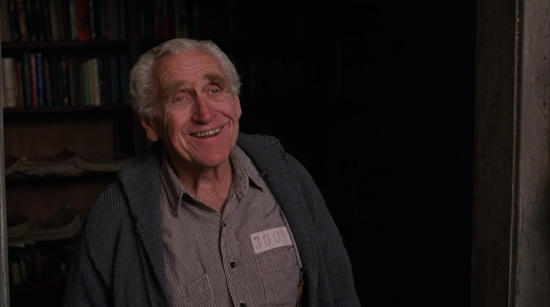
For those who may not recognize him, James Whitmore was the prison librarian with the pet bird from The Shawshank Redemption. He was also known as the only actor nominated for an Academy Award for playing a role he did for a one man show in Give Em' Hell Harry! Also was a spokesman for MiracleGro.

For those who may not recognize him, James Whitmore was the prison librarian with the pet bird from The Shawshank Redemption. He was also known as the only actor nominated for an Academy Award for playing a role he did for a one man show in Give ’em Hell Harry! Also was a spokesman for MiracleGro.

Personal Life: (1921-2009) Born in White Plains, New York. Father was a park commission official. Attended Yale on a football scholarship but had to quit due to severe knee injuries. So he started acting in the Yale Drama Society instead. Planned on becoming a lawyer after graduation. Enlisted in the US Marine Corps Reserves during WWII, served in the Pacific, and rose to the rank of lieutenant. After the war, studied at the Actors Studio before appearing on Broadway. Made his first film in 1949. Married 4 times (but twice to the same woman) and had 3 sons with first wife Nancy Mygatt. Retired in 2005. Died of lung cancer at 87.
Famous for: American actor whose career spanned over 50 years. Notable roles are Kinnie from Battleground, Gus Minissi from The Asphalt Jungle, Slug from Kiss Me Kate, Clint Priest from The Outriders, Police Sgt. Ben Peterson from Them!, Mr. Carnes from Oklahoma!, Commander Warren Meredith from The Deep Six, President of the Assembly from Planet of the Apes, Admiral Halsey from Tora! Tora! Tora!, Grandpa from Where the Red Fern Grows,
Harry S Truman from Give Em’ Hell, Harry, Brooks Hatlen from The Shawshank Redemption, and Stan Keller from The Majestic.
Nominated for: Whitmore was nominated twice once for Best Actor and once for Best Supporting Actor in 1950 for Battleground and 1976 for Give Em’ Hell, Harry.
Most Crushing Loss: Not being nominated for Best Supporting Actor in 1994 for The Shawshank Redemption.
Reasons: Appearing in a movie with giant killer ants might’ve really hurt his chances.
Trivia: Was James Dean’s mentor at the Actors Studio. Member of Skull and Bones as well as helped found Yale’s radio station. Was an avid vegetable gardener and served as a pitchman for Miracle-Gro. Son and 2 grandchildren formed their own theater troupe called the Whitmore Electric.

124. Peter Lawford

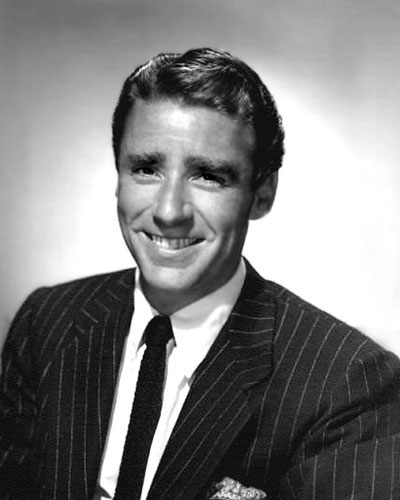
Though Peter Lawford's decades career spanned for at least 3 or 4, he's better known as being part of the Rat Pack as well as John F. Kennedy's onetime brother-in-law. Yet, in the 1940s to 1960s he had a strong pop culture presence and starred in a number of acclaimed films.

Though Peter Lawford’s decades career spanned for at least 3 or 4, he’s better known as being part of the Rat Pack as well as John F. Kennedy’s onetime brother-in-law. Yet, in the 1940s to 1960s he had a strong pop culture presence and starred in a number of acclaimed films.

Personal Life: (1923-1984) Born in London, England. Father was a lieutenant general and an aristocrat. At the time of his birth, his parents were married to other people and his parents’ revelation resulted in a double divorce. Parents wed when he was a year old. Spent his childhood in France but was never formally educated. Made his first movie at 7. At 14, he severely injured his right arm in an accident when it went through a glass door. This compromised the use of his lower arm and hand with irreversible nerve damage. It also prevented his entry into the military to the dismay of his parents, so he decided to pursue acting resulting in him being denied an inheritance from his aunt. Became a US citizen in 1960. Married 4 times with his first wife being Pat Kennedy with whom he had 3 daughters. Years of substance abuse took a toll on him later in life, especially alcoholism. Died from cardiac arrest complicated from kidney and liver failure at 61.
Famous for: British American actor who had a strong presence in popular culture during the 1940s to 1960s and starred in a number of highly acclaimed films. Notable roles are Anthony de Canterville from The Canterville Ghost, Lord Thornley from Mrs. Parkington, David Stone from The Picture of Dorian Gray, Jonathan Harrow III from Easter Parade, Ritchie Lorgan from Julia Misbehaves, Theodore “Laurie” Laurence from Little Women, Lord John Brindale from Royal Wedding, Evan Adams III from It Should Happen to You, Jimmy Foster from Ocean’s 11, Major Caldwell from Exodus, Senator Lafe Smith from Advise and Consent, Frederic Summers from Sylvia, the Senator from Skidoo, and Montague Chippendale from Where Is Parsifal?.
Nominated for: Lawford was never nominated for an Oscar.
Most Crushing Loss: Not being nominated for Best Supporting Actor in 1962 for Advise and Consent. Not to mention, he was in decline after the 1960s.
Reasons: Lawford was more of a hottie who usually appeared in romantic comedies
Trivia: Was romantically linked to Rita Hayworth, Ava Gardner, June Allyson, Lucille Ball, Anne Baxter, Judy Garland, and Lana Turner (or so it’s claimed). Member of the Rat Pack. Onetime brother-in-law to President John F. Kennedy. Did not learn of his illegitimacy until he was 27 years old.

125. Beulah Bondi

Though she never married or had children, Beulah Bondi often played mothers and wives throughout her career as well as grandmothers in her later years. She also played Jimmy Stewart's mother in 4 movies.

Though she never married or had children, Beulah Bondi often played mothers and wives throughout her career as well as grandmothers in her later years. She also played Jimmy Stewart’s mother in 4 movies.

Personal Life: (1889-1981) Born Beulah Bondy in Valparaiso, Indiana. Mother was an author and father worked in real estate. Began her acting career at 7. Graduated with a Bachelors and Masters degrees in oratory at Valparaiso University in 1916 and 1918. Made her Broadway debut in 1925 and her first film in 1931. Never married or had children. Die from pulmonary complications caused by broken ribs suffered when she tripped over her cat in her home at 91.
Famous for: American actress who started her career as a young child in the theater and played supporting roles in several films during the 1930s. Played Jimmy Stewart’s mother in 4 movies. Notable roles are Emma Jones from Street Scene, Mrs. Davidson from Rain, Rachel Jackson from The Gorgeous Hussy, Lucy Cooper from Make Way for Tomorrow, Ma Smith from Mr. Smith Goes to Washington, Mrs. Sargent from Remember the Night, Mrs. Morgan from Vivacious Lady, Aunt Charlotte from The Buccaneer, Mrs. Webb from Our Town, Miss Oliver from Penny Serenade, Anise from Watch on the Rhine, Mrs. Bailey from It’s a Wonderful Life, Mrs. Greer from The Snake Pit, Mary Wilkins from Of Human Hearts, Granny Nellie from On Borrowed Time, Loma from The Baron of Arizona, and Hannah from The Big Fisherman.
Nominated for: Bondi was nominated twice for Best Supporting Actress in 1936 for The Gorgeous Hussy and 1938 for Of Human Hearts.
Most Crushing Loss: Not being nominated for Best Actress in 1937 for Make Way for Tomorrow.
Reasons: Bondi was usually typecast as mother figures throughout her career. Also was burned by the competition in both nominations.
Trivia: One of the first women nominated for Best Supporting Actress. Changed the “y” to “I” to her name so all the letters could fit on one line of a marquee.

126. Jean Hagen

Though Jean Hagen was nothing like the vain and talentless Lina Lamont, she probably should've won a Best Supporting Actress Oscar for Singin' in the Rain. Yet, such loss really demonstrates how little the Academy of Motion Pictures Arts and Sciences respects comedy.

Though Jean Hagen was nothing like the vain and talentless Lina Lamont, she probably should’ve won a Best Supporting Actress Oscar for Singin’ in the Rain since she was absolutely hilarious and practically stole ever scene when she opens her mouth. Yet, such loss really demonstrates how little the Academy of Motion Pictures Arts and Sciences respects comedy.

Personal Life: (1923-1977) Born Jean Shirley Verhagen in Chicago, Illinois. Father was a Dutch immigrant. Moved to Elkhart, Indiana at 12. Studied drama at Northwestern University and made her Broadway debut in 1946. Made her first film in 1949. Married to Tom Seidel and had 2 children which was a marriage full of domestic violence until their 1965 divorce. Spent her later life hospitalized and under medical care as her health declined. Died of esophageal cancer at 54.
Famous for: American actress best known for her role as Lina Lamont from Singin’ in the Rain. Notable roles are Beryl Caighn from Adam’s Rib, Doll Conovan from The Asphalt Jungle, Hariette Sinton from Side Street, Lina Lamont from Singin’ in the Rain, Freeda Daniels from The Shaggy Dog, Marguerite “Missy” LeHand from Sunrise at Campobello, and Dede Marshall from Dead Ringer.
Nominated for: Hagen was nominated for Best Supporting Actress in 1952 for Singin’ in the Rain.
Most Crushing Loss: Losing to Gloria Grahame in 1952 for the Best Supporting Actress race. Sure Grahame was supposed to be annoying in The Bad and the Beautiful but Hagen had more screen time and was simply hysterical as Lina Lamont whose voice sounds like fingernails on a chalkboard.I mean Hagen was very good playing an actress who’s supposed to completely suck and she does it very well. Grahame probably won because her character died in the movie.
Reasons: Her performance as Lina Lamont was for a musical comedy while Gloria Grahame’s was for a drama so you do the math.
Trivia: Was Margaret Williams in Make Room for Daddy who was the first character to be killed off from a TV show or McLeaned as TV Tropes and Idioms would say. Was Judy Holliday’s understudy in Born Yesterday.

127. Dame Judith Anderson

Mrs. Danvers: "     [to the 2nd Mrs. de Winter] Why don't you go? Why don't you leave Manderley? He doesn't need you. He's got his memories. He doesn't love you. He wants to be alone again with her. You've nothing to stay for. You've nothing to live for really, have you? Look down there. It's easy, isn't it? Why don't you? Why don't you? Go on. Go on. Don't be afraid!" Sure Dame Judith Anderson may not have looks of a leading lady, yet she was in a lot of highly acclaimed films that have become classics. By the way, for those watching The Ten Comandments, this Holy Saturday, she's the servant of the Princess who found baby Moses in the bull rushes.

Sure Dame Judith Anderson may not have looks of a leading lady, yet she was in a lot of highly acclaimed films that have become classics. Her best known role is the manipulative ladies’ maid, Mrs. Danvers from Rebecca. By the way, for those watching The Ten Comandments, this Holy Saturday, she’s the servant of the Princess who found baby Moses in the bull rushes.

Personal Life: (1897-1992) Born Frances Margaret Anderson in Adelaide, South Australia, in Australia. Began acting in her home country in 1915 before moving to New York in 1918. Made her first film in 1933. Joined the Old Vic in 1937. Married twice. Retired in 1987. Died of pneumonia at 94.
Famous for: Australian actress who had a successful career for over 70 years. Notable roles are Mrs. Danvers from Rebecca, Madame from All Through the Night, Mrs. Ivers from The
Strange Love of Martha Ivers, Emily Brent from And Then There Were None, Ann Treadwell from Laura, Mrs. Harriet Gordon from Kings Row, Gerd Bjarnesen from Edge of Darkness,
Maggie Shoemaker from Why Bother to Knock, Memmet from The Ten Commandments, Buffalo Cow Head from A Man Called Horse, Ida “Big Momma” Pollitt from Cat on a Hot Tin Roof, T’Lar from Star Trek III: The Search for Spock, and The Sister of Purgatory from Impure Thoughts.
Nominated for: Anderson was nominated for Best Supporting Actress in 1940 for Rebecca.
Most Crushing Loss: Not being nominated for Best Supporting Actress in 1958 for Cat on a Hot Tin Roof. It would be hard to say whether losing the Oscar to Jane Darwell was crushing since Darwell’s performance of Ma Joad was pretty good, too. Yet, it wouldn’t be hard to say that she was robbed of a nomination as Big Momma.
Reasons: As for her Oscar nomination, Anderson was just burned by the competition
Trivia: Never took the name Judith as a legal name. Became a dame in 1960.

128. Marjorie Main

Marjorie Main is best known as Ma Kettle which she played in 10 movies. Of course, what you don't know is that Ma Kettle was a break out character from The Egg and I and she was nominated for a Best Supporting Actress Oscar for it.

Marjorie Main is best known as Ma Kettle which she played in 10 movies. Of course, what you don’t know is that Ma Kettle was a break out character from The Egg and I and she was nominated for a Best Supporting Actress Oscar for it.

Personal Life: (1890-1975) Born Mary Tomlinson in Acton, Indiana. Father was a minister and adopted her stage name for this reason. Attended Franklin College. Worked in vaudeville on the Chautauqua and Orpheum Circuits, debuting on Broadway in 1916. Made her first film in 1931. Married to Stanley LaFerve Krebs for 14 years yet they may have separated long before his death in 1935. Retired in the 1960s. Died of lung cancer at 85.
Famous for: American actress and contract player at MGM. Best known for her portrayal as Ma Kettle in a series of 10 movies. Made 6 films with Wallace Beery. Notable roles are Mrs. Martin from Stella Dallas, Katie Matthews from Penitentiary, Mrs. Dolley, Landlady Chestevere Apartments from Another Thin Man, Miss Kitty Wayne from Too Hot to Handle, Lucy, Dude Ranch Owner from The Women, Mrs. Varner from Honky Tonk, Mrs. Maude Fisher from Tennessee Johnson, Mrs. Strable from Heaven Can Wait, Katie from Meet Me in St. Louis, Sonora Cassidy from The Harvey Girls, Ma Kettle from The Egg and I and 9 other films, Esme from Summer Stock, Mrs. Hittaway from The Long, Long Trailer, Lady Jane Dunstock from Rose Marie, and The Widow Hudspeth from Friendly Persuasion.
Nominated for: Main was nominated for Best Supporting Actress in 1947 for The Egg and I.
Most Crushing Loss: Not being nominated for Best Supporting Actress in 1956 for Friendly Persuasion for which she received a Golden Globe nomination.
Reasons: Main was typecast first as upper class dowagers and then as abrasive, domineering salty roles for which her voice was well suited. Also, best known as Ma Kettle in a series that hasn’t aged well. Also may have confided in an interview that she might’ve had 2 lesbian affairs, particularly with Spring Byington.
Trivia: Romantically linked to Spring Byington and Ginger Rogers. Said to sometimes wear a surgical mask and white gloves for fear of germ contamination.

129. Elsa Lanchester

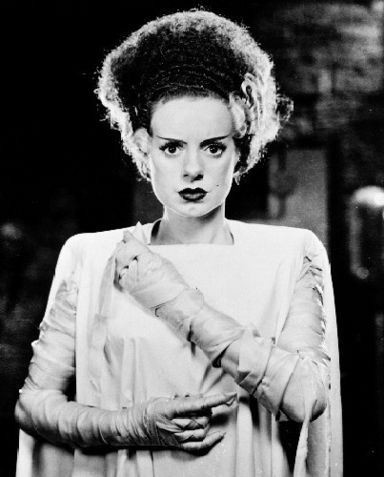
Despite playing the title character in Bride of Frankenstein, Elsa Lanchester was denied any billing or credit as the Monster's Mate which might've been due to a personality dispute. Nevertheless, her character still remains a popular Halloween costume.

Despite playing the title character in Bride of Frankenstein, Elsa Lanchester was denied any billing or credit as the Monster’s Mate which might’ve been due to a personality dispute. Nevertheless, her character still remains a popular Halloween costume.

Personal Life: (1902-1986) Born in London. Parents were unmarried bohemian socialists. Studied dance in Paris as a child but had to return to Great Britain due to WWI. Taught dancing at 12 to earn some money for her household. After the war she started the Children’s Theatre and a nightclub called the Cave of Harmony where modern plays and cabaret were performed. Made her first film in 1925. Married to Charles Laughton for 23 years yet never had children (though there were rumors that Laughton was gay {according to her} and she had at least one abortion while performing in burlesque {according to Maureen O’Hara}). Retired in 1980. Suffered 2 strokes within a 30 month timespan which left her totally incapacitated. Died of bronchopneumonia at 84.
Famous for: British character actress whose career spanned 55 years. Made 12 films with husband Charles Laughton. Notable roles are Therese from Potiphar’s Wife, Clickett from David Copperfield, Mary Wollstonecraft Shelley / The Monster’s Mate from Bride of Frankenstein, Hendrickje Stoffels from Rembrandt, Anne of Cleves from The Private Life of Henry VIII, Emily Creed from Ladies in Retirement, Mrs. Oates from The Spiral Staircase,
Mrs. Carraclough from Lassie Come Home, Miss Keith from The Razor’s Edge, Martha from The Secret Garden, Madame Magloire from Les Miserables, Megaera from Androcles and the Lion, Amelia Potts from Come to the Stable, Aunt Queenie Holroyd from Bell, Book, and Candle, Miss Plimsoll from Witness for the Prosecution, Katie Nanna from Mary Poppins, and Jessica Marbles from Murder by Death.
Nominated for: Lanchester was nominated for Best Supporting Actress twice in 1949 for Come to the Stable and 1957 for Witness for the Persecution.
Most Crushing Loss: Not being nominated for Best Supporting Actress in 1935 for Bride of Frankenstein since the award didn’t exist. Yet, it would’ve been awesome for her to receive recognition for it for she’s just referred to as “?” in the credits as “The Monster’s Mate.”
Reasons: Lanchester was best known for 2 things such as being Charles Laughton’s wife and playing the Bride of Frankenstein for which she was denied any form of billing or credit, possibly over a personality dispute. Sure she doesn’t appear until the end but still.
Trivia: Brother was a puppeteer with his own marionette company in Stratford-upon-Avon. Studied dance in Paris under Isadora Duncan. In the 1920s, made a few studio recordings for Columbia Records. Appeared on stage with Laughton in a production of Peter Pan in which she played the title role and he portrayed Captain Hook at the London Palladium. They also played a father and daughter on stage as well.

130. Spring Byington

Spring Byington was said to possess one of Hollywood's gentlest faces and warmest voices, which is a main reason why she was usually cast as moms. Also like to travel and was a fan of George Orwell's 1984.

Spring Byington was said to possess one of Hollywood’s gentlest faces and warmest voices, which is a main reason why she was usually cast as moms. Also like to travel and was a fan of science fiction, particularly George Orwell’s 1984.

Personal Life: (1886-1971) Born in Colorado Springs, Colorado. Father was an educator and Superintendent of Schools in Colorado who died when she was 5. Mother would later become a doctor and spent part of her elder daughter’s childhood in Canada. Raised by relatives in Denver. Became a professional actress at 14 with the Elitch Garden Stock Company. Mother died in 1907 and she was legally adopted by her aunt. Said she tried reporting for a newspaper but headed to New York City as soon as she could with her inheritance. Joined a repertory company that performed Spanish translated plays in Buenos Aires between 1908 and 1916. Made her first film in 1930. Married to Roy Chandler and had 2 daughters. Retired in 1968. Died of rectal cancer at 84.
Famous for: American actress who was a key MGM contract player appearing in about 60 films between the 1930s and 1960s. Notable roles are Marmee from Little Women, Mrs. Byam from Mutiny on the Bounty, Essie from Ah, Wilderness!, Matey Pearson from Dodsworth, Lady Octavia Warrenton from The Charge of the Light Brigade, Rebecca Perry from Theodora Goes Wild, Dolly Madison from The Buccaneer, Mrs. Kendrick from Jezebel, Penny Sycamore from You Can’t Take It With You, Mrs. Hubbard from The Story of Alexander Graham Bell, Mrs. Mitchell from Meet John Doe, Mary Sunshine from Roxie Hart, Bertha Van Cleve from Heaven Can Wait, Magda from Dragonwyck, Nellie Burke from In the Good Old Summertime, Sister Edwitha from Angels in the Outfield, Justice Amelia Brown from The Rocket Man, and Suzie Robinson from Please Don’t Eat the Daisies.
Nominated for: Byington was nominated for Best Supporting Actress in 1938 for You Can’t Take It With You.
Most Crushing Loss: Possibly losing to Fay Bainter for Best Supporting Actress in 1938 since she played a more original character in You Can’t Take It With You. Also, not receiving nominations for playing against type.
Reasons: Byington was typecast as gentle and adoring middle aged women, particularly mothers.
Trivia: Spoke Spanish she picked up from her performing days in Argentina and later studied Brazilian Portuguese. Acquired a small coffee plantation in Brazil during her later years. Was fascinated by metaphysics and science fiction novels as well as displayed knowledge of Earth’s satellites and constellations of the night sky. Starred in the TV and radio show December Bride.

Movie Stars Who Have Never Won an Oscar: Part 12 – Ida Lupino to Clifton Webb

Ida Lupino is perhaps one of the most underrated women in Hollywood. She was a pint size powerhouse in films like High Sierra and They Drive by Night. Yet, she also directed 7 films in her 48 career.

Ida Lupino is perhaps one of the most underrated women in Hollywood. She was a pint size powerhouse in films like High Sierra and They Drive by Night. Yet, she also directed 7 films in her 48 career.

When it comes to actors and actresses who haven’t won competitive Oscars, I usually made it a rule to stick with those who are dead and retired since they aren’t working in movies anymore. Now there may be actors whose glory days are over and won’t be nominated any time soon. Yet, there are plenty of actors who work way past their prime. Yet, we have people like Jessica Tandy and Christopher Plummer winning the coveted award as senior citizens. And there have been lists of actors who will never win Oscars that contain Matthew McConaughey. Granted he was in his shirtless rom-com phase when we’d think the idea of him winning an Oscar was ridiculous. But when Dallas Buyers Club came out, guess what happened. So perhaps dealing only with actors and actresses no longer working or alive is probably a safer bet. In this selection, we look at 10 more movie legends who are either retired from filmmaking or no longer alive. First, you have Ida Lupino, a pint size spitfire onscreen as well as a female Hollywood pioneer behind the scenes. Second, are British actors Hermione Gingold and Sir Ralph Richardson best known for their work in the theater and not being conventionally attractive. Then there is Peter Cushing best known for playing Grand Moff Tarkin from Star Wars as well as being Christopher Lee’s BFF. After that is Japanese movie star, Toshiro Mifune who may have stayed in Tokyo but his collaborations with Akira Kurosawa have influenced much of pop culture with the magic of Hollywood remakes. Next is Broadway darling Julie Harris who was known for kissing James Dean and The Haunting. Then you have Eve Arden known for her roles as the no-nonsense, wisecracking sidekick in films and the principal from Grease followed by David Carradine most memorable for Kung Fu, Kill Bill, and autoerotic asphyxiation. Next comes Paul Henreid who played the guy you didn’t want Ingrid Bergman to end up with in Casablanca. And last but not least, we have Clifton Webb best known as the possible inspiration for Mr. Peabody.

111. Ida Lupino

Though she called herself "the Poor Man's Bette Davis," Ida Lupino was a pint-size force to be reckon with onscreen as well as a pioneer among women filmmakers behind the camera as a screenwriter and director. However, outside TCM, I'm not sure that anyone has heard of her.

Though she called herself “the Poor Man’s Bette Davis,” Ida Lupino was a pint-size force to be reckon with onscreen as well as a pioneer among women filmmakers behind the camera as a screenwriter and director. However, outside TCM, I’m not sure that anyone has heard of her.

Personal Life: (1918-1995) Born in London. Mother was an actress and father was a music hall entertainer. Trained at the Royal Academy of Dramatic Art and made her first film in 1931. Became a US citizen in 1948. Married 3 times and had a daughter to third husband Howard Duff to whom she was with for 32 years (though they were separated a long time before their divorce). Died of a stroke while undergoing a treatment for colon cancer at 77.
Famous for: British American actress, director, and a pioneer among women filmmakers. Appeared in 59 films during her 48 year career. Directed 7 films as well as co-wrote and co-produced some as well. Notable roles are Hope Harcourt from Anything Goes, Jane from The Gay Desperado, Paula Sewell/Paula Monterey from Artists and Models, Ann Brandon from The Adventures of Sherlock Holmes, Lana Carlsen from They Drive by Night, Doris Malone from Sea Devils, Ellen Creed from Ladies in Retirement, Anna from Moontide, Jennifer Whittredge from In Our Time, Emily Bronte from Devotion, Libby Saul from Deep Valley, Ruth Webster from The Sea Wolf, Gemma Smith from Escape Me Never, Julia Thomas from Lust for Gold, Marie from High Sierra, Mary Malden from On Dangerous Ground, Mrs. Helen Gordon from Beware, My Lovely, Agnes Langley from Jennifer, Phyllis Martin from The Bigamist, Amelia van Zandt from Women’s Prison, Marion Castle from The Big Knife, Mildred Donner from When the City Sleeps, Alice Carmichel from Strange Intruder, and Mrs. Skinner from The Food of the Gods.
Nominated for: Lupino was never nominated for an Oscar.
Most Crushing Loss: Not receiving an honorary Oscar for being a pioneer for women filmmakers in Hollywood. Seriously, she was directing movies in the 1950s.
Reasons: If you’re known as, “the Poor Man’s Bette Davis” you’ll probably not win Oscars since that might mean a raise in your salary. Then again, Jamie Foxx has been referred to as, “the Poor Man’s Will Smith” and he’s already won an Oscar for Ray but he practically was Ray Charles in that film. Also female directors never get zilch recognition for their movies or accomplishments unless they’re Sophia Coppola or Kathryn Bigelow or on the indie circuit. Nevertheless, Lupino ranks among one of the most seriously underrated figures in Hollywood history and it’s a shame the Academy never gave her the recognition she deserved.
Trivia: Directed 7 movies consisting of Not Wanted, Never Fear, Outrage, Hard, Fast, and Beautiful, The Hitch-Hiker, The Bigamist, and The Trouble with Angels. Directed an episode for The Twilight Zone and Bewitched. Composed “Aladdin’s Lamp” which was performed by the L. A. Philharmonic in 1937. Served as a Lieutenant in the Women’s Ambulance and Defense Corps during WWII. Starred in a movie her mother originally tested for. Took many roles that Bette Davis refused and thus called, “the Poor Man’s Bette Davis.” First woman to direct a film noir. Second woman admitted in the Director’s Guild.

112. Hermione Gingold

Before Harry Potter, when you heard the name, "Hermione" you probably thought of Hermione Gingold. Yet, unlike Granger, she was mainly known for her sharp-tongued, eccentric persona.

Before Harry Potter, when you heard the name, “Hermione” you probably thought of Hermione Gingold. Yet, unlike Granger, she was mainly known for her sharp-tongued, eccentric persona.

Personal Life: (1897-1987) Born in London. Father was a prosperous Vienna-born Jewish stockbroker. Made her professional stage debut at 11 in 1908. Attended Rosina Filippi’s stage school. Made her first film in 1932. Married twice and had 2 sons to first husband Michael Joseph. Retired in 1977. Died from heart problems and pneumonia at 89.
Famous for: British actress known for her sharp tongue, eccentric persona. Had a strikingly individual voice, drawling and deep, the latter a result of nodes on her vocal chords in the 1920s and early 1930s. Started as a child actress with a successful adult career on the stage. Best known for her grand dames in musicals. Was notable in revues. Notable roles are Mrs. Tompkins from The Pickwick Papers, Bianca de Passe from Bell, Book, and Candle, Madame Alvarez, Eulalie Mackechnie Shinn from The Music Man, Lady Effigie Munster from Munster, Go Home!, Mme. Armfeldt from A Little Night Music, and Elizabeth Rennick from Garbo Talks.
Nominated for: Gingold was never nominated for an Oscar.
Most Crushing Loss: Not being nominated for Best Supporting Actress in 1958 for Gigi, which she plays a 3 dimensional character who tries to get her granddaughter to become a high class call girl but later changes her mind.
Reasons: Gingold was more of a comic and musical actress who was much more famous on the stage than the screen particularly in Great Britain.
Trivia: Wrote a play called Abracadabra and contributed original material to many revues she performed. The Gingold Theatrical Group is named after her and is devoted to producing plays on human rights. Made her operatic debut at 77. Descended from Solomon Sulzer who was a famous Jewish cantor and Jewish liturgical composer in Vienna. Appeared in 2 Best Picture winners.

113. Julie Harris

Throughout her career, Julie Harris won 5 Tonys, 3 Emmys, and a Grammy. Yet, as a movie star, she's just known as one of two women who kissed James Dean as well as a psychic gone mad in The Haunting.

Throughout her career, Julie Harris won 5 Tonys, 3 Emmys, and a Grammy. Yet, as a movie star, she’s just known as one of two women who kissed James Dean as well as a psychic gone mad in The Haunting.

Personal Life: (1925-2013) Born Julia Ann Harris in Grosse Pointe, Michigan. Father was an investment banker. Trained at Perry-Mansfield Performing Arts School & Camp and later attended the Yale School of Drama for a year. Debuted on stage in 1948 and made her first film in 1952. Married 3 times and had a son to second husband Manning Gurian. Battled breast cancer, suffered a fall requiring surgery, and had 2 strokes in 2001 and 2010. Died at her home in West Chatham, Massachusetts at 89.
Famous for: American actress noted for her work on stage, film, and television for 65 years. Notable roles are Frances ‘Frankie’ Addams from Member of the Wedding, Abra from East of Eden, Helen Cooper from The Truth About Women, Grace Miller from Requiem for a Heavyweight, Sally Bowles from I Am a Camera, Eleanor ‘Nell’ Lance from The Haunting, Betty Fraley from Harper, Alison Langdon from Reflections in a Golden Eye, Leona Gillings from Journey to Midnight, Alice Fienchild from Voyage of the Damned, Mrs. Greenwood from The Bell Jar, Roz Carr from Gorillas in the Mist, and Carlotta from The First of May.
Nominated for: Harris was nominated for Best Actress in 1953 for Member of the Wedding.
Most Crushing Loss: Not being nominated for Best Actress in 1963 for The Haunting. Her performance as a psychic losing her mind is possibly one of the best horror movie performances in history.
Reasons: Well, Harris was nominated early in her career so the Academy thought she’d may have her chance to win in the future. Also, was much more famous as a theater actress than as one on screen. I mean in movies, she’s best known for playing one of 2 women who kissed James Dean and a psychic losing her mind in The Haunting.
Trivia: Won 5 Tony Awards, 3 Emmys, and a Grammy (making one Oscar short of an EGOT). Awarded National Medal of Arts. Recipient of the Sarah Siddons Award for her work in Chicago theater. Was close friends with James Dean. Did the voice of Southern diarist Mary Chestnut in Ken Burns’ The Civil War as well as extensive work for his other films. Broadway lights dimmed in light of her death. Was an original member of the Actors Studio.

114. Peter Cushing

Motivational poster of Peter Cushing: "Killed Dracula with a pair of candle stick holders. Blew up Alderaan. Fought Daleks. Has been at the Earth's Core. Killed more vampires than Buffy. Outsmarted Moriarty. Verbally bitch-slapped Darth Vader. I beg your pardon, but do you really think Chuck Norris can top that?"

Motivational poster of Peter Cushing: “Killed Dracula with a pair of candle stick holders. Blew up Alderaan. Fought Daleks. Has been at the Earth’s Core. Killed more vampires than Buffy. Outsmarted Moriarty. Verbally bitch-slapped Darth Vader. I beg your pardon, but do you really think Chuck Norris can top that?”

Personal Life: (1913-1994) Born in Surrey, England. Father was a quantity surveyor. Worked as an assistant surveyor before attending the Guildhall School of Music and Drama. Made his first film in 1939. Married to Violet Helene Beck for 28 years and took his wife’s 1971 death hard and might’ve attempted suicide but a poem by her made him change his mind. Diagnosed with prostate cancer in 1982 but would survive 12 years without surgery before dying at 81.
Famous for: British actor famous for his many appearances in Hammer Horror films. Appeared frequently with Christopher Lee and occasionally with Vincent Price. Notable roles are Osric from Hamlet, General Memnon from Alexander the Great, Victor Frankenstein from The Curse of Frankenstein and others, Doctor Van Helsing from Dracula and other films, Sherlock Holmes from The Hound of the Baskervilles, Captain Richard Pearson from John Paul Jones, Merrywether from The Hellfire Club, Dr. Who from Dr. Who and the Daleks and Daleks – Invasion Earth: 2150 A.D., John Meredith from Some May Live, Sir John Rowan from Corruption, and Grand Moff Tarkin from Star Wars as well as others from his Hammer Horror films.
Nominated for: Cushing was never nominated for an Oscar.
Most Crushing Loss: Not being nominated for Best Supporting Actor in 1977 for Star Wars.
Reasons: Face it, despite having a great voice and talent, there’s no way Cushing could win an Oscar after spending much of his career doing Hammer Horror films.
Trivia: Was best friends with Christopher Lee. Was an avid bird watcher and painter as well as a gentlemanly figure who adored his wife. Wrote and illustrated a children’s book. Was a vegetarian at least from 1987.

115. Eve Arden

While Eve Arden is best known by some as the wisecracking teacher from Our Miss Brooks and the principal from Grease by others, her 60 year career crossed most media frontiers in both leading and supporting roles.

While Eve Arden is best known by some as the wisecracking teacher from Our Miss Brooks and the principal from Grease by others, her 60 year career crossed most media frontiers in both leading and supporting roles.

Personal Life: (1908-1990) Born Eunice M. Quedens in Mill Valley, California. Parents divorced when she was still a child. Dropped out of high school at 16 and joined a stock theater company. Made her first film in 1929. Adopted her stage name during her Broadway debut in 1934. Married twice and had 4 children to second husband Brooks West to whom she was married to for 32 years. Died of colorectal cancer and heart disease at 82.
Famous for: American actress whose career spanned some 60 years crossing most media frontiers in both supporting and leading roles. Notable roles are Eve from Stage Door,
Sophie De Lemma from Coconaut Grove, Carrie Ashburn from The Forgotten Woman, Gloria from Eternally Yours, Kitty from No, No, Nanette, Patsy Dixon from Ziegfeld Girl, Gabby Trent from San Antonio Rose, Dolly from Manpower, Cornelia Jackson from Cover Girl, Ida Corwin from Mildred Pierce, Paula from The Unfaithful, Molly Stewart from One Touch of Venus, Tommy Thompson from Paid in Full, Pauline Hastings from Tea for Two,
Miss Constance ‘Connie’ Brooks from Our Miss Brooks, Maida Rutledge from Anatomy of a Murder, Lottie Lacey from The Dark at the Top of the Stairs, Lt. Charlotte Kinsey from Sergeant Dead Head, and Principal McGee from Grease.
Nominated for: Arden was nominated for Best Supporting Actress in 1946 for Mildred Pierce.
Most Crushing Loss: Losing to Anne Revere in the 1946 Supporting Actress race. She should’ve at least lost to Ann Blyth that year.
Reasons: Arden was primarily known as a comedic actress with her wisecracking roles which works well for television but not so much when it comes to prestigious movie awards.
Trivia: Romantically linked to Danny Kaye. Played the title role in Our Miss Brooks during the 1950s. Was an honorary member of the National Education Association. Recipient of the Sarah Siddons Award for Chicago theatre.

116. Toshiro Mifune

Though he didn't spend most of his career in Hollywood, Toshiro Mifune's Ronin in Yojimbo would inspire Clint Eastwood's "Man with No Name" from the Fistful of Dollars trilogy. Also was George Lucas' first choice to play Obi Wan Kenobi and appeared in the miniseries Shogun.

Though he didn’t spend most of his career in Hollywood, Toshiro Mifune’s Ronin in Yojimbo would inspire Clint Eastwood’s “Man with No Name” from the Fistful of Dollars trilogy. Also was George Lucas’ first choice to play Obi Wan Kenobi and appeared in the miniseries Shogun.

Personal Life: (1920-1997) Born in Tsingtao, Shandong in China to Japanese Methodist missionaries. Father was also a commercial photographer whom he assisted in his shop. Spent his first 19 years in China before being drafted into the Imperial Japanese Army Aviation Division where he served in aerial photography during WWII. Was an assistant cameraman at Toho Productions which later went on strike. Basically stumbled into acting by accident when his friends submitted a photo of him without his knowledge. Married to fellow actress Sachiko Yoshimine for 45 years and had 2 sons. Also had a daughter to a mistress actress Mika Kitagawa. Died of multiple organ failure at 77.
Famous for: Japanese actor who appeared in more than 170 films and best known for his collaboration with Akira Kurosawa. He is probably the most famous actor in Japanese history. Notable roles are Tajômaru from Rashomon, Kikuchiyo from Seven Samurai, Musashi Miyamoto (Takezo) from The Samurai Trilogy, Taketoki Washizu from Throne of Blood, General Rokurota Makabe from The Hidden Fortress, Sanjuro Kuwabatake / The Samurai from Yojimbo, Sanjûrô Tsubaki / The Samurai from Sanjuro, Genba Tawaraboshi from 47 Samurai, Dr. Kyojô Niide from Red Beard, Captain Tsuruhiko Kuroda from Hell in the Pacific, Izo Yamura from Gran Prix, Admiral Isoroku Yamamoto from Midway, and Cmdr. Akiro Mitamura from 1941.
Nominated for: Mifune was never nominated for an Oscar.
Most Crushing Loss: Not being nominated for Best Supporting Actor in 1954 for Seven Samurai. Not to mention not receiving any Oscar recognition for playing the role that would inspire the Man With No Name, which would make Clint Eastwood’s career.
Reasons: He was primarily a Japanese actor who made Japanese films which weren’t on the Hollywood radar screen until the 1960s.
Trivia: Founded an acting school that closed after 3 years due to financial mismanagement. Played Lord Toranaga in NBC’s Shogun. Was George Lucas’ original choice to play Obi Wan Kenobi.

117. David Carradine

Despite being Caucasian, David Carradine achieved stardom as a Eurasian Buddhist monk in Kung Fu. He would later go on to be the guy Uma Thurman was trying to kill in 2 Quentin Tarantino movies before succumbing to a death from autoerotic asphyxiation.

Despite being Caucasian, David Carradine achieved stardom as a Eurasian Buddhist monk in Kung Fu. He would later go on to be the guy Uma Thurman was trying to kill in 2 Quentin Tarantino movies before succumbing to a death from autoerotic asphyxiation.

Personal Life: (1936-2009) Born John Arthur Carradine in Hollywood. Second (but oldest biological) child of actor John Carradine. Had a turbulent childhood for his parents divorced and repeatedly remarried. Parents divorced when he was 7. Spent a few years shuffled between foster homes, boarding school, and reform school due to his dad being involved in heated custody and alimony battles with his first two wives, one of which landed him in jail. Attended San Francisco State College where he studied in music and drama but dropped out. Was arrested for assaulting a police officer in the late 1950s but plead guilty for disturbing the peace. In 1960, he was drafted into the US Army where he drew pictures for training aids. Started acting while stationed at Fort Eustis, Virginia where he as court martialed for shoplifting, but was honorably discharged when his 2 year tour was up. Changed his name to David in 1963 to avoid confusion with his father and made his TV debut that year. Made his first film in 1965. Married 5 times and had a relationship with Barbara Hershey that produced a son as well 2 daughters with his first and third wives. Died in Bangkok of autoerotic asphyxiation at 72.
Famous for: American actor and martial artist. Member of a productive family that began with his father John. Career spanned 4 decades and appeared in 100 films as well as numerous other TV shows. Notable roles are ‘Big’ Bill Shelly from Boxcar Bertha, Drunk from Mean Streets, Woody Guthrie from Bound for Glory, Detective Shepard from Q, Rawley Wilkes from Lone Wolf McQuade, Sorenson from Bird on a Wire, Bill from Kill Bill 1 and 2, and Buckingham from Richard III as well as other roles from action movies.
Nominated for: Carradine was never nominated for an Oscar.
Most Crushing Loss: Not being nominated for Best Actor in 1976 for Bound for Glory which was one of his best roles and demonstrated his talent as a musician.
Reasons: Carradine wasn’t one of the most stellar actors in Hollywood. I mean the guy has been arrested multiple times throughout his life such as for marijuana possession, shoplifting, attempted burglary, malicious mischief, assault, drunk driving, and kicking the door of the SkyDome during a Rolling Stones concert. Of course, on one occasion, while under the influence of peyote, he wandered around his neighborhood nude and broke into a neighbor’s home (where nothing was stolen but he hurt his arm and bled on the guy’s piano). Later he accosted and allegedly assaulted 2 women while demanding whether she was a witch. Not to mention, as an actor, I’m sure Asians wouldn’t be comfortable with a Caucasian playing a guy on TV who’s supposed to be Chinese, especially during the 1970s. Also did a lot of action movies.
Trivia: Great-grandson of evangelical author Beverly Carradine. Was called, “Jack” by his family. Brother of Bruce Carradine (who was adopted) and half-brother of Christopher, Keith, and Robert. Played Kwai Chang Caine in Kung Fu (yes, he’s white but you know the era) but he learned martial arts while on the set. Was also a musician who played piano, guitar, and flute as well as sang. Was at his father’s side when he died.

118. Paul Henreid

Born in the former Austro-Hungarian Empire and present day Italy, Paul Henreid fled his native Austria when his country was ruled by Fascism in the 1930s. And ironically, if it weren't for Casablanca co-star Conrad Veidt, he would've been deported from Britain. Yet, though Laszlo was a good guy, you still wanted Ilsa to end up with Rick.

Born in the former Austro-Hungarian Empire and present day Italy, Paul Henreid fled his native Austria when his country was ruled by Fascism in the 1930s. And ironically, if it weren’t for Casablanca co-star Conrad Veidt, he would’ve been deported from Britain. Yet, though Laszlo was a good guy, you still wanted Ilsa to end up with Rick.

Personal Life: (1908-1992) Born Paul Georg Julius Freiherr von Hernried Ritter von Wassel-Waldingau in the Austro-Hungarian city of Trieste which is now part of Italy. Father was an aristocratic Viennese banker. Studied theater in Vienna and under Max Reinhardt. Began his film career in Germany during the 1930s but fled to Great Britain in 1935 due to the Austrian Civil War that contributed to the rise of Fascism. Became a US citizen in 1946. Married to Elizabeth “Lisl” Gluck for 56 years and had 2 daughters. Retired in 1977. Died of pneumonia at 84.
Famous for: Trieste-born American actor and director. Notable roles are Staefel from Goodbye, Mr. Chips, Karl Marsen from Night Train to Munich, Paul from Joan of Paris, Jerry Durrance from Now, Voyager, Victor Laszlo from Casablanca, Henry Bergner from Between Two Worlds, Vincent Van Der Lyn from The Conspirators, Capt. Laurent Van Horn from The Spanish Main, Rev. Arthur Nicholls from Devotion, Philip Carey from Of Human Bondage, Karel Novak from Deception, Robert Schumann from Song of Love, and Jean Lafitte from Last of the Buccaneers.
Nominated for: Henreid was never nominated for an Oscar.
Most Crushing Loss: Not being nominated for Best Supporting Actor in 1942 for Casablanca.
Reasons: Henreid was an Austrian refugee during WWII and ran the risk of interment and deportation in Britain. After the war, he was effectively blacklisted from film for joining the Committee for the First Amendment. And by the 1950s, he was already a has been as far as the movies were concerned and had a more successful career on TV until the 1970s.
Trivia: At the start of WWII risked deportation or internment but was able to stay free in England thanks Conrad Veidt (which is ironic, considering the roles they played in Casablanca). Worked as a translator and book designer with Otto Preminger when they were first starting out.

119. Sir Ralph Richardson

In The Fallen Idol, Sir Ralph Richardson plays a sweet butler who is seeing another woman and gets accused of murdering his wife who is a complete bitch. Or as I call it, Bates storyline from Season 2 and 3 on Downton Abbey.

In The Fallen Idol, Sir Ralph Richardson plays a sweet butler who is seeing another woman and gets accused of murdering his wife who is a complete bitch. Or as I call it, Bates’s storyline from Seasons 2 and 3 of Downton Abbey.

Personal Life: (1902-1983) Born in Cheltenham, Gloucestershire, in England. Father was senior art master at Cheltenham Ladies’ College. At 4, his family split up with this mother taking him and his brothers left with his dad. Split was said to be over his mother’s choice of wallpaper or father’s extramarital affair. Was an altar boy but though his mother wanted him to be a priest, he ran away at 15 after he was sent to Saint Xavier College (he’d later go back to the Catholic faith as a lay adult though). Worked as an office boy for the Liverpool and Victoria insurance company in Liverpool and went to Brighton art school. Was inspired to become an actor when he saw a touring production of Hamlet. Made his stage debut in 1920. Joined the Old Vic in 1931. Made his first movie in 1933. Was knighted in 1947. Married twice and had a son to second wife Meriel Forbes whom he was married for 39 years. Crashed his motorcycle in a cottage where his first wife was staying in 1942 that put him in the hospital for weeks and took her life. Died at 80 after a series of strokes.
Famous for: British actor who dominated the stage and screen during the mid-20th century along with Sir John Gielgud and Sir Laurence Olivier. Made more than 60 films over his over 50 long year career. Notable roles are Lorde Mere from The Divorce of Lady X, Dr. Denny from The Citadel, Karenin from Anna Karenina, Baines from The Fallen Idol, Dr. Sloper from The Heiress, Buckingham from Richard III, James Tyrone from Long Day’s Journey Into Night, Alexander Gromeko from Doctor Zhivago, Joseph Finsbury from The Wrong Box, Gladstone from Khartoum, Wikins Micawber from David Copperfield, Dr. Rank from A Doll’s House, the Supreme Being from Time Bandits, and The Sixth Earl of Greystoke from Greystoke: The Legend of Tarzan, Lord of the Apes.
Nominated for: Richardson was nominated twice for Best Supporting Actor in 1950 for The Heiress and 1985 for Greystoke: The Legend of Tarzan, Lord of the Apes.
Most Crushing Loss: Losing to Dean Jagger in 1949. Sure Jagger is good in Twelve O’Clock High. But Richardson does a great portrayal of an emotionally abusive father who treats his little girl like shit (even if he is right about her boyfriend just wanting her money).
Reasons: Being burned by the competition more than anything. Not to mention, he was a much more significant figure in Great Britain than in America, especially in the theater.
Trivia: Could be deeply private or flamboyantly unconventional. Would introduce his colleagues to his ferrets by name, ride high speed on his motorcycle in his seventies, have his parrot fly around eating pencils in his study, and take his pet mouse for a walk. Hobbies included painting and tennis. Was a sub-lieutenant pilot in the British Royal Navy Reserve.
Co-Director of the Old Vic Company.

120. Clifton Webb

While Clifton Webb's sexual orientation can be debated until the cows come home, we can't deny that he gave a great performance in Laura as a man who goes homicidal for being friendzoned. Also may have been the possible inspiration for Mr. Peabody.

While Clifton Webb’s sexual orientation can be debated until the cows come home, we can’t deny that he gave a great performance in Laura as a man who goes homicidal for being friendzoned. Also may have been the possible inspiration for Mr. Peabody.

Personal Life: (1889-1966) Born Webb Parmelee Hollenbeck in Indianapolis, Indiana. Father was a ticket clerk. Parents separated shortly after his birth and were divorced by 1900. Spent most of his childhood in New York City. At 11, his mother married a copper foundry worker. Changed his name to Clifton Webb by 19 while he was a professional ballroom dancer. Made his acting debut on Broadway in 1913 and was also appearing in vaudeville in the 1920s. Made his first film in the late 1920s. Never married or had children and lived with his mother until her death in 1960. Spent his last 5 years as a recluse at his Beverly Hills home before dying of a heart attack at 76.
Famous for: American actor, dancer, and singer. Notable roles are Waldo Lydecker from Laura, Elliott Templeton from The Razor’s Edge, Lynn Belvedere from Sitting Pretty and other films, Frank Bunker Gilbreth from Cheaper by the Dozen, John Philip Sousa from Stars and Stripes Forever, John Frederick Shadwell from Three Coins in the Fountain, Lt. Cmdr. Ewen Montagu from The Man Who Never Was, Victor Parmalee from Boy on Dolphin, and Father Bovard from Satan Never Sleeps.
Nominated for: Web was nominated 3 times once for Best Actor and twice for Best Supporting Actor in 1945 for Laura, 1947 for The Razor’s Edge, and 1949 for Sitting Pretty.
Most Crushing Loss: Losing to Barry Fitzgerald for Best Supporting Actor in 1945. Now I’m not familiar with Barry Fitzgerald. However, I think Webb should’ve won for playing a “nice guy” who really hates being friend zoned.
Reasons: Let’s just say though it’s still a matter of dispute, Webb’s prissy and elegant stage persona might’ve led Academy voters suspect he was a little light in the loafers. This didn’t help that he actually lived with his mother, never married, and never had children.
Trivia: Was called “Little Webb” by his mother. Grieved for his mother well over a year after her death. His elegant taste kept him on Hollywood’s best dressed lists for decades. Was friends with Noel Coward and appeared in a lot of his plays. Said to be the inspiration for Mr. Peabody.

Movie Stars Who Have Never Won an Oscar: Part 11 – Charles Bickford to Karen Black

Karen Black may not have been the most famous actress in Hollywood but she was among the most busy since she's said to participate in 194 productions until her death in 2013.

Karen Black may not have been the most famous actress in Hollywood but she was among the most busy since she’s said to participate in 194 productions until her death in 2013.

Like horror films, movie comedies are also an underrated genre the Academy of Motion Picture Arts and Sciences sees as too amateurish for their critical awards ceremonies. Now as we all have seen with the TV previews, there are terrible comedies as well as those that will never age well. Yet, there are also bad dramas, too, that also don’t age well either. Nevertheless, while most of Hollywood has produced a lot of great comedies, many of them are listed as some of the greatest films of all time and are still watched decades after they were made. And don’t get me started on romantic comedies since there were a lot of good ones as well. In this selection, I’m here to bring you 10 more screen legends you may or may not have heard of. First, we have funny ladies Carole Lombard, Una Merkel, Irene Dunne, and Jean Arthur. Second, you have versatile actresses Karen Black and Eleanor Parker. After that comes character giants Charles Bickford and Robert Shaw followed by Douglas Fairbanks Jr. who despite being able to transitioned to sound, was never as famous as his silent screen dad who didn’t. And finally, we have legendary actress Gloria Stuart who started out as an actress in the 1930s before taking time off and then returned to play Old Rose from Titanic. So without further adieu, here are some more profiles of stars who didn’t get to make the Oscar speech.

101. Charles Bickford

Throughout his career, Charles Bickford played in strong supporting roles as authority figures. Yet, in real life, he was prone to frequently argue and nearly came to blows with Louis B. Mayer on one occasion.

Throughout his career, Charles Bickford played in strong supporting roles as authority figures. Yet, in real life, he was prone to frequently argue and nearly came to blows with Louis B. Mayer on one occasion.

Personal Life: (1891-1967) Born in Cambridge, Massachusetts. Was a very intelligent, independent, but unruly child. At 9, he was tried but acquitted for the attempted murder of a trolley motorman who had callously run over his beloved dog. Drifted across the US as a teenager. Worked as a lumberjack, investment promoter, and pest exterminator. Was working as a stoker and fireman for the US Navy when a friend dared him to get a job in Burlesque, which led to the beginning of his acting career in 1904. Was discovered by Cecil B. DeMille in the 1920s and appeared in his first movie in 1930. Married to Beatrice Loring for 61 years and had 2 children. Died of a blood infection at 76.
Famous for: American actor best known for his strong supporting roles. His burly frame and craggy, intense features, coupled with a gruff, powerful voice lent themselves to a wide variety of roles. Mostly played nice guys like dads, stern businessmen, heavies, ship captains, or authority figures. Notable roles are Hagon Dirk from Dynamite, Matt from Anna Christie, Cash Hawkins from The Squaw Man, Slim from Of Mice and Men, Father Peyramale from The Song of Bernadette, Joseph Clancy from The Farmer’s Daughter, Sam Pierce from Duel in the Sun, Black McDonald from Johnny Belinda, Oliver Niles from A Star is Born, Lt. James Colton from Whirlpool, Maj. Henry Terrill from The Big Country, Zeb Rawlins from The Unforgiven, and Benson Trop from A Big Hand for the Little Lady.
Nominated for: Bickford was nominated 3 times for Best Supporting Actor in 1944 for The Song of Bernadette, 1948 for The Farmer’s Daughter, and 1949 for The Farmer’s Daughter.
Most Crushing Loss: Not receiving the honorary Oscar he so richly deserved for his career.
Reasons: Bickford didn’t have a nice easy going personality you’d sometimes see in his movies. He was a strong willed and outspoken guy with an independent streak who’d frequently argue and nearly come to blows with some studio executives that he never really graduated to leading man and sometimes got black listed. Then again, he always preferred character roles anyway.
Trivia: Born during the first minute of 1891. Was mauled and nearly killed by a lion while filming East of Java in 1935.

102. Douglas Fairbanks Jr.

While Douglas Fairbanks Jr. manage to transition to sound as a successful leading man and served with distinction during WWII, he would never be as famous as his silent screen icon dad Douglas Fairbanks Sr.

While Douglas Fairbanks Jr. manage to transition to sound as a successful leading man and served with distinction during WWII, he would never be as famous as his silent screen icon dad Douglas Fairbanks Sr.

Personal Life: (1909-2000) Born in New York City. Son of silent star Douglas Fairbanks Sr. Parents divorced when he was 9. Lived with his mother in California, Paris, and London. Had his first movie contract for Paramount at 14 and took his career on stage. Was a commissioned officer of the US Navy during WWII and assigned to Lord Mountbatten’s command staff in Burma and served in amphibious units in North Africa and Southern France. Married 3 times with his first wife being Joan Crawford. Was married to second wife Mary Lee Harford for 49 years and had 3 daughters. Retired in 1997. Died of a heart attack at 90.
Famous for: American actor who was able to make the transition from silents to talkies which his dad was unable to do. Appeared in about 100 movies and TV shows. Notable roles are Joe Massara from Little Caesar, Joseph Sheridan from Morning Glory, Grand Duke Peter from The Rise of Catherine the Great, Rodolphe from Mimi, Rupert of Hentzau from The Prisoner of Zenda, Ballantine from Gunga Din, Sinbad from Sinbad, the Sailor, and Dr. John Marlowe from The Great Manhunt.
Nominated for: Fairbanks was never nominated for an Oscar.
Most Crushing Loss: Not being nominated for Best Supporting Actor in 1931 for Little Caesar since that category didn’t exist yet.
Reasons: Despite his success, Fairbanks had big shoes to fill being the son of his iconic silent screen star. And while his career didn’t suffer like his dad’s when the talkies came, he was never able to surpass his father’s fame. Not to mention, he’s also better known for being married to Joan Crawford.
Trivia: Was a stepson of Mary Pickford for 10 years. Was appointed a special envoy to South America by Franklin Delano Roosevelt in 1941. Retired as Captain in the US Navy Reserve in 1954. For his WWII service, received the United States Navy’s Legion of Merit with bronze V (for valor), the Italian War Cross for Military Valor, the French Légion d’honneur and the Croix de Guerre with Palm, and the British Distinguished Service Cross. Also was awarded the Silver Star and the National Order of the Southern Cross from Brazil. Was awarded the German Federal Cross of Merit for his relief contributions to occupied Germany. Friends with Sir Laurence Olivier and Sir Rex Harrison. Third wife was a QVC merchandiser.

103. Una Merkel

Though she was never a leading lady, Una Merkel was a popular supporting player in a number of films with her Kewpie looks, Southern accent, and wry line delivery. Yet, she nearly lost her life to carbon monoxide poisoning.

Though she was never a leading lady, Una Merkel was a popular supporting player in a number of films with her Kewpie looks, Southern accent, and wry line delivery. Yet, she nearly lost her life to carbon monoxide poisoning.

Personal Life: (1903-1986) Born in Covington, Kentucky and grew up in Philadelphia and New York City. Began her career as a stand-in for Lillian Gish and made her first film in 1924. Yet, during the 1920s, she spent most of her time on Broadway where she could show her comedic talents more effectively since movies were silent until The Jazz Singer. Married 13 years to Ronald Burla. Mother committed suicide in 1945 and she nearly died from carbon monoxide poisoning that very night, shortly followed by a nervous breakdown. Overdosed on sleeping pills in 1952, though whether she’d tried to take her own life is uncertain. Retired in 1966. Died from an undisclosed illness at 82.
Famous for: American actress known for strong southern accent and wry line delivery. Was often cast as the heroine’s wisecracking best friend and later mothers and maiden aunts. Notable roles are Ann Rutledge from Abraham Lincoln, Sally McBride from Daddy Long Legs, Sally from Red-Headed Woman, Lois Martin from The Secret Witness, Sibyl from Private Lives, Lorraine Fleming from 42nd Street, Mac from Bombshell, Queen from The Merry Widow, Fritzi from Saratoga, Lily Belle from Destry Rides Again, Belinda Watters from Comin’ Around the Mountain, Myrtle Sousè from The Bank Dick, Quimby from The Road to Zanzibar, Rose Dibble from This Is the Army, Betty Johnson from Kill the Umpire, Mary Ann Crabtree from Golden Girl, Sophie Wakefield from The Kentuckian, Verbena from The Parent Trap, Ma Larkin from The Mating Game, Sophie Wakefield from Summer and Smoke, Mrs. Watkins from A Tiger Walks, and Violet Ranley from Spinout.
Nominated for: Merkel was nominated for Best Supporting Actress in 1961 for Summer and Smoke.
Most Crushing Loss: Not being nominated for Best Supporting Actress in 1939 for Destry Rides Again in which she gets into a famous brawl with Marlene Dietrich.
Reasons: Merkel primarily appeared in comedies and was typecast in one role or another during most of her career.
Trivia: Won a Tony Award in 1956.

104. Robert Shaw

Robert Shaw was often cast as villains with his menacing mutter and intimidating demeanor. Of course, while he played a lot of characters in his short life, he's best known as Quint from Jaws.

Robert Shaw was often cast as villains with his menacing mutter and intimidating demeanor. Of course, while he played a lot of characters in his short life, he’s best known as Quint from Jaws.

Personal Life: (1927-1978) Born in Westhoughton, Lancashire in England. Mother was a nurse while father was a doctor. Moved to Scotland at 7. At 9, his alcoholic dad committed suicide. Went to high school in Cornwall where he taught before attending the Royal Academy of Dramatic Art. Served on a Royal Air Force air crew at the end of WWII. Made his debut on the West End in 1952 and made his first film in 1951. Married 3 times and had 10 children. Died in Ireland of a heart attack at 51.
Famous for: British actor and novelist. With his menacing mutter and intimidating demeanor, often cast as villains. Notable roles are Grant from From Russia With Love, Squadron Leader Skipper from Battle of Britain, Stanley Webber from The Birthday Party, Henry VIII from A Man for All Seasons, Lord Randolph Churchill from Young Winston, Doyle Lonnegan from The Sting, Quint from Jaws, and the Sheriff of Nottingham from Robin and Marian.
Nominated for: Shaw was nominated for Best Supporting Actor in 1967 for A Man for All Seasons.
Most Crushing Loss: Losing to Walter Matthau in 1967 for Best Supporting Actor. Seriously, I’ve never heard of The Fortune Cookie.
Reasons: Playing a Bond villain might’ve ruined his chances. Not to mention, Academy voters weren’t used to seeing a fit and athletic Henry VIII even though the real king would’ve actually been in that shape by then.
Trivia: Wrote novels, plays, and screenplays.

105. Carole Lombard

Carole Lombard was famous for her performances in screwball comedies playing highly neurotic, energetic, and off-beat characters. She's also remembered for marrying Clark Gable and dying in a plane crash.

Carole Lombard was famous for her performances in screwball comedies playing highly neurotic, energetic, and off-beat characters. She’s also remembered for marrying Clark Gable and dying in a plane crash.

Personal Life: (1908-1942) Born Jane Alice Peters in Fort Wayne, Indiana. In 1914, parents separated in which her mother took her and her brothers and moved to Los Angeles. Grew up as “a free-spirited tomboy” who participated in sports like tennis, volleyball, and swimming as well as won athletic prizes. Discovered by director Allan Dwan while she was playing baseball with her friends. Made her first film in 1921. Married twice with her husbands being William Powell and Clark Gable. In 1927, she was involved in a car accident that left a scar on her face. Died in a plane crash on Mount Potosi, Nevada while returning from a WWII War Bond Tour at 33.
Famous for: American actress known for her highly neurotic, energetic, and often off-beat roles in screwball comedies in the 1930s and highest paid Hollywood star of the decade. Started out in bit parts and worked up to leading lady. Notable roles are Virginia Hoyt from The Arizona Kid, Connie Randall from No Man of Her Own, Helen Hathaway from Bolero, Lily Garland, aka Mildred Plotka from Twentieth Century, Irene Bullock from My Man Godfrey, Hazel Flagg from Nothing Sacred, Helen Barlett from True Confession, Jane Mason from Made for Each Other, Julie Lee from In Name Only, Ann from Mr. & Mrs. Smith, and Maria Tura from To Be or Not To Be.
Nominated for: Lombard was nominated for Best Actress in 1936 for My Man Godfrey.
Most Crushing Loss: Losing to Luise Rainer in 1936. Seriously, The Great Ziegfeld sucked. Also, Norma Shearer was too old to play Juliet. The other two nominees were from movies I didn’t hear of.
Reasons: Lombard was a comedic actress known for screwball comedies. As good of an actress she was in My Man Godfrey as a crazy spoiled rich girl, the Academy wouldn’t take a sniff at her. Also died in a plane crash at 33.
Trivia: Was considered for Charlie Chaplin’s The Gold Rush. Bought the Encino Ranch with Clark Gable who still owned it at his death. Rose $2 million in war bonds during WWII within a single evening. Had a Liberty ship named after her. Clark Gable made it in his will that he be buried next to her when he died since she was the love of his life.

106. Jean Arthur

While many actresses were seen for their great beauty, Jean Arthur was seen as a romantic lead as a "everyday heroine" particularly in Frank Capra films. She's also known for her aversion from the public eye and taught Meryl Streep at Vassar.

While many actresses were seen for their great beauty, Jean Arthur was seen as a romantic lead as a “everyday heroine” particularly in Frank Capra films. She’s also known for her aversion from the public eye and taught Meryl Streep at Vassar.

Personal Life: (1900-1991) Born Gladys Georgianna Greene in Plattsburgh, New York. Father was a photographer and she spent part of her childhood in Maine, New York, and Florida. Dropped out of high school during her junior year. Worked as a stenographer during WWI. Discovered by Fox Studios while doing a modeling job in New York City for a commercial. Married twice. Retired for good in 1975. Died of heart failure at 90.
Famous for: American actress and major film star of the 1930s and 1940s by appearing in films that championed the “everyday heroine.” Called, “the quintessential comedic leading lady.” Started out in shorts and B movies. Notable roles are Janie from The Saturday Night Kid, Sandra Morrison from Whirlpool, Babe Bennett from Mr. Deeds Goes to Town, Paula Bradford from The Ex-Mrs. Bradford, Calamity Jane from The Plainsman, Irene Vail from History Is Made at Night, Alice Sycamore from You Can’t Take It With You, Mary Smith from Easy Living, Bonnie Lee from Only Angels Have Wings, Clarissa Saunders from Mr. Smith Goes to Washington, Phoebe Titus from Arizona, Miss Nora Shelley from The Talk of the Town, Constance “Connie” Milligan from The More the Merrier, Congresswoman Phoebe Frost from A Foreign Affair, and Marian Starrett from Shane.
Nominated for: Arthur was nominated for Best Actress in 1943 for The More the Merrier.
Most Crushing Loss: Not being nominated for any of her performances in Frank Capra films.
Reasons: Arthur avoided interviews until she was pressured to do one for a book on Frank Capra during her retirement. She also avoided photographers as well as any kind of publicity. Also was better known as a comedic actress in Frank Capra films as well as the occasional western. Not to mention, she was mostly typecast as a cute secretary for Jimmy Stewart to shag.
Trivia: Taught drama at Vassar College and the North Carolina School of Arts. Was a mentor to Meryl Streep. Took her stage name from 2 childhood heroes: Joan of Arc and King Arthur. First marriage was annulled after one day. Was arrested and jailed for trespassing in North Carolina to console a dog she felt was being mistreated.

107. Irene Dunne

Though Irene Dunne aspired to be an opera singer, she ultimately achieved stardom on Broadway and the movies. However, though I loved her in I Remember Mama, The Awful Truth, and especially Life with Father, I didn't care much for the soapy Penny Serenade but I think it was the writers' fault, not hers.

Though Irene Dunne aspired to be an opera singer, she ultimately achieved stardom on Broadway and the movies. However, though I loved her in I Remember Mama, The Awful Truth, and especially Life with Father, I didn’t care much for the soapy Penny Serenade but I think it was the writers’ fault, not hers.

Personal Life: (1898-1990) Born Irene Marie Dunn in Louisville, Kentucky. Father was a steamboat inspector for the United States Government. Mother was a concert pianist and music teacher. At 11, her father died and mother took her and her younger brother to Madison, Indiana. Attended Chicago Musical College on scholarship where she graduated in 1926. Though aspired to be an opera singer, she didn’t pass her audition for the Metropolitan Opera Company. Decided to do musical theater instead and made her Broadway debut in 1922. Made her first film in 1930. Married to dentist Dr. Francis Griffin for 37 years and adopted a daughter. Retired from acting in 1962 and for good in 1985. Died at 91.
Famous for: American actress and singer of the 1930s, 1940s, and early 1950s. Notable roles are Sabra Cravat from Cimarron, Ray Smith from Back Street, Ann Vickers, Countess Ellen Olenska from The Age of Innocence, Helen Hudson from Magnificent Obsession, Magnolia Hawks from Show Boat, Theodora Lynn/Caroline Adams from Theodora Goes Wild, Lucy Warriner from The Awful Truth, Terry Mckay from Love Affair, Ellen Arden from My Favorite Wife, Julie Gardiner Adams from Penny Serenade, Dorinda Durston from A Guy Named Joe, Susan Dunn from The White Cliffs of Dover, Anna Owens from Anna and the King of Siam, Vinnie Day from Life With Father, Martha “Mama” Hanson from I Remember Mama, and Queen Victoria from The Mudlark.
Nominated for: Dunne was nominated for Best Actress 5 times consisting of: 1931 for Cimarron, 1936 for Theodora Goes Wild, 1937 for The Awful Truth, 1939 for Love Affair, and 1948 for I Remember Mama.
Most Crushing Loss: Losing to Luise Rainier in both 1936 and 1937. Sure she probably wasn’t the best actress that year, but she shouldn’t have lost to an actress who appeared in a terrible movie one year and played an Asian lady the next.
Reasons: Dunne had a tendency to be nominated in very bad years and was burned by the competition.
Trivia: Her and her husband were members of the Knights of Malta. Raised $20 million for St. John’s Roman Catholic Hospital in Santa Monica which had a bust dedicated to her. Was friends with Jimmy Stewart and Loretta Young. Was a trained operatic soprano. Was present at Disneyland’s “Dedication Day” in 1955. Was appointed by Dwight D. Eisenhower as a delegate for the United Nations. Was the first woman on Technicolor’s board of directors. Was a daily communicant.

108. Eleanor Parker

Though most people remember her for her role as the Baroness from The Sound of Music, Eleanor Parker was an actress of notable versatility who was called "the Woman of a Thousand Faces."

Though most people remember her for her role as the Baroness from The Sound of Music, Eleanor Parker was an actress of notable versatility who was called “the Woman of a Thousand Faces.”

Personal Life: (1922-2013) Born in Cedarville, Ohio and grew up in East Cleveland. Was signed to Warner Brothers at 18 and made her first film in 1942. Married 4 times and had 4 children. Married to fourth husband Raymond N. Hirsch for 35 years. Beverly Hills home burned down in 1951 while she was sick. Died of pneumonia complications at 91.
Famous for: American actress of notable versatility as a leading lady who appeared in some 80 films and TV shows. Called, “Woman of a Thousand Faces.” Notable roles are Emlen Davies from Mission to Moscow, Anne Bergner from Between Two Worlds, Irene Carr from Crime by Night, Kitty Kelly from The Last Ride, Ruth Hartley from Pride of the Marines, Mildred Rogers from Of Human Bondage, Ellen Gayley from Never Say Goodbye, Laurie Fairlie Ann Catherick from The Woman in White, Joan “Jo” Holloway from Chain Lightning, Marie Allen from Caged, Susan Adele Connors Chase from Three Secrets, Christabel “Christy” Sloane from A Millionaire for Christy, Mary McLeod from Detective Story, Lenore from Scaramouche, Lucey Tibbets from Above and Beyond, Joanna Leiningen from The Naked Jungle, Ann Barclay Mercedes from Valley of the Kings, Zosh Machine from The Man with the Golden Arm, Marjorie Lawrence from Interrupted Melody, Carol Carwin from The Seventh Sin, Louise Harris from Panic Button, Esperia Vincenzini from The Tiger and the Pussycat, Baroness Elsa Schrader from The Sound of Music, Aunt Danny from Eye of the Cat, Paula Burgess from Circle of Fear, and Katherine Richardson from Madame X.
Nominated for: Parker was nominated 3 times for Best Actress consisting of: 1950 for Caged, 1951 for Detective Story, and 1955 for Interrupted Melody.
Most Crushing Loss: Losing to Judy Holliday in the Best Actress race in 1950. Seriously, she should’ve lost to Bette Davis, Anne Baxter, or Gloria Swanson that year.
Reasons: Parker was more or less burned by the competition for 1950s Oscar races had brutal competition.
Trivia: Won the Volpi Cup at the Venice Film Festival for Caged. Converted to Judaism.

109. Gloria Stuart

Gloria Stuart was a 1930s actress who starred in a variety of films before abandoning her film career in the next decade and returning nearly 30 years later. Like her iconic role as Old Rose, she also lived to 100, though she was 87 when she played her.

Gloria Stuart was a 1930s actress who starred in a variety of films before abandoning her film career in the next decade and returning nearly 30 years later. Like her iconic role as Old Rose, she also lived to 100, though she was 87 when she played her.

Personal Life: (1910-2010) Born Gloria Stewart in Santa Monica, California. Father was an attorney and was fatally injured in a car crash when she was 9. Mother remarried a guy named Finch and she attended high school under that name. Was a cub reporter for The Santa Monica Outlook. Majored in philosophy and drama at UC Berkeley. After her first marriage in 1930, she acted at the Theatre of the Golden Bough and worked at The Carmelite Newspaper and waited tables at the tea shop. She also spent her spare time hand sewing aprons, patchwork pillows, and linens as well as created bouquets. Also worked as a night watchman. Made her first film in 1932. Married twice and had a daughter to second husband Arthur Sheekman whom she was married to for 34 years. Retired for good in 2004. Battled breast cancer and lung cancer, the latter which took her life at 100.
Famous for: American actress whose career spanned from 1930s and 1940s to 2004 with a 29 year break. Notable roles are Flora Cranley from The Invisible Man, Princess Sylvia from Roman Scandals, Barbara Kelton from Gift of Gab, Ann Prentiss from Gold Diggers of 1935,
Mrs. Peggy Mudd from The Prisoner of Shark Island, Margaret Allen from Poor Little Rich Girl, Joan Langford from The Girl on the Front Page, Gwen Warren from Rebecca of Sunnybrook Farm, Queen Anne from The Three Musketeers, Mrs. Horn from My Favorite Year, Old Rose from Titanic, Eleanor from The Love Letter, and Jessica from The Million Dollar Hotel.
Nominated for: Stuart was nominated for Best Supporting Actress in 1997 for Titanic.
Most Crushing Loss: Losing to Kim Basinger in 1997. Considering how Basinger’s career went and how amazing Stuart’s life was, it’s kind of disappointing.
Reasons: Well, Stuart probably didn’t have the name recognition Basinger did and was probably burned out by the competition. Also, Basinger played an expy of Lana Turner.
Trivia: Oldest person ever nominated for an Academy Award for Acting at 87 which was the only year when 2 actresses were nominated in different acting categories for playing the same character. Born on the 4th of July. Had a side career as an artist and fine printer. Specialized in bonsai collecting and decoupage. One of the founding members of the Screen Actors Guild and was one of the first Hollywood stars to speak out against the Nazis. Redesigned the interior of her old craftsman style house, including the furniture and landscaping. Celebrated her 100th birthday with James Cameron.

110. Karen Black

Yes, I know this picture is pushing it, but I've posted pictures of topless women before mostly in paintings. Yet, Karen Black  was busy actress, best known for her work in the 1970s, she also made a lot of horror movies.

Yes, I know this picture is pushing it, but I’ve posted pictures of topless women before mostly in paintings. Yet, Karen Black was busy actress, best known for her work in the 1970s, she also made a lot of horror movies.

Personal Life: (1939-2013) Born Karen Blanche Ziegler to Jewish parents in Park Ridge, Illinois. Father was an engineer and businessman. Made her Broadway debut in 1965 and made her first film in 1960. Married 4 times and had 2 children. Married to fourth husband Stephen Eckelberry for 26 years. Was diagnosed with ampullary cancer at 74.
Famous for: American actress, screenwriter, singer, and songwriter. Notable roles are Karen from Easy Rider, Rayette Dipesto from Five Easy Pieces, Mary Jane Reid – The Monkey from Portnoy’s Complaint, Myrtle Wilson from The Great Gatsby, Nancy Pryor from Airport 1975, Faye Greener from The Day of the Locust, Connie White from Nashville, Fran from Family Plot, Marian Rolf from Burnt Offerings, Judy Drinkwater from Capricorn One, Nehor from Plan 10 from Outer Space, Rose Van Horn from Dogtown, Lucy Romano from Fallen Arches, Mother Firefly from House of 1000 Corpses, Sandra Eleanor from Firecracker, Mrs. Martin from A Single Woman, and Aunt de la Chasse from Repo Chick.
Nominated for: Black was nominated for Best Supporting Actress in 1970 for Five Easy Pieces.
Most Crushing Loss: Losing to Helen Hayes in 1970 considering that most people don’t watch Airport as much as Five Easy Pieces. Also that Hayes already had an Oscar by that point.
Reasons: Well, Hayes was a veteran actress by that point while Black was a young upstart. The Academy probably figured she’d have her chance someday. Yet, she’d never get nominated again. Also, did a lot of sci-fi and horror movies after the 1970s.
Trivia: Mother was a writer of several prize-winning children’s novels. Grandfather was first violinist of the Chicago Symphony Orchestra. Was a Scientologist.

Movie Stars Who Have Never Won an Oscar: Part 10 – Raymond Massey to Glenn Ford

Although Roddy McDowall started out as the Huw Morgan from How Green Was My Valley, he also have a successful adult career that would include an occasion where he'd have to dress in an ape costume.

Although Roddy McDowall started out as the Huw Morgan from How Green Was My Valley, he also have a successful adult career that would span for decades.

Of course, you might recognize that I tend to feature more men than women in my blog series thus far. Yet, this should come as no surprise since most of the American film industry is dominated by middle aged or older white men, especially at the Academy of Motion Pictures Arts and Sciences which has a 77% count. Not to mention, a lot of the actresses you see in movies don’t really last as long since Hollywood tends to hire them for their looks, which may fade away once they reach a certain age. Some may take fewer roles or just stop acting altogether. Yet, as you see here, there are quite a number of actresses who do make it despite their looks or their age. Now this selection, features an all male lineup mostly because I listed them this way. First, you have Raymond Massey a Canadian actor who played men like Abraham Lincoln, a serial-killer who looks like Boris Karloff, and James Dean’s emotionally abusive dad followed by another Canadian actor by the name of Glenn Ford (I’m surprised by how many actors from Hollywood’s Golden Age are actually from Canada). Second, you have Adolphe Menjou renowned for his fantastic mustache and sharing a name with a particular German dictator. Third, there’s Alan Ladd notable for playing Shane as well as starring with Veronica Lake because they were both short blondes. After that, comes Rex Ingram who was one of the pioneering prolific African American actors due to his strong presence and powerful voice. Then there’s Leslie Howard notable for playing the Gone With the Wind character nobody likes as well as dying during WWII followed by British supporting player Trevor Howard. Next are both actors Roddy McDowall and Mickey Rooney who began their careers as child stars as well as had very successful adult careers. Yet, as Rooney is known for his many trips to the altar, McDowall made none. And last, we have Hollywood leading man Robert Taylor known for his popularity as a leading man as well as his marriage to Barbara Stanwyck. So for your pleasure, here are 10 more actors who’ve never won an Oscar in this classic installment.

91. Raymond Massey

Raymond Massey played a wide range of roles from Abraham Lincoln to Adam Trask and is one of 3 Canadian actors nominated for a Best Actor Oscar (the other 2 being Walter Pidgeon and Ryan Gosling). Also, has a very interesting divorce story.

Raymond Massey played a wide range of roles from Abraham Lincoln to Adam Trask and is one of 3 Canadian actors nominated for a Best Actor Oscar (the other 2 being Walter Pidgeon and Ryan Gosling). Also, has a very interesting divorce story that inspired a Hepburn and Tracy comedy.

Personal Life: (1896-1983) Born in Toronto, Ontario in Canada. Mother was American born. Father owned the Massey-Harris Tractor Company. Attended the University of Toronto and eventually graduated from Oxford. Served in the Canadian Army during WWI suffering shellshock and served as an army instructor at Yale. Made his first stage appearance to entertain American troops in Siberia. Yet, was sent home for after being severely wounded in France. After the war he’d join the family business selling farm implements. First appeared on the London stage in 1922. Made his first movie in 1927. Rejoined the Canadian Army in WWII though he was eventually released from service. Became an American citizen after the war. Married 3 times and had 3 children, a son with first wife Margery Fremantle and 2 with second wife Adrienne Allen. Married to third wife Dorothy Whitney for 44 years (who was his divorce lawyer). Retired from acting in 1973. Died of pneumonia at 86.
Famous for: Canadian American actor whose career spanned over 50 years. Notable roles are Citizen Chauvelin from The Scarlet Pimpernel, Philip II of Spain from Fire Over England, Abraham Lincoln from Abe Lincoln of Illinois, John Brown from Santa Fe Trail, Jonathan Brewster from Arsenic and Old Lace, King Cutler from Reap the Wild Wind, Dean Graham from Possessed, Adam Brock from 49th Parallel, Brig. Gen. Ezra Mannon from Mourning Becomes Electra, Gail Wynand from The Fountainhead, Nathan from David and Bathsheba, Sheik Yousseff from The Desert Song, Maj. Gen. Snipes from Battle Cry, Abraham Farlan from A Matter of Life and Death, Gen. Cummings from The Naked and the Dead, Adam Trask from East of Eden, Abbott Donner from The Great Imposter, and the Preacher from Mackenna’s Gold.
Nominated for: Massey was nominated for Best Actor in 1940 for Abe Lincoln of Illinois.
Most Crushing Loss: Not being nominated for Best Supporting Actor in 1955 for East of Eden. I mean Adam Trask was a bastard.
Reasons: Acting Oscar races in the 1950s were very brutal competition. Also, his second divorce was the inspiration for Adam’s Rib (which is the best Hollywood divorce story ever).
Trivia: His high profile second divorce was the inspiration for Adam’s Rib in which he and his ex-wife both later married the attorneys who represented them. And did I tell you that the attorneys were married to each other and later got divorced after the Masseys’ trial was over? Brother was the first Canadian born Governor General of Canada. Died the same day as his A Matter of Life and Death co-star David Niven.

92. Adolphe Menjou

Despite his trademark mustache, impeccable fashion sense, French name, and his gentlemanly demeanor, many would be surprised that Adolphe Menjou was born in Pittsburgh and studied engineering.

Despite his trademark mustache, impeccable fashion sense, French name, and his gentlemanly demeanor, many would be surprised that Adolphe Menjou was born in Pittsburgh and studied engineering.

Personal Life: (1890-1963) Born in Pittsburgh, Pennsylvania to a French father and Irish mother. Graduated from Cornell University with a degree in engineering. Made his movie debut in 1916. Served in WWI as a captain in the US Army ambulance service. Married 3 times and had an adopted son with third wife Verree Teasdale to whom he was married for 29 years. Died of hepatitis at 73.
Famous for: American actor whose career spanned silent films and talkies. Famous for his trademark mustache and natty onscreen fashion sense. Notable roles are Dr. Raoul de St. Hubert from The Sheik, Pierre Revel from A Woman of Paris, Walter Burns from The Front Page, Maj. Rinaldi from A Farewell to Arms, Louis Easton from Morning Glory, Sorrowful Jones from Little Miss Marker, Oliver Niles from A Star Is Born, Anthony Powell from Stage Door, Tom Moody from Golden Boy, Billy Flynn from Roxie Hart, Eduardo Acuña from You Were Never Lovelier, Mr. Kimberly from The Hucksters, Jim Conover from State of the Union, Gen. George Broulard from Paths of Glory, and Mr. Pendergast from Pollyanna.
Nominated for: Menjou was nominated for Best Actor in 1931 for The Front Page.
Most Crushing Loss: Not receiving an honorary Oscar for his 50+ year career and being in Hollywood before than most of the people on this list.
Reasons: Well, it could be some things. For one, it’s understandable for Hollywood not wanting to award a prestigious film prize to a guy named Adolphe after 1933. Not to mention, Menjou was a staunch Republican who equated the Democratic Party with Communism, opposed the New Deal, and cooperated with the House Committee on Un-American Activities. Was also a staunch John Bircher. So I could understand why the Academy didn’t give him an honorary life achievement Oscar.
Trivia: The “Menjou” mustache was named after him. Said his wardrobe contained 2,000 articles, 100 suits, and 15 overcoats alone. Possessed enviable art and coin collections.

93. Alan Ladd

Though best known for his role in Shane, Alan Ladd was a pioneering short actor of his day who appeared in a wide range of genres, making him the Tom Cruise of his day. However, he was never a favorite of the critics and was found dead at his Palm Springs home at 50.

Though best known for his role in Shane, Alan Ladd was a pioneering short actor of his day who appeared in a wide range of genres, making him the Tom Cruise of his day. However, he was never a favorite of the critics and was found dead at his Palm Springs home at 50.

Personal Life: (1913-1964) Born in Hot Springs, Arkansas. Mother was English. Father was an accountant who died when he was 4. Family moved to Oklahoma City soon after where his mother married a house painter. At 5, he was said to set his family apartment on fire while playing with matches. Went to high school in North Hollywood, California. After graduating, he opened his own hamburger and malt shop and worked as a carpenter. Attended the Universal Studios acting school but was dropped for being too blond and too short. So he acted in small theaters and radio. Made his first film in 1932. Married twice and had 3 children (a son to first wife Marjorie Jane Harrold and 2 with second wife Sue Carol). Married to second wife Sue Carol for 22 years. In 1962, he was found unconscious in a pool of blood with a bullet near his heart but survived. Died from a cerebral edema caused by accidental overdose of drugs and alcohol at 44.
Famous for: American actor as well as film and television producer. Successful in noirs and westerns as well as often paired with Veronica Lake (mostly because she was one of the few lead actresses shorter than him). Notable roles are Colin Farrell from Rulers of the Sea, Backwoodsman from The Howards of Virginia, “Baby” from Joan of Paris, Philip Raven from This Gun for Hire, Ed Beaumont from The Glass Key, Johnny Morrison, Lt.Cmdr., ret. From The Blue Dahlia, Jay Gatsby from The Great Gatsby, Al Goddard from Appointment with Danger, Shane, Capt. Joseph C. “Mac” McConnell, Jr. from The McConnell Story, Dr. James Calder from Boy on Dolphin, and Nevada Smith from The Carpetbaggers.
Nominated for: Ladd was never nominated for an Oscar.
Most Crushing Loss: Not being nominated for Best Actor in 1955 for Shane since it was nominated for 5 other Oscars including Best Picture.
Reasons: Despite being a very popular star, he wasn’t a favorite with the critics. Also, he wasn’t conventional leading man material since he was at least between 5’5″ and 5’9.” Too bad he didn’t live in the age with Tom Cruise, Robert Downey Jr., Mark Wahlberg, Dustin Hoffman, Sylvester Stallone, Daniel Radcliffe, and Johnny Depp. Yeah, short guys have come a long way in Hollywood.
Trivia: Second wife Sue Carol was his agent.

94. Rex Ingram

Though racism prevented him from seeking better roles and winning an Oscar, Rex Ingram managed to make the most of his career with his powerful voice and strong stage presence. And the fact, he managed to be famous in the 1930s that Merle Oberon went to France to see him makes his career even more remarkable.

Though racism prevented him from seeking better roles and winning an Oscar, Rex Ingram managed to make the most of his career with his powerful voice and strong stage presence. And the fact, he managed to be famous in the 1930s that Merle Oberon went to France to see him makes his career even more remarkable.

Personal Life: (1895-1969) Born in Cairo, Illinois. Father was a steamer fireman on the riverboat Robert E. Lee. In 1919, he graduated from Northwestern University medical school and was the first African American man to receive the Phi Beta Kappa key from that school. Went to Hollywood as a young man and made his first film in 1918. Appeared on Broadway in 1929. Married twice. Died of a heart attack at 73.
Famous for: American actor and first African American player to appear in a soap opera as well as had a career spanning 50 years. Easily transitioned to sound because of his strong presence and powerful voice. Notable roles are Adam/De Lawd/Hezdrel from The Green Pastures, Jim from The Adventures of Huckleberry Finn, Djinn from The Thief of Baghdad, Sgt. Major Tambul from Sahara, Tilney from The Talk of the Town, Uncle Felix from God’s Little Acre, and the Black Preacher from Elmer Gantry.
Nominated for: Ingram was never nominated for an Oscar.
Most Crushing Loss: Not receiving an honorary Oscar for helping pave ways for African American actors, especially when it came to not playing stereotypical roles in some of his films.
Reasons: Well other than being black, Ingram pled guilty in 1949 for transporting a teenage girl in New York for immoral purposes for which he was sentenced to jail for 18 months. Only served 10 but it had a serious impact on his career for the next 6 years.
Trivia: Was a qualified medical doctor. Invested in a Los Angeles night club which he reopened as a jazz club.

95. Leslie Howard

Despite that we remembering him playing Ashley from Gone With the Wind, Leslie Howard was a big star in Hollywood during the 1930s who specialized in portraying British gentlemen. Of course, he also really hated playing Ashley Wilkes, which isn't surprising. Was shot down during WWII.

Despite that we remembering him playing Ashley from Gone With the Wind, Leslie Howard was a big star in Hollywood during the 1930s who specialized in portraying British gentlemen. Of course, he also really hated playing Ashley Wilkes, which isn’t surprising. Was shot down during WWII.

Personal Life: (1893-1943) Born Leslie Howard Steiner in London to a British mother and a Hungarian Jewish father from East Prussia. Family would change their name to Stainer right before WWI. Worked as a bank clerk before enlisting as a subaltern but suffered from shell shock which led to him relinquishing his commission in 1916. Began acting in 1917 on the stage. Married to Ruth Evelyn Martin for 27 years and had 2 children. Yet, he had a reputation as a ladies’ man and was linked to various female stars (but he did have a mistress). Would eventually return to England in order to support his home country during WWII. Died at sea after his plane was shot down by German aircraft at 50.
Famous for: British actor, director, and producer. Normally played British stiff upper lip gentlemen. Best known for playing Ashley Wilkes in Gone With the Wind. Notable roles are Tom Prior from Outward Bound, Tom Collier from The Animal Kingdom, Sir Percy Blakeney from The Scarlet Pimpernel, Philip Carey from Of Human Bondage, Alan Squier from The Petrified Forest, Peter Standish from Berkeley Square, Romeo from Romeo and Juliet, Professor Henry Higgins from Pygmalion, Holger Brandt from Intermezzo, Ashley Wilkes from Gone With the Wind, and Philip Armstrong Scott from 49th Parallel.
Nominated for: Howard was nominated twice for Best Actor in 1933 for Berkeley Square on and in 1938 for Pygmalion.
Most Crushing Loss: Not being nominated for Best Supporting Actor in 1939 for Gone With the Wind. Seriously, Howard really didn’t want to take this part in which he said, “I hate the damn part. I’m not nearly beautiful or young enough for Ashley, and it makes me sick being fixed up to look attractive.” Maybe it would’ve been a nice way to vindicate him.
Reasons: Well, I think the Academy probably figured that Howard was to have a long career ahead of him since he was still relatively in his prime when WWII started. Unfortunately, Howard wouldn’t survive.
Trivia: Was friends with Humphrey Bogart who named a daughter after him since he credited him with helping him land his first big acting roles. Founded a short lived film company in London during the 1920s. Left his Beverly Hills home to his mistress. During WWII, he was active in anti-German propaganda and said to be involved with British Allied Intelligence which might’ve lead to his death.

96. Trevor Howard

Though not traditionally handsome, Trevor Howard was one of the most noteworthy British actors quite capable of playing leads and supporting players. However, we aren't really sure about his war record.

Though not traditionally handsome, Trevor Howard was one of the most noteworthy British actors quite capable of playing leads and supporting players. However, we aren’t really sure about his war record.

Personal Life: (1913-1988) Born in Cliftonville, Kent in England. Father worked for Lloyd’s of London in Ceylon during part of his childhood. Mother was a nurse. Studied acting at the Royal Academy of Dramatic Art and was on stage for several years until WWII. His wartime service in the Royal Corps of Signals earned him a lot of respect yet was discharged in 1943 for mental instability and “psychopathic personality” (though this is disputed). Made his first film in 1944. Married to Helen Cherry for 44 years. Died of bronchitis, influenza and jaundice at 74.
Famous for: British actor famous for his roles in Brief Encounter and The Third Man but would later play in smaller character roles. Notable roles are Dr. Alec Harvey from Brief Encounter, Lt. David Baynes from I See a Dark Stranger, Maj. Calloway from The Third Man, Captain Thompson from The Cockleshell Heroes, Capt. Chris Ford from The Key, Walter Morel from Sons and Lovers, John Bullit from The Lion, Houghton from Father Goose, Major Eric Fincham from Von Ryan’s Express, Robert Hook from A Matter of Innocence, Lord Cardigan from The Charge of the Light Brigade, Air Vice Marshal Keith Park from Battle of Britain, Father Collins from Ryan’s Daughter, Lord Advocate from Kidnapped, Sir Hector from The Last Remake of Beau Geste, Judge Broomfield from Gandhi, and Captain William Bligh from Mutiny on the Bounty.
Nominated for: Howard was nominated for Best Actor in 1960 for Sons and Lovers.
Most Crushing Loss: Not being nominated for Best Supporting Actor in 1949 for The Third Man.
Reasons: Howard was more of a British actor who primarily appeared in British films. Also turned down a knighthood.
Trivia: Was arrested by the Soviets for wearing a British Major’s uniform on the set of The Third Man but was released after it was revealed who he was. Insisted all his contracts include a clause excluding him from work whenever a test match was played.

97. Roddy McDowall

You might not recognize Roddy McDowall in some of his movies, but he had a long and productive movie career since he was a child. Yet, 20th Century Fox really screwed over his chance of being nominated for an Oscar when he played Octavian in Cleopatra.

You might not recognize Roddy McDowall in some of his movies, but he had a long and productive movie career since he was a child. Yet, 20th Century Fox really screwed over his chance of being nominated for an Oscar when he played Octavian in Cleopatra.

Personal Life: (1928-1998) Born in London, England. Father was a Royal merchant marine and mother was an Irish-born aspiring actress. First appeared as a baby model. Appeared in a lot of films as a boy starting at 9. Achieved a lot of success as a child actor and go on to adult roles. Family moved to the US in 1940 to escape WWII and became a US citizen in 1949. Never married and some suspected him as gay, though there’s nothing to prove that. Died of lung cancer at 70.
Famous for: British American actor, director, photographer, and voice artist. Began his long career acting as a child in England and most frequently appeared as a character actor while an adult. Notable roles are Huw from How Green Was My Valley, Ken McLaughlin from My Friend Flicka, Joe Carraclough from Lassie Come Home, Malcolm from Macbeth, Malcolm Stanley from Midnight Lace, Octavian from Cleopatra, Walter Bains from Inside Daisy Clover, Alan ‘Mollymauk’ Musgrave from Lord Love a Duck, Arthur Pimm from It!, Cornelius from Planet of the Apes, Wister from Midas Run, Mr. Jelk from Bedknobs and Broomsticks, Acres from The Poseidon Adventure, and Mr. Soil from A Bug’s Life.
Nominated for: McDowall was never nominated for an Oscar.
Most Crushing Loss: Not being nominated for Best Supporting Actor in 1963 for Cleopatra mainly because a clerical error at 20th Century Fox which led his name being submitted for Best Actor instead. And this was probably the closest time he had to an Oscar nomination. Should’ve also received an honorary Oscar for his efforts in movie preservation as well.
Reasons: Well, it might have to do that he was subject to a 1974 raid on his home by the FBI for copyright infringement and piracy. It was a collection that consisted of 160 16mm prints and 1,600 cassettes before the era of commercial video tapes. Of course, he did purchase Errol Flynn’s home movie films and his directorial debut of Tam-Lin which he used video tapes for longer lasting archival footage. No charges were filed. Yet, the Academy has its archive named after him. As for earlier, well, he started out as child actor appearing in Lassie films.
Trivia: Was friends with Elizabeth Taylor. Was on the Board of Governors for Academy of Motion Pictures Arts and Sciences and the Selection Committee for the Kennedy Center Honors. Released 5 books on photograph and took pictures for various magazines.

98. Robert Taylor

From the 1930s to the 1950s, Robert Taylor was one of the most popular leading men of his time. In 1941, he was called "The Man with the Perfect Profile." Not bad for a guy from Nebraska born with the very unsexy name of Spangler Arlington Brugh.

From the 1930s to the 1950s, Robert Taylor was one of the most popular leading men of his time. In 1941, he was called “The Man with the Perfect Profile.” Not bad for a guy from Nebraska born with the very unsexy name of Spangler Arlington Brugh.

Personal Life: (1911-1969) Born Spangler Arlington Brugh in Filley, Nebraska. Father was a farmer turned doctor. Grew up in Beatrice where his family moved when he was 8. Enrolled in Donne College but transferred to Pomona in Los Angeles when he heard his cello teacher was moving there. Spotted by an MGM talent scout and made his first film in 1934. During WWII, he served as a flight instructor for the US Navy Air Corps. Married twice with his first wife being Barbara Stanwyck and had 2 children to second wife Ursula Thiess. Smoke 3 packs of cigarettes a day since he was a boy. Died of lung cancer at 57.
Famous for: American actor who was one of the most popular men of his time. Notable roles are Armand Duval from Camille, Lee Sheridan from A Yank at Oxford, William “Bill” Carey from Lady of the Tropics, Roy Cronin from Waterloo Bridge, Billy the Kid, Terry Trindale from Her Cardboard Lover, Sergeant Bill Dane from Bataan, Dr. Robert Merrick from Magnificent Obsession, Johnny Eager, Alan Garroway from Undercurrent, Major Michael Curragh from Conspirator, Marcus Vinicius from Quo Vadis, Sir Wilfred of Ivanhoe from Ivanhoe, Lancelot from Knights of the Round Table, and Barry Morland from The Night Walker.
Nominated for: Taylor was never nominated for an Oscar.
Most Crushing Loss: Not being nominated for Best Supporting Actor in 1940 for Waterloo Bridge in which he plays a loveable but totally clueless romantic lead.Then again, he played this role a lot but it really stands out for me in Waterloo Bridge.
Reasons: Well, Taylor was more or less considered a pretty boy or matinee idol type guy who was taken as serious credo by critics and prestigious awards organizations. In fact, he was more or less valued by his looks and professionalism than talent. However, this isn’t helped at all by the fact he “outed” actors Howard DaSilva and Karen Morley as well as screenwriter Lester Cole as Communists during his testimony to the House Committee on Un-American Activities. Though DaSilva would eventually work again on stage, Morley and Cole’s careers were basically ruined.
Trivia: Hobbies included flying on his twin breach “Missy” on hunting and fishing trips and skeet. Had a 34 room home at Mandeville Canyon on 112 acres now called The Robert Taylor Ranch. Ronald Reagan delivered the eulogy at his funeral. Made 17 US Navy training films during WWII.

99. Mickey Rooney

Now Mickey Rooney's career spanned 88 years as well as consisted of 4 Oscar nominations and appearing in over 300 films. Yet, most would remember him for his legendary 8 marriages when you mention him.

Now Mickey Rooney’s career spanned 88 years as well as consisted of 4 Oscar nominations and appearing in over 300 films. Yet, most would remember him for his legendary 8 marriages when you mention him.

Personal Life: (1920-2014) Born Joseph Yule Jr. in Brooklyn, New York City. Parents were vaudevillians. May have made his stage debut during infancy. Parents split at 4. Started appearing in movies at 6. Was drafted into the US Army in 1944 and spent 21 months until after WWII. Famous for being married 8 times with Ava Gardner as his first wife (though he was only divorced 6 since his fifth wife Barbara Ann Thomason was murdered and he was still technically married to his eighth wife when he died). Had 9 children and was married to eighth wife Jan Chamberlain for 37 years (though they separated in 2012 and were estranged in 2009). Was addicted to sleeping pills and gambling which he only overcame in the 2000s as well as struggled with alcoholism. Filed for bankruptcy in 1962 due to financial mismanagement. Last years were filled with alleging family members of elder abuse and trying to disinherit all but one of his children and his estranged wife. Was arrested for beating his wife Jan in 1997 but no charges were filed. Died in his sleep at 93 while family members squabbled over his affairs as well as owing medical bills and back taxes.
Famous for: American actor, whose career spanned 9 decades until shortly before his death. Appeared in more than 300 films and was one of the last surviving stars of the silent era with one of the longest careers in movie history. Could sing, dance, clown, play various musical instruments, and was a celebrated character actor later in his career. Made 43 films between 15 and 25 at the height of his career. Notable roles are Puck from A Midsummer Night’s Dream, Andy Hardy from the eponymous film series, Tommy from Ah, Wilderness, Whitey Marsh from Boys Town, Dan from Captains Courageous, Huckleberry Finn from The Adventures of Huckleberry Finn, Jimmy Connors from Strike Up the Band, Homer Macauley from The Human Comedy, Mickey Moran from Babes in Arms, Danny Churchill Jr. from Girl Crazy, Mi Taylor from National Velvet, Mike Forney from The Bridges of Tokyo-Ri, Dooley from The Bold and the Brave, Baby Face Nelson, Mr. Yunioshi from Breakfast at Tiffany’s, Army from Requiem for a Heavyweight, Ding Bell from It’s a Mad, Mad, Mad, Mad World, George ‘Blue Chips’ Packard from Skidoo, Henry Dailey from The Black Stallion, Adult Tod from The Fox and the Hound, Gus from The Night at the Museum series, and Elderly Smalltown Resident from The Muppets.
Nominated for: Rooney was nominated 4 times, twice for Best Actor and twice for Best Supporting Actor consisting in 1939 for Babes in Arms, 1943 for The Human Comedy, 1956 for The Bold and the Brave, and 1980 for The Black Stallion.
Most Crushing Loss: Losing to Paul Lukas in 1943. Nobody watches Watch on the Rhine nowadays. Still, even if Rooney didn’t win for The Human Comedy, he should’ve at least lost to Humphrey Bogart, who should’ve won for Casablanca for God’s sake.
Reasons: Well, it’s easier to explain the first two times because Rooney wasn’t even 30. Yet, I do think his lifestyle and being infamously known as a train wreck by the 1970s. Not to mention by the end of WWII, he would never have the same success again since he was too old to play teenagers and too short to play leading men. Also had a fling with Norma Shearer at 18 (after her husband Irving Thallberg died).
Trivia: During WWII, he helped entertain the troops in America and Europe, spent part time as a radio personality on the American Forces Network, and was awarded the Bronze Star for entertaining the troops in combat zones as well as the Army Good Conduct Medal, American Campaign Medal, European-African-Middle Eastern Campaign Medal, and World War II Victory Medal. Received 2 honorary Oscars. Loved golf and ponies. Was friends with Judy Garland. Has 4 stars on the Hollywood Walk of Fame. Was a pallbearer at Errol Flynn’s funeral.

100. Glenn Ford

Glenn Ford wasn't a handsome leading man by any means yet he specialized in playing regular guys in unusual circumstances which jived with the post-war film noir scene perfectly. He also played Superman's adoptive father Jonathan Kent.

Glenn Ford wasn’t a handsome leading man by any means yet he specialized in playing regular guys in unusual circumstances which jived with the post-war film noir scene perfectly. He also played Superman’s adoptive father Jonathan Kent.

Personal Life: (1916-2006) Born Gwyllyn Samuel Newton Ford in Quebec City, Canada. Father was a railway conductor and later executive. Moved to Santa Monica, California at 8. Became US citizen in 1939 around the time he started acting in Hollywood. In 1942, volunteered for the US Marine Corps Reserve, rose to sergeant, and was discharged for an ulcer in 1944. Later joined the US Naval Reserve where he rose to the rank of Captain and would go to Vietnam in 1967 before retiring in the 1970s. Retired from acting in 1991. Married 4 times and had a son to first wife Eleanor Powell. Died at 90 after a series of strokes.
Famous for: Canadian-American actor from Hollywood’s Golden Era with a career that spanned over 50 years. Best known for playing ordinary men in unusual circumstances. Notable roles are Johnny Adams from Men Without Souls, Johnny Farrell from Gilda, John L. Montgomery from Gallant Journey, Mike Lambert from Framed, Col. Owen Devereaux from The Man from Colorado, Don Jose from The Loves of Carmen, Prof. Bentley ‘Bass’ Bassett Jr. from The Return of October, Joe Miracle from Mr. Soft Touch, Dr. Michael Corday from The Doctor and the Girl, Joe Hufford from Convicted, Ben Hogan from Follow the Sun, Jim Canfield from The Secret of Convict Lake, Det. Sgt. Dave Bannion from The Big Heat, Jeff Warren from Human Desire, Richard Dadier from Blackboard Jungle, Capt. Fisby from The Teahouse of the August Moon, Ben Wade from 3:10 to Yuma, Dave the Dude from Pocketful of Miracles, Lt. Gen. Omar N. Bradley from Is Paris Burning?, Marshal Dan Blaine from The Last Challenge, Rear Adm. Raymond A. Spruance from Midway, and Pa Kent from Superman.
Nominated for: Ford was never nominated for an Oscar.
Most Crushing Loss: Not being nominated for Best Actor in 1957 for 3:10 to Yuma. Even if he’s flatter than the Russell Crowe portrayal, you still can’t help but like his Ben Wade.
Reasons: Despite being a versatile actor, Ford mainly acted in noir and westerns during the good part of his career.
Trivia: Great-nephew of Canada’s first prime minister John Macdonald. Worked for Will Rogers who taught him horsemanship. Regularly worked on plumbing, wiring, and air conditioning at home. Also worked as a roofer and installer of plate-glass windows. For his service in Vietnam received the American Campaign Medal, Asiatic-Pacific Campaign Medal, World War II Victory Medal, Rifle Marksman Badge, and the US Marine Corps Reserve Medal. Was one of the highest ranking stars in the military after Jimmy Stewart. Illegally raised 140 leghorn chickens at his Beverly Hills farm before being stopped by police.

Movie Stars Who Have Never Won an Oscar: Part 9 – Burgess Meredith to Tyrone Power

We mostly remember Boris Karloff for his portrayal of Frankenstein during the 1930s. Yet, his distinctive build made him well suited for a career in horror movies. However, despite playing monsters, he was a sweet man who liked children.

We mostly remember Boris Karloff for his portrayal of Frankenstein during the 1930s. Yet, his distinctive build made him well suited for a career in horror movies. However, despite playing monsters, he was a sweet man who liked children.

While it has produced classics and legends in its own right, the horror genre rarely gains any prestige and respect its counterparts receive. Of course, this might have to do with how many horror movies become classics after they’ve been around for awhile and they may not always be that scary by then. Not to mention, many horror movies tend to have value for their flaws or humorous scenes like The Invisible Man or the monk scene from Bride of Frankenstein that was soon parodied by Mel Brooks. In this selection, you’ll see an assortment of 10 more Hollywood and international stars that you may or may not have seen. First, we have swash buckling legend and Sherlock Holmes portrayer Basil Rathbone followed by legendary leading man Tyrone Power who usually beat him on screen since Rathbone was usually the bad guy. Second, we have Paulette Goddard who’s best known for her involvement with Charlie Chaplin as well as her former husband and Rocky’s trainer Burgess Meredith. Then come Robert Ryan and Anthony Perkins, who were both handsome guys identified with playing villains. Of course, we always tend to identify Perkins as Norman Bates. After that is John Garfield who was once a promising leading man before becoming a casualty of McCarthyism. Next is British New Wave and Manchurian Candidate assassin Laurence Harvey followed by horror movie legend Boris Karloff. Finally, we conclude with a man who’ve baby boomers identify as Maverick and millennials have remembered as Old Ryan Gosling from The Notebook, James Garner. So without further adieu, here are 10 more screen legend who never got to see a competitive  Academy Award in their careers.

81. Burgess Meredith

Though best identified with the Rocky movies by later generations, Burgess Meredith's career roles consisted of a lot more than just Rocky's trainer or the Penguin as far as my mom's concerned. He was also married to Paulette Goddard by the way.

Though best identified with the Rocky movies by later generations, Burgess Meredith’s career roles consisted of a lot more than just Rocky’s trainer or the Penguin as far as my mom’s concerned. He was also married to Paulette Goddard by the way.

Personal Life: (1907-1997) Born in Cleveland, Ohio. Father was a Canadian-born physician. Attended Amherst College and served in the Army Air Forces during WWII where he rose to the rank of Captain. Theater debut in 1929. Made his first movie in 1939. Married 4 times with Paulette Goddard as his 3rd wife. Married for 46 years to his 4th wife Kaja Sundsten and had 2 children with her. Died from complications from Alzheimer’s and melanoma at 89.
Famous for: American actor whose career spanned for over 60 years. Called “a virtuosic actor” and “one of the most accomplished actors of the century.” Notable roles are George Milton from Of Mice and Men, Sebastian from That Uncertain Feeling, Ernie Pyle from Story of G. I. Joe, Quillary from Idiot’s Delight, Herbert Gelman from Advise & Consent, Doc Scully from A Big Hand for the Little Lady, the Storekeeper from MacKenna’s Gold, Harry Greener from The Day of the Locust, Mickey from Rocky, Charles Chazen from The Sentinel, and Ammon from Clash of the Titans.
Nominated for: Meredith was nominated twice for Best Supporting Actor in 1975 for The Day of the Locust and 1976 for Rocky.
Most Crushing Loss: Not receiving an honorary Oscar he so richly deserved.
Reasons: Probably the fact he’s been best known as Rocky’s trainer and the Penguin might’ve had something to do with not winning the Oscar. Also was better known in the theater scene.
Trivia: Played the Penguin on Batman during the 1960s. Adam West spoke at his funeral. Lifetime member of the Actors Studio. Won several Emmys.

82. Paulette Goddard

Though Paulette Goddard was a highly accomplished actress in her own right who was nominated for an Academy Award, she's mostly identified with her 2 movies and real life relationship with Charlie Chaplin (even though it's unclear whether the two were even married).

Though Paulette Goddard was a highly accomplished actress in her own right who was nominated for an Academy Award, she’s mostly identified with her 2 movies and real life relationship with Charlie Chaplin (even though it’s unclear whether the two were even married).

Personal Life: (1910-1990) Born Pauline Goddard Levy in New York City (a lot of the details on her life is disputed due to her family dysfunction). Father was son of a Jewish cigar manufacturer. Parents separated when she was very young and divorced in 1926. Father either left the family or mother absconded with her. Yet, in either case she and her mother moved often during her childhood to avoid a custody battle (very possible in those days). Worked at Saks Fifth Avenue and Hattie Carnegie as a child model. Introduced to Florenz Ziegfeld by her great-uncle and made her stage debut in 1926 as a Ziegfeld Follie where she first used her stage name. Made her first film in 1929. Married 3 or 4 times (depending on whether you count Chaplin as her second husband) with second/third marriage to Burgess Meredith and third/fourth marriage to author Eric Maria Remarque. Moved to Switzerland during her marriage to Remarque. Retired in 1972. Was successfully treated for breast cancer in her later years. Died of heart failure and emphysema in Switzerland at 79.
Famous for: American actress and major star at Paramount during the 1940s. Started in Hollywood as an extra and rose through the ranks. Notable roles are Ellen Peterson – A Gamine from Modern Times, Leslie Saunders from The Young at Heart, Nana from Dramatic School, Mimi Aarons from The Women, Hannah from The Great Dictator, Molly McCorkle from Pot o’ Gold, Anita Dixon from Hold Back the Dawn, Loxi Claiborne from Reap the Wild Wind, Lt. Joan O’Doul from So Proudly We Hail!, Kitty, Celestine from The Diary of a Chambermaid, Abigail “Abby” Martha Hale from Unconquered, Mrs. Laura Cheveley from An Ideal Husband, Anna Lucasta, Jezebel from Sins of Jezebel, Angie from A Stranger Came Home, and Mariagrazia from Time of Indifference.
Nominated for: Goddard was nominated for Best Supporting Actress in 1943 for So Proudly We Hail!
Most Crushing Loss: Not being nominated for Best Actress in 1945 for Kitty.
Reasons: No matter how talented Goddard was in her own right, she’s mostly known today for her relationship with Charlie Chaplin and is usually considered his third wife, despite that there was no record of them ever being married (but they did live together). And in the 1940s and 1950s, Chaplin was starting to come under intense scrutiny for his left wing political views from the US government. Also, she got into an ugly legal battle with her father.
Trivia: Since her parents’ separation as a young child, she would never see her father again until she became famous in the 1930s (but unlike John Lennon’s situation, this didn’t end happily with her father suing for libel, defamation, and support. She was forced to pay her dad $35 a week. She also claimed he wasn’t her biological father). Would live in the same neighborhood with Charlie Chaplin in her later years. Was considered for the role of Scarlett O’Hara. Was friends with Andy Warhol. In the 1980s, she was a socialite who appeared covered in jewels at many high cultural functions with several well-known men. Contributed millions to New York University despite having a high school education. Formed Monterey Pictures with John Steinbeck in 1949.

83. Basil Rathbone

Basil Rathbone was a highly accomplished fencer yet he usually lost his onscreen sword battles mostly because he was cast as an evil aristocrat. Yet, off-screen, he'd clean the clock of just anyone in Hollywood.

Basil Rathbone was a highly accomplished fencer yet he usually lost his onscreen sword battles mostly because he was cast as an evil aristocrat. Yet, off-screen, he’d clean the clock of just anyone in Hollywood. Was distantly related to a man who witness the Lincoln assassination.

Personal Life: (1892-1967) Born in Johannesburg, South Africa to English parents. Mother was a violinist while father was a mining engineer. Family fled to the UK when he was 3 years old because his father was accused by the Boers for being a spy after the Jameson Raid during the Boer Wars. Worked for Liverpool and Globe Insurance Companies. Stage debut in 1911. Served in the London Scottish Regiment during WWI as an intelligence officer and rose to the rank of captain. Film career began in 1925. Married twice and had 2 children including a son to his first wife Marion Foreman and an adopted daughter to second wife Ouida Bergere. Married to second wife Ouida Bergere for 45 years who was also his manager. Died of a heart attack in New York City at 75.
Famous for: South African-born British actor who rose to prominence in the UK as a Shakespearean stage actor and went on to appear in over 70 films, primarily swashbucklers and costume dramas. Frequently played suave villains or morally ambiguous characters. Admired for his athletic cinema swordsmanship even though he usually had to lose most of his onscreen duels, especially to Errol Flynn. Notable roles are Karenin from Anna Karenina, Pontius Pilate from The Last Days of Pompeii, Levasseur from Captain Blood, Marquis St. Evremonde from A Tale of Two Cities, Tybalt from Romeo and Juliet, Count Ferdinand Anteoni from The Garden of Allah, Sir Guy of Gisbourne from The Adventures of Robin Hood, Baron Wolf von Frankenstein from Son of Frankenstein, Sherlock Holmes from the Sherlock Holmes series, Captain Esteban Pasquale from The Mark of Zorro, King Louis XI from If I Were King, Sir Ravenhurst from The Court Jester, and John F. Black, Esq. from The Comedy of Terrors.
Nominated for: Rathbone was nominated twice for Best Supporting Actor in 1937 for Romeo and Juliet and in 1939 for If I Were King.
Most Crushing Loss: Not receiving an honorary Oscar for his long career of having to lose all those swordfights to Errol Flynn and if not, then Tyrone Power.
Reasons: Rathbone normally played bad guys in swashbucklers and sometimes horror films. Also got typecast as Sherlock Holmes. Oscar wise he was more or less burned by the competition, especially against Joseph Schildkraut who very closely resembled the real Captain Alfred Dreyfus and that The Life of Emile Zola is still an excellent film.
Trivia: Distant cousin of Major Henry Rathbone who witnessed the Lincoln assassination at Ford’s Theater as well as seriously wounded while trying to stop John Wilkes Booth. Awarded the Military Cross for his day time scouting actions and conduct under the especially dangerous raids. Said his favorite role was that of Romeo and would rather have been remembered for his stage career. He and Ouida used to hold extravagant parties at their house. Listed fencing as one of his favorite recreations. Had a cousin who was a British MP. Won a Tony for Best Actor in a Play in 1948.

84. Robert Ryan

Despite his good looks, Robert Ryan is mostly identified with playing hardened cops and ruthless villains in his movies. Still, when you look at his performances it's a wonder he's not remembered more than some of his peers.

Despite his good looks, Robert Ryan is mostly identified with playing hardened cops and ruthless villains in his movies. Still, when you look at his performances it’s a wonder he’s not remembered more than some of his peers.

Personal Life: (1909-1973) Born in Chicago, Illinois. Graduated from Dartmouth College in 1932 after winning the school’s heavyweight championship 4 years in a row. Worked as a ship stoker, a WPA worker, and a Montana ranch hand. Wanted to be a playwright but was forced into acting to support himself. Studied acting in Hollywood and began his stage and film career in the early 1940s. Enlisted in the Marine Corps during WWII and served as a drill instructor. Married to Jessica Cadawalader for 33 years and had 2 sons. Died of lung cancer in New York City at 63.
Famous for: American actor who often played hardened cops and ruthless villains. Notable roles are Montgomery from Crossfire, Jim Wilson from On Dangerous Ground, Stoker from The Set-Up, Ben Vandergroat from The Naked Spur, Sandy Dawson from The House of Bamboo, Reno Smith from Bad Day at Black Rock, Earle Slater from Once Again Tomorrow, Col. Everett Dasher Breed from The Dirty Dozen, Deke Thornton from The Wild Bunch, and Larry Slade from The Iceman Cometh.
Nominated for: Ryan was nominated for Best Supporting Actor in 1947 for Crossfire.
Most Crushing Loss: Not being nominated for Best Supporting Actor in 1955 for Bad Day at Black Rock. As a villain, this is Ryan playing perhaps one of his most despicable characters who covers up a very ugly hate crime in this small Western town.
Reasons: Contrary to some of his roles, Ryan was a pacifist who opposed McCarthyism and fought against racial discrimination during the Civil Rights Movement. He was also against nuclear weapons. His wife was a Quaker who held similar views. Not to mention, the Hollywood establishment wasn’t too keen on awarding Oscars to guys known for playing incredibly realistic and ruthless villains like Ryan had.
Trivia: Took up painting as a hobby. Sublet an apartment for John Lennon and Yoko Ono. Helped open a progressive school for his kids in his backyard called Oakwood.

85. Anthony Perkins

Though Anthony Perkins was groomed as a potential romantic lead in his early films, he's best remembered for playing the psyhcotic Norman Bates in Psycho. His private life was marked by struggles with his sexual identity.

Though Anthony Perkins was groomed as a potential romantic lead in his early films, he’s best remembered for playing the psyhcotic Norman Bates in Psycho. His private life was marked by struggles with his sexual identity.

Personal Life: (1932-1992) Born in New York City. Son of actor Osgood Perkins who died when he was 5. Attended Columbia University and Rollins College. Made his film debut in 1953. Married photographer Berinthia “Berry” Berenson and had 2 sons. Died of AIDS related pneumonia at 60.
Famous for: American actor and singer. Best known for playing Norman Bates in Psycho. Notable roles are Fred Whitmarsh from The Actress, Josh Birdwell from Friendly Persuasion, Cornelius Hackl from The Matchmaker, Abel from Green Mansions, Lt. Peter Holmes from On the Beach, Philip Van der Besh from Goodbye Again, Joseph K from The Trial, Sgt. Warren from Is Paris Burning?, Chaplain Capt. A.T. Tappman from Catch-22, Reverend LaSalle from The Life and Times of Judge Roy Bean, and McQueen from Murder on the Orient Express.
Nominated for: Perkins was nominated once for Best Supporting Actor in 1956 for Friendly Persuasion.
Most Crushing Loss: Not being nominated for Best Actor in 1960 for Psycho. Seriously, Norman Bates is perhaps one of the scariest villains in movie history and should’ve at least gotten that.
Reasons: It was well-known in Hollywood that Perkins may have been at least bisexual (if not, then gay) and was linked to having relationships with Tab Hunter, Rudolf Nureyev, and Stephen Sondheim. He went through gay conversion therapy to overcome this (but was never really successful). He also died of AIDS in the 1990s which was leaked through The National Enquirer. Not to mention, suffered from typecasting after Psycho.
Trivia: Descendent of Mayflower passenger John Howland. Paternal great grandson of wood engraver Andrew Varick Stout Anthony. Lifetime member of The Actors Studio. Recorded 3 pop music albums. Co-wrote The Last of Sheila with Stephen Sondheim. Hosted Saturday Night Live in 1976. Wife died on 9/11.

86. Laurence Harvey

Laurence Harvey is best known for his role as a brainwashed mommy's little assassin in The Manchurian Candidate, his career would decline in the 1960s due to his terrible personality.

Laurence Harvey is best known for his role as a brainwashed mommy’s little assassin in The Manchurian Candidate, his career would decline in the 1960s due to his terrible personality.

Personal Life: (1928-1973) Born Zvi Mosheh Skikne in Joniškis, Lithuania to a Jewish family. At 5, family immigrated to South Africa and he grew up in Johannesburg as Harry Skikne. Served in an entertainment unit in his teens during WWII for the South African Army. Moved to London after the war and attended the Royal Academy of Dramatic Art and changed his name to “Laurence Harvey” when he started performing on stage. Made film debut in 1948. Married 3 times and had a daughter to third wife Paulene Stone. Was a heavy smoker and drinker. Died of stomach cancer at 45.
Famous for: Lithuanian, South African, and British actor whose career spanned a quarter century. Most famous for playing social climbers in movies from the 1960s. Notable roles are Christopher Isherwood from I Am a Camera, Sir Humphrey Tavistock from The Truth About Women, Joe Lampton from Room at the Top, William Barret Travis from The Alamo, Weston Ligget Butterfield 8, Raymond Shaw from The Manchurian Candidate, John Buchanan, Jr. from Summer and Smoke, Phillip Carey from Of Human Bondage, Miles Brand from Darling, Hamlet from The Magic Christian, and Jason Henry from Welcome to Arrow Beach.
Nominated for: Harvey was nominated for Best Actor in 1959 for Room at the Top.
Most Crushing Loss: Not being nominated for Best Actor in 1962 for The Manchurian Candidate. Seriously, it’s not easy to play a man who’s being brainwashed into a Communist assassin by Angela Lansbury.
Reasons: Well, despite being married 3 times and having a few affairs, he was rumored to being bisexual and might’ve had a long term non-platonic relationship with his agent. Frank Sinatra’s valet said he made passes at him and Sinatra was alleged to call him, “Ladyboy.” Not to mention, he’d often clash with his co-workers and terrible public comments to the press, which might’ve been a bigger reason. Also was mostly seen as a British actor and his career went downhill in the last decade of his life as well as died young.
Trivia: Daughter was a model and bounty hunter. Friends with Frank Sinatra.

87. James Garner

Though known for his good looks and disarming charm on TV and film, James Garner had a rather difficult childhood to overcome before he achieved his big break as the loveable anti-hero Maverick.

Though known for his good looks and disarming charm on TV and film, James Garner had a rather difficult childhood to overcome before he achieved his big break as the loveable anti-hero Maverick.

Personal Life: (1928-2014) Born James Scott Bumgarner in Norman, Oklahoma. At 5, his mother died and he was sent to live with relatives until his father remarried. Yet, his stepmother was physically abusive but luckily she left when he was 14. After that, his family moved to Los Angeles. At 16, he became a Merchant Marine near the end of WWII but suffered from chronic seasickness. Became a swimsuit model at 17 for Jantzen. Was a high school dropout. Spent 7 months in the National Guard and served as regular Army in Korea for 14. Was wounded by shrapnel in the face and hand as well as shot in the ass from friendly fire. Acting career began in 1954 on Broadway and made his first film in 1956. Would later drop the “Bum” from his name legally. Married to Lois Josephine Fleischman Clarke for 57 years (though they were separated for 2 years but reconciled) and had 2 daughters (one being an adopted stepdaughter). Had chronic knee problems during the 1970s. Had quintuple bypass surgery in 1988. Suffered a stroke in 2008. Died of a myocardial infraction at 86.
Famous for: American actor, voice artist, and comedian. Had a career of more than 5 decades starring in Maverick and The Rockford Files as well as acted in 50 films. Notable roles are Capt. Mike Bailey, USMC from Sayonara, Dr. Joe Cardin from The Children’s Hour, Hendley “The Scrounger” from The Great Escape, Dr. Gerald Boyer from The Thrill of It All, Lt. Cmdr. Charles Edward Madison from The Americanization of Emily, Nick Arden from Move Over, Darling, Casey Barnett from The Art of Love, Jess Remsberg from Duel at Diablo, Pete Aron from Grand Prix, Wyatt Earp from Hour of the Gun, Jason McCullough Support Your Local Sheriff, King Marchand from Victor Victoria, President Matt Douglas from My Fellow Americans, Tank Sullivan from Space Cowboys, Murphy Jones from Murphy’s Romance, and Old Noah Calhoun “Duke” from The Notebook.
Nominated for: Garner was nominated for Best Actor in 1985 for Muphy’s Romance.
Most Crushing Loss: Not being nominated for Best Actor in 1964 for The Americanization of Emily.
Reasons: Mostly because Garner usually acted in comedies and westerns which really weren’t considered in the realm of serious acting. Not to mention, television was considered a lower form of art until relatively recent times.
Trivia: Was part Cherokee descent. Played Bret Maverick in Maverick and Jim Rockford from The Rockford Files. Received two Purple Hearts. Married his wife after knowing her for 2 weeks (but at least it worked out, mostly). Owned an auto racing team between 1967 and 1969. Was an avid golfer. Joined Martin Luther King Jr. in “The March on Washington” and sat in the third row during King’s “I Have a Dream” speech. Was a big Oakland Raiders fan.

88. John Garfield

John Garfield was once a promising young actor known to play brooding, rebellious, working class characters. Yet, he made the unfortunate mistake of marrying a former Communist that resulted in him being blacklisted during McCarthyism, which cost his career.

John Garfield was once a promising young actor known to play brooding, rebellious, working class characters. Yet, he made the unfortunate mistake of marrying a former Communist that resulted in him being blacklisted during McCarthyism, which cost his career.

Personal Life: (1913-1952) Born Jacob Julius Garfinkle in Manhattan’s Lower East Side in New York City. Parents were Jewish Russian immigrants. Father was a clothes presser and part-time cantor. At 7, his mother died 2 years after experiencing a difficult pregnancy with his younger brother, Max. After that, he and his brother were sent to live with various relatives, all poor until his father remarried. In the Bronx he joined a series of gangs and soon became a gang leader. Was introduced to acting after being sent to a school for difficult children and took speech therapy to overcome his stammer. Studied acting at the American Laboratory Theater and would later to the New York Theater and the Group Theater while he began his Broadway career in 1932. Moved to Hollywood in 1937 and signed with Warner Bros. as John Garfield. Tried to enlist in the armed forces during WWII but was turned down for a heart condition. Married childhood sweetheart Roberta Seidman and had 3 children. Was in the process of divorcing her when he died. Died of coronary thrombosis in New York at 39 and was found in a showgirl’s apartment.
Famous for: American actor adept at playing brooding, rebellious, working-class characters. Acknowledged as the predecessor for the Method actors such as Marlon Brando, Montgomery Clift, and James Dean. Notable roles are Mickey Borden from Four Daughters, Johnnie from They Made Me a Criminal, Porfirio Diaz from Juarez, Gabriel Lopez Daughters Courageous, Rims Rosson from Saturday’s Children, Joseph Enrico ‘Joe’ Lorenzo from East of the River, Danny from Tortilla Flat, Wolf from Destination Tokyo, Al Schmid from Pride of the Marines, Frank Chambers from The Postman Always Rings Twice, Paul Boray from Humoresque, Charley Davis from Body and Soul, Dave Goldman from Gentlemen’s Agreement, and Harry Morgan from The Breaking Point.
Nominated for: Garfield was nominated twice, once for Best Supporting Actor and once for Best Actor in 1938 for Four Daughters and in 1947 for Body and Soul.
Most Crushing Loss: Not being nominated for Best Actor in 1946 for The Postman Always Rings Twice.
Reasons: Well, Garfield was a longtime liberal married to a former Communist which got him in a lot of trouble after WWII with the Red Scare. Though he denied Communist affiliation during his testimony at the House Committee on Un-American Activities, his refusal to name names effectively ended his career (and the stress from it all might’ve actually killed him). He’s one of the most famous blacklisted Hollywood actors.
Trivia: He and Bette Davis were driving forces behind opening the Hollywood Canteen for American servicemen during WWII and traveled overseas to entertain the troops. Funeral was largest in New York since Rudolph Valentino’s.

89. Boris Karloff

Though Boris Karloff is best known for his career in horror movies, particularly playing villains, he also did a lot of audio recordings particularly with children's stories and horror anthologies respectively.

Though Boris Karloff is best known for his career in horror movies, particularly playing villains, he also did a lot of audio recordings particularly with children’s stories and horror anthologies respectively.

Personal Life: (1887-1969) Born William Henry Pratt in London, England but grew up in Enfield. Father worked for the Indian Salt Revenue Service but abandoned the family and died when he was a baby. Lost his mother as a child as well and was raised by his older siblings. Was bow legged, had a lisp, and stuttered as a young boy (yet well he conquered the stutter, he didn’t overcome the lisp, which was noticeable all throughout his career. But he still had a very nice voice.). Attended London’s King’s College but dropped out. Worked as a farm laborer and did various odd jobs before getting into acting. In 1909, he traveled to Canada and changed his professional name to “Boris Karloff” which he might’ve done to conceal himself as the “black sheep” of the family for going into show biz (yet his family was incredibly supportive). Also worked as railway package handler for a time. Because of his manual labor jobs, he suffered back problems for the rest of his life and didn’t fight in WWI. Made his first Hollywood film in 1919. Never became a naturalized citizen or legally changed his name. Married 5 times and had a daughter to fourth wife Dorothy Stine. Married to Evelyn Hope Helmore for 23 years. Battled emphysema and arthritis for years. Died of pneumonia at his Bramshott, England cottage at 81.
Famous for: British actor best remembered for his roles in horror films especially as Frankenstein’s monster, resulting in immense popularity and international fame. Notable roles are the Monster from the first 3 Frankenstein films, Gaffney from Scarface, Dr. Fu Manchu from The Mask of Fu Manchu, Imhotep/Ardath Bey from The Mummy, Count Ledrantz from The House of Rothschild, Hjalmar Poelzig from The Black Cat, Edmond Bateman from The Raven, Mord the Executioner from Tower of London, Dr. Gustav Niemann from House of Frankenstein, Dr. Hugo Hollingshead from The Secret Life of Walter Mitty, John Gray from The Body Snatcher, and Byron Orlok from Targets.
Nominated for: Karloff was never nominated for an Oscar.
Most Crushing Loss: Not receiving an honorary Oscar for his acting career. Seriously, he really deserved it.
Reasons: Horror movie actors no matter how great never get prestigious acting prizes in Hollywood. Even if they are Boris Karloff.
Trivia: Was part East Indian on his father’s side as well as was the great nephew of Anna Leonowens (whose tales about life in the royal court of Siam [now Thailand] were the basis of the musical The King and I). Did voice work for Dr. Seuss’ How the Grinch Stole Christmas cartoon and won a Grammy for the album. Brother was a distinguished diplomat. Witnessed a devastating tornado in Saskatchewan in 1912 and assisted with cleanup efforts. Did a lot of spoken word recordings for children’s books and horror anthologies. Despite his roles, he was a very kind gentleman who gave generously, especially to children’s charities. Would dress up as Father Christmas to hand out presents for disabled children in a Baltimore hospital every Christmas. Charter member of the Screen Actors Guild and was outspoken on the conditions actors had to deal with. Rushed to the hospital in full makeup during the filming of Son of Frankenstein when his daughter was born. Appeared on Broadway as Jonathan Brewster in Arsenic and Old Lace, which was a tailor made role for him (as a self-referential joke). His portrayal as Frankenstein’s monster was the artistic inspiration for the Incredible Hulk. Shared a birthday with his daughter.

90. Tyrone Power

Born in a showbiz family that spanned generations, Tyrone Power appeared in dozens of films in the 1930s to the 1950s as a matinee idol appearing from romance and swashbuckling movies like The Mark of Zorro to serious drama like The Razor's Edge. He also served in the Marines in WWII. Tragically, he died of a heart attack at 44.

Born in a showbiz family that spanned generations, Tyrone Power appeared in dozens of films in the 1930s to the 1950s as a matinee idol appearing from romance and swashbuckling movies like The Mark of Zorro to serious drama like The Razor’s Edge. He also served in the Marines in WWII. Tragically, he died of a heart attack at 44.

Personal Life: (1914-1958) Born in Cincinnati, Ohio. Father was the English stage and screen actor Tyrone Power Sr. often known as Fred. Came from a long theatrical line dating from his great-grandfather who lived in the first half of the 19th century, an actor and comedian also named Tyrone Power (You can see how it gets confusing). Mother was also an actress as well as a drama and voice coach. She also gave her son acting and singing lessons in her spare time. Family moved to California while he was a small child on a doctor’s advice it would improve his health. At 6, his parents divorced. At 14, he appeared with his mother in his first stage play in San Gabriel. At 16, his family moved back to Cincinnati where they lived with his great aunt who founded a drama school. After graduating high school, he joined his father in 1931 who died in his arms that December. Decided to pursue an acting career from then on. After a time in community theater and New York, he moved to Hollywood in 1936. During WWII in 1942, he enlisted in the Marine Corps as a pilot. Married 3 times and had 3 children consisting of 2 daughters with second wife Linda Christian and a posthumous son with third wife Deborah Minardos (whose name was, yes Tyrone Power as well). Also known to have many extramarital affairs. Died of a heart attack in Spain at 44.
Famous for: American actor who appeared in dozens of films in the 1930s and 1940s, often in swashbucklers and romantic leads. Though largely a matinee idol known for his good looks, from drama to light comedy, sometimes as a romantic lead. Yet, in the 1950s, he began to set limits on the amount of films he made to have time for stage work. Notable roles are Count Axel de Fersen from Marie Antoinette, Ferdinand de Lesseps from Suez, Jesse James, Barton Dewitt Clinton from Rose of Washington Square, Don Diego Vega / Zorro from The Mark of Zorro, Roger “Alexander” Grant from Alexander’s Ragtime Band, Juan Gallardo from Blood and Sand, Jamie Waring from The Black Swan, Larry Darrell from The Razor’s Edge, Stanton Carlisle from Nightmare Alley, Andrea Orsini from Prince of Foxes, Jacob “Jake” Barnes from The Sun Also Rises, and Leonard Vole from Witness to the Prosecution.
Nominated for: Power was never nominated for an Oscar.
Most Crushing Loss: Not being nominated for Best Actor in 1946 for The Razor’s Edge, which he plays a shell-shocked vet who seeks relief through traveling the world. Also not being nominated for Best Supporting Actor in 1957 for Witness to the Prosecution.
Reasons: Well, while Power was a box office draw he was more of what we’d call an action star since he mostly starred in swashbucklers and sometimes romances. He wasn’t really taken seriously as an actor for a very long time in his career.
Trivia: Flew missions carrying cargo and wounded marines during the Battles of Iwo Jima and Okinawa. Received American Campaign Medal, the Asiatic-Pacific Campaign Medal, two Bronze Stars, and the WWII Victory Medal. Was promoted to captain in the reserves in 1951. Was very respected among the men he served with during WWII and after. Played the title role of Mister Roberts on Broadway. Said to have affairs with Judy Garland and Lana Turner. One of the top 100 box office moneymakers of all time. Interred at the Hollywood Forever Cemetery with a military service in which Sir Laurence Olivier recited a poem called “High Flight.”

Movie Stars Who Have Never Won an Oscar: Part 8 – Merle Oberon to Edna Mae Oliver

While Merle Oberon was best known for playing Catherine Earnshaw from Wuthering Heights, like Heathcliff, she also had a mysterious past she covered up for years.

While Merle Oberon was best known for playing Catherine Earnshaw from Wuthering Heights, like Heathcliff, she also had a mysterious past she covered up for years, which has just only come to light after her death. So for those who believe she was from Tasmania, you are wrong. Besides, that’s Errol Flynn’s home range, not hers.

For some strange reason, we always like to know about our movie stars and celebrities, which many tend to idolize. Of course, this is a major reason why we have gossip columns, tabloids, TMZ, and a whole media industry dedicated to it. I usually stay away from the gossip because I’m really not interested in certain details of their personal lives and feel that they deserve some privacy. Also, some of the stuff you hear in the Hollywood gossip columns, well, they’re obtained through dubious means like paying people money for information, which I’ve learned in journalism class is totally unethical. In this selection, you’ll see some more Hollywood legends as well as a few from around the world, naturally. First, you have Merle Oberon best known as Catherine Earnshaw from Wuthering Heights as well as someone who lied about being born in Tasmania to conceal her mixed Indian heritage. Second, comes legendary swashbuckling Errol Flynn who was actually born in Tasmania but carried a scandalous lifestyle. Then there’s comic Danny Kaye whose films preserve his original genius in physical comedy, idiosyncratic pantomine, and rapid-fire nonsense songs. After that are French actors Maurice Chevalier and Charles Boyer who were inspirations for two very well known cartoon characters followed by legendary character actresses Agnes Moorehead and Edna May Oliver. Then there’s Madeline Kahn best known as a leading lady in Mel Brooks movies as well as Ralph Bellamy famous for playing doomed nice guys in Cary Grant films as well as Franklin Delano Roosevelt. And last but not, least is none other than one of the greatest silent screen actresses of all time Lillian Gish. So for your pleasure, here are 10 more movie stars who have never won an Oscar.

71. Merle Oberon

As well as playing Cathy, Merle Oberon was really a mixed race girl from India who managed to make it big on the British screen. Of course, her career was nearly doomed due to a car accident and perhaps cosmetic poisoning and an allergic reaction to sulfa drugs.

As well as playing Cathy, Merle Oberon was really a mixed race girl from India who managed to make it big on the British screen. Of course, her career was nearly doomed due to a car accident and perhaps cosmetic poisoning and an allergic reaction to sulfa drugs.

Personal Life: (1911-1979) Born Estelle Merle Thompson in Bombay, British India. Mother Anglo-Indian with partial Maori descent who might’ve had her at 12. Father might’ve been a mechanical engineer who worked in Indian Railways who later joined the British Army and died during the Battle of the Somme in WWI. Most likely raised by her grandmother. Would later try to conceal her Indian heritage by saying she was born in Tasmania and that all her school records were destroyed by fire. Would maintain such fiction for her professional life and admitted that it wasn’t true in the last year of her life. Records located since her death have confirmed her true origin. Moved to Calcutta in 1917 and quit school as a teenager. Said to work as a telephone operator, won a contest for a restaurant, and first performed with the Calcutta Amateur Dramatic Society. Was discovered by a man who said he’d introduce to her to Rex Ingram but bailed out one her once he saw she was mixed race. Yet, though he avoided her, she went to France and met Ingram at Nice. Made her first film in 1928. Came to England at 17 where she worked as a club hostess under the name Queenie O’Brien. Married 4 times with her first marriage to director Sir Alexander Korda. Adopted 2 children with third husband Bruno Pagiliai. Was involved in a serious car accident in 1937 which scarred her for life. Was said to suffer further damage to her complexion in 1940 from cosmetic poison and an allergic reaction to sulfa drugs. Retired in 1973. Died of a stroke in Malibu, California at 68.
Famous for: Anglo-Indian actress. Notable roles are Anne Boleyn from The Private Life of Henry VIII, Antonita, a Dancer of Passionate Temperament from The Private Life of Don Juan, Lady Blakeney from The Scarlet Pimpernel, Kitty Vane from Dark Angel, Karen Wright from These Three, Messalina from I, Claudius, Leslie Steele / Lady Claire Mere from The Divorce of Lady X, Cathy Earnshaw from Wuthering Heights, Joan Ames from ‘Til We Meet Again, Jill from That Uncertain Feeling, Lydia MacMillan from Lydia, Marjorie Ismay from Forever and a Day, Kitty Langley from The Lodger, George Sand from A Song to Remember, Cathy Mallory from Night Song, Linda Venning from Affair in Monte Carlo, Empress Josephine from Desiree, Dorothy Donnelly from Deep in My Heart, and Serena Moore from Interval.
Nominated for: Oberon was nominated for Best Actress in 1935 for The Dark Angel.
Most Crushing Loss: Not being nominated for Best Actress in 1939 for Wuthering Heights. Of course, the competition was brutal that year anyway.
Reasons: Well, Oberon’s face was scarred early in her career due to a 1937 car accident and might’ve suffered some more damage to cosmetic poisoning in 1940. And though makeup and camera technicians manage to hide her facial flaws, her career was in decline by 1945. Also, she didn’t get along with Sir Laurence Olivier during the filming of Wuthering Heights as well as The Divorce of Lady X and we know that Olivier’s career was gangbusters in the 1940s and 1950s, which may have cost her roles in Shakespearean film productions.
Trivia: Was of Sri Lankan and Maori extraction. Nicknamed, “Queenie.” Received stage name from her first husband. Romantically linked to David Niven. Fourth husband Richard Wolders was best known as Audrey Hepburn and Leslie Caron’s boyfriend.

72. Danny Kaye

Danny Kaye's

Danny Kaye’s “Anatole of Paris” number from The Secret Life of Walter Mitty targets an industry I think really needs trashed: the runway fashion scene. And it helps that those hats displayed are absolutely hideous.

Personal Life: (1911-1987) Born David Daniel Kaminsky in Brooklyn, New York to Ukranian Jewish immigrants. Mother died while he was in his teens. Was a high school dropout and ran away to Florida with a friend where they formed band. Worked as a soda jerk, insurance investigator, and office clerk. Was a tummler in the Borscht Belt and at the White Roe Resort for 4 seasons. Used the name Danny Kaye for the first time when he toured with a vaudeville group. Also worked for a burlesque revue. Made his film debut in 1935. Married to Sylvia Fine for 47 years and had a daughter named Dena. However, he and Sylvia became estranged in 1947 and he was involved with a succession of women (despite gay and bisexual rumors as well as an alleged affair with Sir Laurence Olivier that probably never happened). Died of heart failure brought on by complications of Hepatitis C which he received from a tainted blood transfusion during bypass surgery at 76.
Famous for: American actor, singer, dancer, and comedian. Performances featured physical comedy, idiosyncratic pantomimes, and rapid-fire nonsense songs. Made 17 films. Made a lot of movies with Virginia Mayo. Notable roles are Danny Weems from Up in Arms, Burleigh Hubert Sullivan from The Kid from Brooklyn, Walter Mitty from The Secret Life of Walter Mitty, Professor Hobart Frisbee from A Song Is Born, Georgie from The Inspector General, Hans Christen Andersen, Phil Davis from White Christmas, Hubert Hawkins from The Court Jester, Samuel L. Jacobowsky from Me and the Colonel, Red Nichols from The Five Pennies, and the Ragpicker from The Madwoman of Chaillot.
Nominated for: Kay was never nominated for an Oscar.
Most Crushing Loss: Not receiving an honorary Oscar at least.
Reasons: He was mainly a comedian and mostly made comedy films. Such would make him automatically ineligible for Oscars. Also spoke out against McCarthyism and the Hollywood Blacklist during the Red Scare.
Trivia: Attended a public school that was later named in honor of him. Witnessed a typhoon in Osaka, Japan in 1934, which nearly killed him. Yet, when the storm subsided, he had to calm his audience on stage with a flashlight to sing every song as loud as he can as well as inspired him to do pantomime, gestures, songs, and facial expressions. First ambassador-at-large for UNICEF. Hosted and sang for the 25th anniversary Disneyland celebration and help open for Epcot in 1982. Grew up a few blocks away from his wife and worked for her father, but didn’t meet until he was already in show business in 1939. Hosted the Academy Awards in 1952. Recorded, “I’ve Got a Lovely Bunch of Coconuts.” Couldn’t read a note of music so learned scores by ear. Entertained at home as a chef, specializing in Italian and Chinese food. Also taught Chinese cooking classes in San Francisco and built a kitchen in his house. Was an aviation enthusiast and operated several aircraft. Was part-owner of the Seattle Mariners but was a Dodgers fan. The only one in his original Brooklyn family born in America.

73. Errol Flynn

Though best known for his swashbuckling movies like The Adventures of Robin Hood, Errol Flynn had a personal life of ill repute of womanizing and substance abuse. Yet, despite that he was a accused of statutory rape, personal scandal didn't seem to hurt his career, much.

Though best known for his swashbuckling movies like The Adventures of Robin Hood, Errol Flynn had a personal life of ill repute of womanizing and substance abuse. Yet, despite that he was a accused of statutory rape, personal scandal didn’t seem to hurt his career, much.

Personal Life: (1909-1959) Born in Tasmania, Australia. Father was a biologist, lecturer, and later professor at the University of Tasmania (later at the Queen’s University at Belfast). Educated in England for 2 years and would later be expelled from another school in Australia. Was a junior clerk at a shipping company but was fired for stealing petty cash. At 18, went to Papua New Guinea where he tried but failed to find his fortune in metals mining and tobacco planting. Made his first film in 1933 and joined the Northampton Repertory Company in England where he received 7 months training as a professional actor. The next year he was dismissed over a violent fracas with a female stage manager which led her tumbling down a stairwell and joined Warner Bros. Made his first Hollywood film in 1935. Became a US citizen in 1942. Married 3 times and had 4 children (1 son to first wife Lili Damita, 2 daughters to second wife Nora Eddington, and 1 daughter to third wife Patrice Wymore). Had a reputation for womanizing, hard drinking, and narcotic abuse. Was rejected for service in WWII due to a health problems such as enlarged heart with a murmur, lingering chronic tuberculosis, and numerous STDs. Lost his savings in the 1950s after a series of financial disasters. Was prematurely aged and overweight by that time as well. Suffered from spinal osteoarthritis near the end of his life. Had hepatitis as early as 1952 which damaged his liver. Most likely died of a pulmonary embolism at 50.
Famous for: Australian American actor known for his romantic swashbuckler roles in films and his playboy lifestyle. Also was renown for his fast movie sword play you wouldn’t see in a fencing match. Appeared in 8 movies with Olivia DeHavilland. His successful career in Hollywood ended after WWII and did a series of flops in the 1950s in which he spent sailing aimlessly in the Western Mediterranean. Notable roles are Peter Blood from Captain Blood, Geoffrey Vickers from The Charge of the Light Brigade, Miles Hendon from The Prince and the Pauper, Robin Hood from The Adventures of Robin Hood, Captain Courtney from The Dawn Patrol, Wade Hatton from Dodge City, Robert Devereux, Earl of Essex from The Private Lives of Elizabeth and Essex, Kerry Bradford from Virginia City, Capt. Geoffrey Thorpe from The Sea Hawk, J. E. B. Stuart from The Santa Fe Trail, George Armstrong Custer from They Died With Their Boots On, Francis Warren from Footsteps in the Dark, James J. Corbett from Gentleman Jim, Jean Picard from Uncertain Glory, Captain Nelson from Objective, Burma!, Mark Caldwell from Cry Wolf, Don Juan de Marana from Adventures of Don Juan, Soames Forsyte from That Forsyte Woman, William Tell from The Story of William Tell, and Mike Campbell from The Sun Also Rises.
Nominated for: Flynn was never nominated for an Oscar.
Most Crushing Loss: Not being nominated for Best Actor in 1939 for The Private Lives of Elizabeth and Essex. And yes, the Earl of Essex was really the hot idiot Flynn portrayed him to be.
Reasons: Well, other than acting in westerns and swashbucklers, Flynn had a lifestyle of womanizing as well as drug and alcohol abuse. In 1942, his lifestyle caught up with him when 2 underage girls accused him of statutory rape. Although he survived, he gained a notorious reputation as a ladies’ man which permanently damaged his screen image as an idealized romantic lead player. Not to mention, he wasn’t great to work with. Also, was already a has been after WWII.
Trivia: Father of photojournalist and war correspondent Sean Flynn who went missing in Cambodia in 1970 (probably murdered in the Khmer Rouge). Longtime friend of painter Boris Smirnoff who painted his portrait several times. Friends with Edward G. Robinson, Barbara Stanwyck, Norma Shearer, and Jean Harlow. Once thought Bette Davis had a crush on him while on the set of Elizabeth and Essex but her quarrelsome nature that led her to slap him across the face was really about her sharing equal billing with a guy she didn’t consider a real actor. And it wasn’t until years later when she said, “Damn it! The man could act!” Was a sailing and sea enthusiast. Was a war correspondent for the US during the Spanish Civil War. Wrote 3 books including an adventure novel.

74. Lillian Gish

Alongside Mary Pickford, Lillian Gish is perhaps one of the most famous actresses of the Silent Era when movies didn't have sound. She was particularly noted for her appearances in D. W. Griffith movies. However, just because she was in Birth of a Nation, doesn't mean I'd recommend the film as a good date movie for it certainly isn't, especially if you or your partner are black.

Alongside Mary Pickford, Lillian Gish is perhaps one of the most famous actresses of the Silent Era when movies didn’t have sound. She was particularly noted for her appearances in D. W. Griffith movies. However, just because she was in Birth of a Nation, doesn’t mean I’d recommend the film as a good date movie for it certainly isn’t, especially if you or your partner are black.

Personal Life: (1893-1993) Born in Springfield, Ohio. Father deserted the family before she was old enough to remember him but was later found institutionalized at an Oklahoma Hospital, where he died in 1912. Mother was an actress who later opened a candy store where she and her sister would sell popcorn and candy to theater patrons. Spent her childhood in Ohio, Illinois, and Oklahoma. Raised by her mother and relatives from both sides. Moved to New York when the theater next to her mother’s candy store burned down where they joined a theater and took modeling jobs. Was discovered by neighbor and aspiring actress Gladys Smith (a. k. a. Mary Pickford) who introduced her to D. W. Griffith. Made her first film in 1912. Never married or had children. Retired in 1987. Died of heart failure at 99.
Famous for: American actress, director, and writer whose career spanned 75 years. Was called “The First Lady of American Cinema.” Was a star of the Silent Era who successfully transitioned to sound and character roles. Notable roles are Elsie Stoneman from Birth of a Nation, The Woman Who Rocks the Cradle / Eternal Mother from Intolerance: Love’s Struggle Throughout the Ages, Lucy – The Girl from Broken Blossoms or The Yellow Man and the Girl, Anna Moore from Way Down East, Henriette Girard from Orphans of the Storm, Romola, Hester Prynne from The Scarlet Letter, Annie Laurie, Mimi from La Boheme, Laura Belle McCanles from Duel in the Sun, Mother Mary of Mercy from Portrait of Jennie, Rachel Cooper from The Night of the Hunter, Mattilda Zachary from The Unforgiven, Mrs. Smith from The Comedians, Hetty Seibert from Follow Me, Boys!, and Sarah Webber from The Whales of August.
Nominated for: Gish was nominated for Best Supporting Actress in 1947 for Duel in the Sun.
Most Crushing Loss: Not being nominated for Best Supporting Actress in 1955 for The Night of the Hunter. Seriously, she was totally badass when she scared Robert Mitchum with a shotgun. Luckily she received an honorary Oscar in the 1970s.
Reasons: I’m sure members of the Academy wouldn’t see her in a great light if they knew she starred in Birth of a Nation (a film which makes Gone With the Wind look like Glory. I mean it basically glorifies lynching and the KKK). Was an outspoken non-interventionist and member of the America First Committee during the early years of WWII which resulted her being briefly blacklisted. Also, her sound career was sporadic. Also, in her early years, she was typecast as an ingénue.
Trivia: Was friends with Helen Hayes as well as her son’s godmother. Was also close to Mary Pickford discovered her and introduced to her career while they were neighbors. Romantically linked to D. W. Griffith. Survived the 1918 flu pandemic. Has a prize named in her and her sister’s honor. Older sister to Dorothy (whose career in sound wasn’t so prolific). Only silent era actress to receive the American Film Institute Lifetime Achievement Award. Directed Remodeling Her Husband in 1920.

75. Agnes Moorehead

Though most people remember her as Endora from Bewitched, Agnes Moorhead enjoyed a steady career as an actress in film, TV, stage, and radio. She also did the voice of the goose from the Charlotte's Web cartoon a lot of us grew up with.

Though most people remember her as Endora from Bewitched, Agnes Moorhead enjoyed a steady career as an actress in film, TV, stage, and radio. She also did the voice of the goose from the Charlotte’s Web cartoon a lot of us grew up with. Oh, and was also the mom on Citizen Kane.

Personal Life: (1900-1974) Born in Clinton, Massachusetts. Father was a Presbyterian minister. Mother was a singer. Said her first performance was reciting “The Lord’s Prayer” at her father’s church when she was 3 years old. Grew up in St. Louis, Missouri and later joined the chorus of the St. Louis Municipal Opera Company. Graduated from Muskingum College with a bachelor’s degree in biology. Taught school for 5 years in Soldiers Grove Wisconsin and earned a master’s degree from the University of Wisconsin. Graduated with honors from the American Academy of Dramatic Arts with honors. Her early acting career was marked with constant unemployment and days she went hungry but eventually found work in radio. Yet, her career finally took off when she met Orson Welles in 1937. Made her first film in 1941. Married twice and might’ve adopted a son. Died in Rochester, Minnesota of uterine cancer at 74 (possibly caused by filming The Conqueror at the nuclear test site in Yucca Flat, Nevada).
Famous for: American actress whose career spanned 3 decades in stage, radio, film, and television. Could play many different types but often portrayed haughty and arrogant characters. Notable roles are Mary Kane from Citizen Kane, Fanny from The Magnificent Ambersons, Violette Shumberg from The Big Street, Mrs. Mathews from Journey into Fear, Mrs. Reed from Jane Eyre, Mrs. Emily Hawkins from Since You Went Away, Baroness Aspasia Conti from Mrs. Parkington, Bruna Jacobson from Our Vines Have Tender Grapes, Madge Rapf from Dark Passage, Aggie MacDonald from Johnny Belinda, Nancy Ashford from Magnificent Obsession, Sara Warren from All That Heaven Allows, Hunlun from The Conqueror, Ellen Shawnessy from Raintree County, Queen Elizabeth I from The Story of Mankind, Vassilissa Mironova from The Tempest, Mrs. Snow from Pollyanna, Velma from Hush…Hush, Sweet Charlotte, Sister Cluny from The Singing Nun, and The Goose from Charlotte’s Web.
Nominated for: Moorehead was nominated 4 times for Best Supporting Actress in 1942 for The Magnificent Ambersons, 1944 for Mrs. Parkington, 1948 for Johnny Belinda, and 1964 for Hush…Hush Sweet Charlotte.
Most Crushing Loss: Not being nominated for Best Supporting Actress in 1941 for Citizen Kane.
Reasons: Well, she was closely associated with Orson Welles and was burned by the competition whenever she was nominated. Also, despite being married twice, a conservative Republican, and a devoutly religious woman, she was widely believed to be a lesbian in the entertainment community and might’ve even acknowledged it. Bewitched co-star and closet case, Paul Lynde would say of her, “Well, the whole world knows Agnes was a lesbian–I mean classy as hell, but one of the all-time Hollywood dykes.” A journalist reported an incident of one of her husbands cheating on her, “Agnes screamed at him that if he could have a mistress, so could she.” However, though we know she worked with a few gay people and had gay friends, rumors of her lesbianism have never been confirmed.
Trivia: Played Endora on Bewitched. Said to show up on the set with “a Bible in one hand and a script in the other” according to Dick Sargent. Served on her alma mater’s board of trustees for a year and received an honorary doctorate in literature. Was an inaugural member of the Mercury Theatre Company. Left a lot of her family’s estate and farmlands to Bob Jones University as well as biblical studies books from her personal library (which is ironic considering that many of her own peers thought she was a lesbian). BJU would later trade her stuff with an Ohio college for $25,000. Also left her professional papers, scripts, Christmas cards, and scrapbooks to the Wisconsin Center for Film and Theater Research at the Wisconsin Historical Society.

76. Madeline Kahn

Elizabeth: [after sex with The Monster]

Elizabeth: [after sex with The Monster] “Oh. Where you going?… Oh, you men are all alike. Seven or eight quick ones and then you’re out with the boys to boast and brag. YOU BETTER KEEP YOUR MOUTH SHUT. Oh… I think I love him.” You can easily see why Madeline Kahn was a favorite leading lady for Mel Brooks during the 1970s after reading this.

Personal Life: (1942-1999) Born Madeline Gail Wolfson in Boston to a non-observant Jewish family. Father was a garment manufacturer. At 2, her parents divorced and moved to New York City with her mother. Kahn was the name of her stepfather who later adopted her as Paula Kahn. Attended Hofstra University on a drama scholarship but graduated in speech therapy in 1964. Briefly taught school and made her debut as a chorus girl and appeared on Broadway in 1968. Made her first film the same year. Married to John Hansbury. Died of ovarian cancer at 57.
Famous for: American actress, comedian, and singer. Best known for her performances in Mel Brooks and Peter Bogdanovitch films. Notable roles are Eunice Burns from What’s Up Doc?, Trixie Delight from Paper Moon, Lili Von Shtupp from Blazing Saddles, Elizabeth from Young Frankenstein, Jenny Hill from The Adventure of Sherlock Holmes’ Smarter Brother,
Victoria Brisbane from High Anxiety, Mrs. Montenegro from The Cheap Detective, Caroline Howley from City Heat, El Sleezo Patron from The Muppet Movie, Empress Nympho from History of the World: Part I, Betty from Yellowbeard, Mrs. White from Clue, Gussie Mausheimer from An American Tail, Mrs. Munchnik from Mixed Nuts, Martha Mitchell from Nixon, and Gypsy Moth from A Bug’s Life.
Nominated for: Kahn was nominated twice for Best Supporting Actress in 1973 for Paper Moon and 1974 for Blazing Saddles.
Most Crushing Loss: Not being nominated for Best Supporting Actress in 1974 for Young Frankenstein, which is a better Mel Brooks film than Blazing Saddles. Seriously, her performance as Elizabeth was much better than Lili Von Shtupp.
Reasons: She’s best known for her comedic roles as a sexy leading lady in Mel Brooks movies. Also was more of a theater actress.
Trivia: Won a Tony Award for Best Actress in a Play in 1993. Was an operatically trained singer. Husband and brother erected a bench for her in New York’s Central Park. Was a host of Saturday Night Live.

77. Maurice Chevalier

Despite being French and having a suave persona of a sophisticated gentlemen, Maurice Chevalier was actually from the working class and considered a daily 10 cent parking fee as an extravagant expense. He put on a heavy French accent which didn't show up in his normal conversation. Nevertheless, he's an inspiration for Lumiere from Beauty an the Beast.

Despite being French and having a suave persona of a sophisticated gentlemen, Maurice Chevalier was actually from the working class and considered a daily 10 cent parking fee as an extravagant expense. He put on a heavy French accent which didn’t show up in his normal conversation. Nevertheless, he’s an inspiration for Lumiere from Beauty an the Beast.

Personal Life: (1888-1972) Born in Paris, France. Father was a house painter. Worked as a carpenter’s apprentice, electrician, printer, and doll painter. Started in show business in 1901 singing at a café for which he wasn’t paid. Was wounded by shrapnel and became a prisoner of war during WWI for 2 years. Debuted on Broadway in 1922 and went to Hollywood in 1928. Married twice and had many mistresses. Died at 83.
Famous for: French actor, Cabaret singer, and dancer. Career spanned for over 60 years. Best known for signature songs including “Louise”, “Mimi”, “Valentine”, and “Thank Heaven for Little Girls” and for his films. Bowler hat was his trademark attire. Was partner to the biggest female name in France for 2 years. Made 60 films and was paired with Jeannette McDonald. Notable roles are Maurice Marney from Innocents of Paris, Count Alfred Renard from The Love Parade, Pierre Mirande from The Big Pond, Albert Loriflan from Playboy in Paris, Maurice from Love Me Tonight, Danilo from The Merry Widow, Gaston de Nerac ‘Paragot’ from The Beloved Vagabond, Emile Clément from Man About Town, the King from A Royal Affair, Honoré Lachaille from Gigi, Claude Chavasse from Love in the Afternoon, Paul Barriere Can-Can, and Panisse from Fanny.
Nominated for: Chevalier was nominated twice for Best Actor in 1929 for The Love Parade and 1930 for The Big Pond.
Most Crushing Loss: Not winning Best Actor in 1929 for The Love Parade. I could understand him losing to Wallace Beery for The Big House, but George Arliss? Nevertheless, at least he received an honorary Oscar in the 1950s the same year Gigi came out.
Reasons: Not sure about the 1930s but in the 1940s, he was blackballed by Hollywood and the French filmmaking industry for performing for Allied POWs at a German prison camp. Of course, the Nazis wanted him to do more but he refused all their offers save for the camp where he himself was held prisoner in WWI. Yet, he was still arrested by the French government for collaboratism for which he was acquitted. Yet, it would be several years before he was granted a visa to leave the country. Was also seen as “potentially dangerous” to the US government for signing an anti-nukes petition called the Stockholm Appeal.
Trivia: Thought a 10 cent parking fee was a bit too much. Spoke with a heavy French accent in his films even though his real English was quite fluent and sounded more American. Was friends with Adolphe Menjou and Charles Boyer. Has inspired countless imitations such as Lumiere from Beauty and the Beast being the most famous. Subject of the first official celebrity roast at the New York Friars’ Club in 1949.

78. Ralph Bellamy

Although Ralph Bellamy was best known for being a doomed nice guy in Cary Grant movies and playing FDR, he had a longstanding career that spanned 62 years in leading and supporting roles which earned him great acclaim and awards except at the Oscars, of course. Also, his last movie was Pretty Woman, good God.

Although Ralph Bellamy was best known for being a doomed nice guy in Cary Grant movies and playing FDR, he had a longstanding career that spanned 62 years in leading and supporting roles which earned him great acclaim and awards except at the Oscars, of course. Also, his last movie was Pretty Woman, good God.

Personal Life: (1904-1991) Born in Chicago, Illinois. Mother was a Canadian immigrant. Ran away from home at 15 and joined a road show before landing in New York where he started acting on stage. Movie debut in 1931. Married 4 times. Was married to Alice Murphy for 42 years. Died of a lung ailment at 87.
Famous for: American actor whose career spanned 62 years. Played leading and supporting roles garnering acclaim and awards. Co-starred in 5 films with Fay Wray. Notable roles are Johnny Franks from The Secret Six, Dr. Ladd from Rebecca of Sunnybrook Farm, Daniel Leeson from The Awful Truth, Bruce Baldwin from His Girl Friday, Dr. Davis from Footsteps in the Dark, Colonel Paul Montford from The Wolf Man, Franklin Delano Roosevelt from Sunrise at Campobello, Randolph Duke from Coming to America, and James Morse from Pretty Woman.
Nominated for: He was nominated for Best Supporting Actor in 1937 for The Awful Truth.
Most Crushing Loss: Not being nominated for Best Actor in 1960 for Sunrise at Campobello. Seriously, he’s practically said to be Franklin Delano Roosevelt during the 1920s. Luckily he was so respected by his peers that he was awarded an Honorary Oscar.
Reasons: More than anything, he’s kind of an underrated actor who was much more respected in theater than in Hollywood. Also helped shelter those blacklisted in Hollywood in the Actors’ Equity Broadway Theater during the darkest days of McCarthyism.
Trivia: Owned his own theater company in 1927. Opened the popular Palm Springs Raquet Ball Club in 1934 with Charles Farrell. Founding member of the Screen Actors Guild in 1933. President of Actors’ Equity from 1952-1964. Won a Tony for Sunrise at Campobello.

79. Charles Boyer

Charles Boyer's career lasted longer than most romantic cinematic actors, mostly because he took supporting roles in his later years. Yet, he's also very well known for playing a husband from hell from Gaslight and his performance is the reason why we call the form of psychological abuse depicted,

Charles Boyer’s career lasted longer than most romantic cinematic actors, mostly because he took supporting roles in his later years. Yet, he’s also very well known for playing a husband from hell from Gaslight and his performance is the reason why we call the form of psychological abuse depicted, “gaslighting.” Yet, he had to lose the Oscar to Bing Crosby. Shit.

Personal Life: (1899-1978) Born in a small town in Southern France as a merchant’s son. Discovered the movies at 11. During WWI, he performed comedy sketches for soldiers and worked as a hospital orderly. Studied in the Sorbonne and Paris Conservatory. Big acting break came when he replaced a leading man in a stage production which became an immediate hit. Performed on stage and silent screen during the 1920s before signing an MGM contract and moving to the US though his film career didn’t really take off until talkies. Married to British actress Pat Paterson for 44 years and had a son who committed suicide at 21 through Russian roulette. Became a US citizen in 1942. Died of an overdose on Seconal while at a friend’s house in Scottsdale 2 days after his wife’s death shortly before his 79th birthday, which was probably a suicide.
Famous for: Franco-American actor who appeared in more than 80 films between 1920 and 1976. Though best known for playing romantic leads particularly suave and sophisticated ladies’ men, he also played character roles as he got older and sometimes the occasional villain. Yet, he was said to be the last of cinema’s great lovers since his career lasted longer than most romantic actors. Notable roles are Pepe le Moko from Algiers, Boris Androvski from The Garden of Allah, Napoleon Bonaparte from Conquest, Michel Marnet from Love Affair, Cesar from Fanny, Gregor Anton from Gaslight, and other character roles.
Nominated for: He was nominated 4 times for Best Actor: 1937 for Conquest, 1938 for Algiers, 1944 for Gaslight, and 1961 for Fanny.
Most Crushing Loss: His 1944 Oscar loss to Bing Crosby is perhaps one of the most undeserving losses for an actor in movie awards history. His phenomenal performance as Ingrid Bergman’s husband from hell in Gaslight is the main reason why we refer “gaslighting” as a term for psychological abuse. You can’t deny that Boyer should’ve won that year.
Reasons: Well, losing to Spencer Tracy (twice) and Maximilian Schell is understandable. Yet, his loss to Bing Crosby might be more or less due to Crosby’s popularity as a beloved entertainer and easy going public persona. Didn’t hurt that Going My Way was a feel-good family film. Gaslight was neither but it’s still a far superior movie. Also, 1940s movie awards ceremonies weren’t known for giving Oscars for scary villain roles. Just look at why Richard Widmark lost to Edmund Gwenn.
Trivia: His performance in Algiers was an inspiration for Looney Tunes character Pepe Le Pew. Recorded an album in 1966 which was said to be one of Elvis Presley’s favorites. Awarded an honorary Oscar certificate for establishing the French Research Foundation in Los Angeles. Spoke 5 languages including German, Italian, and Spanish.

80. Edna May Oliver

Though Edna Mae Oliver didn't have the looks of a leading lady, she made up for it with her comedic talents that made her one of the best known character actresses in the 1930s. When asked why she played in comedy, she replied,

Though Edna Mae Oliver didn’t have the looks of a leading lady, she made up for it with her comedic talents that made her one of the best known character actresses in the 1930s. When asked why she played in comedy, she replied, “With a horse’s face, what more can I play?” though she did play drama occasionally.

Personal Life: (1883-1942) Born Edna May Nutter in Malden, Massachusetts. Dropped out of school at 14 to pursue a stage career and made her big break in 1917. Made her first film in 1923. Briefly married to David Welford Pratt. Tied of small intestinal complications at 59.
Famous for: American actress and one of the best known character players in the 1930s who often played tart-tongued spinsters. Mostly appeared in period pieces, particularly Charles Dickens adaptations. Notable roles are Mrs. Tracy Wyatt from Cimarron, Aunt March from Little Women, The Red Queen from Alice in Wonderland, Aunt Betsy Trotwood from David Copperfield, Miss Pross from A Tale of Two Cities, Juliet’s Nurse from Romeo and Juliet, Mrs. McKlennar from Drums Along the Mohawk, Maggie Sutton from The Story of Vernon and Irene Castle, Countess de Mavon from Nurse Edith Cavell, and Lady Catherine Brough from Pride and Prejudice.
Nominated for: Oliver was nominated for Best Supporting Actress in 1939 for Drums Along the Mohawk.
Most Crushing Loss: Not being nominated for Best Supporting Actress in 1936 for Romeo and Juliet.
Reasons: 1939 was perhaps one of the worst years for an Oscar nominee in the actress categories for those who weren’t in Gone With the Wind. Also, as a character actress mostly known for playing older women, the Academy basically thought that Oliver would have another chance since she was expected to have a long career ahead of her. They didn’t expect she’d die so suddenly.
Trivia: Descendant of John Quincy Adams. Appeared on Broadway with a young Humphrey Bogart. Asked why she played predominantly comedic roles, she replied, “With a horse’s face, what more can I play?”

Movie Stars Who Have Never Won an Oscar: Part 7 – Joel McCrea to James Mason

Whether in real life or in The Postman Always Rings Twice, if you romance Lana Turner, you're probably not going to live happily ever after. Just ask her gangster boyfriend Joe Stompanato.

Whether in real life or in The Postman Always Rings Twice, if you romance Lana Turner, you’re probably not going to live happily ever after. Just ask her gangster boyfriend Johnny Stompanato who learned the hard way.

When looking at this list, you may notice that some of these actors have voices you might’ve heard in imitation whether it be by comics or on Saturday morning cartoons. A lot of movie stars from the Golden Age of Hollywood tend to be imitated by comedians, impersonators, and cartoonists long after they’re dead. Of course, this is no surprise since many of them had voices, looks, and mannerisms that were rather distinct. For a long time Warner Bros. cartoons would have voice talents specializing in celebrity impressions imitating actors like Edward G. Robinson, Peter Lorre, Kirk Douglas, Vincent Price, and others you’ll see in this series. Some movie stars have even been inspirations for cartoon characters as well. Yet, while some Oscar winners may drop off from the face of the earth after giving their speeches, those who are frequently mocked and parodied in cartoons and SNL will be remembered forever. In this selection, here are 10 more movie stars for your viewing pleasure. First, you have screen blondes like Lana Turner and Miriam Hopkins. Second, there’s song and dance sensation Robert Preston best known for The Music Man and “The Chicken Fat Song.” Then there is James Mason famous for his deep baritone English voice who also liked cats. After that is the legendary comic genius and impressionist extraordinaire, Peter Sellers. Next comes Sal Mineo and Dennis Hopper who were both featured as troublesome teenagers in Rebel Without a Cause where they both end up dead followed by utility player and Preston Sturges’ favorite Joel McCrea. Then there’s Brock Peters most famous for playing the black guy who got screwed in To Kill a Mockingbird. And finally, there is Chief Dan George who’s one of the best known Native American movie actors but treated show business as a retirement job. So for your viewing pleasure, here are 10 more stars who never won the little statuette called Oscar.

61. Joel McCrea

Though Joel McCrea's rugged versatility made him a durable lead in everything from romantic comedies to Preston Sturges movies, he would exclusively stick to westerns after 1946 mainly because he didn't want to be paired with a much young actress. Of course, he didn't see the irony that most real cowboys were in their 20s or younger and that many of them weren't white either.

Though Joel McCrea’s rugged versatility made him a durable lead in everything from romantic comedies to Preston Sturges movies, he would exclusively stick to westerns after 1946 mainly because he didn’t want to be paired with a much young actress. Of course, he didn’t see the irony that most real cowboys were in their 20s or younger and that many of them weren’t white either.

Personal Life: (1909-1990) Born in South Pasadena, California. Father was an executive for the L. A. Gas & Electric Company. Was a paperboy for The Los Angeles Times. Graduated from Pomona College in 1928 and started acting in the Pasadena Playhouse. Got his first substantial role in 1929 and moved to RKO. Married to Frances Dee for 57 years and had 3 sons. Died of pneumonia at 84.
Famous for: American actor whose career spanned 50 years and appeared in 90 films. Did a lot of movies with Miriam Hopkins and Barbara Stanwyck. Yet, he’s best known for some of his films by Preston Sturges and comedies during the 1940s. Made nothing but westerns after 1946 because he didn’t want to be cast with a substantially younger co-start as his love interest. Notable roles are Johnny Baker from Bird of Paradise, Sanger “Bob” Rainsford from The Most Dangerous Game, Ramsay MacKay from Wells Fargo, Johnny Jones / Huntley Haverstock from Foreign Correspondent, Joe Carter from The More the Merrier, John L. Sullivan from Sullivan’s Travels, Tom Jeffers from The Palm Beach Story, Steve Judd from Ride the High Country, and the Virginian.
Nominated for: Joel McCrea was never nominated for an Oscar.
Most Crushing Loss: Not being nominated for Best Actor in 1941 for Sullivan’s Travels. It’s probably one of the best comedies ever made.
Reasons: McCrea mostly acted in comedies and westerns, which may give great box office returns but don’t make him eligible for many prestigious movie awards.
Trivia: Used to deliver newspapers to Cecil B. DeMille. Watched D. W. Griffith film Intolerance. Worked as a stunt double, bit player, and extra while in college. Held horses for Richard S. Hart and Tom Mix. Filmed a controversial nude scene with Dolores Del Rio in the early. Was friends with Will Rogers. Estate included working ranch property and made a lot of money selling it that he was a multimillionaire by the 1940s. Donated several acres of his land to the Conejo Valley YMCA. Went to school with Douglas Fairbanks Jr. Died on his 57th wedding anniversary.

62. Miriam Hopkins

Born in Georgia, Miriam Hopkins was one of the most prominent stars of the 1930s, particularly the Pre-Code era. She was also known for her long-running feud and well publicized fights with Bette Davis which might've started over her believing Davis was messing with her husband at the time. Bet the set of The  Old Maid had a lot of drama off-screen with these dames together.

Born in Georgia, Miriam Hopkins was one of the most prominent stars of the 1930s, particularly the Pre-Code era. She was also known for her long-running feud and well publicized fights with Bette Davis which might’ve started over her believing Davis was messing with her husband at the time. Bet the set of The Old Maid had a lot of drama off-screen with these dames together.

Personal Life: (1902-1972) Born in Savannah, Georgia but raised in Bainbridge. Attended the Goddard Seminary in Barre, Vermont and Syracuse University. At 20, became a chorus girl in New York City. Signed with Paramount Pictures in 1930 and made her first film the same year. Married 4 times with her third marriage being to Anatole Litvak and is said to adopt a son between marriages. Retired in 1970. Died of a heart attack in New York City at 69.
Famous for: American actress known for her versatility. Made a lot of films with Joel McCrea and Ernest Lubitsch. Notable roles are Princess Anna from The Smiling Lieutenant, Ivy Pearson from Dr. Jekyll and Mr. Hyde, Lily from Trouble in Paradise, Gilda Farrell from Design for Living, Becky Sharp, Mary ‘Swan’ Rutledge from Barbary Coast, Martha Dobie from These Three, Delia Lovell Ralston from The Old Maid, Julia Hayne from Virginia City, Mrs. Leslie Carter from Lady with Red Hair, Aunt Lavinia from The Heiress, Fran Carleton from The Mating Season, and Lily Mortar from The Children’s Hour.
Nominated for: Hopkins was nominated for Best Actress in 1935 for Becky Sharp.
Most Crushing Loss: Not being nominated for Best Supporting Actress in 1949 for The Heiress. She really should’ve gotten something for that.
Reasons: Hopkins may have had a long but her glory days were in the 1930s, especially with the Pre-Hays Code era when films were a little more risqué (but not like today’s). Though she managed to reinvent herself as a supporting player, her stardom basically fizzled by the time 1940 rolled around.
Trivia: Had a long running feud with Bette Davis (who allegedly had a fling with her third husband Anatole Litvak). Distinguished Hollywood hostess who moved along intellectual and creative circles. Uncle was head of the Syracuse University Geology department. Was Margaret Mitchell’s first choice to play Scarlett O’Hara in Gone With the Wind.

63. Brock Peters

Though Brock Peters is best known for playing Tom Robinson from To Kill a Mockingbird, Star Trek fans are quick to point out he was Admiral Cartwright from The Voyage Home and Commander Sisko's dad from Deep Space Nine.

Though Brock Peters is best known for playing Tom Robinson from To Kill a Mockingbird, Star Trek fans are quick to point out he was Admiral Cartwright from The Voyage Home and Commander Sisko’s dad from Deep Space Nine.

Personal Life: (1927-2005) Born George Fisher in New York City. Father was a sailor. Wanted to be in show business since he was 10 and attended a performing arts high school. Studied physical education at City College of New York but quit when he landed a role in Porgy and Bess in 1949 and went on tour with the opera. Married to Dolores Daniels for 27 years.
Famous for: American actor best known for his performance as Tom Robinson from To Kill a Mockingbird. Notable roles are Sergeant Brown from Carmen Jones, Johnny from The L-Shaped Room, Matthew Robinson from Heavens Above!, Tom Robinson from To Kill a Mockingbird, Aesop from Major Dundee, Rodriguez from The Pawnbroker, Lieutenant Hatcher from Soylent Green, and Fleet Admiral Cartwright from Star Trek: The Voyage Home and Star Trek: The Undiscovered Country.
Nominated for: Peters was never nominated for an Oscar.
Most Crushing Loss: Not being nominated for Best Supporting Actor in 1962 for To Kill a Mockingbird. Seriously, he should’ve gotten it easily.
Reasons: Well, until Sidney Poitier won the Oscar for Best Actor for his performance in Lilies of the Field in 1963, African American actors had a very small chance of winning the Oscar, especially in a non-stereotypical role.
Trivia: Played Commander Benjamin Sisko’s dad in Star Trek: Deep Space Nine. Performed the eulogy at Gregory Peck’s funeral. Sang background vocals to Harry Belafonte’s “Banana Boat Song (Day-O)” and “Mama Look a Boo-Boo.” Also sang “Where” from Randy Weston’s Live at the Five Spot and shared vocal duties with Martha Flowers in Uhuru Africa. Was friends with Charlton Heston.

64. Dennis Hopper

It was very difficult for me to find a proper picture of Dennis Hopper since his appearance changes so much over his career. Nevertheless, he's had an illustrious film career with movies like Rebel Without a Cause, Giant, Cool Hand Luke, Easy Rider, Apocalypse Now, Blue Velvet, and Hoosiers.

It was very difficult for me to find a proper picture of Dennis Hopper since his appearance changes so much over his career. Nevertheless, he’s had an illustrious film career with movies like Rebel Without a Cause, Giant, Cool Hand Luke, Easy Rider, Apocalypse Now, Blue Velvet, and Hoosiers.

Personal Life: (1936-2010) Born in Dodge City, Kansas. Family moved to Kansas City, Missouri after WWII and attended Saturday art classes at the Kansas City Art Institute. At 13, family moved to San Diego where his mother was a lifeguard instructor while his father was a “post office manager” (but really an OSS agent or so he says). Studied acting at San Diego’s Old Globe Theater and the Actors’ Studio in New York studying under Lee Strasberg for 5 years. Married 5 times with Michelle Phillips as his second wife and had 1 child to each of his wives but her. Was in the process of divorcing his fifth wife Victoria Duffy at the time of his death and his estate was involved in an ugly inheritance dispute. Died of prostate cancer at 74.
Famous for: American actor, filmmaker, photographer, and artist whose career spanned for 55 years. Known for his unconventional style and as one of the “enfant terribles” in Hollywood. Best known roles are Goon from Rebel Without a Cause, Jordan Benedict III from Giant, Billy Clanton from Gunfight at the O. K. Corral, Tom Boyd from From Hell to Texas, Johnny Drake from Night Tide, Dave Hastings from The Sons of Kate Elder, Babalugats from Cool Hand Luke, Moon from True Grit, Billy from Easy Rider, Father from Rumble Fish, Kansas from The Last Movie, Daniel Morgan from Mad Dog Morgan, American Photojournalist from Apocalypse Now, Frank Booth from Blue Velvet, Shooter from Hoosiers, Howard Payne from Speed, Walter Pensky from Black Dahlia, Deacon from Waterworld, and Donald Greenleaf from Swing Vote.
Nominated for: Hopper was nominated twice for Original Screenplay in 1970 for Easy Rider with Peter Fonda and Terry Sothern and for Best Supporting Actor in 1987 for Hoosiers.
Most Crushing Loss: Not winning the screenplay for Easy Rider in 1970.
Reasons: He was said to be one of Hollywood’s most notorious drug addicts for 20 years as well as spent the 1970s and early 1980s living as a an outcast after the success of Easy Rider. Was also known for his troubled relationships with women (though I can easily see why his marriage with Michelle Phillips broke up after 2 weeks). Also spent periods being blackballed by the movie industry.
Trivia: Despite being a Republican in his later years, he supported Barack Obama in the 2008 election mostly over the selection of Sarah Palin as the Republican vice presidential candidate. Was a prolific photographer, painter, and sculptor. Was friends with Vincent Price and greatly admired James Dean. Loved Shakespeare.

65. Robert Preston

It's hard to imagine anyone else but Robert Preston as "Professor" Harold Hill a role he originated in The Music Man on film and Broadway which he won a Tony for. Yet, when casting was underway, Jack Warner wanted Frank Sinatra. Luckily, Meredith Willson insisted on the matter because Sinatra would've ruined it.

It’s hard to imagine anyone else but Robert Preston as “Professor” Harold Hill a role he originated in The Music Man on film and Broadway which he won a Tony for. Yet, when casting was underway, Jack Warner wanted Frank Sinatra. Luckily, Meredith Willson insisted on the matter because if Jack Warner had his way, there would’ve been trouble, right here in River City.

Personal Life: (1918-1987) Born Robert Preston Meservey in Newton, Massachusetts. Father was a garment worker and later billing clerk for American Express. Attended high school in Los Angeles. Studied acting at the Pasadena Community Playhouse. Joined the Army Air Corps during WWII where he served as an intelligence officer in Belgium where his main job was receive information from headquarters and briefing bomber crews on what to expect on their mission. He was also promoted to Captain. Was told by the studio not to use his family name. Married to Catherine Craig for 47 years. Was an intensely private person and doesn’t have an official biography to this day. Died of lung cancer at 68.
Famous for: American actor best remembered for originating the role of Harold Hill in The Music Man. Mostly appeared in westerns. Notable roles are Digby Geste from Beau Geste, Dan Cutler from Reap the Wild Wind, Michael Crane from This Gun for Hire, Francis Macomber from The Macomber Affair, James Cloud “The Wichita Kid” from The Sundowners, Harold Hill from The Music Man, Rubin Flood from The Dark at the Top of the Stairs, Ace Bonner from Junior Bonner, Beauregard Jackson Pickett “Beau” Burnside from Mame, Jay Follett from All the Way Home, Carole “Toddy” Todd from Victor Victoria, and Centauri from The Last Starfighter.
Nominated for: Preston was nominated for Best Supporting Actor in 1983 for Victor Victoria.
Most Crushing Loss: Not being nominated for Best Actor in 1962 for The Music Man. Guess the 76 trombones was too much for the Academy.
Reasons: Let’s just say an actor who’s best known for doing westerns and musicals may win Tony Awards, but he’s not going to win prestigious acting prizes in Hollywood, especially if he sang the “Chicken Fat” song. Also, being one of the first actors to be nominated for an Oscar for playing a gay character.
Trivia: Won a Tony Award for playing Harold Hill in The Music Man on Broadway in 1957. Was Meredith Willson’s choice for the lead in the film while Frank Sinatra was Jack Warner’s. Also originated the role of Henry II during the Broadway production of The Lion in Winter. Sang the “Chicken Fat” song which was distributed to schools across the nation and played for students in calisthenics every morning (which you can listen to on the website of the John F. Kennedy Presidential Library. Really it’s the first result when you Google it.)

66. Chief Dan George

Though best known as a chief from Little Big Man and other movies, Chief Dan George was a very significant figure in Canada for working to promote better understanding between Native Americans and non-natives. He also gave speeches escalating Native American activism in the country touching widespread pro-native sentiment among non-natives.

Though best known as a chief from Little Big Man and other movies, Chief Dan George was a very significant figure in Canada for working to promote better understanding between Native Americans and non-natives. He also gave speeches escalating Native American activism in the country touching widespread pro-native sentiment among non-natives.

Personal Life: (1899-1981) Born Geswanouth Slahoot at Burrard Indian Reserve No. 3 in North Vancouver, Canada where his father was the tribal chief. Anglicized name Dan Slaholt was changed to George when he entered the mission boarding school where use of native language was discouraged, if not forbidden. Worked as a longshoreman, construction worker, and school bus driver. Was married and fathered 6 children. Died at 82.
Famous for: Canadian actor, poet, author, and chief of the Tsleil-Waututh Nation. Began his acting career for television at 60. May not have been the first Native American actors onscreen but he’s certainly one of the most famous since he’s certainly responsible for a more positive portrayal of Indians on film since the 1970s. Notable roles are Ol’ Antoine from Smith!, Old Lodge Skins from Little Big Man, Lone Watie from The Outlaw Josey Wales, and Sam Two Feathers from Harry and Tonto.
Nominated for: George was nominated for Best Supporting Actor for Little Big Man in 1970.
Most Crushing Loss: Not getting an Honorary Oscar he so greatly deserved.
Reasons: Sure he may have been one of the first real native actors a lot people have seen, but he’s better known for more comic and adventure works. Also had a short acting career and is a way more significant figure in Canada.
Trivia: Always insisted on playing “good” First Nation characters. Wrote, “My Heart Soars,” which was recited by Donald Sutherland at the Vancouver Winter Olympics in 2010. Band chief of the Tsleil-Waututh Nation from 1951–63 and his son is chief today. Was an influential speaker on the rights of native peoples in North America. Wrote 2 books of poetry. Awarded the Order of Canada in 1971. Recorded a single with Fireweed in 1974. Died on the same reservation he was born.

67. Sal Mineo

Sal Mineo was well known to play vulnerable but troubled adolescent boys like the incredibly messed up Plato from Rebel Without a Cause. Sadly, though Mineo was poised for a combat, he was stabbed to death in an alley behind his apartment building at 37.

Sal Mineo was well known to play vulnerable but troubled adolescent boys like the incredibly messed up Plato from Rebel Without a Cause. Sadly, though Mineo was poised for a comback, he was stabbed to death in an alley behind his apartment building at 37.

Personal Life: (1939-1976) Born in the Bronx, New York. Parents were coffin makers. Father was an Italian immigrant while Italian American mother was born in the United States. Mother enrolled him in dancing and acting school at an early age just to keep him from joining a street gang. Stabbed to death in an alley behind his apartment building by a pizza deliveryman named Lionel Williams at 37.
Famous for: American actor best known for his performance of John “Plato” Crawford in Rebel Without a Cause. Battled being typecast as a troubled teen later in his career. Notable roles are Jerry from Six Bridges to Cross, Cadet Col. Sylvester Dusik from The Private War of Major Benson, John “Plato” Crawford from Rebel Without a Cause, Romolo from Somebody Up There Likes Me, Angel Obregón II from Giant, White Bull from Tonka, Dov Landau from Exodus, Gene Krupa from The Gene Krupa Story, and George Blaylock from Stranger on the Run.
Nominated for: He was nominated twice for Best Supporting Actor in 1955 for Rebel Without a Cause and in 1960 for Exodus.
Most Crushing Loss: Not winning the Best Supporting Actor Oscar in 1955 for Rebel Without a Cause, which he really deserved. If there was any actor who could play a troubled teen, it would be him and Plato is probably one of cinema’s most messed up.
Reasons: To make a long story short, he was gay and his performances were said to reflect a homosexual subtext. Also, didn’t have a long career.
Trivia: One of the first major actors to publicly acknowledge his homosexuality. Directed an opera in Detroit. Beat out Clint Eastwood for a role in Six Bridges to Cross. Recorded a handful of pop songs and an album with 2 of his songs reaching the Top 40 and one selling a million copies that he was awarded a golden disc. Was a model for Harold Stevenson’s The New Adam, which is considered “one of the great American nudes.” Nickname was, “The Switchblade Kid.” Played on stage in original productions of The Rose Tattoo and The King and I. Played a bisexual burglar in P. S. Your Cat Is Dead around the time he was murdered.

68. Lana Turner

Lana Turner's discovery as a 16 year old girl at a Hollywood drug store is pure cinematic legend. Yet, her life would be filled with scandal for she has a similar husband count as Elizabeth Taylor and an even more chaotic love life. In fact, she's most noted for her  tempestuous relationship with gangster Johnny Stompanato who was stabbed to death with a kitchen knife by her teenage daughter Cheryl Crane in her mother's defense.

Lana Turner’s discovery as a 16 year old girl at a Hollywood drug store is pure cinematic legend. Yet, her life would be filled with scandal for she has a similar husband count as Elizabeth Taylor and an even more chaotic love life. In fact, she’s most noted for her tempestuous relationship with gangster Johnny Stompanato who was stabbed to death with a kitchen knife by her teenage daughter Cheryl Crane in her mother’s defense.

Personal Life: (1921-1995) Born Julia Jean Turner to teenaged parents in Wallace, Idaho. Father was a miner while mother would become a beautician. Parents separated after the family moved to San Francisco. In 1930, her father was found murdered on a San Francisco street the day after winning a craps game. The robbery and murder were never solved. In 1931, she and her mother moved to Los Angeles for her mother’s health and were so poor that her mom worked 80 hours a week to support them and she occasionally had to live with acquaintances and friends. Was discovered at a Hollywood drug store at 16 by someone from The Hollywood Reporter and was referred to Zeppo Marx. Made her first film in 1937. Married 8 times with first marriage to bandleader Artie Shaw and twice to second husband Joseph Stephen Crane and had daughter Cheryl with him. Private life was marred by personal turmoil as well as unsurprisingly battled substance abuse problems. Said she was an alcoholic who had 2 abortions and 3 stillbirths as well as slit her wrists in 1951. Yet she said she turned herself around in the 1970s. Retired in 1991. Died of throat cancer at 74. Left the bulk of her estate to her maid, which was contested by daughter Cheryl Crane.
Famous for: American actress often featured as an ingénue at first, before establishing herself as a leading lady. Nicknamed, “The Sweater Girl.” Notable roles are Cynthia Potter from Love Finds Andy Hardy, Rosalie Lewett from Calling Dr. Kildare, Patty Marlow from The Dancing Co-Ed, Sheila Regan from Ziegfeld Girl, Bea Emery from Dr. Jekyll and Mr. Hyde, Elizabeth Cotton from Honky Tonk, Lisbeth Bard from Johnny Eager, Cora Smith from The Postman Always Rings Twice, Crystal Radek from The Merry Widow, Samarra from The Prodigal, Georgia Lorrison from The Bad and the Beautiful, Diane de Poitiers from Diane, Constance MacKenzie from Peyton Place, Lora Meredith from Imitation of Life, Sheila Cabot from Portrait in Black, Rosemary Howard from Bachelor in Paradise, and Holly Parker from Madame X.
Nominated for: Turner was nominated for Best Actress in 1957 for Peyton Place.
Most Crushing Loss: Not being nominated for Best Actress in 1946 for The Postman Always Rings Twice or in 1959 for Imitation of Life.
Reasons: Well, being cast as a sex symbol for one. Second, she was well known in Hollywood for dating often, marrying and divorcing often (granted most of her husbands were bonafide assholes and a few were even worse), changing partners often, and never shying away from how many lovers she had in her lifetime. Yet, she’s best remembered for her relationship to mob bodyguard/hitman, Johnny Stompanato which was marked by constant fighting and abuse as well as an incident where he threatened her and Sean Connery on the set with a gun (luckily Connery grabbed the gun out of Stompanato’s hand and twisted his wrist, causing him to back off. Yeah, that Sean Connery). Their relationship ended with her teenage daughter Cheryl stabbing Stompanato with a kitchen knife at her mother’s defense.
Trivia: Had auburn hair and dyed it blonde. Detested “The Sweater Girl” nickname. Romantically linked to Clark Gable and Tyrone Power.

69. Peter Sellers

Peter Sellers was a comic legend for being an excellent impersonator as well as capable of a wide variety of accents and gifted in taking multiple roles. However, he was a man with a legendary share of demons that sometimes made him terrible to work with.

Peter Sellers was a comic legend for being an excellent impersonator as well as capable of a wide variety of accents and gifted in taking multiple roles. However, he was a man with a legendary share of demons that sometimes made him terrible to work with.

Personal Life: (1925-1980) Born Richard Henry Sellers in Portsmouth, England. “Peter” was a childhood nickname. Parents were variety entertainers. Presented on stage as a baby. Had a very close relationship with his mother which Spike Milligan would refer as unhealthy for a grown man. Was also Jewish on his mother’s side. Learn stage craft from his parents and had mixed feelings for show business. Formal education ended at 14 due to WWII. Started as a janitor in the theater and worked his way up to box office clerk, usher, assistant stage manager, and lighting operator. Also worked as a drummer for various bands. Joined the Royal Air Force in 1943 though it’s unclear whether he volunteered or was drafted. Was kept on the ground due to poor eyesight. Yet, his show business career took off from there when he joined Squadron Leader Ralph Reader’s Gang Show. Married 4 times with model Brit Ekland as his second wife. Had 3 children to his first 2 wives (a daughter and son to first wife Anne Howe and a daughter to Ekland). Struggled with depression and mental insecurities throughout his life. Suffered a series of 8 heart attacks after taking amyl nitrites (poppers) in 1964 and his heart continued to deteriorate within the next 16 years. Had a lot of issues with drugs including an alcohol and cocaine dependency. In 1977, he had another heart attack and was fitted with a pacemaker. Died of a heart attack at 54.
Famous for: British actor, comedian, and singer. Started on the BBC Goon Show. Was known for his many film characterizations. Versatility enabled him to portray a wide range of comic characters using different accents and guises, and he would often assume multiple roles within the same film, frequently with contrasting temperaments and styles. Satire and black humor were a main feature in many of his movies. Made over 50 films. Notable roles are Fred Kite from I’m All Right Jack, Clare Quilty from Lolita, Mr. Robinson from The Ladykillers, Prime Minister Amphibulos from Carlton-Browne of the F.O., Grand Duchess Gloriana XII, Prime Minister Count Rupert Mountjoy, and Tully Bascombe from The Mouse that Roared, Dr. Ahmed el Kabir from The Millionairess, Inspector Jaques Clouseau from The Pink Panther series, Group Captain Lionel Mandrake, President Merkin Muffley, and Dr. Strangelove from Dr. Strangelove or: How I Learned to Stop Worrying and Love the Bomb, Henry Orient from The World of Henry Orient, Doctor Fritz Fassbender from What’s New, Pussycat?, Aldo Vanucci from After the Fox, Harold from I Love You, Alice B. Toklas, Sir Guy Grand KG, KC, CBE from The Magic Christian, Sidney Wang from Murder By Death, Rudolf IV, Rudolf V, Syd Frewin from The Prisoner of Zenda, and Chance from Being There.
Nominated for: Sellers was nominated twice for Best Actor in 1964 for Dr. Strangelove or: How I Learned to Stop Worrying and Love the Bomb and 1979 for Being There.
Most Crushing Loss: Sellers should’ve won the Oscar for Best Actor in 1979 for Being There. Sure Dustin Hoffman is a good actor but his role as a divorced dad was nothing compared to Sellers’ playing a sheltered guy who’s seen as an intellectual sage that he’s certainly not.
Reasons: Well, Sellers was known for having a lot of problems. His behavior off-screen was often erratic and compulsive. Frequently clashed with directors, producers, and co-stars, especially during the 1970s when his physical and mental health as well as substance abuse problems were at their worst. His on-and-off set tantrums were legion, especially when he was doing commercials. This with a demanding style got him a lot of bad press. And this is why we’ll never know whether Sellers walked off the set of Casino Royale or got fired (yet he did get in a fistfight with one of directors and tried to upstage Orson Welles). Was also allegedly a domestic abuser. Still, Blake Edwards said of him, “At times, Peter was more or less great fun. The other times he was Hell.”
Trivia: Had an infatuation for Sophia Loren and declared his love for her in front of his first wife (of course knowing her relationship with Carol Ponti, it was unrequited). Married second wife Brit Ekland just 10 days after meeting her. Was close friends with Anthony Armstrong Jones, 1st Earl of Snowdon best known as the husband to Princess Margaret. Was a comic inspiration for Monty Python. Believed in astrology and spiritualism. Described as, “the greatest comic genius this country has produced since Charles Chaplin.” TCM called him, “one of the most accomplished comic actors of the late 20th century.” Recorded a lot of songs that became hits in the 1960s. Had “In the Mood” played at his funeral a song he hated. Thought that nobody would attend his funeral because of his torrid personal life but thousands did. Third wife became a Countess of Stockton while fourth wife later married David Frost. Was friends with the Beatles. One of Elvis Presley’s favorite actors who had his films with him on the airplane when he was on tour. Spoke highly of Steve Martin and Robin Williams before his death. Was an amateur photographer and camera nut.

70. James Mason

Though known for his lovely British accent and gentleman good looks which made him ideal to cast as a villain, Mason was an avid cat lover and co-wrote and illustrated a book with his then-wife which he recounted tales of some of the cats (and some dogs) he'd known and love. He also helped save some Buster Keaton films which might've been lost forever if he didn't have them put in safety stock.

Though known for his lovely British accent and gentleman good looks which made him ideal to cast as a villain, Mason was an avid cat lover and co-wrote and illustrated a book with his then-wife which he recounted tales of some of the cats (and some dogs) he’d known and love. He also helped save some Buster Keaton films which might’ve been lost forever if he didn’t have them put in safety stock.

Personal Life: (1909-1984) Born in Huddersfield, West Riding Yorkshire, England. Father was a wealthy textile merchant. Attended Cambridge University. Had no formal training as an actor and initially became involved in theater as a hobby since he planned a career as an architect. Made his stage debut in 1931 before joining The Old Vic. Made his film debut in 1935 but mostly starred in British films until after WWII. Registering as a conscientious objector during the war led to a break with his family for many years. Suffered a severe heart attack in 1959. Settled in Switzerland in 1963. Married twice and had 2 children with first wife Pamela Mason. Died of a heart attack at 75.
Famous for: British actor who made the transition to the United States after achieving much success in the United Kingdom. Roles ranged from hard-bitten and melancholy protagonists to more heroic figures and sometimes outright villains. His languid but impassioned voice and good looks made him well suited for almost anything. His mellifluous and distinctive voice managed to convey volumes of emotion while often remaining surprisingly understated. Played a lot of aristocrats. Notable roles are Lord Rohan from The Man in Grey, Nicholas from The Seventh Veil, Gustave Flaubert from Madame Bovary, Field Marshal Erwin Johannes Rommel from The Desert Fox: The Story of Rommel, The Captain (‘The Secret Sharer’) from Face to Face, Brutus from Julius Caesar, Norman Maine from A Star Is Born, Captain Nemo from 20,000 Leagues Under the Sea, Phillip Vandamm from North by Northwest, Sir. Oliver S. Lindenbrook from Journey to the Center of the Earth, Sir Edward Carson from The Trials of Oscar Wilde, Prof. Humbert Humbert from Lolita, Norman Main from A Star Is Born, Timonides from The Fall of the Roman Empire, Gentleman Brown from Lord Jim, James Leamington from Georgy Girl, Emperor Franz-Joseph from Mayerling, Trigorin from The Sea Gull, General Count von Klugermann from The Blue Max, Ed Concannon from The Verdict, Captain Hughes from Yellowbeard, and Sir Randolph Nettleby from The Shooting Party.
Nominated for: Mason was nominated 3 times 1 for Best Actor and 2 for Best Supporting Actor consisting of: 1954 for a Star Is Born, 1966 for Georgy Girl, and 1982 for The Verdict.
Most Crushing Loss: Not being nominated for Best Actor in 1962 for Lolita.
Reasons: I’d say he was more or less burned by the competition, especially in the 1954 Oscar race in which Marlon Brando won for On the Waterfront.
Trivia: Loved animals, particularly cats. He and first wife Pamela wrote a book called The Cats in Our Lives which he mostly wrote and illustrated. In this he recounted all the humorous and sometimes touching tales about all the cats and dogs he had known and loved. In 1952, he bought a house previously owned by Buster Keaton and discovered several nitrate film reels of some of the silent actor’s previously lost movies, which he arranged to have them transferred to safety stock and saved them from being permanently lost. Read the eulogy at Judy Garland’s funeral. Was a friend and neighbor to Charlie Chaplin as well as was buried near him.

Movie Stars Who Have Never Won an Oscar: Part 6 – Victor Mature to Walter Pidgeon

The 1950s were known as the decade Hollywood produced all these biblical epics such as Samson and Delilah, The Robe, Ben Hur, and The Ten Commandments. Of course, Cold War logic aside, these movies fared well with Hollywood since biblical subjects were deemed perfectly acceptable by the moral guardians as well as gave them the opportunity to show scantily clad actors at the same time. Not to mention, box office gold.

The 1950s were known as the decade Hollywood produced all these biblical epics such as Samson and Delilah, The Robe, Ben Hur, and The Ten Commandments. Of course, Cold War logic aside, these movies fared well with Hollywood since biblical subjects were deemed perfectly acceptable by the moral guardians as well as gave them the opportunity to show scantily clad actors at the same time. Not to mention, box office gold.

When watching a movie, there are some actors who you recognize no matter what roles they’re in since you see their name listed high on the credits and their picture on a magazine cover. Then there are actors who may pop up now and then, yet whenever you recognize them, you say, “That person looks familiar, I wonder where I’ve seen him or her before,” “Is that what’s his/her face?,” or “Is he that guy from…” etc. Of course, those in the latter category tend to be known as character actors who usually play supporting roles. Some may fit a certain type, while some may play a whole range. Some may win Oscars but most don’t. However, unlike leading movie stars, they enjoy steady careers and are rarely out of work. Yet, whoever they are, Hollywood can’t do without them for they’re essential to any movie cast. Now in this selection, we have 10 more legends of the silver screen you may or may not recognize. First, there are character acting legends Eli Wallach, Claude Rains, and Lee J. Cobb. Second, you have actresses Vera Miles and Janet Leigh both best known for appearing in Psycho. Then there is Ann Blyth who usually played nice girls but is best known as Mildred Pierce’s eternally ungrateful daughter from hell. After that you have Walter Pidgeon, a Canadian actor notable for his films with Greer Garson and practically not aging for years as well as Dana Andrews best known for playing hard boiled detectives in the 1940s and a vet who can’t go back to being a soda jerk. Last but not least, there’s Victor Mature who was a mainstay in 1950s sword and sandal epics as well as Hollywood sex siren and World’s Sexiest Inventor Hedy Lamarr. So without further adieu, here are 10 more non-Oscar winning stars for your reading pleasure.

51. Victor Mature

According to Neatorama, Victor Mature was the first Hollywood hunk. And it was during the premiere of Samson and Delilah, Groucho Marx would remark about him, "I can't enjoy any picture where the leading man's chest is bigger than the leading lady's."

According to Neatorama, Victor Mature was the first Hollywood hunk. And it was during the premiere of Samson and Delilah, Groucho Marx would remark about him, “I can’t enjoy any picture where the leading man’s chest is bigger than the leading lady’s.”

Personal Life: (1913-1999) Born in Louisville, Kentucky. Father was an Italian immigrant who anglicized his name and worked as a cutler. Had a brother who died of osteomyelitis at 11 years old. Attended the Virginia Military Institute and Spencerian Business School. Sold candy and operated a restaurant before moving to California. Studied acting at the Passedena Community Playhouse while living in a tent for 3 years. Spotted by a Hal Roach talent scout. Married 5 times. Died of leukemia at 86.
Famous for: American actor and leading man with a career that spanned 45 years. Best known for appearing in sword and sandal films as well as appearing bare chested in them. Yet, he was seen by producers as a low risk, scandal-free, leading man. Notable roles are Tumak from One Billion Years B. C., William Trainor from No, No, Nanette, Doc Holliday from My Darling Clementine, Nick Bianco from Kiss of Death, Samson from Samson and Delilah, Demetrius from The Robe and Demetrius and the Gladiators, Chief Crazy Horse, Jed Cooper from The Last Frontier, Hannibal, Horemheb from The Egyptian, and Tony Powell from After the Fox.
Nominated for: Mature was never nominated for an Oscar.
Most Crushing Loss: Should’ve been nominated for a Best Supporting Actor in 1953 for The Robe.
Reasons: Let’s just say appearing in enough films with his shirt off led to him being derided by male critics. Not to mention, he was seen more or less as a Hollywood hunk and sex symbol, even in biblical movies like Samson and Delilah. As Groucho Marx said, “I can’t enjoy any picture where the leading man’s chest is bigger than the leading lady’s.”
Trivia: Served in the Coast Guard during WWII and did a series of War Bond tours and morale shows in 1944. Was also engaged to Rita Hayworth and Anne Shirley. Loved golf and had his San Diego house built to overlook the ninth hole of the Rancho Santa Fe Golf Course. Savvy real estate investments and booming television market allowed him to take on roles he wanted and whenever he wanted them.

52. Janet Leigh

Though Janet Leigh is killed off halfway through Psycho, her death scene is perhaps one of the most iconic in movie history. Of course, after that Leigh was so traumatized by the scene, she went to great lengths to avoid taking them for the rest of her life.

Though Janet Leigh is killed off halfway through Psycho, her death scene is perhaps one of the most iconic in movie history. Of course, after that Leigh was so traumatized by the scene, she went to great lengths to avoid taking showers for the rest of her life.

Personal Life: (1927-2004) Born Jeanette Helen Morrison in Merced, California. Daughter of Danish immigrants who worked at a ski resort called Sugar Bowl. Discovered by Norma Shearer in 1945 and showed her to talent agent Lew Wasserman while vacationing there. Prior had attended University of the Pacific where she studied music and psychology but left for MGM. Had no prior acting experience prior to the contract and was placed under the tutelage of drama coach Lillian Burns. Appeared in a radio anthology series at 19 and made her first film in 1947. Married 4 times with third marriage being to Tony Curtis and had Jamie Lee and Kelly to him. Married to fourth husband Robert Brandt for 42 years. Suffered from vasculitis and peripheral neuropathy, which caused her right hand to become gangrenous. Died of a heart attack at 77.
Famous for: American actress best remembered for her role in Psycho. Appeared in 5 movies with third husband Tony Curtis. Notable roles are Lissy Anne MacBean from The Romance of Rosy Ridge, Effie Bright from If Winter Comes, Margaret ‘Meg’ March/Brooke from Little Women, June Forsyte from That Forsyte Woman, Connie Ennis from Holiday Affair, Jennifer Paige Angels in the Outfield, Aline de Gavrillac de Bourbon from Scaramouche, Bess Houdini from Houdini, Lina Patch from The Naked Spur, Princess Aleta from Prince Valiant, Lady Anne from The Black Shield of Falworth, Eileen Sherwood from My Sister Eileen, Susan ‘Susie’ Vargas from Touch of Evil, Morgana from The Vikings, Marion Crane from Psycho, Eugenie Rose Chaney from The Manchurian Candidate, Rosie DeLeon from Bye Bye Birdie, Susan Harper from Harper, Mary Ann from Grand Slam, Gert Meredith from One Is a Lonely Number, Gerry Bennett from Night of the Lepus, and Florence Cohen from Boardwalk.
Nominated for: Leigh was nominated for Best Supporting Actress in 1960 for Psycho.
Most Crushing Loss: Well, she probably should’ve beat Shirley Jones for Best Supporting Actress in 1960. I mean who can forget her in the iconic shower scene though Jones was good, too. Perhaps not receiving an honorary Oscar is more crushing.
Reasons: Maybe because the studios weren’t happy about her and Curtis getting together. Then again, it could be just getting burned by the competition. Also was seen more as a sex symbol in many of her roles such as Marion Crane.
Trivia: Wrote 4 books. Served on the board of directors of the Motion Picture and Television Foundation. Was so traumatized from the shower scene from Psycho that she avoided showers for the rest of her life.

53. Vera Miles

Before she was an actress known for westerns and Hitchcock films, Vera Miles was a beauty queen from Kansas. Of course, she would've became a big star if she didn't get pregnant when Alfred Hitchcock decided to film Vertigo.

Before she was an actress known for westerns and Hitchcock films, Vera Miles was a beauty queen from Kansas. Of course, she would’ve became a big star if she didn’t get pregnant when Alfred Hitchcock decided to film Vertigo.

Personal Life: (1929-present) Born Vera June Ralston in Boise City, Oklahoma. Grew up in Pratt, Kansas and Wichita. Moved to Los Angeles in 1950 where she landed small roles on film and TV. Made her first film in 1952. Married 3 times and had 4 children. Took the name Miles from her first husband. Retired in 1995 and refuses to grant interviews or make public appearances as of 2015.
Famous for: American actress best known for working closely with Alfred Hitchcock. Career spanned for 45 years. Notable roles are Denny Burke from The Rose Bowl Story, Jill Hardy from Tarzan’s Hidden Jungle, Laurie McCoy from Wichita, Laurie Jorgensen from The Searchers, Jean Lennox from 23 Paces to Baker Street, Virginia Hanson from Autumn Leaves, Betty Compton from Beau James, Lucy Ann Hardesty from The FBI Story, Rose Balestrero from The Wrong Man, Virginia Killain from A Touch of Larceny, Lila Crane from Psycho, Liz Saxon from Back Street, Hallie Stoddard from The Man Who Shot Liberty Valence, Dorothy Williams from A Tiger Walks, Lydia (Liddy) Calloway from Those Calloways, Vida Downey from Follow Me, Boys!, Ellen Wedloe from Gentle Giant, Madelyn Buckman from Hellfighters, and Joan Caper from Into the Night.
Nominated for: Miles was never nominated for an Oscar.
Most Crushing Loss: Not being nominated for Best Supporting Actress in 1960 for Psycho.
Reasons: She usually identified as an icy Hitchcock blonde than anything. Also, her movies after the 1960s aren’t very well known and was typecast as wives, love interests, and mothers. Still, she was a rather underrated actress who didn’t take showy roles that usually land Oscar nominations anyway.
Trivia: Was Miss Kansas in 1948 and third runner up for Miss America. Appeared on Groucho Marx’s You Bet Your Life as a “beauty contest winner” in 1951. Has a son named Michael Scott.

54. Ann Blyth

Veda: "You think just because you've made a little money you can get a new hairdo and some expensive clothes and turn yourself into a lady. But you can't, because you'll never be anything but a common frump, whose father lived over a grocery store and whose mother took in washing. With this money, I can get away from every rotten, stinking thing that makes me think of this place or you!" Though she started out playing sweet and demure teenagers, most people remember Ann Blyth as the eternally ungrateful Veda from Mildred Pierce.

Veda: “You think just because you’ve made a little money you can get a new hairdo and some expensive clothes and turn yourself into a lady. But you can’t, because you’ll never be anything but a common frump, whose father lived over a grocery store and whose mother took in washing. With this money, I can get away from every rotten, stinking thing that makes me think of this place or you!”
Though she started out playing sweet and demure teenagers, most people remember Ann Blyth as the eternally ungrateful Veda from Mildred Pierce.

Personal Life: (1928-present) Born in Mount Kisco, New York. Parents divorced shortly after her birth. Debuted on Broadway in 1941. Signed to Universal and made her first film in 1944. Married to Dr. James McNulty for 54 years and had 5 children. Lived in La Jolla and Toluca Lake, California. Retired in 1985.
Famous for: American actress and singer often cast in Hollywood musicals, but also successful in dramatic roles. Notable roles are Bessie Jo Kirby from Bowery to Broadway, Veda Pierce from Mildred Pierce, Ruth from Brute Force, Sheila Carrson from Killer McCoy, Doris Mead from A Woman’s Vengeance, Regina Hubbard from Another Part of the Forest, Lenore the Mermaid from Mr. Peabody and the Mermaid, Dorothy Benjamin from The Great Caruso, Princess Shalimar from The Golden Horde, Valerie Carns from Thunder on the Hill, Countess Marina Selanova from The World in His Arms, Rose Marie Lemaitre from Rose Marie, Kathie Ruder from The Student Prince, Lady Mary from The King’s Thief, Marsinah from Kismet, Gloria Brent from The Buster Keaton Story, and Helen Morgan from The Helen Morgan Story.
Nominated for: Blyth was nominated for Best Supporting Actress in 1945 for Mildred Pierce.
Most Crushing Loss: Losing to Anne Revere in the 1945 Best Supporting Actress race she should’ve one. I mean her performance as the scheming and ungrateful Veda Pierce has made more mothers feel better about their teenage daughters than anyone else in movie history. I mean this girl can really play a bitch, to put it lightly.
Reasons: Though Blyth would have a long acting career as an actress, she would quit movies in 1957 and would spend the rest of it in musical theater, television, and summer stock. Also, the Academy probably preferred to award the Oscar to women playing kind, endearing mothers than possibly psychopathic daughters from hell.
Trivia: Her and husband James McNulty received the rank of Lady and Knight of the Holy Sepulchre by Cardinal Cook. Sister-in-law of singer Dennis Day. Married a man named James McNulty (which is ironic since there’s a guy from The Wire with the same name who’s a womanizing drunk whose catchphrase is, “What the fuck did I do?”). Received a Cadillac and swimming pool from Howard Hughes.

55. Hedy Lamarr

Hedy Lamarr might've been cast in movies to look pretty for the camera as the "world's most beautiful woman." Yet, she co-invented the technology for spread spectrum and frequency hopping communications which have been  incorporated into Wi-Fi, CDMA and Bluetooth technology.

Hedy Lamarr might’ve been cast in movies to look pretty for the camera as the “world’s most beautiful woman.” Yet, she co-invented the technology for spread spectrum and frequency hopping communications which have been incorporated into Wi-Fi, CDMA and Bluetooth technology. But it was only after her death she was inducted into The National Inventors Hall of Fame. But in Hollywood, she was just a sex symbol.

Personal Life: (1914-2000) Born Hedwig Eva Maria Kiesler in Vienna during the Austro-Hungarian Empire. Father was a banker and mother was a concert pianist. Made her first film in 1933 at 18. Fled her Nazi first husband and Germany for Paris in 1937 and was discovered by Louis B. Mayer who signed her to an MGM contract. Arrived in Hollywood in 1938. Married 6 times and had 3 children. Became a US citizen in 1953. Retired in 1958. Was arrested for shoplifting in 1966 and 1991. Was estranged from her son James for almost 50 years (and left him out of her will but he sued her $3.3 million estate). Had plastic surgery in her later years. Died in Casselberry, Florida of heart failure, chronic valvular heart disease, and arteriosclerotic heart disease at 85.
Famous for: Austrian American actress who became a star in the 1930s to the 1950s in glamorous parts alongside leading men and was promoted as the “world’s most beautiful woman.” Had a controversial nude sex scene in Ecstasy. Notable roles are Eva Hermann from Ecstasy, Gaby from Algiers, Manon deVargnes Carey from Lady of the Tropics, Karen Vanmeer from Boom Town, Sandra Kolter from Ziegfeld Girl, Dolores Ramirez from Tortilla Flat, Lucienne Talbot from Crossroads, Tondelayo from White Cargo, Irene Von Mohr from The Conspirators, Madeleine Damien from Dishonored Lady, Delilah from Samson and Delilah, and Joan of Arc from The Story of Mankind.
Nominated for: Lamarr was never nominated for an Oscar.
Most Crushing Loss: Not receiving an honorary Oscar or a Science or Technical Award for being a pioneer in Wi-Fi which probably has made movie making a hell of a lot easier, especially since filmmaking is a collaborative effort, especially nowadays.
Reasons: Lamarr was basically typecast as a sex symbol whose roles emphasized her beauty and sexuality but were light on lines. Also, the Science and Technical field in the Academy is a male dominated field. Still, the main reason she’s on here has more to do with her inventing a world changing communications technology in her spare time.
Trivia: Co-created a frequency hopping and spread spectrum with neighbor and avant garde composer, George Antheil as a way to help counter torpedoes which became important to the US military during WWII. Both were inducted into the Inventors Hall of Fame in 2014. Also invented an improved traffic stop light and a tablet that would dissolve in water to create a carbonated beverage, which she said tasted like Alka-Seltzer. First husband was a weapons seller who had government ties to Fascist Italy and Nazi Germany. Hosted lavish parties with her first husband, sometimes with Hitler and Mussolini in attendance (no wonder she ran away from him). Sued Mel Brooks for $10 million for invasion of privacy on the unauthorized use of her name in Blazing Saddles (which was settled out of court).

56. Eli Wallach

Erick Wallach has been known as one of the greatest character actors of stage and screen. Yet, out of his 6 decade film career, he's most famous as Tuco from The Good, the Bad, and The Ugly.

Erick Wallach has been known as one of the greatest character actors of stage and screen. Yet, out of his 6 decade film career, he’s most famous as Tuco from The Good, the Bad, and The Ugly.

Personal Life: (1915-2014) Born in Brooklyn, New York City to Jewish immigrants from Poland. Parents owned Bertha’s Candy Store. Graduated with a degree in history from the University of Texas at Austin. Earned a master’s degree in education from the City College of New York. Gained his first method acting experience at the Neighborhood Playhouse School of the Theatre in New York City where he studied under Sanford Meisner. Drafted into the US Army in 1941 serving as a staff sergeant in a military hospital in Hawaii and was later commissioned as a second lieutenant after going through Officer’s Candidate School in Texas for medical administrative work. Served in Casablanca and France during WWII. Made his Broadway debut in 1945. Film debut was in 1956. Married to Anne Jackson for 65 years and had 3 children. Was a teetotaler. Lost sight in his left eye due to a stroke. Died of natural causes at 98.
Famous for: American actor whose career spanned over 60 years. TCM states he’s “one of the greatest ‘character actors’ ever to appear on stage and screen,” with over 90 film credits. He and his wife were one of the best known acting couples in America on stage. Founding member of the Actor’s Studio where he studied under Lee Strasberg. His versatility gave him the ability to play a wide variety of different roles throughout his career, primarily as a supporting actor. Notable roles are Silva Vacarro from Baby Doll, Calvera from The Magnificent Seven, Guido from The Misfits, the General from Lord Jim, Tuco from The Good, the Bad, and the Ugly, Davis Leland from How to Steal a Million, Ben Baker from McKenna’s Gold, Cotton Weinberger from The Two Jakes, Don Altobello from The Godfather Part III, Mr. Loonie from Mystic River, and Old Man from The Ghost Writer.
Nominated for: Wallach was never nominated for an Oscar but he received an honorary one which he deserved.
Most Crushing Loss: Not being nominated for Best Supporting Actor in 1966 for The Good, the Bad, and the Ugly.
Reasons: Let’s just say making Babydoll during the 1950s might’ve had something to do with it. I mean that film was very controversial back in the day. Then again, it did manage to get nominated for stuff. Then again, it could just as well being burned by the competition.
Trivia: While at Austin, he performed plays with Ann Sheridan and Walter Cronkite. Also learned to ride horses there, too. He and his unit wrote a play that inspired Irving Berlin’s This Is the Army. Nearly died 3 times while filming The Good, the Bad, and the Ugly. Great-uncle of critic A. O. Scott. Had to ask John Huston how to play a drunk while filming The Misfits. Played Mr. Freeze on Batman.

57. Dana Andrews

During the 1940s, Dana Andrews played disillusioned and bitter average Joes as well as hardboiled detectives that fit quite well with the post-WWII golden age of film noir. Yet, by the 1950s, he was mostly acting in B-movies.

During the 1940s, Dana Andrews played disillusioned and bitter average Joes as well as hardboiled detectives that fit quite well with the post-WWII golden age of film noir. Yet, by the 1950s, he was mostly acting in B-movies.

Personal Life: (1909-1992) Born in Collins, Mississippi to a family with 13 children. Father was a Baptist minister. Moved and grew up in Huntsville, Texas. Attended Sam Houston State University where he studied business administration and moved to Los Angeles in 1931 to become a singer. Worked various jobs that included pumping gas. Employer paid for his studies in opera and theater school at the Pasadena Playhouse. Film career began in 1940. Married twice and had 4 children (1 to first wife Janet Murray and 3 to second wife Mary Todd). Married to second wife Mary Todd for 53 years. Suffered from alcoholism and managed to get sober in the 1970s. Near the end of his life he suffered from Alzheimer’s. Died of congestive heart failure and pneumonia at 88.
Famous for: American actor who was one of Hollywood’s biggest stars in the 1940s and continued acting into the 1980s though in less prestigious roles. Appeared in 5 films with Gene Tierney. Notable roles are Joe Lilac from Ball of Fire, Donald Martin from The Ox-Bow Incident, Mark McPherson from Laura, Captain Fred Derry from The Best Years of Our Lives, Detective Sgt. Mark Dixon from Where the Sidewalk Ends, Edward Mobley from While the City Sleeps, Tom Garrett from Beyond Reasonable Doubt, John Holden from Night of the Demon, Alan Eaton from The Fear Makers, Scott Freeman from Airport 1975, and Red Ridingwood from The Last Tycoon.
Nominated for: Andrews was never nominated for an Oscar.
Most Crushing Loss: Being the only one from the 3 leads not being nominated for his performance in 1946 for The Best Years of Our Lives. Also not being nominated for Best Supporting Actor in 1943 for The Ox-Bow Incident.
Reasons: Andrews was an alcoholic and by the 1950s his drinking was really starting to derail his career that it almost cost him his life on the highway. Then again, it might’ve been that he was just burned by the competition.
Trivia: In 1972, he appeared in a public service announcement on alcoholism. Older brother of Steve Forrest from S. W. A. T. and Dallas. President of the Screen Actors Guild from 1969-1970. Was friends with Burt Lancaster who suffered a paralyzing stroke while visiting him which took his life 2 years later. Also buddies with Vincent Price, Henry Fonda, Jimmy Stewart, Gene Tierney, Barbara Stanwyck, and Anne Bancroft.

58. Lee J. Cobb

#3: "Everything... every single thing that came out in that courtroom, but I mean everything... says he's guilty. What d'ya think? I'm an idiot or somethin'? Why don't cha take that stuff about the old man; the old man who lived there and heard everything? Or the business about the knife! What, just because he found one exactly like it? The old man saw him. Right there on the stairs. What's the difference how many seconds it was? Every single thing. The knife falling through a hole in his pocket...you can't prove that he didn't get to the door! Sure, you can hobble around the room and take all the time you want, but you can't prove it! And that stuff with the El! And the movies! Now there's a phony deal if I ever saw one. I'd betcha five thousand dollars I'd remember the names of the movies I saw! I'm tellin' ya: every single thing that has went on has been twisted... and turned. This business with the glasses. How do you know she didn't have 'em on? This woman testified in open court! And that thing about hearin' the kid yell... huh? Listen, I've got all the facts here... [He struggles with his notebook, throws it on the table] Ah! Well, there it is! That's the whole case! [He turns towards the window as the other jurors stare at him] Well, SAY SOMETHING! ...You lousy bunch of bleedin' hearts. You're not goin' to intimidate me! I'm entitled to my own opinion! [Sees the picture of his son on the table] Rotten kids...you WORK YOUR LIFE OUT! [He lunges at the picture and tears it to pieces. He suddenly realizes what he's doing, stops, then breaks down] No. Not guilty. Not guilty!" Lee J. Cobb was a prolific 1950s character actor known for playing intimidating, arrogant, and abrasive characters from Johnny Friendly to Juror #3. He also played Willy Loman on Broadway and was accused of Communism during the Red Scare.

Lee J. Cobb was a prolific 1950s character actor known for playing intimidating, arrogant, and abrasive characters from Johnny Friendly to Juror #3. He also played Willy Loman on Broadway and was accused of Communism during the Red Scare.

Personal Life: (1911-1976) Born Leo Jacob in the Bronx, New York City to a Jewish family of Russian and Romanian extraction. Father was a compositor for a foreign language newspaper. Studied at New York University and made his acting debut in 1934 before joining the Group Theatre in 1935. Married twice and had 2 children from each of his marriages. Died of a heart attack at 64.
Famous for: American actor who typically played arrogant, intimidating, and abrasive characters, but often had roles as respectable figures such as judges and police officers.
Nominated for: Cobb was nominated twice for Best Supporting Actor in 1954 for On the Waterfront and 1958 for The Brothers Karamazov. Notable roles are Mr. Bonaparte from Golden Boy, Dr. Dozous from The Song of Bernadette, Brian Kelly in Call Northside 777, Johnny Friendly from On the Waterfront, Judge Bernstein from The Man in the Gray Flannel Suit, Juror #3 from 12 Angry Men, Fyodor Karamazov from The Brothers Karamazov, Barak Ben Canaan from Exodus, and the Editor from MacKenna’s Gold.
Most Crushing Loss: Should’ve been nominated in 1957 for Best Supporting Actor in 12 Angry Men. Also should’ve won in 1955 for On the Waterfront.
Reasons: He was accused of being a Communist in 1951 and testified before the House Committee on Un-American Activities which he refused until threatened with a blacklist 2 years later. Then he named 20 names as former members of the Communist Party USA. You can see why some of his peers might’ve been a bit uneasy on awarding him an Oscar.
Trivia: Played Willy Loman in the original Broadway production of Death of a Salesman. Served in the First Motion Picture Unit of the US Armed Forces during WWII. Buried in Los Angeles’ Mount Sinai Memorial Park Cemetery. Died a day before Exodus co-star Sal Mineo was murdered.

59. Claude Rains

In Casablanca, Claude Rains is best known as Capt. Louis Renault who says, "Round up the usual suspects." Yet, while Claude Rains's short stature kept him from being a leading man except in The Invisible Man, his lovely English voice and gentlemanly demeanor kept him employed.

In Casablanca, Claude Rains is best known as Capt. Louis Renault who says, “Round up the usual suspects.” Yet, while Claude Rains’s short stature kept him from being a leading man except in The Invisible Man, his lovely English voice and gentlemanly demeanor kept him employed.

Personal Life: (1889-1967) Born in London. Said to grow up with a very serious Cockney accent and a speech impediment. Father was also an actor in stage and film. Made his stage debut at 11. Was discovered by Sir Herbert Beerborn Tree who paid for him to have the elocution lessons he needed to succeed as an actor at the Royal Academy of Dramatic Art, where he later taught. Served in WWI in which he was involved in a gas attack that made him nearly blind in his left eye for the rest of his life. Became a US citizen in 1939. Married 6 times and had a daughter to his 4th wife Frances Propper. Died from an abdominal hemorrhage in Laconia, New Hampshire at 77.
Famous for: British American actor whose career spanned for 46 years. Best known for being nominated for Best Supporting Actor 4 times but never won, a record he shares with Arthur Kennedy. Began his acting career on the London stage, moved to Broadway in the 1920s, and made his first film in 1933. Notable roles are the Invisible Man, Prince John from The Adventures of Robin Hood, Dr. Alexander Tower from Kings Row, Sen. Joseph Harrison Paine from Mr. Smith Goes to Washington, Don José Alvarez de Córdoba from The Sea Hawk, Mr. Jordan from Here Comes Mr. Jordan, Sir John Talbot from The Wolf Man, Dr. Jaquith from Now, Voyager, Captain Louis Renault from Casablanca, Captain Freycinet from Passage to Marseilles, Job Skeffington from Mr. Skeffington, Alex Sebastian from Notorious, and Mr. Dryden from Lawrence of Arabia.
Nominated for: Rains was nominated 4 times all for Best Supporting Actor consisting of: 1939 for Mr. Smith Goes to Washington, 1942 for Casablanca, 1943 for Mr. Skeffington, and 1945 for Notorious.
Most Crushing Loss: I’d like to say he was robbed for playing possibly the nicest Nazi ever portrayed on film for 1946 yet, I don’t think anyone was going to beat Harold Russell in that race. Perhaps maybe his 1942 loss to Charles Coburn but then again, Coburn was fairly good, too. Just not as memorable as Claude Rains playing Renault.
Reasons: Well, being burned by the competition could apply to 1939, 1942, and 1945 since the nominees from the 1939 and 1942 came from movies we now consider classics. Not to mention, there was no way he’d win against Harold Russell in 1946. As for 1944, well, I haven’t seen Mr. Skeffington yet so I can’t say about that one.
Trivia: While at RADA as a teacher, his students included Sir John Gielgud and Sir Laurence Olivier. Gielgud would say of him many years later, “He was a great influence on me. I don’t know what happened to him. I think he failed and went to America.” During WWI, he served in the London Scottish regiment alongside Ronald Colman, Herbert Marshall, and Basil Rathbone as well as promoted from Private to Captain by the end. Bought the Stock Grange Farm in West Bradford Township, Pennsylvania in 1941 and would spend time between takes reading on agricultural techniques. However, he sold it when he and his 4th wife divorced in 1956.

60. Walter Pidgeon

Walter Pidgeon often said about his career: "Maybe it was better never to become red hot. I'd seen performers like that, and they never lasted long. Maybe a long glow is the best way. At Metro I was never considered big enough to squire around Norma Shearer or Joan Crawford or Greta Garbo. Well, I outlasted them all at MGM, didn't I? It takes a lot of work to appear easy going, and I tried to avoid being stuffy." And believe it or not, he was also said to be a classically trained baritone.

Walter Pidgeon often said about his career: “Maybe it was better never to become red hot. I’d seen performers like that, and they never lasted long. Maybe a long glow is the best way. At Metro I was never considered big enough to squire around Norma Shearer or Joan Crawford or Greta Garbo. Well, I outlasted them all at MGM, didn’t I? It takes a lot of work to appear easy going, and I tried to avoid being stuffy.” And believe it or not, he was also said to be a classically trained baritone. Then again, Pidgeon was a Canadian so I’m sure it wasn’t too difficult to be easygoing.

Personal Life: (1897-1984) Born in Saint John, New Brunswick, Canada. Father was a haberdasher. Studied law and drama at the University of New Brunswick, which was only interrupted by his WWI service in the 65th Royal Canadian Artillery where he’d only be crushed by two guns in an accident resulting in a 17 month stay at a military hospital and never saw action. After the war, worked as a bank runner in Boston while studying voice at the New England Conservatory of Music. Yet, he soon got tired with banking and moved to New York where he can prove he could act and sing to E. E. Clive. Made his Broadway debut in 1925. Married twice and had a daughter to first wife Edna Pickles. Married to second wife Ruth Walker for 47 years.
Famous for: Canadian American actor who starred in many films with a career spanning over 50 years. Made 9 movies with Greer Garson and did a number of silent films. When talkies came, he starred in some early Technicolor musicals. Notable roles are Mr. Gruffydd from How Green Was My Valley, Clem Miniver from Mrs. Miniver, Pierre Curie from Madame Curie, Major Augustus Parkington from Mrs. Parkington, William Sylvester Packett from Julia Misbehaves, Young Jolyon Forsyte from That Forsyte Woman, Harry Pebbel from The Bad and the Beautiful, Dr. Edward Morbius from Forbidden Planet, Florenz Ziegfeld from Funny Girl, Senate Majority Leader Robert “Bob” Munson from Advise & Consent, Casey from Harry in Your Pocket, and James Ellswirth from The Last Time I Saw Paris.
Nominated for: Pidgeon was nominated twice for Best Actor consisting of 1943 for Mrs. Miniver and 1944 for Madame Curie.
Most Crushing Loss: Not getting nominated for Best Supporting Actor for How Green Was My Valley. As far as I know this is one of the few films in which he uses an accent.
Reasons: I think this might have more to do with him being nominated for playing the husband to Greer Garson’s protagonist. Also for not talking like an English guy in Mrs. Miniver. Not to mention, you don’t give an Oscar to a guy named, “Pidgeon.”
Trivia: His first wife’s name was Pickles. Was a classically trained baritone. President of the Screen Actors Guild from 1952-1957. Hobbies included tending to his rose garden and playing bridge. Donated his body to UCLA Medical School for research and medical purposes.

Movie Stars Who Have Never Won an Oscar: Part 5 – Thelma Ritter to Brian Donlevy

Dr. Frankenstein:

Dr. Frankenstein: “My grandfather’s work was doodoo! I am not interested in death! The only thing that concerns me is the preservation of life! [jams the scalpel into his leg, lets go of the scalpel and it sticks upright out of his leg, grasps it again, then slowly crosses his legs to block the scalpel from view] Class… is… dismissed.” Gives me giggles every time.

As I said before, most movie stars don’t win Oscars. Of course, sometimes it’s expected since many of our best known stars work in genres that seldom get Oscar recognition like action movies, horror films, sci-fi and fantasy movies, westerns, or comedy even though many of these genres generate top box office dollar. Now this selection features many stars who are very much legends in their own right even in genres that end up falling prey to the Academy’s snobbery since it’s run by white middle aged men who’d rather see dramas. First, you have respected supporting players Thelma Ritter and Arthur Kennedy who both received about 5 Oscar nominations each without winning. Not to mention, Sydney Greenstreet best for his roles in Casablanca and The Maltese Falcon. You also have men like Joseph Cotten and Brian Donlevy who specialized in both. Then there’s Gene Wilder best known for his collaborations with Mel Brooks, Willy Wonka, and his marriage to Gilda Radner. Next you have the one and only Bruce Lee who everyone knows had no shot at getting an Oscar in the first place but since he contributed so much to movies, martial arts, and entertainment, you can’t have a series like this without him. After that is song and dance sensation Ann Miller whose shoes you can view at the Smithsonian followed by frequent John Wayne leading lady and onscreen abuse target Maureen O’Hara. Finally, we conclude with Veronica Lake best known for her appearances in film noir, her peek-a-boo hairstyle, and her steep decline in the 1950s due to alcoholism and mental illness. So for your viewing and entertaining pleasure, here are 10 more actors and actress who’ve never got to make the Oscar speech.

41. Thelma Ritter

Thelma Ritter was one of the most acclaimed character actresses during the Golden Age of Hollywood. She's best known for playing smartass working class women wish New York accents. Yet, one of her biggest credited roles was Birdie from All About Eve.

Thelma Ritter was one of the most acclaimed character actresses during the Golden Age of Hollywood. She’s best known for playing smartass working class women wish New York accents. Yet, one of her biggest credited roles was Birdie from All About Eve, where she’s the only one Eve Harrington can’t fool.

Personal Life: (1902-1969) Born in Brooklyn, New York City. Trained as an actress at the American Academy for Dramatic Arts and performed in stock companies before taking a hiatus to raise her kids. Married to Joseph Moran for 42 years and had 2 children. Made her first film in 1947. Died of a heart attack at 66.
Famous for: American actress best known for her comedic roles as working class characters with a strong New York accent. Received 6 nominations for Best Supporting Actress without winning. Prone to play smart asses. One of the most recognizable and imitable female voices ever (which says a lot). Notable roles are Peter’s Mother from Miracle on 34th Street, Sadie Dugan from A Letter to Three Wives, Mrs. Katie Cusack from City Across the River, Birdie Coonan from All About Eve, Ellen McNulty from The Mating Season, Clancy from With a Song in My Heart, Stella from Rear Window, Moe Williams from Pickup on South Street, Alma from Pillow Talk, Isabelle Steers from The Misfits, Elizabeth Stroud from Birdman of Alcatraz, and Bertha from Boeing Boeing.
Nominated for: Ritter was nominated 6 times for Best Supporting Actress consisting of 1950 for All About Eve, 1951 for The Mating Season, 1952 for With a Song in My Heart, 1953 for Pickup on South Street, 1959 for Pillow Talk, and 1962 for Birdman of Alcatraz.
Most Crushing Loss: Not receiving an honorary Oscar for her career which she probably would’ve gotten if she didn’t die so soon. Either that or losing to Josephine Hull in 1950, yet she was quite good in Harvey but that was the only year she had a real chance to win. Seriously, even in movies where she doesn’t receive credit, you still know who she is.
Reasons: Ritter was nominated in very bad years and was just burned by the competition. I mean she lost to Josephine Hull, Kim Hunter, Gloria Grahame, Donna Reed, Shelley Winters, and Patty Duke. Of course, the Academy probably thought she’d have her chance and didn’t bet she’d die of a heart attack at 66 considering that her career was doing very well by then.
Trivia: Won a Tony for Lead Actress in a Musical. Hosted the Oscars one year with Bob Hope.

42. Gene Wilder

Whether it's giving you nightmares as Willy Wonka or his collaboration with Mel Brooks, Gene Wilder has managed to entertain generations of moviegoers since the 1960s. Of course, he basically came up with his stage name since he thought he'd end up a serious actor. Yet, you know how that turned out.

Whether it’s giving you nightmares as Willy Wonka or his collaboration with Mel Brooks, Gene Wilder has managed to entertain generations of moviegoers since the 1960s. Of course, he basically came up with his stage name since he thought he’d end up a serious dramatic actor playing Macbeth. Yet, you know how that turned out.

Personal Life: (1933-2016) Born Jerome Silberman to a Jewish family in Milwaukee, Wisconsin. Wanted to be an actor since he was 8. At 15, mother sent him to a military school in Hollywood where he wrote about being bullied and sexually assaulted for being the only Jewish kid so he returned home and became involved with community theater. Graduated from the University of Iowa in 1955 as well as studied at the Old Vic and HB Studio. In 1956, he was drafted into the army and was assigned to the Medical Corps where he served as a paramedic at the Valley Forge Army Hospital. Mother died from ovarian cancer in 1957. Supported himself through acting school as a limo driver and fencing instructor. Changed his name to Gene Wilder at 26 and studied under Lee Strasberg at the Actors’ Studio. Was discovered by Mel Brooks and Anne Bancroft during a performance of Mother Courage and Her Children in 1963. Married 4 times with Gilda Radner as his 3rd wife. Hasn’t done an acting gig since 2003 but lived in semi-retirement. Was hospitalized with non-Hodgkin lymphoma in 1999 but has been in complete remission since 2005. Died in his 1734 Colonial home in Stamford, Connecticut he’s resided in since his marriage to Radner of complications from Alzheimer’s he had been suffering for the past 3 years at 83.
Famous for: American actor, director, screenwriter, author, and activist. Career spanned for 42 years. Best known for his films with Gilda Radner and Mel Brooks. One of the most iconic and influential comic actors in the latter half of the 20th century. Notable roles are Eugene Grizzard from Bonnie and Clyde, Leo Bloom from The Producers, Willy Wonka from Willy Wonka and the Chocolate Factory, Dr. Doug Ross from Everything You Always Wanted to Know About Sex* (*But Were Afraid to Ask), Jim, “The Waco Kid” from Blazing Saddles, Dr. Frederick Frankenstein from Young Frankenstein, The Fox from The Little Prince, Sigerson Holmes from The Adventure of Sherlock Holmes’ Smarter Brother, George Caldwell from Silver Streak, Avram Belinski from The Frisco Kid, Skip Donahue from Stir Crazy, Teddy Pierce from The Woman in Red, and Dave Lyon from See No Evil, Hear No Evil.
Nominated for: Wilder was nominated for Best Supporting Actor in 1969 for The Producers and in 1974 with Mel Brooks for Best Adapted Screenplay.
Most Crushing Loss: Not winning the Oscar for adapted screenplay for Young Frankenstein. Seriously, it’s one of the funniest movies of all time and one of the most quotable. At least Mel Brooks thanked him 3 times in his Oscar speech for The Producers.
Reasons: No matter how good an actor Wilder was, he wouldn’t win an Oscar since he’s considered a comic actor.
Trivia: Wrote 6 books. Co-founded Gilda’s Club and helped found the Gilda Radner Ovarian Cancer Detection Center in Los Angeles. Met his current wife who was a clinical Supervisor at the New York League for the Hard of Hearing and coached him in lip reading while he was doing See No Evil, Hear No Evil.

43. Bruce Lee

Bruce Lee is one of the biggest pop culture icons of the 20th century and one of the most influential martial artists of all time. He's also credited with helping change the way Asians are presented in American films. So this makes him a worthy addition.

Bruce Lee is one of the biggest pop culture icons of the 20th century and one of the most influential martial artists of all time. He’s also credited with helping change the way Asians are presented in American films. So this makes him a worthy addition.

Personal Life: (1940-1973) Born in San Francisco (but he had many names so I’m not going to list them). Father was a famous Chinese opera singer and family moved back to Hong Kong when he was 3 months old. Spent nearly 4 years under Japanese occupation during WWII. Was trained in martial arts by the Yip Man after getting involved in a series of street fights. Father introduced him to the film industry and appeared in several films as a child actor. Moved to the United States at 18 with only $100 to finish high school in Seattle. In 1961, enrolled in the University of Washington to major in drama and started teaching martial arts. Dropped out of college in 1964 and moved to Oakland. Acting career in Hollywood began in 1964 after competing in the Long Beach Karate Championships and fight with Wong Jack Man. Married to Linda Emery and had 2 children. Son Brandon died of a prop gun accident on the set of The Crow in 1993. Died of a brain aneurysm at 32 caused by a reaction between painkillers and brain swelling medication.
Famous for: Hong Kong American actor, actor, martial arts instructor, philosopher, filmmaker, and founder of Jeet Kune Do. Considered to be one of the most influential martial artists of all time and pop culture icon of the 20th century. Often credited with helping to change how Asians were presented in films. Started out as a child actor and appeared in 20 films by 18. Sparked a huge interest for Chinese martial arts in the West during the 1970s. Notable roles are Winslow Wong from Marlowe, Cheng Chao-an from The Big Boss, Cheng Chao-an from Fist of Fury, Tang Lung from The Way of the Dragon, and Lee from Enter the Dragon. Also played Kato from The Green Hornet on TV.
Nominated for: Lee was never nominated for an Oscar.
Most Crushing Loss: He probably should’ve at least gotten an Honorary Oscar for helping how Asians are presented in film but didn’t live long enough.
Reasons: Face it, Lee’s movies were made as action films and never meant to win Oscars in the least.
Trivia: Wrote poetry. Philosophical influences include Taoism, Jiddu Krishnamurti, and Buddhism. Was well read and had an extensive library. Was really into physical fitness and tried bodybuilding. Taught martial arts to James Coburn, Kareem Abdul-Jabar, Roman Polanski, Lee Marvin, Joe Lewis, and Chuck Norris.

44. Joseph Cotten

Uncle Charlie: “Women keep busy in towns like this. In the cities it’s different. The cities are full of women, middle-aged widows, husbands dead, husbands who’ve spent their lives making fortunes, working and working. Then they die and leave their money to their wives. Their silly wives. And what do the wives do, these useless women? You see them in the hotels, the best hotels, every day by the thousands, drinking the money, eating the money, losing the money at bridge, playing all day and all night, smelling of money. Proud of their jewelry but of nothing else. Horrible, faded, fat, greedy women.” Joseph Cotten may not have played a gorgeous leading man who gets the girl but he was one of Orson Welles’ closest friends and most valued collaborators. With his great versatility, he played men ranging from disillusioned nice guys to the Merry-Widow murdering Uncle Charlie from Shadow of a Doubt.

Personal Life: (1905-1994) Born in Petersburg, Virginia. Father was an assistant postmaster. Studied at the Hickam School of Speech and Expression in Washington D. C. for acting. Worked as an advertising agent, lifeguard, shipping clerk, salesman for vacuums, paint, and potato salad, and theater critic for the Miami Herald before being involved with theater in Virginia and New York City. Debuted on Broadway in 1930 and met Orson Welles 4 years later while they were doing a radio show. Was an inaugural member of his Mercury Theater in 1937. Married twice with both marriages lasting at least 30 years. Adopted a stepdaughter to first wife Leonore Kipp. Suffered a stroke that cut his career short in 1981 which temporarily made him unable to speak. In 1990, his larynx was removed due to cancer. Died of pneumonia at 88.
Famous for: American actor who achieved prominence on Broadway in original productions of The Philadelphia Story and Sabrina Fair. Gained worldwide fame for appearing in Orson Welles’s movies such as Citizen Kane, The Magnificent Ambersons, and Journey Into Fear. Went on to become one of the leading Hollywood actors of the 1940s. Career spanned for 50 years. Notable roles are Jed Leland for Citizen Kane, Eugene Morgan from The Magnificent Ambersons, Charles Oakley from Shadow of a Doubt, Brian Cameron from Gaslight, Jesse McCanless from Duel in the Sun, Eben Adams from Portrait of Jeannie, Holly Martins from The Third Man, Samson Flusky from Under Capricorn, Allen Quinton from Love Letters, George Loomis from Niagara, Coroner from Touch of Evil, Dr. Drew Bayliss from Hush..Hush, Sweet Charlotte, William R. Simonson from Soylent Green, and Henry L. Stimson from Tora! Tora! Tora!.
Nominated for: Cotten was never nominated for an Oscar.
Most Crushing Loss: Not being nominated for Best Supporting Actor in 1941 for Citizen Kane or 1943 for Shadow of a Doubt. Seriously, he’s the ultimate evil uncle in Shadow of a Doubt in the most twisted way.
Reasons: Being Orson Welles’s BFF probably hurt his chances more than anything when it came to movie awards when he was at the height of his stardom in the 1940s.
Trivia: Was best man at Orson Welles’ wedding to Rita Hayworth. Modeled for the cover of the September issue for The American Magazine. Played Cary Grant’s character from The Philadelphia Story on Broadway but his agent talked him out of reprising his role for the film. Also credited with the screenplay for Journey Into Fear.

45. Sydney Greenstreet

Caspar Gutman: “Well, Wilmer, I’m sorry indeed to lose you, but I want you to know I couldn’t be fonder of you if you were my own son. Well, if you lose a son, it’s possible to get another. There’s only one Maltese falcon. When you’re young, you simply don’t understand these things.” Throughout his acting career, Sydney Greenstreet refused to make movies until he was 62. Yet, he probably caved after receiving the script to The Maltese Falcon in which he earned an Oscar nomination for his role as Caspar Gutman or “The Fat Man.” Yet, he was burned by the competition.

Personal Life: (1879-1954) Born in Sandwich, Kent in England. Father was a leather merchant. One of 8 siblings. At 18, left his home to make his fortune as a Ceylon tea planter but drought forced him out of business. Took acting lessons just to escape the boredom managing a brewery. Made his stage debut in 1902, yet refused to appear in a movie until he was 62 despite many offers. Signed on to Warner Brothers in 1941. Dorothy Marie Ogden in 1918 and had one son. Suffered from diabetes and Bright’s Disease. Retired from film in 1949. Died from diabetic complications at 74.
Famous for: Versatile English actor who didn’t appear in films until he was 62 but enjoyed a string of hits during his 8 year career at Warner Bros. Appeared in 9 films with Peter Lorre. Best known roles are Caspar Gutman from The Maltese Falcon, Signor Ferrari from Casablanca, Major Duval from Passage to Marseille, Ricardo Quintanilla from The Conspirators, Supt. George Edward Grodman from The Verdict, and Sheriff Titus Semple from Flamingo Road.
Nominated for: Greenstreet was nominated for Best Supporting Actor in 1941 for The Maltese Falcon.
Most Crushing Loss: Losing to Donald Crisp during the 1941 Oscar race. Should’ve gotten his hands on that statuette for The Maltese Falcon.
Reasons: Until Casablanca came out, Warner Bros. wasn’t seen as a reputable studio equivalent to MGM. I mean this was a studio that just made gangster films to save money. Also Greenstreet wasn’t in movies for long.
Trivia: Tennessee Williams dedicated The Last of My Solid Gold Watches to him.

46. Ann Miller

Dancing for her supper since 13 to support her and her deaf mother during the Depression, Ann Miller was said to tap 500 times a minute thanks to the magic of sound editing. Her shoes are displayed at the Smithsonian and was parodied by Molly Shannon several times on SNL.

Dancing for her supper since 13 to support her and her deaf mother during the Depression, Ann Miller was said to tap 500 times a minute thanks to the magic of sound editing. Her shoes are displayed at the Smithsonian and was parodied by Molly Shannon several times on SNL.

Personal Life: (1923-2004) Born Johnnie Lucille Collier in Chireno, Texas. Father was a criminal lawyer and womanizer. Started taking dance lessons at 5 after suffering from rickets. Moved to Los Angeles at 9 when her parents separated and worked as a nightclub dancer and showgirl because her deaf mother had a hard time finding work where she started going by Ann Miller. Was discovered at a San Francisco club by Lucille Ball and a talent scout/agent at 13 (though she told them she was 18) as well as received an RKO contract. Made her first film in 1934. Married 3 times and had a daughter who died at birth. Retired in 2001. Died of lung cancer at 80.
Famous for: American actress, dancer, and singer best remembered for her work in Hollywood musicals during the 1940s and 1950s. Was noted as a dance prodigy. Notable roles are Annie from Stage Door, Essie Carmichael from You Can’t Take It With You, Hilda from Room Service, Kitty Brown from Time Out for Rhythm, Nadine Hale from Easter Parade, Lola from Go West, Young Lady, Claire Huddesen from On the Town, Fiesta Specialty Dancer from The Kissing Bandit, Lois Lane ‘Bianca’ from Kiss Me Kate, Dance specialty in ‘Artists and Models’ from Deep in My Heart, Ginger from Hit the Deck, Gloria from The Opposite Sex, and Catherine ‘Coco’ Lenoix from Muholland Drive.
Nominated for: Miller was never nominated for an Oscar.
Most Crushing Loss: Not receiving an honorary Oscar for her career. Seriously, the Academy should give her some recognition since she has her shoes displayed at the freaking Smithsonian! That alone really shows that she’s an American treasure.
Reasons: Well, when she was just starting out, Miller lied about her age (though she had to use her dancing skills to support her and her deaf mother). Also, she was kind of underappreciated in her career even though she was mostly in musicals and comedies. Not to mention, her film career was effectively over by 1956.
Trivia: Romantically linked to Howard Hughes, Conrad Hilton, and Louis B. Mayer. Attorney father represented men like Machine Gun Kelly, the Barrow Gang, and Baby Face Nelson. Helped popularized pantyhose in the 1940s. Said to tap 500 times per minute but it most of her tap dancing sounds were actually dubbed by sound engineers since her dancing shoes had rubber soles made for a slippery set. Favorite pair of tap shoes are on display at the Smithsonian she named “Moe and Joe.” Won the Sarah Siddons Award in 1983. Was interested in psychic phenomena and claimed to be the reincarnation of the Egyptian Queen Hathshepsut. Refused to do movies for a long time due to content of nudity, sex, and violence but agreed to do Muholland Dr. which features explicit sex, nudity, and graphic violence.

47. Maureen O’Hara

The feisty Irish redhead Maureen O'Hara is best known as John Wayne's love interest in 5 of his best known movies. Yet, she also starred with other leading men like Tyrone Power, Victor McLagen, Douglas Fairbanks Jr., Paul Henreid, John Garfield, and Joel McCrea. Not to mention, she took time off from acting to be the first women CEO and president of an airline, that she took over after her third husband's death in a plane crash.

The feisty Irish redhead Maureen O’Hara is best known as John Wayne’s love interest in 5 of his best known movies. Yet, she also starred with other leading men like Tyrone Power, Victor McLagen, Douglas Fairbanks Jr., Paul Henreid, John Garfield, and Joel McCrea. Not to mention, she took time off from acting to be the first women CEO and president of an airline, that she took over after her third husband’s death in a plane crash.

Personal Life: (1920-present) Born Maureen FitzSimons in Dublin, Ireland. Father was in the clothes business as well as part owner of a soccer team. Mother was a former opera contralto and a successful women’s clothier. Trained as an actress at the Abbey Theatre and the Ena Mary Burke School of Drama and Elocution. Joined a theater company at 10. Yet, to satisfy her practical dad’s wishes, she enrolled in business school and became a bookkeeper and typist. Made her first film in 1938. Became a US citizen in 1946 and holds dual citizenship. Marred 3 times and had a daughter to second husband Will Price. Retired in 2000 for good. Has homes in Ireland, Arizona, and the Virgin Islands. Suffered a stroke in 2005.
Famous for: Irish American actress and singer noted for playing fiercely passionate heroines with a highly sensible attitude. Often worked with John Ford and John Wayne. One of the last living actresses from the Golden Age of Hollywood. Notable roles are Mary Yellen from Jamaica Inn, Esmeralda from The Hunchback of Notre Dame, Sydney Fairfield from A Bill of Divorcement, Angharad from How Green Was My Valley, Mary Carter from To the Shores of Tripoli, Lady Margaret Denby from The Black Swan, Toni Donne from The Fallen Sparrow, Louisa Frederici Cody from Buffalo Bill, Contessa Francesca from The Spanish Main, Julie Beck / Weatherly from Sentimental Journey, Shireen from Sinbad the Sailor, Doris Walker from Miracle on 34th Street, Mrs. Kathleen Yorke from Rio Grande, Mary Kate Danaher from The Quiet Man, Joanna Dana from Malaga, Lady Godiva from Lady Godiva of Coventry, Sylvia Merrill from Lisbon, Beatrice Severn from Our Man in Havana, Margaret “Maggie” McKendrick from The Parent Trap, Katherine Gilhooley McLintock from McClintock!, Martha McCandles from Big Jake, and Rose Muldoon from Only the Lonely.
Nominated for: O’Hara was never nominated for an Oscar.
Most Crushing Loss: Not being nominated for Best Actress in 1939 for The Hunchback of Notre Dame. At least she won an honorary Oscar for her career.
Reasons: Well, she mostly acted in westerns and adventure films. Also was usually overshadowed by John Wayne even though he was a really terrible actor (no offense but he’s very much overrated).
Trivia: Was the CEO of her third husband’s airline after his death in a plane crash on a Grumman Goose which she later sold. Third husband was also a former Brigadier general in the US Air Force. Sister Peggy joined the Sisters of Charity. Charles Laughton was her mentor. Took and transcribed John Ford’s production notes for The Quiet Man. Was Grand Marshal for New York City’s St. Patrick’s Day Parade in 1999.

48. Veronica Lake

Veronica Lake was star who received critical acclaim in movies like Sullivan's Travels and as a femme fatale in film noir in the 1940s. She was also a major fashion icon with her signature

Veronica Lake was star who received critical acclaim in movies like Sullivan’s Travels and as a femme fatale in film noir in the 1940s. She was also a major fashion icon with her signature “peek-a-boo” hairstyle and sex symbol despite being barely 5 feet tall. Yet, she’d suffer decline due to alcoholism, mental illness, and having a difficult personality.

Personal Life: (1922-1973) Born Constance Frances Marie Ockelman in Brooklyn, New York City. Father worked for an oil company aboard a ship and died of an industrial explosion in Philadelphia in 1932. Mother soon remarried a newspaper staff artist and she adopted her stepfather’s surname, Keane. Spent part of her childhood in Saranac Lake, New York and Miami, Florida. Was expelled from an all-girls Catholic school in Canada. According to her mother, she had a troubled childhood and was diagnosed as a schizophrenic. Moved to Beverly Hills in 1938 and attended the Bliss-Hayden School of Acting and started working in films as an extra. Made her first film in 1939. Married 4 times and had 4 kids. By the late 1940s, she had struggles with mental illness and alcoholism as her career declined. In 1951, the IRS seized her and second husband Andre de Toth’s home for unpaid taxes and they declared bankruptcy. This led her to leave her husband for New York. In the late 1950s she drifted between cheap hotels and was arrested several times for public drunkenness and disorderly conduct. Diagnosed with cirrhosis of the liver in 1973 and died of hepatitis and acute renal failure in Vermont at 50.
Famous for: American actress who won popular and critical acclaim for her comedies and femme fatale roles in film noir during the 1940s. Well known for her peek-a-boo hairstyle. Appeared in several movies with Alan Ladd because they were both short. Notable roles are Sally Vaughn from I Wanted Wings, The Girl from Sullivan’s Travels, Ellen Graham from This Gun for Hire, Janet Henry from The Glass Key, Jennifer from I Married a Witch, Dora Bruckmann from The Hour Before Dawn, Joyce Harwood from The Blue Dahlia, Susan Cleaver from Saigon, and Dr. Elaine Frederick from Flesh Feast.
Nominated for: Lake was never nominated for an Oscar.
Most Crushing Loss: Not being nominated for Best Supporting Actress in 1941 for Sullivan’s Travels. This is probably her best role and she was pretty convincing dressed as a boy.
Reasons: She had a complex personality and a reputation of being difficult to work with. Co-star Eddie Bracken would say, “She was known as ‘The Bitch’ and she deserved the title.” Was also typecast as a Hollywood sex symbol, had a drinking problem, as well as issues with mental illness. Not to mention, her peek-a-boo hairstyle might’ve hurt her career in the late 1940s when the US government encouraged women to adopt more practical looks and her stardom was short lived. Was even sued for non-support by her own mother.
Trivia: Some of her ashes were found in a New York antique store in 2004. Popular pin-up girl in WWII and traveled across the country to raise war bonds. Earned her pilot’s license in 1946 and flew solo from New York to Los Angeles. Romantically linked to Howard Hughes and Aristotle Onassis.

49. Arthur Kennedy

Though he usually played supporting roles, Arthur Kennedy was a highly accomplished actor who was nominated for an Oscar 5 times and was among the original casts in 3 of Arthur Miller's best known plays like Death of a Salesman, My Three Sons, and The Crucible.

Though he usually played supporting roles, Arthur Kennedy was a highly accomplished actor who was nominated for an Oscar 5 times and was among the original casts in 3 of Arthur Miller’s best known plays like Death of a Salesman, My Three Sons, and The Crucible.

Personal Life: (1914-1990) Born in Worcester, Massachusetts. Father was a dentist. Attended the Carnegie Institute of Technology in Pittsburgh where he received a B. A. in drama in 1934. Joined the Group Theatre in New York in 1937. Discovered by James Cagney and made his first movie in 1940. Married to Mary Cheffrey for 37 years and had 2 children. Had problems with alcoholism, failing eyesight, and thyroid cancer in his later life. Died of a brain tumor in Branford, Connecticut at 75.
Famous for: American actor known for his versatility in supporting roles and his ability to create, “an exceptional honesty and naturalness on stage.” Shares the record with Claude Raines as being nominated for 4 Best Supporting Actor Oscars without winning a single one. Notable roles are Eddie Kenny from City of Conquest, Red from High Sierra, Tom Wingfield from The Glass Menagerie, Connie Kelly from Champion, Larry Nevins from Bright Victory, Vic Hansbro from The Man from Laramie, Deputy Sheriff Jesse Bard from The Desperate Hours, Bernard Castle from Trial, Lucas Cross from Peyton Place, Frank Hirsh from Some Came Running, Jim Lefferts from Elmer Gantry, Jackson Bentley from Lawrence of Arabia, Bill Bowdrie from Nevada Smith, and Couglin from Signs of Life.
Nominated for: Kennedy was nominated 5 times with 4 for Best Supporting Actor and 1 for Best Actor consisting of: 1949 for Champion, 1951 for Bright Victory, 1955 for Trial, 1957 for Peyton Place, and 1958 for Some Came Running.
Most Crushing Loss: Losing Best Supporting Actor to Red Buttons in 1957 since Lucas Cross was very much his best role in his career.
Reasons: He was probably a classic case of just being burned by the competition since acting races during the 1950s were especially brutal competition.
Trivia: Member of the original cast of Death of a Salesman and received a Tony Award for his performance as Biff Loman. Also was among the original casts in All My Sons, The Price, and The Crucible. Served in the Army Air Corps between 1943 and 1945 making aviation training films. Buried in Nova Scotia with his wife.

50. Brian Donlevy

Though Brian Donlevy usually played supporting roles and villains, he's best known now as playing the lead in The Great McGintry, in which he starts out as a homeless bum who rises to become a governor of a state all with the help of political corruption.

Though Brian Donlevy usually played supporting roles and villains, he’s best known now as playing the lead in The Great McGintry, in which he starts out as a homeless bum who rises to become a governor of a state all with the help of political corruption.

Personal Life: (1901-1972) Born in Armaugh, Ireland. Moved to the Sheboygan Falls, Wisconsin between 1910 and 1912. Father was a supervisor for the Brickner Woolen Mills. At 14, he lied about his age to volunteer in the Wisconsin National Guard for the Pancho Villa expedition as a bugler. In 1917, he went to France to fight WWI. Began his acting career in theater and silent films during the 1920s and his big movie break came in 1935. Married 3 times and had a daughter to second wife Marjorie Lane. Died of throat cancer at 71.
Famous for: Irish American actor known for playing dangerous tough guys from the 1930s to the 1960s. Usually played supporting roles. Said in his Times obituary that, “any consideration of the American ‘film noir’ of the 1940s would be incomplete without him.” Notable roles are Knuckles Jacoby from Barbary Coast, Sergeant Markoff from Beau Geste, Daniel McGinty from The Great McGinty and The Miracle of Morgan’s Creek, Kent from Destry Rides Again, Trampas from The Virginian, Paul Madvig from The Glass Key, and Assistant District Attorney Louis D’Angelo from Kiss of Death.
Nominated for: Donlevy was nominated for Best Supporting Actor in 1939 for Beau Geste.
Most Crushing Loss: Probably not being nominated for The Great McGinty.
Reasons: Well, he was just burned by the competition in 1939. His portrayal of the sadistic and cruel Markoff was fabulous, but I do think Thomas Mitchell deserved to win for Stagecoach.
Trivia: Liked gold mining and writing poetry. Said he only smoked for the movies. Was best man in William Holden’s wedding to Brenda Marshall. Third marriage was to Bela Lugosi’s ex-wife. Had his own TV show in the 1950s.