How to Be a Good Cop (on TV)

filepicker-d6E3oRLykiuxA4XSA9K0_the_wire_wallpaper_1024x768_1

Crime shows are an ongoing staple of television since its early days and cops are often featured as the heroes solving murders, taking part of car chases, and keeping the city safe from the criminal element. Almost every network channel has one. Yes, cop shows are fun as well as filled with all kinds of action and drama keeping viewers at the edge of their seats. Of course, we all want to see the one cop helping to bring the criminals to justice every week if we could. However, like a lot of things in the media, cop aren’t the best sources of information pertaining to police procedural. In fact, there are a lot of things cops do on TV that a real life policeman wouldn’t get away with. And in light of many police shootings on unarmed victims in the United States (many of them black), we have to be aware that real cops are flawed people and certain rules exist for a reason. Besides, just because certain police actions may look cool in cop shows, doesn’t mean they should be applied in real life situations. Still, many cop shows tend to follow certain formulas that you’d recognize which is why I’m listing all the stuff cops do on TV which they wouldn’t get away with in the real world. So in the name of the law enjoy this post or else. By the way, this counts for movies and other media featuring fiction as well.

  1. Make sure you’re paired with a colleague who’s the complete opposite of your personality. (Opposites may attract and be good for drama and comedy. But this doesn’t mean that they’re compatible or will grow into a beautiful friendship. Such relationships don’t always work out like Bert and Ernie. But in many buddy cop movies and cop shows, you see such pairings all the time.)
  2. Have a shitty personal life which can involve alcoholism, philandering, smoking, divorce, estrangement, absenteeism, drug use, personal tragedy, messy finances, mental illness, personal trauma, and other not so rosy stuff like that. (As in any profession, there are a lot of cops who have shitty personal lives and bad habits. And there are some who aren’t nice people. However, almost every cop show has at least one policemen with a terrible personal life. Sometimes this might pertain to much of the cast like in Homicide: Life on the Street or The Wire. Nevertheless, a terrible personal life doesn’t always make a great cop.)
  3. Remember that everyone above your immediate supervisor is virtually incompetent and/or self-serving jerks that are corrupt as hell. (You see this on a lot of cop shows particularly on Homicide: Life on the Street and The Wire. Anyone ranking above the reasonable and kindly Lts. Al Giardello or Cedric Daniels {with the exception of Major Bunny Coleman} is either someone who’s reached their level of incompetence, a corrupt self-serving jerk, or both. Sometimes even the immediate supervisor isn’t safe either like in Foyle’s War or Pie in the Sky. I’m sure the tendency for this is exaggerated.)
  4. Detectives are real police while uniform officers are corrupt and/or incompetent stooges, redshirts, backup, muscle, or decorations. (Of course, it should be obvious that most cop shows usually focus on detectives since it’s their job to solve crimes. Uniform officer duties aren’t usually highlighted except when it comes to needing security backup or muscle. Also, they’re more likely to be bad or be killed.)
  5. Good cops are usually ineligible for promotion since they refuse to play politics, clash with superiors and coworkers, and/or don’t seem to have some affinity for workplace culture. (Most good TV cops usually don’t make it higher than Lieutenant {there are exceptions, however}. Still, you find that a lot of TV cops tend to have issues with authority and workplace culture as well as don’t let politics get in the way of their job. This might be true to some extent in real life, but probably not at that frequency.)
  6. Remember sometimes rules can be a hindrance than a help in a lot of situations. So it’s okay not to follow them when there’s a dangerous killer on the loose. (We have rules for a reason. Besides, while cops might want to keep people safe, we know all to well of many disobeying the rules as well as leading to incidents that have killed innocent people.)
  7. Got anger issues? No problem. (Police with bad tempers and anger issues don’t make effective law enforcement officers, for obvious reasons. Anger makes people destructively impulsive which is the last thing you want in a police officer. It’s one thing if a cop loses it once in a while since their job can be quite stressful. But a cop with rather destructive and chronic anger issues is perhaps one of your worst nightmares as well as results in complaints and no win situations. Better go with Jimmy McNulty than Dirty Harry. Then again, better stick with Lester Freamon who’s about as cool as they come since McNulty can be rather impulsive, too.)
  8. Using violence against suspected criminals is always justified and effective, no matter how excessive. (Now I understand that police may occasionally have to use force to prevent certain incidents that put people’s lives in danger. Sometimes this might mean fistfights, sometimes firearms. However, the fact cops tend to employ certain acts of violence when it comes to subduing suspects has led people to be blind to recent real life incidents pertaining to cops employing excessive force to unarmed blacks. Now some of them may have been criminals but that doesn’t mean you should shoot them, especially multiple times that it kills them. One shot is usually enough to subdue a suspect if it doesn’t kill them first {since gunshot wounds are always serious and need medical attention}. Tasering works, too. Shooting a suspect multiple times should only be reserved for the most dangerous criminals like Bonnie and Clyde, Baby Face Nelson, and others like them. Besides, even though criminals are bad people, they do have rights like anyone else. And there’s a reason why we have laws protecting them, particularly from physical violence like beating up suspects. You might know it as “police brutality.” So if a good cop should use force, they better have a very good reason for it.)
  9. Don’t worry about destroying property like expensive police cars. Sometimes carelessness is to be expected. (Actually destruction of police property carries costs paid by taxpayers who will complain about it. Besides, cops engaging in such acts could eventually be fired for incurring such destruction, especially when it comes to totaling expensive police cars. Collateral damage may be justified sometimes, but not if it involves destroying a house to arrest a couple of pot farmers.)
  10. Compromising your partner’s safety is to be expected. (Police work does carry an amount of personal risk and I’m sure cops can’t prevent their partners from getting shot some of the time. But when it comes to one cop’s partners always getting shot, well, let’s just say other police wouldn’t want to ride in their police car. At that point, the police officer has become a serious safety liability to their colleagues’ safety.)
  11. Breaking into people’s homes doesn’t always require a search warrant. (Actually it does most of the time like 99% of the time. Besides, you see this a lot in American cop shows despite the fact that it’s basically illegal under the Fourth Amendment in the Bill of Rights.)
  12. Stealing from a suspected criminal is a perfect way to catch them if you don’t have much evidence on their deeds but know they did it anyway. (Seriously, while criminals are defined as such for breaking the law, stealing is still stealing. I mean even if you’re a cop, you’d probably should know better than to steal stuff from a Wall Street executive if you want to put them in jail. Also, tampering with evidence should never be encouraged because such acts have either put innocent people in jail or left cases unsolved. Not to mention, such acts have left criminals go free for obvious reasons. Same goes when evidence is obtained through blackmail or bribery.)
  13. Don’t go after the wrongfully convicted guy who escapes from prison and is out to find the real murderer. Even if he commits a bunch of other crimes in the process, don’t go after him. (Actually if you’re a cop, you should since such a person is not only breaking the law, but also compromising other people’s safety.)
  14. Don’t go after vigilantes willing to put the law in their own hands when the system fails them. (Actually you should because vigilantes are criminals as well as a danger to others.’ Sure they may want justice, but it’s justice in their own minds. And “justice” to them might mean something completely different to the law of the land. They’re not people who are on neighborhood watch programs {who call the cops if something bad happens}. Cops exist for a reason and we need to respect that.)
  15. Sometimes insubordination can be perfectly justifiable. (Maybe in some cases when it pertains to detectives actually doing their jobs better than their superiors would like. Or their superiors could be corrupt as hell as well. But we have rules and bosses for a reason and sometimes one’s superiors can actually be right.)
  16. Sometimes vigilante style executions are necessary. (Now a cop might have a reason to kill someone if them or their partners are in serious danger {as well as civilians}. And yes, cops may make some mistakes as well in some situations. However, killing someone as a way of taking the law in their own hands, well, let’s just say even police aren’t exempt from that. You see a lot of this in action movies involving cops like Dirty Harry. However, whenever a cop takes any vigilante execution in real life, they could be fired, jailed, or subject to public scandal.)
  17. If you’re an attractive, heterosexual woman, keep in mind that you’ll be expected to go undercover as a stripper or prostitute. Well, anything that would require you to wear little or no clothing. (Yes, this does happen in real life. But it’s very controversial as well as legal and morally delicate. Not to mention, it has a very high chance of going spectacularly wrong and can easily turn into a case where a would-be arrestee sues either the city or state for entrapment or worse. Most real life prostitution stings usually involve the undercover female police officer doing just the absolute minimum to make it absolutely clear that the client is really buying sex. And once money changes hands, she just excuses herself while her colleagues {who’ve been monitoring the situation from a parked car} storm in and make the arrest. Thus, this stuff really isn’t as fun as you see on TV.)
  18. If you’re a woman, it pays that you’re either ridiculously attractive, young, or both. (Yes, there may be good looking and/or young female cops out there. But being a good cop doesn’t require a woman to be either. Besides, there are plenty of older and unattractive women who could be good cops as well. Still, you also see this among male cops in shows but it’s more often endemic among female police officers though.)
  19. “Good Cop/Bad Cop” routines always work well in interrogations. (Yes, real cops do this, but they only usually reserve it for naive or frightened suspects. It’s meant to imply that the “bad cop” might cause some real injury to the suspect so it be best to cooperate with the “good cop” to avoid any harm. However, cooler heads usually recognize it and find such tactics insulting. Not to mention, it’s a legally risky maneuver because of the potential for the interrogator to say something genuinely coercive.)
  20. If you’re a white guy, there’s nothing wrong with being misogynist or racist. (Actually there is since we’ve heard a bunch of stories about US cops shooting unarmed black men on the news. Not to mention, a lot of women who are in jail for murdering their abusive boyfriends/husbands. Of course, there are some misogynist and/or racist cops who try to do a good job though.)
  21. Be as worthless or antagonizing to the victims, society, and/or protagonist as possible. (You see this a lot in movies and TV shows for some reason. Nevertheless, police are human beings and try to do their job as best they can. Sometimes they can be prone to making mistakes or coming to the wrong conclusions. Still, movies and TV shows tend to exaggerate certain situations like on Dexter.)
  22. Remember that one mistake in procedure will eventually lead to the suspect going free on a technicality. (While some criminals do go free over certain circumstances {like Casey Anthony}, it happens less often than you think and not in the ways depicted. Nevertheless, such concepts in full force in Dexter since the protagonist always needs a reason to kill serial killers so the Miami Police Department becomes incredibly ineffective as a result, especially in Homicide. However, if the show conformed to real life, most of the serial killers Dexter murdered would be in jail and probably still alive. And it wouldn’t last beyond the second season since the Homicide detectives would soon catch wind of some of Dexter’s suspicious behavior according to witnesses and would soon apprehend him. Nevertheless, it would’ve been more realistic if Dexter was set before they began using DNA evidence.)
  23. Remember that if a suspect has a motive, then he or she probably didn’t do it. (On TV and movies, a suspect can be ruled out on motive. However, real life cops don’t give a shit about the motive. All that matters to them is whether the suspect could’ve committed the crime and how. They don’t care why.)
  24. Enhanced interrogation techniques are always effective on suspects. (Newsflash: They’re not. EIT qualifies as psychological torture by international law. It’s also inadmissible in court.)
  25. Interrogation through torture always works. (I know Hollywood tends to sell us this concept all the time. However, it’s illegal under international law as well as in many jurisdictions. And there’s no real proof that it works effectively or dependably. Sometimes torture would just make the suspect say anything to stop it even if it’s false. Because the torture doesn’t stop when the victim tells the truth but when they tell the perpetrator what they want to hear. For instance, when tortured into given the names of his squadron by the North Vietnamese as a POW, John McCain was able to stop his tormenters by naming players from the Green Bay Packers. The North Vietnamese thought he gave the information they wanted and fell for it. Not to mention, information obtained through torture are seen as inadmissible in court.)
  26. Be aware that only bad people call their lawyers. (You see this a lot in crime shows all the time. However, if you get arrested in real life, it’s best advised that you say nothing, write nothing, sign nothing, and do nothing except call for a lawyer and refuse to answer questions without one. This is especially good advice for anyone who’s reasonably innocent because having legal counsel doesn’t make one guilty by default. Sure an innocent person may think that they can explain the situation logically and reason it out with police, yet such actions can get them in a lot of trouble. Keep in mind police are human beings with their own cognitive biases and being accused of a violent crime would be a terrifying situation for anyone. If they have a narrative in their heads about how the crime went down, it’s very easy for them to fit an innocent person’s comments into such narrative. And no, it’s not out of maliciousness either but a simple desire to solve a case. Thus, such notions lead to most suspects never calling their lawyers regardless of guilt or innocence. Then again, most crime suspects aren’t too bright.)
  27. If you’re stumped on a suspect’s identity on trace evidence, remember almost ever police station has access to some sort of crime database. (You see this in a lot of recent cop shows. But while some of these databases exist, they’re not as impressive than what you see on CSI. For one, there must be a pre-existing compendium of all possible samples of whatever is being identified. While forensics can match samples to stuff like paint or glass down to the manufacturer or batch, they would need two samples: one from the evidence and one to compare against. Also, while you see people on crime shows using a database to find a lead into a case, real forensics usually confirms this after the police have already gotten one. Then there’s the fact that even in well established databases, there are computer scientists who dedicate their whole careers on how to combine databases from various departments and institutions. Not to mention, not all the well established databases are all in a standardized format like you see on TV. For instance, take the databases used for the Department of Defense and Veteran’s Affairs which use software that aren’t compatible with each other.)
  28. Chalk outlines are especially helpful. (Sorry, but they don’t do that in real life since it contaminates the area and makes things difficult for investigators.)
  29. You can always threaten to place a warrant or obstruction on a reluctant witness for information. (As any cop reality show will tell you, this does happen occasionally. In real life, obstruction of justice is only applied in the most blatant cases when the witness was later found to actually have something to do with the crime {and has failed to take the Fifth Amendment or local equivalent} or was found to lie to police, destroy evidence, or intentionally tried to sabotage the investigation. However, charging people with obstruction with justice is up to the prosecutor, not the police. And only the courts would bother to do so in major cases because no prosecutor is going to waste their time on someone solely because the cops complain they’re being uncooperative and might’ve witnessed something. Besides, most police and prosecutors know that many witnesses will lie that they saw nothing unless the authorities have real evidence like in Foyle’s War.)
  30. High altitude interrogations are always useful in obtaining information, particularly if the witness or suspect is involved with organized crime. (This is perhaps the single worst interrogation technique imaginable since this method pertains that the interrogator is threatening to kill the person with needed information {when they should be kept alive}. Furthermore, it might give the potential informant the impression that the interrogator may just kill them after they share the requested information, which doesn’t give them any incentive to cooperate. Besides, this puts the interrogator in a situation where he or she has to either not do it and lose all credibility and control with the situation or let their lead fall to their death and lose the information they could’ve had. Also, like any situation involving torture, it might just lead the person telling the interrogator what they want to hear. Not to mention, such techniques qualify as torture and would get a cop automatically kicked off the force, if not jailed. But in fiction, this technique has a high success rate, unfortunately.)
  31. Be aware that those in police custody are only allowed one phone call. (As long as suspects have access to legal counsel, they have no legal right to any phone calls except their lawyers. After that, it’s up to the cops to decide.)
  32. When arresting somebody, always read them their rights. (Seen a lot in crime shows and movies. However, the suspect only needs to be read their rights prior to interrogation. Miranda rights have nothing to do with arrest but questioning so they can be read to witnesses as well. Reading a person’s rights during an arrest might be a better way to get it over with.)
  33. It’s perfectly fine to continue talking to a suspect after they asked for an attorney during an interrogation. (No, the interrogation doesn’t proceed until the lawyer is present. In fact, it’s an excellent way to get evidence thrown out. Sometimes the cops may hardly bother getting a lawyer and just stop the interrogation entirely.)
  34. Make sure your interrogations are exciting and quick as possible. (Real interrogations are rarely as exciting as the ones you see in crime dramas. Real police are very careful during interrogations not to lead, badger, or abuse a suspect, and risk a good defense attorney having the testimony be suppressed as evidence. Most interrogations can last for hours, if not days, particularly in felony cases. Most are usually question and answer sessions designed to wear the suspect down over time. There’s rarely any yelling, “good cop/bad cop” routines, or other aggressive techniques unless they can be used and the police can get away with them. However, cops may be allowed to lie to suspects about certain things but not about the legal consequences of confessing to a crime.)
  35. If someone admits they plan to kill the victim only to be beaten to it, let them go. (Actually these people are confessing to attempted murder at least, which is a crime.)
  36. Remember that “consultants” are private citizens and aren’t bound by the same rules as police. (Individuals employed in the police department are considered law enforcement agents of the law for exactly this reason. So “consultants” like Monk would be bound by the same rules.)
  37. Shooting someone in the line of duty won’t interrupt your investigative duties. (Actually when a cop shoots somebody in the line of duty, there will usually be an inquiry to determine whether or not their use of force was justified {especially if the victim dies}. This will result in the cop being on administrative leave and seriously restricted to investigate anything. This is because most police departments know that there are dirty cops out there, especially those willing to commit murder who’d claim that the victim was resisting arrest, assaulting them, or trying to escape.)
  38. There are always one or two crimes happening within a few moments of each other. (Maybe in Midsomer County. But in real life, a lot of crimes can happen simultaneously as we’ve all known by watching the evening news.)
  39. Remember if there’s not enough evidence to arrest a suspects by the end of this week’s episode, then they can’t be arrested, even if you have more than enough evidence to bust them for the crimes they committed last week and just narrowly avoided capture. (In real life, the length of the statute of limitations can range from months or years. And for some crimes like murder, it never expires. So, cops, if you don’t have enough evidence to catch Carmen Sandiego for stealing the Mona Lisa this week, but have more than enough evidence that she stole the Crown Jewels last week, you can totally arrest her now. However, I’m not sure about Javert pursuing Jean Valjean violating his parole decades ago. That statute of limitations might’ve passed in 19th century France but I can’t be certain.)
  40. Anything that a criminal says to their lawyer is absolutely confidential information and can’t be used as evidence against them. (This only applies if the suspect is accused of the crime, thinks they’re guilty and wants to plead the Fifth, think they’re a suspect, or think you might be accused of a crime if you don’t cooperate with the authorities. Also pertains to any past crimes as well. However, what a suspect might say to their lawyers during an informal conversation or consultation isn’t confidential and can be used as evidence. And if the suspect talks about committing future crimes, then their lawyer is required to turn them in.)
  41. A victim of a crime is free to drop charges against a perpetrator at any time. (When the police are called, this decision may be very well out of the victim’s hands. By then it might be up to the prosecutor. Too many people learned the hard way about this in real life.)
  42. If the underage participant was willing and the sex was consensual, then it’s not statutory rape. (You see this in a lot of cop shows. But in most nations, it’s never the case since it’s the entire purpose of statutory rape laws. However, if a minor says that they were in a sexual relationship with the accused sex offender, then this pretty much seals the deal as far as the courts are concerned. The only defense against a statutory rape charge is denying that the sex ever took place to begin with. Minors aren’t seen as mentally or emotionally mature enough to make their own decisions when it comes to sex and for very good reasons. Thus, there opinions on the case have no bearing on anything.)
  43. If the underage participant lied about their age, then it’s not statutory rape. (Uh, it totally is because lack of awareness of a partner’s age is not a defense in most jurisdictions {sorry, Roman Polanski}. So if the victim was 14 and the offender was 24, then the prosecutor is perfectly justified in prosecuting the case. However, this might not apply if both partners were between 16 and 20 years old depending on jurisdiction. In most states that go lower than 18 as the age of consent, then legal marriage may be required with the permission of the minor’s parents.)
  44. Criminal informants can be immune from prosecution if they agree to testify as a witness in cases involving a bigger criminal. (Actually this only applies to the crimes they admit to in their testimonies which can’t be used as evidence against them in subsequent cases. It doesn’t mean that they’re absolved from what they’ve done because police can still build a case against them. So while Omar may admit to robbing drug dealers in his testimony, this doesn’t mean he can’t be arrested for such activities. Because he totally can. It’s just that the Baltimore Police Department can’t arrest him on evidence based on what he told Maurice Levy like, “I got the shotgun, you got the briefcase.”)
  45. There’s nothing wrong with badgering, harassing, and tricking the suspect into revealing evidence that would eventually convict them. (Sorry, Columbo, but this is highly illegal as well as breaches many various civil and ethical protections against police abuse and harassment as well as a suspect’s presumption of innocence. A lot of people have been convicted of murder because of overzealous police and prosecutors who are completely sure of their guilt.)
  46. It’s perfectly fine to tamper with evidence. (No it ain’t. Columbo also has a bad habit of this since he obtained evidence by walking around, picking something up, putting it in his pocket, and keeping it until he can show it to the murderer. Evidence obtained this way isn’t permissible in court and would cause any real forensic detectives throwing fits at him. If evidence should be permissible in court, then it should be in a plastic bag with an evidence label.)
  47. Polygraph test results are admissible in court. (Actually they aren’t because they aren’t reliable at all in lie detection. Sociopaths are well-known to beat polygraph tests very easily because they lie without shame or nervousness. Then there’s the fact that certain people fail polygraph tests despite telling the truth mainly because they’re nervous during the whole thing.)
  48. Suspect has left your jurisdiction? No problem, just chase them in hot pursuit. (Actually that’s not how hot pursuit goes. While it might allow a sheriff to pursue a suspect in adjoining counties, but not beyond that. Nor would it grant them to pursue the suspect over multiple states, which would be the job of the local authorities, the state police, or the FBI.)
  49. Remember that a suspect can always get off on insanity. (Actually those who plea insanity don’t actually get off. Most of the time they not only have to be confined to a mental institution {which might last forever}, they also have to serve their sentence as well. John Hinckley Jr. would’ve been a free man today if he didn’t plead insanity when charged with attempting to assassinate Ronald Reagan.)
  50. If you’re going undercover, then you must identify yourself when asked. (Police have no obligation to blow their cover even if asked directly, which makes perfect sense. If they did, then there could be no sting operations whatsoever.)
  51. Tracing calls usually takes a long time. (Actually it doesn’t if the number is 911 or in federal intelligence organizations like the FBI, CIA, or the NSA.)
  52. If you don’t read a suspect their Miranda rights, they will go free. (Not so, since Miranda rights are read for people about to be interrogated. And if police don’t, then that just means that the prosecutor won’t be able to use a suspect’s testimony against them in court.)
  53. Aggressive, confrontational policing is the best way to control crime. (Actually it’s said that “community policing” is better which stresses community involvement as well as solutions that don’t involve more arrests, raids, and street sweeps.So this might actually make Sheriff Andy Taylor one of the best policemen on television.)
  54. If you’re sure that a suspect is innocent, you can let them go. (Sorry, but police can’t do that in most states. It’s up for the Grand Jury or prosecutor to decide. And that person may be let go anyway because there’s are reasonable doubts of their guilt. There’s a reason why so many political and police prosecutions usually fail.)
  55. A confession is verbatim no matter what the circumstances. (Actually many have given confessions either under duress or as part of a plea bargain deal but have been found innocent due to DNA evidence later.)
  56. There is always a police code for everything. (Maybe, but that doesn’t mean all cops have it memorized, know exactly what it means, or have been trained for its eventual use. Do you think cops have been trained to handle an alien invasion? I think not.)
  57. Remember that the closer you approach mandatory retirement, the more likely your days are numbered. (In cop shows, when a police officer announces that they’re about to retire after one last case, it’s very likely they won’t make it out alive. However, such concept is greatly exaggerated in the real world.)
  58. If you’re a detective, then make sure you’re in units like Vice Squad, Homicide, Narcotics, Special Victims, or Major Crimes. (There are plenty of other units in Police Departments as well that don’t deal with violent crimes at all. Then there’s also Arson, Fugitive Squad, and Missing Persons, too. Of course, in most fictional crime stories, the crime is usually murder.)
  59. Always trust forensics, medical examiners, and crime scene investigators. (Actually the quality of a police department’s forensics, morgues, or CSI units aren’t always equipped with the latest technology that you see in crime shows where they always seem to know what they’re doing. Not to mention, in some places the coroner is elected, this doesn’t mean he or she is actually qualified to determine cause of death. Hell, some coroners may not even be doctors or not even specialize in pathology. And not everyone has the good fortune to have an ME like Cyril Wecht in their jurisdiction. Also, there are plenty of incidences where forensics, MEs, and CSI units have gotten things wrong. Such mistakes can really fuck up investigations as well as bring great distress to families. Let’s just say those involved in the autopsy of Michael Jordan’s dad really screwed up. In fact, Frontline has a documentary pertaining to forensics and post mortems which doesn’t mean such units can always be trusted.)
  60. Remember that most of your job will consist of shoot outs, long car chases, standoffs, and serial killers. (Actually, most cops lead less dangerous lives than they do on TV. Sure people get shot in the line of duty but a lot of police work usually involves identifying, arresting, and interrogating suspects along with certain amounts of paperwork {at least for detectives}. Actually it depends on the kind of police officer you are.)

How to Treat an American Flag

american-flags-for-sale-online1

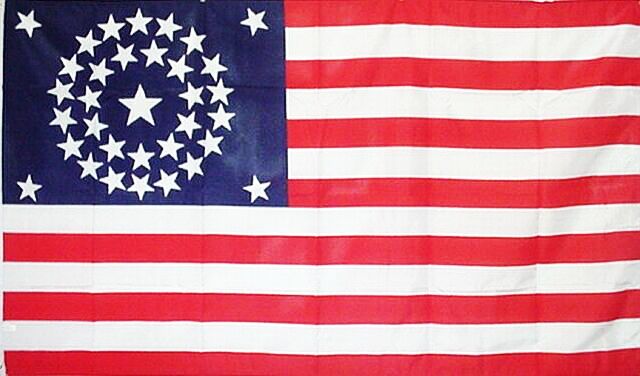
The American flag is one of the United States’ most significant and powerful patriotic symbols. We have so many stuff for it such as our national anthem, “The Star Spangled Banner,” written by a lawyer named Francis Scott Key who witnessed the Battle of Fort McHenry during the War of 1812 while a prisoner on a British ship in Baltimore Harbor. Of course, even though the flag has been around since the American Revolution but contrary to what you might’ve learned in school, it was definitely not designed by a woman named Betsy Ross (that was just some bullshit story made up by her grandson). It was more likely designed by Continental Congress delegate and signer of the Declaration of Independence Francis Hopkinson (and even his claim has holes in it but at least his involvement with the design is supported by evidence). Yet, there are also stories relating to other individuals as well. But as to whoever sewn the first American flag, it could be any flag maker in Philadelphia. Over the years, it has gone through many renditions, there wasn’t a lot of rules that pertained to the stars and stripes at first save perhaps that it should include 13 red and white stripes as well as a blue square at the top left corner that consisted of a number of stars that depicted the number of states at the time. However, until 1912, there was no pattern to how the stars should be displayed. And if you go to an American Civil War museum, then you’d find a lot of interesting patterns.

One of the many designs you might see of a Union flag in an American Civil War museum. The star configuration on the flag wouldn't be established until 1912.

One of the many designs you might see of a Union flag in an American Civil War museum. The star configuration on the flag wouldn’t be established until 1912.

Despite that the Stars and Stripes was adopted in 1777, it wasn’t until 146 years later when there was a serious attempt to establish a uniform code of etiquette for the US flag. On February 15, 1923, the War Department issued the US Flag Code which was adopted almost in their entirety on June 14 of that year by a conference of 68 patriotic organizations in Washington D.C. However, the US Flag Code didn’t become official law until years later. Now military branches have their own codes for the American Flag. This is for civilians.

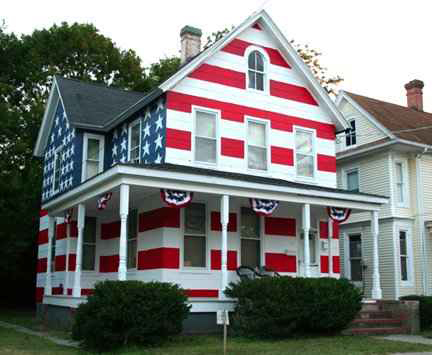
If something has the likeness of an American flag to an observer, then it should be seen as an American flag. Since this house is painted as an American flag, it's basically disrespect.

If something has the likeness of an American flag to an observer, then it should be seen as an American flag. Since this house is painted as an American flag, it’s basically disrespect.

“The words “flag, standard, colors, or ensign”, as used herein, shall include any flag, standard, colors, ensign, or any picture or representation of either, or of any part or parts of either, made of any substance or represented on any substance, of any size evidently purporting to be either of said flag, standard, colors, or ensign of the United States of America or a picture or a representation of either, upon which shall be shown the colors, the stars and the stripes, in any number of either thereof, or of any part or parts of either, by which the average person seeing the same without deliberation may believe the same to represent the flag, colors, standard, or ensign of the United States of America.” –Introduction to the US Flag Code Ch. 1 Title 4.

When to Display the Flag

The flag should be displayed at all times on a pole at public buildings, legal holidays, and other occasions.

The flag should be displayed at all times on a pole at public buildings, legal holidays, and other occasions. On all days, it’s usually hoisted on flagstaffs from sunrise to sunset.

On all days, especially on legal holidays and other special occasions.

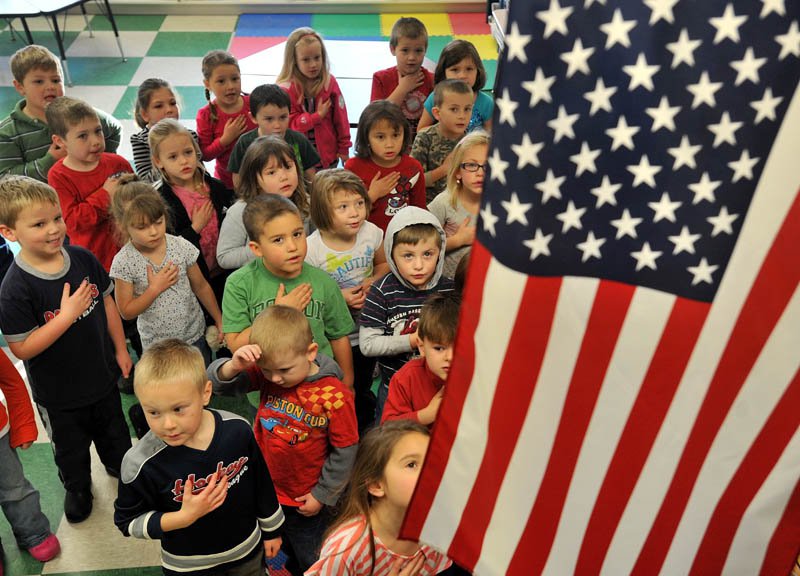
It's always customary for classrooms to stand up and recite the "Pledge of Allegiance" every morning. But even though I love my country, saying the Pledge was kind of a pain in the ass for me. Nevertheless, Francis Bellamy had a way to salute the flag during the pledge but it was discontinued in the 1940s for bearing too much similarities to the Hitler salute (yes, really).

It’s always customary for classrooms to stand up and recite the “Pledge of Allegiance” every morning. But even though I love my country, saying the Pledge was kind of a pain in the ass for me. Nevertheless, Francis Bellamy had a way to salute the flag during the pledge but it was discontinued in the 1940s for bearing too much similarities to the Hitler salute (yes, really).

On official buildings when in use, in or near polling places on election days, and in or near schools when in session.

Customary between sunrise and sunset on buildings and on stationary flagstaffs in the open.

Citizens may fly it at any time.

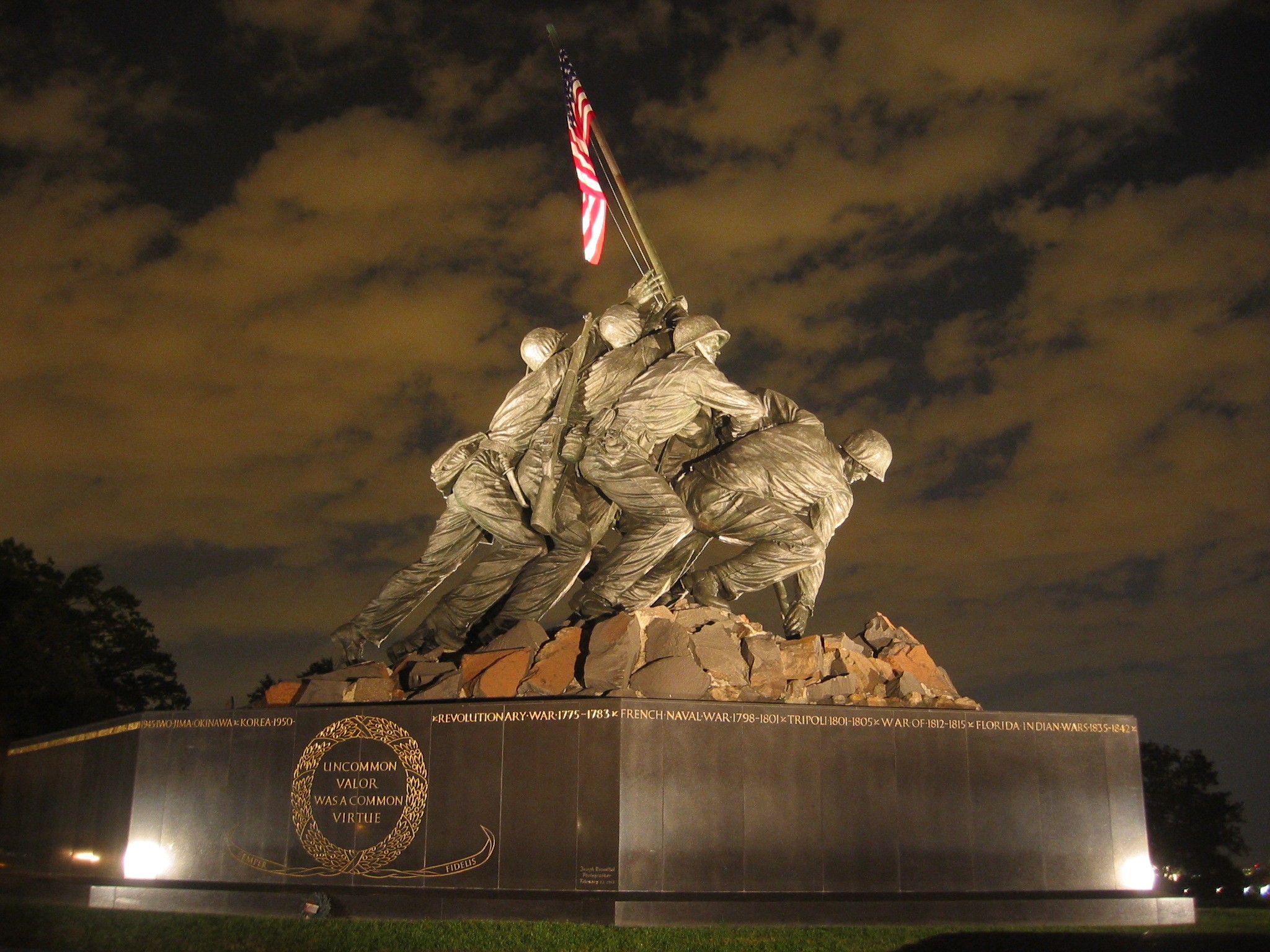
The American flag flies continuously at the US Marine War Memorial in Washington D. C. which depicts the statue of the soldiers in the Iwo Jima flag raising photo, which was staged as said in Flags of Our Fathers. What happened to the men in it is pretty sad.

The American flag flies continuously at the US Marine War Memorial in Washington D. C. which depicts the statue of the soldiers in the Iwo Jima flag raising photo, which was staged as said in Flags of Our Fathers. What happened to the men in it is pretty sad.

May be displayed at night, on special occasions, preferably lighted.

Flies at the White House and the East and West fronts as well as the dome of the US Capitol at all times and at the US House and Senate while in session. Other places it flies continuously at: US customs and ports of entry, Fort McHenry National Monument and Historic Shrine as well as Flag House Square in Baltimore, the Francis Scott Key Home, the Marine Corps War Memorial (Raising of the Flag at Iwo Jima), Battle Green at Lexington, Massachusetts, the South Pole, the Moon, Valley Forge, and other places by custom.

50 flags are continuously displayed at the Washington Monument.

A Civil War era flag flies continuously at Pennsylvania Hall at Gettysburg College.

Small flags usually fly at all times on graves of those who’ve served in the US military.

Flying the Flag at Half-Staff

To fly a flag at half staff is a sign of a nation in mourning. This is usually done upon deaths of high elected official, days of remembrance, and upon presidential proclamation.

To fly a flag at half staff is a sign of a nation in mourning. This is usually done upon deaths of high elected official, days of remembrance, and upon presidential proclamation.

Signal of mourning.

Should be hoisted to the peak before being lowered to half-staff.

Durations:

  • By presidential proclamation.
  • 30 days from the day of death for a sitting or former president.
  • 10 days from the day of death for a current Vice President, current/retired Chief Supreme Court Justice, and Speaker of the House.
  • Day of death to day to burial for associate Supreme Court Justice, cabinet member, former Vice President, Senate president pro tempore, and House and Senate majority and minority leaders.
  • Day of death to following day in DC and day of death to burial in decedent’s constituency for US senator, representative, territorial delegate, and residential commissioner for Puerto Rico.
  • Day of death to burial in the decedent’s constituency for governor.
  • On Memorial Day until noon and then raised at peak.
  • On Korean War Veterans Armistice Day (July 27), National Pearl Harbor Remembrance Day (December 7), and Peace Officers Memorial Day (May 15).

How to Fly the Flag

This picture illustrates how you should fly the United States flag. And believe me, the US flag code thinks of everything.

This picture illustrates how you should fly the United States flag. And believe me, the US flag code thinks of everything.

Should be hoisted briskly and ceremoniously.

Should never touch the ground or floor.

When hung over a sidewalk, union side should be away from the building.

When hung over the center of a street, union side should be to the north in an east-west street and to the east in a north-south street.

Must not fly any flag above it or to the right if flown at the same level, except at the United Nations Headquarters and only the UN flag for the former and the member states for the latter.

When 2 flags are placed against a wall with crossed staffs, it should be at right and in front of the staff of the other flag.

When a number of flags are grouped and displayed on staffs, it should be at the center and highest point of the group.

When displayed on a private estate, it shouldn’t be hung (unless at half-staff or when an all weather flag is displayed) during rain or violent weather.

Church and Platform Use

In an auditorium, must be displayed flat, above, and behind the speaker.

When displayed on a staff at church or in a public auditorium, it must hold the position of superior prominence, in advance of the audience, and in a position of honor on the speaker’s right while he or she faces the audience. Other flags should be placed on the left facing the audience.

When it is displayed at the floor of a church or public auditorium, it should be placed on the speaker’s left.

While it may seem like a US Flag Code violation, it's actually not since this photo was taken behind the scenes. The code calls the stars to be at the observer's left and will certainly look like this to the audience. Thus, this is correct.

While it may seem like a US Flag Code violation, it’s actually not since this photo was taken behind the scenes. The code calls the stars to be at the observer’s left and will certainly look like this to the audience. Thus, this is correct.

When displayed horizontally or vertically against the wall or hung, the stars should be uppermost and at the observer’s left.

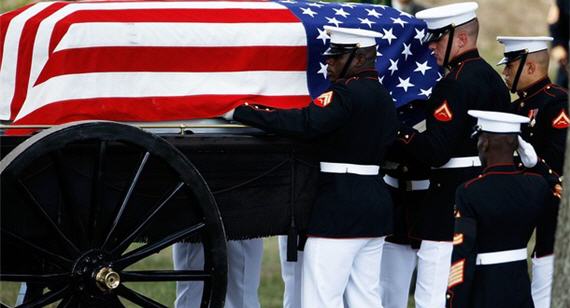
The only acceptable time when an American flag can be draped is on a coffin during a funeral for a serviceman, public official of high standing, or first responders, especially if killed in the line of duty.

The only acceptable time when an American flag can be draped is on a coffin during a funeral for a serviceman, public official of high standing, or first responders, especially if killed in the line of duty. However, it should be removed and folded before being presented to the next of kin.

When covering a casket, it should be placed so that the union (star side) is at the head and over the left shoulder. It should not be lowered into the grave or touch the ground.

Ways to display it on a casket:

  • Closed Casket: When the flag is used to drape a closed casket, it should be so placed that the union (blue field) is at the head and over the left shoulder of the deceased. It may be said that the flag is embracing the deceased who in life has served the flag.
  • Half Couch (Open): When the flag is used to drape a half-couch casket, it should be placed three layers to cover the closed half of the casket in such a manner that the blue field will be the top fold, next to the open portion of the casket on the deceased’s left.
  • Full Couch (Open): When the flag is used to drape a full-couch casket, it should be folded in a triangular shape and placed in the center part of the head panel of the casket cap, just above the left shoulder of the deceased. (ushistory.org)

Maintaining the Flag

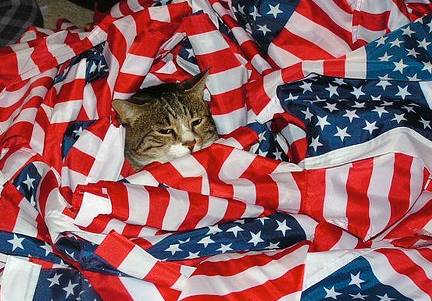
Look, I understand you want a picture of your cat for Facebook patriotic kitten photo contest. But still, American flags shouldn't be on the ground nor be placed in a jumbled up mess.

Look, I understand you want a picture of your cat for Facebook patriotic kitten photo contest. But still, American flags shouldn’t be on the ground nor be placed in a jumbled up mess.

When lowered, it should never touch the ground, water, or other object as well as received in waiting hands. It should be folded neatly and ceremoniously.

Of course, I can attach much political symbols on this picture during the 5th anniversary of 9/11. But even Mr. and Mrs. Bush should know better than to step and wipe their feet on the stars and stripes.

Of course, I can attach much political symbols on this picture during the 5th anniversary of 9/11. But even Mr. and Mrs. Bush should know better than to step and wipe their feet on the stars and stripes.

It should never be stepped on.

Gee, Beatles, this picture of the American flag seems all right with the union at the observer's left, but it's hung a little too low since the Fab Four are basically stepping on it. Then again, I'll just let them off this one since they're fantastic and British.

Gee, Beatles, this picture of the American flag seems all right with the union at the observer’s left, but it’s hung a little too low since the Fab Four are basically stepping on it. Then again, I’ll just let them off this one since they’re fantastic and British. Also, they probably weren’t consulted.

It should be cleaned and mended when necessary.

The flag should be ceremoniously folded like this:

And here's a step-by-step graphic to show you. As my experience with folding an American flag at West Overton, you need at least one other person to do this. Seriously, you see this flag folding at military funerals.

And here’s a step-by-step graphic to show you. As my experience with folding an American flag at West Overton, you need at least a few people to do this. Seriously, you see this flag folding at military funerals.

1. Begin by holding it waist-high with another person so that its surface is parallel to the ground.
2. Fold the lower half of the stripe section lengthwise over the field of stars, holding the bottom and top edges securely.
3. Fold the flag again lengthwise with the blue field on the outside.
4. Make a rectangular fold then a triangular fold by bringing the striped corner of the folded edge to meet the open top edge of the flag, starting the fold from the left side over to the right.
5. Turn the outer end point inward, parallel to the open edge, to form a second triangle.
6. The triangular folding is continued until the entire length of the flag is folded in this manner (usually thirteen triangular folds, as shown at right). On the final fold, any remnant that does not neatly fold into a triangle (or in the case of exactly even folds, the last triangle) is tucked into the previous fold.
7. When the flag is completely folded, only a triangular blue field of stars should be visible.

How to Dispose of a Worn Flag

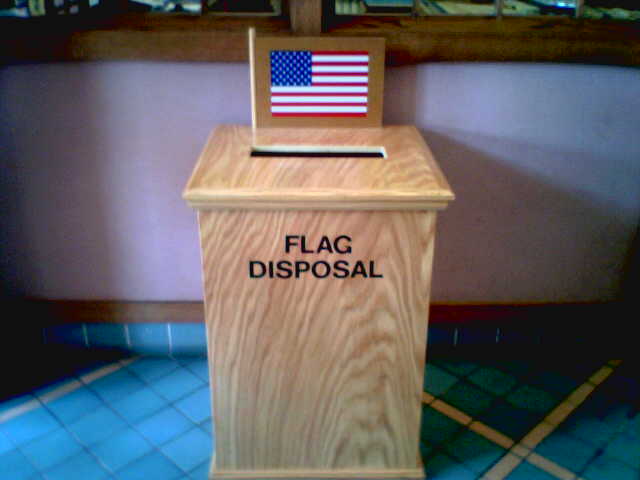
If you have an American flag that's worn out and torn to shreds, you can dispose it right in bins like these from organizations like the Boy Scouts, American Legion, VFW, the military, or others.

If you have an American flag that’s worn out and torn to shreds, you can dispose it right in bins like these from organizations like the Boy Scouts, American Legion, VFW, the military, or others.

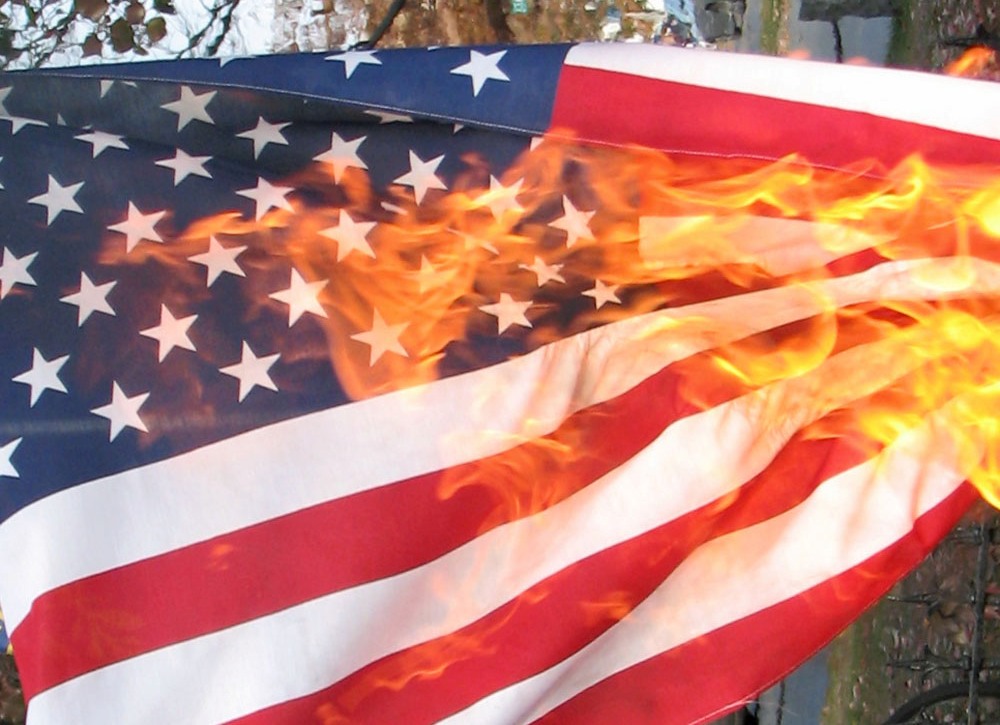
When the flag is in a condition that makes it no longer an emblem for display, it must be destroyed in a dignified way, preferably burning. If you can’t do it yourself remember that you can always contact your local chapters of the Veterans of Foreign Wars, American Legion, Boy Scouts of America, the military or other organizations that conduct dignified flag burning and retirement ceremonies.

As your flag deteriorates, you might want to think about disposing it in a dignified manner, preferably by burning. There's a lot of organizations that take tattered flags and retire them.

As your flag deteriorates, you might want to think about disposing it in a dignified manner, preferably by burning. There’s a lot of organizations that take tattered flags and retire them.

However, if it’s made from polyester or nylon, it’s best if you have it recycled due to hazardous gases being produced while it’s being burned.

Nevertheless, if you find a damaged flag say from an era prior to 1912, you might want to have preserved in a museum immediately.

When to Salute the Flag

Unless you're a member of the band playing the National Anthem or recitation of the "Pledge of Allegiance," it's always customary to salute the flag. Servicemen do the military salute while civilians place their right hands on their hearts.

Unless you’re a member of the band playing the National Anthem or recitation of the “Pledge of Allegiance,” it’s always customary to salute the flag. Servicemen do the military salute while civilians place their right hands on their hearts.

All should face the flag, stand at attention and salute on these occasions:

1. When the flag is passing in a parade or review
2. During the ceremony of hoisting and lowering
3. While the national anthem is played
4. During the Pledge of Allegiance

During these occasions, those in uniform should render military style. Civilians should place the right hand over their heart. Men wearing hats should remove them and old it on their left shoulders during the salute.

Prohibited Uses of the Flag

Sure we may remember Janet Jackson exposing her boob at the Super Bowl in 2004. But I also remember seeing Kid Rock wearing an American flag and clutching his crotch in one of the most disrespectful ways to treat the Stars and Stripes.

Sure we may remember Janet Jackson exposing her boob at the Super Bowl in 2004. But I also remember seeing Kid Rock wearing an American flag and clutching his crotch in one of the most disrespectful ways to treat the Stars and Stripes.

Don’t dip the flag into any person or thing (except if it’s a customary ship salute).

Now this soldier has his flag upside down to say our nation is in distress over the killing of innocents in the Middle East, which is fine. However, the writing on the flag is actually more disrespectful.

Now this soldier has his flag upside down to say our nation is in distress over the killing of innocents in the Middle East, which is fine. However, the writing on the flag is actually more disrespectful.

Don’t display the flag with the union side down except as a distress signal.

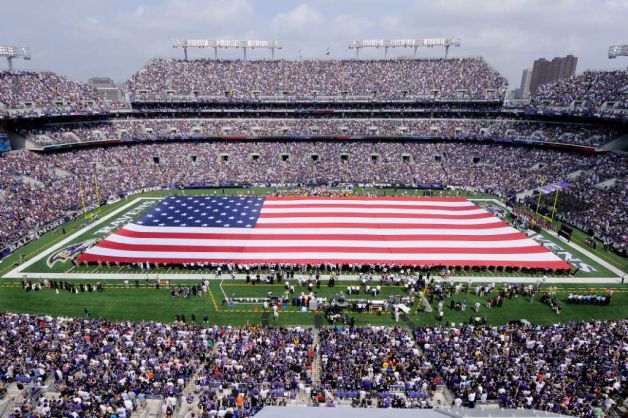
It's always a tradition in pro football games to display the American flag on the field. However, it's also a violation of the US Flag Code done in the name of patriotism. Then again, it looks good for the cameras.

It’s always a tradition in pro football games to display the American flag on the field. However, it’s also a violation of the US Flag Code done in the name of patriotism. Then again, it looks good for the cameras.

Don’t carry the flag horizontally or flat, but always aloft and free.

For God's sake, this is a patriotic national symbol, not a boat cover. Show a little respect for our country, you asshole!

For God’s sake, this is a patriotic national symbol, not a boat cover. Show a little respect for our country, you asshole!

Don’t display it on a float, automobile, train or a boat except from a staff.

Apparently somebody at the Homes and Gardens channel thought an American flag would make the perfect patriotic table spread. What it really is unpatriotic disrespect.

Apparently somebody at the Homes and Gardens channel thought an American flag would make the perfect patriotic table spread. What it really is unpatriotic disrespect.

Don’t place anything on it.

Sure this may be a heartwarming photo of patriotic cuteness. But the US flag code states you shouldn't let it touch the ground or put anything on it. Babies included.

Sure this may be a heartwarming photo of patriotic cuteness. But the US flag code states you shouldn’t let it touch the ground or put anything on it. Babies included.

Don’t use it as a ceiling covering.

Now while I see nothing wrong with honoring 9/11 victims, writing their names on this flag of honor is kind of disrespectful to the American flag according to the code. No disrespect, please.

Now while I see nothing wrong with honoring 9/11 victims, writing their names on this flag of honor is kind of disrespectful to the American flag according to the code. No disrespect, please.

Don’t place any word, design, insignia, number, letter, mark, picture, or drawing on it (meaning you don’t write anything on it or use it for any design).

For a Vice Presidential candidate known for her extremely hateful conservative comments and love for traditional American values, Sarah Palin sure doesn't have any qualms about desecrating the American flag with her autograph.

For a Vice Presidential candidate known for her extremely hateful conservative comments and love for traditional American values, Sarah Palin sure doesn’t have any qualms about desecrating a sacred national symbol with her autograph.

Don’t use it as a receptacle for carrying or delivering anything.

Sure this may seem like the kind of patriotic photo op that might leave some Americans in stitches. But the Flag code specifically states that the stars and stripes shouldn't be used as a receptacle for anything.

Sure this may seem like the kind of patriotic photo op that might leave some Americans in stitches. But the Flag code specifically states that the stars and stripes shouldn’t be used as a receptacle for anything.

Don’t use it as a cover for a statue or monument.

Sure using an American flag for advertising violates the US flag code. But name a company that doesn't do this around the 4th of July. Seriously, every car dealership and beer distributor does this all the time.

Sure using an American flag for advertising violates the US flag code. But name a company that doesn’t do this around the 4th of July. Seriously, every car dealership and beer distributor does this all the time.

Don’t use it for advertising or put an advertising sign attached to the staff or halyard.

Yes, the 4th of July is a time for patriotic party supplies. But this is possibly very disrespectful to the Stars and Stripes as the Flag Code demonstrates. You might want to go with Captain America instead.

Yes, the 4th of July is a time for patriotic party supplies. But this is possibly very disrespectful to the Stars and Stripes as the Flag Code demonstrates. You might want to go with Captain America instead.

Don’t impress, print, paint, or embroider it on articles boxes, napkins, or anything designed for temporary use and discard as well as stuff like handkerchiefs and cushions.

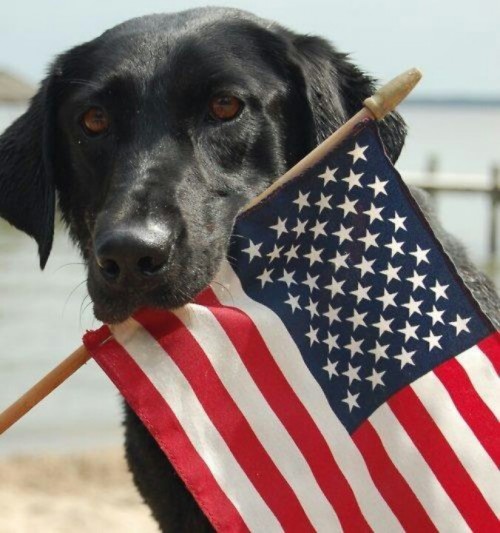
Okay, now I know Americans love their pets and like to use them in patriotic photo ops. However, it's best you don't put an American flag where it can incur soiling and damage such as in a dog's mouth.

Okay, now I know Americans love their pets and like to use them in patriotic photo ops. However, it’s best you don’t put an American flag where it can incur soiling and damage such as in a dog’s mouth.

Don’t fasten, store, display, or use it in a manner that could leave it easily torn, soiled, or damaged in any way.

Sure this may be a sexy patriotic photo op. But it basically goes against the US flag code to wear an American flag so it's basically desecration.

Sure this may be a sexy patriotic photo op. But it basically goes against the US flag code to wear an American flag so it’s basically desecration.

Don’t use it as part of a costume or athletic uniform except if it’s a flag patch on the uniform of military personnel, firefighters, police officers, astronauts, and members of patriotic organizations (and only as designated by that organization). However, if you should wear a flag lapel, it should be pinned near the heart.

Hmm, Mrs. Palin, I know you love America and you want to take a photo to show it. But you know you're disrespecting the US flag by basically draping it on a chair. And she's among the same people who attack Obama for not wearing a lapel pin.

Hmm, Mrs. Palin, I know you love America and you want to take a photo to show it. But you know you’re disrespecting the US flag by basically draping it on a chair. And she’s among the same people who attack Obama for not wearing a lapel pin.

Don’t use it as drapery, bedding, apparel, or decoration of any sort (save a casket during funerals for servicemen, first responders, and high public officials as long as it’s taken off and ceremonially folded). If you want patriotic decoration and drapery for a speaker’s desk, go with a patriotic bunting instead with the blue above and white in the middle.

Want a patriotic decoration you can use for a podium or platform but don't want to desecrate the American flag? Use this bunting, goddammit! You can find them at any craft store.

Want a patriotic decoration you can use for a podium or platform but don’t want to desecrate the American flag? Use this bunting, goddammit! You can find them at any craft store.

Don’t festoon, draw back, up, bunched up, or in folds, but always allowed to fall free.

When it comes to flag desecration, this is perhaps the only way to disrespect the stars and strips that will get people wanting to put you in jail.

When it comes to flag desecration, this is perhaps the only way to disrespect the stars and stripes that will get people wanting to put you in jail.

As of now, there are no penalties for desecrating an American Flag though there have been suggestions with one law from 1968 saying that it could lead to a $1,000 fine or a year’s imprisonment. Nevertheless, as you’ve seen in the media, many Americans frequently violate these rules in the US Flag Code even though it’s usually those who burn the flag at protest rallies who usually receive the most criticism and calls for prosecution. Advertisers, athletic owners, and clothing designers, not so much but you see the flag’s image desecrated like this all the time in these ways. And sometimes having the flag used in this way is seen as promoting patriotism (even though the people who do this either don’t realize what they’re doing or really don’t care). And here the political spectrum doesn’t matter since shows of flag desecration are basically an American tradition at this point, even when played not to be. Even the US government does this as well since flags are a frequent image on postage stamps. Thus, to call anyone unpatriotic for disrespecting the flag is just stupid since it’s something we basically all do at one time or another.

Even the US government isn't above disrespecting the American flag in which it issues postage stamps in its likeness. However, as Americans, we tend to allow this.

Even the US government isn’t above disrespecting the American flag in which it issues postage stamps in its likeness. However, as Americans, we tend to allow this.

For more:

USFlag.org: http://www.usflag.org/uscode36.html

FAQ on the flag: http://www.ushistory.org/betsy/faq.htm

The Real People of Boardwalk Empire: Part 5 – Mae Coughlin Capone to Owney Madden

boardwalk-empire-gambling

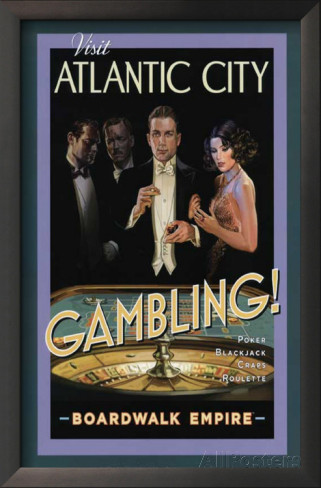
As I may have said before, before states in the Mid Atlantic started to legalize gambling and build casinos of their own in recent times, Atlantic City was renown as the Las Vegas of the Eastern Seaboard before Las Vegas with its share of casinos and gambling establishments. It was also the city that served as a model for the Parker Brothers’ game of Monopoly but that will come out during the Great Depression but it’s no coincidence why some of the areas in that city seem to remind you of it. Nevertheless, Atlantic City also began the Miss America beauty pageant which started as a way to get more tourists to their resort boom town, but has become a national beauty contest owned by Donald Trump (and whatever he has on his hair). Still, during Prohibition, it was famous for ignoring Prohibition thanks to the efforts of one Nucky Johnson who’s the inspiration for the Steve Buscemi character on Boardwalk Empire. Yet, we’ve come to the final installment but we still have more people to go over. In this final selection, we’ll look at some historical wives to famous figures like Mae Capone, First Lady Florence Harding, and Katherine Bader. We’ll also meet Al Capone’s mother Theresina and Warren G. Harding’s alleged daughter Elizabeth Ann Blaesing. Yet, we’ll also see investigators William Frank and Eliot Ness as well as Nucky Johnson’s servant Louis Kessel. And then we have famous horse trainer Max Hirsch, boxing manager Jack “Doc” Kearns, and possible Billie Kent inspiration Dorothy “Dot” King. Finally, we’ll meet gangsters Salvatore Maranzano and Owney Madden. So without further adieu, enjoy this final installment of the real people seen from Boardwalk Empire.

53. Mae Coughlin Capone (1897-1986)

Mae Capone was Al Capone's beautiful wife and mother to his son. Yet, since she was a private person, there's very little else that's known about her. Still, Al knew how to pick em' didn't he?

Mae Capone was Al Capone’s beautiful wife and mother to his son. Yet, since she was a private person, there’s very little else that’s known about her. Still, Al knew how to pick em’ didn’t he?

Known in Life as: Al Capone’s wife.
Character or Inspiration? She’s a character on the show.
Similarities: Well, she was Irish.
Differences: Born in New York and married to Al since she was 21 three weeks after their son was born. Had syphilis. Was an ardent churchgoer. Stuck with Al until the end and was reputed to be beautiful. Still, despite her husband’s infamy as perhaps the most famous American gangster who ever lived, there’s surprisingly little about her.
Ultimate Fate: Died in Miami in 1986 at 89.

54. Max Hirsch (1880-1969)
Known in Life as: American Hall of Fame Thoroughbred horse trainer. One of the most successful in history. His horses gave him 3 wins in the Kentucky Derby, 2 wins in the Preakness Stakes, and 4 wins in the Belmont Stakes. Also, trained the 1946 Triple Crown winner Bold Venture.
Character or Inspiration? He’s a character on the show.
Similarities: Well, he did condition horses for various clients but I’m not sure if Rothstein was one of them.
Differences: Born in Texas and spent his early years as a groom and jockey at the Morris Ranch. Married with at least one son named Buddy who also followed in his footsteps.
Ultimate Fate: Died in Long Island, New York in 1969 at 88.

55. Florence Harding (1860-1924)

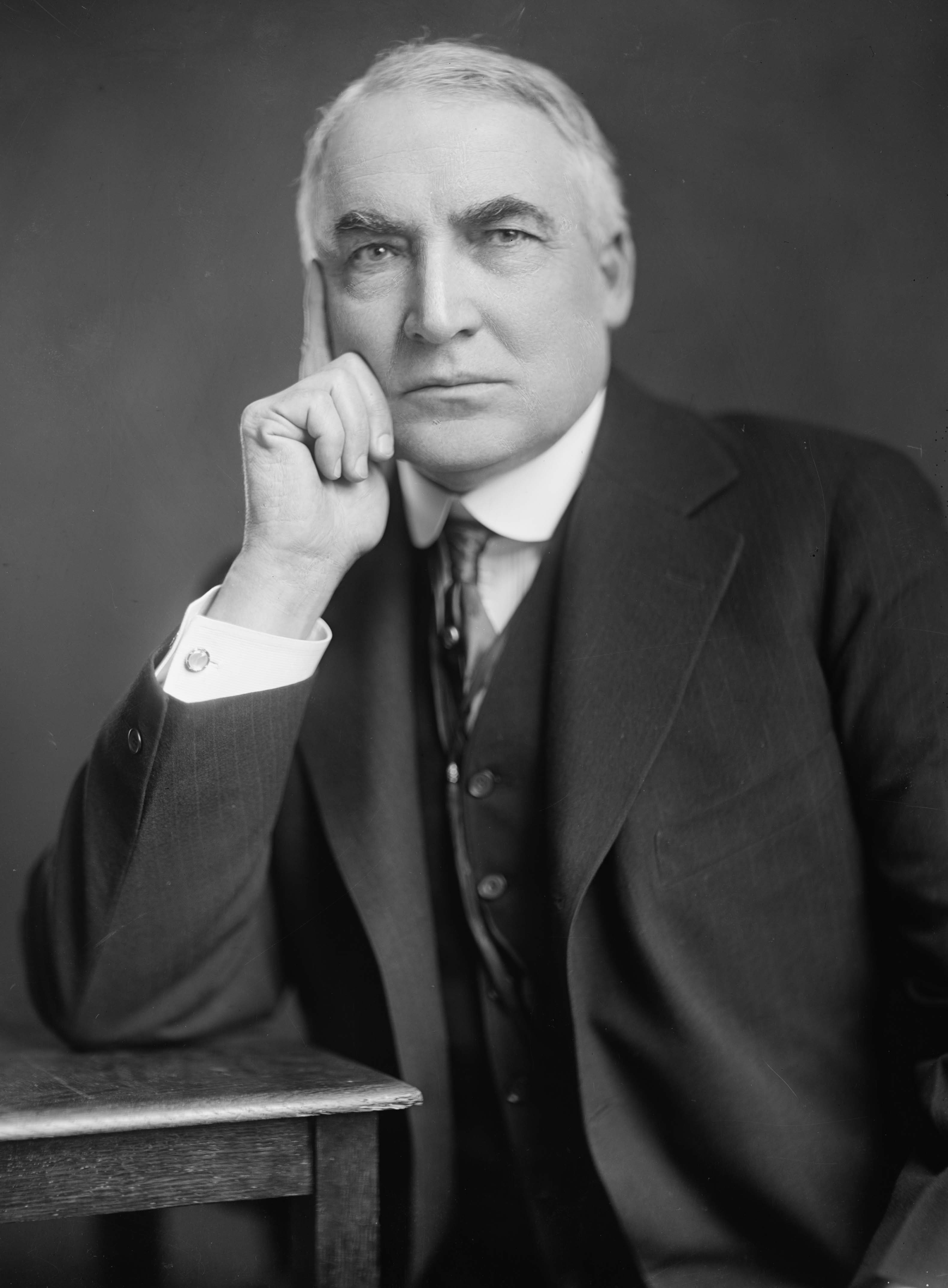
Though we're not sure whether she was called

Though we’re not sure whether she was called “Flossie” we’re pretty sure that if Florence Harding ever had anything to do with her husband’s death it had more to do with trusting the wrong doctor than anything. I mean you shouldn’t trust homeopaths for their pseudoscientific quacks.

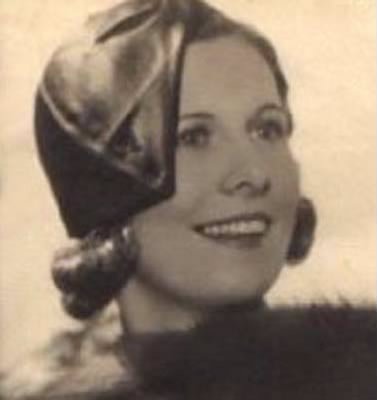
Known in Life as: Wife of President Warren G. Harding and First Lady of the United States from 1921-1923. Known as the brains behind her husband’s newspaper business, called “The Duchess,” and was said to give notably elegant parties.
Character or Inspiration? She’s a character on the show.
Similarities: Well, she had gray hair and glasses. Also actually consulted a fortune teller who said that her husband would become President but die in office.
Differences: Was married twice and had a son with her first husband who she divorced on grounds for gross neglect. May or may not have been called “Flossie.” Once studied to be a concert pianist and worked as a piano teacher. Helped Warren run his newspaper business where she organized circulation, improved distribution, trained newsboys, purchased equipment at keen prices, and installed the first local wire service. She also managed her husband’s finances, social life, and public image. Said to have a strong influence in Warren’s administration and held outspoken political views. Her great cause was championing the welfare of war veterans and served alcohol to guests. Though alleged by Gaston Means that she killed her husband, it’s highly unlikely though she did destroy many of his papers.
Ultimate Fate: Died of renal failure after her last public appearance on Veteran’s Day in 1924. She was 64.

56. Teresina Raiola Capone (1867-1952)

Theresina Capone with her grandson Albert Francis. I guess while she didn't seem to like her son's gangster interests, she didn't seem to disown him.

Theresina Capone with her grandson Albert Francis. I guess while she didn’t seem to like her son’s gangster interests, she didn’t seem to disown him.

Known in Life as: Al Capone’s mother.
Character or Inspiration? She’s a character on the show.
Similarities: Well, she’s Italian though I’m not sure if she went to Chicago.
Differences: Born in Naples and was a seamstress before marrying barber Gabriel Capone. Had 10 children. Came to the US in 1893.
Ultimate Fate: Died in 1952 at 85.

57. Katherine Holvick Bader (1878-1969)
Known in Life as: Edward L. Bader’s wife.
Character or Inspiration? She’s a character on the show.
Similarities: Well, she did attend dinners with her husband.
Differences: Married with 4 kids. Still, there’s really not much about her.
Ultimate Fate: Died in Atlantic City in 1969 at 91.

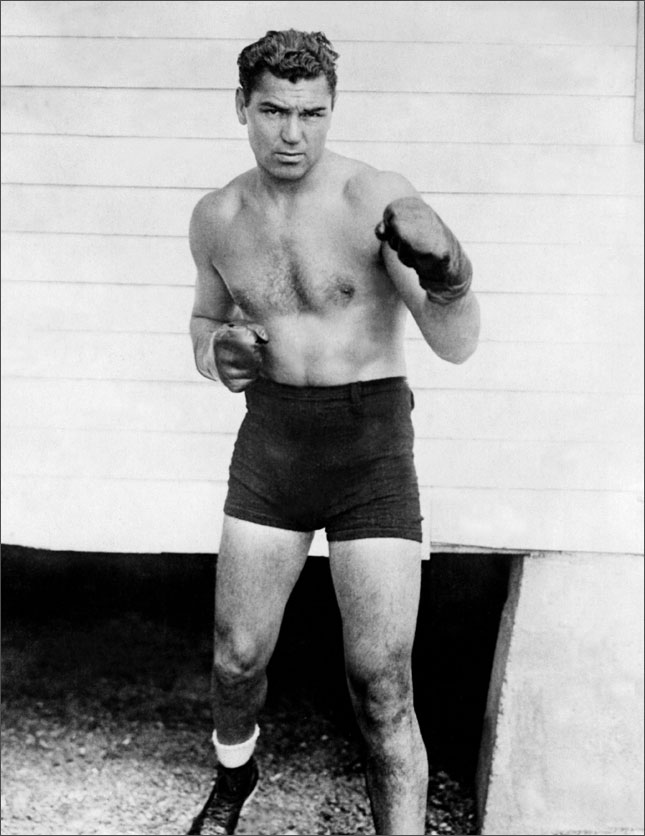
58. Jack “Doc” Kearns (1882-1963)

Jack

Jack “Doc” Kearns was a world renown boxing manager most famous for overseeing the career of Jack Dempsey. Still, there may be details in his autobiography that might be rather sketchy.

Known in Life as: World renowned boxing trainer and manager for Jack Dempsey during the 1920s. Also trained Mickey Walker, Joe Maxim, and Archie Moore.
Character or Inspiration? He’s a character on the show.
Similarities: Trained Jack Dempsey around the time of his upcoming fight against Georges Carpentier. May have been corrupt.
Differences: Hailed from the state of Washington and wrote his autobiography called The Million Dollar Gate that was published posthumously in 1966. Quit school at 14 and stowed away on a freighter to Alaska to stake a claim in the Klondike Gold Rush. Said he worked as a dognapper and helped smuggle Chinese laborers. Was a boxer himself in 1900 and said to take part in 60 bouts. Operated a boxing club and bar in Spokane for a time. Remained an active fight manager until his death.
Ultimate Fate: Died in 1963 at 81.

59. Salvatore Maranzano (1886-1931)

Salvatore Maranzano may look rather sharp but this is perhaps the only picture I could find him alive. Other photos depict him as brutally shot up and they're not pretty. Still, let's just say he'd start a gang war and be killed by Luciano.

Salvatore Maranzano may look rather sharp but this is perhaps the only picture I could find him alive. Other photos depict him as brutally shot up and they’re not pretty. Still, let’s just say he’d start a gang war and be killed by Luciano.

Known in Life as: Early Costa Nostra boss in the US who instigated the Castellammarese War to seize control of American Mafia operations and briefly became the Mafia’s “Bosses of Bosses.”
Character or Inspiration? He’s a character on the show.
Similarities: Was in direct competition with Masseria.
Differences: Born in Italy and once studied to be a priest yet immigrated to Brooklyn in 1919 on a Sicilian mob boss’ orders. Had a commanding presence as well as greatly respected his underworld peers. Was fascinated with Julius Caesar and the Roman Empire as well as loved discussing these subjects with his less-educated American counterparts. Though he was a legitimate real estate broker, he also had businesses in bootlegging, prostitution, and illegal narcotics smuggling. Divided his organization into squads with each soldier pledging loyalty to his squad leader.
Ultimate Fate: Shot and stabbed by 4 hitmen posing as accountants in New York on Luciano’s orders in 1931. Still, he already hired someone to kill Luciano. After his murder, Luciano abolished the “Boss of Bosses” title and his organization would become the Bonnano Crime Family since it was given to Joseph Bonnano.

60. William Frank
Known in Life as: A lawyer who led a joint IRS and FBI task force to take down Nucky Johnson.
Character or Inspiration? Inspiration for Nelson Van Alden which is rather loosely based.
Similarities: Well, they did lead an operation to take down a corrupt political boss making money on illegal activities.
Differences: His operation to take Nucky Johnson down wasn’t until 1936, which was 3 years after Prohibition. Also, he probably wasn’t a religious fanatic (if so, then he perhaps wasn’t as batshit crazy as Van Alden) and was rather successful at getting his man.
Ultimate Fate: Don’t really know what happened to him.

61. Eliot Ness (1903-1957)

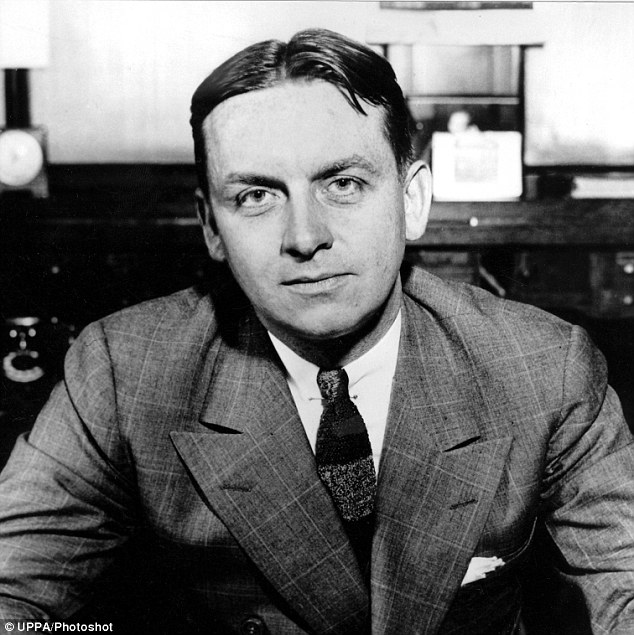
I think Eliot Ness is one of the more overrated people in history mainly because his actions during Prohibition make a rather good story despite that he didn't take down Al Capone. Also, he was a womanizer and a drunk.

I think Eliot Ness is one of the more overrated people in history mainly because his actions during Prohibition make a rather good story despite that he didn’t take down Al Capone. Also, he was a womanizer and a drunk.

Known in Life as: American Prohibition agent famous for his efforts to enforce the 18th Amendment in Chicago as well as leader of a legendary team of law enforcement agents known as the Untouchables (and no, they didn’t take down Al Capone. IRS agent Frank J. Wilson did).
Character or Inspiration? He’s a character on the show.
Similarities: Well, he did publicly declare he’d take down Al Capone while still a Chicago Treasury agent (he didn’t in real life).
Differences: Born to Norwegian immigrants and attended the University of Chicago where he served as a member in Sigma Alpha Epsilon and graduated with an economics degree in 1925. Career as investigator began for the Retail Credit Company of Atlanta. Returned to college to earn a master’s degree in criminology. With his Untouchables, he staged raids against illegal stills and breweries and was said to have seized such facilities worth as much as a million bucks. Also used wiretapping. Had a close friend killed and survived assassination attempts. Was a womanizing drunk. Had one adopted son and was married 3 times (divorced twice).
Ultimate Fate: After Prohibition, his later years as a law enforcer would come to an end in the 1930s and his latter life consisted of two divorces, business failures, and alcoholism. Died of a heart attack in Coudersport, Pennsylvania at 54. ATF building is named after him.

62. Louis Kessel (1888-1944)

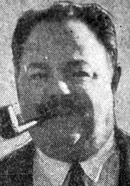
Louis Kessel was the inspiration for Boardwalk Empire's Eddie Kessler. A former cab driver, he worked as Nucky Johnson's valet, driver, and bodyguard and was called by his boss,

Louis Kessel was the inspiration for Boardwalk Empire’s Eddie Kessler. A former cab driver, he worked as Nucky Johnson’s valet, driver, and bodyguard and was called by his boss, “the most loyal man I ever knew.” If there was one thing, Nucky Johnson regretted in his life, it was not attending Kessel’s funeral (due to being incarcerated for tax evasion).

Known in Life as: Former cab driver and personal servant to Nucky Johnson at his Ritz-Carlton residence in Atlantic City. Johnson called him, “the most loyal man I ever knew.”
Character or Inspiration? Inspiration for Eddie Kessler.
Similarities: Well, he was German (despite being born in Russia). Also served as chauffer and bodyguard, too.
Differences: Born in Russia and was 42 in 1920. Was of stockier build than Anthony Laicura but had a similar appearance otherwise. Smoked a pipe. Stood 5’5” and weighed 260 lbs. Before he became a cab driver he was a wrestler and bartender. Could easily break down a door. Woke his boss every day at 3:00 pm and gave him a vigorous massage with wintergreen oil, answered his calls, and prepared him of the day. Was arrested in a prostitution sting. Had a wife and kids though (his granddaughter is still alive). Visited his boss in prison a few times a week with Johnson’s second wife Florence.
Ultimate Fate: Died in a broadsided limo accident during a drive to Lewisburg, Pennsylvania to see his incarcerated boss. He was 56. Nucky Johnson was upset that he couldn’t go to the funeral, and not being there haunted him for decades. Still, his boss would write a moving tribute for him.

63. Elizabeth Ann Blaesing (1919-2005)

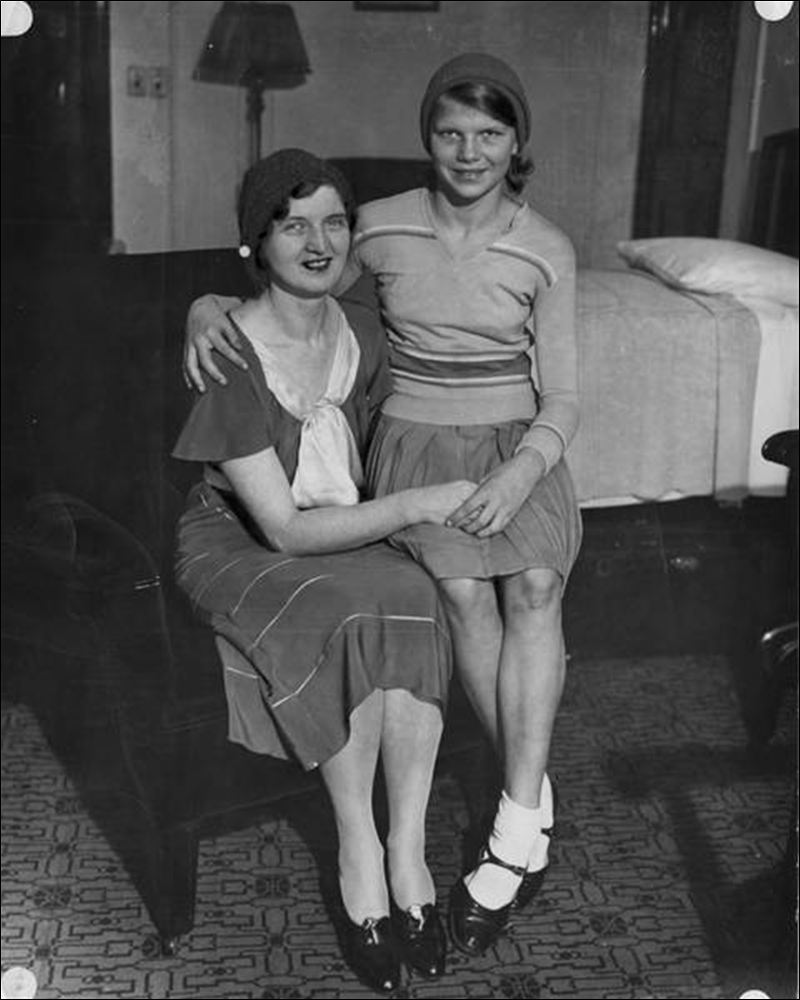
Young Elizabeth Blaesing with her mother Nan Britton. Though alleged to be Warren G. Harding's daughter, I don't think she bears any resemblance to the President. Still, Harding was known to be philanderer but might've been sterile.

Young Elizabeth Blaesing with her mother Nan Britton. Though alleged to be Warren G. Harding’s daughter, I don’t think she bears any resemblance to the President. Still, Harding was known to be philanderer but might’ve been sterile.

Known in Life as: Alleged daughter of Warren Harding by alleged mistress Nan Britton. Her claims were never conclusively proven.
Character or Inspiration? She’s a character on the show though she won’t be known by her surname Blaesing until after she was married. Yet, since we don’t know who her father is and went by different surnames prior to her marriage, we’ll just use her maiden name.
Similarities: Well, she was definitely Nan Britton’s daughter. And Warren G. Harding’s according to DNA tests.
Differences: Born in New Jersey and lived in multiple states. Married and had at least one son. Said that Warren G. Harding was her father but has refused interviews or a DNA test (not anymore).
Ultimate Fate: Died in Oregon in 2005. She was 86.

64. Dorothy “Dot” King (1896-1923)

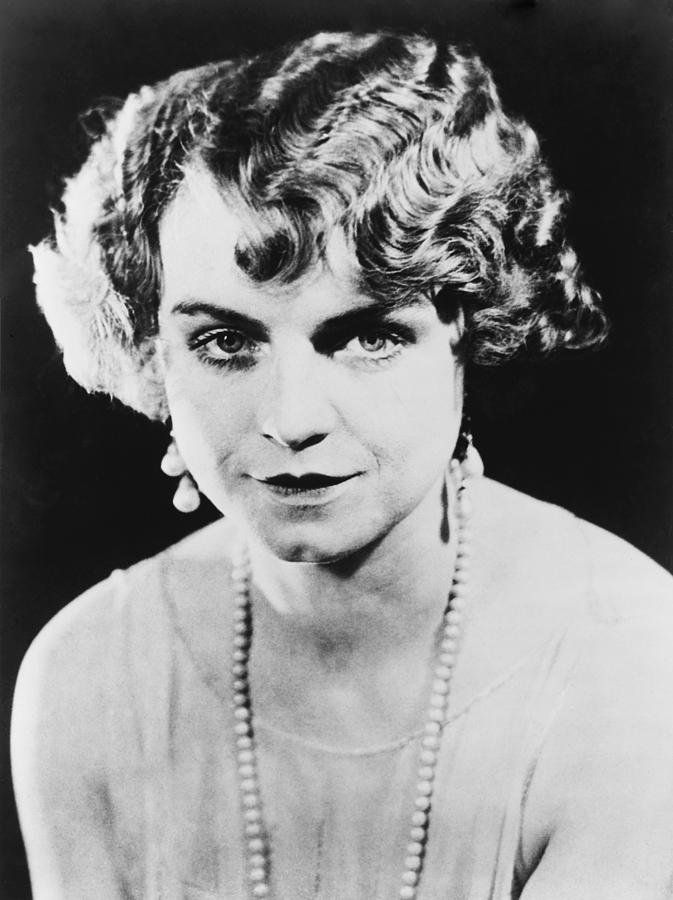
Dorothy

Dorothy “Dot” King was a former showgirl, model, and actress who was famously found murdered in her New York apartment in a building owned by Arnold Rothstein. Still, compared to Billie Kent, she was no saint.

Known in Life as: Ziegfield Follies chorus showgirl who lived in an apartment owned by Arnold Rothstein found famously murdered in 1923.
Character or Inspiration? Likely inspiration for Billie Kent though rather loosely.
Similarities: Well, they do have a similar taste in certain infamous men like sugar daddies, playboys, top-hatted stage-door Johnnies, and Just Plain Gigolo. Both were said to have diamonds, furs, and a bachelor girl apartment in New York.
Differences: Daughter of Irish immigrants. She wasn’t the loyal mistress Billie was to Nucky on the show (who had a sugar daddy but also a Puerto Rican con man lover) and was actually in her late 20s. Also wasn’t blown up in a nightclub. Was married once to a chauffeur but he divorced her after catching her cheating on him. Appeared in only one Broadway production for 105 performances in 1920 and worked in modeling. Yet, left both to make a living as an honest to goodness vamp who had affairs with string of wealthy and powerful men.
Ultimate Fate: Murdered in her yellow silk pajamas in her New York City apartment in 1923. She was 27. Some of her jewelry was missing from the scene as well. Killing remains unsolved and no one was tried.

65. Owney Madden (1891-1965)

Owney Madden may not look like much and may have spoken in a Yorkshire accent like you hear on Downton Abbey. Yet, he was a notorious gangster who had future movie star George Raft as his personal driver (yes, that George Raft if you know who he was. Well, if you don't, he's the head gangster in Some Like It Hot, which you should watch).

Owney Madden may not look like much and may have spoken in a Yorkshire accent like you hear on Downton Abbey. Yet, he was a notorious gangster who had future movie star George Raft as his personal driver (yes, that George Raft if you know who he was. Well, if you don’t, he’s the head gangster in Some Like It Hot, which you should watch).

Known in Life as: Leading underworld figure during Prohibition in New York, most notable for his involvement in organized crime, running the famous Cotton Club, and being a leading boxing promoter in the 1930s.
Character or Inspiration? He’s a character on the show.
Similarities: Spoke in a Northern English accent.
Differences: Born in England to Irish parents. Came to US in early 1900s and was a member of New York’s Gopher Gang where he got a notorious reputation as a fighter and killer. Lead pipe and gun were his signature weapons. Enjoyed an opulent lifestyle and was often accompanied by several women. Yet was known for his violent jealousy and shot a store clerk who asked one of his girls out while boarding a trolley. Despite several witnesses, the case was dismissed. Yet, was eventually sent to Sing Sing for 20 years for his violent behavior but only served 9. Found the Gopher Gang broke up at his 1923 release so went to be a muscle for a friend’s cab business and started running Canadian whiskey to New York. Onetime personal driver would be future movie star George Raft (I’m not making this up).
Ultimate Fate: After being responsible for the killing of Vincent “Mad Dog” Coll and being arrested for a parole violation in 1932, he would soon leave New York in 1935. Settled in Hot Springs, Arkansas where he opened the Southern Club where Luciano was arrested as well as became involved with other criminal activities like illegal gambling. Became a US citizen in 1943 and married the city postmaster’s daughter. Gave up his British passport when threatened with deportation in the 1950s. Died of emphysema in 1965 at 73.

The Real People of Boardwalk Empire: Part 4 – Nan Britton to Richard “Peg Leg” Lonergan

IF

Vaudeville was one of the dominant forms of variety show entertainment from the 1880s to the early 1930s, which was very popular in the United States and Canada during the 1920s. A typical performance was made up of a series of unrelated acts groups together on a common bill. Acts could consist of popular and classical musicians, singers, dancers, comedians, trained animals, magicians, male and female drag shows, acrobats, illustrated songs, jugglers, one-act scenes from plays, athletes, lecturing celebrities, minstrels (hopefully not to a black audience), and even movies. This kind of entertainment developed from many sources including the concert saloon, minstrelsy (unfortunately), freak shows, dime museums, and literary American burlesque. It’s no wonder it’s called “the heart of American show business,” since it brought us people like Charlie Chaplin, Cary Grant, the Marx Brothers, the Three Stooges, Eddie Cantor, Buster Keaton, Mae West, Bill “Bojangles” Robinson, Abbot and Costello, Bob Hope, Judy Garland, Sammy Davis Jr., Jack Benny, and George Burns. Still, it’s a dominant form of entertainment in Boardwalk Empire filled with many showgirls that all the gangsters can screw. Nevertheless, in this selection, we’ll meet political figures like President Warren G. Harding, Irish revolutionary and politician Eamon De Valera, New Jersey Governor Edward I. Edwards, and Atlantic City Mayor Harry Bacharach. We’ll also be introduced to Al Capone’s son Albert Francis, alleged Harding mistress Nan Britton, Arnold Rothstein’s wife Carolyn, ragtime composer James Scott, and famous criminal defense lawyer William J. Fallon. And of course, Boardwalk Empire won’t be without the gangsters in which we have in this selection Big Jim Colosimo (the mustachioned guy who was killed in the pilot), Chicago Outfit adviser and Capone Associate Jake Guzik, as well as White Hand leaders “Wild Bill” Lovett and “Peg Leg” Lonergan. So without further adieu, here are some more real life historical figures from the world of the Emmy-winning Boardwalk Empire.

40. Nan Britton (1896-1991)

Nan Britton may or may not have been Warren Harding's babymama but she did cause a sensation with her 1927 book alleging that. Still, I wonder how she got the fur stole.

Nan Britton may or may not have been Warren Harding’s babymama but she did cause a sensation with her 1927 book alleging that. Still, I wonder how she got the fur stole.

Known in Life as: Associated with the Warren G. Harding Presidency because she publicly claimed in a tell-all book in 1928 that Harding had fathered her illegitimate daughter shortly before his election as president in 1920.
Character or Inspiration? She’s a character on the show.
Similarities: Was infatuated with Harding since she was a teenager and before he started his political career (who was a friend of her dad). Also, had his love child according to DNA evidence.
Differences: Was about 24 in 1920 and worked as a secretary in New York City. Had her daughter in 1919. Also, despite that she claimed that Harding fathered her daughter, Elizabeth Ann, there’s little concrete evidence that an affair between them ever took place and might’ve just existed in her head (save maybe an occasional hook up prior to his presidency). If so, then we’re sure that Harding wasn’t her baby daddy because he was said to be sterile (though DNA evidence has rebuked this). Also wasn’t hidden away until the 1920 election to avoid political scandal because that honor went to a woman who was Harding’s mistress but for very different reasons.
Ultimate Fate: Died in Oregon of natural causes in 1991 at 94.

41. Eamon De Valera (1882-1975)

John McGarrigle may not be a surrogate for Eamon De Valera but he did share a lot of his personality and wore glasses. Nevertheless, Valera would be a dominant figure in Ireland during the 20th century until his death in 1975.

John McGarrigle may not be a surrogate for Eamon De Valera but he did share a lot of his personality and wore glasses. Nevertheless, Valera would be a dominant figure in Ireland during the 20th century until his death in 1975.

Known in Life as: One of the dominant figures of early 20th century Ireland whose political career spanned from 1917-1973 with roles from revolutionary to several terms as head of state and government. Led the introduction of the Constitution of Ireland. Was in Sinn Fein and founded Fianna Fail. Political creed evolved from militant republicanism to cultural conservatism.
Character or Inspiration? Inspiration for John McGarrigle (though not necessarily a stand-in but close).
Similarities: Well, they had similar appearances and personality. Both fund-raised for the IRA in the US.
Differences: Born in New York to a Cuban father. Was a devout Catholic man who once considered becoming a priest yet might’ve prevented doing so because of his possible illegitimate birth (out of wedlock children couldn’t enter into the secular or diocesan priesthood at the time, though he could’ve been a priest of a religious order {like Erasmus}. Still, his half-brother was a priest though). Happily married for 65 years and fathered 7 kids. Was a math professor before getting involved in Irish politics. Was never assassinated unlike McGarrigle.
Ultimate Fate: Died in Dublin of natural causes in 1975 at 92. Body lay in Dublin Castle and was given a full funeral at St. Mary Pro-Cathedral, which was broadcast on national television.

42. Warren G. Harding (1865-1923)

Warren G. Harding did make a dandy looking president in the early 1920s. Too bad that he was a horrible judge of character that Teapot Dome happened.

Warren G. Harding did make a dandy looking president in the early 1920s. Too bad that he was a horrible judge of character that Teapot Dome happened.

Known in Life as: 29th President of the United States from 1921-1923. Republican from Ohio who served in the state and US Senate but was nominated on the ballot for being an inoffensive compromise candidate and used advertising experts to publicize his presidential appearance and conservative promises like “a return to normalcy,” an end to violence and radicalism, a strong economy, and independence from European intrigues. Though appointed great minds in his cabinet like Andrew Mellon for Treasury, Herbert Hoover for Commerce, and Charles Evans Hughes for State, he also rewarded friends and contributors with powerful positions who were known as the Ohio Gang. Presidency was famous for multiple cases of corruption exposed both during and after his death, including the notorious Teapot Dome scandal which was “greatest and most sensational scandal in the history of American politics” before Watergate. Seen as one of the worst US Presidents, despite setting up what would eventually become the Department of Veterans’ Affairs.
Character or Inspiration? He’s a character on the show.
Similarities: Well, he was a womanizer and frequently cheated on his wife. Had to have a mistress hidden away during his 1920 presidential campaign. And had a love child out of wedlock to Nan Britton according to DNA evidence. But both these things didn’t apply to the same woman.
Differences: Born and spent most of his life in Ohio as well as owned a newspaper. Actual mistress who was to be hidden away wasn’t Nan Britton, but his mistress of 15 years Carrie Fulton Phillips (who he certainly did have an affair with since there are 1,000 pages of intimate letters between them which may be available online), a wife of a department store owner and a close friend. Yet, she was hidden away due to her vocal support for Germany during WWI and was deliberately blackmailed by the Republican Party with an all-expense paid vacation to East Asia. Also said to be linked to two of his wife’s friends named Susan Hodder and Grace Cross. Heavy drinker and gambler. Still, wasn’t as much a crook and more like a bad judge of character.
Ultimate Fate: Died in office under mysterious circumstances in San Francisco in 1923 at 58 (Mrs. Harding refused an autopsy. Still, even if Flossie didn’t poison her husband {and it’s highly unlikely she did}, we’re not sure what killed him. He was officially said to succumb to apoplexy and recently had a heart attack as well as food poisoning {from seafood} that led to pneumonia in Alaska but it may have been stroke, congestive heart failure, food poisoning, or heart attack. It’s also widely believed that Harding might’ve been a victim of medical malpractice since the doctor treating him when he died was a homeopath {a field of medicine that’s now considered a pseudoscience}.)

43. James “Big Jim” Colosimo (1878-1920)

Big Jim Colosimo with his lawyer. Notice that he used to wear that white suit to lure women into his prostitution cathouses. Still, you probably remember him for getting killed in the Boardwalk Empire pilot.

Big Jim Colosimo with his lawyer. Notice that he used to wear that white suit to lure women into his prostitution cathouses. Still, you probably remember him for getting killed in the Boardwalk Empire pilot.

Known in Life as: Italian American Mafia crime boss who built a criminal empire in Chicago based on prostitution, gambling, and racketeering. From 1902-1920 would lead a gang that would be known after his death as the Chicago Outfit.
Character or Inspiration? He’s a character on the show.
Similarities: Was actually a big guy with a mustache. Refused to invest in the alcohol business when Prohibition came around. Had a restaurant and night club called Colosimo’s Café (where Al Capone would work as a bouncer). Was killed in 1920 (but in May not January as in the pilot).
Differences: Born in Italy and immigrated to Chicago in 1895. Recruited Johnny Torrio from Brooklyn and made him his second in command (this would prove to be a very big mistake). Married twice and divorced once (to Torrio’s aunt whom he deserted). Frequently dressed in a white suit as well as wore diamond pins, rings, and other jewelry.
Ultimate Fate: Shot and killed in his café in Chicago in 1920 at 42. Though Torrio is the most likely suspect responsible (who may have hired Frankie Yale to do the deed), no one was ever arrested for it.

44. Albert Francis “Sonny “Capone (1918-2004)

Sonny Capone on one of his wedding days, I think. Still, basically rebelled against his dad by going to college, getting a legitimate job, and not breaking the law.

Sonny Capone on one of his wedding days, I think. Still, basically rebelled against his dad by going to college, getting a legitimate job, and not breaking the law.

Known in Life as: Al Capone’s son.
Character or Inspiration? He’s a character on the show.
Similarities: Well, he was a kid at the time (well, he was 2 in 1920). And he did have hearing problems.
Differences: Wasn’t born deaf and only went partially deaf at age 7 (due to being born with congenital syphilis and experiencing a serious mastoid infection that required brain surgery). Went to high school with Desi Arnaz Sr. from I Love Lucy and attended the University of Miami. Married 3 times and fathered at least 4 daughters. Changed his name to Albert Francis Brown in 1966 in order to distance himself from his notorious dad.
Ultimate Fate: Died in Florida of natural causes at 85 in 2004, after a lifetime as an upstanding citizen with no mob ties (except in genetics). At least a few of his daughters are still alive.

45. Jake Guzik (1886-1956)

Yes, this is a picture of Guzik from 1946 but it was one the few good ones I could find. Still, you didn't want to beat him up or his buddy Al Capone would show his famous violent tendencies in your direction.

Yes, this is a picture of Guzik from 1946 but it was one the few good ones I could find. Still, you didn’t want to beat him up or his buddy Al Capone would show his famous violent tendencies in your direction.

Known in Life as: Jewish American financial and legal advisor as well as political “greaser” for the Chicago Outfit. Had a great relationship with Al Capone.
Character or Inspiration? He’s a character on the show.
Similarities: Was involved in prostitution and protected by Al Capone (hurting him was a quick way to get Al to practically murder you).
Differences: Born in Krakow, Poland and came to the US in the early 20th century. Was incapable of using a gun or killing anyone. Served as principal bagman in payoffs to Chicago police and politicians. Capone actually came to trust and rely on his advice as well as told him to make sure his wife and kid were provided for when his health failed.
Ultimate Fate: He would also go on to work for Paul “the Waiter” Ricca and Tony Accardo. Spent a few years in prison for tax evasion. Died of a myocardial infraction in 1956 at 69. Funeral was said to put more Italians in a synagogue than ever before in history.

46. Carolyn Greene Rothstein (1888-?)

Carolyn Rothstein wasn't too happy with her husband Arnold's life choices but she stuck with him until his 1928 murder. I mean she had to put up with his gambling, stealing, marital infidelities, and having people killed.

Carolyn Rothstein wasn’t too happy with her husband Arnold’s life choices but she stuck with him until his 1928 murder. I mean she had to put up with his gambling, stealing, marital infidelities, and having people killed. Ladies, if you want to know what it’s like being a gangster’s wife, you might want to read her book if available.

Known in Life as: Arnold Rothstein’s wife.
Character or Inspiration? She’s a character on the show.
Similarities: Well, she was blond.
Differences: Was a New York showgirl before meeting her husband who interrogated her coworkers and friends after four dates. Was Irish Catholic (as well as half-Jewish) and married Arnold at 21 though he pawned all her jewelry for cash (he got it back after winning $12,000). Though remained married to Arnold until his murder, she didn’t like him being a New York gang boss and gambler. Also put up with his cheating, stealing, and killing.
Ultimate Fate: Wrote a book about her life with her husband after his murder called Now I’ll Tell You that was published in 1934. Well, she didn’t died rich if she survived Arnold by more than 10 years.

47. William J. Fallon (1886-1927)

William J. Fallon was a noted criminal defense attorney who has become the archetype of all sleazy lawyers everywhere. Still, you have to give him credit for him never losing a case pertaining to murder.

William J. Fallon was a noted criminal defense attorney who has become the archetype of all sleazy lawyers everywhere. Still, you have to give him credit for him never losing a case pertaining to murder.

Known in Life as: Criminal defense attorney in New York City who represented the city’s leading pimps, illegal narcotics dealers, embezzlers, and operators. Inspiration for Billy Flynn of Chicago as well as the archetype for the amoral criminal defense lawyer.
Character or Inspiration? He’s a character on the show.
Similarities: Well, he was known to defend a lot of famous morally dubious people. Also represented Arnold Rothstein.
Differences: Son of Irish immigrants. Graduated at the top of his class at Fordham University. Was in the New York State Assembly and was charged in 1924 for bribing a juror but acquitted. Called, “The Great Mouthpiece.” Said to be talented, vain, and flamboyant as well as drank a lot. Was very smart and eloquent but also immoral, dishonest, and self-indulgent. His 120 homicide defendants were never convicted. Married with two daughters. Wore exquisitely tailored suites, had the finest silk ties, and donned no shirt more than once. Yet, left his cobbler made shoes unshined.
Ultimate Fate: Died of heart disease at the Hotel Oxford in 1927 at 40.

48. William “Wild Bill” Lovett (1894-1923)

Yes, he may have an unremarkable appearance, but he's the famous White Hand leader known as Wild Bill Lovett who made money through dockside extortion as well had alcoholic rages that were the stuff of legend. Was shot up dead on Halloween night.

Yes, he may have an unremarkable appearance, but he’s the famous White Hand leader known as Wild Bill Lovett who made money through dockside extortion as well had alcoholic rages that were the stuff of legend. Was shot up dead on Halloween night.

Known in Life as: Irish American gangster in early 20th century New York.
Character or Inspiration? He’s a character on the show.
Similarities: Leader of the White Hand Gang and worked with “Peg Leg” Lonergan.
Differences: Spent his childhood as a juvenile delinquent in various gangs. Served in WWI and was awarded the Distinguished Service Cross for bravery. Though well-educated and articulate, was a temperamental alcoholic who made even his own men nervous. Took control of the waterfront rackets after the death of White Hand Gang leader Dinny Meehan (and was believed to have killed him). Income came from dockside extortion, burglary and other crimes. Survived a few assassination attempts such as a stabbing and 3 shots to the chest.
Ultimate Fate: Upon his 1923 marriage to Lonergan’s sister, he swore to give up criminal rackets and drinking. Turned power to his brother-in-law and was safe for 3 months, but was up to his old ways and his wife refused to take him back. Beaten and shot up near a store on Halloween night (most likely by Irish gangsters) after leaving a bar drunk. He was 29.

49. Edward I. Edwards (1863-1931)

Edward I. Edwards was governor of New Jersey during the early 1920s and US Senator from 1923-1929. Didn't have it so good after politics since he went broke and later killed himself. Nevertheless, he seems to be a rather distinguished man.

Edward I. Edwards was governor of New Jersey during the early 1920s and US Senator from 1923-1929. Didn’t have it so good after politics since he went broke and later killed himself. Nevertheless, he seems to be a rather distinguished man.

Known in Life as: Governor of New Jersey from 1920-1923 and US Senator from 1923-1929.
Character or Inspiration? He’s a character on the show.
Similarities: Frank Hague was one of his allies (they’d soon have a falling out).
Differences: Had dark hair even in the 1920s. Married with 2 kids. Studied law in his brother’s office and engaged in the banking and construction businesses. Went broke with the Wall Street crash of 1929 and was implicated in an election fraud scandal.
Ultimate Fate: Was diagnosed with skin cancer and shot himself in 1931. He was 67.

50. James Scott (1885-1938)

James Scott was one of the premiere African American ragtime composers in the early 20th century. A lot of his compositions were used as accompaniment in silent movies and his fortunes went in decline when talkies came around. Still, he has a rather nice hat and suit.

James Scott was one of the premiere African American ragtime composers in the early 20th century. A lot of his compositions were used as accompaniment in silent movies and his fortunes went in decline when talkies came around. Still, he has a rather nice hat and suit.

Known in Life as: African American ragtime composer. Regarded as one of the three most important composers of ragtime music along with Scott Joplin and Joseph Lamb.
Character or Inspiration? He’s a character on the show.
Similarities: Wearing a hat was a trademark of his.
Differences: Born in Missouri and son of former slaves. Worked in a music store in 1902 and wrote his first composition compilation in 1903. A lot of his pieces were used to accompany silent movies.
Ultimate Fate: After his wife died and the coming of sound in movies, his fortunes and health deteriorated. Published nothing after 1902. Died in Kansas City, Missouri in 1938 at 53.

51. Harry Bacharach (1873-1947)
Known in Life as: Mayor of Atlantic City for 6 months in 1912, from 1916-1920, and 1930-1935. Also served as city commissioner.
Character or Inspiration? He’s a character on the show.
Similarities: Well, he was mayor in 1920 but there’s not much on him.
Differences: Tried for election fraud in 1914 for the 1910 mayoral election. Had a Negro League Baseball team named after him called the Bacharach Giants. Him and brother Isaac founded the Betty Bacharach Home for Afflicted Children in honor of their mom in 1924 which cared for kids with polio.
Ultimate Fate: Died in Atlantic City in 1947 at 74.

52. Richard “Peg Leg” Lonegran (1900-1925)

Peg Leg Lonergan may have lost a leg in a trolley accident. Yet, he achieve distinction as the last boss of the White Hand Gang in New York as well as known to be a vicious street brawler and hater of Italians. Killed on Christmas 1925.

Peg Leg Lonergan may have lost a leg in a trolley accident. Yet, he achieve distinction as the last boss of the White Hand Gang in New York as well as known to be a vicious street brawler and hater of Italians. Killed on Christmas 1925.

Known in Life as: Irish American gangster, labor racketeer, and final leader of the White Hand Gang. Led a 2 year campaign against Frankie Yale over the New York waterfront.
Character or Inspiration? He’s a character on the show.
Similarities: Associated with the White Hand Gang and friend of Bill Lovett.
Differences: Was one 15 kids and son of a prizefighter and bare knuckle boxer named John Lonergan. Lost his right leg in a trolley car incident. Childhood friend of Bill Lovett. Believed to have been involved in at least a dozen murders during his career as well as had a reputation as a vicious street brawler. Said to hate Italians
Ultimate Fate: He and his 5 lieutenants were killed in South Brooklyn during a Christmas Day celebration at the Adonis Social Club in 1925. He was 25. Murder has been attributed to Capone but remains unsolved. White Hand Gang disappeared from the New York waterfront which allowed Frankie Yale and eventually the Five Families to take control.

The Real People of Boardwalk Empire: Part 3 – Henry Earl J. “Hymie” Weiss to Santo Trafficante Sr.

Boardwalk-Empire-Promotional-Poster-boardwalk-empire-16631443-460-647

Though once seen as the Las Vegas of the East Coast before Vegas, Atlantic City, New Jersey was also known for its beaches as well as King Neptune which is a cultural icon of the area. Of course, as someone well versed in Greek mythology, I just known him by Poseidon. Still, he was featured in an episode of Boardwalk Empire when the whiskey swept ashore but he ended up having to cut his speech short and heading to the waters to get some. Still, if Atlantic City is hurting because of other states legalizing gambling, it can sure benefit from its beaches. Nevertheless, in this selection, we’ll look at famous gangsters like Hymie Weiss, Mickey Duffy, the Lanzetta brothers, and Santo Trafficante Sr. We’ll also get to know public officials like New Jersey politician Walter E. Edge, Harding era aide who killed himself Jesse Smith, and Jersey City Mayor and Democratic political boss Frank Hague. We’ll get to boxer and heavyweight champion  sensation Jack Dempsey and renown rum runner Bill McCoy. Finally, we’ll meet some entertainers who may have a minor role but were major figures like actress and singer Edith Day, African American blues and jazz singer the Queen of Blues Mamie Smith, the musical comedic Sophie Tucker, and the magician and escape artist Theodore Hardeen best known as Harry Houdini’s younger brother. So without further adieu, let me introduce to you some real historical figures from Emmy winning HBO series Boardwalk Empire.

27. Henry Earl J. “Hymie” Weiss (1898-1926)

Not a bad looking guy here despite having the nickname of "Hymie." Still, was said to be no guy to mess with since he shot his own brother, threatened photographers, and chased after US marshals as well as sued the police over stolen shirts. Won't be North Side Gang leader for long though.

Not a bad looking guy here despite having the nickname of “Hymie.” Still, was said to be no guy to mess with since he shot his own brother, threatened photographers, and chased after US marshals as well as sued the police over stolen shirts. Won’t be North Side Gang leader for long though.

Known in Life as: American mob boss who became leader of the North Side Gang and a bitter rival of Al Capone.
Character or Inspiration? He’s a character on the show.
Similarities: Well, he’s an associate and close friend to Dean O’Banion (they knew each other as kids). Also, would take over the North Side Gang after O’Banion’s death.
Differences: Born in Poland and always carried a rosary and Bible with him to remind everyone he was Catholic despite the Jewish sounding name. Brother said he once saw him in 20 years “when he shot me.” When photographers tried to take his picture, he’d glare at them and say in a low voice, “You take a picture of me and I’ll kill you.” Once chased away a US marshal at gun point who came to arrest a friend for a Mann Act violation at a party he attended. After the marshal returned with reinforcements, arrested the friend, and confiscated a bunch of booze and weapons, Weiss would file a lawsuit to recover some silk shirts and socks he claimed the marshals had stolen. It came to nothing.
Ultimate Fate: Unfortunately, he wasn’t head of the North Side Gang for long. Was killed at O’Banion’s old flower shop in 1926 by two gunmen wielding submachine guns. He was 28.

28. Mickey Duffy (1888-1931)

Does Mickey Duffy always that glum or did he just not like getting his picture taken? Still, didn't have as much as Mickey Doyle does on Boardwalk Empire.

Does Mickey Duffy always that glum or did he just not like getting his picture taken? Still, didn’t have as much as Mickey Doyle does on Boardwalk Empire.

Known in Life as: Polish American gangster and rival Max “Boo Hoo” Huff during Prohibition. Was one of the most powerful beer bootleggers in Philadelphia.
Character or Inspiration? Inspiration for Mickey Doyle.
Similarities: Well, both were born Polish with the name Cusick (or Kuzik) yet changed to Irish sounding names (but while Duffy did it to fit in with Irish gangs in Philly and married an Irish girl, Doyle just thought the name sounded better).
Differences: Was a criminal from the time he was a child and had served time in prison in 1919 for assault and battery with intent to kill for 3 years. Got into organized crime and smuggling during Prohibition. Was one of the most dominant bootleggers in the Delaware Valley in the early 1920s with breweries in Philadelphia, Camden, and South Jersey. Despite being engaged in fights with his rivals, he owned several clubs and ran bootlegging numbers at the old Ritz-Carlton hotel. Was shot 3 times with a Thompson submachine gun and survived. Wasn’t as much of an idiot as Doyle nor as lucky either.
Ultimate Fate: Shot to death by unknown assailants at Atlantic City’s Ambassador Hotel in 1931. He was 31. The murder remains unsolved to this day. Thousands try to come to his funeral but were blocked by police.

29. Walter E. Edge (1873-1956)

Despite how he's depicted on Boardwalk Empire, Walter Edge wasn't an old man in the early 1920s and actually wore glasses. And no, he didn't have a construction business, he was a media guy.

Despite how he’s depicted on Boardwalk Empire, Walter Edge wasn’t an old man in the early 1920s and actually wore glasses. And no, he didn’t have a construction business, he was a media guy.

Known in Life as: New Jersey US Senator from 1921-1929 as well as governor from 1917-1919 and 1944-1947. Also served as US Ambassador to France from 1929-1933.
Character or Inspiration? He’s a character on the show.
Similarities: Campaign manager’s name was Nucky whose relationship with him would soon sour (in real life they openly broke in 1928 though). Also was on a possible shortlist to be Warren Harding’s VP (though he lost out due to a Republican Party leader holding a grudge against him because Edge wouldn’t appoint his guy to be county prosecutor).
Differences: Wore glasses and was never in the construction business but in media and publishing. Was only 47 in 1920. Education was in a 2 room school house and went only as far as 8th grade. Started a weekly newspaper devoted to social news when he was 10 which had a circulation of 100. Owned his own advertising business in Atlantic City when he was 17 which became a multi-million dollar agency with offices in numerous US and European cities. Founded two newspapers and bought another. Helped get worker’s compensation in New Jersey. As governor obtained legislation consolidating state boards, improving the civil service, imposing a franchise tax on public utilities, allowing greater home rule for cities, reforming corporation law, and improving state institutions, especially the prisons. Also reorganized the state road department and authorized a few bridge constructions. Was openly anti-Prohibition. Married twice and fathered 4 kids.
Ultimate Fate: Edge would go on to be Ambassador to France as well serve another term as governor in the 1940s. His second term as governor would be marked with numerous battles against Frank Hague. He would also restructure the civil service system, incorporate an anti-discrimination agency into the education department, and create a department of economic development. Would retire from politics for good in 1947 but would spend his later years as an elder statesman of New Jersey’s Republican Party. Owned the home of Richard Stockton for a time. Died of natural causes in 1956 at 82.

30. Jesse Smith (1871-1923)

I know he's supposed to be known for being found mysteriously shot in his green house on K Street, yet I can't help but say that Jesse Smith looked like a muppet. Seriously, he reminds me of the disgruntled customer at Grover's diner but in 1920s clothes.

I know he’s supposed to be known for being found mysteriously shot in his green house on K Street, yet I can’t help but say that Jesse Smith looked like a muppet. Seriously, he reminds me of the disgruntled customer at Grover’s diner but in 1920s clothes.

Known in Life as: Member of Warren G. Harding’s Ohio Gang as well as friend and gofer of Harry Daugherty.
Character or Inspiration? He’s a character on the show.
Similarities: Well, he’s an aide to Daugherty and wielded considerable influence in the Justice Department. His activities were said to make him become an embarrassment to Daugherty and the Harding administration. Was found dead with a gunshot wound in his home and a pistol by his side.
Differences: Though fat, he actually wore Harry Potter glasses and had a bit of a Hitler mustache. Was divorced and it’s only alleged that he sold liquor to bootleggers at his little green house on K Street. It’s said that Harding wanted Smith out of Washington before he went to Alaska while his administration was engulfed in the Teapot Dome scandal.
Ultimate Fate: Found dead at his K Street home with a gunshot wound and a pistol by his side. He was 52. Death was ruled a suicide though many authors who write about the Teapot Dome scandal and the Harding administration say he as murdered. Still, Smith’s well-timed death through gunshot wound is was during the worst of the Harding administration scandals of 1923 and the reason why he’s best remembered.

31. Theodore Hardeen (1876-1945)

Well, he sure looks like he could be Houdini's brother. Yet, Hardeen also had a good bit of talent as a magician and escape artist, tool. Also founded a union for magicians as well.

Well, he sure looks like he could be Houdini’s brother. Yet, Hardeen also had a good bit of talent as a magician and escape artist, tool. Also founded a union for magicians as well.

Known in Life as: Magician and escape artist who was the younger brother of Harry Houdini. Founder of the Magician’s Guild and first magician to escape from a submerged straitjacket in full view of the audience, rather than behind a curtain.
Character or Inspiration? He’s a character on the show.
Similarities: Well, when his brother was alive, he was the guy you got when you couldn’t get Houdini.
Differences: Born in Hungary. While he did study under his brother, he’s also said to have considerable talent of his own. He did many of his brother’s routines after the former’s death in 1926. Entertained the troops during World War II.
Ultimate Fate: Though he planned to write a book about his brother, he died from surgical complications in 1945 at 69.

32. Edith Day (1896-1971)

Edith Day in a film by Republic Pictures called Children Not Wanted. I suppose this is a comedy, right? Still, she was more of a musical gal if you know what I mean.

Edith Day in a film by Republic Pictures called Children Not Wanted. I suppose this is a comedy, right? Still, she was more of a musical gal if you know what I mean.

Known in Life as: Actress and singer best known for her roles in Edwardian musical comedies and operettas, first on Broadway and then on London’s West End.
Character or Inspiration? She’s a character on the show.
Similarities: Sang “Alice Blue Gown.”
Differences: Was born in Minnesota. Married 3 times and saw her only son die in WWII. Best known for the title role of Irene. Was part of the 1928 cast of Show Boat in which she did 350 performances. Has a cocktail named after her.
Ultimate Fate: Died in London in 1971 at 75.

33. Mamie Smith (1883-1946)

Mamie Smith was one of the first female African American singers to work in a recording studio. She was also called "Queen of the Blues" and ushered the careers of the female singers. Apparently Niki Minaj and Beyonce probably don't know who she was.

Mamie Smith was one of the first female African American singers to work in a recording studio. She was also called “Queen of the Blues” and ushered the careers of the female singers. Apparently Niki Minaj and Beyonce probably don’t know who she was despite owing their careers to her.

Known in Life as: African American Vaudeville singer, dancer, pianist, and actress who appeared in several films late in her career. Performed in a number of styles including jazz and blues. Was the first African American artist to make vocal blues recordings in 1920.
Character or Inspiration? She’s a character on the show.
Similarities: Sang “Crazy Blues.”
Differences: Born in Cincinnati. Was a successful blues artist as well as helped the recording industry see African Americans as a great market since they bought most of her records. Helped usher careers for other female blues artists like Bessie Smith and Billie Holiday as well as opened the music industry for other African Americans in other genres. Once billed, “Queen of the Blues.” Also performed on radio. Married to movie producer Jack Goldberg.
Ultimate Fate: Died in New York in 1946 at 63.

34. Sophie Tucker (1887-1966)

Despite being overweight, Sophie Tucker would enjoy a long career in show business entertaining generations around the world. Apparently comical risque songs never seem to go out of style. Still, you can't help but be creeped out seeing her holding flowers in this picture.

Despite being overweight, Sophie Tucker would enjoy a long career in show business entertaining generations around the world. Apparently comical risque songs never seem to go out of style. Still, you can’t help but be creeped out seeing her holding flowers in this picture.

Known in Life as: Jewish American singer, comedian, actress, and radio personality. Known for her stentorian delivery of comical and risqué songs, she was one of the most popular entertainers in the US for the first half of the 20th century. Known as “The Last of the Red Hot Mamas.”
Character or Inspiration? She’s a character on the show.
Similarities: Sang “Some of These Days.”
Differences: Born in Russia. Married 3 times and had at least one son. Began singing at her parents’ Connecticut restaurant for tips. Before taking orders she, “would stand up in the narrow space by the door and sing with all the drama I could put into it. At the end of the last chorus, between me and the onions there wasn’t a dry eye in the place.” Would continue to sing at cafes and beer gardens until she made her first Vaudeville appearance in 1907 but in blackface. When she lost her makeup, she just performed without it, she stunned the crowd by saying, “You all can see I’m a white girl. Well, I’ll tell you something more: I’m not Southern. I’m a Jewish girl and I just learned this Southern accent doing a blackface act for two years. And now, Mr. Leader, please play my song.” Though made fun of herself for being overweight, she didn’t see anything wrong with being chunky. Performed with the Ziegfield Follies as well as for King George V. Elected present of the American Federation of Actors in 1938. Had her own radio show and made numerous guest appearances in radio and television including The Ed Sullivan Show and The Tonight Show. Was a punchline to a Beatles joke by Paul McCartney.
Ultimate Fate: Continued to perform for the rest of her life until her death from a lung ailment and kidney failure in 1966 at the age of 79. Still, she influenced a lot of female performers including May West, Joan Rivers, Roseanne Barr, Carol Channing, Ethel Merman, “Mama” Cass Elliot, and Bette Midler.

35. Jack Dempsey (1895-1983)

Jack Dempsey would win the World Heavyweight Championship title for most of the 1920s. Still, despite being a Mormon since he was 8, he married his 3 wives one at a time.

Jack Dempsey would win the World Heavyweight Championship title for most of the 1920s. Still, despite being a Mormon since he was 8, he married his 3 wives one at a time.

Known in Life as: American professional boxer and cultural icon of the 1920s. Held World Heavyweight Championship from 1919 to 1926. His aggressive style and exceptional punching power made him one of the most popular boxers in history. Had many of his fights set financial and attendance records, including the first million dollar gate.
Character or Inspiration? He’s a character on the show.
Similarities: Well, he’s a famous boxer and his fights were frequently broadcasted on the radio.
Differences: Born in Colorado and was baptized at 8 into the LDS church with his parents in 1903. Elementary school dropout and left home at 16. Frequently traveled underneath trains and slept in hobo camps in his early years. Started his career in barroom brawls saying, “I can’t sing and I can’t dance, but I can lick any SOB in the house.” Was a part time bodyguard for John Kearns who was the son of a US Senator. Lost the World Heavyweight Championship title in 1926 to Gene Tunney coining the phrase, “Honey, I forgot to duck.” Married 3 times and had at least 3 kids.
Ultimate Fate: Retired from boxing in the 1930s and went on to other things like writing, training, and philanthropy. Assisted Joe Louis when the latter fell on hard financial times as well as made friends with former rivals Henry Wills and Gene Tunney. Was a close friend of famous Watergate judge John Sirica. Beat up a couple of muggers in 1971. Died of heart failure in New York in 1983 at 87. Influenced Bruce Lee.

36. Frank Hague (1876-1956)

Frank Hague would be Jersey City's mayor and political boss for the New Jersey Democratic Party for 30 years. Was known to be very corrupt and a chronic backstabber as well.

Frank Hague would be Jersey City’s mayor and political boss for the New Jersey Democratic Party for 30 years. Was known to be very corrupt and a chronic backstabber as well. Still, nice suit though.

Known in Life as: Mayor of Jersey City from 1917-1947 and prominent Democratic politician and political boss. Had a widely known reputation for corruption and bossism and by 1947, enjoyed palatial homes, European vacations, and a private suite in the Plaza Hotel. Said to have amassed wealth of over $10 million at the time of his death though his city salary never exceeded $8,500 annually and he had no other legitimate income. Personal influence extended to national level, especially in federal patronage and Presidential campaigns.
Character or Inspiration? He’s a character on the show.
Similarities: Was well known as a chronic backstabber (even before the 1920s). Didn’t bat an eye at doing nefarious deeds with Democrats.
Differences: Born to Irish immigrants. Expelled from school at 14 for poor attendance and unacceptable behavior. Worked as a blacksmith’s apprentice and tried to be a boxer. Won his first election at 20. Pride and joy was the Jersey City Medical Center. Had a wife and son. Was seen as a reformer who wanted to reshape the corrupt Jersey City police force and spearhead crackdowns of prostitution and narcotics trafficking. Also made improvements to the city’s fire department. Had very little tolerance for those who opposed him publically. Took a lot of kickbacks but was able to avoid state and federal investigations for years. Use of voter fraud was said to be the stuff of legend.
Ultimate Fate: Retired from politics in 1947. Died at his Park Avenue duplex in New York in 1956 at 79. Though hundreds attended his funeral only a few removed their hats while passing his coffin. One woman held an American flag and a sign reading, “God have mercy on his sinful, greedy soul.”

37. William “Bill” McCoy (1877-1948)

Of course, I could only wonder what kind of booze Bill McCoy brought to the Eastern Seaboard. Let me see, Bacardi or Captain Morgan? Oh, wait, that's rum and he transported his stash from the Bahamas.

Of course, I could only wonder what kind of booze Bill McCoy brought to the Eastern Seaboard. Let me see, Bacardi or Captain Morgan? Oh, wait, that’s rum and he transported his stash from the Bahamas.

Known in Life as: American sea captain and rum runner smuggler during Prohibition. Smuggled whiskey from the Bahamas to the Eastern Seaboard.
Character or Inspiration? He’s a character on the show.
Similarities: Retired from bootlegging after a stint in jail in late 1923.
Differences: Though seen drinking on the show on numerous occasions, he was actually a teetotaler. Viewed John Hancock as a role model and called himself, “an honest lawbreaker.” Never paid a cent for organized crime, politicians, and law enforcement for protection. Born in Syracuse and had a bricklayer father who served in the Union blockade during the American Civil War. Attended the Pennsylvania Nautical School on board the USS Saratoga and graduated first in his class. Served as mate and quarter master on various steamers. Had a reputation as a skilled yacht builder. Moved to Florida in 1900 and only went into the bootlegging business because he and his brother fell on hard financial times. Also smuggled liquor from other Caribbean islands and Canada.
Ultimate Fate: After being arrested by the US Coast Guard, he spent 9 months in a New Jersey jail. Quit bootlegging upon his release and spent the rest of his life investing in Florida real estate as well as build boats and travel down the coast. He died in 1948 at 71.

38. The Lanzetta Brothers
Known in Life as: Six gangster brothers from Philadelphia during the 1920s and 1930s. Were notorious gunmen, numbers gamblers, narcotics dealers, and liquor bootleggers. Used an “Alky Cooking” supply network by providing a contingent row of house dwellers with home sills and paying them to sell saleable liquor. Criminal career was marked by frequent arrests and brutal violence.
Character or Inspiration? Inspiration for the D’Alessio brothers, particularly Leo and Ignacius.
Similarities: Well, both clans have brothers named Ignatius, Pius, Lucien, and Leo, who was considered the leader.
Differences: Two of the brothers were named Willie and Teo and I’m not sure if they had a brother who was a dentist anywhere. May have possibly murdered Mickey Duffy. Held out for much longer than their TV counterparts (who all die by a half-faced war vet in the first season). Leo was considered the leader since he was the oldest. Pius was “the Brain.” Ignatius was always impeccably dressed. Lucian had the explosive temper. Willie was the quiet one. And Teo, “the Baby” made women swoon because of his matinee idol good looks.
Ultimate Fate: Well, a lot of them didn’t come to good ends. Leo was killed in 1925 after leaving a barbershop in an apparent retribution of the murder of rival Joseph Bruno. Pius and Willie were killed by enemy bullets in 1936 and 1939. By 1940, Teo was serving a sentence in drug trafficking and Ignatius was released by a US Supreme Court decision declaring the New Jersey “Gangster Law” unconstitutional and might’ve joined Lucian and their mother in fleeing to Detroit.

39. Santo Trafficante Sr. (1886-1954)
Known in Life as: Sicilian born American gangster based in Florida and father of notorious mobster Santo Trafficante Jr.
Character or Inspiration? Possible inspiration for Vincenzo Petrucelli yet he hasn’t actually appeared on the show, yet.
Similarities: Both had a long time alliance and friendship with Masseria. Both were based in Florida.
Differences: Married with 5 sons. Wasn’t Masseria’s cousin, though he did send Santo Jr. to New York to learn under other mobsters. Gained power as a mobster and ruled the Mafia in Tampa from the 1930s to his 1954 death. Was a well-respected boss with ties to Luciano and Thomas Lucchese.
Ultimate Fate: Died in Tampa, Florida in 1954 at 68 and left his organization to his son who was respected under the New York bosses.

The Real People of Boardwalk Empire: Part 2 – Jimmy Boyd to Frankie Yale

boardwalk-empire-babette-s-supper-club

So we’re off to a good start. Of course, there may be plenty of famous gangsters you might recognize, some you may not, and some you may think were just made up by the writers of Boardwalk Empire but weren’t. Of course, I have to open this post in this series with a poster of Babette’s Supper Club which was a real place in 1920s Atlantic City but didn’t get the name until the 1930s. Still, it’s one of the more iconic places in the Prohibition era HBO show as well as one of Nucky Thompson’s frequent hangouts with his friends, lovers, and associates. In fact, it’s his favorite restaurant. Still, in this selection, we’ll look at Atlantic City notable Jimmy Boyd who was a partial inspiration for Jimmy Darmondy but came on the scene after the 1920s. At this time, he’s just a bell boy. Yet, I’ll also introduce to you two of Al Capone’s brothers who joined him in the Chicago Outfit bootlegging business. Their names were named Ralph and Frank. Then we’ll get to know officials in government like Gaston Means (who’s a con artist), Attorney General Harry Daugherty, Treasury Secretary, banker, and Treasury notable Andrew W. Mellon, the infamous FBI director J. Edgar Hoover, and Assistant Attorney General Mabel Walker Willebrandt who’s the inspiration for Esther Randolph. We also have famous booze baron and possible inspiration for Jay Gatsby, George Remus who you remember referring to himself in 3rd person as well as the renown entertaining powerhouse Eddie Cantor you recall for telling all those stupid jokes about dumb women. Oh, yeah, almost forgot gangsters Waxey Gordon, Dean O’Banion (the mob boss with the flower shop), and Frankie Yale. So without further adieu, in this second installment, here are some more real people from Boardwalk Empire.

14. Jimmy Boyd (1906-1974)
Known in Life as: Political operative who worked closely with Nucky Johnson and Frank Farley as well as become member of the Atlantic Board of Freeholders for about 40 years as well as executive chairman of the 4th Ward Republic Club for 2 decades.
Character or Inspiration? An inspiration for Jimmy Darmondy (though maybe a bit of a stretch).
Similarities: Well, they were war veterans and have rags to riches stories. Both were married. Both did dirty work for their bosses. Yet, that’s about it.
Differences: Probably started off as a bell hop at the Ritz and worked his way up. Served in WWII. Was never a gangster nor was killed by Nucky Johnson. Certainly wasn’t the son of “the Commodore” and a teenager nor did he go to Princeton.
Ultimate Fate: Died in 1974 at 68. His widow is still alive and established a scholarship at Atlantic Cape Community College in his name.

15. Gaston Means (1879-1938)

Actually he looks quite like the guy who played him in the show. Not sure if he made Jess Smith commit suicide but I wouldn't be surprised if he did. Nevertheless, he'll go to Leavenworth after he tried to pull a con during the Lindbergh kidnapping. Bastard.

Actually he looks quite like the guy who played him in the show. Not sure if he made Jess Smith commit suicide but I wouldn’t be surprised if he did. Nevertheless, he’ll go to Leavenworth after he tried to pull a con during the Lindbergh kidnapping. Bastard.

Known in Life as: Private detective, salesman, bootlegger, forger, swindler, murder suspect, blackmailer, and con artist. Though not involved with the Teapot Dome scandal, was associated with other members of the so-called Ohio Gang that gathered around the Harding administration. Also tried to pull a con associated with the Lindbergh kidnapping.
Character or Inspiration? He’s a character on the show.
Similarities: Had a Southern accent. Was a con man and master manipulator you couldn’t trust. Was hired as an investigator for the FBI despite his dubious reputation as a detective. Wasn’t well liked by Harry Daugherty (but for the right reasons). Assisted bootleggers and was arrested for perjury.
Differences: May or may not have had anything to do with Jess Smith’s death. Wrote a book saying that Warren G. Harding was killed by his wife and later repudiated it.
Ultimate Fate: After trying to pull a con associated with the Lindbergh kidnapping, he was arrested, found guilty, and sentence to 15 years of prison. Died at Leavenworth in 1938 at 59.

16. Eddie Cantor (1892-1964)

Yes, this is Eddie Cantor during his younger years. No, this isn't Mr. Bean I'm sorry to say. Still, you have to love how he looks in that outfit.

Yes, this is Eddie Cantor during his younger years. No, this isn’t Mr. Bean I’m sorry to say. Still, you have to love how he looks in that outfit.

Known in Life as: Performer, comedian, dancer, singer, actor, and songwriter. Worked in vaudeville, Broadway, radio, movies, and early television.
Character or Inspiration? He’s a character on the show.
Similarities: Well, he was a well-known Vaudeville performer on stage.
Differences: Raised by his maternal grandmother (whose name was Kantrowitz but was shortened to Kanter by a clerk when he attended the Surprise Lake Camp). Though you might not know it on the show, he was a happily married man from 1914 to 1962 (to a woman named Ida Tobias who suggested he used Eddie as a stage name) and father of five daughters. Also was known to entertain the audience with his intimate stories and anecdotes of his wife and kids, sometimes to his children’s chagrin. Was president of the Screen Actors Guild in the 1930s and coined the term for “the March of Dimes” for the National Foundation for Infantile Paralysis and was its spokesman for its 1938 campaign.
Ultimate Fate: Though he lost his multi-millionaire status and was left deeply in debt in the 1929 Stock Market Crash, he managed to rebuild his fortune with a new bank account and a series of highly popular bestselling humorous books with cartoons. In 1935, he, Charles Tobias and Murray Melcher would write “Merrily We Roll Along” which he recorded in the 1950s but was used as a theme song for the Merrie Melodies cartoon series for Warner Brothers between 1937 to 1964. Also had a successful career in film and television despite being turned down for The Jazz Singer. Died of a heart attack at 72 in 1964.

17. Harry Daugherty (1860-1941)

Looked much different than I thought he did. Sure he's wearing a nice 3 piece suit but he's corrupt as hell and tried to say his friend killed himself after being diagnosed with diabetes. Seems suspicious.

Looked much different than I thought he did. Sure he’s wearing a nice 3 piece suit but he’s corrupt as hell and tried to say his friend killed himself after being diagnosed with diabetes. Seems suspicious.

Known in Life as: Attorney general under Warren G. Harding and Calvin Coolidge. Was an influential official behind the election of several Congressmen and US Senators and served as Harding’s campaign manager in 1920. Instrumental for winning presidential pardons for jailed anti-war dissidents including one Eugene V. Debs. “Ohio Gang” member and may have been involved in the Teapot Dome scandal. Forced to resign as attorney general after being twice subject to US government investigations in 1924.
Character or Inspiration? He’s a character on the show.
Similarities: Was massively corrupt and untrustworthy. Shared a hotel room with Jesse Smith and was close friends with him.
Differences: Let’s just say that he and Jesse Smith may have just been good friends and leave it at that. Also, was married with two kids, fat, and bald. Was about 60 in 1920.
Ultimate Fate: After indictments and his resignation, he returned to practicing law until his retirement in 1932. Wrote a book trying to clear his name pinning the Teapot Dome scandal on Albert Fall and saying that Jesse Smith killed himself because of diabetes, not a guilty conscience. He planned on writing two more. Died in his sleep in 1941 at 81 a year after he experienced two heart attacks and pneumonia that made him blind in one eye.

18. Andrew W. Mellon (1855-1937)

Now I know that Andrew Mellon exists since he's a Pittsburgh native. And the Mellon name is incredibly famous in the area with the now Bank of New York Mellon. Nevertheless, he didn't look at all like James Cromwell as you see here.

Now I know that Andrew Mellon exists since he’s a Pittsburgh native. And the Mellon name is incredibly famous in the area with the now Bank of New York Mellon. Nevertheless, he didn’t look at all like James Cromwell as you see here.

Known in Life as: Banker, businessman, industrialist, philanthropist, art collector, US Ambassador to the UK, and US Treasury Secretary under Warren G. Harding, Calvin Coolidge, and Herbert Hoover.
Character or Inspiration? He’s a character on the show.
Similarities: Well, he was Harding’s Treasury Secretary. Responsible for upholding taxes and Prohibition despite that he hated both.
Differences: Resembled nothing like James Cromwell. Had a mustache and a head full of white hair at this time period. Believed in a progressive income tax but at lower rates. We’re not sure whether he owned a distillery in the 1920s though he denied it amid rumors. Fathered two children and was divorced. Was in his 60s and early 70s during the 1920s.
Ultimate Fate: Became unpopular with the onset of the Great Depression that he was nearly impeached but resigned in 1932. Was investigated and indicted over his personal tax returns by the FDR administration though he’d later be exonerated. Died in New York in 1937 at the age of 82.

19. Waxey Gordon (1888-1952)

Let's just say that while Waxey Gordon may seem like a guy the Boardwalk Empire writers made up, he actually was a real gangster. Still, he was born Irving Wexler and the name he's best known by was made up.

Let’s just say that while Waxey Gordon may seem like a guy the Boardwalk Empire writers made up, he actually was a real gangster. Still, he was born Irving Wexler and the name he’s best known by was made up.

Known in Life as: A Jewish American crime boss in Philadelphia during Prohibition who specialized in bootlegging and illegal gambling.
Character or Inspiration? He’s a character on the show.
Similarities: Was an associate of Arnold Rothstein and helped run most of his East Coast bootlegging operation.
Differences: Real name was Irving Wexler and was born in New York. Married to a rabbi’s daughter and had a son in medical school. Was a chunky dark skinned man. Started out as a pickpocket before he became a rum-runner during the early days of Prohibition. Lived an extravagant lifestyle from his multi-million dollar empire and had mansions in New York and Philadelphia.
Ultimate Fate: After Rothstein’s death in 1928, his glory days were over. Though he made alliances with future National Crime Syndicate founders Luciano, Lansky, and Louis Buchaller, his struggles with Lansky over bootlegging and gambling interests would lead to a gang war between the two as well as the deaths of several associates (the writers missed a great opportunity there). Lansky and Luciano would later supply US Attorney Thomas E. Dewey with evidence that led to his conviction of tax evasion in 1933. After his 10 year prison sentence, he found his gang disbanded, divorced, and his East Coast empire lost. Tried to start over as a single man by moving to California, selling 10,000lbs of coupon rationed sugar during WWII, and imported illegal drugs. Was busted for selling heroin to an undercover cop in 1951. He was convicted of narcotics and trafficking and sentence to 25 years. He died of a heart attack on Alcatraz in 1952 at 64.

20. Ralph “Bottles” Capone (1894-1974)

Now he doesn't seem to resemble Herc from The Wire at all who plays him on the show. Reminds me more of Al Capone if he ever became a milkman in a newspaper cap. You can see the family resemblance there.

Now he doesn’t seem to resemble Herc from The Wire at all who plays him on the show. Reminds me more of Al Capone if he ever became a milkman in a newspaper cap. You can see the family resemblance there.

Known in Life as: Chicago gangster and brother of Al Capone. Most famous for being “Public Enemy #3.”
Character or Inspiration? He’s a character on the show.
Similarities: Got his nickname “Bottles” for running a legal bottling plant (it was for soft drinks like ginger ale as well as soda water for mixed drinks and was very profitable for the Chicago Outfit).
Differences: Was born in Italy and came to the US as a baby making him older than Al. Married three times and divorced twice. Took his son Ralph Jr. away from his wife and had his mother raise him as her youngest child. Was the dominant soft drink vendor other than Coca Cola during the 1933 World’s Fair. Had relatively little power in the Outfit and the National Crime Syndicate.
Ultimate Fate: Remained in the Outfit after his brother’s arrest as well as hosted several high-level Outfit conferences from his brother’s Palm Island, Florida residence. Managed Chicago’s Cotton Club where he was involved in syndicate gambling and vice districts. In 1932, was convicted of tax evasion and served 3 years. Purchased a home and was a silent partner in a hotel/tavern at Mercer, Wisconsin. Moved to Wisconsin after his release. Died of natural causes in Hurley, Wisconsin in 1974 at 80. His widow would marry his best friend three years later. So let’s just say that Bottles post-crime life was very good indeed.

21. Frank Capone (1895-1924)

I know this isn't much but this is the only picture I could find of Frank Capone alive. Most of the photos featured of him on Google Images show him shot up and dead. Still, probably the best looking brother in the Capone bunch as we've seen.

I know this isn’t much but this is the only picture I could find of Frank Capone alive. Most of the photos featured of him on Google Images show him shot up and dead. Still, probably the best looking brother in the Capone bunch as we’ve seen.

Known in Life as: Chicago gangster and Al Capone’s brother who participated in the attempted takeover of Cicero, Illinois for Al’s criminal organization.
Character or Inspiration? He’s a character on the show.
Similarities: Dressed in well attired clothes to project an image of a mild-mannered businessman. Was shot to death by Chicago police shooting him up on Election Day.
Differences: Older than Al but they were close. Was involved in the Five Points Gang with Johnny Torrio. Was considered more violent than his younger brother and certainly didn’t die just defending him. Actually unleashed a wave of terror during the Illinois Democratic Party that April sending Southside gang members with submachine guns and sawed-off shotguns to make sure the locals voted for Cicero city manager Joseph Z. Klenha. Those who didn’t cooperate were assaulted and blocked. Also led an attack at the opponent’s campaign headquarters ransacking the office and assaulting several campaign workers, one of whom was shot in both legs and held hostage along with 8 others until after the primary was over. CPD had to send 70 plainclothes officers over this.
Ultimate Fate: Was shot dozens of times by Chicago police during the Illinois Democratic Primary on April 1, 1924 at 28. It was considered a justifiable shooting since police said he pulled out a gun at them though some witnesses disagree. Al escaped unharmed but retaliated by murdering one official, kidnapping others, and stealing ballot boxes from the polling stations. Still Frank Capone was laid in a silver laden casket and had an extravagant funeral that costs $200,000 worth of flowers from Dean O’Banion’s florist shop as well as over 150 cars in the motorcade. Al also had gambling dens and speakeasies closed for two hours for the funeral.

22. J. Edgar Hoover (1895-1972)

Sure the young FBI director was a rabid lifelong racist but damn, did he really know how to dress. Also, didn't wear women's clothes but sure knew how to wear a suit. Probably should've considered becoming a male model and save people from decades worth of pain with him in government.

Sure the young FBI director was a rabid lifelong racist but damn, did he really know how to dress. Also, didn’t wear women’s clothes but sure knew how to wear a suit. Probably should’ve considered becoming a male model and save people from decades worth of pain with him in government.

Known in Life as: First FBI director in the United States and led the bureau from 1924 to 1972. Instrumental in founding the FBI in 1935 and is credited with building it into a large crime fighting agency and with instituting a number of modernizations to police technology such as a centralized finger print file and forensic laboratories. Was a much more controversial later in life as evidence of his secret actions became known. His critics accused him of exceeding the FBI’s jurisdiction and used the organization to suppress dissidents and activists, to amass secrets on political leaders, and collect evidence using illegal methods. Amassed a great deal of power and was in a position to intimidate and threaten sitting US Presidents.
Character or Inspiration? He’s a character on the show.
Similarities: Was only 29 in 1924. Was obsessed with bringing down Marcus Garvey as well as racist (remember he opposed the Civil Rights Movement and taped Martin Luther King Jr.). Instituted highly selective hiring standards and ruthlessly efficient investigation procedures that provided his organization to infiltrate and thoroughly investigate criminal empires during Prohibition.
Differences: Helped carry out the Palmer Raids in 1919 (hated liberals, too, as you know) and was appointed as director of the BoI when his boss was alleged to have been involved in the Teapot Dome scandal. Despite his racism and obsession with hunting down black civil rights leaders, he didn’t ignore organized crime (at least later on). Was noted to be rather capricious in his FBI leadership as well as frequently firing agents or singling out those who “looked stupid like truck drivers” or considered “pinheads.” He was even said to relocate agents who’ve displeased him to career-ending assignments and locations (Melvin Purvis is a good example of this). Was alleged to be gay as well as had a close lifelong friendship with Clyde Tolson (as we know it).
Ultimate Fate: Hoover will lead the FBI for a very long time serving as its director under every US President to Calvin Coolidge to Richard Nixon and will gain a lot of power and notoriety. Died from a heart attack at his Washington D. C. home in 1972 at 77 and his body lay in state at the Capitol Rotunda with Warren Burger and Richard Nixon. Still, Nixon’s appointment of L. Patrick Gray over Hoover’s No. 2 at the time Mark Felt would lead Felt to leak information to Bob Woodward and Carl Bernstein on the Watergate Scandal.

23. Mabel Walker Willebrant (1889-1963)

And you thought Esther Randolph was just totally made up to make the 1920s seem like a more feminist time than it was. Actually, she's based on a real Assistant Attorney General named Mabel Walker Willebrandt who actually did nail George Remus and other wrongdoers during Prohibition. Too bad she didn't get promoted to Attorney General under Herbert Hoover. Damn, and we couldn't get a woman Attorney General until the 1990s. Isn't sexism unfair?

And you thought Esther Randolph was just totally made up to make the 1920s seem like a more feminist time than it was. Actually, she’s based on a real Assistant Attorney General named Mabel Walker Willebrandt who actually did nail George Remus and other wrongdoers during Prohibition. And this is her picture here. Pretty wasn’t she? Too bad she didn’t get promoted to Attorney General under Herbert Hoover. Damn, and we couldn’t get a woman Attorney General until the 1990s. Isn’t sexism a bitch?

Known in Life as: “First Lady of Law” was US Assistant Attorney General from 1921-1929 handling cases concerning violations of the Volstead Act, federal taxation, and the Bureau of Federal Prisons.
Character or Inspiration? Inspiration for US Attorney Esther Randolph.
Similarities: Well, they’re both Assistant Attorney Generals in the 1920s who deal with the Volstead Act. Both were willing to take down bootleggers when their superiors wouldn’t. Brought down George Remus and were successful in the biggest prosecutions during Prohibition. Both showed high degrees of professionalism.
Differences: Was divorced but she probably didn’t sleep with her assistant. Wasn’t reduced to prosecuting bit time bootleggers at the D. C. night court circuit for she had other things to do. And she’d probably not ally herself with booze barons. Yet, she did get her start defending prostitutes without pay and handled 2000 cases pertaining to them. During WWI, she served as head of the Legal Advisory Board for draft cases in Los Angeles, California. Oh, and she was the second woman appointed as Assistant Attorney General but the first to serve an extended term, which made her the highest ranking woman in the federal government. Her administration the establishment for the Alderson federal prison which was the first of its kind for women. She was also an opponent to Prohibition but aggressively upheld the Volstead Act but criticized the federal government’s efforts to enforce the law in her book The Inside of Prohibition describing political interference, incompetent public officials, and public indifference. Her efforts to prosecute bootleggers were hampered by the Treasury and Justice Departments though she managed to prosecute 48,734 Prohibition-related cases from June 1924 to June 1925, of which 39,072 resulted in convictions. Submitted 278 cases of certiorari to the Supreme Court regarding defense, clarification, and enforcement of Prohibition and the Volstead Act. Also argued more than 40 cases before the Supreme Court and won several victories.
Ultimate Fate: Though she heavily campaigned for Herbert Hoover in 1928, she failed to be appointed Attorney General (not surprisingly) and resigned her post in 1929. She continued to work as an attorney having offices in Washington and Los Angeles. In 1950 she represented the Screen Actors Guild during a labor hearing as well as California Fruit Industries. Became the first woman to chair a committee of the American Bar Association on the committee of aeronautical law as well as held several honorary doctorates. Later converted to Roman Catholicism and died of natural causes in Riverside, California in 1963 at 73.

24. George Remus (1874-1952)

Cincinnati booze baron George Remus behind bars. After he gets out of prison he's going to find out his wife had an affair and basically swindled him royally. He'd then kill her in front of a lot people in broad daylight and get off on temporary insanity. Yet, George Remus won't be nearly that rich again.

Cincinnati booze baron George Remus behind bars. After he gets out of prison he’s going to find out his wife had an affair and basically swindled him royally. He’d then kill her in front of a lot people in broad daylight and get off on temporary insanity. Yet, George Remus won’t be nearly that rich again.

Known in Life as: Cincinnati lawyer and bootlegger during Prohibition. It’s been claimed that he was the inspiration for the title character in The Great Gatsby by F. Scott Fitzgerald.
Character or Inspiration? He’s a character on the show.
Similarities: Was brought down by a female Assistant Attorney General. Exploited a loophole in the Volstead Act that permitted its trade for medicinal purposes (which was why he moved to Cincinnati where 80% of the US “bonded” whiskey was located). Entered the booze business to get rich but wasn’t really violent. Was a teetotaler as well as short, fat, and bald. Actually referred to himself in the 3rd person.
Differences: Born in Germany and came to the US at 5. Supported his family by working in a pharmacy at 14 because his dad couldn’t work. Bought the pharmacy at 19 and another at 24 but became a lawyer after getting bored. Daughter was Romola Remus who played Dorothy Gale in the 1910 silent version of The Wizard of Oz when she was 8. Specialized in criminal defense and became rather famous that he was earning $50,000 annually by 1920 on his legal career alone. Married twice and divorced once. Was known as “The King of Bootleggers” for his vast booze empire as well as extravagant lifestyle and parties you’d see in The Great Gatsby including one in which he gave all the adult male guests diamond watches and their wives a brand new car. At his peak he owned 10 distilleries, employed 3,000 people, and had the most dominant bootlegging operation in the Midwest that would put Al Capone to shame. Loved fine food, art, literature, and swimming. Was well liked by the local kids as well as let them swim in his Grecian Olympic sized swimming pool. Beloved in Cincinnati and known for his generosity.
Ultimate Fate: In 1925, he was indicted for 3,000 violations under the Volstead Act and convicted by a grand jury in just 2 hours as well as received a 2 year prison sentence. While in the slammer, befriended a fellow prison inmate who turned out to be an undercover Prohibition agent named Franklin Dodge who later resigned and had an affair with his second wife Imogene. Dodge and Imogene would liquidate his assets and hide as much money as possible, strip his large Marble Palace mansion of everything of value and nail the doors shut, attempt to deport him, and even hire a hitman to murder him for $15,000. Imogene sold his Fleischmann distillery in which she gave him $100 for it and would file for divorce. In 1927, he had his driver chase his second wife and daughter through Eden Park on her way to the divorce finalization, where he fatally shot his wife in the abdomen in front of the Spring House Gazebo in front of horrified onlookers. He successfully pleaded temporary insanity in record time while acting as his own attorney with a case bringing national headlines for a month as well as prosecuted by a former president’s grandson. Was sentenced for 6 months. Upon release, tried to return to bootlegging but found it was taken over by gangsters so he moved to Covington, Kentucky where he lived a modest life for the next 20 years without incident and though he tried to regain his vast fortune, he was never successful. He died there in 1952 of natural causes at 77.

25. Dean O’Banion (1892-1924)

Dean O'Banion posing in a photo with his wife Viola holding one of his bouquets he styled himself. Too bad he'll be whacked by Frankie Yale's boys in his own flower shop.

Dean O’Banion posing in a photo with his wife Viola holding one of his bouquets he styled himself. Too bad he’ll be whacked by Frankie Yale’s boys in his own flower shop.

Known in Life as: Irish American gangster in Chicago and rival of Johnny Torrio and Al Capone during the brutal Chicago bootlegging wars of the 1920s. Led the North Side Gang until his murder by Frankie Yale, John Scalise, and Albert Anselmi in 1924.
Character or Inspiration? He’s a character on the show.
Similarities: Owned a flower shop (which was originally set up for a money laundering scheme but he found out he actually liked it). Had his men encroach others’ territory and breweries.
Differences: Was once a choir boy as a kid and sang at Chicago’s Holy Name Cathedral. Childhood buddies were Hymie Weiss, Vincent Drucci, and Bugs Moran who were in the Market Street Gang specializing in theft and robbery. Worked as a singing waiter at McGovern’s Liberty Inn and was said to have a beautiful tenor voice while his buddies picked pockets in the coatroom. Also drugged his patron’s drinks known then as “slipping a Mickey Finn.” They also inflicted violence in the 42nd and 43rd ward for political bosses. As a head of the North Side Gang, his men stole liquor from other bootleggers, hijacked trucks en route (a pioneer in that), tried to frame Torrio and Capone for a murdered, trolled the Genna brothers (a Chicago Outfit affiliated gang) for no apparent practical reason, and conned Angelo Genna out of a large sum of money. Also did flower arrangements for mob funerals and regularly attended Mass at Holy Name Cathedral. At his height he was making $1 million in the early 1920s when he and his gang eliminated the bootlegging competition. Abhorred prostitution.
Ultimate Fate: Shot up by two of Frankie Yale’s hitmen in his flower shop in 1924 at the age of 32. Was denied to be buried on consecrated ground by the Catholic Church but his funeral was presided by a priest who knew him since childhood and was quite lavish. His killing would spark a 5 year gang war between the North Side Gang and the Chicago Outfit which would culminate in the 1929 St. Valentine’s Day Massacre.

26. Frankie Yale (1893-1928)

Yes, that's Frankie Yale. Despite the Ivy League sounding name, he's actually was an Italian born gangster who didn't go to college. Still, he and Al Capone were good friends, for a while.

Yes, that’s Frankie Yale. Despite the Ivy League sounding name, he’s actually was an Italian born gangster who didn’t go to college. Still, he and Al Capone were good friends, for a while. Had a very expensive gangster funeral.

Known in Life as: Brooklyn gangster and original employer of Al Capone before the latter moved to Chicago.
Character or Inspiration? He’s a character on the show.
Similarities: Well, he was responsible for killing Dean O’Banion in his flower shop though possibly could’ve killed Colosimo (we aren’t sure on that one).
Differences: Born in Italy, came to the US at 7, and befriended Johnny Torrio as a teenager who ushered him in the Five Points Gang. Believed in putting business ahead of ego. Took over Brooklyn’s ice delivery trade by selling “protection” and creating monopolies. Opened a bar on the Seaside Walk in Coney Island with the proceeds known as Harvard Inn. It was in this place where a young waiter named Al Capone got his famous scar. His gang also engaged in Black Hand extortion activities (especially in rackets with dock workers and unions) and ran a string of brothels. Had a sideline of notorious foul-smelling cigars packaged in boxes that bore his smiling face as well as operated his own funeral home. Was one of Brooklyn’s biggest bootleggers at the beginning of Prohibition as well as known for his generosity for the less fortunate people in his neighborhood. Yet, was a violent man who didn’t hesitate to inflict pain on others and beat his younger brother so badly he wound up in the hospital. Married twice as well as fathered 3 daughters. Survived a lot of assassination attempts and supplied much of Al Capone’s whiskey imported from Canada and would oversee the transport personally.
Ultimate Fate: Unfortunately, his long friendship with Capone began to fray when his Chicago bound trucks would fall to hijacking before leaving Brooklyn. When Capone found that Yale was stealing his booze, his informant tried to kill Yale but was gunned down instead. On July 1, 1928, Yale received a cryptic call in his Sunrise Club saying that something was wrong with his wife. Yale would dash out in his brand new armored coffee-colored Lincoln coup (but lacked bullet-proof windows) and took up at New Ultrecht Avenue in which he was chased by a Buick sedan carrying four armed men (who were from Capone’s Chicago Outfit). The Buick would catch up to him and Yale was murdered in a storm of bullets that cause his car to crash into the stoop of a brownstone at No. 923. He was 35 (still, the writers missed a great opportunity here). Had one of the most impressive gangland funerals in American history which was attended by thousands of people and set a standard for opulence for American gangsters that has been seldom matched over the years. Also led to drama when two different women claimed to be his wife.

The Real People of Boardwalk Empire: Part 1- Enoch “Nucky” Johnson to Louis “Commodore” Kuehnle

boardwalk-empire

A few months ago my dad was reading a book about the Rooney family and the early days of owning the Pittsburgh Steelers. Since we’ve been watching the first three seasons of Boardwalk Empire, my dad had to show me the name of “Arnold Rothstein” when he got to the part about Art Rooney’s luck as a gambler on the horse racing track. Let’s just say that before he managed to read the guy’s name, he thought that Rothstein was just a fictional character created by the writers of the hit Emmy-winning HBO show. Of course, I couldn’t write about Boardwalk Empire at that moment since I was possibly working on my blog series on movie history. Yet, that incident got me to thinking about doing a series dedicated to the historical figures who’ve appeared or inspired  characters on the show no matter how minor. I mean sure I’ve watched the first three seasons but I really like the show and it’s not because of the violence. I like the characters, the clothes, the sets, and well, the historicity of it all. Still, since Boardwalk Empire is airing it’s final season around this time of year, I thought this little five part blog series would be a nice commemoration as a tribute to the Prohibition Era, the 1920s, the Jazz Age, and all that. In this selection, we’ll look at Atlantic City locals like Enoch L. “Nucky” Johnson and his brother Alf, Mary Ill, Mayor Edward L. Bader, and Louis “Commodore” Kuehnle. We’ll also get to know Casper Holstein an inspiration to Casper Holstein. Of course, we’ll also get to see famous gangsters like Johnny Torrio and Al Capone from Chicago and men like Arnold Rothstein, Charles “Lucky” Luciano, Meyer Lansky, Benjamin “Bugsy” Siegel, and Joe Masseria. So without further adieu, let me introduce you to my first installment of the real people of Boardwalk Empire.

1. Enoch L. “Nucky” Johnson (1883-1968)

Doesn't seem to remind me of Steve Buscemi in the least. Rather he seems to resemble an old timey college professor of some sort. Still, very well dressed.

Doesn’t seem to remind me of Steve Buscemi in the least. Rather he seems to resemble an old timey college professor of some sort. Still, very well dressed.

Known in Life as: He was a New Jersey political boss and racketeer. From the 1910s to his 1941 conviction and imprisonment, he was the undisputed “boss” of the political machine that controlled Atlantic City and the Atlantic County government. His rule saw Atlantic City as a refuge from Prohibition and was at its height of popularity as a tourist destination. His organization engaged in bootlegging, gambling, and prostitution. Yet, he was also known for giving freely to those in need and was widely beloved by local citizens, among whom his benevolence and generosity were legendary.
Character or Inspiration? He’s the main inspiration for “Nucky” Thompson and to a lesser extent Chalky White.
Similarities: Well, he and Nucky had wives named Mabel who died in 1912 (but from TB not suicide) and began to live fast lives after that. They both lived on the ninth story of the Ritz-Carlton rather lavishly, wore a fresh red carnation on their lapels daily, and had a German personal assistant and valet. They also both served as Atlantic County treasurer and were natty dressers. Like Chalky, he was seen as a benefactor to the Northside African American community but that’s pretty much it.
Differences: Unlike Nucky on the show, Johnson didn’t have any kids and didn’t remarry until 1941 and to a showgirl 25 years his junior. Also, in addition to mob boss, booze baron, political boss, sheriff, and county treasurer, Johnson was also county collector, campaign manager to Walter E. Edge, publisher of a weekly newspaper, president of a banking and loan company, and director of a Philadelphia brewery. Yet, though a political boss, he didn’t have much influence in US politics outside the state of New Jersey where he helped get several governors and US Senators elected. Not to mention, he briefly studied to be a teacher and before quitting for an unpaid clerkship and eventually work for his sheriff father (thus, he basically rose to power through nepotism). Still, Johnson didn’t have a terrible childhood, was probably a WASP, or an abusive dad who was a drunk(as far as we know) and wasn’t known for killing anybody (at least in the premeditated sense) or engaging in competition or turf wars with organized crime (though he did take a cut in illegal alcohol sales in Atlantic City). Also was 37 in 1920 as well as a tall, muscular, and bespeckled man who weighed 225 and stood 6’4” tall. Not to mention, he swam every week to keep in shape and was a forceful and outgoing personality.
Ultimate Fate: Was convicted and imprisoned for tax evasion (after being under investigation since 1933 thanks to William Randolph Hearst who leaked his name out of spite because they were both after the same showgirl). Was paroled in 1945 as well as worked in sales at the Richfield Oil Company and with his wife for Renault Winery. Yet, he did continue to dress impeccably and attend political events. Died of natural causes in 1968 at 85.

2. Alfred “Alf” Johnson (1878-1958)

Of course, I don't know if this is from the 1920s but it's the only picture I could find of him. Still, he doesn't look that bad and seems to love his little kitty.

Of course, I don’t know if this is from the 1920s but it’s the only picture I could find of him. Still, he doesn’t look that bad and seems to love his little kitty.

Known in Life as: Sheriff of Atlantic County and Nucky Johnson’s brother.
Character or Inspiration? Inspiration for Eli Thompson.
Similarities: Well, he was his brother’s henchman and did serve as county sheriff.
Differences: Unlike Eli Thompson in the show, Alf Johnson was actually older than his more famous brother Nucky. Also, he didn’t have any kids and may not have been married. Not to mention, his father was also a sheriff as well and wasn’t brought up in an abusive home and probably not Irish Catholic. In addition didn’t become sheriff until after 1920 long after his brother and father served that post.
Ultimate Fate: Died from a lingering illness in 1958 at 80.

3. Mary Ill
Known in Life as: Housewife, boardinghouse maid, and political activist. Best known for requesting a meeting with Nucky Johnson and being one of his political supporters.
Character or Inspiration? Inspiration for Margaret Shroeder.
Similarities: Well, they were both married to part-time baker’s helpers who were gamblers and abusive drunks. Like Margaret, she was also active in local politics and charitable organizations.
Differences: It’s fair to say that she and Nucky Johnson were never romantically involved (and certainly not married, though they did remain friends and he did give her $100 and a house). Nor did Johnson have her husband murdered (actually had him banned from local gambling halls instead). Also, we’re not sure whether she’s even an Irish immigrant.
Ultimate Fate: Well, her extensive interviews were used as research for a non-fiction book (the show was based on) and helped create Nucky Thompson’s character on the show. She at least lived long enough for that.

4. Arnold Rothstein (1882-1928)

Yes, ladies, this is a genuine photograph of the guy who fixed the 1919 World Series on his telephone. Kind of disappoints you that he doesn't look like the New York Jewish mob boss from Boardwalk Empire doesn't it?

Yes, ladies, this is a genuine photograph of the guy who fixed the 1919 World Series on his telephone. Kind of disappoints you that he doesn’t look like the New York Jewish mob boss from Boardwalk Empire doesn’t it?

Known in Life as: Jewish American racketeer, businessman, gambler, and kingpin of the Jewish mob in New York City. Best known for being a corrupting influence in professional sports and fixing the 1919 World Series. According to Leo Katcher, “transformed organized crime from a thuggish activity by hoodlums into a big business, run like a corporation, with himself at the top.” Rich Cohen says he was the first person to realize that Prohibition was a business opportunity, a means to enormous wealth who, “understood the truths of early century capitalism (giving people what they want) and came to dominate them.”
Character or Inspiration? He’s a character on the show.
Similarities: Well, he did have a criminal organization that included notables like Meyer Lansky, Jack “Legs” Diamond, Charles “Lucky” Luciano, Benjamin “Bugsy” Siegel, and Dutch Schultz. Frequently mediated differences between the New York gangs and reportedly charged a hefty fee for his services. Did business in both bootlegging and narcotics as well as on the street (but surrounded by bodyguards). Wore bow ties.
Differences: He was nowhere near as attractive as Michael Stuhlbarg is and certainly didn’t fit the mainstream idea of handsome. And despite what the show implies, he wasn’t faithful to his wife (had at least 2 known mistresses). Also, he’s only alleged to fix the 1919 World Series while official records state it wasn’t fixed at all nor was he involved. Let’s just say that all the evidence and minutes of the Grand Jury disappeared during the investigation and the case was dismissed. While not shown on the show, he also exploited his role as mediator in the legitimate business world and soon forced Tammany Hall to recognize him as a necessary ally in its running of the city. Let’s just say Nucky Thompson’s role in Atlantic City is similar to his in New York City.
Ultimate Fate: Due to failure to pay a large debt of $320,000 that resulted from a 3 day long fixed high stakes poker game, he was shot and mortally wounded during a business meeting at Manhattan’s Central Park Hotel on 7th Avenue near 55th Street in 1928. He died at 46 at Stuyvesant Polyclinic Hospital. Who was responsible for his murder remains a mystery to this day. Still, by fast forwarding to 1931, I think the show’s writers missed a great opportunity with this. His illegal empire was divided by his underlings after his death and the political boss system of the 19th century was in total collapse. Ten years after his murder, his estate would be bankrupt and all his wealth would disappear.

5. Charles “Lucky” Luciano (1897-1962)

Now seriously, I'm not sure if I'd want that guy to star in Clint Eastwood's Jersey Boys. Then again, he doesn't look that bad, for an outright Prohibition bootlegging gangster. Of course, he'll whack anybody who stands in his way.

Now seriously, I’m not sure if I’d want that guy to star in Clint Eastwood’s Jersey Boys. Then again, he doesn’t look that bad, for an outright Prohibition bootlegging gangster. Of course, he’ll whack anybody who stands in his way.

Known in Life as: Sicilian-born American mobster and considered the father of modernized crime in the United States for splitting New York City into 5 different Mafia crime families and establishment of the first Commission. He was the first official boss of the Genovese crime family. Along with Meyer Lansky, he was instrumental in the development of the National Crime Syndicate of the United States. Said to be the most powerful American Mafia boss of all time.
Character or Inspiration? He’s a character on the show.
Similarities: Met and befriended Meyer Lansky as a teenager as well as Rothstein’s protégé. Was a womanizer. Arranged Masseria’s murder in 1931.
Differences: Actually started working as a gunman for Masseria before he went to Rothstein in the early 1920s and didn’t return to him until after Rothstein’s murder. He didn’t turn against Rothstein nor did Rothstein double cross him. Also, may have been called “Lucky” as early as 1923 after being severely beaten by 3 men and having his throat slashed. Not to mention, despite being arrested 25 times between 1916 to 1936, he spent no time in prison. Actually he got beat up a lot over his lifetime and survived a 1929 kidnapping when he was beaten and stabbed by 3 men before being dumped on a Staten Island beach (this would’ve made a great episode). Certainly wasn’t nearly as handsome as Vincent Piazza on the show.
Ultimate Fate: Though he’d continue trying to run his criminal enterprise, Luciano would later see prison in the late 1930s, would strike a deal with the US government to help root out German and Italian agents in New York, and would be deported to Italy in 1946. Except for a stint in Cuba, he would remain in Italy for the rest of his life. Also, would get in trouble with the Italian authorities which would result in a ban from Rome and his passport revoked. Died of a heart attack in Naples International Airport in 1962 at 65.

6. Alphonse “Al” Capone (1899-1947)

Now this is the 1920s Prohibition gangster we all remember unless we're under 5 or hiding under a rock somewhere. Still, he had great fashion sense.

Now this is the 1920s Prohibition gangster we all remember unless we’re under 10 or hiding under a rock somewhere. Still, he had great fashion sense and today he’s the most famous American gangster who ever lived.

Known in Life as: A violent Chicago gangster who attained national fame during Prohibition and was crime boss of that city for seven years. Alleged to be responsible for the Saint Valentine’s Day Massacre of 1929 (show missed great opportunity there). Possibly the most famous Prohibition gangster in the United States who ever lived.
Character or Inspiration? He’s a character on the show.
Similarities: Was born in New York. Said he served in WWI (even though he didn’t but he was embarrassed that he got his nasty scar from a knife fight). Had an Irish wife and brothers in the business as well (save one who was a Prohibition agent).
Differences: Was bigger than Stephen Graham. Moved to Chicago after being in memberships with small town gangs and the Five Points Gang where he was mentored by Frankie Yale. Was 21 in 1920 and started out in Chicago as a Johnny Torrio’s bodyguard not driver. Still, though he may have been a violent gangster who gained control of the Chicago bootlegging through violent means, he knew the value of PR and would stylize himself as a generous benefactor and a modern day Robin Hood. He’d also help cultivate relationships with Mayor William Hale Thompson and the city police.
Ultimate Fate: Was investigated and convicted of tax evasion thanks to the efforts of IRS agent Frank J. Wilson. Was sentenced to 11 years in prison but would serve 7 including a stint in Alcatraz where he’d be diagnosed with syphilis and gonorrhea. Was paroled in 1939 and would spend his remaining years in Florida where he showed symptoms of syphillic dementia. Died of cardiac arrest after suffering a stroke in 1947 at 48. His Chicago Outfit would continue at a low profile though and is still around.

7. Meyer Lansky (1902-1983)

Still, while Luciano is the better looking gangster on Boardwalk Empire, Lansky probably beats him in the looks department in real life. Of course, that's just my opinion. Nevertheless, Lansky will eventually outlive most of his peers from this era and enjoy a nice retirement in Florida.

Still, while Luciano is the better looking gangster on Boardwalk Empire, Lansky probably beats him in the looks department in real life. Of course, that’s just my opinion. Nevertheless, Lansky will eventually outlive most of his peers from this era and enjoy a nice retirement in Florida.

Known in Life as: Called the “Mob’s Accountant” was a major organized crime figure who along with Luciano was instrumental in developing the National Crime Syndicate in the United States. Thought to be one of the most powerful men in the country for decades. Had a gambling empire that stretched across the seas and was said to own casinos in Las Vegas, Cuba, the Bahamas, and London. Despite being in the Jewish Mob, he had as strong influence on the Italian Mafia and played a large role in consolidating the criminal underworld.
Character or Inspiration? He’s a character on the show.
Similarities: Met and befriended Luciano as a teenager as well as served as Rothstein’s protégé. Also was acquainted with Bugsy Siegel during that time as well (they became lifelong friends as well as had the latter save him several times).
Differences: Was 18 in 1920. Was much closer to Siegel than Luciano (he and Bugsy formed their own gang and were BFFs for life). Probably didn’t turn on Rothstein. Also didn’t quite look like Anatol Yusef.
Ultimate Fate: Well, he’s much luckier than a lot of his colleagues. Though he did get deported to the US from Israel and have his Cuban ventures end to the rise of Castro, he manage to establish a lot of gambling operations (considered to have high integrity) and transferred a lot of his earnings to a Swiss bank account. Was instrumental in Operation Underworld during World War II for the US Navy. From 1974 to his death of lung cancer at 81 in 1983, he spent a long peaceful retirement at Miami Beach. Yet, the amount of money he left will never be known though he was survived by his widow and 3 children.

8. Casper Holstein (1876-1944)

Let's just say that while the Harlem Renaissance had it's share of African American musicians, academics, scientists, and writers, they also their share of Prohibition era gangsters. Casper Holstein is the most famous despite his Germanic name. Yet he had a Scandinavian father.

Let’s just say that while the Harlem Renaissance had it’s share of African American musicians, academics, scientists, and writers, they also their share of Prohibition era gangsters. Casper Holstein is the most famous despite his Germanic name. Yet he had a Scandinavian father.

Known in Life as: Prominent New York gangster involved in the Harlem “numbers rackets” during the Harlem Renaissance. He, along with his rival Stephanie St. Clair, was responsible for bringing back illegal gambling to the neighborhood after an 8 year absence following the conviction of Peter H. Matthews in 1915. Was well known for his generosity with his wealth in Harlem.
Character or Inspiration? Main inspiration for Doctor Valentin Narcisse and to a lesser extent, Chalky White.
Similarities: Both hailed from the West Indies. Both were prominent crime figures in Harlem during Prohibition. Both were philanthropists and financed the Harlem Renaissance (Holstein donated money to build dormitories at black colleges, was patron to the area’s artists, writers, and poets.) Were very supportive of the UNIA-ACL and wanted to improve African American society.
Differences: Didn’t call himself a “doctor of divinity.” Was of mixed African and Danish descent. Regularly contributed to the NCAAP’s Crisis. His operation actually focused more on “number rackets” and illegal gambling than anything (though he owned a few nightclubs and other legitimate businesses). Was in the US Navy during WWI as well as had several jobs like a Manhattan porter and doorman as well as head messenger to a Wall Street brokerage firm. Was kidnapped by a few whites in 1928 for a $50,000 but was released days later with the ransom never paid. Was never involved in drugs as far as I know.
Ultimate Fate: After serving a stint in prison following his 1937 arrest for illegal gambling (after leaving the numbers game in 1932), he “retired” from gambling but continued his philanthropic activities in Harlem and got in the real estate business. He died in 1944 at 67. 2,000 people attended his funeral. Has a scholarship in at the University of the Virgin Islands and a housing development in St. Croix named after him.

9. Johnny Torrio (1882-1957)

Sure he may remind you of some distinguished gentleman you'd see at Barnes & Noble. However, this guy was a Chicago Outfit mob boss as well as Al Capone's immediate supervisor and mentor.

Sure he may remind you of some distinguished gentleman you’d see at Barnes & Noble. However, this guy was a Chicago Outfit mob boss as well as Al Capone’s immediate supervisor and mentor. He’d later quit the racket and would later become a mob consultant in New York.

Known in Life as: Italian American gangster who helped build the Chicago Outfit in the 1920s that would be inherited by his protégé Al Capone in 1925. Also put forth the idea of a National Crime Syndicate in the 1930s and later became an unofficial adviser for the Genovese crime family.
Character or Inspiration? He’s a character on the show.
Similarities: Well, he was Al Capone’s mentor who helped bring him to Chicago and was second to Big Jim Colosimo (who was his uncle by marriage and invited him to deal with extortion demands from the Black Hand.) Might’ve set up Colosimo’s murder after he refused to invest in the alcohol business (though we aren’t so sure). Made no distinction between Irish and Italians in his gang. Was a rival of the Northside Gang headed by Dean O’Banion. Handed over the reins to Capone after an assassination attempt put him in the hospital and moved to Italy in 1925.
Differences: Was only 38 in 1920 while Greg Antonacci is certainly not. Also, resembled much more of a grandfatherly businessman in his later years. Not only that, but Torrio also may have set up Colosimo’s murder for a more personal reason which was divorcing his aunt so he could marry an actress and singer. Still, we’re not sure whether he did.
Ultimate Fate: Of course, he only lived in Italy for 3 years and moved back to the US due to the rise of Benito Mussolini. Engaged in a number of legitimate businesses including liquor distribution and bail bonds and acted as a crime consultant before his income tax arrest and conviction in 1939 which resulted in 2 years in prison. After his release, dabbled in real estate and spent a nice long retirement as a promise he made to his wife. Died in a Brooklyn barber shop of a heart attack in 1957 just before he was to get his hair cut. Left a wife and three kids.

10. Benjamin “Bugsy” Siegel (1906-1947)

Oh, my is this bad boy a very handsome man? And in a checkered sports coat who knew? Still, it's a shame that this gangster would go to a bad end and with a left eye blown out of its socket. Jesus Christ!

Oh, my is this bad boy a very handsome man? And in a checkered sports coat who knew? Still, it’s a shame that this gangster would go to a bad end and with a left eye blown out of its socket. Jesus Christ!

Known in Life as: Jewish American gangster with the Luciano crime family and known to be one of the most infamous and feared gangsters of his day. Was one of the first front-page celebrity gangsters and a driving force behind the development of the Las Vegas strip, a founder and leader of Murder, Incorporated, and Prohibition bootlegger. One of the most feared hitmen in history.
Character or Inspiration? He’s a character on the show.
Similarities: Was a teenager in the 1920s as well as a close associate with Meyer Lansky (they were BFFs for life). Lansky would hire him out as a hitman. Was bloodthirsty, aggressive, and audacious.
Differences: Was a boyhood friend to Al Capone and allowed him to hide out with his aunt. Would soon rise to prominence as a gangster. Had a record that included armed robbery, rape, and murder dating back to his teenage years.
Ultimate Fate: Would soon have to move to California and develop a syndicate with Mickey Cohen during the late 1930s and early 1940s. Befriended a lot of Hollywood stars and had an extravagant life. Went to Las Vegas to develop the Flamingo Hotel on the strip which was an initial failure but made a profit. Shot in the head by an M-1 carbine at his girlfriend Virginia Hill’s Beverly Hills home in 1947 at 41. May have received “the Moe Greene Special.” His murder remains unsolved. The Flamingo Hotel still stands though.

11. Edward L. Bader (1874-1927)

Not a great photograph of the Atlantic City mayor of the 1920s who died from peritonitis, but it'll have to do. Still, very different looking from the Ed Bader we see on the HBO show.

Not a great photograph of the Atlantic City mayor of the 1920s who died from peritonitis, but it’ll have to do. Still, very different looking from the Ed Bader we see on the HBO show.

Known in Life as: Mayor of Atlantic City, New Jersey from 1920-1927.
Character or Inspiration? He’s a character on the show.
Similarities: Had a construction business prior to his election as mayor.
Differences: Was actually bald and son of Catholic German immigrants (since he was part of the Atlantic City Knights of Columbus). Played for the Latrobe Athletic Association in US professional football after attending the University of Pennsylvania. Was a champion for education. Spoke out against the KKK, was a patron of athletics, and set up a garbage collecting operation as well as helped rebuilt Atlantic City during a hurricane. Very active in his community, sponsored a lot of construction projects, organized the first Miss America pageant, as well as had a wife and four kids. Still, he was much more than a pawn to the political bosses and he and Nucky Johnson were good friends (the latter was at his deathbed).
Ultimate Fate: Died of peritonitis in 1927 at 52 (and the fact his appendix was on the left side of his torso).

12. Joe Masseria (1886-1931)

Man, he doesn't seem like a nice guy here. Still, seems to have a lighter skin complexion than Ivo Nandi on the show to my surprise. Of course, he'll be done in by Luciano some time after this picture is taken.

Man, he doesn’t seem like a nice guy here. Still, seems to have a lighter skin complexion than Ivo Nandi on the show to my surprise. Of course, he’ll be done in by Luciano some time after this picture is taken.

Known in Life as: Early Mafia boss in New York City and what is now called the Genovese crime family. Waged a bloody war to take over criminal activities in the city.
Character or Inspiration? He’s a character on the show.
Similarities: Was the big Italian crime boss in the 1920s who gangsters feared and respected. Survived numerous assassination attempts save the one ordered by Luciano.
Differences: Gave Luciano his start as a gunman before he left for Rothstein. May have played a role in the Saint Valentine’s Day Massacre of 1929. Was only top mob boss in New York for 3 years. Wasn’t the head of the Morello crime family until 1922.
Ultimate Fate: Assassinated at a Coney Island restaurant in 1931. He was 45. We’re sure it was on Luciano’s orders since he wanted to end the Castellammarese War and dissolve the old Costa Nostra structure.

13. Louis “Commodore” Kuehnle (1857-1934)

I know this is a picture of Kuehnle from 1916 but it'll have to do. Yet, he doesn't look in the way I expected him to. Wonder if he hunted animals enough to make them an endangered species.

I know this is a picture of Kuehnle from 1916 but it’ll have to do. Yet, he doesn’t look in the way I expected him to. Wonder if he hunted animals enough to make them an endangered species.

Known in Life as: American business entrepreneur and politician. Leader of the Republican organization that controlled Atlantic City during the early 1900s. Was pursued for election fraud by New Jersey governor Woodrow Wilson in 1910 and was convicted on conflict of interest in 1913 where he served 6 months in prison.
Character or Inspiration? Inspiration for Louis Kaestner a. k. a. “the Commodore” (also has a personality more akin to an evil Teddy Roosevelt).
Similarities: Both founded a political machine and were succeeded by a guy named Nucky. Both were crooks who served jail time.
Differences: Didn’t really successfully challenge Nucky Johnson (at least not to have him put in prison, though Nucky did help him to get elected as City Commissioner which he served for the rest of his life). Owned the Kuehnle Hotel where he ran a gambling and prostitution racket. Probably didn’t rape a 13 year old girl and didn’t have a maid try to poison him. Was clean shaven and had no kids.
Ultimate Fate: Died of complications from appendicitis operation in 1934 at the age of 76.

Willy Wonka and the Workplace Violations Report

gene-wilder-as-willy-wonka-1335876825_b

Recently we have received a number of complaints by visitors of the Golden Ticket Tour at Mr. Wonka’s confectionery factory. For personal reasons, all of the complainants have wished to remain anonymous. Mr. Wonka has a reputation for secrecy and no one has entered or left his factory in the last ten years, yet he continues to produce his confectionery products sold worldwide.  Mr. Wonka has been suspected for dubious business practices for quite some time and these complaints provide a unique insight in how Mr. Wonka runs his factory, which have been very useful in our investigation. It has come to our attention that he may be accused of possible workplace violations, using an illegal workforce, and misconduct to children, yet this needs to be studied further. Here is a violations that have been reported by the complainants from the Golden Ticket Tour and other anonymous individuals:


I. Health and Safety

1. Safety concerns pertaining to Mr. Wonka’s facility:

a. Chocolate river has no safety rail and leads to a grinding machine via pipes.

b. Chocolate river boat has no safety rail either which caused a visitor to fall in the chocolate river while trying to consume its contents.

c. Nut Sorting Room has a gaping hole in the middle which leads straight to a garbage incinerator.

d. Great Glass Elevator smashes through a room.

e. New equipment has resulted significant mishaps such as one growing too much hair required the assistance of a lawn mower, one being turned into giant blueberries, one floating off into space, and a number of them being shrunk to fit on a small screen.

f. TV Room has a teleporter that could shrink anything to an inch so they could fit on a screen.

g. Whenever such similar mishaps befell any of the visitors during the Golden Ticket Tour, witnesses testify that you discussed rather bizarre solutions as if they were standard safety procedures that included:

i. Being compressed through an unknown procedure in the Fudge Room to get unstuck from a pipe after falling into the Chocolate River which resulted in the visitor exiting the facility as extremely thin and/or perhaps covered in chocolate.

ii. After being transformed into a blueberry, one visitor was restored through a juicing process yet was left permanently purple and absurdly flexible.

iii. Two visitors almost faced certain death in a garbage incinerator after falling from a gaping hole in the Nut Sorting Room. Both emerged from facility covered in garbage.

iv. After being shrunk in the TV Room, one visitor was stretched by a taffy puller which resulted in leaving the facility 10 ft tall but almost paper thin.

h. Mr. Wonka is a known recluse and his factory designed as a maze of differing rooms, mazes, spaces, and experiences. Visitors from the Golden Ticket Tour reported that it was hard to know what was coming around the next corner and a lot of them had trouble finding the exit besides the front door afterwards.

2. Health concerns pertaining to Mr. Wonka’s facility:

a. Labor force was not seen in appropriate attire when handling any edible products according to one Golden Ticket Tour visitor who owns a factory of his own. He particularly noted seeing the workforce handle any edible products without wearing hairnets or gloves.

b. Same visitor also expressed doubts on whether the workers washed their hands or whether any of the facilities were regularly kept up to sanitary conditions.

c. Liquid chocolate was stored in a subterranean river system that left the substance at risk of exposure to contamination for a considerable length of time. Same goes for the other candy products in the Chocolate Room, which many of Golden Ticket Tour visitors touched with their bare hands. On the Golden Ticket Tour, Mr. Wonka took his visitors boat ride on the chocolate river in which one fell in while trying to consume its contents. It is not known whether Mr. Wonka ever ordered his workers to dispose of the chocolate.


II. Labor

1. Labor concerns pertaining to Mr. Wonka’s facility:

a. One former employee who was at the factory during the Golden Ticket Tour testified that he spontaneously had his entire paying workforce laid off due to an issues in industrial espionage. Judging that the former employee was previously living in squalid conditions, saving up money from public assistance to buy his grandson a candy bar, and is cared for by of one of his children, it is highly unlikely any of Mr. Wonka’s former employees received compensation or worker’s pension. Though he has no bad feelings for Mr. Wonka and has now moved into the factory with his family since the Golden Ticket Tour, he still feels the need to acknowledge this since many of Mr. Wonka’s former employees still express bitterness over the situation.

b. Same former employee also said that after the layoff, Mr. Wonka had his paid workforce replaced by a large number of undocumented immigrants from some obscure Third World country that is not officially recognized status under the United States government and one even the geography teacher in the Golden Ticket Tour has never even heard of. It can be fair to say that none of them have any authorization to work in this country nor could provide any documentation.

c. Mr. Wonka has been reported to openly admit that he pays these undocumented employees in nothing but cacao beans. Yet, he says he does provide comfortable housing facilities for them, though we are not sure about their diets.

d. Though Mr. Wonka says his workers are happy at his factory, it is unknown whether he actually allows them to come and go as they please since there has never been anyone entering or exiting the facility in ten years. Then again, owing to his workers’ undocumented status, it does not appear they have much of a choice. Their strong fears about deportation should also be taken into account.

e. Mr. Wonka said that his current employees originate from a faraway place known as Loompaland, which was filled with carnivorous beasts who preyed on them. He says that these Oompa Loompas see him as some benefactor and that living and working in his factory for cacao beans is not much of a sacrifice to them. Yet, we only have his word for it since all they have been seen doing by the Golden Ticket Tour visitors consisted of producing candy, being test subjects in his experiments, drinking alcoholic beverages while on the job, and suddenly bursting into song and dance routines whenever there was a mishap involving four of the Golden Ticket recipients.

f. It has been witnessed that Mr. Wonka uses his workers to test for side effects in his confectionery, sometimes with severe and possibly fatal results though he does what he can to rescue them when such tests go awry.

g. Some have said that a few of the design ideas at Mr. Wonka’s factory have come from a few of his staff members themselves, though we are sure he usually takes the credit.


III. Food Safety

1. Judging by the Golden Ticket Tour visitors’ testimonies, we find the safety of some of Mr. Wonka’s products questionable to put on the market. These consist of:

a. Fizzy Lifting Drinks which are soft drinks that make people fly. Fortunately, they could descend through belching on this one despite that one Golden Ticket recipient and his grandfather were almost killed by a fan while on one of these.

b. Three Course Dinner Chewing Gum that turns its consumers into large blueberries once they get to dessert. Even if juiced, the victims remain purple forever and sometimes gain flexibility in their skeletal system.

c. Confectionery products being stored in unsanitary conditions and open for contamination.

d. Everlasting Gobstoppers which are said to never get smaller no matter how long someone sucks on them.

e. Ice cream that always stays cold and does not melt in the sun.

f. Staff handling confectionery without proper attire and possibly without observing basic hygiene.

g. Rainbow drops that people could suck and spit in six different colors.

h. Hair Toffee, a candy that causes excessive hair growth on both hair and chin (even on women). Major side effect for consumers includes having to use landscaping equipment to maintain their hair from then on.

i. Exploding Candy.

2. Mr. Wonka has yet to release a list of ingredients for many of his concoctions, many of which could contain harmful chemicals or pose dangerous side effects, particularly to children. If Mr. Wonka fails to cooperate with us, perhaps we can purchase some of these products for chemical analysis.


IV. Environment

1. We are not just concerned of what is in some of Mr. Wonka’s questionable products, but also whether he is using any chemicals or is properly disposing any excess waste transported out of his factory and the potential impact they may have in the surrounding community, particularly if it is a chewing gum that turns people into blueberries. We do know his factory has an incinerator but that is as much as we know about his facility’s waste disposal.

2. We are not sure what Mr. Wonka runs his machinery on or their environmental impact on the surrounding community. All we know is that he has perhaps the largest confectionery in the world which must consume a lot of energy and perhaps water. It is unknown whether Mr. Wonka has reverted to sustainable practices.

3. We suggest we test the water in the surrounding community to see whether  Mr. Wonka’s practices have any impact on public health.


V. Conduct with Minors

1. A while back, Mr. Wonka staged a contest to allow five lucky children into his factory by hiding five golden tickets in his chocolate bars.

2. During the Golden Ticket Tour four of the five children were involved in some dangerous situation whether it pertained to falling into a chocolate river and getting stuck in a pipe, getting turned into a blueberry while chewing an experimental gum, falling through a gaping hole that led to a garbage incinerator, and getting shrunk by a teleporter.

3. Despite what happened to these four children, Mr. Wonka has not issued an apology for the life changing trauma they went through at his factory. Rather he states that these children were spoiled brats who refused to listen to his warnings and have nobody but themselves to blame causing some to believe he steered them in to such trouble to scare them straight.

4. Mr. Wonka has also declined to give compensation to any of these four children and their families on account that he viewed their parents as indulging to their child’s every whim and should probably try being better parents. Has been known to politely discourage others from questioning him, including the parents. The parents have decided to sue for damages.

5. Apparently, Mr. Wonka seems to be either calm or amused to see children suffer under perilous conditions whether it is through a spectromatic boat tunnel that many of the Golden Ticket Tour visitors found rather scary or all the previous fates of four children he sees as “teaching a lesson” that boundaries should be respected.


VI. Mr. Wonka’s Character

1. In this investigation, we find Mr. Wonka as an enigmatic figure who has a problem with transparency, has more concern for his candy than human beings, and has no regard for industrial safety procedures whatsoever. He never thinks about what he put his former workers through or any impact he has upon the local community, the environment, or public health.

2. Mr. Wonka is a very rich man has not released his financial records for several years and it is unknown whether he actually pays taxes. He also has yet to disclose the names of those who supply him with raw materials or whether he pays them. Given his reputation as a one of the richest recluses in the world, Mr. Wonka fails to realize that transparency is the rule when running an industrial establishment.

3. Mr. Wonka fails to understand that to run an industrial workplace, particularly a confectionery, maintaining a clean and safe workplace are top priorities. While it is perfectly fine for Mr. Wonka to design his workplace as a creative playground, health and safety in the workplace should always come first whether that means having guard rails, having workers wash their hands and cover their hair, and making the facility easily navigable for workers and visitors. Mr. Wonka has ignored these.

4. Mr. Wonka also does not seem to understand that all food items should be stored in sanitary conditions and free from contamination. This means that all of his confectionery ingredients should be stored in sealed containers and not exposed to the open air. Who knows what the contents in the Chocolate Room have been exposed to.

5. Mr. Wonka does not see anything wrong with child endangerment whether it pertains to his products and factory equipment. In fact, he sees nothing wrong with releasing certain products that contain potentially harmful chemicals.

6. One visitor remarked that he mentioned the word “snozzberry” during a stop pertaining to flavored wall paper. The only definition our investigation managed to find for this word was a British slang term for penis.

7. Mr. Wonka does not see any reason to have his factory or policies structured to meet confectionery regulations.


VII. Response

1. That in evaluating these complaints from the Golden Ticket visitors and others, we continue our thorough investigation into Mr. Wonka’s activities by inspecting the facilities in question to determine whether there is any truth behind their complaints. If their testimonies prove accurate than it is with all due respect that we give time for Mr. Wonka to meet regulations or else face criminal charges for health and safety violations, food safety violations, workplace misconduct, hiring an undocumented workforce, environmental damage, lack of transparency, and child endangerment.

2. But first it would best to notify Mr. Wonka of the charges he may be up against and our intended actions during the investigation as well as inform him on what he should do to avoid arrest. Yet, even if he does conform to workplace regulations, this does not mean he is immune to lawsuits and criminal prosecution. Also, note that he designated the lone unharmed Golden Ticket recipient as his heir who is ten years old. Thus, Mr. Wonka might have been expecting this.

A Word from Our Sponsors: Vandelay Wrongful Accusation Insurance

Been successfully framed for a serious crime you didn’t commit? Have you been trying to prove your innocence to the authorities who just don’t listen to you? Does the real culprit have a conspiracy against you? Sick of the real culprit getting away with the crime while you have been sentenced to years in jail? Do you believe that the criminal justice system is unfair to you and that you could better spend your time breaking out of prison and trying to clear your name by catching the real guy?

Wrongful accusations happen all the time in our everyday lives. To be falsely accused of a serious crime is perhaps one of the most horrible things anyone can experience, especially if they know that the real culprit is so much richer and more influential than he or she is and the criminal justice system can be so unfair to those it should protect. Sometimes people are just wrongfully accused of such heinous acts just because they were in a close relationship with the victim, just happened to be at the wrong place at the wrong time, have a shady history, social discrimination, or that you make a convenient fall guy in somebody else’s scheme. And while there are lawyers, they usually don’t tend to stick around once the falsely accused suspect is convicted and sent to prison. Thus, because the were so wronged by the criminal justice system, many can’t do anything else than try exonerating themselves by going on a personal mission to find the real culprits often committing a series of of other crimes in the process whether they be resisting arrest, assaulting a police officer, grand theft auto, breaking and entering, reckless endangerment, assault, and fraud. Sure these crimes are usually minor compared to what you’re unjustly being accused of but they can come back to bite you once law enforcement gets into play. And let’s just say that it would totally suck to be back in prison after all the hard work you’ve done to prove your innocence through any means necessary.

Here at Vandelay Wrongful Accusation Insurance, we understand that you were forced to commit those heinous acts since there were no legally accepted ways to prove your innocence as a fugitive from injustice. Here we strive to protect you from providing advice on how to cover your tracks as well as recommend a list of lawyers who’d be happy to defend you once you’ve exonerated yourself from the crime you’ve been accused of so you don’t have to face the legal consequences of your actions. Whether it be burglary, theft, kidnapping, torture, attempted murder, breaking and entering, hostage taking, property damage, resisting legal custody, hacking, forgery, blackmail, illegal border crossing, transporting firearms across state lines without a permit, unlawful use of a weapon, and giving the bad guy what he totally deserves, we’ll cover you as you pursue the son of a bitch responsible for ruining your life.

* Vandelay Wrongful Accusation Insurance may not be accepted in all situations in which someone is wrongfully accused of a crime and the said person may have to face the legal consequences anyway. Also, doesn’t cover crimes like murder of innocent bystanders or good guys, domestic abuse, terrorism, or sex crimes since these are very serious crimes themselves and won’t make any wrongfully accused person seem sympathetic in comparison. Vandelay Wrongful Accusation Insurance will only cover you until you’ve not only been exonerated from the original crime but also after you get off on the other crimes you’ve committed in your pursuit to clear your name.

History of the World According to the Movies: Part 91- Crime and Law Enforcement in 1990s America

Image

Anthony Mackie, Mark Wahlberg, and Dwayne Johnson star in Michael Bay’s too soon 2013 crime film Pain & Gain. This movie was based on a series of articles by Pete Collins which pertains to a group of violent and criminal bodybuilders as well as outright screw ups. Still, if there was an historic incident Michael Bay could do justice to, it’s this one. Yet, this film was met with outrage by their victims and their families nevertheless. Still, the real life Sun Gym gang wasn’t nearly as likeable as the guys in the movie and their crimes were much worse. Still, it probably would’ve been better if Michael Bay had made this movie perhaps 100 years after the events took place.

Despite the 1990s being a period of stability in the United States, there were plenty of stories on crime. After all, this is the decade when you have the O. J. Simpson’s Bronco chase and the media circus surrounding in his trial over the death of his ex-wife and her boyfriend. Of course, I was in preschool at the time but I sort of remember it being covered on the news and yes, I think he did it. Still, you have other stories of wrong doing as well. In Washington D. C., you have Stephen Glass who was a rising star in The New Republic until it was discovered that he was a pathological liar who may have made up stuff in his 27 out of 41 stories for the magazine which led to the rise in online journalism. In New York, you have Jordan Belfort, the so-called “Wolf of Wall Street” (which was also the nickname of Mr. Peabody), whose brokerage firm Sutton Oakmont was known as a den of sin as well as ran a “pump and dump” operation which would land him in prison for money laundering and securities fraud. He’d also share a prison cell with Tommy Chong. In the South you have con artist Steven Russell whose zany schemes and prison escapes seem too incredible to be true at times.Then there’s Miami, which is home of the Sun Gym gang who were a group of hostile bodybuilders known for kidnapping, extortion, and murder. There are a few movies about some of these exploits which contain their share of inaccuracies I shall list accordingly.

Steven Russell:

Steven Jay Russell escaped from prison wearing hot pants and fishnets. (Contrary to I Love You, Philip Morris, he did this wearing a women’s track bottoms and a tie-dyed T-shirt, since trying to escape prison wearing fishnet stockings and hot pants would be a very bad idea for a man {but certainly much more hilarious}. Also, he pulled this off in 1993, when he was still with his previous boyfriend, not Philip Morris as in the film.)

Steven Jay Russell escaped from prison by coloring his white prison uniform with green marker to resemble scrubs. (Yes, he did this but unlike in I Love You, Phillip Morris, there was a prison guard who wasn’t entirely convinced who said, “Damn, doc, those look like prison whites you’re wearing.” He cheerily replied, “Well, don’t shoot.” The guard didn’t.)

Jordan Belfort:

Jordan Belfort met Danny Porush in a restaurant. (Contrary to The Wolf of Wall Street, they met through Porush’s then wife {and first cousin} who met Jordan on the bus. She said Belfort always gave up his seat for her and found out he lived in the same building with them. She introduced her husband to Belfort thinking that he might help Danny with his struggling ambulette business. After their first conversation, Porush decided to take his Series 7 exam and get a stockbroker license.)
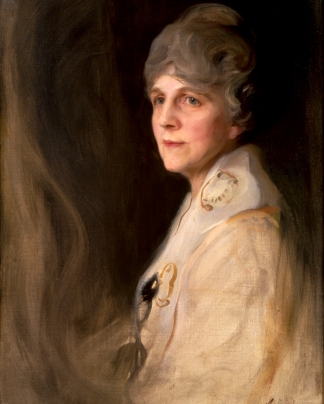
Jordan Belfort was arrested for crashing his Lamborghini while high on expired Quaaludes. (Yes, but the real Belfort says it was a Mercedes. He said he was so high in a drug haze that he couldn’t remember causing several different accidents on his way home, yet he did send one woman to the hospital via a head on collision. Interestingly, Belfort would later become a cell mate to Tommy Chong who encouraged him to write his memoirs.)

Jordan Belfort’s brokerage firm taped cash to a woman’s body. (While it’s seen in The Wolf of Wall Street, Danny Porush says it didn’t happen while Belfort says it did.)

Jordan Belfort hosted a dwarf tossing competition at Stratton Oakmont. (Though he considered hiring a dwarves for tossing, he didn’t actually do so. As Danny Porush said, “We never abused [or threw] the midgets in the office; we were friendly to them. There was no physical abuse.” Yet, it’s in The Wolf of Wall Street.)

Jordan Belfort was called “the Wolf of Wall Street.” (Contrary to The Wolf of Wall Street, the nickname came from an article about him. Also, he only briefly worked as a legitimate stock broker on Wall Street before the 1987 Black Monday crash that left him out of a job.)

Jordan Belfort had a chimpanzee at his Stratton Oakmont brokerage firm. (Contrary to The Wolf of Wall Street, he didn’t. According to Danny Porush, “There were no animals in the office…I would also never abuse an animal in any way.” Yet, he did admit to eating a goldfish.)

Jordan Belfort gave his employees at Stratton Oakmont riling motivational speeches. (Yes, but they were more often filled with self-adulation than Leonardo DiCaprio’s in The Wolf of Wall Street. Strangely the real Belfort is now working as a motivational speaker and corporate consultant. Yet, DiCaprio would say, “Jordan stands as a shining example of the trans formative qualities of ambition and hard work, and in that regard, he is a true motivator.” Yet, I’m not sure he’d be good in the role model department after the cheating, drugs, hazing, and his “pump and dump” schemes which led to being criminally charged, serving prison time, and having his company banned from brokerage activities.)

Stephen Glass:

The Stephen Glass story “Hack Heaven” showed how the ill-equipped The New Republic was to handling someone like him (who has systematically undermined the magazine’s editorial process) when it was exposed as a hoax in the Forbes Digital online magazine. (What’s not mentioned in Shattered Glass is that this episode was one of the key moments that established online media as a serious competitor to the traditional print rather than just a novelty. And this happened in 1998.)

Stephen Glass’ was a respected journalist for The New Republic until his “Hack Heaven” article. (Yes, but what Shattered Glass doesn’t point out is that while he enjoyed the loyalty of the staff, his reporting repeatedly drew outraged rebuttals from his article subjects that eroded his credibility and led to private skepticism in The New Republic. When scandal broke, the editor in chief Martin Peretz admitted that his wife didn’t find Glass’ stories credible and stopped reading them. During Glass’ time at the magazine, out of the 41 stories he published 27 of them were found to be either wholly or partly fabricated. He also wrote for other magazines such as The Heritage Foundation’s Policy Review, JFK Jr.’s George, Rolling Stone, and Harper’s. Not only that but he contributed to PRI’s This American Life hosted by Ira Glass {no relation}.)

The Sun Gym Gang:

The Sun Gym gang consisted of 3 main members. (Contrary to Pain & Gain, it was larger with Sun Gym owner John Mese, stripper Sabina Petrescu, and nurse Cindy Eldridge as accomplices.)

Daniel Lugo was single during the kidnapping of Marc Schiller. (He was married twice and both wives played tangential roles in his schemes. His second wife has divorced him since and won sole custody of their two daughters in 1998.)

The need to fund hormone injections motivated Adrian Doorbal’s crimes. (Contrary to Pain & Gain, he didn’t need to commit further crimes to fund them, thanks to Lugo giving him profits from the Medicare scam. He just participated in the Sun Gym gang’s criminal activities all for the violence.)

Daniel Lugo was a vicious bodybuilding moron. (Contrary to Mark Wahlberg’s portrayal in Pain & Gain, he was a smart man according to the guy who brought him down. He had other criminal activities as well such as a fraud conviction and running a lucrative Medicare scam where he bought information about the recipients and billed the government for bogus medical services. Also, he didn’t attend any self-help seminars, wore vanilla scented cologne, or cite Michael Corleone or Rocky as role models.)
The Sun Gym gang disguised as ninjas in order to kidnap Marc Schiller. (Contrary to Pain & Gain, they discussed dressing up as ninjas on Halloween night to abduct Marc Schiller. Rather they talked about dressing up as ninjas as part of their costume as trick or treaters in which they’d nab him when Schiller would give them candy. The Sun Gym gang was a group of bodybuilders in Florida so you can see why this plan was never executed. Yet, it did take about 6 tries for them to kidnap Schiller {Tony Shaloub’s character in the movie}. Still, they did dress in black, paint their faces with military makeup, and wore gloves in one of their kidnapping attempts.)

Daniel Lugo befriended Marc Schiller at the Sun Gym. (Contrary to Pain & Gain, Schiller distrusted Lugo and never went to the gym. It was actually Jorge Delgado who befriended Lugo and targeted Schiller since he worked for the man as did his wife. Not only that, but it was at Delgado’s {not Schiller’s} warehouse where the kidnappers tortured Schiller for a full month before trying to kill him. As the Miami New Times reported, “Throughout his ordeal with the gang, Schiller had been tased, burned, beaten, pistol-whipped, and forced to endure games of Russian roulette. When the gang was done with him, they made him wash down sleeping pills with liquor, put him behind the wheel of his Toyota 4Runner, and rammed it into a utility pole to make it look like a drunk driving accident. Seeing that he was still alive, they then doused the vehicle with fuel and set it on fire with him in it, but Schiller jumped out of the flaming car. Staggering, the gang ran him over twice with a Camry {not a van} and left him for dead. Miraculously, he lived after eventually coming out of a coma and woke up in the hospital.” Details of Schiller’s torture {which was much more of a living hell in real life} and escape were modified for the film. Oh, and even when Schiller was in the hospital, he organized to be transported to one in Staten Island since he was afraid the Sun Gym gang would try to kill him again. He was right.)

Daniel Lugo killed Frank Griga and Krisztina Furton. (Contrary to Pain & Gain, Adrian Doorbal did with Lugo as an accomplice at Doorbal’s Miami Lakes apartment no less. Doorbal cracked the side of Griga’s head with a blunt object, strangled him with a headlock, and injected him with horse tranquilizer. Lugo covered Furton’s mouth and tackled her yet contrary to the film, she was unarmed. Once bound, Doorbal injected her 3 times not 2, which was too much.)

Daniel Lugo and Adrian Doorbal put Frank Griga and Krisztina Furton’s body parts in barrels and dumped them in a lake. (Contrary to Pain & Gain, Lugo, Doorbal, and “Little Mario” Gray put Griga and Furton’s bodies in drums and dumped them in a drainage ditch in southwest Miami. Too bad for them, Furton had breast implants with serial numbers on them which the Miami police used to identify her remains.)

A member of the Sun Gym gang became acquainted with a demeaning Frank Griga while running into him at a strip club. (Contrary to Pain & Gain, Griga was discovered by Adrian Doorbal who spotted a picture of a Lamborghini Diablo in a photo album belonging to one of his stripper girlfriends Beatriz Weiland. He asked who owned it and it turned out that Griga was one of Weiland’s former generous boyfriends. It was she who introduced Griga to the Sun Gym gang.)

A chainsaw the Sun Gym gang planned use for cutting bodies failed to start due to it being clogged by hair. (It was actually due to them forgetting to put motor oil in it and burnt the engine while trying to start it which they returned to the Home Depot which they exchanged for an electric one with a one year guarantee to “handle all your cutting chores quickly and easily” {kind of reminds me of an episode of Dexter here}. Then that’s the time when Furton’s hair got clogged up in the chainsaw, which led to Adrian Doorbal and Daniel Lugo to chop off her head with a hatchet and used a curved blade and pliers to remove the faces and teeth on the heads.)

Jorge Delgado barbecued hands and feet of Frank Griga and Krisztina Furton outside the warehouse. (Contrary to the Dwayne Johnson expy in Pain & Gain, it was Daniel Lugo who did this and it was on a steel drum with an iron grate not an actual grill. He also grilled Griga and Furton’s skull fragments, too. When Jorge Delgado saw this, he yelled at Lugo who reluctantly agreed to move his operation to a nearby rear ally. Thankfully for them, Dexter wasn’t nearby {it being Miami}.)

At least one member of the Sun Gym gang robbed an armored truck only to get his toe shot off. (Contrary to Pain & Gain, this scene with Dwayne Johnson’s character is entirely fictional. Still, Dwayne Johnson’s character in the film as a composite of Jorge Delgado, Carl Weekes, and Mario Sanchez.)

Adrian Doorbal was a mild mannered man. (Contrary to Pain & Gain, he was violent and sadistic just as all his fellow Sun Gym gang members. And he was much more of an unstable lunatic as well.)

Daniel Lugo wanted to kidnap Marc Schiller over the latter stealing $300,000 from him. (Contrary to Pain & Gain, Lugo just wanted Schiller’s assets and used the money stealing as an excuse.)

One of the Sun Gym members worked at a church and had a gay priest come onto him. (Contrary to what goes on with Dwayne Johnson’s character in Pain & Gain, Carl Weekes didn’t work at a church or had an old gay priest come on to him. Yet, he was drug addicted ex-con who found Jesus.)

One of the Sun Gym members testified against is fellow gang members after an attack of conscience. (Contrary to Pain & Gain, Jorge Delgado just testified against his fellow gang members just to get a lenient sentence in which he got 15 years yet only served 7 ½ {while Daniel Lugo and Adrian Doorbal got the death penalty}. Dwayne John’s other real-life counterpart Carl Weekes who drove the car to run over Marc Schiller got 10 years for attempted murder. He served 7. Yet, he was described as a “weakling” by his fellow gang members since he weighed only 140 pounds. Still, like Dwayne Johnson’s character, both Delgado and Weekes declined to participate in subsequent crimes after the whole Marc Schiller thing.)

The Sun Gym gang held Marc Schiller for weeks because he was resisting. (They held him for that long because the paperwork to sign over everything he had took time. Yet, unlike in Pain & Gain, neither Daniel Lugo nor Adrian Doorbal had any qualms about killing him.)

Members of the Sun Gym gang were vicious morons and steroid-using bodybuilders. (Yes, they were steroid using bodybuilders. Yet, they were said to be the worst combination of manipulation, muscle, and murderous intent.)

Cindy Eldridge:

Cindy Eldridge was a heavyset nurse who met Adrian Doorbal during her work at the doctor’s office. They had a whirlwind courtship and married at home. (Contrary to her Rebel Wilson expy in Pain & Gain, she kind of resembled Tanning Salon Barbie and was a real fitness fanatic. Though she was a nurse who referred him to a doctor who used hormone therapy to treat the weak libidos of steroid users, she didn’t meet Doorbal as she was working but they rather met by chance in 1995 at a restaurant in Key Biscayne on the evening of her surprise 31st birthday party. Not only that, but they only married after dating for over a year at a courthouse but the union lasted for four days when she found out, Doorbal only married her so she couldn’t testify against him with regard to his role in kidnapping Marc Schiller or killing Frank Griga and Krisztina Furton, whose blood she helped Doorbal clean up at his home despite not knowing what actually happened at the time {you think she would being a nurse and all}.)

John Mese:

Sun Gym owner and accountant John Mese was arrested at his own gym. (Contrary to the Michael Bay movie, he was arrested during his own bodybuilding competition in downtown Miami. Also, two of the composites to Dwayne Johnson’s character were arrested at home, not at church. )

Marc Schiller:

Marc Schiller was a sleazy criminal. (Contrary to his Tony Shalhoub expy in Pain & Gain, the real Marc Schiller wasn’t a sleazy man in which he said, “There is no resemblance to me at all. I was always a humble, family person.” At the time, he lived in a two story poolside house with a wife and two kids as well as said that he never smoked cigars and was never surrounded by women in scantily clad bikinis {though having the Sun Gym gang kidnap a wholesome family man that Schiller wouldn’t elicit much sympathy on their part, especially since he drove a Toyota not a BMW with a “Miami Bitch” license plate}. He owned the failing Schlotzsky’s Deli franchise but still had seven figures at the bank thanks to his nutritional supplements companies. Still, the sleazy side of the Tony Shalhoub character in Pain & Gain may be based on Frank Griga who ran a phone sex business as well as smoked cigars surrounded by women in bikinis. As far as criminal activity is concerned, after he testified against the Sun Gym gang, he was arrested by federal agents as he left the courthouse. He was charged with orchestrating a Medicare billing scheme through his nutritional supplement companies. To make things worse, Sun Gym gang member Jorge Delgado was one of the witnesses to testify against Schiller, who pled guilty trying to conspiring to defraud the government. He received 46 months in prison and was ordered to pay back the government $14.6 million {it would be reduced to $128,597.87 and Schiller now insists he’s innocent and just too exhausted to defend himself}. Let’s say that unlike Mr. Monk’s kitchen floor, Marc Schiller’s record wasn’t exactly squeaky clean. Nevertheless, Marc Schiller wasn’t happy with Pain & Gain because the kidnapping incident basically ruined his life and he lost everything over it. Today he just lives in a one bedroom apartment, works for a company at $20 an hour, is divorced from his wife and only sees his kids on occasion, and has little interest in socializing and making friends. I think Michael Bay owes him an apology.)

Marc Schiller recognized Daniel Lugo from his cologne. (He recognized Lugo through his voice.)

Marc Schiller had a boat. (Contrary to Pain & Gain, he didn’t but Frank Griga did so Daniel Lugo couldn’t escape in it as he does in the movie.)

Marc Schiller helped catch Daniel Lugo by hitting him with a car in the Bahamas. (Contrary to Pain & Gain, neither Schiller nor Detective Ed DuBois were present at Daniel Lugo’s capture. Instead, Lugo was apprehended at the Hotel Montague in Nassau by a multiagency task force. Also, contrary to the movie, his girlfriend and parents went with him.)

Law Enforcement:

Ed DuBois:

Ed Dubois was a retired detective with a beautiful wife when he got the call from Marc Schiller. (Contrary to Pain & Gain, he was working for the NFL as a security consultant for Super Bowl XXIX in Miami and operating his P. I. firm he inherited from his dad {and as of 2014, he’s still working as private investigator}. He also had a leg up in the investigation because he knew the Sun Gym owner, John Mese. He was also much younger than as played by Ed Harris.)

Miscellaneous:

Frank Griga had a New York accent. (He had a Hungarian accent.)