Know Your Signers: Part 1 – John Hancock to Elbridge Gerry

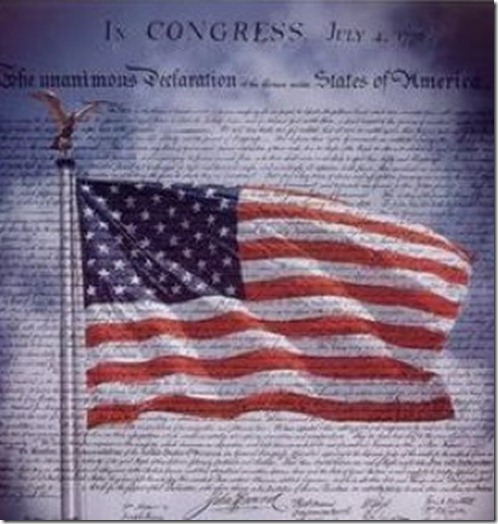
the-declaration-of-independence-print-c10091554_thumb

For those wondering why I haven’t been posting anything since last Tuesday, you might be pleased to know that I have been working some unique project for a blog series during this 4th of July weekend. Now since the only common traditions on this 4th of July consist mostly of flags, fireworks, and food, I instead decided to do a series on the white and fairly well-off men who signed the Declaration of Independence. I did this because mainly because while Americans all have different ways of celebrating the holiday, we all share a common reason why we celebrate it. I mean these 56 men pledged their lives, fortunes, and sacred honor when they put their name on this document in which thirteen colonies declared themselves independent from the British Empire where all men are created equal, endowed by by their Creator certain inalienable rights such as life, liberty, and the pursuit of happiness. Of course, these guys weren’t concerned with civil rights, feminism, outlawing slavery, or marriage equality. And contrary to popular belief, July 4th was the day that the Declaration of Independence was adopted, not when it was signed (the delegates added on their signatures later). And let’s just say that the story of the Declaration of Independence is a bit more complicated than what most Americans are accustomed to in their American history class, the media, books, or what not. Still, while Americans tend to have a rather idealized portrait of the Founding Fathers, all guys of noble character who stood for traditional values or noble principles, most of them have no idea of who they actually were. This is mainly the reason why I decided to do a series on the men who signed the Declaration of Independence. We must understand that the Founding Fathers were just as human as we are and lived in a very different time from our own. Sure they may have believed that all men were created equal, but many of them participated in a horrible institution that subjugated black people to a lifetime of involuntary servitude with some of those individuals being their own children (I’m talking to you, Jefferson). Then there’s the fact that while they were big on their property rights except when it came to some sweet Native American owned real estate. Also, many of them tended to believe that working class men are too stupid to participate in the political process and that women were too weak and feeble minded even to vote (Abigail Adams called John out on this). Yes, they might’ve believed in the right to bear arms but they were living at a time that simply didn’t have guns with repeating ammunition (which made firearms technology advance by leaps and bounds since the mid-1800s, explaining why guns are so dangerous today and why we need gun control). And as with marriage? Well, many of these guys didn’t even believe in marrying for love. Well, a lot of them did love their wives, it’s just that when it came to marriage, people in the 1700s weren’t really looking for someone to love than perhaps a hot young trophy wife or a sugar daddy with an abundance of disposable assets. And sometimes your marriage partner was picked for you by your parents and there was nothing you can do about it. Well, there was pregnancy through premarital sex, but sometimes being in the family way meant shame for the woman if her baby daddy wasn’t willing to go through with it, even if her daddy threatened him with a musket.

In this section, I turn my focus on the signers from Massachusetts and New Hampshire. First, you have John Hancock a merchant and probably smuggler who was the President of the Continental Congress at the time. You probably know him for signing his name real big on the document. Second, you have Josiah Bartlett, a New Hampshire doctor whose descendant would eventually become President of the United States. Well, in the Aaron Sorkin universe and played by Martin Sheen. He’s joined by former sea captain William Whipple and Irish born physician Matthew Thornton. Next you have Sam Adams, a revolutionary firebrand who now has a beer brand named after him as well as his cousin John Adams who became a US President as well as subject of a David McCullough book that was made into an HBO miniseries starring Paul Giamatti. Finally, you have Robert Treat Paine or the guy on the Massachusetts delegation you most likely haven’t heard of and Elbridge Gerry, a man who’s name will live in infamy because of the term, “gerrymandering.” And they still made him Madison’s runningmate in the 1812 election despite that. So for your patriotic reading pleasure, I introduce you to the first batch of Founding Fathers who put their old John Hancock on the Declaration of Independence, including John Hancock.

  1. John Hancock
John Hancock was the President of the Continental Congress during the signing of the Declaration of Independence. Was known for his wealth as a merchant, his notoriety as a smuggler, and his taste in expensive clothes and aristocratic living. Oh, and he signed flamboyantly big. Still, he was very popular in Boston during his lifetime.

John Hancock was the President of the Continental Congress during the signing of the Declaration of Independence. Was known for his wealth as a merchant, his notoriety as a smuggler, and his taste in expensive clothes and aristocratic living. Also, loved to party and make it rain. Oh, and he signed flamboyantly big. Still, he was very popular in Boston during his lifetime.

Lived: (1737-1793) He was 39 at the signing and 56 at his death.

Family: Son of Reverend John Hancock Jr. and Mary Hawke Thaxter (later Perkins). Second of 3 children and oldest son. Grandfather John Hancock Sr. was also a minister. Father died when he was 7. Was sent to live with his paternal grandfather and later his uncle Thomas Hancock and his wife Lydia who raised him from the age of 13 (didn’t hurt that Uncle Thomas was one of the richest and well-known men in Boston). Married to Dorothy Quincy (later Scott) in 1776 and had 2 children, neither of whom survived childhood (daughter died in infancy and son died from a fall at 9 while ice skating).

State: Massachusetts

Occupation: Merchant, philanthropist, and smuggler (but we’re not sure to which degree but Hancock’s Uncle Thomas certainly was).

Early Life: Born in Braintree (now Quincy). Graduated from the Boston Latin School in 1750 and from Harvard in 1754. Joined his uncle’s business that same year known as House of Hancock and would soon rise to partner after a year in England. Upon his uncle’s death in 1764, he inherited the business, Hancock Manor estate on Beacon Hill, and thousands of acres of land (he also got a few slaves but they were eventually freed as Thomas specified. However, there’s no evidence that Hancock bought or sold slaves). Was elected one of Boston’s 5 selectmen in 1765, a position his uncle had for many years. Was among the early resisters to the Stamp Act and though he was an advocate for boycotting, he didn’t approve of mob violence as well as hated the presence of the British troops in Boston. In 1766, he was elected to the Massachusetts House of Representatives. During this time he became a protégé of Samuel Adams who was a clerk and political party leader. In 1768, his crew on his brig the Lydia got in a physical fight with a couple of customs officials on an unwarranted search, which let him off scot free. Later that year, his sloop the Liberty was seized by the HMS Romney after customs officials found 20 barrels of tar and 200 barrels of oil (while it officially carried 25 pipes of Madeira wine a 1/4th of the ship’s carrying capacity). This, combined with previous impressment of colonists by the Romney’s captain led to a riot breaking out which led the Romney having to flee. Afterwards, British customs would file 2 lawsuits against Hancock and confiscate his Liberty ship, which was later burned by angry Rhode Islanders the following year. He was also charged with smuggling but it was soon dropped after 5 months in a vice admiralty court without explanation. But this led to the colonial secretary ordering 4 British Army regiments to Boston. Following the Boston Massacre in 1770, he led a committee demanding the removal of British troops in Boston and told the new governor that if the redcoats didn’t leave, 10,000 armed colonists were ready to march into the city (this was a bluff though). Was a moderator at the Boston town meeting on the Tea Act in 1773, which would later lead to the Boston Tea Party which he didn’t take part. In 1774, he was elected president of the Provincial Congress and later sent as a delegate to the Second Continental Congress to replace James Bowdoin. In 1775, he and Samuel Adams would leave Concord for his old grandfather’s home in Lexington in order to avoid possible arrest by the British Crown. But they were warned by Paul Revere, William Dawes, and Samuel Prescott of British troops so they escaped to Philadelphia.

Significant Roles: In 1775, Hancock was unanimously elected President of the Continental Congress due to his experience, wealth and distinction, and his association with Boston radicals. But his role was ambiguous and not truly defined other than being the presiding officer and handling a great deal of official correspondence, which led him to personally hire his own clerks. Still, his term would see much of the critical moments of the American Revolution such as appointment of George Washington (of whom he was a great admirer by the way, even named his son after him), the signing of the Declaration of Independence, the driving of Washington to New York, and the British occupation of Philadelphia. Used much of his wealth and influence to support the colonial cause from the 1760s and throughout the war.

Ultimate Fate: In 1777, he would leave the Continental Congress and return to Massachusetts. He would soon become estranged from Samuel Adams due to his vanity and extravagance and the other’s somber Puritanism. Rejoined the Continental Congress in 1778 and signed the Articles of Confederation. Charter member of the American Academy of Arts and Sciences in 1780 and was elected Governor of Massachusetts the same year. He would go on to serve 2 nonconsecutive terms. Best known action was pardoning the guys responsible for Shays Rebellion. Was president of the Continental Congress from 1785-1786. Was present of the Massachusetts ratifying convention for the US Constitution in 1788 but had misgivings about the document’s lack of a Bill of Rights but supported ratification anyway with Samuel Adams, which was probably a deciding factor for the state. Died of lingering gout at 56 and was buried at the Granary Burial ground in Boston after a lavish funeral (which would be unmarked until the 1870s). However, despite being hugely popular in his lifetime, he faded from popular memory and his Beacon Hill residence was torn down.

Trivia: Best known for his large, flamboyant signature on the Declaration of Independence (though it kind of describes his personality but he remained popular even though he and Samuel Adams didn’t always get along. But it’s said that he presumably signed first). Still, he left few personal writings and most of what depictions rely on him comes from the voluminous works of his opponents and let’s just say it’s pretty scathingly critical. Was a casual childhood acquaintance of John Adams who lived in the same hometown of Braintree and attended the same church. He’d later be Hancock’s lawyer during the Liberty affair. Wife’s aunt was the subject of an Oliver Wendell Holmes Sr. poem called, “Dorothy Q.” Was worth $350,000 at the time of his death which consisted of about 1/714th of the nation’s GNP at the time. Had a fondness for expensive clothes and extravagant aristocratic living.

  1. Josiah Bartlett
Dr. Josiah Bartlett may be best known for being an ancestor to a fictional president played by Martin Sheen. But while his descendant was a fictional creation of Aaron Sorkin, Dr. Bartlett was a real guy who does have real descendants to this day. It's just that none of them became President, that we know of.

Dr. Josiah Bartlett may be best known for being an ancestor to a fictional president played by Martin Sheen. But while his descendant was a fictional creation of Aaron Sorkin, Dr. Bartlett was a real guy who does have real descendants to this day. It’s just that none of them became President, that we know of.

Lived: (1729-1795) He was 46 at the signing and 65 at his death.

Family: Son of Stephen Bartlett and Hannah Mary Webster. Was their fifth child and fourth son. Married his first cousin Mary in 1754 and had 10 children with 8 surviving to adulthood. All three sons and 7 grandsons would follow him into the medical profession.

State: New Hampshire

Occupation: Physician

Early Life: Born in Amesbury, Massachusetts. After learning some Latin and Greek was apprenticed to a Dr. Ordway in medicine and became a doctor at 20. At 21, he moved to Kingston, New Hampshire where he started his medical practice. He would practice medicine for 45 years. In 1754, he helped stave off an epidemic of throat in Kingston after discovering that Peruvian bark would relieve symptoms long enough to allow recovery. Elected to the colonial assembly in 1765. Became militia colonel and justice of the peace in 1767. Joined New Hampshire’s Committee of Correspondence in 1774 and lost his house to a fire that same year (which might’ve been politically motivated arson). Declined his appointment to the First Continental Congress to spend more time with his family (well, wouldn’t you?). After being stripped of his political offices, he was selected as a delegate to the Second Continental Congress in 1775, which he attended.

Significant Roles: From 1775 to early 1776, he was the only delegate from New Hampshire. And since the most important committees required a delegate from each state, he was on all of them. Was the first New Hampshire delegate to give the affirmative for independence and was the second to sign. Declined to serve in 1777 citing fatigue but served as a physician at the Battle of Bennington. Returned to Congress in 1778 where he helped draft the Articles of Confederation but returned to New Hampshire permanently once they were adopted. This was the last of his federal service.

Ultimate Fate: Returned to his roles as a judge serving in the Court of Common Pleas in 1779 and was appointed to the New Hampshire Supreme Court in 1782 despite not being a lawyer and would soon become Chief Justice in 1788. That year he was selected as delegate to the New Hampshire convention to ratify the US Constitution. Was elected as US Senator but declined the offer. Founded and was first president of the New Hampshire Medical Society in 1790 (guess he had enough of federal politics).  That same year he was elected Governor of New Hampshire where he served a 4 year term. Is buried next to his wife in Plains Cemetery. Relatives still live in his home to this day and give tours throughout the year but it’s said to be up for sale since 2014. Is pretty well known in New Hampshire but nowhere else save for one thing.

Trivia: Best known for being a direct ancestor of a fictional US president from The West Wing (that is outside New Hampshire). Delivered the commencement address at Dartmouth when his son Ezra graduated where they were both awarded MDs.

  1. William Whipple
After spending his late teenage years and young adulthood at sea, William Whipple settled down in Portsmouth where he went into the merchant business and married his cousin. Was also a Revolutionary War general who fought at Saratoga.

After spending his late teenage years and young adulthood at sea, William Whipple settled down in Portsmouth where he went into the merchant business and married his cousin. Was also a Revolutionary War general who fought at Saratoga.

Lived: (1731-1785) He was 45 at the signing and 55 at his death.

Family: Son of William Whipple and Mary Curtis. Married his first cousin Catherine Moffat in 1767 and had a child who died in infancy.

State: New Hampshire

Occupation: Ship’s captain, soldier, and merchant

Early Life: Born in Kittery in southern Maine (then part of Massachusetts). Was educated at a common school until he went off to sea as a teenager, becoming a ship’s master at 21. Earned his fortune participating in the Triangle Trade dealing cargo such as wood, rum, and slaves (though he totally believed in racial equality, ironically). Settled in Portsmouth, New Hampshire and established himself as a merchant with his brother. Was elected to the colony’s Provincial Congress in 1775 prior to being elected to the Continental Congress where he served through 1779.

Significant Roles: As far as the Declaration of Independence goes, he didn’t really do much. However, in 1777, he was made Brigadier General as well as participated in a successful expedition against Burgoyne in the battles of Stillwater and Saratoga. Also led his brigade in the Battle of Rhode Island.

Ultimate Fate: After the Revolution, he became an Associate Justice of New Hampshire’s Superior Court before dying of a heart attack after fainting from atop his horse while traveling his court circuit. He was buried in the Old North Burial Ground in Portsmouth where his headstone was replaced with a memorial by a local historical association in 1976.

Trivia: Freed his closest slave in 1781 because he believed owning one disqualified him as a freedom fighter.

  1. Matthew Thornton
Matthew Thornton was an Irish born physician who was head of the 5 man committee that drafted the New Hampshire state constitution, the first of such in the US adopted since the Revolutionary War. Also operated a ferry and spent his retirement writing political articles for newspapers.

Matthew Thornton was an Irish born physician who was head of the 5 man committee that drafted the New Hampshire state constitution, the first of such in the US adopted since the Revolutionary War. Also operated a ferry and spent his retirement writing political articles for newspapers. He was also an older guy around 1776 than this portrait would inquire.

Lived: (1714-1803) He was 62 at the signing and 89 at his death.

Family: Son of James Thornton and Elizabeth Jenkins who were Ulster Scots. Married Hannah Jack in 1760 and had 5 children.

State: New Hampshire

Occupation: Physician, military surgeon, farmer, ferry operator, pundit and political essayist

Early Life: Born in Limerick, Ireland. Family moved to North America in 1716 and settled in Brunswick, Maine. But in 1722, the community was attacked by Native Americans so his family was forced to flee to Worcester, Massachusetts. Completed his medical studies in Leicester and established a practice in Londonderry, New Hampshire. Would be elected selectman as well as representative and president of the Provincial Assembly where he helped draft the state’s new constitution, which was the first adopted after the start of hostilities in England.

Significant Roles: Elected to the Continental Congress only after the debates occurred and arrived so late in Philadelphia that he was granted permission to sign. Served as Associate Justice of the Superior Court of New Hampshire from 1777 to 1784.

Ultimate Fate: Retired from medicine in 1780. Became a New Hampshire state senator from 1784-1786. Spent later years writing for newspapers, farming, and operating a ferry with his family. Died in Massachusetts while visiting his daughter.

Trivia: Grave reads, “An Honest Man.” Nephew was a suspected Loyalist and shared the same name who was tried for treason but “honorably acquitted” (he would later flee to Canada). Has a town and elementary school named after him. Descendants live all over the country and even Paris, France.

  1. Samuel Adams
Samuel Adams was one of the most active and controversial figures in the events leading up to the Revolution. However, contrary to his portrayal in Sons of Liberty, the real Sam Adams at the time was middle age, overweight, and a somber Puritan.  Not a guy you'd want to sleep with despite what the History Channel implies.

Samuel Adams was one of the most active and controversial figures in the events leading up to the Revolution. However, contrary to his portrayal in Sons of Liberty, the real Sam Adams at the time was middle age, overweight, and a somber Puritan. Not a guy you’d want to sleep with despite what the History Channel implies.

Lived: (1722-1803) He was 54 at the signing and 81 at his death.

Family: Son of Samuel Adams Sr. and Mary Fifield. One of 12 children though only him and 2 of his siblings would only live past their third birthday. Father was a prosperous church deacon and merchant as well as a leading figure in Boston politics that would lead him to become justice of the peace, selectman, and member of the Massachusetts House of Representatives (but he was basically a man almost just like Sam but not as interested in politics). The elder Sam would later get into some banking controversy which led to lawsuits and the younger Sam to defend the family estate for years (even after his dad’s death in 1748). Married Elizabeth Checkley in 1749 (his pastor’s daughter) and had 6 children over the next 7 years but only a son and daughter would survive to adulthood (but his Samuel wouldn’t survive him and die at 37 who was a Revolutionary War surgeon). Elizabeth would die in childbirth in 1757. Married Elizabeth Wells in 1764 but had no children with her.

State: Massachusetts

Occupation: Businessman, maltster, tax collector, newspaperman, activist, and political pundit

Early Life: Born in Boston and was raised in a devout Puritan family (a fact he was most proud of). Attended the Boston Latin School and graduated from Harvard in 1740, though he disappointed his parents for opting for politics over the ministry. But he earned a master’s degree in 1743 leaving a thesis that indicated some of his early political views. Elected to his first political office in 1747 as a clerk in the Boston Market. Launched his own newspaper with friends in 1748. Elected tax collector in 1756 but did his job poorly which had no effect on his popularity with the populace though his opponents took him to court. Was very much against British policy after the French and Indian War and wasn’t afraid to show it. This led to a lot of violence in Massachusetts associated with the Stamp was blamed on him for years (though he was more of an advocate for non-violent resistance and hated mob violence). In 1765, he was elected to the Massachusetts House of Representatives and wrote instructions for the Boston delegation during the town meeting. He was the primary author of a series of many anti-Stamp Act resolutions there, more radical than those passed by the Stamp Act Congress. He’d also be the first to argue that mankind possessed certain natural rights that governments couldn’t violate (like you know, inalienable rights). Became clerk to the Massachusetts House in 1766 and became a mentor to John Hancock.  Wrote the Massachusetts Circular Letter with James Otis calling the other colonies to join Massachusetts in resisting the Townshend Acts. Though often cited as such, he was more of reformer than an early advocate for independence (though he did say that the colonies would split from the empire if Britain didn’t clean up its act). As soon as the first British troops entered Boston, he wasted no time writing a series of articles known as the Journal of Occurrences (with others) up to 1769, which was probably not entirely accurate but it claimed to be factual since professional journalism didn’t really exist. After the Boston Massacre in 1770, he insisted that the soldiers involved would receive a fair trial and convinced John Adams and Josiah Quincy to defend them (even though he wrote essays condemning the outcome believing they should’ve been convicted of murder). Helped set up the first Committee of Correspondence in 1772, which would lead to similar groups throughout the colonies. Was a leader in the events that led to the Boston Tea Party. Was elected to the First Continental Congress in 1774. In 1775, he and John Hancock would flee from Concord to Lexington where they made their escape thanks to warnings from Paul Revere, William Dawes, and Samuel Prescott.

Significant Roles: Said to be a major influence or possible whip in the Second Continental Congress even though his role is unclear since he’s credited for steering them toward independence. But he was a cautious advocate despite his Boston radical image. In 1776, he praised Thomas Paine for Common Sense. Served on military committees during the American Revolution, advocating paying bonuses for Continental soldiers who decided to reenlist as well as harsh state legislation to punish Loyalists in Massachusetts. He was also appointed to the committee to draft the Articles of Confederation.

Ultimate Fate: Returned to Massachusetts in 1779 where he would draft the Massachusetts state constitution with John Adams and James Bowdoin. Would soon have a falling out with John Hancock. In 1781, he retired from the Continental Congress citing ill health. Played a major role in establishing free public education in Boston (for both boys and girls). Was a charter member of the American Academy of Arts and Sciences in 1780. Was elected to the Massachusetts ratifying convention for the US Constitution in 1788 where he reconciled with Hancock and became a firmer advocate after the Bill of Rights was issued. Was elected Lieutenant Governor of Massachusetts in 1789 and assumed governor in 1793 where he emerged as leader of the Democratic Republicans. Left office in 1797 due to his long suffering tremors which left him unable to write in the last 10 years of his life. Interred at Granary Burying Ground in Boston. Was and continues to remain a highly controversial figure in American history as his significance and reputation continues to be debated.

Trivia: Was second cousin to John Adams. Has a beer brand named after him. Had little money that friends had to finance his trip to Philadelphia in 1774 as well as buy him a new set of clothes (luckily his strict Puritan upbringing made him a rather frugal man, even after his son died and left him and his second wife with some financial security). Called, “Father of the American Revolution.”

  1. John Adams
Despite being a president of the United States, John Adams spent more than a century being one of the most underrated Founding Fathers in American history. Sure he may not be badass like George Washington, brainy like Ben Franklin, or pen a famous document like Thomas Jefferson. But his contributions and political writings have built this nation and continue to influence American political thought to this day. His HBO miniseries was very much deserved as well as being portrayed by Paul Giamatti.

Despite being a president of the United States, John Adams spent more than a century being one of the most underrated Founding Fathers in American history. Sure he may not be badass like George Washington, brainy like Ben Franklin, or pen a famous document like Thomas Jefferson. Nor could be be considered as charming or likeable as all three since he could be quite the curmudgeon (but he and Abigail had a great American love story). But his contributions and political writings have built this nation and continue to influence American political thought to this day. His HBO miniseries was very much deserved as well as being portrayed by Paul Giamatti.

Lived: (1735-1826) He was 40 at the signing and 90 at his death.

Family: Son of John Adams Sr. and Susanna Boylston. Oldest of 3 sons. Father was a farmer, church deacon, selectman, and militia lieutenant. Was from the sixth generation of his family from Massachusetts and very close to his dad. Mother came from a leading colonial medical family.  Married his third cousin Abigail Smith in 1764 and had 5 children, including future president John Quincy Adams as well as started a famous American dynasty that included politicians, diplomats, and historians.

State: Massachusetts

Occupation: Teacher, author, lawyer, statesman, diplomat, historian, and political theorist

Early Life: Born in Braintree (now Quincy). Began his studies in Harvard at 16 and graduated in 1755 but after a few years teaching in Worcester decided to become a lawyer (though he disappointed his parents who wanted him to be a minister. Not only that, but he rejected his family’s age old Puritanism and became a Unitarian). Earned his law degree in 1758 after studying under lawyer John Putnam. In 1765, in opposition to the Stamp Act, he drafted instructions to Braintree’s representatives which served as a model for other towns as well as contributed anonymous articles to the Boston Gazette. In that, he said that it violated the rights of citizens to be taxed without their consent and by tried by a jury of their peers. Was elected as selectman to Braintree the next year. In 1770, he was recruited by Samuel Adams to represent the British soldiers involved in the Boston Massacre, which resulted in 6 of their acquittals and 2 convictions to Sam’s dismay. But he was elected to the General Court during the trial preparation. Wrote the Novanglus Essays in 1772 win which he argued the colonists have never been under the sovereignty of Parliament in the first place. Was elected to the First and Second Continental Congress in 1774, 1775, and 1777.

Significant Roles: Had a lot of influence in the Continental Congress and supported independence from Britain almost from the beginning. In June 1775, he nominated George Washington to be commander-in-chief of the Continental Army. In 1776, he wrote Thoughts on Government which would be influential in the writing of state constitutions, defended bicameralism, as well as advocated measures like separation of powers, 3 branches of government, and the concept of enumerated powers. Joined in Richard Henry Lee calling the colonies to set up their own independent governments with their efforts setting the stage for the formal adoption of American independence. Was among the Committee of Five which helped draft the Declaration of Independence with Thomas Jefferson, Benjamin Franklin, Robert R. Livingston, and Roger Sherman. He’s said to persuade that the committee choose Jefferson to write the document. In 1779 he helped draft the Massachusetts Constitution with Samuel Adams and James Bowdoin which derived from his Thoughts on Government ideas (but he was the primary author). Served as a diplomat to France, Britain, and the Netherlands from 1777 to well into the 1780s. During this time, he was charged with negotiating a peace treaty with the British, resulting in the 1783 Treaty of Paris.

Ultimate Fate: Was a charter member of the American Academy of Arts and Sciences in 1780. Was a strong advocate for the ratification of the US Constitution and published A Defence of the Constitutions of Government of the United States in 1787 which advocated a mixed government of checks and balances. Was elected Vice President under George Washington in 1789 and 1792, but while his role was minor in the administration, he was quite active in the Senate. Was elected President in 1796 as a Federalist. His administration saw the XYZ Affair and the Alien and Sedition Acts which made him rather unpopular (even though he was competent enough to narrowly avoid a war with France, which the US could not afford). Lost out on reelection in 1800 which led him to retreat into private life where he spent his remaining days working on his autobiography, getting back in touch with old friends, defending his reputation, and farming. He and Abigail are now buried in the crypt of the United First Parish Church.

Trivia: Was baptized by the Reverend John Hancock Jr. who was the father of the famous Founding Father. Was Hancock’s lawyer during the Liberty Affair. Was a second cousin of Samuel Adams. From an early age, he kept a diary in which he wrote descriptions of events and impressions of men, particularly cases he observed. Was anti-slavery, owned no slaves, and was proud of it. Had an on-again and off-again friendship with Thomas Jefferson, but he didn’t attend the latter’s inauguration mostly due to the death of his alcoholic son Charles and a desire to rejoin his wife Abigail (they had a very loving relationship. But Adams and Jefferson would reconcile in 1812 and they would correspond for the next 14 years of which 158 letters still survive). Called, “His Rotundity.” Was the first US president to live in the White House. Died on the 50th anniversary of the Declaration of Independence as well as on the same day as Thomas Jefferson. Was subject of an HBO miniseries.  First biography was written by son John Quincy and grandson Charles Francis. Was a stubborn and prideful man with an argumentative personality who did not get along well with even his closest allies and it’s these personality traits that hindered him as a leader. Was no fan of Benjamin Franklin whom he thought was a hypocrite. Was not the guy you’d want to talk about the working class. Also, really hated Alexander Hamilton who tried to go to great lengths to discredit him. Described himself as “obnoxious and disliked.”

  1. Robert Treat Paine
Other than being a signer of the Declaration of Independence, the first attorney general of Massachusetts, and a justice on its Supreme Court, Robert Treat Paine was also the prosecutor for the trial of the Boston Massacre. He's not known for much else and is the signer from the Massachusetts delegation you probably don't know.

Other than being a signer of the Declaration of Independence, the first attorney general of Massachusetts, and a justice on its Supreme Court, Robert Treat Paine was also the prosecutor for the trial of the Boston Massacre. He’s not known for much else and is the signer from the Massachusetts delegation you probably don’t know.

Lived: (1731-1814) He was 45 in 1776 and 83 at his death.

Family: Son of the Reverend Thomas Paine and Sarah Treat. Father was also a merchant. Was one of 5 children. Maternal grandfather was the Reverend Samuel Treat who was one of the founders of New Jersey. Mother’s family had been in the New World since the Mayflower. Married Sally Cobb in 1770 and had 8 children.

State: Massachusetts

Occupation: Merchant, whaler, teacher, chaplain, and lawyer

Early Life: Born in Boston. Attended the Boston Latin School and entered Harvard at 14 where he graduated in 1749 at 18. After dabbling in teaching at the Boston Latin School, making merchant journeys to the Azores and Carolinas, and going on a whaling expedition to Greenland, he decided to become a lawyer. So he decided to study law under his mom’s cousin in Lancaster, though he took a break to volunteer as a chaplain during the French and Indian War. In 1756, he returned to his legal studies under Samuel Prat in Boston and was admitted to the bar the next year. In 1770, he and Samuel Quincy served as the prosecutors against the British soldiers involved in the Boston Massacre. Represented Massachusetts in the Continental Congress from 1774 to 1778 and signed the Olive Branch Petition.

Significant Roles: Paine doesn’t seem to do much outside Massachusetts where he returned in 1776. In 1777, he was Speaker of the Massachusetts House of Representatives as well as served as Massachusetts Attorney General from 1777 to 1790. Was on the committee to draft Massachusetts state constitution in 1780.

Ultimate Fate: Was a charter member of the American Academy of Arts and Sciences in 1780. Prosecuted the treason trials of Shays’ Rebellion. Served as justice of the Massachusetts Supreme Court from 1790-1804. Buried in Boston’s Granary Burial Ground. Still, out of all the signers in the Massachusetts delegation, he’s the least known and the least interesting.

Trivia: Had a cousin who raised a regiment during the French and Indian War.

  1. Elbridge Gerry
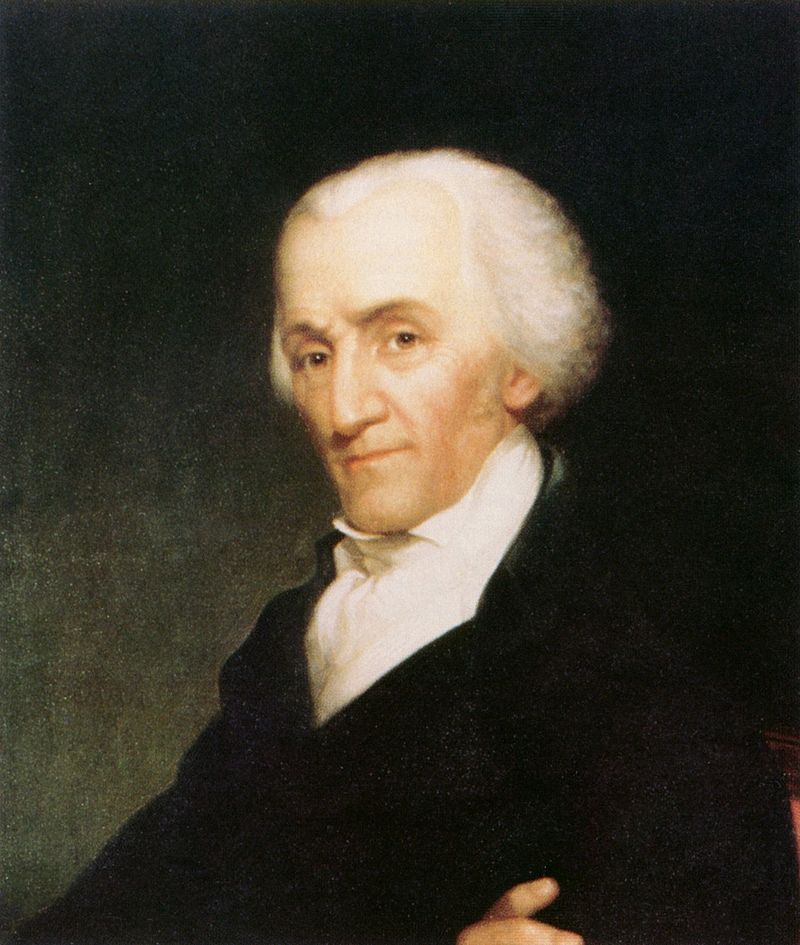
Elbridge Gerry was a vocal in his opposition toward British colonial policy during the 1760s and active in organizing resistance in the early stages of the American Revolution. Of course, he's better known for being involved in a major redistricting scandal during his term as governor of Massachusetts in which

Elbridge Gerry was a vocal in his opposition toward British colonial policy during the 1760s and active in organizing resistance in the early stages of the American Revolution. Of course, he’s better known for being involved in a major redistricting scandal during his term as governor of Massachusetts in which “gerrymandering” gets its name. And James Madison still chose him as vice president in his 1812 presidential reelection campaign. Then again, he was active in the drafting and passage of the Bill of Rights.

Lived: (1744-1814) He was 31 at the signing and 70 at his death.

Family: Son of Thomas Gerry and Elizabeth Greenleaf. Father was a successful merchant who immigrated from England in 1730 and was active in local politics. Was one of 11 children and the third of 5 who survived to adulthood. Married Anne Thompson in 1786 and had 10 children. Had a grandson and great-grandson who were members of the US House of Representatives as well as a grandson who became a noted lawyer and philanthropist.

State: Massachusetts

Occupation: Merchant, philanthropist, and diplomat

Early Life: Born in Marblehead, Massachusetts. Entered Harvard at 13 where he received his bachelor’s in 1762 and his master’s in 1765. After that, he joined his dad’s merchant business in which he became one of the wealthiest Massachusetts merchants with connections in Spain, the West Indies, and the North American coast. Was vocally opposed to British colonial policy in the 1760s and was part of Marblhead’s resistance efforts such as establishing its Committee of Correspondence but had to resign due to an incident with mob violence the next year. In 1774, he played a major role in ensuring the delivery of supplies from Marblehead to Boston, only interrupting activities just to care for his dying dad. He was elected to the First Continental Congress in 1774 but refused to go, grieving his father’s loss. That year, he was also elected to the Massachusetts Provincial Assembly where he was responsible for assuring that the colony’s limited supplies and weapons remained out of British Army hands. These actions led to the storage of weapons and ammunition Concord where a British raiding expedition helped spark the American Revolution.

Significant Roles: Had a leading role in supplying the Continental Army such as negotiating business contacts with Spain and France as well as dabbling in privateering.  Served in the Second Continental Congress from 1776-1780, where he was very influential in convincing a number of delegates to sign the Declaration of Independence. Believed in limited central government and for the maintenance of civilian control of the military.

Ultimate Fate: Elected as Fellow to the American Academy of Arts and Sciences in 1781. Attended the Constitutional Convention in 1787 but didn’t sign on account that it didn’t include a Bill of Rights but he later recanted after he was predictably defeated by John Hancock in the subsequent governor’s race. Was elected to the US Congress shortly after where he served two terms where he proposed and successfully lobbied for the Bill of Rights he wanted. Supported Alexander Hamilton’s bank and economic system but opposed the creation of a Treasury Department for fear that it might become more powerful than the president. In 1797 he was sent on a special diplomatic commission to France with Charles Cotesworth Pinckney and John Marshall with him where they unsuccessfully tried to engage Talleyrand in formal negotiations and were bribed by his agents resulting in the XYZ Affair. However, while Pinckney and Marshall left, Talleyrand made him stay and threatened war if he left. Of course, such incidents damaged his reputation that he was burned in effigy at his home. But later published correspondence vindicated him but he was so fed up with the Adams Administration that he joined the Democratic-Republicans. Was governor of Massachusetts from 1810 to 1812 which saw a major resdistricting scandal coined the term, “gerrymander” and made him a household name (but not in a good way). He was hated by Federalists so much that they had to get a guy out of retirement to run against him which resulted in his 1812 defeat.  In 1812, he was chosen as James Madison’s running mate in that year’s presidential election (due to being from the North) and was sworn in as vice-president the next year and was a strong proponent for the War of 1812 as well as sought arrest for Federalist printers. Fell ill and died in Washington D. C. two years later. Buried at Congressional Cemetery and is the only signer interred at Washington D.C.

Trivia: Best known for being the namesake of gerrymandering, a process by which electoral districts are drawn with the aim of aiding a party in power. Helped establish a hospital for performing smallpox inoculations on Cat Island, but the facilities were destroyed by a mob. Said to have a couple towns in upstate New York named after him. James Monroe was best man at his wedding. Was a longtime friend of John Adams. Said during the Constitutional Convention: “A standing army is like a standing member. It’s an excellent assurance of domestic tranquility, but a dangerous temptation to foreign adventure.”
Thoughts on Charleston

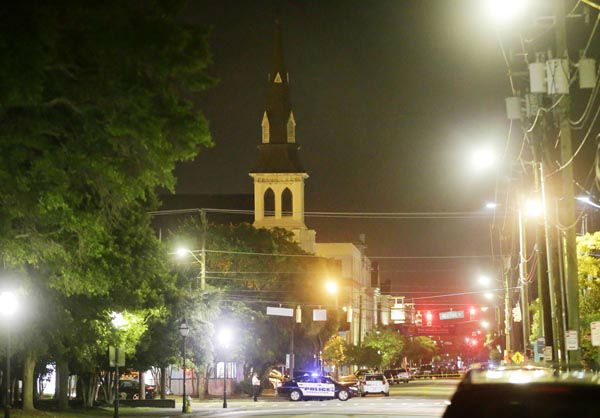
061815-ap-charleston-church-shooting-03

On the night of Wednesday June 17, 2015 at 9:05 p.m., a 21-year-old white gunman named Dylann Storm Roof fired upon a Bible Study group at Emmanuel African Methodist Episcopal Church in Charleston, South Carolina. All the victims were black which included 9 killed, particularly senior black pastor Clementa C. Pinckney who’s also a Democratic state senator as well as a one wounded but survived. And they were all black. It was the deadliest attack on an American place of worship since the 1991 mass murder of Wat Promkunaram Buddhist temple in Waddell, Arizona in which nine people also died. And it was the largest American mass shooting since the 2013 Washington Navy Yard shooting. My thoughts, condolences, heart, and prayers goes out to the survivors as well as members of Emmanuel A. M. E. Church, the victims’ families, and the African American community.

What happened in Charleston was a senseless act of terror resulting in 9 senseless deaths and an entire community engulfed in tragedy. What’s even uglier about this tragedy is that it was motivated by racial hatred which was born out of the sad American legacy of slavery that gave rise to white supremacy as an ideology. Even today, though racism is no longer seen as acceptable, it still remains embedded in our systems and institutions as well as in the minds of many of America’s citizens. It’s a toxic ideology that has plagued so much of our culture that as much as I try to fight what I see as hatred plain as day, sometimes even I feel that I’m not above the destructive influence of our infectious racist climate. I am aware of white privilege and probably have benefited from it, even though I may not even know it. But whatever racist thoughts I may have, I am well aware of how unjustifiable they are. Just because I may have it better than some blacks due to the color of my skin does not mean that I am any better or worse than any other black person. And that blacks should be considered as human beings and able to enjoy the same rights as any American citizen. Unfortunately, too many whites don’t seem to see it that way, especially in South Carolina and that’s a problem.

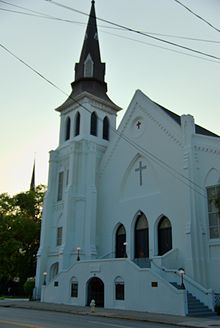
Founded in 1816, Emanuel African Methodist Episcopal Church is one of the oldest black churches in the United States as well as a key hotspot for African American activism during the Civil Rights Movement. It was also marred by racial violence in its early years not at all helped by the fact one of its founders was linked to a slave revolt in 1822.

Founded in 1816, Emanuel African Methodist Episcopal Church is one of the oldest black churches in the United States as well as a key hotspot for African American activism during the Civil Rights Movement. It was also marred by racial violence in its early years not at all helped by the fact one of its founders was linked to a slave revolt in 1822.

This is not the first time Emanuel A.M.E Church has experienced racially motivated violence and I’m certain it won’t be the last. From its founding in 1816, it had seen a long share of violence in the name of white supremacist hate. It began as an illegal church at a time when black churches were outlawed in Charleston and South Carolina prohibited black literacy. It was subject to raids by city officials in 1818, 1820, and 1821. In 1822, one of the church’s founders named Denmark Vessey was implicated in an alleged slave revolt, was arrested and subject to a secret trial along with five other alleged organizers, and executed. The original building was then burned to the ground by white supremacists. By the time it was rebuilt, Charleston had already banned all black churches compelling the congregants to meet in secret until the end of the Civil War in 1865. And as far as black churches go, Emanuel wasn’t the only one subject to white supremacist terrorism either since other black churches have had their share, especially in the South where they have been pillars among the African American communities they served. Many black churches were involved in the Civil Rights Movement as well as acted as sanctuaries from racism and for civil rights rallies. Churches were prime targets by white supremacists terrorists. One of the most famous is the 1963 Klu Klux Klan bombing of the 16th Street Baptist Church in Birmingham, Alabama which killed 4 young girls and called by Dr. Martin Luther King Jr. as “one of the most vicious and tragic crimes ever perpetrated against humanity.” Add this to the fact that many blacks were victims of white supremacist violence during the Civil Rights Era mainly because they simply dared to demand equal rights, which many whites didn’t want to happen. White supremacist terrorism was seen as a way to punish black communities and maintain control by creating a climate of terror and fear that would make black political organizing of demonstrations, sit-ins, and other forms of protest impossible.

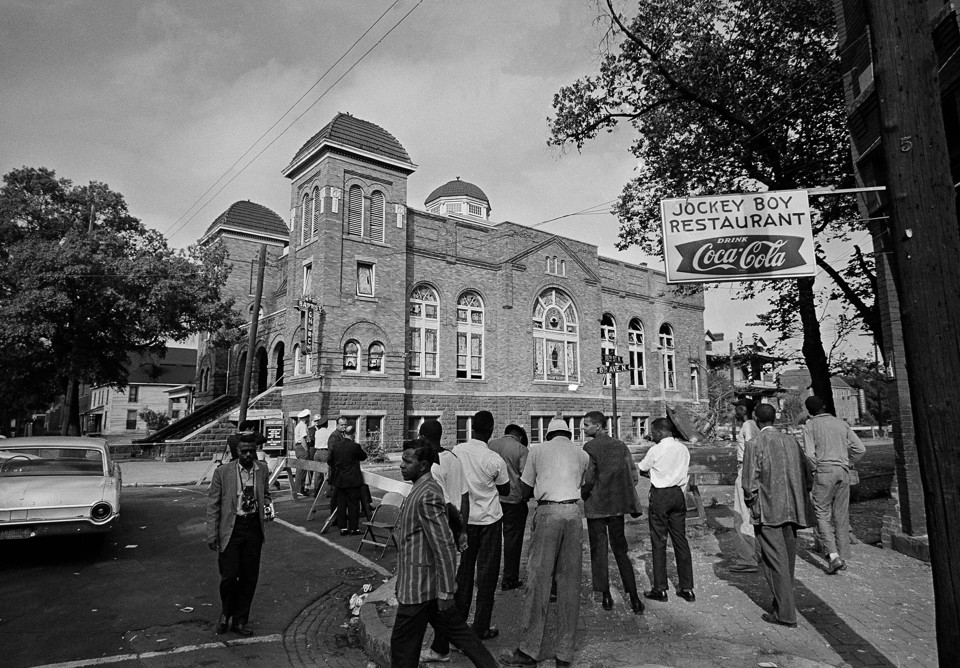
For much of American history, black churches have played significant roles in the African American community, especially since they were often hubs for political organization during the Civil Rights Movement. This made such places key targets for white supremacist violence. Shown here is Birmingham, Alabama's 16th Street Baptist Church which was subject to a Klu Klux Klan bombing in September 16, 1963 which killed 4 young girls and wounded 22.

For much of American history, black churches have played significant roles in the African American community, especially since they were often hubs for political organization during the Civil Rights Movement. This made such places key targets for white supremacist violence. Shown here is Birmingham, Alabama’s 16th Street Baptist Church which was subject to a Klu Klux Klan bombing in September 16, 1963 which killed 4 young girls and wounded 22.

It should be obvious to everyone that what happened in Charleston was nothing but a premeditated white supremacist terrorism, which every citizen in this country should take very seriously and part of a long and painful history of politically motivated white violence against blacks. Even if you’re a foreigner who knows absolutely nothing about American History, the mere details in this case should entail that Roof’s nefarious deed was a hate crime. For one, Roof was in the church an hour before he started shooting and reloaded his gun five times. This indicates that he came prepared. Second, one survivor recalled one of the victims asking Roof why he’s doing this in which he reportedly replied, “I have to do it. You rape our women and you’re taking over our country. And you have to go.” Anyone who understands race relations in the southern US should know that the image of a black man raping a white woman is a very pervasive one that had been used as an excuse for whites to systematically justify their racism against blacks, especially when it involves the worst forms violence such as lynchings. But this image is seen in Birth of a Nation in which the scene of the Klu Klux Klan lynching a black man is seen as a noble act of heroism (of course, the racism in this movie is extremely vile). And it’s also unfortunate that it led to a KKK revival explaining why its membership numbered to 6 million in 1925 despite being highly racist even by the standards of 1915). It’s present in the minds of the whites of Depression era Maycomb County, Alabama in To Kill a Mockingbird despite the fact that Tom Robinson was 100% innocent of doing anything to hurt Mayella Ewell besides being too nice to her for his own good but is wrongfully convicted by an all-white jury anyway. Not only that, but Roof was said to be shouting racist epithets while gunning down each of the victims and those who managed to survive played dead. Roof might’ve intended at least one person to survive and tell the tale, but I’m not exactly sure. Third, Roof’s Facebook page contains pictures of him with very white supremacist imagery such as the flags of Apartheid-era South Africa and Rhodesia (now Zimbabwe) as well as a Confederate flag license plate. Fourth, even the people who knew Roof can recall how he expressed his support for racial segregation, his intention to start another civil war, his claim that, “blacks were taking over the world,” and his intentions to kill people, including a plot to attack the College of Charleston. He also had a criminal record prior to the incident as well. All this establishes the fact that Roof was a bonafide racist and his crimes were racially motivated. We should never think otherwise. If the Klu Klux Klan’s racial violence against racial, ethnic, and/or religious minorities should be considered terrorism, then so should Dylann Roof’s as well as anyone else who does the same. The motivation on the Emanuel A.M.E. Church shooting was to terrorize black people.

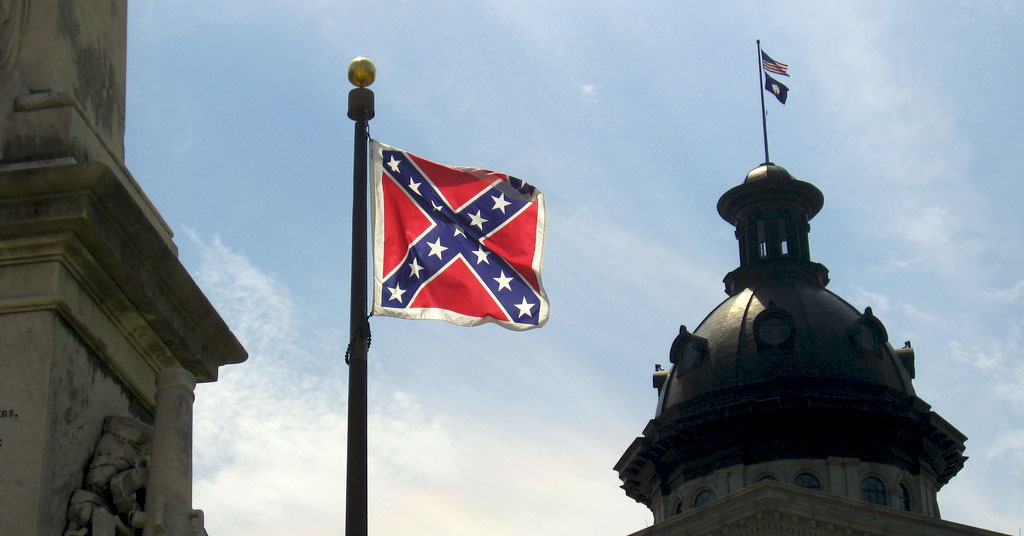
Despite that the shooting at Emanuel A.M.E. was certainly a deliberate act of white supremacist terrorism,  South Carolina's State Capitol continues to fly the Confederate flag at full mast. This is very disrespectful  to the black victims, their families, and the Charleston black community. This banner has been used to legitimize widespread racism even if such acts were violent, illegal, and dehumanizing.

Despite that the shooting at Emanuel A.M.E. was certainly a deliberate act of white supremacist terrorism, South Carolina’s State Capitol continues to fly the Confederate flag at full mast. This is very disrespectful to the black victims, their families, and the Charleston black community. This banner has been used to legitimize widespread racism even if such acts were violent, illegal, and dehumanizing.

However, as far as American racism is concerned, the Charleston shooting is just the tip of the iceberg. Even today, the discrimination and injustices against African Americans are just too innumerable for me to describe in detail. And even if I could, then I’m sure whatever I say about them can never do justice for so many African Americans who have been harmed by them. But all too often I’ve heard of how blacks have been disproportionately and negatively affected buy such things as mass incarceration, Stand Your Ground laws, police misconduct and brutality, redlining, environmental discrimination, voter ID laws, misconduct by the criminal justice system, racial profiling, gerrymandering, the War on Drugs, destructive stereotypes aimed at poor blacks, rap artists being called out on promoting violence, sex, and butchering the English language (as well as having their songs being marketed like that), a lot of forms of workplace and education discrimination, having their accomplishments downplayed or outright ignored in the American history books, being depicted as either violent brutes or unable to save themselves without white intervention in Hollywood movies, being underrepresented in all spheres of American life, gentrification,  being subject to police intervention and media derision even in their most legitimate protests, inadequate public schooling, and the list goes on. Now the American South isn’t the only place in the country where blacks have experienced racism and injustice by hateful whites, but it’s basically the worst offender, especially South Carolina. It’s well known that slavery treated blacks less than people whose only purpose was to serve their masters without expecting much in return and no prospect of being freed. And we all know that the South seceded from the Union and formed the Confederacy so most of the African American population can be considered property, not people, which resulted in a bloody 4-year war over it (a lost cause that was never in any way honorable). It’s also well known that racial segregation and Jim Crow laws were put in place so that blacks would be kept separate from whites and not have any political or any other power to assert themselves. They were also terrorized and lynched by white supremacists in the South if they ever dared to vote, demand their rights, purchased land, or owned successful businesses. Sure, racism might not be as blatant or acceptable as it once was, especially when we have a democratically elected black president, but that doesn’t mean it’s not there and that it’s not a problem. Because if the Charleston shooting has taught us anything, it’s that racism still exists and that it’s a problem. And in the South, it’s particularly bad.

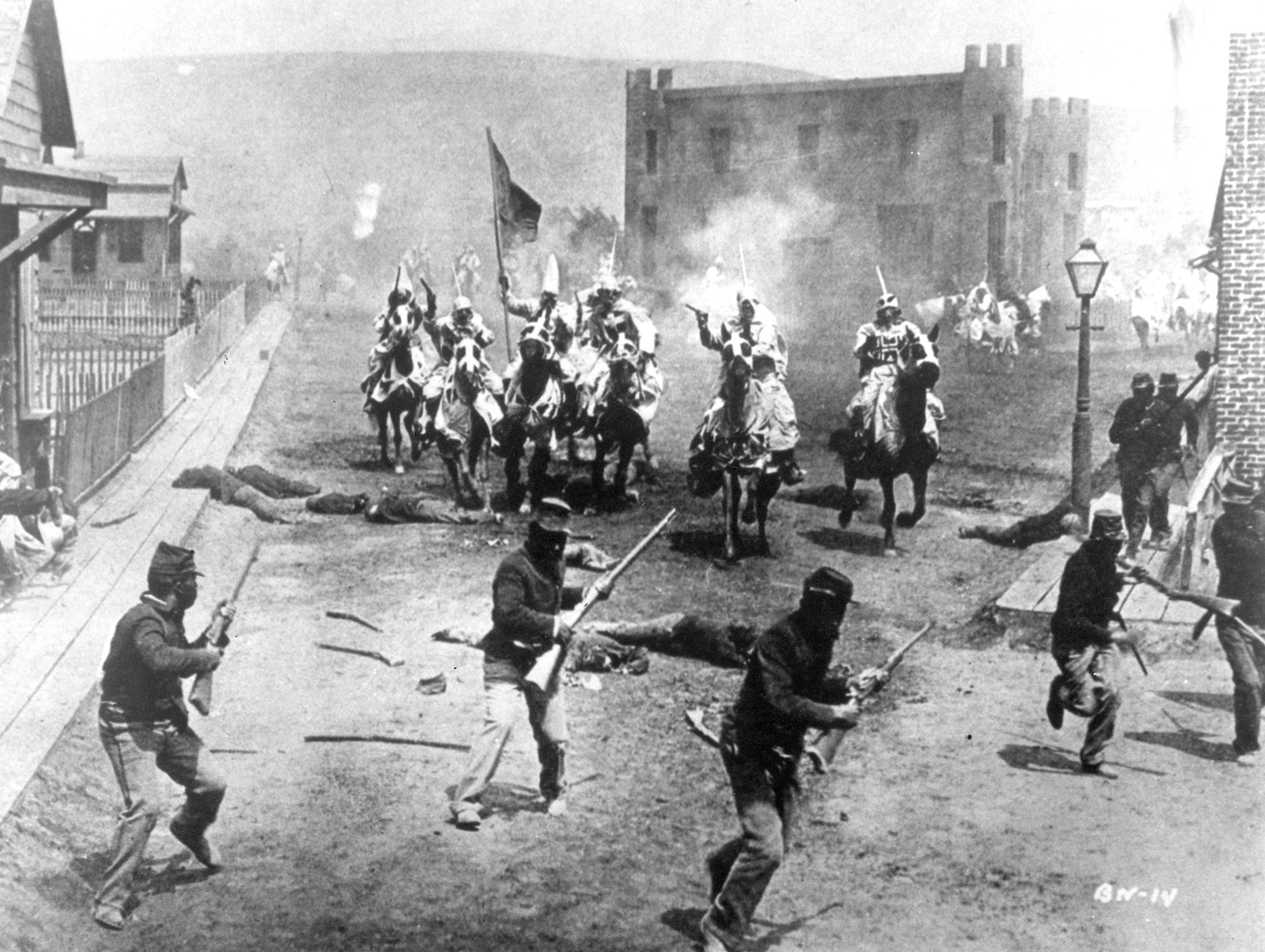
D. W. Griffith's epic 1915 groundbreaking film The Birth of a Nation is the most racist film in American history, even by the standards of the time. The anti-black sentiment in this film is extremely vile in which the African Americans are played by white actors in blackface and the Klu Klux Klan members are seen as the heroic saviors of white Southern honor. Unsurprisingly, it managed to get enough fans that it's attributed to a KKK revival which peaked at 6 million members in 1925. But please, unless you're a film student, I'd strongly encourage that you avoid this disasterpiece of film.

D. W. Griffith’s epic 1915 groundbreaking film The Birth of a Nation is the most racist film in American history, even by the standards of the time. The anti-black sentiment in this film is extremely vile in which the African Americans are played by white actors in blackface and the Klu Klux Klan members are seen as the heroic saviors of white Southern honor. Unsurprisingly, it managed to get enough fans that it’s attributed to a KKK revival which peaked at 6 million members in 1925. But please, unless you’re a film student, I’d strongly encourage that you avoid this disasterpiece of film.

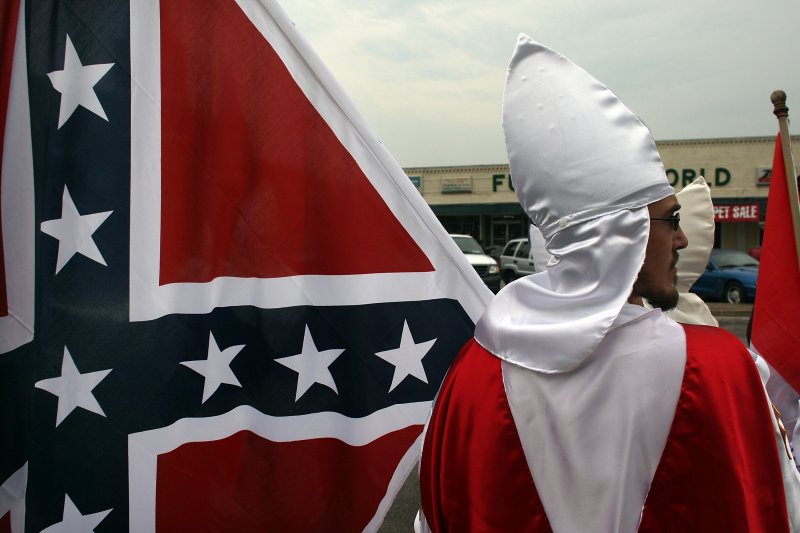
How do I know this? Because the United States is suffused with perverse symbolism that legitimizes anti-black violence and no place in the country is more notorious for this than the American South. This being because it’s the area most likely to embrace the nostalgia of the antebellum Old South and the ideology of the Neo-Confederate “Lost Cause” which portrays the Confederate struggle against the Union as noble one that had absolutely nothing to do with slavery (despite evidence to the contrary). Thus, this leads to white Southerners glorifying and possibly revering their American past as well as perpetuating racist ideas, instead of actually learning that subjugating an entire group of people into involuntary servitude on the basis color is inherently wrong. Sure your average redneck might not mean any harm if he puts a Confederate flag on his pickup truck, other than perhaps showing his love for Lynyrd Skynyrd. And of course, he may not even intend to send a message to impressionable or perhaps disturbed young white men like Dylann Roof that African Americans are less-than-equal members of the political community and that using illegal violence against their interests is justified or that it’s noble to fight and die for the purpose of enslaving black people even if it means betraying your country. In fact, he might not be racist against black people at all (or so he says). But your average redneck might not know that like words, symbols carry meanings that stand independently of any individual’s subjective intentions, which can lead to even the most non-racist but nevertheless passionate Lynyrd Skynyrd fan be mistaken for a racist or believing that lawless pursuit of white supremacy is not necessarily wrong and may at times be worthy of celebration.

Among Southern whites, Nathan Bedford Forrest is a very popular figure, especially in Tennessee where he has several stuff named after him, 32 historical markers dedicated to him, and his own state holiday in July. However, Forrest was a former slave trader best know n for allegedly being the first Grand Wizard of the Klu Klux Klan and accused of war crimes for allowing his men to massacre hundreds of Union black and white Southern Unionist  POWs after the Battle of Fort Pillow. Not someone you'd want to have a state holiday for.

Among Southern whites, Nathan Bedford Forrest is a very popular figure, especially in Tennessee where he has several stuff named after him, 32 historical markers dedicated to him, and his own state holiday in July. However, Forrest was a former slave trader best know n for allegedly being the first Grand Wizard of the Klu Klux Klan and accused of war crimes for allowing his men to massacre hundreds of Union black and white Southern Unionist POWs after the Battle of Fort Pillow on February 12, 1864. Not someone you’d want to have a state holiday for.

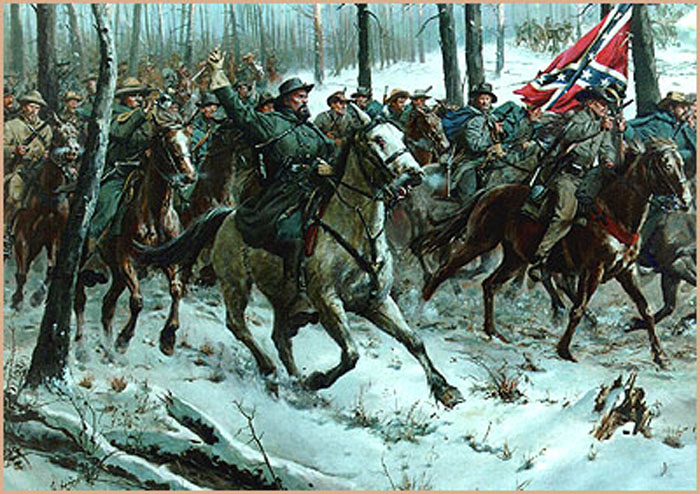
But it’s not just Lynyrd Skynyrd fans who have a problem with white supremacist symbolism or even ideas. To this day, South Carolina continues to fly a Confederate flag on the grounds of its state capitol. In the city of Charleston itself, you will find Emanuel A.M.E. is on Calhoun Street, named after antebellum politician and political theorist John C. Calhoun, best known for defending slavery as something positive, distrusting majoritarianism, championing the idea of nullification which states that individual states have a right to declare federal laws null and void if they viewed them unconstitutional, and helping to escalate Southern threats of secession in the face of mounting Northern abolitionist sentiment. Not exactly a guy you’d want to name a street after but despite dying 11 years before the Civil War, he’s fairly influential in American politics, mostly for the worse. A mile and the half of Emanuel A.M.E. is a public park featuring a monument “to the Confederate Defenders of Charleston” commemorating, you know, a bunch of guys who broke off from their country as well as fought and died to keep blacks under involuntary servitude. In Tennessee, you have no less than a high school, a state park, and a university ROTC building named after Confederate General Nathan Bedford Forrest best known for allegedly being the first Grand Wizard of the Klu Klux Klan (a fact even namesake Forrest Gump admits) as well as being accused of war crimes for allowing forces under his command to massacre hundreds of black Union Army and white Southern Unionist POWs, an incident surrounded in controversy to this day. Prior to the war, he was slave trader. But even this doesn’t keep Tennesseans from putting his bust at the State Capitol in Nashville, dedicating 32 historical markers linked to him (more than resident US presidents Andrew Jackson, James K. Polk, and Andrew Johnson), and celebrating July 13 as “Nathan Bedford Forrest Day” which is an official state holiday. Confederate President Jefferson Davis has not only a statue in the US Capitol Rotunda, but also a highway in Northern Virginia as well as counties in Mississippi, Louisiana, Georgia, and Texas named after him. And this guy owned a Mississippi cotton plantation of over 100 slaves, believed every state was sovereign and had an unquestionable right to secede from the Union (and continue to do so for the rest of his life), did a terrible job as president of the Confederacy and was highly unpopular, fled the country for a time after a two year imprisonment on the charge of treason, and flushed his own shit into the street of his Richmond home (not exactly relevant or his fault, but true). Davis was no hero and defended the South’s actions until the day he died as well as believed in a Southern social order, according to historian William Cooper, “a democratic white polity based firmly on dominance of a controlled and excluded black caste.” And that doesn’t even bring me to discuss the more than dozen public schools named after Confederate General Robert E. Lee and others save maybe James Longstreet who became a Republican, led an African American regiment against white supremacists during Reconstruction in 1874, and supported civil rights for blacks (but he’s not among the South’s most liked Confederate generals and is usually the one whom most Southerners blame for the Confederate loss at Gettysburg, possibly the war). Or the streets of Charleston being named after Confederate generals as well with the exception of James Longstreet if his name is even on a street sign.
As first and only president of the Confederacy, Jefferson Davis proved to be a weak and ineffective leader as well as very unpopular by Civil War's end in 1865. He's seen as a hero by many Southern whites today because his writings after the war which contributed to the

As first and only president of the Confederacy, Jefferson Davis proved to be a weak and ineffective leader as well as very unpopular by Civil War’s end in 1865. He’s seen as a hero by many Southern whites today because his writings after the war which contributed to the “Lost Cause” myth, which was used to perpetuate widespread violence and discrimination against African Americans for decades. He saw absolutely nothing wrong with controlling blacks and excluding them from any political decision making. And he was never sorry for betraying his country. Yet, he has a highway named after him in Virginia. And you don’t want to know where his bodily waste went in Richmond.

Unfortunately, despite that the Charleston church shooting was 100% racially motivated terrorism, some whites Americans go to great lengths to say why this isn’t the case for various reasons. For one, much of the Republicans’ success depends on a lot of support from conservative Southern whites, many of whom are either believers of the “Lost Cause” narrative or at least tend to have a nodding appreciation for the Confederate side of the American Civil War. For a Republican to say that this tragedy was an act of white supremacist terrorism would be to alienate a considerable portion of the electorate who don’t want to be seen responsible for it. Sure Dylann Roof might’ve been a nutjob but he wasn’t an island onto himself and any mental illness he may have doesn’t excuse his actions. Besides, it’s as clear as day that he was a white supremacist who flaunted it (though he was probably influenced by his family and the culture he grew up in). Secondly, the white South doesn’t want to change or own up to anything pertaining to periods of race relations they’d rather nostalgize and romanticize. And even Southern whites who may not have anything against blacks might feel that taking down a Confederate flag or a name like Calhoun or of a Confederate Civil War general would be an affront to Southern pride and Southern culture. But such nostalgia on the “Lost Cause” and the Old South is very toxic when it comes to a group of people who were once subjugated to one of the worst human rights abuses in history during that same time.

The

The “Lost Cause” myth in American history is a mix of Confederate nostalgia and romanticism that paints the South secession as legitimate, noble, and totally not about slavery. Further, it gives the impression that slaves were happy to be working under involuntary servitude with absolutely no rights of their own. Such idea has a very pervasive influence in American history which has led to widespread discrimination as well as violence against African Americans. Unfortunately, this is the kind of fictitious nonsense that’s very likely taught in Texas public schools.

So conservatives tend to say that the church shooting was an Anti-Christian terrorist attack while trying to appeal to the Fundamentalist Christian persecution complex. Sure the shooting took place at a church, but it was at this historic black church known for its involvement in the Civil Rights Movement as well as associated with a man implicated in a slave revolt. If Dylann Roof really hated Christianity, he could’ve just fired upon any Christian place of worship he wished and I’m sure he didn’t have to be too picky on potential Christian victims, especially in South Carolina. Race is the heart of what went on in Charleston and it’s very clear that Roof’s a white supremacist who probably sees blacks as no more than dirt. While persecution of Christians isn’t unknown in American history, it usually applied to a particular denomination like Catholics, Quakers, Jehovah Witnesses, or Mormons among the most targeted groups since their religious practices didn’t conform to the White Anglo-Saxon Protestant ideal to the dismay of some Americans, not Christianity in the general sense of the term. Besides, when it came to attacks on black churches, the white attackers were probably as faithful churchgoing Christians as their black victims despite having a funny way of showing it (and used their faith to justify why blacks were inferior). So no, the Charleston shooting had absolutely nothing to do with religion.

The

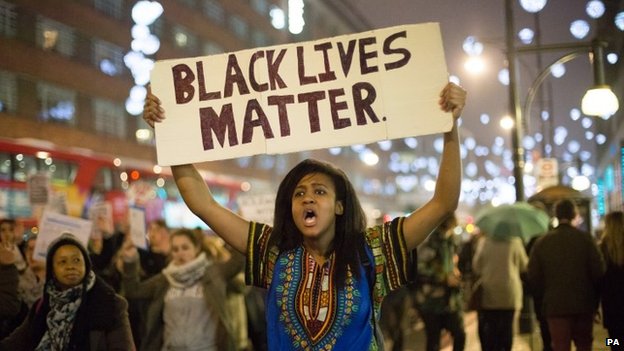
The “Black Lives Matter” protests of Ferguson, Missouri and Baltimore were formed to address the systematic discrimination and violence against blacks by the criminal justice system. However, it’s been met with a lot of backlash from Fox News and their white allies, pointing to how most black people are killed by other blacks. While this statistic may be true, it doesn’t address why blacks victimized by whites and/or authority figures don’t seem to receive any justice whatsoever. For instance, in Florida, whites were more likely to be acquitted under Stand Your Ground laws if the victim was black than vice versa. This is why the case with George Zimmerman shooting Trayvon Martin was a judicial travesty. So if you were a black living in Florida who shot a white guy in self-defense, I’m afraid Stand Your Ground won’t help you.

But what I think can be even more toxic in the United States is the idea of racial apathy. A lot of white Americans may have racist attitudes because they benefit so much from white privilege and were never subject to racism themselves. Thus, these white Americans are more likely to deny that racism still exists and consider it a thing of the past. But this also leaves them vulnerable to believing a lot of highly racist things and negative stereotypes whether told by Fox News, the mainstream media, Hollywood, family members, the education system, or other areas. Because racism infects the people in ways they wouldn’t recognize. So when a racially motivated act of violence makes front page news, these whites either go out of their way to argue why it wasn’t about race or will simply be peeved when somebody addresses race as a factor. Sometimes they’d simply wouldn’t care and view what went on in Baltimore as nothing more than a meaningless riot or just get sick of the words, “Black Lives Matter.”  To them, racism isn’t currently a problem because it’s not their problem. But many of them would be willing to play the reverse discrimination card whenever a person of color is luckier than them (such as super entitles whites suing over affirmative action because they didn’t get into a particular college they wanted) or if racial minority person is either more successful than or promoted over them. Sometimes when they themselves are called out for their racist comments (if their response isn’t that a certain negative racial caricature is grounded in fact). And if a person of color is elevated to a high position of power or leadership, well, these people would unconditionally hate them for absolutely no reason other than the color of their skin. I know people like this and I’m appalled at they believe in such ideas as well as sometimes feel guilty of not calling them out on it to avoid making a scene. But such racial apathy doesn’t solve anything and gives a silent license to ignore problems and continue the systematic and institutional discrimination blacks and other persons of color experience every day of their lives.
I'm sorry but the Confederate flag isn't a symbol of Southern pride or an emblem that shows love for Lynyrd Skynyrd. It's a symbol of racism and one that has been used to justify lynchings and countless violent crimes in the name of white supremacy. Many of which were never brought to justice. And it was mostly done to terrorize blacks through fear if they ever dared to exercise or demand equal rights as well as purchased land or had a successful business. It had nothing to do with preserving any form of sacred honor despite what you might've heard otherwise.

I’m sorry but the Confederate flag isn’t a symbol of Southern pride or an emblem that shows love for Lynyrd Skynyrd. It’s a symbol of racism and one that has been used to justify lynchings and countless violent crimes in the name of white supremacy. Many of which were never brought to justice. And it was mostly done to terrorize blacks through fear if they ever dared to exercise or demand equal rights as well as purchased land or had a successful business. It had nothing to do with preserving any form of sacred honor despite what you might’ve heard otherwise.

But I believe white Americans can fight racism not but not by being white saviors that Hollywood thinks. The Civil Rights Movement was primarily one led by black activists and organizations while antislavery movements wouldn’t have the kind of legitimacy they did unless the voices of former slaves and free blacks were heard. However, if whites should stand up to racism, then they must acknowledge our racism filled past for what it is and dispose all notions of nostalgia and romanticism of times when racial minorities were subject to systematic and institutional discrimination. We must also acknowledge the racism entrenched in our society as well as how it’s a serious problem in our country that needs addressed. And we must acknowledge and fight any racists attitudes we harbor within ourselves. Now none of this will be easy but I can’t exaggerate the urgency necessity of such actions, especially when a guy not much younger can me can open fire on a church filled with black people. We can’t turn out backs on that and say that racism isn’t a problem just because it doesn’t affect us. Thus, we’d be not much better than the white supremacists who carry out the violence themselves or how our culture gives racial minorities the short end of the stick. As long as whites continue to glorify and celebrate the Old South and the “Lost Cause,” racism will continue in very nasty ways. As long as whites don’t acknowledge that displaying a Confederate flag at your house is a very, very bad way to show your love for Lynyrd Skynyrd, there will be some nuts there interpreting such symbols at their worst connotations as well as committing violent acts of terror against African Americans. And as long as whites side with white perpetrators on behalf of “Stand Your Ground,” instead of their innocent unarmed victims as well as feel that the mantra, “Black Lives Matter,” and protests against systematic racial injustice is a meaningless waste of time, then there will be another Charleston. We can’t let this go on and we can’t let white people not to care.
Black people may not have the same problems white people do. But we should care about the racial discrimination African Americans encounter every day because such actions are unjustifiable by any means, especially if they pertain to white on black violence. As Jesus said,

Black people may not have the same problems white people do. But we should care about the racial discrimination African Americans encounter every day because such actions are unjustifiable by any means, especially if they pertain to white on black violence. As Jesus said, “”The King will answer and say to them, ‘Truly I say to you, to the extent that you did it to one of these brothers of Mine, even the least of them, you did it to Me.'” –Matthew 25:40 NASB

And the fight against racism can start when we pressure South Carolina to take down that racist Confederate flag for it’s a symbol of white supremacy, not a symbol of pride. Any white person wishing to express Southern pride or love for Lynyrd Skynyrd should use something else.

The Domestic Servants of Downton Abbey: Part 8-Maintenance

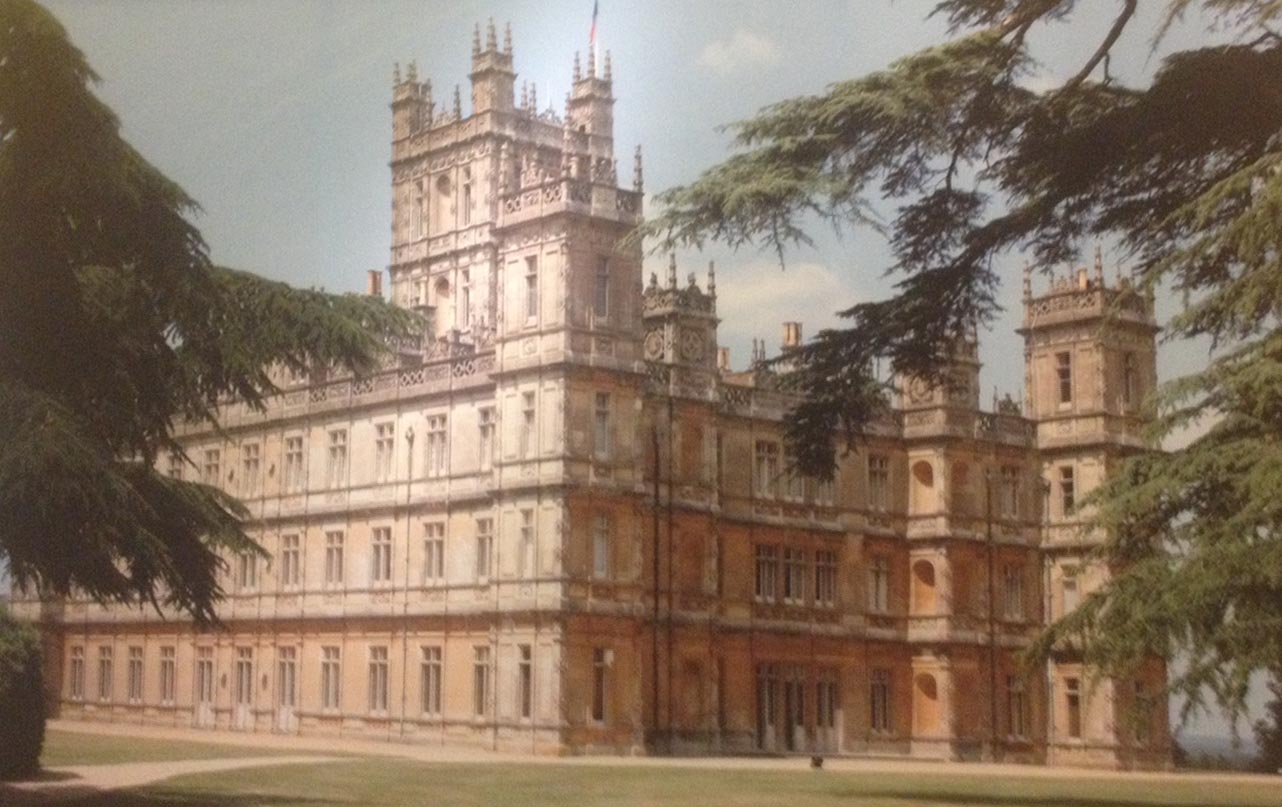
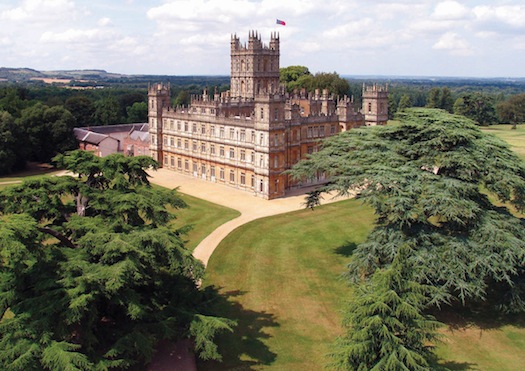
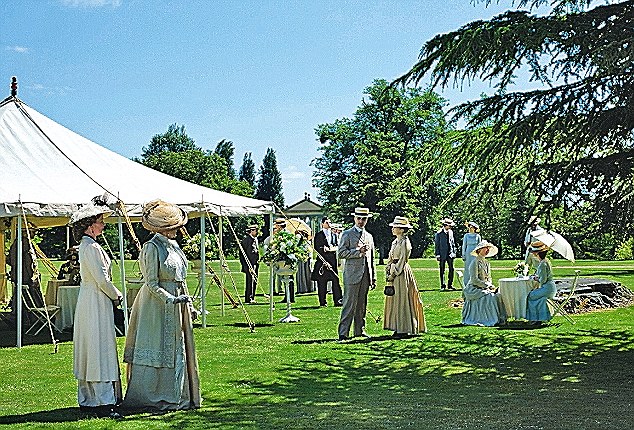
Great House: At Downton Abbey, the maintenance staff isn't seen much because their jobs are so shitty. Yet, how do expect this estate be kept up in such condition as this? And how do expect the clothes being washed? Not to mention, the matter with visitors.

Great House: At Downton Abbey, the maintenance staff isn’t seen much because their jobs are so shitty. Yet, how do expect this estate be kept up in such condition as this? And how do expect the clothes being washed? Not to mention, the matter with visitors.

My last post on servants at Downton Abbey falls under the notion of maintenance and upkeep. Now I know I’ve covered a bit of it when I did the one on maids. However, maintenance involves more than just cleaning and making things look nice. Sure Downton may have maids, butlers, footmen, and other attendants but you never really see them perform tasks like repair work, restoration, heavy lifting, collecting garbage, replacing light bulbs, laundry, checking pipes, upholstery, electrical work, security monitoring and other tasks needed to keep up such a stately home. I mean, how did that telephone managed to be installed in Carson’s office? Must have a handyman around somewhere. Sure I understand that this is a show, but we never see any of those servants doing that kind of work at all. So it’s very likely that Downton employs certain people who do the actual handiwork we don’t see. Then again, some of the maintenance servants aren’t people who live on the premises and may come to the estate on a daily or weekly basis. Others may live at Downton but we never see them since they may have their own cottage, perform tasks at a different time, or have a job of such low status that they can’t even be seen at the servant halls. Then again, they may perform jobs that might cause some discomfort in the viewer watching the show and ruin the idyllic life this series tries to portray. Yet, many of the people who had these thankless and miserable maintenance jobs  help make the Crawleys’ lives possible and the other servants’ lives much easier. So perhaps when season 6 is in production, maybe Julian Fellowes should add a few laundry maids and a handyman at Downton. Maybe the handyman can  be a love interest for Daisy, Thomas, or Mrs. Patmore. How about include a chimney sweep? Well, it worked for Mary Poppins and Charles Dickens. Hey, it’s worth a shot. Besides, they can’t just have maintenance work on Downton Abbey be limited to Moseley doing road work or carrying boxes. Nevertheless, without further adieu, here’s a list of some servants who probably do the least recognized and most thankless work at Downton Abbey, those from the maintenance department.

1. Doorman or Porter
Function: Responsibilities similar to that of a hall boy but mostly for building security such as taking calling cards, screening guests, and granting admission.
Pay and Benefits: I’m sure he received a fair wage and compensation such as an annual salary of 30 pounds ($3,200) as well as room and board.
Status: Member of the Lower Staff and may be addressed by first name. Reported to Butler.
Hours: Worked 7 days a week from 6:00am-11:00pm or when the family was expecting guests such as special events.
Typical Candidate: Usually an older man who’s most likely a well regarded former footman or under butler who hasn’t been promoted to butler and valet as well as may be on his way out.
Characters who had this job: This job doesn’t exist on Downton Abbey since Carson performs most of this position’s duties anyway.

2. Handyman
Function: Responsible for repairs, maintenance, and other odd jobs that might include light plumbing, painting, and electrical work.
Pay and Benefits: I’m sure they were handsomely compensated for their duties as well as received room and board.
Status: Member of the Lower Staff, addressed by first name, and reported to Head Gardener.
Hours: Worked from early in the morning to late at night.
Typical Candidate: Usually a man skilled in a variety of trades, particularly carpentry. Yet, this was considered a semi-skilled job.
Characters who had this job: Though no named characters have this job at Downton Abbey, someone probably does considering the estate couldn’t survive without one. Yet, the ground staff aren’t the main focus of the show.

3. Useful Man

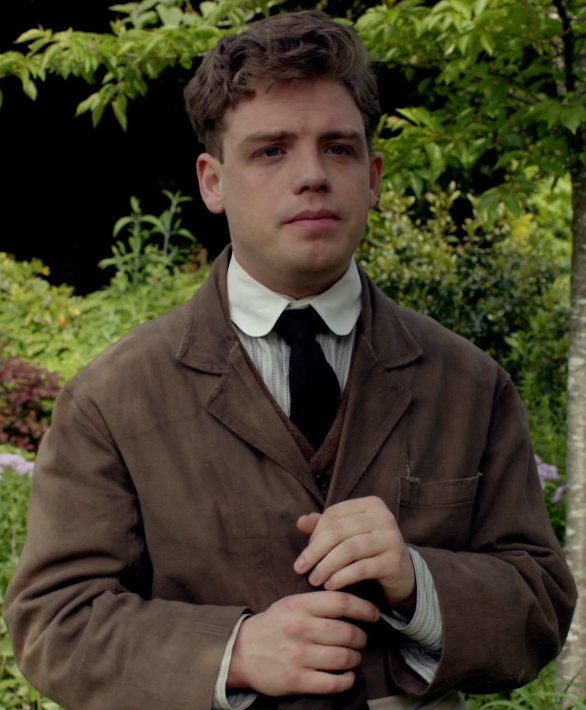
Useful Man: At Downton Abbey, this is an informal position designated to a former valet who'd do pretty much anything to pay the bills after his master got crushed by his sports car whether it's lifting, road work, or being a footman on a temporary then permanent basis. Chronic unemployment is a bitch.

Useful Man: At Downton Abbey, this is an informal position designated to a former valet who’d do pretty much anything to pay the bills after his master got crushed by his sports car whether it’s lifting, road work, or being a footman on a temporary then permanent basis. Chronic unemployment is a bitch.

Function: A general male domestic worker who performs a series of small jobs as needed to his employers. May range from cooking, cleaning, maintenance, and repair as well as bookkeeping or inventory.
Pay and Benefits: Depends on his responsibilities as well as wealth and size of the household.
Status: Member of the Lower Staff ranking below a footman but above a hall boy. Addressed by first name and reported to Butler. However, he never entered the dining room or waited on the master of the house.
Hours: Depends on the household or employer.
Typical Candidate: Usually a man at least in his teens or older.
Characters who had this job: This job doesn’t exist on Downton Abbey but Joseph Moseley is probably the closest thing to one on the show, especially in Season 4.

4. Charwoman

Charwoman: Probably the job Ethel had before turning to prostitution to support herself and her son. Might've been one while working as a prostitute, too. Guess it didn't pay as well as she hoped.

Charwoman: Probably the job Ethel had before turning to prostitution to support herself and her son. Might’ve been one while working as a prostitute, too. Guess it didn’t pay as well as she hoped, unsurprisingly.

Function: Female cleaner responsible for household maintenance and odd chores. Usually worked for people who couldn’t afford a maid of all work.
Pay and Benefits: They came fairly cheap than most household servants.
Status: Considered casual staff in that they didn’t live on the estate.
Hours: Usually depends on when they could find work.
Typical Candidate: Usually a woman of any age or disposition as long as she was poor.
Characters who had this job: This job doesn’t exist on Downton Abbey, but I’m sure it did exist in Great Britain at the time. Then again, Ethel might’ve tried to be one before becoming a prostitute. Maybe she was working as one during her tenure as well.

5. Odd Job Man
Function: Responsible for the heavy lifting of the house, replacing oil lamps, carrying logs for the maids to make fires in the fireplaces, as well as carrying hot water for the baths.
Pay and Benefits: Besides room and board, not much pay.
Status: Member of the Lower Staff and addressed by first name.
Hours: Worked from early in the morning to late at night.
Typical Candidate: Usually a man from the lower classes.
Characters who had this job: This job doesn’t seem to exist at Downton Abbey though an estate of that size would at least have one.

6. Dust Man
Function: Responsible for collecting trash or garbage from the estate.
Pay and Benefits: I’m sure they came pretty cheap.
Status: This was a Casual Staff position.
Hours: Hired at the estate on a weekly basis, particularly on garbage day.
Typical Candidate: Usually a man from the lower classes. Could be of any age or even have a family.
Characters who had this job: While no named characters have this job at Downton Abbey, it’s possible someone else does since the estate must generate a lot of garbage.

7. Chimney Sweep
Function: Responsible for clearing ash and soot from the chimney and fireplace.
Pay and Benefits: Depends on age and level of skill as well as the times.
Status: This was a Casual Staff position.
Hours: Worked as needed.
Typical Candidate: Depends on the times. By the Edwardian period it was usually a grown man who’s trained to clean chimneys. Until the 1860s, sweeps could be boys as young as 4 years old with the master sweep acting mainly as supervisor.
Characters who had this job: While no named characters have this job at Downton Abbey, it’s possible someone does since the estate has a lot of fireplaces. If not, then I wonder why the Crawleys have virtually no chimney fires.

8. Gate Keeper
Function: Responsible for guarding the main entrance to the estate.
Pay and Benefits: Annual salary could be as low as 10 pounds ($1,100) but he often had a cottage attached to the gate.
Status: Classified as an unskilled laborer and ranked relatively low on the servant hierarchy.
Hours: This was a 24/7 job since he had to guard the gate.
Typical Candidate: Usually a man from the lower classes, possibly a male servant approaching retirement.
Characters who had this job: Though no named character has this job at Downton Abbey, there’s probably someone on the estate who does.

9. Lamp Boy
Function: Responsible for lighting, cleaning, and maintaining the lamps inside and outside the great house and the estate.
Pay and Benefits: Besides room and board, not much pay.
Status: Member of the Lower Staff and one of the lowest servant ranks as well as addressed by first name.
Hours: Worked mostly at night.
Typical Candidate: Usually a young boy and teenager between the ages of 10-16, maybe even younger.
Characters who had this job: This job doesn’t exist at Downton Abbey since may have been rendered obsolete with the arrival of the electric incandescent lamp.

10. Upper Laundry Maid
Function: Chief laundry maid in charge of a team that washed, ironed, steamed, starched, dried, treated, and pressed clothes, towels, and linens for the family and the staff.
Pay and Benefits: At least an annual salary of 13 pounds ($1,300) as well as room and board.
Status: Member of Lower Staff and addressed by first name. Reported to Housekeeper.
Hours: Worked 7 days a week from 3:00am-10:00pm.
Typical Candidate: Usually an unmarried woman at least in her late teens who demonstrated the practicalities in clothes treatment.
Characters who had this job: This job doesn’t seem to exist at Downton Abbey but since it churns out a lot of laundry, there had to be at least one upper laundry maid.

11. Laundry Maid
Function: Responsible for washing, drying, ironing, starching, and treating clothes, bedding, linens, and towels for the entire household, including the staff.
Pay and Benefits: Annual salary of 13 pounds ($1,300) as well as room and board.
Status: Member of Lower Staff and among the lowest ranked female servants. Addressed by first name. Kept entirely out of sight. Reported to Housekeeper.
Hours: Worked 7 days a week from 3:00am-10:00pm.
Typical Candidate: Usually an unmarried woman at least in her teens yet skilled in the art of laundry.
Characters who had this job: This job doesn’t seem to exist on Downton Abbey but any estate of that size would’ve employed at least 2-3 of them. Yet, this was a very low status job so they were usually kept out of sight.

The Domestic Servants of Downton Abbey: Part 7-The Stables and Travel

Horse: At Downton Abbey, this animal has been relegated to recreational and ceremonial purposes since the introduction of the automobile. So now let's just get back to Lady Mary and Kemal Pamuk on their hunting ride, shall we?

Horse: At Downton Abbey, this animal has been relegated to recreational and ceremonial purposes since the introduction of the automobile. So now let’s just get back to Lady Mary and Kemal Pamuk on their hunting ride, shall we? Of course, we all know what happens to Kemal Pamuk in this episode. So the Turk shall enjoy this day while he can.

Now while I could easily put the stables jobs with the grounds and the hunt, I decided to put it with travel since horses used to be the primary modes of transportation besides walking. Not to mention, this was the main reason stables were built. Of course, the stable staff doesn’t play much of a role on Downton Abbey since the show takes place in the early 20th century, which was a time that horse transportation was slowly being replaced by the new automobile, especially large estates where the aristocracy was among the first car customers (before Henry Ford came up with the idea of the assembly line, look it up). So cars were also used as status symbols, which is also very much the case today. Yet, this doesn’t mean that horses are out of the picture yet, since they were still needed for activities like hunting, ceremonies, special occasions like weddings and funerals, emphasizing large wealth, and of course, horse racing. You may not see the stables or the stable staff much at Downton Abbey but that doesn’t mean they don’t exist on the estate. Nevertheless, the Crawleys do spend a significant time traveling whether it be on their other estates, throughout England, London, Scotland, or abroad. And while certain servants go with the Crawleys while they’re away (giving other servants time off when they’re all gone), there are also other servants associated with traveling as well as in the stables. Sometimes aristocratic families could stay at one place anywhere from a few days to up to a few months. Of course, some of them may be obsolete but they’re listed anyway. So for your reading pleasure, here are the servants associated with the stables and travel.

The Stables

Stables: At Downton Abbey, it's a place you never see since it doesn't much play a big role in the Crawleys' lives anyway. This picture is probably as close as viewers will ever get so use your imagination, please.

Stables: At Downton Abbey, it’s a place you never see since it doesn’t much play a big role in the Crawleys’ lives anyway. This picture is probably as close as viewers will ever get so use your imagination, please.

1. Master of the Horse or Clerk of Stables
Function: Oversees all equine and groom activities including feed and overall care of the horses. Responsible for checking conditions of roads and inns, manages details of carriages, boss to coachman, grooms, postilion, and anyone else connected to the stables or coaches.
Pay and Benefits: I’m sure he had decent pay and possibly his own quarters like a small cottage.
Status: At least a Senior Servant, but since he works outside the house, he probably has none of their privileges.
Hours: At least regular working hours but could be longer, especially during times of travel and special events.
Typical Candidate: Must be male and know how to work with horses. Possibly someone who came from a tenant family or grew up on a farm.
Characters who had this job: Well, as far as we know Downton Abbey doesn’t have this job, since Master of the Horse is more of an 18th century position anyway and it’s become a mostly ceremonial role in the monarchy.

2. Head Groom or Stable Master
Function: Responsible for running the stables as well as for the horses and grooms. Duties include arranging riding lessons or training as well as insure a groom is “on call” in case a member of the family wants to ride. Not to mention, he had to arrange the horses’ feeding and veterinary needs. Also responsible for the special needs of aged or retired horses as well as for maintenance of the stables and ordering supplies.
Pay and Benefits: Annual salary of 30-50 pounds ($3,100-$5,300) as well as room and board.
Status: Member of the Upper Staff but didn’t have the same privileges as similar members in the house would. Addressed by last name and could either report to the Estate Manager or Butler.
Hours: Usually from early in the morning to late at night.
Typical Candidate: Usually a seasoned man who’s spent considerable time working with horses or as a groom rising through the ranks.
Characters who had this job: Currently none, but Downton Abbey has stables so someone on the estate must have this job. However, this isn’t a show about horse stable staff since they don’t have much to do with the family anyway.

3. Stud Master
Function: Manager for the master’s breeding stock. Arranges, records, and approves desired animal matings whether it be hounds, horses, or house pets as well as consults the registries afterwards. May oversee the maintenance of the estates stables and kennels as well. If one isn’t present, duties go to the Stable Master or Master of the Hounds.
Pay and Benefits: I’m sure he was well compensated as well as received room and board.
Status: Member of the Upper Staff, addressed by last name, and reported to Stable Master.
Hours: Depended on the animals he was working with.
Typical Candidate: Usually a man who knew about animals which could be either a groom or someone who grew up on a farm.
Characters who had this job: Though no named characters have this job at Downton Abbey, it’s possible that someone does at the estate. However, the stable staff aren’t the show’s main focus though.

4. Horse Trainer
Function: Responsible for training horses for riding which includes feeding, exercising, and talking to them to get used to human contact.
Pay and Benefits: Usually received a modest sum of money as well as room and board.
Status: Member of the Lower Staff, addressed by first name, and reported to Stable Master.
Hours: Worked from early morning to late at night.
Typical Candidate: Usually a man who’s experienced with horses, particularly a groom.
Characters who had this job: None of the show’s characters have this job but this someone at Downton Abbey may have this one. The stable staff isn’t the focus of the show.

5. Groom

Groom: At Downton Abbey, this job goes to a guy who probably doesn't have much screen time. But he's there because his main job is taking care of the horses and that he had to bring one out to match Lady Mary's riding habit.

Groom: At Downton Abbey, this job goes to a guy who probably doesn’t have much screen time. But he’s there because his main job is taking care of the horses and that he had to bring one out to match Lady Mary’s riding habit.

Function: Responsible for taking care of the horses which includes feeding and watering them, brushing them down, exercising them, saddling them, and giving them medicine when they take ill. Cleans carriages, harnesses, as well as the stables for the master’s morning inspection.
Pay and Benefits: Annual salary of 15 pounds ($1,600) as well as room and board.
Status: Member of the Lower Staff and occupied a similar position at the stables as a maid or footman would in the house. Addressed by first name and reported to the Stable Master.
Hours: Usually from early in the morning to late at night.
Typical Candidate: Usually a young unmarried man at least in his teens who at least possesses significant knowledge of horses.
Characters who had this job: Well, no characters on the show have this profession per se but since Downton Abbey has stables, the estate is bound to employ a team of them. But the life of the stable staff isn’t the main focus on the show.

6. Stable Boy
Function: Responsible for assisting the grooms with cleaning the stables and other duties relating to equine care. Is basically a groom in training.
Pay and Benefits: Annual salary of 6-12 pounds ($640-$1,500) depending on age and ability as well as room and board.
Status: Member of the Lower Staff and addressed by first name. Reported to Stable Master.
Hours: Usually from early in the morning to late at night.
Typical Candidate: Usually a young boy in his early teens from the lower classes. May be as young as 10 years old.
Characters who had this job: Though no characters on the show have this job, it probably does exist on Downton Abbey since it has stables. However, the stables aren’t the main focus of the show.

Travel

Sports Car: At Downton Abbey, this is the wedding present the bridegroom gives to himself after finding himself heir to a title and estate as well as marrying the resident Earl's daughter. Of course, we all know from Season 3 that this doesn't end well.

Sports Car: At Downton Abbey, this is the wedding present the bridegroom gives to himself after finding himself heir to a title and estate as well as marrying the resident Earl’s daughter. Of course, we all know from Season 3 that this doesn’t end well. Just wait when this new dad’s joy ride home from the hospital turns into a one way trip to the morgue. Yes, that luxury car will crush you if overturned in the event of a collision.

1. Coachman

Coachman: At Downton Abbey, this guy doesn't get as much as he used to before the automobile but he's still employed for special occasions like weddings and funerals. You don't think they'd let Lady Mary and Matthew have to leave a church in a car, don't you?

Coachman: At Downton Abbey, this guy doesn’t get as much as he used to before the automobile but he’s still employed for special occasions like weddings and funerals. You don’t think they’d let Lady Mary and Matthew have to leave a church in a car, don’t you?

Function: Responsible for driving the coach. If there was no Clerk of the Stables or Stable Master present, he’d usually manage the stables, the grooms, and make sure the coach was in good working order. May assist the grooms with cleaning the carriages. Other responsibilities may vary depending on number of footmen or whether there was a second one on staff.
Pay and Benefits: Annual salary of 40 pounds ($4,300) as well as room and board.
Status: Member of the Lower Staff, addressed by first name, and reported to the Stable Master.
Hours: Usually called upon as needed and during travels but this depends on his responsibilities to the household.
Typical Candidate: Usually a man who’s spent considerable time with horses as a groom.
Characters who had this job: This job doesn’t exist on Downton Abbey since it’s clear that nobody in the Grantham house travels by coach anymore. Yet, an estate of that size would’ve had at least 2.

2. Second Coachman
Function: Assisted the coachman with driving the coach with his chief duty on nightwork.
Pay and Benefits: Less than the coachman but he didn’t do too badly either as well as room and board.
Status: Member of the Lower Staff and addressed by first name. Reported directly to Coachman or Master of the Stables.
Hours: Usually the night hours while traveling but could vary depending on responsibilities.
Typical Candidate: Usually a man who’s spent a considerable amount of time as a groom.
Characters who had this job: This job doesn’t exist on Downton Abbey since the coachman job is now obsolete with the advent of cars. However, if the show took place while the Dowager Countess was a child, there would’ve been one.

3. Postilion
Function: A rider who mounted on one of the coach’s drawing horses (usually one of the left ones. If there was no coachman, then the front left one).
Pay and Benefits: Annual salary of 12 pounds ($1,500) as well as room and board.
Status: Member of the Lower Staff, addressed by first name, and reported to Stable Master or Coachman.
Hours: Worked as needed, particularly while during travels.
Typical Candidate: Usually a young man or boy, especially one light enough not to cause the horses strain.
Characters who had this job: This job doesn’t exist at Downton Abbey for the Granthams no longer use coaches. Thus, one would be employed only by royalty.

4. Running Footman
Function: Responsible for running ahead at the cavalcade, prepare a path for the coach, and prepare the inn for his master’s arrival. Would also engage in running contests to win wages for his master.
Pay and Benefits: Well, I’m sure it was the same as a footman’s.
Status: Member of the Lower Staff and addressed by first name. Status was about the same as footman. However, this was a pretty dangerous job.
Hours: Well, whenever the master was traveling as far as I could tell.
Typical Candidate: Usually a young unmarried man who was said to be tall and hot. Yet, he’d also have to be fast on his feet.
Characters who had this job: This job doesn’t exist on Downton Abbey since coaches are no longer the standard mode for transportation. Also, it was obsolete by the early 1800s.

5. Chasseur
Function: Have responsibilities and duties similar to footman and bodyguard, but more or less the latter except looking pretty. Still, on a coach, he’d be the guy riding shotgun.
Pay and Benefits: I’m sure they received a generous compensation from the master as well as room and board.
Status: Member of the Lower Staff and addressed by first name. However, may have the status of mercenaries. Wear a sword and a feathered hat.
Hours: Worked a 24/7 job basically protecting the family.
Typical Candidate: Usually mustachioed men who spent a significant amount of time in the military as well a stand out in appearance.
Characters who had this job: This job doesn’t exist on Downton Abbey but may in the royal household or embassies. However, this was more of a position on the European continent, not England.

6. Courier
Function: Responsible for serving as a guide to the family while traveling by riding in front of the carriage carrying an important person as a form of protection.
Pay and Benefits: I’m sure they received some fair compensation and possibly room and board.
Status: Member of the Upper Staff and addressed by his first name.
Hours: Depended on the household’s needs but mostly during travels.
Typical Candidate: Usually a horseman who familiar with the geography, money, language, and other customs of a foreign country. Most likely a foreigner.
Characters who had this job: This job doesn’t exist at Downton Abbey since they were mostly used during travels and may have been rendered obsolete.

7. Chauffeur

Chauffeur: At Downton Abbey, this is a job you give to a young radical Irish Nationalist who'll introduce the boss's daughter to left-wing politics and driving before romantically pursuing and eventually running off with her. Just keep him a way from a soup tureen.

Chauffeur: At Downton Abbey, this is a job you give to a young radical Irish Nationalist who’ll introduce the boss’s daughter to left-wing politics and driving before romantically pursuing and eventually running off with her. Just keep him a way from a soup tureen.

Function: Responsible for driving, repairing, and maintaining the family cars.
Pay and Benefits: Annual salary of 40 pounds ($4,300) as well as room and board.
Status: Member of the Upper Staff and addressed by last name. May or may not dine with the rest of the servants. Nevertheless, in the days of Downton Abbey, this was a very high demand job (which may explain why Branson wasn’t simply fired for being an Irish nationalist with socialist beliefs or trying to run off with Lady Sybil).
Hours: Worked from early morning to late at night or as needed.
Typical Candidate: Usually a young man who was a skilled mechanic to deal with breakdowns or tire punctures en route (which happened a lot in the earliest years of the automobile. Still, Branson would’ve fit the bill perfectly). A retrained coachman also fits the bill. In the Jim Crow Era, it was one of the few skilled professions that was acceptable for African Americans in some parts of the US.
Characters who had this job: Tom Branson starts out with this job at Downton Abbey in Seasons 1-2. However, there are other chauffeurs who also serve the Granthams.

8. Travel Groom or Porter
Function: Responsible for packing and unpacking their employer’s belongings while traveling. If there were no hotels present, they’d usually set up camp as well as walked with animals like oxen or horses. Sometimes waited on the master hand and foot.
Pay and Benefits: While they accompanied their master on the trip, they were relatively cheap to hire.
Status: They had relatively low status since they were usually made to carry things and hired from groups most Europeans considered inferior anyway.
Hours: Depended whether the master was staying in a hotel or going on a safari. If the latter, then early in the morning to late at night.
Typical Candidate: Could be of any age, gender, or physicality but outside Europe and Americas, they’re usually people of color. Usually from poor backgrounds.
Characters who had this job: This job doesn’t exist on Downton Abbey. However, you see plenty of fictional examples in almost any work set during the British Empire.

The Domestic Servants of Downton Abbey: Part 6-The Grounds and the Hunt

The Grounds: Part of Downton Abbey not much is paid attention to, since the staff there doesn't pay any attention to since they don't work in the house or play any role in the lives of the family. Yet, their main job is just making the estate look pretty and protecting game from poachers so the family can hunt and impress visitors.

The Grounds: Part of Downton Abbey not much is paid attention to, since the staff there doesn’t pay any attention to since they don’t work in the house or play any role in the lives of the family. Yet, their main job is just making the estate look pretty and protecting game from poachers so the family can hunt and impress visitors.

The outside staff isn’t the main focus on Downton Abbey nor is it in any fiction pertaining to a grand British estate. Sure they may not work in the great house or interact with the family as much but it doesn’t mean they’re outside working their tails off. After all, the grounds at Downton need their share of caretaking, too. I mean someone must be doing all the gardening, weeding, planting, mowing, and landscaping to keep the place pristine for visitors. If Downton didn’t have anyone who didn’t tend to the grounds how else could the Granthams have garden parties, hunts, afternoon strolls, dog walks, bazaars, cricket matches, and other outdoor activities. And who’s going to tend to the vegetables, flowers, and exotic plants in the greenhouse? Of course, as for the hunt, there has to be a staff for that, too. I mean who else is going to take care of the hounds and terriers as well as keep them together? Nevertheless, hunting was a frequent activity on large estates like Downton Abbey in which a bunch of rich guys usually grabbed their guns, saddled on, horseback, and rode away to catch some game, which could be a fox, pheasant, or deer. Sometimes there were staff that threw up the pheasants for the aristocrats to shoot at. And a lot of times the members of the hunting party would be totally wasted. Of course, the horseback riding bit, I’ll get to in the next post since it goes well with travel. So without further adieu, here are the jobs associated with groundskeeping and hunting in the world of Downton Abbey.

The Grounds

Garden: At Downton Abbey, this is the place for the village vs. estate cricket match as well as the bazaar. Yet, during a garden party, it's customary that everyone dress in white and don't step on the flowers.

Garden: At Downton Abbey, this is the place for the village vs. estate cricket match as well as the bazaar. Yet, during a garden party, it’s customary that everyone dress in white and don’t step on the flowers.

1. Head Gardener
Function: In charge of the hot houses, green houses, and conservatories on the estate. Supervises the gardeners as well as seasonal harvest employees as well. Escorted visitors on grounds and acted as a guide.
Pay and Benefits: Since impressive gardens were important as impressing guests, his annual salary could be as much as 30-50 pounds ($3,100-$5,400). Also had a private cottage on the estate.
Status: Member of the Upper Staff, but didn’t have the same privileges as those inside the house would’ve like the Stable Master. Addressed by last name and reported directly to the Estate Manager or master.
Hours: From sunrise to sunset as well as depending on the seasons.
Typical Candidate: Usually an experienced gardener demonstrating a knowledge of flowers, vegetables, fruits, and landscape design.
Characters who had this job: Well, there’s an off-screen character named Mr. Brockit who’s said to hold this job at Downton Abbey.

2. Game Keeper
Function: Responsible for maintaining the local populations of the estate so the master and guests would have game such as pheasant to hunt. Cracks down on trespassers and poachers. May even have his own staff.
Pay and Benefits: Annual salary of 30-50 pounds ($3,100-$5,400) as well as his own cottage on the estate.
Status: Member of the Upper Staff, addressed by last name, and reported to the Estate Manager.
Hours: Usually was on a 24/7 job with small breaks in between to fulfill basic needs.
Typical Candidate: Usually a man who knows how to breed wild game and is familiar with game laws.
Characters who had this job: Well, there hasn’t been a character on the show who’s had this job, but it probably does exist on Downton Abbey seeing that Lord Robert owns large tracts of land and goes hunting. However, outside the show, Rubeus Hagrid had this job at Hogwarts in the Harry Potter series. Of course, the creatures he has to look after aren’t the kind of animals a normal gamekeeper would be familiar with, especially in the Forbidden Forest.

3.  Gardener

Gardener: At Dower House, this job goes to the guy later fired due to suspicion of stealing a letter opener the Dowager Countess received from the King of Sweden. Thanks to Mrs. Crawley's interference, he was later reinstated.

Gardener: At Dower House, this job goes to the guy later fired due to suspicion of stealing a letter opener the Dowager Countess received from the King of Sweden. Thanks to Mrs. Crawley’s interference, he was later reinstated.

Function: Responsible for the care and maintenance of the estate’s or house’s grounds, horticulture, and produce. Duties may depend on the size of household or staff. On smaller estates, may be the resident handyman as well. May be supervised by Head Gardener, sometimes not.
Pay and Benefits: Well, depends on the size of the estate or whether he was the only one there. Either resided on the estate or had his own cottage.
Status: Well, since a gardener usually worked on smaller estates, he probably didn’t have a place on the servant hierarchy. If part of a team, he’d usually be a member of the Lower Staff, addressed by his first name, and reported directly to the Head Gardener.
Hours: Worked from sunrise to sunset at least as well as depended on the seasons.
Typical Candidate: Usually a man who had an extensive knowledge of plants, particularly fruit trees and flowers.
Characters who had this job: Well, there was one of Rose McClare’s boyfriends named Sam Thawley from Season 4 (but he’s from the Easingwold Estate, though Downton Abbey has to have some). The Dowager Countess also had at least a couple at Dower House and suspected one of them of stealing her ornate letter opener. Joseph Moseley’s father worked as one as well. Outside the show, a great fictional example is Samwise Gamgee from The Lord of the Rings who’s from a whole family of them that worked for Bilbo Baggins (yet, “gardener” is actually more like his official job title).

4. Grounds Keeper

Grounds Keeper: At Easingwold Estate, this job goes to the nice strapping young man who sweeps a marquis's daughter under a servant's guise. Of course, he never had a chance with her due to Edwardian class differences of the day. Yet, maybe would've been better off with Daisy. After all, she may run a farm and he may know something about landscaping.

Grounds Keeper: At Easingwold Estate, this job goes to the nice strapping young man who sweeps a marquis’s daughter under a servant’s guise. Of course, he never had a chance with her due to Edwardian class differences of the day. Yet, maybe would’ve been better off with Daisy. After all, she may run a farm and he may know something about landscaping. But, man, he sure can dance.

Function: General laborers under the Head Gardener. Responsible for everything from planting trees to cutting grass as well as other tasks relating to landscaping.
Pay and Benefits: Annual salary of 8-16 pounds ($850-$1,700) depending on age and ability as well as room and board.
Status: Member of the Lower Staff, addressed by first name, and reported to Head Gardener.
Hours: Worked from sunrise to sunset.
Typical Candidate: Usually a man at least in his teens or possibly younger.
Characters who had this job: Possibly Sam Thawley from Season 4, though he was referred to as a, “gardener.” Still, Downton Abbey has a lot of these since it’s a large estate.

5. Park Keeper
Function: Cares for the deer at the estate.
Pay and Benefits: Sizeable annual salary as well as his own cottage on the estate.
Status: Member of the Lower Staff, addressed by first name, reported to Game Keeper.
Hours: This is a 24/7 job.
Typical Candidate: Usually a man who knows quite a bit about deer.
Characters who had this job: While there are no characters with this job at Downton Abbey, this doesn’t mean that the Granthams don’t have one. I mean, they sponsor hunts.

6. Yard Boy
Function: Fetched wood and aided gardener in utilitarian affairs.
Pay and Benefits: Besides room and board, not much pay.
Status: Member of the Lower Staff, possibly among the lowest positions. Addressed by first name and reported to Head Gardener.
Hours: Worked from early morning to late at night.
Typical Candidate: Usually a boy who could be as young as 10, maybe even younger.
Characters who had this job: This job doesn’t exist at Downton Abbey.

The Hunt

The Hunt: At Downton Abbey, this is an event in which the Granthams and a lot of rich folks load up their guns, saddle up on horseback,  and ride on wit the dogs to shoot some prized game. Not sure if any of them get wasted before then but there's a lot of comedy sketches that play off the alcohol bit.

The Hunt: At Downton Abbey, this is an event in which the Granthams and a lot of rich folks load up their guns, saddle up on horseback, and ride on wit the dogs to shoot some prized game. Not sure if any of them get wasted before then but there’s a lot of comedy sketches that play off the alcohol bit. Nevertheless, when Lady Mary takes part, is a source of a lot of sexual tension.

1. Master of the Hounds

Master of the Hounds: At Downton Abbey, this job goes to the guy who's name you don't know and probably gets barely any screen time. Yet, he's in charge of the pack and gets the hunt started so Lady could have her 3 way love triangle with Evelyn Napier, Matthew Crawley, and Kemal Pamuk.

Master of the Hounds: At Downton Abbey, this job goes to the guy who’s name you don’t know and probably gets barely any screen time. Yet, he’s in charge of the pack and gets the hunt started so Lady could have her 3 way love triangle with Evelyn Napier, Matthew Crawley, and Kemal Pamuk.

Function: Operates the sporting activities of the hunt, maintains the kennels, and has the final say in all matters of the hunt on the estate.
Pay and Benefits: I’m sure that he received a generous compensation as well as room and board.
Status: Member of the Upper Staff, addressed by last name, and reported to the Estate Manager.
Hours: Worked from early morning to late at night.
Typical Candidate: Usually a man who has experience with hunting and dogs.
Characters who had this job: Though no named characters have this job at Downton Abbey, it’s possible someone does at the estate. However, he’s part of a staff that’s not the show’s main focus.

2. Kennelman
Function: Looked after the hounds and assured all tasks were completed when pack and staff return from hunting.
Pay and Benefits: I’m sure they were well compensated as well as received room and board.
Status: Member of the Upper Staff, addressed by first name, and reported to Master of the Hounds.
Hours: Worked from early morning to late at night.
Typical Candidate: A man who’s had experience working with dogs.
Characters who had this job: While no named characters have this job at Downton Abbey, it’s possible someone on the estate does. However, the hunting staff aren’t the main focus on the show.

3. Huntsman
Function: Responsible for directing the hounds during a hunt. Carries a horn to communicate with the hounds, followers, and whippers-in. May fill the role of Kennelman or Master of the Hounds.
Pay and Benefits: I’m sure they received a handsome compensation as well as room and board.
Status: Member of the Upper Staff and addressed by last name. Reported to Master of the Hounds.
Hours: Worked as long as needed as far as I know.
Typical Candidate: Usually a man who’s had experience with dogs and hunting.
Characters who had this job: While no named characters have this job at Downton Abbey, it’s possible someone on the estate does. However, the hunting staff aren’t the main focus on the show.

4. Terrier Man
Function: Carried out fox control when the object of the hunt is to kill one. Controlled the terriers that may be used underground to flush out the fox.
Pay and Benefits: I’m sure they received a handsome compensation as well as room and board.
Status: Member of the Upper Staff, addressed by last name, and reported to Master of the Hounds.
Hours: Worked from early in the morning to late at night or whenever as needed.
Typical Candidate: Usually a man who’s had experience with dogs.
Characters who had this job: While no named characters have this job at Downton Abbey, it’s possible someone on the estate does. However, the hunting staff aren’t the main focus on the show.

5. Whipper-In
Function: Assistant to the huntsman whose main job was to keep the pack together as well as prevent the pack from straying.
Pay and Benefits: I’m sure they received a fair compensation as well as room and board.
Status: Member of the Lower Staff, addressed by first name, and reported to the Huntsman.
Hours: Worked as needed.
Typical Candidate: Usually a man who’s had experience with dogs and animals but not as much as the Huntsman.
Characters who had this job: While no named characters have this job at Downton Abbey, it’s possible someone on the estate does. However, the hunting staff aren’t the main focus on the show.

The Domestic Servants of Downton Abbey: Part 5-The Dressing Room and the Nursery

The Family: At Downton Abbey, this post is devoted to the servants who work closest with them and seek to their personal needs. Of course, it's not all the time do we have a family in which the both grandparents and grandchildren don't dress themselves.

The Family: At Downton Abbey, this post is devoted to the servants who work closest with them and seek to their personal needs. Of course, it’s not all the time do we have a family in which the both grandparents and grandchildren don’t dress themselves.

The reason why I combined servant jobs relating to the dressing room and the nursery because these were the servants who were probably the closest to the family and dealt with them on a daily basis (well, other than the butler, housekeeper, and cook but they had their own departments). Contrary to what you’d see on Downton Abbey, those with the large estates weren’t actively in contact with the lowliest scullery maid let alone took an active role in planning her wedding to her deathbed ridden fiance (then again, WWI was a time of extraordinary upheaval). Yet, most of the time, servants in general (save maybe the footmen and possibly the butler) were required to be invisible and many houses were designed to keep them separate from the family and unseen from not only the guests but also those who hired them. However, there were some positions in the household where invisibility wasn’t an option at least in regards where the family was concerned. After all, someone has to seek to the lord and lady of the house’s every need, make their clothes, keep them company, and raise their kids. I mean the family had a reputation to live up with all the fancy balls, banquets, and parties, which may take weeks to plan in advance. The mistress doesn’t have the time to get dressed or tend to her children’s every need, except maybe arrange a suitable marriage. As for the master, well, he’s too busy with his purchased government post and expanding his estate. So for your reading pleasure, here are the servant jobs relating to the Dressing Room and the Nursery.

The Dressing Room:

Master Dressing Room: At Downton Abbey, this is the room in the house where the resident Earl of Grantham gets dressed about 4 or more times a day. Also, serves as a second bedroom to the resident Earl whenever is wife is furious with him after their daughter died from post-partum eclampsia.

Master Dressing Room: At Downton Abbey, this is the room in the house where the resident Earl of Grantham gets dressed about 4 or more times a day. Also, serves as a second bedroom to the resident Earl whenever is wife is furious with him after their daughter died from post-partum eclampsia.

1.  Lady’s Companion
Function: Accompanied their mistress on excursions as well as participated in shopping, playing cards, and aiding in her comfort. They’re sort of like 24-hour on call friends for hire. You might call it an acceptable form of platonic prostitution.
Pay and Benefits: Well, I’m sure they received a generous compensation.
Status: Well, they weren’t actually considered servants, but they were addressed as “Mrs.” regardless of courtesy. Wouldn’t result in loss of class status.
Hours: Well, they were usually hired to work on call which could be all day.
Typical Candidate: Must be a young unmarried woman of upper or middle class birth who possessed an education in music, language, conversation, and the arts. Usually women who were too rich to be maids or prostitutes but don’t have any other opportunities available. Sometimes they could be male.
Characters who had this job: This job doesn’t exist on Downton Abbey since there were more opportunities for women by that time. However, until the mid-20th century, this job continued to exist (as I’ve seen in a few old movies. Carlo from My Man Godfrey is a good example despite being male. The second Mrs. de Winter was also one during her single years) but not in the same capacity as before the 19th century.

2. Valet

Valet: At Downton Abbey, this is the job you give to the middle aged disabled war veteran with a history of alcoholism, prison time, and a vindictive estranged first wife. Sure he's a nice mild mannered guy who seems to have a lot of bad things happen to him. Yet, whatever you do, don't ever rape his wife Anna. Because he's will find out and can easily kill you. Also has a cool pimp cane.

Valet: At Downton Abbey, this is the job you give to the middle aged disabled war veteran with a history of alcoholism, prison time, and a vindictive estranged first wife. Sure he’s a nice mild mannered guy who seems to have a lot of bad things happen to him. Yet, whatever you do, don’t ever rape his wife Anna. Because he will find out and can easily kill you. Also has a cool pimp cane.

Function: Gentleman’s male servant responsible to the master’s person seeking to his every personal need like preparing his toilette, dressing and undressing him, maintaining his clothes, shaving him, running his bath, and packing and unpacking his clothes while traveling. When his master is away, he accompanies him and is his constant companion. Not to mention, he loads his master’s rifle while shooting, stands behind his master’s chair during meals, brushes his clothes, and cleans his boots. Sometimes he even performs secretarial duties as well. If their master is infirm or elderly, he sometimes attends to his health needs. If there’s no valet present, then the butler or footman usually perform these duties and perhaps only for a single man.
Pay and Benefits: Annual salary of 20-30 pounds ($2,100-$3,200). Usually are paid more than a lady’s maid. Might have his own room or cottage depending on marital status. Yet, might sleep in the same room as his master.
Status: Member of the Upper Staff and is only answerable to his master alone. Does not wear a livery. In some households, it’s possible for every adult male member to have their own. Addressed by his last name, usually. May possibly outrank the butler and be paid more than him, too.
Hours: Well, valets have long days attending to their masters’ needs (from the time he’s up to until he goes to bed) and they probably have the least free time. While the other servants may have some free time while the family is away, the valet doesn’t since he has to travel with his master wherever he goes.
Typical Candidate: Valets learn their skills for their roles in various ways. Some began as footmen and learning on the job as well as taking over for their master’s valet on some occasions (like Thomas). Sometimes they could learn by performing various tasks for the sons or male guests who didn’t travel with one (again, as Thomas did). Others started out as servants for military officers such as batmen for those in the army or stewards for those in the navy (as Bates did and William Mason would’ve if he hadn’t died). May have also started as a steward’s boy as well.
Characters who had this job: John Bates has this job at Downton Abbey serving as valet for Lord Robert, Earl of Grantham and has been employed since the very first episode (with Thomas and others occasionally taking over). Bates was hired since he served as the Earl’s batman during the Boer Wars. Joseph Molesley has worked as Matthew Crawley’s valet in Seasons 1 and 3 (in Season 2, he’s just hanging around the Crawley House). Outside the show, famous valets in fiction include Jeeves who works for Bertie Wooster from the P. G. Wodehouse stories (and is basically a saint since Wooster has the emotional maturity of a fratboy), Figaro who works for the Count of Almaviva in The Marriage of Figaro which inspired two operas by Mozart and Rossini (though he’s sometimes listed as a barber), Passepartout for Phileas Fogg in Jules Verne’s Around the World in Eighty Days, and Alfred Pennyworth who works and acts as a father figure for Batman. Hercule Poirot and D’Artangnan employ one, too. Let’s just say, this position is very well represented in fiction.

3. Lady’s Maid

Lady's Maid: At Downton Abbey, this is the job you give to a middle aged scheming bitch willing to take advantage of her mistress's horrible judge of character for all it's worth. Whether it's ransacking the housekeeper's room for a snuff box, tricking a footman into committing sexual assault, disseminating details about the boss's daughter and the Turk,  or causing a miscarriage through her ladyship's soap, she will always remain her mistress's most trusted servant. Yes, lack of background checks give this position ultimate job security.

Lady’s Maid: At Downton Abbey, this is the job you give to a middle aged scheming bitch willing to take advantage of her mistress’s horrible judge of character for all it’s worth. Whether it’s ransacking the housekeeper’s room for a snuff box, tricking a footman into committing sexual assault, disseminating details about the boss’s daughter and the Turk, or causing a miscarriage through her ladyship’s soap, she will always remain her mistress’s most trusted servant. Yes, lack of background checks give this position ultimate job security.

Function: Charged with attending to her mistress’s appearance such as arranging her hair, caring for her clothes, packing and unpacking her clothes while traveling, and dressing her. Can also make her mistress’s dresses. Is responsible for bringing up her mistress’s breakfast, drawing her bath, putting out necessities for walking and riding, putting away her jewels, washing her lace and fine linens, and putting her room in order. At another time, she was said for being responsible for carrying messages in her clothes and accompanying her on errands.
Pay and Benefits: Annual salary of 20-30 pounds ($2,100-$3,200) as well as own room or cottage depending on marital status.
Status: Usually addressed by her last name and “Miss” if unmarried. However, despite being paid lower than a valet this is perhaps the zenith position in the maid world. Also, is only answerable to the mistress alone. There could be as many lady’s maids on an estate as there are women. An estate the size of Downton Abbey would’ve included one for each adult female family member “out” in society (which means the Crawleys should have at least 3 or 4 of them).
Hours: Like a valet, lady’s maids have long days from early morning to late at night since they have to attend to their mistress’ every need. And while other servants have free time while the family is away, they have to go with them. Yet, at least the women of the house didn’t travel as often as the men in those days.
Typical Candidate: Usually a woman who’s spent considerable time as a maid whether it be as a house maid, chamber maid, or parlor maid. Not to mention, has experience tending to a woman’s personal needs.
Characters who had this job: Sarah O’Brien was one to Lady Cora, Countess of Grantham from Season 1 to Season 3. Yet, before she left, she had been working at Downton Abbey for over 20 years (about the same as Mrs. Patmore). Since Season 4, she’s left Downton Abbey to work for Lady Susan Flintshire (which furthers secures Thomas’ place since she was the only other resident baddie there). In Season 4 Cora’s lady’s maids have been Edna Braithwhite (who Mrs. Hughes had forced to resign) and Phyllis Baxter who holds that post as of Season 4 as well as known for her sewing machine and textile work. And from Season 3 onward, Anna Bates has been acting as lady’s maid to Lady Mary but she’s not addressed by her last name for obvious reasons.

4. Tailor
Function: Responsible for making, repairing, or altering clothing such as suits, pants, and trousers, particularly for men.
Pay and Benefits: I’m sure they received as fair compensation as well as room and board depending on the era.
Status: If a servant member of the Upper Staff and addressed by last name. Could also be a professional with his own shop.
Hours: Worked as often as needed.
Typical Candidate: Usually a man who’s apprenticed as well as has considerable skill making clothes.
Characters who had this job: This job doesn’t seem to exist at Downton Abbey, at least in a servant capacity, which probably became defunct with the sewing machine.

5. Dressmaker
Function: Responsible for making custom clothing for women such as dresses, blouses, evening gowns.
Pay and Benefits: I’m sure she received a generous sum of money besides room and board. If not a servant, she may have had her own shop.
Status: Either a member of the Upper Staff and addressed by last name or a professional.
Hours: Worked from early in the morning to late at night or as needed.
Typical Candidate: Usually a woman skilled in making clothes as well as with a great knowledge of styles and fabrics.
Characters who had this job: So far this job doesn’t exist at Downton Abbey since the sewing machine made that job obsolete in the servant capacity.

6. Seamstress

Seamstress: At Downton Abbey, this is an informal position given to the lady's maid who's brought her own sewing machine and could really operate one at that. Still, she also acts as the under butler's below the stairs spy through blackmail.

Seamstress: At Downton Abbey, this is an informal position given to the lady’s maid who’s brought her own sewing machine and could really operate one at that. Still, she also acts as the under butler’s below the stairs spy through blackmail.

Function: Responsible for sewing seams and repairing clothing.
Pay and Benefits: Other than room and board, not much pay as the dressmaker.
Status: Member of the Lower Staff, addressed by first name, and reported to Dressmaker or Tailor.
Hours: Worked from early morning to late at night.
Typical Candidate: Usually a woman with some sewing skill but not as much as a dressmaker.
Characters who had this job: This job doesn’t exist on Downton Abbey in the servant capacity thanks to the sewing machine. However, as of Season 4, Baxter seems to fulfill this role.

7. Hair Dresser
Function: Responsible for styling and cutting hair, especially for the ladies of the estate. Also, works with wigs depending on the era.
Pay and Benefits: I’m sure one would get fair compensation if not room and board.
Status: Either as a member of the Lower Staff or as a professional.
Hours: Worked as needed but his or her schedule would be packed in the 18th century.
Typical Candidate: Someone who’s skilled with styling hair.
Characters who had this job: This job doesn’t exist at Downton Abbey as of Season 4.

8. House Boy
Function: A male house cleaner who performed a lot of tasks in the household similar to a valet and house maid.
Pay and Benefits: Compensation may vary but he was usually given room and board.
Status: Member of the Lower Staff and addressed by first name, if he was part of a large household.
Hours: Worked 7 days a week from 6:00am-11:00pm.
Typical Candidate: Usually a boy between the ages of 10-16 and more often a person of color from the lower classes.
Characters who had this job: This job doesn’t exist on Downton Abbey because they were usually employed by families within the British Empire and outside Great Britain.

9. Steward’s Boy
Function: Responsible for attending the needs of the House Steward such as cleaning his dishes, brushing his clothes, attending to the lamps and candles in his room, polishing his shoes, and be a diligent messenger. Also, take over for an absent footman.
Pay and Benefits: Annual salary of 8-16 pounds ($860-$1,700) as well as room and board.
Status: Member of the Lower Staff, addressed by first name, and reported to the House Steward.
Hours: Had long days since they waited on somebody hand and foot.
Typical Candidate: Usually a boy between the ages of 10-16 from the lower classes.
Characters who had this job: This job doesn’t exist at Downton Abbey but I wouldn’t be surprised if Carson was one as a kid. Same may go for Bates.

The Nursery

The Nursery: At Downton Abbey, this is the room where the small children spend most of the time with the nanny while their parents can devote significant time to either running the estate, getting entangled in love triangles, or attending fancy dress balls. After all, what else are children good for than continuing the family line, anyway?

The Nursery: At Downton Abbey, this is the room where the small children spend most of the time with the nanny while their parents can devote significant time to either running the estate, getting entangled in love triangles, or attending fancy dress balls. After all, what else are children good for than continuing the family line and future marriage alliances, anyway?

1. Head Nurse or Nanny

Nanny: At Downton Abbey, this is the job you give the elderly woman who's a bossy control freak with family visitations as well as willing to bully and starve a two-year-old girl for being a "chauffeur's daughter" and "wicked little cross-breed." Turns out the spiteful under butler was inadvertently right.

Nanny: At Downton Abbey, this is the job you give the elderly woman who’s a bossy control freak with family visitations as well as willing to bully and starve a two-year-old girl for being a “chauffeur’s daughter” and “wicked little cross-breed.” Turns out the spiteful under butler was inadvertently right. Seems like the heir to the estate isn’t thrilled with her either.

Function: In charge of the nursing staff in houses with several nurses. Charged with caring for the household’s children from the time they are born until they’re turned over to a governess or tutor. Duties include washing and dressing children, feeding them, taking them on outings, and putting them to bed. May make the children’s underwear and repair their clothes.
Pay and Benefits: Annual salary of 25 pounds ($2,700) as well as probably sleeps in the nursery or has a room nearby. Can have dinner brought to the nursery or dine with the other servants (Downton’s nanny probably does the former since the others rarely see her.)
Status: Depends on the household. Yet, they’re most likely members of the Senior Staff since they’re only answerable to their charges’ parents. Addressed by last name.
Hours: This is a 24/7 job with very few breaks and might even end when the kids are old enough for school.
Typical Candidate: Well, usually a woman who’s had experience with child care if she’s the head nurse. However, as a nanny she had to be at least a young woman who’s had a child.
Characters who had this job: Well, on Downton Abbey there’s the mean Nanny West of Season 4, who Thomas had fired for bullying and starving Lady Sybil’s daughter Sybbie. Her identity of her successor is unknown, but since the birth of Sybbie and George, this position certainly exists as of Season 4 (yet, the kids don’t really play much of a role anyway).

2. Monthly Nurse
Function: Responsible for looking after a mother and her baby within the first few weeks of birth. Could also take over as midwife and give instructions to first time mothers.
Pay and Benefits: She was usually recommended by the doctor and paid a handsome sum as well as room and board till her time was through.
Status: This was a Casual Staff position.
Hours: This was a 24/7 and only lasted a month.
Typical Candidate: Usually a woman who had child herself (and possibly a grandchild). She was typically between the ages of 30-50 years old.
Characters who had this job: This job doesn’t exist at Downton Abbey since it was more of an 18th and 19th century job. Probably should’ve used one with Lady Sybil concerned.

3. Wet Nurse
Function: Responsible for breastfeeding the infants of the house if the mother is unable or chooses not to nurse her child.
Pay and Benefits: Well, other than room and board, this job had a nice compensation since there was significant demand.
Status: Depends. She could be a Member of the Lower Staff, addressed by first name, and reported to Nanny or she could be promoted to Nanny.
Hours: This was a 24/7 job since she had to be available on demand.
Typical Candidate: Usually a young woman who’s recently had a child, particularly out of wed lock.
Characters who had this job: This job may or may not exist on Downton Abbey depending on how baby Sybbie was fed in Season 3. I mean, we know that she wasn’t breastfed by her mother. Yet, from the mid-19th century on, this profession fell out of favor in most developed areas except the American South.

4. Governess
Function: Responsible for educating any girls who’d be living on the estate from their childhood to their teenage years or when they’d enter boarding school, finishing school, be introduced to society, or get married. They’d also educate boys as well but only for a short time until they went to a tutor or boarding school. Still, when her job was done, she’d usually remain as a paid companion.
Pay and Benefits: Annual salary of 25 pounds ($2,700) as well as room and board.
Status: It’s hard to say. Though not seen as servants, were certainly treated like them. However, their lives were miserable since family members and servants looked down on them either for coming from a failed family or representing hypocrisy. Existed in a social limbo and ate on her own (maybe this is why Jane Eyre went back to Mr. Rochester).
Hours: This was a 24/7 job since they functioned as teachers and babysitters.
Typical Candidate: An educated genteel unmarried woman who needs to financially support herself.
Characters who had this job: So far, no characters on Downton Abbey have had this job, but when Lady Mary’s son George is old enough there might be. However, outside the show, there are quite a few in fiction and real life. The most famous examples are Jane Eyre, Agnes Grey, Mary Poppins, and Becky Sharpe from Vanity Fair. In the Sherlock Holmes series, Dr. Watson marries one. In real life, you have Maria von Trapp, Annie Sullivan, Anna Leonowens (from The King and I as well as great-aunt to Boris Karloff), and Marie Curie.

5. Tutor
Function: Responsible for providing an education to any of the family’s son on the estate whether it be general or in a specific subject until they either go to a secondary boarding school or university.
Pay and Benefits: Usually more than a governess as well as room and board.
Status: Well, he would be more or less considered to be at the same level as a governess but probably seen as a guy who couldn’t get a teaching job.
Hours: This could be a 24/7 job since he’d basically be a teacher and babysitter. But if it’s in a certain subject, then probably as often as needed.
Typical Candidate: Usually an unmarried man trained as a school master but couldn’t get a teaching job or has some particular skill in a subject. Might be from a genteel family or a foreign country.
Characters who had this job: This job doesn’t exist on Downton Abbey but once Lady Mary’s son George is old enough, there probably will be one. Then again, he might go to boarding school. Yet, you see tutors a lot in fictional works.

6. Nursery Maid
Function: Supporting the nanny in looking after young children. Often charged with washing diapers, cleaning and maintaining the nursery, maintaining fires, carrying meals and dishes between the nursery and kitchen or scullery, and removing soiled items from sight. Also, attended to the wet nurse if there was one.
Pay and Benefits: Annual salary of 10-15 pounds ($1,100-$1,600) depending on age and ability. May have a bed either near the nursery or in it.
Status: Member of the Lower Staff and may either eat in the nursery or in the servants’ hall. Report directly to the Nanny.
Hours: This is a 24/7 job with few breaks that usually ends when the children are old enough for school.
Typical Candidate: Usually a young unmarried woman at least in her teens, many could be 12-14 years old and perhaps even younger than 10. Most nannies probably started out as this.
Characters who had this job: Well, while there hasn’t been anyone at Downton Abbey with this job who’s a character, the estate at least employs a couple of them as far as I’ve seen.

The Domestic Servants of Downton Abbey: Part 4-The Maids

Maid: A general female domestic worker whose cheap job at Downton Abbey is to clean the interior rooms, add intrigue to the plot, and either be promoted to a better job or disappear from the show entirely. Seriously, maids don't last very long on this show for some reason.

Maid: A general female domestic worker whose cheap job at Downton Abbey is to clean the interior rooms, add intrigue to the plot, and either be promoted to a better job or disappear from the show entirely once the writers are done with them. Seriously, maids don’t last very long on this show for some reason.

Of course, I couldn’t do a series on Downton Abbey servants without including a post about another very recognizable domestic servant in popular culture: the maid. Now with the exception of Anna, they don’t seem to last long on the show for some reason or another, whether it be getting a job as a secretary, getting knocked up by a major, being threatened to resign for getting into Branson’s pants, or getting to close to the Earl of Grantham, in a creepy non-platonic sense. And if you’re Anna, chances are you’ll hang up that white apron once Lady Mary hires you as a lady’s maid and you become the second Mrs. Bates. Nevertheless, if the script calls for a disposable female domestic worker, I’m sure a maid will fit the bill since they’re basically the Downton Abbey equivalent to Star Trek TOS redshirts (except they don’t usually die). Still, their work amount could vary from household to household. In grand estates, they were under the housekeeper’s supervision and usually charged with cleaning or doing whatever their specialization required them whether they were a chamber maid, house maid, parlor maid, still room maid, storeroom maid, or in between maid. In houses where she’s the only domestic employee, she did everything and her life would be incredibly lonely. Still, they were very prone to unwanted sexual attention sometimes sexual assault. If they got married or pregnant, then they could be out of a job without a great character reference. And in those days, to be unemployed was to be considered a bum, if you were poor. So without further adieu, here are the many kinds of maids you would’ve seen at Downton Abbey.

1. Housekeeper

Housekeeper: At Downton Abbey, this job goes to a no nonsense, sensible, and motherly middle aged Scottish woman lower members usually tell their secrets to (even those they wouldn't tell their own spouses). Isn't afraid of rapists but if you're a maid don't have he catch you having sex or getting into Branson's pants. Should totally get together with the butler, seriously.

Housekeeper: At Downton Abbey, this job goes to a no nonsense, sensible, and motherly middle aged Scottish woman lower members usually tell their secrets to (even those they wouldn’t tell their own spouses). Isn’t afraid of rapists but if you’re a maid don’t have her catch you having sex or getting into Branson’s pants. Should totally get together with the butler, seriously. Though not a maid herself (she used to be one), she’s the boss of them.

Function: Responsible for the female staff (except for the lady’s maid, nurse, and cook) as well as maintaining the house’s furnishings. Could also share responsibilities with the House Manager and Butler in regard to buying provisions, dispensing funds as needed, and keeping household accounts. Second in command of the household staff and immediate representative of the mistress. Charged with the china closet and house linens, preparing bedrooms for visitors and their servants, and the stillroom. Makes rounds replacing supplies like candles, soap, and writing paper. Checks that rooms are clean and in order. Presides over the servants’ hall dinner. Does most of the needlework, arranges dessert, pours coffee and tea, and bottles fruit. Responsibilities vary by household and staff size.
Pay and Benefits: Annual salary of 30-55 pounds ($3,700-$5,400). Has her own room or cottage on the estate depending on marital status.
Status: Reported to mistress of the house and is only answerable to the family. Highest ranked female servant. Is always referred to as “Mrs.” regardless of marital status.
Hours: Worked 7 days a week from 5:30 am-10:00pm.
Typical Candidate: Usually a woman who’s risen through the ranks in the domestic service establishment. Again, this depends on the size of the household staff and estate. However, housekeepers among a large staff is usually not married.
Characters who had this job: Mrs. Elsie Hughes has this job at Downton and does almost everything described above relating to a housekeeper’s duties. Has been working at Downton Abbey almost as long as Carson (though doesn’t remember Lady Mary as a child. Though she might’ve started working there since Mary was a teenager).

2. Head House Maid

Head House Maid: At Downton Abbey, this is the job you give to the woman willing to cover up the boss's daughter's disastrous one night stand with a Turk and clear his valet of murder charges. Will be rewarded with marriage to valet and promotion to lady's maid to the boss's daughter in question.

Head House Maid: At Downton Abbey, this is the job you give to the woman willing to cover up the boss’s daughter’s disastrous one night stand with a Turk and clear his valet of murder charges (even if his first wife was a total bitch who deserved it). Will be rewarded with marriage to valet and promotion to lady’s maid to the boss’s daughter in question.

Function: The most senior house maid who supervised the maid staff. Usually on estates with at least 3 maids (an estate like Downton Abbey would’ve had at least 4-6 house maids).
Pay and Benefits: Well, annual salary of at least 20 pounds ($2,100) and room and board.
Status: Highest ranking female member of the Lower Staff. Reported directly to the Housekeeper.
Hours: Worked 7 days a week from 6:00am-11:00pm.
Typical Candidate: Young unmarried woman who’s been on the maid staff for at least some time, perhaps longer than most the maids under her care. Usually in her 20s.
Characters who had this job: Before she became the second Mrs. Bates and Lady Mary’s lady’s maid, Anna had this job during Seasons 1-3. Her successor’s identity is unknown but seeing that Downton has 3 house maids, this job must still exist. Despite being significantly younger than her husband, Anna has worked at Downton much longer and might be the same age as Thomas.

3. Chamber Maid

Chamber Maid: At Downton Abbey, this job goes to the woman who seems to be the most likely candidate for the resident Earl's "chamber" metaphorically speaking. Luckily for the Countess, this was more an emotional affair in which this maid was just trying to make a better future for her son through any methods she could.

Chamber Maid: At Downton Abbey, this job goes to the woman who seems to be the most likely candidate for the resident Earl’s “chamber” metaphorically speaking. Luckily for the Countess, this was more an emotional affair in which this maid was just trying to make a better future for her son through any methods she could.

Function: Responsible for cleaning and maintaining bedrooms. Duties include sweeping, dusting, making beds, warming beds, taking care of fires, attending dressing room, fetching hot water, and caring for windows.
Pay and Benefits: Annual salary of 20 pounds ($2,100) as well as room and board.
Status: Member of the Lower Staff and addressed by first name. Yet, have a slightly higher status than parlor maids since they’re in contact with the family. Reported to Housekeeper.
Hours: Worked 7 days a week from 6:00am-11:00pm.
Typical Candidate: Usually a young unmarried woman at least in her teens and from the lower classes.
Characters who had this job: On Downton Abbey, there’s no distinction between parlor and chamber maids (yet a place like Downton would typically have 2-3 of them).

4. Parlor Maid
Function: Responsible for cleaning and maintaining sitting rooms, drawing rooms and other rooms of public reception. Served refreshments at afternoon tea and sometimes dinner.
Pay and Benefits: Annual salary of 20 pounds a year ($2,100) as well as room and board.
Status: Member of Lower Staff and addressed by first name. Slightly lower than chamber maids since they had less contact with the family. Reported to Housekeeper.
Hours: Worked 7 days a week from 6:00am-11:00pm.
Typical Candidate: Usually a young unmarried woman at least in her teens and from the lower classes.
Characters who had this job: On Downton Abbey, there’s no distinction between parlor and chamber maids (yet a place like Downton would typically have 2-3 of them).

5. Still Room Maid
Function: Employed in the still room as well as responsible for alcohol, cosmetics, medicines, and cooking ingredients across all departments of the house.
Pay and Benefits: At least an annual salary of 15 pounds ($1,600) as well as room and board.
Status: Member of Lower Staff and addressed by first name. Reported to Cook, Butler, and Housekeeper.
Hours: Worked 7 days a week from 6:00am-11:00pm.
Typical Candidate: Usually a young unmarried woman at least in her teens who demonstrated some skill in distilling and preserving as well as from the lower classes.
Characters who had this job: This job doesn’t exist on Downton Abbey so it’s probably Daisy who has to do such duties as of Season 4.

6. Storeroom Maid
Function: Charged with supporting the housekeeper in maintaining vast stores of linens, foodstuffs, and household supplies.
Pay and Benefits: Well, probably an annual salary of 15 pounds ($1,600) as well as room and board.
Status: Member of the Lower Staff and addressed by first name. Reported to Housekeeper.
Hours: Worked 7 days a week from 6:00am-11:00pm.
Typical Candidate: Usually a young unmarried woman at least in her teens and from the lower classes.
Characters who had this job: This job doesn’t exist on Downton Abbey since it had basically disappeared by the middle of the 19th century.

7. House Maid

House Maid: At Downton Abbey, this is the job you give to: poor girls with secretarial ambitions, girls who can't keep their pants down for soldiers, war widows who want their kids in prestigious grammar schools, and social climbers who try to find fame and fortune through Branson's trousers.

House Maid: At Downton Abbey, this is the job you give to: poor girls with secretarial ambitions, girls who can’t keep their pants down for soldiers, war widows who want their kids in prestigious grammar schools, and social climbers who try to find fame and fortune through Branson’s trousers.

Function: A general purpose female worker whose function was chiefly upstairs, usually responsible for dusting, cleaning, making beds, caring for windows, opening windows, washing windows and stairs, lighting fires, polishing fireplaces and fixtures, tending to flower arrangements, emptying chamber pots, and serving tea but duties may vary depending on household and staff size.
Pay and Benefits: Annual salary of at least 16 pounds a year ($1,700) as well as room and board. Pay may depend on household size, staff size, and designation of responsibilities.
Status: Member of the Lower Staff and addressed by first name.
Hours: Worked 7 days a week from 6:00am-11:00pm.
Typical Candidate: Usually a young and unmarried woman at least in her teens and from the lower classes (though she may be even younger in the lower maid orders). Most housekeepers and lady’s maids usually were this before reaching their respective posts.
Characters who had this job: At Downton Abbey, Anna started out with this job in Seasons 1-3 and I guess that O’Brien, Baxter, and Mrs. Hughes worked as one before the show even started. Other notable house maids include Gwen Dawson from Season 1, Ethel Parks and Jane Moorsum from Season 2, and Edna Braithwaite from Season 3. While house maids don’t usually play a big part on the show, Downton Abbey usually has at least 3-6 of them (an estate like Downton would usually have 4-6), or as many as the plot allows.

8. Between Maid
Function: Responsible for waiting, setting the table, removing dishes, and serving meals for the servants. Worked in the house or kitchen as needed. Tidied libraries, studies, and (with footmen) answered bells for service. May even wait on the most senior staff in larger households.
Pay and Benefits: Annual salary of 15 pounds ($1,600) as well as room and board.
Status: Member of the Lower Staff and roughly equal to scullery maid. Reported to Housekeeper, Butler, and Cook. If these there didn’t like one another, her job was a difficult one. This was one of the lowest rungs in the maid world.
Hours: Worked 7 days a week from 5am to 10pm.
Typical Candidate: Usually a young unmarried girl between the ages of 12-16.
Characters who had this job: This job doesn’t exist at Downton Abbey or at least in name yet, an estate that size would at least have 2-3.

9. Maid of All Work

Maid of All Work: At Crawley House, this is the job you give a former Downton Abbey maid who was fired for banging a major and was forced into prostitution to support her son before the kid's handed to his paternal grandparents. Her mere presence will just make the longtime cook you've had quit. Is a terrible cook herself.

Maid of All Work: At Crawley House, this is the job you give a former Downton Abbey maid who was fired for banging a major and was forced into prostitution to support her son before the kid’s handed to his paternal grandparents. Her mere presence will just make the longtime cook you’ve had quit. Is a terrible cook herself.

Function: General domestic worker responsible for all the housework for a household that employed only one servant. Duties depended on the household.
Pay and Benefits: At least room and board but salary depended on the household she worked for.
Status: She isn’t of the servant hierarchy because she’s usually the only worker in the household. However, this was probably the nadir position in the maid world and one of the least desirable.
Hours: Worked 7 days a week from 6:00am-11:00pm.
Typical Candidate: Usually a young unmarried woman at least in her teens and rather inexperienced. Often someone “rescued” from the workhouse.
Characters who had this job: Ethel Parks tries to be this to Isobel Crawley in Season 3 but fails since she’s a bad cook. It’s also implied that she’s sought another position at a house near where her son lives.

The Domestic Servants of Downton Abbey: Part 3-The Kitchen

Kitchen: At Downton Abbey, this is where the food is prepared and  a lot of the downstairs drama takes place, other than in the Servant's Hall, naturally

Kitchen: At Downton Abbey, this is where the food is prepared and a lot of the downstairs drama takes place, other than in the Servant’s Hall, naturally. Serves 8 hot meals a day, which seems a bit much even by Hobbit standards.

On a large British grand estate like Downton Abbey, the kitchen is probably one of the busier rooms since it’s where all the food is prepared before arriving to the dining room to serve. As we see on Downton Abbey, you can guess that the Crawleys entertain a lot, especially during special occasions like banquets, balls, parties, weddings, holidays, or when guests arrive. And when visitors and house guests arrive, you can expect Mrs. Patmore and her kitchen staff working into overdrive just to provide the most impressive and delicious meals consisting of at least a dinner with 3 courses or more. Nevertheless, since it was a room for food preparation, it was a servant domain located either in the basement or ground floor. And before the advent of the Servant Halls and Quarters, it was where they ate, socialized, spent their free time, or sometimes even slept. But while the kitchen staff at Downton have the luxuries of tiled floors, closed gas stoves, electricity, indoor plumbing, cupboards, and other industrial conveniences, this wouldn’t have been the case if Downton Abbey took place at a time before the Industrial Revolution. In Colonial America, kitchens were either built in the back of the house or as separate buildings due to the obvious fire hazards (at a time when kitchen fires were very common, by the way). And in Tudor times, let’s just say you’d want to stay the hell out of any of their estate kitchens since it was a dirty, hot, dangerous, and miserable place in which food took hours to cook over an open fire. It also wasn’t unusual for the kitchen staff at Henry VIII’s Hampton Court to cook in the nude on many occasions just to cool off, which probably isn’t something you’d see on The Tudors for obvious reasons. And it probably didn’t help that he had to have six lavish weddings either. Nevertheless, without further adieu, I bring you a list of servants you might’ve seen on a large grand estate like Downton Abbey.

1. Clerk of the Kitchen
Function: Responsible for supervising the kitchen, including the work of the female cook and her subordinates. Ordered table provisions, negotiated with the green grocer, baker, and butcher. Disbursed funds allocated by house steward for payment of provisions to tradesmen for their services. Guardian of the pantry. Ensured meals were served on time and properly prepared this type of food preparation. Sometimes the chef held this position.
Pay and Benefits: Well, higher than most of the kitchen staff but salary depended on size of the household. Yet, he did have his own quarters.
Status: Well, at least Senior Servants.
Hours: Works a daily schedule on the estate from at least dawn to dusk.
Typical Candidate: Must be male and have a certain amount of experience in management and the kitchen.
Characters who had this job: This job doesn’t exist on Downton Abbey yet, this is more of an 18th century job anyway. However, Mrs. Patmore does most of this positions duties herself though Mrs. Hughes has the key to the pantry.

2. Chef/Man-Cook

Chef/Man-Cook: At Downton Abbey, this is the job a lady's maid's nephew aspires to be even though he's just a second footman. Still, gets his chance to train at the Ritz Hotel through hard work and sheer luck in Season 4.

Chef/Man-Cook: At Downton Abbey, this is the job a lady’s maid’s nephew aspires to be even though he’s just a second footman. Still, gets his chance to train at the Ritz Hotel through hard work and sheer luck in Season 4.

Function: In charge of kitchen staff and responsible for preparing the family’s meals and the kitchen staff.
Pay and Benefits: Varies considerably depending on the household and the male cook’s prestige (a famous chef for the royal family could be paid as much as 300 pounds {$32,000}). Always paid more than female cooks though. Had his own room or cottage depending on marital status or level of expertise.
Status: Member of the Upper Staff though rank below Butler and Housekeeper if present. Ate in the kitchen.
Hours: From early morning until evening with free time in the afternoon save on special dinners.
Typical Candidate: Well, from the 19th century onwards, most male cooks had to be familiar with French cuisine. Yet, whenever the cook is male, French guys are usually preferred (at least in Great Britain).
Characters who had this job: This job doesn’t exist on Downton Abbey (since male cooks weren’t employed on estates at the time unless they were chefs). However, Alfred Nugent does leave Downton to train as one in Season 4.

3. Cook

Cook: At Downton Abbey, this is the person responsible for cooking all the food and supervising the kitchen. This job goes to a cantankerous and no nonsense middle-aged woman who rules her kitchen with an iron rod and quick tongue. But she can make anyone with a strong anti-British culinary prejudice enjoy English food. Doesn't permit profanity unless she's doing the swearing. Also takes a lot of frustrations on her staff. Hey, what do you expect from someone who has to cook 8 hot meals a day?

Cook: At Downton Abbey, this is the person responsible for cooking all the food and supervising the kitchen. This job goes to a cantankerous and no nonsense middle-aged woman who rules her kitchen with an iron rod and quick tongue. But she can make anyone with a strong anti-British culinary prejudice enjoy English food. Yet, she’s utterly hopeless with the electric mixer. Doesn’t permit profanity unless she’s doing the swearing. Hates makeup. Also takes a lot of frustrations on her staff she treats as her own children. Hey, what do you expect from someone who has to cook 8 hot meals a day?

Function: Responsible for preparing meals and in charge of the kitchen staff. Charged with making a menu for lunch and dinner as well as orders tradespeople to serve the house while in town. Makes soup for the following day as well as that day’s pastry, jellies, creams, and entrees, all in the morning. Also has to lock doors and windows to the basement, let the kitchen fire burn low, to turn off the gas in the kitchen and hallways before going to bed. Other responsibilities depend on size of household staff.
Pay and Benefits: In a modest home, she could be paid as little as 30 pounds ($3,200) and at most more than the butler yet rank below him. Also has her own room or cottage on the estate depending on marital status.
Status: Member of the Upper Staff. Addressed as “Mrs.” regardless of marital status if female. Ranks at least below the Butler and Housekeeper and above everyone else. Is only answerable to the family. However, if female, isn’t as prestigious as a male cook though but in rank, she was second only to the housekeeper among the female staff. Ate in the kitchen.
Hours: From early morning to late at night after dinner. Always has breakfast first before proceeding to make it for everyone else. Usually free in the afternoon save for special occasions like a dinner party or guests.
Typical Candidate: If female, she’s usually a woman who’s risen through the ranks after starting as a kitchen maid. Sought after for her sophisticated and practical knowledge.
Characters who had this job: Mrs. Beryl Patmore has this job at Downton Abbey and does about everything described above. She’s well known for her craft as well as worked at Downton for over 20 years as of Season 4. Still, she’s also known for her temper, but this is typical for most cooks at the time.

4. Confectioner
Function: Responsible with preparing candies and other confections for the estate during large dinners. Also, helps preserve foodstuffs and other ingredients.
Pay and Benefits: I’m sure anyone working in this position would’ve gotten a nice compensation as well as room and board.
Status: Member of the Upper Staff. Addressed by last name and reported to Cook. Dined with kitchen staff.
Hours: Worked from early in the morning to late at night.
Typical Candidate: Usually someone who’s been trained and possesses knowledge pertaining to making confections and food preservation.
Characters who had this job: This job doesn’t exist at Downton Abbey but probably does on grander estates.

5. Baker
Function: Responsible for preparing and making bread and other baked goods.
Pay and Benefits: I’m sure anyone in this position would receive a nice compensation as well as room and board.
Status: Member of the Upper Staff, addressed by first name, and reported to Cook. Dined with kitchen staff.
Hours: Worked from early in the morning to late at night.
Typical Candidate: Usually someone who’s been trained in a bake shop for a certain number of years.
Characters who had this job: This job doesn’t exist on Downton Abbey but probably does on grander estates.

6. Pastry Cook
Function: Responsible for preparing the pastry dishes and baked goods for the family during a large banquet on special occasions.
Pay and Benefits: I’m sure a person in this position received a great compensation with room and board.
Status: Member of the Upper Staff. Addressed by last name. Reported to Cook and dined with kitchen staff.
Hours: Worked from early in the morning to late at night.
Typical Candidate: Usually someone who’s been trained and possesses a wide range of knowledge regarding pastries and other baked delights. Could be either gender.
Characters who had this job: This job doesn’t exist on Downton Abbey but it probably does on grander estates.

7. Undercook or Assistant Cook

Undercook or Assistant Cook: At Downton Abbey, this is a job you give to a young woman who's complained about being a lowly scullery/kitchen maid for a good 8 years without being promoted. Also, had to go through a deathbed marriage with a dying soldier who once served as the second footman. Though she may someday get to run her father-in-law's farm.

Undercook or Assistant Cook: At Downton Abbey, this is a job you give to a young woman who’s complained about being a lowly scullery/kitchen maid for a good 8 years without being promoted. Also, had to go through a deathbed marriage with a dying soldier who once served as the second footman. Though she may someday get to run her father-in-law’s farm.

Function: Apprentice to the cook or chef. Prepares meals for the staff. In larger households, she was the head kitchen maid as well as was responsible for much of the plain cooking.
Pay and Benefits: Annual salary of 15 pounds ($1,600) as well as room and board.
Status: Member of the Lower Staff and addressed by first name. Reported directly to Cook and ate in the kitchen.
Hours: Usually early morning to late at night. Sort of the same as the cook.
Typical Candidate: Usually a young woman who’s had experience as a kitchen maid as well as quite skilled.
Characters who had this job: Daisy Mason is promoted to Assistant Cook after serving as a kitchen maid at Downton Abbey for 8 years in by Season 3 and she managed that mostly by complaining. Yet, she’s also known as a good cook though.

8.  Kitchen Maid

Kitchen Maid: At Downton Abbey, this is the job an aspiring Assistant Cook wants filled so badly unless it's by a girl who steals  the heart of the footman of her affections. Likes to attract guys but isn't interested in anything serious. Will take the first promotion opportunity she could get, even if it means leaving the country.

Kitchen Maid: At Downton Abbey, this is the job an aspiring Assistant Cook wants filled so badly unless it’s by a girl who steals the heart of the footman of her affections. Likes to attract guys but isn’t interested in anything serious. Will take the first promotion opportunity she could get, even if it means leaving the country.

Function: Basically her job was to assist the cook in preparing the meals and overseeing everything in the kitchen such as cleanliness, efficiency, and food preparation. Also answered to dining table demands on a daily basis. In smaller households, they can prepare vegetables, game, and poultry, do dairy work, and bake bread. If there was no still room made, they also made cakes for lunch, tea, and dessert as well as rolls for breakfast.
Pay and Benefits: Annual salary of 15 pounds a year as well as room and board.
Status: Member of the Lower Staff and addressed by first name. Reported to Cook and ate in the kitchen.
Hours: Usually from early morning to late at night. Same as the cook.
Typical Candidate: Usually an unmarried young woman at least in her teens though often very skilled or having ambition to be so.
Characters who had this job: Daisy starts out with this job at Downton Abbey in Seasons 1-3. By Season 3, she’s worked as a kitchen maid for 8 years (yet, an estate like Downton would certainly have at least 2-3). Ivy Stuart has this in Seasons 3-4, but since she left to be Harold Levinson’s cook in Season 4, this position is vacant.

9. Dairy Maid
Function: Responsible for churning butter, milking cows, transporting milk, as well as preparing creams and cheeses.
Pay and Benefits: Annual salary of 15 pounds a year ($1,600) as well as room and board.
Status: Member of the Lower Staff and addressed by first name. Reported to Cook.
Hours: Usually from sunrise to late at night as far as I know.
Typical Candidate: Usually a young woman at least in her teens who had some general knowledge on dairy products (like someone who grew up on a dairy farm).
Characters who had this job: This job doesn’t exist on Downton Abbey as far as I can tell. In fact, due to large scale dairy farming, this job might’ve become obsolete by the 20th century. Mrs. Patmore probably just got her dairy products from the open market. Still, they’re best known for inadvertently helping Edward Jenner develop the small pox vaccine (since the cowpox made them immune from the virus) but this was in the 18th century.

10. Scullery Maid

Scullery Maid: At Downton Abbey, this is a job you'd give to an impressionable teenage girl with a crush on the resident asshole who witnesses the boss's wife, daughter, and Head House Maid carry a dead Turk out of the daughter's bedroom in the middle of the night. Gives rise to the Kemal Pamuk scandal.

Scullery Maid: At Downton Abbey, this is a job you’d give to an impressionable teenage girl with a crush on the resident asshole who witnesses the boss’s wife, daughter, and Head House Maid carry a dead Turk out of the daughter’s bedroom in the middle of the night. Gives rise to the Kemal Pamuk scandal. Best girl to have dying soldier marry.

Function: Responsible for cleaning and scouring the pots and pans as well as cooking utensils and stoves. She also cleaned vegetables, scrubbed scales off fish, plucked poultry, provided hot water for the house, lit fires to heat water, and cleaned away garbage and debris off floor. Duties included cleaning the servants’ hall, scullery, larders, and kitchen hallways. Might’ve cleaned and emptied chamber pots as well as assisted in watching or cooking food. Other responsibilities may vary depending on size of staff and household.
Pay and Benefits: Annual salary of 13 pounds ($1,300) as well as room and board.
Status: Member of the Lower Staff as well as often the lowest ranked female servant in the household. She wasn’t allowed to touch any luxuries like the china, silver, or glass. Reported to Cook and ate in the kitchen.
Hours: Worked 7 days a week from 5:00 am to 10:000pm.
Typical Candidate: Usually a teenage girl between 10-16 years old and maybe even younger as well as from the lower classes.
Characters who had this job: This job does not really exist on Downton Abbey, yet Daisy and Ivy Stuart fulfill duties of both this and the Kitchen Maid (an estate like Downton would’ve employed at least 2-3 of them).

11. Provision Boy
Function: Assisted the kitchen in fetching supplies.
Pay and Benefits: Besides room and board, not much pay.
Status: Member of Lowest Staff and possibly among the lowest positions. Addressed by first name. Reported to Cook and dined in kitchen.
Hours: Worked from early in the morning to late at night.
Typical Candidate: Usually a boy who could be as young as 10, maybe even younger.
Characters who had this job: This job doesn’t exist at Downton Abbey.

The Domestic Servants of Downton Abbey: Part 2-The Butler’s Pantry

Butler: At Downton Abbey, this is the guy who's in charge of the household staff as well as the post you assume on an estate after a failed showbiz career and a relationship in which your girlfriend dumped you for your Vaudeville partner. Though fatherly and stiff, can be quite amusing when trying to hopelessly interact with new technology like a phonograph or a telephone.

Butler: At Downton Abbey, this is the guy who’s in charge of the household staff as well as the post you assume on an estate after a failed showbiz career and a relationship in which your girlfriend dumped you for your Vaudeville partner. Though fatherly and stiff with a rigid code of conduct, can be quite amusing when trying to hopelessly interact with new technology like a phonograph or a telephone. Yet, suggest that a maid serve a duke in the dining room and he’ll think society collapse is inevitable.

The role of the butler is one of the more recognizable jobs in a Great House or a large estate and Downton Abbey is no exception. On Downton Abbey (and in most media in general), he’s seen as head of the household staff and sometimes attends to his every master’s need (though this is more of valet’s job description, which I’ll get to later). On one end, he can be well dressed, unfailingly polite, devoted to his employer despite being more level headed and smarter than his boss. On the other end, he could be a manipulative schemer who could kill his boss during a dinner party. However, while we usually see the Butler as the most senior employee nowadays, this wasn’t always the case in history and could sometimes depend on the household. In fact, the butler’s original purpose was to look after the wine in the cellar and was of middle rank yet later this included cheese, bread, and other basic provisions sometimes known as the butler’s pantry. Yet, from the 17th to 19th centuries, his stature slowly rose even though sometimes, he wasn’t always the servant in charge and could be outranked whether it be by the valet or Groom of the Chambers. But nevertheless, the liveried butler is still the most familiar intermediary between the upstairs world and the downstairs staff. So without further adieu, here are the jobs relating to the Butler and his retinue from the Butler’s Pantry.

1. Groom of the Chambers
Function: Responsible for announcing company, answering bells, making sure the principal seeing rooms are in proper order as well as supplied with pens, ink, candles, and paper. Also assist in decorating such as flower displays, making sure card tables have cards, and sees that rooms are in proper order. Keeps a book of invitations given to his employers to remind of their engagements as well as arranges invitations for special events. Sees that guests are properly attended. Supervised servants and specialized in furniture maintenance.
Pay and Benefits: I’m sure he receives a generous sum of money as well as room and board.
Status: Member of the Upper Staff, addressed by last name, and reported to the master or House Steward. May even outrank the butler.
Hours: Worked 7 days a week from 5:00am-10:00pm.
Typical Candidate: Usually a man who spent considerable time as a footman, butler, or other member of the male staff with leadership skills.
Characters who had this job: This job doesn’t exist at Downton Abbey but it’s likely that the estate might’ve had one. Then again, Carson performs a lot of this job’s duties anyway and might’ve went obsolete in the late 19th century.

2. Butler
Function: Highest official servant and responsible for running the house and from the 19th century onward assumed the House Manager’s responsibilities. Charged with supervising the footmen, the plate chest (making sure it’s properly cleaned before use), and affairs relating to any alcohol purchased and consumed by the household (such as keeping accounts, decanting it for lunch and dinner, and putting it away after every meal). Can even bottle wine and brew beer. Takes over valet’s duty when there’s not one in the household. Announces visitors during afternoon hours, readies rooms for use every day, as well as tidies them. Also, polishes the silver and keeps it in pristine condition. Responsibilities depend on the size of the establishment.
Pay and Benefits: Annual salary of 40-60 pounds ($4,300-$6,400). Also receives gratuity money from vendors selling goods to maintain the house. Has his own room on the estate or a cottage if married.
Status: Highest ranking of an official servant and is only answerable to the family.
Hours: Worked 7 days a week from 5am-10pm.
Typical Candidate: Usually a seasoned male veteran of the domestic service establishment who’s risen through the ranks over his career. Most butlers usually served many other positions while in the same house.
Characters who had this job: Mr. Charles Carson is Downton Abbey’s resident butler and does possibly everything described above except make alcohol and take over the valet’s duties (which Thomas does). Not surprisingly, he’s been working at Downton longer than any of the other staff or at least as early as the 1890s before the Crawley girls were born (then again, he may have been a servant before his career in Vaudeville).

3. Under Butler

Under Butler: At Downton Abbey this is the job you give to the estate's resident scheming asshole after he's caught sexually assaulting a footman in his bedroom. Sure he's worked as a footman for over 10 years, served as NCO in the war, and has experience as a valet. But, really, that incident could've landed him jail, let alone get him fired.

Under Butler: At Downton Abbey this is the job you give to the estate’s resident scheming asshole after he’s caught sexually assaulting a footman in his bedroom. Sure he’s worked as a footman for over 10 years, served as NCO in the war, and has experience as a valet. But, really, that incident could’ve landed him jail, let alone get him fired. Talk about giving a promotion to someone who doesn’t deserve it.

Function: Shares many of the butler’s duties but is only second to him among the male staff as well as takes control of staff when butler’s away. Also, takes over as a footman during special occasions. Responsibilities may vary according to household. Though not all estates have this position.
Pay and Benefits: Well, less than the butler as well as housekeeper and his own room or cottage at the estate depending on his marital status.
Status: Member of the Upper Staff and only answerable to the Butler. Addressed by last name.
Hours: Worked 7 days a week from 5am-10pm.
Typical Candidate: Again, a male veteran of the domestic service who’s worked for the household for quite some time to rise through the ranks.
Characters who had this job: Thomas Barrow has had this job at Downton Abbey since Season 3 (after an incident that would’ve gotten him jailed, let alone fired in real life. Then again, his homosexuality has been an open secret at Downton anyway. However, since he’s the resident baddie {especially after O’Brien left}, his position at Downton is relatively secure unless Rob James-Collier wants off the show). Nevertheless, Thomas has been working at Downton for over a decade.

4. First Footman

First Footman: At Downton Abbey this is the job you give to the handsome footman who's kind of a prick not above hazing his competition. Though this job may not get him laid by the kitchen maid who has a crush on him, it may make him prone to some awkward moments of unwanted sexual  attention.

First Footman: At Downton Abbey this is the job you give to the handsome footman who’s kind of a prick not above hazing his competition. Though this job may not get him laid by the kitchen maid who has a crush on him, it may make him prone to some awkward moments of unwanted sexual attention. Also has a former boss who won’t leave him alone.

Function: Next in line to replace butler (unless there’s an under butler in the household staff), with his main job to be tall, handsome, and to represent the estate’s grandeur. Aside from regular footman duties, he accompanied the lady of the house on shopping trips, served the family meals, and assisted the butler.
Pay and Benefits: Annual salary of 30 pounds a year ($3,200) as well as room and board (though he typically had to share one). However, like most footmen, the taller and handsomer he was (or the more similar he resembled the second footman), the more he got paid. Could be supplemented by 5-15 pounds annually ($500-$1,500) in tips and other gifts from the lady of the house.
Status: Highest ranking member of the Lower Staff. Addressed by first name and reported to Butler.
Hours: Worked 7 days a week from 6:00am-11:00pm.
Typical Candidate: Usually the footman who’s spent either the longest time at the estate. If not, then hotness and height.
Characters who had this job: Thomas Barrow starts out as the first footman in Seasons 1 and 3 until his promotion to under butler. Onwards, it’s been Jimmy Kent as of Season 4.

5. Second Footman

Second Footman: At Downton Abbey this is the job you give to a military age guy who's not the resident asshole or romantically pursuing the boss's daughter. Mainly exists as a nice guy to get killed off in WWI during Season 2. Because we all know that someone at Downton had to get it.

Second Footman: At Downton Abbey this is the job you give to a military age guy who’s not the resident asshole or romantically pursuing the boss’s daughter. Mainly exists as a nice guy to get killed off in WWI during Season 2, dying peacefully after his rushed death bed wedding with the kitchen maid. Because we all know that someone at Downton had to get it.

Function: Similar to the first footman but in an apprenticeship capacity.
Pay and Benefits: Annual salary of 25 pounds ($2,700) but can depend on hotness, height, and resemblance to the first footman, as well as having to share a room.
Status: Member of Lower Staff. Addressed by first name and reported to Butler.
Hours: Worked 7 days a week from 6:00am-11:00pm.
Typical Candidate: Usually the footman who’s spent a long time on at the estate. Yet, if he bore a resemblance to the first footman or was reasonably hot or tall, it was even better.
Characters who had this job: William Mason was Downton Abbey’s second footman until he joined the army in Season 2 (yet was killed in WWI so didn’t return to his post. However, since he, Thomas, and Branson were the only servants of military age on the estate, his death was no surprise.) And from Season 3 to the time he left for culinary school in London, Alfred Nugent served this post (of course, he was hired as a footman only because he was O’Brien’s nephew but he probably would’ve just gotten to work as one at Downton due to being 6’4” alone). Since then, it’s been Joseph Molesley (who probably got in since he was Matthew’s valet and aching for a job) as of Season 4.

6. Footman

Footman: At Downton Abbey, this is the job you give to men that are: complete assholes, kind-hearted cannon fodder, culinary aspiring nephews of lady's maids, guys fleeing the unwanted attentions of a female boss, and ex-valets desperate for employment after their boss suddenly died in a car accident on the way home from the hospital.

Footman: At Downton Abbey, this is the job you give to men that are: complete assholes, kind-hearted cannon fodder, culinary aspiring nephews of lady’s maids, guys fleeing the unwanted attentions of a female boss, and ex-valets desperate for employment after their boss suddenly died in a car accident on the way home from the hospital.

Function: Male staff part of the butler’s pantry department. Usual duties include laying the table, answering the door, waiting at the table, receiving and carrying packages and mail, and accompanying the family while traveling on foot, carriage, or car. Also looked after male guests who came without a valet. May even carry heavy items and move furniture for the house maids. Their roles were similar to waiters, bodyguards, busboys, and escorts.
Pay and Benefits: Annual salary of at least 20 pounds ($2,100) as well as room and board. Pay also depended on the footman’s looks such as height and hotness since they were meant to be seen by family and guests. A footman over 5’10” could earn as much as 40 pounds a year (which may be over $3,500), (Alfred could’ve earned this much money).
Status: Member of the Lower Staff. However, since they were hired to be seen, the notion of a handsome footman was the 19th century equivalent of the hot pool boy. And yes, affairs between footmen and their mistresses did occur. Addressed by first name and reported to Butler. Have expensive livery uniforms, refined mannerisms, and general appearance. Still, an estate like Downton Abbey usually had 4 of them.
Hours: Worked 7 days a week from 6:00am-11:00pm.
Typical Candidate: Well, must be an unmarried young man of great height and reasonably hot. Most were in their late teens and 20s (Moseley would’ve not been hired as a footman in real life since he’s balding and may be over 30. Yet, was made one nevertheless to keep him on the show. Yet, despite Alfred’s not being a servant before, he certainly would since he’s 6’4” tall {even if he wasn’t O’Brien’s nephew}.) Butlers usually had this position before rising to their current position.
Characters who had this job: Let’s see for there’s quite a list of footmen at Downton Abbey. Well, Season 1 has Thomas Barrow (until Season 3) and William Mason while Season 3 has Alfred Nugent and Jimmy Kent. However, since Thomas’ promotion and Alfred’s departure, it’s been Jimmy Kent and Joseph Moseley as of Season 4. Also, Carson was most likely a footman while the Crawley girls were young.

7. Page or Tea Boy
Function: Apprentice footman responsible for attending a person of distinction as well as guests. May have even served other servants in the Servants’ Hall.
Pay and Benefits: Annual salary of 8-16 pounds ($860-$1,700) depending on age, appearance, height, and abilities.
Status: Member of Lower Staff and addressed by first name.
Hours: Worked 7 days a week from 6:00am-11:00pm.
Typical Candidate: Usually a boy between 10-16 years old from the lower classes as well as shows higher ambition. A lot of footman started out this way.
Characters who had this job: This job doesn’t exist on Downton Abbey but I’m sure someone like Thomas Barrow and Carson worked as one for a time.

8. Hall Boy
Function: Assistant to the lowest footman who takes cards in the hall, polishes shoes and boots of visitors, and empties chamber pots.
Pay and Benefits: Annual salary of 13 pounds ($1,300) as well as room and board.
Status: Member of the Lower Staff and one of lowest male servant ranks. Addressed by first name.
Hours: Worked 7 days a week from 6:00am-11:00pm.
Typical Candidate: Usually a boy between 10-16 years old and from the lower classes. Many footmen, valets, and butlers started out this way.
Characters who had this job: Well, this job may or may not exist on Downton Abbey but it’s likely that men like Thomas Barrow and Carson might have worked as one.

9. Pantry Boy
Function: Responsible for maintaining the pantry as far as I know.
Pay and Benefits: Besides room and board, not much pay.
Status: Member of the Lower Staff and one of the lowest ranked male servants. Reported to Butler.
Hours: Worked 7 days a week from 6:00am-11:00pm.
Typical Candidate: Usually a young boy or a teenager at least 10, maybe even younger.
Characters who had this job: This job doesn’t exist at Downton Abbey. However, outside the show and in real life, this the job real life butler Eugene Allen started out with during his long career at the White House. So this job definitely existed somewhere.

10. Boot Boy
Function: Responsible for cleaning, polishing, and caring for the household members’ boots and shoes as well as other odd jobs.
Pay and Benefits: Besides room and board, not much pay.
Status: Member of the Lower Staff and lowest ranking male servant. Addressed by first name and reported to Butler.
Hours: Worked 7 days a week from 5:00am-10:00pm.
Typical Candidate: Usually a young boy or teenager. May be as young as 10 or even younger.
Characters who had this job: This job may or may not exist at Downton Abbey. Yet, these boys weren’t meant to be seen.

The Domestic Servants of Downton Abbey: Part 1-The Professionals

Estate Manager: On Downton, this is the job you give the Irish chauffeur after he's managed to procreate with the boss's daughter who's died in childbirth.

Estate Manager: At Downton Abbey, this is the job you give the Irish chauffeur after he’s managed to marry and procreate with the boss’s daughter who’s died in childbirth from eclampsia. Yet, despite not having a college education and being an Irish Nationalist and self-professed Anarcho-Socialist involved with terrorism, he’s perfect for the job because he’s grown up on a farm and is the father of the boss’s granddaughter by his dead daughter.  Oh, and I’m sure the boss will forgive him for leaving his pregnant wife in Ireland while on the lam, supporting the Russian Revolution, and blowing up a castle.

The British show Downton Abbey is a hit period drama (or soap opera) in both the UK and the US which tells the story of a great house during the early 20th century which kicks off when two of the male heirs of Downton and to the Earl of Grantham died aboard the R. M. S. Titanic and since the Earl only has daughters, the next in line is a lawyer in Manchester who the Granthams hadn’t met until the second episode. The show is now in its fifth season which airs on PBS during the months of January and February in the United States. Since my series on the real people from HBO’s Boardwalk Empire has met great success (I’m still getting hits on the posts since September) I figured I could do a similar series pertaining to Downton Abbey as well. However, I couldn’t do a series on the real people of Downton Abbey because there’s barely any, which would take a very small post (and most of these people appear in Season 4). Instead, I decided to do a series on an aspect the show revolves around: the servants.

For a long time in Great Britain, domestic service was a big industry, especially in the 19th century where servants were employed by almost every family that could afford one. In the 1850s it’s said that 1 in 3 women between the ages of 15-25 were servants while the other 1 in 3 were prostitutes. By 1900, British domestic servants amounted to 1.5 million of the country’s population of 36 million. Of course, unlike what you’d see from Downton Abbey and in other media portrayals, the relationship between master and servant wasn’t always of mutual respect between social boundaries. And it would be more fair to say they were treated more like appliances than people. Not only that, but servants’ lives could actually be quite miserable, degrading, exhausting, and thankless work. Some people could be forced to surrender their identities for a matching hair style and a generic name. Not to mention, servants could often be targets of abuse and could be fired for getting married, pregnant, or other reasons. Many of them worked 17 hour days for a pittance wage but the competition was fierce since servants had a roof over their heads and regular meals. Not to mention, there were worse situations to be in at the time such as in a factory or on the streets. Still, when it came to employment options a servant would rather work in a great house like Downton than a small one (which would’ve had a staff much bigger than on the show). At least working at a grand house would mean not doing as many chores and meeting people. And as far as loyalty goes, it wasn’t unusual for a employers to hire 32 maids in 34 years. However, despite the romanticized picture Downton Abbey gives, there was much more separation between the lives upstairs and downstairs and a lot of times the people downstairs didn’t have it so great (and at times their lives could totally suck since their employers couldn’t be held accountable if their bosses did anything horrible to them). Yet, what the show does get right is that servants did have their own hierarchies and were a great part to the grand house economy on the estate. Of course, I should remind you that not all the servant jobs I feature in my post pertains to the time of Downton Abbey or even the 19th century in that matter either.

In this first post, I’ll cover a group of those who worked on the estate or the Great House but weren’t actually designated “servants” since they didn’t reside in the house or at times didn’t work directly under the master and his family. Rather many of them have the designation as, “professional” employee since many of them had some degree of education and skill, yet may or may not work when called upon. Some of them may have their own house on the estate while others may just be looking for a place to apply their skills or live elsewhere. Yet, compared to most of the servants you’d see, they’re usually treated better, have much more independence or power, work shorter hours, and are more likely to be better paid. Not to mention, they don’t really belong in the other categories you’ll see later. So for your pleasure, here’s a list of jobs you’d see from an English estate under the designation of, “professional.”

1. Chamberlain
Function: Charged with the management of the living quarters of a sovereign or member of the nobility. May be in charge of receiving and distributing funds.
Pay and Benefits: Well, this is a job that allows for generous compensation as well as a private house on the estate. May have servants of his own.
Status: Highest steward of the servant hierarchy and regarded as a professional employee. Is answerable only to the master.
Hours: Depends on their duties during a specific era. Medieval chamberlains had the longest hours and most duties compared to their later successors.
Typical Candidate: Usually a member of the nobility or the royal court, particularly lower than the person they’re serving.
Characters who had this job: This job doesn’t really exist on Downton Abbey, except maybe in the King’s household with Lord Chamberlain.

2. Land Steward or Estate Manager
Function: Responsible for managing the farms, collecting rents, and undertaking all those activities associated with making the estate profitable. Other duties include leasing farms, surveying the property, settling disputes over land and farming, and detailing records of such affairs. When master isn’t present, usually supervised cultivation of land, lending his ear to tenant farmers and the sophistication of agricultural practices. Communicated with lawyers, family members, architects, suppliers, and tenants as well as saw to processing every aspect for the family and its affairs.
Pay and Benefits: Annual salary of 100-300 pounds ($11,000-$33,000) and a private house on the estate.
Status: Regarded as a professional employee with a status higher than the family lawyer. Is answerable only to the master.
Hours: Usually a regular work day with a flexible schedule or as needed.
Typical Candidate: Usually a highly educated gentleman. Lawyers preferred, especially those who have a financial and managerial background.
Characters who had this job: The Earl of Grantham and his family had Jarvis who served the estate from 1880 to 1920 until Downton Abbey was struck with financial disaster in Season 3. Since then, it’s been shared by Matthew Crawley and Tom Branson (since he grew up on a farm). Yet, after Matthew’s sudden death during the Christmas Special, it’s just been Branson.

3. House Steward or House Manager
Function: Responsible for all purchasing, hiring, firing, and paying the servant staff. Engages with the male and female servants except the family, lady’s maid, nurses, and valet. Orders goods, pays bills, and keeps books. May also act as the Land Steward as well. Usually submits books to the master for review on a monthly basis. Basically the chief servant and the estate’s accountant.
Pay and Benefits: Annual salary of 50-100 pounds ($5,500-$11,000). May have his own private house on the estate with its own sitting room.
Status: Regarded as a professional employee but he’d be the chief male domestic servant in a household. Reports to the master and does not wear a livery.
Hours: Works on a daily schedule on the estate.
Typical Candidate: Must be male as well as a certain amount of education in finance and management. Usually lower born than the Land Manager.
Characters who had this job: Downton Abbey doesn’t really have this job since the House Manager is usually employed in larger households where the accounts are too extensive for the Housekeeper to manage. However, in the show, the House Manager’s duties are usually split between Carson and Mrs. Hughes.

4. Bailiff
Function: Either a free agent or employed under the Estate Manager. Manages the farm on his master’s country estate, buys cattle and horses for the plow, and is responsible for husbandry, the breeding and raising of livestock of the estate. May assist the Estate Manager in tenant and leased land issues as well as other administrative duties. Occasionally may assist in the dining room.
Pay and Benefits: Well, may have his own house as well as a generous annual salary.
Status: Well, as far as the grounds goes, he may be either professional or servant. If servant may be Upper Staff but not share in the privileges.
Hours: Typical working hours, save maybe special occasions.
Typical Candidate: Usually a reasonably educated man, preferably someone who’s grown up on a farm.
Characters who had this job: This job doesn’t really exist on Downton Abbey though Tom Branson usually fulfills many of the duties (he grew up on a farm).

5. Family Lawyer

Family Lawyer: At Downton, this job doesn't just pertain to legal consultation or representing the family on legal matters. Not only is he the go to guy when someone needs to get out of a jam but he also exists to explain the complicated legislation driving some of the plots.

Family Lawyer: At Downton, this job doesn’t just pertain to legal consultation or representing the family on legal matters. Not only is he the go to guy when someone needs to get out of a jam but he also exists to explain the complicated legislation driving some of the plots.

Function: Assists the family with legal matters and represents them in a court of law as well as in legal transactions. Serves executor of the will and is the first one called if a family member is facing legal trouble.
Pay and Benefits: I’m sure lawyers in those days didn’t come cheap, especially those who served wealthy families.
Status: Regarded as a professional and didn’t live with the family unless he was related to them.
Hours: Came to the family as often as needed but tend to have a regular work schedule.
Typical Candidate: Usually a highly educated man from the upper or middle classes. May be part of a firm or the family even.
Characters who had this job: George Murray, QC has this job at Downton Abbey and he usually exists to explain the complicated legislation that drives the show’s plot. Tends to give sound financial advice, even if Lord Robert ignores it.

6. Librarian
Function: Basically responsible for things most librarians are such as managing the books in the estate library as well as family records and archives. Keeps a catalog of books, manuscripts, documents, and other pieces of information.
Pay and Benefits: I’m sure the librarian got a fair compensation as well as their own private house on the estate.
Status: Considered a professional and not a servant. Addressed by last name.
Hours: Regular working hours.
Typical Candidate: Usually someone from the educated middle classes with at least a college education. Could be male or female but if the latter, she was usually single.
Characters who had this job: An off-screen character named Mr. Parkison has this job on Downton Abbey as of Season 4.

7.  Secretary
Function: Personal assistant providing a variety a clerical functions such as dictation, correspondence, typing out documents, organizing, and maintaining files. May also handle bookkeeping operations, greet visitors, and make travel arrangements.
Pay and Benefits: I’m sure they received a generous compensation.
Status: Considered a professional, addressed by last name, and reported to the master.
Hours: Regular working hours or as needed.
Typical Candidate: Usually a young unmarried woman or man with some experience in clerical skills.
Characters who had this job: This job may or may not exist on Downton Abbey. However in Season 1, Gwen Dawson trains to be and becomes one for a telephone company.

8. Journeyman
Function: A craftsman who’s completed his apprenticeship but isn’t yet a master. Responsibilities may include repair of furnishings or specialist cleaning.
Pay and Benefits: Depending on the journeyman’s fee or trade.
Status: Considered Casual Staff since they don’t live on the estate.
Hours: Called on as often as needed or if they’re passing through.
Typical Candidate: Usually a man who’s completed his apprenticeship but isn’t a master.
Characters who had this job: This job doesn’t exist at Downton Abbey for many of the skilled trade jobs fell by the wayside during the Industrial Revolution.

9. Tenant Farmer

Tenant Farmer: At Downton this is a job you give to guy who's family has lived on your estate since the Napoleonic Wars, is suited for agriculture and animal husbandry, and needs to repay the boss a debt inherited from his dead father. Basically a guy who agrees to farm your land to spare you from labor and that he owes money to you. Also, willing to tend to pigs and secretly take care of any illegitimate aristocratic children.

Tenant Farmer: At Downton this is a job you give to guy who’s family has lived on your estate since the Napoleonic Wars, is suited for agriculture and animal husbandry, and needs to repay the boss a debt inherited from his dead father. Basically a guy who agrees to farm your land to spare you from labor and that he owes money to you. Also, willing to tend to pigs and secretly raise any illegitimate aristocratic children.

Function: Tending to the livestock and crops on the estate’s lands as well as paying rent in exchange for a home and compensation.
Pay and Benefits: Well, they rented land they had a private house on as well as some compensation for what they provide to the estate.
Status: Well, they were renters and partly beneficiaries so they weren’t considered servants in the usual sense. Reported to the master or estate manager.
Hours: Worked from sunrise to sundown, especially during the spring through autumn.
Typical Candidate: Usually men from tenant families who’ve resided on the estate for generations.
Characters who had this job: Downton Abbey has a lot of tenant farmers on the estate, but only a man named Timothy Drewe is named from Season 4. His family has been tenants at Downton since the reign of King George III. Has a wife and 3 sons and is in charge of the pig sty.