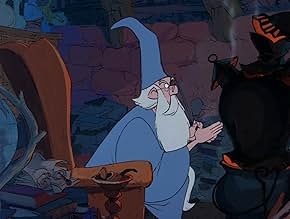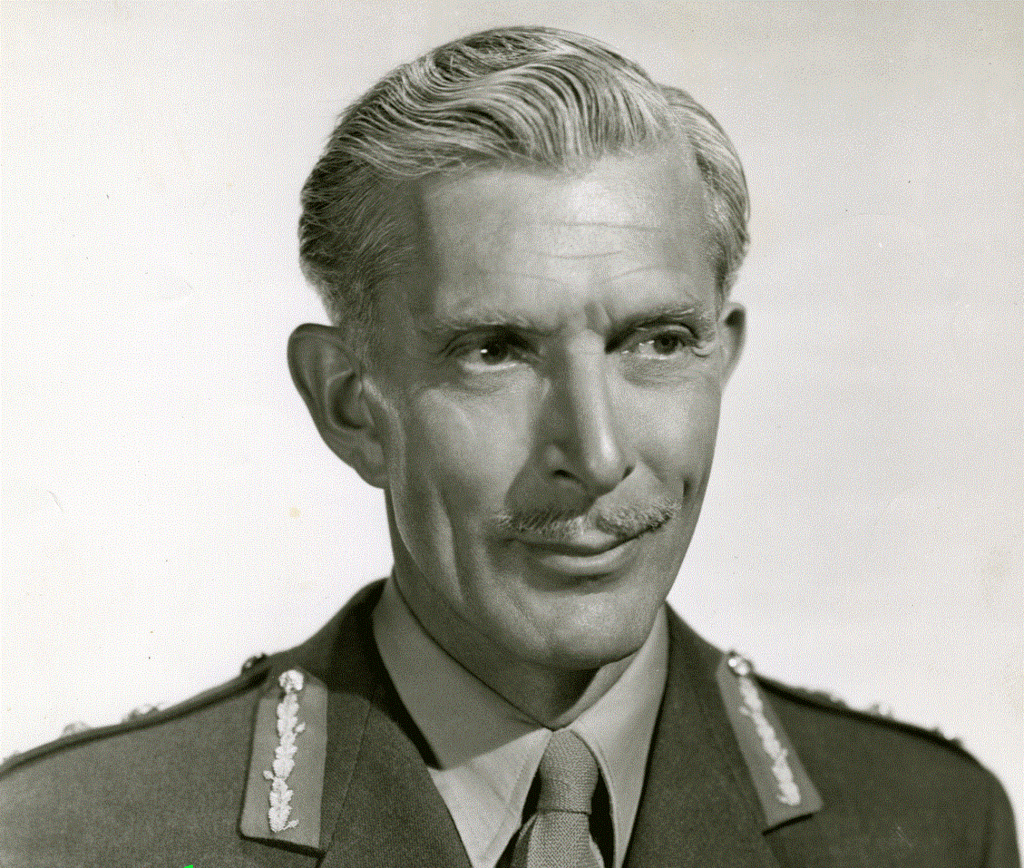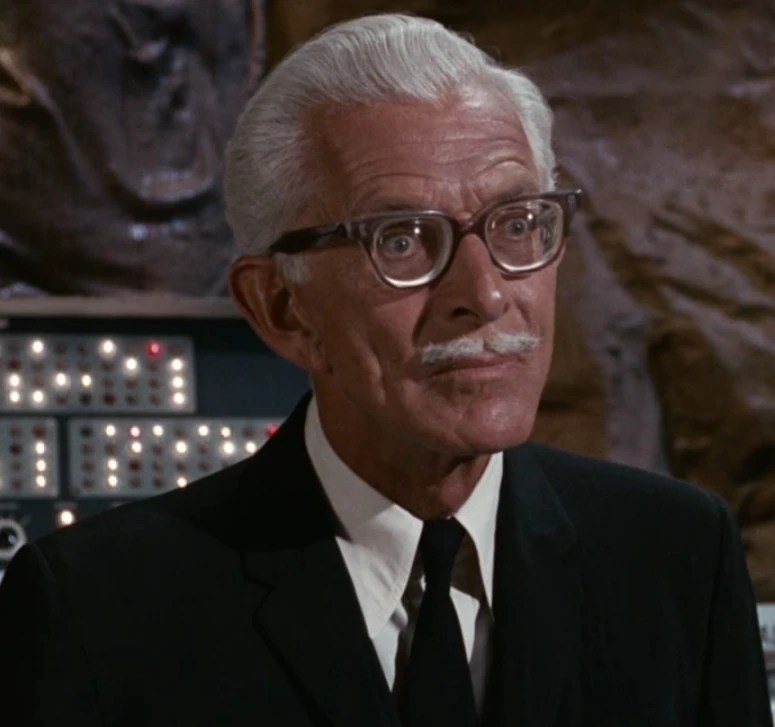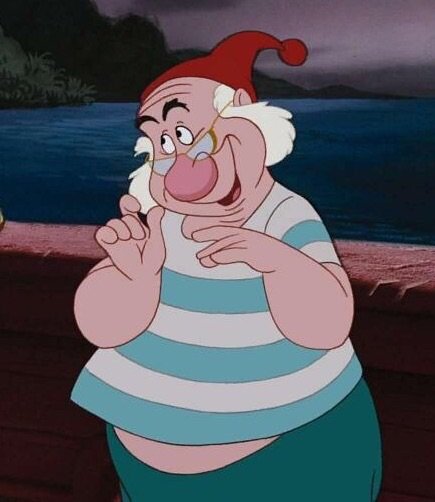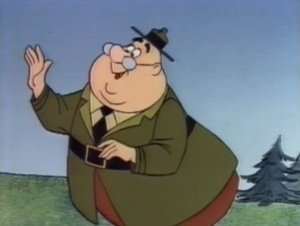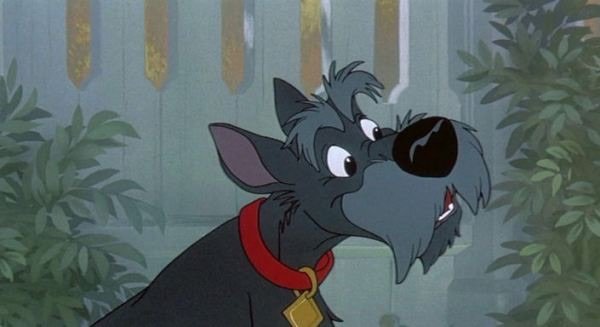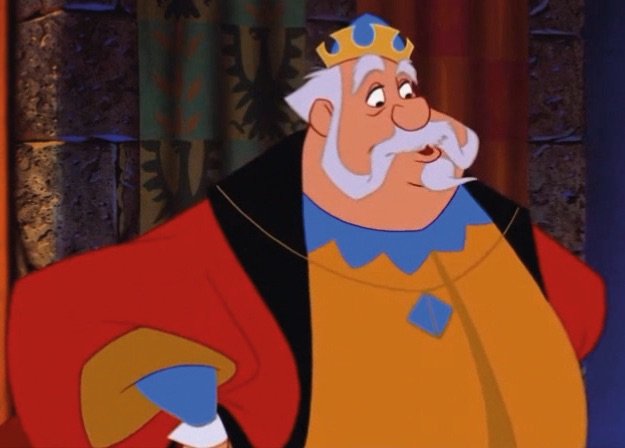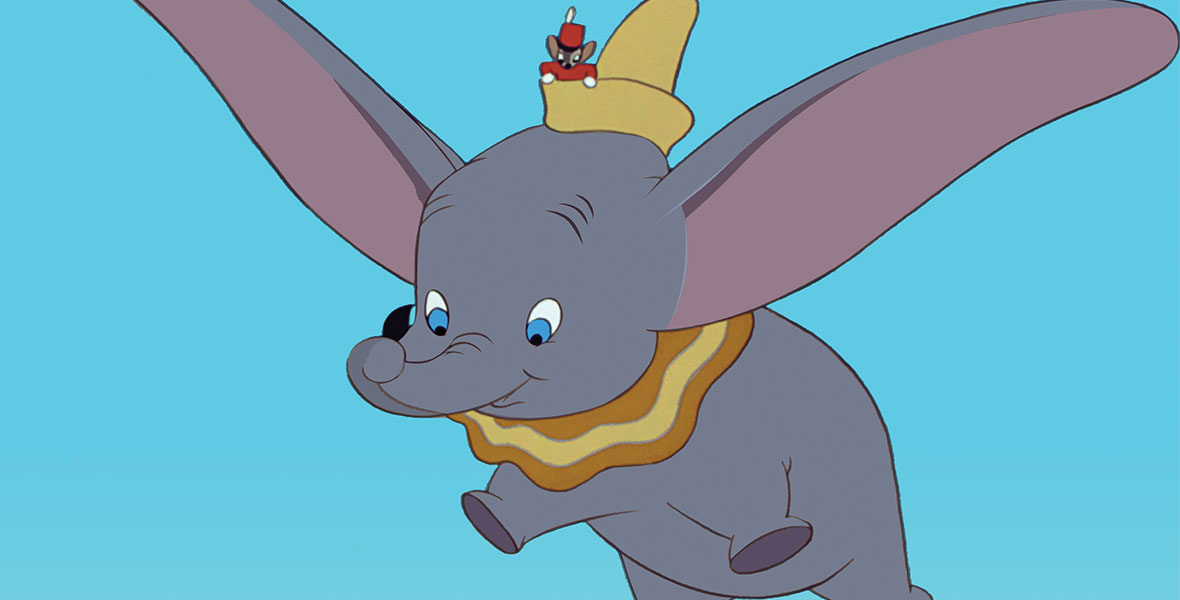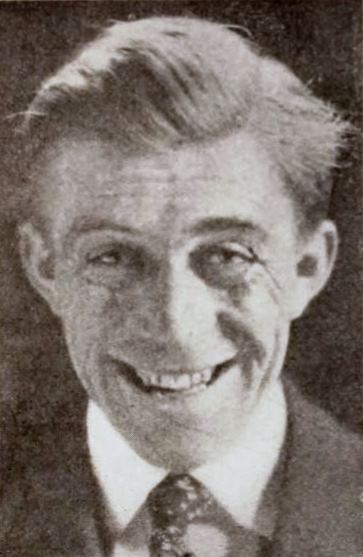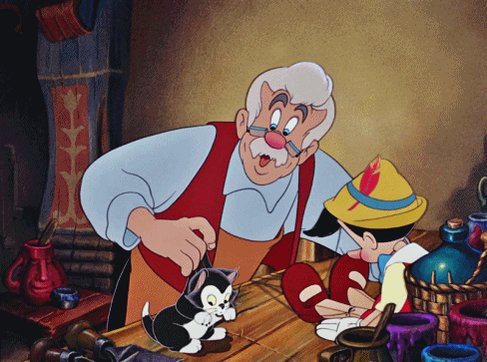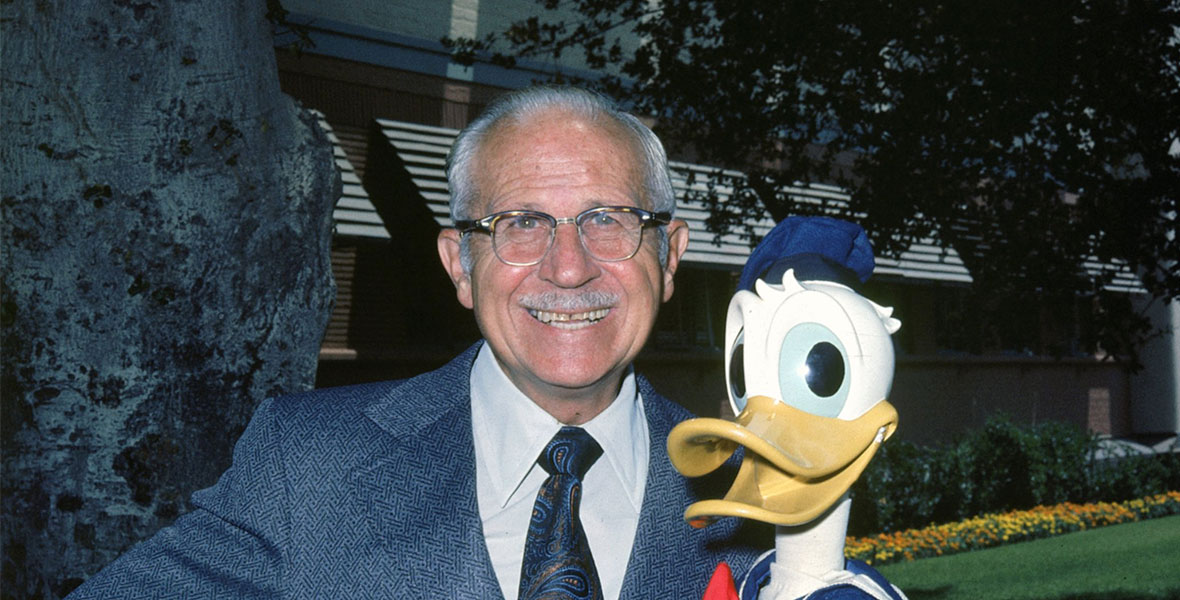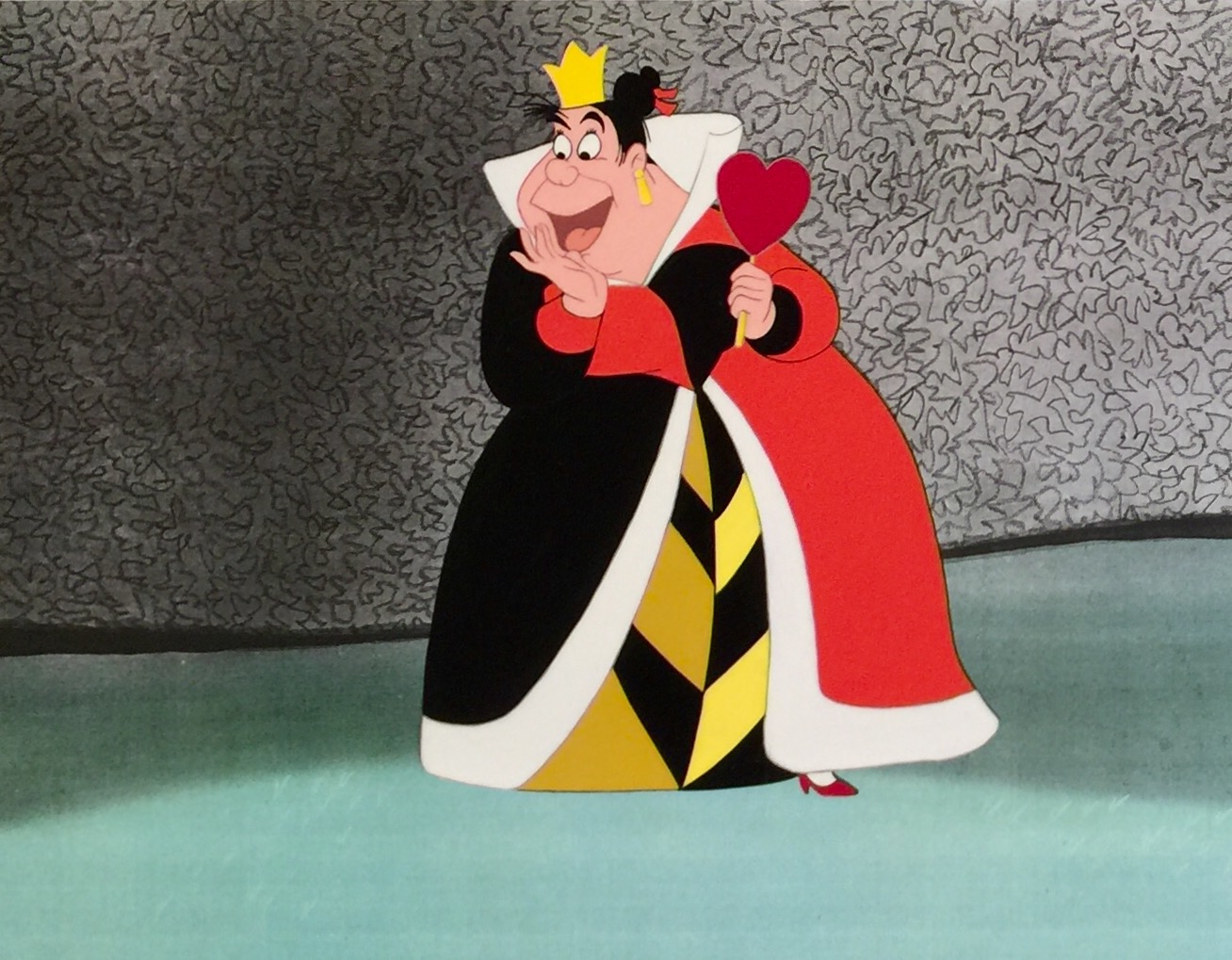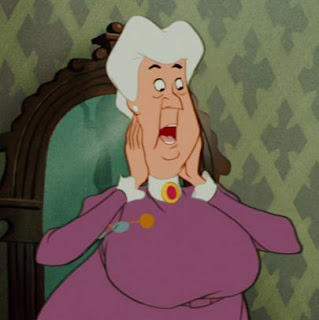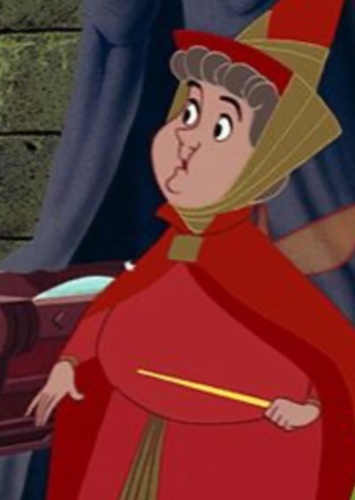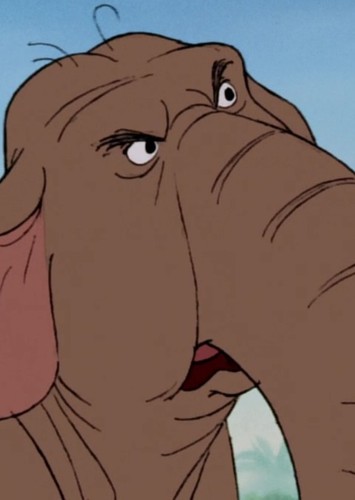
The Secret and Scandalous Lives of Disney Voice Actors – Volume I: Part 10 The Aristocats

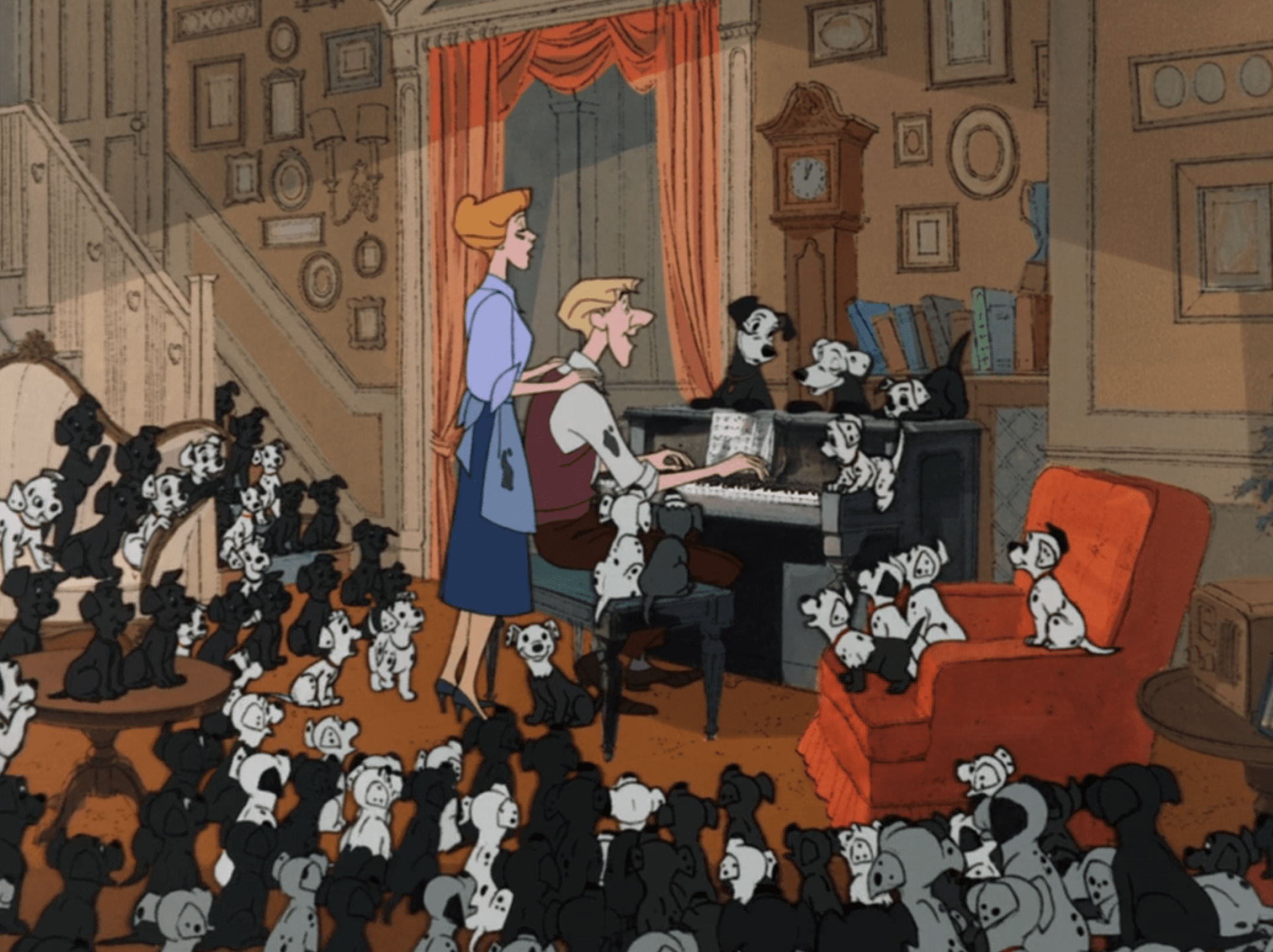
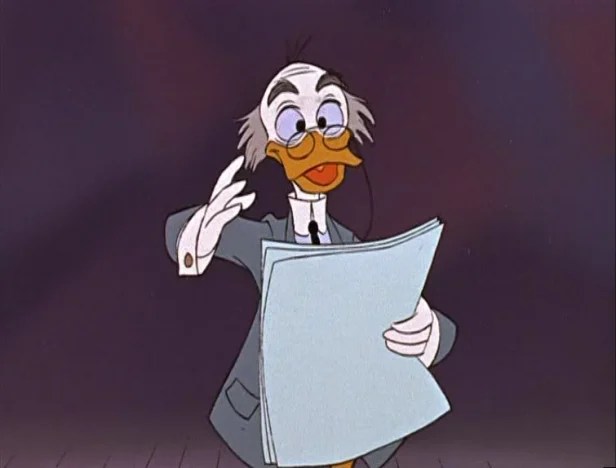
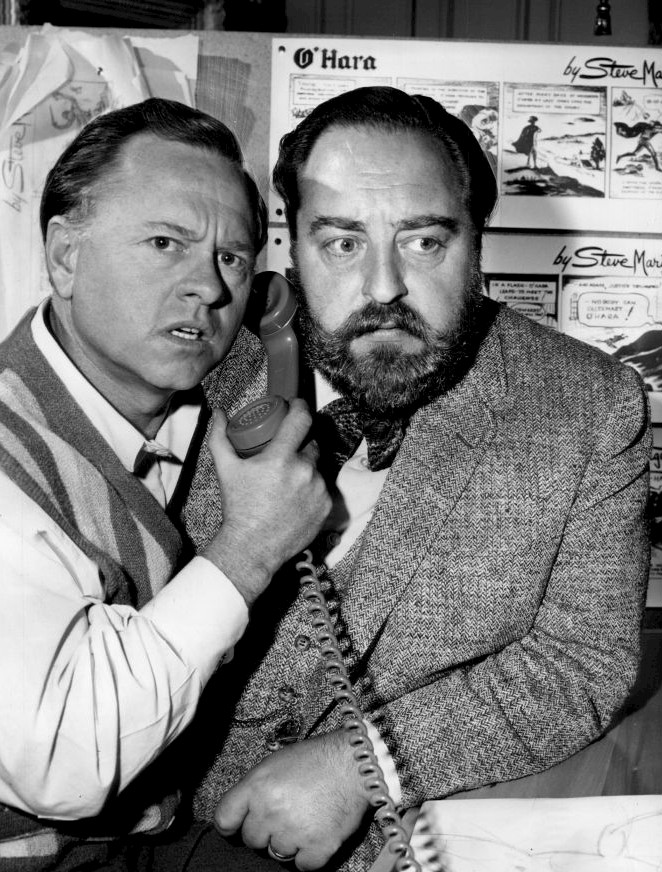
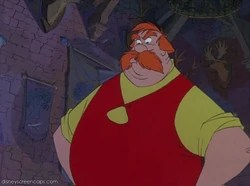
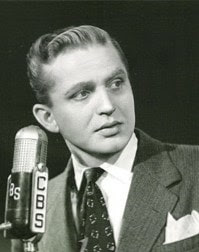
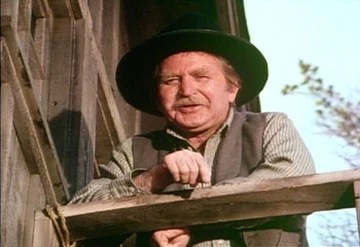
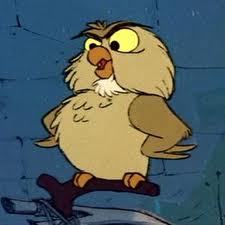
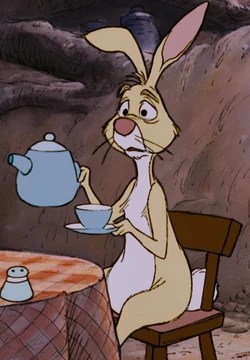
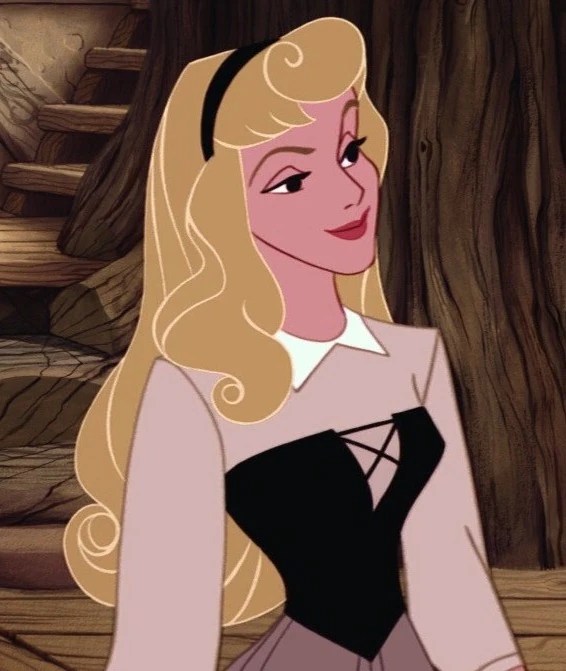
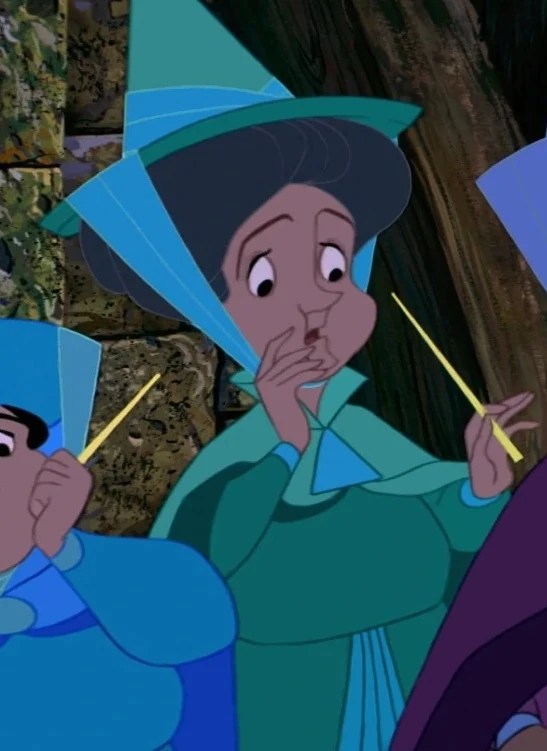
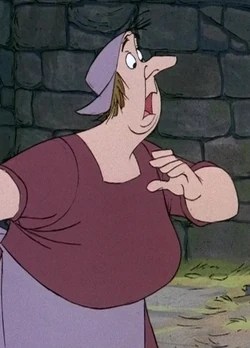
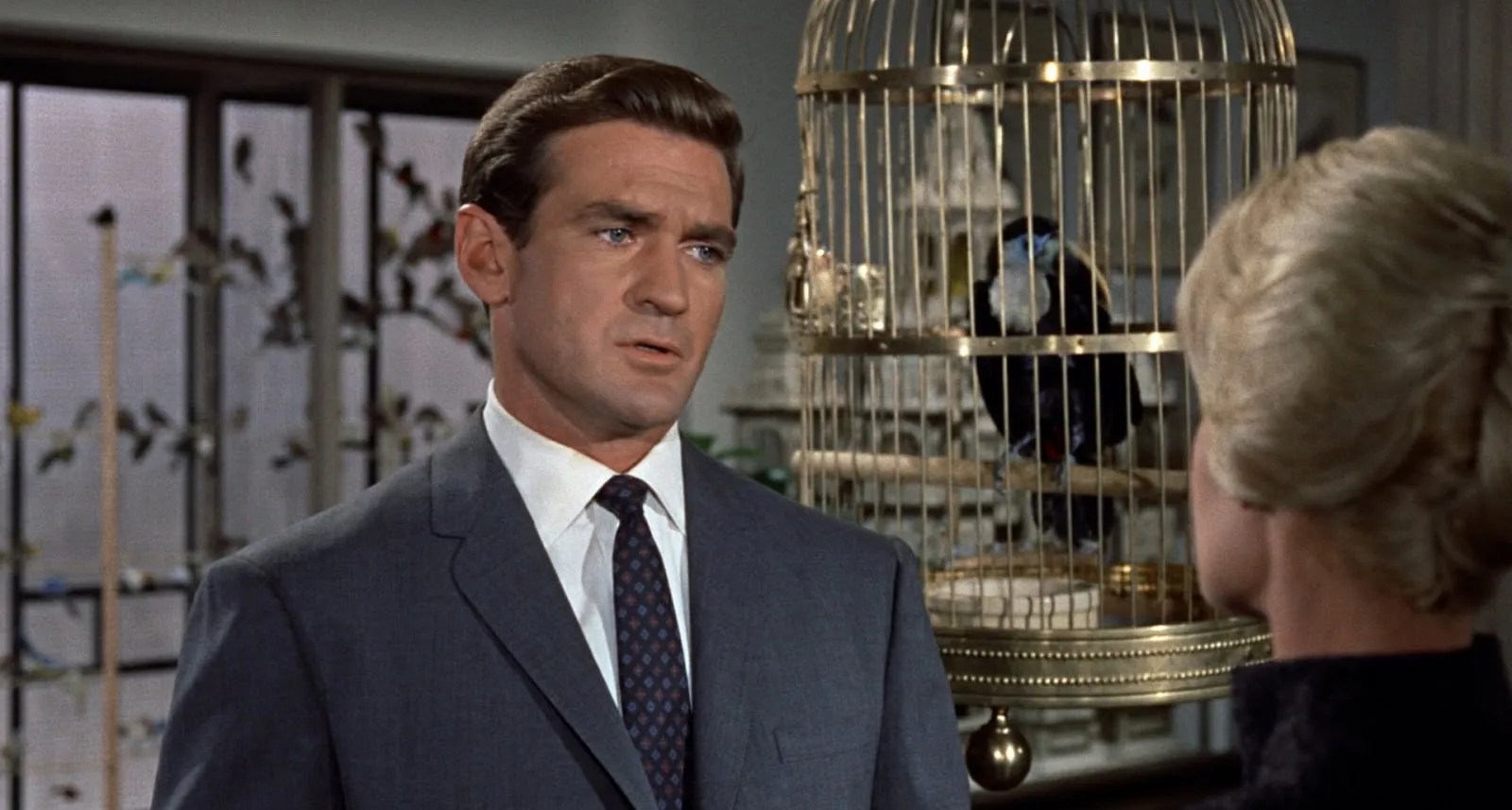
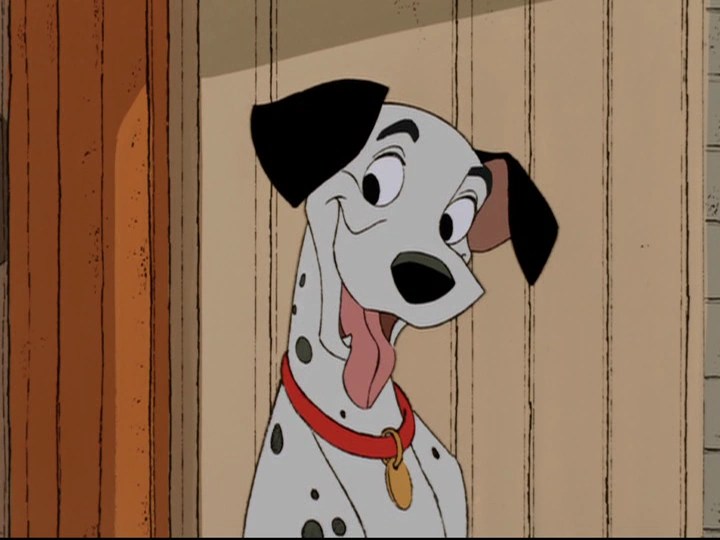
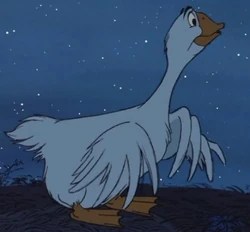
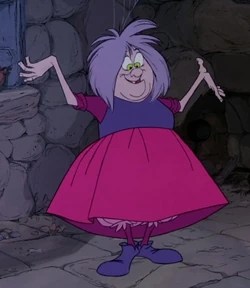
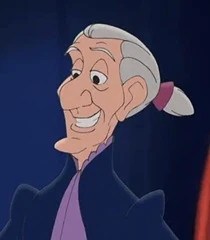
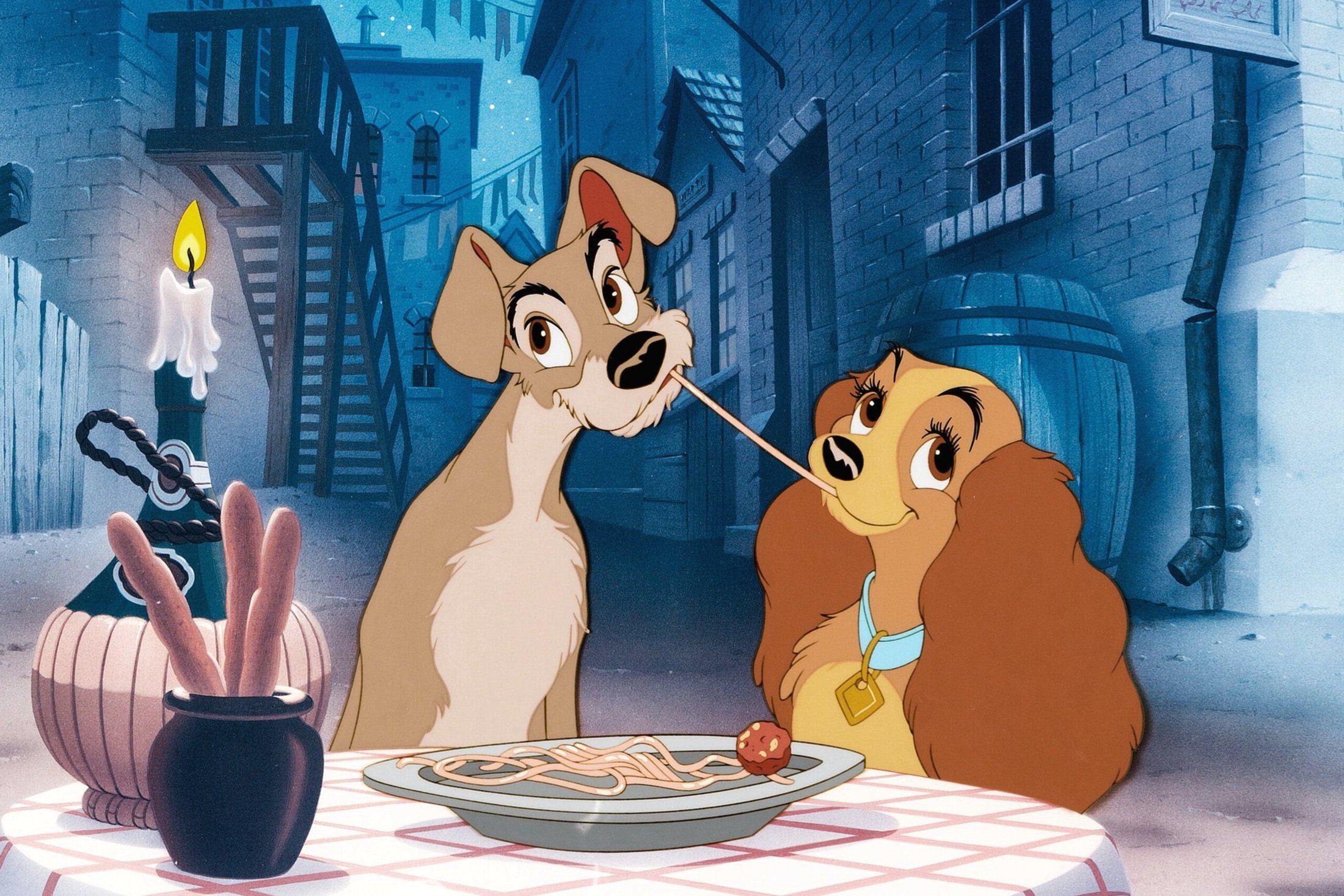
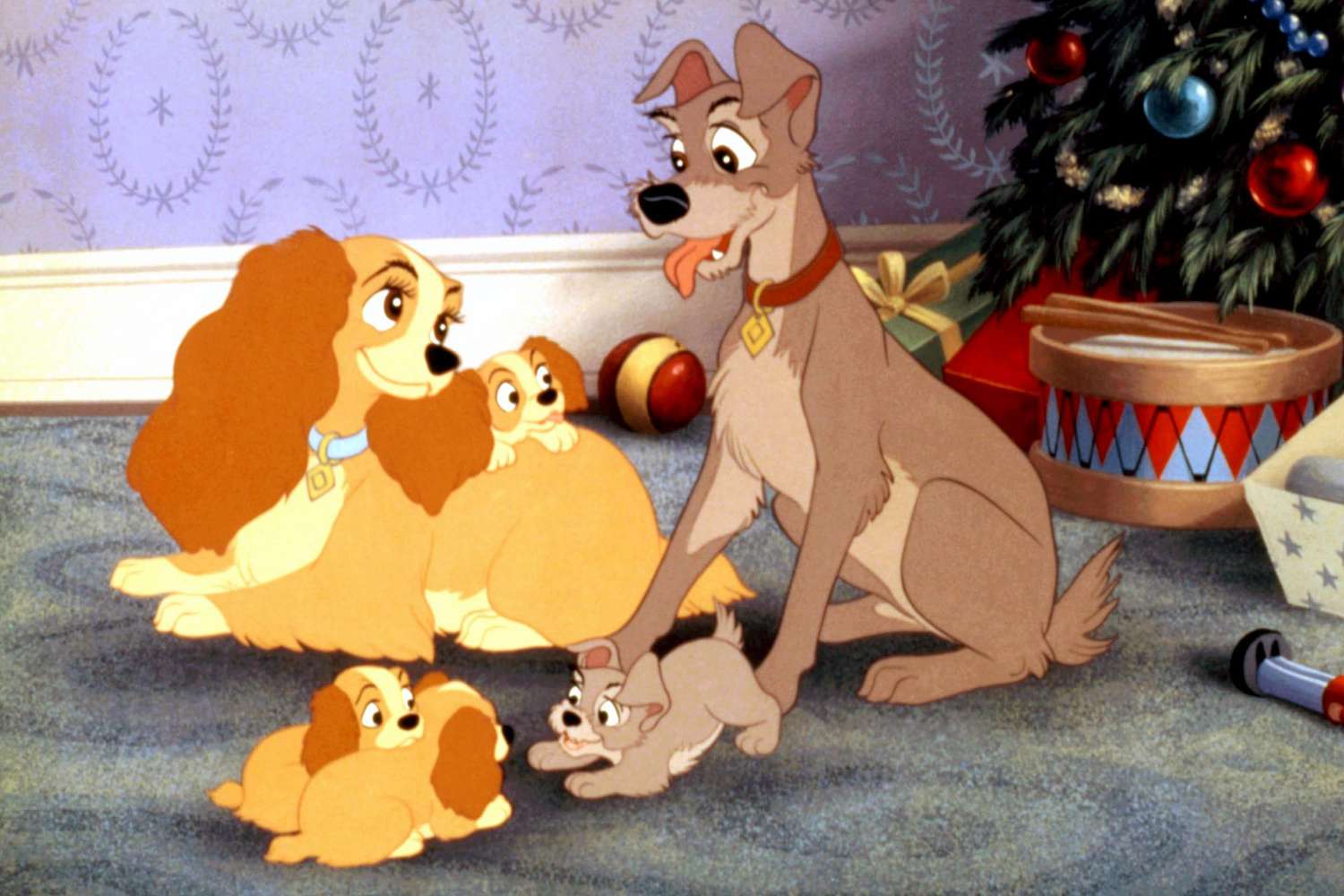
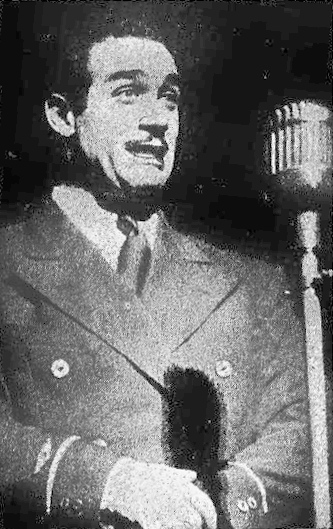
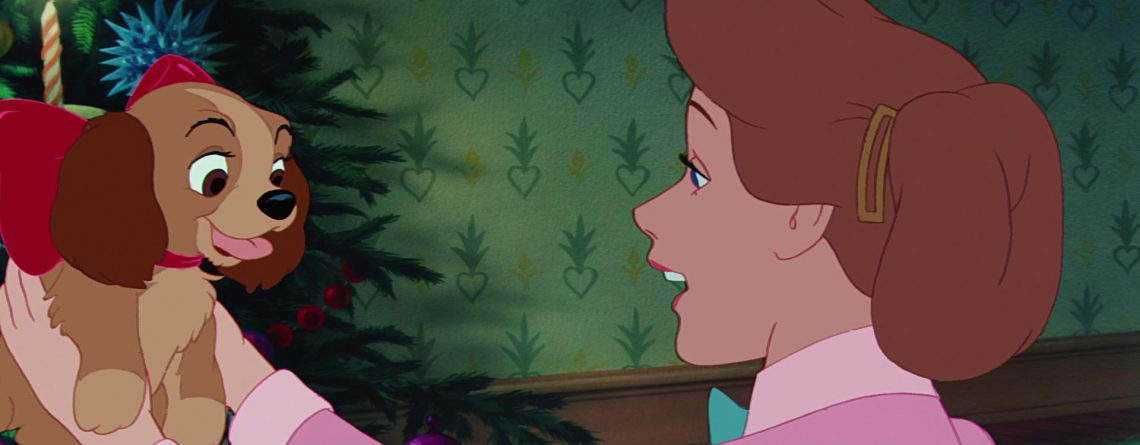
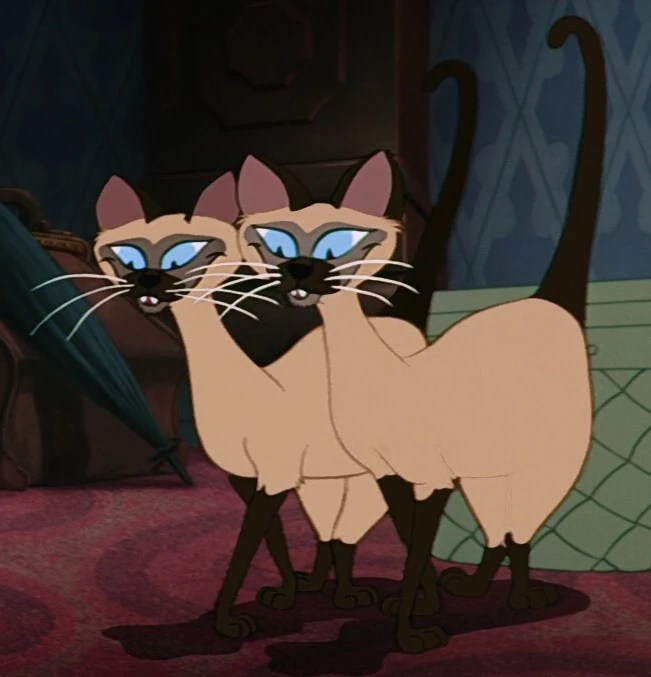
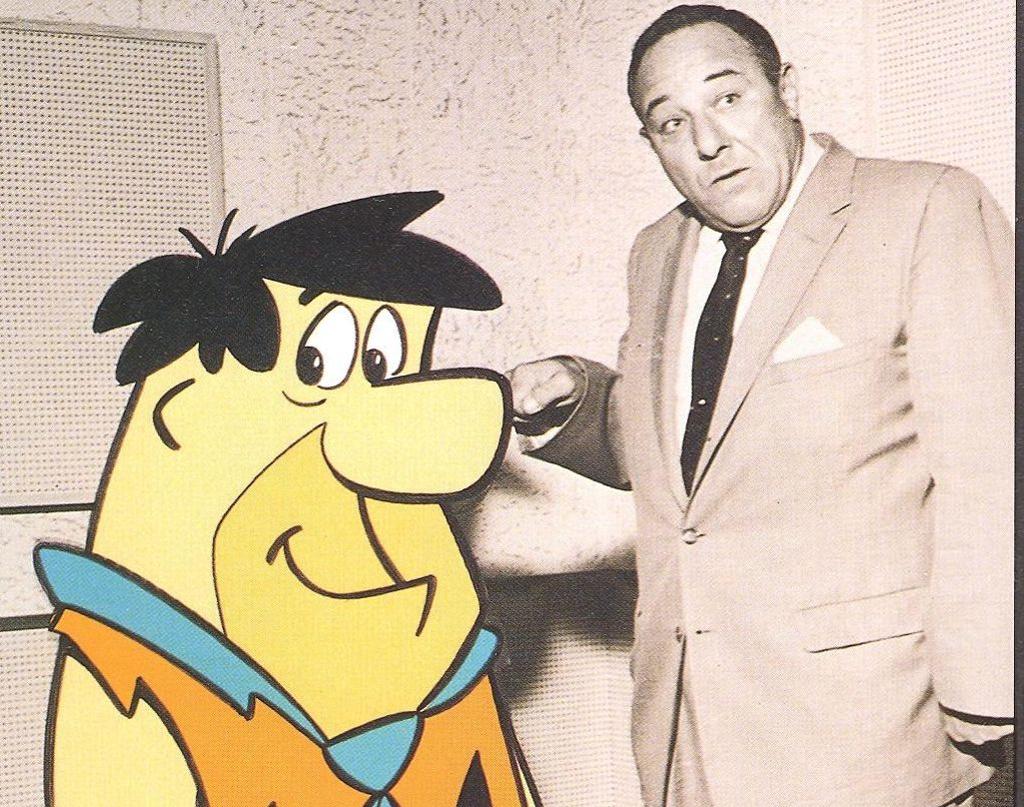
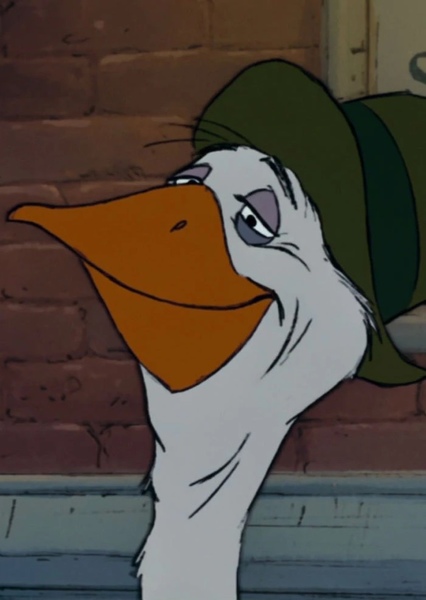
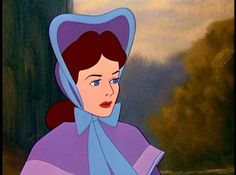
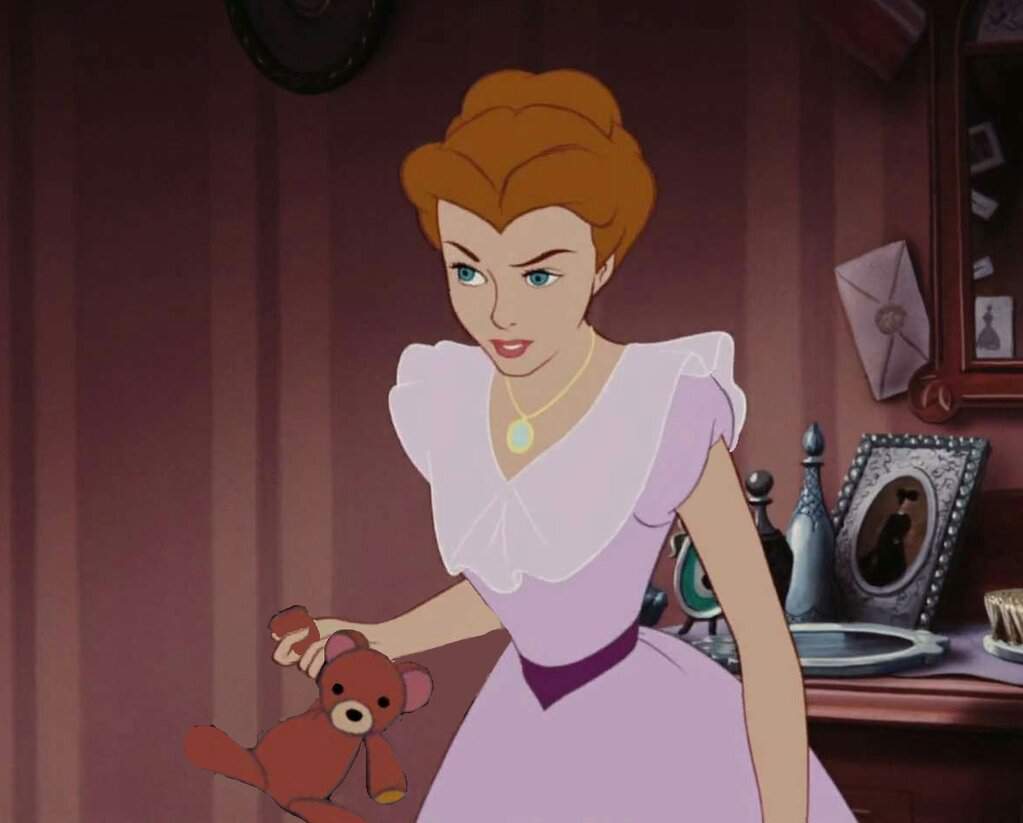
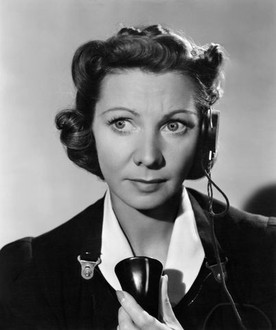
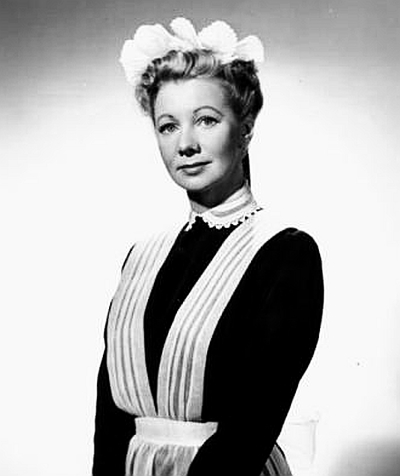
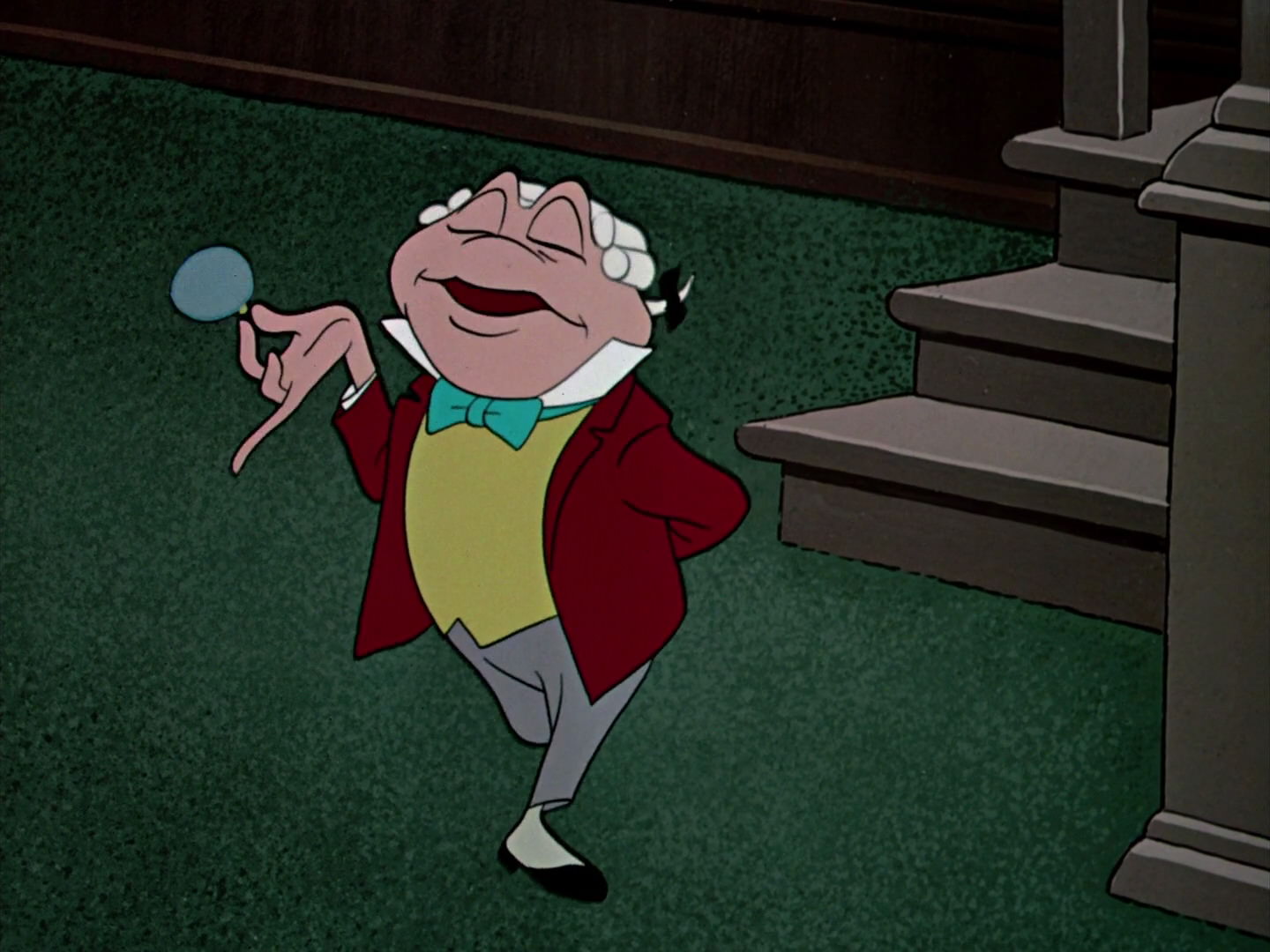
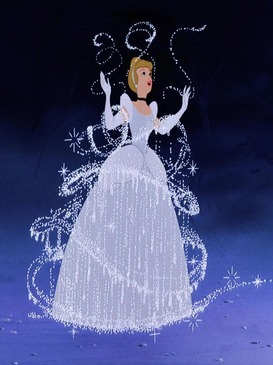
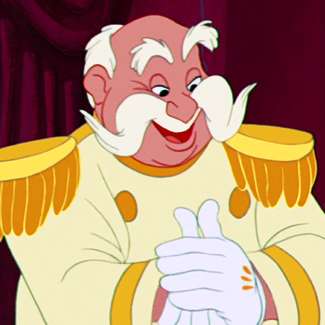
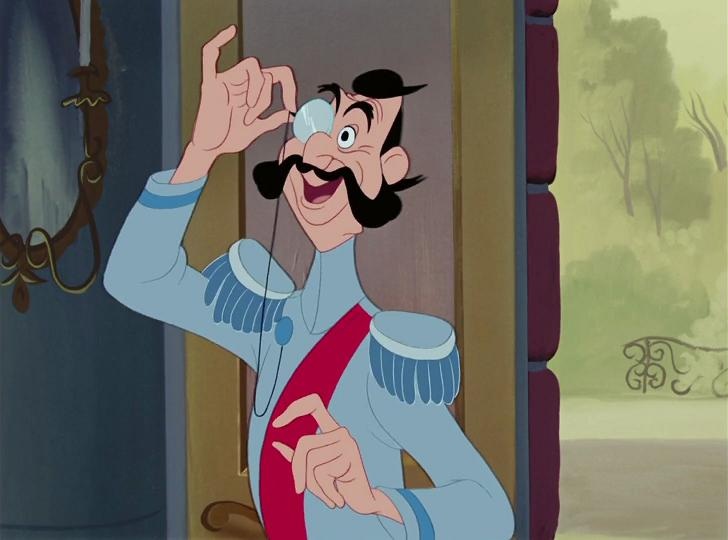
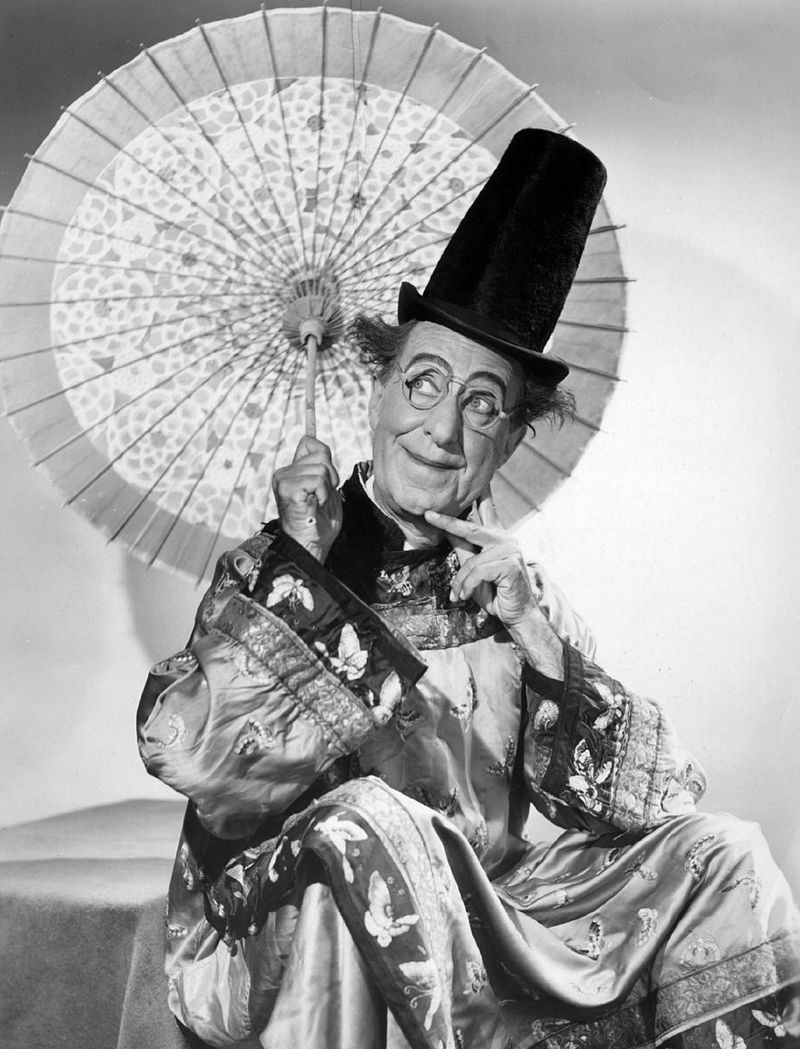
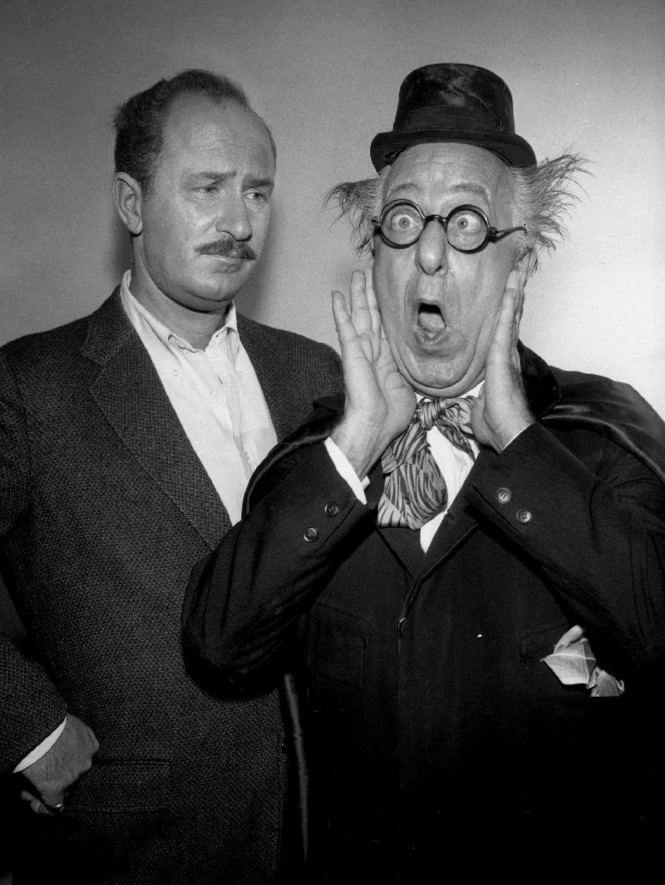
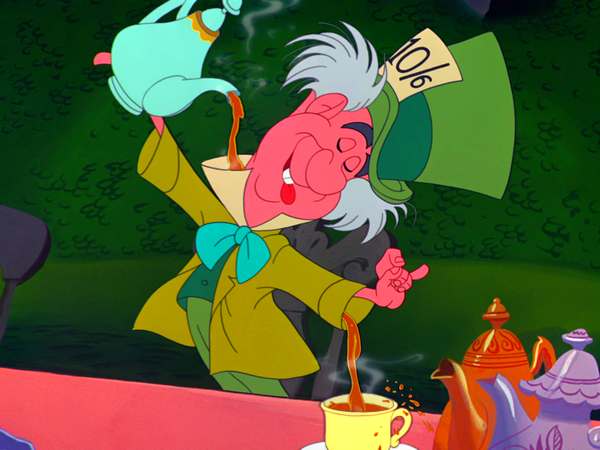
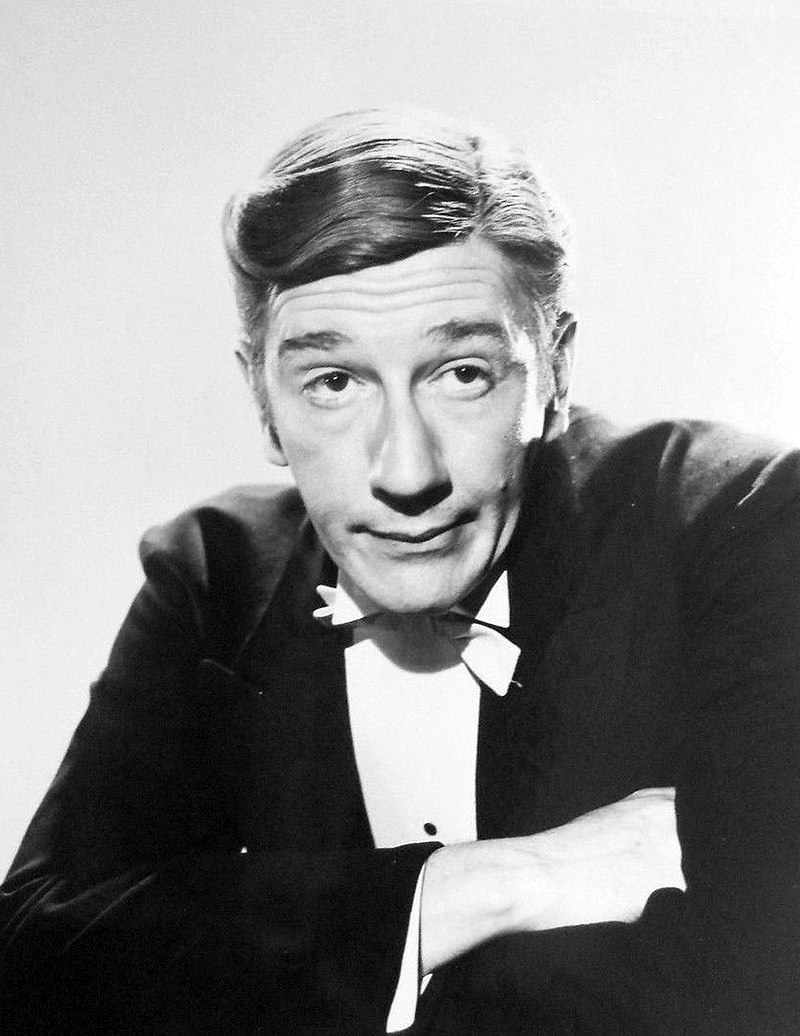
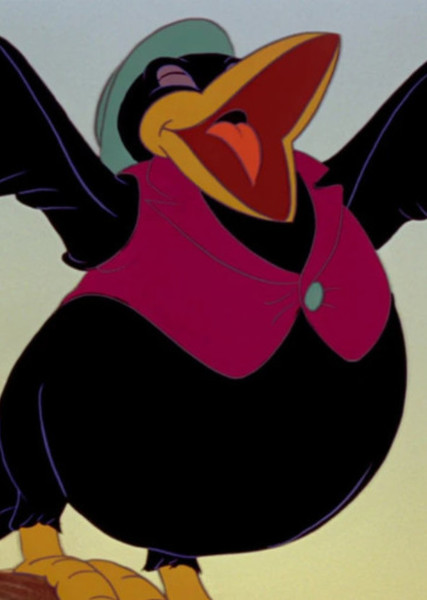
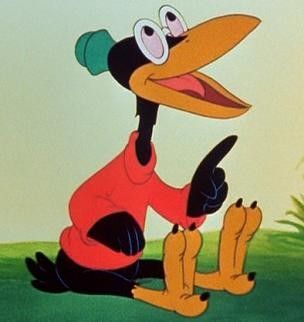
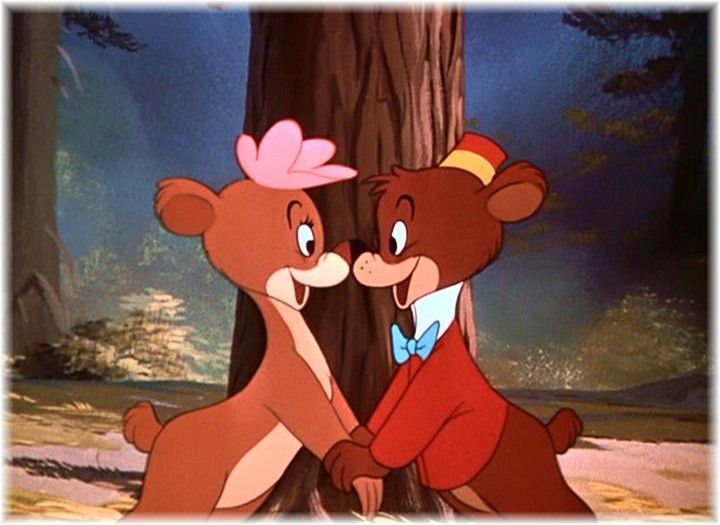
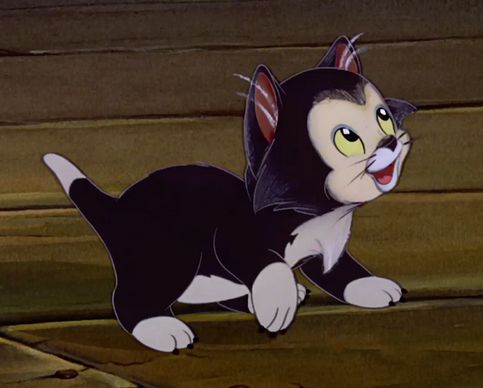
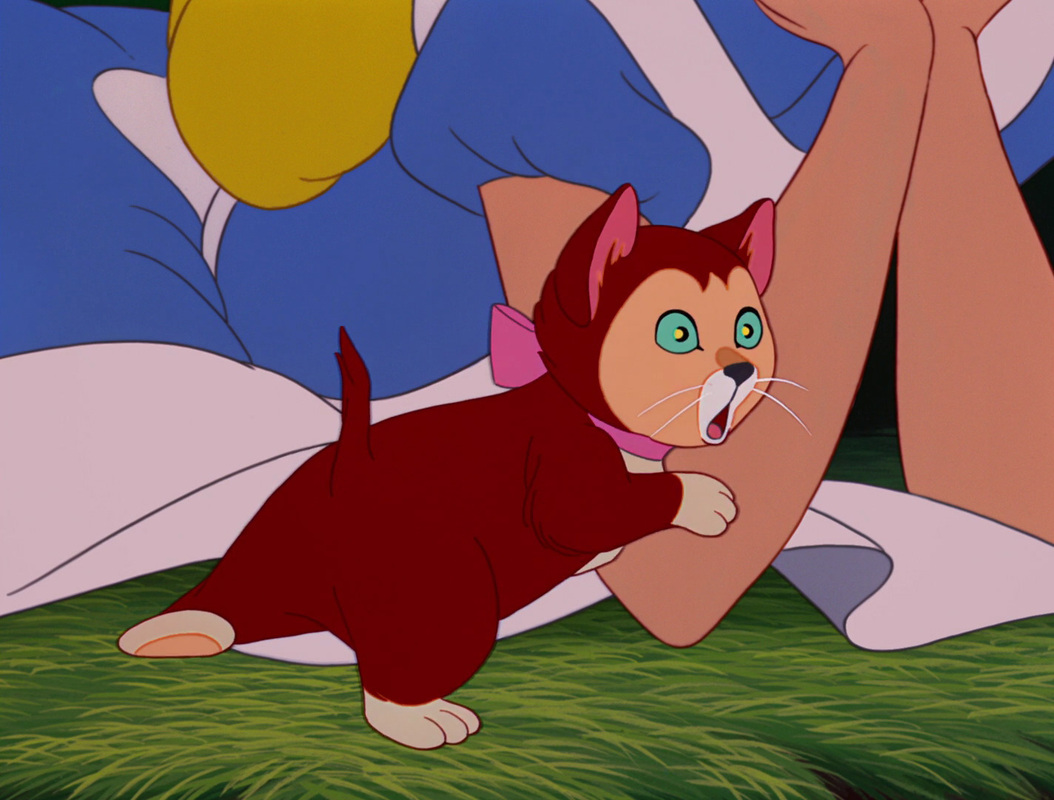
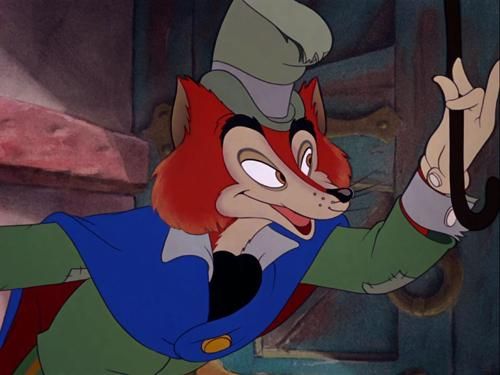
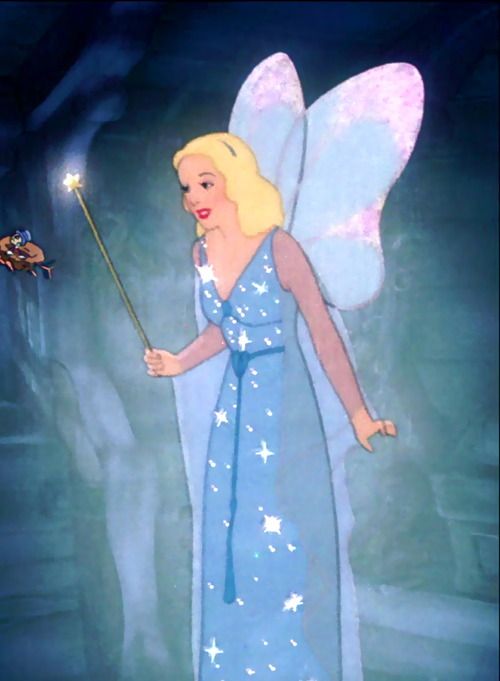
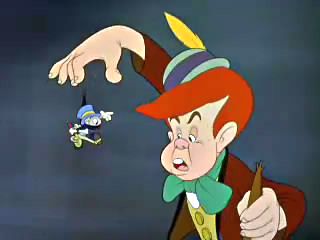
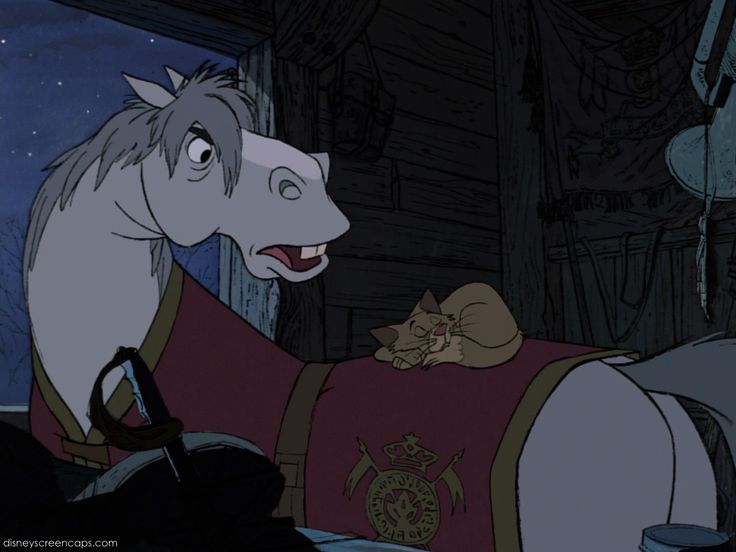
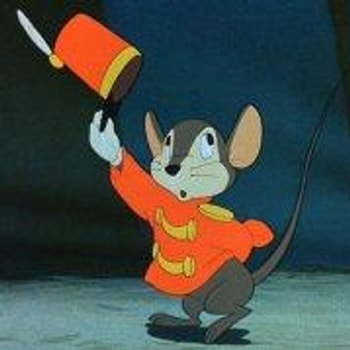
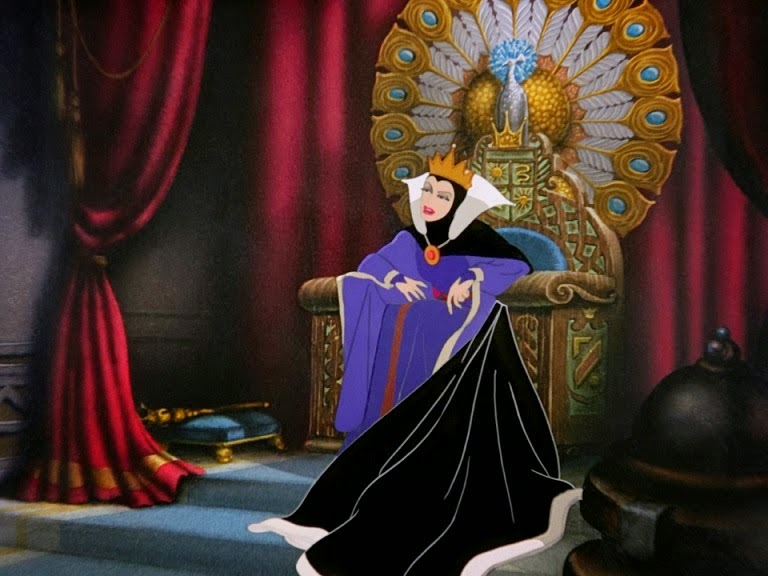
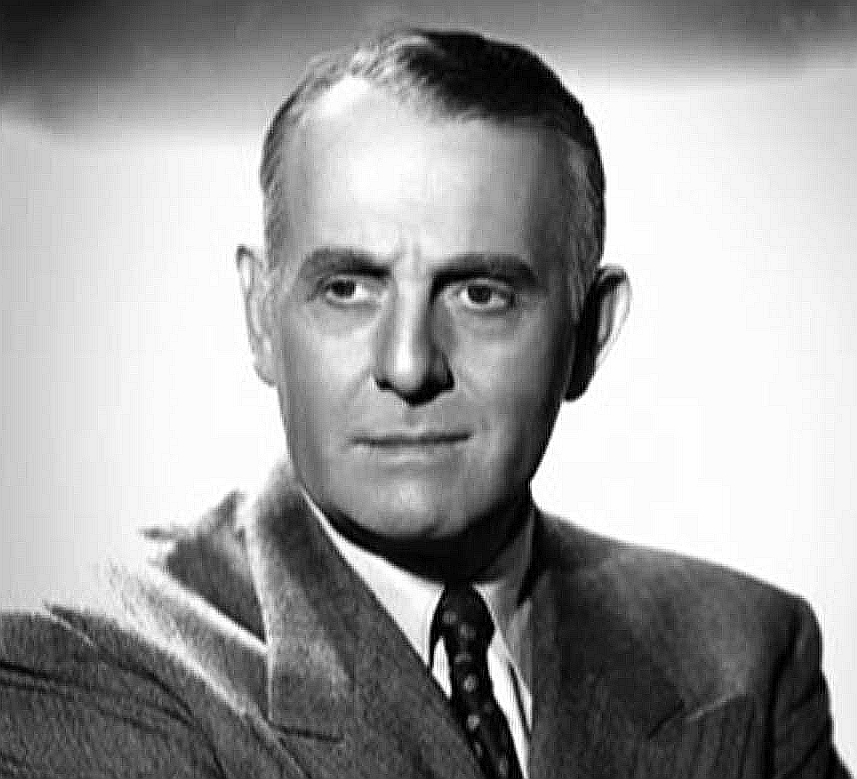
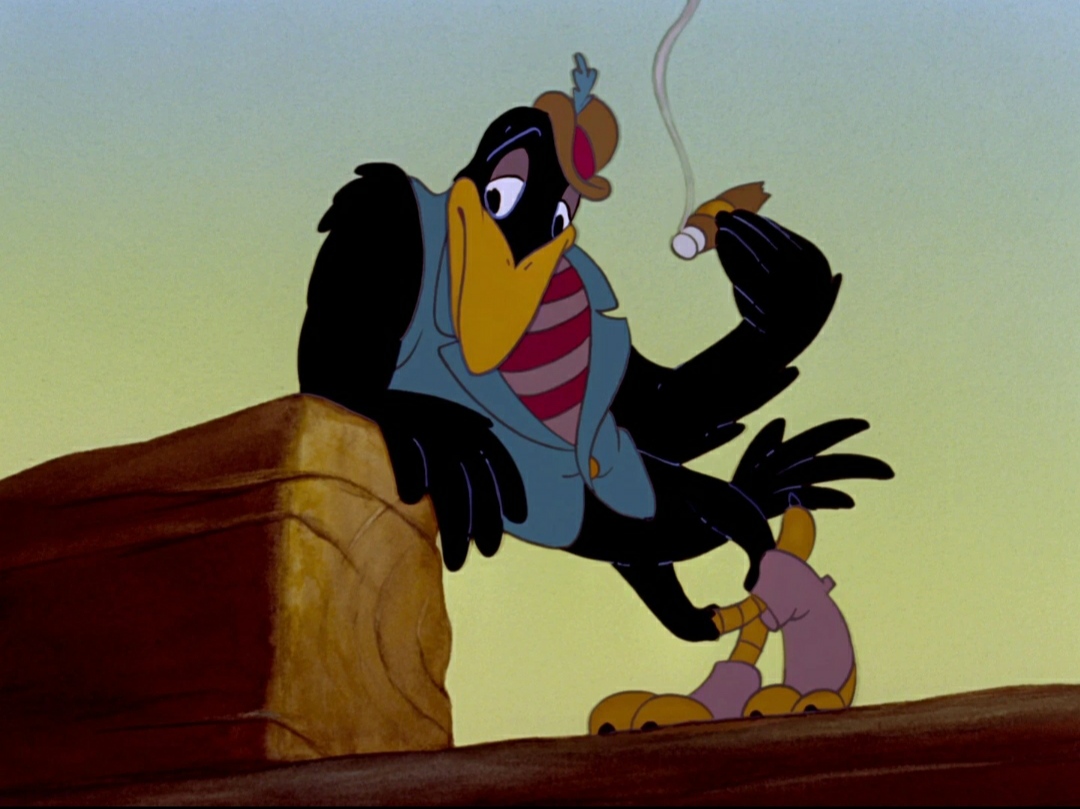
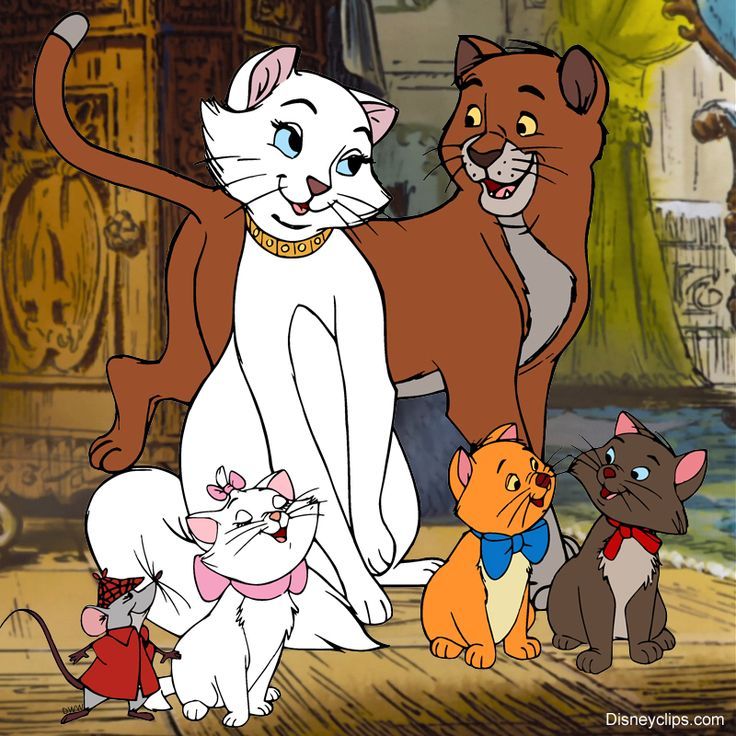
As the last Disney animated film approved by Walt himself, The Aristocats dates its development to as early as 1961 when Disney suggested that Harry Tytle and Tom McGowan find some animal stories to adapt as a 2-part live action episode for the Wonderful World of Color TV show. By New Year’s 1962, McGowan found several stories including a children’s book about a mother cat and her kittens set in New York City. Yet, Tytle suggested setting the cats in Paris. Later that year, McGowan brought Tytle a version of the story written by Tom Rowe, an American writer living in Paris. Although Disney originally rejected the idea, Tytle and McGowan heard that Disney was at the Connaught in London where they slipped the treatment for Disney to read at the hotel desk. Disney contacted McGowan, stating that he liked the treatment and would meet with Tytle in Lisbon, Portugal. During a flight back to London, Disney told Tytle to buy the story for a live action theatrical film as well as recommended further revisions. After the project was temporarily shelved, Tytle suggested that The Aristocats should be reworked into an animated feature and Disney agreed and recommended that he approach Wolfgang Reiterman. Reiterman agreed but only after he finished directing The Jungle Book. Of course, Walt only got to see the preliminary work developed by Ken Anderson and it would be the last animated film project he approved before he succumbed to lung cancer that December 1966. So it would be up to his ever-underrated older brother Roy who wanted to keep Walt’s legacy alive even though he’d prefer to retire. As the first post-Walt Disney movie, The Aristocats opened to positive reviews and good box office numbers, with $10.1 million in the United States and Canada. Yet, it currently holds a 64% rating on Rotten Tomatoes with most critics saying that it’s sufficiently enjoyable but not good enough to be truly memorable. As critic Leonard Maltin noted, “[t]he worst that one could say of The Aristocats is that it is unmemorable. It’s smoothly executed, of course, and enjoyable, but neither its superficial story nor its characters have any resonance.” In this post, you’ll meet voice actors Patt Buttram, George Lindsey, and Paul Winchell, as well as the voices behind Duchess, Scat Cat, Peppo, Frou-Frou, Madame Adelaide Bonfamille, Georges Hautecourt, and one of the Gabble sisters.

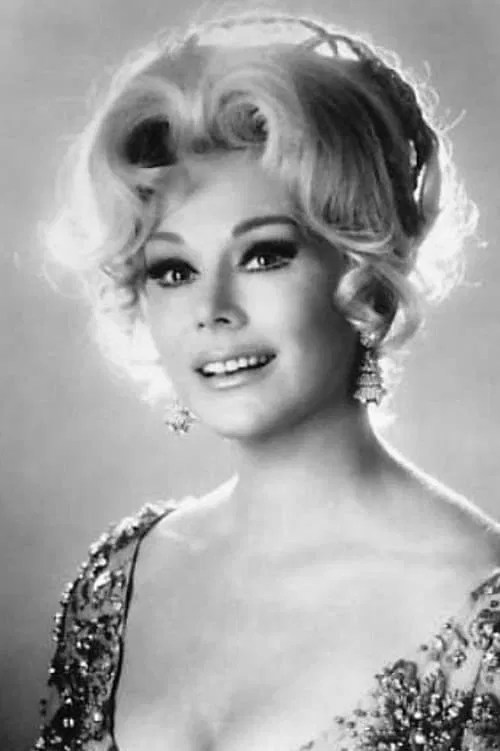
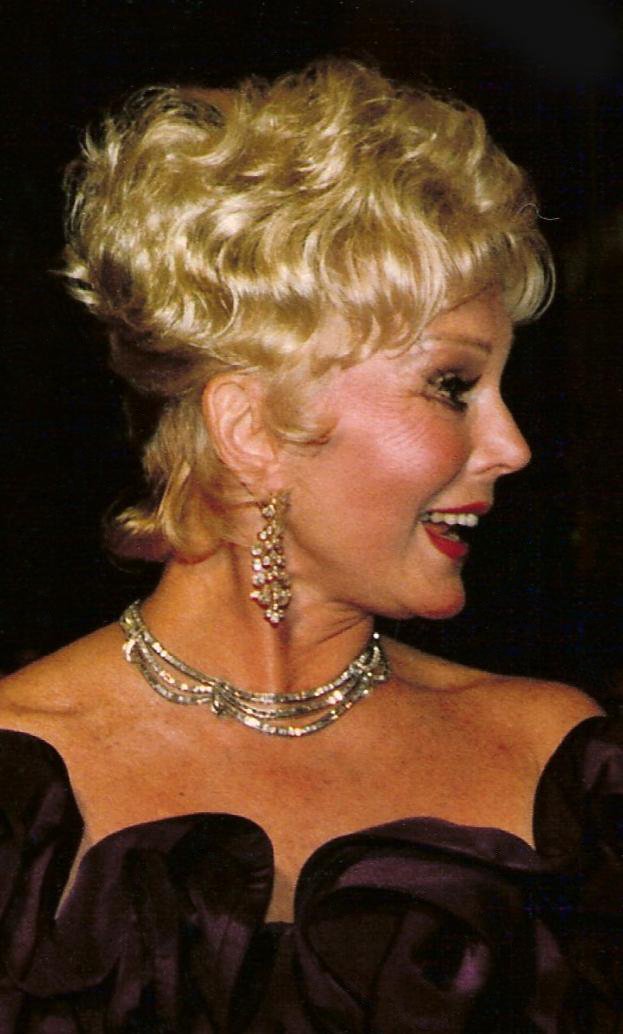
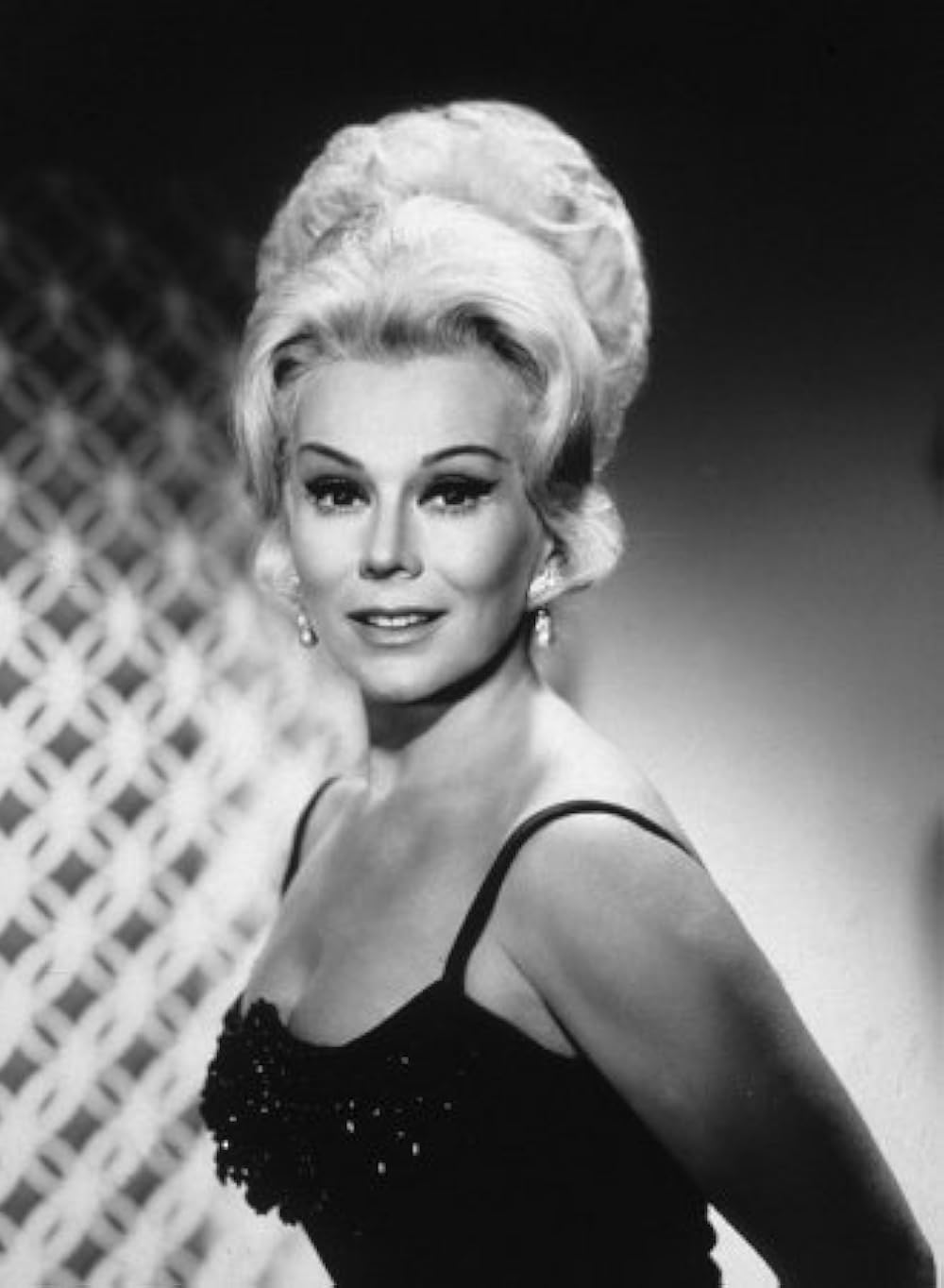
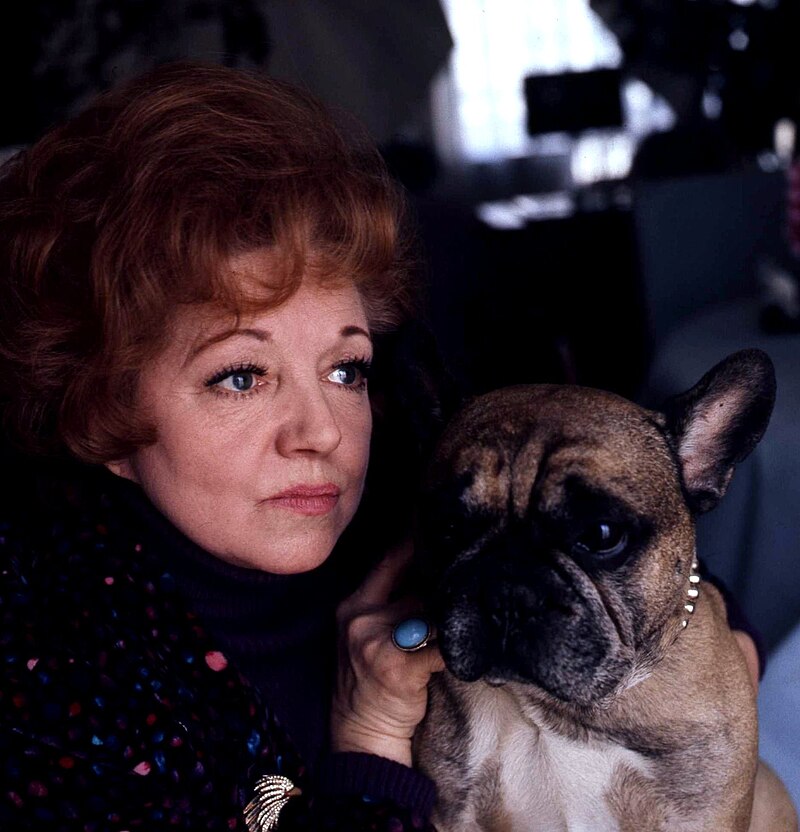
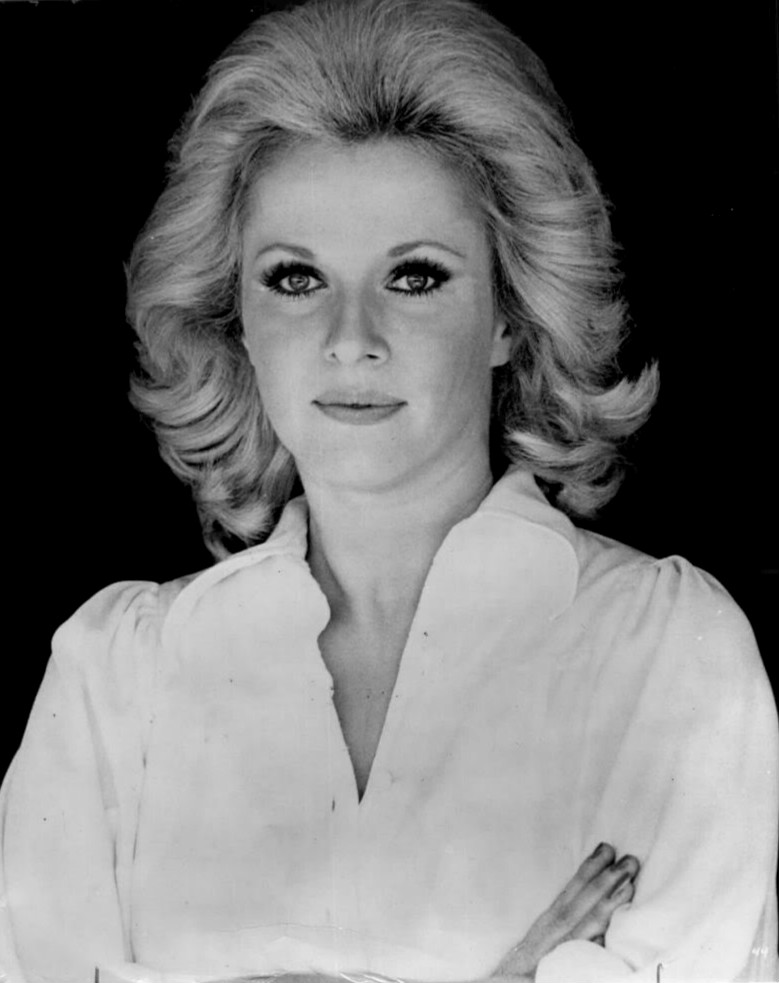
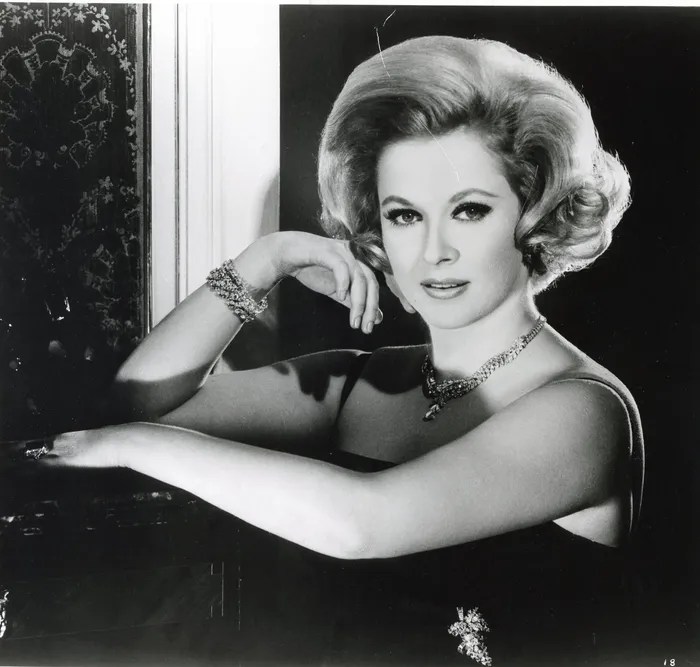
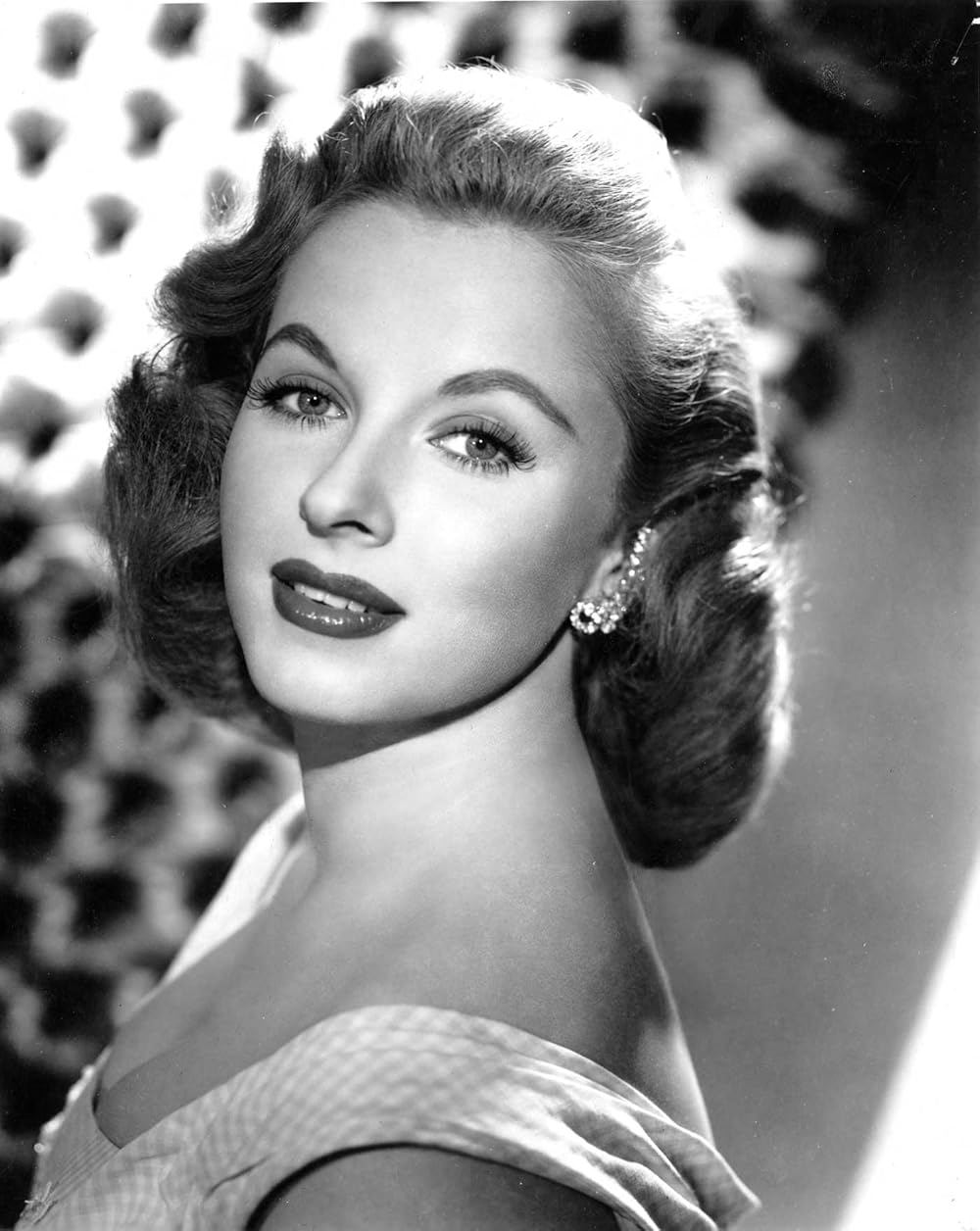
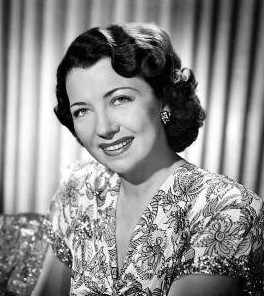
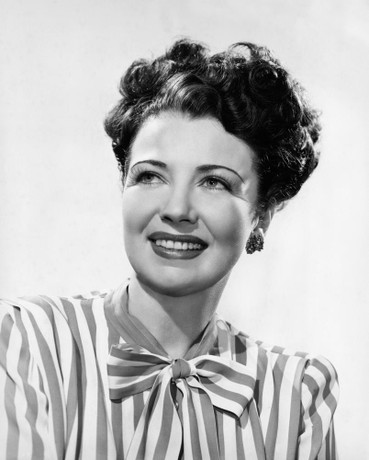
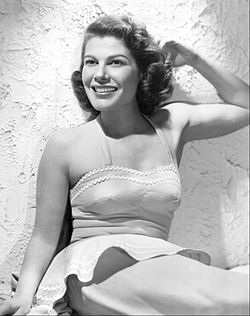
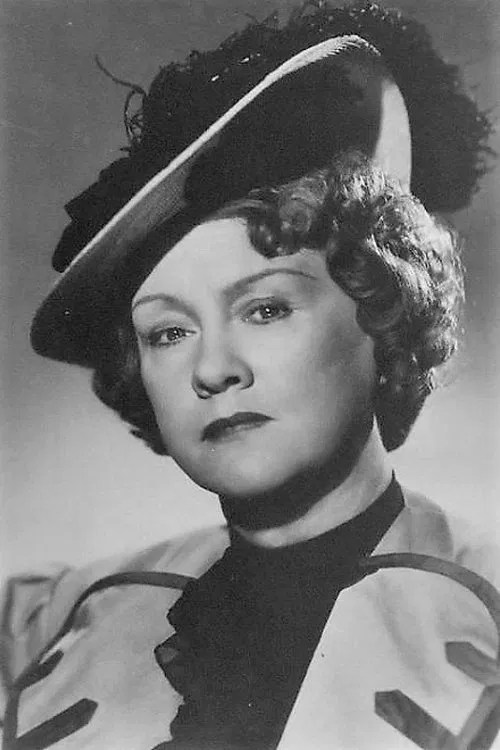
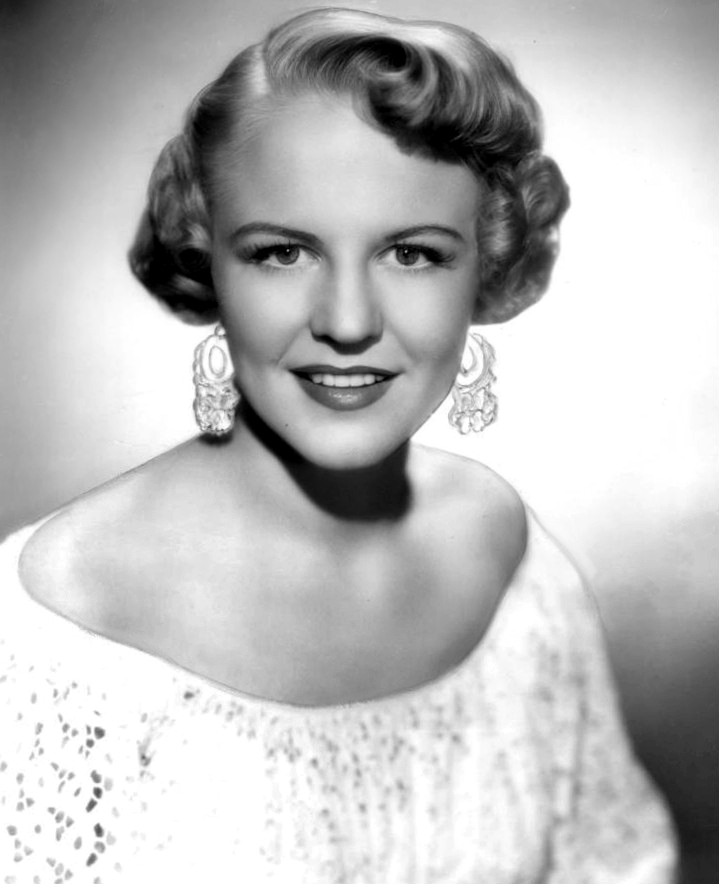
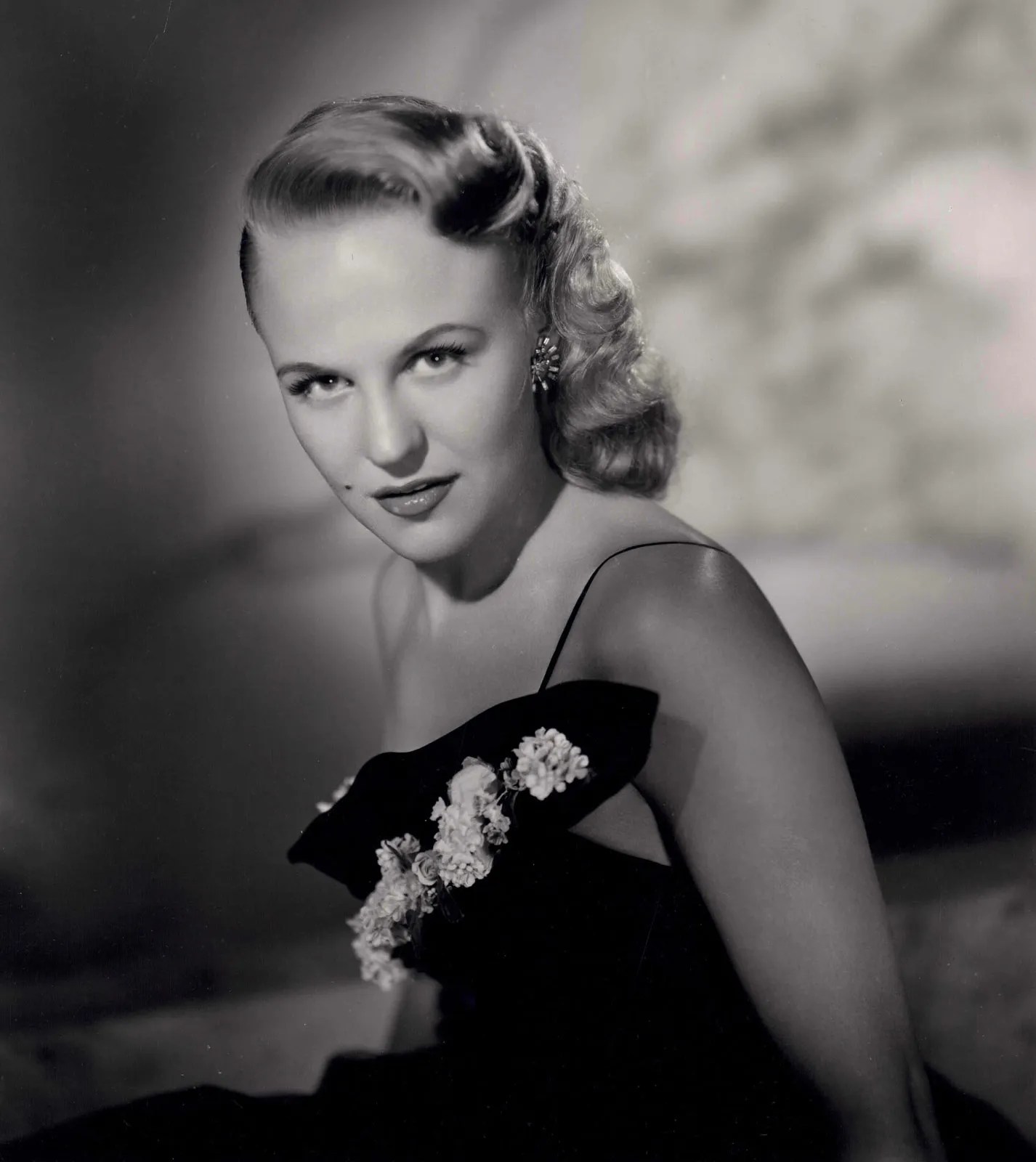
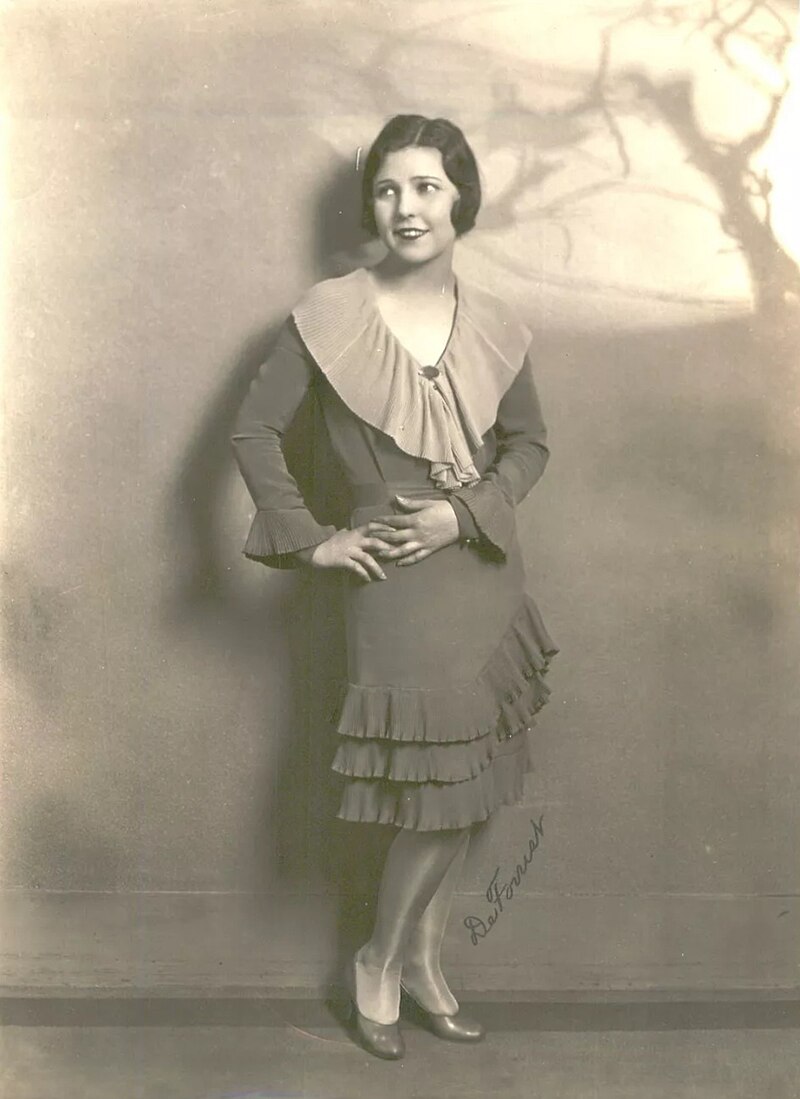
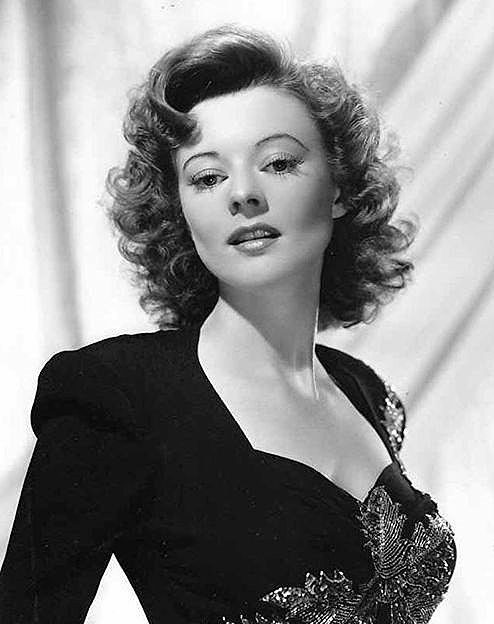
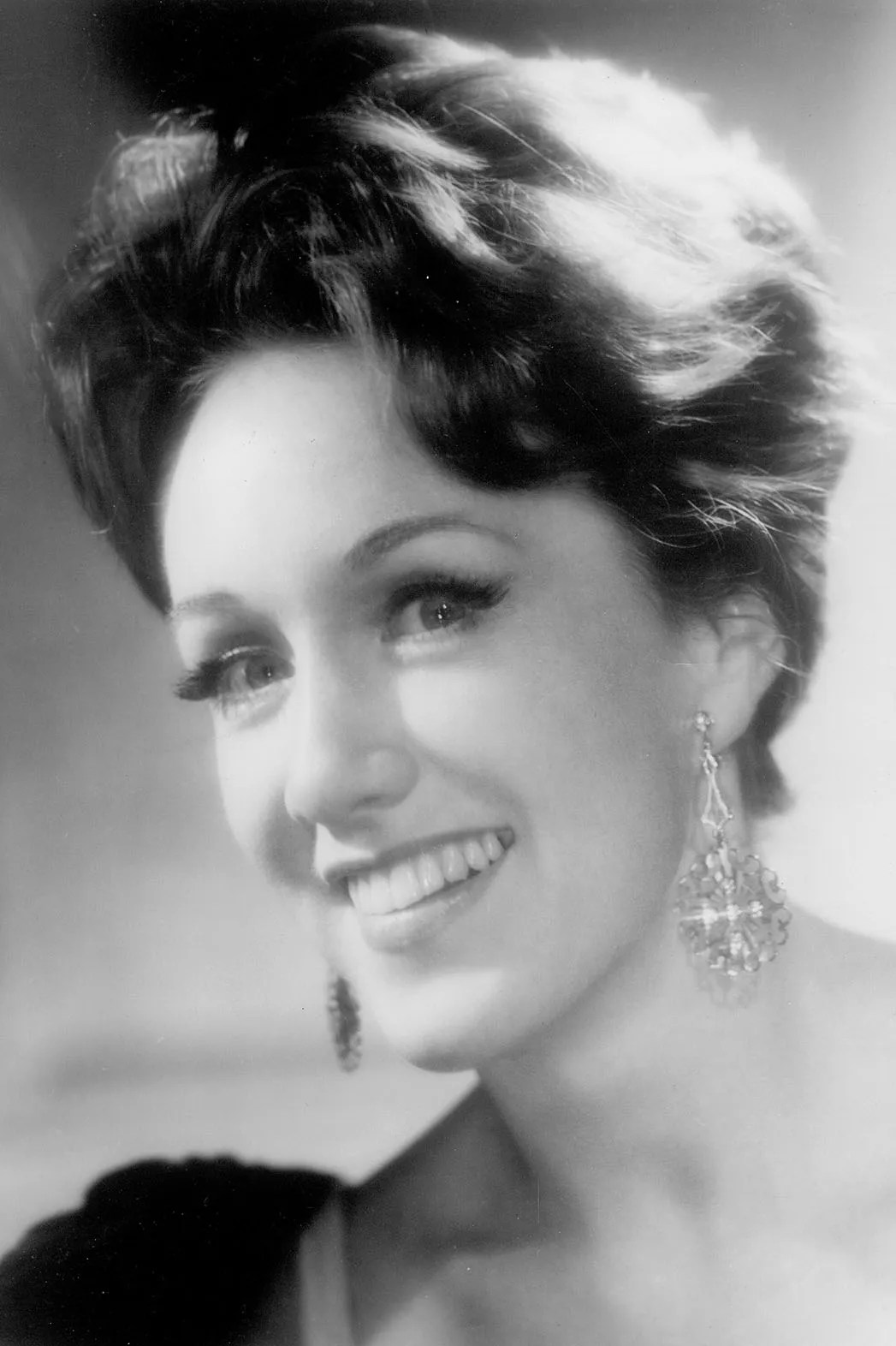
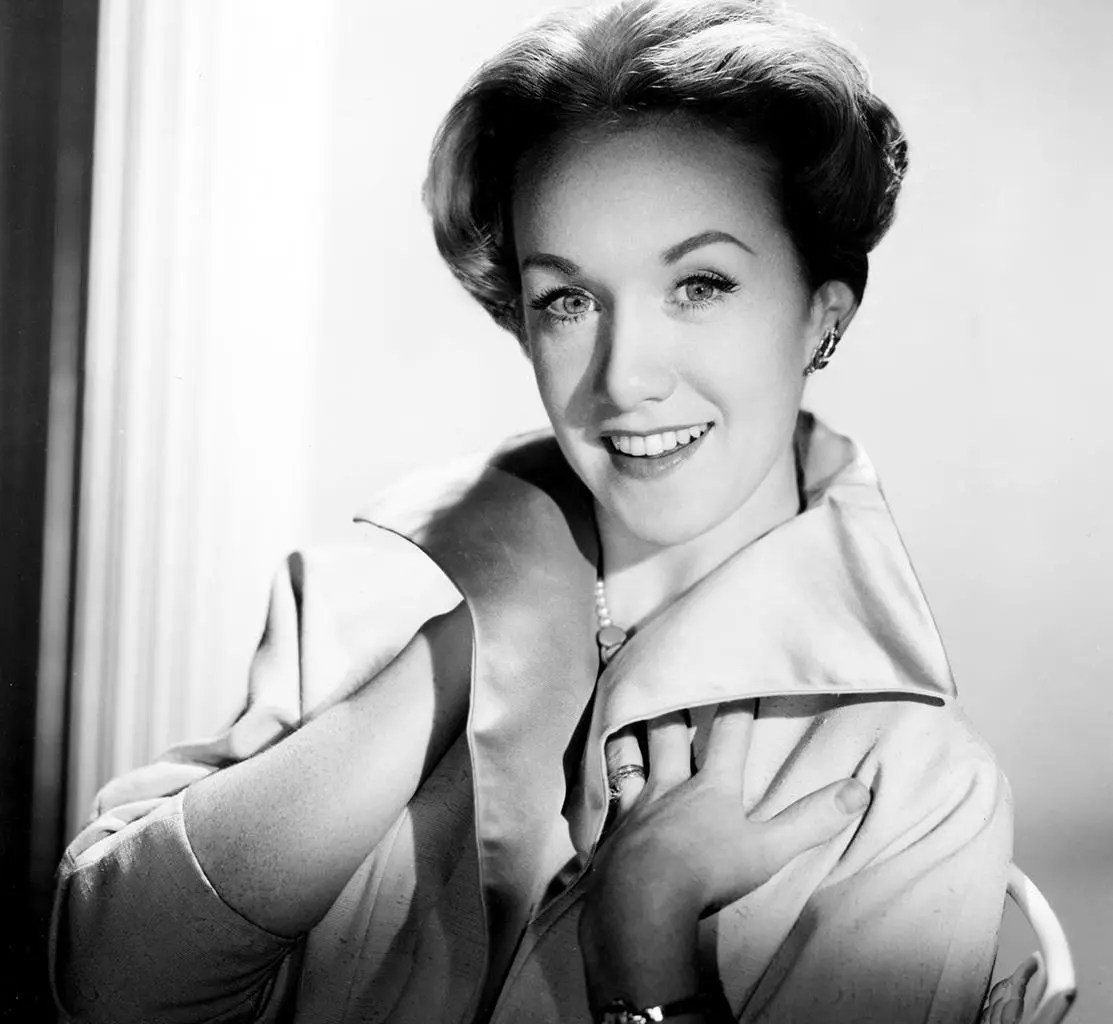
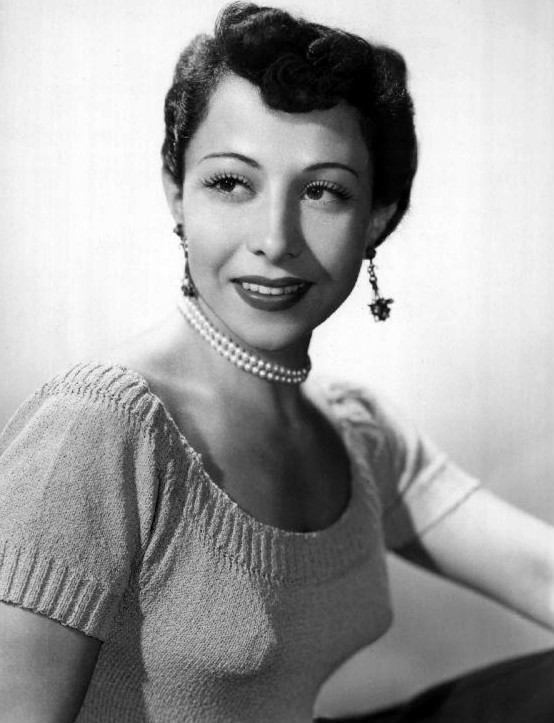
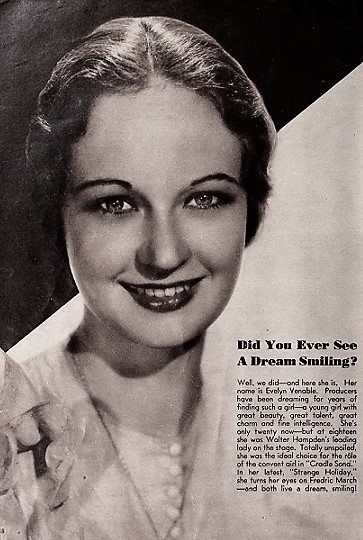
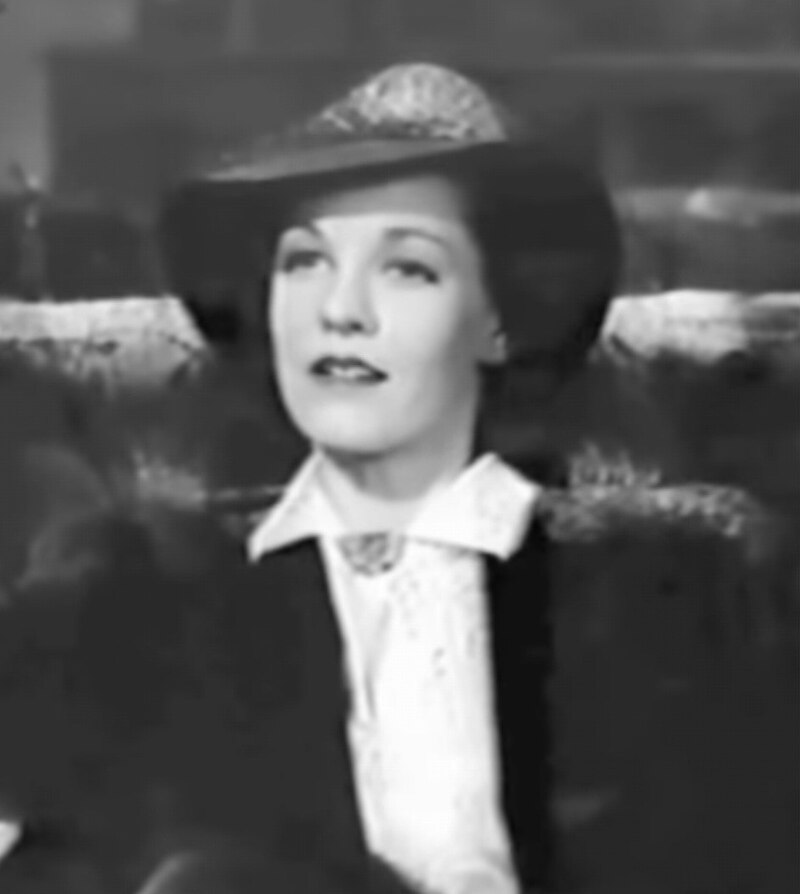
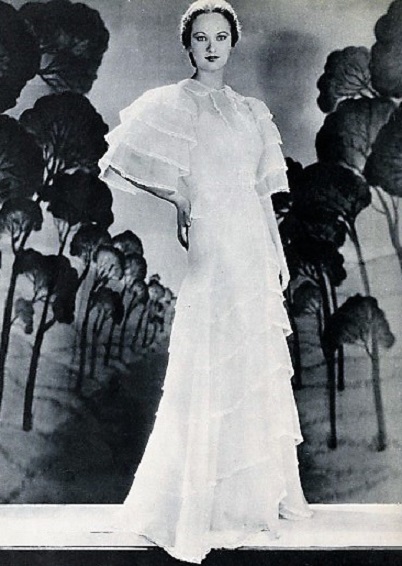
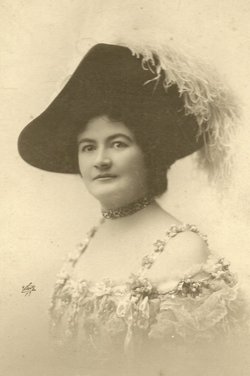
91. Eva Gabor

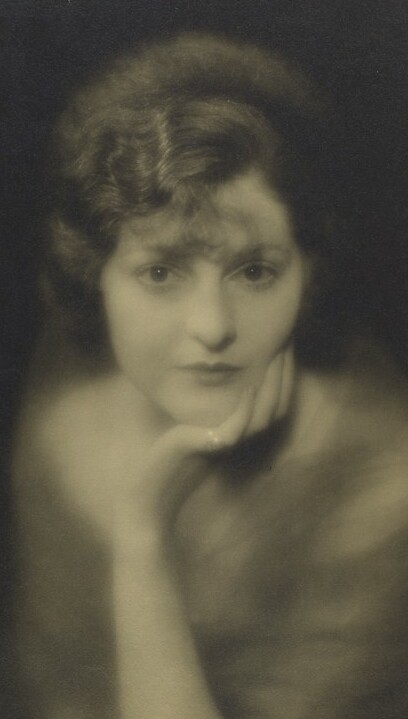
    Dates: 1919-1995
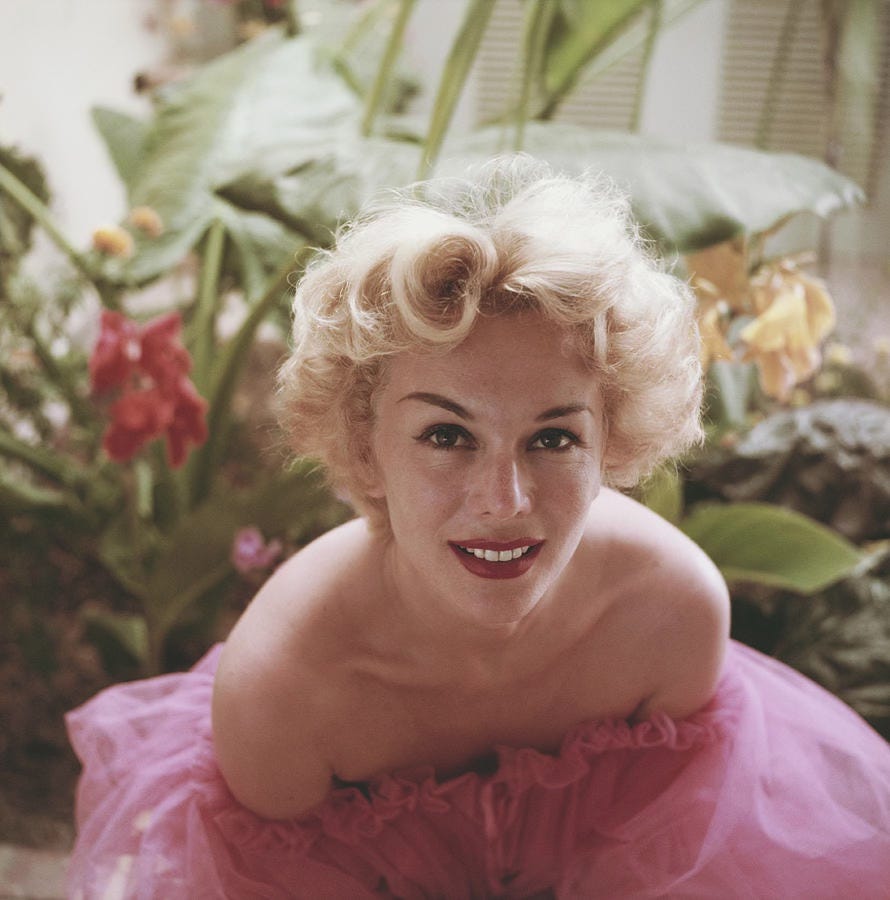
    Early Life and Career: Born in Budapest, Hungary to a Jewish family. Father was a soldier. Mother was jeweler and socialite Jolie Gabor. Was the first of her sisters to move to the United States shortly after her first marriage when she was just 18. Made her first movie for Paramount Pictures in 1941.

    Movies and Cartoons: The Aristocats (1970), The Rescuers (1977), and The Rescuers Down Under (1990)
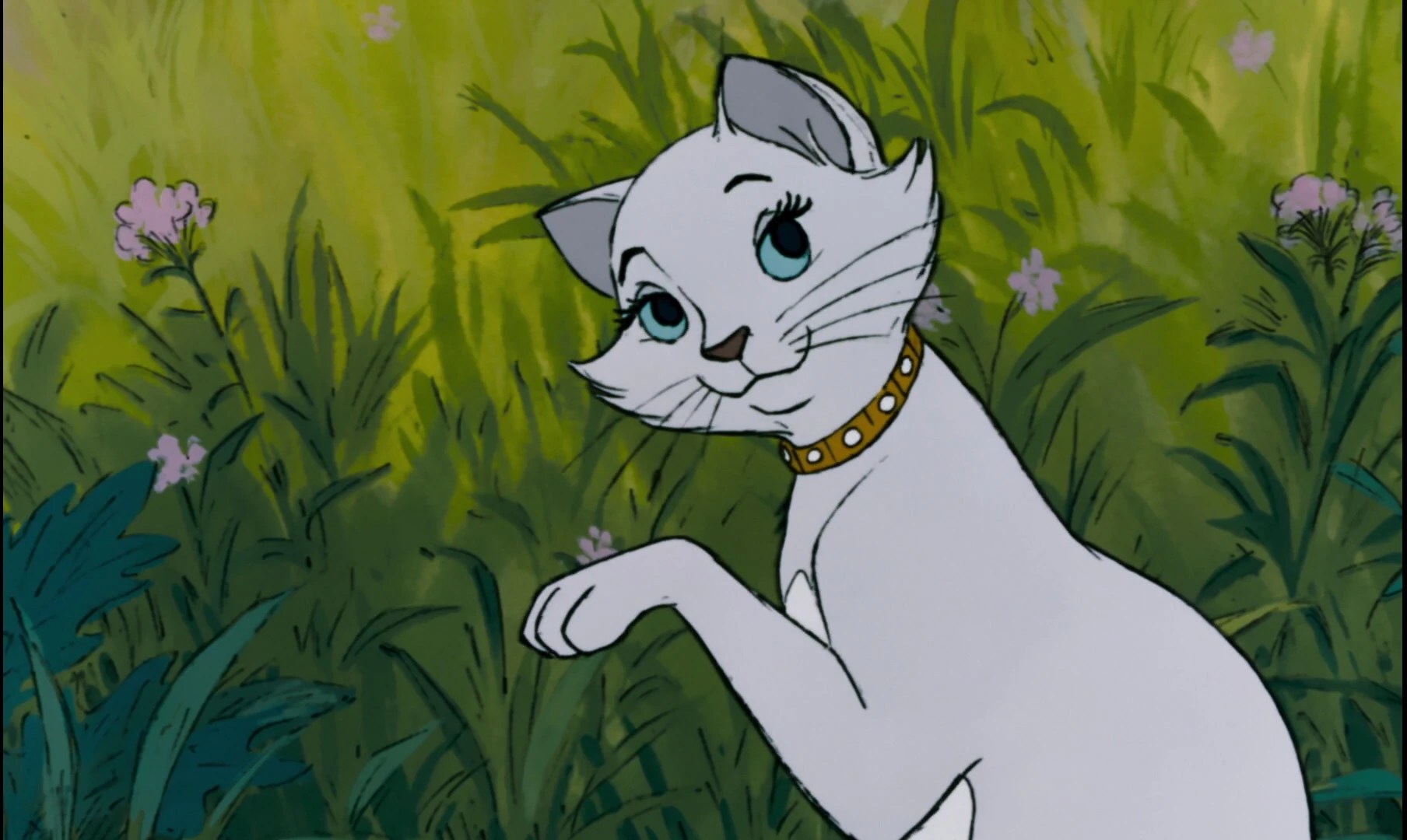
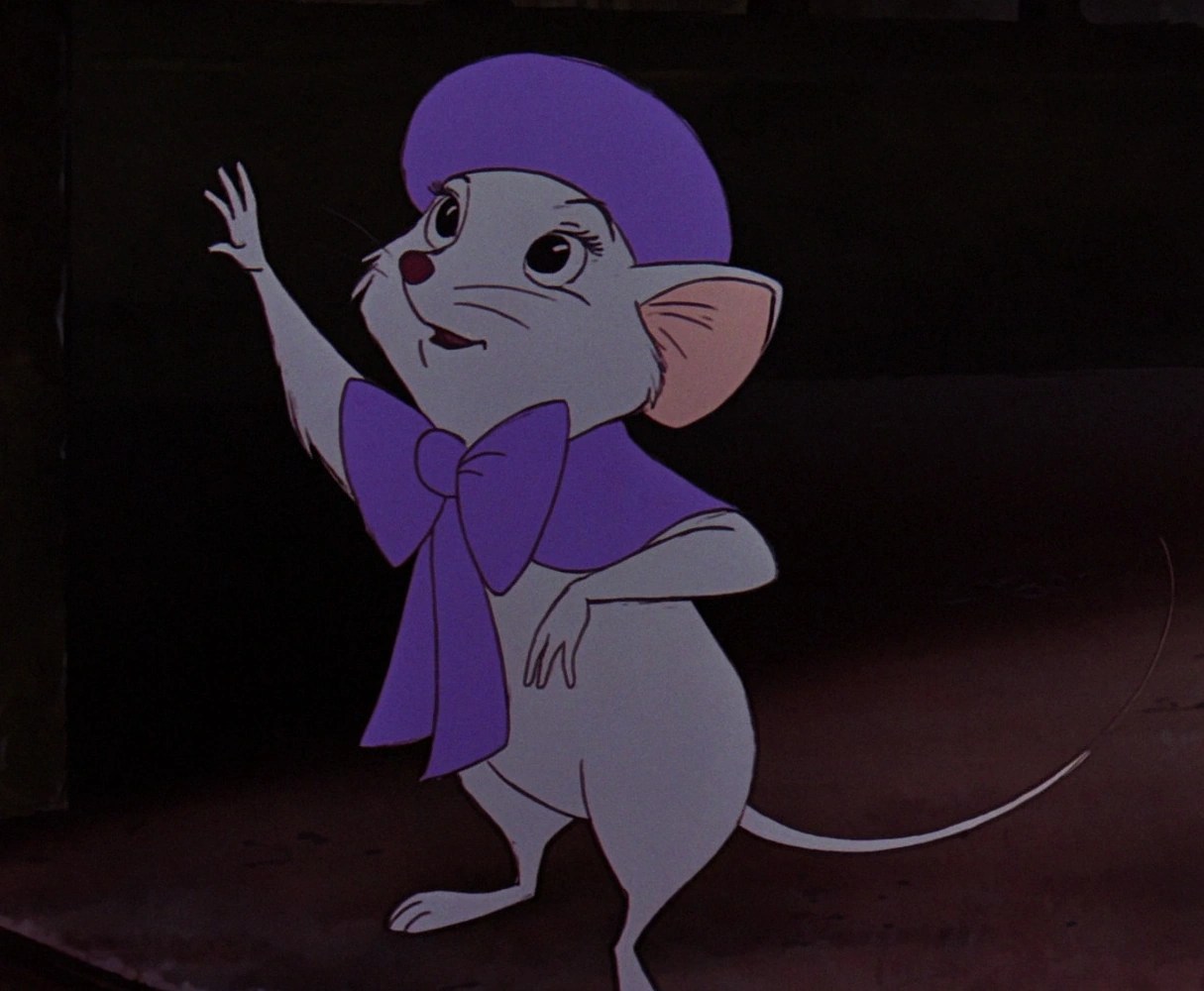
    Characters: Duchess and Miss Bianca

    Also Known For: Hungarian American actress and socialite. Appeared on film, Broadway, and on television as well as a businesswoman who marketed wigs, clothing, and beauty products. Best known role was as Lisa Douglas in Green Acres. Film appearances include The Last Time I Saw Paris, Artists and Models, Gigi, It Started with a Kiss, A New Kind of Love, Nutcracker Fantasy, and The Princess Academy. Had her own talk show during the 1950s called The Eva Gabor Show. TV appearances include Tales of Tomorrow, What’s My Line?, Five Fingers, Harrigan and Son, Wake Me When the War Is Over, Match Game, Ellery Queen, The Love Boat, Fantasy Island, Hart to Hart, The Edge of Night, Petticoat Junction, The Beverly Hillbillies, and This Is Your Life.

    Personal Life: Younger sister of Zsa Zsa and Magda Gabor and aunt of Francesca Hilton. Married 5 times. First husband was Swedish psychologist and osteopath Dr. Eric Valdemar Drimmer whom she wed in London in 1937. They divorced in 1942 with her claiming cruelty, saying, “I wanted to have babies and lead a simple family life but my husband objected to me having children.” Second husband was American investment broker named Charles Isaacs from 1943 to their divorce in 1949. Third husband was a plastic surgeon named Dr. John Elbert Williams from 1956 to their divorce in 1957. Fourth husband was a textile manufacturer turned writer and director Richard Brown whom she wed at the Las Vegas Flamingo Hotel in 1959. They divorced in 1973. Fifth husband was aerospace executive and former vice president of Rockwell International, Fred Gard Jameson Sr. They wed at the Vivian Webb Chapel of the Webb Schools in Claremont, California in 1973. She became stepmother of Jameson’s four children. They divorced in 1983. Also had an on-again and off-again affair with actor Glen Ford while in between marriages from 1957 to the 1970s. After her last marriage, Gabor was involved in a relationship with TV producer Merv Griffin until her death. Reuters reported this was a platonic relationship to hide Griffin’s suspected homosexuality.

    Later Life: In 1972, Gabor launched her eponymous fashion collection with Cuban-born American fashion designer Luis Estevez. Retired in 1994. Died in Los Angeles in 1995 from respiratory failure and pneumonia, following a fall in a bathtub during her vacation in Mexico. Funeral was held at Good Shepherd Catholic Church. Buried in Westwood Village Memorial Park and Cemetery. She was 76. Survived by her mother and sisters.

    Trivia: Toured post-communist Hungary after a 40-year absence on Lifestyles of the Rich and Famous in 1990.

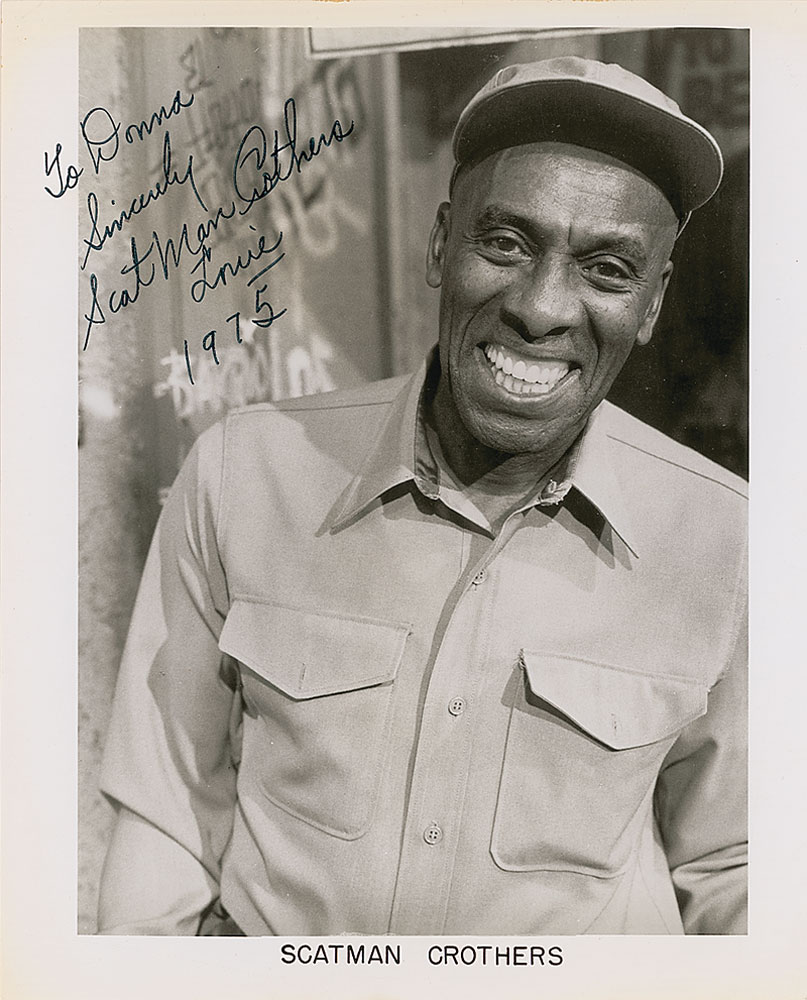
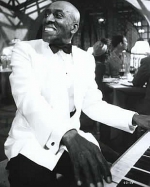
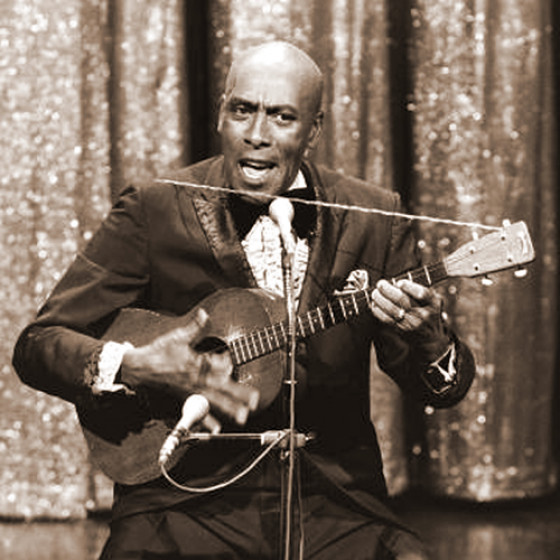
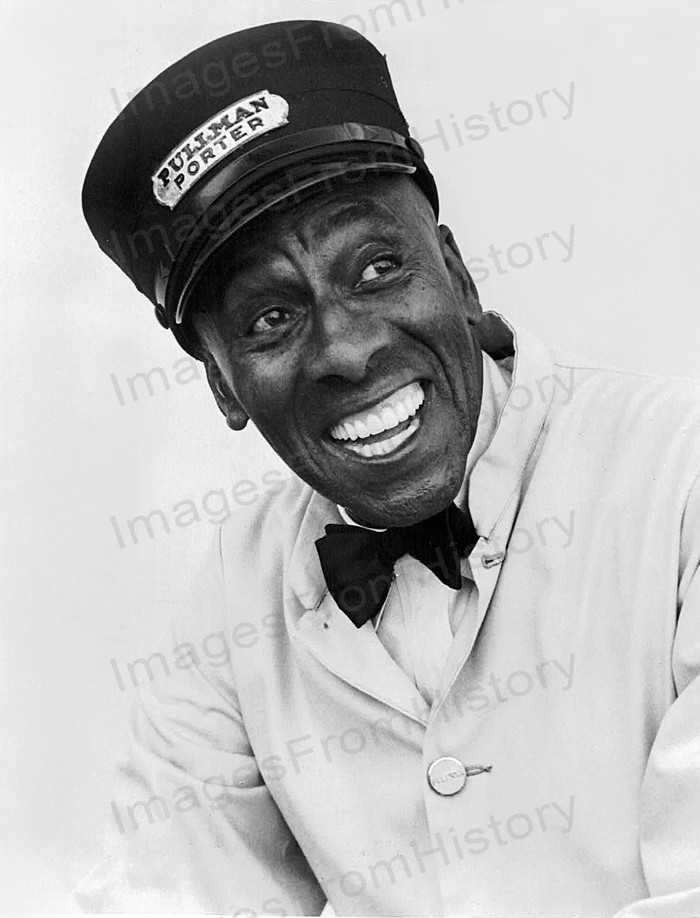
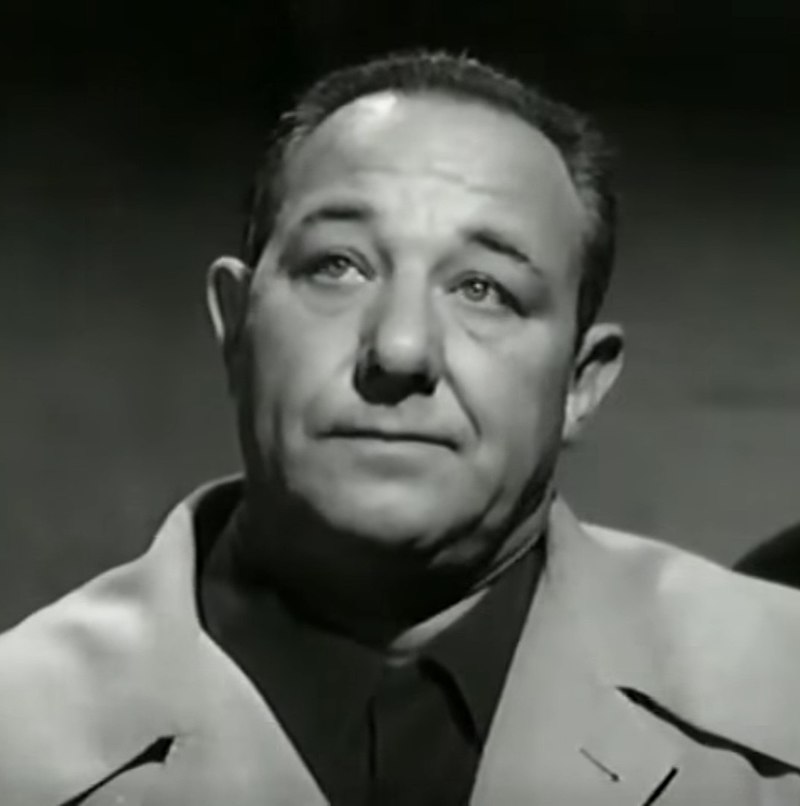
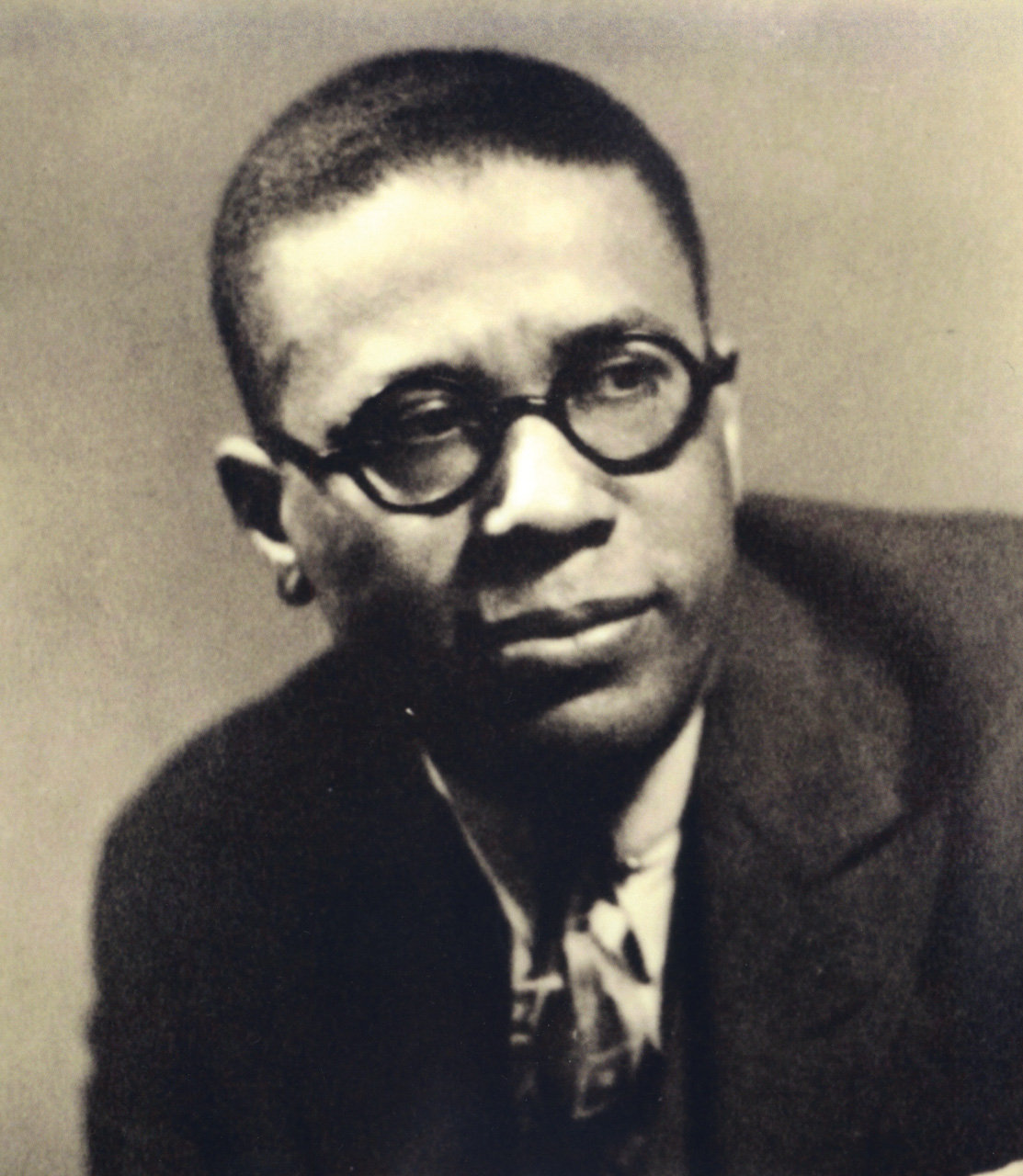
    92. Scatman Crothers

      Dates: 1910-1986
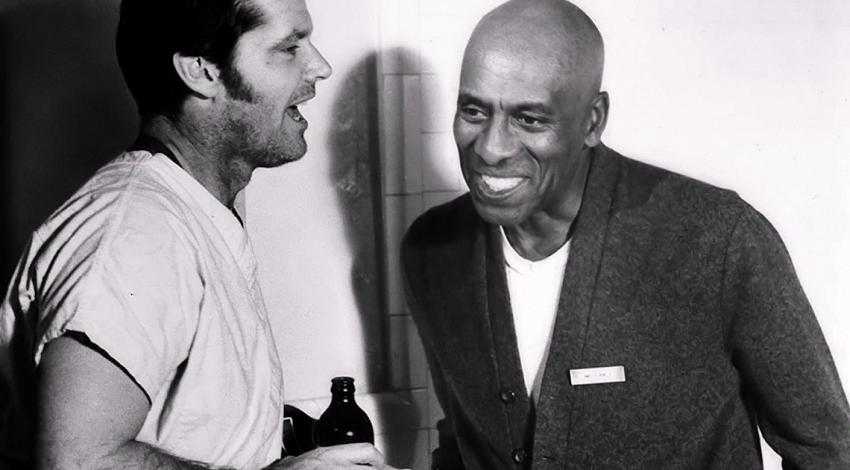
      Early Life and Career: Born Benjamin Sherman Crothers in Terre Haute, Indiana. Began his music career as a teenager where he educated himself on guitar and drums. Was in a band that played in Terre Haute speakeasies. During the 1930s, he formed a band, spending 8 years living in Akron, Ohio, and performing 5 days a week on a Dayton, Ohio radio show. When the station manager thought Crothers needed a catchier name, he suggested “Scat Man” for his scat singing. Moved to California in the 1940s.   bPerformed in Los Angeles, Las Vegas, and at the Apollo in Harlem, New York City. Went on USO tours with Bob Hope and performed with bandleader Sam Gaillard. Began recording music in 1947. Made his first film in 1953.

      Movies and Cartoons: The Aristocats (1970)
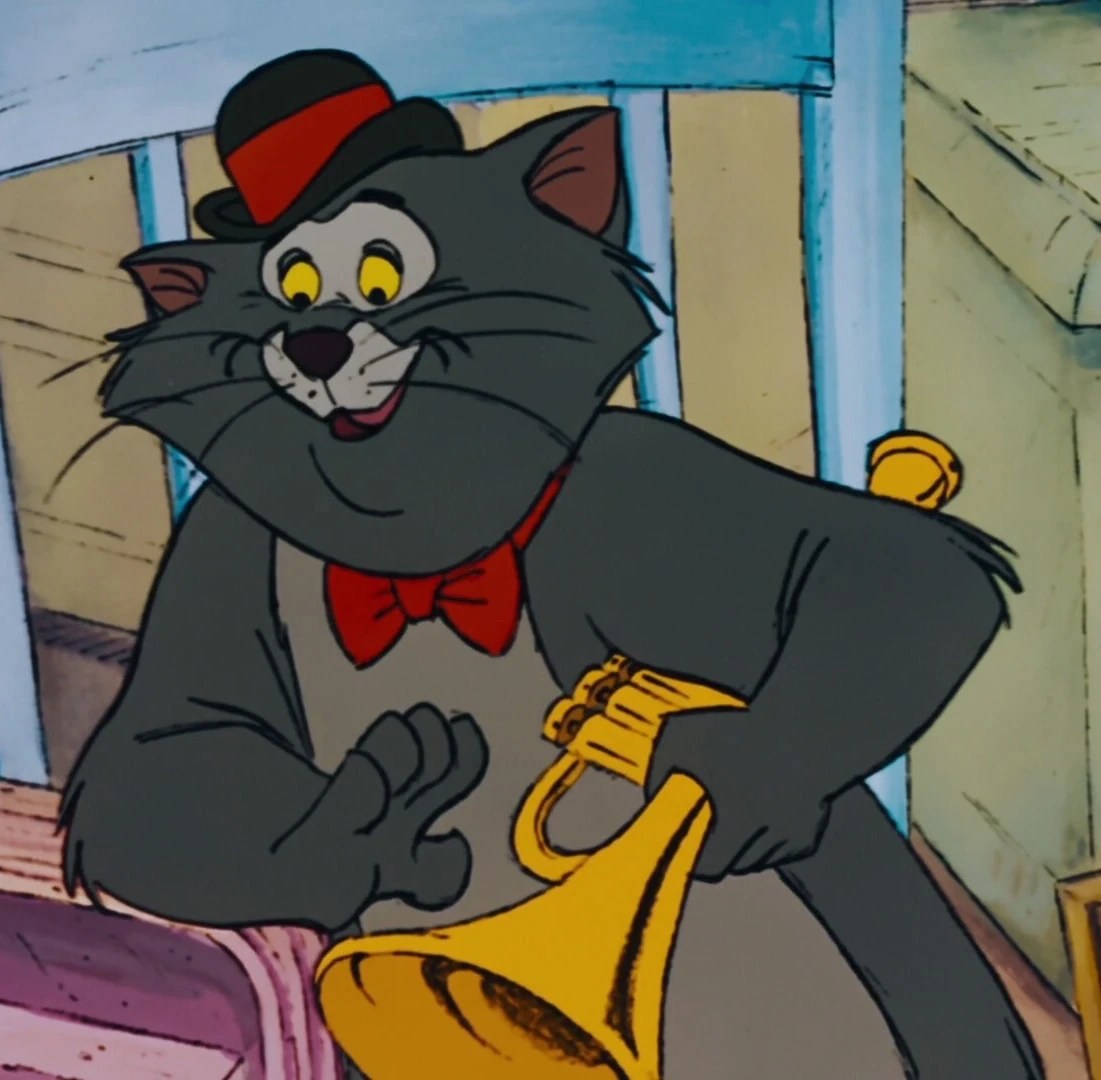
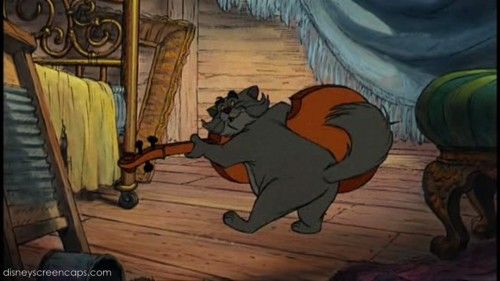
      Characters: Scat Cat

      Also Known For: Actor, singer, composer, songwriter, and musician best known as Lou the Garbage Man from Chico and the Man and Dick Hallorann from The Shining. Film appearances include Porgy and Bess, The King of Marvin Gardens, The Fortune, One Flew Over the Cuckoo’s Nest, Coonskin, Silver Streak, The Shootist, Hello Dolly!, The Great White Hope, The Cheap Detective, Bronco Billy, and Two of a Kind. TV appearances include Roots, The Adventures of Jim Bowie, Alfred Hitchcock Presents, Bonanza, The Famous Adventures of Mr. Magoo, Dragnet, Harlem Globetrotters, Bewitched, The New Scooby-Doo Movies, Kojak, Hong Kong Phooey, Mannix, The Odd Couple, McMillan & Wife, Sanford and Son, Kolchack: The Night Stalker, Ironside, The Transformers, Starsky and Hutch, Charlie’s Angels, The Love Boat, Laverne & Shirley, Benson, Taxi, and The Paper Chase. Hit singles include “I’d Rather Be a Hummingbird”, “Blue-Eyed Sally”, “Television Blues,” “The Gal Looks Good”, “Nobody Knows Why”, “I Was There”, “A Man’s Gotta Eat”, and “When, Oh When.”

      Personal Life: Married Helen Sullivan in 1937. Marriage produced a daughter named Donna and lasted until his death.

      Later Life: Joined ASCAP in 1959. In 1985, Crothers was diagnosed with an inoperable malignant tumor in his lung that metastasized to his esophagus. Was bedridden for weeks and slipped into a coma. Died at his Van Nuys home in 1986 at 76 after struggling with lung cancer. Buried at Forest Lawn Memorial Park Cemetery.

      Trivia: Has a Best Supporting Actor Award from the Academy of Science Fiction, Fantasy, and Horror, a star on the Hollywood Walk of Fame, and an NAACP Image Award. Was inducted in the Black Filmmakers Hall of Fame in 1987. Was a regular guest on The Phil Harris-Alice Faye Show.

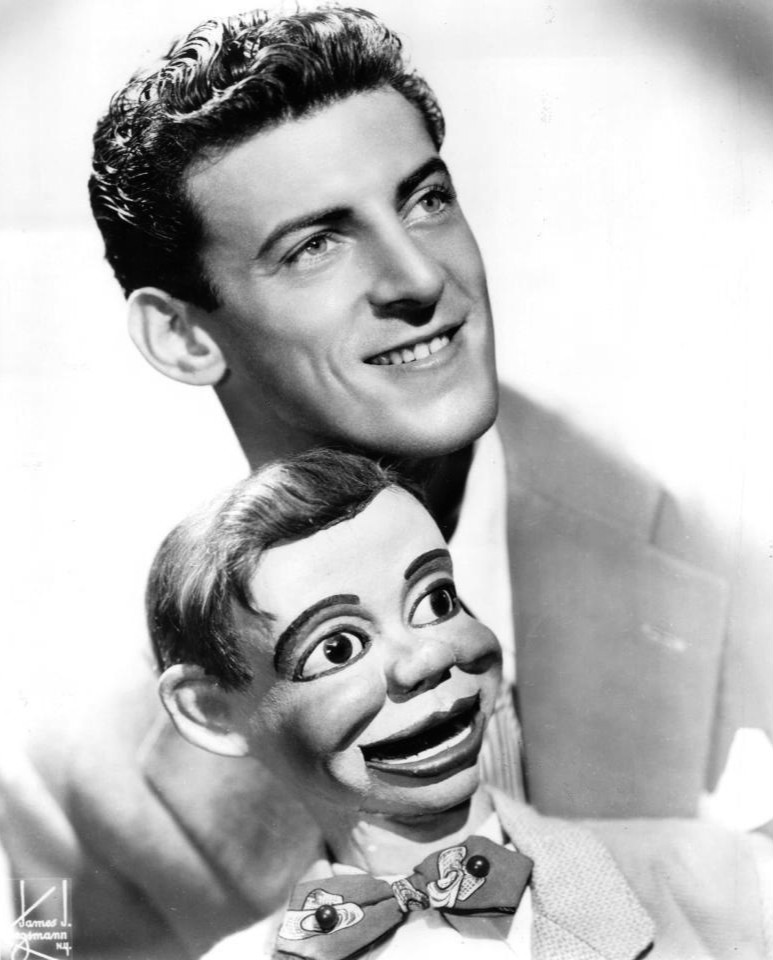
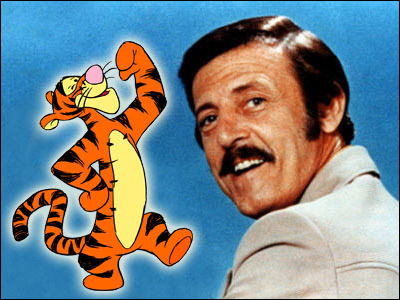
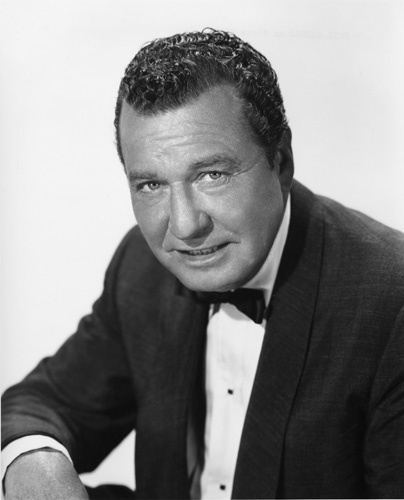
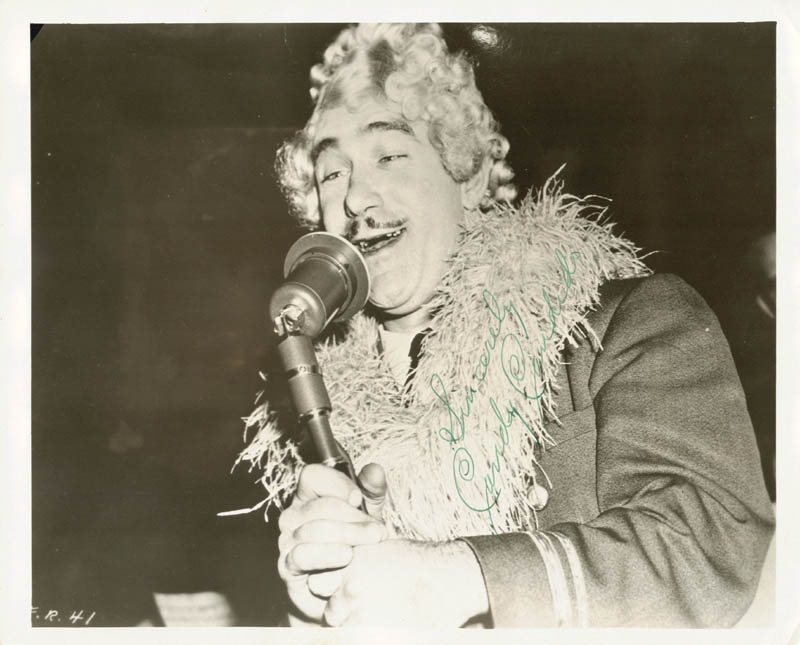
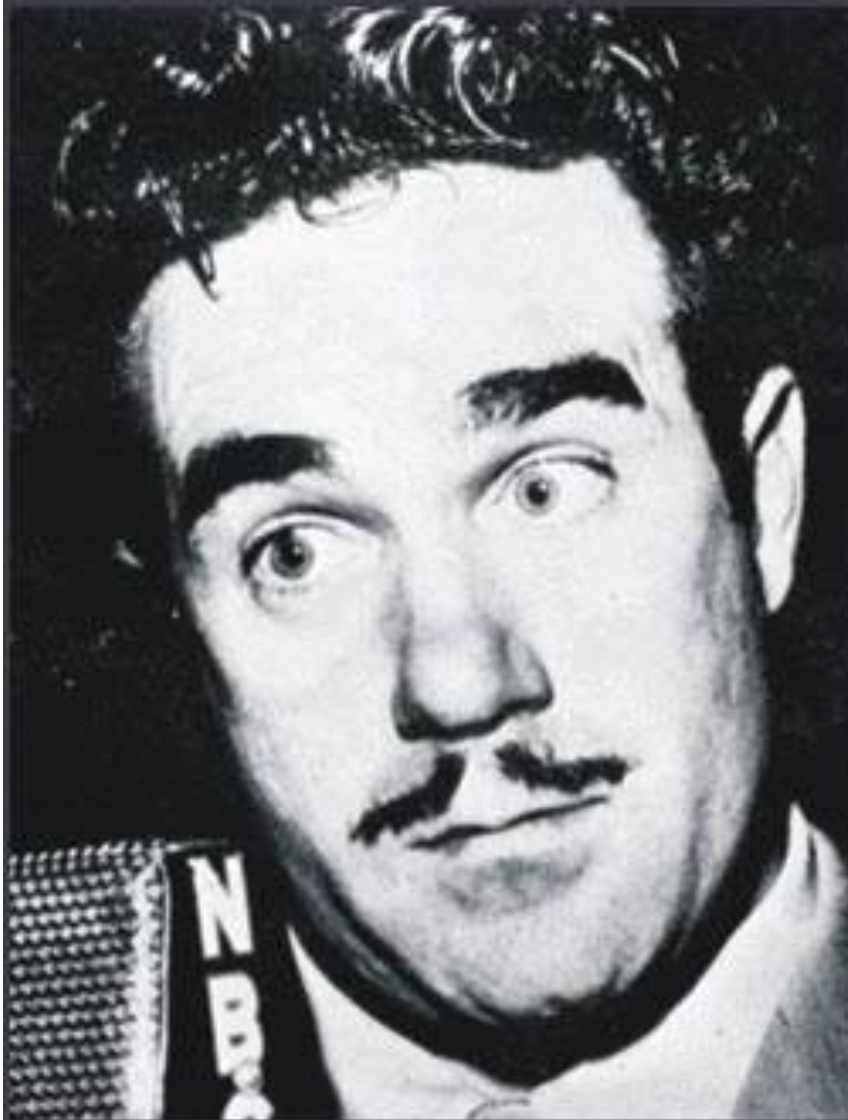
      93. Paul Winchell

        Dates: 1922-2005
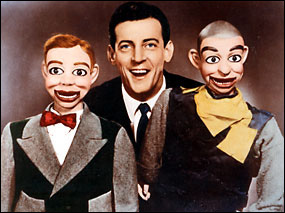
        Early Life and Career: Born Paul Wilchinsky in New York City. Father was a tailor. Grandparents were Jewish immigrants from Congress Poland and Austria-Hungary. At 6, his legs atrophied after contracting polio. At 12 or 13, Winchell came across a magazine offering a ten-cent ventriloquism kit. At school, he asked his art teacher Jero Magon if he could receive class credit for creating a ventriloquist’s dummy. Magon agreed. Winchell thanked him for naming his creation Jerry Mahoney. He then returned to the magazines to gather jokes and put together a comedy routine, which he then took to The Major Bowes Amateur Hour, winning first prize. Part of that prize was a touring offer to play in various theaters with the Major Bowes Review. Bandleader Ted Weems saw the young Winchell while on tour, visited the boy, and offered him a job. Winchell accepted and became a professional at the age of 14. First show was on the radio with Jerry Mahoney in 1943 but the program was short-lived due to being overshadowed by Edgar Bergen. In 1948, Winchell was featured on Floor Show on NBC. Recorded on kinescope and replayed on WNBQ-TV in Chicago, the 8:30-9:00pm Central Time show was the station’s first midweekly program.

        Movies and Cartoons: The Aristocats (1970), The Many Adventures of Winnie the Pooh (1977), The Fox and the Hound (1981), and Winnie the Pooh and a Day for Eeyore (1983) as well as other projects such direct-to-video Winnie the Pooh cartoons, My Interactive Pooh video game, The New Adventures of Winnie the Pooh TV series, as well as The Many Adventures of Winnie the Pooh attraction at Walt Disney World. He’d go on to host children and adult programs with his figures for NBC Television and for syndication.
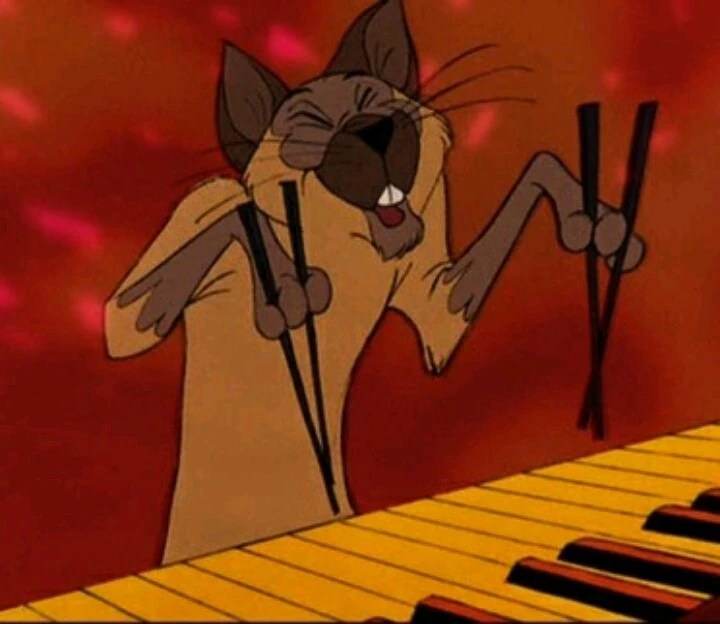
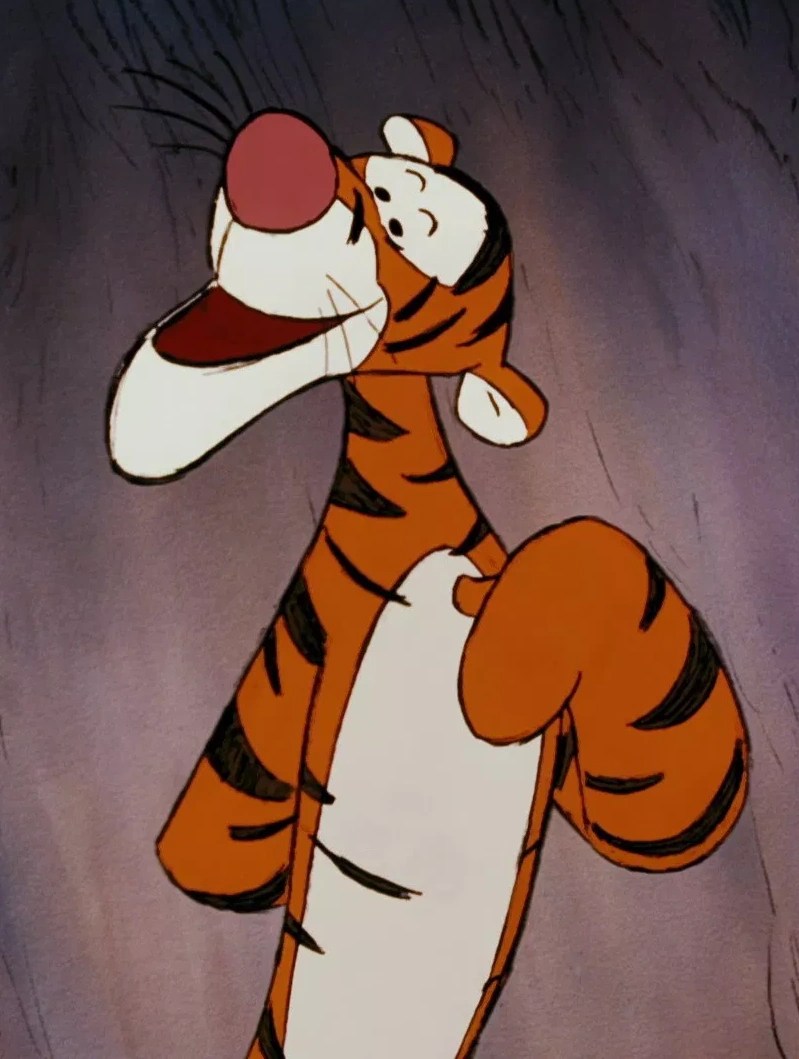
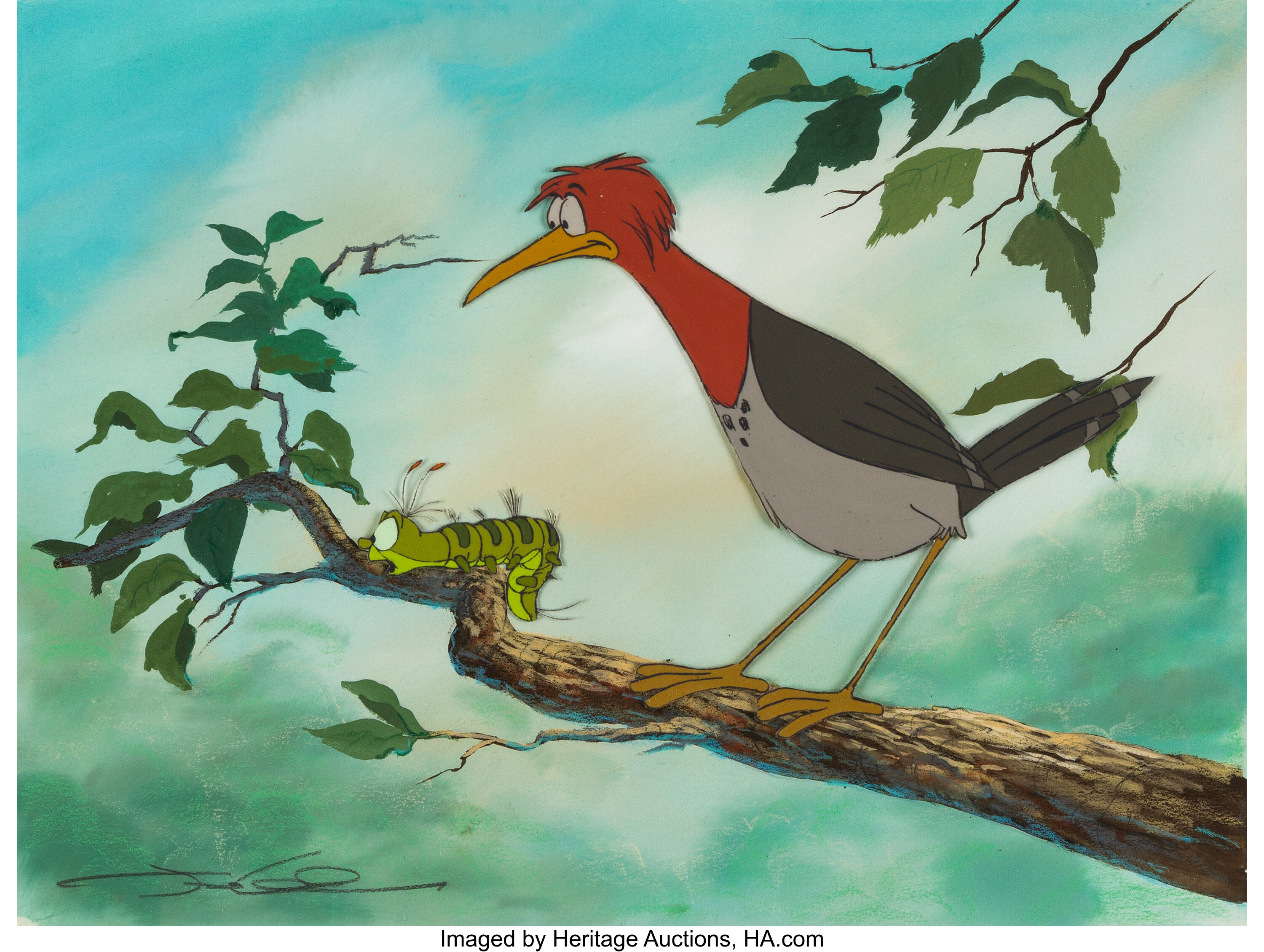
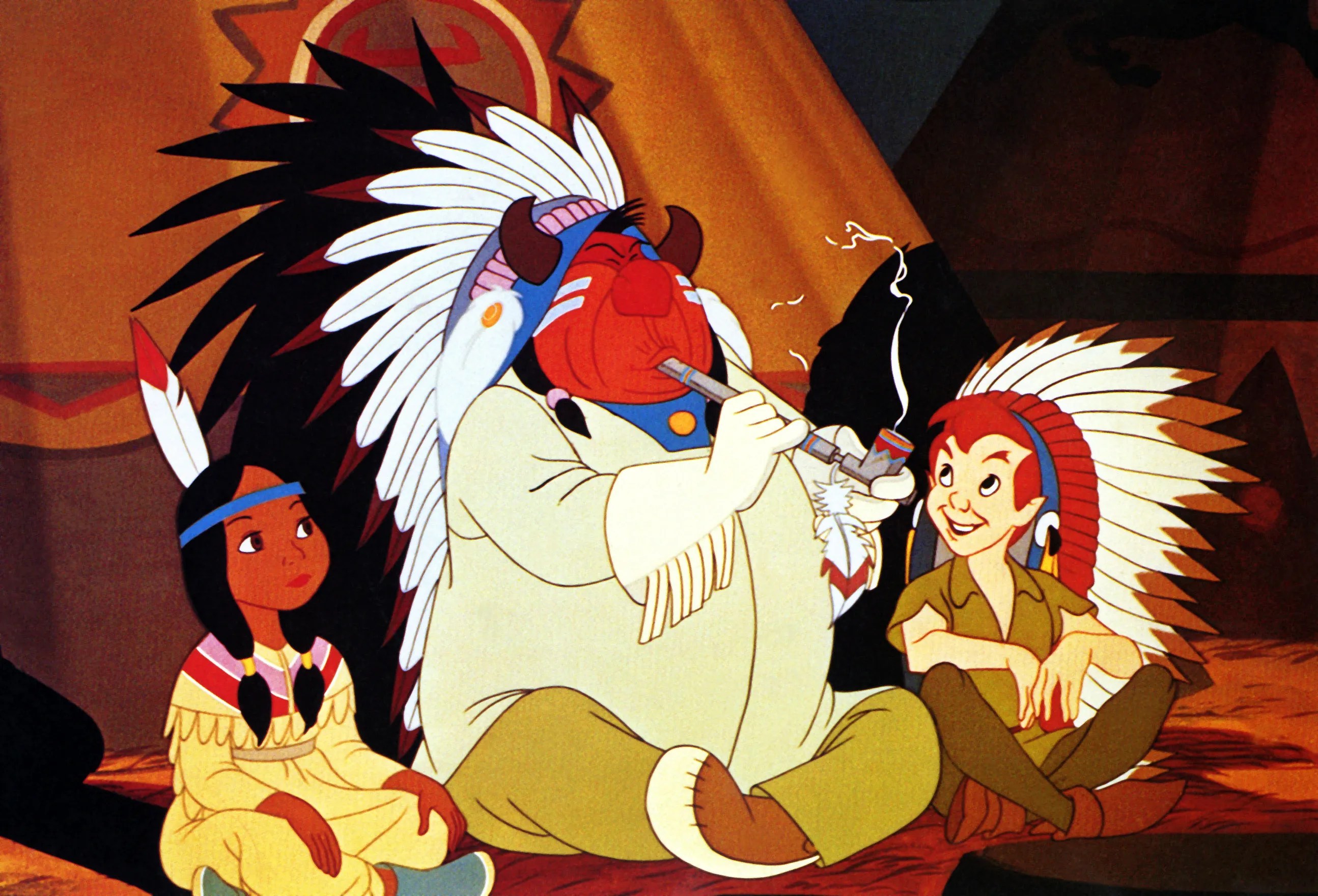
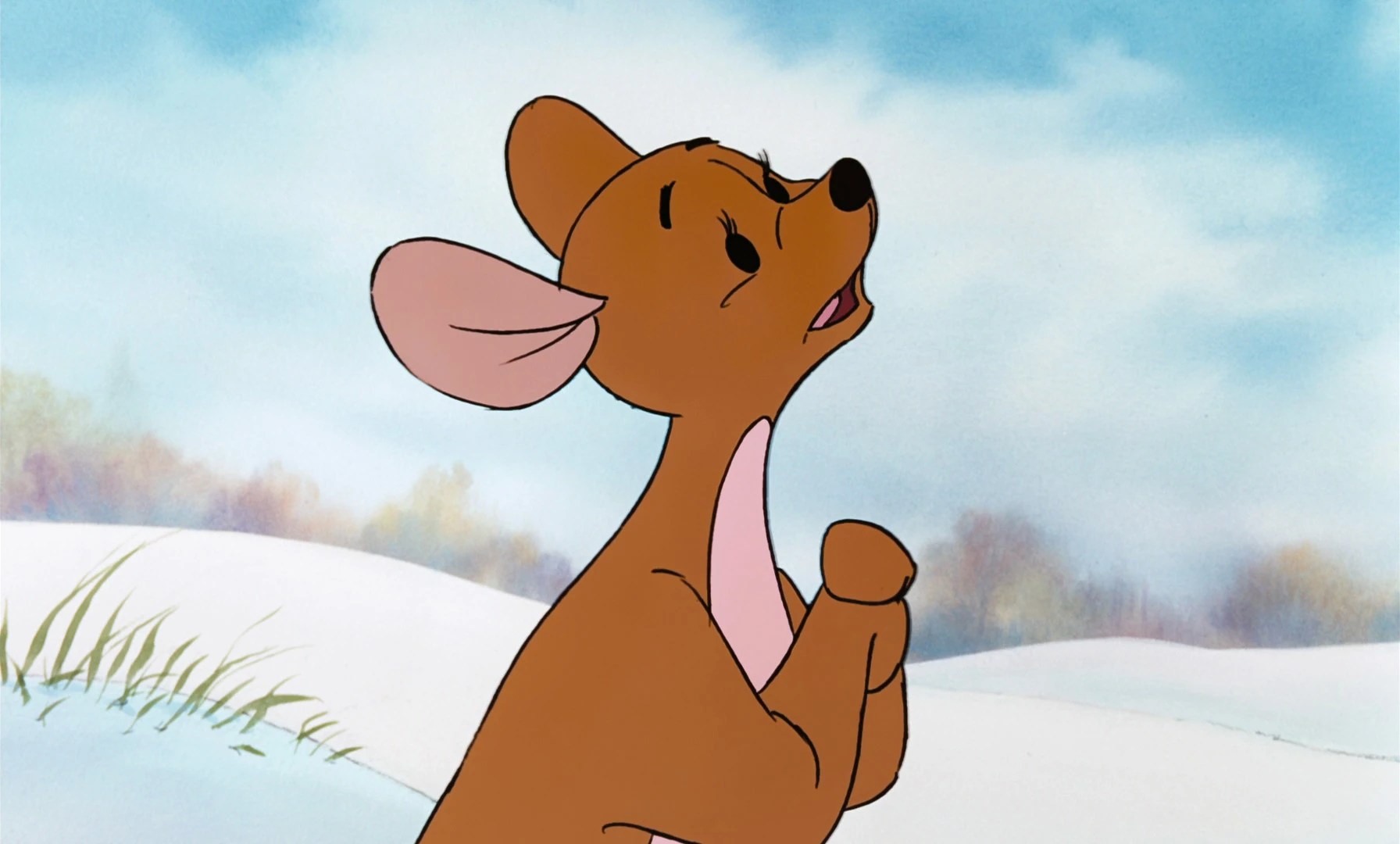
        Characters: Shun Gon, Tigger, and Boomer the Woodpecker as well as Zummi Gummi from Disney’s Adventures of the Gummy Bears.

        Also Known For: Was a ventriloquist, actor, comedian, humanitarian, author, and inventor whose career flourished during the 1950s and 1960s. Hosted The Paul Winchell Show from 1950 to 1961 and the children’s programs Circus Time from 1956-1957 and Winchell-Mahoney Time from 1965-1968. Best known dummy characters were Jerry Mahoney, Knucklehead Smiff, and Ozwald. Outside Disney, he was the original voice of Dick Dastardly, Gargamel, Scrubbing Bubbles, Sam-I-Am, Clyde, Softy, Fleegle, Bubi Bear, Goober the Dog, Burger Chef, Mr. Owl, and Fearless Freddy the Shark Hunter. TV appearances include Your First Impression, Perry Mason, The Dick Van Dyke Show, McMillan & Wife, The Brady Bunch, The Beverly Hillbillies, What’s My Line?, 77 Sunset Strip, Frankenstein Jr. and the Impossibles, The Lucy Show, The Dean Martin Show, The Virginian, Rowan and Martin’s Laugh-In, Storybook Squares, Wacky Races, The Banana Splits, The Flying Nun, The Perils of Penelope Pitstop, Here’s Lucy, Nanny and the Professor, The Pebbles and Bamm-Bamm Show, Curiosity Shop, Help!…It’s the Hair Bear Bunch!, The ABC Saturday Superstar Movies, The New Scooby-Doo Movies, Runaround, Dr. Seuss on the Loose, Yogi’s Gang, Hong Kong Phooey, These Are the Days, Wheelie and Chopper Bunch, Adams of Eagle Lake, The Pink Panther Show, CB Bears, Casper and the Angels, Scooby-Doo and Scrappy-Doo, Heathcliff, Trollkins, Spider-Man, Meatballs & Spaghetti, The Jetsons, Yogi’s Treasure Hunt, and Droopy, Master Detective. With the assistance of Dr. Henry Heimlich, he became one of the first people to patent a mechanical artificial heart, implantable in the chest cavity which he later donated to the University of Utah School of Medicine who developed a similar apparatus. While there is some debate on how much of Winchell’s design Robert Jarvik used in creating the Jarvik-7. Heimlich has stated, “I saw the heart, I saw the patent, and I saw the letters. The basic principle used in Winchell’s heart and Jarvik’s heart is exactly the same.” Jarvik has vehemently denied that he used any of Winchell’s design elements into his device. Owned more than 30 patents in his lifetime that included a disposable razor, a blood plasma defroster, a flameless cigarette lighter, a garter belt with no outwardly visible lines, the freezer interrupt indicator (which allowed people to see if their food had gone bad when their electricity was interrupted), a fountain pen with a retractable tip, a battery lighted key case, a sectional garment for hypothermia, a piezo-electric diaphragm, an aluminum electrical generator, novelty phonograph records, novelty upside down mask and mirror, a reversible alphabet that could be seen normally when shown in a mirror, rubber sand that allowed for the sturdy attachment of pictures to frames, illuminated pen- ballpoint (behind cartridge), and battery-heated gloves.

        Personal Life: Married three times. First wife was Dorothy “Dottie” Movitz in 1944 with whom he had a son named Stacy Paul and a daughter named Stephanie. They divorced in 1960. Second wife was actress and Winchell-Mahoney writer Nina Russel with whom he had a daughter named April who became an actress, writer, and radio host as well as serves as the current voice for Clarabelle the Cow. They divorced in 1972. Third wife was a Brit named Jean Freeman from 1974 until his death. They adopted two sons named Larry and Keith. She was credited with the catchphrase, “Ta-Ta For Now.” He also had 3 grandchildren around the time of his death as well. Anyway, Winchell’s autobiography Winch (2004) revealed many dark details about Winchell’s life that he previously kept private, including early stories of an abusive childhood, a long history of depression, and at least one mental breakdown which resulted in a short stint at a mental institution. The book revealed the bad treatment Winchell received from his mother for a considerable period, and the mental impact that continued to negatively affect him for decades after his mother’s death in 1953 at just 58. The autobiography caused a major estrangement between Winchell and his children because he portrayed their moms negatively in the book. In fact, April publicly defended her mother. He also wrote a couple books on religion and let’s just say he was a deist who didn’t have a lot of nice things to say about it.

        Later Life: In 1970, Winchell and Metromedia were in negotiations to syndicate 305 segments of the show but nothing came of it. Winchell offered to purchase the tapes outright for $100,000. Metromedia responded with an ultimatum: “Agree on a syndication plan or the tapes will be destroyed.” Winchell didn’t agree. So Metromedia carried out with its threat and the tapes were erased and destroyed. Winchell sued Metromedia and in 1986, a jury awarded him $3.8 million for the tapes’ value and $14 million in punitive damages Metromedia. Metromedia appealed the award all the way to the US Supreme Court but they ultimately lost. In the 1980s, Winchell’s concern about starvation in Africa led him to develop a method to cultivate tilapia in tribal villages and small communities. Since the fish thrives in brackish waters, it was particularly well-suited for sub-Saharan Africa. With several other celebrities including Ed Asner and Richard Dreyfuss, Winchell appeared before a congressional committee. Unfortunately, the committee declined to finance the pilot program for the tilapia project because it required digging wells into non-potable water. Retired in 1999. Died in 2005 of natural causes in his sleep at his home in Moorpark, California at 82. His remains were cremated and his ashes scattered over his home property. Since Winchell was estranged from his kids, they weren’t immediately informed of his death. Upon learning about it, April posted an entry on her website: “I got a phone call a few minutes ago, telling me that my father passed away yesterday. A source close to my dad, or at least, closer than I was, decided to tell me himself, instead of letting me find out on the news, which I appreciate. Apparently a decision had been made not to tell me, or my father’s other children. My father was a very troubled and unhappy man. If there is another place after this one, it is my hope that he now has the peace that eluded him on earth.”

        Trivia: Won a Grammy Award for his Performance in Winnie the Pooh and Tigger Too (1974). Received a Winsor McCay Award in 1997. Has been honored at the Hollywood Walk of Fame for his work in television. Doll copies of Jerry Mahoney and Knucklehead Smiff are housed in the Smithsonian Institution. Once auditioned to play the Pillsbury Doughboy but lost out to Paul Frees. Was a pre-med student at Columbia University. Graduated from the Acupuncture School of Los Angeles in 1974 and became an acupuncturist. Also worked as a medical hypnotist at the Gibbs Institute in Hollywood. Worked on projects for the Leukemia and Lymphoma Society and the American Red Cross. Honored by The National Christian University with an honorary doctorate in science. Featured in the documentary I’m No Dummy. Wrote several books on a variety of subjects as well as painted. Died one day before his co-star John Fielder. Created and maintained a personal website until 2004.

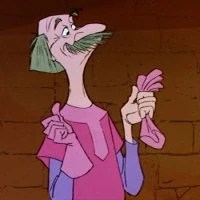
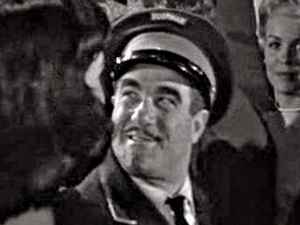
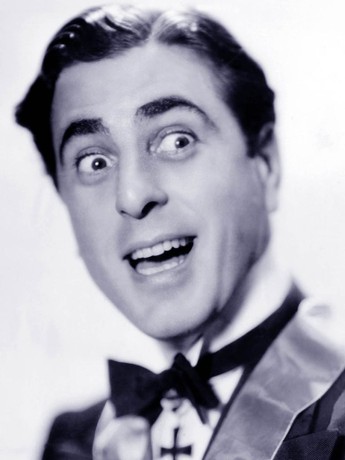
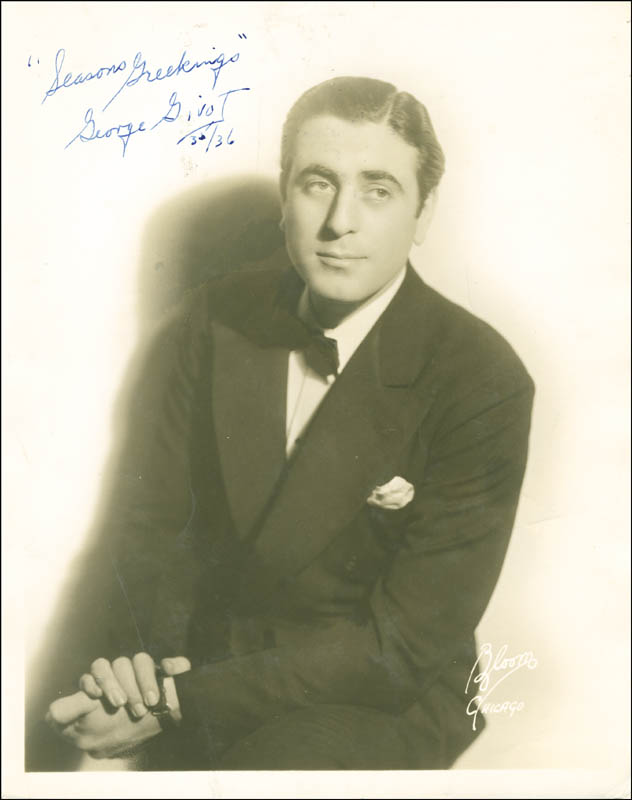
        94. Vito Scotti

          Dates: 1918-1996
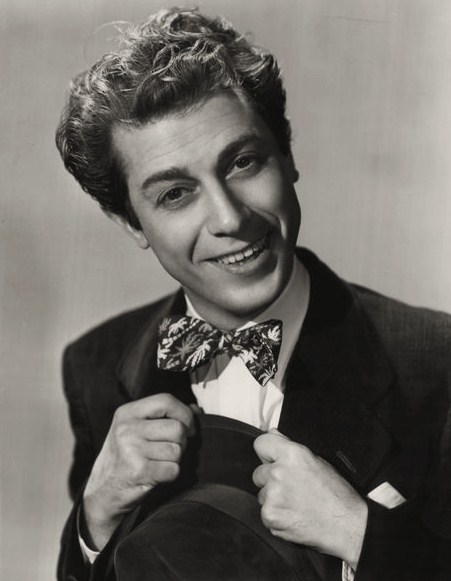
          Early Life and Career: Born Vito Giusto Scozzari in San Francisco. Father was an impresario. Mother was an opera diva. Family spent the early 1920s in Naples and returned to the United States in 1924 where they briefly lived in Philadelphia before moving to New York City. Worked the night club circuit as a stand-up magician and mime artist following the Commedia dell’arte style. Debuted on Broadway in small role on Pinocchio. After serving in World War II, Scotti entered movies and television during the late 1940s. Made film debut in 1949. In 1955, Scotti was reportedly injured with an elephant named Emma who was reportedly spooked by the faux floral decorations on the set. Emma shook Scotti and fellow actor Nino Marcel from her back. Scotti suffered a concussion and a broken arm.

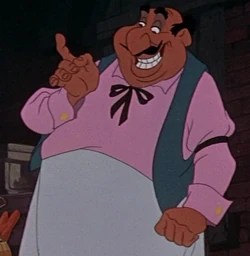
          Movies and Cartoons: The Aristocats (1970) as well as some episodes of Walt Disney’s Wonderful World of Color during the late 1970s and the early 1980s.
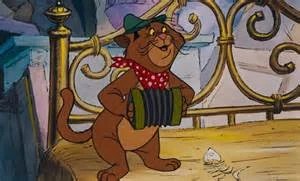
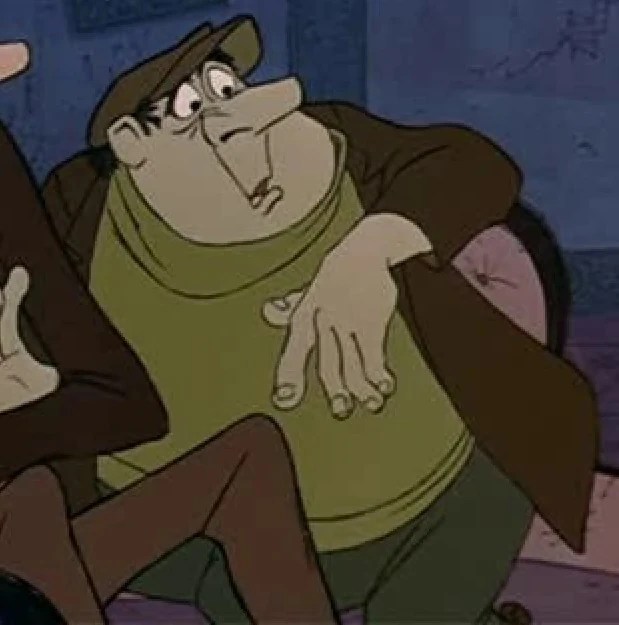
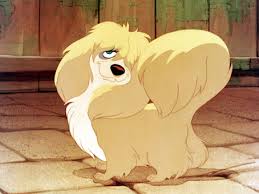
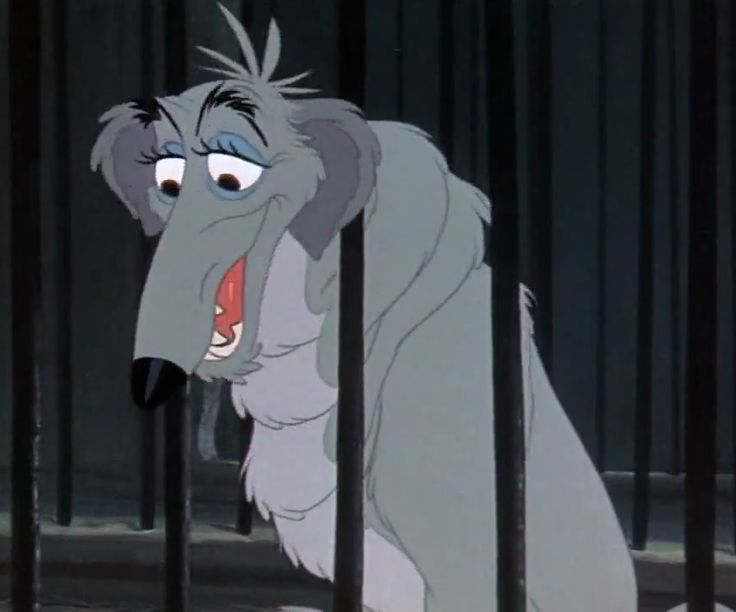
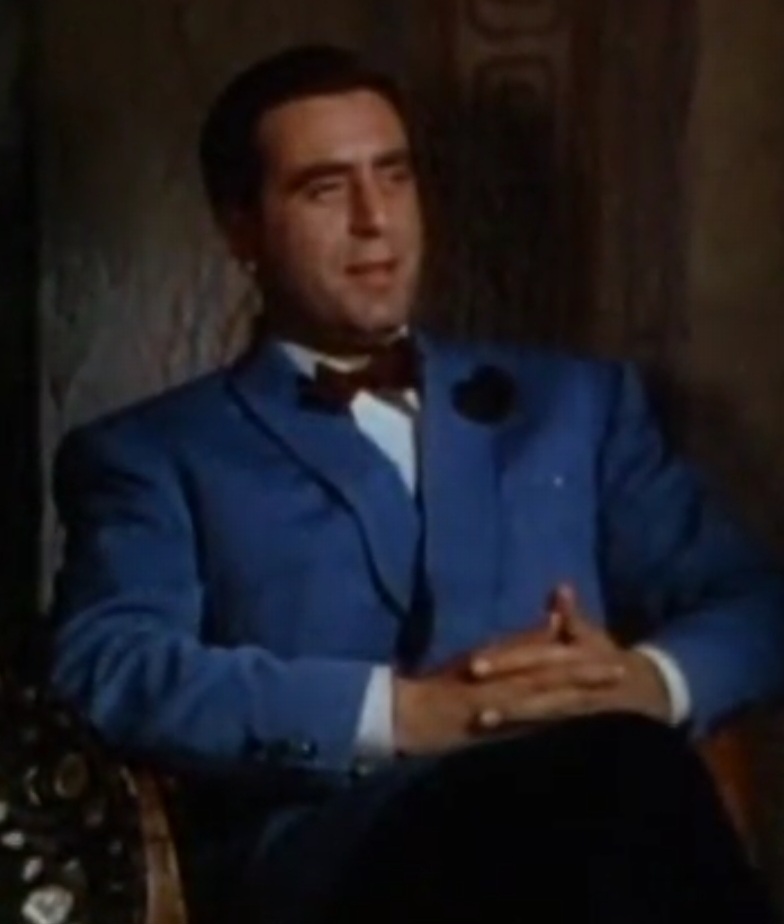
          Characters: Peppo

          Also Known For: Character actor who was known as a man of a thousand faces for his ability to assume so many divergent roles in more than 200 screen appearances and in a career spanning 50 years for his resourceful portrayals of various ethnic types. Played both dramatic and comedic roles on Broadway, films, and later on television from the late 1930s to the mid-1990s. Of Italian heritages, he played everything from a Mexican bandit, a Russian doctor, a Japanese sailor, and an Indian travel guide. Basically he could play anyone who wasn’t a woman or black (for reasons that have more to do his looks and mid-twentieth century sensibilities than his talent). And if he was alive today, he probably would’ve been able to play a Russian doctor out of those 4 examples. Big at playing unsympathetic types such as snobs, loudmouths, and bullies. Film appearances include East Side, West Side, The Miracle of Our Lady of Fatima, The Capture, Deported, The Light Touch, Shield for Murder, The Fabulous Senorita, Sabaka, The Broken Star, The Black Orchid, The Facts of Life, Gold of the Seven Saints, Pocketful of Miracles, The Courtship of Eddie’s Father, Captain Newman M.D., Honeymoon Hotel, Rio Conchos, Von Ryan’s Express, Made in Paris, The Pleasure Seekers, The Caper of the Golden Bulls, The Perils of Pauline (1967), The Secret War of Harry Figg, Head, Cactus Flower, The Godfather, Napoleon and Samantha, When the Legends Die, How to Seduce a Woman, Herbie Rides Again, One Man Jury, The Big Bus, Herbie Goes Bananas, Stewardess School, and Get Shorty. TV appearances include Andy’s Gang, How to Marry a Millionaire, The Lucy – Desi Comedy Hour, Rescue 8, Perry Mason, State Trooper, Playhouse 90, Peter Gunn, Wagon Train, Tales of Wells Fargo, Cheyenne, Zorro, The Real McCoys, The Investigators, Rawhide, The Twilight Zone, Lassie, The Dick Van Dyke Show, The Rifleman, My Favorite Martian, Bob Hope Presents the Chrysler Theatre, The Donna Reed Show, Dr. Kildare, The Jack Benny Program, Bewitched, Laredo, The Virginian, The Addams Family, The Andy Griffith Show, The Lucy Show, The Munsters, Gilligan’s Island, Batman, The Girl from U.N.C.L.E., The Monkees, The Wild Wild West, The Man from U.N.C.L.E., Daniel Boone, The Flying Nun, Hogan’s Heroes, Ironside, Get Smart, Gunsmoke, The Odd Couple, The Brady Bunch, The Six Million Dollar Man, McMillan & Wife, Adam-12, The Bionic Woman, Monster Squad, Baretta, Happy Days, Charlie’s Angels, Hawaii Five-O, Hart to Hart, Madame’s Place, Fantasy Island, CHiPs, Trapper John M.D., Charles in Charge, The Golden Girls, Columbo, Northern Exposure, and Mad About You.

          Personal Life: Married twice. First wife was former Flamenco dancer Irene Aida Lopez from 1949 to her death in 1979 at 54. Had 2 children with her including a daughter named Carmen Antoinette born in 1953 and a son named Ricardo Antonio born in 1956. Second wife was a woman named Beverly Cohen whom he married sometime during the 1980s and remained with her until his death.

          Later Life: Retired from acting in 1995. Died in 1996 of lung cancer at the Motion Picture & Television Country House and Hospital in Woodland Hills, California. Interred at Hollywood Forever Cemetery with his first wife Irene in the Abbey of the Psalms Mausoleum.

          Trivia: Was also a highly regarded cook who loved Italian cuisine, especially his mother and grandmother’s recipes. It’s said that 2 generations of Hollywood’s top names always left his dinner parties raving about the food and wine. In addition, he enjoyed painting in his spare time. Was a dedicated fundraiser for the “Carmen Fund” set up by the Joaquin Miller High School Parents’ Guild, to assist the school’s special-needs students. Fund was named  after the Scottis’ daughter, one of the first patients to undergo pioneer spinal implant surgery.

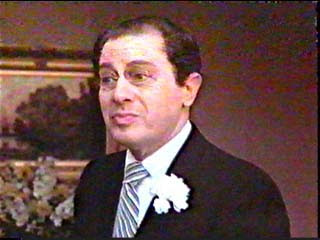
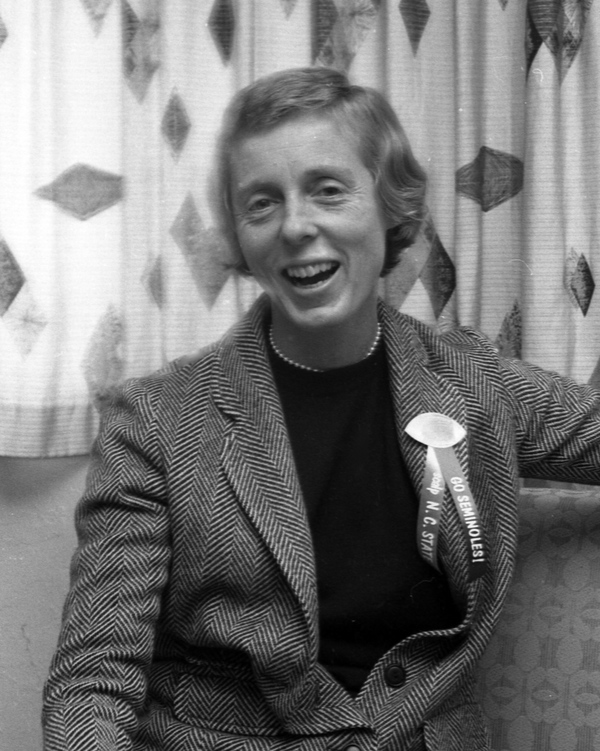
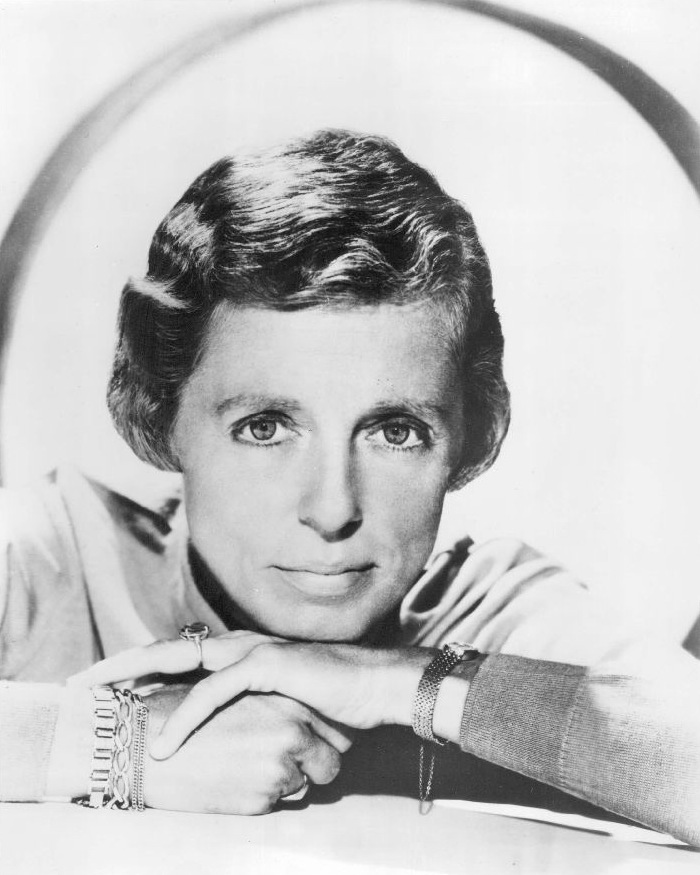
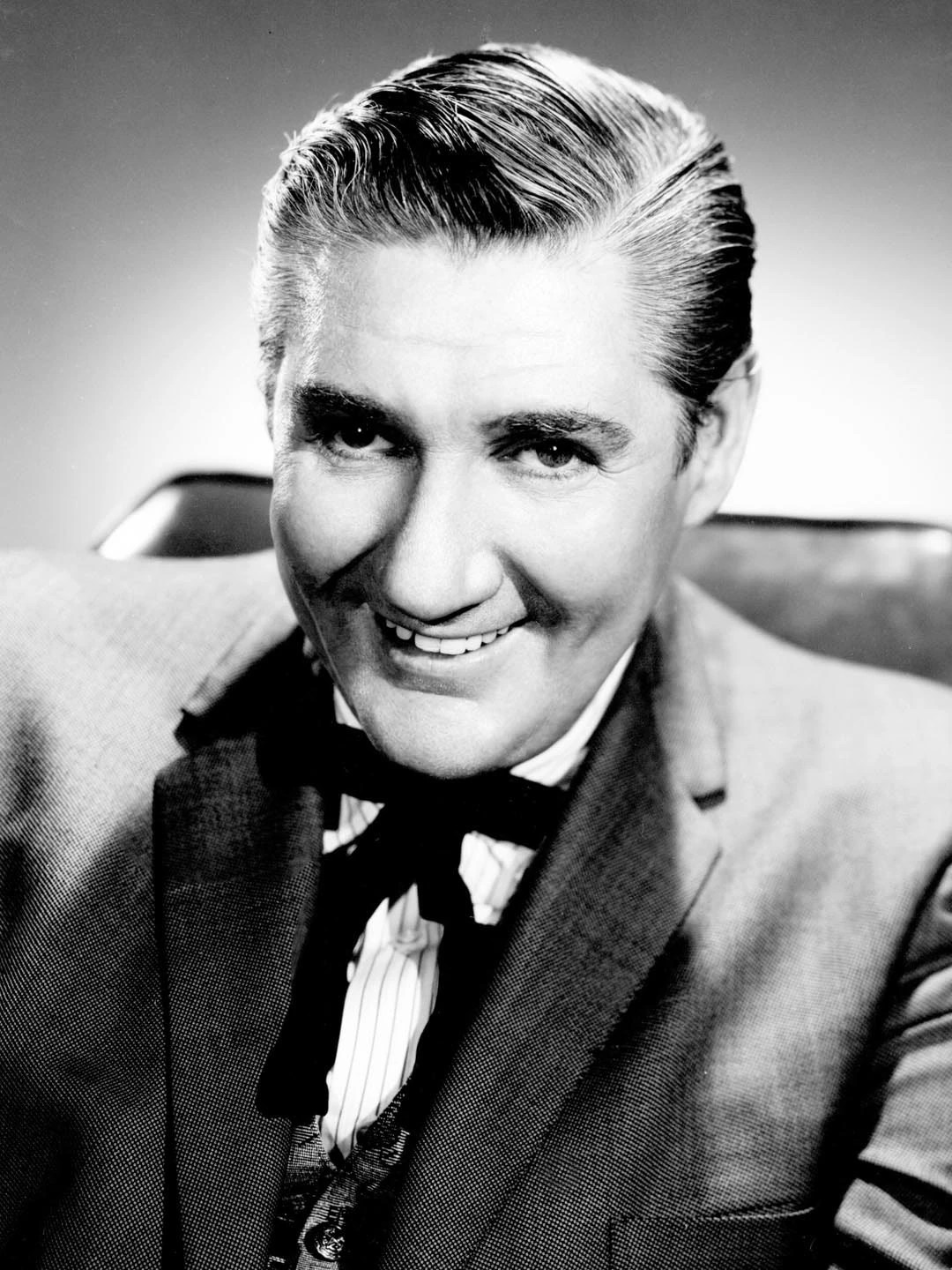
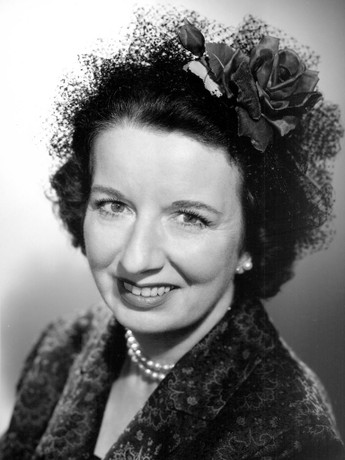
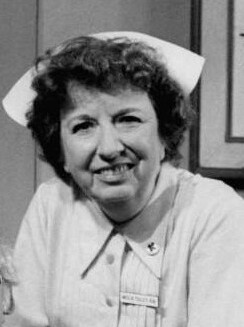
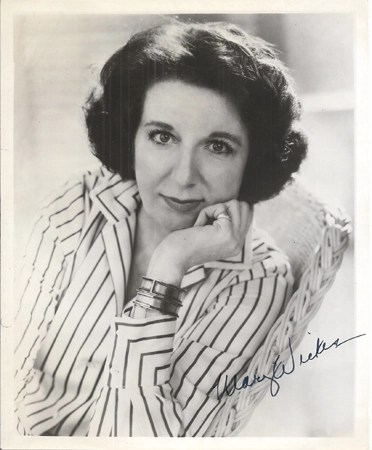
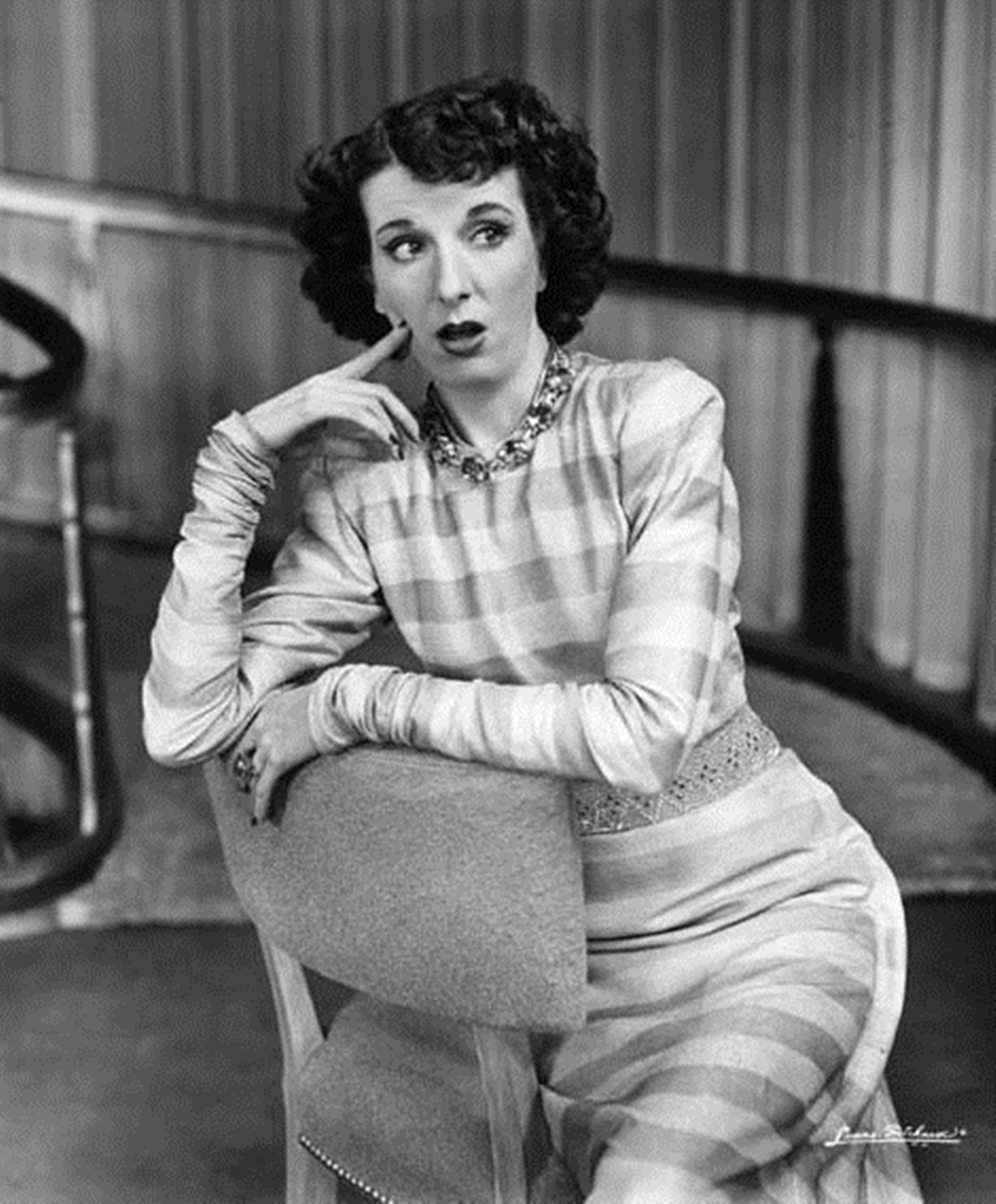
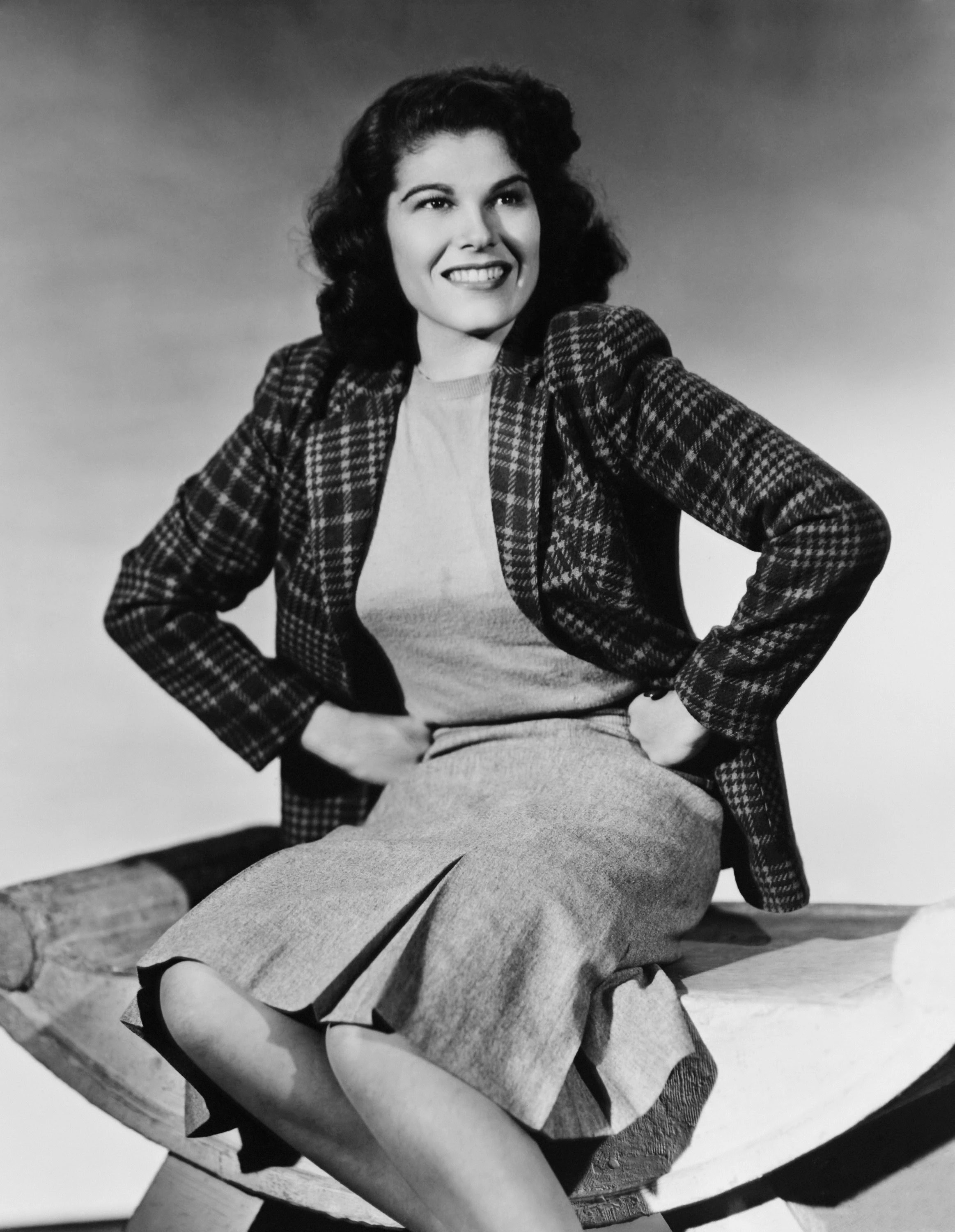
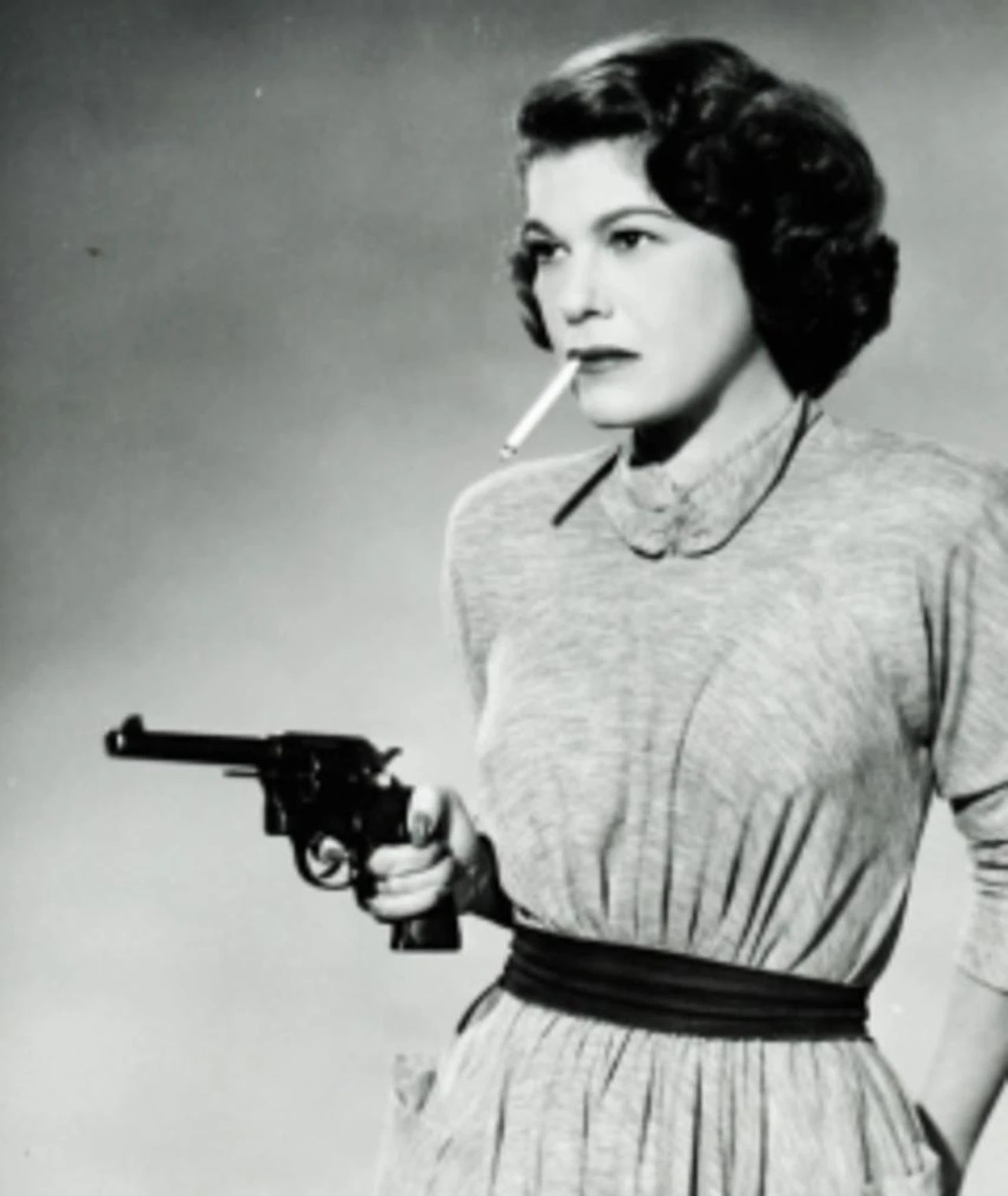
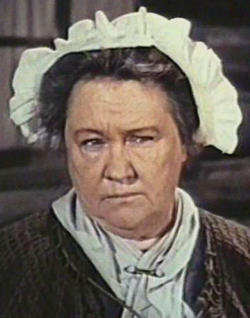
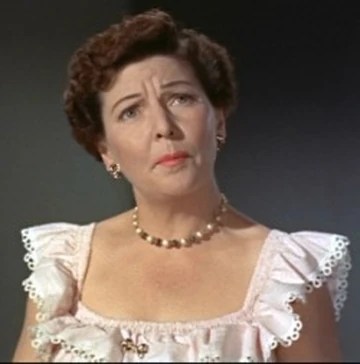
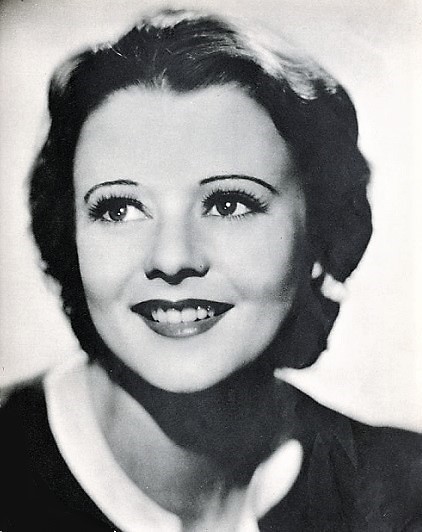
          95. Nancy Kulp

            Dates: 1921-1991
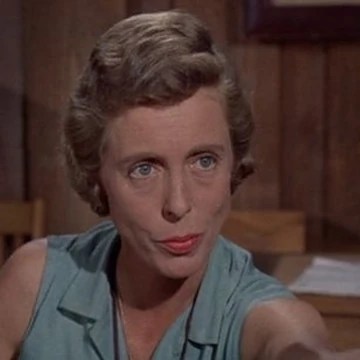
            Early Life and Career: Born in Harrisburg, Pennsylvania. Father was a traveling salesman. Mother was a school teacher and later principal. Family later moved from Mifflintown to Miami, Florida sometime before 1935. Graduated with a journalism degree from what is now Florida Sate University in 1943. Continued her studies for a master’s degree in English and French at the University of Miami where she was a member of the sorority Pi Beta Phi. Also worked as a feature writer for the Miami Beach Tropics, writing profiles of celebrities such as Clark Gable as well as the Duke and Duchess of Windsor. In 1944 during World War II, Kulp left the University of Miami to join the US Naval Reserve where she attained the rank of lieutenant, junior grade and received several decorations while in service including the American Campaign Medal. Was honorably discharge in 1946. In 1951, Kulp moved to Hollywood to work in MGM’s publicity department. But once at the studio, director George Cukor convinced her that she should be an actress. So the same year she began her MGM publicity job, Kulp made her film debut.

            Movies and Cartoons: The Aristocats (1970)
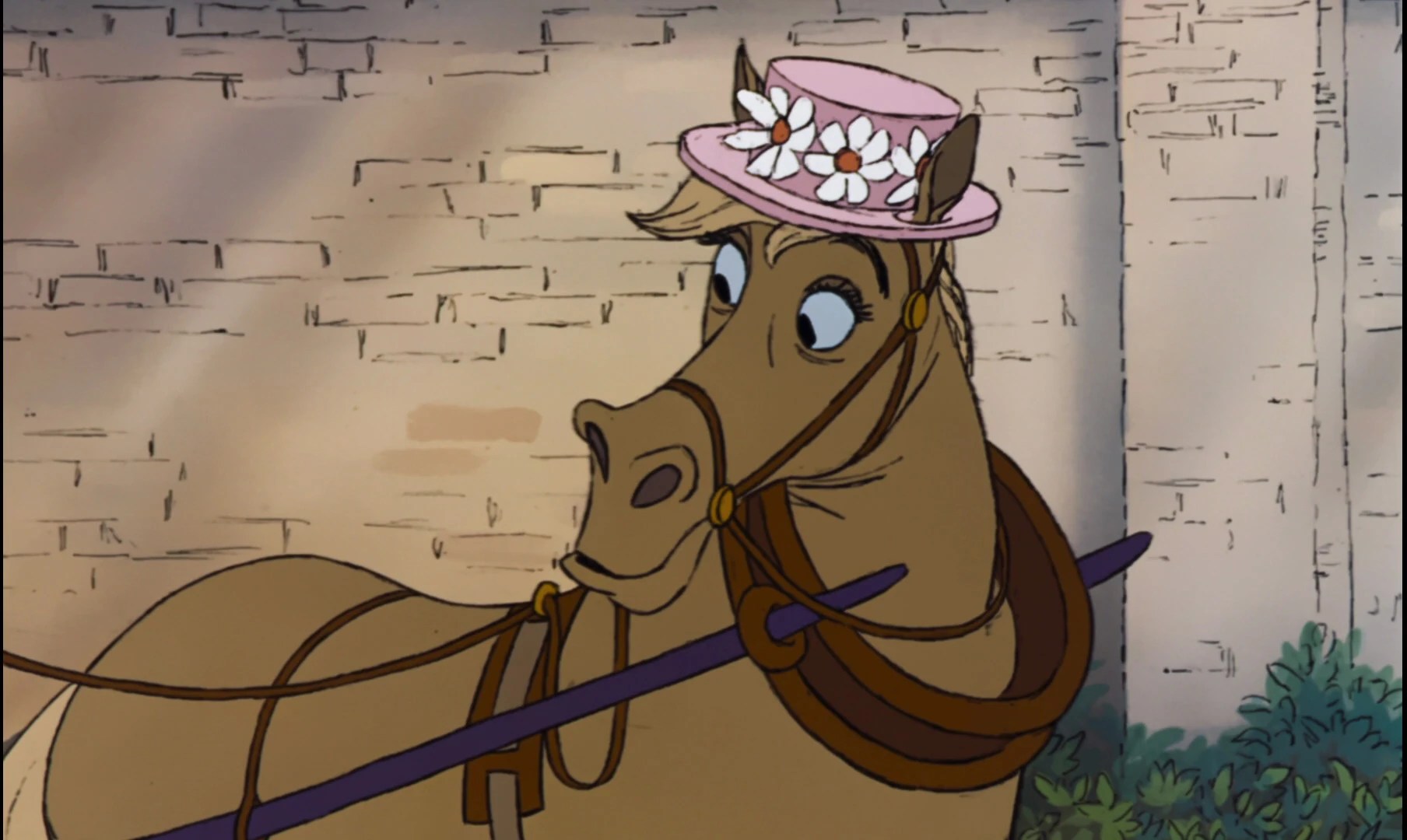
            Characters: Frou-Frou

            Also Known For: Character actor, writer, and comedian best known as Miss Jane Hathaway on The Beverly Hillbillies. Films include The Model and the Marriage Broker, Shane, Sabrina (1954), A Star Is Born (1954), Not as a Stranger, Steel Town, The Marrying Kind, The Caddy, The Strike, Anything Goes, The Three Faces of Eve, The Parent Trap (1961), The Last Time I Saw Archie, Who’s Minding the Store?, The Patsy, Strange Bedfellows, and The Night of the Grizzly. TV appearances include Lux Radio Theatre, Topper, December Bride, The Bob Cummings Show, It’s a Great Life, The Life of Riley, Schlitz Playhouse, TV Reader’s Digest, General Electric Theater, I Love Lucy, Cheyenne, Our Miss Brooks, The 20th Century Fox Hour, The Adventures of Ozzie and Harriet, Alfred Hitchcock Presents, Perry Mason, Colgate Theater, The Real McCoys, 77 Sunset Strip, Playhouse 90, Maverick, Sunday Showcase, Mister Ed, Pete and Gladys, The Jack Benny Program, Outlaws, The Twilight Zone, My Three Sons, The Lucy Show, Password, Petticoat Junction, Rowan & Martin’s Laugh-In, Stanford and Son, The Love Boat, CHiPs, Fantasy Island, Simon & Simon, Quantum Leap, and ABC Afterschool Special.

            Personal Life: Married Charles Malcom Dacus in 1951 in Dade County, Florida. They divorced in 1961. Despite being referred to as the “homeliest girl on television,” it’s said that Kulp was quite popular in the show-biz dating scene and never lacked any amorous companionship. Kulp later gave an interview to author and LGBTQ activist Boze Hadleigh for his book Hollywood Lesbians in which she said: “As long as you reproduce my reply word for word, and the question, you may use it … I’d appreciate it if you’d let me phrase the question. There is more than one way. Here’s how I would ask it: “Do you think that opposites attract?” My own reply would be that I’m the other sort—I find that birds of a feather flock together. That answers your question.” By the way, she was 67 when she admitted to being a lesbian.

            Later Life: Served on the board of the Screen Actors Guild (SAG). In 1984, after working with the Democratic State Committee in her own state of Pennsylvania “on a variety of projects” over period of years, Kulp ran as the Democratic nominee for the United States House of Representatives from Pennsylvania’s 9th congressional district. To her dismay, her Beverly Hillbillies co-star and staunch Republican Buddy Ebsen contacted her Republican opponent Bud Schuster’s campaign and volunteered to make a radio campaign ad in which he called Kulp “too liberal.” Later, Kulp said of Ebsen, “He’s not the kindly old Jed Clampett that you saw on the show … It’s none of his business and he should have stayed out of it.” She said Ebsen and she “didn’t get along because I found him difficult to work with. But I never would have done something like this to him.” In the end, she lost by a landslide, garnering only 33.6% of the vote. After this, according to close friends and family, Kulp regarded Ebsen as a persona non grata and she made clear to people not to bring him up in conversation around her except in interviews related to her time in The Beverly Hillbillies. In later years, Ebsen privately expressed remorse for doing the ad and they only reconciled shortly before Kulp’s death. After her defeat, Kulp worked at Juniata College, first as an artist in residence. Later as an acting teacher. Retired from acting and teaching in 1989. After briefly living at a Connecticut farm, she moved to Palm Springs, California, where she became involved in several charity organizations including the Humane Society of the Desert, the Desert Theatre League, and United Cerebral Palsy. A lifelong smoker, Kulp was diagnosed with cancer in 1990 and received chemotherapy. By 1991, the cancer had spread and she died in Palm Desert, California at 69. Her remains were interred at Westminster Presbyterian Cemetery in Mifflintown, Pennsyvania.

            Trivia: Received an Emmy Award for her role as Miss Jane Hathaway from The Beverly Hillbillies. Was Arsenio Hall’s first guest on his talk show. She sat in with the house band.

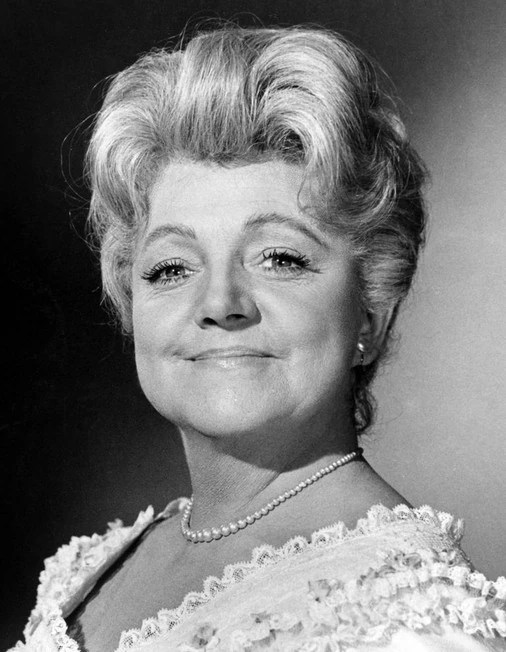
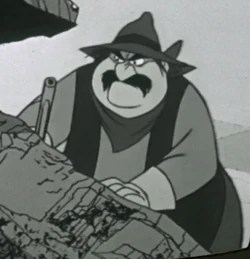
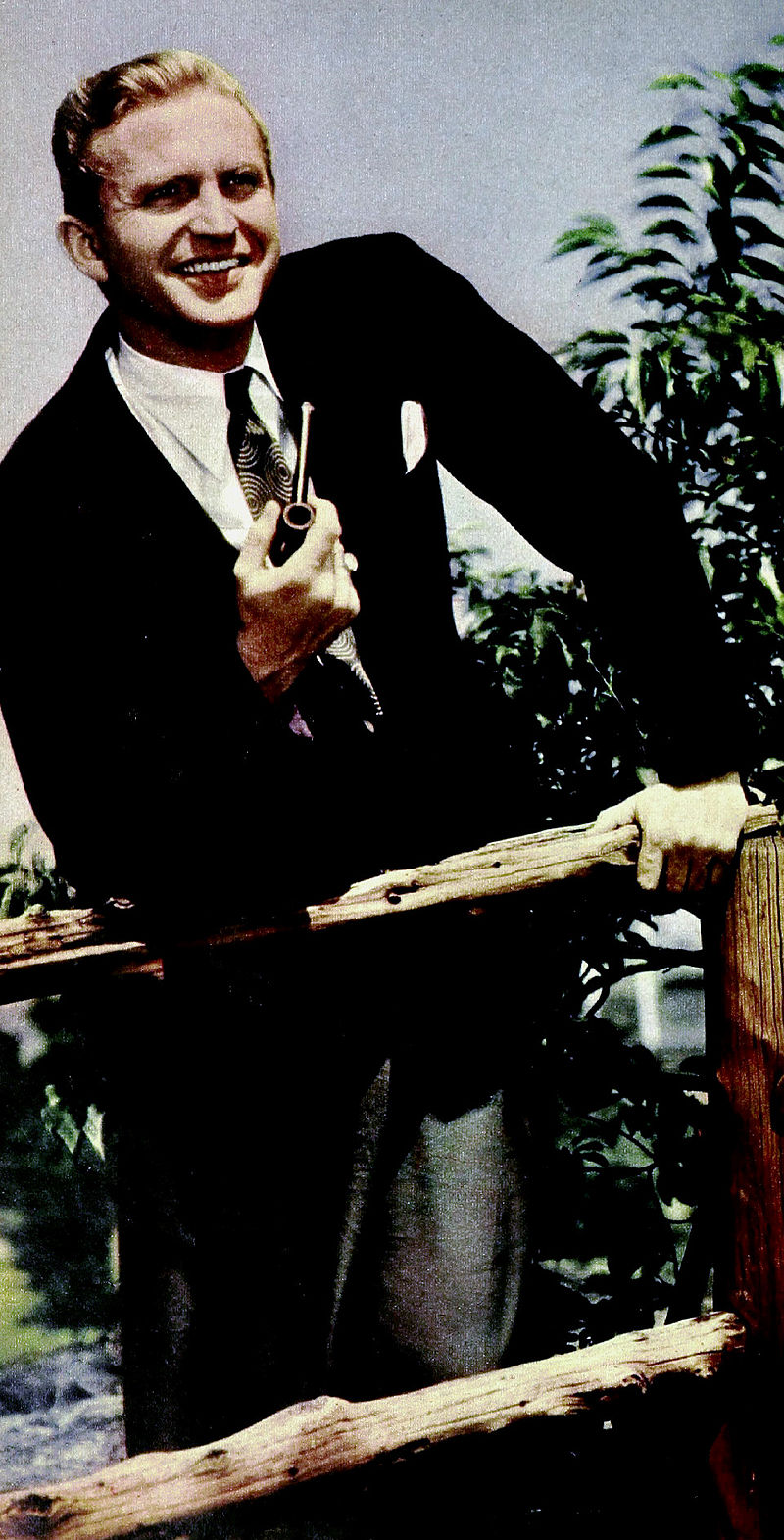
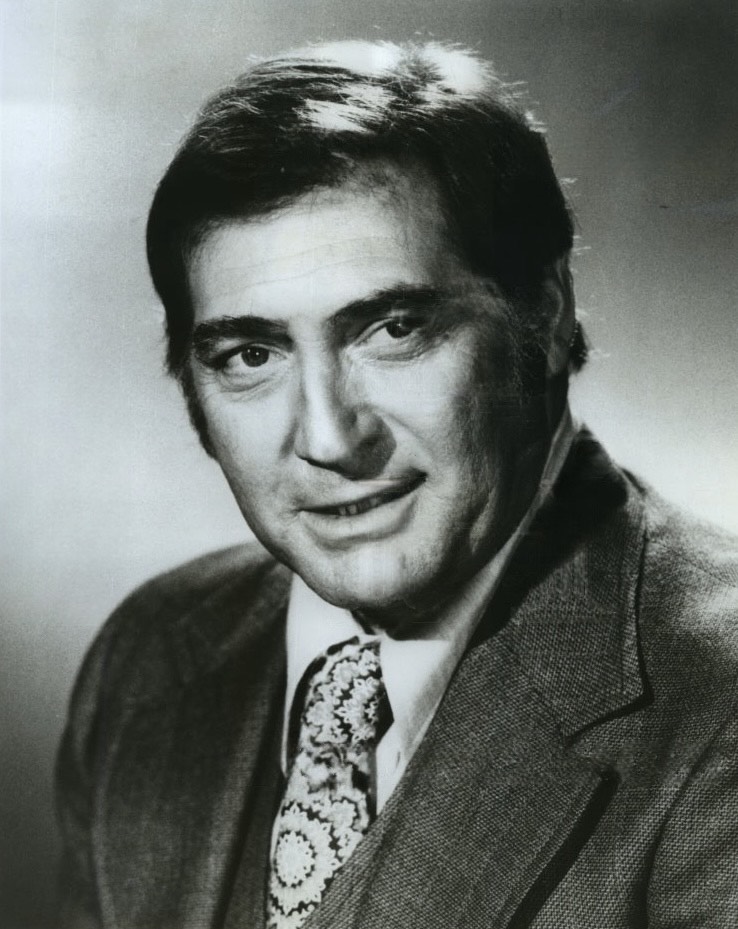
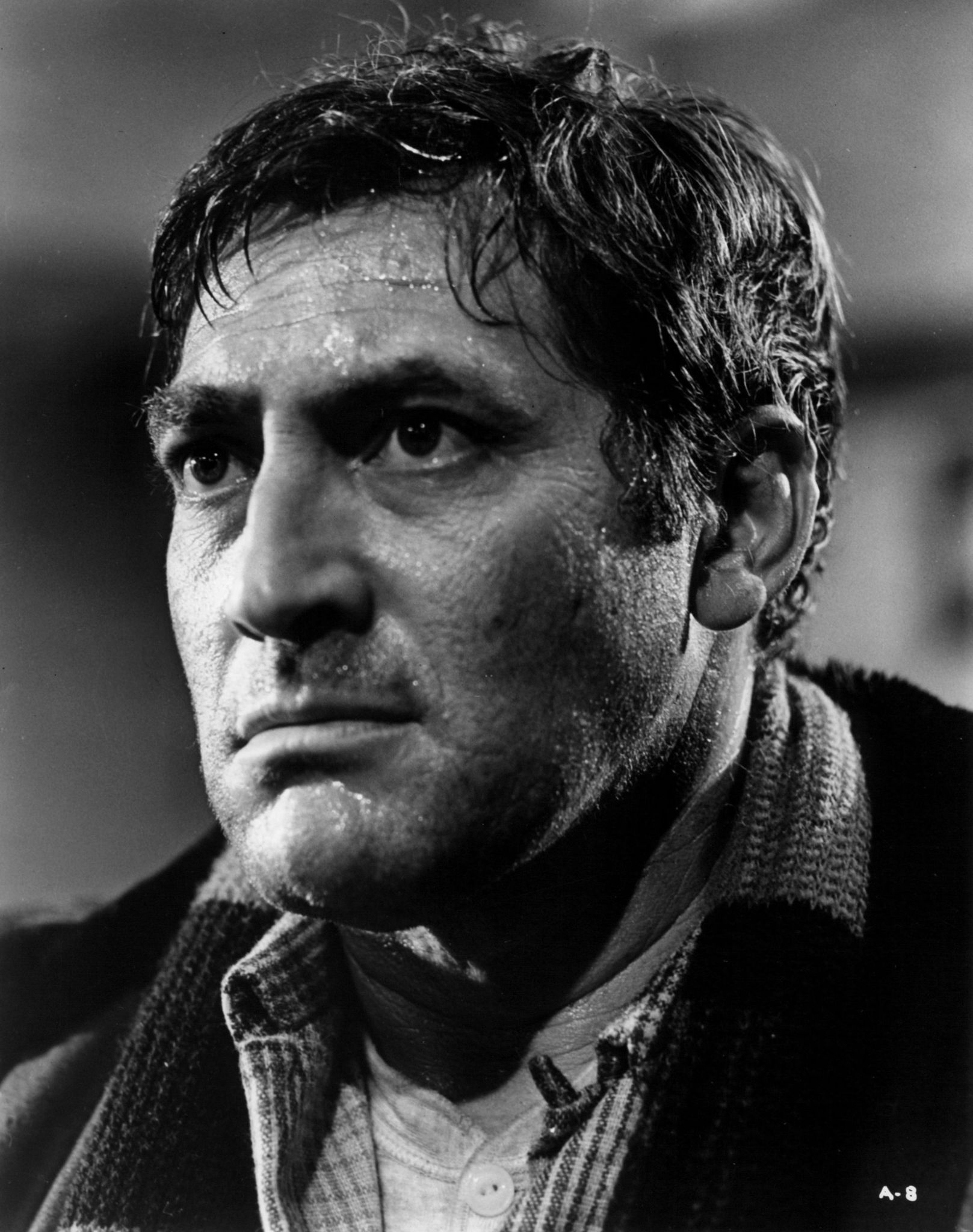
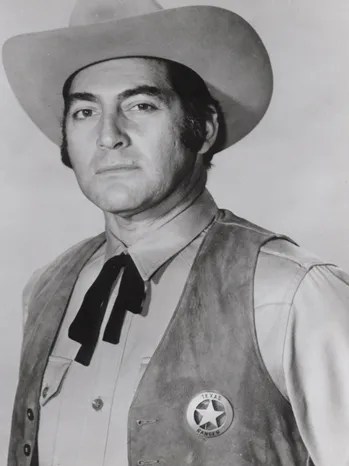
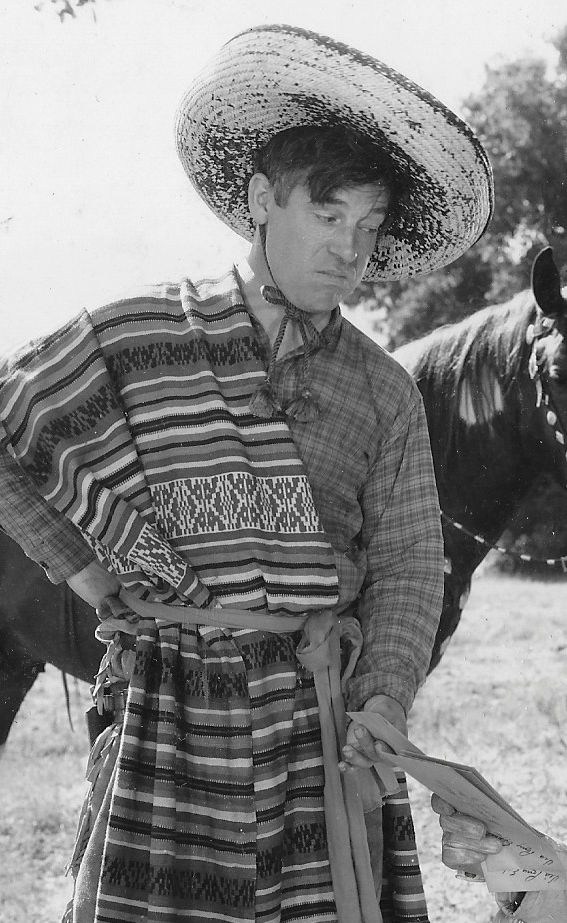
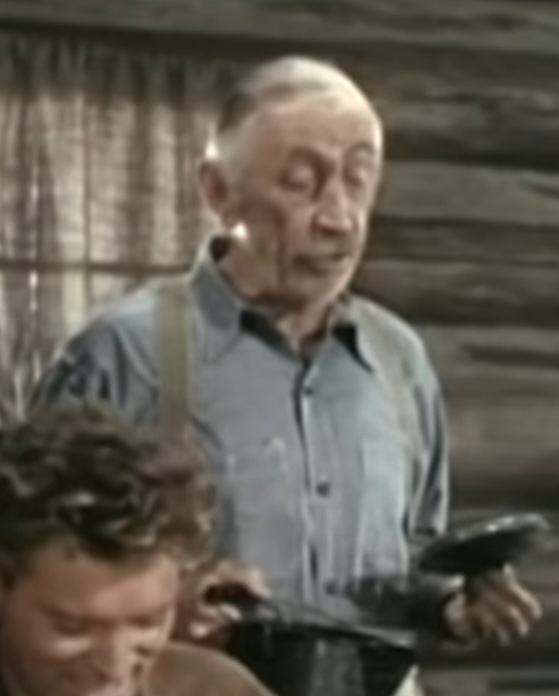
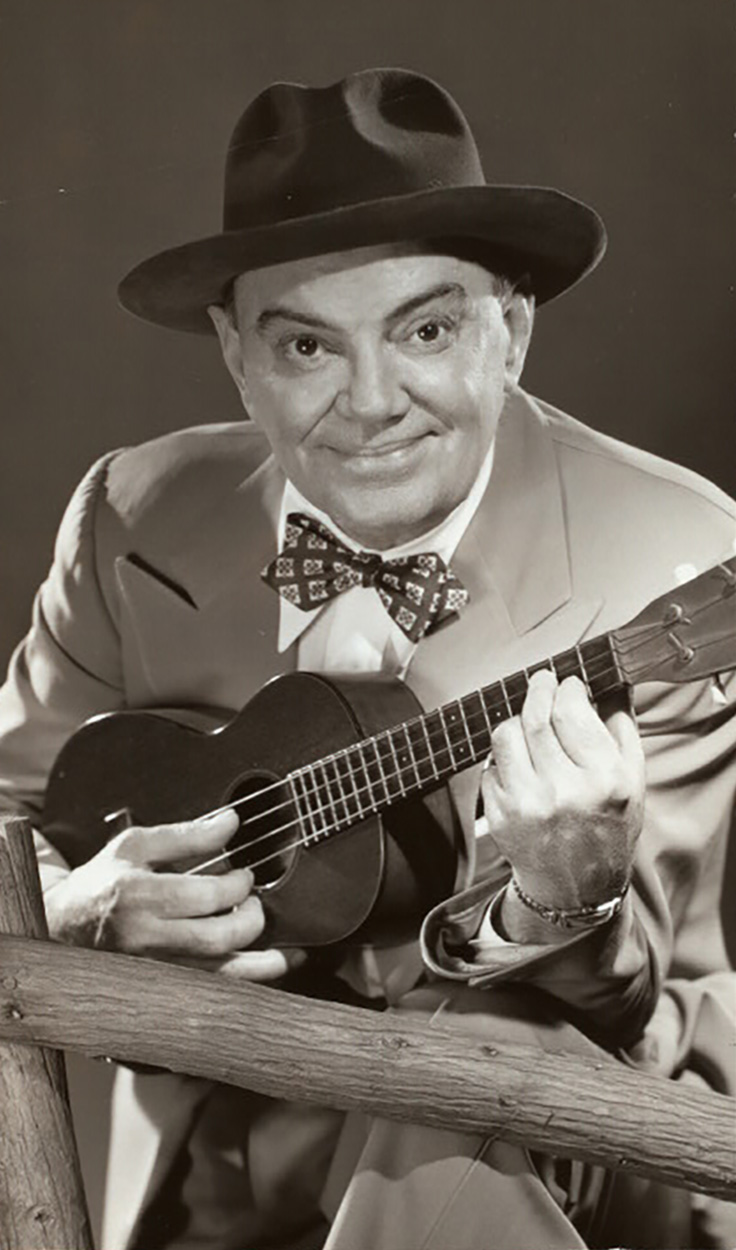
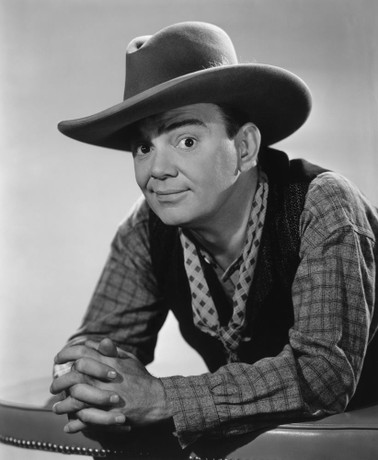
            96. Pat Buttram

              Dates: 1915-1994

              Early Life and Career: Born Maxwell Emmett Buttram in Addison, Alabama. Was the youngest of six children to a Methodist minister father. Had been called “Pat” since infancy. When Buttram was a year old, his father was transferred to Nauvoo Alabama where Buttram graduated from Mortimer Jordan High School before entering Birmingham – Southern College to study for the Methodist ministry. While there, Buttram performed in college plays and on a local radio station. He then became a regular on the National Barn Dance broadcast on WLS in Chicago. Also had his own program on CBS. Went to Hollywood during the 1940s and became sidekick to Roy Rogers. But since Rogers already had 2 regulars, Buttram was dropped. He was then picked up by Gene Autry, recently returned from his service in the US Army Air Corps. Made their first film The Strawberry Roan in 1948. Also joined Autry on his Melody Ranch radio show and later on television with The Gene Autry Show.

              Movies and Cartoons: The Aristocats (1970), Robin Hood (1973), The Rescuers (1977), The Fox and the Hound (1981), and A Goofy Movie (1995) as well as the Susie and the Little Blue Coupe (1951) short
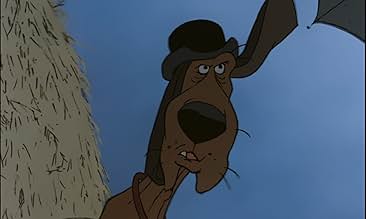
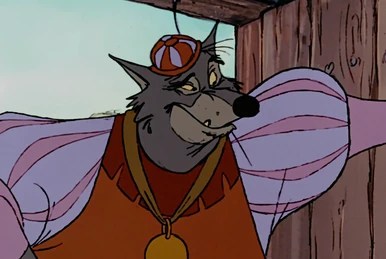
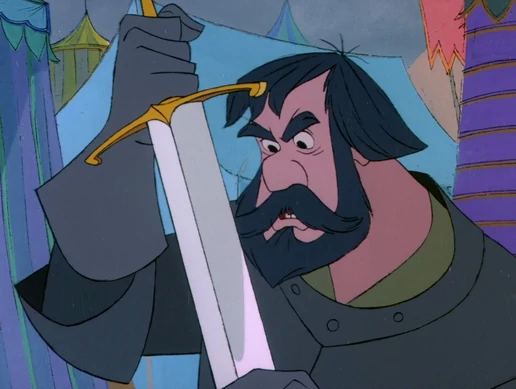
              Characters: Napoleon, Sheriff of Nottingham, Luke the Muskrat, Chief, and Possum Park Emcee

              Also Known For: Character actor best known for playing Gene Autry’s sidekick and as Mr. Haney in Green Acres. Also had a distinctive voice that, in his own words, “never quite made it through puberty.” Co-starred with Autry in more than 40 films and over 100 episodes of television. Aside from Disney cartoons, he was a toon bullet in Who Framed Roger Rabbit and Cactus Jake in Garfield and Friends. Film appearances include Riders in the Sky, Mule Train, Beyond the Purple Hills, The Blazing Sun, Valley of Fire, The Old West, Night Stage in Galveston, Barbed Wire, Wagon Team, Wild in the Country, Twilight of Honor, Roustabout, Sergeant Deadhead, The Gatling Gun, Angels Brigade, and Back to the Future: Part III. TV appearances include The Real McCoys, The Ed Sullivan Show, The Tycoon, The Alfred Hitchcock Hour, The Munsters, Petticoats ‘n’ Pistols, Petticoat Junction, The Hollywood Squares, The Merv Griffin Show, Alias Smith and Jones, Adam-12, Emergency!, Chico and the Man, The Dukes of Hazzard, Simon and Simon, The Love Boat, Family Feud, Knight Rider, Gravedale High, Who’s the Boss, Tiny Toon Adventures, and Rugrats.

              Personal Life: Married twice. First wife was Dorothy McFadden whom he married in 1936 and with whom he’d adopt a daughter named Gayle. They divorced in 1946. Second wife was actress Shelia Ryan whom he married in 1952. They had a daughter named Kathrine (nicknamed “Kerry”) who was born in 1954. The couple would remain together until Ryan’s death in 1975.

              Later Life: Semi-retired from acting in 1980. In 1987, Buttram returned to television with Gene Autry on Melody Ranch Theater on The Nashville Network. It featured Gene Autry’s classic western movies, cut down for television, with original opening and closing segments of America’s first singing cowboy and his comedic sidekick, reminiscing about the making of the movies and the events in the industry at the time. Died of kidney failure in 1994 at 78 at the UCLA Medical Center in Los Angeles. Was interred at the Maxwell Chapel United Methodist Church in the Pebble Community near Haleyville, Alabama.

              Trivia: Was a writer on Hee Haw. Was a staunch Republican who helped Ronald Reagan spice up his speeches. Has a star on the Hollywood Walk of Fame and one on the “Alabama Stars Hall of Fame” in Birmingham, Alabama. In 1982, he founded the Golden Boot Awards to honor actors, directors, stunt people and other industry professionals who’ve made significant contributions to the western film genre. Proceeds from the annual event are donated to the Motion Picture Health and Welfare Fund.

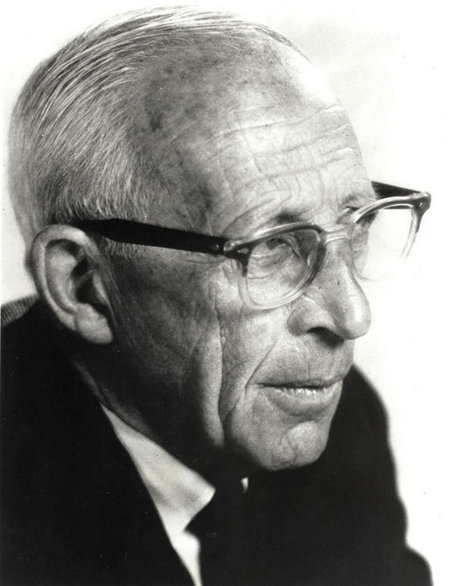
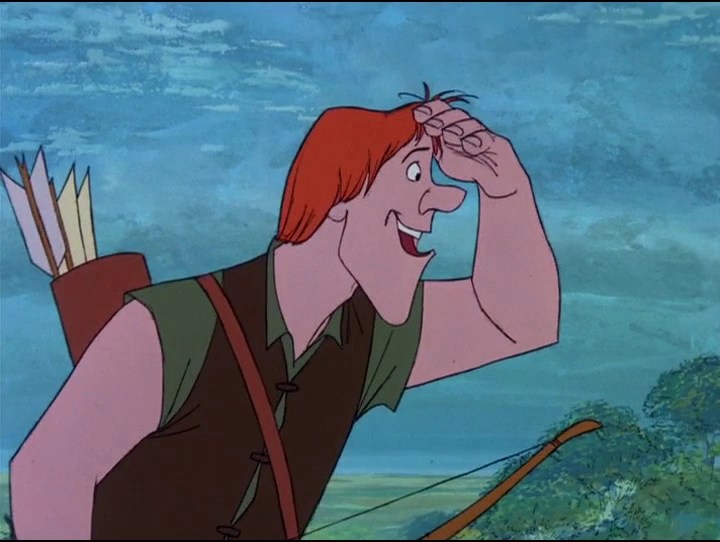
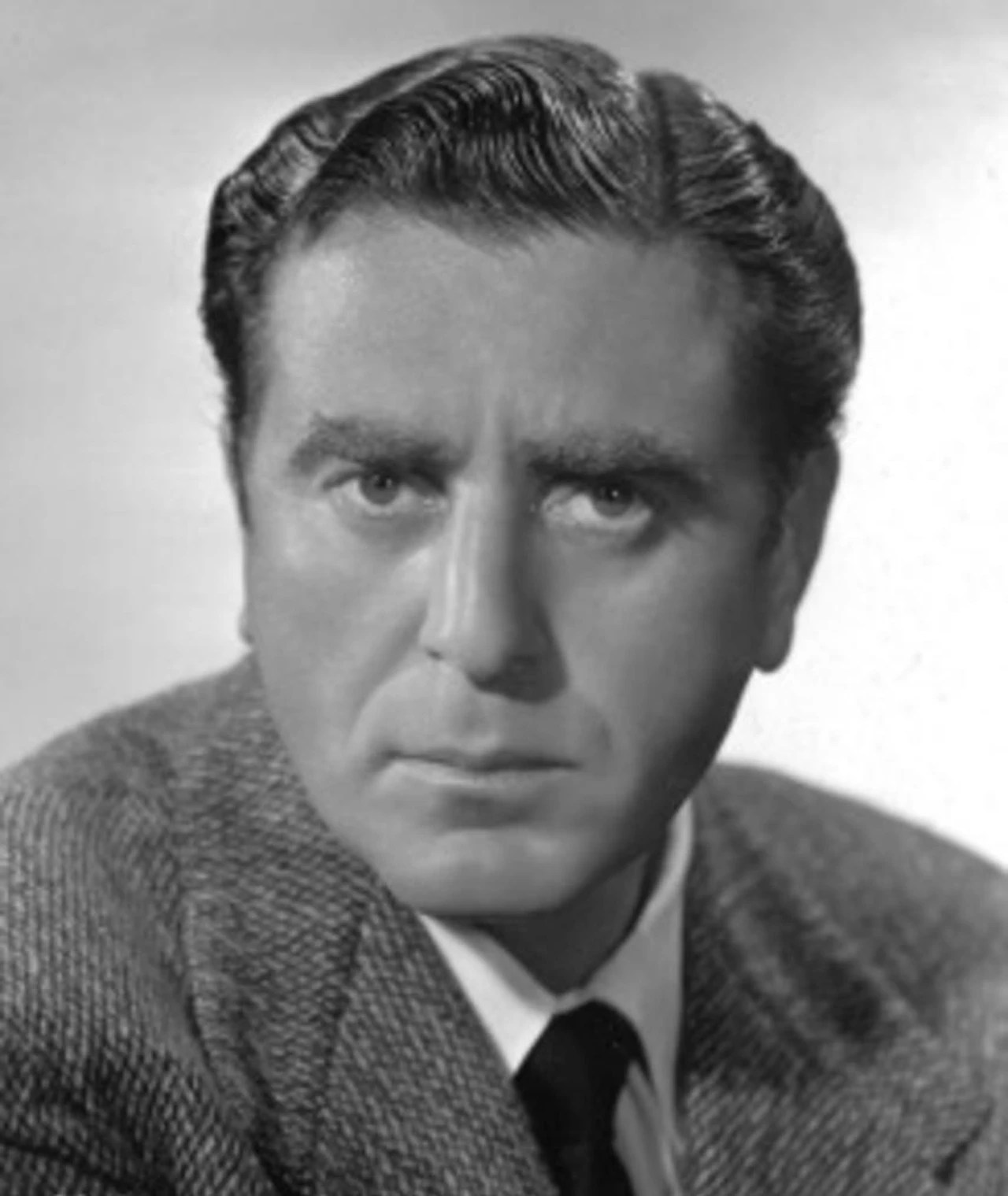
              97. George Lindsey

                Dates: 1928-2012

                Early Life and Career: Born in Fairfield, Alabama. Father was a butcher. Raised by his grandparents in the small town of Jasper, where he graduated from Walker County High School in 1946. Attended Kemper Military School in Boonville, Missouri and what is now the University of North Alabama where he majored in physical education and biology. Was also a quarterback on the football team and acted in college plays. Received a Bachelor of Science in 1952. After graduating from college, Lindsey enlisted in the US Air Force and was stationed at Ramey Air Force Base in Puerto Rico. After his discharge, Lindsey taught for a year at Hazel Green High School in Hazel Green, Alabama while waiting to be accepted by the American Theater Wing in New York City in 1956. In 1960, Lindsey appeared in To Tell the Truth, posing as a Florida fisherman and ultimately revealing himself as a “nightclub comic.” After graduating from the Wing and performing in 2 Broadway plays, Lindsey moved to Los Angeles.

                Movies and Cartoons: The Aristocats (1970), Robin Hood (1973), and The Rescuers (1977)
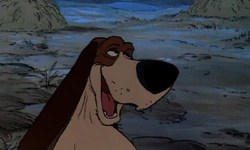
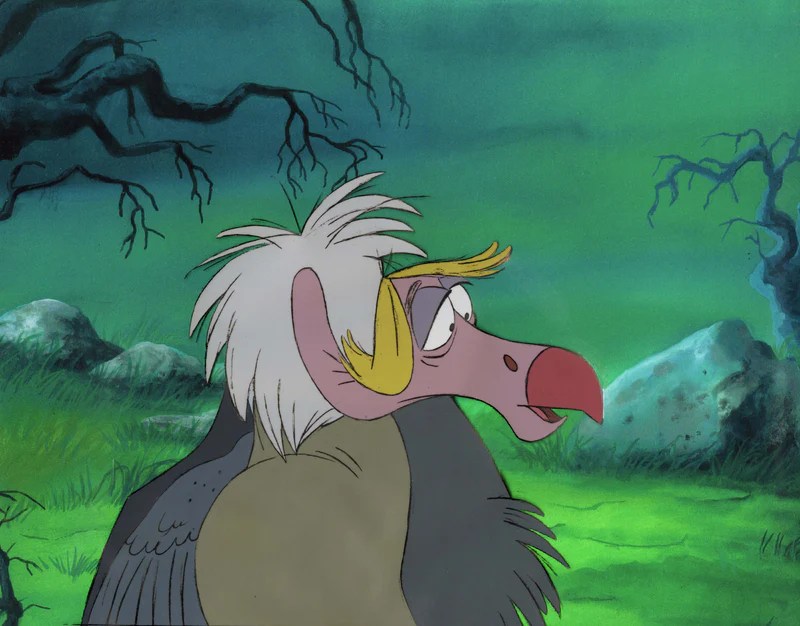
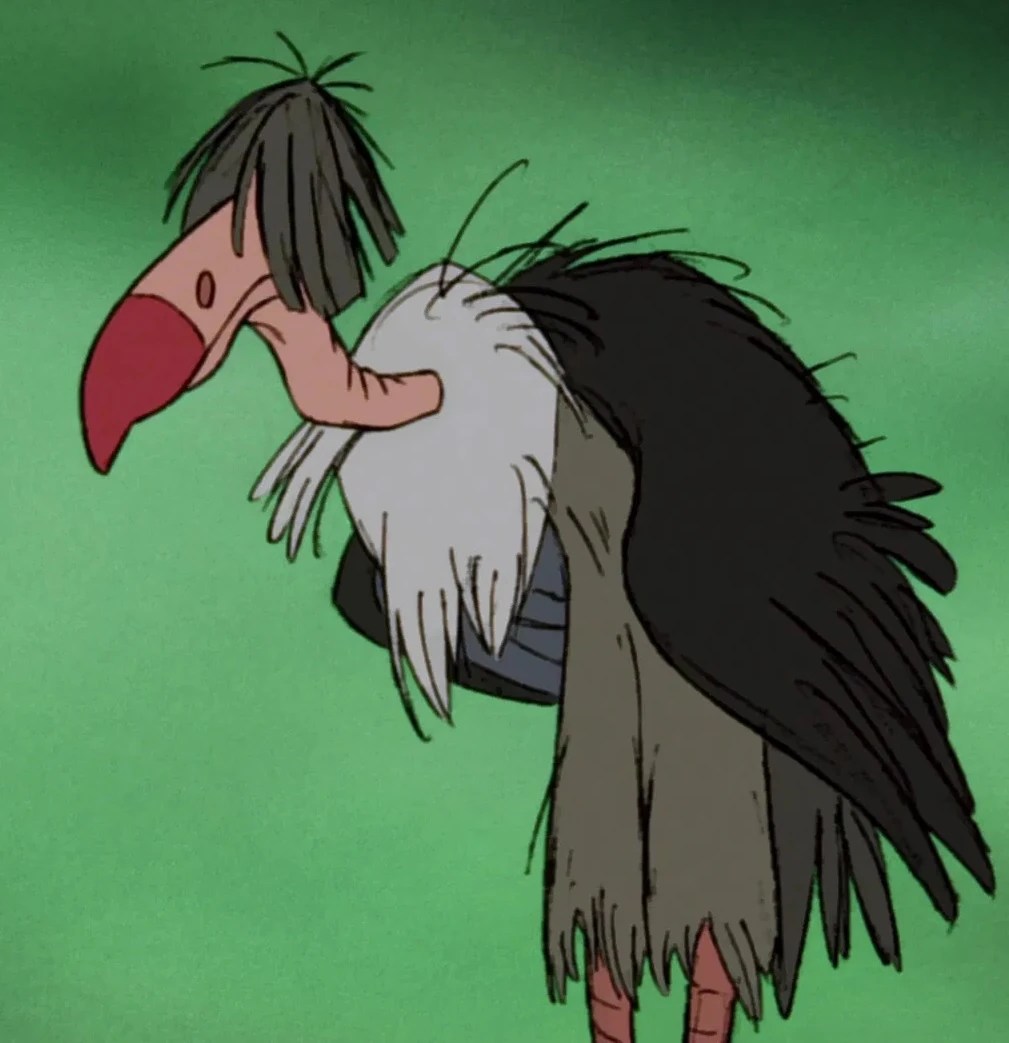
                Characters: Lafayette, Trigger the Vulture, and Deadeye the Rabbit

                Also Known For: Actor and stand-up comedian best known for his role as Goober Pyle in The Andy Griffith Show, Mayberry R.F.D., Gomer Pyle U.S.M.C., Hee Haw, and Return to Mayberry. Film appearances include Ensign Pulver, Snowball Express, Charley and the Angel, Treasure of Metecumbe, and Take This Job and Shove It. TV appearances include The Rifleman, Gunsmoke, The Alfred Hitchcock Hour, Death Valley Days, M*A*S*H, Daniel Boone, The Twilight Zone, CHiPs, and NewsRadio.

                Personal Life: Married to Joyanne Herbert from 1955 to their divorce in 1991. Had 2 children together include a son named George Jr. and a daughter named Camden Jo. Had 2 grandsons at the time of his death. Had a long-term relationship with Nashville businesswoman Anne Wilson that lasted from the late 1990s until his death.

                Later Life: Retired in 2006. Died in 2012 of heart failure at 83. Buried in Oak Hill Cemetery in his hometown of Jasper, Alabama.

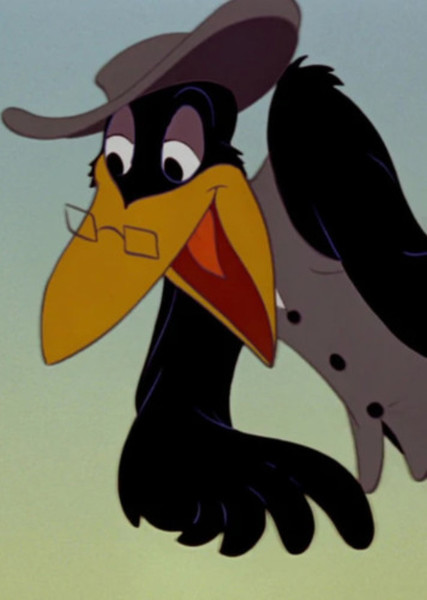
                Trivia: Was said to be Gene Roddenberry’s first choice to play Spock in the original Star Trek. But based on how Leonard Nimoy commented about it during a TV Land interview for the show’s 40th Anniversary Marathon in 2006, it’s been suggested that he was joking. Raised over $1 million for the Alabama Special Olympics through 17 years of the George Lindsey Celebrity Weekend and Golf Tournament and another $50,000 for the Alabama Associated of Retarded Citizens (it was a different time), and participated as a Head Coach-Winter Games in the Minneapolis Special Olympics National Competition. Inducted into the Alabama Sports Hall of Fame in 1983 for Youth Benefactor. Established and perpetuated the George Lindsey Academic Scholarships at University of North Alabama. Also established the George Lindsey/UNA Film Festival that takes place at the University of North Alabama, usually in the spring. Received an honorary doctorate from the university in 1992. Was a 1995 recipient of the Governor’s Achievement Award – Alabama Music Hall of Fame. The State of Alabama named “The George Lindsey Highway” in Jasper after him. Was a 1997 recipient of the Minnie Pearl Lifetime Achievement Award and the 2007 recipient of the first ICON Award by the Nashville Associations of Talent Directors. Was close friends with Ernest Borgnine and Andy Griffith.

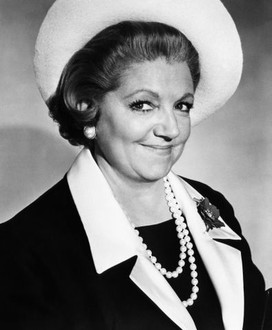
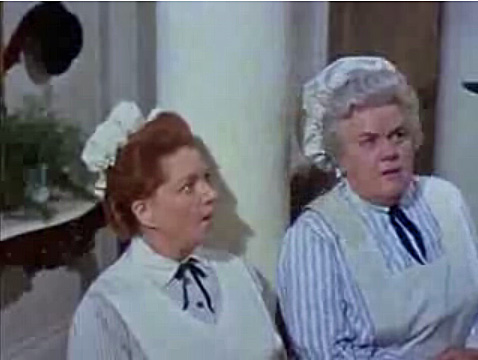
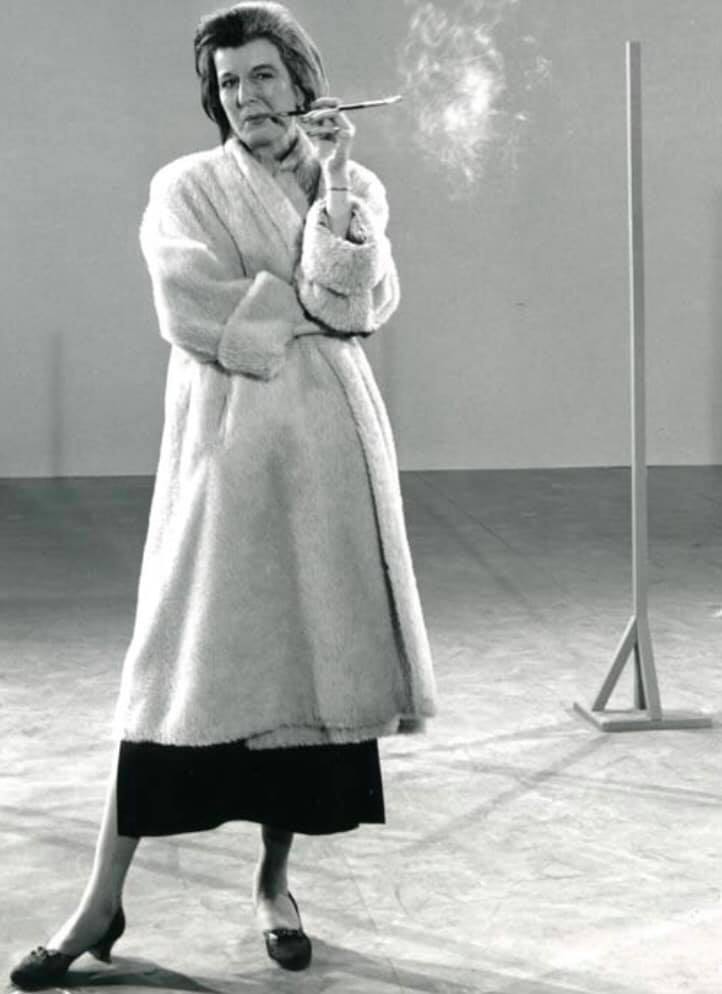
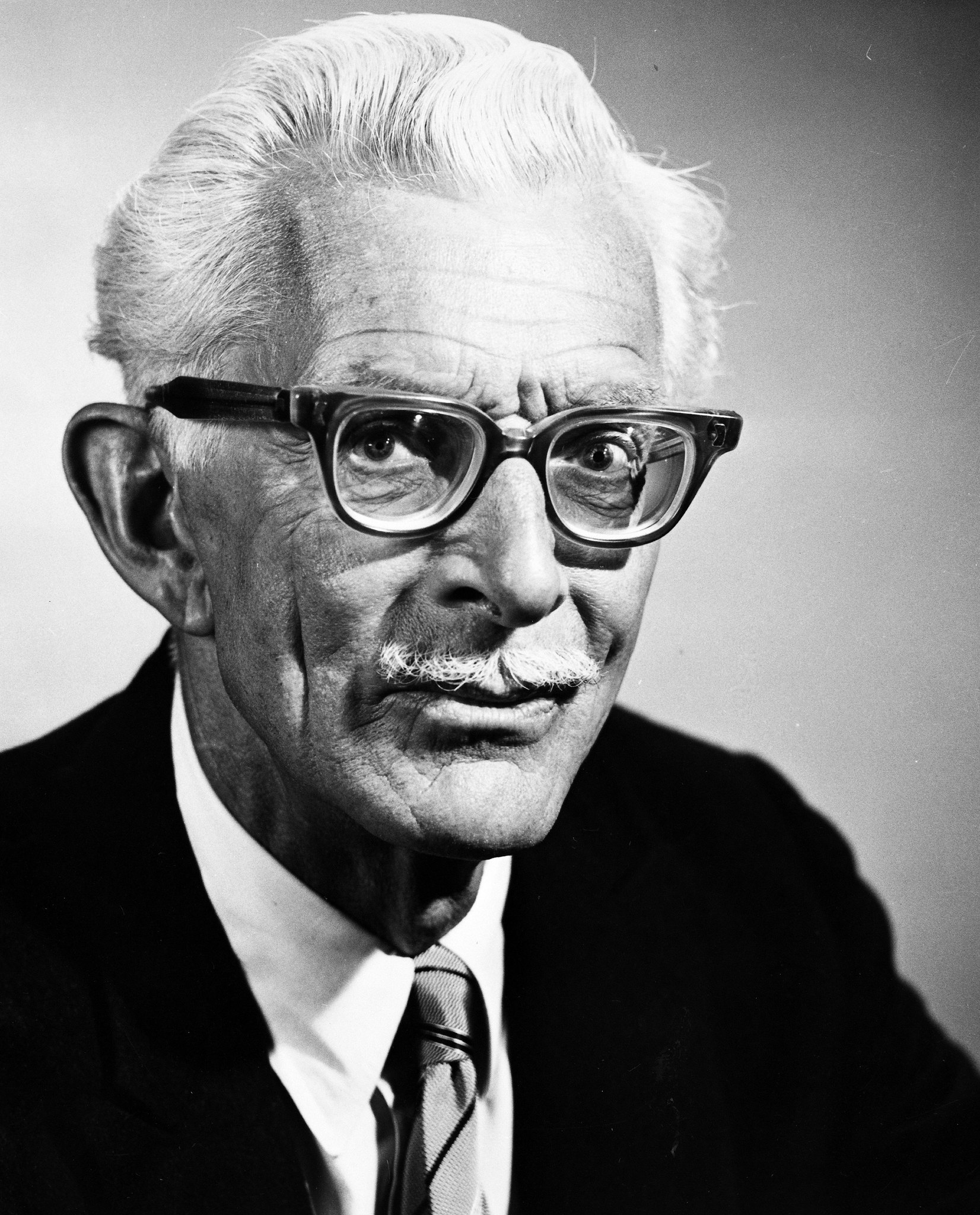
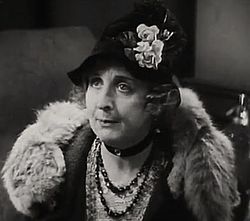
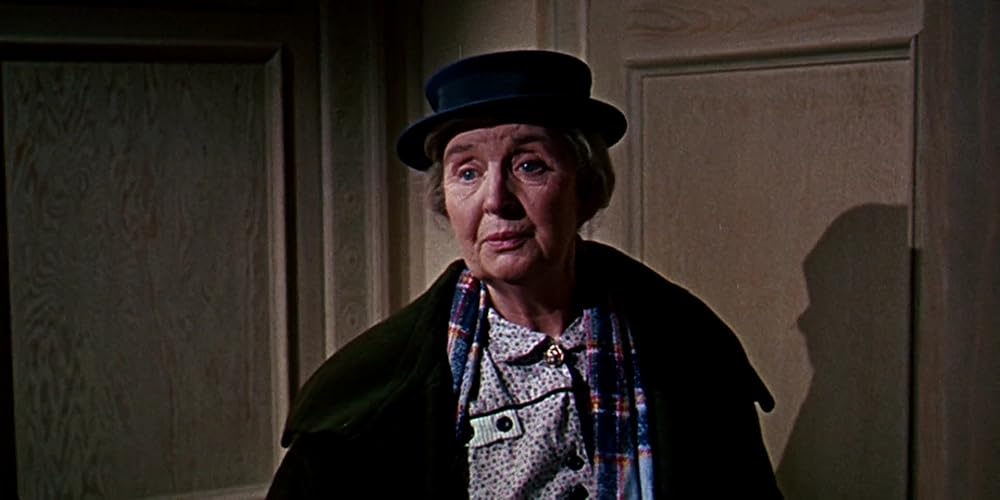
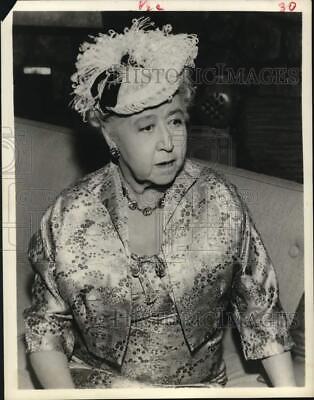
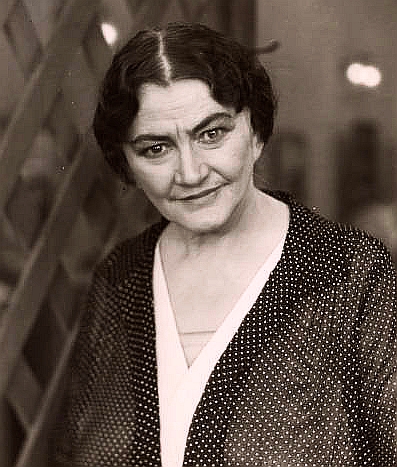
                98. Hermione Baddeley

                  Dates: 1906-1986
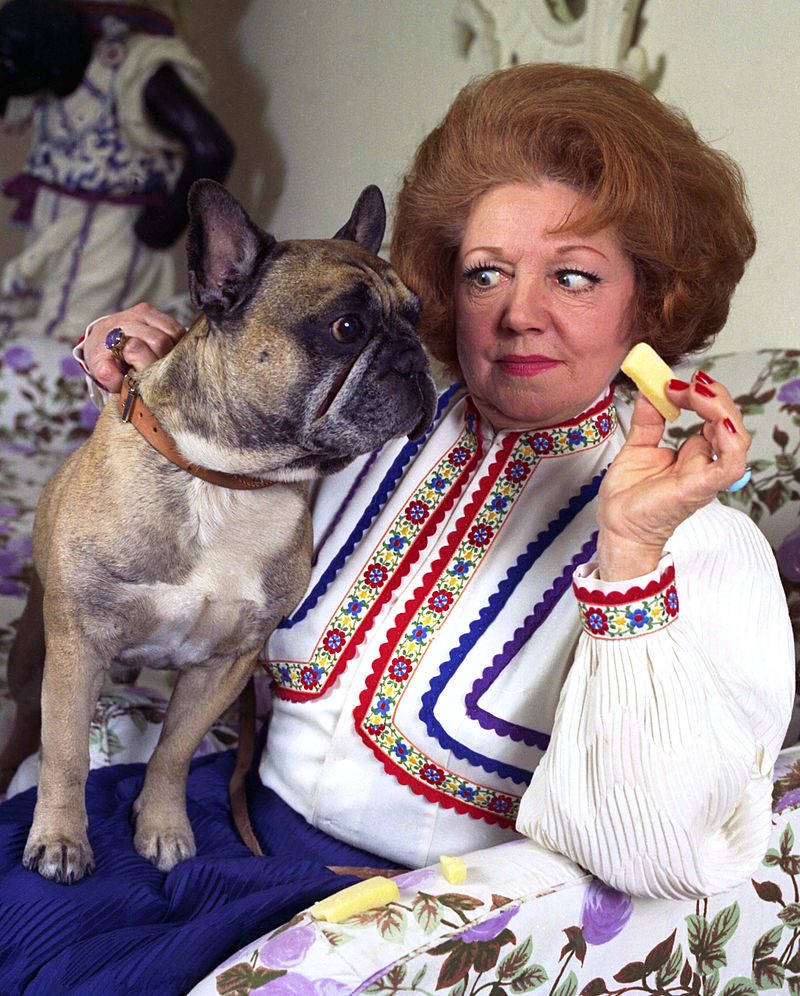
                  Early Life and Career: Born Hermione Youlanda Ruby Clinton-Baddeley in Broseley, Shropshire, England. Mother was French. Appeared on the West End as early as 1923. Made first film in 1927. Had numerous stage credits with her milleu in revue in which she played from the 1930s to the 1950s, often co-starring with Hermione Gingold. Had a long professional relationship with playwright Noel Coward and appeared in many of his plays in 1940s and 1950s.

                  Movies and Cartoons: Mary Poppins (1964) and The Aristocats (1970)
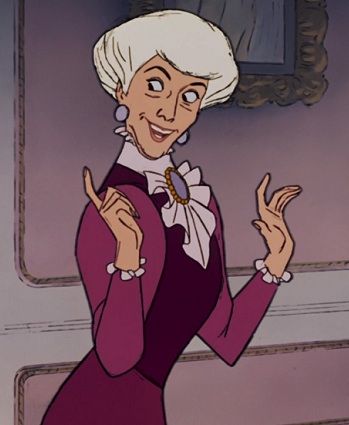
                  Characters: Ellen the Maid and Madame Adelaide Bonfamille

                  Also Known For: British actress in theatre, film, and television who typically played brash, vulgar characters, often referred to as “brassy” and “blowsy.” Film appearances include The Guns of Loos, Caste, Royal Cavalcade, It Always Rains on Sunday, Brighton Rock, No Room at the Inn, Quartet (1948), Passport to Pimlico, The Woman in Question, Scrooge, The Pickwick Papers (1952), Song of Paris, The Belles of St. Trinian’s, Room at the Top, Midnight Lace, Rag Doll, The Unsinkable Molly Brown, Harlow, The Adventures of Bullwhip Griffin, The Happiest Millionaire, The Black Windmill, South Riding, and The Secret of NIMH. TV appearances include Bewitched, Camp Runamuck, Batman, Wonder Woman, Little House on the Prairie, and Maude.

                  Personal Life: Younger sister of actress Angela Baddeley. Half-brother William was an Anglican clergyman who was Dean of Brisbane and Rural Dean of Westminster. Married twice. First husband was David Pax Tennant, third son of Edward Tennant, 1st Baron Glencomer. Arrived an hour late for their wedding in 1928, having misremembered the time they booked the ceremony. They rented Teffont Evias Manor, which became known for their boisterous parties (including mixed skinny dipping in the goldfish pond). Had a son named David Wyndam and a daughter named Pauline Laetitia who became an actress and poet. They divorced in 1937. Second husband was Major John Henry “Dozey” Willis of the 12th Lancers, son of Major General Edward Willis, Lieutenant Governor of Jersey. They wed in 1940 and divorced in 1946. Later had a relatively brief relationship with Laurence Harvey. Although he proposed marriage to her. But she declined due to him being 22 years her junior.

                  Later Life: Continued acting in both film and television until shortly before her death. Died in 1986 at Cedars-Sinai Medical Center in Los Angeles following a series of strokes at 79.

                  Trivia: Nominated for an Academy Award for Best Supporting Actress in 1959 for her role in Room at the Top and a Tony for Best Performance by a Leading Actress in a Play in 1963 for The Milk Train Doesn’t Stop Here Anymore. Won a Golden Globe for Best Supporting Actress in a Television Series in 1975 for Maude. Descendant of British General Sir Henry Clinton from the American Revolutionary War. Was devoted to animals and dedicated her autobiography The Unsinkable Hermione Baddeley to her dog. Despite her frequent collaborations with Hermione Gingold, it’s widely reported that the two actresses were clearly not friends and often delivered disparaging remarks about each other.

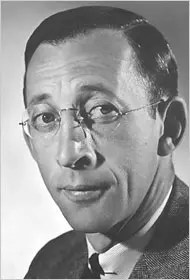
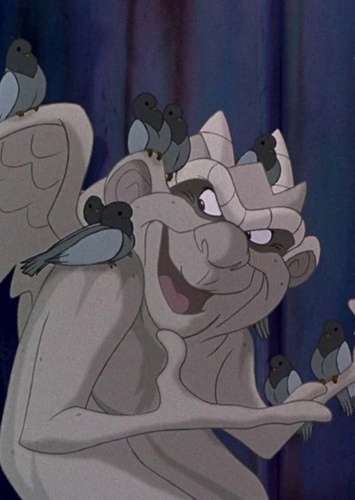
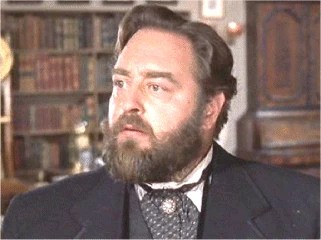
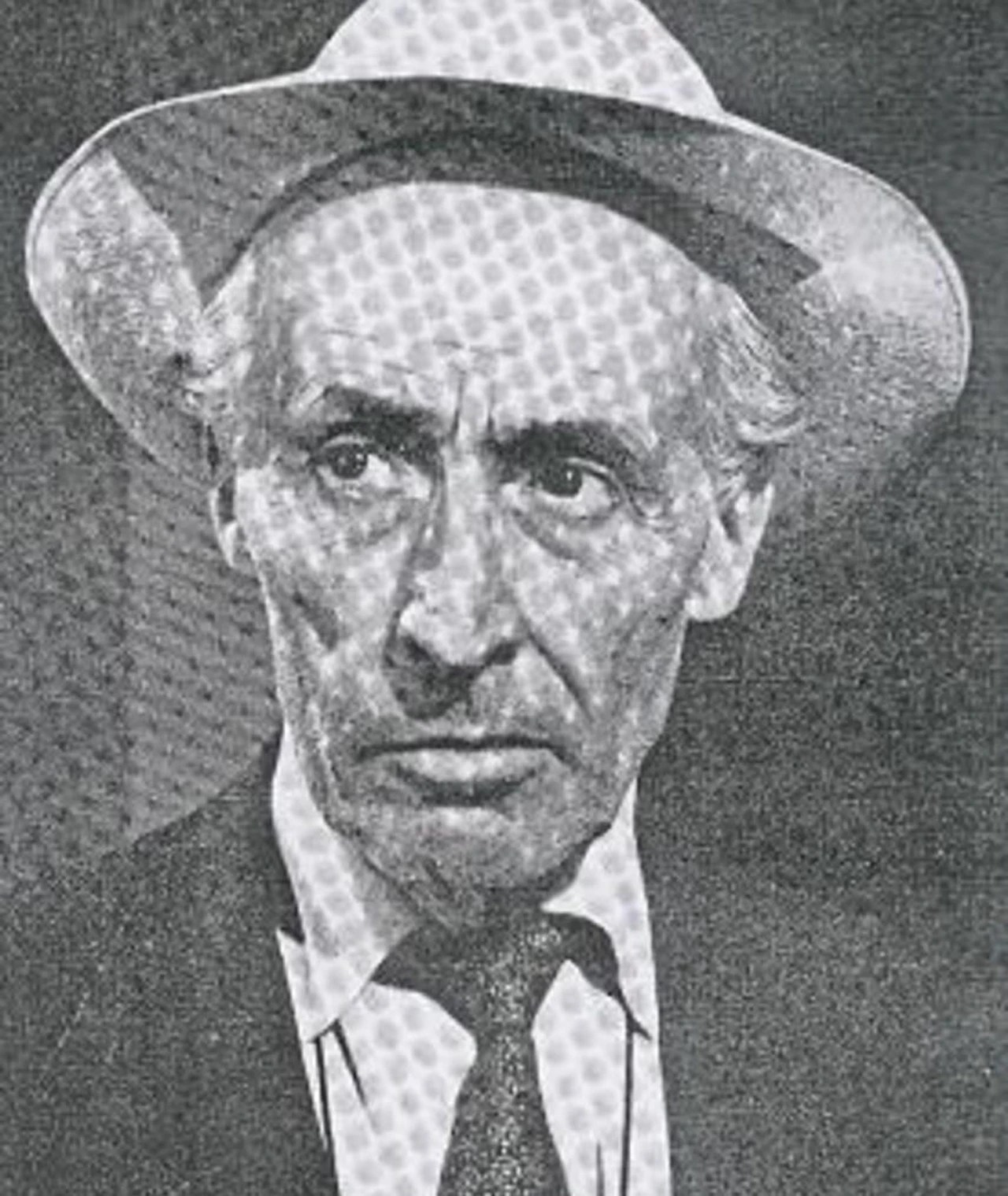
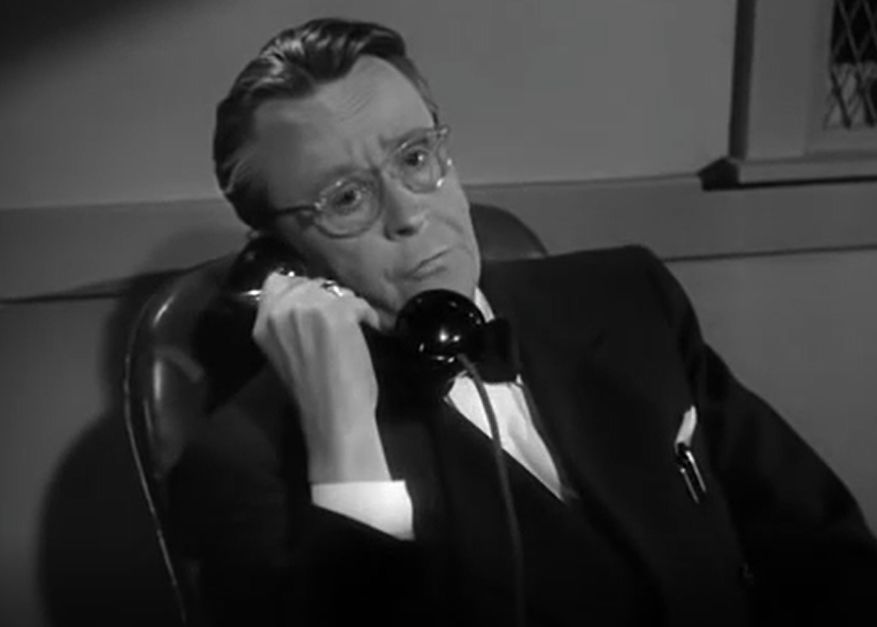
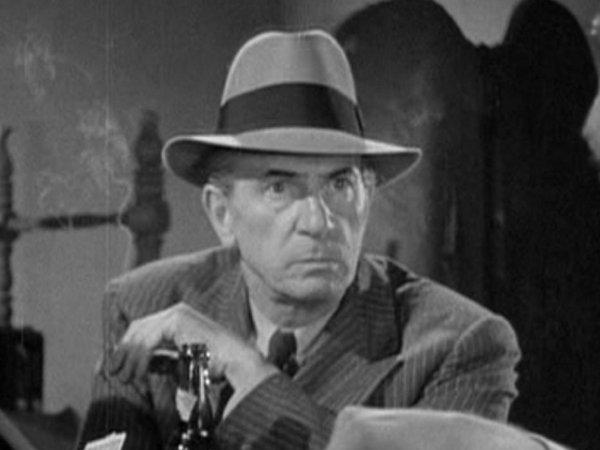
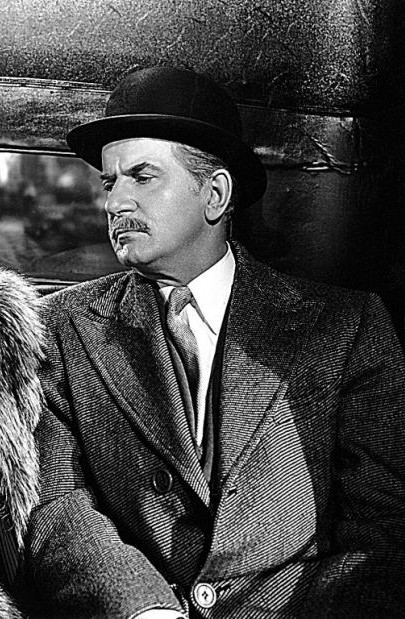
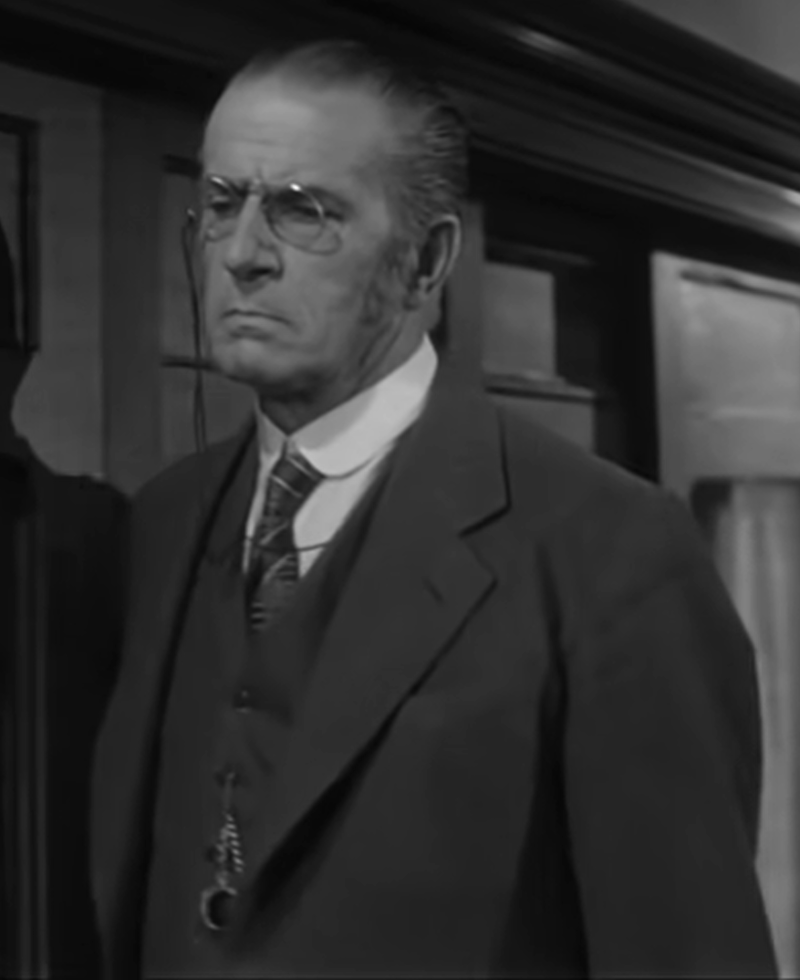
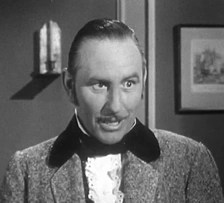
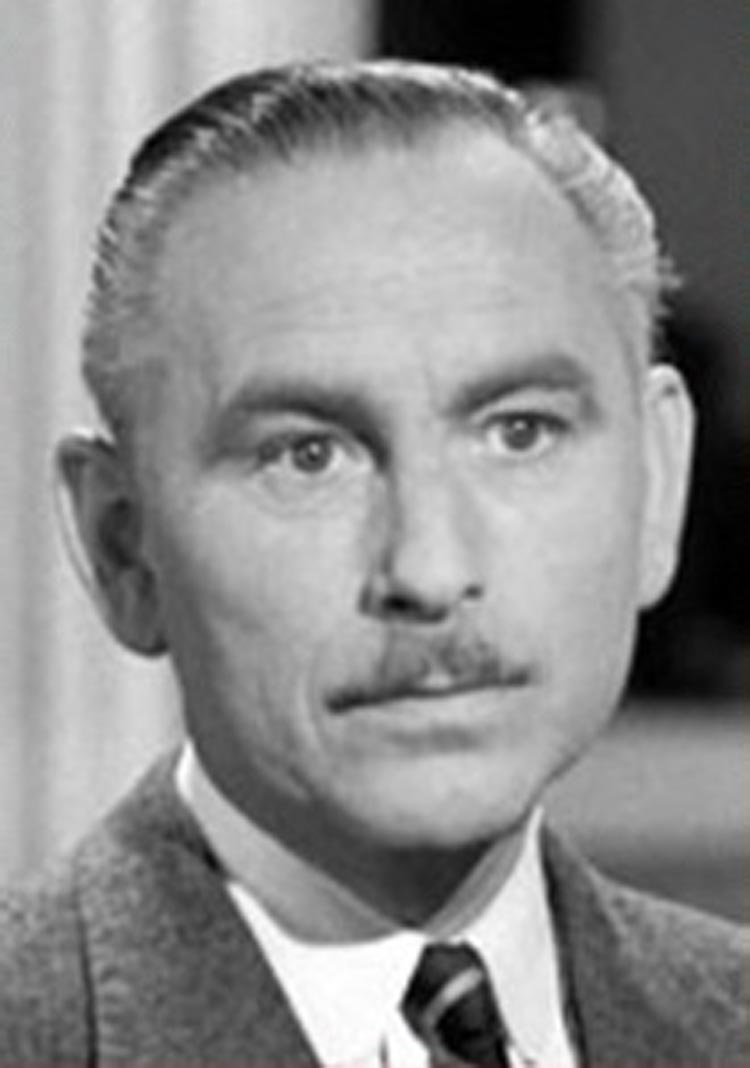
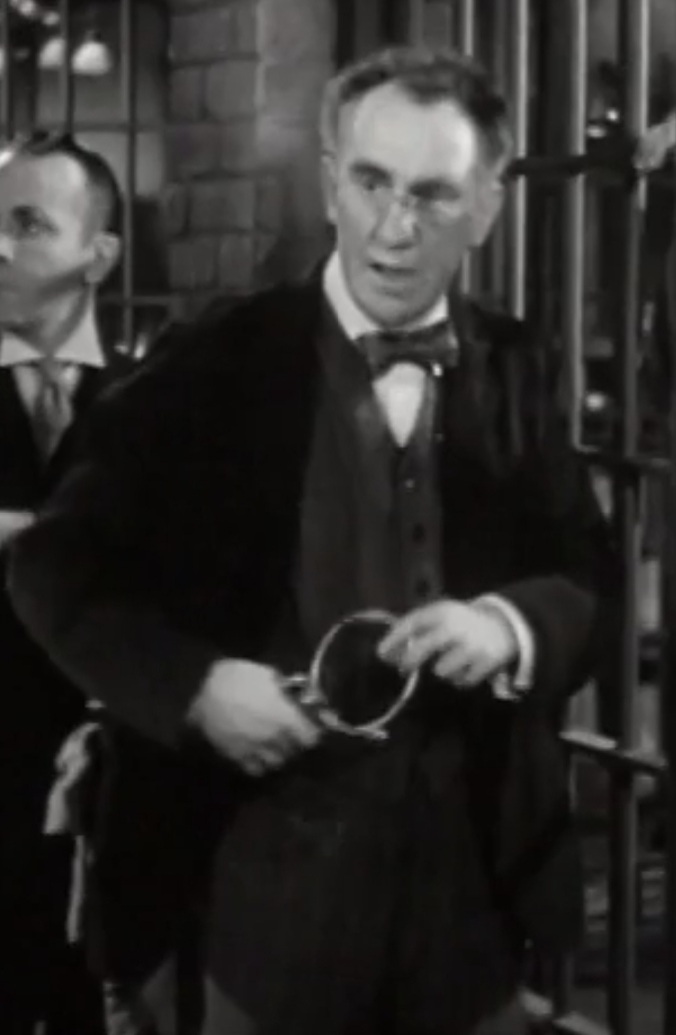
                  99. Charles Lane

                    Dates: 1905-2007

                    Early Life and Career: Born Charles Gerstle Levison in San Francisco, California to Jewish parents. Father was an executive at the Fireman’s Fund Insurance Company that was instrumental in rebuilding the city after the 1906 earthquake. Spent a short time as an insurance salesman before joining the Pasadena Playhouse. Was said to have gotten into acting in as early as 1929. Made his film debut in 1930.

                    Movies and Cartoons: The Aristocats (1970)
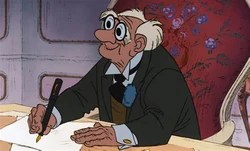
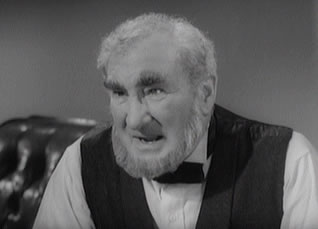
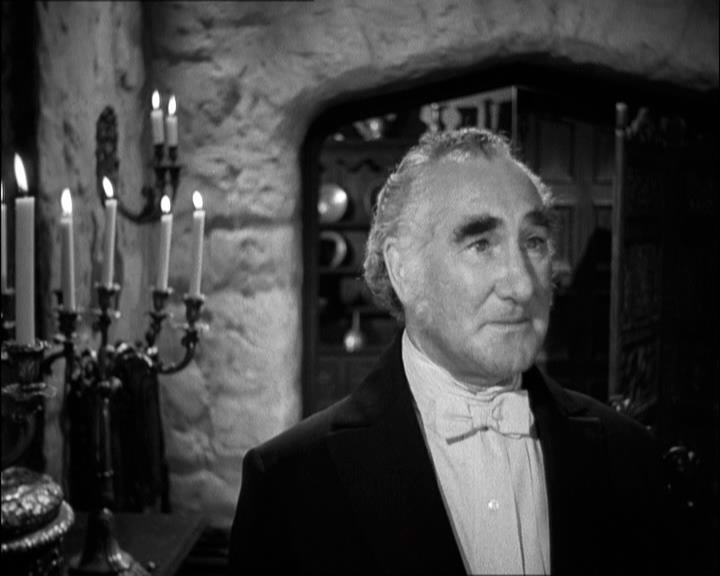
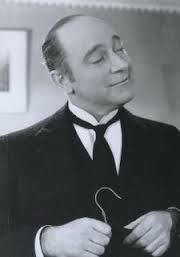
                    Characters: Georges Hautecourt

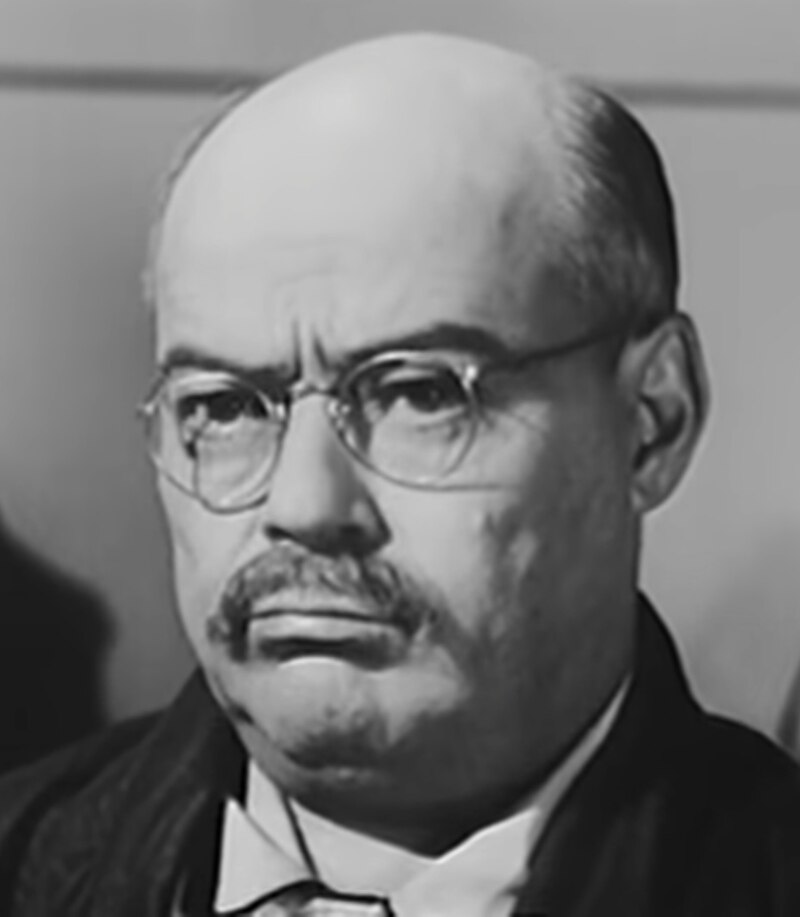
                    Also Known For: Character actor whose career spanned 76 years. Was a prolific actor who played hundreds of roles on film and TV, often portraying sour, scowling, and disagreeable clerks, doctors, judges, and middle-management authority figures. Best known role was the ever-scheming Homer Bedloe in Petticoat Junction. The New York Times once reported that Lane’s persona was so familiar to the public “that people would come up to him in the street and greet him, because they thought they knew him from their hometowns.” Appeared in 250 films including Smart Money, Mr. Deeds Goes to Town, Mr. Smith Goes to Washington, Arsenic and Old Lace, It’s a Wonderful Life, Riding High, The Road to Singapore, Blonde Crazy, 42nd Street, Gold Diggers of 1933, Blessed Event, Mr. Skitch, Twentieth Century, A Wicked Woman, The Band Plays On, Princess O’Hara, Ginger, The Crime of Dr. Forbes, Lady Luck, Three Men on a Horse, Born Reckless, Trapped by G-Men, In Old Chicago, Nothing Sacred, Joy of Living, Rose of Washington Square, Fifth Avenue Girl, The Cat and the Canary, Primrose Path, The Doctor Takes a Wife, Buck Benny Rides Again, Queen of the Mob, City for Conquest, Texas Rangers Ride Again, The Invisible Woman, Back Street, Barnacle Bill, Ball of Fire, Look Who’s Laughing, Ride Em’ Cowboy, The Great Man’s Lady, The Adventures of Martin Eden, The Mad Martindales, Lady in a Jam, Friendly Enemies, Mission to Moscow, Just Before Dawn, The Farmer’s Daughter, It Happened on Fifth Avenue, Louisiana, Call Northside 777, State of the Union, Smart Woman, The Gentleman from Nowhere, Moonrise, The Boy with Green Hair, Mighty Joe Young (1949), The House Across the Street, Borderline (1950), The Du Pont Story, The Affairs of Dobie Gillis, Kiss Me Deadly, The Mating Game, The Music Man, Looking for Love, Billie, The Gnome-Mobile, Sybil, Sunset Limousine, and Date with an Angel. TV appearances include I Love Lucy, Dear Phoebe, Willy, The People’s Choice, The Real McCoys, Perry Mason, Dennis the Menace, Pete and Gladys, The Lucy Show, Mister Ed, The Beverly Hillbillies, Bewitched, The Andy Griffith Show, Gomer Pyle U.S.M.C., The Carpetbaggers, Get Smart, The Donna Reed Show, The Munsters, F Troop, The Wild Wild West, Green Acres, Nanny and Professor, The Odd Couple, Soap, Little House on the Prairie, The Winds of War, St. Elsewhere, War and Remembrance, and Dark Shadows.

                    Personal Life: Married Ruth Covell in 1931 and they remained together for 70 years until her death in 2002. They had 2 children: a son named Charles Jr. and a daughter named Alice. Lived in the Brentwood home he and his wife bought until his death.

                    Later Life: Made his last TV appearance at 90. Performed his final acting role at 101. Died in 2007 at 102. Charles Jr. said he was talking to his dad at 9 p.m. on that July 9 evening, “He was lying in bed with his eyes real wide open. Then he closed his eyes and stopped breathing.”

                    Trivia: Recalling his many roles in 1981, Lane said, “They were all good parts, but they were jerks. If you have a type established, though, and you’re any good, it can mean considerable work for you.” Was a founding member of the Screen Actors Guild (SAG) in 1933. Was also a founding member of the television academy and was honored by the Emmy Awards on his 100th birthday for being its oldest member. Was good friends with Lucille Ball. Was paid tribute by the TV Land Awards at his 100th birthday and he received is award from Haley Joel Osment before saying, “If you’re interested, I’m still available [for work]!” Said he sometimes played more than one role on some of his busiest days, getting into costume and filming his two or three lines, then hurrying off to another set or studio for a different costume and a different role. Said to have appeared in 67 roles within the span of 1940 to 1942. Made 23 films in 1933 alone. Once described being typecast, “… a pain in the ass. You did something that was pretty good, and the picture was pretty good. But that pedigreed you into that type of part, which I thought was stupid and unfair, too. It didn’t give me a chance, but it made the casting easier for the studio.” Was one of the last survivors of the 1906 San Francisco earthquake.

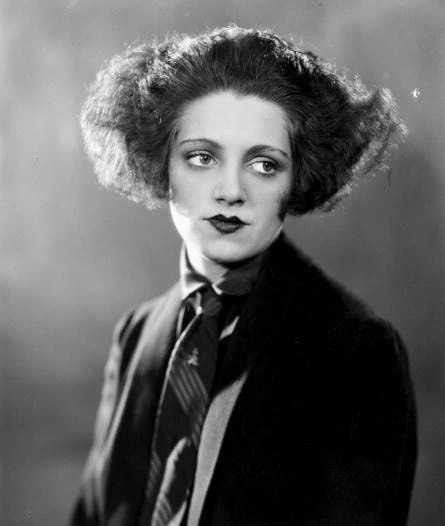
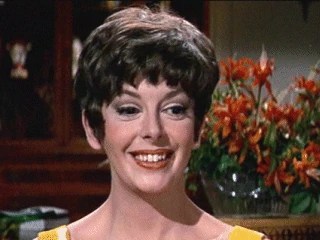
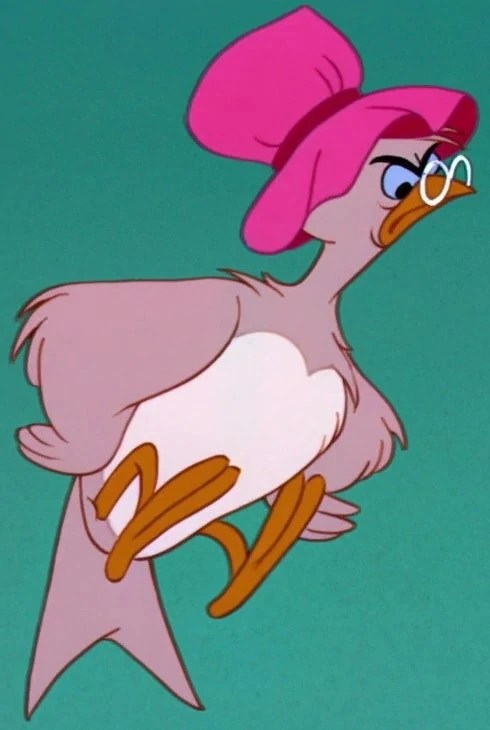
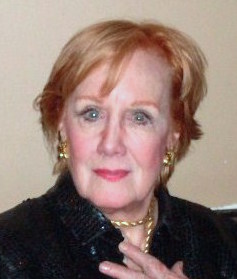
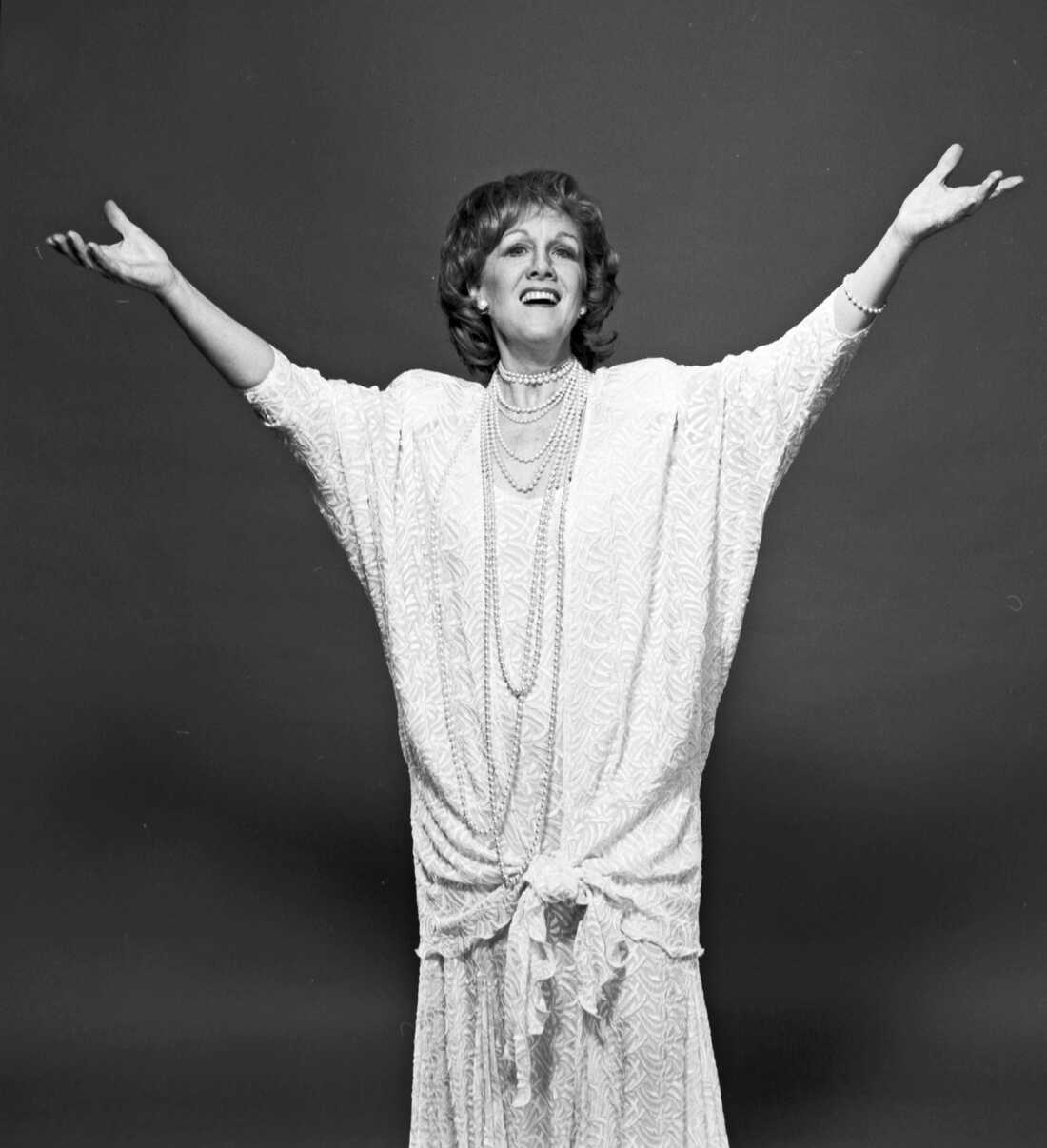
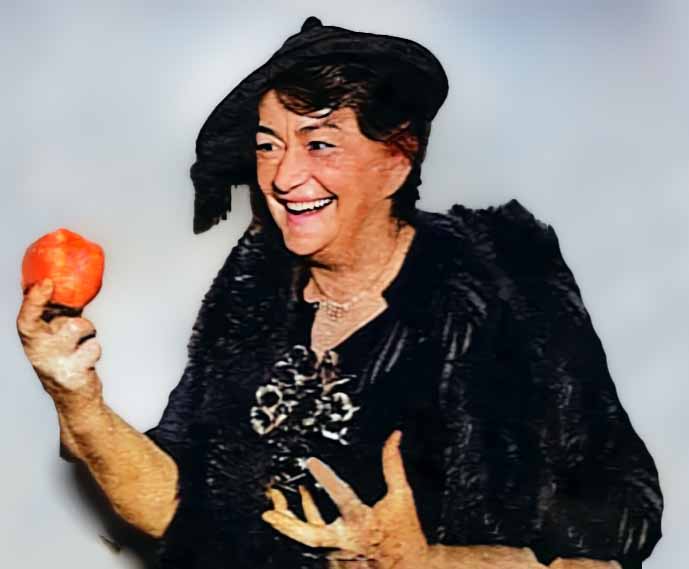
                    100. Monica Evans

                      Dates: 1940-present
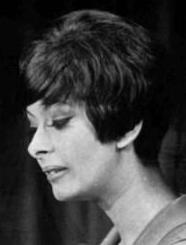
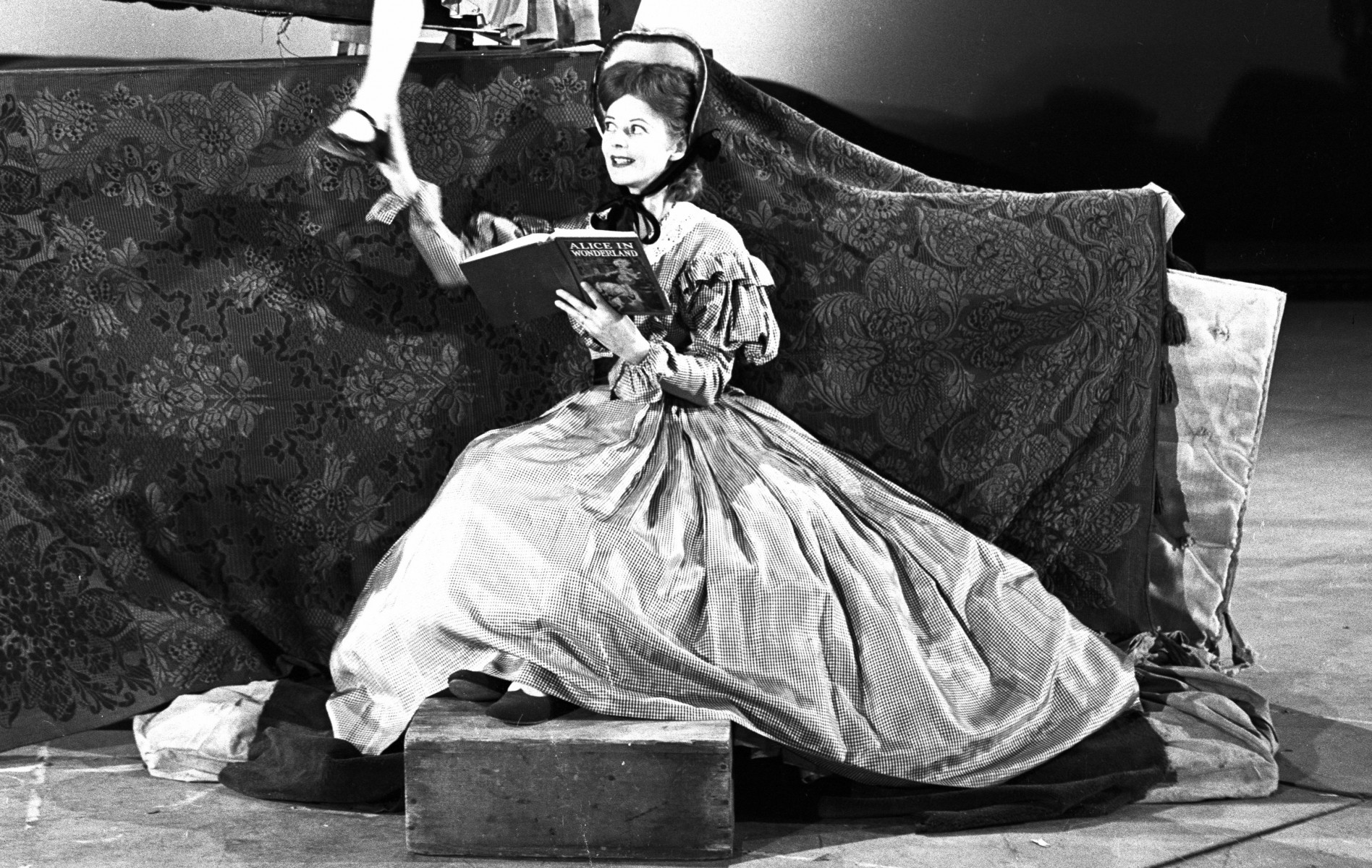
                      Early Life and Career: Born in Camberwell, London, England. Trained at the Central School of Speech & Drama in the 1950s and was a stand-in for Jo Plowright in Rhinoceros before taking over the part once Plowright’s relationship with Sir Laurence Olivier became public.  

                      Movies and Cartoons: The Aristocats (1970) and Robin Hood (1973)
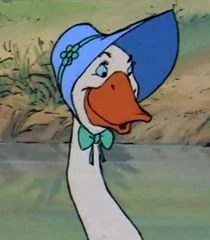
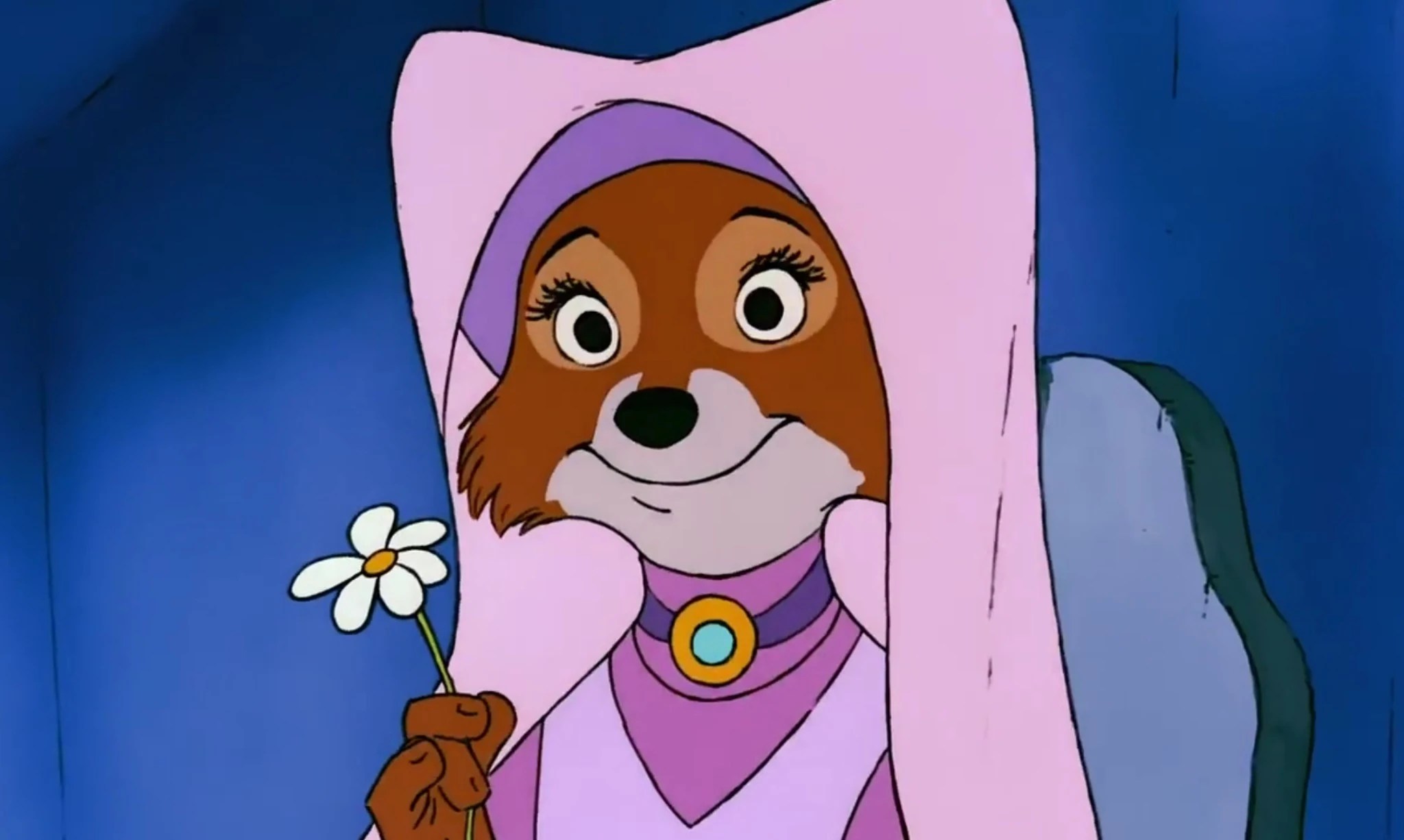
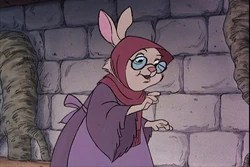
                      Characters: Abigail Gabble and Maid Marian

                      Also Known For: Best known as Cecily Pidgeon in The Odd Couple in all its original iterations. Film appearances include Make Mine Mink and Be My Guest. TV appearances include The Escape from R.D.7, Compact, No Hiding Place, and Here Come the Brides.

                      Personal Life: Married twice. First husband was actor Leo McGuire from 1962 until their divorce. Second husband was BBC Radio 1 DJ Dave Cash from 1973 until their divorce in 2010. Has 2 children from Cash according to Imdb.

                      Later Life: Retired from acting in 1973.

                      Trivia: Was maid of honor at Carole Shelley’s wedding in 1967 and most recently reunited with her at the 2018 TCM Classic Film Festival.
                      The Secret and Scandalous Lives of Disney Voice Actors – Volume I: Part 9 The Jungle Book

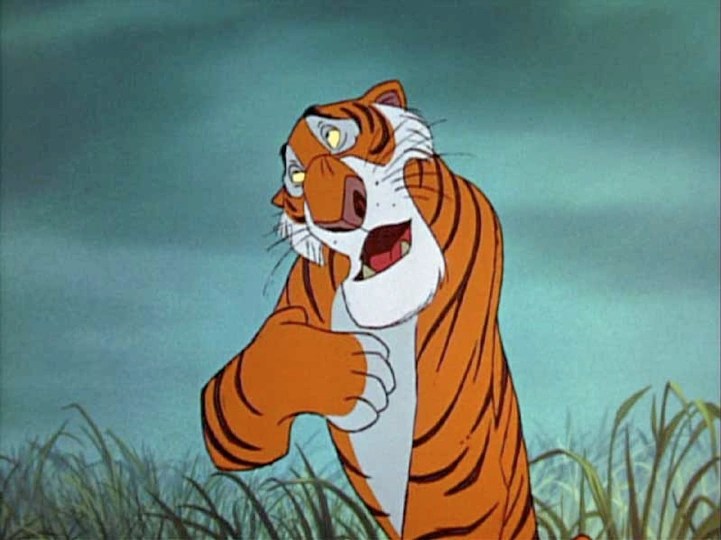
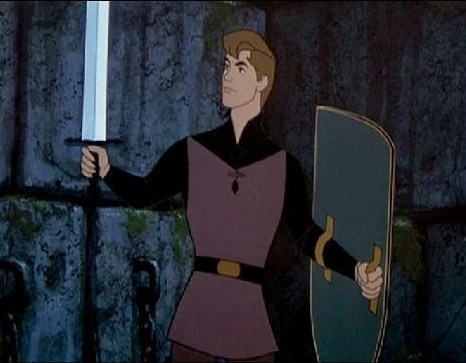
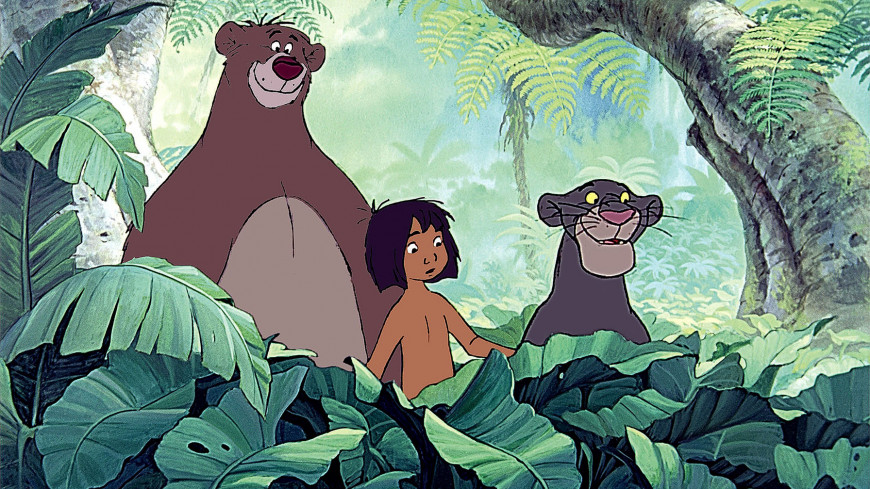
                                    Unfortunately, the barking success of One Hundred and One Dalmatians did nothing to revive Walt Disney’s interest in animation. Even though it was the studio’s most successful animated film to date and achieved almost everything Walt wanted to achieve with Sleeping Beauty at a box office and critical standpoint. Hell, even the original novel’s author Dodie Smith loved it.  And yet despite all this, Walt seemed more focused on his theme parks such as Disneyland and producing live-action films and television. Sure, they got 20,000 Leagues Under the Sea, Old Yeller, and Mary Poppins. While Pollyanna and 20,000 Leagues have been shown on TCM. But a lot of them aren’t exactly as memorable, with some being fodder for prime remake territory in later years like The Parent Trap and The Absent-Minded Professor. Anyway, although Walt Disney first considered making an animated version of Rudyard Kipling’s stories from The Jungle Book, work didn’t go underway until the 1960s when Bill Peet proposed the idea. Yet, when Peet delivered his version of the story, Walt Disney decided to get more involved in the story development than he had in the past 2 years. Upon reviewing Peet’s storyboards, Disney decided that his approach was too dark and depressing, insisting on making the story lighter and more aimed at families. Peet refused and he got into a long argument with Disney since the guy had been working on the project for over a year. In early 1964, Peet left the studio after another fight with Disney over the preliminary voice recording of Bagheera as well as Disney insulting him, claiming that he should see Mary Poppins for “real entertainment.” Disney then assigned the story to Larry Clemons who kept many of the characters’ personalities but discarded much of Peet’s work as well as did much of what Walt wanted. Still, The Jungle Book would be the last Disney film to have Walt’s personal touches before his death in 1966. Walt also wanted a more celebrity cast which was a rarity in past works, too. While the Sherman Brothers composed most of the songs save Terry Gilkyson’s “Bare Necessities.” Unfortunately, Walt Disney would die before the movie’s completion. Yet, when it was released a year later, it grossed $23.8 million being Disney’s highest earning movie by that point. And it would remain so for the next 2 decades. Not to mention, become the top grossing movie in Germany in 1967. It also opened to glowing reviews that then president of the Academy of Motion Pictures Arts and Sciences Gregory Peck lobbied for the film to be nominated for Best Picture but was unsuccessful. Today, it’s been widely acclaimed by the animation industry. In this post, we’ll meet the songwriting and composing Sherman Brothers as well as the voices behind Baloo, Louie, Mowgli, Hathi Jr. Shere Khan, and 3 of the buzzards.

                      81. Richard M. Sherman

                        Dates: 1928-2024

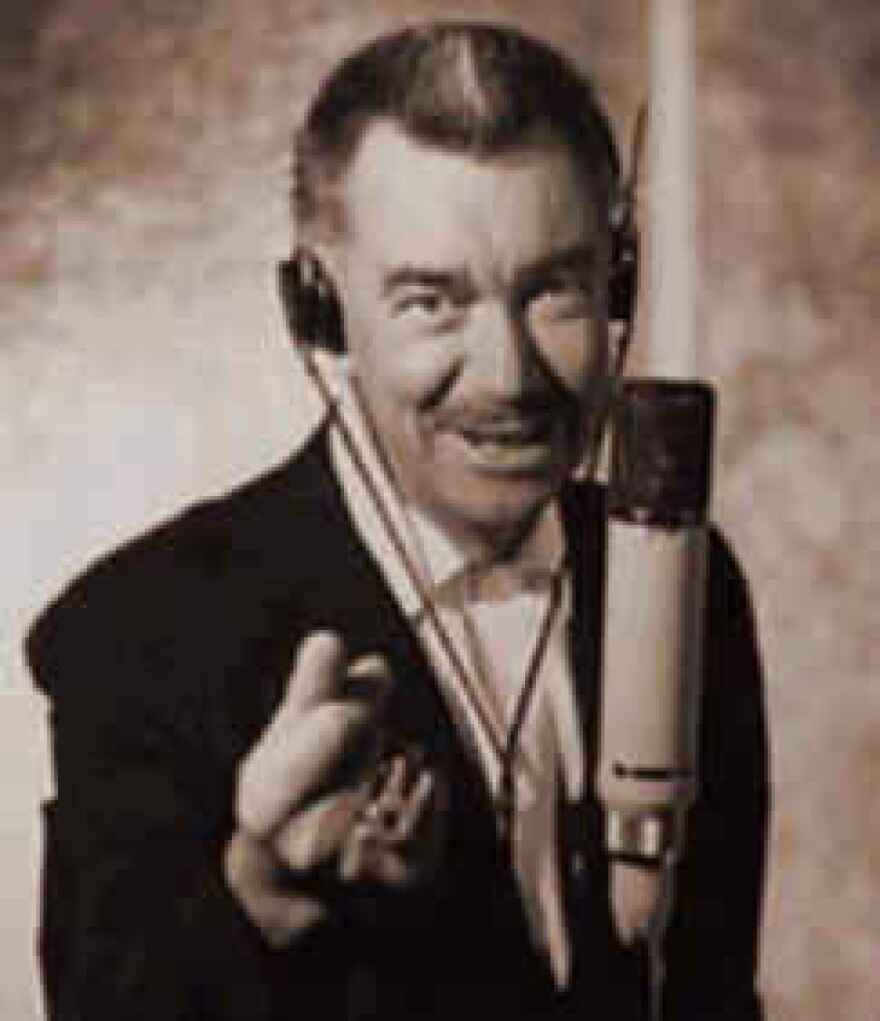
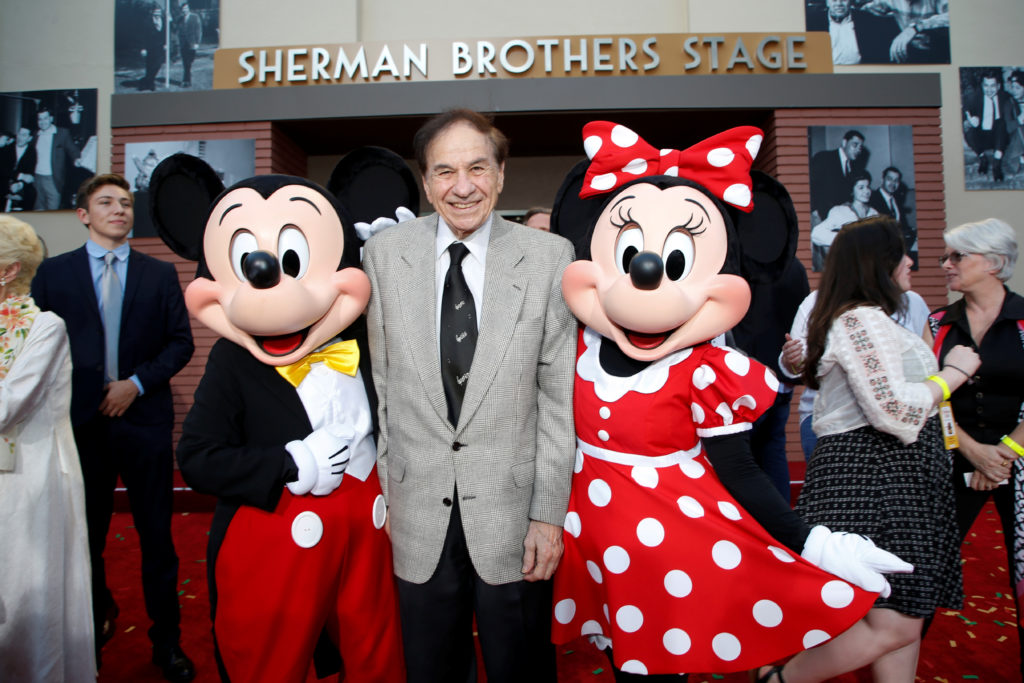
                        Mickey Mouse, songwriter Richard M. Sherman and Minnie Mouse pose during a dedication of Stage A on The Walt Disney Studios Lot to the Sherman Brothers, songwriters Richard M. Sherman and Robert B. Sherman, before the World Premiere of Disney’s “Christopher Robin,” in Burbank, California, U.S., July 30, 2018. REUTERS/Danny Moloshok

                        Early Life and Career: Born in New York City to Russian Jewish immigrant parents. Father was popular songwriter Al Sherman. Following 7 years of cross-country moves, the Sherman family settled down in Beverly Hills, California in 1937. Attended Beverly Hills High School where he studied, piano, flute, and piccolo. Was drafted into the US Army in 1953 where he was assigned to the Army Band and glee club, serving as conductor for both groups until his honorable discharge in 1955 and was solely stationed in the US during his service. Later majored in music at Bard College where he composed numerous sonatas and “art songs.” Within 2 years of graduation Sherman joined his older brother and they began writing songs together on their challenge their father. In 1958, the brothers had their first Top Ten hit with “Tall Paul” that was sung by Annette Funicello. Their success attracted Walt Disney’s attention who eventually hired them as Staff Songwriters for Walt Disney Studios.

                        Movies and Cartoons: Mary Poppins (1964)

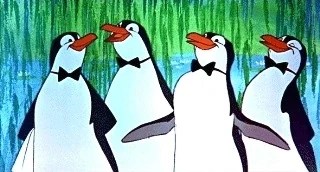
                        Characters: Penguin Waiter and Male Pearly

                        Also Known For: With his brother Robert, was part of a prolific songwriting team for several live action and animated films. Most recognized song is “It’s a Small World (After All) for the 1964 New York World’s Fair. Apart from Mary Poppins, they also wrote songs for Disney movies such as The Jungle Book (1967), The Aristocats (1970), The Many Adventures of Winnie the Pooh (1977), Bedknobs and Broomsticks (1971), and The Tigger Movie (2000) as well as songs for various Disneyland and Disney World attractions. Non-Disney films include Chitty Chitty Bang Bang, both versions of The Parent Trap, Charlotte’s Web (1973), The Slipper and the Rose, Snoopy Come Home, Little Nemo: Adventures in Slumberland, The Magic of Lassie, The Adventures of Tom Sawyer, and The Adventures of Huckleberry Finn. As far as projects without Robert, Sherman collaborated with Disney on 3 live action Disney films consisting of rewriting “I Wanna Be Like You” for the live action remake of The Jungle Book (2016), writing 3 original songs for Christopher Robin (2018), and acting as musical consultant for Mary Poppins Returns (2018).

                        Personal Life: Younger brother of Robert B. Sherman. Married twice. First during the 1940s to his college sweetheart Corrine Newman which produced a daughter Lynda and ended in divorce. Second in 1957 to Ursula Elizabeth Gluck which produced a son named Gregory Vincent and a daughter named Victoria Lynn. Had 6 grandchildren as well. Marriage lasted a whopping 67 years until his death and the couple lived in Beverly Hills. Although Robert later relocated to London, the two brothers still collaborated musically Robert’s death in 2012. They often achieved this through frequent travels between Los Angels, New York, and London to work together on various plays as well as use long-distance technology such as fax, e-mail, and a low-cost international telephone service. However, outside their music collaboration, they often had major disputes and their families hardly knew each other. While attending public premieres, they and their families would often sit on opposite sides of the theater and when their father died, they held 2 separate shivas.

                        Later Life: Remained at Walt Disney Studios until Disney’s death in 1966 then started freelancing for other studios and beyond.

                        Trivia: Went to high school with Andre Previn and played a duet with him upon their graduation. Won 2 Academy Awards for Mary Poppins. He and his brother would later earn 9 Academy Award nominations, 2 Grammy wins, 4 Grammy nominations, and 23 gold and platinum albums. Inducted into the Hollywood Walk of Fame with his brother Robert in 1976. Inducted into the Hollywood Walk of Fame with his brother Robert in 1976. Inducted in the Songwriters Hall of Fame with his brother Robert in 2005. Received National Medal of Arts at the White House by President George W. Bush in 2008 alongside his brother Robert. Received an honorary doctorate from Bard College alongside his brother Robert in 2011. In 2010, he and his brother Robert were presented with a Window on Mainstreet Disneyland in Anaheim, California. Was awarded the Diane Disney Miller Award by the Disney Family Museum in 2015. Was subject alongside his brother Robert and father Al in A Spoonful of Sherman concert written, produced, and hosted by nephew Robert J. Sherman in 2014. In 2018, Disney’s Soundstage A was renamed the Sherman Brothers Stage. Named Disney Legend in 1990. Collaborated with his brother Robert on their joint autobiography Walt’s Time: From Before and Beyond in 1998.

                        82. Robert B. Sherman

                          Dates:1925-2012

                          Early Life and Career: Born in New York City to Russian Jewish immigrant parents. Father was popular songwriter Al Sherman. Father was said to pay for his son’s delivery costs with a royalty check for “Save Your Sorrow.” In his youth, he excelled in violin, piano, painting, and poetry. Following 7 years of cross-country moves, the Sherman family settled down in Beverly Hills, California in 1937. Attended Beverly Hills High School where he wrote and produced radio and stage programs for which he won much acclaim. At 16, Sherman wrote Armistice and Dedication Day, a stage play showing how American life changed after Pearl Harbor. Play helped raise thousands in war bounds and earned him a special citation from the War Department. Joined the US Army at 17 and was awarded a Purple Heart after being shot in the knee in 1945, which forced him to walk with a cane for the rest of his life. Later that year, Sherman was one of the first soldiers who entered the Dachau concentration camp. While recovering from his knee injury in England, Sherman became familiar with the UK and its culture. When he returned to the United States, Sherman attended Bard College where he majored in English literature and painting. Served as editor-in-chief of the campus newspaper, The Bardian as well as completed his first 2 novels before his 1949 graduation. Began writing songs with his brother Richard on a challenge from their father Al. In 1958, Sherman founded music publishing company, Music World Corporation. That same year, the brothers had their first Top Ten hit with “Tall Paul” that was sung by Annette Funicello. Their success attracted Walt Disney’s attention who eventually hired them as Staff Songwriters for Walt Disney Studios.

                          Movies and Cartoons: Mary Poppins (1964)

                          Characters: Pearly Banjo Player

                          Also Known For: Along with his brother Richard, was part a prolific songwriting team for several live action and animated films. Most recognized song is “It’s a Small World (After All) for the 1964 New York World’s Fair. Apart from Mary Poppins, they also wrote songs for Disney movies such as The Jungle Book (1967), The Aristocats (1970), The Many Adventures of Winnie the Pooh (1977), and Bedknobs and Broomsticks (1971), and The Tigger Movie (2000)as well as songs for various Disneyland and Disney World attractions.Non-Disney films include Chitty Chitty Bang Bang, both versions of The Parent Trap, Charlotte’s Web (1973), The Slipper and the Rose, Snoopy Come Home, Little Nemo: Adventures in Slumberland, The Magic of Lassie, The Adventures of Tom Sawyer, and The Adventures of Huckleberry Finn.

                          Personal Life: Older brother of Richard M. Sherman. Married twice. First to Louise Hayes in 1948 which was annulled in 1950. Second to Joyce Ruth Sasner in 1953 which produced 4 children consisting of Laurie, Jeffrey, Andrea, and Robert. Marriage ended in Joyce’s death in 2001. Although he later relocated to London, the two brothers still collaborated musically his death in 2012. They often achieved this through frequent travels between Los Angels, New York, and London to work together on various plays as well as use long-distance technology such as fax, e-mail, and a low-cost international telephone service. However, outside their music collaboration, they often had major disputes and their families hardly knew each other. While attending public premieres, they and their families would often sit on opposite sides of the theater and when their father died, they held 2 separate shivas.

                          Later Life: Remained at Walt Disney Studios until Disney’s death in 1966 then started freelancing for other studios and beyond. Moved to London in 2002 where he continued to write and paint. Established the Robert B. Sherman Scholarship program through the BMI Foundation in 2005. Had his autobiography published in 2013 which is called Moose: Chapters of My Life. Died in London in 2012 at 86. A public memorial service and funeral was held in Hillside Park and Mortuary in Culver City.

                          Trivia: Won 2 Academy Awards for Mary Poppins. He and his brother would later earn 9 Academy Award nominations, 2 Grammy wins, 4 Grammy nominations, and 23 gold and platinum albums. Inducted into the Hollywood Walk of Fame with his brother Richard in 1976. Inducted in the Songwriters Hall of Fame with his brother Richard in 2005. Received National Medal of Arts at the White House by President George W. Bush in 2008 alongside his brother Richard. Received honorary doctorates from both his alma mater Bard College alongside his brother Richard in 2011 and Lincoln College in 1990. In 2010, he and his brother Richard were presented with a Window on Mainstreet Disneyland in Anaheim, California. Was subject alongside his brother Richard and father Al in A Spoonful of Sherman concert written, produced, and hosted by son Robert J. Sherman in 2014. In 2018, Disney’s Soundstage A was renamed the Sherman Brothers Stage. Named Disney Legend in 1990. Was an avid painter who held his own exhibition in London in 2002. Collaborated with his brother Richard on their joint autobiography Walt’s Time: From Before and Beyond in 1998.

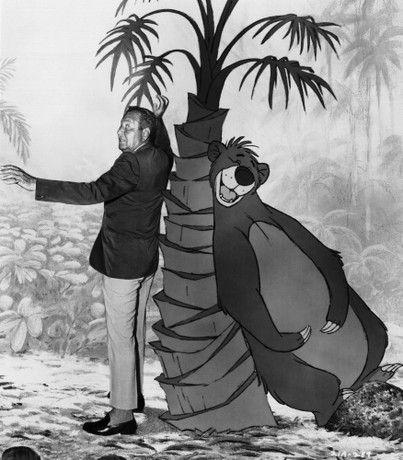
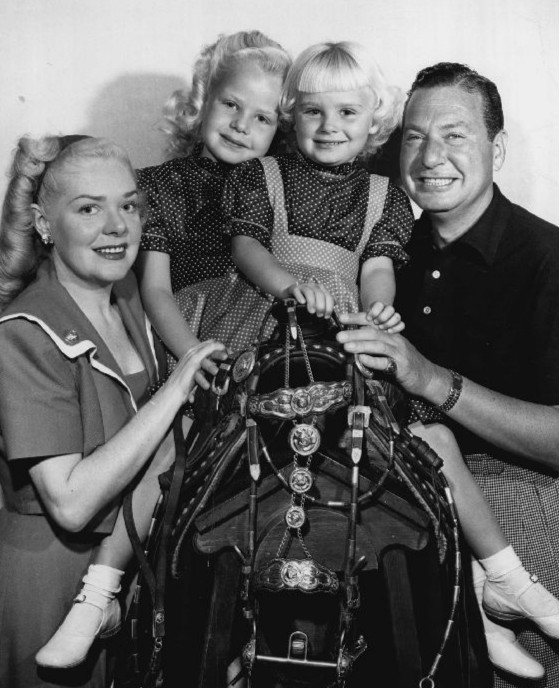
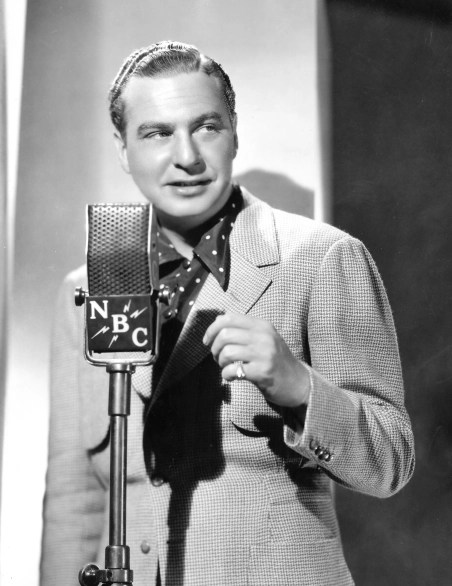
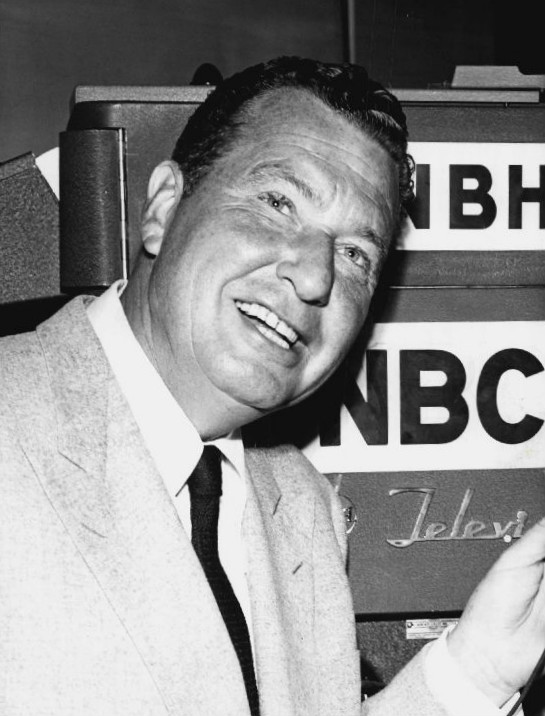
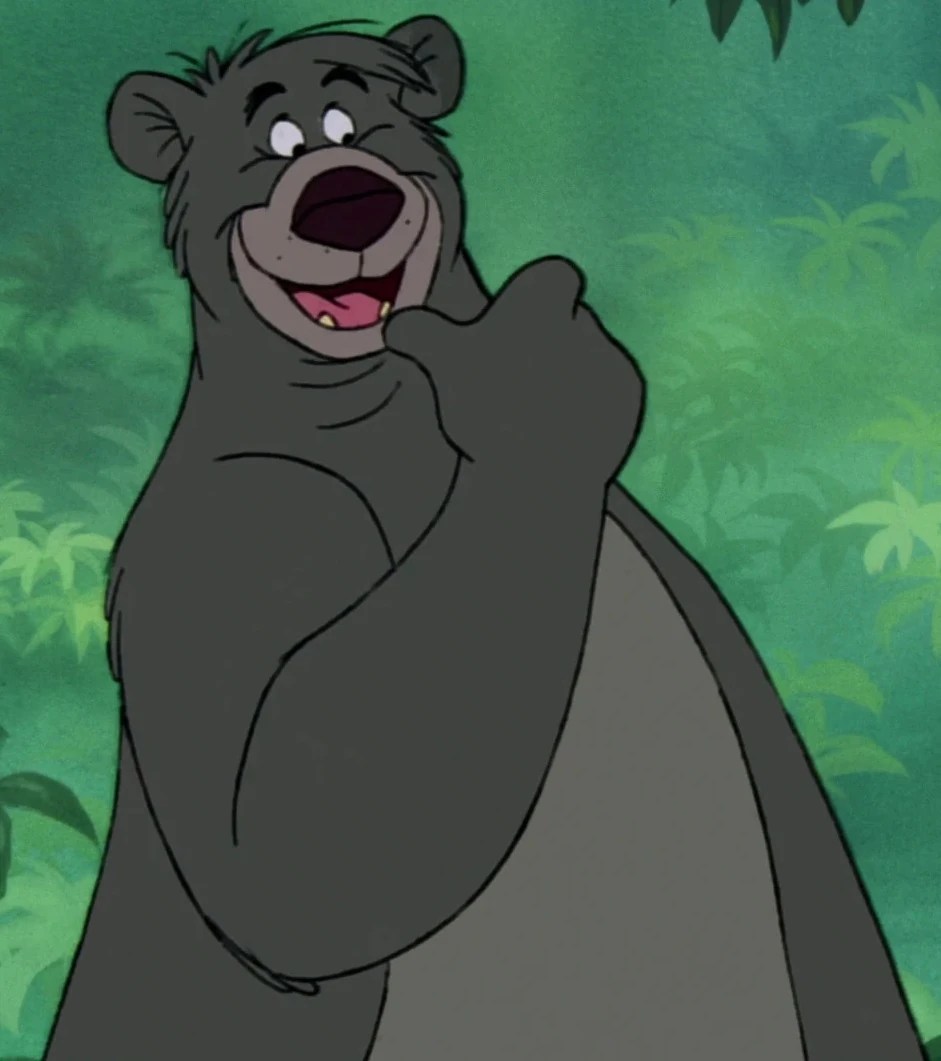
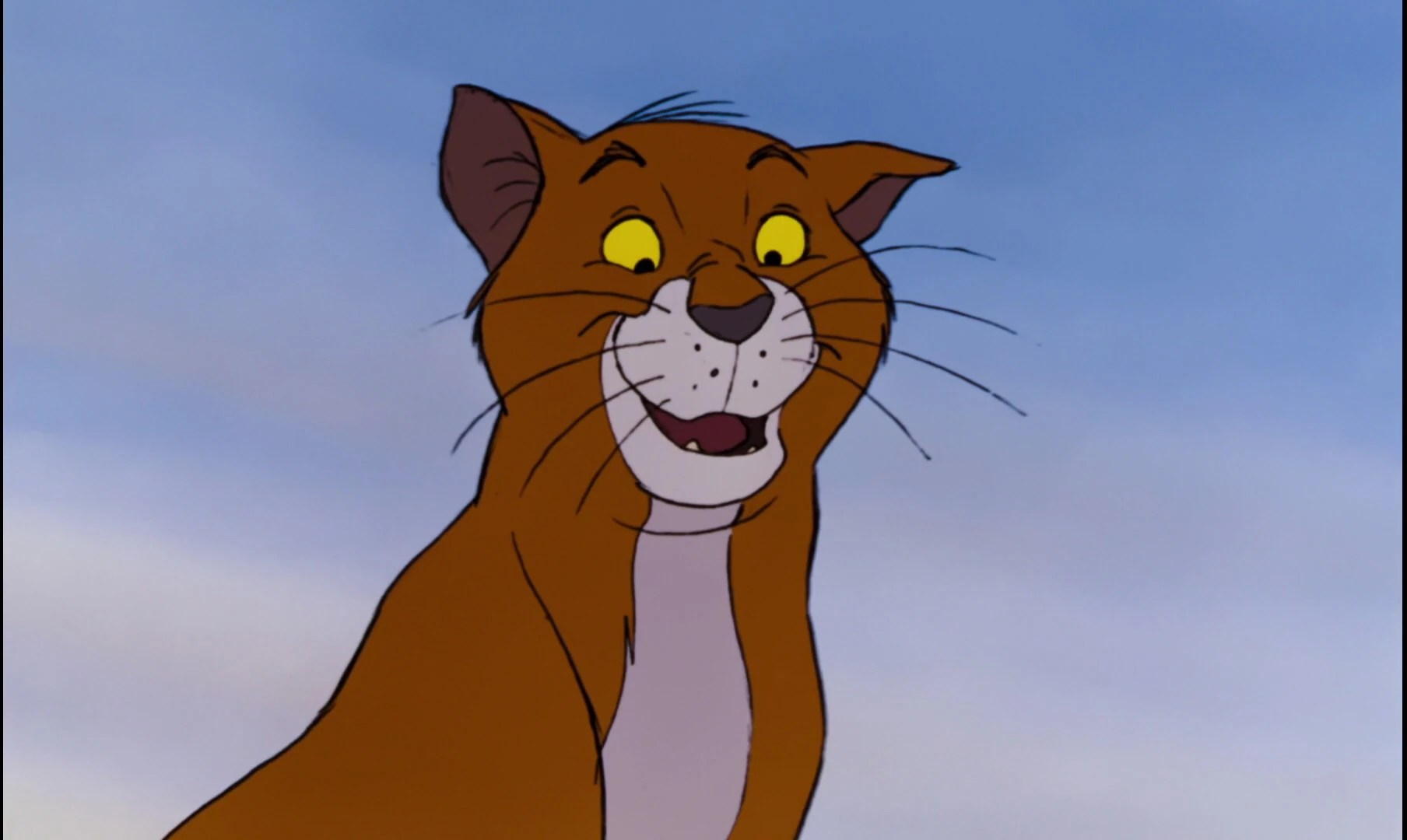
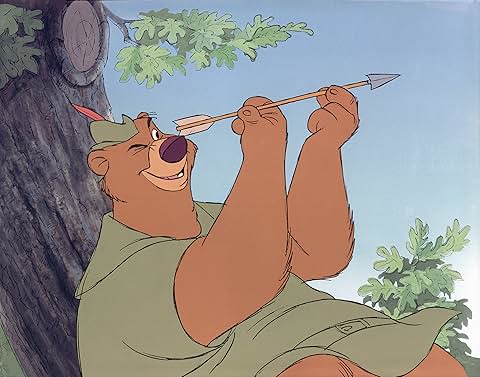
                          83. Phil Harris

                            Dates: 1904-1995

                            Early Life and Career: Born Wonga Philip Harris in Linton, Indiana but grew up in Nashville, Tennessee and identified himself as a Southerner. Parents were circus performers. Dad was a tent bandleader who gave him his first job as a drummer with his circus band. Officially began his career as a drummer in San Francisco during the mid-1920s, playing in the Henry Halstead Big Band Orchestra. Formed his own orchestra with Carol Lofner in the late 1920s and started a long engagement at the St. Francis Hotel. Recorded songs as early as 1931. In the 1930s, Lofner-Harris recorded swing music for Decca, Columbia, Victor, and Vocalion. Their relationship ended in 1932 and Harris led a band in Los Angeles for which he was bandleader and singer. In 1933, he made a short film So This Is Harris! which won an Academy Award for best live action short. In 1936, Harris became musical director of The Jell-O Program Starring Jack Benny, where he sang and led the band with Mahlon Merrick writing much of the show’s music. During this time, Harris exhibited a knack for snappy one-liners when he joined the cast, portraying himself as a hip, hard-drinking Southerner whose good nature superseded his ego. Also gave jive-talk nicknames to others on the show. In 1942, Harris and his band joined the US Merchant Marine and served for 16 weeks. In 1946, Harris and his second wife, Alice Faye began co-hosting a comic variety show called The Fitch Bandwagon which later evolved into The Phil Harris-Alice Faye Show where he played a vain, stumbling husband and she his sarcastic and loving wife which aired on radio until 1954. While Harris continued to appear on The Jack Benny Program from 1948 to 1952.

                            Movies and Cartoons: The Jungle Book (1967), The Aristocats (1970), and Robin Hood (1973)

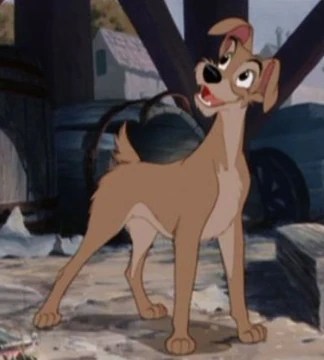
                            Characters: Baloo the Bear, Thomas O’Malley, and Little John

                            Also Known For: Was an actor, comedian, bandleader, entertainer, and singer. Was an orchestra leader as well as a pioneer in radio situation comedy, first with The Jack Benny Program and then with the Phil Harris-Alice Faye Show that he co-starred with his wife. Sang in a deep baritone voice. Films include Why Be Good, Man About Town, Dreaming Out Loud, I Love a Bandleader, Wabash Avenue, Here Comes the Groom, The Wild Blue Yonder, Starlift, The High and Mighty, Anything Goes, The Patsy, The Cool Ones, The Gatling Gun, and Rock-a-Doodle. TV appearances include Ben Casey, The Milton Berle Show, The Steve Allen Show, The Hollywood Palace, Kraft Music Hall, The Dean Martin Show, F Troop, The Lucy Show, The Johnny Cash Show, Fantasy Island, The Love Boat, and This Is Your Life. Best known songs aside from “Bare Necessities” are “The Thing” and “That’s What I Like About the South.”

                            Personal Life: Cousin to Charlie Chaplin’s first wife, Mildred Harris. Married twice. First was actress Marcia Ralston in 1927 in Melbourne, Australia where his band had a long engagement. They adopted a son Phil Harris Jr. during the mid-1930s but divorced in 1940. Second was to actress Alice Faye which produced daughters Alice and Phyllis as well as lasted until Harris’ death 54 years later.

                            Later Life: Resided in Palm Springs during his later years where he became a benefactor and was active in many civic organizations. Retired in 1991. Died of a heart attack at his Rancho Mirage home in 1995 at 91. Interred at Forest Lawn Cemetery in Cathedral City, California.

                            Trivia: Was friends with Bing Crosby even taking over his golf tournament hosting duties after Crosby died. Had a Golden Palm Star on the Palm Springs Walk of Stars dedicated to him in 1994. Spent time during the late 1970s and 1980s leading a band that often appeared in Las Vegas. Was a benefactor of his birthplace of Linton, Indiana where he established scholarships in his honor for promising high school students, performed at the local high school, and hosted a celebrity golf tournament in his honor every year. Harris and Faye also donated most of their show business memorabilia and papers to Linton’s public library. Was inducted into the Indiana Hall of Fame. Was an avid golfer. Has 2 stars on the Hollywood Walk of Fame.

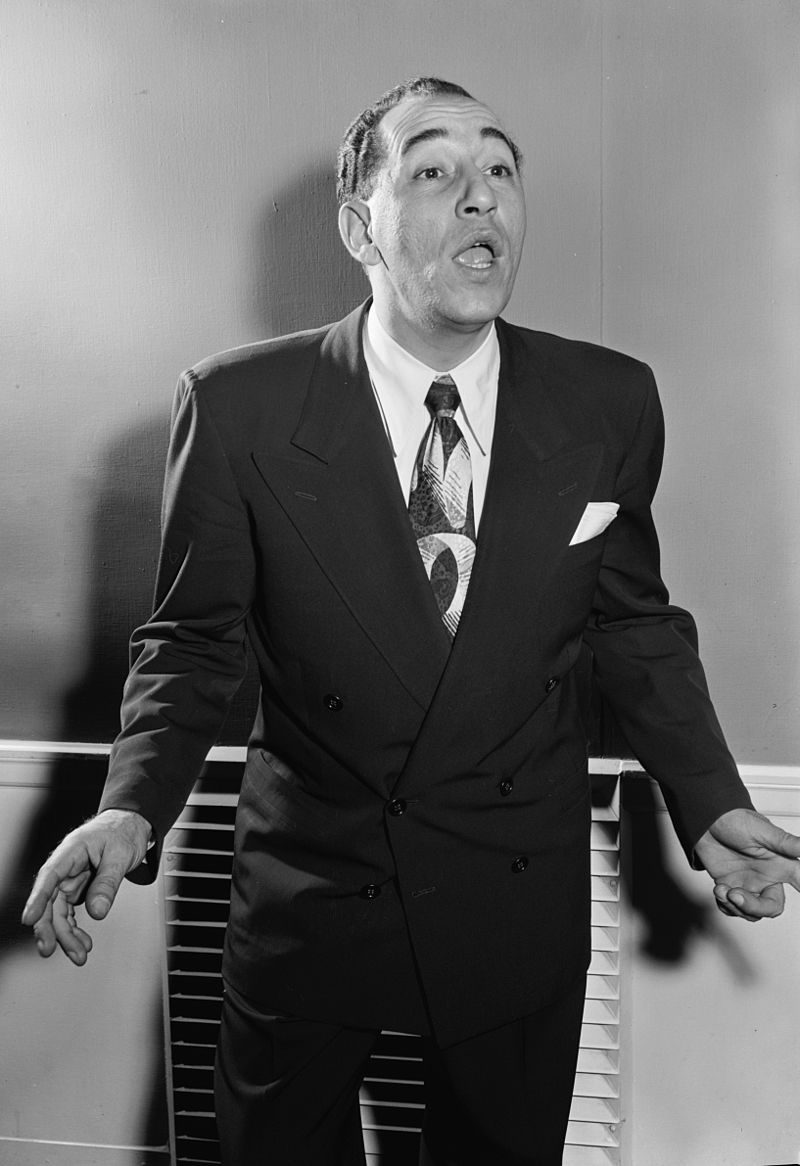
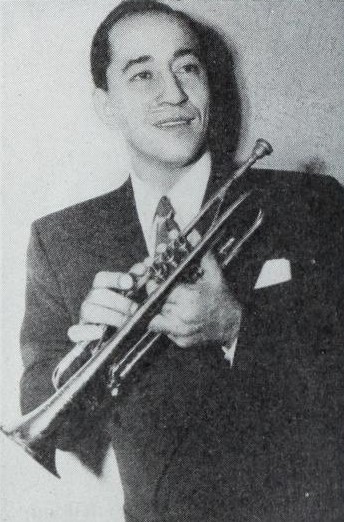
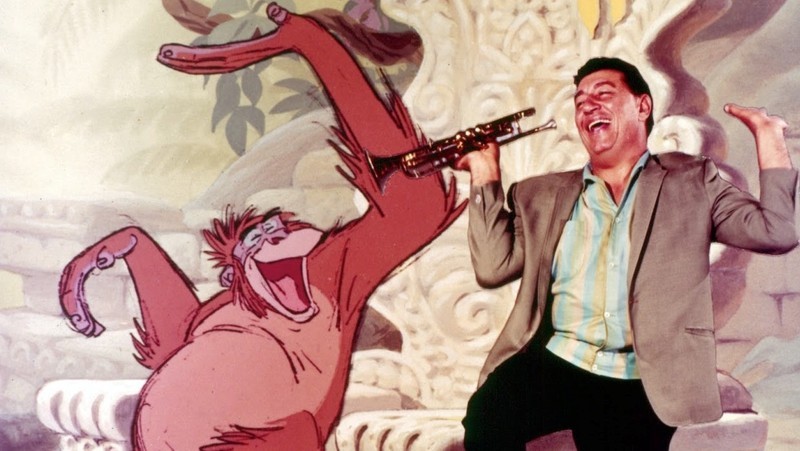
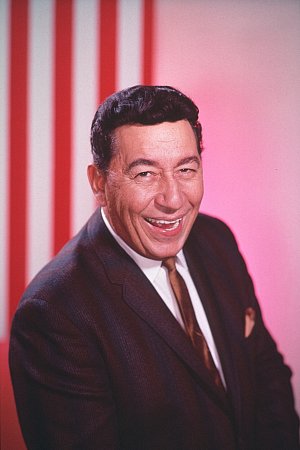
                            84. Louis Prima

                              Dates: 1910-1978

                              Early Life and Career: Born Louis Leo Prima to an Italian American family in New Orleans, Louisiana. Mother was an immigrant. Father was an son of Sicilian immigrants. Had a sister who died at only 3 years old. Mother was a music lover and wanted all her children to learn an instrument. Prima started out on the violin that he played at St. Ann’s Parish. Yet, he became interested in jazz when he heard black musicians around the Italian American bars and clubs where blacks were always welcome. Prima paid attention to these clubs and watched his brother Leon play the trumpet. When Leon left the house to spend a summer in Texas, Prima practiced continuously on this well-worn trumpet. In 1924, he formed a band with his friends that included Candy Candido. Attended Jesuit High School before transferring to the all-boys Warren Easton High School where he played in the school band in 1926. In 1927, Prima partnered with fellow musician Frank Frederico and the pair played at a worn-down French Quarter nightclub called “The Whip.” By the spring of 1928, Prima decided that he’d become a professional musician. After graduating high school, Prima had a few unsuccessful gigs. Later joined Joseph Cherniavsky’s Orchestra in 1929 at Jefferson Parish and got a temporary job playing on a steamship, Capital that docked on Canal Street where he met his first wife. First break was at the Saenger. Went to New York City during the Great Depression where he met Guy Lombardo during a Shim Sham Club performance in 1934. Lombardo would become one of Prima’s mentors and friends. Began recording that same year with his New Orleans Gang whose first performance was at the Famous Door Club. Also teamed up with comedian Martha Raye which led to them becoming featured at a club that granted Prima his national debut on The Fleischman Hour. After a time in California trying to reinvent his band, Prima and his band returned to performing at the Famous Door Club and others in the late 1930s where he earned a quarter of a million dollars. Booked by the William Morris Agency in 1938. Performed in front of First Lady Eleanor Roosevelt in 1939 and was invited to President Franklin Delano Roosevelt’s birthday celebration, ultimately boosting his publicity. Lucked out of military service during World War II due to a knee injury. By the mid-1940s, Prima had developed his own big band style and began to experience great success.

                              Movies and Cartoons: The Jungle Book (1967) as well as some Disney albums.

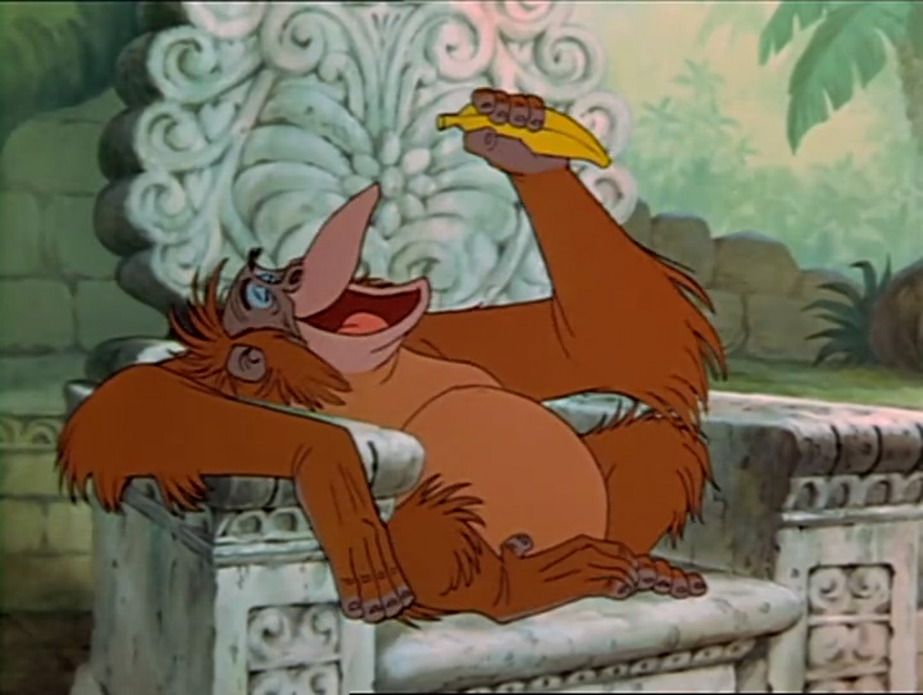
                              Characters: King Louie

                              Also Known For: Called “The King of Swing,” Prima was a trumpeter, singer, entertainer, and bandleader. Specialized in jazz, swing music, and jump blues. From the 1940s to the 1960s, his music further encompassed early R&B, rock ‘n’ roll, boogie-woogie, and Italian folk music. Made prominent use of Italian music and language in his songs, blending elements of his Italian and Sicilian identity with jazz and swing music. At a time when ethnic musicians were openly discouraged from openly stressing their ethnicity, Prima’s conspicuous embrace of his Sicilian identity opened the doors for other Italian and ethnic American musicians to display their ethnic roots. Films include Rhythm on the Range, You Can’t Have Everything, Manhattan Merry-Go-Round, Start Cheering, Rose of Washington Square, Senior Prom, The Continental Twist, and Rafferty and the Gold Dust Twins. TV appearances include The Ed Sullivan Show, The Tonight Show with Johnny Carson, The Dean Martin Show, The Mike Douglas Show, The David Frost Show, Art Linkletter’s House Party, and The Easter Seals Telethon. Songs include “Sing Sing Sing,” “Just a Giggolo,” “I’ll Walk Alone,” “Angelina,” “Star Dust,” “Chinatown, My Chinatown,” “Gypsy Tea Room,” “Chasing Shadows,” “The Lady in Red,” “Old Black Magic,” “Valencia,” “Civilization,” “Tutti Tutti Pizzicato,” “My Flame Went Out Last Night,” “Che La Luna,” “Thousand Islands,” “Chili Sauce,” “Chop Suey, Chow Mein,” “Ooh-Dahdily-Dah,” “I Ain’t Got Nobody,” and “Pennies from Heaven.”

                              Personal Life: Married 5 times. First wife was Louise Polizzi whom he met on the Capital steamship during a gig in 1929 and had a daughter with her. Couple divorced in 1936 following infidelities dating back to the French Quarter in 1933. Second wife was actress Alma Ross whom he married not long after his first divorce and pushed into signing a contract with Paramount. Yet, the couple had problems with Louis denying much about his past. In fact, he never told her he had a daughter, which she found out about from a tax return. They divorced in 1945 when Ross discovered that Prima had been cheating on her with another actress. As part of a settlement, Alma was supposed to receive an alimony of $15,000 a year or 7.5% of his earnings. Prima ignored the payments until they piled up to $60,000, which forced him to write a settlement check of $45,000 plus $250 a week. Third wife was his secretary Tracelene Barrett that same year and with whom he had a daughter in 1948. Purchased a boat for Barrett for their honeymoon on the Hudson River. Fourth wife was jazz and pop singer Keely Smith whom Prima had discovered when she was a twenty-year-old woman in Virginia Beach who was decked in a bathing suit and wasn’t allowed to audition until she redressed into more proper attire. Soon she was traveling with Prima’s band. Less than a month after divorcing Barret in 1952, he married Smith whom he wanted to make a star. The couple would have 2 daughters, one of whom Toni would also become a singer and actress. Although Prima succeeded in making Smith a star, constant performing and his infidelities became too much for her. To make matters worse, Smith had an affair with Frank Sinatra. After finishing their contract at the Desert Inn, Smith filed for divorce and embarked on a solo career. After Smith was out of his life, Prima tried to prove that he didn’t need her. When The New York Post suggested he did, Prima said, I have no desire whatsoever to have any dealings with Keely Smith under any conditions…There is nothing in the world or no one that could ever make me accept this woman in our act.” Instead, he replaced her with a 21-year-old waitress named Gia Maione but she wasn’t nearly as good as Smith. They married in 1963 and had a daughter named Lena and a son named Louis Jr., both of whom became jazz singers. The couple remained together until Prima’s death. Although fans saw Prima as a genial and patient celebrity, he could be uncompromising in seeking maximum compensation for his work when it came to record companies and big corporations. He also had expensive tastes. He shopped at expensive clothing stores and always wore top-brand suits. He spent great sums on horse racing and on his own stable of horses. Although he said gambling relaxing, he especially enjoyed riding since he knew each one of his horses well and read about training. He also liked boating. As for his children, Lena Prima is based in New Orleans and performs throughout the nation. Louis Prima Jr. leads his own band.

                              Later Life: In 1973, Prima suffered a heart attack. 2 years later following headaches and episodes of memory loss, he sought medical attention and was diagnosed with a brain stem tumor. After surgery, he suffered a cerebral hemorrhage and fell into a coma. He died in 1978 at 67 having moved back to New Orleans. Buried in Metairie Cemetery in a gray marble crypt topped by a figure of Gabriel, the trumpeter angel, sculpted by Russian-born sculptor Alexei Kazantsev. Inscription on the crypt doors reads a lyric from one of his songs: “When the end comes, I know, they’ll all say ‘just a gigolo’ as life goes on without me…”.

                              Trivia: Was childhood friends with Candy Candido. Pee Wee Russell was once a clarinetist in his band. Performed at John F. Kennedy’s Inaugural Gala with his fourth wife Keely Smith. Received a star on the Hollywood Walk of Fame in 2010. Inducted into the Louisiana Music Hall of Fame in 2008. Inducted into the Big Band and Jazz Hall of Fame in 1993.

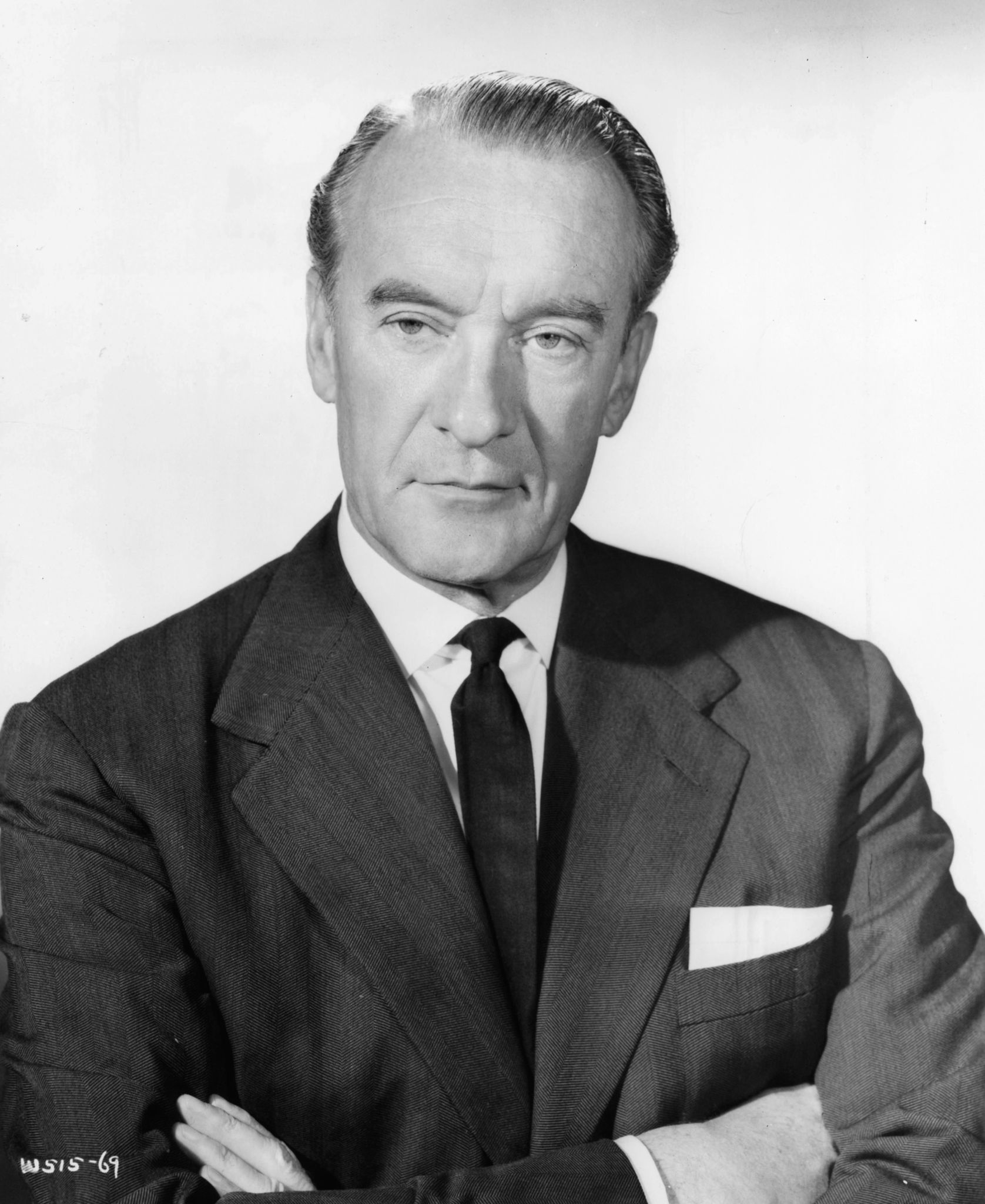
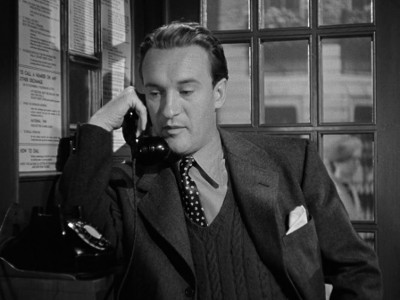
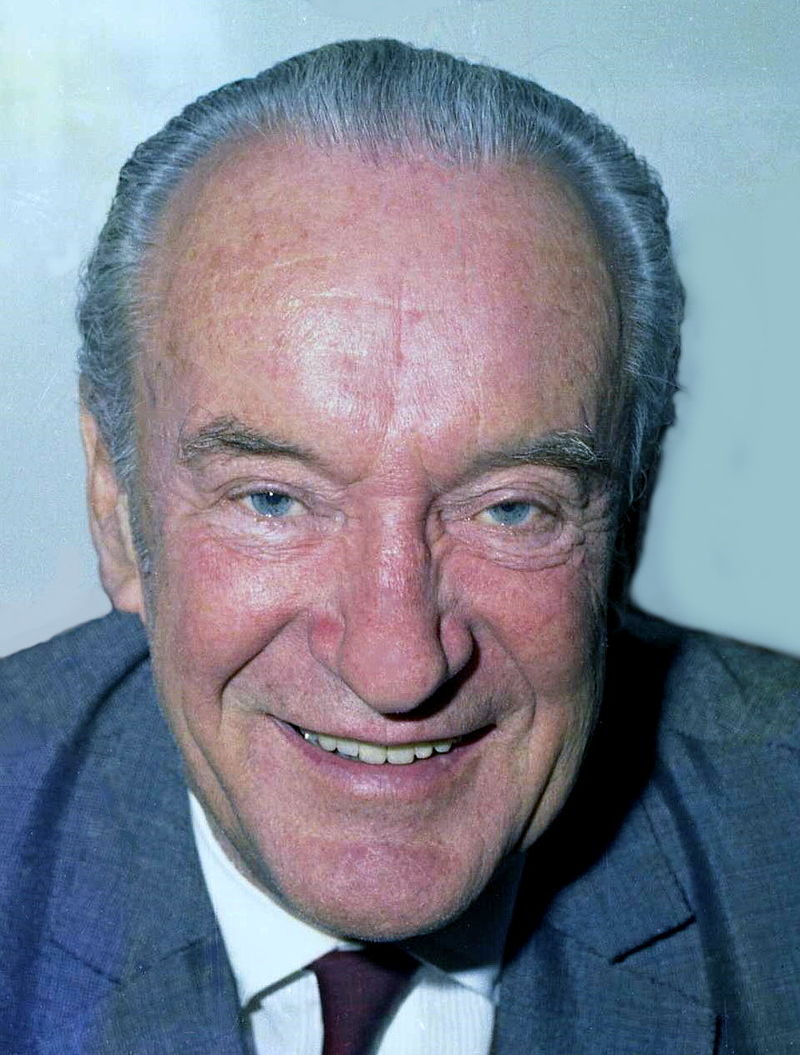
                              85. George Sanders

                                Dates: 1906-1972

                                Early Life and Career: Born in Saint Petersburg in the Russian Empire. Father was a rope manufacturer and mother was a horticulturalist. Family moved to Britain when he was 11

                                due to the Russian Revolution. Attended Bedales School and Brighton College before going to Manchester Technical College after which he worked in textile research. Traveled to South America to manage a tobacco plantation before the Great Depression sent him back to Great Britain. Sanders then worked at an advertising agency where its secretary and then aspiring actress, Greer Garson suggested he take up a career in acting. Began his career on the British stage. Moved to New York to star on Broadway in Noel Coward’s Conversation Piece in 1934. Made first film that same year. Sanders’ smooth, upper-class English accent, sleek manner, and his suave, superior, and somewhat threatening air made him in demand for American films for years to come.

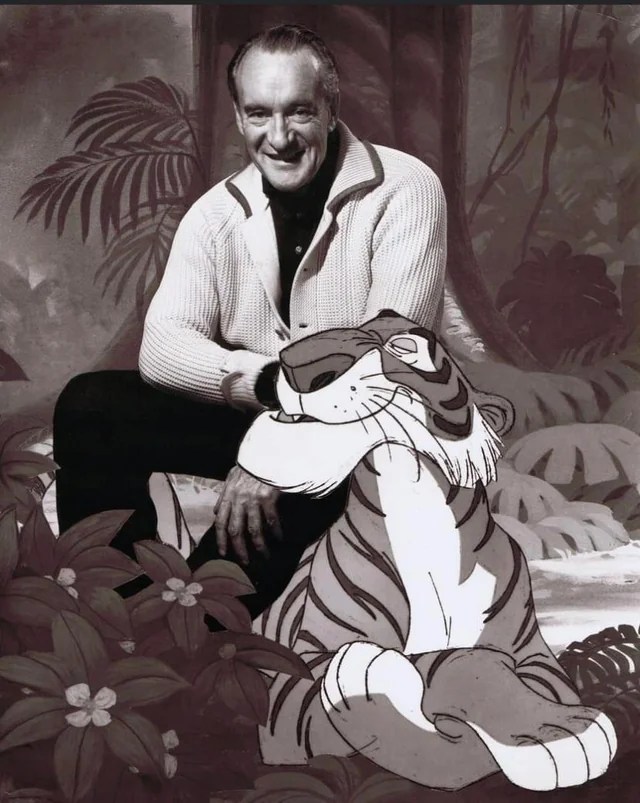
                                Movies and Cartoons: The Jungle Book (1967)

                                Characters: Shere Khan

                                Also Known For: British actor and singer whose career spanned 40 years. Films include Rebecca, Foreign Correspondent, Samson and Delilah, All About Eve, Ivanhoe, King Richard and the Crusaders, Lloyd’s of London, The Moon and Sixpence, The Picture of Dorian Gray, Moonfleet, Journey to Italy, Death of a Scoundrel, Solomon and Sheba, A Shot in the Dark, Cairo, The Golden Head, Good Times, The House of the Seven Gables, Confessions of a Nazi Spy, The Black Swan, The Land is Mine, The Ghost and Mrs. Muir, Forever Amber, The Scarlet Coat, Village of the Damned, The Girl from Rio, The Candy Man, The Kremlin Letter, and Endless Night. Was The Saint in 5 out of the 8 films and The Falcon in the first 4 out of 16. Played Mr. Freeze on Batman although his demeanor in All About Eve inspired the Penguin. TV appearances include The George Sanders Mystery Theater, Four Star Jubilee, What’s My Line?, The Rogues, Voyage to the Bottom of the Sea, The Man from U.N.C.L.E., Daniel Boone, and Mission: Impossible.

                                Personal Life: Younger brother of Tom Conway whom he later cut off contact with because of Conway’s escalating drinking problem. Married 4 times. First wife was Susan Larson (born Elsie Poole) from 1940 to their divorce in 1949. Second wife was actress Zsa Zsa Gabor until their divorce in 1954. Only to star together in Death of a Scoundrel 2 years later. Third wife was actress Benita Hume, Ronald Colman’s widow from 1959 until her death in 1967. Fourth wife was actress and former sister-in-law Magda Gabor in 1970 which was annulled after 32 days. Last relationship was with on-again and off-again girlfriend named Lorraine Chanel that lasted from 1968 until his death.

                                Later Life: Wrote his autobiography Memoirs of a Professional Cad that was published in 1960. By the late 1960s, Sanders had become increasingly reclusive and suffered from depression due to a string of personal tragedies, including the deaths of his third wife, his mother, and his brother Tom all within the span of a year. Followed by a bad investment in which he lost millions of dollars, his short-lived fourth marriage, and a minor stroke. Sanders couldn’t bear the prospect of losing his health or needing help to carry out everyday tasks, and became severely depressed. After discovering that he couldn’t play his grand piano, he dragged it outside and smashed it with an axe. His last girlfriends persuaded him to sell his house in Majorca, which he later regretted and sank further. In 1972, Sanders checked into a hotel in Castelldefels, a town near Barcelona in Spain. 2 days after swallowing 5 bottles of barbiturates, he died from cardiac arrest, leaving behind 2 suicide notes. One which read: “Dear World, I am leaving because I am bored. I feel I have lived long enough. I am leaving you with your worries in this sweet cesspool. Good luck.” He was 65.

                                Trivia: Won Academy Award for Best Supporting Actor in 1950 for All About Eve. Has 2 stars on the Hollywood Walk of Fame. Was friends with David Niven. Was an accomplished singer and possessed a baritone singing voice that he raised at parties and even recorded an album. Had 2 ghostwritten crime novels published under his name to cash in on his roles as The Saint and The Falcon. Biography A Dreadful Man was written by friend Brian Ahern under a title Sanders had suggested himself. Never gave interviews and never signed autographs as well as enjoyed a reputation as a “rude and disagreeable person.”

                                86. Bruce Reitherman

                                  Dates: 1955-present

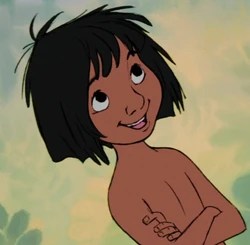
                                  Early Life and Career: Son of Disney animator Wolfgang Reitherman, one of Disney’s Nine Old Men. Mainly landed the part of Mowgli because his dad directed the film.

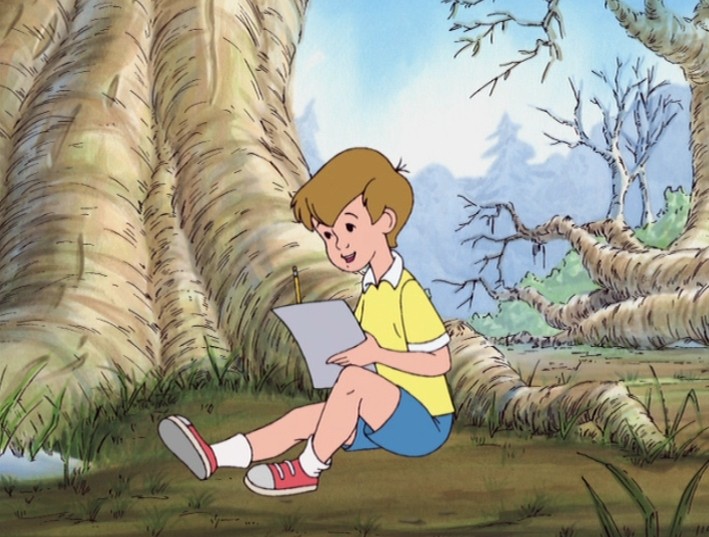
                                  Movies and Cartoons: The Jungle Book (1967), Winnie the Pooh and the Honey Tree (1966), and The Many Adventures of Winnie the Pooh (1977).

                                  Characters: Mowgli and Christopher Robin (singing voice)

                                  Also Known For: Has worked on natural history productions in exotic locations from Alaska to Australia. Starting out as a freelance cameraman in 1983, Reitherman has gone to produce documentaries with PBS, National Geographic Television, The Discovery Channel, The BBC, and Canal Plus. He’s served as cameraman, producer, writer, and director in the 1990s in shows like In the Wild, Nature, and Big Bear Week.

                                  Personal Life: Brother of Richard and Robert Reitherman. Currently lives in Santa Barbara with artist wife Erika Hill since 1986. Has a daughter to her.

                                  Later Life: Graduated from UC Berkely in 1977 on a major in natural resources and a minor in Spanish. Hat stints as a river guide, field biologist, naturalist, expedition leader, and biological consultant. Embarked on a second career in producing nature documentaries starting from the 1980s and into the 2000s.

                                  Trivia: Was part of a Members Only Preview for the behind-the-scenes exhibition titled Walt Disney’s The Jungle Book: Making a Masterpiece during a special talk alongside Andreas Deja, Darlene Carr, and Floyd Norman in 2022 at the Walt Disney Family Museum.

                                  87. Clint Howard

                                    Dates: 1959-present

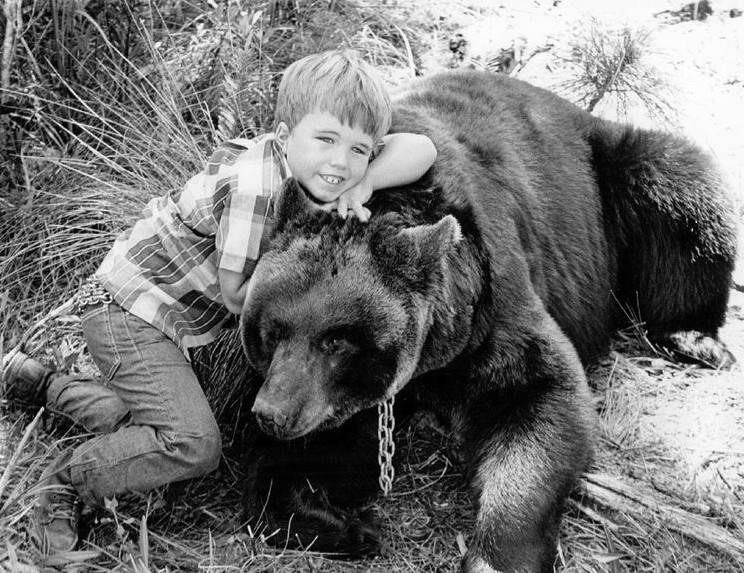
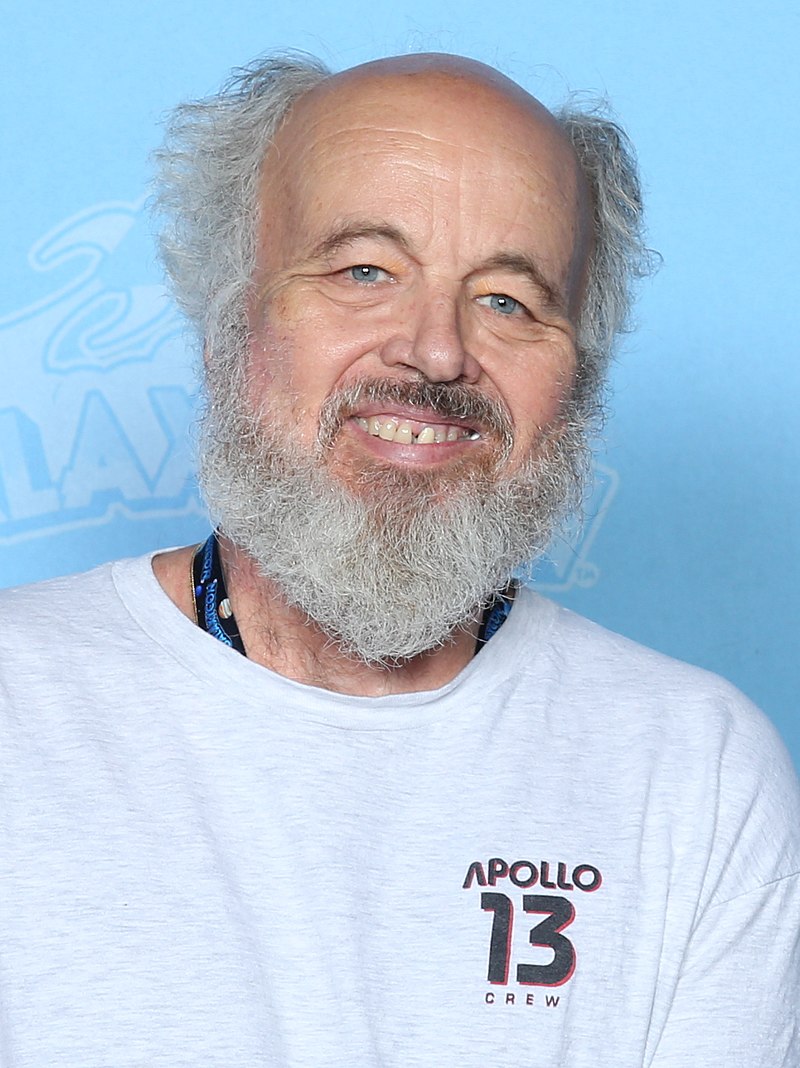
                                    Early Life and Career: Born in Burbank to actor Rance Howard and actress Jeane Speegle. Began his career at the age to 2 on The Andy Griffith Show. Other early roles include in shows like The Streets of San Francisco, The Virginian, Breaking Point, The Fugitive, Gentle Ben, Night Gallery, and The Red Pony. Made film debut in 1963 with The Courtship of Eddie’s Father.

                                    Movies and Cartoons: The Jungle Book (1967), Winnie the Pooh and the Honey Tree (1966), Winnie the Pooh and the Blustery Day (1968), and The Many Adventures of Winnie the Pooh (1977)

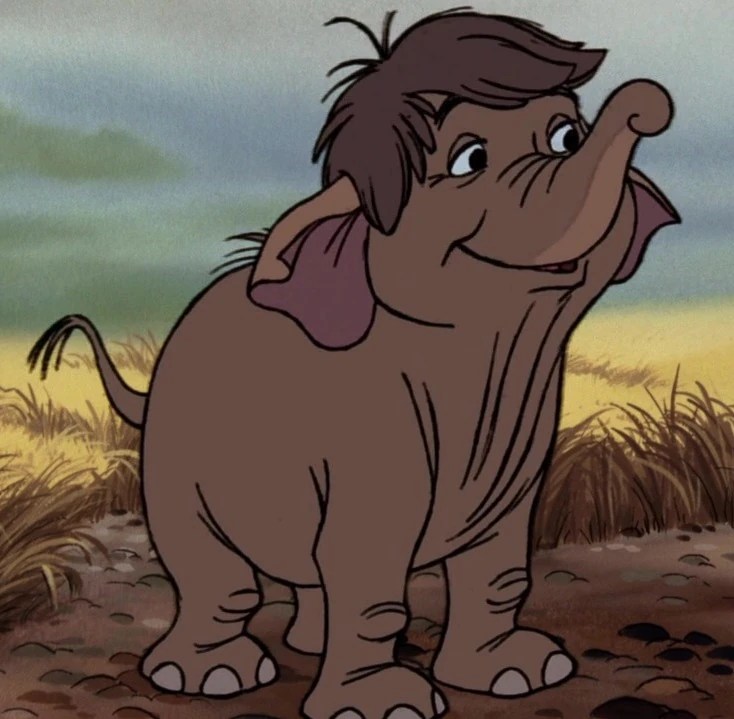
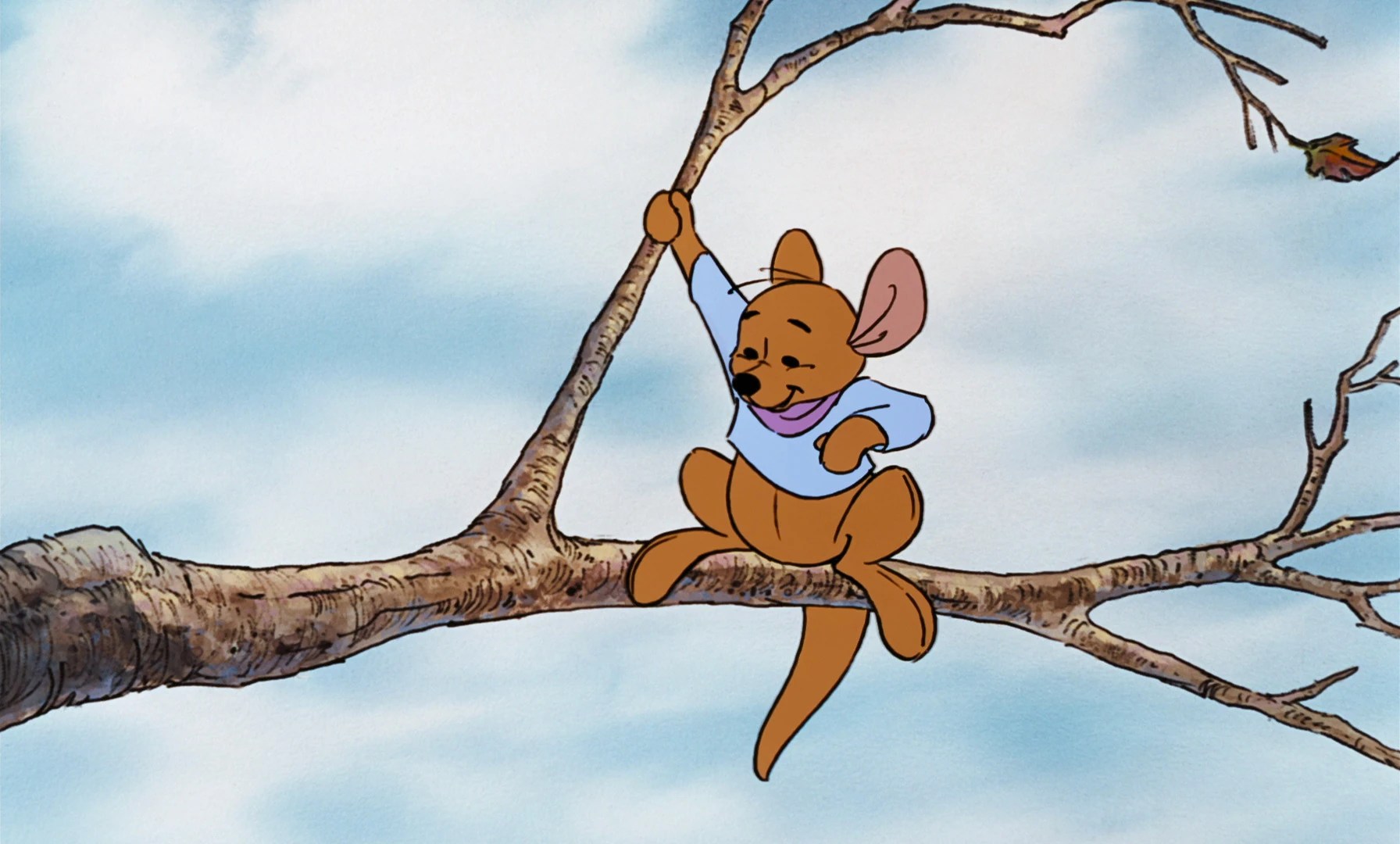
                                    Characters: Hathi Jr. and Roo

                                    Also Known For: Actor who’s got over 200 acting credits including films and television. TV appearances include The Andy Griffith Show, The Streets of San Francisco, The Virginian, Breaking Point, The Fugitive, Gentle Ben, Night Gallery, The Red Pony, Star Trek: The Original Series, Star Trek: Deep Space Nine, Star Trek: Enterprise, Star Trek: Discovery, Star Trek: Strange New Worlds, Fringe, Arrested Development, Seinfeld, Married…with Children, Heroes, The Bold and the Beautiful, From Earth to the Moon, and My Name Is Earl. Films include The Courtship of Eddie’s Father, Grand Theft Auto, Cocoon, Gung Ho, Backdraft, Parenthood, Far and Away, Apollo 13, How the Grinch Stole Christmas (2000), Cinderella Man, The Missing, Frost/Nixon, Rock ‘n’ Roll High School, Get Crazy, The Waterboy, Heart of America, Tango & Cash, That Sing You Do!, Night at the Museum: Battle of the Smithsonian, Austin Powers: International Man of Mystery, Austin Powers: The Spy Who Shagged Me, Austin Powers in Gold Member, The Cat in the Hat, Twilight, and Solo: A Star Wars Story.

                                    Personal Life: Younger brother of Ron Howard and uncle of Bryce Dallas and Paige Howard. Married 3 times. First wife was Ann Marie Lynch from 1988 to their divorce in 1989. Second wife was Melanie Sorich from 1995 until 2018. Although they separated in 2015. Third wife is Kat C. Cruz at a private Las Vegas ceremony in 2020. Has a daughter named Rafa’ella Erlinda. Was an avid golfer who played 150 rounds a year from 1990 until hip replacements forced him to quit.

                                    Later Life: Still actively working as of 2025.

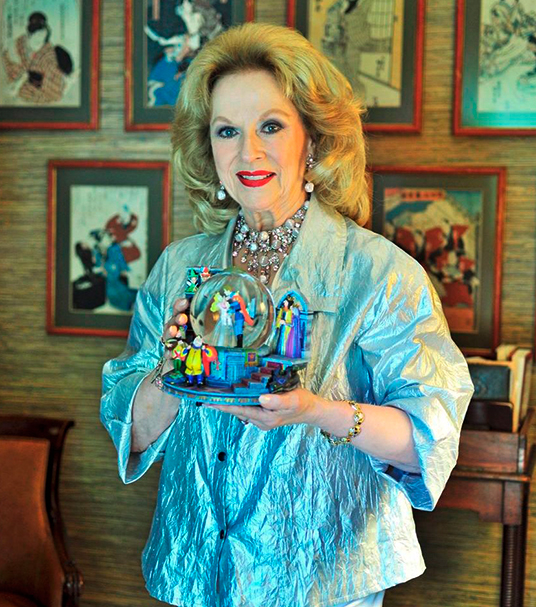
                                    Trivia: In 1981, he formed the Kempsters, a new wave comprising of him and his friends and who played regularly at Madame Wong’s West until 1983. In 2015, Howard began creating one-of-a-kind snow globes that are occasionally featured on entertainment programs.

                                    88. Chad Stuart

                                      Dates: 1941-2020

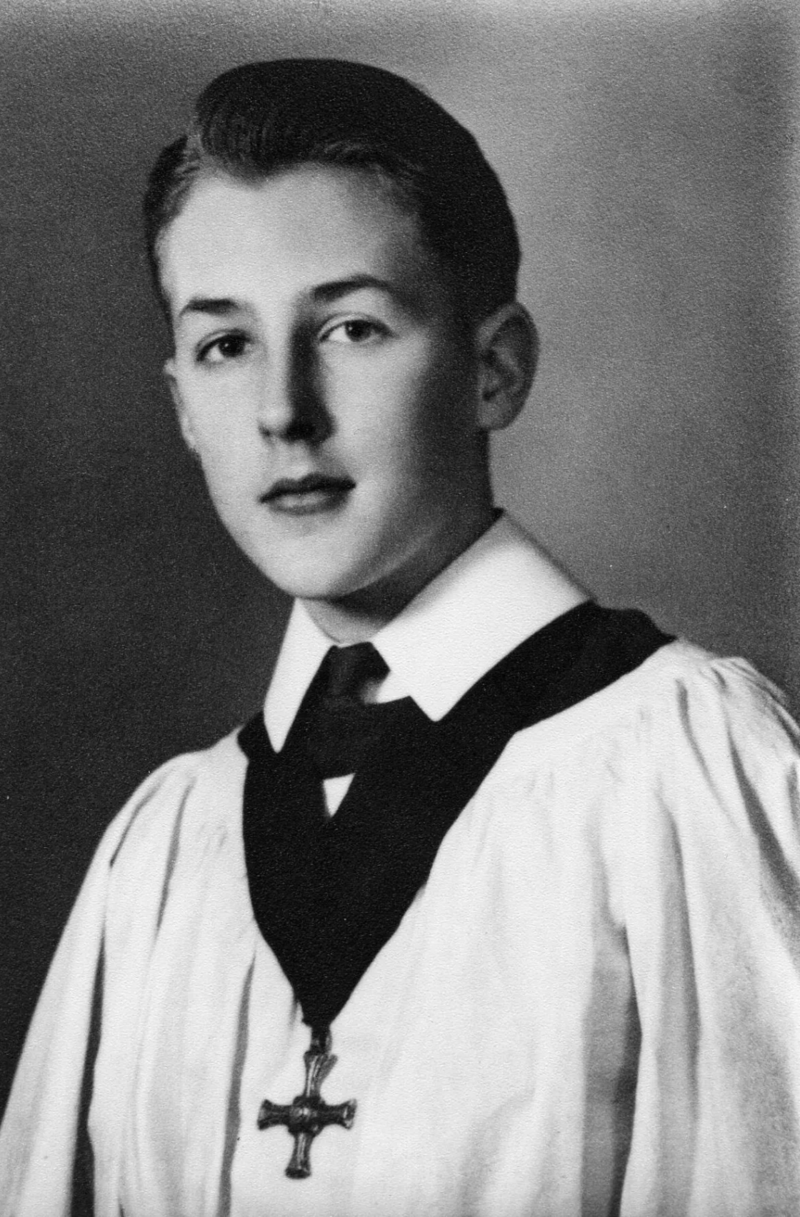
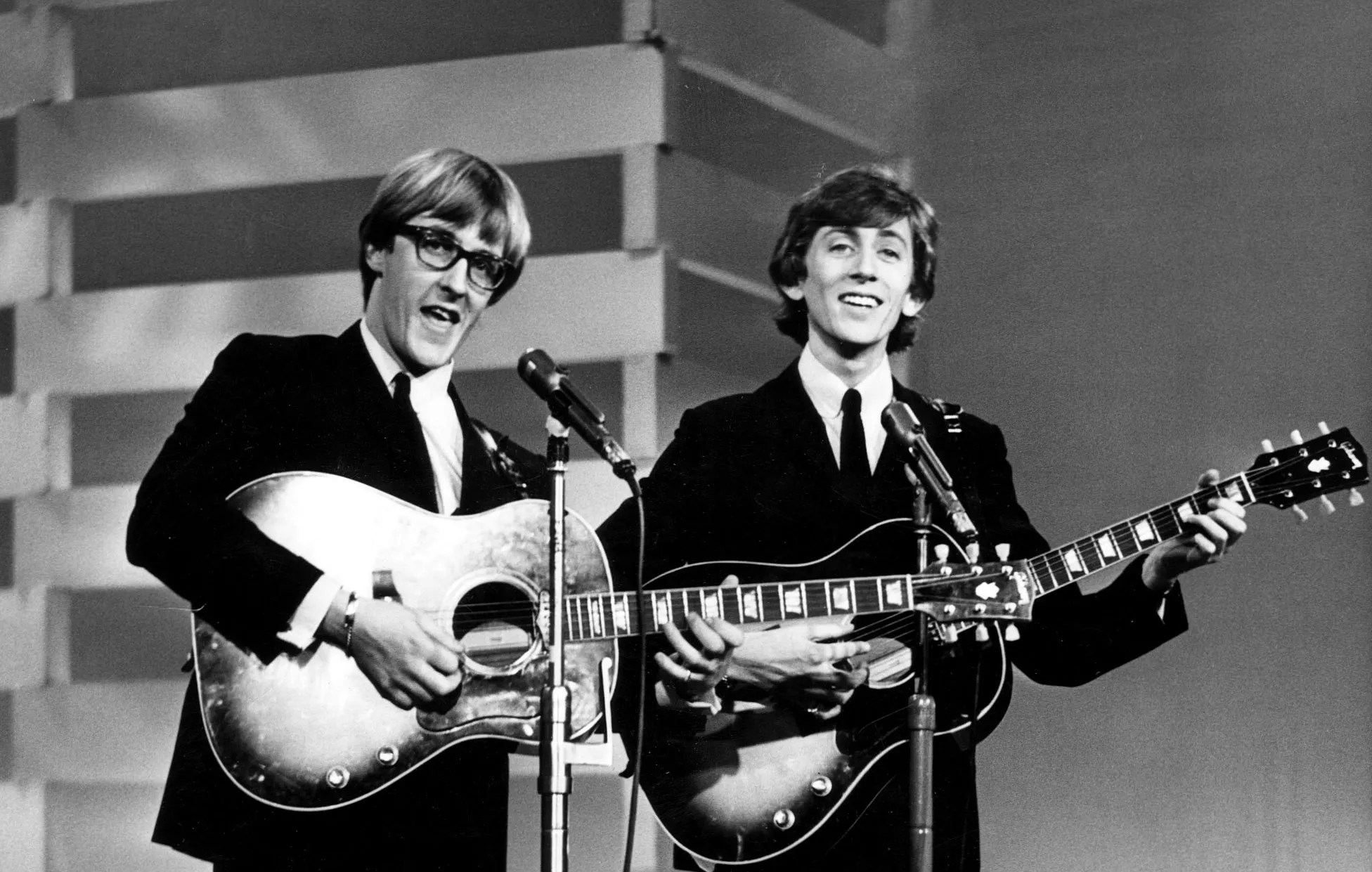
                                      Early Life and Career: Born David Stuart Chadwick in Windermere, Westmoreland, England. Father was a lumber company foreman. Mother was a nurse. Family moved to Hartepool at 5 in Northeast England when his father’s job was transferred. Was recognized for his musical talent at 10 and earned a scholarship to attend the Durham Cathedral Chorister School. After graduation, Stuart briefly attended art school before switching to drama. Later won a scholarship to the Central School of Speech and Drama in London. There, he met fellow student Jeremy Clyde. Began working with Clyde as the British musical duo Chad & Jeremy in 1962. Legally changed his name to Chad Stuart in 1964.

                                      Movies and Cartoons: The Jungle Book (1967)

                                      Characters: Flaps

                                      Also Known For: British musician and songwriter best known as one half of the duo Chad & Jeremy. Hits include “Yesterday’s Gone,” “You and She,” “A Summer Song,” “Willow Weep for Me,” and “What Do You Want With Me.”

                                      Personal Life: Married 3 times. First wife was model Jill Gibson whom he met while at the Central School of Speech and Drama. They married in 1964 but later divorced. Second wife was Valerie Romero whom he also divorced. Third wife was Judy Shelly in 2010. Marriage lasted until his death. Has several children and step-children including film, television, and voice actor James Patrick Stuart. Later settled in the state of Idaho.  

                                      Later Life: Chad & Jeremy disbanded in 1968 due to commercial failures and divergent personal ambitions. Following the breakup, Stuart worked as a staff producer at A&M Records and musical director for the Smothers Brothers. Reunite with Clyde during the 1980s to record a new album, perform concerts, and go on a multi-band British nostalgia invasion tour. They officially reunited in 2003 and had a semi-regular tour schedule until Stuart’s retirement in 2016. Died in 2020 in Hailey, Idaho from pneumonia following a fall.

                                      Trivia: Has supported and donated to Habitat for Humanity, the Humane Society, and other benefits. All profits from his album Chad Stuart & the KGB went to stopping the slaughtering of wild horses.

                                      89. Lord Tim Hudson

                                        Dates: 1940-2019

                                        Early Life and Career: Born George Timothy Brumwell in Prestbury, Cheshire, England. Was educated in Cumberland and at the Strathallan School in Perthshire. Father served in Bomber Command during World War II and was killed during a raid over Belgium in 1944. In 1948, his mother married a cotton business owner named Henry Hudson. Moved to London in 1961 before spending some time in France. Returned to London in 1963 to work as a trainee executive for Prestige pressure cooker manufacturers but resolved to work in the music industry. On a visit to Birmingham, Hudson allegedly offered to manage The Moody Blues and introduced the band to Decca Records but his role is disputed. Hudson then moved to Montreal where, as “Lord Tim of Liverpool,” he became a DJ on CKGM. When the Beatles embarked on their 1965 North American tour, San Diego’s KCBQ hired him. Of course, Hudson bullshitted his way into this position by describing himself as a record producer who claimed to know the Beatles personally and to have helped discover the Moody Blues. Hudson made broadcasts publicizing the band’s appearances in the San Diego area. Using his English contacts, he managed to get permission to travel with the group and to file reports exclusively on KCBQ. However, according to The Journal of San Diego History, it’s been said of him that: “He used his suave British accent to promote himself and became particularly popular among women. His problems surfaced, despite his claims to the contrary, when he could not do the simplest of tasks such as working the controls, playing records, or punching in ads. Having never before been on the radio, all he could do was sit in the studio and talk on the microphone. His brief stint at KCBQ, in terms of radio work, was one of the station’s worst staffing disasters.” Later landed a high-profile evening slot on KFWB Los Angeles that lasted approximately a year and a half. In 1966, Hudson presented Nancy Sinatra a gold disc to mark her million seller “These Boots Are Made for Walkin’” However, since the gold record failed to arrive, he had to present Sinatra with a similarly earned disc of Dean Martin’s “Everybody Loves Somebody.” In 1967, Hudson managed the Seeds and later The Lollipop Shoppe. Left the music industry disillusioned in 1969.

                                        Movies and Cartoons: The Jungle Book (1967) and The Aristocats (1970)

                                        Characters: Dizzy and Hit Cat

                                        Also Known For: British DJ who worked for San Diego KCBQ and Los Angeles KFWB during the mid-1960s and was manager for The Seeds and The Lollipop Shoppe. Was also an artist, voice actor, and sports manager. Had a radio show during the 1970s called Hudson’s Theater of the Mind on non-commercial KXLU.

                                        Personal Life: Was once engaged to Dean Martin’s daughter. Married 4 times and divorced 3. Fourth wife was Maxi Gordon Silver whom he wed in the 1970s, which lasted until his death. Had a daughter from his second marriage.

                                        Later Life: During the 1970s, Hudson invested in Hollywood property and set up what he claimed to be its first organic food restaurant. In 1984, he returned to England where he bought Birtles Old Hall near Macclesfield in Cheshire with an attached cricket ground. Later managed English cricketer Ian Botham who later fired him after Hudson tried to promote him as a potential movie star in Hollywood. Also hosted celebrity cricket matches on his ground during the 1980s. Moved to Palm Springs during the 1990s where he had paintings exhibited and continued working as a DJ. Latest edition of autobiography From Beatles to Botham was published in 2014. Died after heart surgery in Chelsea, London in 2019 at 79.

                                        Trivia: Obituary in The Times called him a “colorful chancer.”

                                        90. Digby Wolfe

                                          Dates: 1929-2012

                                          Early Life and Career: Born James Digby Wolfe in London, England. Father was an international banker. Mother was an artist for Vogue magazine. At 4, his father died after being hit in the head with a golf ball. Brought up by his mother in Felixstowe. Made film debut in 1948. Began writing and performing a comedy series in England during the 1950s as well as had his own TV show before moving to Sydney, Australia in 1959. After a brief return to the UK, he moved to the United States in 1964.

                                          Movies and Cartoons: The Jungle Book (1967)

                                          Characters: Ziggy

                                          Also Known For: British actor and writer who had a successful career in the UK, Australia, and the US. Film appearances include The Weaker Sex, The Guinea Pig, Landfall, Stage Fright, The Dark Man, Little Big Shot, Father Goose, and The Big Money. TV appearances include Wolfe at the Door, That Was the Week That Was, Bewitched, I Dream of Jeannie, The Munsters, Rowan & Martin’s Laugh-In, This Is Your Life, and The Monkees. Wrote for John Denver, Shirley MacLaine, Cher, and Jackie Mason.

                                          Personal Life: Married Patricia Mannion, which lasted until his death.

                                          Later Life: Later taught dramatic writing at the University of New Mexico first as a visiting professor and then as the char of the Robert Hartung Dramatic Writing Program in the Theatr and Dance Department. Was awarded “Teacher of the Year,” at that university in 2001. Retired in 2002. Died after a short battle in Albaquerque, New Mexico in 2012 at 82.

                                          Trivia: Won an Emmy for Laugh-In. Also taught screenwriting at USC Master of Professional Writing program. Was friends with Goldie Hawn and Shirley MacLaine.

                                          The Secret and Scandalous Lives of Disney Voice Actors – Volume I: Part 8 One Hundred and One Dalmatians and The Sword in the Stone

                                          As the 1960s dawned, Disney’s animation department was in trouble after the failure of Sleeping Beauty resulted in many layoffs. That Roy Disney attempted to persuade Walt to shut down the company’s feature animation division since there were enough films remained for successful re-releases. Yet, Walt refused but because of his plans to build another theme park in the United States, he’d approve of only one animated film per every 4 years. Since One Hundred and One Dalmatians and The Sword in the Stone were already in development since at least the mid-1950s (although the development of The Sword in the Stone was much longer). Both of these movies were based on British novels and screenplays written by Bill Peet. Both of them employed inexpensive animation techniques such as xerography during the process of inking and painting traditional animation cels to keep production costs down. Which resulted in a transformed art style for the studio’s animated films.  And both would be the last 2 animated Disney feature films completed during Walt Disney’s lifetime. However, as with Alice in Wonderland and Peter Pan, both of these films would go in different directions upon release. And unlike the other 2 films, their reputations wouldn’t really change very much over the decades. One Hundred and One Dalmatians’ 1961 release won the film critical acclaim and became the first Disney movie to gross over $10 million at the box office, grossing $14 million in the US and Canada. It also became the most popular film in France that year with over 14.7 million admissions. More importantly, it saved the studio’s animation department from a financial slump caused by Sleeping Beauty’s underperformance 2 years prior. And decades later during the 1990s, it would become the first Disney movie to have its own live action remake which starred Glen Close as Cruella De Vil. Today, the movie holds iconic status with Cruella De Vil as one of Disney’s most memorable villains with a truly unforgettable song that will never leave your head. By contrast, The Sword in the Stone’s 1963 release only garnered $4.75 million at the box office and mixed reviews. Although it would acquire classic status while Merlin and Madam Mim would become memorable characters, it has often become overshadowed by giants that many people still don’t know that this film exists. Especially since Mary Poppins would come out the next year and we all know how much that film has impacted pop culture. In fact, it holds a 68% Rotten Tomatoes rating which is okay but pretty poor by Disney standards. But at least it’s not Song of the South. In this post, you’ll meet actors Paul Frees and Mary Wickes as well as the voices behind characters like Old Towser, The Labrador, Sir Ector (and Bagheera), Sir Pelinore, Merlin, Archimedes (and Rabbit), Sir Kay, and Girl Squirrel.

                                          71. Tudor Owen

                                            Dates: 1898-1979

                                            Early Life and Career: Born Roy Tudor Owen in Penarth, Glamorgan, Wales. Began his career in a 1926 silent film and would never make another movie until the 1940s. Worked in radio during the 1940s and 1950s.

                                            Movies and Cartoons: One Hundred and One Dalmatians (1961) and The Sword in the Stone (1963)

                                            Characters: Old Towser, Truck Driver, Knights, and Nobles in Crowd.

                                            Also Known For: Welsh character actor who appeared in film, radio, and television for over 40 years. Often played rustics, sea captains, sheriffs, priests, and police officers. Radio appearances include Alias John Doe, Escape, Suspense, Family Theater, Lux Radio Theatre, Crime Classics, and The Lone Ranger. Films include Montana, Black Castle, Back to God’s Country, Perils of the Jungle, Brigadoon, The Oklahoma Woman, Congo, Jack the Giant Killer, Challenge to Lassie, Lorna Doone (1951), Angels in the Outfield (1951), Deadline – U.S.A., The World in His Arms, Les Miserables (1952), My Cousin Rachel, Houdini, How to Marry a Millionaire, Prince Valiant, The Court Jester, North to Alaska, and How the West Was Won. TV appearances include Perry Mason, The Lone Ranger, and Mayor of the Town.

                                            Personal Life: Married Gladys Virginia Bennett Paterno in 1953. Marriage lasted until his death.

                                            Later Life: Died in Los Angeles in 1979 at 81.

                                            Trivia: None.

                                            72. Ramsay Hill

                                              Dates: 1889-1976

                                              Early Life and Career: Born Cyril Seys Ramsay-Hill in Georgetown Guyana. Obtained a chemistry degree from the Brighton Technical School in 1909. Served with the Royal Buckinghamshire Hussars during World War I. Made first film in 1928.

                                              Movies and Cartoons: One Hundred and One Dalmatians (1961)

                                              Characters: The Labrador and Television Announcer

                                              Also Known For: British actor in film, radio, and television whose military experience and multilingual proficiency made him a much in-demand technical advisor and dialogue coach in Hollywood. Radio appearances include Lux Radio Theatre, Suspense, Cavalcade of America, Favorite Story, Escape, Let George Do It, NBC University Theatre, Dangerous Assignment, Screen Guild Players, Screen Director’s Playhouse, NBC Presents: Short Story, and Space Patrol. Films include Dishonored, Mad Love, The Crusades, The Last Outpost, The Man Who Broke the Bank at Monte Carlo, A Tale of Two Cities, Espionage, Old Louisiana, The Emperor’s Candlesticks, Conquest, Lord Jeff, Marie Antoinette, The Exile, Forever Amber, The Fighting O’Flynn, The Iron Mistress, The Black Shield of Falworth, East of Eden, The Ten Commandments, Midnight Lace, and The Unsinkable Molly Brown. TV appearances include Oboler Comedy Theater, The Unexpected, Space Patrol, The Whistler, Damon Runyon Theater, Screen Director’s Playhouse, I Love Lucy, Telephone Time, and The Adventures of Jim Bowie. Served as technical advisor on Suez, Swiss Family Robinson, Madame Curie, The White Cliffs of Dover, The Snows of Kilimanjaro, King of the Khyber Pass, and Back from Eternity.

                                              Personal Life: Married at least 4 times. Second was to Edith Mary Agnes Hughes (nee Maude) from 1924 until their divorce in 1928. Third was to Patsey Morris whom he remained married to until at least 1949 when it was reported that they resided on Foothill Boulevard in Pasadena. Had a son named John who had a brief career as a child actor until committing suicide at 19 allegedly due to a love affair but Hill and Morris had already divorced by then. Last wife was a woman named Polly with whom he remained with until his death.

                                              Later Life: Became a US citizen in 1952 at 62. Retired from acting in 1961. Died in 1976 of undisclosed causes at Valley Presbyterian Hospital in Van Nuys, California at 86. Interred in Valhalla Memorial Park in North Hollywood.

                                              Trivia: None.

                                              73. Paul Frees

                                                Dates: 1920-1986

                                                Early Life and Career: Born Solomon Hersh Frees in Chicago, Illinois to a Jewish family. Grew up in the city’s Albany neighborhood and attended Von Steuben Junior High School. Appeared on vaudeville as an impressionist during the 1930s under the name Buddy Green. Began his career in radio in 1942 and would remain active for over 40 years. Early radio career was cut short due to being drafted into the US Army during World War II. Fought in Normandy, France on D-Day. Was wounded in action and returned the United States for a year of recuperation. Attended the Chouinard Art Institute under the GI Bill. But eventually dropped out and returned to radio once his first wife’s health failed.

                                                Movies and Cartoons: One Hundred and One Dalmatians (1961) and Mary Poppins (1964) as well as various shorts, records, series, and theme park attractions such as Adventure Thru Inner Space, Pirates of the Caribbean, and The Haunted Mansion.

                                                Characters: Dirty Dawson and Barnyard Horse. Also voiced Professor Von Drake in The Wonderful World of Disney as well as Walt Disney’s Wonderful World of Color.

                                                Also Known For: Known as “The Man of a Thousand Voices,” Frees was an actor, comedian, impressionist, and vaudevillian. In addition to Disney, he did voice work for other studios such as Warner Bros., MGM, Hanna-Barbera, UPA, Rankin/Bass, Walter Lantz Productions, Filmation, DePatie-Freleng Enterprises, Jay Ward Productions, and Ruby-Spears. Involved in more than 250 films, cartoons, and TV appearances. Best known role was Boris Badenov from The Rocky and Bullwinkle Show. In advertising he voiced Pillsbury Doughboy, Fresh-Up Freddie, Toucan Sam, Boo-Berry, and The Farmer who helps the Little Green Sprout. Radio appearances include Escape, Suspense, Gunsmoke, Crime Classics, The Great Lama, Bradbury 13, The Lux Radio Theatre, The Alan Young Show, Ellery Queen, The First Nighter Program, The Adventures of Philip Marlowe, Four Star Playhouse, Mr. President, Fibber McGee and Molly, CBS Radio Workshop, and The Player. Did voice dubbing for other actors in Midway, Some Like It Hot, Spartacus, The Harder They Fall, and The Ugly Dachsund. Film appearances include Mars and Beyond, The Absent-Minded Professor, The Monkey’s Uncle, The Manchurian Candidate (1962), Night of the Eagle, Earth vs. the Flying Saucers, The St. Valentine’s Day Massacre, Patton, The Incredible Mr. Limpet, The Cyclops, Robin and the 7 Hoods, Breakheart Pass, Suddenly, The Thing from Another World, A Place in the Sun, Big Sky, Jet Pilot, Beginning of the End, The War of the Worlds (1953), Snow White and the Three Stooges, The Magic Sword, In Cold Blood, The Snow Queen, A Man Called Flintstone, The Flight of Dragons, Twice Upon a Time, The Last Unicorn, and The World’s Greatest Sinner. TV appearances include The Jack Benny Program, The Millionaire, The Adventures of Jim Bowie, Rescue 8, The Alvin Show, Fractured Flickers, Get Smart, Hawaii Five-O, Wonder Woman, Knight Rider, Alfred Hitchcock Presents, The Woody Woodpecker Show, Steve Canyon, Mr. Magoo, The Flintstones, The Dick Tracy Show, Krazy Kat, Hoppity Hopper, The New Three Stooges, I Dream of Jeannie, The Beatles (cartoon series), George of the Jungle, Laurel and Hardy, The Super 6, The Fantastic Four, The Superman/Aquaman Hour of Adventure, The Pink Panther Show, The Mouse on the Mayflower, The Little Drummer Boy, Frosty the Snowman, Santa Claus Is Comin’ to Town, The Dudley Do-Right Show, The Osmonds, and The Wind in the Willows. Once wrote on The Donald O’Connor Show and served as director, screenwriter, and executive producer for The Beatniks. Also wrote some popular songs as well.

                                                Personal Life: Married 5 times. First was to Anelle McCloud from 1943 to her death in 1945. Second was to Kleda June Hansen from 1947 to their 1950 divorce. Third was to actress Joyce Schultz in 1951 which produced a son named Frederic and a daughter Sabrina but ended in divorce. Fourth was to Jeri J. Cole from 1967 to their 1969 divorce. Last to Beverly T. Marlow in 1971. Although they remained married until his death, they were estranged by then. In fact, Marlow was living in Mesa, Arizona at the time.

                                                Later Life: Joined ASCAP in 1956. Suffered from multiple ailments including arthritis, diabetes, and vision loss as well as been in constant pain. Died at his Tiburon, California home in 1986 at 66 via a self-administered overdose of pain medication. Although his death was ruled as a suicide, Frees’ agent issued a press release that he died of heart failure instead. Body was cremated and ashes were scattered over the Pacific Ocean.

                                                Trivia: Named a Disney Legend in 2006.

                                                74. Mary Wickes

                                                  Dates:1910-1995

                                                  Early Life and Career: Born Mary Isabella Wickenhauser in University City, Missouri, a suburb of St. Louis County. Parents were theater buffs who took her to place from the time she could stay awake through a matinee. An excellent student, she skipped 2 grades and graduated from Beaumont High School at just 16. Attended Washington University in St. Louis where she joined the debate team and the Phi Mu sorority. Was initiated into Mortar Board in 1929 and graduated in 1930 with a double major in English literature and political science. Although she initially planned to become a lawyer, a favorite professor encouraged Wickes to try drama instead. Made her first appearance in 1934 in Farmer Takes a Wife with Henry Fonda. Started acting in films during the late 1930s and joined Orson Welles’ troupe on his radio drama The Mercury Theatre on the Air.

                                                  Movies and Cartoons: One Hundred and One Dalmatians (1961) and The Hunchback of Notre Dame (1996)

                                                  Characters: Freckles and Laverne

                                                  Also Known For: Actress known for playing supporting roles as prim, professional women such as secretaries, nurses, nuns, therapists, teachers, and housekeepers who made sarcastic quips when leading characters fell short of their high standards. Film appearances include The Man Who Came to Dinner, Now, Voyager, Private Buckaroo, The Mayor of 44th Street, How’s About It, Rhythm on the Islands, Happy Land, June Bride, Anna Lucasta, On Moonlight Bay, I’ll See You in My Dreams, The Petty Girl, The Story of Will Rogers, Bloodhounds of Broadway, By the Light of the Silvery Moon, The Actress, White Christmas, Destry, Good Morning Miss Dove, Don’t Go Near the Water, Cimarron (1960), The Sins of Rachel Cade, The Music Man, Fate Is the Hunter, Dear Heart, How to Murder Your Wife, The Trouble with Angels, Napoleon and Samantha, Touched by Love, The Canterville Ghost (1985), Postcards from the Edge, Sister Act, and Little Women (1994). TV appearances include Actors Studio, Ford Theatre, The Philco Television Playhouse, Studio One in Hollywood, The Chevrolet Tele-Theatre, Four Star Revue, I Love Lucy, The Alcoa Hour, Alfred Hitchcock Presents, Playhouse 90, Zorro, Dennis the Menace, Ford Startime, Bonanza, The Lucy Show, Here’s Lucy, Columbo, Hallmark Hall of Fame, Sanford and Son, Sigmund and the Sea Monsters, Kolchak: The Night Stalker, M*A*S*H, Match Game, Tabitha, The Waltons, Trapper John M. D., Punky Brewster, ABC Afterschool Special, Murder, She Wrote, Father Dowling Mysteries, Highway to Heaven, and Life with Louie.

                                                  Personal Life: Was 5’10.” Never married.

                                                  Later Life: Suffered from numerous ailments in the last years of her life that cumulatively resulted in her hospitalization after falling and breaking her hip. Died of complications following hip surgery in 1995 at the UCLA Medical Center in Los Angeles. She was 85. Jane Withers filled in to finish recording her lines for the role of Laverne in The Hunchback of Notre Dame. Left a large estate made a $2 million bequest in memory of her parents, establishing the Isabella and Frank Wickenhauser Memorial Library Fund for Television, Film and Theater Arts at Washington University in St. Louis.

                                                  Trivia: Inducted into the St. Louis Walk of Fame in 2004. Nominated for an Emmy in 1962. Was a neighbor and good friend to Lucille Ball. Served as the live action reference model for Cruella DeVil.

                                                  75. Sebastian Cabot

                                                    Dates: 1918-1977

                                                    Early Life and Career: Born in London, England. Left school at 14 to work at a garage where he served as a chauffer and valet for British actor Frank Pettingell. Became interested in theater and later joined a repertory company. Initially lied about his acting credits and used an agency to find acting employment. Had no formal acting training whatsoever. Made first film in 1935. Moved to the United States in 1956.

                                                    Movies and Cartoons: The Sword in the Stone (1963), The Jungle Book (1967), and The Many Adventures of Winnie the Pooh (1977)

                                                    Characters: Sir Ector and Bagheera.

                                                    Also Known For: Best known for playing butler Giles French on the show Family Affair. Specialized in elegant upper-class educated roles. Film appearances include Secret Agent, Love on the Dole, Pimpernel Smith, They Made Me a Fugitive, Third Time Lucky, Spider on the Fly, Ivanhoe, The Love Lottery, Babes in Bagdad, Romeo and Juliet (1952), Westward Ho, the Wagons!, Johnny Tremain, The Time Machine, Kismet, Knights of the Queen, Omar Khayyam, Terror in a Texas Town, The Angry Hills, Twice-Told Tales, and The Family Jewels. TV appearances include The Beachcomber, Gunsmoke, Alfred Hitchcock Presents, Meet McGraw, Bonanza, Pony Express, The Twilight Zone, Checkmate, Stump the Stars, The Islanders, The Beverly Hillbillies, and Ghost Story. TV movies include The Spy Killer, Foreign Exchange, and Miracle on 34th Street (1973).

                                                    Personal Life: Married Katherine Rose Humphries in 1940. Marriage produced 3 children and lasted until his death. Children Annette and Christopher Cabot also became actors.

                                                    Later Life: Survived his first stroke in 1974, compelling him to retire from acting. Died due to complications from another stroke in Victoria, British Columbia at 59. Buried in Westwood Village Memoria Park Cemetery in Los Angeles.

                                                    Trivia: Once narrated a 13-part radio drama on the Lewis and Clark Expedition called Horizons West in the 1950s. Released an album on his spoken recitations of Bob Dylan songs called Sebastian Cabot, actor/Bob Dylan, poet in 1967. Nominated for an Emmy in 1968. Said to have a collection of photos depicting nude tribal women.

                                                    76. Karl Swenson

                                                      Dates: 1908-1978

                                                      Early Life and Career: Born in Brooklyn, New York City of Swedish parentage. Enrolled in Marietta College with aspirations to become a doctor and undertook premed studies. But left to pursue an acting career. Appeared on Broadway during the 1930s and 1940s. Appeared on radio from the 1930s to the 1950s.

                                                      Movies and Cartoons: The Sword in the Stone (1963)

                                                      Characters: Merlin

                                                      Also Known For: American theatre, radio, film and television actor whose career spanned from the 1930s to the 1970s. Radio appearances include Cavalcade of America, Inner Sanctum Mysteries, Joe Palooka, X Minus One, Lorenzo Jones, The March of Time, The Mercury Theatre on the Air, Our Gal Sunday, Portia Faces Life, This Is Your FBI, The Adventures of Father Brown, and Mr. Chameleon. Films include No Name on the Bullet, The Birds, The Prize, Major Dundee, The Sons of Kate Elder, The Cincinnati Kid, Hour of the Gun, Brighty of the Grand Canyon, North to Alaska, One Foot in Hell, Flaming Star, Judgement at Nuremberg, Lonely Are the Brave, The Wild Country, Vanishing Point, How the West Was Won, and Ulzana’s Raid. Television appearances include The Edge of Night, Tales of Wells Fargo, Gunsmoke, Leave It to Beaver, Bachelor Father, Have Gun – Will Travel, Maverick, Riverboat, The Man from Blackhawk, Klondike, Johnny Ringo, The Andy Griffith Show, Gomer Pyle U.S.M.C., Laramie, Steve Canyon, Alfred Hitchcock Presents, The Eleventh Hour, The Virginian, Lassie, Perry Mason, Bonanza, Hogan’s Heroes, and Little House on the Prairie.

                                                      Personal Life: Married twice. First to Virginia Hanscom from 1934 to their 1950 divorce. Had 4 sons with her. Second was to actress Joan Tompkins from 1951 to his death.

                                                      Later Life: Died in 1978 of a heart attack at the Charlotte Hungerford Hospital in Torrington, Connecticut at 70.

                                                      Trivia: Was credited as Peter Wayne earlier in his theater career when he acted alongside Henry Fonda, Margaret Sullavan, and James Stewart. Founded a summer stock company called University Players.

                                                      77. Alan Napier

                                                        Dates: 1903-1988

                                                        Early Life and Career: Born Alan William Napier-Clavering in King’s Norton, Birmingham, England. Educated at Packwood High School, Clifton College, and the Royal Academy of Dramatic Art where he graduated in 1925. Engaged in the Oxford Players where he worked alongside Robert Morely and Sir John Gielgud. Although being 6’6” nearly cost him a position there but performed on the West End stage from 1929 to 1939. Made his American stage debut in Lady in Waiting. Yet, he had little success in film until he joined the British expatriate community in Hollywood in 1941.

                                                        Movies and Cartoons: The Sword in the Stone (1963) and Mary Poppins (1964)

                                                        Characters: Sir Pelinore, Huntsman, Reporter #3, and Hound

                                                        Also Known For: Best remembered as Alfred Pennyworth in the live-action 1960s Batman series. Yet also had a long career in both the UK and in Hollywood. Film appearances include Random Harvest, Cat People, The Uninvited, The Song of Bernardette, Joan of Arc, Macbeth (1948), Julius Caesar (1953), Marnie, The House of the Seven Gables, Eagle Squadron, Lassie Come Home, Madame Curie, Thirty Seconds Over Tokyo, Mademoiselle Fifi, Hangover Square, Sinbad the Sailor, Fiesta, Ivy, Forever Amber, Johnny Belinda, The Great Caruso, Tripoli, The Blue Veil, Young Bess, The Court Jester, Journey to the Center of the Earth, Tender Is the Night, The Premature Burial, and My Fair Lady. TV appearances include Alfred Hitchcock Presents, Your Show Time, Tales of Wells Fargo, Don’t Call Me Charlie!, The Twilight Zone, The Beverly Hillbillies, Daniel Boone, Family Affair, Ironside, QB VII, The Bastard, and Centennial.
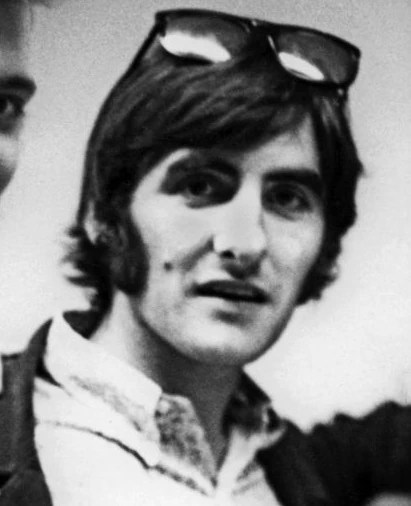
                                                        Personal Life: Married twice. First was to Nancy Bevill Pethybridge from 1930 to their 1944 divorce. Second was to Aileen Dickens Hawksley from 1944 until his death.

                                                        Later Life: Retired from acting in 1981. Appeared on The Late Show as part of the Batman reunion in 1988 despite being in a wheelchair. Suffered a stroke in 1987, was hospitalized in mid-1988, and was gravelly ill for several days before his death of natural causes in the Berkeley East Convalescent Hospital in Santa Monica at 85.

                                                        Trivia: Was a first cousin once-removed of British Prime Minister Neville Chamberlain. Second wife was great-granddaughter of author Charles Dickens and her grandson appeared on The Partridge Family. Wrote a 3-volume autobiography in the 1970s that wasn’t published at the time because, according to him, “I haven’t committed a major crime and I’m not known to have slept with any famous actresses.” Autobiography was finally published in 2015 under Not Just Batman’s Butler, with annotations by a guy named John Bigwood. First to be cast in the Batman 1960s TV series.

                                                        78. Junius Matthews

                                                          Dates: 1890-1978

                                                          Early Life and Career: Born in Chicago, Illinois. Began his acting career on Broadway in 1914. Made his first film in 1917. Briefly stopped performing to serve as a private during World War I. Played the Tin Woodsman in the radio version of The Wizard of Oz. During the 1920s, Matthews alternated between stage and radio productions.

                                                          Movies and Cartoons: The Sword in the Stone (1963) and The Many Adventures of Winnie the Pooh (1977)

                                                          Characters: Archimedes the Owl and Rabbit

                                                          Also Known For: Actor in theater, film, radio and television. Was often cast in westerns as an old codger, miner, or cook wagon master. Films appearances include Without Reservations, Black Angel, The Shocking Miss Pilgrim, Half Angel, and A Summer Place. Appeared in over 50 radio specials.

                                                          Personal Life: Never married.

                                                          Later Life: Suffered a stroke in 1977. Died in 1978 in Los Angeles at 87. Buried in Forest Lawn Memorial Park Cemetery.

                                                          Trivia: Was the radio voice for Winnie the Pooh before the movies came out. Often worked with Sterling Holloway, Martha Wentworth, and Karl Swenson.

                                                          79. Norman Alden

                                                            Dates: 1924-2012

                                                            Early Life and Career: Born Norman Adelberg to Jewish parents in Fort Worth, Texas. Served in the US Army during World War II and returned to Fort Worth to attend Texas Christian University under the GI Bill of Rights and where he participated in campus theater. And it was doing campus theater where he was discovered. Also served as a disc jockey in his hometown.

                                                            Movies and Cartoons: The Sword in the Sword (1963)

                                                            Characters: Sir Kay

                                                            Also Known For: Noted character actor whose career spanned nearly 50 years in both film and television. Was AC Delco’s Lou the Mechanic in several of their advertisements. Film appearances include The Power of the Resurrection, Operation Bottleneck, Portrait of a Mobster, The Nutty Professor, Bedtime Story, The Patsy, Andy, Red Line 7000, The Wild Angels, First to Fight, Good Times, Fever Heat, Killers Three, Tora! Tora! Tora!, Ben, The Great Bank Robbery, Everything You Always Wanted to Know About Sex, The Hindenburg, Borderline, Victor/Victoria, Back to the Future, Ed Wood, and Patch Adams. TV appearances include The Adventures of Rin Tin Tin, Not for Hire, Hennessy, The Lawless Years, Bronco, Pete and Gladys, Batman, My Three Sons, Hogan’s Heroes, Rango, The Silent Force, The Life and Legend of Wyatt Earp, Barnaby Jones, Hawaii Five-O, The Andy Griffith Show, Dallas, Super Friends, The Dukes of Hazzard, and Small Wonder.

                                                            Personal Life: Cousin of screenwriter Jack Gross. Married to Sharon Hayden from 1966 to their 1978 divorce. Had 2 children to her named Brent and Ashley. Lived with girlfriend Linda Theiben for over 30 years whose children were referred to as his stepchildren.

                                                            Later Life: Retired from acting in 2006. Died in Los Angeles from natural causes in 2012 at 87. Buried at the Hollywood Forever Cemetery.

                                                            Trivia: When he arrived to the taping of Small Wonder he didn’t realize that his cousin Jack Gross had co-written the episode. By the end of his career, Alden was said to have around 2,000 film and TV credits.

                                                            80. Ginny Tyler

                                                              Dates: 1925-2012

                                                              Early Life and Career: Born Merrie Virginia Erlandson in Berkeley, California. Family later moved to Seattle where her brother Donald was born. Parents later divorced and mother remarried to a man who adopted her and changed her name to Eggers. Tyler grew up in Seattle within a family who had a rich legacy in storytelling and imitation of animal sounds. Attended the University of Washington. First performed in front of a microphone sometime during the 1930s and co-hosted a radio show called Make Believe Island on KOL station. Show was later moved to TV and renamed Magic Island by the early 1950s.

                                                              Movies and Cartoons: The Sword in the Stone (1963), Mary Poppins (1964), and The Many Adventures of Winnie the Pooh (1977) as well as on Disney records and attractions.

                                                              Characters: Little Girl Squirrel, Lambs, and Bees as well as Pele and Tangaroa-Ru during the outside pre-show For Walt Disney’s Enchanted Tiki Room.

                                                              Also Known For: Performed in dozens of dozens of animated cartoons and films from 1957 to 1993. Most famous role was of Sue Richards in Fantastic Four. Films include Son of Flubber and Doctor Doolittle (1967). TV appearances include The Gumby Show, The Huckleberry Hound Show, The Flintstones, Davey and Goliath, The Jack Benny Program, The Lucy Show, The New Casper Cartoon Show, Mister Ed, Space Ghost and Dino Boy, Jeannie, Devlin, The Jeffersons, Sesame Street, Scooby-Doo and Scrappy-Doo, and Wildfire.

                                                              Personal Life: Married twice. First was to Lowell Studley Fenton in 1946 which produced a child and ended before 1980. Second was to Albert W. Jacobsen in 1980 which lasted until his death in 1995.

                                                              Later Life: Retired from acting in 1993 and moved back to Seattle where she became involved in local productions. Died in 2012 at 86 while in a Washington nursing home.

                                                              Trivia: Named Disney Legend in 2006.

                                                              The Secret and Scandalous Lives of Disney Voice Actors – Volume I: Part 7 Sleeping Beauty

                                                                            Although half the voice actors on this post will be from One Hundred and One Dalmatians, I decided to devote the next one to the film with The Sword in the Stone because the latter isn’t as well remembered. Even though The Sword in the Stone is good, it’s often one that gets lost in the shuffle given that it’s between One Hundred and One Dalmatians and Mary Poppins. While Sleeping Beauty is a far more significant film in its own right that more worthy of discussing in depth. While I don’t have many of its voice cast listed because I already covered several of the voice actors in previous posts since they appeared in previous films. Anyway, although Walt Disney had expressed intention to adapt the story of Sleeping Beauty since 1938, official development didn’t really begin until 1950. Disney had envisioned Sleeping Beauty as the pinnacle of the studio’s animation achievements and he was willing to pull all resources to achieve that. However, he didn’t want it to be too similar to Snow White and the Seven Dwarfs or Cinderella. Taking nearly a decade and costing $6 million to produce, Sleeping Beauty proved to be Disney’s most expensive animated feature film at the time. With its heavily stylized animation inspired by pre-Renaissance European tapestry, score from Tchaikovsky’s 1889 ballet, and a captivating supporting cast that includes the 3 Good Fairies, Samson the Horse, the alcoholic minstrel, and Maleficent. Oh, and the studio also had a TV promotion and a the castle from the film built at Disneyland to market the movie. Surely, one would expect a movie like this to be a smash. Except that Sleeping Beauty was a box office bomb only grossing $5.3 million at the box office in its original 1959 release. Not bad but falling $900,000 short. While initial reviews were mixed among critics. Still, despite it being received better than Alice in Wonderland had9 years earlier, its underperformance resulted in much dire consequences. Especially since the 1959-1960 release slate also underperformed as well, leading to many layoffs and many layoffs within the animation department. While the Walt Disney Company would never do another fairy tale-based princess movie until the 1980s. However, re-releases would prove more successful and it has gone to become one of the most acclaimed animated films ever produced and one of the most influential Disney features by the animation industry. For instance, Philip’s expressive horse Samson has inspired the creation of later Disney horses such as Philippe, Achilles, Pegasus, Khan, Maximus, and Sven. Okay, I know Sven is a reindeer but he still counts since his role isn’t much different than his equine counterparts. In this post, you’ll meet actor Dallas McKennon, the voices behind King Stefan, Princess Aurora, Prince Philip, and Fauna along with 5 actors from One Hundred and One Dalmatians which I’ll discuss in the next post.

                                                              61. Dallas McKennon

                                                              Dates: 1919-2009

                                                              Early Life and Career: Born near Le Grande, Oregon. Mother died when he was a child. Lived on a farm with his aunt and uncle where he became fascinated with nature. Served in the Army Signals Corps in Alaska during World War II.

                                                              Movies and Cartoons: Lady and the Tramp (1955), Sleeping Beauty (1959), One Hundred and One Dalmatians (1961), Mary Poppins (1964), Bedknobs and Broomsticks (1971) and The Many Adventures of Winnie the Pooh (1977) as well as a variety of shorts. Also did voice work on Disney records, TV shows, theme park attractions, and video games.

                                                              Characters: Toughy, Pedro, Professor, Laughing Hyena, Owl, Barking Dogs, Fox, Penguin Waiter #2, Hunting Horse, Merry-Go-Round Operator, Bear, and Bees

                                                              Also Known For: Had a career lasting 50 years. Best known roles are Gumby, Archie Andrews, Cornelius Rooster, Ripper Roo, and Buzz Buzzard from the Woody Woodpecker cartoons. Also played Max in How the Grinch Stole Christmas. Films include Tom Thumb, The Tingler, The Birds, Twilight of Honor, The Misadventures of Merlin Jones, A Tiger Walks, The Glory Guys, The Cat from Outer Space, Treasure Island (1973), Oliver Twist (1974), The Adventures of Mark Twain, and Elf. TV appearances include Q.T. Hush, Wagon Train, Gunsmoke, Ben Casey, My Favorite Martian, Daniel Boone, Bonanza, The Andy Griffith Show, Space Academy, Woody Woodpecker, Herge’s Adventures of Tintin, The Gumby Show, The Woody Woodpecker Show, Bucky and Pepito, Inspector Willoughby Series, Sabrina the Teenage Witch (1969-1970), The Hardy Boys, and The US of Archie. Video games include Crash Bandicoot, Crash Team Racing, M.U.G.E.N., Crash Bash, Grabbed by the Ghoulies, and LocoRoco. Did various voices for the Wee Sing series of albums.

                                                              Personal Life: Married his childhood sweetheart Betty Warner in 1942 in Portland, Oregon. Had six daughters and two sons. Remained together until his death. Was also survived by 21 grandchildren and 20 great-grandchildren.

                                                              Later Life: Lived in California until 1968 before moving to Cannon Beach, Oregon, where McKennon would commute for voice and voiceover roles. Died of natural causes in 2009 at Willapa Harbor Care Center in Raymond, Washington at 89.

                                                              Trivia: Was an avid Oregon Trail historian. Visited schools around the Northwest lecturing kids about Oregon and worked at the Oregon Trail Interpretive Center giving instructional speeches, and put together plays, skits, songs, stories, and informational documents leading up to the Oregon Trail’s sesquicentennial (150th anniversary). Also worked with Oregon Public Broadcasting creating The Pappenheimers an instructional video to help kids speak German. His character lived in a Volkswagen Type 2 and would tell stories about his German relatives.

                                                              62. Taylor Holmes

                                                              Dates: 1878-1959

                                                              Early Life and Career: Born in Newark, New Jersey. Made his Broadway debut in 1900 in the controversial play Sapho that was briefly closed for indecency. Made his first film in 1917 and had his first starring role in 1918.

                                                              Movies and Cartoons: Lady and the Tramp (1955) and Sleeping Beauty (1959)

                                                              Characters: Jim’s Friend #2, Doctor, and King Stefan

                                                              Also Known For: Actor who appeared in over 100 Broadway plays over a 5-decade career. Films include Ruggles of Red Gap, A Pair of Sixes, The Crimson Runner, The Verdict (1925), Boomerang, Kiss of Death, Nightmare Alley, Joan of Arc, A Christmas Carol (1949), Quicksand, Caged, Father of the Bride (1950), Beware, My Lovely, Gentlemen Prefer Blondes, The Outcast, and The Maverick Queen. Sleeping Beauty was his last film.

                                                              Personal Life: Married actress Edna Philips and had 3 children including Philips Holmes, Madeleine Taylor Holmes, and Ralph Holmes. All children became actors. Philips became a noted actor in the Golden Age of Hollywood before dying in a midair collision while a member in the Canadian Royal Air Force during WWII. While his son Ralph was found dead from mysterious causes in his apartment in 1945 and Holmes had to identify the young man’s body. Marriage with Edna lasted until her death in 1952.

                                                              Later Life: Died in Los Angeles in 1959 at 81. Buried in Culver City’s Holy Cross Cemetery.

                                                              Trivia: Has a star on the Hollywood Walk of Fame. His 1915 chilling recording of Rudyard Kipling’s “Boots” which was used for its psychological effect in US Military SERE (Survival, Evasion, Resistance and Escape) schools.

                                                              63. Mary Costa

                                                              Dates: 1930-present

                                                              Early Life and Career: Born in Knoxville, Tennessee where she spent much of her childhood. Of Italian descent but raised in a Baptist household. Sang in Sunday school solos at six and in chorus at Knoxville High School. Although she won’t be the long because while in her early teens, Costa’s family moved to Los Angeles where she attended high school and won a Music Sorority Award as the outstanding voice among Southern California high school seniors. After graduation, Costa entered the Los Angeles Conservatory of Music to study with famed maestro Gaston Usigli. Appeared with Edgar Bergen and Charlie McCarthy on Bergen’s radio show between 1948 and 1951. Also sang with Dean Martin and Jerry Lewis in concerts at UCLA and made numerous commercials for Lux Radio Theatre. While at a 1952 party with her future husband Frank Tashlin, she auditioned for Princess Aurora. Walt Disney called her personally within hours to inform her that the part was hers.
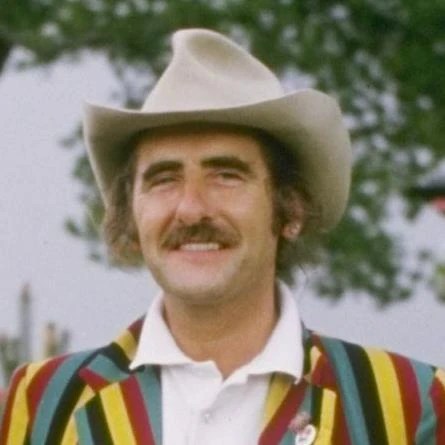
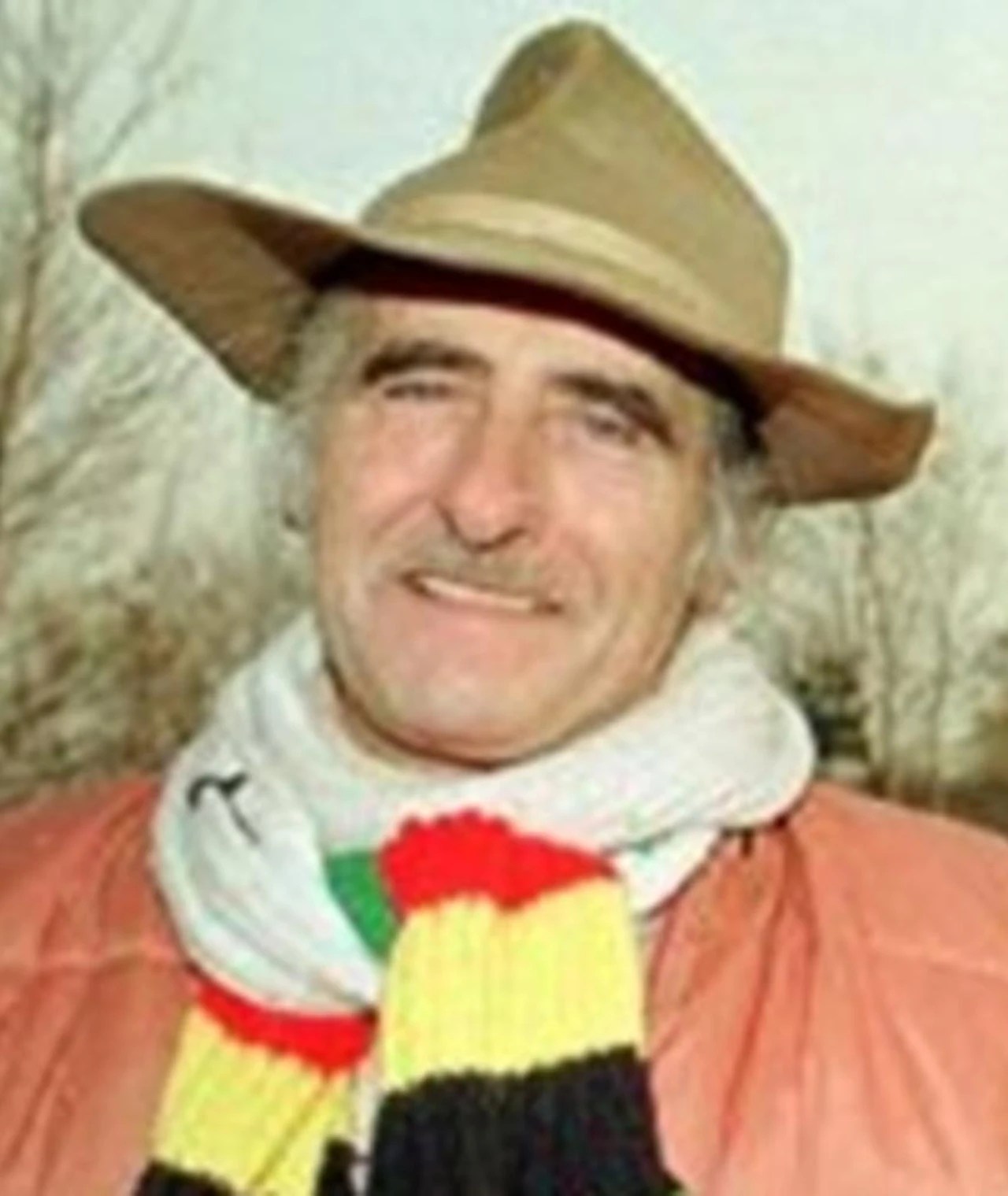
                                                              Movies and Cartoons: Sleeping Beauty (1959)

                                                              Characters: Princess Aurora/Briar Rose

                                                              Also Known For: Spent much of her career as an actress and opera singer. Performed in 44 operatic roles on stages throughout the world. Performances include The Bartered Bride, Manon, La Traviata, Candide, A Midsummer Night’s Dream, Blood Moon, The Rake’s Progress, and did a record of La Boheme. Made many TV appearances on shows like Bing Crosby’s Christmas Show, The Hollywood Palace, Frank Sinatra’s Woman of the Year, and NBC Follies. Other films include The Great Waltz, The Big Caper, and Marry Me Again.

                                                              Personal Life: Married to screenwriter and director Frank Tashlin in 1953. Remained married until their 1966 divorce.

                                                              Later Life: When Disney began releasing their animated films on video cassette, Costa was one of 3 actresses to sue over royalties for their performances. Retired from acting in 2014. Costa has dedicated her later years to inspiring children and teenagers, giving motivational talks at schools and colleges. She’s a celebrity endorser for child abuse prevention. Continues to do promotional appearances for Disney. On her 86th birthday, Costa wrote an open letter thanking fans for their support. Also announced that she’d no longer reply to fan-mail, but she’s continue to sign autographs and meet fans at events while also focusing on her efforts on working with young children. During the 2020 Covid 19 pandemic, Costa once again thanked her fans but said she won’t reply to any fan-mail due to the overwhelming amount she received on her 90th birthday. Currently lives in Knoxville, Tennessee.

                                                              Trivia: Sang at John F. Kennedy’s memorial service from the Los Angeles Sports Arena in 1963, upon Jaqueline Kennedy’s request. Sang for the inaugural concert of the John F. Kennedy Center for the Performing Arts in 1971. Named Disney Legend in 1999. Received National Medal of Arts in 2020. Last surviving voice actress of the 3 original Disney princesses created in Walt Disney’s lifetime. Accolades include Lifetime Achievement Award of the Licia Albanese Puccini Foundation in 1989, Tennessee Woman of Distinction by the American Lung Association in 2000, and Metropolitan Opera Guild for Distinguished Verdi Performances of the 20th Century in 2001. Received an honorary Doctor of Fine Arts degree from Carson-Newman College in Jefferson City, Tennessee. Was appointed by President George W. Bush to the National Council of the Arts, where she served until 2007. Inducted to the Knoxville Hall of Fame in 2007. Received a Honorary Doctorate of Humane and Musical Letters from the College of Arts and Sciences, University of Tennessee, Knoxville in 2012. Was named one of the YWCA Knoxville’s Tribute to Women Honorees during the 30th anniversary celebration in 2014. Received the Tennessee Governor’s Award in 2015. Awarded the National Medal of Arts in 2021.

                                                              64. Bill Shirley

                                                              Dates: 1921-1989

                                                              Early Life and Career: Born William Jesse Shirley in Indianapolis, Indiana. Father was a funeral director. Mother was an accomplished concert pianist. According to the Indianapolis Star, Shirley’s mother first discovered his talent when he sang along with what she played on the piano when he was 5. She directed him to the Ogden Chorale’s founder who was taken with this boy’s vocal ability, expressive eyes, and “unusual” personality for his age. From then on, Shirley was known as a boy soprano as well as a singing/acting prodigy. Sang at funerals and became a popular soloist in the Ogden Chorale, which sang on Christmas and Easter on Indianaoplis’ Soldiers and Sailors Monument. Also was an active member of the Children’s Civic Theater and the Irvington Playhouse. At 11, he traveled with his family to California where he became known as “the boy with the golden voice” and appeared on films at 20th Century Fox, Columbia, and Paramount. Attended George W. Julian Elementary School and Shortridge High School where he graduated in 1939. At 19, Shirley and his mother moved to Hollywood where he studied voice and music at the Herbert Wall School of Music. In early 1941, he signed a 7-year contract with Republic Studios where he mostly appeared in small and supporting roles in mostly wartime B-movies. In 1942, Shirley enlisted in the US Army where he served in recruitment and induction as well as the Signal Corps Training Film Division in Los Angeles, Quartermaster Corps, and radio branch of the Special Service division in Ft. Warren, Wyoming. While in the Army, Shirley appeared in Behymer Artists’ Bureau’s presentation of Rigoletto and was hailed by critics as “a potential find for the Metropolitan.” After the war, Shirley worked in radio, Broadway, the stage, summer stock, film, and television. Also appeared in nightclubs such as the Copacabanda, the Latin Quarter, the Mocambo, and the Tropicana.

                                                              Movies and Cartoons: Sleeping Beauty (1959)

                                                              Characters: Prince Philip

                                                              Also Known For: He was a tenor/lyric baritone singer who later became a Broadway theatre producer. Also known for dubbing Jeremy Brett’s singing voice in My Fair Lady. Film appearances include The Phantom President, As the Devil Commands, Rookies on Parade, Sailors on Leave, Flying Tigers, Oh, You Beautiful Doll, Dancing in the Dark, Come to the Stable, Nancy Goes to Rio, With a Song in My Heart, I Dream of Jeanie, Abbott and Costello Meet Captain Kidd, and Sweethearts on Parade. Stage appearances include Die Fledermaus, Rigoletto, South Pacific, The Great Waltz, Paint Your Wagon, and Anything Goes. Was a prominent figure in industrial musicals during the 1950s and 1960s for companies like Ford Motor Company, Coca Cola, Oldsmobile, Chevrolet, RCA, National Cash Register Company, and General Electric.

                                                              Personal Life: Never married.

                                                              Later Life: Although it’s said the Shirley retired from acting in 1963, he was a member of the Actors’ Equity Association and continued to perform as late as 1975. Worked at Litton Industries in the real estate or the electronics department for the last 10 years of his life in Beverly Hills and retired from there in 1989. Died 3 months later of lung cancer at 68 and at the Guardian Convalescent Home in Los Angeles. Interred in Indianapolis’ Crown Cemetery.

                                                              Trivia: Was often teased by his female cast members of Sleeping Beauty (save for Audley). Years later Costa recalled, “we all had our crushes on him” and “he was so shy and we all had just genuine crushes on that Prince. He was really cute.” In another interview, Costa said, “We loved to tease him. Verna Felton who played Flora would always creep up behind him with a pencil and act like it was a baton [wand]. She’d do some fairy work on him and say he was going to be the greatest, handsomest, and all of this.” Sat on student council with Madlyn Pugh and Kurt Vonnegut Jr. while attending Shortridge High School. Family owned a Boston terrier named Buddy during his childhood whom Shirley would write letters requesting news about him.

                                                              65. Barbara Jo Allen

                                                              Dates: 1906-1974

                                                              Early Life and Career: Born Marian Barbara Henshall in Manhattan, New York City. Mother died when she was 9, which prompted her to live with her aunt and uncle in Los Angels. Educated at Los Angeles High School, UCLA, Stanford University, and the Sorbonne. Acting ability first surfaced in school plays. Was proficient in French, Spanish, German, and Italian. Made her debut in 1933 on a radio soap opera in NBC called One Man’s Family. Became a regular with Bob Hope after being introduced on NBC Matinee in 1939. Made her first film that same year. Appeared in more than a dozen 2-reel shorts from 1943-1952. Hosted her own TV game show on CBS called Follow the Leader in 1953.

                                                              Movies and Cartoons: Sleeping Beauty (1959), Goliath II (1960), and Sword in the Stone (1963)

                                                              Characters: Fauna, Goliath II’s Mother, and Scullery Maid. Was also the original Madame Leota at Disneyland’s Haunted Mansion before Audley replaced her.

                                                              Also Known For: Best known for her character Vera Vague, a character she created and portrayed in radio, television, and films during the 1940s and 1950s. Popularized the catchphrase, “You Dear Boy!” Appeared in over 50 films. Films include Broadway Melody of 1940, Melody and Moonlight, Kiss the Boys Goodbye, Larceny, Inc., The Palm Beach Story, Moon Over Las Vegas, Rosie the Riveter, Lake Placid Serenade, Snafu, Mohawk, and Born to Be Loved.

                                                              Personal Life: Married 3 times. First was to actor Barton Yarbough in 1931 which resulted in her daughter, Joan but ended in divorce. Although they later starred in a 2-reel short together in 1946. Second was to lumberman Charles Crosby that same year which also ended in divorce in 1932. Third was to producer Norman Morrell which resulted in another daughter and lasted until her death.

                                                              Later Life: Eventually retired in the 1960s. Died in 1974 in Santa Barbara at 68. Cremated at Santa Barbara Cemetery and her ashes were scattered in the Pacific.

                                                              Trivia: Has 2 stars on the Hollywood Walk of Fame that were dedicated in 1960. Was honorary Mayor of Woodland Hills, California in 1953. Wrote and published a children’s book called The Animal Convention, in which she voiced ecological and environmental concerns.

                                                              66. Rod Taylor

                                                              Dates: 1930-2015

                                                              Early Life and Career: Born in Lidcombe, Sydney, Australia. Father was a steel construction contractor and commercial artist. Mother was a writer of more than a hundred short stories and children’s books. Attended Parramatta High School and studied art at East Sydney Technical and Fine Arts College. Although he worked as a commercial artist at a department store, he decided to pursue acting after seeing Sir Laurence Olivier in an Old Vic production of Richard III. Acquired extensive stage and radio experience in Australia. In 1951, Taylor took part in a re-enactment of Charles Sturt’s voyage Murrumbidgee and Murray Rivers, playing Sturt’s offsider, George Macleay. Made his feature film debut in 1954. Moved to Hollywood not long after.

                                                              Movies and Cartoons: One Hundred and One Dalmatians (1961)

                                                              Characters: Pongo

                                                              Also Known For: Appeared in more than 50 films. Most famous role is Mitch Brenner from The Birds. Last role was of Winston Churchill in Inglourious Basterds. Other films include King of the Coral Sea, Long Jon Silver, Hell on Frisco Bay, Giant, Raintree County, Separate Tables, The Time Machine, The V.I.P.s, Young Cassidy, Dark of the Sun, Darker Than Amber, Blondie, Gulliver’s Travels (1977), The Treasure Seekers, Mask of Murder, and Point of Betrayal. TV appearances include Powderkeg, Bearcats!, Family Fight, A Matter of Wife….and Death, The Oregon Trail, Cry of the Innocent, Jaqueline Bouvier Kennedy, Charles & Diana: A Royal Love Story (1982), Grass Roots, Kaw, Hong Kong, Studio 57, Masquerade, Outlaws, Lux Radio Theatre, Schlitz Playhouse of Stars, Playhouse 90, The Twilight Zone, Westinghouse Desilu Playhouse, Falcon Crest, and Murder, She Wrote. Often played virile and adventurous characters as well as solid and macho heroes in war movies and westerns. Had a fluent American accent.
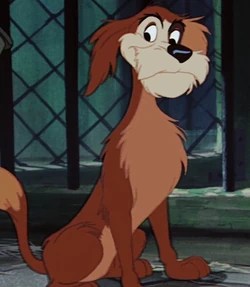
                                                              Personal Life: Married 3 times. First was to model Peggy Williams from 1951 to their 1954 divorce on alleged grounds of domestic violence. But Taylor claimed that they split because they felt too young to have a healthy marriage. Dated and was engaged to model Anita Ekberg as well as dated model Pat Sheehan. Second was to model Mary Hilem from 1963 to their divorce in 1969. Their daughter Felicia became a financial reporter for CNN. Third was actress he briefly dated in the 1960s named Carol Kikumura in 1980 after being reunited with her since 1971. Marriage lasted until his death. Bought a home in Palm Springs in 1967.

                                                              Later Life: Became a US citizen in 1982. Semiretired from the late 1990s and retired from 2009 on. Fell down in his Beverly Hills home at the end of 2014 before dying of a heart attack while surrounded by his family in January 2015 at 84.

                                                              Trivia: Great-great-grand uncle was a 19th century British explorer of the Australian Outback. Was 1954 Rola Show Australian Radio Actor. Was said to save the Australian Opera with a $250,000 donation. Was considered for the astronaut role in Planet of the Apes.

                                                              67. Betty Lou Gerson

                                                              Dates: 1914-1999

                                                              Early Life and Career: Born to a Jewish family in Chattanooga, Tennessee but grew up in Birmingham, Alabama where her father was a steel company executive. Was educated at private schools in Birmingham and Miami, Florida. Moved with her family to Chicago at 16 where she performed in the radio show, The First Nighter Program. Later moved to New York City. Began acting in radio drama and became a soap opera mainstay as well as a resident romantic lead on romantic anthologies. Moved to Los Angeles in the 1940s.

                                                              Movies and Cartoons: Cinderella (1950), One Hundred and One Dalmatians (1961), and Mary Poppins (1964)

                                                              Characters: Cruella de Vil, Miss Birdwell, and Old Crone

                                                              Also Known For: Actress who was predominant in radio but also in film, TV, as well as in voice work. Radio work includes The First Nighter Program, Arnold Grimm’s Daughter, Lonely Women, The Guiding Light, Curtain Time, The Whistler, Mr. President, Crime Classics, Escape, and Lux Radio Theater. Film appearances include An Annapolis Story, The Green-Eyed Blonde, The Fly, and The Miracle of the Hills. TV appearances include Perry Mason, The Twilight Zone, The Dick Van Dyke Show, Wanted Dead or Alive, and The Rifleman.

                                                              Personal Life: Married twice. First radio director Joseph T. Ainley in 1936 at Fourth Presbyterian Church in Chicago. Remained together until his death in 1965. Second to telephone service head Louis R. “Lou” Lauria in 1966 to his death in 1994.

                                                              Later Life: Retired from acting in 1966 in order to work at her second husband’s telephone answering service. Died of a stroke in Los Angeles in 1999 at 84.

                                                              Trivia: Named a Disney Legend in 1996.

                                                              68. Martha Wentworth

                                                              Dates: 1889-1974

                                                              Early Life and Career: Born Verna Martha Wentworth in New York City. After graduating from public school, she attended the National School of Expression as one of Minnie Maddern Fiske’s proteges. Appeared in several stage productions from time she was 17.

                                                              Movies and Cartoons: One Hundred and One Dalmatians (1961) and The Sword in the Stone (1963) as well as some shorts. Began her career in radio during the 1920s.

                                                              Characters: Nanny, Lucy, Queenie, and Madam Mim

                                                              Also Known For: Called “Actress of 100 Voices” due to her vocal variety. Performed in a lot of MGM and Warner Bros. cartoons. Radio work includes The Cinnamon Bear, Crime Classics, Broadway Is My Beat, On Stage, The Witch’s Tale, The Baby Snooks Show, The Abbott and Costello Show, and The Captain and the Kids. Film appearances include Waterloo Bridge, Dr. Jekyll and Mr. Hyde (1941), The Adventures of Martin Eden, Rudyard Kipling’s The Jungle Book, A Tree Grows in Brooklyn, Fallen Angel, The Stranger, Stagecoach to Denver, Oregon Trail Scouts, Santa Fe Uprising, Love Nest, O. Henry’s Full House, Blackboard Jungle, Artists and Models, The Man with the Golden Arm, Rock Around the Clock, and The Desperadoes Are in Town.

                                                              Personal Life: Married Albert Stuart Otto Sr. in 1914 with whom she had 2 children: Albert Stuart Otto Jr. and Jeanne Juliet Otto. Divorced in 1926.

                                                              Later Life: Retired from acting after 1964. Died in Sherman Oaks, California in 1974 at 84.

                                                              Trivia: None.

                                                              69. Frederick Worlock

                                                              Dates: 1886-1973

                                                              Early Life and Career: Born in London, England. Made his debut in 1906 in a Bristol production of Henry V. Acted in 4 London productions before moving to the United States in the 1920s where he appeared on Broadway between 1923 and 1954.

                                                              Movies and Cartoons: One Hundred and One Dalmatians (1961)

                                                              Characters: Horace Badun and Inspector Craven

                                                              Also Known For: Actor known for his work in a variety of films from the 1940s and 1950s. Often played “professional roles, some benign, some villainous.” Usually men like lords, landowners, governors, inspectors, judges and senior officers. These include Man Hunt, Dr. Jekyll and Mr. Hyde (1941), How Green Was My Valley, The Imperfect Lady, Singapore, The Lone Wolf in London, Love from a Stranger, Joan of Arc, Spartacus, The New Adventures of Sherlock Holmes, Northwest Passage, The Sea Hawk, Random Harvest, Sahara, Jane Eyre (1943), The Lodger (1944), National Velvet, The Picture of Dorian Gray, Dressed to Kill, The Macomber Affair, Captain Kidd, Forever Amber, The Woman in White, Johnny Belinda, Strange Bedfellows, and Spinout. Also acted in a lot of the Basil Rathbone Sherlock Holmes movies including one turn as Inspector Lestrade. Appeared in various episodes of Alfred Hitchcock Presents.

                                                              Personal Life: Married twice. First was to actress Olive Noble in 1911 which ended in divorce. Second was onetime Broadway co-star, actress Elsie Ferguson in 1924. They divorced in 1930.

                                                              Later Life: Retired from acting in 1970. Died in Woodland Hills, California from cerebral ischemia in 1973 at 86. Buried at Valhalla Memorial Park Cemetery.

                                                              Trivia: Was good friends with Basil Rathbone.

                                                              70. Ben Wright

                                                              Dates: 1915-1989

                                                              Early Life and Career: Born Benjamin Huntington Wright in London, England to an American father and an English mother. Entered the Royal Academy of Dramatic Art at 16. Acted in several West End productions upon graduation. Enlisted in the King’s Royal Rifle Corps upon the outbreak of World War II. Came to the United States in 1946 in order to attend a cousin’s wedding and settled in Hollywood.

                                                              Movies and Cartoons: One Hundred and One Dalmatians (1961), The Jungle Book (1967), and The Little Mermaid (1989)

                                                              Characters: Roger Radcliffe, Rama the Wolf, and Grimsby

                                                              Also Known For: Best known for playing Herr Zeller in The Sound of Music. Other films include Judgement at Nuremberg, My Fair Lady, The Fortune Cookie, Sahara, The Exile, Prince Valiant, A Man Called Peter, Hell and High Water, Moonfleet, Desert Sands, Witness for the Prosecution, The Wreck of the Mary Deare, Mutiny on the Bounty (1962), Cleopatra, The Sand Pebbles, Topaz, and The Diary of Anne Frank. Radio work includes The Green Lama, Have Gun – Will Travel, Escape, The Voyages of Sinbad, Gunsmoke, Crime Classics, and Suspense. TV appearances include My Three Sons, Hogan’s Heroes, McHale’s Navy, Get Smart, Bonanza, Gunsmoke, The Wild Wild West, The Twilight Zone, Mission: Impossible, The Addams Family, The Rockford Files, Perry Mason, Alfred Hitchcock Presents, The Outer Limits, The Monkees, Dragnet, and The Virginian.

                                                              Personal Life: Married twice. First was Joan Kemp-Welch in 1936 which ended in their 1950 divorce. Second was Muriel Louise Roberts from 1951 until his death. Had a son and a daughter with her.

                                                              Later Life: Died in 1989 at Burbank’s Saint Joseph Medical Center after undergoing heart surgery at 74.

                                                              Trivia: Was a classmate of Ida Lupino. When he voiced Grimsby in The Little Mermaid, no one knew that he also voiced Roger Radcliffe from One Hundred and One Dalmatians until he told them.

                                                              The Secret and Scandalous Lives of Disney Voice Actors – Volume I: Part 6 Lady and the Tramp

                                                                            By the mid-1950s, practically every Disney film with the exception of Fantasia was an adaptation of an existing story whether it be a long-standing fairytale or a previously published work. While the story basis for Lady and the Tramp is much different. Although it’s said to be based on a short story called “Happy Dan, the Cynical Dog” by Ward Greene, that story was published in Cosmopolitan magazine in 1945. While the original idea for Lady and the Tramp came from Disney storyboard artist Joe Grant back in 1937, inspired by the antics of his English springer spaniel Lady and how she got “shoved aside” by his new baby. He approached Walt Disney with sketches of Lady that his boss enjoyed and commissioned Grant to start a story development on a new feature called Lady. Through the late 1930s and early 1940s, Grant and other artists worked on the story, taking a variety of approaches. But Walt wasn’t too pleased thinking Lady as too sweet and lack of action. However, after reading the Ward Greene story, Disney thought Grant’s story would be improved if she fell in love with a cynical dog like the one in the short story who’d ultimately be named “Tramp.” Of course, the finished film is slightly different from the original plan. With one notable change being Lady’s owners going from Jim and Elizabeth Brown to “Jim Dear” and “Darling” and their faces rarely shown in order to maintain the dog’s perspective. While the opening scene where Darling finds Lady in a hat box at Christmas was inspired by an incident where Walt presented his wife Lillian with a Chow puppy as a gift in a hat box to make up for having previously forgotten a dinner date with her.

                                                              Unfortunately, Joe Grant wasn’t part of Lady and the Tramp’s later production since he left Disney in 1949. Yet, Disney story men continually pulled Grant’s drawings and story of the shelf to retool. Based on Grant’s storyboards and Ward Greene’s short story, a solid story began taking shape in 1953. Grant later wrote a novelization to the film at Walt Disney’s insistence for audiences to familiarize with the story. While Grant wouldn’t receive any credit for the film until the platinum DVD release decades later. Nonetheless, as they had done with deer in Bambi, the animators studied many dogs of different breeds to capture their movement and personalities. Although the spaghetti sequence is one of the most iconic in the film, Walt Disney almost tried to cut it, thinking such a scene would look silly than romantic. But animator Frank Thomas was against Walt’s decision and animated the entire scene himself with no lay-outs, convincing Disney otherwise. It was also the first film to be animated in the widescreen CinemaScope. Originally released in 1955, Lady and the Tramp became the highest Disney feature film since Snow White and the Seven Dwarfs. Yet, it opened to mixed reviews from critics with Time writing, “Walt Disney has for so long parlayed gooey sentiment and stark horror into profitable cartoons that most moviegoers are apt to be more surprised than disappointed to discover that the combination somehow does not work this time.” Still, while Lady and the Tramp may have its flaws (like the racist Asian stereotyping with Aunt Sarah’s Siamese cats among others), it’s nonetheless been regarded as a classic with the spaghetti “Bella Notte” sequence being one of the most iconic scenes in American film history. And when it comes to Disney movies made in the 1950s, it doesn’t get any better. In this post, we’ll meet actors Candy Candido and Tom Conway, future producer and writer John Wilder, Tinkerbell live-action reference Margaret Kerry, singer-songwriter Peggy Lee, as well as the voices behind Lady, Tramp, Beaver, and Tony.
                                                              51. Candy Candido

                                                                Dates: 1913-1999

                                                                Early Life and Career: Born Jonathan Candido in New Orleans, Louisiana. Was a bassist and vocalist for Ted Fio Rito’s big band as well as became part of Louis Prima’s band in 1924. Had a distinctive 4-octave speaking voice that became familiar with radio listeners and moviegoers. Could start a monologue in a normal tenor before adopting a high squeaky soprano before suddenly plunging into a gruff bass.

                                                                Movies and Cartoons: Peter Pan (1953), Sleeping Beauty (1959), Robin Hood (1973), and The Great Mouse Detective (1986)

                                                                Characters: Indian Chief, Diablo, Goon, Captain of the Guards, and Fidget

                                                                Also Known For: Famous radio performer and voice actor best remembered for his famous line, “I’m feeling mighty low” as well as many animal vocalizations. Recorded “I’m Popeye the Sailor Man” and other children’s songs for Capitol Records. Was the belligerent Apple Tree in The Wizard of Oz. Voiced the bear in TV’s Gentle Ben. Other film appearances include Only Angels Have Wings, Abbott and Costello in the Foreign Legion, Heart of the Rio Grande, King Creole, Babes in Toyland, and The Phantom Tollbooth. Briefly teamed with Bud Abbott in the 1960s after Lou Costello’s death.

                                                                Personal Life: Married Anita Bivona in 1933. Marriage produced 4 children named Nino, John, Flora, and Teresa and lasted until his death. In addition to his wife and kids, he was survived by 8 grandchildren, 7 great-grandchildren, and 2 great-great-grandchildren.

                                                                Later Life: Retired in 1995. Died in his sleep of natural causes at his Burbank home in 1999. Interred in San Fernando Mission Cemetery.

                                                                Trivia: Childhood friend of Louis Prima.

                                                                52. John Wilder

                                                                  Dates: 1936-present

                                                                  Early Life and Career: Born John Keith McGovern in Tacoma, Washington. Began his career by performing as tap dancer at 4. Family moved to Los Angeles in 1943 where he became a child actor. Played Little Beaver in the Red Ryder radio series and performed Watch on the Rhine at the Geller Theatre Workshop.

                                                                  Movies and Cartoons: Peter Pan (1953)

                                                                  Characters: Raccoon Twins

                                                                  Also Known For: Grew up to become an Emmy-winning television producer, director, and writer. Other film appearances include Singin’ in the Rain, Tumbleweed Trail, The Pride of St. Louis, Hold Back the Night, Room for One More, and Five Guns to Tombstone. TV appearances as an actor include Big Town, The Adventures of Ozzie and Harriet, The Loretta Young Show, Studio 57, Alfred Hitchcock Presents, The West Point Story, The Adventures of Rin Tin Tin, The Adventures of Jim Bowie, Broken Arrow, The Millionaire, Wagon Train, The Real McCoys, and Petticoat Junction. He produced and wrote episodes for The Rifleman, Peyton Place, Marcus Welby, M.D., The Partridge Family, The Streets of San Francisco, Centennial, The Yellow Rose, and Return to Lonesome Dove.

                                                                  Personal Life: Married Carolyn Cunningham in 1967 which ended in their 1982 divorce. Has 3 children with her.

                                                                  Later Life: Tried to abandon acting in the mid-1950s to pursue a baseball scholarship at the University of Southern California but ultimately decided to continue his acting career until the 1960s. Decided to change his name to “John Wilder” that he legally adopted 1958. Abandoned acting in the early 1960s to attend Santa Monica City College and later the University of California, Los Angeles. A friend Chuck Connors later got him enlisted as a scriptwriter for The Rifleman and he would go on to have a career as a writer and produce for the bulk of his life. Has worked as a professor at Westmont College since 2019

                                                                  Trivia: None.

                                                                  53. Margaret Kerry

                                                                    Dates: 1929-present

                                                                    Early Life and Career: Born Peggy Lynch. Was adopted and moved to Los Angeles at 3. Made first film in 1935 as a fairy in Max Reinhardt’s A Midsummer Night’s Dream. Also was in a couple of Our Gang shorts. Was Elizabeth Taylor’s camera double in National Velvet. Soon she attracted the attention of Eddie Cantor who cast her in a role of his teenage daughter in If You Knew Susie. Yet, thought the girl needed a more theatrical-sounding name to become more noticeable as an actress. Thus, she adopted the name Margaret Kerry.

                                                                    Movies and Cartoons: Peter Pan (1953)

                                                                    Characters: Mermaid. However, she served as inspiration and pantomimed the role of Tinkerbell for which she’s much better known.

                                                                    Also Known For: Has been a screen actress, dancer voice artist, camera double, radio producer, director, and host and media personality. Had skills in 21 different dialects and 48 character voices which she used on 600 different shows. Appeared in films such as A Midsummer Night’s Dream (1935), If You Only Knew Susie, The Adventures of Tom Sawyer, and The Sickle or the Cross. TV appearances include The Ruggles, The Andy Griffith Show, The Lone Ranger, Clutch Cargo, Space Angel, and The New Three Stooges. Later became a producer, writer, and host of What’s Up Weekly – Ministry Loves Company from 1992-2004 for Los Angeles Christian radio station KKLA-FM where she also served as its community services director, heading an outreach program connected to more than 200 non-profit service agencies.

                                                                    Personal Life: Married 3 times. First was to Dick Brown from 1951 to their divorce in 1984. Marriage produced 3 children. Second to John Wilcox from 1987 to his death in 1999. In more recent years, she reconnected with her ex-boyfriend, World War II veteran Robert Boeke. They married on Valentine’s Day in 2020 in a ceremony at the Little Brown Church in the Valley in Studio City, California.

                                                                    Later Life: Graduated from high school with honors and late cum laude at Los Angeles City College. Has been a supporter and contributor to the animation community, Kerry served on the ASIFA-Hollywood board for a number of years. In 2016, she published her autobiography, Tinker Bell Talks: Tales of a Pixie Dusted Life with stories and anecdotes from her life and career, and featuring 180 photos and pieces of art. In 2019, she self-published a booklet called They All Look Alike To Me with short stories detailing her having prosopagnosia, also known as “face blindness.” As of 2025, Kerry continues to meet fans and attends many conventions, seminars, and events throughout the United States.

                                                                    Trivia: Received the Disneyana Fan Club President’s Award in 2012 and the Disneyana Fan Club Legends Award in 2020. That same year, she received the Ward Kimball award by the board of Walt Disney’s Carolwood Barn. At her 90th birthday in 2019, Los Angeles Mayor Eric Garcetti honored Kerry with certificates on behalf of the City of Los Angeles; the Los Angeles City Council; and the Los Angeles County Board of Supervisors via 5th District Supervisor Kathryn Barger. Also received a card from First Lady Melania Trump. Is a certified seminar leader by the American Seminar Leaders Association and co-author and facilitator of the FUNdamentals of Speaking Seminars. Her website’s Tinkerbell Talks.

                                                                    54. Tom Conway

                                                                      Dates: 1904-1967

                                                                      Early Life and Career: Born Thomas Charles Sanders in Saint Petersburg in the Russian Empire. Father was a rope manufacturer and mother was a horticulturalist. Educated at Bedales School and Brighton College before moving to Africa to find work. Only to return to England to become a glass salesman when he became interested in acting. He began his show business career by appearing in amateur theatre before joining a repertory company for a year and a half. After this, he appeared in some touring productions of plays as well as on radio. Until his younger brother George suggested Conway join him in Hollywood where he signed an MGM contract.

                                                                      Movies and Cartoons: Peter Pan (1953) and One Hundred and One Dalmatians (1961)

                                                                      Characters: Quiz Master and Collie.

                                                                      Also Known For: Best known for playing the suave adventurer, The Falcon in a series of 1940s films (a role he assumed after his brother George), psychiatrist Dr. Louis Judd in Cat People, and The Seventh Victim. Played Sherlock Holmes and The Saint on radio as well as Bulldog Drummond onscreen a couple of times. Other films include The Falcon’s Brother, I Walked with a Zombie, Waterloo Bridge, The Trial of Mary Dugan, The People vs. Dr. Kildare, Lady Be Good, Tarzan’s Secret Treasure, Mr. and Mrs. North, Rio Rita, Mrs. Miniver, Whistle Stop, One Touch of Venus, Prince Valiant, Voodoo Woman, Death of a Scoundrel, and What a Way to Go! Television appearances include Alfred Hitchcock Presents, Bachelor’s Heaven,Inspector Mark Saber – Homicide Detective, and Perry Mason.

                                                                      Personal Life: Older brother of George Sanders and was best man at his wedding to Zsa Zsa Gabor, coming in the plane with a shotgun over just in case George got cold feet. Married twice. First to model Lillian Eggers in 1941 to their divorce in 1953. Second to actress Queenie Leonard from 1958 to 1963 when she divorced him due to his alcoholism. Alcoholism would also cost Conway his relationship with his brother George who eventually broke all contact with him.

                                                                      Later Life: Conway’s life was plagued with weakened eyesight and alcoholism and his health began to fail from the mid-1950s. In 1960, he was arrested for crashing his vehicle into a parked car while under the influence. Underwent cataract surgery for both eyes in 1964-1965 and a swollen left ankle affected his mobility. By 1965, he was living at a small Los Angeles hotel owned by a former vaudevillian Agnes Lavaty. His friend Mary Robinson notified the press about Conway’s troubles. Phone calls came pouring in from fans but only Lew Ayres was among the showbusiness colleagues to reach out. While gifts, contributions, and offers of aid poured in for a time. But most of the offers never came to fruition and he subsisted on federal aid. In 1966, he lapsed into a coma due to a liver ailment that lasted from April to July. Former sister-in-law visited Conway and gave him $200. Conway was later transferred into a convalescent sanitarium for 3 months. Although Gabor recalled that he went to a girlfriend’s house with the $200 and died in her bed. When he left, he lived in a modest Los Angeles apartment and gave up drinking. Died of liver damage at Washington Hospital in Culver City, California at 62. Funeral was held in London. Ashes interred within a private vault at Chapel of the Pines Crematory.

                                                                      Trivia: Actor Tim Conway changed his name from Tom Conway because of him. Hobbies include airplane design, swimming, skiing and tennis. Has a star on the Hollywood Walk of Fame at 1617 Vine Street.

                                                                      55. Peggy Lee

                                                                        Dates: 1920-2002

                                                                        Early Life and Career: Born Norma Deloris Egstrom in Jamestown, North Dakota. Was one of 8 kids to a Swedish station agent for the Midland Continental Railroad. Mother was Norwegian and died when Lee was 4. Father remarried and family lived along several towns at the railroad he worked at. Graduated from Wimbledon High School in 1937. One of her first gigs was as a female singer in a 6-piece college dance band with whom she traveled on Fridays after school and on the weekends. First sang professionally on KOVC radio in Valley City in 1936 and later had her own 15-minute Saturday show sponsored by a restaurant that paid her in food. Not long after her high school graduation, radio personality Ken Kennedy of WDAY Fargo auditioned Lee and put her on the air that day but not before he changed her name to “Peggy Lee.” In 1938, Lee left home for Hollywood, California at only 17. Her first jobs were seasonal positions at Newport Beach where she worked as a short-order cook, waitress, and carnival barker. Returned to Hollywood to audition for the MC at the Jade but her time there was cut short due to overwork and an inadequate diet that she returned to North Dakota to have her tonsils removed. She then remained there to regularly at Fargo’s Powers Hotel, toured with the Sev Olson and Will Osbourne Orchestras, and returned broadcasting at WDAY radio. When she returned to California, Lee developed her trademark sultry purr while singing at the Doll House in Palm Springs. There, she met Ambassador East and West in Chicago owner Frank Bering who offered her a gig at the Buttery Room where Benny Goodman noticed her. She joined his band in 1941 and stayed with him for 2 years. First published song was in 1941 with “Little Fool.” Had her first top ten hit in 1942 with “Somebody Else Is Taking My Place.” 1943 hit with “Why Don’t You Do Right?” was her first to sell a million copies and made her famous.

                                                                        Movies and Cartoons: Lady and the Tramp (1955)

                                                                        Characters: Darling, Peg, and Si and Am. Also co-wrote all the original songs for the film with Sonny Burke.

                                                                        Also Known For: Was a jazz and popular singer, songwriter, and actress whose career spanned 7 decades. Called “Queen of American Pop Music,” she recorded more than 1,100 masters and co-wrote over 270 songs. Was nominated for an Oscar for Best Supporting Actress for Pete Kelly’s Blues in 1955. Also appeared on several TV movies and specials. Songwriting collaborators included David Barbour, Laurindo Almeida, Harold Arlen, Sonny Burke, Cy Coleman, Duke Ellington, Dave Grusin, Quincy Jones, Francis Lai, Jack Marshall, Johnny Mandel, Marian McPartland, Willard Robison, Lalo Schifrin, and Victor Young. Many of her compositions have become standards performed by singers such as Tony Bennett, Nat King Cole, Natalie Cole, Bing Crosby, Doris Day, Ella Fitzgerald, Judy Garland, Diana Krall, Queen Latifah, Barry Manilow, Bette Midler, Janelle Monae, Nina Simone, Regina Spektor, Sarah Vaughan and others. Was a mainstay at Capitol Records when rock and roll came onto the American scene and became one of the first of the “old guard” to recognize the genre recording music by the Beatles, Randy Newman, Carole King, James Taylor, and other up and coming songwriters. From 1957 to 1972, Lee produced a steady stream of 2-3 albums a year that usually included standards (usually arranged differently than the original versions), her own compositions, and material from young artists. Said to be a musical influence for Paul McCartney, Madonna, Beyoncé, k.d. lang, Elvis Costello, Diana Krall,[69] Dusty Springfield, Rita Coolidge, Rita Moreno, and Billie Eilish.

                                                                        Personal Life: Married 4 times. First marriage was to guitarist and composer David Barbour from 1943 to their 1951 divorce, which produced her daughter Nicki Lee Foster. Second was to actor Brad Dexter in 1953 which ended in divorce. Third was to actor Dewey Martin from 1956 to their 1958 divorce. Fourt to percussionist Jack del Rio in 1964 which ended in divorce.

                                                                        Later Life: Was one of 3 actresses to sue Disney over royalties during the video cassette revolution in the 1980s and won her case. Continued to perform in the 1990s, sometimes using a wheelchair. After years of poor health, Lee died of complications from diabetes and a heart attack in 2002 at 82 in Los Angeles. She was cremated and her ashes were buried in a bench-style monument in Los Angeles’ Westwood Village Memorial Park.

                                                                        Trivia: Was nominated for 13 Grammys. Won a Grammy in 1969 for Best Contemporary Vocal Performance for “Is That All There Is?” Received a Grammy Lifetime Achievement Award in 1995. Received the Rough Rider Award from the state of North Dakota in 1975. Received the Pied Piper Award from American Society of Composers, Authors, and Publishers in 1990. Received the Ella Award from the Society of Singers in 1994. Received the President’s Award from the Songwriters Guild of America in 1999. Was inducted into the Big Band Jazz Hall of Fame in 1992, the Songwriters Hall of Fame in 1999, and the Songbook Hall of Fame from the Great American Songbook Foundation in 2020. Received a Hollywood Walk of Fame star in 1960 on 6319 Hollywood Boulevard. Baseball’s Tug McGraw named one of his pitches after her. Often cited as the inspiration for the Magarita cocktail but I have my doubts on this one. Sang the Lord’s Prayer at Louis Armstrong’s funeral in 1971. Was the inspiration for Miss Piggy. Received honorary doctorates in music from North Dakota State University and Jamestown University. Had a pink tea rose named after her in 1983. The Wimbledon depot building where she and her family worked became the Midland Continental Depot Transportation Museum and featured The Peggy Lee Exhibit in 2012 which exhibits that traced her career as well as her regional and state connection. In 2020, ASCAP established the Peggy Lee Songwriter Award. On her 100th birthday in 2020, the Grammy Museum hosted an online panel discussion that included Billie Eilish, k.d. lang, Eric Burton (The Black Pumas), Lee’s granddaughter Holly Foster Wells, and Dr. Trish Oney, author of Peggy Lee: A Century of Song.

                                                                        56. Barbara Luddy

                                                                          Dates: c. 1907 or 1908-1979

                                                                          Early Life and Career: Born in Great Falls, Montana. Sang in vaudeville and attended an Ursuline convent school in her hometown during her childhood. In 1929, she was part of a touring company that presented the play Lombardi Ltd. Had a successful career in radio during the 1930s. Film career began with silent movies.

                                                                          Movies and Cartoons: Lady and the Tramp (1955), Sleeping Beauty (1959), One Hundred and One Dalmatians (1961), Robin Hood (1973), and The Many Adventures of Winnie the Pooh (1977)

                                                                          Characters: Lady, Merryweather, Rover, Mother Sexton, Mother Rabbit, and Kanga

                                                                          Also Known For: Radio appearances include Chicago Theater of the Air, The First Nighter Program, Great Gunns, Lonely Women, The Road of Life, and Woman in White. Film appearances outside Disney include Dear Heart, Her Secret, Sealed Lips, and Born to Battle. TV appearances include Hazel, Dragnet, Adam-12, and Kolchak: The Night Stalker.

                                                                          Personal Life: Married R. Ned Le Fevre in 1942. Marriage lasted until her death and produced a daughter named Barbara and a son named Chris who predeceased her.

                                                                          Later Life: Retired from acting in 1977. Died in Los Angeles of lung cancer in 1979 at 70.

                                                                          Trivia: None

                                                                          57. Larry Roberts

                                                                            Dates: 1926-1992

                                                                            Early Life and Career: Born Lawrence Saltzman in Cleveland, Ohio. After his parents divorced, his father moved to Los Angeles. Served with Patton’s Third Army in France, Germany, and Austria during World War II. After his service, Roberts went to Los Angeles on vacation but stayed to help organize the Circle Theater. Performed with this group under the name of Larry Salters in 1947, appearing in 5 out of their first six productions. In 1949, Roberts went on to create and become part owner of the Players Ring, a prominent Hollywood theater group at the time. Was discovered for the role of Tramp when a Disney storyman saw him performing.

                                                                            Movies and Cartoons: Lady and the Tramp (1955)

                                                                            Characters: Tramp

                                                                            Also Known For: Was a popular guest on many variety shows during the early days of television including Lights, Camera, Action!, Bandstand Revue, The All-Star Revue, and several of the Pinky Lee shows. Did a stint in Las Vegas as a stand-up comic. Recorded some songs with Neely Plumb and his Orchestra such as “April in Portugal”, “Big Mamou”, “Tell Me a Story”, and “Wild Horses.”

                                                                            Personal Life: Never married. Based on what went on in his later life makes me wonder if Roberts was gay. I mean he was an up and coming actor who left showbiz during the 1950s to work in his uncle’s business under a different name that wasn’t his original name only to later die from AIDS during the early 1990s. Judging how Hollywood treated gay actors back in the 1950s (horribly), it’s probably no wonder that someone like Roberts would’ve left Hollywood for a more private existence. Of course, none of this proves whether Roberts was gay or not and my assumption about his sexuality should be taken with a tiny grain of salt. After all, many other gay actors like Raymond Burr, Jim Nabors, Paul Lynde, Rock Hudson, Tab Hunter, Montgomery Clift, and Charles Nelson Reilly managed to stick it out despite the risks. Nabors and Burr managed to keep long-term partners in the process. While author Isaac Asimov and tennis great Arthur Ashe died both died from AIDS due to tainted blood transfusions. But considering the times Roberts lived in, the decisions he made, and what happened to him, I think it makes a lot of sense.

                                                                            Later Life: Retired from show business in the mid-to late 1950s. Re-assumed the last name of Salters and went into the ladies’ clothing business. First worked for Bobbie Brooks, Inc., a company his uncle founded. Later moved to New York City and was a designer for Russ Togs, another ladies’ clothing manufacturer. Died of AIDS-related causes in his New York City home in 1992 at 65.

                                                                            Trivia: Was actively involved in entertaining the troops during the Korean War, frequently participating in USO Tours. Was awarded a “Certificate of Esteem” by then US Secretary of Defense Charles E. Wilson.

                                                                            58. Stan Freberg

                                                                              Dates: 1926-2015

                                                                              Early Life and Career: Born Stanley Friberg in Pasadena, California. Father was a Baptist minister. Drafted in the US Army from 1945-1947 where he served in Special Services attached to the Medical Corps at Pasadena’s McCornack General Hospital. Began his career by doing impressions on Cliffe Stone’s radio show in 1943. Was employed as a voice actor in animation shortly after graduating from Alhambra High School. Said to have auditioned for Warner Bros. and was promptly hired for cartoon voice work.

                                                                              Movies and Cartoons: Lady and the Tramp (1955) as well as various shorts

                                                                              Characters: Beaver

                                                                              Also Known For: Was an actor, author, comedian, radio personality, puppeteer, and advertising creative director for 70 years. Voiced multiple characters in Looney Tunes including Pete Puma, Bertie, Tosh and others. Also did voice work for UPA as well. Did a series of satirical and parody recordings for Capitol Records during the 1950s and 1960s. A lot of these consisted of zany rock n’roll spoofs, anarchic novelty skits, and barbed political commentaries. Other films include Callaway Went Thataway, Geraldine, Stuart Little, and It’s a Mad, Mad Mad, Mad World. Starred in a radio sitcom 1954 and hosted his own radio show only to have it cancelled due to his general disregard for advertising and network interference. Was a puppeteer for Time for Beany, a children’s show with notable fans like Albert Einstein who once interrupted a high-level conference in order to watch it. Other TV appearances include The Ed Sullivan Show, The Monkees, Freakazoid!, Tiny Toons, Taz-Mania, The Garfield Show, The Weird Al Show, and Roseanne. Later founded a Los Angeles-based advertising agency that produced radio and TV commercials. Noted for introducing satire to the field of advertising and revolutionized the industry by influencing staid ad agencies to imitate his style into their previously dead-serious commercials. And he’s usually credited with humor into television advertising with his memorable campaigns as he felt that a truly funny commercial would make consumers buy their product. Much of the material produced in these campaigns are now considered classics. Produced several mock commercials in the 1950s that have been enshrined in the Museum of Radio and Television and the Smithsonian. Was a key inspiration for Weird Al and many modern comics.

                                                                              Personal Life: Married twice. First wife was named Donna with whom he’d have a son named Donovan who’d follow in his father’s footsteps and a daughter Donna Jean. Marriage lasted from 1959 until Donna’s death in 2000. Second was to Betty Hunter that lasted from 2001 until his death. Grandfather of Rylee Jean Ebsen.

                                                                              Later Life: Following his success in comedy and television, Freberg was often invited to appear as a featured guest at various events. Wrote his autobiography, It Only Hurts When I Laugh chronicling his encounters with legends and his struggles he endured to get his material on air. Died of pneumonia at UCLA Medical Center in Santa Monica at 88.

                                                                              Trivia: Beaver from Lady and the Tramp served as an inspiration for the gopher in Winnie the Pooh and the Honey Tree. Once auditioned for the role of C-3PO but lost out to Anthony Daniels. Refused to accept alcohol and tobacco companies as sponsors. Was supposed to be the Jabberwock in Alice in Wonderland but his part got cut in the final rendition. Has won 21 Clio Awards, 3 Emmys, a Grammy, an Inkpot Award, and Winsor McCay Award. Inducted to the National Radio Hall of Fame in 1995. Was also very popular in Australia, appearing there several times in the 1950s and did a commercial there. Was awarded a star on the Hollywood Walk of Fame at 6145 Hollywood Boulevard.

                                                                              59. Alan Reed

                                                                                Dates: 1907-1977

                                                                                Early Life and Career: Born Herbert Theodore Bergman in New York City. Father was a Jewish immigrant from Lithuania. Mother was a daughter of Ukrainian Jewish immigrants. Attended George Washington High School, majored in journalism at Columbia University, and studied drama at the American Academy of Dramatic Arts. Began his acting career and eventually worked on Broadway and radio. Toured the vaudeville circuit with his cousin Harold Green as well as operated a wholesale candy factory and working at the Copake Country Club as “social director, entertainment producer, and actor.” Able to act in 22 foreign dialects.

                                                                                Movies and Cartoons: Lady and the Tramp (1955)

                                                                                Characters: Boris

                                                                                Also Known For: Was the original voice of Fred Flintstone and J.J. Keebler. Film appearances include Days of Glory, Breakfast at Tiffany’s, Viva Zapata!, The Postman Always Rings Twice, I, the Jury, Geraldine, The Desperate Hours, and 1001 Arabian Nights. TV appearances include Alfred Hitchcock Presents, Make Room for Daddy, Have Gun-Will Travel, Peter Gunn, The Dick Van Dyke Show, My Favorite Martian, Hoppity Hopper, Johnny Quest, The Addams Family, The Beverly Hillbillies, Batman, Petticoat Junction, and Get Smart. Radio work includes Valiant Lady, Abie’s Irish Rose, Duffy’s Tavern, The Shadow, The Life of Riley, Life with Luigi, Johnny Dollar, and The Phil Harris-Alice Faye Show.

                                                                                Personal Life: Married Broadway and TV actress Finnette Walker whom he met working at a local TV station in 1932. Had 3 sons including Alan Reed Jr.

                                                                                Later Life: Reed was a heavy smoker and was diagnosed with bladder cancer in 1967. Although his cancer was surgically treated, he later developed emphysema. Died in 1977 at the Saint Vincent Medical Center in Los Angeles after having a heart attack at 69.

                                                                                Trivia: None

                                                                                60. George Givot

                                                                                  Dates: 1903-1984

                                                                                  Early Life and Career: Born George David Givot what is now Dnipro, Ukraine which was in the Russian Empire as Ekaterinoslav. Although he claimed he was adopted by a French family at 3 and had no idea of who his parents were, it’s safe to assume that this wasn’t the case. Since his father changed his name to Givot as well. Family immigrated to the US in 1906 and settled in Omaha, Nebraska before They later moved to Chicago, where Givot attended high school and college. His night school journalism teacher eventually got fed up with Givot’s class clown antics and sent him to see the man in charge of the midnight to 3 am broadcasts at a radio station, who hired him. Paul Ash heard Givot perform and gave him his start in vaudeville. From there, he worked in nightclubs, film, radio, and television from the 1920s on. Could perform a variety of dialects.

                                                                                  Movies and Cartoons: Lady and the Tramp (1955)

                                                                                  Characters: Tony

                                                                                  Also Known For: Was know for speaking in a comedic fake Greek dialect and was styled as the “Greek Ambassador of Goodwill.” Said to be one earliest Greek dialect comedians. Broadway shows include Pardon My English, Mexican Hayride, and Do Re Mi. Film appearances include Thin Ice, Conquest, Hollywood Calvacade, Fiesta, Road to Morocco, DuBarry Was a Lady, Behind the Rising Sun, Ain’t Misbehavin,’ and The Benny Goodman Story. Had his own radio show at different times. Was the original host of Bonnie Maid Versa-Tile Varieties in 1949 but he only lasted 2 months since his “Greek Ambassador” routine didn’t age well.

                                                                                  Personal Life: Married twice. First to Maryon Curtis in 1937. According to his advance man, Givot planned to retire from showbiz and become a gentleman farmer on his estate in Tarzana, California. But apparently, he had to keep working due to marital problems draining his finances. They divorced in 1941. Second was Mexican Hayride co-star Dorothy Durkee in 1945. Imdb isn’t sure when or how that one happened. But it’s likely that union lasted until Givot’s death.

                                                                                  Later Life: Retired in 1961. Died of a heart attack in 1984 in Palm Springs, California at 81.

                                                                                  Trivia: Was reputedly said to be friends with notorious gangster Bugsy Siegel may have inadvertently saved his life by telling him to spend an extra day in Chicago. Well, the plane he was going to take crashed and claimed 17 lives.

                                                                                  The Secret and Scandalous Live of Disney Voice Actors – Volume I: Part 5 Alice in Wonderland and Peter Pan

                                                                                                While Cinderella was getting the fast-track in production during the late 1940s, Alice in Wonderland and Peter Pan were also being made at the time as well. Both were in development during the 1930s only to be shelved due to the box office failures of Pinocchio and Fantasia as well as World War II cutting off the foreign market. That Bank of America’s Joseph Rosenberg issued an ultimatum ordering Walt Disney to stick to shorts and finish features already in production and no new feature films until they had been released and earned back their costs. Only to resume production after the war was done and both starred the same voice actress as the female lead. Yet, upon their release, both films spun in different directions (although both have acquired large fanbases). Peter Pan opened to generally positive reviews and good box office returns in 1953. But even though it has its fans, it also has its detractors who see it as much creepier and problematic than they remember as kids. Not to mention, its depiction of racist Native American stereotypes adds to another level of cringe and really shows the film’s age.

                                                                                  Alice in Wonderland, on the other hand, was heavily hyped in a Christmas Day TV announcement in 1950 but fell $1 million short of it’s production budget at the box office upon its release in 1951. It was also critically panned, especially from the British press. British film and literary critics accused Disney of “Americanizing” a great work of English literature. This didn’t surprise him and he claimed that this movie was made for families, not critics. Alice in Wonderland wouldn’t be re-released theatrically in Walt’s lifetime although it appeared on television on occasion. In fact, the movie didn’t become popular until the 1970s with sold-out screenings in venues on college campuses starting in 1971. This led to Disney re-releasing the film in 1974 all thanks to an audience of drugged-up hippies. And when watching the film, it seems that Alice in Wonderland seems like it could’ve been made at that time. That you’d end up staring at its 1951 release date thinking that the people at Disney+ messed up in their description. Today, it’s regarded as one of Disney’s best animated films and is frequently featured in the Disney lineup. In this post, you’ll meet voice actors Bill Thompson and Queenie Leonard, ghost singers Marni Nixon and Bill Lee, actor and caricature artist Don Barclay, as well as the voices behind the March Hare, Alice’s Sister (and Mrs. Darling), the Rose, Peter Pan, and Captain Hook.

                                                                                  41. Jerry Colonna

                                                                                  Dates: 1904-1986

                                                                                  Early Life and Career: Born Gerardo Luigi Colonna in Boston, Massachusetts. Parents were Italian immigrants. Started his career as a trombonists in orchestras and dance bands in and around his hometown during the 1920s. In the 1930s, Colonna played in the CBS house orchestra and the Columbia Symphony Orchestra, developing a reputation for tomfoolery and pranks. His off-stage antics became so calamitous that CBS nearly fired him on more than one occasion. However, Fred Allen soon gave Colonna guest shots and a decade later, he joined the John Scott Trotter Band on Bing Crosby’s Kraft Music Hall. Was one of 3 musical discoveries on that show along with the legendary Victor Borge and Spike Jones. Took part in Bob Hope’s USO tours during World War II and joined ASCAP in 1956.

                                                                                  Movies and Cartoons: Make Mine Music (1946) and Alice in Wonderland (1951)

                                                                                  Characters: March Hare

                                                                                  Also Known For: Was a musician, actor, comedian, singer, songwriter, and trombonist. Played the zaniest of Bob Hope’s sidekicks in his radio shows and films of the 1940s and 1950s. Also played a wide range of nit-witted characters. Trademark was his pop-eyed facial expressions, handlebar mustache, and loud singing. Was a major inspiration for many Warner Bros. cartoons during the 1940s and 1950s. Film appearances include Road to Singapore, Road to Rio, Road to Hong Kong, Garden of the Moon, and Star-Spangled Rhythm. Hosted his own TV show that lasted a single season. Other TV appearances include The Colgate Comedy Hour, Time for Beany, Super Circus, Shirley Temple’s Storybook, Climax!, McHale’s Navy, and The Monkees. Also appeared in one of the oldest surviving kinescope recordings of a live television broadcast in 1947.

                                                                                  Personal Life: Married Florence Purcell in 1930 whom he met on a blind date and adopted a son named Robert. Marriage lasted until his death. Son had a theater career lasting for 60 years mostly in Rhode Island and published a biography on his father’s life. Brother of Louis Colonna. Great-uncle to stand-up comedian Sarah Colonna.

                                                                                  Later Life: Suffered a stroke after his Monkees guest spot that forced him to retire save for some brief appearances on some Bob Hope specials. In 1979, Colonna suffered a heart attack that forced him to spend the last seven years of his life at the Motion Picture and Television Hospital. Wife stayed by his side at the end. Died of kidney failure in 1986 at 82. Wife died 8 years later in the same hospital.

                                                                                  Trivia: Was mentioned in Jack Kerouac’s On the Road. Was portrayed by Jeff MacKay on a JAG episode.

                                                                                  42. Bill Thompson

                                                                                  Dates: 1913-1971

                                                                                  Early Life and Career: Born in Terre Haute, Indiana to vaudevillian parents. Began his career in Chicago radio where he originated the meek, mushed-mouth character Mr. Wimple in The Breakfast Club. In 1936, he joined the cast of Fibber McGee and Molly where he brought his Wallace Wimple character and played a variety of roles comprising of Horatio K. Boomer, Nick Depopulis, Vodka, Uncle Dennis, and the Old Timer. In 1943, Thompson joined the US Navy and returned to radio and began voicing Droopy for MGM. Was the original voice for Scrooge McDuck.

                                                                                  Movies and Cartoons: Alice in Wonderland (1951), Peter Pan (1953), Ben and Me (1953), Lady and the Tramp (1955), Sleeping Beauty (1959), Scrooge McDuck and Money (1967), The Aristocats (1970), as well as did voices on The Magical World of Disney from 1957-1969 and several shorts.

                                                                                  Characters: White Rabbit, Captain Dodo, Smee, Pirates, Governor Keith, Human Tour Guide, Miscellaneous Men, Jock, Bull, Policeman at Zoo, Dachsie, Joe, Jim’s Friend #1, King Hubert, Scrooge McDuck, and Uncle Waldo as well as Ranger J. Audubon Woodlore, Oldtimer, Professor Owl, and Ajax Employment Agency Proprietor

                                                                                  Also Known For: Was a radio personality and voice actor whose career spanned from the 1930s until his death. Voiced Droopy in MGM cartoons from 1943-1958.  Also appeared in The Flintstones, The Hanna-Barbera New Cartoon Series, To Tell the Truth, and The Yogi Bear Show.

                                                                                  Personal Life: Married Margaret Clifford in 1950 and they remained together until his death. Father-in-law was cartoonist Clifford McBride.

                                                                                  Later Life: In 1957, Thompson joined the Los Angeles branch of Union Oil as an executive working in community relations and occasionally reprised his radio characters as well as did some voice work. In 1971, he died of sudden septic shock at 58.

                                                                                  Trivia: Received a star on the Hollywood Walk of Fame in 1960.

                                                                                  43. Heather Angel

                                                                                  Dates: 1909-1986

                                                                                  Early Life and Career: Born in Oxford, England. Father was a chemistry professor at Oxford University. Mother was a daughter of Italian immigrants. Dad was killed in the Silvertown Explosion in 1917 and was posthumously awarded the Edward Medal. Family moved to London. Began her stage career at the Old Vic in 1926 and later appeared with touring companies. Made Broadway debut in 1937 at the Golden Theatre. Made first film in 1931.

                                                                                  Movies and Cartoons: Alice in Wonderland (1951) and Peter Pan (1953)

                                                                                  Characters: Alice’s Sister and Mrs. Darling

                                                                                  Also Known For: Film appearances include The Houd of the Baskervilles, The Mystery of Edwin Drood, The Three Musketeers, The Informer, The Last of the Mohicans (1936), Pride and Prejudice (1940), That Hamilton Woman, Kitty Foyle, Suspicion, Time to Kill, Lifeboat, and the Bulldog Drummond series. TV  appearances include Peyton Place and Family Affair.

                                                                                  Personal Life: Married twice. First to actor Ralph Forbes in 1934 that lasted less than 10 years before their divorce. Second to film and television director Robert B. Sinclair in 1944. Marriage produced a son in 1947 and lasted until his death in 1970 when he was murdered by an intruder breaking into the couple’s home and right in front of her.

                                                                                  Later Life: Died of cancer in Los Angeles in 1986 at 77. Cremated at Santa Barbara Cemetery.

                                                                                  Trivia: Has a star on the Hollywood Walk of Fame at 6301 Hollywood Boulevard. Friends with British actor Henry Wilcoxon. Tested for the role of Melanie Wilkes in Gone with the Wind. Subject of a Sonic Youth song in 1998.

                                                                                  44. Queenie Leonard

                                                                                  Dates: 1905-2002

                                                                                  Early Life and Career: Born Pearl Walker in Manchester, England. Began performing on stage with her father at 14. First film in 1931. By the time she went to Hollywood in 1941, Leonard already had amassed stage and screen experience. Also appeared in cabaret on both sides of the Atlantic Ocean as well as starred in a one-woman show.

                                                                                  Movies and Cartoons: Alice in Wonderland (1951), One Hundred and One Dalmatians (1961), and Mary Poppins (1964)

                                                                                  Characters: Bird in Tree, Snooty Iris, Princess the Cow, and Depositor

                                                                                  Also Known For: Made more than 30 Hollywood films. Movies include Moonlight Sonata, Limelight, Ladies in Retirement, Eagle Squadron, The Lodger, The Uninvited, And Then There Were None, Life with Father, The Black Arrow, Lorna Doone (1951), Les Miserables (1952), My Fair Lady, and Doctor Doolittle. Also appeared in TV sitcoms.

                                                                                  Personal Life: Married twice. First husband was film designer Lawrence P. Williams from 1936 to their 1947 divorce. Second husband was actor Tom Conway from 1958 to their 1963 divorce. Was legally blind for part of her life.

                                                                                  Later Life: Retired from acting in 1968. Died of natural causes at her Los Angeles apartment at 96. Buried at Westwood Village Memorial Park Cemetery in the burial plot, “The Garden of Roses.”

                                                                                  Trivia: None.

                                                                                  45. Doris Lloyd

                                                                                  Dates: 1891-1968

                                                                                  Early Life and Career: Born in Liverpool, England. Made her stage debut at 23 with the Liverpool Repertory Company. Appeared a number of times on the West End as well as appeared on Broadway from 1916 to 1926 as well as performed with the Ziegfeld Follies and touring companies. Made first film in 1920. Went to the United States to visit a sister but decided to stay there permanently. Made her first US film in 1925. With the exception of a brief Broadway return in 1927, Lloyd decided to devote her career to films and television.

                                                                                  Movies and Cartoons: Alice in Wonderland (1951) and Mary Poppins (1964)

                                                                                  Characters: The Rose and Depositor

                                                                                  Also Known For: British actress who appeared in 150 films over a 42-year-career. Film appearances include Oliver Twist, Disraeli, The Time Machine, Frankenstein Meets the Wolf Man, The Sound of Music, Waterloo Bridge, Tarzan the Ape Man, A Farewell to Arms, A Study in Scarlet, Voltaire, Madame du Barry, Becky Sharp, Mutiny on the Bounty (1935), Mary of Scotland, Bulldog Drummond Escapes, They Made Me a Criminal, The Old Maid, The Private Lives of Elizabeth and Essex, Intermezzo, The Letter, The Great Lie, Dr. Jekyll and Mr. Hyde (1941), The Wolf Man, The Ghost of Frankenstein, Mission to Moscow, The Lodger, The White Cliffs of Dover, Kitty, Tarzan and the Leopard Woman, Sister Kenny, The Secret Life of Walter Mitty (1947),  Adam’s Rib, A Man Called Peter, and Midnight Lace. TV appearances include Alfred Hitchcock Presents and The Alfred Hitchcock Hour.

                                                                                  Personal Life: Never married.

                                                                                  Later Life: Retired in 1967. Died in Santa Barbara, California at 76. Buried in Glendale’s Forest Lawn Memorial Park Cemetery.

                                                                                  Trivia: None.

                                                                                  46. Bill Lee

                                                                                  Dates: 1916-1980

                                                                                  Early Life and Career: Born in Johnson, Nebraska but grew up in Des Moines, Iowa. Although his initial focus was on the trombone, Lee decided to concentrate on his voice after singing in several college vocal groups. Served as an ensign in the US Navy during World War II before moving to Hollywood upon discharge. Bulk of Lee’s income consisted of singing commercials for radio and TV, which he felt “silly” but appreciated the paychecks he got from them.

                                                                                  Movies and Cartoons: Alice in Wonderland (1951), Peter Pan (1953), Lady and the Tramp (1955), One Hundred and One Dalmatians (1961), Mary Poppins (1964), The Jungle Book (1967), and The Many Adventures of Winnie the Pooh (1977) as well as a variety of cartoon shorts with the Mellomen.

                                                                                  Characters: Card Painter, Dog, Ram, and Singing Elephant as well as did singing voices for Pirates, Roger, and Shere Khan. Sang as Bert and Mr. Banks in the Mary Poppins Disneyland album as well as appeared as Goofy in the 1965 Children’s Riddles and Songs. Also voiced Melvin the Moose at the Country Bear Jamboree in the Disney Parks.

                                                                                  Also Known For: Member of the Mellomen and playback singer who provided singing voices for actors in many films. These include Seven Brides for Seven Brothers, Zorro, South Pacific, Snow White and the Three Stooges, Gay Purr-ee, The Sound of Music, and Thoroughly Modern Millie. Did singing for Bat Masterson and Charlotte’s Web. TV work includes The Alvin Show, Tom and Jerry, Hey There, It’s Yogi Bear!, and Horton Hears a Who! Sang the lead role for the concept album Seven Dreams in 1953.

                                                                                  Personal Life: Was married and had a daughter named Diana Lee who followed in her father’s footsteps.

                                                                                  Later Life: Died of a brain tumor in Los Angeles in 1980 at 64.

                                                                                  Trivia: None

                                                                                  47. Don Barclay

                                                                                  Dates: 1892-1975

                                                                                  Early Life and Career: Born Donn Van Tassel Barclay in Ashland, Oregon. Started his career as a cartoonist for the San Francisco Examiner before going into comedy and burlesque. Was a Keystone Kop from 1914-1915. Featured with the Ziegfeld Follies and a series of short films called Mermaid Comedies in the 1920s.

                                                                                  Movies and Cartoons: Alice in Wonderland (1951), Mary Poppins (1964), and Bedknobs and Broomsticks (1971)

                                                                                  Characters: Card Soldiers, Mr. Binnacle, and Portobello Road Passerby

                                                                                  Also Known For: Films include Frisco Kid, The Murder of Dr. Harrigan, Man Hunt, Outlaw Express, The Oklahoma Kid, Honky Tonk, The Flying Irishman, Bedtime Story, South of Tahiti, Larceny, Inc., This Gun for Hire, My Sister Eileen, The Falcon’s Brother, The More the Merrier,  Thank You Lucky Stars, My Darling Clementine, and The Sainted Sisters. Often did caricatures and paintings of celebrities on movie sets. Became so successful that he eventually left acting to become a full-time artist. His output was prolific, turning out hundreds of caricatures of celebrities for establishments all over the country. For a time preceding World War II, Barclay spent time with General Claire Lee Chenault’s 14th AAF  Flying Tigers unit where her illustrated every person in  the group. From October to November 1943, he did a one man USO show for the troops, touring every base in North Africa, Arabia, India, and China and drawing caricatures of the men as he went. When he returned to China in 1945, he’s said to have drawn over 10,000 caricatures of servicemen.

                                                                                  Personal Life: Never married.

                                                                                  Later Life: Retired in 1970 and bought a home in Palm Springs’ Desert Park Estates neighborhood. Died in 1975 at 82.

                                                                                  Trivia: Was a friend and occasional roommate of Cary Grant when the two were first starting out and later developed a 2-man comedy show in New York. Was considered a good luck charm by Walt Disney. Bob Hope collected a series of mugs based on his caricatures. Several of Barclay’s famous and noted caricatures are archived on the official Library of Congress. Two on the website’s Bob Hope page.

                                                                                  48. Marni Nixon

                                                                                  Dates: 1930-2016

                                                                                  Early Life and Career: Born Margaret Nixon McEathron in Altadena, California. Was a child film actress who also played the violin and began singing in choruses at an early age, including solos for the Roger Wagner Chorale. Went on to study singing and opera with the likes of Vera Schwarz, Carl Ebert, Boris Goldovsky and Sarah Caldwell. In 1947, she adopted “Marni Nixon” as a stage name and premiered at the Hollywood Bowl in Carmina Burana with the Los Angeles Philharmonic under conductor Leopold Stokowski. Film career began in 1948 when she sang the angelic voices heard by Ingrid Bergman in Joan of Arc. Did her first dubbing work for Margaret O’Brien in Big City that same year and later The Secret Garden in 1949.

                                                                                  Movies and Cartoons: Cinderella (1950), Alice in Wonderland (1951), Mary Poppins (1964), and Mulan (1998)

                                                                                  Characters: Singing Flowers and Geese. Was also Grandma Fa’s singing voice.

                                                                                  Also Known For: Nixon was a soprano and ghost singer best known for being the singing voice of lead actresses in musicals in films like The King and I, An Affair to Remember, West Side Story, My Fair Lady, Boy on Dolphin, Gypsy (but just the high notes), and Gentlemen Prefer Blondes (but only the high notes on that one). Sang on more than 50 soundtracks. Made appearances on films like Can-Can, The Sound of Music, The Bashful Bachelor, and I Think I Do. Also appeared on an episode of Law and Order: Special Victims Unit and To Tell the Truth. In addition, she appeared on off- and on- Broadway stage musicals and opera as well as went on tour with Liberace and Victor Borge. Also recorded albums under her own name starting in the 1980s. Hosted a children’s show for Seattle KOMO-TV called Boomerang during the late 1970s and early 1980s four which she won 4 Emmys.

                                                                                  Personal Life: Married 3 times. First to film composer Ernest Gold in 1950, to whom she had 3 children including singer-songwriter Andrew Gold. Divorced in 1969. Second to Lajos “Fritz” Fenster from 1971 to their 1975 divorce. Third to woodwind player Albert Block from 1983 to his death in 2015.

                                                                                  Later Life: From 1969-1971, Nixon taught at the California Institute of Arts in Montecito and joined the faculty of the Music Academy of the West in 1980 where she taught for many years. Published her autobiography, I Could Have Sung All Night in 2006. Survived breast cancer in 1985 and 2000. But died of the disease in New York in 2016 at 86.

                                                                                  Trivia: For her work on West Side Story (1961), Nixon asked but didn’t receive direct royalties for her contributions, but Leonard Bernstein only gave her ¼ of 1% of his personal royalties from it. Also made guest appearances at Bernstein’s Young People’s Concerts. Presented with the Singer Symposium’s Distinguished Artist Award in New York City in 2008. Also a member of the Sigma Alpha Iota Women’s Music Fraternity. Received the George Peabody Award for Outstanding Contributions to American Music in 2011.

                                                                                  49. Bobby Driscoll

                                                                                  Dates: 1937-1968

                                                                                  Early Life and Career: Born Robert Cletus Driscoll in Cedar Rapids, Iowa. Parents were an insulation salesman and a former schoolteacher. Family moved to Des Moines shortly after his birth where they remained until their move to California in 1943. Mainly because Driscoll’s father was suffering from work-related handling of asbestos. A barber’s actor son secured on audition for Driscoll for a role in the family drama The Lost Angel in 1943. While on studio tour at MGM, the 5-year-old Driscoll noticed a mock-up ship and asked with the water was. Impressed by the boy’s curiosity and intelligence, the director chose him out of 40 applicants.

                                                                                  Movies and Cartoons: Song of the South (1946), Melody Time (1948), the short Father’s Lion (1952) and Peter Pan (1953)

                                                                                  Characters: Johnny, Peter Pan, and Goofy Jr.

                                                                                  Also Known For: Famous child actor who appeared in films, radio, and television from 1943 to 1960. Films include The Fighting Sullivans, The Big Bonanza, From This Day Forward, Miss Susie Slagle’s, Three Wise Fools, So Dear to My Hear, The Window, and Treasure Island. Radio appearances include Family Theater, Hallmark Playhouse, Lux Radio Theatre, and Cavalcade of America. Did a stage production of Ah, Wilderness in 1954. TV show appearances include Lux Video Theatre, The Loretta Young Show, Climax!, Frontier Justice, The Millionaire, Trackdown, Rawhide, and The Brothers Brannigan. Later joined Andy Warhol’s Factory in Greenwich Village where he showed plenty of artistic promise as many of his works were considered outstanding. A few of his collages and cardboard mailers were exhibited at the Santa Monica Museum of Art in Los Angeles.

                                                                                  Personal Life: Married his girlfriend Marilyn Jean Rush in 1956 by eloping to Mexico. Although the two would rewed when they returned to Los Angeles. Had two daughters and a son, but the relationship didn’t last. They separated and divorced in 1960. Due to his drug addiction, Driscoll would have nothing to do with his kids for the rest of his life.

                                                                                  Later Life: Unfortunately, Driscoll’s life follows the narrative of the child star whose life went to shit and eventually ended in tragedy. After leaving Disney, Driscoll’s parents withdrew him from the Hollywood Professional School for child actors and sent him to the public Los Angeles University High School instead. Driscoll’s grades dropped and was bullied for his show business career. He also began to take drugs. At his request, his parents returned him to the Hollywood Professional School where he graduated in 1955. Unfortunately, Driscoll’s drug use increased. In 1956, he was arrested for marijuana possession. Later he was charged with disturbing the peace and assault with a deadly weapon after 2 hecklers made insulting remarks while he was washing a girlfriend’s car and he hit one with a pistol. Charges were dropped. In 1961, Driscoll was sentenced as a drug addict and imprisoned at the Narcotic Rehabilitation Center of the California Institution for Men in Chino, California. When he left Chino in 1962, he couldn’t find acting work. After his parole expired, Driscoll relocated to New York City in 1965, hoping to revive his career on Broadway but was unsuccessful. In 1968 at only 31, Driscoll was found dead lying in a cot with 2 empty beer cans and religious pamphlets scattered on the ground. Post-mortem determined that he died of heart failure caused by advanced atherosclerosis from his drug use. No identification was found on Driscoll’s body and photos around the neighborhood yielded no positive ID. Thus, his unclaimed body was buried in a pauper’s grave in New York City’s Potter’s field on Hart Island. In 1969, Driscoll’s mother sought the help of Disney Studios officials to contact him for a hoped-for reunion with his dying father. This resulted in a fingerprint match at the New York City Police Department who located Driscoll’s burial. Although his name appears on his dad’s gravestone at Eternal Hills Memorial Park in Oceanside, California, his remains are still on Hart Island. In 1971, in connection to Song of the South’s re-release, reporters researching Driscoll’s whereabouts first reported his death.

                                                                                  Trivia: Received a Juvenile Oscar for 2 of his performances in 1949. Received a star on the Hollywood Walk of Fame in 1960 at 1560 Vine Street. In 2009, singer-songwriter immortalized Driscoll’s life with a concept album Come Back to the Five and Dime Bobby Dee Bobby Dee. In September 2011, American singer-songwriter Tom Russell released “Farewell Never Neverland” on the album Mesabi, an elegy for Bobby Driscoll as Peter Pan.

                                                                                  50. Hans Conried

                                                                                  Dates:1917-1982

                                                                                  Early Life and Career: Born Hans Georg Conried Jr. in Baltimore, Maryland. Mother was descended from the Pilgrims. Father was an Austrian Jew from Vienna. Raised in Baltimore and New York City. Studied acting at Columbia University, which led him to a short career in supporting role in a broadcast of The Taming of the Shrew on KECA in Los Angeles in 1937. The next year, impressed with Conried’s versatility as a character player. At first, his early screen roles were incidental bits, usually comic but sometimes cowardly or downright shady. Stayed at MGM until 1941 before freelancing. First big role was in the 1942 Blondie’s Blessed Event, which established him as a comic figure in movies. Not to mention, his Germanic surname got him cast as enemy agents in many wartime films and he became a dialect specialist. Enlisted in the US Army in 1944 during World War II. Trained as a tank crewman at Fort Knox until the army decided he was too tall. Instead, he became a heavy mortar crewman and was sent to the Philippines as an engineer laborer until fellow actor Jack Kruschen obtained a release for service with the Armed Forces Radio Network. Even as a younger man, Conried was one of those actors who appeared much older than his actual age and was frequently cast as middle-aged or elderly pompous, scholarly types. His impeccable diction and imitable growl made him well suited to the roles he played. Whether portray the dim professor Kropotkin on the radio show and film My Friend Irma or as comic villains and mock sinister or cranky types like Captain Hook.

                                                                                  Movies and Cartoons: Peter Pan (1953), Ben and Me (1953), The Story of Anyburg U.S.A. (1957) as well as Walt Disney’s Wonderful World of Color.

                                                                                  Characters: George Darling, Captain Hook, Thomas Jefferson, Crook, and the Magic Mirror.

                                                                                  Also Known For: Was a member of the Mercury Theate Company. Appeared in 3 Dr. Seuss cartoon specials, including Horton Hears a Who!, Dr. Seuss on the Loose, and Halloween Is Grinch Night. Also was in the Dr. Seuss directed-fiasco The 5,000 Fingers of Dr. T which was a costly failure. Outside Disney and Dr. Seuss cartoons, Conried also voiced Snidely Whiplash, Professor Waldo P. Wigglesworth, Wally Walrus, Dr. Dred as well as others. Was narrator in the MGM Oscar-winning Tom and Jerry short, Johann Mouse. Was host of the live action TV show, Fractured Flickers. Film appearances include The Great Dictator, Joan of Paris, Saboteur, My Friend Irma, Passage to Marseille, Mrs. Parkington, The Barkleys of Broadway, On the Town, Summer Stock, The World in His Arms, The Senator Was Indiscreet, I’ll See You in My Dreams, The Affairs of Dobie Gillis, Siren of Bagdad, Bus Stop, 1001 Arabian Nights, The Magic Fountain, Robin and the 7 Hoods, The Patsy, The Phantom Tollbooth, The Brothers O’Toole, The Shaggy D.A., The Cat from Outer Space, and Scruffy. TV appearances include Make Room for Daddy, I Love Lucy, Omnibus, Tonight Show, Stump the Stars, Take a Good Look, Davy Crockett, The Californians, The Real McCoys, Mr. Ed, Dr. Kildare, Lost in Space, Daniel Boone, The Beverly Hillbillies, The Lucy Show, Gilligan’s Island, The Monkees, Have Gun – Will Travel, Kolchak, Laverne & Shirley, Hogan’s Heroes, The Love Boat, Match Game, Maverick, The Donna Reed Show, Fantasy Island, and Quark. Performed in Can-Can and Irene on Broadway.

                                                                                  Personal Life: Married Margaret Grant in 1942. Marriage produced 4 children and lasted until his death. Kids consisted of Hans Georg III, Edith Eva, Alexander Rudolf, and actress Trilby. Also had 2 grandchildren named Holly Victoria and Wyatt Spencer Gray.

                                                                                  Later Life: Had a long history of health problems. Suffered a stroke in 1974 and a mild heart attack in 1979. Remained active until his death in 1982 in Burbank, California, one day after suffering a major heart attack at 64. Body was donated to medical science.

                                                                                  Trivia: Auditioned for King Stefan in Sleeping Beauty but served as live action reference model for the character. Appearance was inspiration for Judge Claude Frollo in The Hunchback of Notre Dame. Dual roles as George Darling and Captain Hook is based on play tradition dating to its original theatrical days.

                                                                                  The Secret and Scandalous Lives of Disney Voice Actors – Volume I: Part 4 Cinderella

                                                                                  Although Disney released movies during the 1940s that became masterpieces like Pinocchio, Dumbo, Fantasia, and Bambi, only Dumbo was a box-office success. Although not to the degree as Snow White in the Seven Dwarfs back in 1937. Much of this had to do with World War II putting a damper on international markets and people in general having bigger things to worry about. And while Disney definitely did their part to help in the war effort, the studio wasn’t exactly in top financial shape during much of the decade. After the release of Bambi, they resorted to strategies such as releasing package films, collections of short cartoons grouped to make feature films. There are 6 of these including Saludos Amigos, The Three Caballeros, Make Mine Music, Fun and Fancy Free, Melody Time, and The Adventures of Ichabod and Mr. Toad. Disney also began to produce less-expensive live action films mixed with animation beginning with Song of the South in 1946. Although the movie made money, it’s been one of Disney’s most controversial films from the very beginning, particularly in regards on its heavily racist depictions of African Americans. And it’s mainly remembered today for all the wrong reasons as well as has been destined to sit in the Disney vault for all eternity. Although you can watch a version like that on YouTube. In addition, Disney re-released their feature films in 1944, started a nature documentary series in 1948 called True-Life Adventures that ran to 1960 and won 8 Academy Awards, and started the Walt Disney Music Company to help with profits from merchandising.

                                                                                                While the 1940s Disney would be marked by great financial upheavals due to World War II and some box office failures, the 1950s would be a different story. Cinderella would be a reason why since it was a critical and commercial success that saved the studio after its wartime era pitfalls, making $8 million in its first year. It would be its first feature-length animated film in 8 years. While its planning had been years in the making since the 1930s. Still, by the time the film’s production hit into high gear, the House of Mouse was at least $3 million in debt and the Disney brothers were at odds. Walt wanted to restore the studio to financial health by returning to full-length animated films like the old days. While his brother Roy asked Walt to consider selling the studio and retire with the money they had. However, after weeks of arguing, Roy gave in and allowed a new feature animated film to be made. By then, the Disney studio had 3 projects in development such as Cinderella, Alice in Wonderland, and Peter Pan. Since Cinderella contained elements similar to Snow White, Disney greenlit the project. But production on that and Alice in Wonderland resumed on both so that both animation crews would effectively compete against each other to see which film would finish first. By 1948, Cinderella won out and got fast-tracked to become their first animated film since Bambi. Since they were on budget constraints, Disney shot Cinderella entirely live action with uncostumed actors on a soundstage so the footage can be used to check the plot, timing, and movement of the characters before animating it. The footage was then edited on frame-by-frame large Photostat sheets to duplicate. The animators found this too restrictive since they couldn’t imagine anything that the live actors couldn’t present since such experimentation might cost more money. Also, they were instructed from a certain directorial perspective to avoid difficult shots and angles. While the animal characters had no live action references whatsoever. With the exception of Walt Disney’s calico cat for Lucifer. Still, the success of Cinderella allowed Walt Disney to carry on producing films throughout the 1950s with its franchise profits giving him the cash to finance a slate of both animated and live-action film productions, establish his own distribution company, enter television production, and start building Disneyland as well as the developing the Florida Project which later became Walt Disney World. In this post, we’ll meet the voice actors behind Mr. Toad, Cinderella, Lady Tremaine (and Maleficent), the Ugly Stepsisters, the King and the Grand Duke, Lucifer (and Grandma Fa), as well as 3 from Alice in Wonderland (which I’ll talk about in the next post).

                                                                                  31. Eric Blore

                                                                                  Dates: 1887-1959

                                                                                  Early Life and Career: Born in Finchley Middlesex, England. Worked for an insurance company after leaving Mills School. Made his first stage appearance in 1908 at Burlington’s Spa Theater with The Girl from Kays. Went to Australia the same year where he appeared with a concert party called “The Merry Makers.” Back in England, Blore appeared in a series of musical comedies. Made his London debut in 1913 as well as wrote sketches for revue and variety. After a short detour to serve in the army, Blore started appearing in the West End during the early 1920s. In 1923, he first appeared on Broadway. After a brief return to London, he’d remain in the US for the next seven years. Although he’d make the occasional trip to London now and again. Most notable appearance was The Gay Divorce where he shared the stage with Fred Astaire. After his last show in London in 1933, Blore joined “the select company of English actors who were persuaded to journey to California” to appear in Hollywood films, along with C. Aubrey Smith and Ronald Colman.

                                                                                  Movies and Cartoons: The Adventures of Ichabod and Mr. Toad (1949)

                                                                                  Characters: J. Thaddeus Toad, Esq.

                                                                                  Also Known For: Character actor who specialized in playing English butlers, valets, and other superior domestic servants. Made more than 60 films. Appearances include The Gay Divorcee, Top Hat, Swing Time, The Soldier and the Lady, Shall We Dance, The Lady Eve, Road to Zanzibar, Sullivan’s Travels, Kitty, Abie’s Irish Rose, Romance on the High Seas, and Fancy Pants. Returned to Broadway in 1943 to appear in Ziegfeld Follies.

                                                                                  Personal Life: Married twice. First wife was Violet Winter whom he wed in 1917 but ended in her death in 1919. Most likely cause of Violet’s death would be Spanish Flu given the year. Second wife was a woman named Clara Macklin in 1926. Had a son named Eric Blore Jr. Marriage lasted until his death.

                                                                                  Later Life: Final stage appearance in 1945. Made his last film in 1955 and retired the next year after suffering a stroke. After taking ill in February 1959, he was moved from his Los Angeles home to the Motion Picture Country Hospital where he died of a heart attack at 71. He was survived by his widow Clara, son Eric Jr. and one grandchild.

                                                                                  Trivia: None

                                                                                  32. Ilene Woods

                                                                                  Dates: 1929-2010

                                                                                  Early Life and Career: Born in Portsmouth, New Hampshire to a mother who worked behind the scenes in films. Dreamed about becoming a schoolteacher but her mom wanted her to be a singer instead. By 1944, she had her own radio show. During World War II, she toured with Paul Whiteman and the Army Air Forces Orchestra. In 1948, two songwriter friends Mack David and Jerry Livingston called Woods to record “Bibbidi-Bobbidi-Boo”, “A Dream Is a Wish Your Heart Makes”, and “So This is Love.” These songs were later presented to Walt Disney for use in Cinderella. Disney heard the demos and asked Woods to star in the lead. She gladly accepted the role and was surprised that she won it over 300 women who auditioned.

                                                                                  Movies and Cartoons: Cinderella (1950)

                                                                                  Characters: Cinderella. Also voiced Snow White for the 1949 audiobook version of Snow White and the Seven Dwarfs.

                                                                                  Also Known For: She’s not really known for much else. She had some work in TV during the 1950s but it’s not much.

                                                                                  Personal Life: Married twice. First husband was to Steve Steck Jr. in 1946 when she was only 17. Marriage produced a daughter named Stephanie but ended in divorce in 1954. Second husband was Tonight Show drummer Ed Shaughnessy in 1963. Marriage produced two sons named James and Daniel and lasted until her death. Son James died from a 1984 car accident when he was just 18.

                                                                                  Later Life: Retired from show business in 1972 but continued to appear at occasional autograph shows. When Disney began releasing video cassettes of their animated films, Woods was one of at least 3 actresses to file lawsuits over performance royalties in 1990. In her last years, she suffered from Alzheimer’s disease at a facility in Canoga Park, Los Angeles. It was said that she didn’t remember that she played Cinderella. Yet when she died from complications at 81 in 2010, she requested the nurses to sing “A Dream Is a Wish Your Heart Makes.” There was no service. While her cremated remains were given to her family.

                                                                                  Trivia: Named a Disney Legend in 2003. Sang for Franklin Delano Roosevelt at his home in Hyde Park. Sang for President Harry S. Truman at the White House after singing for soldiers and sailors.

                                                                                  33. Eleanor Audley

                                                                                  Dates: 1905-1991

                                                                                  Early Life and Career: Born Eleanor Zellman in Newark, New Jersey before her family moved to Manhattan in 1917. Made her Broadway debut in 1926 at 21. Adapted the stage name “Eleanor Audley” sometime before 1940. Initially turned down the role of Maleficent due to battling tuberculosis at the time.

                                                                                  Movies and Cartoons: Cinderella (1950) and Sleeping Beauty (1959)

                                                                                  Characters: Lady Tremaine and Maleficent. Also provided the voice for spirit psychic medium, Madame Leota at both Disneyland and Disney World.

                                                                                  Also Known For: Character actress who appeared in several films and numerous radio and TV shows. Most notable live action film appearance is All That Heaven Allows. Radio programs include My Favorite Husband where she played Mrs. Cooper and Father Knows Best where she played the neighbor. Best known as Oliver Douglas’ mother on Green Acres. Other TV show appearances include I Love Lucy, Perry Mason, Dennis the Menace, Our Miss Brooks, Wagon Train, The Twilight Zone, The Untouchables, Make Room for Daddy, Have Gun – Will Travel, McHale’s Navy, The Man from U.N.C.L.E., The Real McCoys, Pete and Gladys, The Dick Van Dyke Show, Mr. Ed, The Beverly Hillbillies, Hallmark Playhouse, The Six Shooter, and My Three Sons.

                                                                                  Personal Life: Never married.

                                                                                  Later Life: Retired from acting in 1970 likely due to poor health. Died of respiratory failure in Los Angeles 1991 at 86. Buried at Mount Sinai Memorial Park Cemetery.

                                                                                  Trivia: Her character Madame Leota received her own tombstone in 2001. Epitaph reads: “Dear sweet Leota, beloved by all. In regions beyond now, but having a ball.” Also served as a physical model for both Lady Tremaine and Maleficent.

                                                                                  34. Rhoda Williams

                                                                                  Dates: 1930-2006

                                                                                  Early Life and Career: Born in Denver, Colorado. Learned to read at 3 so performing for radio became natural for her. Soon had her own weekly show on KMPC’s We Who Are Young. Graduated from Hollywood High School at 14 and later earned a theater arts degree from the UCLA at 18. In the meantime, she also took on acting projects to pay for her college education.

                                                                                  Movies and Cartoons: Cinderella (1950)

                                                                                  Characters: Drizella Tremaine

                                                                                  Also Known For: Was as Robert Young’s oldest daughter on the radio version of Father Knows Best. Appeared on films such as National Velvet and Meet John Doe. Provided alien voices on Star Trek IV and Star Trek V. Also did live television as well as specialized in dialects, most notably providing a voice over for Brigitte Bardot in the American version of The Night Heaven Fell.

                                                                                  Personal Life: Married David Van Meter in 1952. Marriage produced 4 kids consisting of Janis, Debra, Jon, and Steve and lasted until her death.

                                                                                  Later Life: In 1959, Williams served as PTA president for the Alexandria Avenue School in Los Angeles. In 1968, she began working her master’s degree at California State University, Northridge. During her studies, she began a second career as teacher of dialects and speech for the stage. Developed a “Medieval Theatre” filmstrip that Oleson Films distributed to high schools and colleges throughout the country. When she received her Master of Arts degree in 1972, she continued to teach at CSUN as well as taught voice and speech at Estelle Harman’s Actor’s Workshop in Hollywood. Was an active member of the Screen Actors Guild (SAG) and the American Federation of Television and Radio Artist since the 1930s and held numerous union-related offices. At the Los Angeles local, Williams was a Local and National Board member, Local Education Committee Chair. Co-Chair of the L.A. Women’s Committee. Western Region Chair of the National Women’s Committee and member of the joint AFTRA-SAG Merger Study Committee. Also edited the Los Angeles Local publication, DIALLOG. from 1974 to 1987. From 1978-1981, Williams was West Coast Coordinator for a CETA project to increase employment of performing arts professionals. From 1981-82, she was Assistant Executive Director of the Los Angeles Local of AFTRA. In addition, Williams was a Vice-President and Secretary of the Los Angeles Chapter of the Coalition of Labor Union Women (CLUW). She also served several years as an appointee to the State Wage Board for the Broadcasting Industry and was an AFTRA delegate to the Los Angeles County Federation of Labor, AFL-CIO. From 1977 to 1989, Williams coordinated and conducted the Communications Skills workshop at the Federation’s “Women in the Workforce” conferences for the California State Federation of Labor. Also taught communication skills AFL-CIO’s Western Section Summer School for Labor Union Women. From 1984 to 1992, Williams she was Secretary-Treasurer of the UCLA Theater Film and Television Alumni Association and was one of the organization’s charter members. Also served as secretary to the InterGuild Women’s Caucus, a women’s organization in the entertainment industry guilds and unions. Was a founding member of the Education Council of the Los Angeles Music Center, with special interest in the Music Center on Tour program and of Pacific Pioneer Broadcaster. Was a past member of the Glendale Arts Council as well as had honorary memberships REPS (Radio Enthusiasts of Puget Sound) and of SPERDVAC (The Society for the Preservation of Radio Drama. Variety and Comedy). Williams moved to Oregon in 1993 where she was elected to the Local Board of the Portland Local of AFTRA, where she was Treasurer and Alternate to the AFTRA National Board. She and her husband also edited SAG/AFTRA Portland newsletter for AFTRA and SAG. In Eugene, she’d perform at local community theaters as well. Died of cardiac arrest in her Eugene home in 2006 at 75. Was survived by her husband, her 4 children, 12 grandchildren, and 3 great-grandchildren.

                                                                                  Trivia: Received a Distinguished Service Award from the InterGuild Women’s Caucus.

                                                                                  35. Lucille Bliss

                                                                                  Dates: 1916-2012

                                                                                  Early Life and Career: Born in New York City to a Massachusetts dentist father and a German concert pianist who wanted her daughter to become an opera singer. Parents later divorced. In 1935, Bliss’ father’s death prompted Bliss and her mom to move to California where her mom became head of the music department for San Francisco College of Women.

                                                                                  Movies and Cartoons: Cinderella (1950), Alice in Wonderland (1951), Peter Pan (1953), One Hundred and One Dalmatians (1961), and How to Have an Accident at Work (1959) as well as narrated some stories for a Disney album.

                                                                                  Characters: Anastasia Tremaine, Lazy Daisies, Tulips, Mermaid, Tiger Lily, TV Commercial Singer, and Donald’s Son

                                                                                  Also Known For: Nicknamed the “Girl with a Thousand Voices,” Bliss voiced numerous cartoon characters from the 1950s to the 2000s. Voiced the title character of Crusader Rabbit, the first made for TV cartoon as well as Smurfette in the 1980s Smurfs and Ms. Bitters in the early 2000s on Invader Zim. Also voiced Yugoda in Avatar: The Last Airbender as well as Mrs. Fitzgibbons in The Secret of NIMH and the Pidgeon Lady in Robots. Not to mention, work on Hanna Barbera cartoons such as Tom and Jerry and The Flintstones. In addition to cartoons, Bliss also did voice work for video games. Outside cartoons, she was an active performer in radio with roles in Pat Novak, for Hire, Candy Matson, and The Charlie McCarthy Show. Live TV appearances include High Command and The Lineup.

                                                                                  Personal Life: Never married.

                                                                                  Later Life: Retired from acting in 2007. Died of natural causes in Costa Mesa, California in 2012 at 96. Buried at Hollywood Forever Cemetery.

                                                                                  Trivia: Produced and directed talent shows for the Embarcadero Armed Services YMCA in San Francisco. Honored by the Young Artist’s Foundation with its Former Child Star “Lifetime Achievement” Award in 2000.

                                                                                  36. Luis van Rooten

                                                                                  Dates: 1906-1966

                                                                                  Early Life and Career: Born Luis d’Antin van Rooten in Mexico City, Mexico. Father worked as a translator and clerk for the American embassy. Some sources claim he was killed in the Mexican Revolution. At 8, he immigrated to the US with his Belgian grandmother who claimed the boy as her son since he had no papers. Attended a Pennsylvania boarding school and received a B. A. from the University of Pennsylvania. Enjoyed a successful career as an architect in Cleveland, Ohio until his love of acting got the best of him. First gig was as narrator to a 1938 film called Industrial Ohio for SOHIO Let’s Explore Ohio series. Was said to have worked on as many as 50 shows a month because of his ability to do dialects and criminals. Once, he was bumped off as many as 10 crime shows a week. During World War II, van Rooten’s linguistic abilities made him an in-demand military radio announcer. Conducted broadcasts in Italian, Spanish. This led to film work, often in roles requiring accents or dialect skills.

                                                                                  Movies and Cartoons: Cinderella (1950)

                                                                                  Characters: The King and Grand Duke

                                                                                  Also Known For: Was one of radio and television’s most prolific character actors and narrators. Mostly known for villainous roles such as Nazi ringleader Heinrich Himmler in a couple of films. Appeared alongside actors like Alan Ladd, Charles Laughton, Veronica Lake, Edgar G. Robinson, and Kirk Douglas. Radio appearances include Mysterious Traveler, I Love a Mystery, Chandu the Magician, Bulldog Drummond, Valiant Lady and Radio City Playhouse where he once played 16 characters on an episode he wrote. TV appearances include Perry Mason and The Honeymooners. Was also a skilled artist and designer as well as wrote several humor books like Van Rooten’s Book of Improbable Saints, The Floriculturist’s Vade Mecum of Exotic and Recondite Plants, Shrubs and Grasses, and One Malignant Parasite, and Mots d’Heures: Gousses, Rames: The d’Antin Manuscript.

                                                                                  Personal Life: Married Catherine Gaylord Kelly and had 2 children.

                                                                                  Later Life: Retired from acting in 1968 and settled in Chatham, Massachusetts where he died in 1973 at 66.

                                                                                  Trivia: Designed his own retirement home in Chatham, Massachusetts.

                                                                                  37. June Foray

                                                                                  Dates: 1917-2017

                                                                                  Early Life and Career: Born June Lucille Forer in Springfield, Massachusetts. Father was a Jewish immigrant from Odessa in the Russian Empire. Mother was a Lithuanian Jew and French Canadian. Wanted to be a dancer as a child but had to drop out of dance class due to pneumonia. Made her first radio broadcast at 12 and was doing regular radio voice work by 15. Two years after graduating from Classical High School, Foray moved with her parents and her siblings to live in Los Angeles to be near her brother Morris, an engineer who fell on hard financial times. After joining the WBZA Players, Foray starred in her own radio series, Lady Make Believe in the late 1930s.

                                                                                  Movies and Cartoons: Cinderella (1950) Peter Pan (1953), Mulan (1998), the short Trick or Treat, as well as TV shows like Duck Tales and Disney’s Adventures of Gummi Bears.

                                                                                  Characters: Lucifer, Mermaid, Grandmother Fa, Witch Hazel, as well as Grammi Gummi and Magica du Spell

                                                                                  Also Known For: Voiced characters such as Rocky, the Flying Squirrel, Natasha Fatale, Nell Fenwick, Cindy Lou Who, Jokey Smurf, Granny from Lonney Tunes, Ursula from George of the Jungle, young Karen and the teacher in Frosty the Snowman (although only her singing parts remained for the former in the final cut), and others. Career encompassed movies, shorts, radio, television, records, video games, talking toys, podcasts, and more. Radio appearances include Lux Radio Theatre, The Jimmy Durante Show, Sears Radio Theater, Amos n’ Andy, CBS Radio Workshop, The Buster Brown Program, and Smile Time. Recorded a number of Children’s albums for Capitol Records. Also did voicework for Woody Woodpecker cartoons and Warner Bros. Provided the voice for the “Chatty Cathy” doll as well as the “Talky Tina” doll in a Twilight Zone episode. TV appearances include I Love Lucy, Bewitched, Get Smart, The Brady Bunch, Little House on the Prairie, The Twilight Zone, Mr. Magoo, Powerpuff Girls,  Scooby-Doo, Where Are You!, The Jetsons, The Flinstones, The Adventures of Rocky and Bullwinkle, Fractured Flickers, The Simpsons, Family Guy, Green Acres, Married…with Children, The Garfield Show, and The Duck Factory.

                                                                                  Personal Life: Married twice. First to Bernard Barondess in 1941 which ended in divorce. Second was writer Hobart Donovan in 1955, which lasted until his death 1976.

                                                                                  Later Life: Retired from acting in 2014. Was involved in a car accident in 2015 which contributed to her declining health. Died in a Los Angeles hospital in 2017 at 99.

                                                                                  Trivia: Was one of the early members of ASIFA-Hollywood, a society devoted to and encouraging animation. Credited with establishing the Annie Awards as well as the Academy Award for Best Animated Feature in 2001. Received the 1974 Inkpot Award. Also, has a star on the Hollywood Walk of Fame. Chuck Jones once said of her, “June Foray is not the female Mel Blanc. Mel Blanc was the male June Foray.” Once auditioned for the role of Betty Rubble. Received 2 Annies and a Daytime Emmy. In 1973, she organized a meat boycott in response to President Nixon’s freezing of meat and other prices and was included on his Enemies List.

                                                                                  38. Kathryn Beaumont

                                                                                  Dates: 1938-present

                                                                                  Early Life and Career: Born in London to a singer father and dancer mother. When World War II broke out, her parents were urged to send their baby daughter to safety on the SS Athenia but they refused. Although the authorities were very upset, they recoiled when the ship sank via U-Boat torpedo. Instead, after frequent bombing raids and witnessing a close friend’s death, Beaumont’s parents decided to move to Bangor, Wales before returning to London in 1945. First acting experience was in a school pantomime when she was small and later in a play. Made first film in 1944 which put her on a contract for MGM but only had minor roles in a couple of films. Later moved to Los Angeles where she auditioned for the role of Alice 3 times. Mother and tutor were present during filming and she worked 4 hour days and studied for 3.

                                                                                  Movies and Cartoons: Alice in Wonderland (1951) and Peter Pan (1953)

                                                                                  Characters: Alice and Wendy Darling

                                                                                  Also Known For: Was Kari’s Grandmother in the Kingdom Hearts series of video games.

                                                                                  Personal Life: Has been married to Allan Levine since 1985.

                                                                                  Later Life: After graduating from high school, Beaumont enrolled in the University of Southern California where she obtained an education degree. Taught elementary school in Los Angeles for 36 years. In addition, she’d reprise Alice and Wendy in other projects as late as 2016.

                                                                                  Trivia: Named Disney Legend in 1998. Was part of a drill team in high school and ran for student government.

                                                                                  39. Ed Wynn

                                                                                  Dates: 1886-1966

                                                                                  Early Life and Career: Born in Philadelphia, Pennsylvania to a Jewish family. Father was a Bohemian milliner. Mother came from Istanbul and was of Turkish and Romanian descent. Attended Central High School before dropping out and running away from home. Worked as a hat salesman and utility boy as well as adapted his middle name of “Edwin” to “Ed Wynn.” Began his vaudeville career in 1903 where he became a star on the Ziegfield Follies. Also wrote, directed, and produced many Broadway shows. Gained a reputation for his silly costumes and props as well as the giggly, wavering voice he developed in 1921. Became an active member of the Lambs Club in 1919. Hosted his own radio show called The Fire Chief during the 1930s and founded his own short-lived network called the Amalgamated Broadcasting System that last only 5 weeks and left him deep in debt, divorced, and suffering a nervous breakdown. Made his TV debut in 1936.

                                                                                  Movies and Cartoons: Alice in Wonderland (1951) and Mary Poppins (1964)

                                                                                  Characters: Mad Hatter and Uncle Albert

                                                                                  Also Known For: Best known for playing comedy characters but took on more dramatic roles later in life. Hosted The Ed Wynn Show, which won a Peabody and Emmy Award and was one of the first network comic-variety shows. Guests include Buster Keaton, Carmen Miranda, Lucille Ball, Desi Arnaz, Hattie McDaniel and The Three Stooges. Also served as a rotating host for NBC’s Four Star Revue from 1950-1952. Other TV appearances include Playhouse 90, Westinghouse Desilu Playhouse, Rawhide, Bonanza, and The Twilight Zone. Movies include The Great Man, The Diary of Anne Frank, Babes in Toyland, The Patsy, The Absent-Minded Professor, and The Greatest Story Ever Told.

                                                                                  Personal Life: Married 3 times. First was to fellow vaudeville performer Hilda Keenan in 1914, which produced a son named Keenan Wynn who later became a character actor. But she ended up divorcing him in 1937. Second was to Frieda Mierse in 1937 which ended with their 1939 divorce. Third was to Dorothy Elizabeth Nesbit in 1946 which ended with their 1955 divorce. Grandfather of Tracy Keenan Wynn and Ned Wynn and great-grandfather to Jessica Keenan Wynn.

                                                                                  Later Life: Died in Los Angeles of esophageal cancer in 1966 at 79. Buried in Glendale’s Forest Lawn Memorial Park. Bronze grave marker reads: “Dear God: Thanks… Ed Wynn:” Red Skelton said of him, “His death is the first time he ever made anyone sad.”

                                                                                  Trivia: Was offered the role of The Wizard for the 1939 Wizard of Oz but turned it down. Was also a Freemason. Nominated for Golden Globe, BAFTA, and Academy Award (ironically for playing the dentist in The Diary of Anne Frank). Inspired Alan Tudyk’s portrayal of King Candy in Wreck-It-Ralph. Named Disney legend in 2013.

                                                                                  40. Richard Haydn

                                                                                  Dates: 1905-1985

                                                                                  Early Life and Career: Born in Camberwell, London, England. After working as a music hall entertainer and overseer at a Jamaican plantation, he joined a touring British theater troupe before moving into TV and film.

                                                                                  Movies and Cartoons: Alice in Wonderland (1951)

                                                                                  Characters: The Caterpillar

                                                                                  Also Known For: British actor known for playing eccentric characters with much of his dialog delivered in an over-nasalized and over-enunciated manner. Film appearances include Ball of Fire, And Then There Were None, The Emperor’s Waltz, Forever Amber, The Merry Widow, Mutiny on the Bounty (1962), The Sound of Music, and Young Frankenstein. Also directed 3 films. Wrote The Journal of Edwin Carp whom he portrayed on radio in The Charlie McCarthy Show. Appeared twice on Broadway. TV appearances include Playhouse 90, Producers’ Showcase, General Electric Theater, The Twilight Zone, The Dick Van Dyke Show, Lux Playhouse, The Man from U.N.C.L.E., Laredo, Bewitched, Bonanza, and Lassie.

                                                                                  Personal Life: Never married though he was engaged to Marlene Dietrich’s daughter at some point. Was a reclusive man who loved gardening and shunned interviews.

                                                                                  Later Life: Died of a heart attack at his home in Pacific Palisades, California at 80. Body was found there and donated to the University of California, Los Angeles.

                                                                                  Trivia: Friend and next-door neighbor to David Niven.

                                                                                  The Secret and Scandalous Lives of Disney Voice Actors – Volume I: Part 3 Bambi

                                                                                  Adapted from a German novel from 1923, Bambi was a particularly difficult passion project for Disney that took 5 years to make. For one, the original Felix Salten novel, Bambi, a Life in the Woods wasn’t exactly a light-hearted kids’ book. In fact, it’s actually quite the opposite. Then there was the challenge of animating deer realistically. Not to mention, the other projects Disney was working on at the time so the production was put on hold until 1939. Yet as soon as work began in earnest, the Disney animators not only visited the Los Angeles Zoo, but the studio also set up a small zoo with animals like rabbits, ducks, owls, skunks and a pair of fawns they named Bambi and Faline. All so the animators can see how these animals moved firsthand. Although they used actress Jane Randolph and Ice Capades skater Donna Atwood as live-action reference models for Bambi and Thumper in the icy pond scene. The animators learned a lot about animals during Bambi’s production, giving them a broad spectrum of animation styles to use in future projects. And due to rising production costs amid financial difficulties, Disney had to cut 12 minutes of the film from the final animation. For a project of such ambition from Disney and a film of such beauty and artistry, you’d think Bambi would be a major hit. But due to World War II that closed off much of the European market, Bambi was a box office failure upon its 1942 release. Not only that, but it opened to mixed reviews from critics mainly due to lack of fantasy elements and objection towards a dramatic story about animals struggling to survive the woods and avoid the human threat. The New York Times claimed that, “In the search for perfection, Mr. Disney has come perilously close to tossing away his whole world of cartoon fantasy.” The New Republic’s Manny Farber wrote that “Bambi is interesting because it’s the first one that’s been entirely unpleasant…Mickey wouldn’t be caught dead in this.” Adding that “In an attempt to ape the trumped-up realism of flesh and blood movies, he has given up fantasy, which was pretty much the magic element.” Even Walt Disney’s own daughter Diane wasn’t too happy about the movie, complaining that Bambi’s mom didn’t need to die. Although Walt claimed that he was only following the book, Diane stuck to her guns saying that he had taken other liberties before and that Walt Disney could do whatever he wanted. Still, no matter how you look at it, it seems that the world wasn’t really ready for Bambi. Today, Bambi is seen as a masterpiece. In this post, we’ll meet two more of the actors behind two of the Dumbo crows, sound guy Jimmy MacDonald and actors J. Pat O’Malley and Billy Bletcher, as well as the voices behind Bambi, Faline, Young Adult Thumper, Mr. Mole, and Friend Owl.

                                                                                  21. James Baskett

                                                                                  Dates: 1904-1948

                                                                                  Early Life and Career: Born James Franklin Baskett in Indianapolis, Indiana. Father owned a barber shop. Studied pharmacology as a young man but gave it up to pursue acting. Moved to New York City where he joined Bill “Bojangles” Robinson. Appeared with Louis Armstrong on Broadway in the 1929 black musical revue Hot Chocolates and in several all-black New York films. Later he moved to Hollywood where he mostly found himself in supporting roles and bit parts. In 1945, he auditioned for a bit part as one of the animals in Song of the South. However, Walt Disney was impressed with Baskett’s talent and hired him on the spot to play Uncle Remus. This was one of the first Hollywood portrayals of a black actor as a non-comic character in a leading role in a film meant for general audiences.

                                                                                  Movies and Cartoons: Dumbo (1941) and Song of the South (1946)

                                                                                  Characters: Fats Crow, Brer Fox, Brer Rabbit in one sequence, and Uncle Remus

                                                                                  Also Known For: Was an actor who often played African American stereotypes because racism and mainly because they were mostly the only roles they could find. Played Gabby Gibson in the Amos n’ Andy radio show from 1944 to 1948. Anyway, his role as Uncle Remus was an acting gig of a lifetime.

                                                                                  Personal Life: Had a wife named Margaret to whom he was married to until his death.

                                                                                  Later Life: Couldn’t attend the Song of the South’s premiere in Atlanta due to racial segregation. Although his role in that film attracted controversy due to it portraying a racial stereotype, his acting was almost universally praised. Was in poor health during filming Song of the South due to suffering from diabetes. Had a heart attack shortly after the premiere and his health continued to decline that he was often absent from Amos an’ Andy during its 1947-1948 season. Died of a heart failure caused by diabetes at his Los Angeles home at 44. Was survived by his wife and his mother Elizabeth. Buried at Crown Hill Cemetery in Indianapolis, Indiana.

                                                                                  Trivia: Was awarded an Honorary Academy Award for his performance as Uncle Remus in 1948. Was the last adult actor to receive an honorary Oscar for a single performance.

                                                                                  22. Nick Stewart

                                                                                  Dates: 1910-2000

                                                                                  Early Life and Career: Born Horace Winifred Stewart in Harlem, New York City as the son of immigrants from Barbados. He began his show business career as a dancer at both the Cotton Club and the Hoofers Club. Later graduated onto Broadway shows, radio programs, film, and television.

                                                                                  Movies and Cartoons: Dumbo (1941) and Song of the South (1946). Also did the voice of Brer Bear for the Splash Mountain ride at Disneyland and Disney World.

                                                                                  Characters: Specks Crow and Brer Bear

                                                                                  Also Known For: Best known as “Lightnin’” Willie Jefferson from the radio show Amos n’ Andy. On Broadway, he created a character named “Nicodemus” and playing that role in various productions. Appeared in the 1954 film White Christmas. Was Willy-Willy on the TV show Ramar of the Jungle. Made numerous appearances in film and television mostly as a character actor. Wrote his own musical called Carnival Island.

                                                                                  Personal Life: Married his wife Edna in 1941 and had 3 children. Couple remained married until his death.

                                                                                  Later Life: In 1950, Stewart and his wife founded Los Angeles’ Ebony Showcase Theater, which provided a venue to performers of all races including Al Freeman Jr., Yuki Shimoda, William Schallert, Tom Ewell, John Amos, Nichelle Nichols, Isabel Sanford, B. B. King, Phil Collins, Eartha Kitt, Gladys Knight, and Chaka Khan. He would devote much of his life to this place filling the seats with quality productions and hosting his own variety show from there for a time. That at one point, he got fired from Amos n’ Andy shortly before its cancellation due to becoming too invested in his passion project. In 1973, he and his wife would be honored by the Los Angeles mayor Tom Bradley and the California Museum of Science and Industry’s advisory board for their work at the Ebony Theater Showcase. Unfortunately, the Stewarts lost title to the theater complex in 1992 due to financial problems caused by an LA law requiring all older brick buildings to meet earthquake standards. Yet, they were allowed to stay and operate the place. To secure a loan to save the theater, they used the two homes they owned to use as collateral but to no avail. While the buildings were later demolished after the Los Angeles Community Redevelopment Agency took possession through eminent domain. Died at his son’s Los Angeles home of natural causes in 2000 at 90. And a week after attending the groundbreaking ceremonies for the Performing Arts Center named for local politician Nate Holden, which was built on the very site where the Ebony Theater once stood. This allowed the Ebony Showcase to transform, adapt, and remain open. And today, it continues to provide entertainment, resources, and charitable services on the internet and the community.

                                                                                  Trivia: Founded the Ebony Showcase so black actors could have a place where they can play more roles beyond that of the servant type roles they were normally cast at the time. Friends with Milton Berle who was a frequent visitor to his theater. Received a Lifetime Achievement Award by the Beverly Hills/Hollywood NAACP and the Living Legend Award from the National Black Theatre Festival in 1995. Was one of the first inductees in the Academy of Television Arts and Science’s Archive of American Television.

                                                                                  23. Billy Bletcher

                                                                                  Dates: 1894-1979

                                                                                  Early Life and Career: Born William Bletcher in Lancaster, Pennsylvania. Made first film in 1916 after a year in vaudeville. Began his career for Disney in the 1930s.

                                                                                  Movies and Cartoons: Dumbo (1941), Sleeping Beauty (1959) and numerous shorts including “The Three Little Pigs.”

                                                                                  Characters: Pete, Big Bad Wolf, Clown, and Goon.

                                                                                  Also Known For: Appeared onscreen in films and television from the 1910s to the 1970s. Worked in over 450 films. Appeared with Our Gang, Three Stooges, Laurel and Hardy, and Marx Brothers comedies. Career took off in his films where he played opposite Billy Gilbert during his time with Hal Roach. Did voice work for other studio cartoons including Warner Bros and MGM. Occasionally provided the voice of Tom and Spike the Bulldog in the Tom and Jerry cartoons. Did munchkin voice work for The Wizard of Oz as mayor and as head of the Lollipop Guild. Also voiced the gas cloud during a WWII Private Snafu training film called Gas as well as the Captain in The Captain and the Kids cartoons.

                                                                                  Personal Life: Married Arlyn Roberts in 1915 and had a daughter named Barbara. Marriage lasted until his death.

                                                                                  Later Life: Died in Los Angeles in 1979 at 84.

                                                                                  Trivia: Auditioned to play one of the dwarfs in Snow White but was turned down due to his booming, baritone voice being too recognizable in the cartoon shorts.

                                                                                  24. Donald Dunagan

                                                                                  Dates: 1934-present

                                                                                  Early Life and Career: Born Donald Roan Dunagan in San Antonio, Texas but his family soon moved to Memphis, Tennessee where they struggled with poverty. At 3, he won a talent contest prize of $100. Spotted by a Hollywood talent scout not long after, the family moved to Hollywood where Dunagan made a series of films and soon became his family’s main breadwinner.

                                                                                  Movies and Cartoons: Bambi (1942)

                                                                                  Characters: Young Bambi

                                                                                  Also Known For: Also played Baron Frankenstein’s young son in Son of Frankenstein.

                                                                                  Personal Life: Currently resides in San Angelo, Texas with his wife Dana.

                                                                                  Later Life: Retired from acting after Bambi. It’s said that his parents divorced and his mother died, which resulted in Dunagan ending up in an orphanage. By 13, he lived in a boarding house and worked as a lathe operator after school. At 18, he enlisted in the US Marines where he reputedly became a drill instructor, served 3 tours in Vietnam where he was wounded several times, and retired with the rank of major in 1977. Received a Bronze Star and 3 Purple Hearts. In 2004, he was located and exhaustively interviewed by horror film historian Tom Weaver for a special of Video Watchdog magazine.

                                                                                  Trivia: As of 2025, he is among the last 3 surviving Bambi cast members along with Peter Behn (Young Thumper) and Stan Alexander (Young Thumper). Tried to keep his involvement with Bambi a secret from his fellow Marines but was outed shortly before his retirement. Said his work on Bambi made him forever unable to shoot an animal.

                                                                                  25. Sam Edwards

                                                                                  Dates: 1915-2004

                                                                                  Early Life and Career: Born in Macon, Georgia to a show business family with his debut playing a baby in his actress mother’s arms (her name was Edna Park Edwards and she has her own Wikipedia entry). Appeared in radio during the 1930s on Adventures of Sonny and Buddy, one of the first syndicated radio serials and later The Edwards Family, a fictionalization of life with his family. He was also an early cast member in One Man’s Family, one of the first radio soap operas.

                                                                                  Movies and Cartoons: Bambi (1942)

                                                                                  Characters: Young Adult Thumper. On LPs, he also voiced the Tin Man, the Cowardly Lion on the Oz series as well as Tigger, Owl, and the Heffalumps on the Winnie the Pooh albums. Also voiced Ollie the Owl opposite Burl Ives for the America Sings Disneyland attraction.

                                                                                  Also Known For: Best known as banker Bill Anderson from Little House on the Prairie. Appeared in movies like Twelve O’Clock High, Operation Pacific, Gangbusters, The Absent-Minded Professor, and Hello Dolly! In radio, he had starring roles in The First Hundred Years and Meet Corliss Archer. Also had roles on shows like Crime Classics, Father Knows Best, Guiding Light, For Laramie, and Dragnet. TV appearances include episodes of Dragnet, Gunsmoke, The George Burns and Gracie Allen Show, The Andy Griffith Show, Petticoat Junction, Green Acres, Mission: Impossible, The Streets of San Francisco, Adam-12, Happy Days, The Dukes of Hazzard, and Days of Our Lives.

                                                                                  Personal Life: Married a single mom of 3 named Beverly Motley in 1969. Marriage lasted until his death.

                                                                                  Later Life: Drafted into the Army shortly after working on Bambi, Edwards entertained troops in Africa, Italy, and Asia during his 3-year tour of service in World War II. Retired from acting in 1983. Died of a heart attack in Durango, Colorado in 2004 at 89.

                                                                                  Trivia: Brother of actor Jack Edwards Jr.

                                                                                  26. Will Wright

                                                                                  Dates: 1894-1962

                                                                                  Early Life and Career: Born William Henry Wright in San Francisco, California. Worked as a newspaperman before beginning his show business career in vaudeville, stage, and radio. Made his film debut in 1940.

                                                                                  Movies and Cartoons: Bambi (1942)

                                                                                  Characters: Friend Owl

                                                                                  Also Known For: Was frequently cast in Westerns and as a curmudgeonly and argumentative old man. Appeared in more than 200 films and TV roles as well as more than 5,000 radio programs. Radio programs include My Little Margie, Glamour Manor, The Amazing Mr. Tutt, The Charlotte Greenwood Show, and The Jack Benny Program. Films include Shadow of the Thin Man, The Major and the Minor, So Proudly We Hail!, Road to Utopia, Mother Wore Tights, Mr. Blandings Builds His Dream House, River of No Return, All the King’s Men, and The Man with the Golden Arm. TV appearances include I Love Lucy, Schlitz Playhouse of Stars, Our Miss Brooks, Father Knows Best, The Real McCoys, The Donna Reed Show, Tales of Wells Fargo, The Rough Riders, Leave It to Beaver, Riverboat, Bat Masterson, The Lone Ranger, December Bride, Maverick, Perry Mason, and Bonanza.

                                                                                  Personal Life: Married Nell Ida Peabody in 1917. Marriage produced 1 child and lasted until his death.

                                                                                  Later Life: Last screen appearance was in 1962. Died of cancer at Cedars of Lebanon Hospital in Los Angeles at 68.

                                                                                  Trivia: None

                                                                                  27. Cammie King

                                                                                  Dates: 1934-2010

                                                                                  Early Life and Career: Born Eleanore Cammack King in Los Angeles, California. Dad was a chemical plant manager. Mom was a schoolteacher. Older sister Diane was also a child actress. Parents divorced after Gone with the Wind. Mother remarried Herbert Kalmus, co-founder of Technicolor. Film career lasted only a few years. Was one of 250 girls who auditioned for the role of Bonnie Blue Butler, including her own sister.

                                                                                  Movies and Cartoons: Bambi (1942)

                                                                                  Characters: Young Faline

                                                                                  Also Known For: Best known as Bonnie Blue Butler in Gone with the Wind. However, she later worked as a production assistant on the CBS anthology series Climax! shortly after graduating from college.

                                                                                  Personal Life: Married twice. First to Walter “Ned” Pollock in 1957. They adopted 2 kids named Matthew and Katherine and remained together until his death from cancer in 1968. Second to Michael W. Conlon in 1971 who adopted her 2 kids. But they divorced in 1975. Former father-in-law from this marriage was Judd Conlon who arranged music for Alice in Wonderland and Peter Pan.

                                                                                  Later Life: Although cast in a third role during the early 1940s, King had to drop out due to breaking out with chicken pox. She never acted again. Studied at Marymount High School and graduated from the University of Southern California with a degree in communications. Moved to Northern California in 1980 and enjoyed a long public relations career as a marketing coordinator for the Fort-Bragg Medocino Coast Chamber of Commerce. Died from lung cancer at her Fort Bragg, California home at 76.

                                                                                  Trivia: Appeared as guest on To Tell the Truth with John O’Hurley in the early 2000s. Published a small book about her time on Gone with the Wind that she mainly sold to fans directly either in person or on the internet.

                                                                                  28. Perce Pearce

                                                                                  Dates: 1899-1955

                                                                                  Early Life and Career: Born Percival C. Pearce in Waukegan, Illinois to English immigrants. Started drawing at 10. By the time he was a freshman in high school, his work caught the attention of cartoonist J. Campbell Cory. After graduation, he decided to pursue a career as the cartoonist by attending Chicago’s Academy of Fine Arts. Upon US entry into World War I, Pearce worked as a cartoonist for The Chicago Herald and the Publicity Feature Bureau. Briefly enlisted in the US Navy before he was asked to work on a daily comic strip for the Great Lakes Bulletin, a military newspaper serving the Naval Station of the Great Lakes. Created “Seaman Si” series which was later published in 1917 as a soft cover book. At the same time, Pearce drew editorial cartoons and political caricatures for his news agency which were published in the New York Evening Post. In 1919, he moved to Colorado to work as a cartoonist for The Denver Post. Began his career at Disney in 1935 as an in-betweener.

                                                                                  Movies and Cartoons: Bambi (1942)

                                                                                  Characters: Mr. Mole

                                                                                  Also Known For: Pearce is better known for his work as a writer, producer, director, and animator. Was writer, sequence director, and live-action reference for Snow White and the Seven Dwarfs. Was animation director for “The Sorcerer’s Apprentice” segment in Fantasia. In addition to voicing Mr. Mole in Bambi, Pearce was also the film’s story director. Also served as story director in the Victory Through Air Power WWII propaganda documentary. After the war, he produced a series of live-action Disney films at its British studio in London throughout the late 1940s and 1950s. Also assisted in developing the Mickey Mouse Club.

                                                                                  Personal Life: Married June Herrig Swan in 1930. Couple had 2 daughters and remained married until his death. Daughter Anne was once the second wife of Stanley Kramer from 1950 to 1963.

                                                                                  Later Life: Pearce’s work at Disney and their establishment of a studio in London led him to reside there due to postwar currency restrictions. Died at his London home of a heart attack in 1955 at only 55.

                                                                                  Trivia: None.

                                                                                  29. Jimmy MacDonald

                                                                                  Dates: 1906-1991

                                                                                  Early Life and Career: Born John James MacDonald in Crewe, Cheshire, England. Family immigrated to the US when he was a month old traveling from the SS Haverford from Liverpool before landing in Pennsylvania. Began his career as a musician on the Dollar Steam Ship Lines, leading him to record music for a Disney cartoon in 1934. Went on to secure a permanent contact with Disney. Became the voice of Mickey Mouse from 1947 to 1976. Was also the original voice of Chip from Chip and Dale.

                                                                                  Movies and Cartoons: Snow White and the Seven Dwarfs (1937), Fantasia (1940), Fun and Fancy Free (1947), Cinderella (1950), Alice in Wonderland (1951), The Jungle Book (1967), The Adventures of Winnie the Pooh (1977), Bedknobs and Broomsticks (1968), The Rescuers (1977), and The Fox and the Hound (1981) as well as numerous shorts.

                                                                                  Characters: Dopey (hiccupping and crying), Percussionist, Bongo, Lumpjaw, Chip and Dale, Mickey Mouse, Jaq, Gus, Bruno, Dormouse, Shere Khan and Bagheera (roars), Hyena, Bees, Evinrude, Brutus, Nero, and the Bear. Was also Humphrey the Bear on Chip n’ Dale Rescue Rangers.

                                                                                  Also Known For: In addition to voice acting, MacDonald also worked as a foley artist and was the original head of Disney’s sound effects department. Provided sound effects for Snow White and the Seven Dwarfs, Pinocchio, Dumbo, Bambi, Saludos Amigos, Victory Through Air Power, The Three Caballeros, Make Mine Music, Song of the South, Fun and Fancy Free, The Adventures of Ichabod and Mr. Toad, Cinderella, Alice in Wonderland, Peter Pan, Lady and the Tramp, Sleeping Beauty, One Hundred and One Dalmatians, The Sword in the Stone, Mary Poppins, The Jungle Book, The Aristocats, Bedknobs and Broomsticks, Robin Hood, The Many Adventures of Winnie the Pooh, The Rescuers, as well as numerous shorts. Was assistant conductor for Mary Poppins and Bedknobs and Broomsticks. Developed many original inventions and contraptions to achieve expressive sounds for characters like Casey Jr. circus train engine from Dumbo, Evinrude the Dragonfly from The Rescuers, the bees in Winnie the Pooh and the Honey Tree, and the bee Spike who gets the best of Donald Duck in 1950s shorts. Made sound effects for Tock the Crocodile from Peter Pan and Dragon Maleficent in Sleeping Beauty by using castanets. By the time of his death, MacDonald had been preparing to work on sounds of the Splash Mountain in Tokyo Disneyland and Walt Disney World. On the live action front, Did Kirk Douglas’ humming for “A Whale of a Tale” for 20,000 Leagues Under the Sea as well as performed sound effects for a series of Disney documentaries. Once estimated to have created 28,000 sound effects for 139 feature films and 335 shorts during his time at Disney.

                                                                                  Personal Life: Married Sarah Roberta Cullen in 1936. They remained married until his death.

                                                                                  Later Life: Retired from Disney in 1976 but did occasional projects for Disney until the end of his life like voicing Mickey for the 50th Academy Awards in 1978 and the opening of Star Tours in 1987. Died of heart failure at his Glendale, California home in 1991 at 84. Buried in Forest Lawn Memorial Park Cemetery.

                                                                                  Trivia: Majority of his sound effects are available on Cartoon Trax Volume 1 from The Hollywood Edge, which was released in 1992. Other effects show up in non-Disney sound libraries such as International Sound Effects Library, BBC Sound Effects Library and the Hanna-Barbera Sound Effects Library, both from Sound Ideas. Other releases containing MacDonald’s sound effects few specialty sound effect record releases from Disneyland Records, most notably Chilling, Thrilling Sounds of the Haunted House. Played drums in the Firehouse Five Plus Two jazz band from its inception in the 1950s to its disbandment in the 1970s.

                                                                                  30. J. Pat O’Malley

                                                                                  Dates: 1904-1985

                                                                                  Early Life and Career: Born James Rudolph O’Malley in Burnley, Lancashire, England to an Irish family. Sang with Jack Hylton and his orchestra from 1930 to 1935 under Pat O’Malley. At the end of 1935, O’Malley and Hylton came to US in order to record with a band composed of American musicians. Although the venture was short lived, O’Malley decided to stay and adopted his stage name that he’d use for the rest of his career.

                                                                                  Movies and Cartoons: The Adventures of Ichabod and Mr. Toad (1949), Alice in Wonderland (1951), One Hundred and One Dalmatians (1961) Mary Poppins (1964), and The Jungle Book (1967). In addition to films, he voiced the Pirates of the Caribbean attraction at Disneyland and Disney World.

                                                                                  Characters: Cyril Proudbottom, Tweedledee and Tweedledum, Mother Oyster, Walrus and Carpenter, Jasper Badun, Colonel, Mr. Simpkins, Mechanic, Bloodhound, Master of Hounds, Hunting Horse #2, Pearly Drummer, Pearly Tambourinist, Penguin Waiter, Photographer, Reporter #2, Colonel Hathi the Elephant, and Buzzie the Vulture.

                                                                                  Also Known For: Was a British actor and singer who appeared in many American films and TV shows from the 1940s to 1982. Was in Broadway productions of Ten Little Indians and Dial M for Murder. Films outside of Disney include Lassie Come Home, The White Cliffs of Dover, Witness for the Prosecution, The Long, Hot Summer, Hello Dolly!, and The Cheyenne Social Club. TV appearances include Playhouse 90, Peter Gunn, Gunsmoke, Perry Mason, The Twilight Zone, Tales of Wells Fargo, The Real McCoys, Bonanza, Alfred Hitchock Presents, The Andy Griffith Show, The Lucy Show, The Dick Van Dyke Show, Johnny Quest, The Man from U.N.C.L.E., Batman, Hogan’s Heroes, Green Acres, The Flying Nun, Maude, Barney Miller, The Rockford Files, Quincy M.E., Three’s Company, One Day at a Time, The Dukes of Hazzard, Fantasy Island, and Taxi. As a singer, he’s said to have recorded 400 songs in his native England.

                                                                                  Personal Life: Married his wife Margaret “Fay” Mullen in 1936. Marriage produced a son named Denis and a daughter named Sheila and lasted until his death.

                                                                                  Later Life: Died of cardiovascular disease at his San Juan Capistrano home in 1985 at 80.

                                                                                  Trivia: According to Dick Van Dyke, O’Malley also served as his dialect coach on Mary Poppins and attributed his infamous Cockney accent to him.

                                                                                  The Secret and Scandalous Lives of Disney Voice Actors – Volume I: Part 2 Pinocchio and Dumbo

                                                                                  Riding on the success of Snow White and the Seven Dwarfs, Walt Disney used the profits to finance a 51-acre complex in Burbank which the company would move into in 1940 and still serves as its headquarters to this day. Yet, before the film’s release, work began on Pinocchio and Bambi (which will take 5 years and be beset with delays). Pinocchio and Fantasia would both be released in 1940 but while they’d land critical acclaim, both performed poorly at the box office. Add to that with World War II affecting the international box office which is the least of the world’s concerns at this point. Then in 1941, Art Babbitt led 300 of his fellow Disney animators in a 5-week strike for unionization and higher pay. An event that Walt Disney took extremely poorly by firing many of them (including some of the studio’s best talent) and publicly accusing the strikers as part of a Communist conspiracy. Eventually federal mediators compelled the studio to recognize the Screen Cartoonists’ Guild, leaving the company with 694 employees. To offset from their financial losses, Disney rushed into production with Dumbo on a cheaper budget. Fortunately, Dumbo performed well at the box office and infused the studio with much needed cash.

                                                                                  Now both Pinocchio and Dumbo have become Disney classics since then as well as beloved films watched by generations. However, although both movies are fondly remembered, they both contain plenty of darker and problematic elements. Pinocchio just may be one of the darkest Disney movies of all time with its depiction on the dangers of childhood innocence, especially when it comes to manipulation, exploitation, and straight up child trafficking. The villains such as Honest John Worthington Foulfellow and Gideon, Stromboli, and the Coachman are far more realistic and despicable villains who should be better remembered. This especially goes for the Coachman who basically lures boys to Pleasure Island only to sell them off to the salt mines once they turn into donkeys. And while other Disney villains pay for their evil deeds, these guys don’t really suffer any consequences for their actions. Apart from Stromboli losing potential earnings with Pinocchio escaping his caravan. But that’s barely a punishment for trying to milk the wooden boy for all he’s worth, locking him in a bird cage, and threatening to turn him into firewood once he breaks down. With Lampwick’s transformation into one being one of the most horrifying things I’ve ever seen in a Disney movie and one that certainly gave me nightmares as a child. Hell, it might just be one of the most horrifying things I’ve ever seen in a film period. Whereas, Dumbo contains elements like the alcohol-induced “Pink Elephants on Parade” sequence, the “Roustabout” song, and the heavily black-stereotyped crows. Not to mention, the scene where Mrs. Jumbo gets chained after going apeshit over some teenage idiot harassing her son. All of which made me wonder why my parents let me watch this shit as a kid?  Although to be fair, it’s one I strongly think children need to watch that moment since it’s a perfectly realistic example on why you shouldn’t fuck around with animals. Anyway, in this post, we’re going to meet the some longtime Disney voice actors such as Clarence Nash, Thurl Ravenscroft, Sterling Holloway, and Verna Felton, all of which had long careers voicing a variety of characters in the House of Mouse. Not to mention, the voice actors behind Gepetto, Lampwick, Honest John, the Blue Fairy, Timothy Q. Mouse, and Deacon Crow.

                                                                                  11. Christian Rub

                                                                                  Dates: 1886-1956

                                                                                  Early Life and Career: Born in Graz, in then Austria-Hungary to actor parents. Had a sister Marianne who performed on radio. Worked as a comedian in Germany as a child. At 15, he performed in a French at Vienna’s Imperial Theater. At 17, he was in the Tyrolean Alps with a company “playing everything from very ancient grandpas to very young lovers.” First film appearance was in the 1919 The Belle of New York. Although he ventured into drama on stage in an Los Angeles production of Grand Hotel in the early 1930s. Although he’s best known as Gepetto, he wasn’t Walt’s original choice. Since he dismissed his predecessor for sounding too harsh.

                                                                                  Movies and Cartoons: Pinocchio (1940)

                                                                                  Characters: Gepetto

                                                                                  Also Known For: Provided voices for kindly old men in cartoons for MGM, Fox, and Warner Bros. alongside Disney. Still, he was more of a character actor often specializing in German or Scandinavian villagers, musicians, innkeepers, or valets. Best known roles outside Disney was of Mr. Schmidt from You Can’t Take It with You, Old Clement in Captains Courageous, Christian Jensen in Mr. Deeds Goes to Town, and Loti in All This, and Heaven, Too. Appeared in over 100 films.

                                                                                  Personal Life: During the filming of Pinocchio, Rub was notorious amongst the film’s animators for his open and frequent expression of admiration for Adolf Hitler. They eventually got even with him during the live-action shooting for the Monstro sequence. Said to be married to a woman named Amy.

                                                                                  Later Life: Last film was Something for the Birds in 1952. Died in Santa Barbara, California in 1956 just after his 70th birthday.

                                                                                  Trivia: None.

                                                                                  12. Clarence “Ducky” Nash

                                                                                  Dates: 1904-1985

                                                                                  Early Life and Career: Born in the rural community of Watonga, Oklahoma where he discovered his talent for impressions by imitating barnyard animals as a child. Nash first made a name for himself in the late 1920s as an impressionist for the Los Angeles KHJ radio show, The Merrymakers. Later secured a job at the Adohr Milk Company for publicity purposes. Dubbed, “Whistlin’ Clarence, the Adohr Bird Man,” Nash rode the streets with a mini horse team and gave treats to kids and entertained them with animal impressions. In 1932, Nash and his mini horse team happened by the Disney Studios and decided to leave a copy of his Adohr publicity sheet with the receptionist. As it turned out, Disney had become familiar with Nash’s performance in The Merrymakers and had been impressed by the young man’s vocal skills and asked him to make a vocal audition. One source stated that Nash auditioned before a casting director and did a voice impression of a billy goat that he started doing as a child in Watonga. Although he did a “nervous baby goat” voice during his vaudeville stint that was based on his childhood pet Mary. The casting director then allegedly reached for the intercom and told Walt, “I think we have found our duck.” A more likely version stated that Nash went through several of his voices and Walt Disney just happened to be around when he began doing impressions of a duck family. Disney then declared him to be perfect for the talking duck role in the animated short, The Wise Little Hen. This would be the first cartoon of Donald Duck, whom he’d voice for 51 years and in over 120 shorts and films as well as in promos, commercials, and other miscellaneous material.

                                                                                  Movies and Cartoons: Pinocchio (1940), Bambi (1942), The Three Caballeros (1944), Song of the South (1946), Fun and Fancy Free (1947), The Adventures of Ichabod and Mr. Toad (1949), Cinderella (1950), Alice in Wonderland (1951), One Hundred and One Dalmatians (1961), Mickey’s Christmas Carol (1983), as well as various shorts as Figaro the Cat, Donald Duck, his nephews, and his girlfriend (but his iteration of her didn’t last long).

                                                                                  Characters: Donald Duck, Figaro the Cat, Rough House Statue, Mr. Bluebird, Dinah, Ichabod’s horse and cat, Huey, Dewey, and Louie, Daisy Duck, as well as various animal sounds. Also voiced Jiminy Cricket for a time after Edwards’ death in 1971.

                                                                                  Also Known For: Supplied sounds in the Tiki Room at Disneyland. Also played Gracie Allen’s duck in the Burns and Allen radio show but he was only allowed to quack for that.

                                                                                  Personal Life: Married a woman named Margaret Seamans in 1930, to whom he’d be with for over 50 years. Had two daughters named Kay and Peggy.

                                                                                  Later Life: In early 1941, Nash began traveling on Disney-sponsored tours in order to show his unique voice as Donald Duck. During World War II, he’d travel with a ventriloquist puppet of Donald as a regular performer at USO bond rallies and other events supporting the war effort. Nash also used it for a 1944 promotional re-release of Snow White and the Seven Dwarfs. To keep Donald’s voice consistent and because it’s a difficult voice to achieve by most people, Nash voiced the character in all foreign language versions with the aid of a phonetic alphabet. In the late 1970s, Nash was known for taking walks around Glendale’s Fremont Elementary School where he’d entertain children with his Donald Duck voice. As he aged, he found the harsh voice increasingly straining on his throat and so limited his public performances to groups of kids. And during recording sessions, he’d take frequent water breaks to avoid overexerting himself. In one of his final performances, his Donald Duck became the only Disney character in Mickey’s Christmas Carol to be voiced by his original actor. Died of leukemia at Burbank’s Providence Saint Joseph Medical Center at 80. Buried in LA’s San Fernando Mission Hills Cemetery in Mission Hills California.

                                                                                  Trivia: Has a street named after him in his hometown of Watonga, Oklahoma. Became a posthumous Disney Legend in 1993 for his contributions to Disney films. Received an Inkpot Award in 1978. Tombstone he shares with his wife Margaret depicts a carving of Donald and Daisy Duck holding hands.

                                                                                  13. Walter Catlett

                                                                                  Dates: 1889-1960

                                                                                  Early Life and Career: Born in San Francisco, California. Started out on vaudeville, teaming up with Hobart Cavanaugh at some point with a detour into opera before going into acting. Made his stage debut in 1906 and his first appearance on Broadway by 1916. Made his first film in 1912 but then went back to the stage and didn’t return until 1929. Because he was mainly a verbal comic actor who often appeared in operettas and musicals, including the Gershwins’ 1924 Lady Be Good. In 1918, he starred in, stage managed and rewrote a Look Pleasant musical production at the Los Angeles Majestic Theater. While his antics in his 1922 London performance in Baby Bunting had King George V  laughing “uproariously.”  Although he made a handful of silent films in the 1920s, Catlett’s career didn’t catch on until the advent of talkies, allowing moviegoers to experience his full comic powers. Starred in a number of 2-reeler shorts in the 1930s, mostly for RKO.

                                                                                  Movies and Cartoons: Pinocchio (1940)

                                                                                  Characters: “Honest” John Worthington Foulfellow

                                                                                  Also Known For: Made a career as a character actor playing excitable, meddlesome, temperamental, and officious blowhards. Other famous roles include as a theater manager in Yankee Doodle Dandy, the local cop who throws the entire cast in jail in Bringing Up Baby, a drunken poet named Morrow in Mr. Deeds Goes to Town, and John Barsad in a 1935 production of A Tale of Two Cities. Appeared in over 140 films as well as did some TV work by appearing on shows like Climax, The Abbot and Costello Show, The Adventures of Huckleberry Finn and Walt Disney’s Wonderful World of Color.

                                                                                  Personal Life: Married 3 times. First to Zanetta Watrous from 1908 until their 1930 divorce. Second to Ruth Verney which also ended in divorce but also resulted in a child. Third was to actress Kathlene Winifred Martyn which likely lasted until his death.

                                                                                  Later Life: Last film was in 1957. Died of a stroke in Woodland Hills, California at 71. Buried in Culver City’s Holy Cross Cemetery.

                                                                                  Trivia: Said to be Katharine Hepburn’s comedy coach during Bringing Up Baby. Was inducted into the Hollywood Walk of Fame in 1960. Star is located on 1713 Vine Street.

                                                                                  14. Evelyn Venable

                                                                                  Dates: 1913-1993

                                                                                  Early Life and Career: Born in Cincinnati, Ohio where she graduated from Walnut Hills High School where her dad and grandfather, the educator and author William Henry Venable taught English. And where she played in several productions sponsored by her school’s drama club. Attended Vassar College before returning to the University of Cincinnati as well as performed in Walter Hampden’s touring productions. During a performance in Los Angeles, she was recognized and offered several film contracts. After turning down several, she signed on to Paramount with a contract stipulating that she didn’t have to cut her hair, pose for leg art, or perform bit parts. Although her lack of kissing scenes in her most memorable films gave rise to the story that her dad forbade her from engaging in them, this story is false. But the contract terms led her to play leads and second leads in a series of films in the 1930s.

                                                                                  Movies and Cartoons: Pinocchio (1940)

                                                                                  Characters: The Blue Fairy

                                                                                  Also Known For: Outside Disney, she’s best known for playing Grazia in the 1934 Death Takes a Holiday. Acted in around 2 dozen films during the 1930s and 1940s. Not to mention was suggested to be among a number of women to serve as a model for the personification of Columbia in the Columbia Pictures logo that was used from 1936 to 1976. But the studio never confirmed this and it’s likely false since she worked for Paramount.

                                                                                  Personal Life: Met her husband cinematographer Hal Mohr on the set of a the Will Rogers film David Harum. They argued over makeup on the first day on set, apologized to each other the next, and Mohr proposed marriage by the end of the week. But Venable insisted that they wait a year to get married so they could avoid a Hollywood divorce. Married in 1934 and remained so until Mohr’s death. Also were vegetarians and had 2 daughters named Dolores and Rosalia.

                                                                                  Later Life: Worked extensively for the Red Cross during World War II. In the late 1940s, Venable retired from acting, resumed her UCLA studies, and joined the university as a faculty member teaching Ancient Greek and Latin as well as organizing productions of Greek plays within the Classics department. Died of cancer in Coeur d’Alene, Idaho at 80.

                                                                                  Trivia: Has a star on the Hollywood Walk of Fame at 1500 Vine Street.

                                                                                  15. Frankie Darro

                                                                                  Dates: 1917-1976

                                                                                  Early Life and Career: Born Frank Johnson Jr. in Chicago, Illinois. Parents were known as The Flying Johnsons, an acrobatics and tightrope walking act with the Sells Foto Circus. Trained in circus acrobatics by his father who’s said to cure the boy’s fear of heights by having him walk on the length of a tightrope wire as he gradually raised the height until he mastered the trick. Unfortunately, his parents’ circus act ended in 1922 with their divorce in California. However, since the growing film industry had use for a boy who could do his own stunts so he’d appear as Frankie Darro in his first film at the age of 6. Appeared in many silent adventure, western, and serial pictures in the 1920s.

                                                                                  Movies and Cartoons: Pinocchio (1940)

                                                                                  Characters: Lampwick

                                                                                  Also Known For: Spent most of his life as an actor, stuntman, and voice over. Film roles range from lead to character as well as in westerns, drama, comedy, and adventure. Film appearances include William A. Wellman’s 1931 The Public Enemy, Mervyn LeRoy’s Three on a Match, Wild Boys on the Road, A Day at the Races, and Operation Petticoat. Was usually cast as a pint-sized tough guy but also played wholesome leads in mysteries and comedies. Was considered to be the best juvenile actor in Hollywood during the 1930s, sometimes earning as much as $5,000 a week for Burn Em’ Up Barnes. As he got older, his height of 5’3” basically limited him to the roles of jockeys and teenagers until the late 1940s. Joined Monogram Pictures in 1938 where he performed in action melodramas and had a successful series that served as haven for other actors whose own series had been discontinued. After World War II, he’d perform in a couple series such as the Bowery Boys and The Teen Agers. After his last film as lead in 1949, he’d play smaller roles and did stunt work for other actors. Most famous movie aside from Pinocchio was the 1956 Forbidden Planet in which he played Robbie the Robot. Or one of the actors because he got fired for going on a lunchtime bender. During the 1960s, he’d play a series of small parts on television.

                                                                                  Personal Life: Married 3 times. First to actress Aloha Wray from 1939 until their 1943 divorce. Second to Betty Marie Morrow from 1943 to their 1951 divorce which produced a child. Third was to Dorathy Carroll from 1951 to his death which also produced a child.

                                                                                  Later Life: Served in the US Navy Hospital Corps during World War II where he contracted malaria during his enlistment in the Pacific. His recurring malaria symptoms caused him to increase his alcohol intake for pain management which affected his career. As his TV roles dried up, Darro opened his own bar called “Try Later” after a response he received when asking for work at Central Casting. Yet, this new occupation proved unwise given his heavy drinking. Made last film in 1959. Died on Christmas in 1976 from a heart attack in Huntington Beach, California at 59.

                                                                                  Trivia: Was cinema’s first teenage action hero.

                                                                                  16. Thurl Ravenscroft

                                                                                  Dates: 1914-2005

                                                                                  Early Life and Career: Born in Norfolk, Nebraska. Left for California in 1933 to study at the Otis Art Institute. In 1939, he joined a singing group formed by tenor Bill Days called the Sportsmen, serving as backup vocalists to singer Marie Greene on the Okeh label. Later billed as the Four Merry Men, they appeared in 3-minute musical films produced in 1941 by the Featurettes Company for coin-operated jukeboxes. That same year, they left for the more successful Soundies Company and made more jukebox musicals as well as radio and nightclubs as The Four Sportsmen. In 1942, Ravenscroft left The Four Sportsmen to serve in the armed forces during World War II where he was a keeper navigator contracted to US Transport Command and spent 5 years flying courier missions across the Atlantic. Bob Hope and Winston Churchill were among his most famous passengers. When he returned from the service, he found himself replaced in his old group that he decided to form his own quartet called the Mellomen who contributed to various Disney movies as well as some doo-wop records.

                                                                                  Movies and Cartoons: Pinocchio (1940), Dumbo (1941), Saludos Amigos (1942), Melody Time (1948), Alice in Wonderland (1951), Peter Pan (1953), Lady and the Tramp (1955), Sleeping Beauty (1959), One Hundred and One Dalmatians (1961), The Sword in the Stone (1963), Mary Poppins (1964), The Jungle Book (1967), The Many Adventures of Winnie the Pooh (1977), The Aristocats (1970), Bedknobs and Broomsticks (1971) as well as various shorts, serials, records, and TV appearances. Did voice work for various Disneyland and Disney World attractions such as The Haunted Mansion, Country Bear Jamboree, Mark Twain Riverboat, Pirates of the Caribbean, Disneyland Railroad, and Walt Disney’s Enchanted Tiki Room

                                                                                  Characters: Monstro, Card Painter, Al the Alligator, Singing Pound Dogs, Captain the Horse, Sir Bart, and Billy Boss as well as part of ensembles with his fellow Mellomen members.

                                                                                  Also Known For: Was also a bass singer and original vocalist for the songs, “You’re a Mean One, Mr. Grinch” and “No Dogs Allowed,” as well as a founding member of the Mellomen.  Also was the original voice for Tony the Tiger and Geoffrey the Giraffe. Outside Disney, he did work for various Dr. Seuss cartoons, playing Thing One in The Cat and the Hat and a Wickersham Brother in Horton Hears a Who. But like he did in How the Grinch Stole Christmas, he was mostly hired as a singer. Performed in the “South American Getaway” song from Butch Cassidy and the Sundance Kid. Voiced Kirby in The Brave Little Toaster series. Sang bass backup vocals for various artists such as Rosemary Clooney, Ken Clark, the DeCastro Sisters, the Johnny Mann Singers, the Andrews Sisters, Bobby Vee, and Spike Jones. Also sang with various record companies, often in duets with little known female singers their attempts to turn him into a pop star. But did Ravenscroft really need to be a pop singer? No, he didn’t.

                                                                                  Personal Life: Was a devout Christian and even recorded a Christian album. Married June Seamans in 1946 and had 2 children. They remained married until her death in 1999. Died at his home from prostate cancer in 2005 at 91. Buried in the Memorial Gardens at the Crystal Cathedral in Garden Grove, California. Kellogg’s ran an advertisement commemorating him with the headline, “Behind every great character is an even greater man.”

                                                                                  Later Life: Continued voice acting and singing until his death. During the 1980s and 1990s as the narrator for the annual Pageant Masters art show at the Laguna Beach Festival of the Arts.

                                                                                  Trivia: Appeared as Darth Vader on the Donnie & Marie variety show Star Wars segment. Was named a Disney Legend in 1995. Received the Winsor McCay Award for lifetime achievement during the 2004 Annie Awards.

                                                                                  17. Edward Brophy

                                                                                  Dates: 1895-1960

                                                                                  Early Life and Career: Born in New York City and attended the University of Virginia. First film appearance was in 1920 but his breakthrough performance came with The Camerman in 1928 where he was originally hired as production manager at MGM. But Keaton hired him to play in front of the camera after the original actor failed to show up. Although he only appeared in one brief scene in the whole film, it was enough to attract attention for bigger and better roles. Mainly as some streetwise character from Brooklyn which got him cast as the mouse in Dumbo.

                                                                                  Movies and Cartoons: Dumbo (1941)

                                                                                  Characters: Timothy Q. Mouse

                                                                                  Also Known For: Was the fat guy in the bath house sequence in which he and Buster Keaton get their swimsuits mixed up while sharing a tiny changing room in The Cameraman. Specialized as a Brooklyn-accented, streetwise character, often portraying cops and gangsters. During the 1930s, he’d play comic foils in some Keaton features, the loyal fight manager in The Champ, a circus proprietor in Freaks, and as a hired gun in The Thin Man. Most of these roles were in lighter fare and was rarely called upon for taking a dramatic turn. Another role he’s famous for is playing the sidekick to The Falcon film series. Also, appeared in several John Ford films as well.

                                                                                  Personal Life: Married Norma Talmage’s secretary named Anne Slater in 1925 and remained with her until his death.

                                                                                  Later Life: Enjoyed steady work throughout the 1940s and 1950s. Died of a heart attack in Pacific Palisades, California during a production of Two Rode Together in 1960 at 65. One source said he died while watching boxing on TV.

                                                                                  Trivia: Was the inspiration for Doiby Dickles, the Green Lantern’s cab driving sidekick in the 1940s comic books. Him and his wife were godparents to one of Buster Keaton’s sons. Buried in Woodlawn Cemetery in Santa Monica, California.

                                                                                  18. Verna Felton

                                                                                  Dates: 1890-1966

                                                                                  Early Life and Career: Born in Salinas, California. Father was a doctor with a large practice in San Jose who died before Felton reached her ninth birthday. Things became worse when her mom looked over her husband’s accounts and discovered that he had no records of payments for patients’ treatments and no cash in the office. Thus, leaving his family flat broke. Fortunately shortly before her dad kicked it, Verna had performed in a local benefit to raise money for Galveston Flood victims. Her singing and dancing had attracted attention from a local roadshow manager who spoke to the girl’s mom and offered her a job. And since Dr. Felton’s passing put her family, Felton’s mother let her go. In 1900, she was billed in a newspaper ad for San Francisco’s Fischer’s Concert House as “Little Verna Felton, the Child Wonder.” By 1903, Felton had joined the Allen Stock Company which toured the US West Coast and performed in Canada’s British Columbia. By 1907, she had been playing leads and had a play written for her in 1910. In the late 1920s, Felton acted in stage plays at Vancouver’s Empress Theater, often playing leads in Goldfish, Stella Dallas, and The Second Mrs. Tanqueray. While it’s said that her future husband Lee Millar Sr. directed the band during these performances. First film was in 1917.

                                                                                  Movies and Cartoons: Dumbo (1941), Cinderella (1950), Alice in Wonderland (1951), Lady and the Tramp (1955), Sleeping Beauty (1959), and The Jungle Book (1967)

                                                                                  Characters: Elephant Matriarch, Mrs. Jumbo, the Fairy Godmother, the Queen of Hearts, Aunt Sarah, Flora, and Winifred.

                                                                                  Also Known For: Provided the voice of Wilma’s mother Pearl Slaghoople in The Flintstones as well as played Mrs. Day on The Jack Benny Program and Hilda Crocker on December Bride as well as its spin-off Pete and Gladys. The latter role which earned her 2 Emmy nominations for Best Supporting Actress. Also made guest appearances on various shows such as I Love Lucy, The George Burns and Gracie Allen Show, and Dennis the Menace. Had a prolific radio career from the 1930s to 1950s playing in virtually anything. Her radio characters were known for their husky voices and no-nonsense attitudes. Although despite having a warm motherly voice, she often played bombastic and snooty women. In addition to her work and TV, Felton was a noted character actress during the 1940s and 1950s. Notable fil appearances include Picnic, Don’t Bother to Knock, and The Gunfighter.

                                                                                  Personal Life: Married Lee Carson Millar Sr. in 1923. Marriage lasted until his death in 1941 and produced a son named Lee Carson Millar Jr. The younger Millar also became an actor as well.

                                                                                  Later Life: As an in demand character actress in both radio and TV, she was a “go-to” Disney actress from her Disney debut in Dumbo up to her death. In fact, during her time, only Sterling Holloway had a more prominent career at Disney than she did. And while most actresses’ careers usually peak and fade early, Felton’s later career was a notable exception. Especially when advances in technology let her to branch out into radio, film, and television. Even if she never got to play leads like she did in her stage career. Last movie was The Jungle Book. Died at her Los Angeles home of a stroke in 1966 at 76, a day before Walt Disney.

                                                                                  Trivia: Served as Honorary Mayor of North Hollywood for several years. Has a star on the Hollywood Walk of Fame.

                                                                                  19. Sterling Holloway

                                                                                  Dates: 1905-1992

                                                                                  Early Life and Career: Born in Cedartown, Georgia where his family owned a grocery store and his father served as mayor in 1912. Graduated from the Georgia Military Academy at only 15 in 1920 and moved to New York City to attend the American Academy of Dramatic Arts. In his late teens, Holloway toured with The Shepherd of the Hills stock company, performing one-nighters across the American West. He then returned to New York where he appeared on small walk-on parts from the Theater Guild and a Rogers and Hart revue The Garrick Gaieties during the mid-1920s. Moved to Hollywood in 1926 and appeared in his first film.

                                                                                  Movies and Cartoons: Dumbo (1941), Bambi (1942), The Three Caballeros (1944), Make Mine Music (1946), Alice in Wonderland (1951), Ben and Me (1953), The Jungle Book (1967), The Aristocats (1970), The Many Adventures of Winnie the Pooh (1977), and various cartoon shorts and records.

                                                                                  Characters: Winnie the Pooh, Mr. Stork, Adult Flower, Professor Holloway, Cheshire Cat, Amos Mouse, Kaa, and Roquefort the Mouse.

                                                                                  Also Known For: Character actor who appeared in over 100 films and 40 television shows over a 50-year career. Appeared in movies with stars such as Fred MacMurray, Barbara Stanwyck, Clark Gable, Lon Chaney Jr., Joan Crawford, Bing Crosby, Gene Autry, Gary Cooper, and John Carradine. With his red hair and distinctive foggy voice, he mostly appeared in comedies such as Blonde Venus and Meet John Doe. Although he played a dramatic role as a reluctant soldier in the 1945 A Walk in the Sun to good reviews. Shows he appeared on were The Adventures of Superman, The Untouchables, Pete and Gladys, The Twilight Zone, Gilligan’s Island, Peter Gunn, The Andy Griffith Show, F Troop, and Moonlighting. Was in a few live-action educational films for The Bell System Science Series. Also appeared on many radio shows The Railroad Hour, The United States Steel Hour, Suspense, Lux Radio Theater, Fibber McGee and Molly, and The Shadow. Did an ad for Purina Puppy Chow and Libby’s baked beans. Provided the voice for Woodsy Owl for the US Forest Service during the 1970s and 1980s. In addition to his work onscreen, he was also a talented singer with hits like “Manhattan” and “Mountain Greenery.”

                                                                                  Personal Life: Never married but adopted a boy named Richard. Was an avid art collector, supported careers of local Los Angeles artists, and built a house at Laguna Beach to serve as a gallery to display his collection. Unfortunately, his art collection was sold off piecemeal prior to his death due to his failing health.

                                                                                  Later Life: In 1942, Holloway enlisted in the US Army where he was assigned to Special Services. There, he developed a show called “Hey Rookie,” which ran for 9 months and raised $350,000 for the Army Relief Fund. Made last film in 1977. Last television appearance was in 1986. Although he had the chance to do more Winnie the Pooh cartoons in the 1980s, he had to decline due to failing health. Died of cardiac arrest at LA’s Good Samaritan Hospital in 1992 at 87. Was cremated and had his ashes scattered in the Pacific Ocean.

                                                                                  Trivia: Got the name “Sterling” from Confederate General Sterling “Pap” Price. Had a younger brother named Boothby. Was friends with Spencer Tracy whom he met in acting school. Honored as a Disney Legend in 1991. Auditioned for the role of Garfield but lost to Lorenzo Music. Was also considered for the voice of Sleepy but lost to Pinto Colvig. Was said to turn down an MGM contract with Louis B. Mayer because he didn’t want to be a star (but became a star anyway). Has a street named after him in his hometown of Cedartown, Georgia.

                                                                                  20. Hall Johnson

                                                                                  Dates: 1888-1970

                                                                                  Early Life and Career: Born Francis Hall Johnson in Athens, Georgia as the fourth of 6 children. Parents were former slaves. Father was a bishop of the AME Church. Was taught piano by his older sister. Taught himself to play violin after hearing a violin recital by Joseph Henry Douglass, grandson of the great Frederick Douglass. Attended the private all-black Knox Institute. Earned a degree from Allen University in Columbia, South Carolina. Also attended Atlanta University, the Juilliard School, Hahn School of Music, and the University of Pennsylvania. Debuted as a professional violinist at a New York concert in 1910. Performed in various orchestras for musicals over the next several years playing both the violin and viola. In 1918, he was part of Will Marion Cook’s Southern Syncopated Orchestra, which toured the country performing African American folk music, blues, syncopated songs, and standard popular tunes. In 1921, he was part of an orchestra for a Broadway musical called Shuffle Along and its sequel. While he was a violinist in the Negro String Quartet in 1923. However, in time, Johnson developed an interest in choral music, leading him to form the Hall Johnson Negro Choir in 1925. They made their debut at the Pythian Temple in 1926. Johnson’s choir would become renowned for their participation in musicals, radio, and movies as well as one of the most impressive groups during the Harlem Renaissance.

                                                                                  Movies and Cartoons: Snow White and the Seven Dwarfs (1937), Dumbo (1941), and Song of the South (1946)

                                                                                  Characters: Deacon Crow

                                                                                  Also Known For: Was better known as a musician, singer, composer and arranger of African American spiritual music and founded the Hall Johnson Negro Choir that would enjoy a successful run for roughly 30 years as well as other groups. Instruments were piano, viola, and violin. The Hall Johnson Negro Choir would appear on soundtracks on more than 30 films and numerous short cartoons. Wrote a folk opera that premiered in 1933 called Run, Little Chillun. Wrote an Easter cantata called Son of Man in 1946 that premiered at the Festival Negro Choir of New York. Arrangements and spirituals have been recorded by some of the world’s finest artists. Coached hundreds of musicians including Marian Anderson and Harry Belafonte.

                                                                                  Personal Life: Married a woman from his hometown named Celeste Corpening in 1912.

                                                                                  Later Life: In 1951, the Hall Johnson Negro Choir was selected by the US Department of State to represent the US at the International Festival of Arts held in Berlin, Germany. In 1965, Johnson published an essay titled “Notes on the Negro Spiritual,” which he explained the importance of this uniquely African American art form. Died of burns he received during a fire at his New York apartment in 1970 at 82.

                                                                                  Trivia: Posthumously elected to the Black Filmmakers Hall of Fame in 1975. Had a bust of him carved by Minna Harkavy in 1931 that was shown at an exhibition in the Moscow Museum of Western Art and was later bought by the Pushkin Museum. Was awarded an honorary doctorate by the Philadelphia Academy of Music in 1934. A 1960 photograph of him taken by Sidney Cowell is included in the US National Portrait Gallery. In 2020, the Athens Cultural Affairs Commission included Johnson as among the first 10 inductees of the Athens Walk of Fame. A sidewalk-mounted plaque and a mobile app beacon in the town’s downtown area honor Johnson’s career. Was fluent in German and French.

                                                                                  The Secret and Scandalous Lives Disney Voice Actors – Volume I: Part 1 Snow White and the Seven Dwarfs

                                                                                  When it comes to the world of entertainment within our childhoods, almost none have had the staying power with audiences as the characters in our favorite Disney movies that have delighted generations of children and adults since its origins during the 1920s. While classic movies may often find appreciation among film classes and film geeks like me who often binged on Turner Classic Movies during my college years, most Disney movies are often watched again and again by each passing generation. For instance, Disney’s first feature animation film Snow White and the Seven Dwarfs came out in 1937, making it nearly 90 years old. And yet, millions of people can still name the characters, sing the songs, and recall the plot. Even among little kids. You can’t really say that much about other movies that came out around the same time except maybe The Wizard of Oz. Hell, you can still even find these characters on merchandise. Although no one lives forever, to voice a character on a Disney movie seems like the closest an actor can get to career immortality. Yet, while these performances we see on the screen have been remembered for generations, many of the actors who voiced them are often not. In fact, most Disney actors don’t usually enjoy the movie star treatment and often don’t become household names. And if they are, they’re often not known for that Disney performance, even when it’s a role of a lifetime. Thus, in this omnibus of a series, I will delve into the colorful lives of the actors behind the voices of our beloved Disney characters. Of course, I have some guidelines on which actors I do. But spending months compiling research on these people via Wikipedia and Imdb, I found stories of many amazing people, a lot of whom never really received the movie star recognition they deserve. All because they act within a recording booth in a studio while their faces are never seen in the finished product. And yet, despite most people never really knowing their names, their unforgettable performances still loom large in our collective imagination. Sure, many of them would be major celebrities, but this series isn’t really about them. But about the actors you may not know much about such as character actors, has-beens, and behind the scenes people.

                                                                                                As a millennial whose childhood was dominated by the films of the Disney Renaissance, I am accustomed to seeing Disney as a major conglomerate that owns so much of the American media landscape as well as several different properties such as the Muppets, Marvel, 20th Century Fox, ABC, ESPN, Fox, and Lucasfilm. I also know Disney as having theme parks like Disney World and Disneyland. Thus, to me, The Walt Disney Company is a major force in entertainment that can be very litigious regarding its properties that it seems to acquire with each passing decade. That it comes as a complete shock to me that the Walt Disney Company we know today bears very little resemblance to the Disney back in the 1920s and 1930s. That if you told Walt Disney that his small animation studio company would soon become a vast media empire that would soon buy at least one of the major studios, he’d think you’re absolutely insane. Back in its beginnings during the 1920s, Disney was just a small animation studio in Los Angeles founded by brothers Roy O. and Walt Disney, which specialized in producing cartoon shorts such as the Alice Comedies and Oswald the Lucky Rabbit, both of which were distributed by other companies like Winkler Pictures and Universal Pictures. Anyway, when Walt Disney and Winkler’s Mintz had their contract dispute over the Oswald the Rabbit shorts in 1928, Disney discovered that Universal owned the intellectual rights to Oswald and Mintz threatened to produce shorts without him if he didn’t accept the payment reduction. Because he was asking for a larger fee, Disney refused and signed 4 of Walt Disney Studio’s animators to start his own studio with Ub Iwerks being the only top animator remaining. If you want to know why Disney tends to be very protective of their intellectual property these days, well, the Oswald debacle and how it nearly ended the Disney venture before it really took off. Hell, if Iwerks left with the other animators instead of sticking with the Disney brothers, who knows what would’ve happened. Anyway, Walt Disney and Iwerks replaced Oswald with a mouse originally named Mortimer. Until Walt’s wife insisted to change his name to Mickey. The studio did 3 Mickey shorts that year such as Plane Crazy, The Gallopin’ Gaucho, and Steamboat Willie, the latter made using synchronized sound using Pat Powers’ Cinephone system, which was the Lee de Forest’s Phonofilm system. Distributed by Powers’ company, Steamboat Willie was an instant hit and the company re-released the other 2 shorts with synchronized sound the next year. While Mickey Mouse became an immensely popular character and a franchise was born with fan clubs, a comic strip, and merchandise galore.

                                                                                  However, little did the public know that Walt Disney was just getting started. In 1933, Walt got the idea of making his first feature-length film when his studio mainly focused on making animated short films such as the trippy Silly Symphonies series. Although the audience loved them, Walt thought the shorts didn’t bring enough money to further the studio’s growth. Also, he saw the full-length film as a way to expand “storytelling possibilities.” He and his team spent the year searching for stories that would be an ideal fit include ideas that would become later films such as Bambi, Alice in Wonderland, Cinderella, The Jungle Book, and Beauty and the Beast. By the next spring of 1934, Walt settled on the 1812 Grimm fairy tale, “Snow White” since he was familiar with the story as a teenager, having seen a silent version of the tale in 1916. In June 1934, he announced a feature-length film, Snow White and the Seven Dwarfs. It was to be the first cel animated feature and the first animated feature film produced in the United States. At the time, its novelty made it a risky venture. That his brother Roy and wife Lillian had tried to talk Walt out of making this film, arguing that it could basically bankrupt the studio. And while the public greatly anticipated this movie, some critics called it “Disney’s Folly.” Although the studio staff was excited about the project, they were unsure if a full-length cartoon could sustain audience’s attention spans. Ward Kimball claimed that they were told by moguls that “it was OK, six-seven minutes, like the shorts, but an hour and a half, no way! Big reason was that you run out of funny things to do, you had to have a laugh-a-minute. And the bright colors would hurt your eyes, everybody would get up and walk out … Walt, of course, plugged ahead, he didn’t believe that. He felt that if you had a solid story, not only laughs in it, but tragedy, it would go.” The film would take 3 years to make and ultimately costing $1.5 million that Walt had to mortgage his house in order to secure a $250,000 loan to finish the film midway through production. But in the end, what was initially called “Disney’s Folly” proved to become a tremendous critical and box office success in 1937 with numbers that will only be surpassed 2 years later with the release of Gone with the Wind. Not bad for a film that had the potential to put Disney out of business. Today, Snow White and the Seven Dwarfs is hailed as one of the greatest animated films every made and Snow White is the only Disney Princess to have a star on the Hollywood Walk of Fame. In this post, we’ll meet 8 of the members from that iconic cast including Snow White, the Wicked Queen, the Huntsman, the Magic Mirror, and a few of the dwarfs. We’ll also meet a couple of cast members from Pinocchio as well, a movie which I’ll talk about in my next post.

                                                                                  1. Adriana Caselotti

                                                                                  Dates: 1916-1997

                                                                                  Early Life and Career: Born in Bridgeport, Connecticut to Italian immigrants comprising of a music teacher and vocal coach father who served as an organist on the weekends and a mother who sang at the Royal Opera Theater of Rome. Also had an older sister, Louise who also sang opera and gave voice lessons, particularly to some girl named Maria Callas (you may have heard of her from some Angelina Jolie movie). From the ages of 7-10, she lived and was educated in an Italian convent school for 3 years while her mother toured with a company. When her family returned to the States, they settled in New York, where she re-learned English and studied singing with her dad. In 1934, she attended Hollywood High School where she sang in the senior class Girls’ Glee Club and played the lead role in the school’s musical, The Belle of New York. After a short stint as a sessions singer and chorus girl at MGM, Walt Disney hired her to be cast as Snow White. She was only 18 years old.

                                                                                  Movies and Cartoons: Snow White and the Seven Dwarfs (1937)

                                                                                  Characters: Snow White

                                                                                  Also Known For: There’s really not much else that she’s known for.

                                                                                  Personal Life: Married four times. First was to a local ticket broker at a local theater named Robert James Chard, whom she divorced sometime after marrying him in 1945. Second was to an actor named Norval Weir Mitchell in 1952. He retired after their marriage and died in 1972. Third was to a podiatrist named Joseph Dana Costigan whom she married not long after his predecessor was in the ground. He died in 1982. While her last husband was a retired postal worker named Florian St. Pierre whom she married in 1989. Like her first marriage, this one also ended in divorce not long after.

                                                                                  Later Life: Caselotti was paid a total of $970 to voice Snow White ($20,559 in today’s money) and received no credit for the role. She later sued Disney for a bigger piece of the film’s profits but lost. Although she had several more jobs such as a role in The Wizard of Oz and a singer at Martini’s bar in It’s a Wonderful Life, she had trouble finding roles later in life. When Jack Benny asked Walt Disney to use her on his radio show, he was told, “I’m sorry, but that voice can’t be used anywhere. I don’t want to spoil the illusion of Snow White.” Even though Caselotti did sing opera and performed in a production of Rigoletto at some point. Also invested in real estate and the stock market. Nonetheless, she appeared in several promotional spots for Snow White and the Seven Dwarfs and signed memorabilia during events. Later she wrote a book titled: Do You Like to Sing? Died of lung cancer at her Los Angeles home at the age of 80.

                                                                                  Trivia: Named a Disney Legend in 1994, first female voice artist to achieve this honor. Was said to be the first woman to wear a bikini in public (which I find sketchy if you ask me). Last home in Beverly Hills was filled with every kind of Snow White memorabilia imaginable (mostly sent from fans), ranging from giant figurines to a wishing well in her front yard. Greeted many of her visitors’ kids by singing Snow White songs in her Snow White voice. Answering machine carried her recording of “I’m Wishing.”

                                                                                  2. Lucille La Verne

                                                                                  Dates: c. 1869 or 1872-1945

                                                                                  Early Life and Career: Born Lucille La Verne Mitchum near Nashville, Tennessee, she began her career as a child actress in local summer stock with her first performance being a child extra in the play Centennial at the age of 3. She then graduated to small touring theater troupes as a teenager. At 14, she played Juliet and Lady Macbeth back to back, showing her ability to play practically anything and attracting attention from more prolific companies. After making her Broadway debut at 16 in 1888, she became a leading lady with some of the best American stock companies, scoring triumphs in Boston, San Francisco, and other cities. Eventually, she ran her own successful stock company. Gave over 3,000 performances on her Broadway, US, and European tours. In addition to acting, she also worked as a playwright and director. Made her movie debut in the 1915 Over Night. Had small roles in Polly and the Circus and Orphans of the Storm. In 1932, she was seriously injured in a car accident when she ran into a telephone pole while trying to avoid a swerving car. This resulted in her dislocating 5 vertebrae. In 1934, she experienced a life-threatening medical emergency and needed a reconstruction of the muscles along her rib cage, which she recovered. In fact, this would be her first brush with the lung cancer that would later claim her life. Her role Queen Grimhilde would be her most famous and last performance on film.

                                                                                  Movies and Cartoons: Snow White and the Seven Dwarfs (1937)

                                                                                  Characters: Queen Grimhilde and her Witch disguise

                                                                                  Also Known For: Broadway hits include Uncle Tom’s Cabin, Seven Days, and Way Down East. Biggest stage triumph was in the role of Widow Caggle in a 1923 performance of Sun Up. In fact, she was her generation’s equivalent to Meryl Streep.

                                                                                  Personal Life: We don’t know much about her family. Married a guy named Waide Scott in 1912 and had a daughter named Frederika. Marriage ended in divorce after 8 years. Was estranged from her daughter for several years but reconciled in 1933 when Frederika got married and had a baby, making La Verne a grandmother at 60.

                                                                                  Later Life: Retired from acting after her performance in Snow White and the Seven Dwarfs due to her cancer resurfacing. Spent her retirement owning a successful nightclub. Died in Culver City of lung cancer in 1945 at the age of 72.

                                                                                  Trivia: Was buried in an unmarked grave in Inglewood Park Cemetery for 7 decades until a GoFundMe for a headstone was set up for her in 2020. Received Woman of the Year Award from the Virginia Women’s Society in 1901. Has been nominated several times for induction to the Theater Hall of Fame but has yet to make the cut due to the overwhelming number of nominees each year. Was one of the first Broadway actors to return to stock and regional theaters on occasion to act and direct.

                                                                                  3. Roy Atwell

                                                                                  Dates: 1878-1962

                                                                                  Early Life and Career: Born in Syracuse, New York to a man named Joseph Addison Atwell. Educated at the Sargent School of Acting. Began on Broadway with the intention of becoming a serious actor. But when his cue came in one of his early performances, he massively flubbed the line that the audience erupted in uproarious laughter that he was congratulated and asked to repeat the error the next night. This success led Atwell to switch to comedy.

                                                                                  Movies and Cartoons: Snow White and the Seven Dwarfs (1937)

                                                                                  Characters: Doc

                                                                                  Also Known For: Often known for playing characters that mis-deliver lines or stammer of which Doc was one of them. Appeared in 34 films from 1914 to 1947. Notable Broadway appearances include The Little Missus, The Mimic World, Oh, My Dear!, The Firefly, Apple Blossoms, and How’s Your Health?

                                                                                  Personal Life: Married 3 times. First wife was Blanche Wear in 1907. Marriage ended in divorce at some unknown date. Second wife was Dorothy Young to whom he was married to from 1913 to their 1916 divorce. Third wife was to Ethel Smith from 1916 to their divorce in 1936. This marriage produced a daughter named June Carol Atwell born in 1930.

                                                                                  Later Life: Retired from acting in 1947 to focus on real estate ventures. Joined ASCAP in 1957 and later become its chairman. Was also a member of Fortune Gallo’s San Carlo Opera Company and sang in its choir. And served on the council of the Episcopal Actors Guild. Composed a popular song “Some Little Bug is Going to Find You” and wrote the lyrics to a song called “When a Piece of Toast Climbs Your Bedpost with a Cigar.”

                                                                                  Trivia: Was a direct descendant of a Revolutionary War veteran who bought land in a military tract in New York and built a house called “Atwell’s Corners.” Today it’s known as Pompey Hollow, south of Syracuse near a town named Cazenovia.

                                                                                  4. Pinto Colvig

                                                                                  Dates: 1892-1967

                                                                                  Early Life and Career: Born as Vance DeBar Colvig in Jacksonville, Oregon as the youngest of 7 children to a William “Judge” Colvig and his wife Adelaide. Father was a pioneer, attorney, and distinguished Oregonian but never actually a judge. According to him, Colvig acquired his nickname of “Pinto the Village Clown” from the age of 7 due to his abundance of freckles and his goofy antics. He would use the name of “Pinto” as his professional identity from then on. Was a high school dropout who attended Oregon State University sporadically from 1910 to 1913 where he took art classes, played clarinet in the band, as well as drew cartoons for the yearbook and the Oregon Agricultural Barometer newspaper. After a brief 1913 stint in the Pantages Theatre Circuit, he joined the Al G. Barnes Circus as a clarinetist for part of the season. In 1914, he became a cartoonist in Reno and Carson City before returning to his clarinetist gig at the Al G. Barnes Circus for part of the 1915 season. Also, performed chalk talks on vaudeville. In 1916, Colvig worked for the at the Animation Film Corporation in San Francisco, which produced animated cartoons years before Walt Disney and the oldest known animation studio on the West Coast. That same year, he produced Creation that’s said to be the world’s first feature-length cartoon of which only 35 minutes of it survive. It is today housed in the Southern Oregon Historical Society. Yet, Colvig’s time there would be cut short because the Animated Film Corporation ended with the US entry into World War I. In 1919, he produced “Pinto’s Prizma Comedy Revue,” which was said to be the first color cartoon but is now considered a lost film and published in the San Francisco Bulletin from May 1919 to February 1920, the “Bulletin Boob” column, and photographs. In 1922, Colvig created a newspaper cartoon panel called “Life on the Radio Wave” for the San Francisco Chronicle which ran for 3 or 4 days a week on the newspaper’s radio page and was nationally syndicated and last for 6 months. Later that year, Colvig and his family moved to Hollywood where he worked as an animator, title writer, and comedian in silent comedies and sound cartoons, starting with Max Sennett. In the late 1920s, Colvig became associated with Walter Lantz with whom he attempted to establish his own studio, creating a character named “Bolivar, the Talking Ostrich,” which may have appeared in sound shorts. When Lantz became producer of Universal’s Oswald, the Lucky Rabbit cartoons in 1929, Colvig came on as an animator, story man, and voice artist, briefly voicing Oswald. In 1930, he signed an 8-year contract with Walt Disney Productions as a writer and provided sound effects for Pluto’s barks. In 1931, he began voicing Goofy. In 1937, he’d direct the Mickey Mouse short Mickey’s Amateurs.

                                                                                  Movies and Cartoons: Snow White and the Seven Dwarfs (1937), Fun and Fancy Free (1947), Alice in Wonderland (1951) Sleeping Beauty (1959), and various short cartoons.

                                                                                  Characters: Grumpy, Sleepy, and some noises for Dopey, the Flamingos, as well as provided the original voice of Goofy and Pluto. Was also the Practical Pig in the “Three Little Pigs” as well as for voice work in “Flowers and Trees.” Also played Aracuan in the Three Caballeros. Later Disney work includes playing a flamingo in Alice in Wonderland and one of Maleficent’s goons in  Sleeping Beauty.

                                                                                  Also Known For: Also provided the voice of Bluto from the Popeye cartoons and Bozo the Clown. Also played as the town crier, Gaby in the 1939 Gulliver’s Travels and on a spinoff series as well. Worked as a voice actor, cartoonist, and circus and vaudeville performer whose schtick was playing the clarinet off-key while mugging.

                                                                                  Personal Life: Married Margaret Bourke Slavin in 1916. Marriage produced 5 sons including Vance Colvig Jr. who also portrayed Bozo the Clown on live TV. Also lasted until his wife’s death in 1950. A lifelong smoker, Colvig was also a pioneer in advocating warning labels about cancer risk on cigarette packages in the US. Married his second wife Peggy Bernice Allaire in 1952. They remained together until his death.

                                                                                  Later Life: After Snow White and the Seven Dwarfs, Colvig had a falling out with Disney in 1937 and would never work for the Disney studio again until 1940. During this interim time, he moved to Fleisher Studios who wanted to do a feature-length animated film in the wake of Snow White’s success and spent a year in Miami. While Goofy remained voiceless for some time save for a few selected shorts in which Jack Bailey Jr. provided a soundalike impression. Colvig also worked in radio providing voices and sound effects, including the sounds of Jack Benny’s Maxwell in the Jack Benny Program, which was later provided by voice legend Mel Blanc. He returned to California in 1939 to devote himself to acting and voice work for Warner Brothers cartoons and MGM where he voiced a Munchkin in the 1939 The Wizard of Oz. In 1946, he was cast as Bozo the Clown at Capitol Records and played the role for a decade, which also included TV portrayals as well. During this period, he also recorded the “Filbert the Frog” song which featured his virtuoso use of the glottal stop as a musical instrument in itself. Last known performance of Goofy was for the Telephone Pavillion at Expo 67 with dialogue recorded 6 months before his death of lung cancer in 1967 at 75.

                                                                                  Trivia: Mother’s maiden name was Birdseye. Made a posthumous Disney Legend in 1993 for his contributions to Walt Disney films including Snow White and the Seven Dwarfs and Fun and Fancy Free. Inducted into the International Clown Hall of Fame in 2004. Buried with his first wife at a grave in Holy Cross Cemetery which remained unmarked until his descendants placed a headstone that his great-granddaughter designed in 2020. Nicknamed, “The Dean of Hollywood Voicemen.”

                                                                                  5. Otis Harlan

                                                                                  Dates: 1865-1940

                                                                                  Early Life and Career: Born in Zanesville, Ohio. As child, he was reported to entertain his classmates by standing on the teacher’s desk and singing songs during recess. Made his acting debut in Victor Herbert’s The Magic Knight in 1893. Starred in the Broadway play Little Boy Blue in 1911 and was playing in vaudeville shows by then, appearing in Irving Berlin’s ragtime musicals. Made his film debut in 1915. Snow White and the Seven Dwarfs would be one of his last movies.

                                                                                  Movies and Cartoons: Snow White and the Seven Dwarfs (1937)

                                                                                  Characters: Happy

                                                                                  Also Known For: Played the role of Cap’n Andy in the first part-talkie version of Showboat in 1929 as well as the Master of Ceremonies in the sound prologue that accompanied the film. Also appeared in the classic silent, The Student Prince of Old Heidelberg. Played the role of Starveling in Max Reinhardt’s 1935 film version of Shakespeare’s A Midsummer Night’s Dream.  In the same year as Snow White, he appeared in the Our Gang short Roamin’ Holiday. Usually played nervous, mild-mannered characters.

                                                                                  Personal Life: Married a woman named Nellie Harvey and had a daughter named Marion. Marriage lasted until his death. Daughter also became an actress. Uncle of silent era leading man, Kenneth Harlan.

                                                                                  Later Life: Worked until his death from stroke in Martinsville, Indiana at 74.

                                                                                  Trivia: The fact Harlan was born right after the American Civil War makes him the earliest born actor to feature in a Disney movie and one of the earliest born American voice actors.

                                                                                  6. Billy Gilbert

                                                                                  Dates: 1894-1971

                                                                                  Early Life and Career: Born in Louisville, Kentucky to a couple of singers from the Metropolitan Opera. In fact, he was said to be born inside the Hopkins Opera House dressing room. Lived in San Francisco as a child but left school in order to be part of a troupe of singing children. Made his debut on vaudeville at 12. Early work also included a female impersonation act, professional boxing in which he allegedly became a middleweight prizefighter, and burlesque on Columbia and Mutual wheels. During his show Sensations of 1929, an audience member and legendary comedian Stan Laurel was so impressed with his performance that he went backstage and introduced Gilbert to comedy producer Hal Roach. Gilbert would later be employed as a gag writer, actor, director, and appeared in his first film in 1929 at the age of 35. Broke into comedy short subjects with the Vitaphone studio in 1930 where his burly frame and gruff voice made him a good comic villain and would work consistently with Roach within a year. Appeared in support of comedy stars Our Gang, Laurel and Hardy, and Thelma Todd. Outside of Roach’s company, Gilbert appeared in RKO shorts and the early comedies of the Three Stooges at Columbia. In one of his standard routines, Gilbert would either get progressively nervous or excited about something that his speech would break down into facial spasms which culminated in big, loud sneeze. And he used this routine so often that Walt Disney immediately thought of him when casting him in the role of Sneezy.

                                                                                  Movies and Cartoons: Snow White and the Seven Dwarfs (1937) Also played Willie the Giant in Fun and Fancy Free (1947).

                                                                                  Characters: Sneezy

                                                                                  Also Known For: Was a character actor known for comic sneeze routines and appeared in over 200 feature films, shorts, and TV shows. In his Roach days, he often played blustery tough guys but also portrayed fey courtiers, pompous radio announcers, and roaring drunks. Even got his own series of off-beat musical shorts with Billy Bletcher as the Dutch comic “Schmaltz Brothers” as well regularly starred in a short series called The Taxi Boys. By 1934, he was the most recognizable faces on the screen and often used dialects. Although he was probably one of “those guys” whom you’ve seen in plenty of movies but can’t really name off the top of your head. Most famous role outside Disney was as Charlie Chaplin’s often put-upon war minister Herring, in the 1940, The Great Dictator, a parody of Nazi official Herman Goering. However, he also danced with Betty Grable and Alice Faye in Tin Pan Alley, stole scenes as a dim-witted process server in His Girl Friday, served pop to Freddie Bartholomew in Captains Courageous, played an Italian character opposite singer Gloria Jean in Under Pup and A Little Bit of Heaven, and was featured alongside John Wayne and Marlene Dietrich in Seven Sinners. All of these were choice roles showing how prolific and talented he was. In 1943, he headlined a series of 2-reel comedies for Columbia Pictures. That same year, Monogram Pictures teamed him up with stand up pioneer and Barbara Stanwyck’s notorious shithead of an ex-husband, Frank Fay for a comedy series. But Fay left after the first entry. So he asked Shemp Howard to fill in. TV work include a memorable pantomime sketch with Buster Keaton on You Asked for It, a children’s show with Andy Devine called Andy’s Gang, and a starring role as a giant in the Producers Showcase Jack and the Beanstalk episode alongside Celeste Holm and Joel Grey.

                                                                                  Personal Life: Married actress Ella Baxter McKenzie in 1938 that lasted until his death. Since she was an Ulster Scot whose family moved to Oregon when her dad was 9 years old, the two appeared together in a USO show for US Marines stationed in the Northern Irish city of Derry in 1943. Adopted a boy named Barry who died in a 1943 shooting incident (Imdb says he committed suicide after his grandmother scolded him for releasing his pet parrot at 13 but I have strong doubts on this).

                                                                                  Later Life: In 1944, Gilbert signed with the William Morris agency which led him to starring roles and prominent supporting roles in numerous films. During the late 1940s and 1950s, Gilbert worked on Broadway in several productions as an actor, writer, and director. In the 1950s, he appeared frequently on TV. Retired from acting in 1962. Died in North Hollywood from a stroke in 1971 at 77.

                                                                                  Trivia: Was friends with Shemp Howard of the Three Stooges. Has a star on the Hollywood Walk of Fame for his contributions to the motion picture industry at 6263 Hollywood Boulevard. Buried at Odd Fellows Cemetery.

                                                                                  7. Moroni Olsen

                                                                                  Dates: 1889-1954

                                                                                  Early Life and Career: Born in Ogden, Utah to Norwegian Mormon parents who named him after the Moroni in The Book of Mormon (not the musical created by the South Park guys). Father was a Mormon Bishop in Ogden’s Fourth Ward. Studied at what is now Weber State University and the University of Utah as a drama major where one of his teachers was the trailblazing Maude May Babcock. Sold war bonds for the US Navy during World War I as well as studied and performed in the eastern US around this time. In 1920, he taught drama at what is now Cornish College of the Arts in Seattle, Washington. In 1923, he organized the “Moroni Olsen Players” that he based in Ogden which performed at both Ogden’s Orpheum Theater and at various other locations between Seattle and Salt Lake City. Made his film debut in 1935 after working on and off Broadway since 1920.

                                                                                  Movies and Cartoons: Snow White and the Seven Dwarfs (1937)

                                                                                  Characters: Slave in the Magic Mirror

                                                                                  Also Known For: He was a prolific character actor who often portrayed corrupt villains, dogged inspectors, no-nonsense doctors, barnstorming preachers, powerful attorneys and other men of distinction. Was the voice of the senior angel in It’s a Wonderful Life, a Secret Service agent in Notorious, and Elizabeth Taylor’s father-in-law in the 1950 Father of the Bride and the 1951 Father’s Little Dividend.

                                                                                  Personal Life: Was an active member of the Church of Latter-Day Saints and taught youth in Hollywood’s ward. Also directed the Pilgrimage Play in Hollywood for several years. Never married.

                                                                                  Later Life: Died of a heart attack in Los Angeles in 1954 at 65.

                                                                                  Trivia: Buried in the Ogden City Cemetery.

                                                                                  8. Stuart Buchanan

                                                                                  Dates: 1894-1979

                                                                                  Early Life and Career: Born Paul Stuart Buchanan in Endora, Iowa. Dad was a Presbyterian minister stationed in Wooster, Ohio where he graduated from the College of Wooster before receiving his Ph.D. from Harvard University. Although he also served as a US Army officer during World War I from 1917 to 1919. Taught poetry and drama at the University of Florida and West Virginia University where he directed little theater productions. And while at the former, he helped launched the college’s radio station. In 1930, he became program director at station KHJ in Los Angeles where he directed episodes of radio programs Hollywood Hotel and Lux Radio Theater. Also, worked for ABC radio as program supervisor and as script department head. On stage, he toured in a production of Mister Antonio, acted in a Denver summer stock theater, as well as acted and directed in the Pasadena Playhouse. At Walt Disney Studios, he was a dialogue and casting director who was in charge of all foreign Disney productions.

                                                                                  Movies and Cartoons: Snow White and the Seven Dwarfs (1937) Also voiced Goofy in Mickey Mouse Theater of the Air (1938), a flight attendant in Saludos Amigos (1943), and a carnival barker in Pinocchio (1940).

                                                                                  Characters: Humbert the Huntsman

                                                                                  Also Known For: Was co-creator of The Ohio Story that ran from 1947 to 1955 on radio and from 1953 to 1961 on TV at a Cleveland-based sponsored film studio. 1,300 radio episodes and 175 episodes were produced.

                                                                                  Personal Life: Married to Anna Hall Hilditch and Rita Whearty. First marriage ended in divorce. Second marriage lasted until his death. Had five children comprising of 3 sons and 2 daughters.

                                                                                  Later Life: During the 1940s, Buchanan served as head of script department and program supervision for ABC in New York before taking a job directing the radio and television department at the Cleveland-based McCann-Erickson advertising agency in 1947. He’d remain in Cleveland for the rest of his life. Died in 1974 in Shaker Heights, Ohio at 79.

                                                                                  Trivia: Buried in Wooster, Ohio.

                                                                                  9. Dick Jones

                                                                                  Dates: 1927-2014

                                                                                  Early Life and Career: Born Richard Percy Jones in Snyder, Texas. Father was a newspaper editor. Learned how to ride a horse almost as soon as he learned to walk. That by the time he was 4, he was billed as the “World’s Youngest Trick Rider and Trick Roper.” By 6, he was performing riding and lariat tricks in western star Hoot Gibson’s rodeo. Gibson later convinced the boy’s parents that he should come to Hollywood. When Jones and his mom moved there, Gibson arranged small parts for the boy whose good looks, energy, and pleasant voice landed him more and bigger parts both in the low budget westerns that he’d specialize in and more substantial productions. Made his film debut in 1934 at the age of just 7. He’d later recall that he’d beat out about 200 other boys auditioning for the role of Pinocchio.

                                                                                  Movies and Cartoons: Pinocchio (1940)

                                                                                  Characters: Pinocchio and Alexander

                                                                                  Also Known For: Played Artimer “Artie” Peters in the Hopalong Cassidy film The Frontiersman. Specialized in a film career of B-movie westerns. Additional roles include bit parts in Our Gang shorts, a Senate page in Mr. Smith Goes to Washington, and Henry Aldrich in a radio show called The Aldrich Family, a role he assumed at 15. Was a regular guest star on The Gene Autry Show in the early 1950s. Appeared in various episodes in western shows and had a regular role as the titular hero’s sidekick Dick West in the 1951 series The Range Rider, which ran for 76 episodes. Also starred in his own series during the mid-1950s called Buffalo Bill, Jr. that ran for 42 episodes from 1955. Last role was of Cliff Fletcher in the 1965 film Requiem for a Gunfighter.

                                                                                  Personal Life: Married his wife Betty Ann Bacon in 1948 and had 4 children: Rick, Jenifer, Jeffrey, and Melody. They remained married until his death.

                                                                                  Later Life: Attended Hollywood High School and learned carpentry to increase his income with jobs in that field. Even had a membership in the Carpenter’s Union. Served in the US Army within the Alaskan Territory during the final months of World War II. Quit acting in 1965 in order to pursue a career in banking and real estate. Died of a fall at his Northridge, California home in 2014 at 87 years old.

                                                                                  Trivia: Was the last surviving cast member of Pinocchio at the time of his death. Named a Disney Legend in 2000.

                                                                                  10. Cliff Edwards

                                                                                  Dates: 1895-1971

                                                                                  Early Life and Career: Born in Hannibal, Missouri, Edwards dropped out of school at 14 and soon moved to St. Louis and Saint Charles Missouri where he entertained as a singer in saloons. Since many saloons had pianos in bad shape or none at all, Edwards taught himself to play ukulele to serve as his own accompanist (choosing it because it was the cheapest instrument at the music shop). Got his first break in 1918 at Chicago’s Arsonia Café where he performed “Ja-Da” a song written by the club’s pianist, Bob Carleton. The two men made it a hit on the vaudeville circuit. Later Vaudeville headliner Joe Frisco hired Edwards as part of his act which was featured in New York’s Palace, the most prestigious vaudeville theater of its time and later in the Ziegfield Follies. Made his first phonograph records in 1919 which include early examples of jazz scat singing in 1922. After signing a contract with Pathe Records, Edwards went on to become one of the most popular singers of the 1920s. He’d appear in several Broadway shows, including the George and Ira Gershwin musical Lady Be Good alongside Fred and Adele Astaire at the Palace in 1924. While performing at LA’s Orpheum Theater in 1929, Edwards caught the attention of MGM director-producer Irving Thalberg whose company hired him to appear in early sound movies. In The Hollywood Revue of 1929, Edwards was one of these stars, doing comic bits and singing some numbers including his hit single, “Singin’ in the Rain.” Although he was at the pinnacle of success at this time, his popularity had been fading from the early 1930s as public taste shifted to crooners such as Russ Columbo, Rudy Vallee, and Bing Crosby.

                                                                                  Movies and Cartoons: Pinocchio (1940), Fun and Fancy Free (1947), Dumbo (1941), the Disney Christmas spectacular From All of Us to All of You (1958), as well as various shorts as Jiminy Cricket

                                                                                  Characters: Jiminy Cricket and Dandy (Jim) Crow

                                                                                  Also Known For: Nicknamed “Ukulele Ike,” by a club owner who couldn’t remember his name, Edwards enjoyed considerable popularity in the 1920s and early 1930s, specializing in jazzy renditions of pop tunes and novelty songs. In 1929, he achieved a number one hit with his rendition of “Singin’ in the Rain.” Although the success he achieved with this song would pale compared to his recording of “When You Wish Upon a Star.” Other hits include “California, Here I Come”, “Hard Hearted Hannah”, “Yes Sir, That’s My Baby”, “I Can’t Give You Anything But Love,” and “I’ll See You in My Dreams”. He also wrote his own compositions as well but they’re not as well known as well as recorded some off-color novelty songs for some under-the-counter sales. Was responsible for the soaring popularity of the ukulele resulting in millions of those instruments sold during the decade as well as Tin Pan Alley publishers adding ukulele chords and sheet music. Appeared in a total of 33 films for MGM through 1933. In addition to his work at MGM, Edwards was also an occasional supporting player in shorts and feature films at Warner Bros. and RKO often playing comic sidekicks in B-westerns. Appeared in the darkly sardonic western comedy The Bad Man of Brimstone in 1937, played a guy named “Endicott” in His Girl Friday, and voiced an off-screen Confederate soldier in Gone with the Wind. In a 1940 short, he led a cowboy chorus in Cliff Edwards and His Buckaroos. In 1932, he had his first national radio show on CBS and would continue hosting radio shows until 1946. Was also an early arrival on television, starring in the 1949 The Cliff Edwards Show which aired on Monday, Wednesday, and Friday evenings as a variety program on CBS as well as made appearances on The Mickey Mouse Club during the 1950s and 1960s.

                                                                                  Personal Life: Like a highly successful singer and musician in a music biopic, Edwards’ personal life was a complete dumpster fire that would eventually destroy him. Married 3 times. First to Gertrude (Benson) Ryrholm in 1917, which ended in divorce 4 years later. Second to Irene Wylie in 1923 which ended in their 1931 divorce. And third to actress Judith Barrett which ended in divorce in 1936. Despite his success in the 1920s, Edwards was careless with the money he made, always trying to sustain his expensive habits and lifestyle. Although he continued working during the Great Depression, he never again enjoyed his former prosperity from his 1920s heyday or any prosperity he should’ve been able to achieve with the career he had (especially with all the stuff he did for Disney). Most of his income went to alimony for his 3 ex-wives and declared bankruptcy 4 times during the 1930s and early 1940s. Was also a lifelong heavy tobacco smoker, alcoholic, drug addict, and gambler for much of his life.

                                                                                  Later Life: Enjoyed a small resurgence of popularity with Arthur Godfrey’s use of the ukulele. Made his last film in 1965. Continued to record music until his death in 1971 with his last album Ukulele Ike being released posthumously on the independent Glendale label. This album reprised many of his 1920s hits with his failing health evident in these recordings. In his later years, Edwards lived in a home for indigent actors and often spent his time at Walt Disney Studios to be available for voice work at any time. Sometimes he befriended animators who’d take him to lunch and he’d entertain them with stories of his vaudeville days. While Walt Disney Productions quietly paid many of his medical expenses. Died of cardiac arrest in 1971 at 76. At the time, he was a penniless charity patient at Hollywood’s Virgil Convalescent Hospital. His body went unclaimed and was donated to the University of California, Los Angeles medical school. When Walt Disney Productions discovered this, they offered to buy his remains and pay for his burial. However, the Actors’ Fund of America that had been supporting Edwards and the Motion Picture and Television Relief Fund did the honors instead. While Disney paid for his grave marker.

                                                                                  Trivia: Used a small soprano ukulele in his early career and switch from the larger tenor ukulele from the 1930s on. Had a friendly relationship with Buster Keaton with whom he’d work with in 3 films. Between takes, the two men would have casual jam sessions one of these got captured for the 1930 film Doughboys that depicts Edwards and Keaton scat-singing their way though “You Never Did That Before”. Became a Disney Legend for voice-acting in 2000. In 2002, Edwards’ 1940 recording of “When You Wish Upon a Star” was inducted into the Grammy Hall of Fame. Inducted in the Ukulele Hall of Fame Museum in 2000.