
Although The Walt Disney Company wouldn’t spend the next few decades in abject financial peril, the time between Walt Disney’s death and the release of The Little Mermaid was a rather grim time for its feature animation department. From 1970 to 1977, its animation staff declined from 500 to 125 with only 21 people joining during that same period. While the company had basically abandoned animation, preferring to focus more on building Disney World which will open in 1971 and making live-action films. Still, in this period, we still the Walt Disney Company had plenty aspects taking form at this time such as home video releases, Disney on Ice, the Disney Channel, Touchstone Pictures, Tokyo Disneyland, and Tron, the first film to extensively uses computer-generated imagery. While financially it was in the red with a total of $866 in debt and less than $10 million in assets by 1984. That same year, businessman Saul Steinberg attempted to buy out the company but they refused and bought all his stock with a $1.3 billion bank loan for $326 million. As for the animated feature films at that time, plenty of good ones but no real winners.
In 1984, Michael Eisner became CEO of the Walt Disney Company, appointing Jeffrey Katzenberg as chairman, Frank Wells as president, and Roy O. Disney’s son Roy E. as head of the animation department. Instead of the 4-year plan that Disney had been doing, Eisner wanted the studio to produce an animated feature film every 18 months as well as Saturday morning cartoons. The First Disney Store would open in 1987 and Euro Disneyland would be built around that time as well. They even became more involved in producing films and television through Touchstone such as The Golden Girls. The 1989 release of The Little Mermaid kickstarted the Disney Renaissance, a period of highly acclaimed and highly successful films that has greatly shaped my childhood. Some even scored Oscar nominations but mainly for songs and scores. Since Oscars for animated features didn’t exist until 2001. This was also a time when Disney started acquiring some properties such as the Muppets and Miramax as well as founded Torchwood Pacific Partners, Hollywood Records, and the Mighty Ducks of Anaheim (which it will sell off in 2005). In this volume, we’ll be covering the earlier Disney Renaissance films all the way up to Pocahontas.
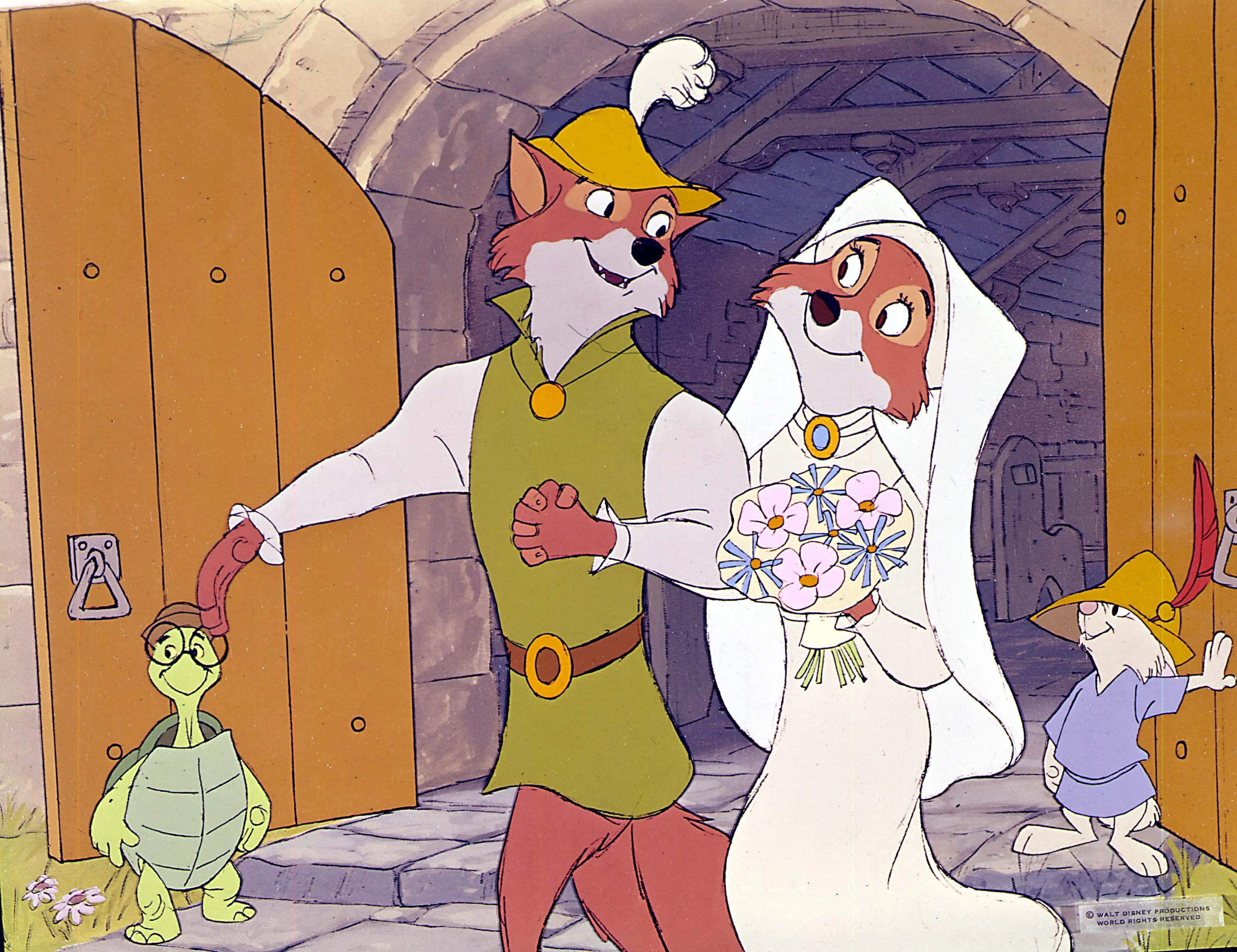
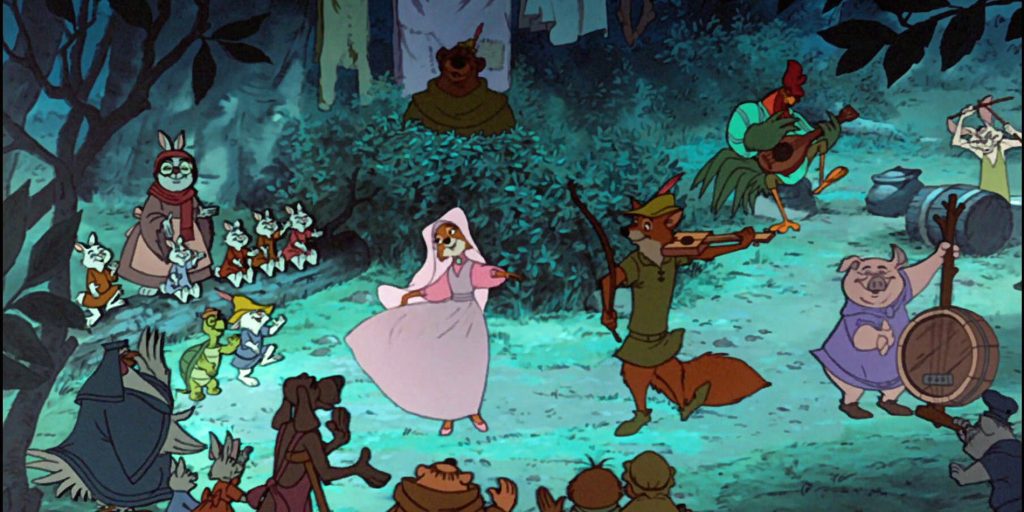
In this part we tackle 2 films starring animals called Robin Hood and The Many Adventures of Winnie the Pooh. Although Robin Hood was in the development from 1968, it had been a culmination of the English folktale as well as the stories of Reynard the Fox that Walt Disney had expressed interest in making movies about those tales as far back as the late 1930s. Still, when director Ken Anderson pitched the idea for Robin Hood, he blended his ideas for the film by conceptualizing him as a fox that used his skills to protect the community. He also wanted to set the film in the Deep South to capture the spirit of Song of the South. But aware of the racial controversy that movie called, Disney executives insisted that it be set in the traditional English location. Because of time spent developing several settings and auditioning actors to voice the title characters, production fell behind schedule. That in order to meet deadlines, animators had to recycle several sequences from previous Disney films that are used in the “Phony King of England” scene. In its 1973 release, Robin Hood grossed a worldwide total of $27.5 million at the box office and would become the first Disney film to be released on home video in 1984. Mainly because it wasn’t held in as high esteem as other titles. Yet, it has received mixed reviews from critics with a 58% Rotten Tomatoes rating with its heavy use of recycled animation prone to the greatest criticism. But it has grown a positive reputation since then as well as become a cult classic.
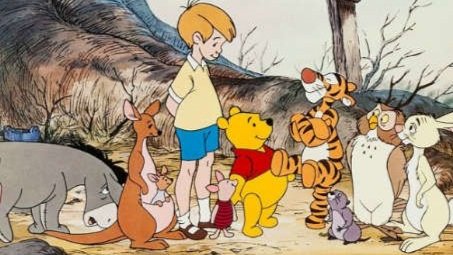
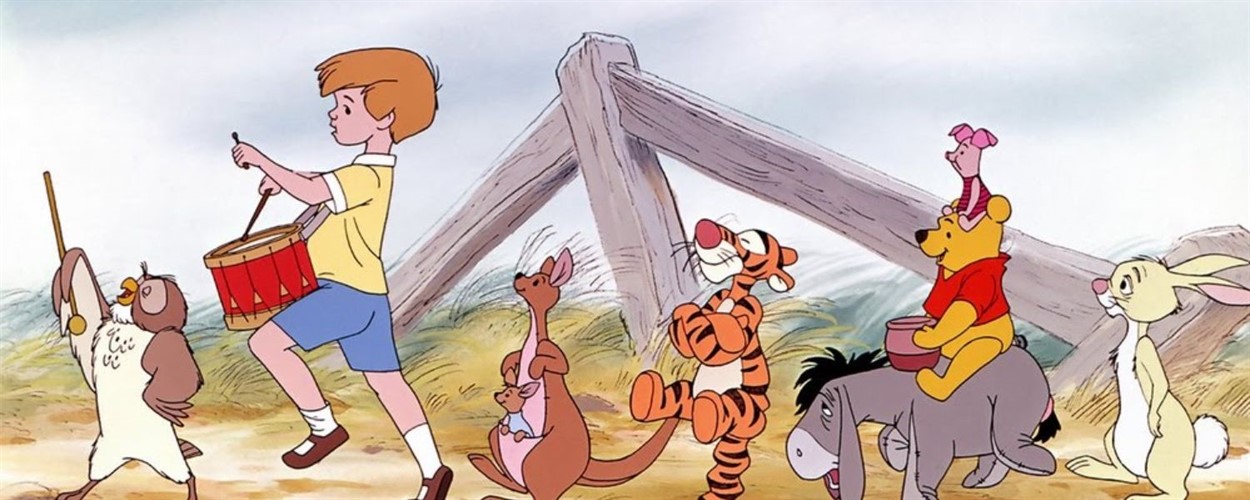
Disney’s The Many Adventures of Winnie the Pooh by contrast is a compilation of shorts made as early as the 1960s and initially released with other films. These comprise of Winnie the Pooh and the Honey Tree (1966), Winnie the Pooh and the Blustery Day (1968), and Winnie the Pooh and Tigger Too (1974) as well as a short scene at the end where Christopher Robin says goodbye to Pooh before he starts school. Walt was involved with the first two shorts’ production with the first one being released in his lifetime. And it would be the last film in the Disney canon where Walt Disney had any involvement. As unit it was released as part of a double feature in 1977. Today it holds a 100% Rotten Tomatoes rating with some home video and DVD releases including Winnie the Pooh a Day for Eeyore which was released in 1983 and inspired a festival in Austin, Texas called Eeyore’s Birthday. In this volume, you’ll meet voice actor behind the French Milkman in The Aristocats, Robin Hood, Friar Tuck, Sir Hiss, Lady Kluck, Alan-a-Dale, Piglet, Eeyore, Owl, and Gopher.
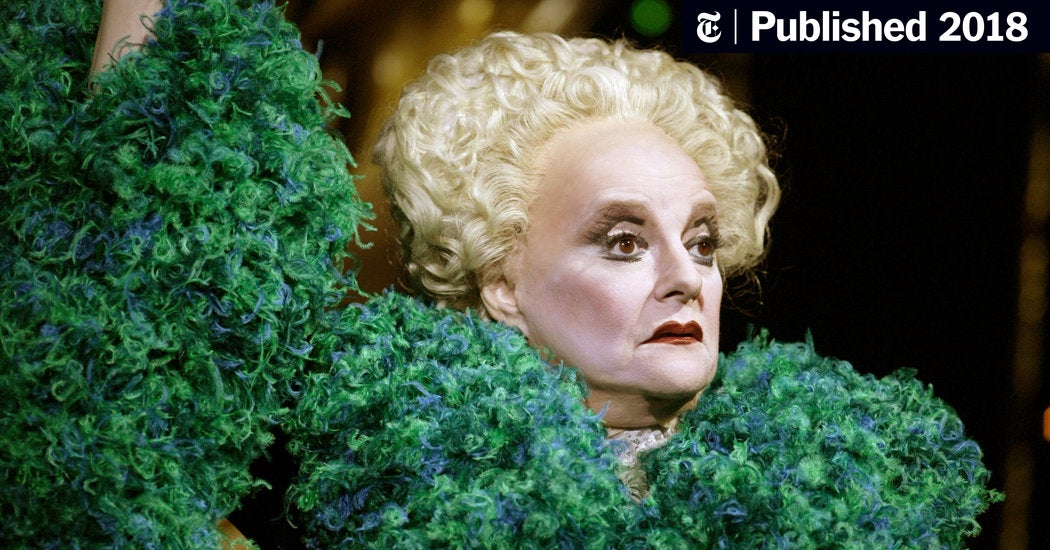
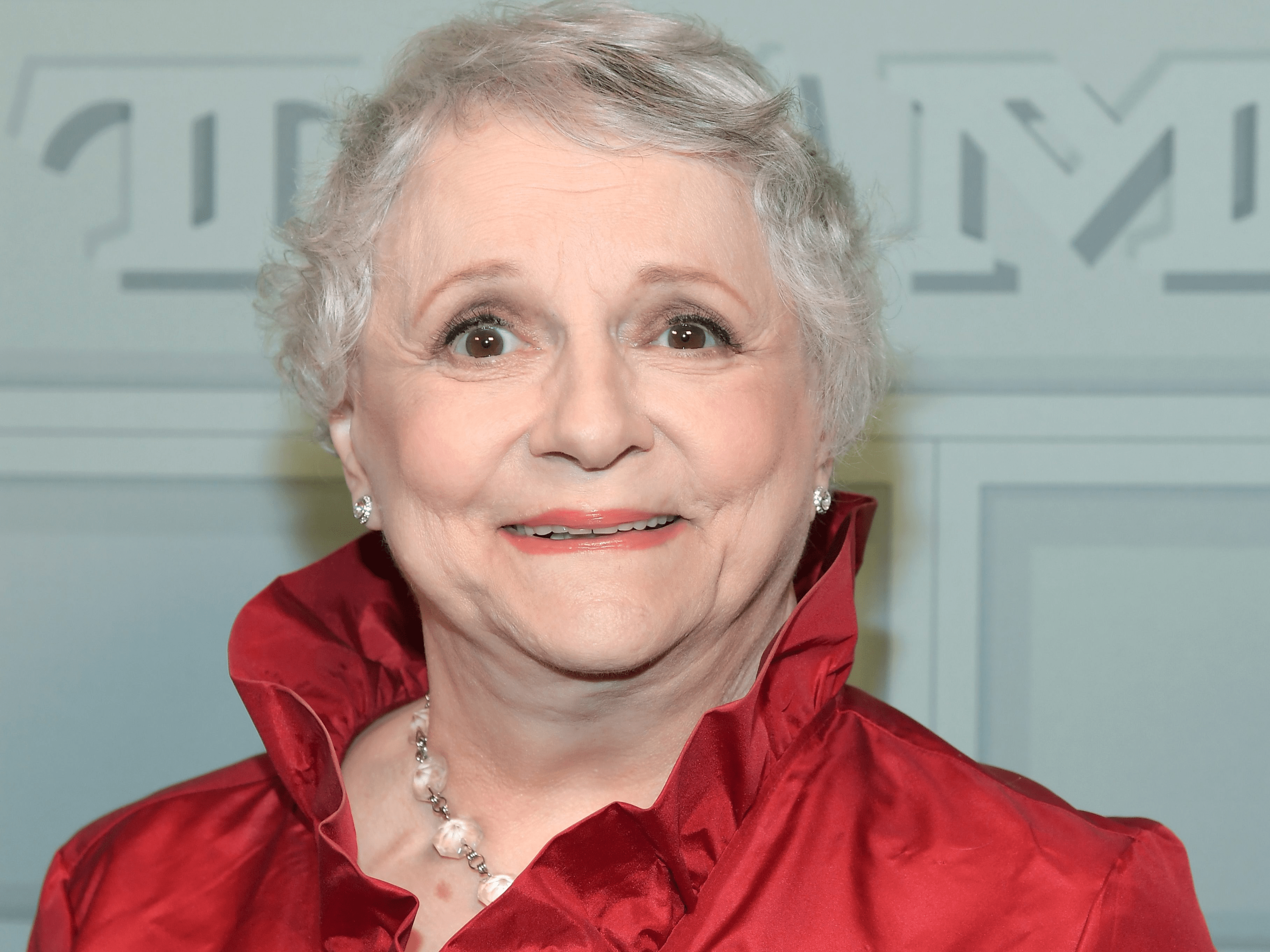
101. Carole Shelley
Dates: 1939-2018
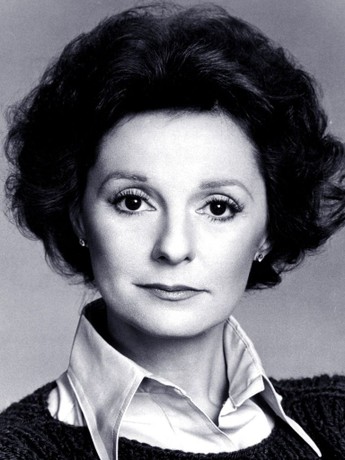
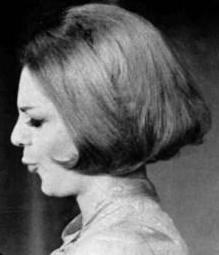
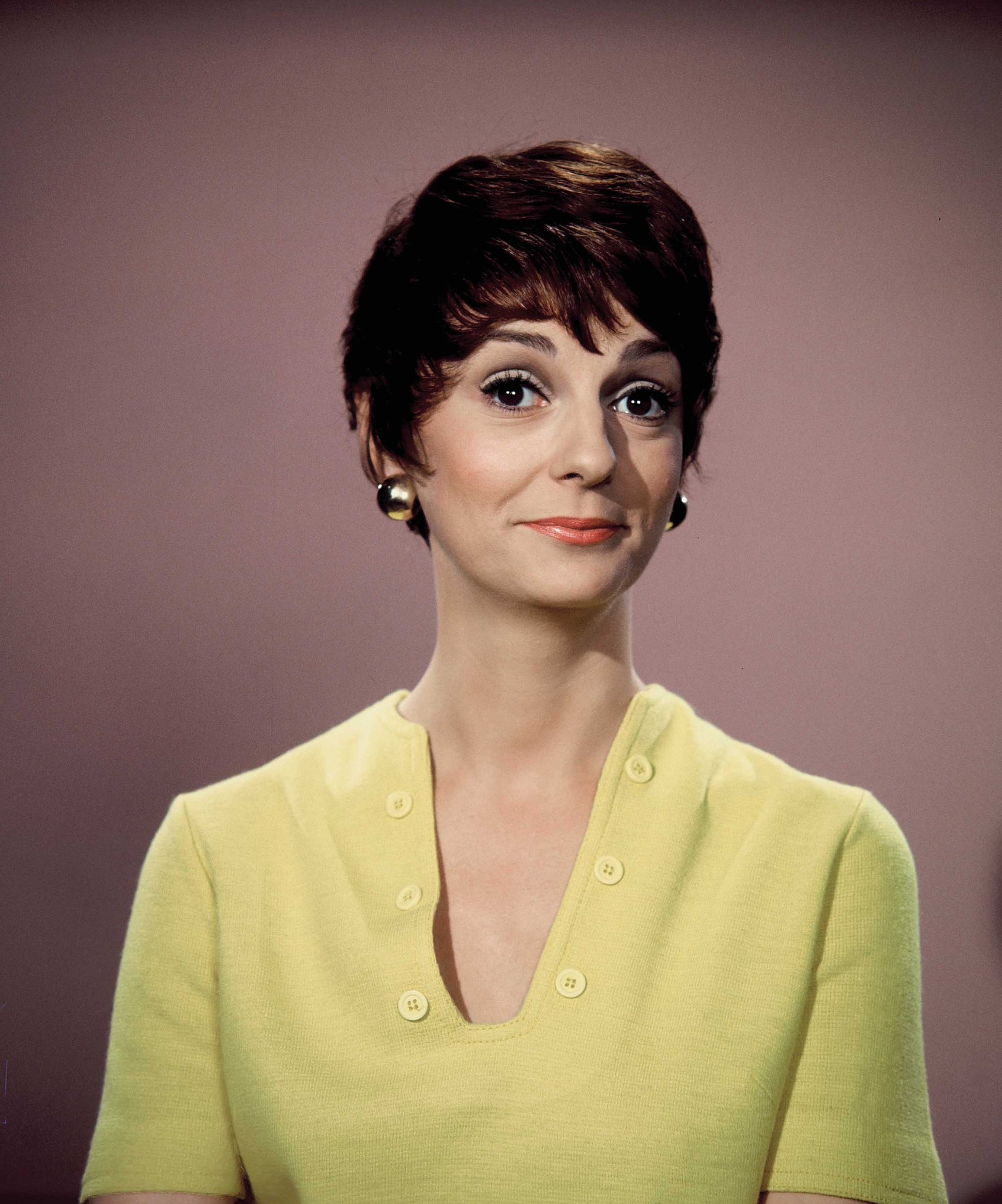
Early Life and Career: Born in London, England. Mother was an opera singer of Russian Jewish descent. Father was a German-born Jewish composer who fled his home country for London before the outbreak of World War II. Made her first film in 1949. Made her Broadway debut in 1965.
Movies and Cartoons: The Aristocats (1970), Robin Hood (1973), and Hercules (1997) as well as the Hercules series.
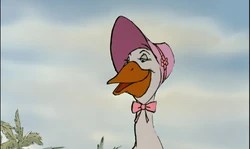
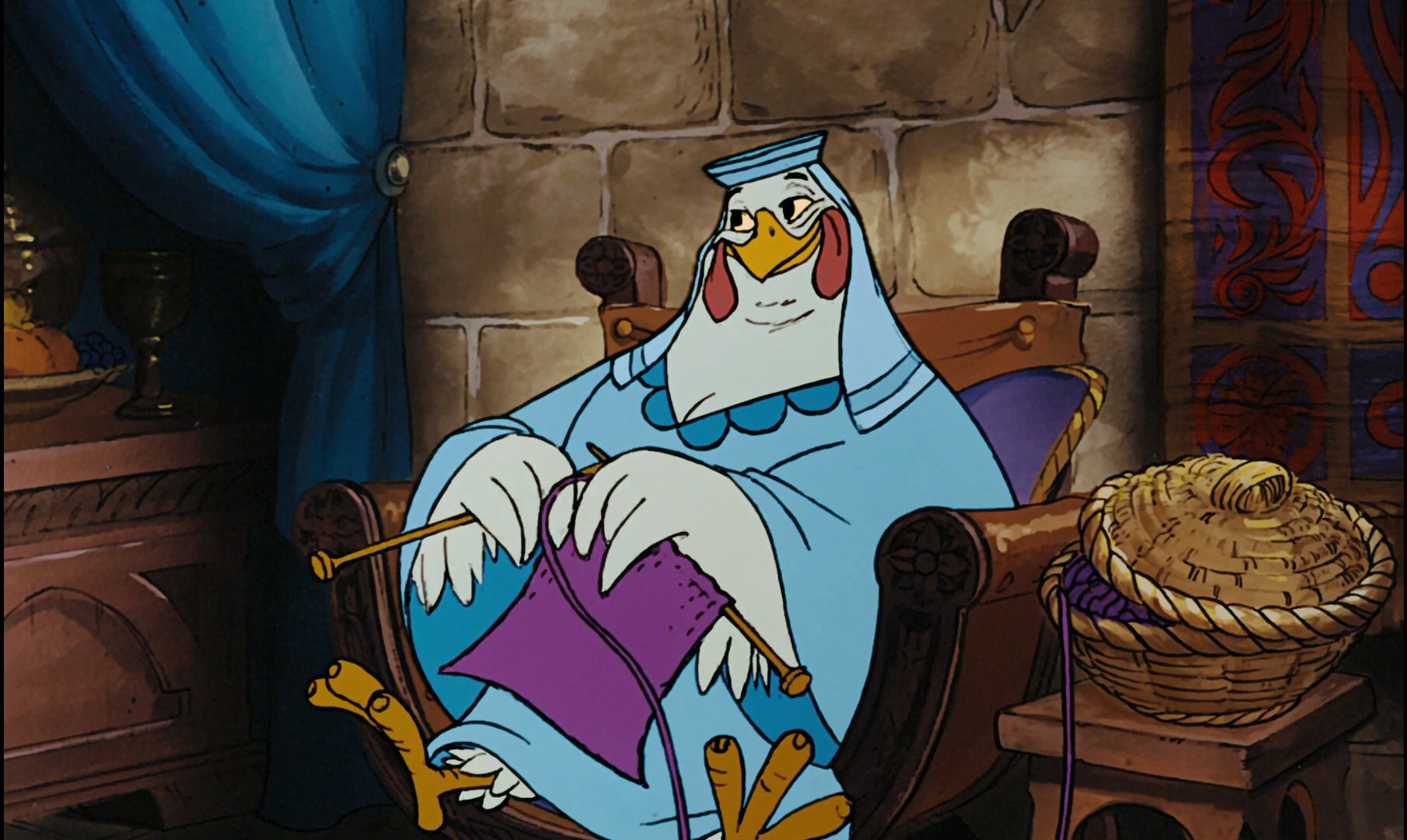
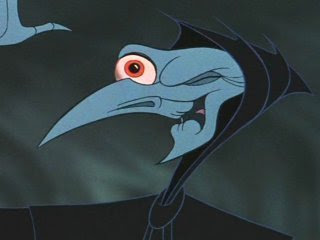
Characters: Amelia Gabble, Lady Kluck, and Lachesis the Fate
Also Known For: Best known as Gwendolyn Pidgeon in The Odd Couple in all its original iterations. Film appearances include It’s Great to Be Young, Carry On Regardless, The Cool Mikado, The Boston Strangler, Some Kind of Nut, Quiz Show, and The Road to Wellville. TV appearances include BBC Sunday Night Play, The Berenstein Bears, One Life to Live, Frasier, Third Watch, and Law & Order: Special Victims Unit.
Personal Life: Married to Albert G. Woods from 1967 until his death in 1971.
Later Life: Retired from acting in 2018. Died of cancer in Manhattan, New York City in 2018 at 79.
Trivia: Monica Evans was maid of honor at her wedding and they most recently reunited at the 2018 TCM Classic Film Festival. Won a Tony Award for Best Actress in a Play in 1979 for The Elephant Man. Received additional Tony nominations for Absurd Person Singular, Stepping Out, and Billy Elliot. Won an Obie in 1982 for Twelve Dreams. Debuted the role of Madam Morrible in the original Broadway production of Wicked.
102. Peter Renaday
Dates: 1935-2024
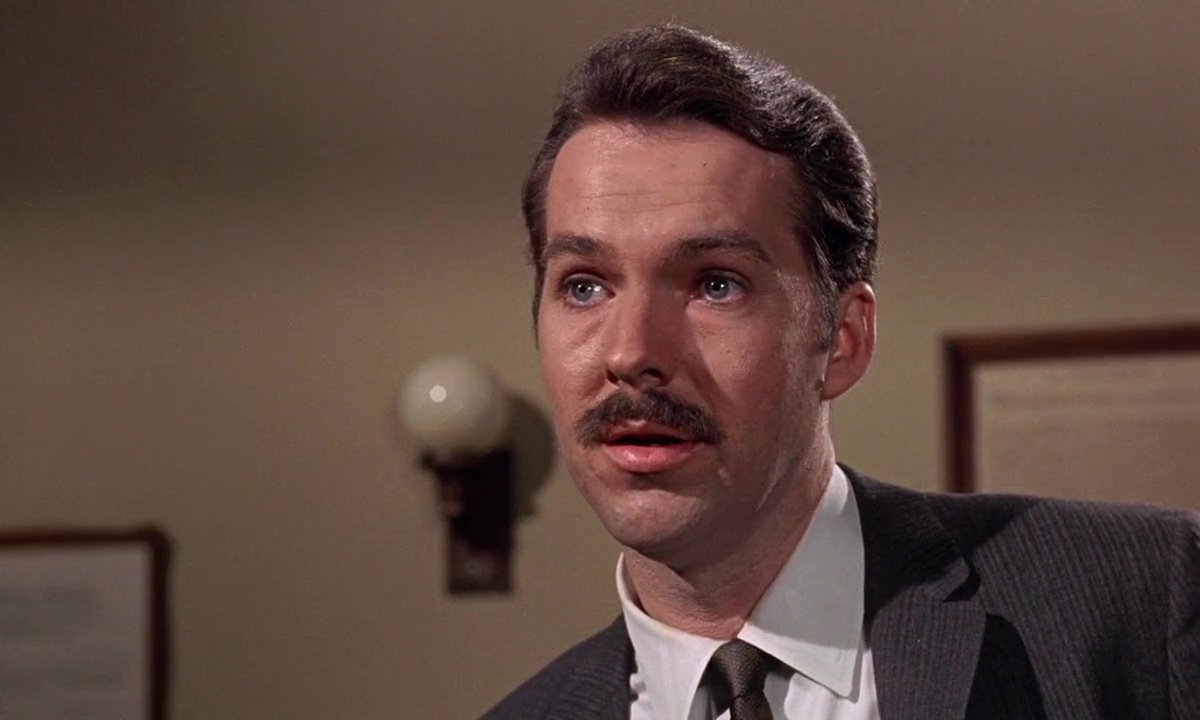
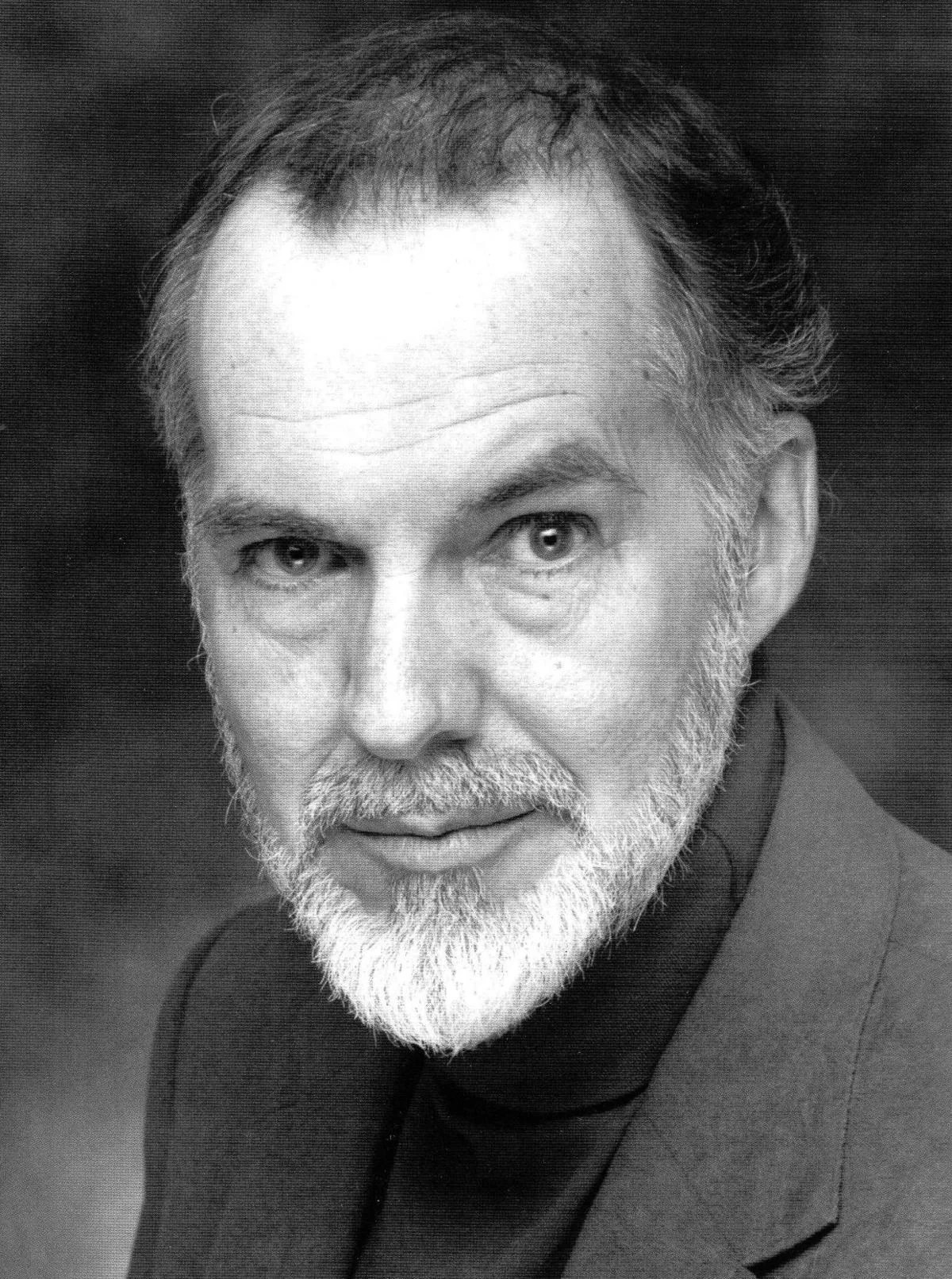
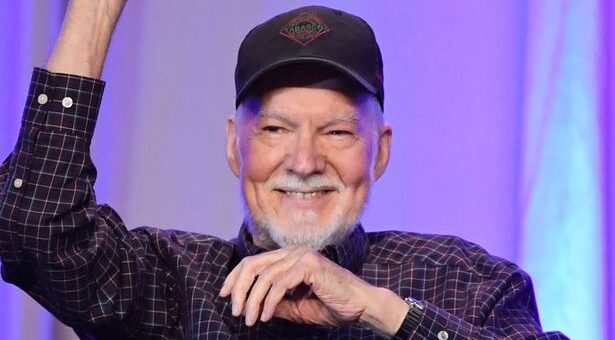
Early Life and Career: Born Pierre Laurent Renoudet in New Iberia, Louisiana.
Movies and Cartoons: The Aristocats (1970), The Rescuers (1977), The Black Cauldron (1985), The Hunchback of Notre Dame (1996), and Mulan (1998) as well as albums, toys, series like TaleSpin, Aladdin, and Darkwing Duck, and various theme park rides at both Disneyland and Disney World.
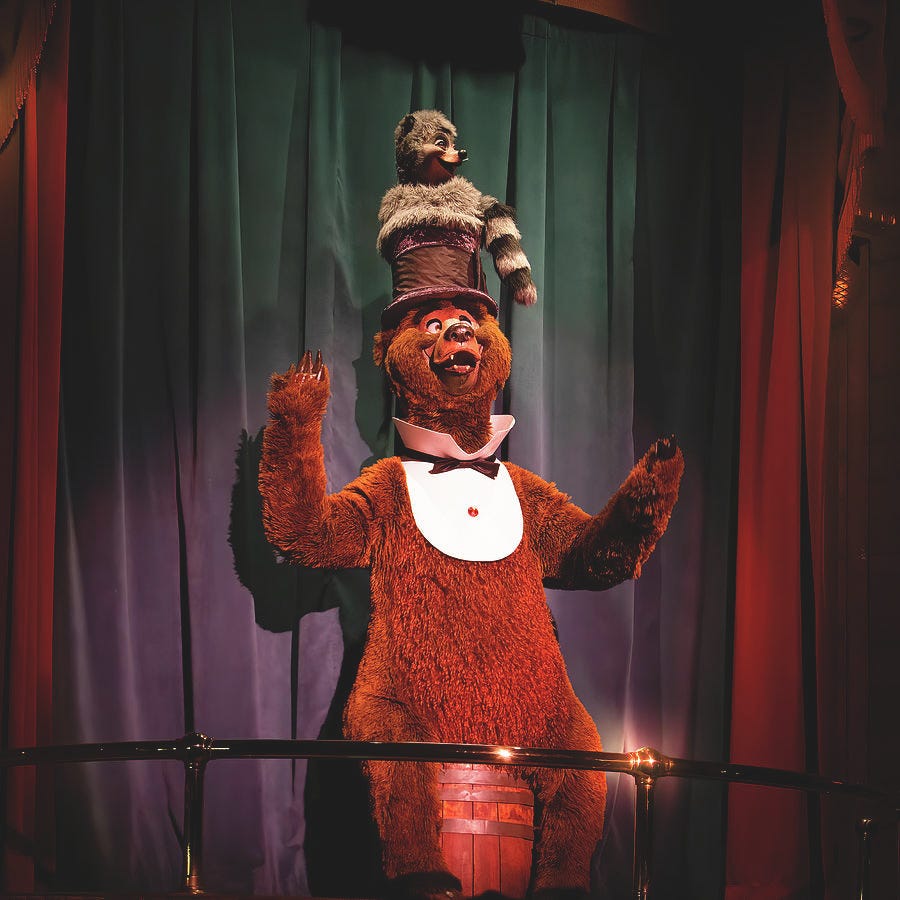
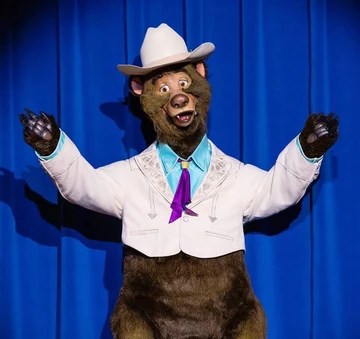
Characters: French Milkman, La Petit Café Cook, Truck Move, American Delegate, Horned King’s Huntsman, Frollo’s Soldiers, and Hun Army
Also Known For: Character actor whose career spanned some 6 decades in stage, film, radio, television, video games, and theme parks. Best known as the original voice of Splinter from Teenage Mutant Ninja Turtles. Film appearances include The Love Bug, The Computer Wore Tennis Shoes, The Barefoot Executive, the Million Dollar Duck, The Adventures of Pinocchio, The Strongest Man in the World, The Shaggy D.A., The Cat from Outer Space, The Devil and Max Devlin, Murder in Texas, The River Rat, Bebe’s Kids, Cats Don’t Dance, Antz, The Prince of Egypt, The Road to El Dorado, Shrek, and Madagascar. TV appearances include Dallas, The Transformers, Defenders of the Earth, Batman: The Animated Series, Animaniacs, The Sylvester & Tweety Mysteries, The Real Adventures of Johnny Quest, Gargoyles, Iron Man, Superman: The Animated Series, The New Adventures of Batman, and Samurai Jack. Video game appearances include Outlaws, Revenant, Shadow of Rome, From Russia with Love, The Matrix: Path of Neo, Dead Rising, Marvel: Ultimate Alliance, Jeanne d’Arc, Assassin’s Creed, Lost Odyssey, Dragon Age: Origins, and Fallout: Las Vegas. Also voiced various characters in Adventures in Odyssey from 1994-2015.
Personal Life: Married to Florence “Flo” June Daniel from 1979 until her death in 2011. She worked as a secretary in the Walt Disney Studios’ music department for 35 years, including as executive secretary to 2 heads of the department. She was also a coloratura soprano who was also featured on The Sounds of Christmas produced by Disney Records alongside her husband in 1973.
Later Life: Died from natural causes at his home in Burbank, California in 2024 at 89.
Trivia: None.
103. Brian Bedford
Dates: 1935-2016
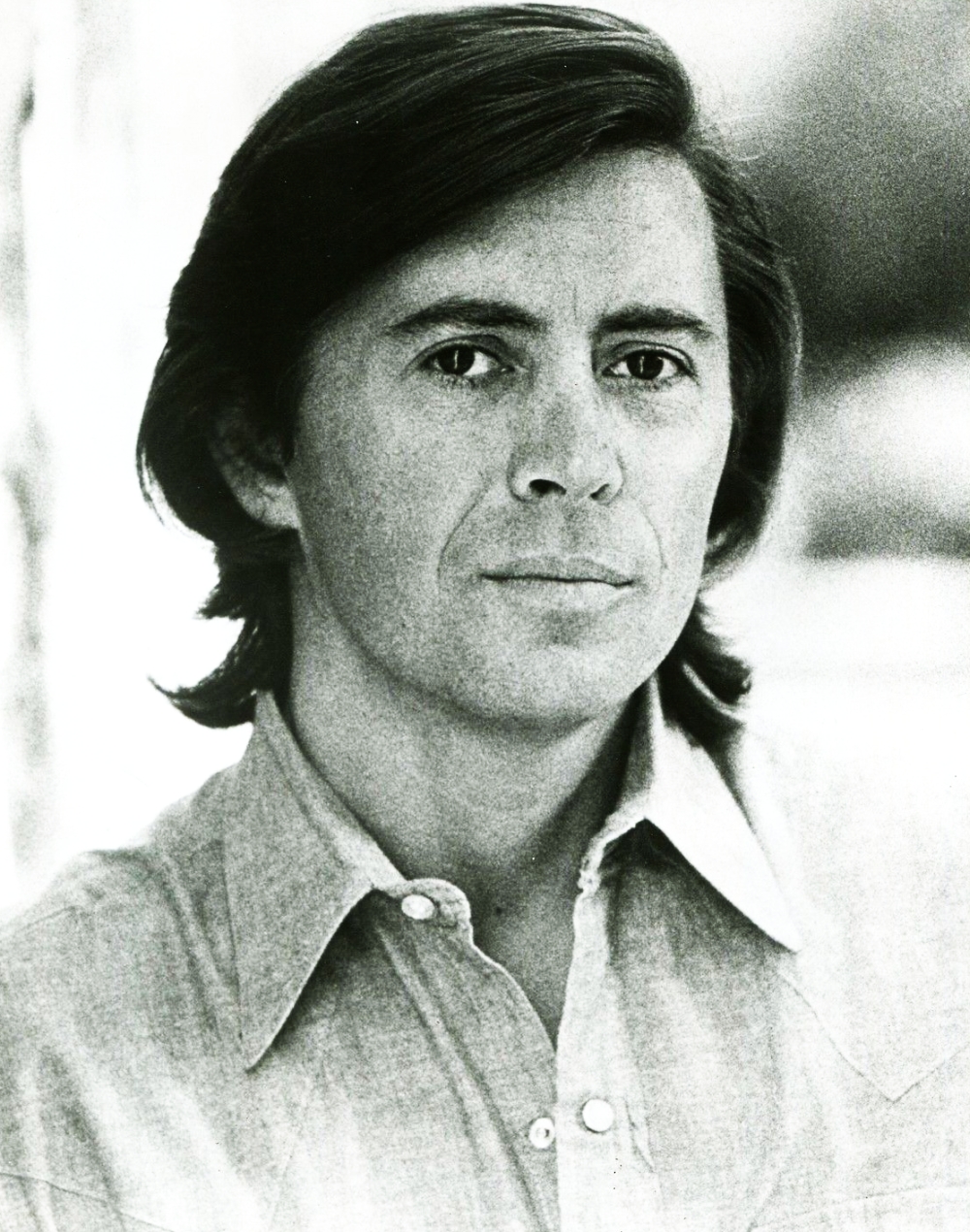
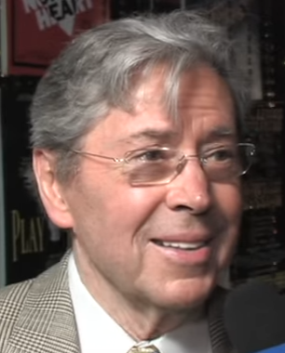
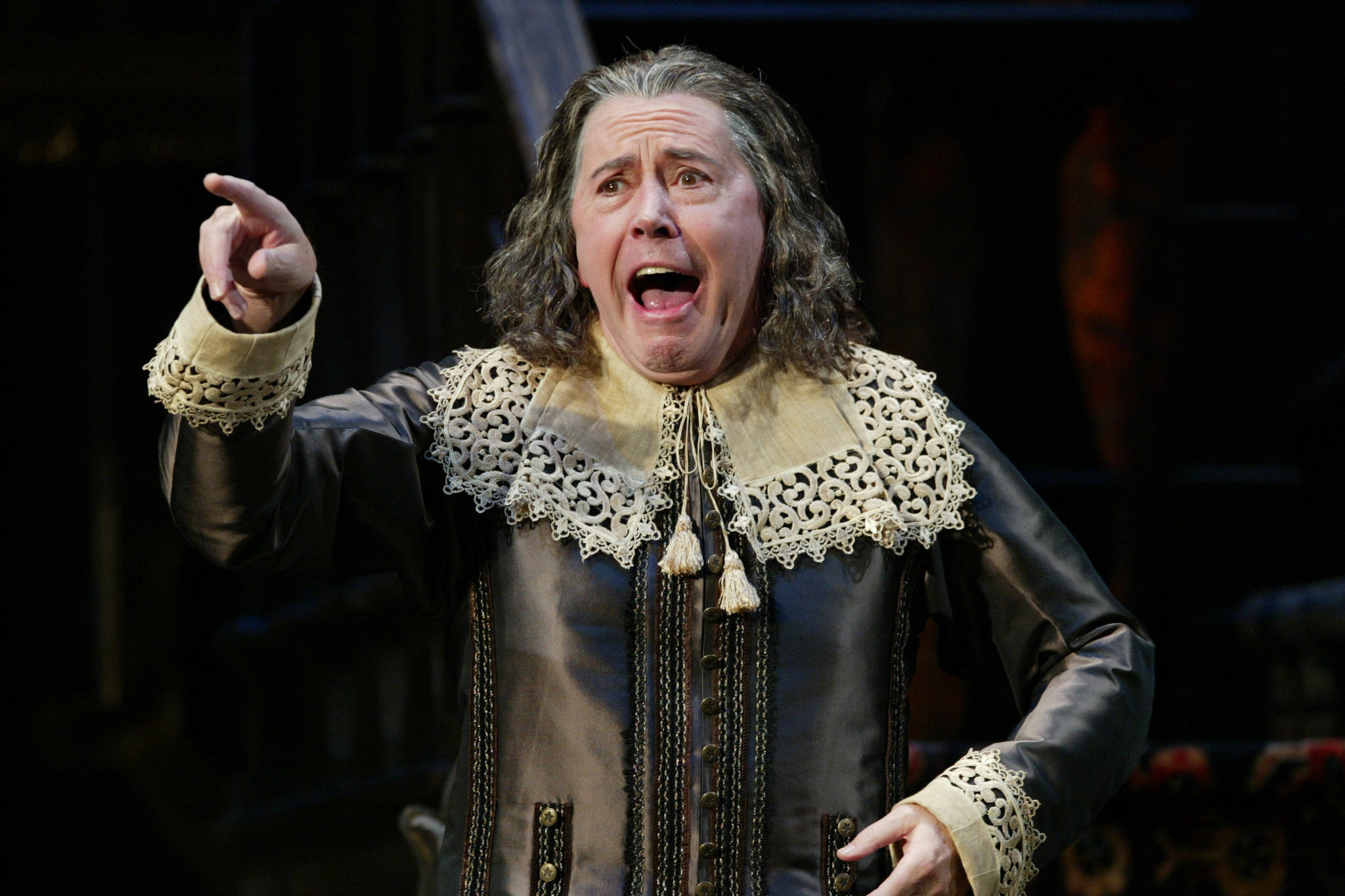
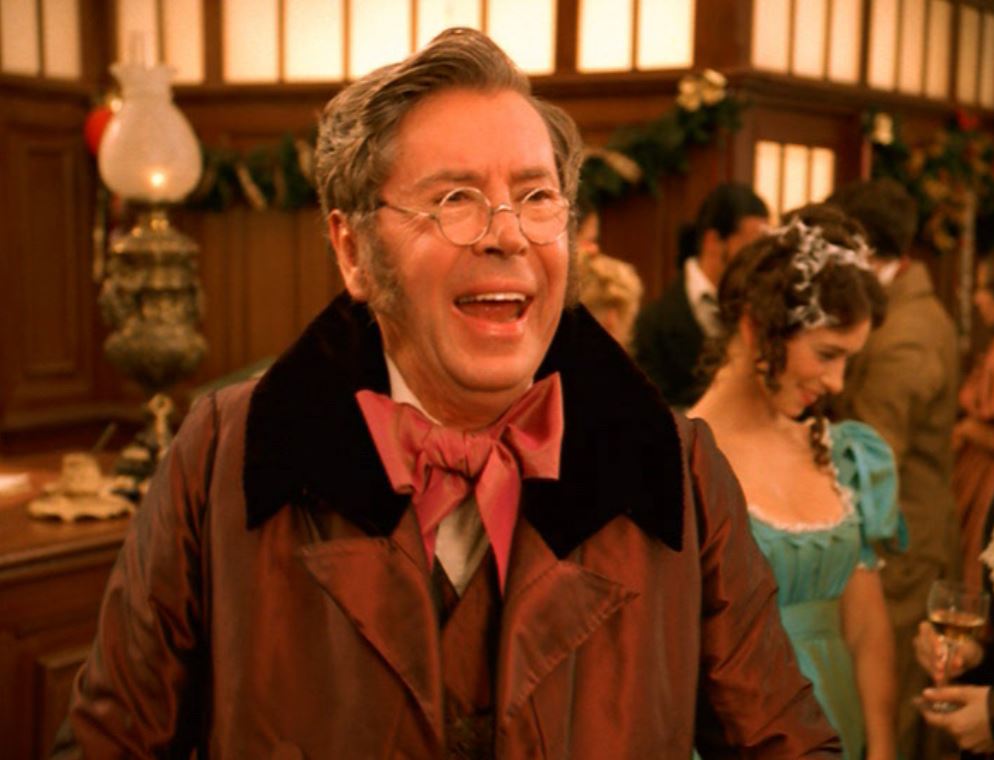
Early Life and Career: Born in Morley, West Yorkshire, England. Father was a mailman. Attended St. Bede’s Grammar School in Bradford before attending the Royal Academy of Dramatic Arts from 1952 to 1955. Made acting debut in 1965.
Movies and Cartoons: Robin Hood (1973)
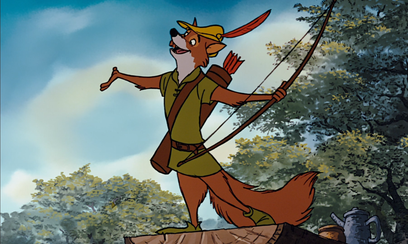
Characters: Robin Hood
Also Known For: British actor who appeared on film, television, and stage as well as an actor-director of Shakespeare productions. Theater appearances include Twelfth Night, Measure for Measure, Richard III, As You Like It, Private Lives, The Winter’s Tale, Uncle Vanya, Much Ado About Nothing, The Seagull, The Misanthrope, Arms and the Man, Blithe Spirit, Tartuffe, A Midsummer Night’s Dream, Waiting for Godot, The Relapse, The Merchant of Venice, Macbeth, Julius Caesar, Timon of Athens, The School for Wives, The School for Husbands, The Imaginary Cuckold, Amadeus, The Little Foxes, Equus, The School for Scandal, Present Laughter, London Assurance, King Lear, and The Importance of Being Earnest. Film appearances include Man of the Moment, Miracle in Soho, The Angry Silence, Number Six, The Punch and Judy Man, The Pad and How to Use It, Grand Prix, Nixon, and The Importance of Being Earnest (2011). TV appearances include The Holy Terror, Androcles and the Lion, The Last Best Year, Mr. Saint Nick, ITV Play of the Week, BBC Sunday Night-Play, Edgar Wallace Mysteries, Sir Francis Drake, Ben Casey, New York Television Theatre, Coronet Blue, The Name of the Game, Nanny and the Professor, Scarlett, Alfred Hitchcock Presents, The Equalizer, Murder, She Wrote, Cheers, More Tales of the City, Frasier, Great Performances, Black Jesus, and A Christmas Carol: The Musical.
Personal Life: Married to fellow actor Tim MacDonald from 2013 until his death, his longtime boyfriend of over 25 years at the time of their wedding. The couple shared homes in Stratford, Ontario and Santa Barbara, California.
Later Life: Retired in 2015. Died of cancer in 2016 in Santa Barbara at 80. Remains were cremated.
Trivia: Has been nominated for 7 Tony Awards, winning once for Best Lead Actor in a Play for The School for Wives in 1971. Has won 6 Drama Desk Awards for Outstanding Performances including, The Misanthrope in 1969, Private Lives in 1970, The School for Wives in 1971, Jumpers in 1974, in 1992 for Two Shakespearean Actors, and 2011 for The Importance of Being Earnest. Won an Outstanding Performance Obie in 1965 for The Knack. Also received the Outer Circle Critics Award and the L.A. Drama Critics Award. Was in the same RADA class as Albert Finney, Alan Bates, and Peter O’Toole. Was inducted into the American Theater Hall of Fame in 1997.
104. Roger Miller
Dates: 1936-1992
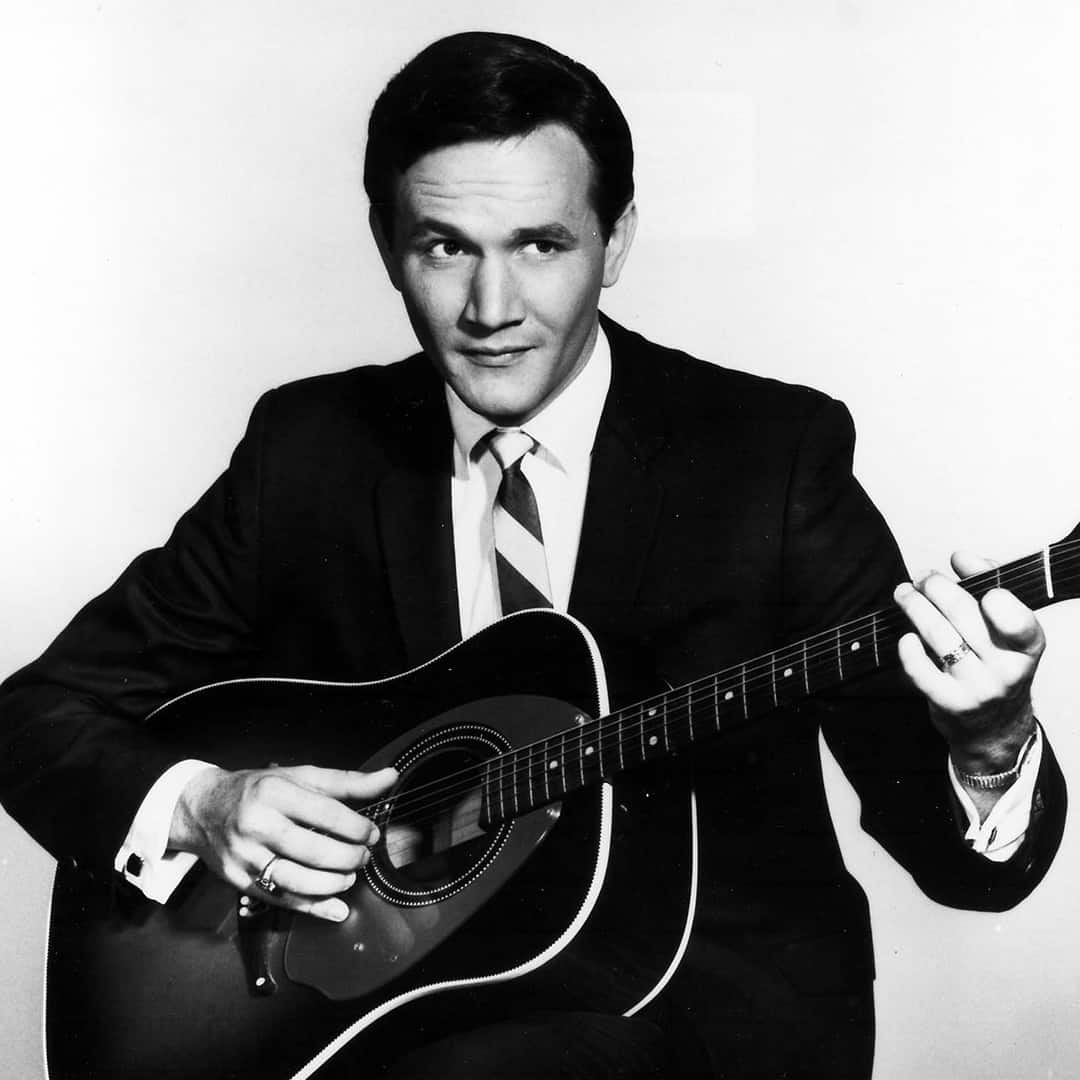
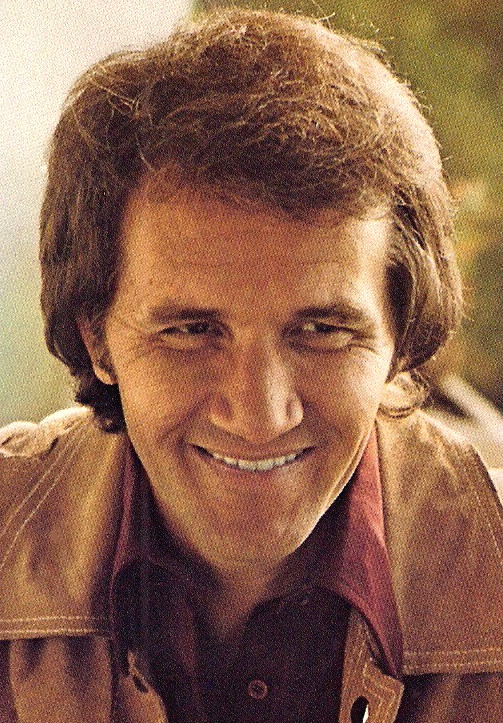
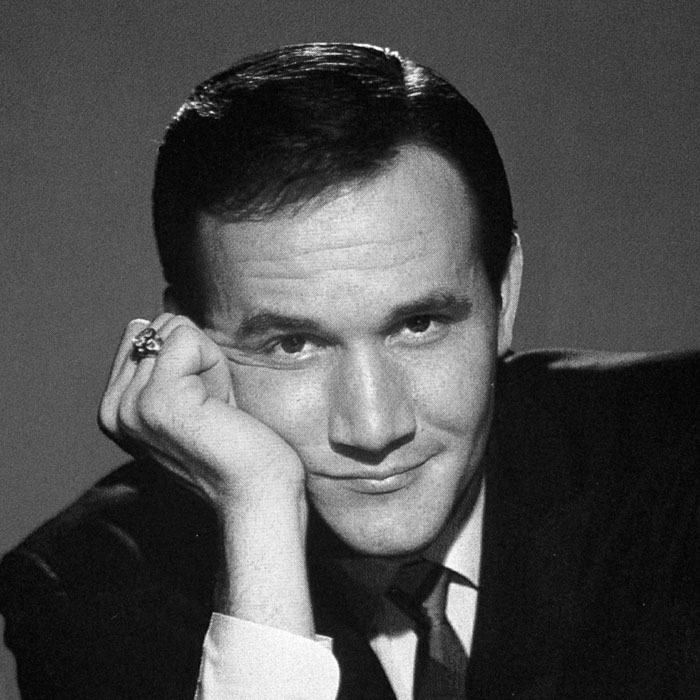
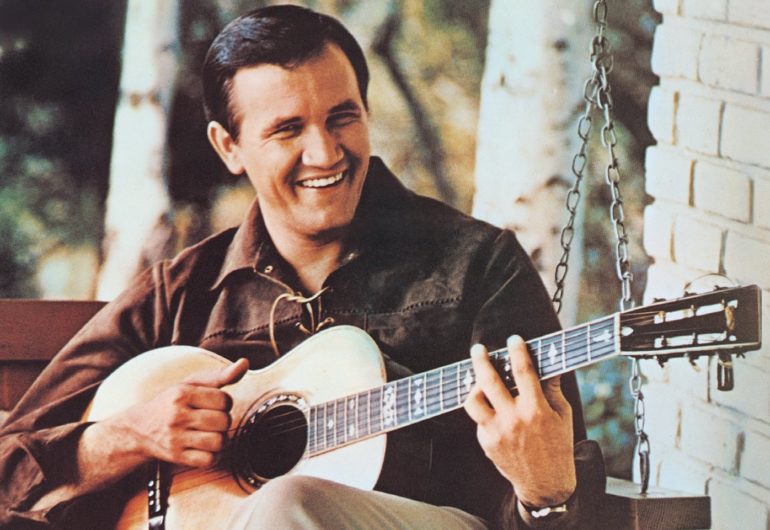
Early Life and Career: Born in Fort Worth, Texas as one of 3 sons. Father died of spinal meningitis when he was a year old. Since his mother couldn’t adequately support the family, she sent her 3 sons to live with her husband’s 3 brothers. Thus, Miller grew up on his aunt and uncle’s farm in Erick, Oklahoma. Did farm work such as plowing and picking cotton. Aunt and uncle were dirt poor and allegedly didn’t own a telephone until 1951. Miller received his primary education in a one-room schoolhouse. Was an introverted child who often daydreamed or composed songs. Was an FFA member in high school. Was taught fiddle and guitar by his cousin’s husband who also happened to be singer-songwriter Sheb Wooley. Was influenced to become a singer-songwriter by Wooley, Hank Williams, and Bob Willis. Soon he began to run away and perform in Oklahoma and Texas. At 17, Miller stole a guitar out of desperation to write songs. However, he turned himself in the next day and decided to enlist in the US Army to avoid jail. May have served in the Korean War according to what he said. Anyway, near the end of his service while stationed in Atlanta, Georgia, Miller played fiddle for the Circle Wranglers, a military musical group started by Faron Young. While stationed in South Carolina, an Army sergeant whose brother was Kenneth C. “Jethro” Burns from the duo Homer and Jethro, persuaded him to go to Nashville upon discharge. After leaving the army, Miller traveled to Nashville to begin his musical career. Met with Chet Atkins who loaned him his guitar. Miller nervously sang a song in 2 different keys. Atkins advised him to return later when he had more experience. Miller then found work as a bellhop at the Andrew Jackson Hotel where he soon became know as the “singing bellhop.” Until he was finally hired to play the fiddle in Minnie Pearl’s band. He then met George Jones who introduced him to music executives from Starday Records label who scheduled an audition. Impressed, the executives set up a recording session with Jones in Houston. After marrying and becoming a father, Miller put aside his music career to become a fireman in Amarillo by day and performer by night. Later met Ray Price and became a member of his Cherokee Cowboys before returning to Nashville. He then signed with Tree Publishing on a salary of $50 a week and would soon become one of the biggest country songwriters of the 1950s. Signed a recording deal with Decca Records in 1958.
Movies and Cartoons: Robin Hood (1973)
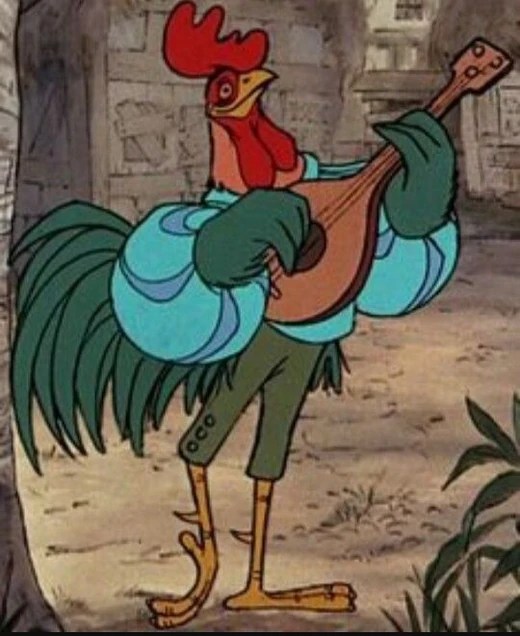
Characters: Alan-a-Dale
Also Known For: Country and folk singer-songwriter best known for his honky-tonk novelty songs. Hits include “King of the Road,” “Dang Me,” “England Swings,” “Billy Bayou,” “Old Friends,” “Tall, Tall Trees,” “Happy Child,” “Half a Mind,” “Chug-a-Lug,” “Do-Wacka-Do,” “That’s the Way I Feel,” “It Only Hurts When I Cry,” and “Husbands and Wives.” Specialized in guitar, fiddle, vocals, and drums. In Robin Hood, he also wrote and performed “Oo-De-Lally,” “Not in Nottingham,” and “Whistle Stop.” TV appearances include Sesame Street, Nestor, The Long – Eared Christmas Donkey, The Muppet Show, Quincy, M.E., Murder, She Wrote, and Lucky Luke. Had his own show on NBC that lasted only 13 weeks in 1966-1967.
Personal Life: Married 3 times. First wife was Barbara Crow from Shamrock, Texas whom he married when they were both 17. Had 4 children, the first of whom died shortly after birth. Divorced shortly after moving to California in 1964. Second wife was Leah Kendrick of San Antonio whom he married in 1964. They had 2 children named Shannon and Dean who later became a country singer-songwriter and music producer. They divorced in 1976. Third wife was singer Mary Arnold whom he met through Kenny Rogers and was a replacement member of the First Edition. After the band broke up, she performed with Miller on tours as a backup singer, including a performance at the White House before President Gerald R. Ford. In 2009, she was inducted in the Iowa Rock ‘n’ Roll Hall of Fame. The couple would remain together until Miller’s death and had 2 children. Anyway, subsequent public interest in Miller during the 1960s led to the success he longed hoped for but also brought struggles associated with life in the entertainment business such as burnout as well as alcohol and substance abuse. He has described his amphetamine use during the 1960s as both damaging to his career but helpful in his songwriting. In 1972, he referred to amphetamines as “the snake pit I got into” and supported a ban on the drug in Oklahoma. Of course, Miller would later clean up much of his act in later years except in one major area. Since he was a lifelong smoker.
Later Life: Lived with his family in Santa Fe for some years. Died of lung and throat cancer in 1992 in Los Angeles at 56 only shortly after a malignant tumor was discovered beneath his vocal chords. Since then, Arnold has managed his estate. In 2007, she sued Sony for copyright infringement that culminated in Roger Miller Music, Inc. v. Sony/ATV Publishing, LLC, which went to the US Court of Appeals for the Sixth Circuit. Arnold was ultimately awarded $1 million in royalties and rights to the songs Miller wrote in 1964.
Trivia: Wrote music and lyrics for the 1985 Tony Award-winning musical Big River where he took over for a role once played by John Goodman. Erick, Oklahoma has the Roger Miller Museum in his memory that sits on the road named after him. Was known to give away lines, inciting many potential songwriters to follow him around. Has won 11 Grammys and a Tony. Voted into the Nashville Songwriters Hall of Fame in 1973 and the Country Music Hall of Fame in 1995.
105. Andy Devine
Dates: 1905-1977
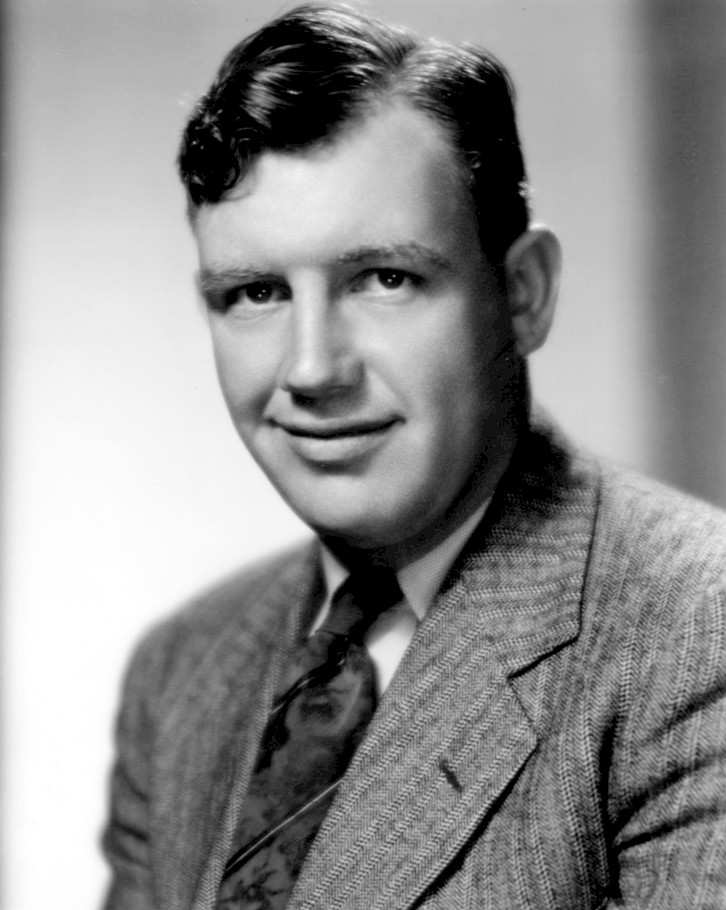
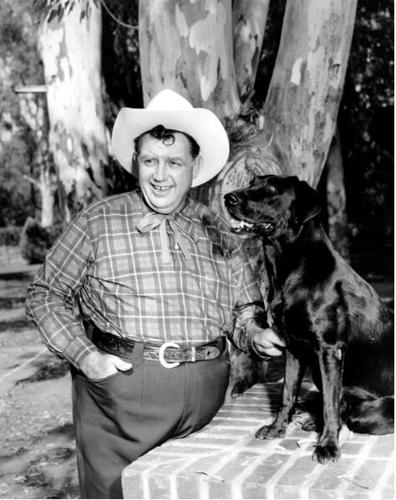
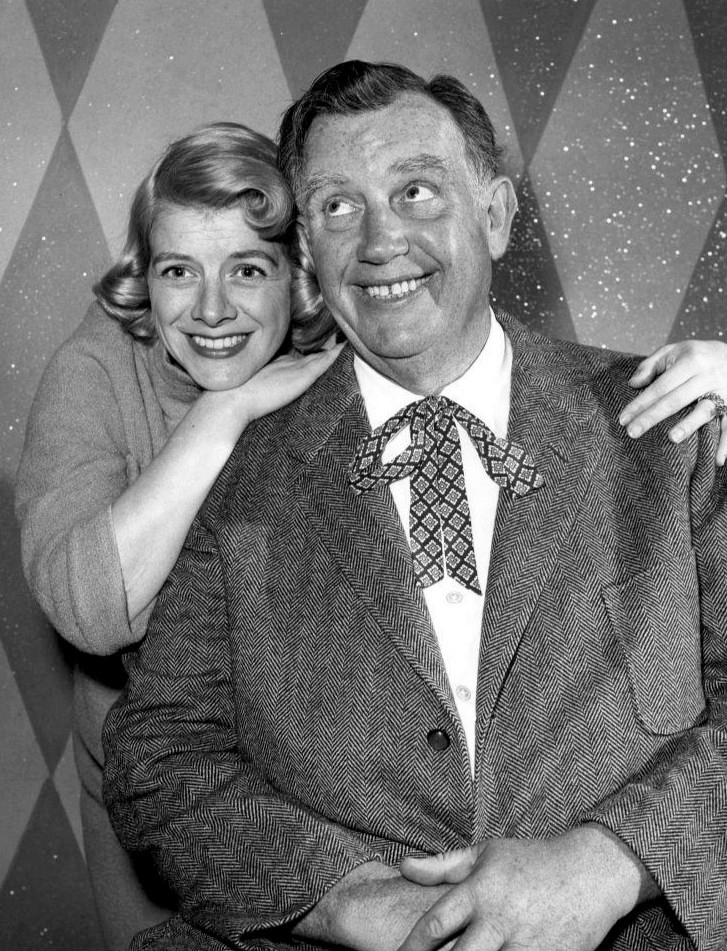
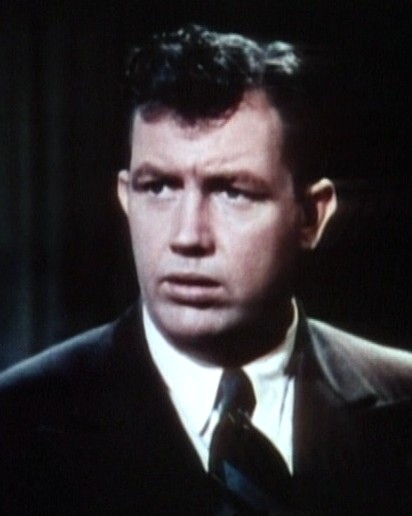
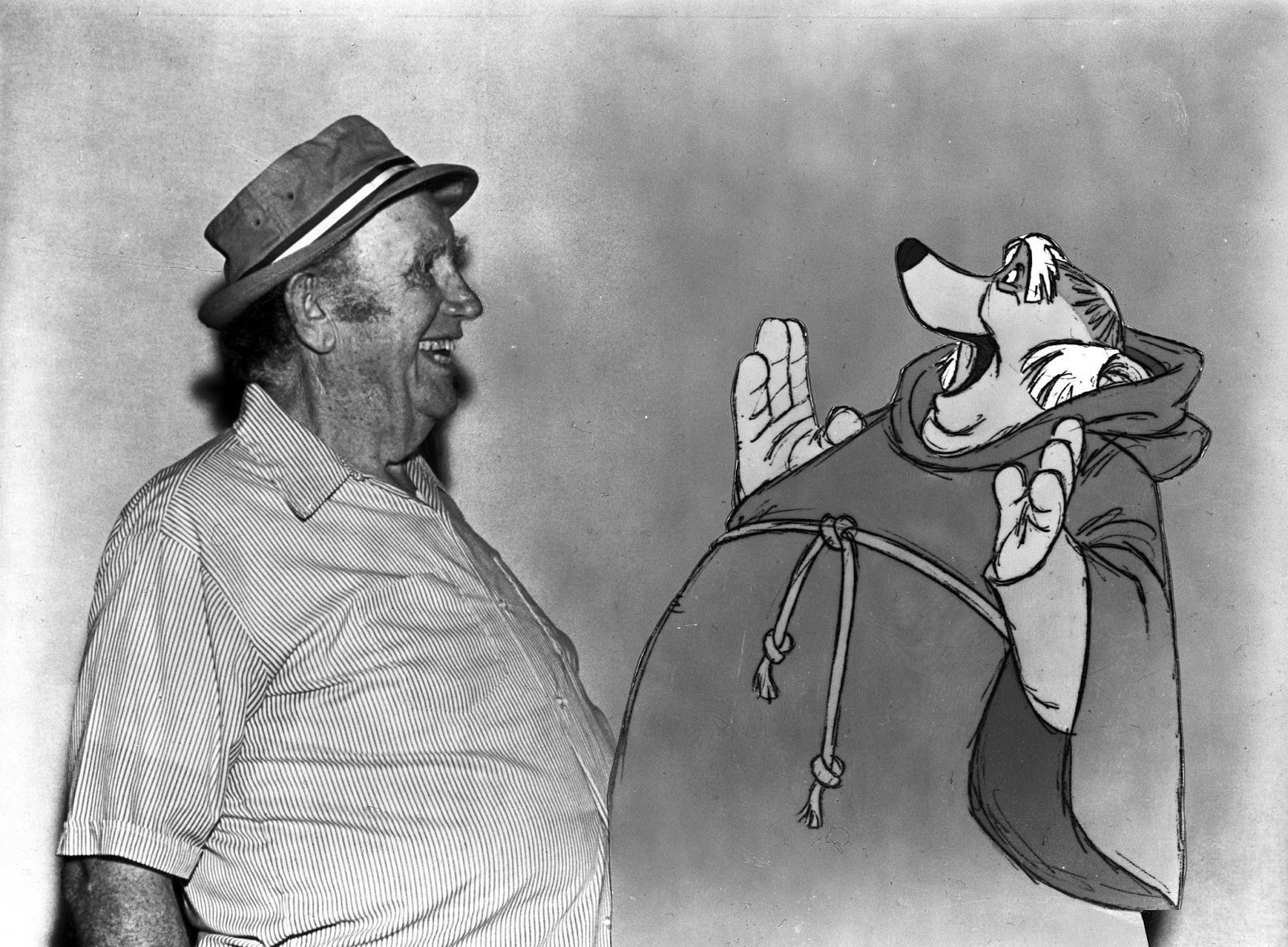
Early Life and Career: Born in Flagstaff, Arizona, then a US territory. Attended Saint Mary’s and Saint Benedict’s College, what is now Northern Arizona University, and was a football player at Santa Clara University. Also played semi-professional football under the name of Jeremiah Schwartz. Ambitious to act, he went to Hollywood where he worked as a lifeguard on Venice Beach and had some roles in silent films. While his peculiar wheezy voice was first thought likely to prevent Devine from moving into talkies, it instead became his trademark. There’s a lot of stories on how Devine came to sound this way, but there’s no sure answer why.
Movies and Cartoons: Robin Hood (1973) as well as some episodes of Disney’s Wonderful World of Color in 1969 and 1970.
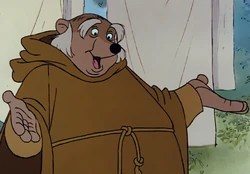
Characters: Friar Tuck
Also Known For: Character actor known for his raspy, crackly voice roles in Westerns, including the role as Roy Rogers’ sidekick Cookie in 10 films as well as Jingles in Adventures of Wild Bill Hickok and host of Andy’s Gang. Appeared in over 400 films. Was a regular guest on The Jack Benny Program radio show. Film appearances include That’s My Daddy, Finders Keepers, We Americans, Lonesome, Noah’s Ark, The Divine Lady, Hot Stuff, A Soldier’s Plaything, The Spirit of Notre Dame, Destry Rides Again, Radio Patrol, The Man from Yesterday, The Big Cage, The All American, The Big Cage, Midnight Mary, Saturday’s Millions, Million Dollar Ransom, The President Vanishes, Hell in the Heavens, The Farmer Takes a Wife (1935), Way Down East (1935), Coronado, Romeo and Juliet (1936), A Star Is Born (1937), In Old Chicago, Yellow Jack, The Storm, Stagecoach (1939), Mutiny on the Blackhawk, Tropic Fury, Geronimo, Man from Montreal, Danger on Wheels, Buck Benny Rides Again, Black Diamonds, Lucky Devils, Mutiny in the Arctic, The Flame of New Orleans, A Dangerous Game, North to the Klondike, Danger in the Pacific, Sin Town, Ali Baba and the Forty Thieves, Babes on Sing Street, Frisco Sal, Sudan, Bells of San Angelo, Springtime in the Sierras, On the Old Spanish Trail, The Gay Ranchero, Under California Stars, Grand Canyon Trail, The Red Badge of Courage, Island in the Sky, Pete Kelly’s Blues, Around the World in 80 Days (1956), The Adventures of Huckleberry Finn (1960), The Man Who Shot Liberty Valence, How the West Was Won, Zebra in the Kitchens, Myra Breckinridge, and The Mouse and His Child. TV appearances include The Virginian, Wagon Train, The Twilight Zone, Flipper, Batman, Bonanza, and Gunsmoke.
Personal Life: Married to Dorothy House in 1933 until his death. Also had 2 children with her.
Later Life: Died of leukemia in 1977 in Irvine, California at 77.
Trivia: Was a pilot and owned Provo Devine, a flight school that trained pilots for the government during World War II. Great-grandson of James H. Ward. Has 2 stars on the Hollywood Walk of Fame for Television and Radio.
106. Terry-Thomas
Dates: 1911-1990
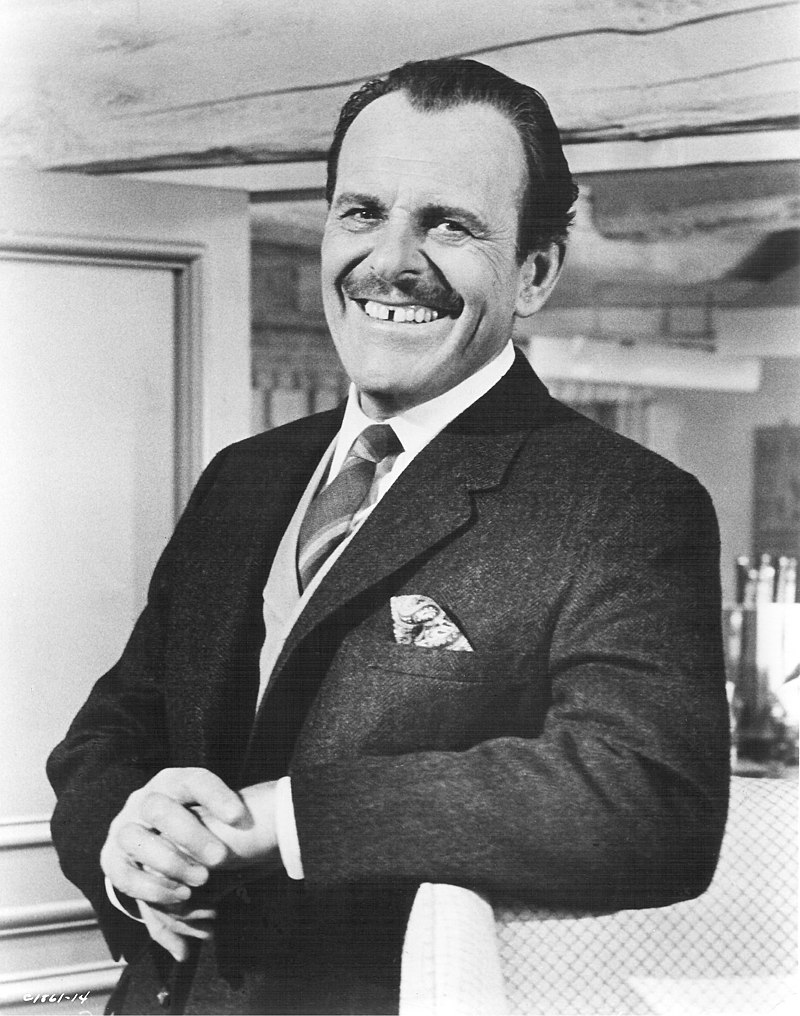
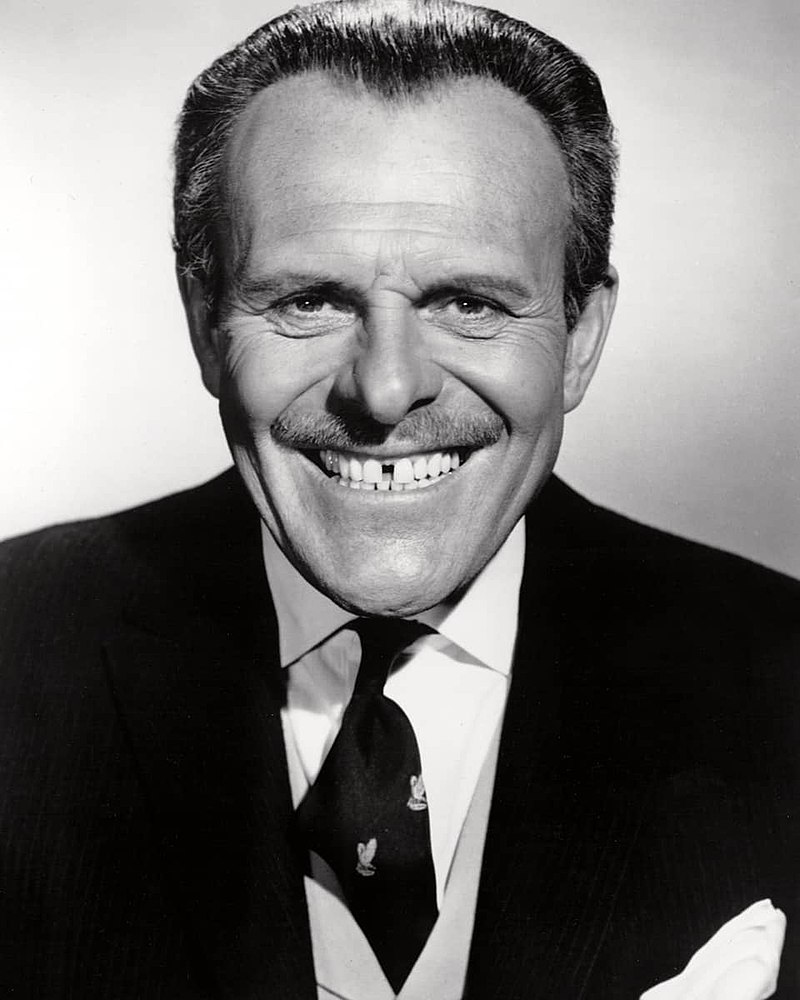
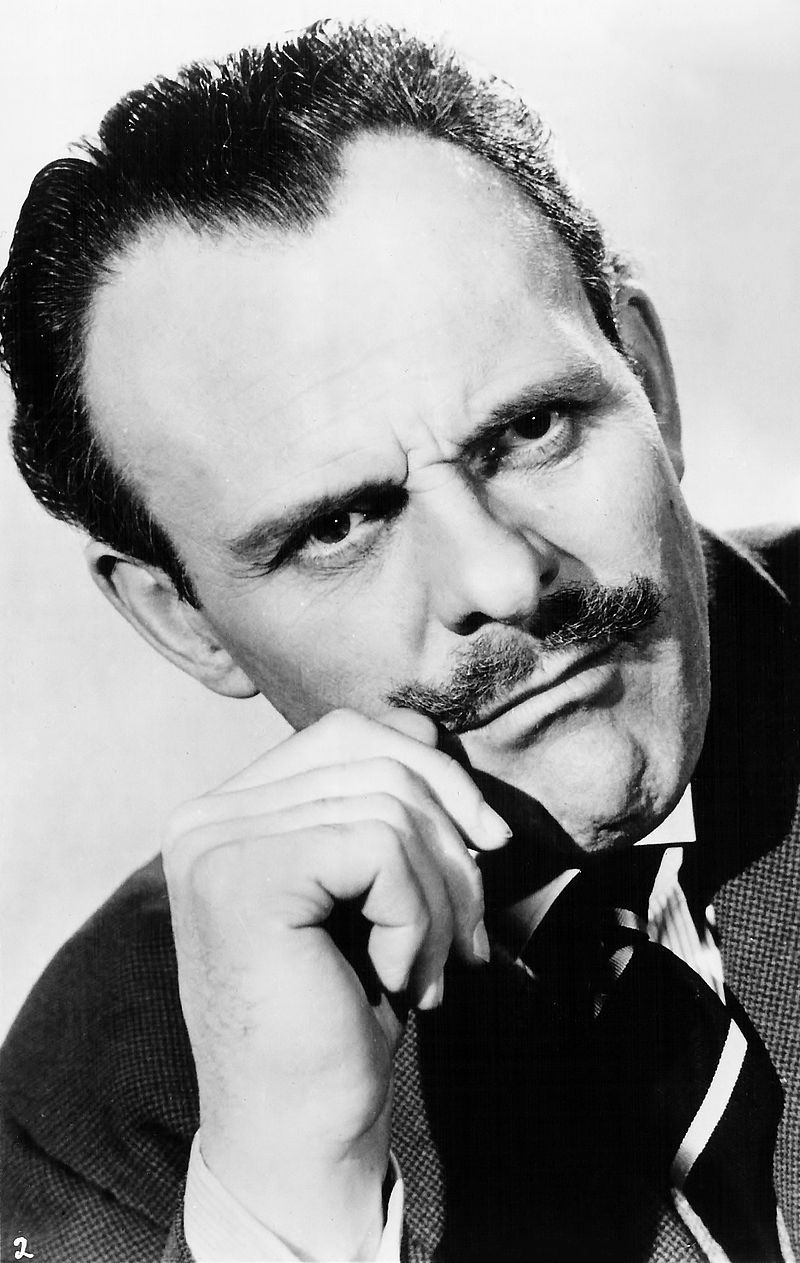
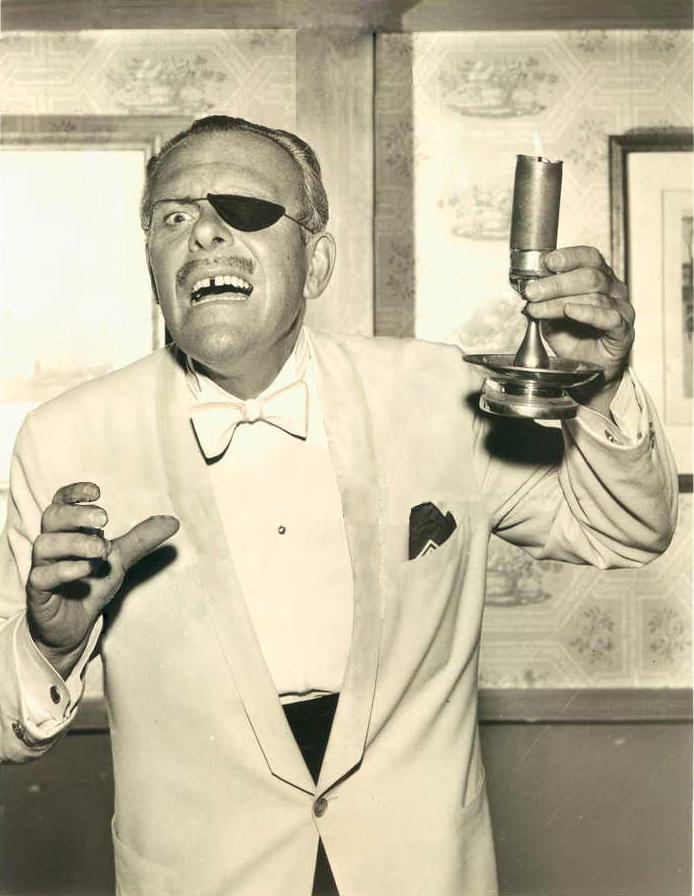
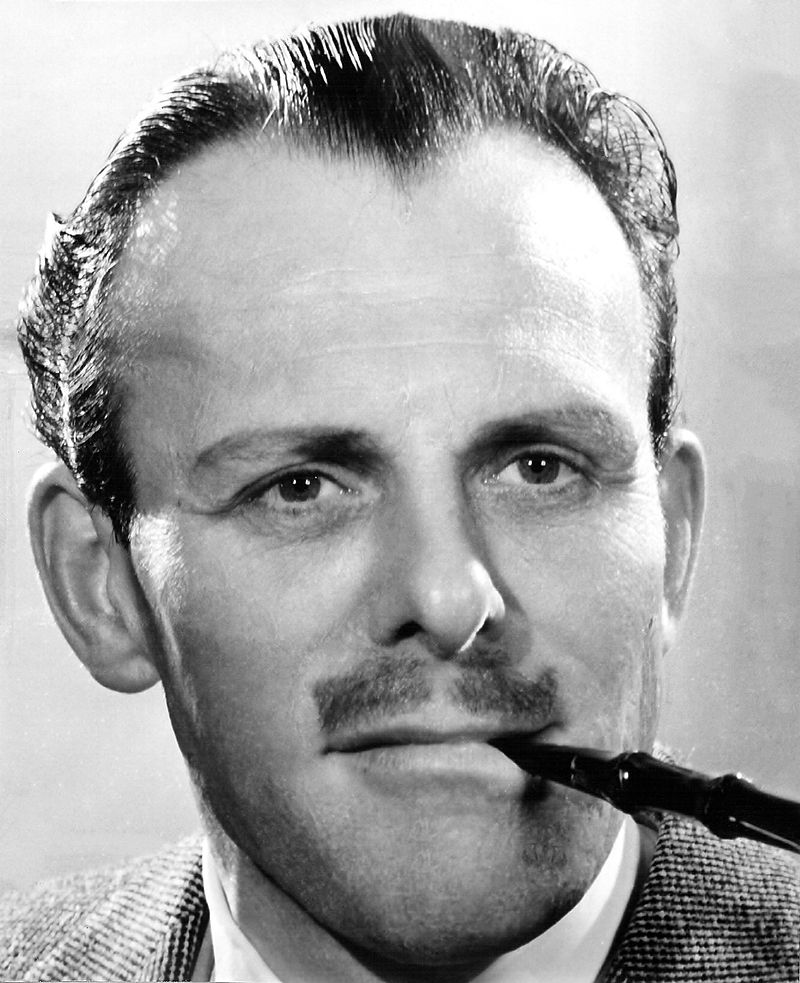
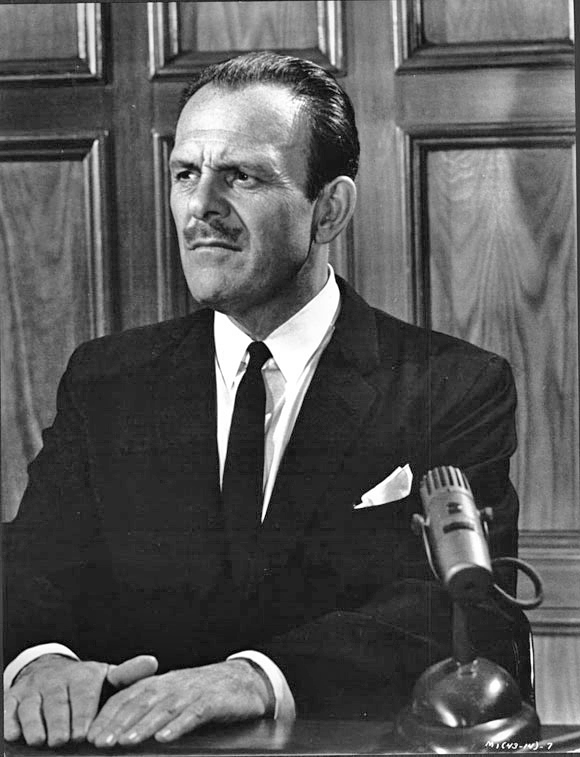
Early Life and Career: Born Thomas Terry Hoar Stevens in Finchley, North London England as the fourth of 5 children. Father was a managing director of a butcher’s business at Smithfield Market and part-time amateur actor. Although he had a reasonably happy childhood at first, he sometimes felt that his parents wanted a daughter in his place. But by the time he reached adolescence his parents’ marriage had failed and they both became alcoholics. In an attempt to bring them together, Thomas often entertained them by performing impromptu slapstick routines, reciting jokes and singing and dancing around the family home. As anyone would expect, the performances seldom work and his dad became increasingly distant from his family. In 1921, Thomas began to nurture his distinctive well-spoken voice, using the speech of Owen Nares for his own delivery and adopted the debonair dress sense of his hero Douglas Fairbanks Sr. Attended the Fernbank School and Ardingly College where he excelled in Latin and geography, and briefly took up drama which soon got him expelled for his frequent and inappropriate use of ad libs during lessons. Also played ukulele and percussion in the school jazz band as well as performed comedy routines to the band’s music. After leaving Ardingly, he took a temporary position at Smithfield Market and worked as a junior transport clerk for the Union Cold Storage Company. All while performing in amateur productions. Made his professional debut in 1930 but mostly played minor roles while he soon worked as a traveling salesman of electrical equipment. Made his film debut in 1933 and spent much of his early film career as an uncredited extra. Eventually came up with the name Terry-Thomas once he began taking more speaking roles. Debuted on radio in 1938. During World War II, Thomas joined the Entertainment National Service Association (ENSA) before he joined the Royal Corps of Signals where he was promoted to the rank of corporal. But he continued to appear in variety and cabaret shows while in the British Army as part of the Stars in Battledress. Finished the war as a sergeant. After demobilization, he starred in the Piccadilly Hayride stage show, hosted the radio show To Town with Terry, and was the star of the first comedy on British television How Do You View?. Soon made a successful transition into British, American and European films and television.
Movies and Cartoons: Robin Hood (1973)
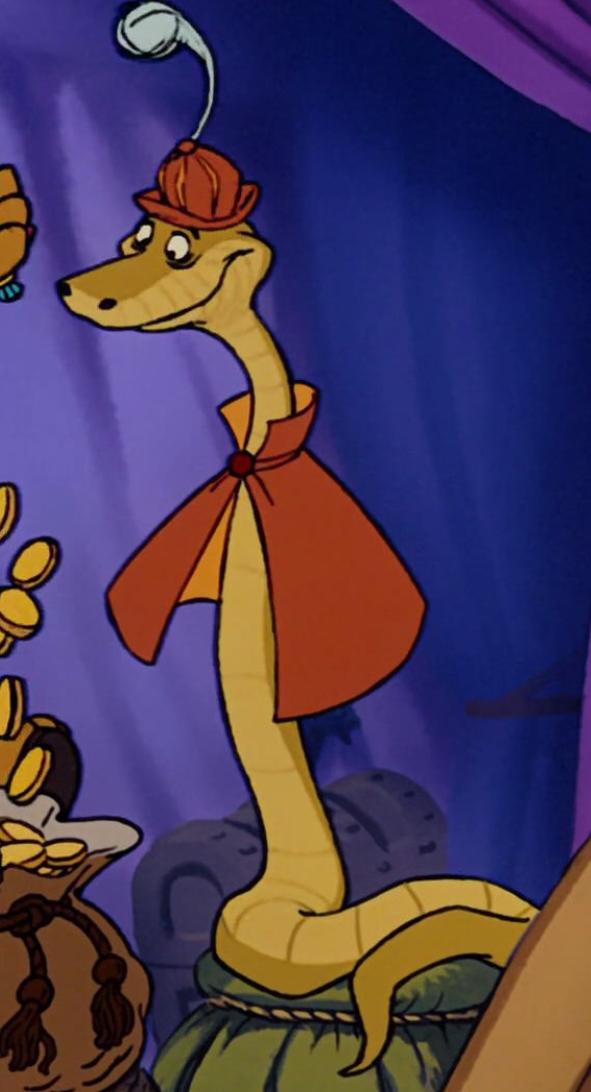
Characters: Sir Hiss
Also Known For: British character actor and comedian who became internationally known during the 1950s and 1960s. Professional career spanned 50 years from the 1930s to the 1980s. Often played disreputable characters such as cads, toffs, and bounders using his distinctive voice as well as his costume and props such as a monocle, vest, and cigarette holder. Striking dress was set off by a 1/3-inch gap between his 2 upper front teeth. Films include The Private Life of Henry VIII, The Ghost Goes West, Helter Skelter, Private’s Progress, The Green Man, Lucky Jim, Blue Murder at St. Trinian’s, Tom Thumb, Charlton-Browne of the F.O., Brothers in Law, Too Many Crooks, The Naked Truth, I’m All Right Jack, School for Scoundrels, Make Mine Mink, The Wonderful World of the Brothers Grimm, How to Murder Your Wife, Those Magnificent Men in Their Flying Machines, Our Man in Marrakesh, The Daydreamer, Munster, Go Home!, The Sandwich Man, Jule Verne’s Rocket to the Moon, The Perils of Pauline (1967), Arabella, How Sweet It Is!, Monte Carlo or Bust!, Atlantic Wall, The Vault of Horror, The Cherry Picker, Side by Side, The Last Remake of Beau Geste, and The Hound of the Baskervilles (1978). Radio appearances include Variety Bandbox, Worker’s Playtime, To Town with Terry, Top of the Town, In Tow Tonight, and Desert Island Discs. TV appearances include, How Do You View?, Toast of the Town, What’s My Line?, In Town Tonight, Sunday Night at the London Palladium, Armchair Theatre, Tonight Starring Jack Paar, Juke Box Jury, Burke’s Law, The Man from U.N.C.L.E., Comedy Playhouse, Rowan & Martin’s Laugh-In, The Hollywood Palace, The Dick Cavett Show, The Kraft Music Hall, Hollywood Squares, and Parkinson.
Personal Life: Married twice. First wife was South African Flamenco dancer and choreographer Ida Florence “Pat” Patlansky/i whom he met in 1937 while she was auditioning in London for a partner for her Flamenco dancing act. She was keen to employ Thomas as a comedian than as a dancer and they established s double-act billed as “Terri and Patlanski,” which was immediately popular with audiences. They became romantically involved and married in 1938 at the Marylebone Registrar Office afterwards moving to St. John’s Wood. Despite their act’s success, it only lasted for 3 months and they only took on small engagements on the cabaret circuit. Thomas later recounted that “I didn’t give a very good performance … I was a dismal failure.” At the end of the 1938 summer, they were hired by Don Rico who incorporated them into his orchestra with Patlanski at piano and Thomas acting as the compere. Their marriage was rife with affairs on both sides. During their ENSA days, Thomas made he was sent on tour to France where a girlfriend was due to perform, although Patlanski accompanied him during the trip. During the tour, he ensured that Patlanski was sent back to Britain so he could resume his affair with his girlfriend. In 1954, they separated due to increasing domestic tension and the rampant infidelities on both sides. Patlanski moved out and they lived separate lives. The press didn’t report on their breakup until 1957. They divorced in 1962 but they later reconciled and remained friends. By then his mistress of the previous few years, Australian actress Lorrae Desmond had returned to her native Australia and married a surgeon. Although his breakup with Desmond caused Thomas great distress, he sought solace with a 21-year-old woman that he met in Majorca two years previously named Belinda Cunningham. They began a romance and married in 1963 at the Halstead Registry Office near Colchester, Essex. They had two sons and remained married until Thomas’ death.
Later Life: In 1971, he was diagnosed with Parkinson’s Disease. At first, Thomas didn’t make the news public out of fear that the condition could affect others at work. But as the symptoms manifested themselves in tremors, a shifting gait, stooped posture, and affected speech, he went public, partly in order to stop rumors of on-set drunkenness. Thomas continued to work as much as possible but the situation reduced his film career to supporting roles and cameos and he did Robin Hood for Disney during this period as well. By 1977, he had exhibited a decrease in bodily movement, a sign of how serious his condition had become. His distinctive voice had developed a softer tone and his posture was contorted. In 1982 Thomas appeared in 2 episodes of the BBC series The Human Brain, which examined his condition. His frank interview brought much public awareness to the disease and raised £32,000 for the Parkinson’s Disease Society. Privately, Thomas had become more depressed. His work offers had decreased and he had to sell his London apartment to provide badly needed funds. By 1983, Thomas’ medical bills were at £40,000 a year and he was unable to work. While his financial resources were dwindling. He and his wife had sold their dream house and moved into a small cottage once owned by his ex-wife, which she left to him in her will on her death that year. Shortly after, he worked with ghostwriter Terry Daum on his autobiography, Terry-Thomas Tells Tales. Although they completed the first draft by 1984, Thomas refused to release the manuscript and continued making alterations. They never completed his copyediting: the book would be published after his death. At the same time, he was increasingly depressed by his condition that during an interview, he admitted that “one doctor said I’ve got about four more years to live. God forbid! I shall probably blow my brains out first.” In 1987, he and his wife could no longer afford to live in Spain so they moved back to London, where they lived in a series of rented properties before ending up in a 3-room, unfurnished charity apartment, where they lived with the Actors’ Benevolent Fund’s assistance. After discovering that Thomas was living in virtual obscurity, poverty, and ill health in 1989, actor Jack Douglas and Richard Hope-Hawkins organized a benefit concert for him. Held at the Theatre Royal and ran for 5 hours, it featured 120 artists with Phil Collins topping the bill and Michael Caine as gala chairman. The show raised over £75,000 for Thomas and Parkinson’s UK. The charity concert’s funds allowed Thomas to move out of his charity apartment and into Busbridge Hall nursing home in Godalming, Surrey. He died there in 1990 at 78. Funeral was held at St. John the Baptist Church, Busbridge, where they played the theme of Those Magnificent Men in Their Flying Machines. He was cremated at Guildford Crematorium.
Trivia: On-screen persona inspired Dick Dastardly. Although his Carlton-Browne of the F.O. was initially chosen as Britain’s entry for the 1959 Moscow International Film Festival until the British Foreign Office petitioned the British Film Producers’ Association for it to be withdrawn, considering that the Russians might assume the film to accurately portray British diplomatic conduct. Made a series of 15-minute travelogues during the 1960s. Was friends with Jack Lemmon and even attended his wedding. Designed his own house on Ibiza. Dustin Hoffman and Rupert Everett have cited Thomas as an inspiration for their characters Captain Hook in Hook and Prince Charming in Shrek 2. Mark Ruffalo has also listed Thomas as an inspiration for his performance as Duncan Wedderburn in Poor Things. When the National Film Theatre ran a season of Thomas’ films in 1999, a spokesman described how attendees turned up “in evening dress, with false moustaches and carrying cigarettes in long holders … everyone has been trying to steal the cardboard cutouts of Terry … We’ve never had a response like it. To be honest, we are rather unprepared. Nobody expected Terry-Thomas Fever.”
107. John Fiedler
Dates: 1925-2005
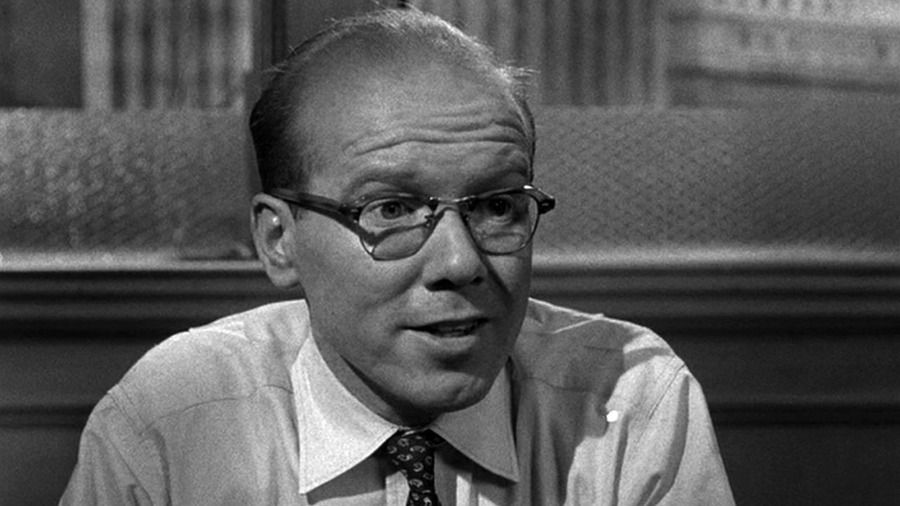
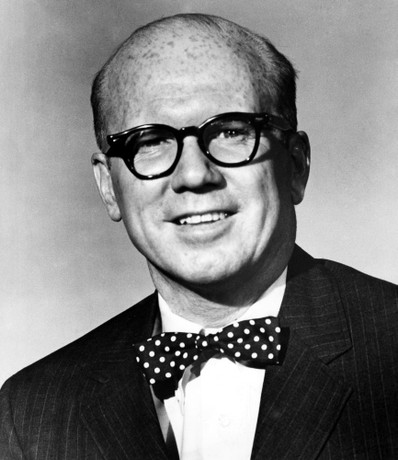
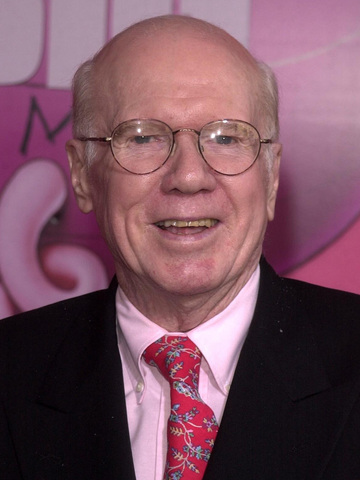
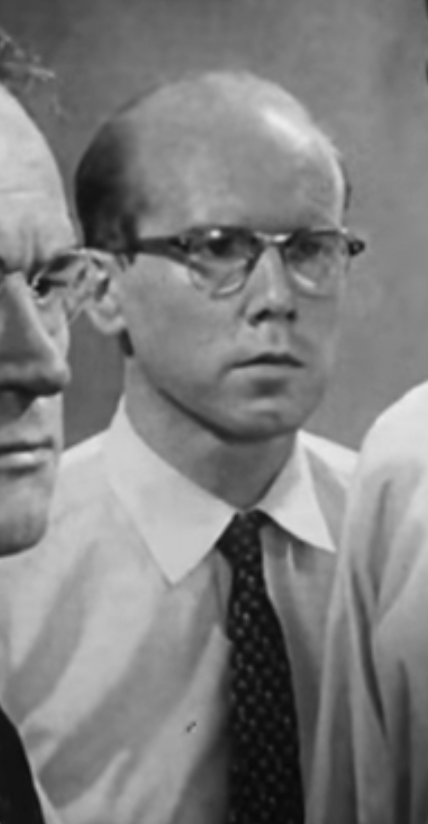
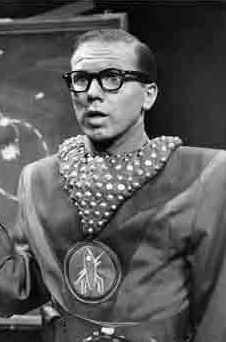
Early Life and Career: Born in Platteville, Wisconsin. Father was a beer salesman. Family moved to Shorewood, Wisconsin when he was 5, where he graduated from Shorewood High School in 1943. Enlisted in the US Navy and served in World War II. After his discharge, Fiedler moved to Manhattan and attended the Neighborhood Playhouse. Began his career in radio and made his film debut in 1957.
Movies and Cartoons: Robin Hood (1973), The Many Adventures of Winnie the Pooh (1977), The Rescuers (1977), The Fox and the Hound (1981), Winnie the Pooh Discovers the Seasons (1981), Winnie the Pooh and a Day for Eeyore (1983), The Tigger Movie (2000), The Emperor’s New Groove (2000), The Book of Pooh: Stories from the Heart (2001), Piglet’s Big Movie (2003), and Pooh’s Heffelump Movie (2005) as well as the various series, records, video games, and direct-to-video installments.
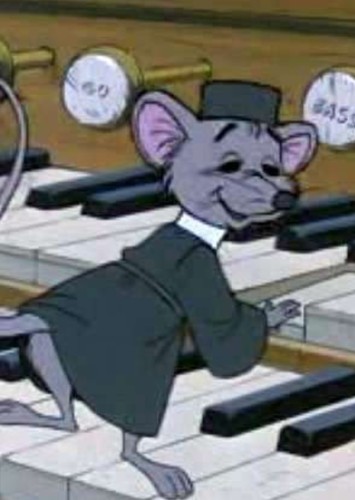
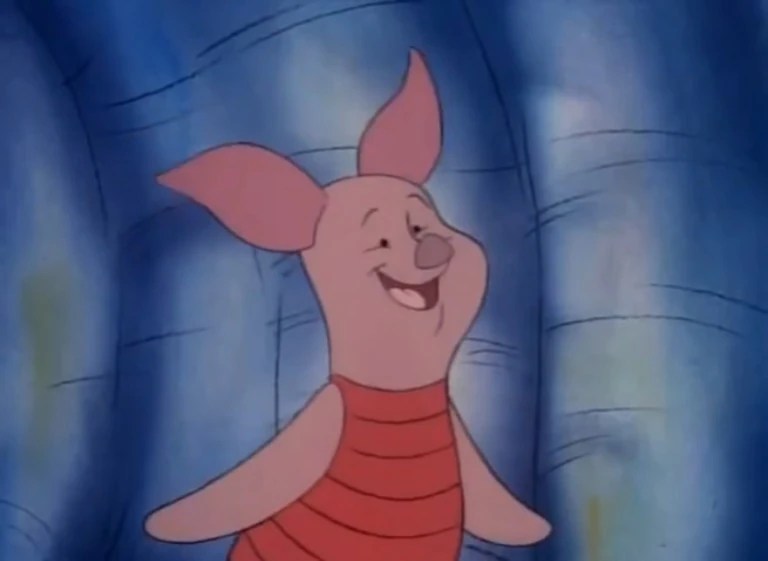
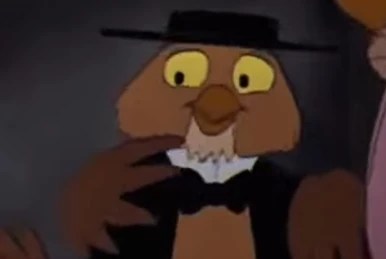
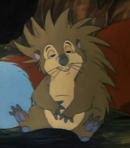
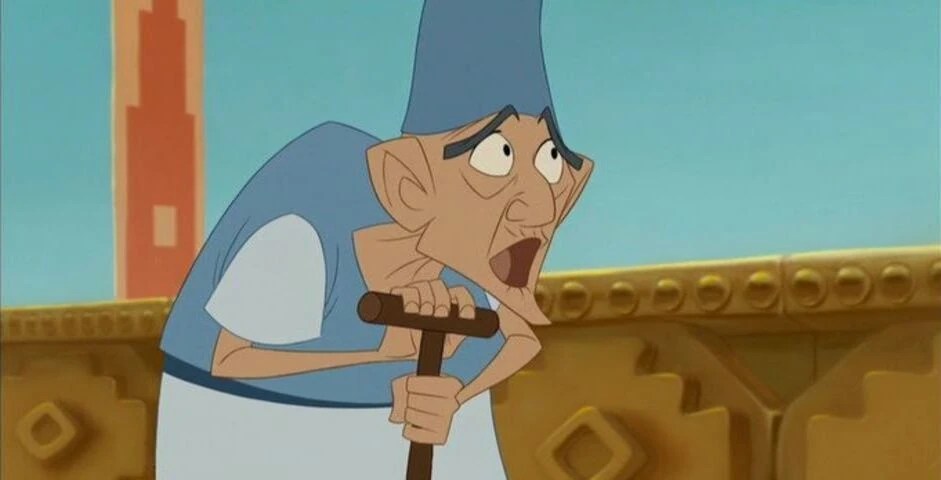
Characters: Father Sexton, Piglet, Deacon Owl, Porcupine, and Rudy the Old Man.
Also Known For: Character actor whose career lasted for more than 55 years in stage, radio, film, and television. Often typecast as delicate, quiet, nerdy characters. Although he also played sneaky villains. Most famous roles include Juror #2 in 12 Angry Men, the seemingly benign racist trying to prevent the Younger family from moving into a whites-only neighborhood in A Raisin in the Sun, one of Oscar’s poker cronies named Vinnie in The Odd Couple, and Emil Petersen in The Bob Newhart Show. Film appearances include Sweet Smell of Success, That Touch of Mink, The World of Henry Orient, Guns of Diablo, The Ballad of Josie, Fitzwilly, Rascal, True Grit (1969), The Great Bank Robbery, The Out of Towners (1971), The Fortune, The Shaggy D.A., Harper Valley PTA, Boulevard Nights, Midnight Madness, The Cannonball Run, Savannah Smiles, I Am the Cheese, Seize the Day, and Weekend with Kate. TV appearances include Studio One Hollywood, The United States Steel Hour, Armstrong Circle Theatre, The Twilight Zone, General Electric Theater, The Aquanauts, Have Gun – Will Travel, Pete and Gladys, Dennis the Menace, The Many Loves of Dobie Gillis, Adventures in Paradise, Alfred Hitchock Presents, Dr. Kildare, Outlaws, My Favorite Martian, Bob Hope Presents the Chrysler Theatre, The Fugitive, Perry Mason, The Munsters, Gunsmoke, The Donna Reed Show, That Girl, Star Trek: TOS, Get Smart, Bewitched, Death Valley Days, I Spy, One Life to Live, Columbo, The Odd Couple, McMillan & Wife, The Streets of San Francisco, Kolchak: The Night Stalker, The Manhunter, Great Performances, Three’s Company, The Rockford Files, Fantasy Island, Quincy, M.E., Cheers, Hart to Hart, Father Murphy, Buffalo Bill, McDonaldland, American Playhouse, The Golden Girls, L.A. Law, and Cosby.
Personal Life: Never married.
Later Life: Died of cancer in 2005 at 80 and in Englewood, New Jersey within the Lillian Booth Actors Home, a residence for retired actors sponsored by the Actors’ Fund of America. Was cremated and his ashes were scattered on Long Island, New York.
Trivia: Died one day after co-star Paul Winchell. Classmates with Tony Randall, James Doohan, Leslie Nielson, Richard Boone, and Joanne Woodward. Friends with Jack Klugman.
108. Ralph Wright
Dates: 1908-1983
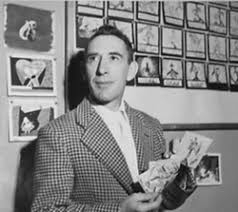
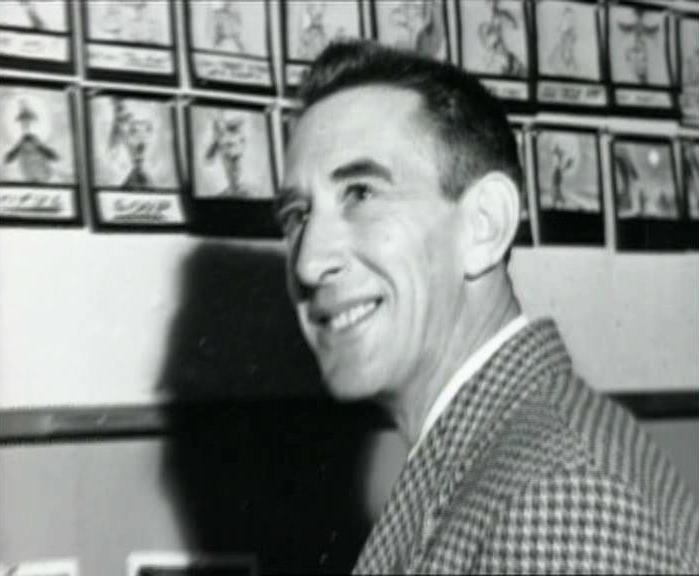
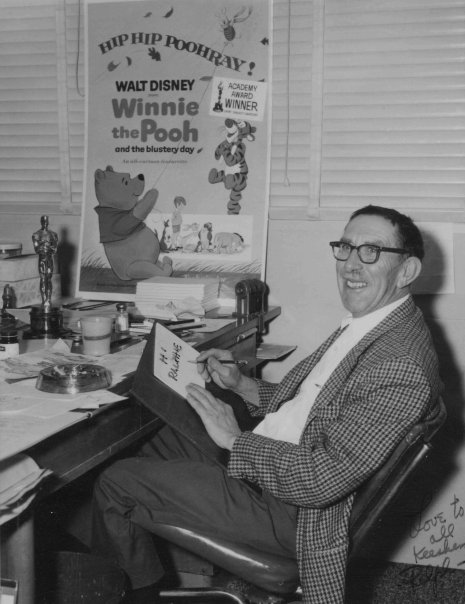
Early Life and Career: Born in Grants Pass, Oregon. Came to the Walt Disney Studios during the 1940s and became well known throughout the ensuing decades for his endearingly gloomy personality traits as well as his bass voice. Shortly after World War II, Wright went to England to work as an animation supervisor for Animaland in David Hand’s short-lived Gaumont-British Animation Studio. Returned to the United States shortly after the studio’s closure in 1950.
Movies and Cartoons: The Many Adventures of Winnie the Pooh (1977) and Winnie the Pooh and a Day for Eeyore (1983)
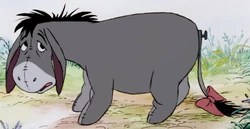
Characters: Eeyore
Also Known For: Disney animator and storyboard writer for various films and shorts. Along with his Disney contemporaries, was a pioneer in the use of “gags” within cartoons, often acted out in front of the “story board” a bulletin board pinned with sequential sketches in the cartoon’s scenes. Early on with Goofy’s “How-To” cartoons, Wright pioneered the story concept featuring a hero’s failed attempt at achieving his goals. This technique is still used today in most animation studios, with Warner Bros. incorporating this premise into Wiley E. Coyote and the Roadrunner, Sylvester and Tweety, and Bugs Bunny and Daffy Duck cartoons. As this highly reusable format proved to be highly successful. In fact, Frank Tashlin testified to this in a 2004 interview: “That all came from a marvelous fellow who came from Tillamook, Oregon, a fellow by the name of Ralph Wright. He came down, and his pants were twelve inches too short for him, and he wore suspenders—he was out of the hills. But he had a crazy, crazy mind, almost as wild as Roy Williams, who is the best of all. Ralph did the first story of that type for Jack Kinney, called How to Ride a Horse. The Goof tried to stay on the horse—boom, off, another joke. That was the beginning of what still seems to be going on today. Then he and Kinney made more—a series of jokes, just one problem and working it out. It’s like a symphony, with a theme and then the development of that theme.” Films he worked as a writer and story board team member include Bambi (1942), Saludos Amigos (1942), The Three Caballeros (1944), Song of the South (1946), Peter Pan (1953), Lady and the Tramp (1955), The Jungle Book (1967), The Aristocats (1970), Bedknobs and Broomsticks (1971) and The Many Adventures of Winnie the Pooh (1977) as well as a variety of shorts and the Perri and Nikki, Wild Dog of the North documentaries. Other work outside of Disney include Popeye the Sailor, The Dick Tracy Show, Mr. Magoo, and Gay Purr-ee.
Personal Life: Married twice. First to a woman named Marjorie Irene Anderson from 1931 to their divorce in 1955. The couple had 3 children. Second to a woman named Irmagard Julia Muller from 1956 to his death.
Later Life: Spent the last 30 years of his life living in San Luis Obsipo County in Los Osos, California. Died in 1983 at his home from a heart attack at 75.
Trivia: None.
109. Hal Smith
Dates: 1916-1994
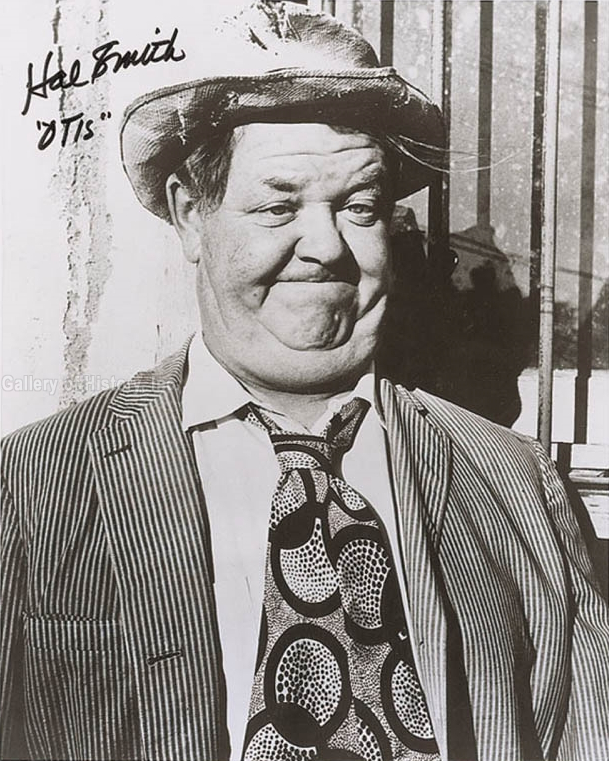
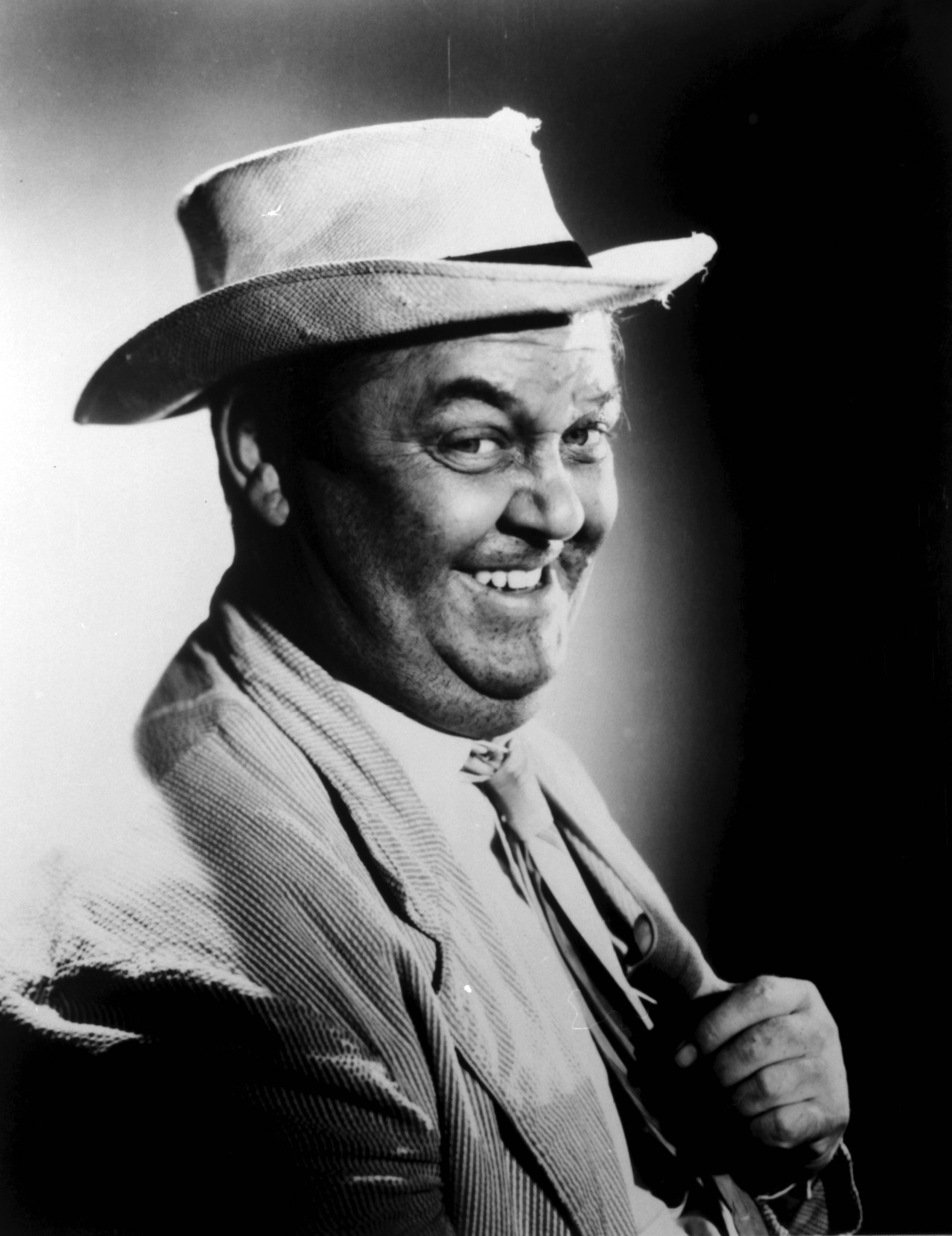
Early Life and Career: Born Harold John Smith in Petroskey, Michigan. Family moved to Wilmington, North Carolina and Massena, New York during his childhood. After graduating from high school, Smith from 1936 to 1943 as a DJ and voice talent for WIBX Radio in Utica, New York. An avid flyer, Smith enlisted in the US Army Air Forces in 1943 and was stationed in the Philippines with the Army’s Special Services Division. In Manila, he was assistant manager of the enlisted men’s club Far East Air Force (FEAF) headquarters. This made him responsible for planning and directing shows for the entertainment of his fellow troops. Even utilized his own performing skills in a show titled Strictly from Hunger. Was discharged from the service in 1946 as a sergeant and was awarded the American Campaign Medal, the Asiatic–Pacific Campaign Medal, the World War II Victory Medal and the Philippine Liberation Medal. Traveled to Hollywood after the war in 1946 when he made his debut.
Movies and Cartoons: The Jungle Book (1967), The Many Adventures of Winnie the Pooh (1977), Winnie the Pooh Discovers the Seasons (1981), Winnie the Pooh and a Day for Eeyore (1983), and Beauty and the Beast (1991) as well as the series Disney’s Wonderful World of Color, Welcome to Pooh Corner and The New Adventures of Winnie the Pooh and a variety of other Disney projects.
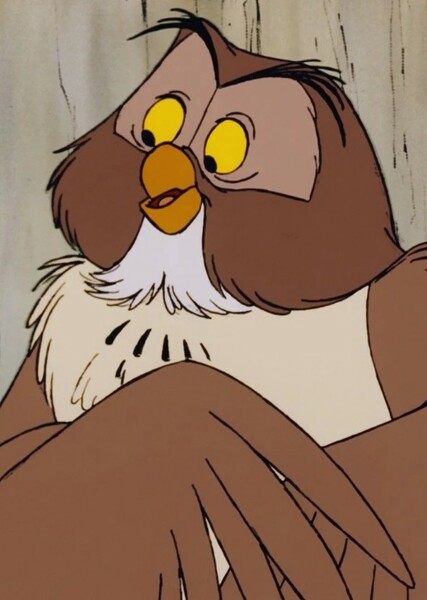
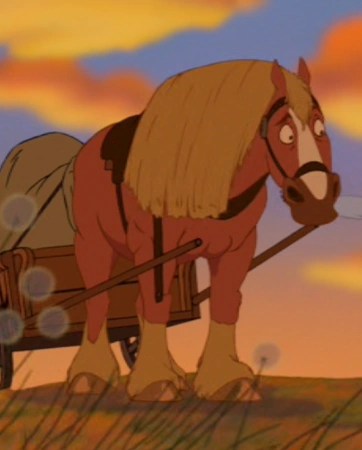
Characters: Slob Elephant, Monkey, Owl, Winnie the Pooh, and Phillippe as well as Goofy in Mickey’s Christmas Carol (1983) Flintheart Glomgold and Gyro Gearloose in Duck Tales.
Also Known For: Actor credited in over 300 film and television productions. Best known role was town drunk Otis Campbell on The Andy Griffith Show and Goliath in Davey and Goliath. Was also a prolific voice actor for studios like Hanna-Barbera, Warner Bros., the Mirisch Corporation, and Sid and Marty Kroft. Was the voice for Elmer Fudd after Arthur Q. Bryan died and Toad in the Frog and Toad series. Also did commercial promotions for 3 Musketeers, United Van Lines, Hickory Farms, Toyota, Green Giant, General Mills, Mattel, Kellogg’s, Pizza Hut, Chicken of the Sea, Ivory soap, Doctor Ross Dog Food, Pioneer Chicken, Bell Telephone Company, Coca-Cola, Chef Boyardee, and hundreds of other sponsors. Also did some considerable work for Focus on the Family, particularly Adventures in Odyssey. Films include Stars Over Texas, The Milkman, O. Henry’s Full House, Santa Fe Passage, There’s Always Tomorrow, The Unholy Wife, Pawnee, The High Cost of Loving, The Apartment, The Three Stooges Meet Hercules, Son of Flubber, Dear Heart, The Great Race, The Ghost and Mr. Chicken, Fantastic Planet, The Getaway, Buffalo Rider, Nausicaa of the Valley of the Wind, Here Come the Littles, The Adventures of the American Rabbit, The Million Dollar Duck, Oklahoma Crude, An American Tail, and Once Upon a Girl. TV appearances include Death Valley Days, The Adventures of Wyatt Earp, The Life and Legend of Wyatt Earp, Have Gun – Will Travel, Bonanza, Peter Gunn, Gunsmoke, Route 66, Leave It to Beaver, Perry Mason, Wagon Train, The Alfred Hitchcock Hour, The Addams Family, Petticoat Junction, Get Smart, The Man from U.N.C.L.E., Hogan’s Heroes, Green Acres, Mod Squad, Gomer Pyle U.S.M.C, Adam 12, The Brady Bunch, The Streets of San Francisco, Ellery Queen, Hollywood Squares, The Dukes of Hazzard, Little House on the Prairie, Fantasy Island, Night Court, Highway to Heaven, The Huckleberry Hound Show, The Quick Draw McGraw Show, The Bugs Bunny Show, The Flintstones, The Yogi Bear Show, The Jetsons, Space Angel, Rod Rocket, The Funny Company, The Famous Adventures of Mr. Magoo, The Road Runner Show, Gumby, The Bugs Bunny/Road Runner Hour, The Pink Panther Show, Scooby Doo, Where Are You!, Help!…It’s the Hair Bear Bunch!, The ABC Saturday Superstar Movie, Yogi’s Gang, ABC Afterschool Special, Hong Kong Phooey, The Tom and Jerry Show, The Fantastic Four, The Scooby Doo Show, The All-New Popeye Hour, The Kwicky Koala Show, Richie Rich, The Smurfs, Sesame Street, Adventures of the Gummi Bears, The New Yogi Bear Show, TaleSpin, Darkwing Duck, The Little Mermaid, Rugrats, and Bonkers.
Personal Life: Married twice. First was to Mary Angstadt in 1938 to their divorce. Second was to Louise C. Smith from 1947 until her death in 1992. They had a son named Terry.
Later Life: After his wife’s death in 1992, Smith’s health deteriorated rapidly. In 1994 at 77, Smith died of a heart attack at his Santa Monica home, allegedly listening to a nightly drama on the radio. Buried at Woodlawn Memorial Cemetery.
Trivia: Was said to either be a social drinker or not drink at all in real life and would use his Otis character in commercial spots for Mothers Against Drunk Driving. Friends with Andy Griffith and Don Knotts.
110. Howard Morris
Dates: 1919-2005
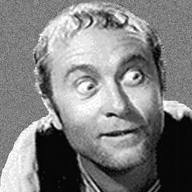
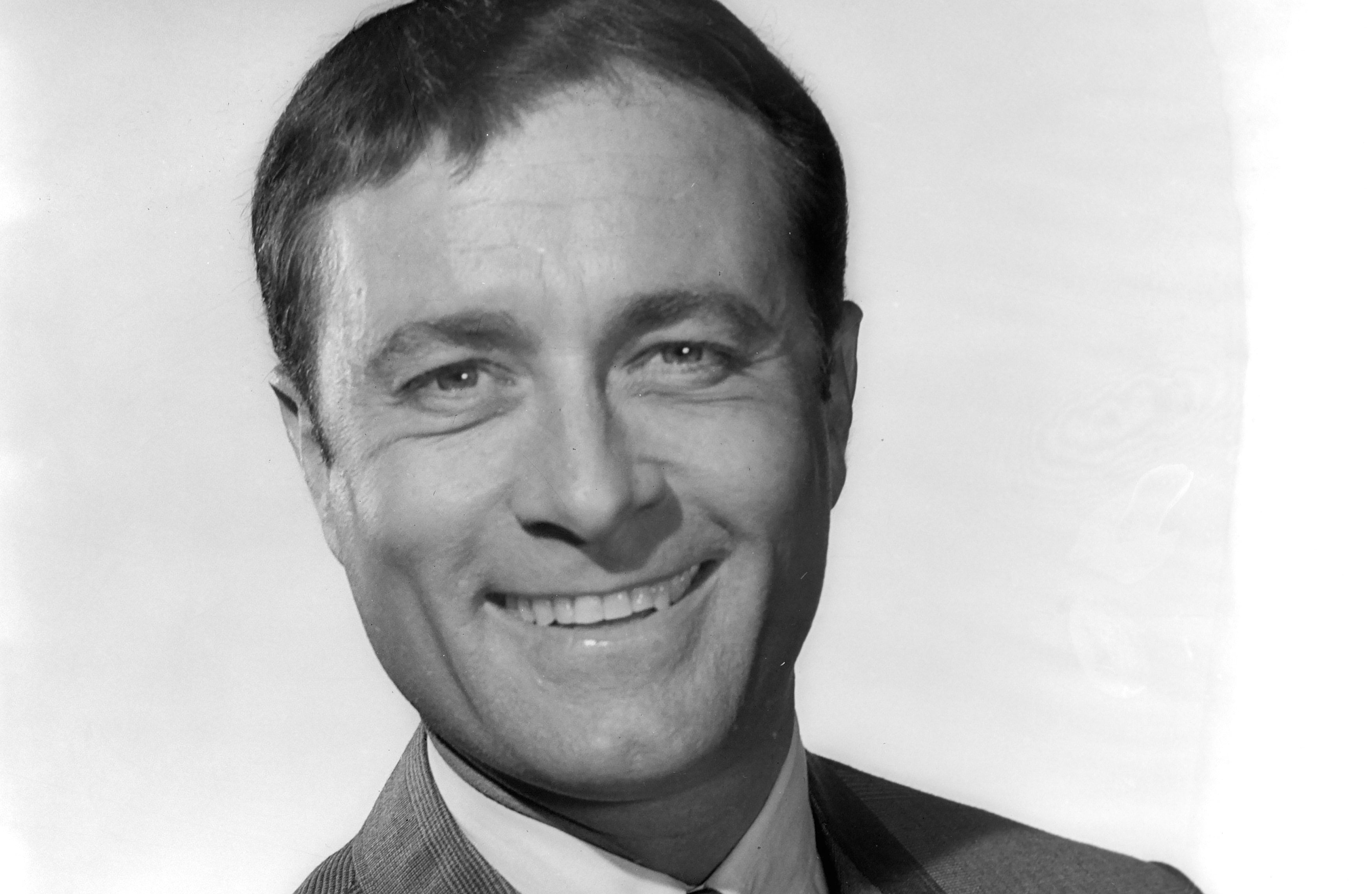
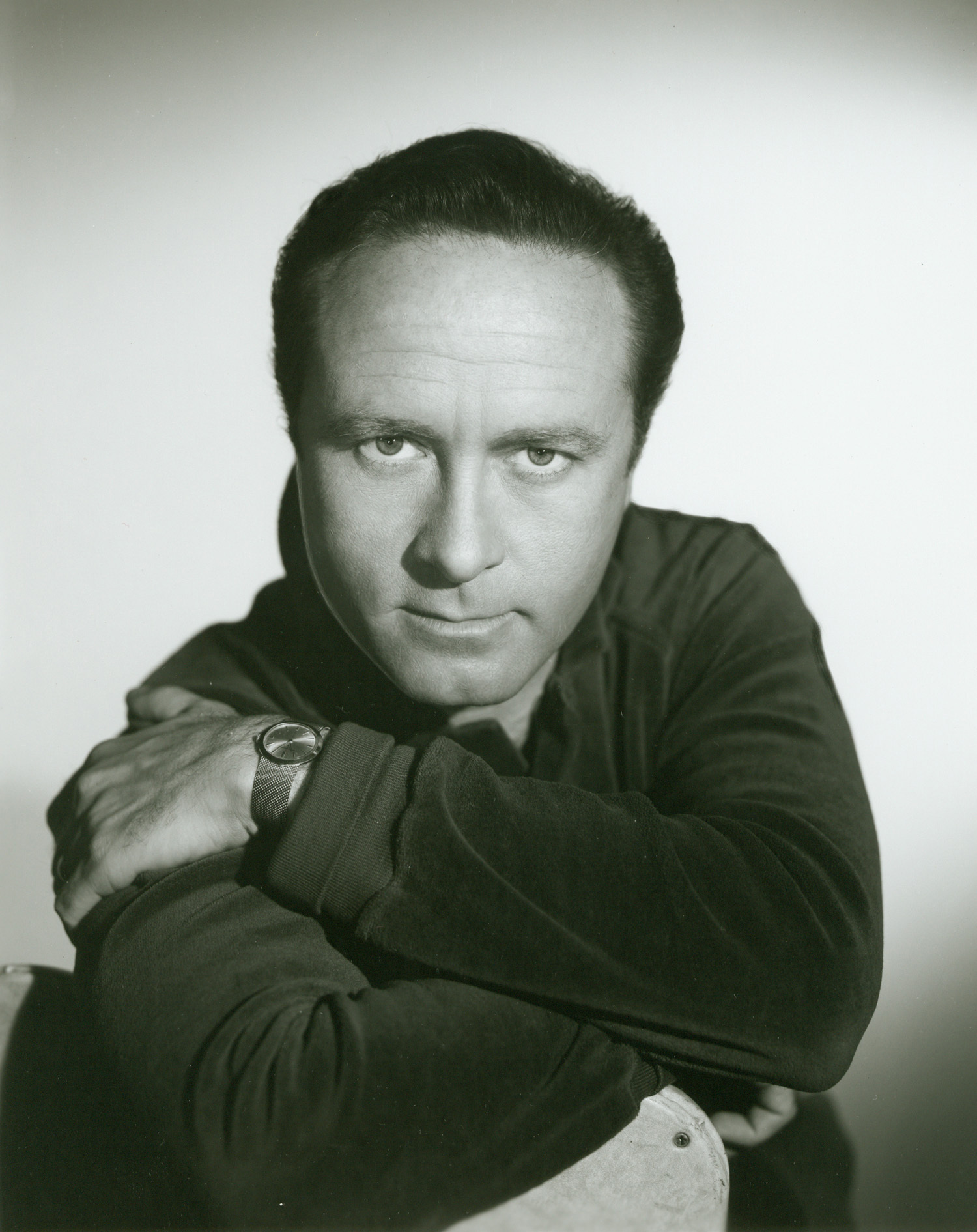
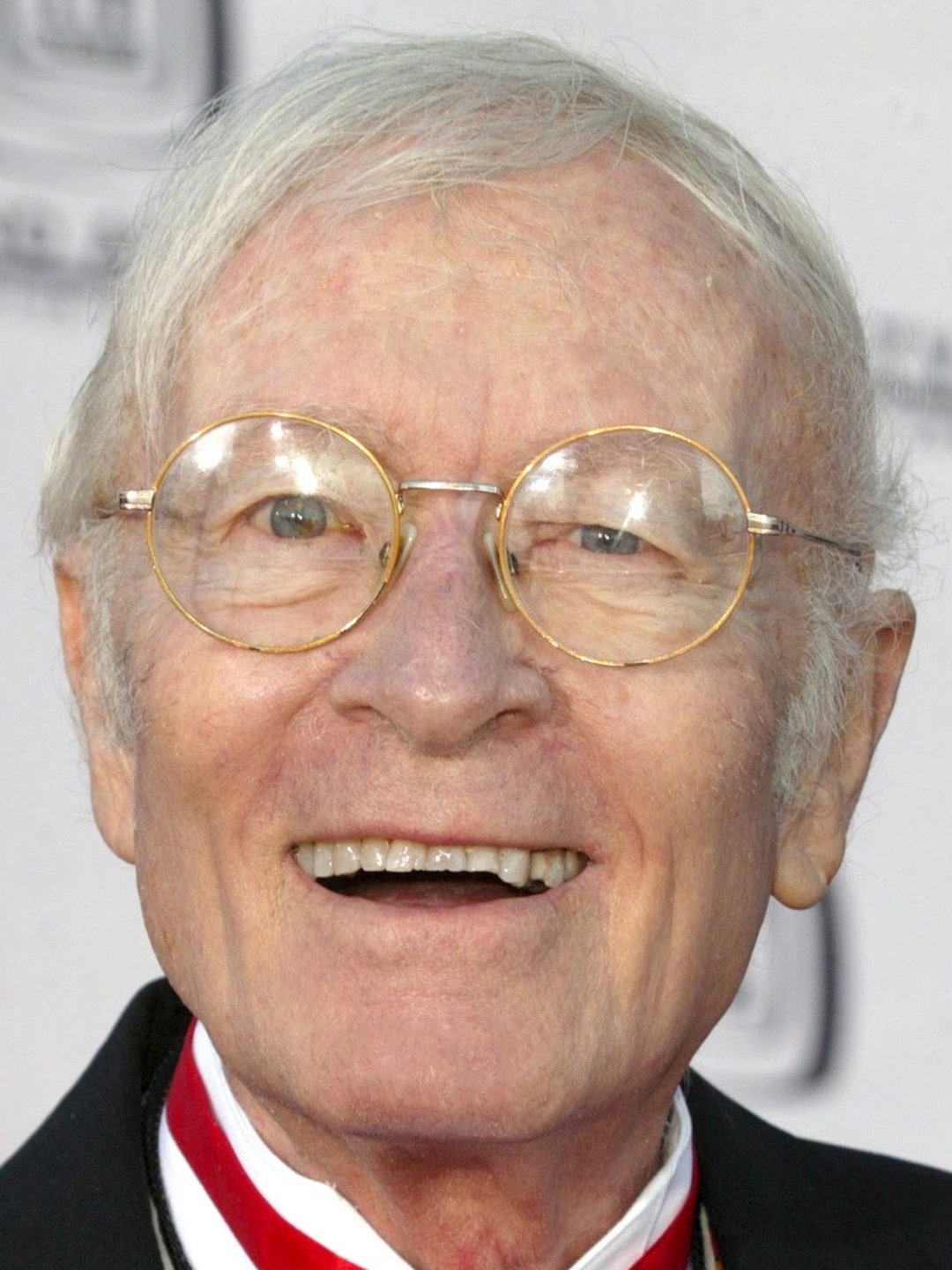
Early Life and Career: Born in The Bronx, New York City to a Jewish family. Father was a rubber company executive. Attended New York University on a dramatic arts scholarship. During World War II, he was assigned to a US Army Special Services Unit where he was the First Sergeant. Based in Honolulu, the unit entertained troops throughout the Pacific. Joined Sid Caesar’s Your Show of Shows in 1950.
Movies and Cartoons: The Many Adventures of Winnie the Pooh (1977) as well as the series The Adventures of the Gummi Bears.
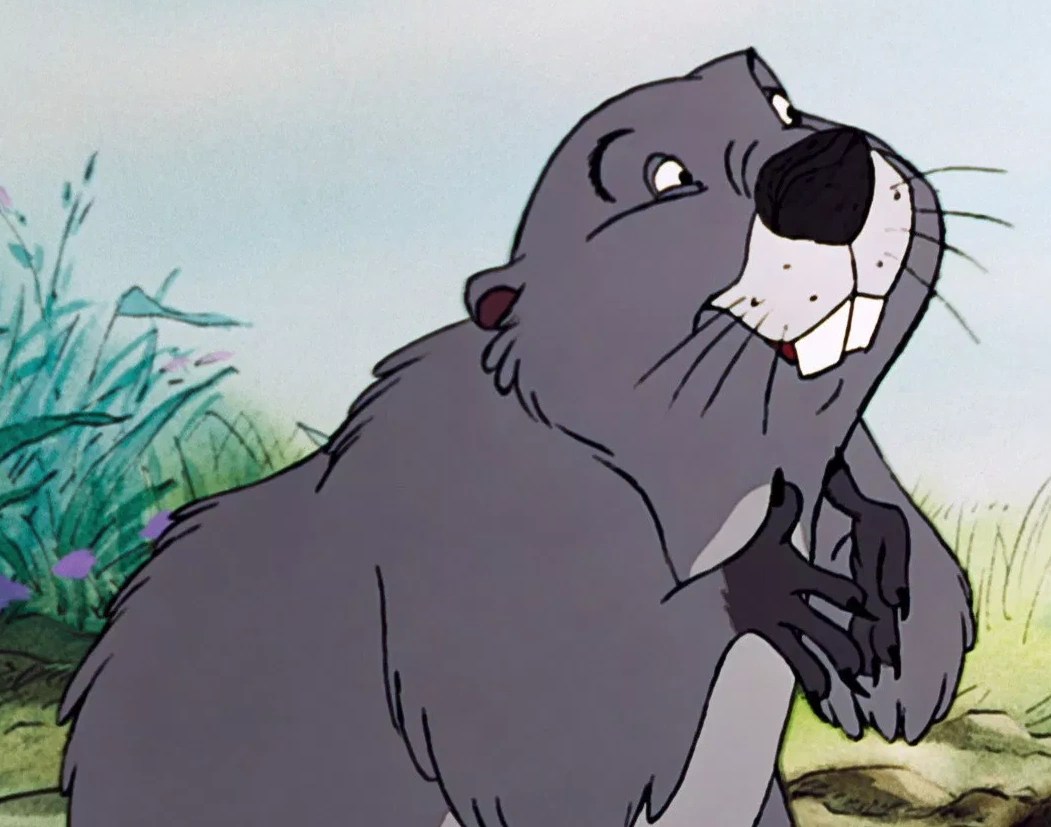
Characters: Gopher
Also Known For: Actor, comedian, and director. Best known roles were Ernest T. Bass in The Andy Griffith Show and as Uncle Goopy in Sid Caesar’s Your Show of Shows. The original voice of Atom Ant, Forsythe “Jughead” Jones, and the Qantas Airlines Koala. Also voiced Mayor McCheese and the Hamburglar (taking over for Larry Storch in 1986) for McDonald’s McDonaldland campaign. Films include Boys Night Out, 40 Pounds of Trouble, The Nutty Professor, Fluffy, Alice of Wonderland in Paris, With Six You Get Eggroll, Don’t Drink the Water, The Comic, Daffy Duck and Porky Pig Meet the Groovie Goolies, High Anxiety, History of the World Part I, Splash, End of the Line, Transylvania Twist, Life Stinks, and The Wonderful Ice Cream Suit. TV appearances include Caesar’s Hour, The Twilight Zone, Wanted: Dead or Alive, Alfred Hitchcock Presents, The Flintstones, The Jetsons, The Dick Van Dyke Show, Beetle Bailey, Make Room for Daddy, The Magilla Gorilla Show, Punkin’ Puss and the Mushmouse, Breezly and Sneezly, The Lucy Show, The Secret Squirrel Show, The Famous Adventures of Mr. Magoo, The Atom Ant Show, The Archie Show, My Favorite Martians, The Love Boat, Fantasy Island, Shirt Tales, Trapper John, M.D., Alvin and the Chipmunks, The Yellow Rose, Snorks, Paw Paws, Sesame Street, Duck Tales, Little Clowns of Happytown, Superman, The New Yogi Bear Show, Fantastic Max, Garfield and Friends, Police Academy, Murder, She Wrote, Chip ‘n’ Dale: Rescue Rangers, TaleSpin, Cow and Chicken, and The Wild Thornberrys. Served as voice director on Police Academy, Richie Rich, Galaxy High, The Snorks, Rose Petal Place, The Dogfather, Dragon’s Lair, Turbo Team, Little Clowns of Happytown, and Space Stars. Directed episodes of The Dick Van Dyke Show, The Andy Griffith Show, Get Smart, The Patty Duke Show, Bewitched, Hogan’s Heroes, Laredo, The Love Boat, Laverne & Shirley, and Trapper John M.D. Also directed With Six You Get Eggroll, Who’s Minding the Mint?, and Don’t Drink the Water.
Personal Life: Married twice. First wife was Mary Helen McGowan from 1945 to their divorce in 1962. Second wife was Dolores A. Wylie from 1962 to their divorce in 1977. Had 3 daughters and a son along with 3 grandchildren.
Later Life: Died in Hollywood of congestive heart failure at 85 in 2005. “Uncle Goopy” sketch was shown at his funeral and Carl Reiner was one of the eulogizers. Entombed in Laurel Gardens Wall Crypt at Hillside Memorial Park Cemetery in Culver City, California.
Trivia: In his Special Services Unit, Maurice Evans was company commander while Carl Reiner and Werner Klemperer were soldiers.

 The Lone Girl in a Crowd