
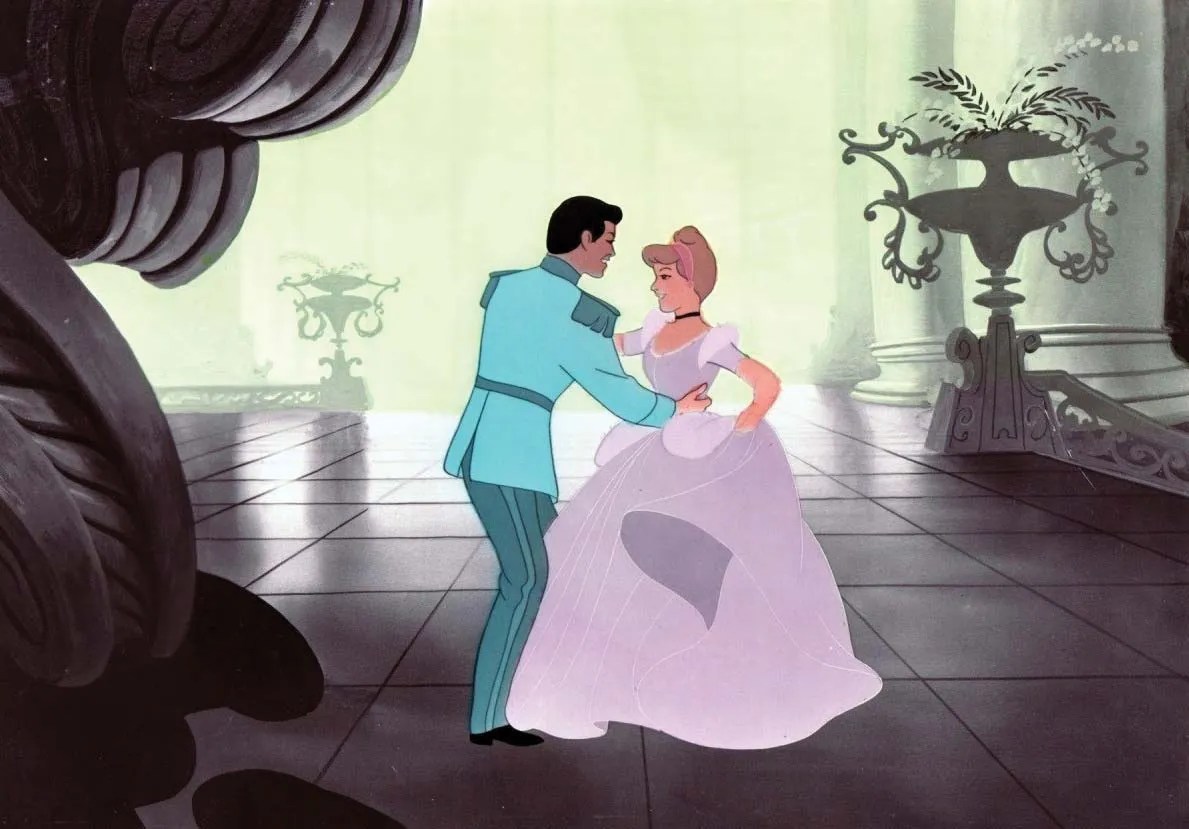
Although Disney released movies during the 1940s that became masterpieces like Pinocchio, Dumbo, Fantasia, and Bambi, only Dumbo was a box-office success. Although not to the degree as Snow White in the Seven Dwarfs back in 1937. Much of this had to do with World War II putting a damper on international markets and people in general having bigger things to worry about. And while Disney definitely did their part to help in the war effort, the studio wasn’t exactly in top financial shape during much of the decade. After the release of Bambi, they resorted to strategies such as releasing package films, collections of short cartoons grouped to make feature films. There are 6 of these including Saludos Amigos, The Three Caballeros, Make Mine Music, Fun and Fancy Free, Melody Time, and The Adventures of Ichabod and Mr. Toad. Disney also began to produce less-expensive live action films mixed with animation beginning with Song of the South in 1946. Although the movie made money, it’s been one of Disney’s most controversial films from the very beginning, particularly in regards on its heavily racist depictions of African Americans. And it’s mainly remembered today for all the wrong reasons as well as has been destined to sit in the Disney vault for all eternity. Although you can watch a version like that on YouTube. In addition, Disney re-released their feature films in 1944, started a nature documentary series in 1948 called True-Life Adventures that ran to 1960 and won 8 Academy Awards, and started the Walt Disney Music Company to help with profits from merchandising.
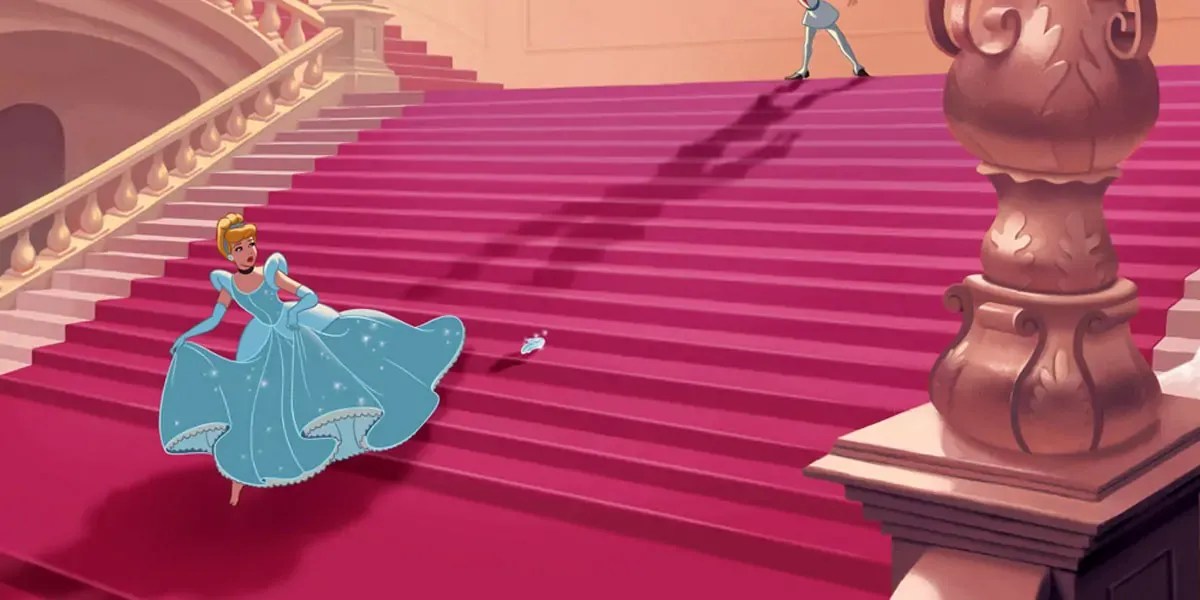
While the 1940s Disney would be marked by great financial upheavals due to World War II and some box office failures, the 1950s would be a different story. Cinderella would be a reason why since it was a critical and commercial success that saved the studio after its wartime era pitfalls, making $8 million in its first year. It would be its first feature-length animated film in 8 years. While its planning had been years in the making since the 1930s. Still, by the time the film’s production hit into high gear, the House of Mouse was at least $3 million in debt and the Disney brothers were at odds. Walt wanted to restore the studio to financial health by returning to full-length animated films like the old days. While his brother Roy asked Walt to consider selling the studio and retire with the money they had. However, after weeks of arguing, Roy gave in and allowed a new feature animated film to be made. By then, the Disney studio had 3 projects in development such as Cinderella, Alice in Wonderland, and Peter Pan. Since Cinderella contained elements similar to Snow White, Disney greenlit the project. But production on that and Alice in Wonderland resumed on both so that both animation crews would effectively compete against each other to see which film would finish first. By 1948, Cinderella won out and got fast-tracked to become their first animated film since Bambi. Since they were on budget constraints, Disney shot Cinderella entirely live action with uncostumed actors on a soundstage so the footage can be used to check the plot, timing, and movement of the characters before animating it. The footage was then edited on frame-by-frame large Photostat sheets to duplicate. The animators found this too restrictive since they couldn’t imagine anything that the live actors couldn’t present since such experimentation might cost more money. Also, they were instructed from a certain directorial perspective to avoid difficult shots and angles. While the animal characters had no live action references whatsoever. With the exception of Walt Disney’s calico cat for Lucifer. Still, the success of Cinderella allowed Walt Disney to carry on producing films throughout the 1950s with its franchise profits giving him the cash to finance a slate of both animated and live-action film productions, establish his own distribution company, enter television production, and start building Disneyland as well as the developing the Florida Project which later became Walt Disney World. In this post, we’ll meet the voice actors behind Mr. Toad, Cinderella, Lady Tremaine (and Maleficent), the Ugly Stepsisters, the King and the Grand Duke, Lucifer (and Grandma Fa), as well as 3 from Alice in Wonderland (which I’ll talk about in the next post).
31. Eric Blore
Dates: 1887-1959
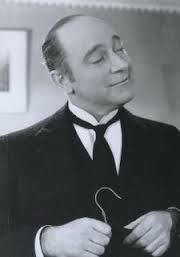
Early Life and Career: Born in Finchley Middlesex, England. Worked for an insurance company after leaving Mills School. Made his first stage appearance in 1908 at Burlington’s Spa Theater with The Girl from Kays. Went to Australia the same year where he appeared with a concert party called “The Merry Makers.” Back in England, Blore appeared in a series of musical comedies. Made his London debut in 1913 as well as wrote sketches for revue and variety. After a short detour to serve in the army, Blore started appearing in the West End during the early 1920s. In 1923, he first appeared on Broadway. After a brief return to London, he’d remain in the US for the next seven years. Although he’d make the occasional trip to London now and again. Most notable appearance was The Gay Divorce where he shared the stage with Fred Astaire. After his last show in London in 1933, Blore joined “the select company of English actors who were persuaded to journey to California” to appear in Hollywood films, along with C. Aubrey Smith and Ronald Colman.
Movies and Cartoons: The Adventures of Ichabod and Mr. Toad (1949)
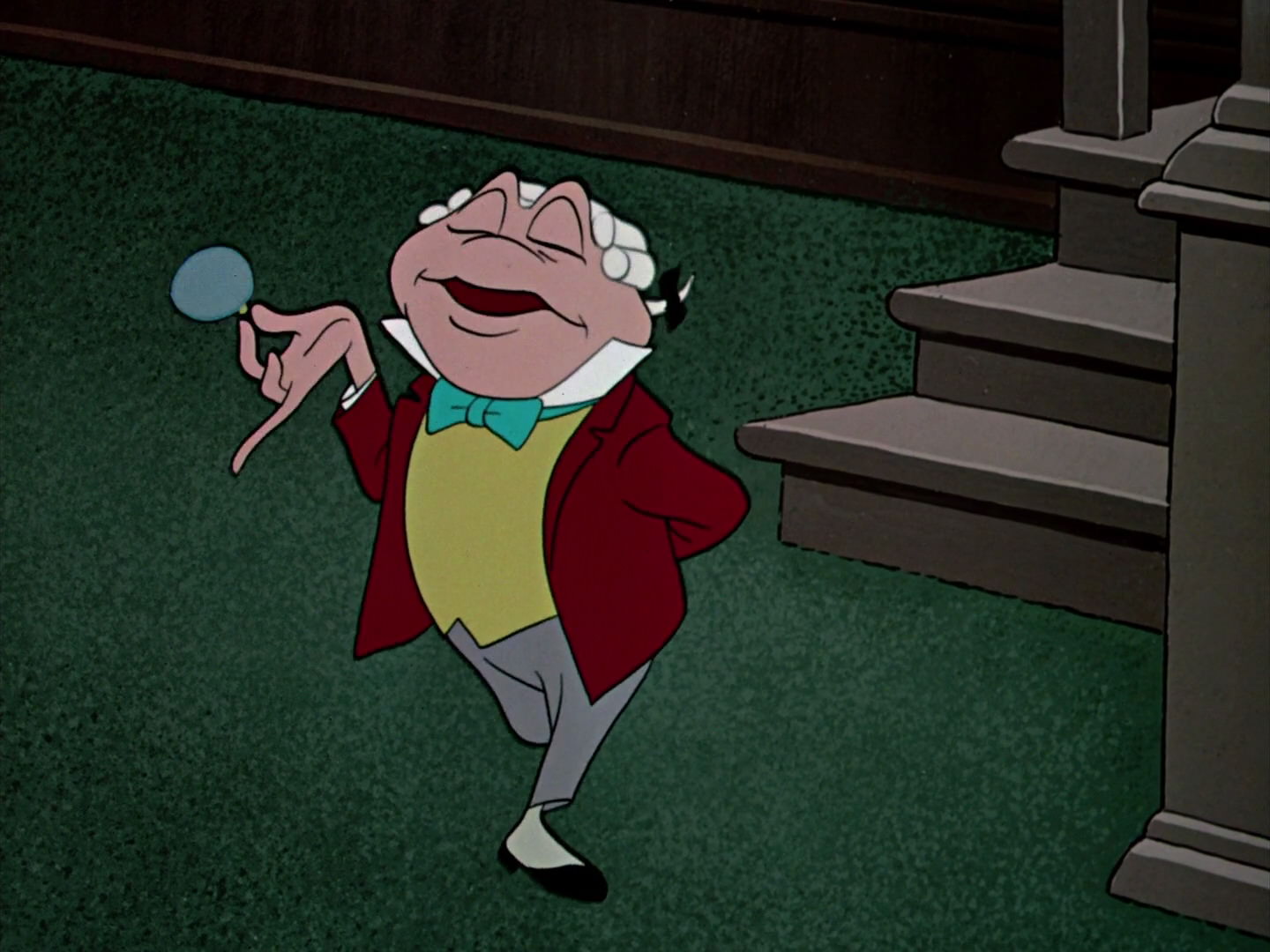
Characters: J. Thaddeus Toad, Esq.
Also Known For: Character actor who specialized in playing English butlers, valets, and other superior domestic servants. Made more than 60 films. Appearances include The Gay Divorcee, Top Hat, Swing Time, The Soldier and the Lady, Shall We Dance, The Lady Eve, Road to Zanzibar, Sullivan’s Travels, Kitty, Abie’s Irish Rose, Romance on the High Seas, and Fancy Pants. Returned to Broadway in 1943 to appear in Ziegfeld Follies.
Personal Life: Married twice. First wife was Violet Winter whom he wed in 1917 but ended in her death in 1919. Most likely cause of Violet’s death would be Spanish Flu given the year. Second wife was a woman named Clara Macklin in 1926. Had a son named Eric Blore Jr. Marriage lasted until his death.
Later Life: Final stage appearance in 1945. Made his last film in 1955 and retired the next year after suffering a stroke. After taking ill in February 1959, he was moved from his Los Angeles home to the Motion Picture Country Hospital where he died of a heart attack at 71. He was survived by his widow Clara, son Eric Jr. and one grandchild.
Trivia: None
32. Ilene Woods
Dates: 1929-2010

Early Life and Career: Born in Portsmouth, New Hampshire to a mother who worked behind the scenes in films. Dreamed about becoming a schoolteacher but her mom wanted her to be a singer instead. By 1944, she had her own radio show. During World War II, she toured with Paul Whiteman and the Army Air Forces Orchestra. In 1948, two songwriter friends Mack David and Jerry Livingston called Woods to record “Bibbidi-Bobbidi-Boo”, “A Dream Is a Wish Your Heart Makes”, and “So This is Love.” These songs were later presented to Walt Disney for use in Cinderella. Disney heard the demos and asked Woods to star in the lead. She gladly accepted the role and was surprised that she won it over 300 women who auditioned.
Movies and Cartoons: Cinderella (1950)
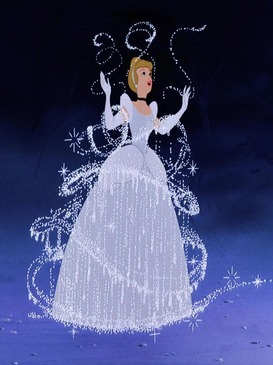
Characters: Cinderella. Also voiced Snow White for the 1949 audiobook version of Snow White and the Seven Dwarfs.
Also Known For: She’s not really known for much else. She had some work in TV during the 1950s but it’s not much.
Personal Life: Married twice. First husband was to Steve Steck Jr. in 1946 when she was only 17. Marriage produced a daughter named Stephanie but ended in divorce in 1954. Second husband was Tonight Show drummer Ed Shaughnessy in 1963. Marriage produced two sons named James and Daniel and lasted until her death. Son James died from a 1984 car accident when he was just 18.
Later Life: Retired from show business in 1972 but continued to appear at occasional autograph shows. When Disney began releasing video cassettes of their animated films, Woods was one of at least 3 actresses to file lawsuits over performance royalties in 1990. In her last years, she suffered from Alzheimer’s disease at a facility in Canoga Park, Los Angeles. It was said that she didn’t remember that she played Cinderella. Yet when she died from complications at 81 in 2010, she requested the nurses to sing “A Dream Is a Wish Your Heart Makes.” There was no service. While her cremated remains were given to her family.
Trivia: Named a Disney Legend in 2003. Sang for Franklin Delano Roosevelt at his home in Hyde Park. Sang for President Harry S. Truman at the White House after singing for soldiers and sailors.
33. Eleanor Audley
Dates: 1905-1991

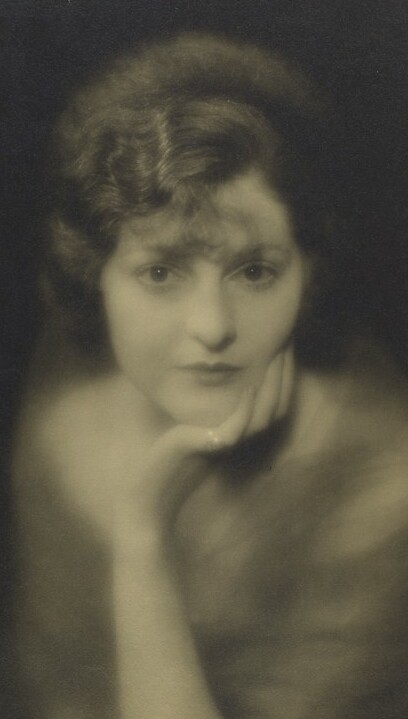
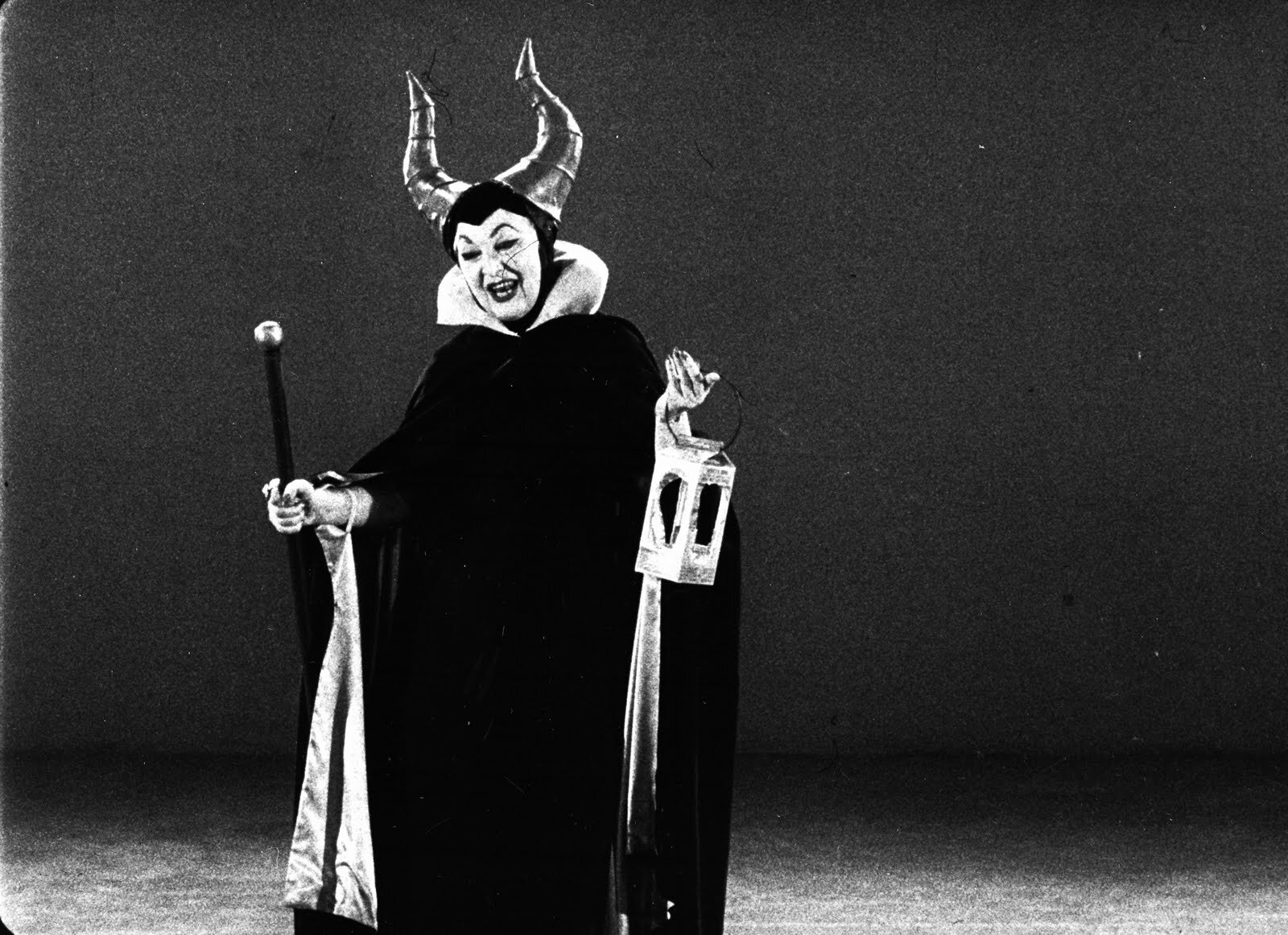

Early Life and Career: Born Eleanor Zellman in Newark, New Jersey before her family moved to Manhattan in 1917. Made her Broadway debut in 1926 at 21. Adapted the stage name “Eleanor Audley” sometime before 1940. Initially turned down the role of Maleficent due to battling tuberculosis at the time.
Movies and Cartoons: Cinderella (1950) and Sleeping Beauty (1959)
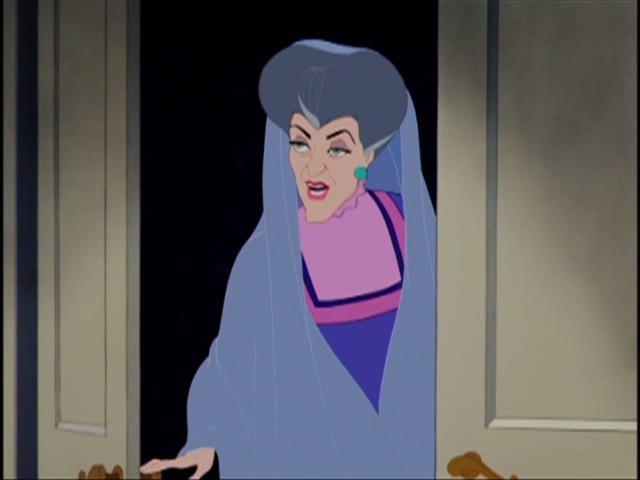
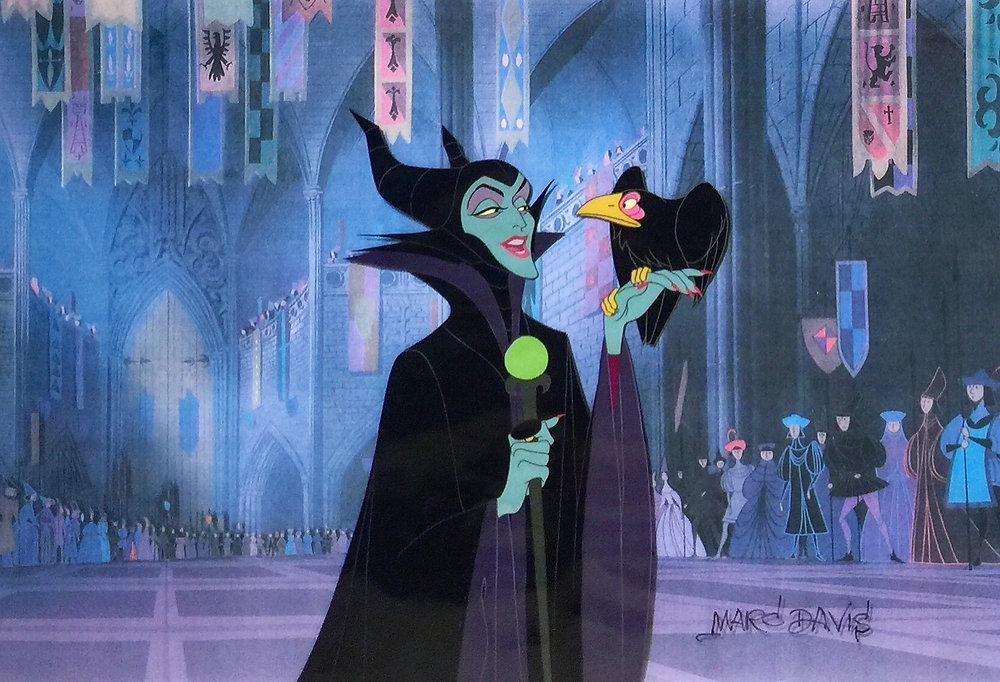
Characters: Lady Tremaine and Maleficent. Also provided the voice for spirit psychic medium, Madame Leota at both Disneyland and Disney World.
Also Known For: Character actress who appeared in several films and numerous radio and TV shows. Most notable live action film appearance is All That Heaven Allows. Radio programs include My Favorite Husband where she played Mrs. Cooper and Father Knows Best where she played the neighbor. Best known as Oliver Douglas’ mother on Green Acres. Other TV show appearances include I Love Lucy, Perry Mason, Dennis the Menace, Our Miss Brooks, Wagon Train, The Twilight Zone, The Untouchables, Make Room for Daddy, Have Gun – Will Travel, McHale’s Navy, The Man from U.N.C.L.E., The Real McCoys, Pete and Gladys, The Dick Van Dyke Show, Mr. Ed, The Beverly Hillbillies, Hallmark Playhouse, The Six Shooter, and My Three Sons.
Personal Life: Never married.
Later Life: Retired from acting in 1970 likely due to poor health. Died of respiratory failure in Los Angeles 1991 at 86. Buried at Mount Sinai Memorial Park Cemetery.
Trivia: Her character Madame Leota received her own tombstone in 2001. Epitaph reads: “Dear sweet Leota, beloved by all. In regions beyond now, but having a ball.” Also served as a physical model for both Lady Tremaine and Maleficent.
34. Rhoda Williams
Dates: 1930-2006
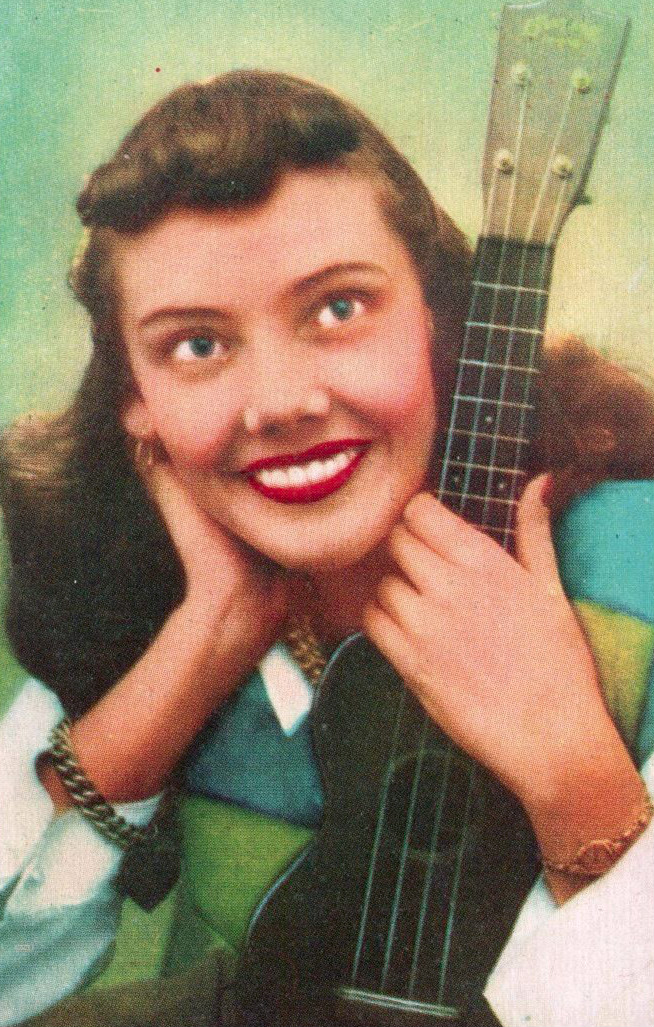
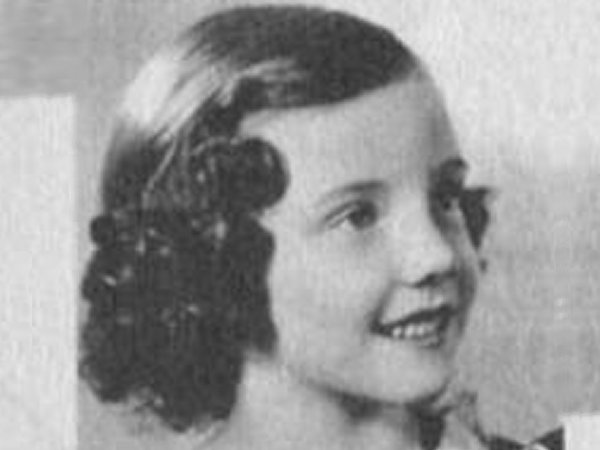
Early Life and Career: Born in Denver, Colorado. Learned to read at 3 so performing for radio became natural for her. Soon had her own weekly show on KMPC’s We Who Are Young. Graduated from Hollywood High School at 14 and later earned a theater arts degree from the UCLA at 18. In the meantime, she also took on acting projects to pay for her college education.
Movies and Cartoons: Cinderella (1950)

Characters: Drizella Tremaine
Also Known For: Was as Robert Young’s oldest daughter on the radio version of Father Knows Best. Appeared on films such as National Velvet and Meet John Doe. Provided alien voices on Star Trek IV and Star Trek V. Also did live television as well as specialized in dialects, most notably providing a voice over for Brigitte Bardot in the American version of The Night Heaven Fell.
Personal Life: Married David Van Meter in 1952. Marriage produced 4 kids consisting of Janis, Debra, Jon, and Steve and lasted until her death.
Later Life: In 1959, Williams served as PTA president for the Alexandria Avenue School in Los Angeles. In 1968, she began working her master’s degree at California State University, Northridge. During her studies, she began a second career as teacher of dialects and speech for the stage. Developed a “Medieval Theatre” filmstrip that Oleson Films distributed to high schools and colleges throughout the country. When she received her Master of Arts degree in 1972, she continued to teach at CSUN as well as taught voice and speech at Estelle Harman’s Actor’s Workshop in Hollywood. Was an active member of the Screen Actors Guild (SAG) and the American Federation of Television and Radio Artist since the 1930s and held numerous union-related offices. At the Los Angeles local, Williams was a Local and National Board member, Local Education Committee Chair. Co-Chair of the L.A. Women’s Committee. Western Region Chair of the National Women’s Committee and member of the joint AFTRA-SAG Merger Study Committee. Also edited the Los Angeles Local publication, DIALLOG. from 1974 to 1987. From 1978-1981, Williams was West Coast Coordinator for a CETA project to increase employment of performing arts professionals. From 1981-82, she was Assistant Executive Director of the Los Angeles Local of AFTRA. In addition, Williams was a Vice-President and Secretary of the Los Angeles Chapter of the Coalition of Labor Union Women (CLUW). She also served several years as an appointee to the State Wage Board for the Broadcasting Industry and was an AFTRA delegate to the Los Angeles County Federation of Labor, AFL-CIO. From 1977 to 1989, Williams coordinated and conducted the Communications Skills workshop at the Federation’s “Women in the Workforce” conferences for the California State Federation of Labor. Also taught communication skills AFL-CIO’s Western Section Summer School for Labor Union Women. From 1984 to 1992, Williams she was Secretary-Treasurer of the UCLA Theater Film and Television Alumni Association and was one of the organization’s charter members. Also served as secretary to the InterGuild Women’s Caucus, a women’s organization in the entertainment industry guilds and unions. Was a founding member of the Education Council of the Los Angeles Music Center, with special interest in the Music Center on Tour program and of Pacific Pioneer Broadcaster. Was a past member of the Glendale Arts Council as well as had honorary memberships REPS (Radio Enthusiasts of Puget Sound) and of SPERDVAC (The Society for the Preservation of Radio Drama. Variety and Comedy). Williams moved to Oregon in 1993 where she was elected to the Local Board of the Portland Local of AFTRA, where she was Treasurer and Alternate to the AFTRA National Board. She and her husband also edited SAG/AFTRA Portland newsletter for AFTRA and SAG. In Eugene, she’d perform at local community theaters as well. Died of cardiac arrest in her Eugene home in 2006 at 75. Was survived by her husband, her 4 children, 12 grandchildren, and 3 great-grandchildren.
Trivia: Received a Distinguished Service Award from the InterGuild Women’s Caucus.
35. Lucille Bliss
Dates: 1916-2012
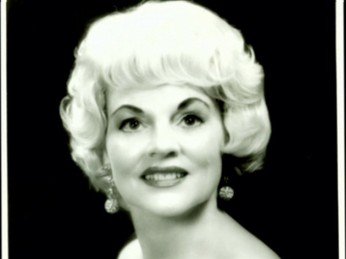
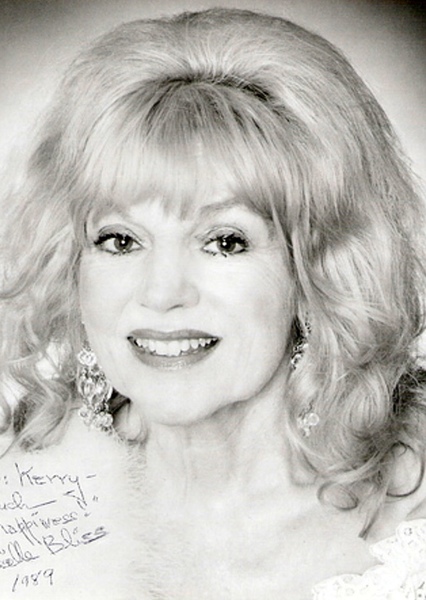
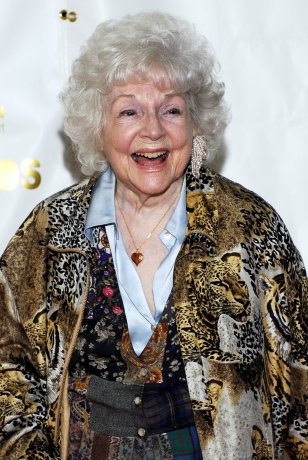
Early Life and Career: Born in New York City to a Massachusetts dentist father and a German concert pianist who wanted her daughter to become an opera singer. Parents later divorced. In 1935, Bliss’ father’s death prompted Bliss and her mom to move to California where her mom became head of the music department for San Francisco College of Women.
Movies and Cartoons: Cinderella (1950), Alice in Wonderland (1951), Peter Pan (1953), One Hundred and One Dalmatians (1961), and How to Have an Accident at Work (1959) as well as narrated some stories for a Disney album.
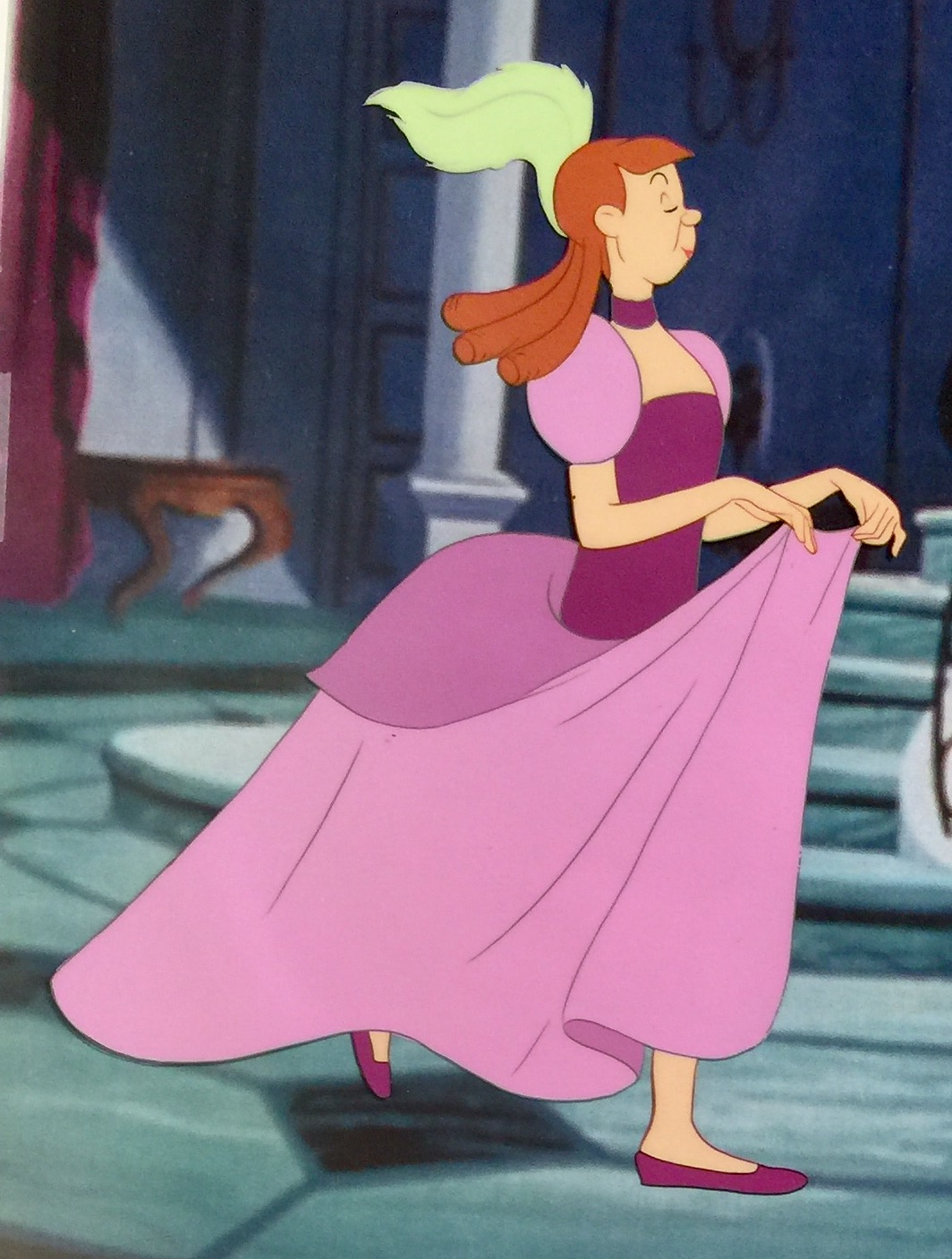
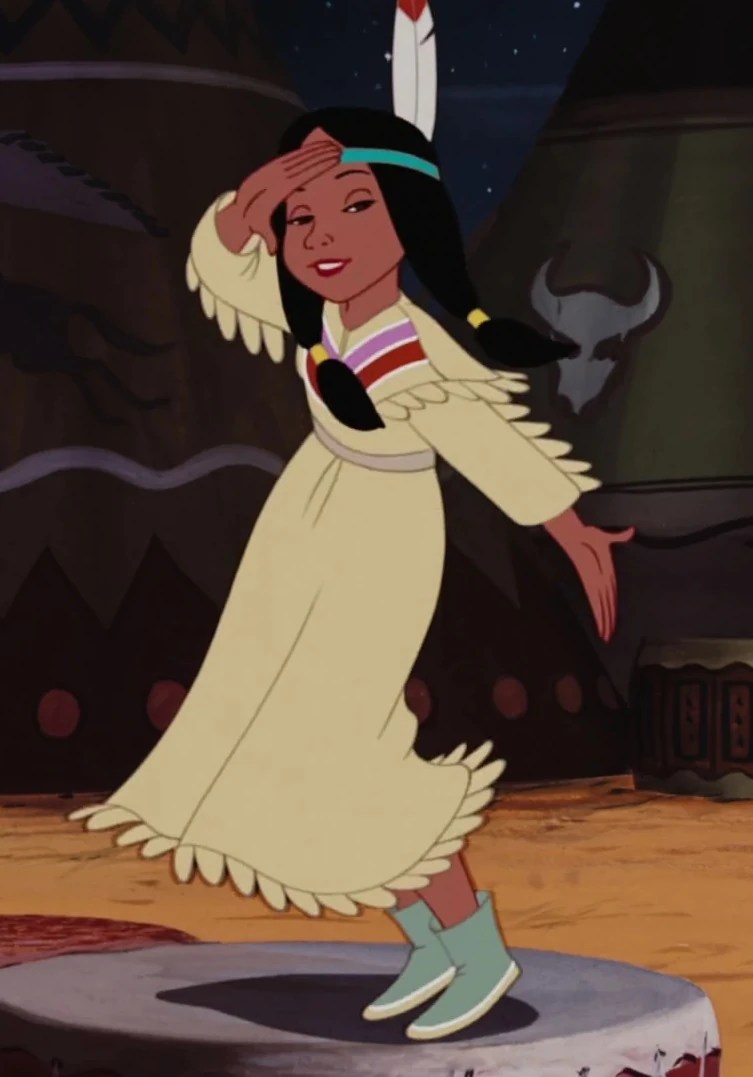
Characters: Anastasia Tremaine, Lazy Daisies, Tulips, Mermaid, Tiger Lily, TV Commercial Singer, and Donald’s Son
Also Known For: Nicknamed the “Girl with a Thousand Voices,” Bliss voiced numerous cartoon characters from the 1950s to the 2000s. Voiced the title character of Crusader Rabbit, the first made for TV cartoon as well as Smurfette in the 1980s Smurfs and Ms. Bitters in the early 2000s on Invader Zim. Also voiced Yugoda in Avatar: The Last Airbender as well as Mrs. Fitzgibbons in The Secret of NIMH and the Pidgeon Lady in Robots. Not to mention, work on Hanna Barbera cartoons such as Tom and Jerry and The Flintstones. In addition to cartoons, Bliss also did voice work for video games. Outside cartoons, she was an active performer in radio with roles in Pat Novak, for Hire, Candy Matson, and The Charlie McCarthy Show. Live TV appearances include High Command and The Lineup.
Personal Life: Never married.
Later Life: Retired from acting in 2007. Died of natural causes in Costa Mesa, California in 2012 at 96. Buried at Hollywood Forever Cemetery.
Trivia: Produced and directed talent shows for the Embarcadero Armed Services YMCA in San Francisco. Honored by the Young Artist’s Foundation with its Former Child Star “Lifetime Achievement” Award in 2000.
36. Luis van Rooten
Dates: 1906-1966
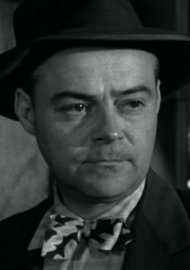
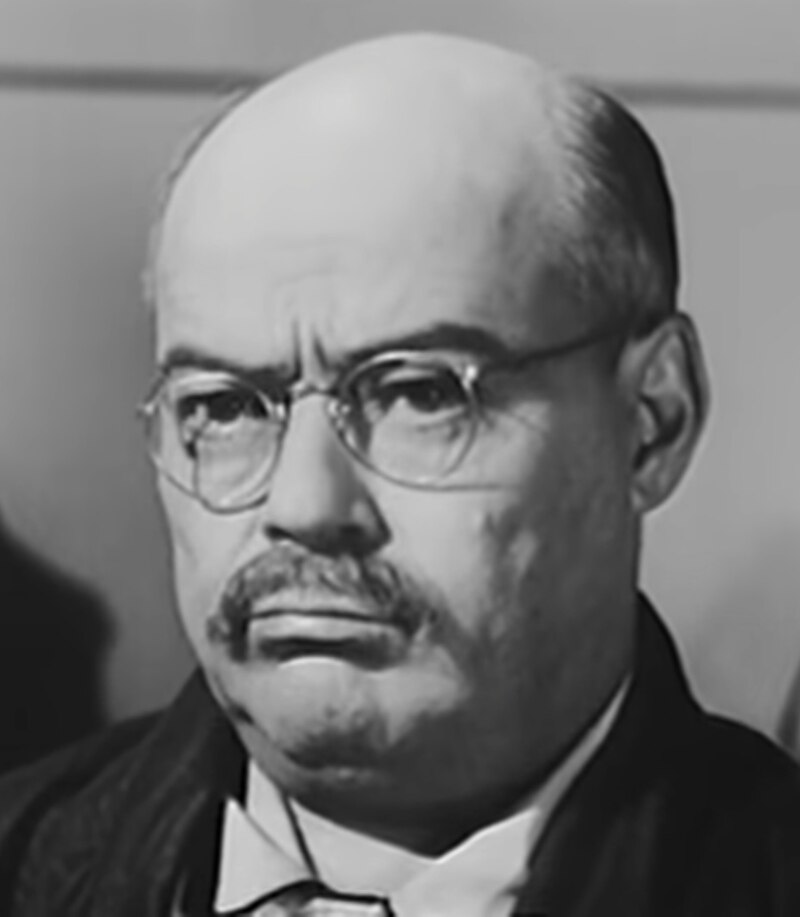
Early Life and Career: Born Luis d’Antin van Rooten in Mexico City, Mexico. Father worked as a translator and clerk for the American embassy. Some sources claim he was killed in the Mexican Revolution. At 8, he immigrated to the US with his Belgian grandmother who claimed the boy as her son since he had no papers. Attended a Pennsylvania boarding school and received a B. A. from the University of Pennsylvania. Enjoyed a successful career as an architect in Cleveland, Ohio until his love of acting got the best of him. First gig was as narrator to a 1938 film called Industrial Ohio for SOHIO Let’s Explore Ohio series. Was said to have worked on as many as 50 shows a month because of his ability to do dialects and criminals. Once, he was bumped off as many as 10 crime shows a week. During World War II, van Rooten’s linguistic abilities made him an in-demand military radio announcer. Conducted broadcasts in Italian, Spanish. This led to film work, often in roles requiring accents or dialect skills.
Movies and Cartoons: Cinderella (1950)
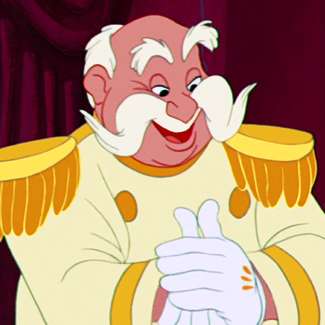
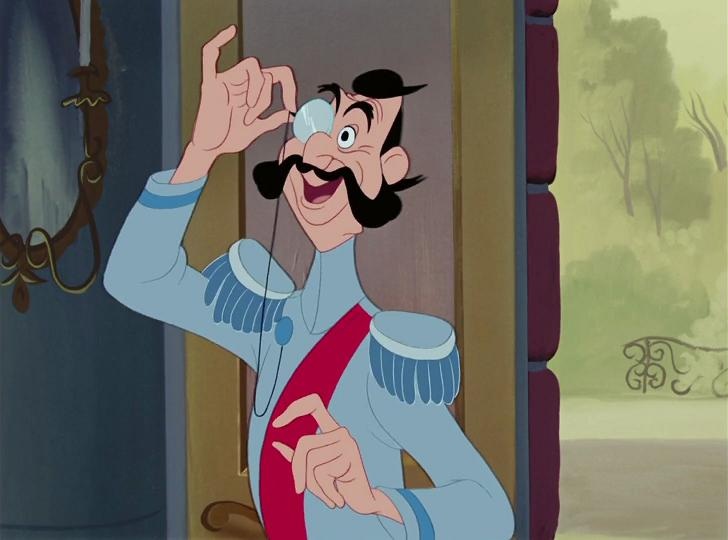
Characters: The King and Grand Duke
Also Known For: Was one of radio and television’s most prolific character actors and narrators. Mostly known for villainous roles such as Nazi ringleader Heinrich Himmler in a couple of films. Appeared alongside actors like Alan Ladd, Charles Laughton, Veronica Lake, Edgar G. Robinson, and Kirk Douglas. Radio appearances include Mysterious Traveler, I Love a Mystery, Chandu the Magician, Bulldog Drummond, Valiant Lady and Radio City Playhouse where he once played 16 characters on an episode he wrote. TV appearances include Perry Mason and The Honeymooners. Was also a skilled artist and designer as well as wrote several humor books like Van Rooten’s Book of Improbable Saints, The Floriculturist’s Vade Mecum of Exotic and Recondite Plants, Shrubs and Grasses, and One Malignant Parasite, and Mots d’Heures: Gousses, Rames: The d’Antin Manuscript.
Personal Life: Married Catherine Gaylord Kelly and had 2 children.
Later Life: Retired from acting in 1968 and settled in Chatham, Massachusetts where he died in 1973 at 66.
Trivia: Designed his own retirement home in Chatham, Massachusetts.
37. June Foray
Dates: 1917-2017
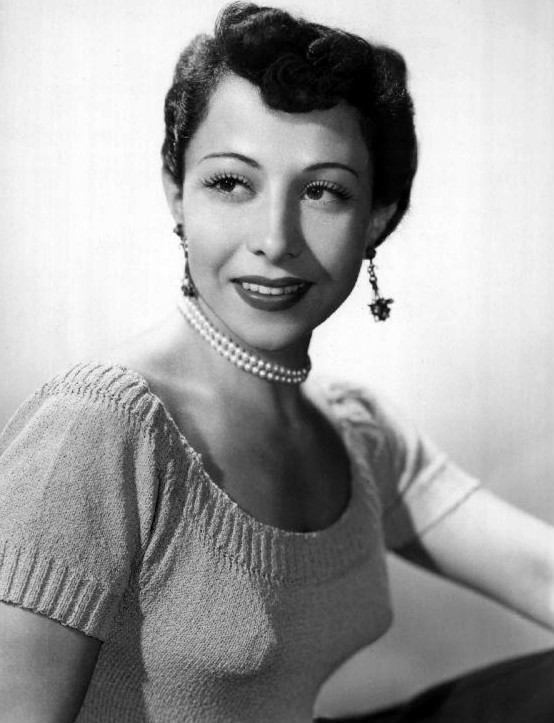
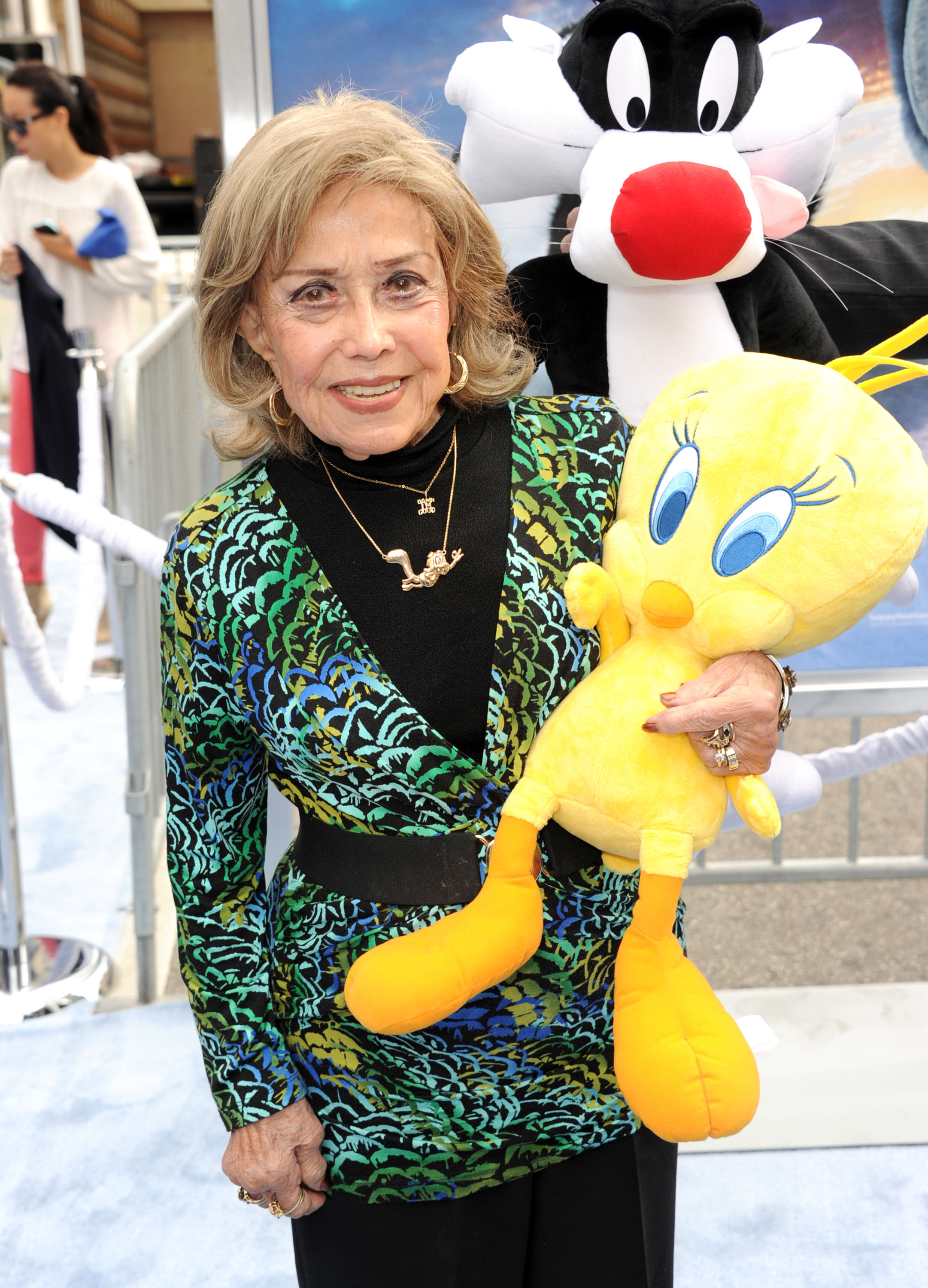
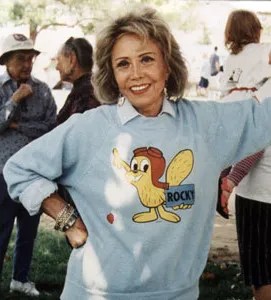

Early Life and Career: Born June Lucille Forer in Springfield, Massachusetts. Father was a Jewish immigrant from Odessa in the Russian Empire. Mother was a Lithuanian Jew and French Canadian. Wanted to be a dancer as a child but had to drop out of dance class due to pneumonia. Made her first radio broadcast at 12 and was doing regular radio voice work by 15. Two years after graduating from Classical High School, Foray moved with her parents and her siblings to live in Los Angeles to be near her brother Morris, an engineer who fell on hard financial times. After joining the WBZA Players, Foray starred in her own radio series, Lady Make Believe in the late 1930s.
Movies and Cartoons: Cinderella (1950) Peter Pan (1953), Mulan (1998), the short Trick or Treat, as well as TV shows like Duck Tales and Disney’s Adventures of Gummi Bears.

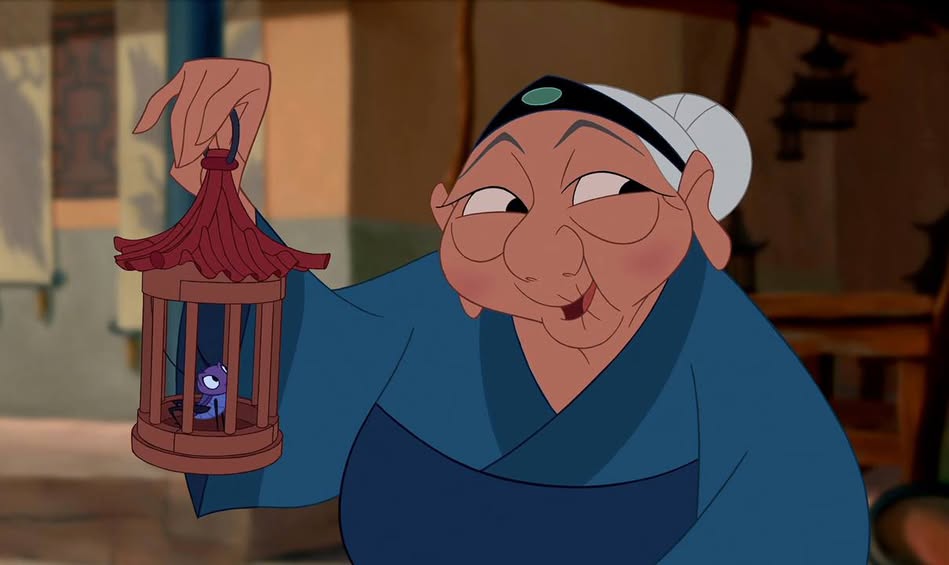
Characters: Lucifer, Mermaid, Grandmother Fa, Witch Hazel, as well as Grammi Gummi and Magica du Spell
Also Known For: Voiced characters such as Rocky, the Flying Squirrel, Natasha Fatale, Nell Fenwick, Cindy Lou Who, Jokey Smurf, Granny from Lonney Tunes, Ursula from George of the Jungle, young Karen and the teacher in Frosty the Snowman (although only her singing parts remained for the former in the final cut), and others. Career encompassed movies, shorts, radio, television, records, video games, talking toys, podcasts, and more. Radio appearances include Lux Radio Theatre, The Jimmy Durante Show, Sears Radio Theater, Amos n’ Andy, CBS Radio Workshop, The Buster Brown Program, and Smile Time. Recorded a number of Children’s albums for Capitol Records. Also did voicework for Woody Woodpecker cartoons and Warner Bros. Provided the voice for the “Chatty Cathy” doll as well as the “Talky Tina” doll in a Twilight Zone episode. TV appearances include I Love Lucy, Bewitched, Get Smart, The Brady Bunch, Little House on the Prairie, The Twilight Zone, Mr. Magoo, Powerpuff Girls, Scooby-Doo, Where Are You!, The Jetsons, The Flinstones, The Adventures of Rocky and Bullwinkle, Fractured Flickers, The Simpsons, Family Guy, Green Acres, Married…with Children, The Garfield Show, and The Duck Factory.
Personal Life: Married twice. First to Bernard Barondess in 1941 which ended in divorce. Second was writer Hobart Donovan in 1955, which lasted until his death 1976.
Later Life: Retired from acting in 2014. Was involved in a car accident in 2015 which contributed to her declining health. Died in a Los Angeles hospital in 2017 at 99.
Trivia: Was one of the early members of ASIFA-Hollywood, a society devoted to and encouraging animation. Credited with establishing the Annie Awards as well as the Academy Award for Best Animated Feature in 2001. Received the 1974 Inkpot Award. Also, has a star on the Hollywood Walk of Fame. Chuck Jones once said of her, “June Foray is not the female Mel Blanc. Mel Blanc was the male June Foray.” Once auditioned for the role of Betty Rubble. Received 2 Annies and a Daytime Emmy. In 1973, she organized a meat boycott in response to President Nixon’s freezing of meat and other prices and was included on his Enemies List.
38. Kathryn Beaumont
Dates: 1938-present
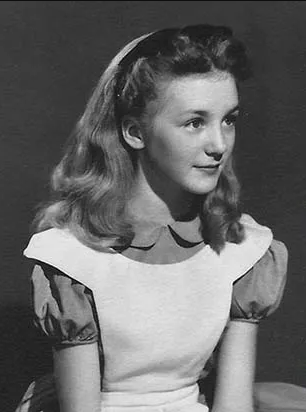
Early Life and Career: Born in London to a singer father and dancer mother. When World War II broke out, her parents were urged to send their baby daughter to safety on the SS Athenia but they refused. Although the authorities were very upset, they recoiled when the ship sank via U-Boat torpedo. Instead, after frequent bombing raids and witnessing a close friend’s death, Beaumont’s parents decided to move to Bangor, Wales before returning to London in 1945. First acting experience was in a school pantomime when she was small and later in a play. Made first film in 1944 which put her on a contract for MGM but only had minor roles in a couple of films. Later moved to Los Angeles where she auditioned for the role of Alice 3 times. Mother and tutor were present during filming and she worked 4 hour days and studied for 3.
Movies and Cartoons: Alice in Wonderland (1951) and Peter Pan (1953)
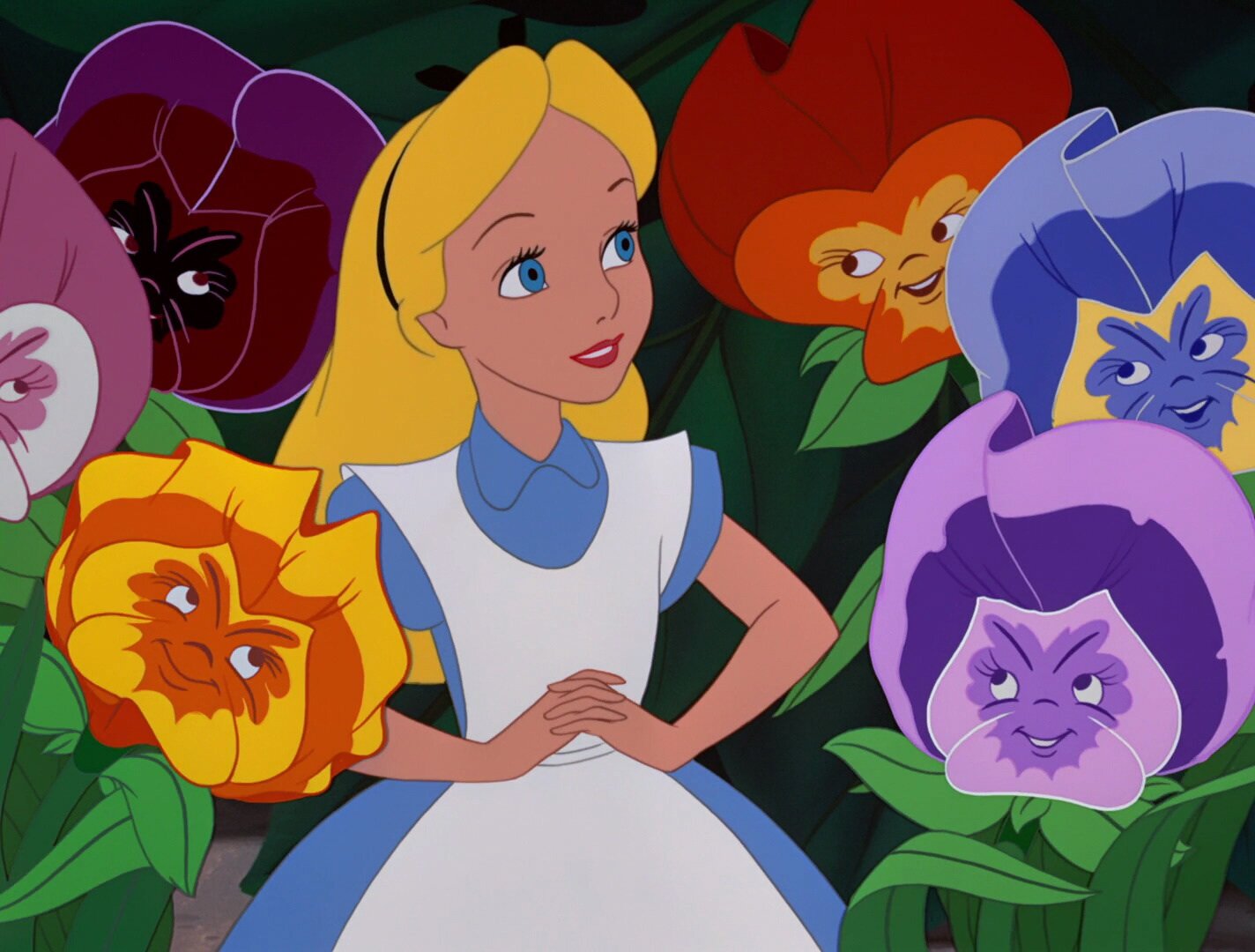
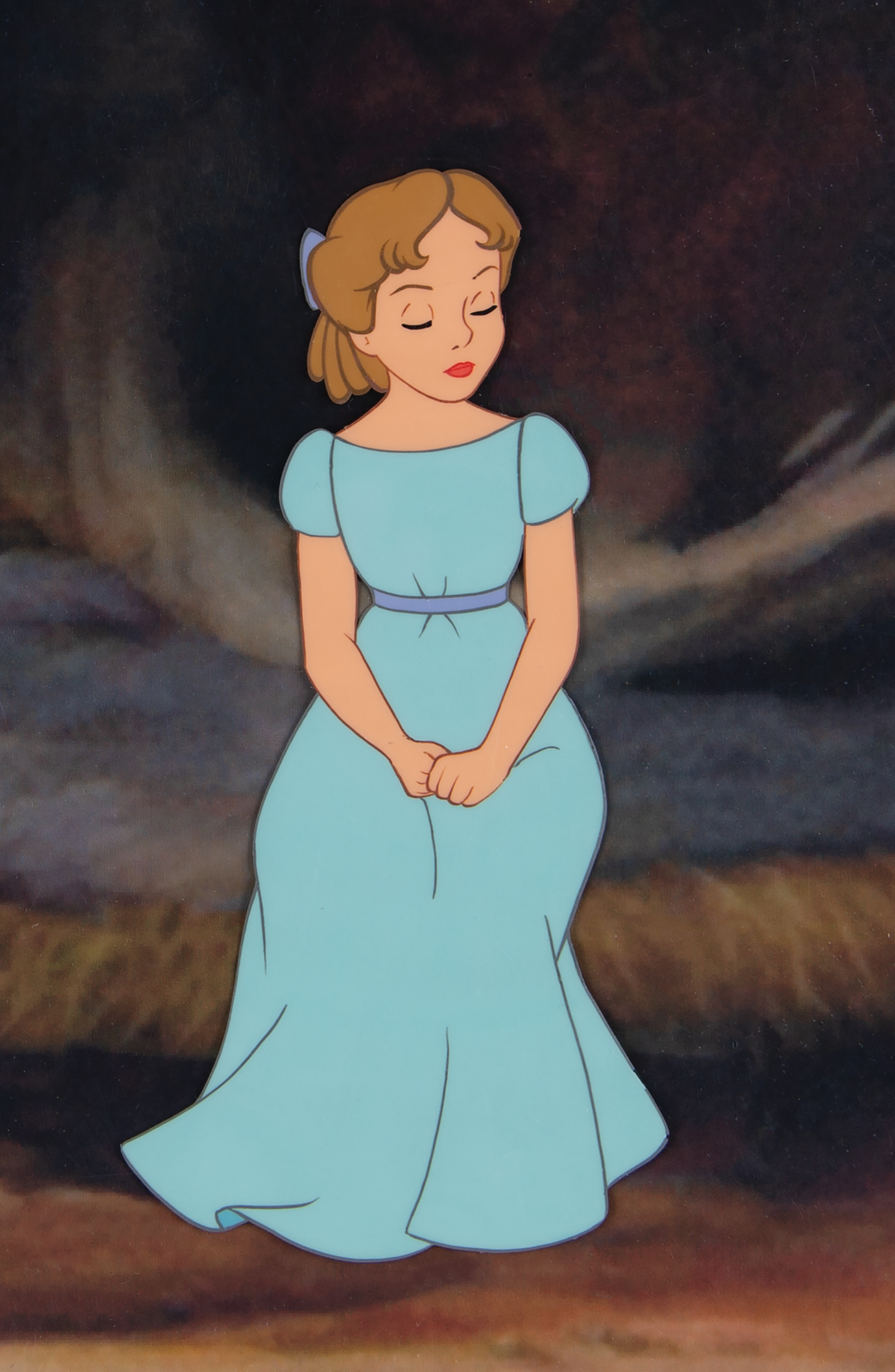
Characters: Alice and Wendy Darling
Also Known For: Was Kari’s Grandmother in the Kingdom Hearts series of video games.
Personal Life: Has been married to Allan Levine since 1985.
Later Life: After graduating from high school, Beaumont enrolled in the University of Southern California where she obtained an education degree. Taught elementary school in Los Angeles for 36 years. In addition, she’d reprise Alice and Wendy in other projects as late as 2016.
Trivia: Named Disney Legend in 1998. Was part of a drill team in high school and ran for student government.
39. Ed Wynn
Dates: 1886-1966

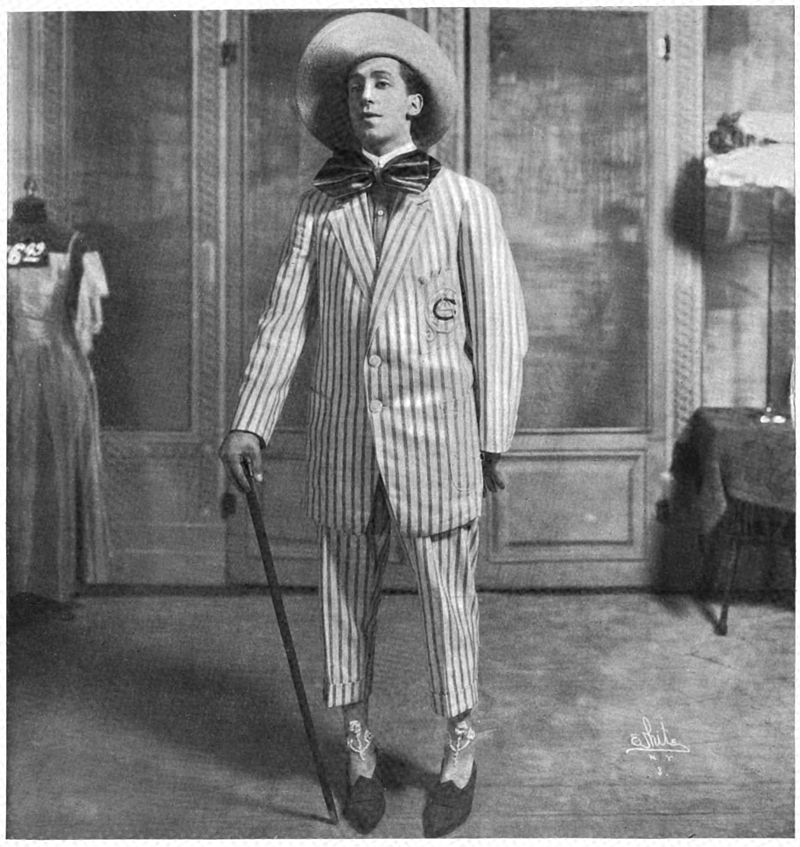
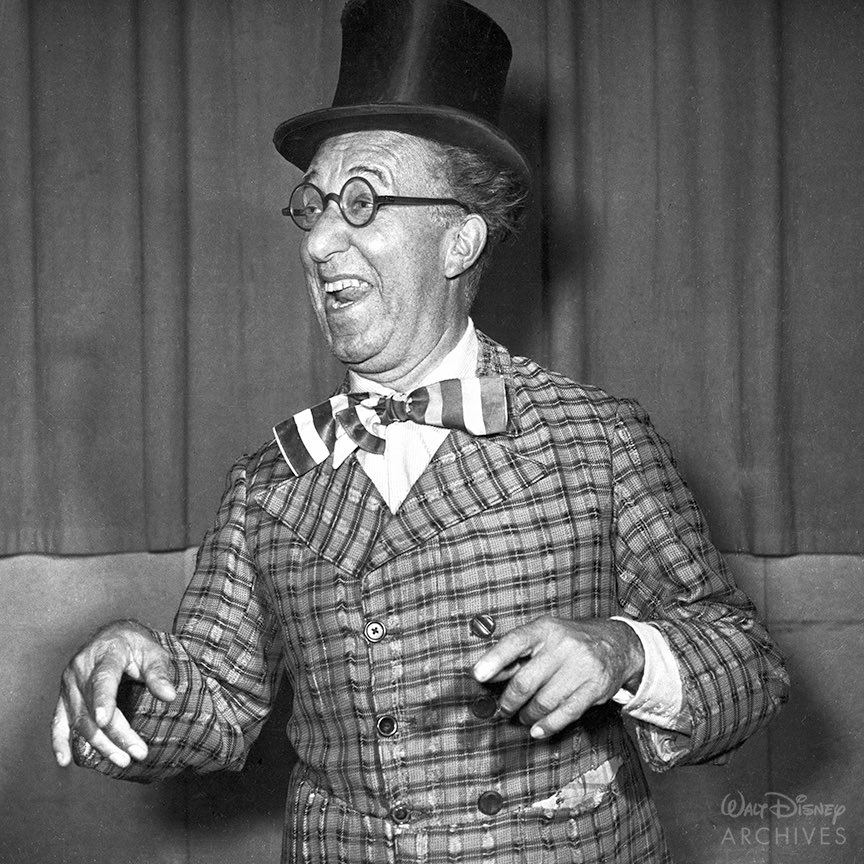
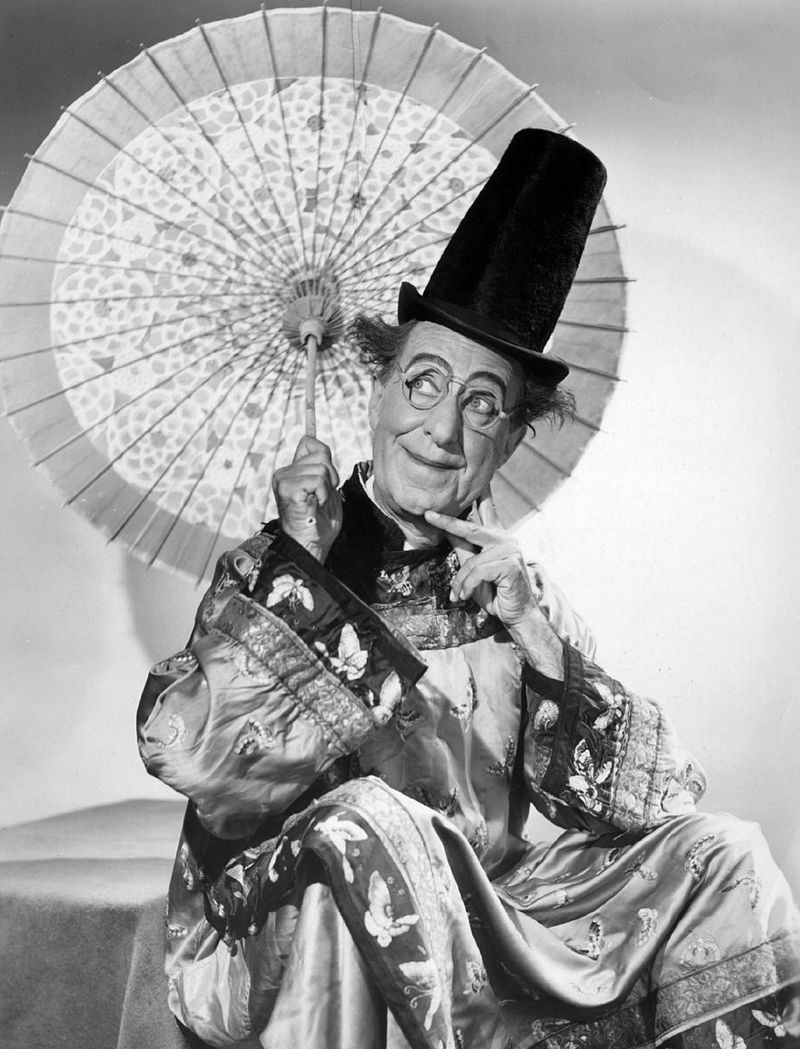

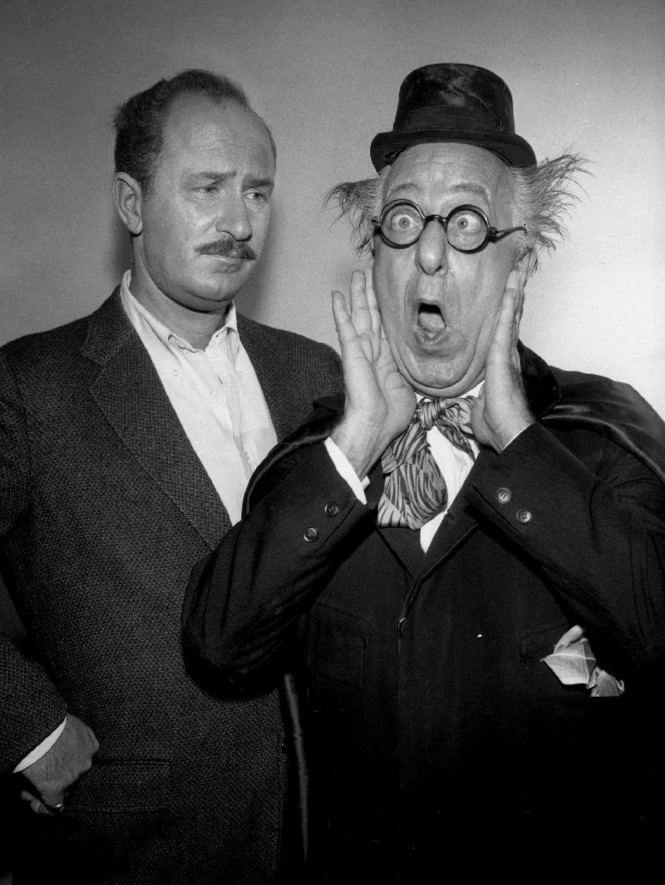
Early Life and Career: Born in Philadelphia, Pennsylvania to a Jewish family. Father was a Bohemian milliner. Mother came from Istanbul and was of Turkish and Romanian descent. Attended Central High School before dropping out and running away from home. Worked as a hat salesman and utility boy as well as adapted his middle name of “Edwin” to “Ed Wynn.” Began his vaudeville career in 1903 where he became a star on the Ziegfield Follies. Also wrote, directed, and produced many Broadway shows. Gained a reputation for his silly costumes and props as well as the giggly, wavering voice he developed in 1921. Became an active member of the Lambs Club in 1919. Hosted his own radio show called The Fire Chief during the 1930s and founded his own short-lived network called the Amalgamated Broadcasting System that last only 5 weeks and left him deep in debt, divorced, and suffering a nervous breakdown. Made his TV debut in 1936.
Movies and Cartoons: Alice in Wonderland (1951) and Mary Poppins (1964)
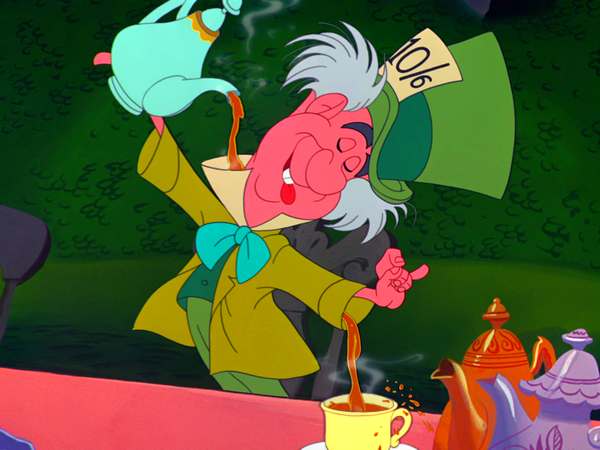
Characters: Mad Hatter and Uncle Albert
Also Known For: Best known for playing comedy characters but took on more dramatic roles later in life. Hosted The Ed Wynn Show, which won a Peabody and Emmy Award and was one of the first network comic-variety shows. Guests include Buster Keaton, Carmen Miranda, Lucille Ball, Desi Arnaz, Hattie McDaniel and The Three Stooges. Also served as a rotating host for NBC’s Four Star Revue from 1950-1952. Other TV appearances include Playhouse 90, Westinghouse Desilu Playhouse, Rawhide, Bonanza, and The Twilight Zone. Movies include The Great Man, The Diary of Anne Frank, Babes in Toyland, The Patsy, The Absent-Minded Professor, and The Greatest Story Ever Told.
Personal Life: Married 3 times. First was to fellow vaudeville performer Hilda Keenan in 1914, which produced a son named Keenan Wynn who later became a character actor. But she ended up divorcing him in 1937. Second was to Frieda Mierse in 1937 which ended with their 1939 divorce. Third was to Dorothy Elizabeth Nesbit in 1946 which ended with their 1955 divorce. Grandfather of Tracy Keenan Wynn and Ned Wynn and great-grandfather to Jessica Keenan Wynn.
Later Life: Died in Los Angeles of esophageal cancer in 1966 at 79. Buried in Glendale’s Forest Lawn Memorial Park. Bronze grave marker reads: “Dear God: Thanks… Ed Wynn:” Red Skelton said of him, “His death is the first time he ever made anyone sad.”
Trivia: Was offered the role of The Wizard for the 1939 Wizard of Oz but turned it down. Was also a Freemason. Nominated for Golden Globe, BAFTA, and Academy Award (ironically for playing the dentist in The Diary of Anne Frank). Inspired Alan Tudyk’s portrayal of King Candy in Wreck-It-Ralph. Named Disney legend in 2013.
40. Richard Haydn
Dates: 1905-1985
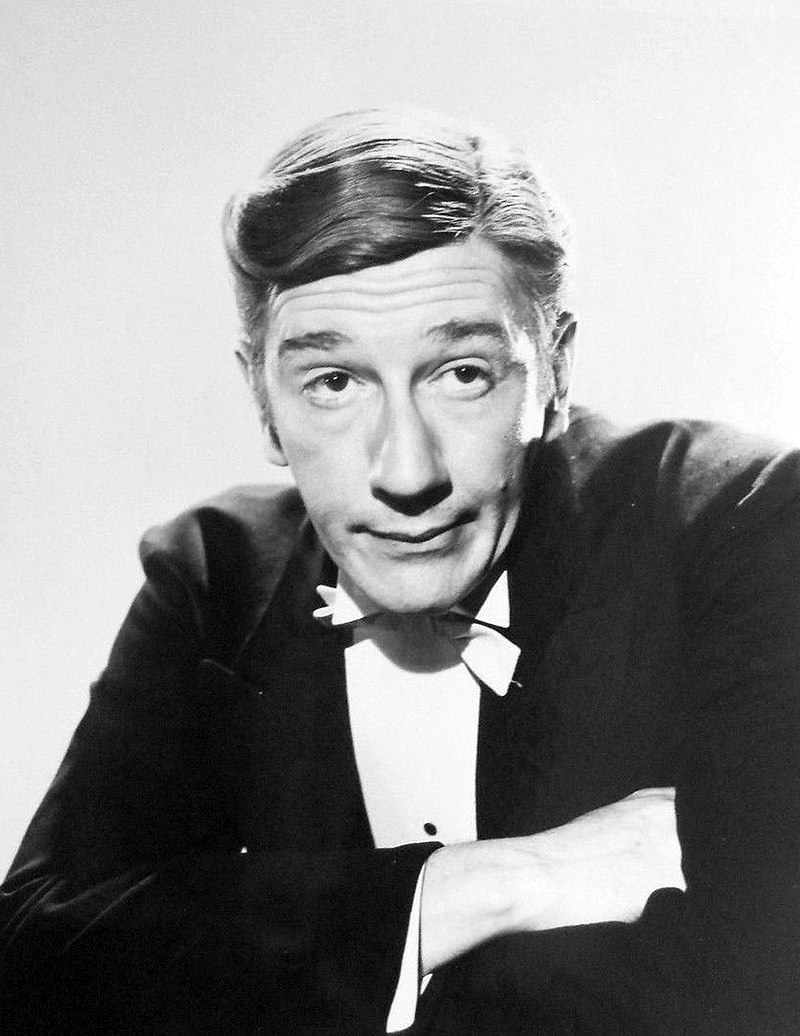
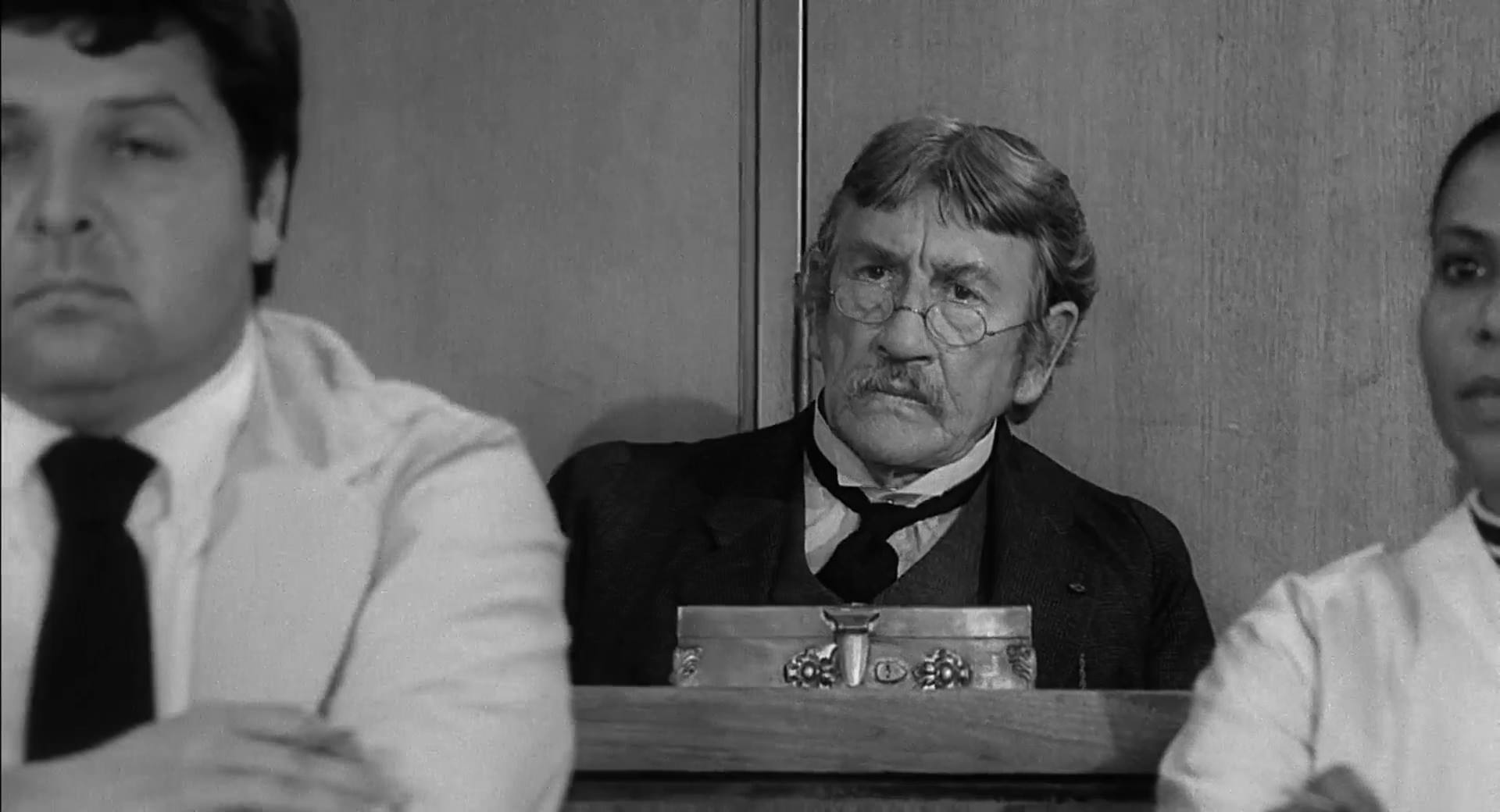
Early Life and Career: Born in Camberwell, London, England. After working as a music hall entertainer and overseer at a Jamaican plantation, he joined a touring British theater troupe before moving into TV and film.
Movies and Cartoons: Alice in Wonderland (1951)

Characters: The Caterpillar
Also Known For: British actor known for playing eccentric characters with much of his dialog delivered in an over-nasalized and over-enunciated manner. Film appearances include Ball of Fire, And Then There Were None, The Emperor’s Waltz, Forever Amber, The Merry Widow, Mutiny on the Bounty (1962), The Sound of Music, and Young Frankenstein. Also directed 3 films. Wrote The Journal of Edwin Carp whom he portrayed on radio in The Charlie McCarthy Show. Appeared twice on Broadway. TV appearances include Playhouse 90, Producers’ Showcase, General Electric Theater, The Twilight Zone, The Dick Van Dyke Show, Lux Playhouse, The Man from U.N.C.L.E., Laredo, Bewitched, Bonanza, and Lassie.
Personal Life: Never married though he was engaged to Marlene Dietrich’s daughter at some point. Was a reclusive man who loved gardening and shunned interviews.
Later Life: Died of a heart attack at his home in Pacific Palisades, California at 80. Body was found there and donated to the University of California, Los Angeles.
Trivia: Friend and next-door neighbor to David Niven.

 The Lone Girl in a Crowd