
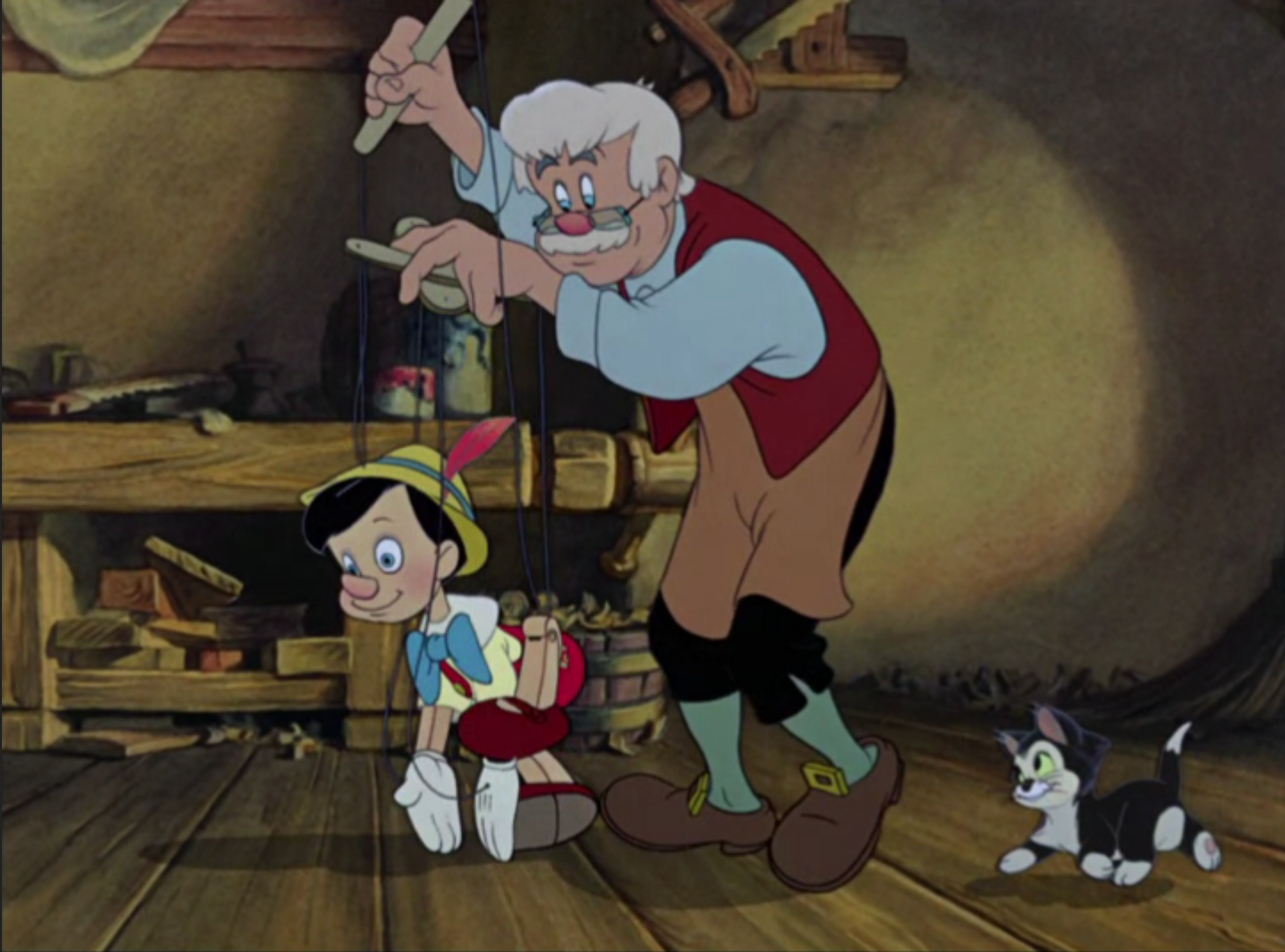
Riding on the success of Snow White and the Seven Dwarfs, Walt Disney used the profits to finance a 51-acre complex in Burbank which the company would move into in 1940 and still serves as its headquarters to this day. Yet, before the film’s release, work began on Pinocchio and Bambi (which will take 5 years and be beset with delays). Pinocchio and Fantasia would both be released in 1940 but while they’d land critical acclaim, both performed poorly at the box office. Add to that with World War II affecting the international box office which is the least of the world’s concerns at this point. Then in 1941, Art Babbitt led 300 of his fellow Disney animators in a 5-week strike for unionization and higher pay. An event that Walt Disney took extremely poorly by firing many of them (including some of the studio’s best talent) and publicly accusing the strikers as part of a Communist conspiracy. Eventually federal mediators compelled the studio to recognize the Screen Cartoonists’ Guild, leaving the company with 694 employees. To offset from their financial losses, Disney rushed into production with Dumbo on a cheaper budget. Fortunately, Dumbo performed well at the box office and infused the studio with much needed cash.
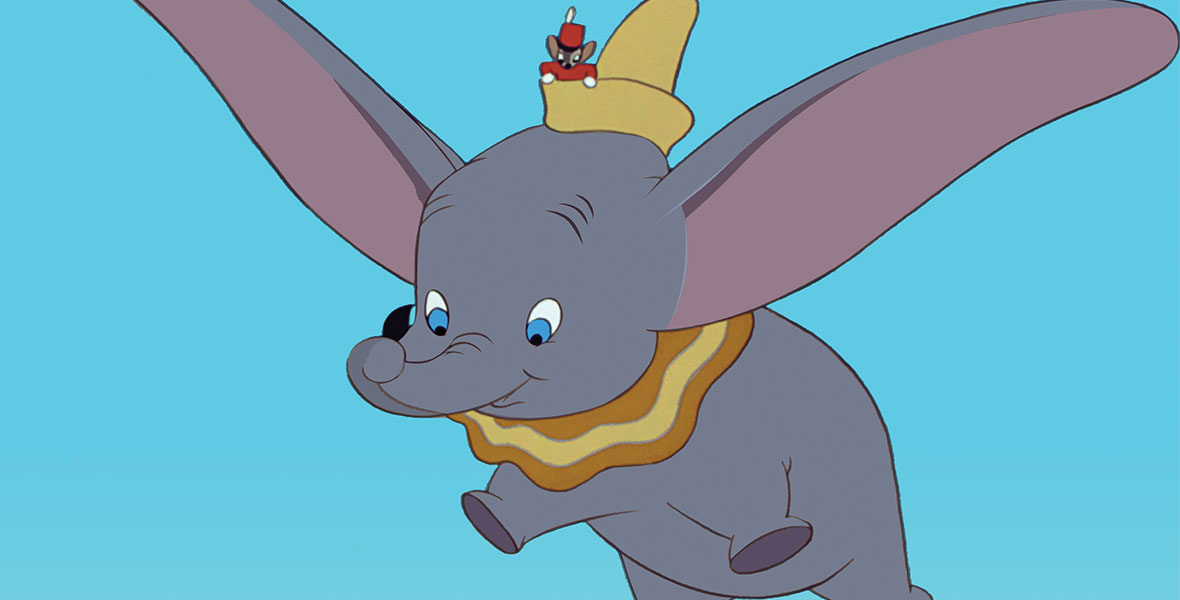
Now both Pinocchio and Dumbo have become Disney classics since then as well as beloved films watched by generations. However, although both movies are fondly remembered, they both contain plenty of darker and problematic elements. Pinocchio just may be one of the darkest Disney movies of all time with its depiction on the dangers of childhood innocence, especially when it comes to manipulation, exploitation, and straight up child trafficking. The villains such as Honest John Worthington Foulfellow and Gideon, Stromboli, and the Coachman are far more realistic and despicable villains who should be better remembered. This especially goes for the Coachman who basically lures boys to Pleasure Island only to sell them off to the salt mines once they turn into donkeys. And while other Disney villains pay for their evil deeds, these guys don’t really suffer any consequences for their actions. Apart from Stromboli losing potential earnings with Pinocchio escaping his caravan. But that’s barely a punishment for trying to milk the wooden boy for all he’s worth, locking him in a bird cage, and threatening to turn him into firewood once he breaks down. With Lampwick’s transformation into one being one of the most horrifying things I’ve ever seen in a Disney movie and one that certainly gave me nightmares as a child. Hell, it might just be one of the most horrifying things I’ve ever seen in a film period. Whereas, Dumbo contains elements like the alcohol-induced “Pink Elephants on Parade” sequence, the “Roustabout” song, and the heavily black-stereotyped crows. Not to mention, the scene where Mrs. Jumbo gets chained after going apeshit over some teenage idiot harassing her son. All of which made me wonder why my parents let me watch this shit as a kid? Although to be fair, it’s one I strongly think children need to watch that moment since it’s a perfectly realistic example on why you shouldn’t fuck around with animals. Anyway, in this post, we’re going to meet the some longtime Disney voice actors such as Clarence Nash, Thurl Ravenscroft, Sterling Holloway, and Verna Felton, all of which had long careers voicing a variety of characters in the House of Mouse. Not to mention, the voice actors behind Gepetto, Lampwick, Honest John, the Blue Fairy, Timothy Q. Mouse, and Deacon Crow.
11. Christian Rub
Dates: 1886-1956
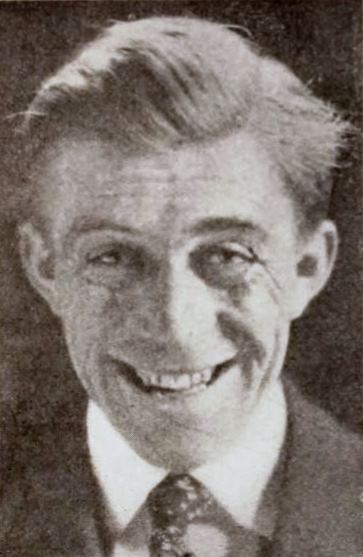
Early Life and Career: Born in Graz, in then Austria-Hungary to actor parents. Had a sister Marianne who performed on radio. Worked as a comedian in Germany as a child. At 15, he performed in a French at Vienna’s Imperial Theater. At 17, he was in the Tyrolean Alps with a company “playing everything from very ancient grandpas to very young lovers.” First film appearance was in the 1919 The Belle of New York. Although he ventured into drama on stage in an Los Angeles production of Grand Hotel in the early 1930s. Although he’s best known as Gepetto, he wasn’t Walt’s original choice. Since he dismissed his predecessor for sounding too harsh.
Movies and Cartoons: Pinocchio (1940)
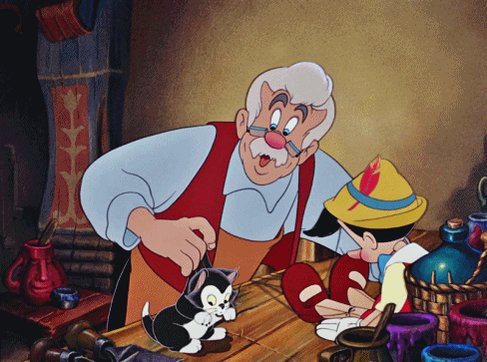
Characters: Gepetto
Also Known For: Provided voices for kindly old men in cartoons for MGM, Fox, and Warner Bros. alongside Disney. Still, he was more of a character actor often specializing in German or Scandinavian villagers, musicians, innkeepers, or valets. Best known roles outside Disney was of Mr. Schmidt from You Can’t Take It with You, Old Clement in Captains Courageous, Christian Jensen in Mr. Deeds Goes to Town, and Loti in All This, and Heaven, Too. Appeared in over 100 films.
Personal Life: During the filming of Pinocchio, Rub was notorious amongst the film’s animators for his open and frequent expression of admiration for Adolf Hitler. They eventually got even with him during the live-action shooting for the Monstro sequence. Said to be married to a woman named Amy.
Later Life: Last film was Something for the Birds in 1952. Died in Santa Barbara, California in 1956 just after his 70th birthday.
Trivia: None.
12. Clarence “Ducky” Nash
Dates: 1904-1985
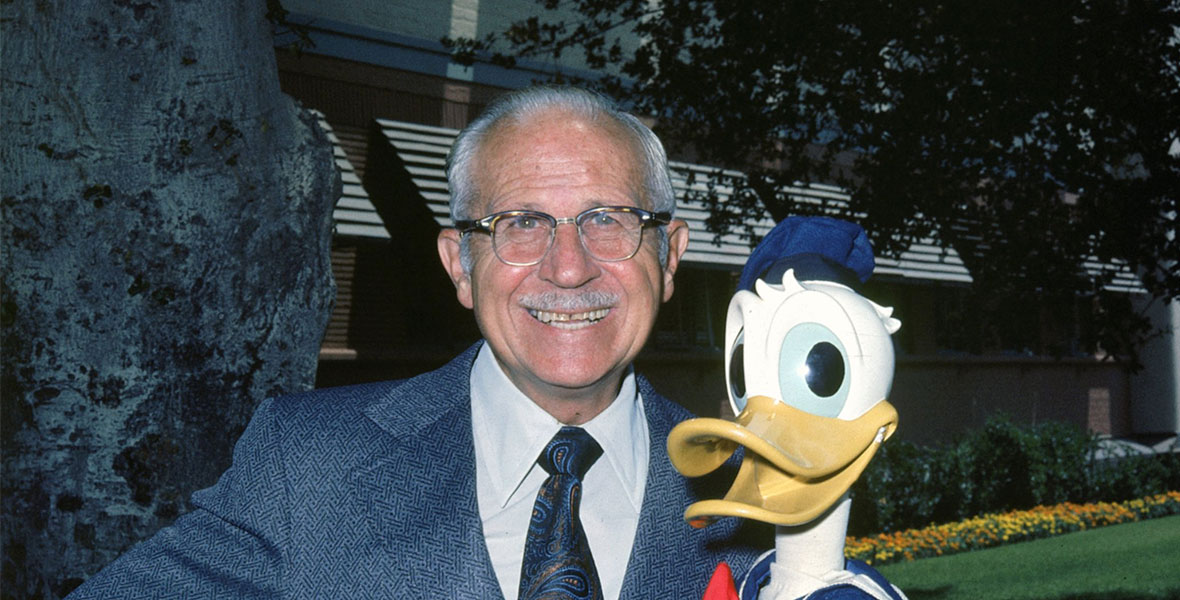
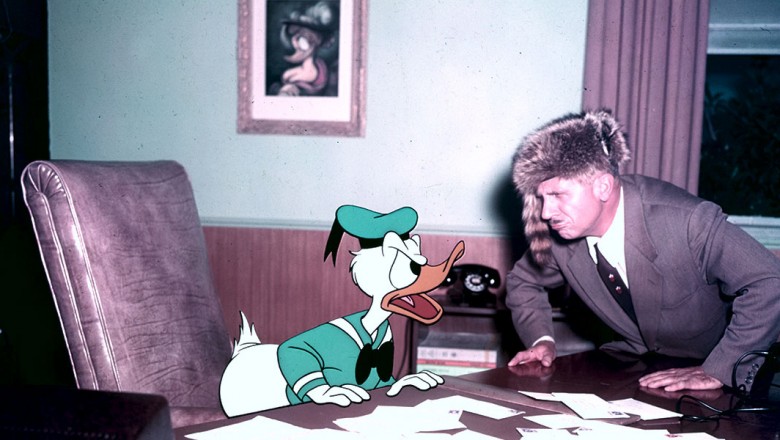
Early Life and Career: Born in the rural community of Watonga, Oklahoma where he discovered his talent for impressions by imitating barnyard animals as a child. Nash first made a name for himself in the late 1920s as an impressionist for the Los Angeles KHJ radio show, The Merrymakers. Later secured a job at the Adohr Milk Company for publicity purposes. Dubbed, “Whistlin’ Clarence, the Adohr Bird Man,” Nash rode the streets with a mini horse team and gave treats to kids and entertained them with animal impressions. In 1932, Nash and his mini horse team happened by the Disney Studios and decided to leave a copy of his Adohr publicity sheet with the receptionist. As it turned out, Disney had become familiar with Nash’s performance in The Merrymakers and had been impressed by the young man’s vocal skills and asked him to make a vocal audition. One source stated that Nash auditioned before a casting director and did a voice impression of a billy goat that he started doing as a child in Watonga. Although he did a “nervous baby goat” voice during his vaudeville stint that was based on his childhood pet Mary. The casting director then allegedly reached for the intercom and told Walt, “I think we have found our duck.” A more likely version stated that Nash went through several of his voices and Walt Disney just happened to be around when he began doing impressions of a duck family. Disney then declared him to be perfect for the talking duck role in the animated short, The Wise Little Hen. This would be the first cartoon of Donald Duck, whom he’d voice for 51 years and in over 120 shorts and films as well as in promos, commercials, and other miscellaneous material.
Movies and Cartoons: Pinocchio (1940), Bambi (1942), The Three Caballeros (1944), Song of the South (1946), Fun and Fancy Free (1947), The Adventures of Ichabod and Mr. Toad (1949), Cinderella (1950), Alice in Wonderland (1951), One Hundred and One Dalmatians (1961), Mickey’s Christmas Carol (1983), as well as various shorts as Figaro the Cat, Donald Duck, his nephews, and his girlfriend (but his iteration of her didn’t last long).
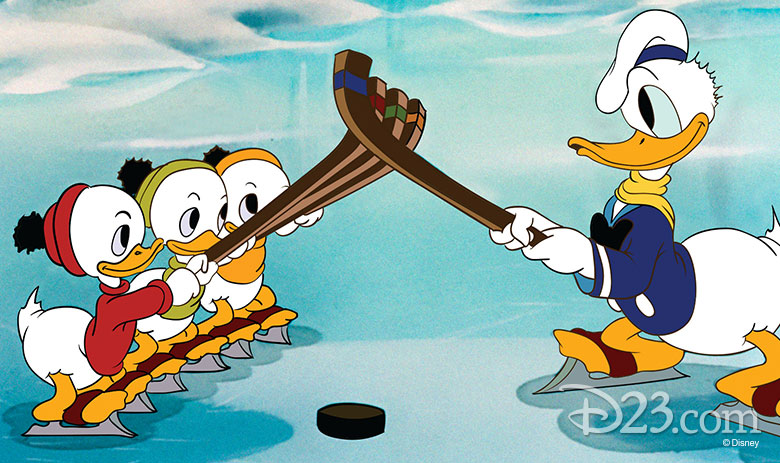
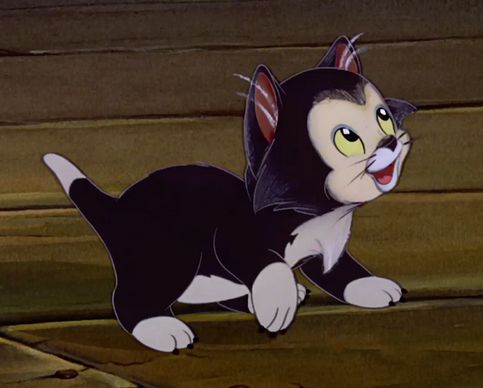
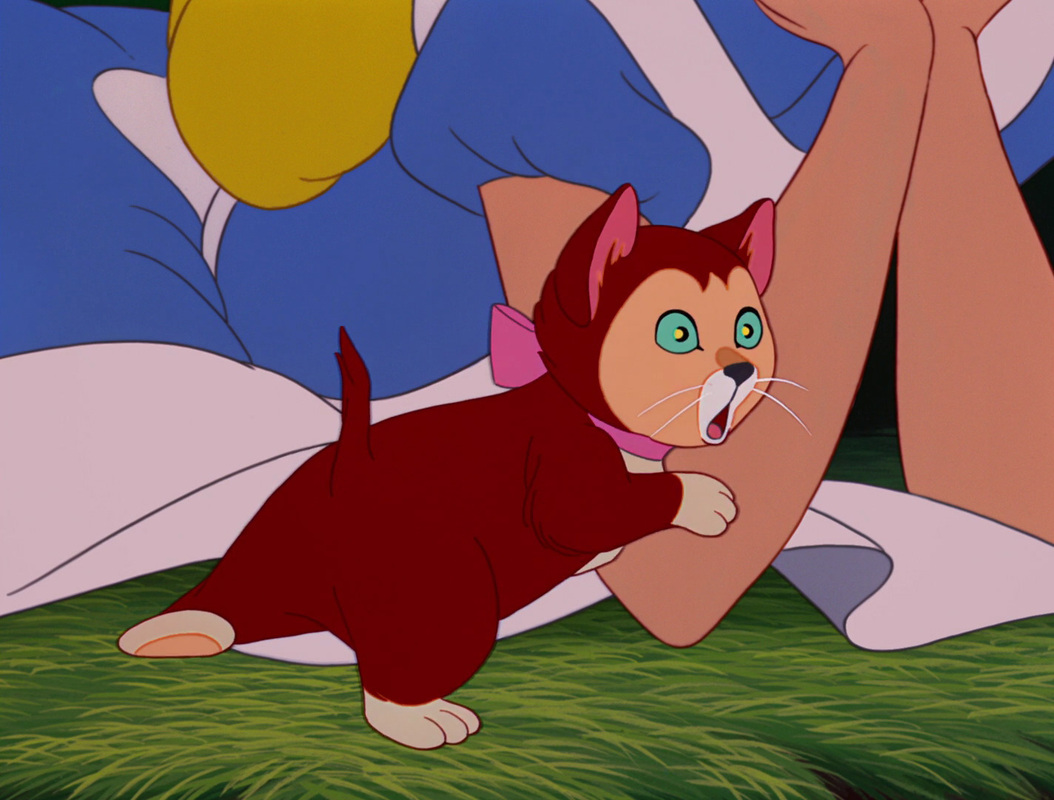
Characters: Donald Duck, Figaro the Cat, Rough House Statue, Mr. Bluebird, Dinah, Ichabod’s horse and cat, Huey, Dewey, and Louie, Daisy Duck, as well as various animal sounds. Also voiced Jiminy Cricket for a time after Edwards’ death in 1971.
Also Known For: Supplied sounds in the Tiki Room at Disneyland. Also played Gracie Allen’s duck in the Burns and Allen radio show but he was only allowed to quack for that.
Personal Life: Married a woman named Margaret Seamans in 1930, to whom he’d be with for over 50 years. Had two daughters named Kay and Peggy.
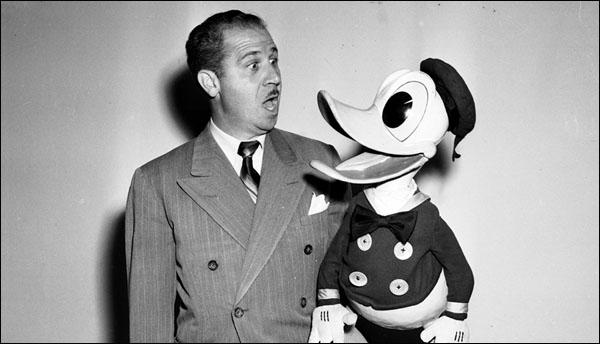
Later Life: In early 1941, Nash began traveling on Disney-sponsored tours in order to show his unique voice as Donald Duck. During World War II, he’d travel with a ventriloquist puppet of Donald as a regular performer at USO bond rallies and other events supporting the war effort. Nash also used it for a 1944 promotional re-release of Snow White and the Seven Dwarfs. To keep Donald’s voice consistent and because it’s a difficult voice to achieve by most people, Nash voiced the character in all foreign language versions with the aid of a phonetic alphabet. In the late 1970s, Nash was known for taking walks around Glendale’s Fremont Elementary School where he’d entertain children with his Donald Duck voice. As he aged, he found the harsh voice increasingly straining on his throat and so limited his public performances to groups of kids. And during recording sessions, he’d take frequent water breaks to avoid overexerting himself. In one of his final performances, his Donald Duck became the only Disney character in Mickey’s Christmas Carol to be voiced by his original actor. Died of leukemia at Burbank’s Providence Saint Joseph Medical Center at 80. Buried in LA’s San Fernando Mission Hills Cemetery in Mission Hills California.
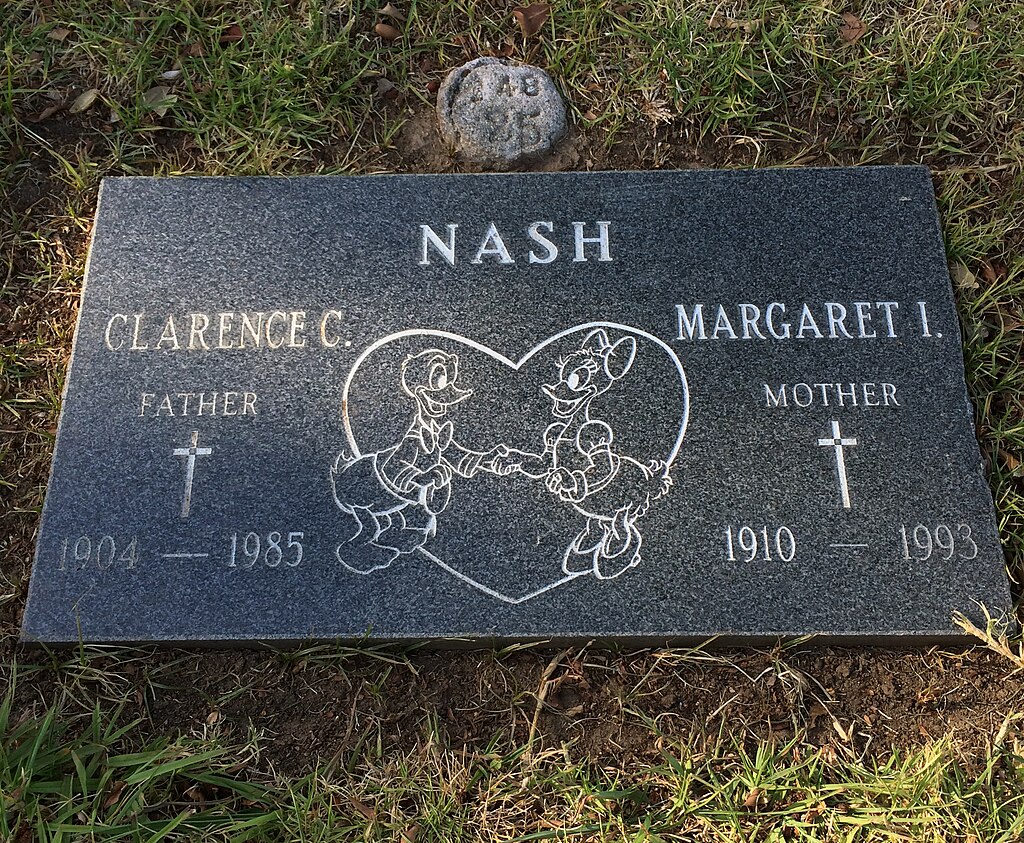
Trivia: Has a street named after him in his hometown of Watonga, Oklahoma. Became a posthumous Disney Legend in 1993 for his contributions to Disney films. Received an Inkpot Award in 1978. Tombstone he shares with his wife Margaret depicts a carving of Donald and Daisy Duck holding hands.
13. Walter Catlett
Dates: 1889-1960

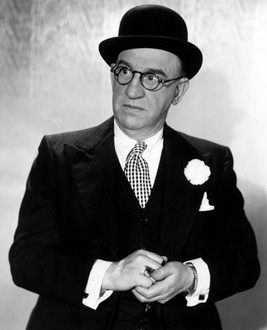
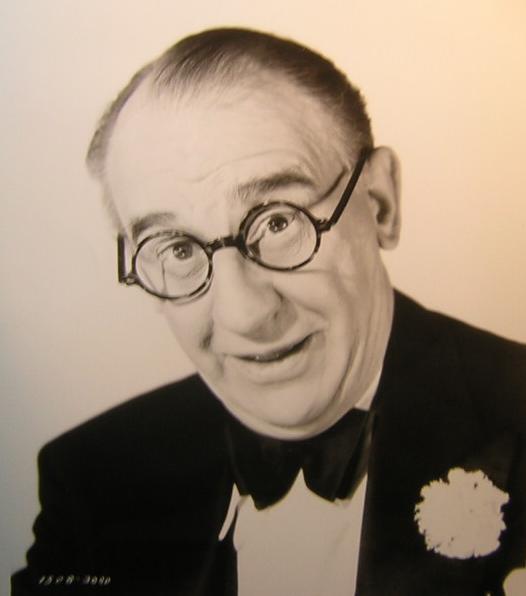
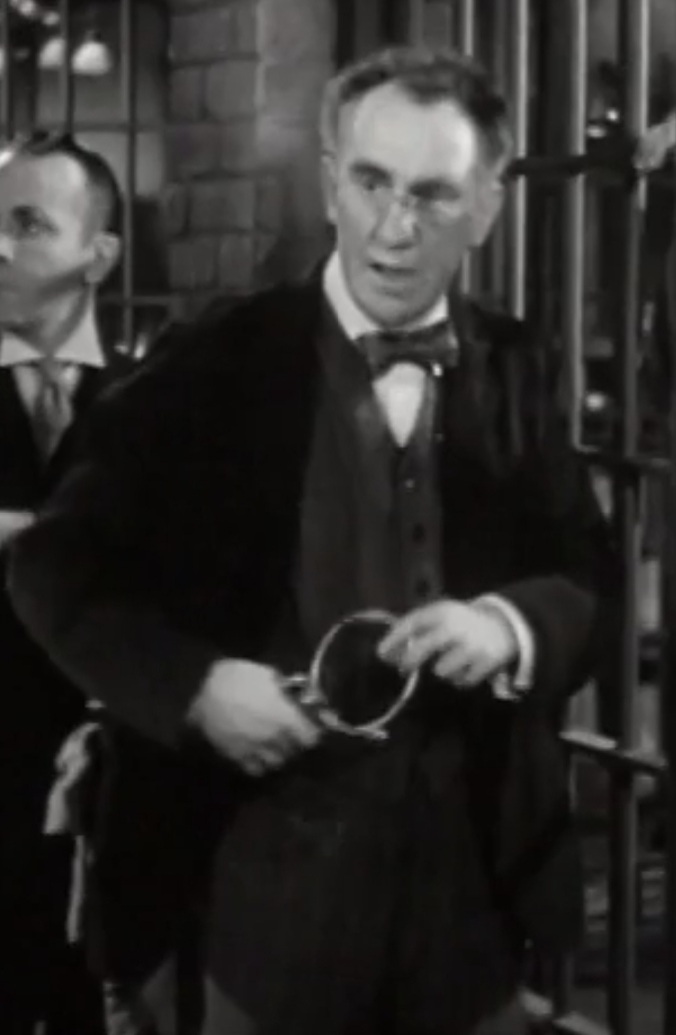
Early Life and Career: Born in San Francisco, California. Started out on vaudeville, teaming up with Hobart Cavanaugh at some point with a detour into opera before going into acting. Made his stage debut in 1906 and his first appearance on Broadway by 1916. Made his first film in 1912 but then went back to the stage and didn’t return until 1929. Because he was mainly a verbal comic actor who often appeared in operettas and musicals, including the Gershwins’ 1924 Lady Be Good. In 1918, he starred in, stage managed and rewrote a Look Pleasant musical production at the Los Angeles Majestic Theater. While his antics in his 1922 London performance in Baby Bunting had King George V laughing “uproariously.” Although he made a handful of silent films in the 1920s, Catlett’s career didn’t catch on until the advent of talkies, allowing moviegoers to experience his full comic powers. Starred in a number of 2-reeler shorts in the 1930s, mostly for RKO.
Movies and Cartoons: Pinocchio (1940)
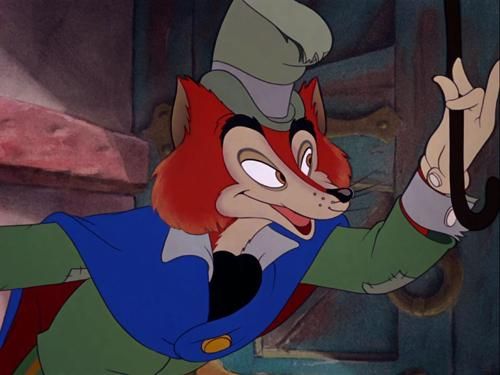
Characters: “Honest” John Worthington Foulfellow
Also Known For: Made a career as a character actor playing excitable, meddlesome, temperamental, and officious blowhards. Other famous roles include as a theater manager in Yankee Doodle Dandy, the local cop who throws the entire cast in jail in Bringing Up Baby, a drunken poet named Morrow in Mr. Deeds Goes to Town, and John Barsad in a 1935 production of A Tale of Two Cities. Appeared in over 140 films as well as did some TV work by appearing on shows like Climax, The Abbot and Costello Show, The Adventures of Huckleberry Finn and Walt Disney’s Wonderful World of Color.
Personal Life: Married 3 times. First to Zanetta Watrous from 1908 until their 1930 divorce. Second to Ruth Verney which also ended in divorce but also resulted in a child. Third was to actress Kathlene Winifred Martyn which likely lasted until his death.
Later Life: Last film was in 1957. Died of a stroke in Woodland Hills, California at 71. Buried in Culver City’s Holy Cross Cemetery.
Trivia: Said to be Katharine Hepburn’s comedy coach during Bringing Up Baby. Was inducted into the Hollywood Walk of Fame in 1960. Star is located on 1713 Vine Street.
14. Evelyn Venable
Dates: 1913-1993
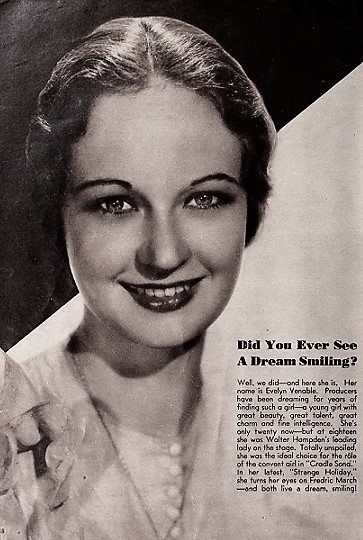
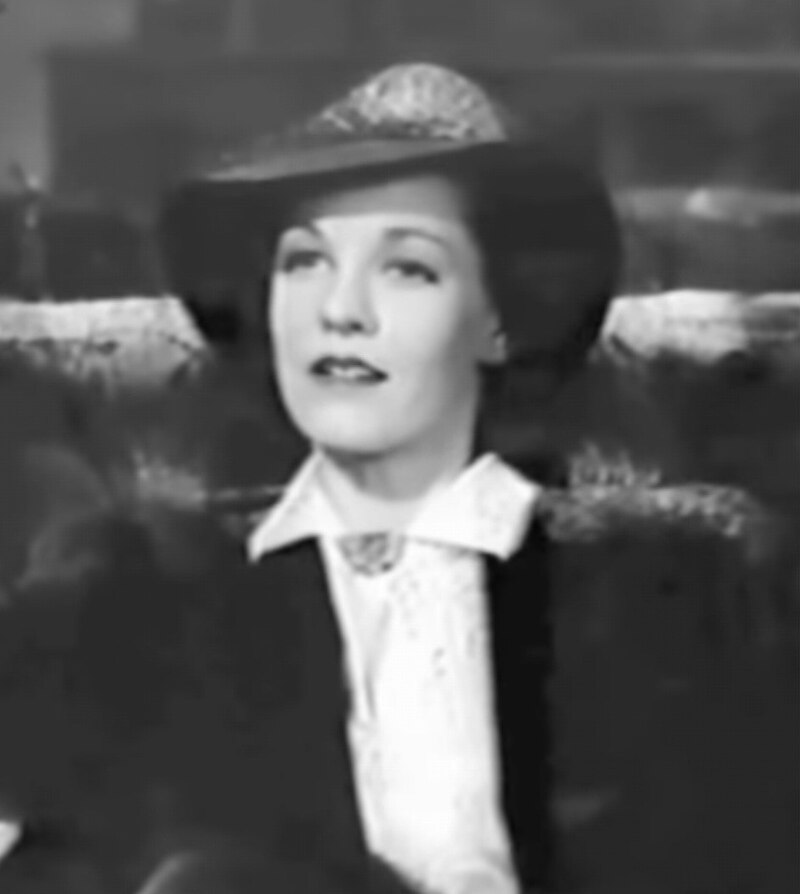
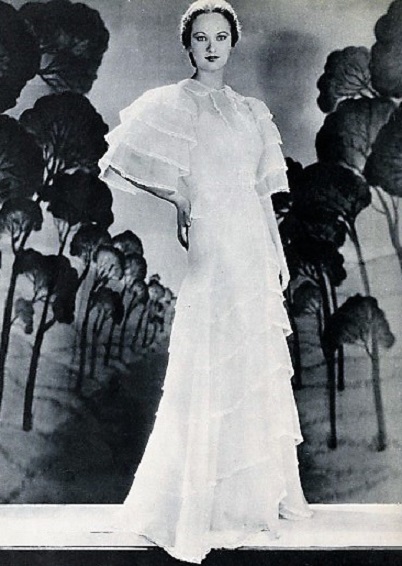
Early Life and Career: Born in Cincinnati, Ohio where she graduated from Walnut Hills High School where her dad and grandfather, the educator and author William Henry Venable taught English. And where she played in several productions sponsored by her school’s drama club. Attended Vassar College before returning to the University of Cincinnati as well as performed in Walter Hampden’s touring productions. During a performance in Los Angeles, she was recognized and offered several film contracts. After turning down several, she signed on to Paramount with a contract stipulating that she didn’t have to cut her hair, pose for leg art, or perform bit parts. Although her lack of kissing scenes in her most memorable films gave rise to the story that her dad forbade her from engaging in them, this story is false. But the contract terms led her to play leads and second leads in a series of films in the 1930s.
Movies and Cartoons: Pinocchio (1940)
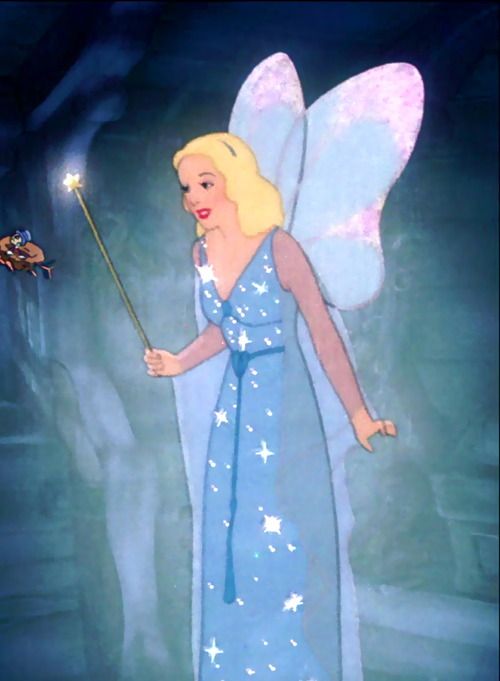
Characters: The Blue Fairy
Also Known For: Outside Disney, she’s best known for playing Grazia in the 1934 Death Takes a Holiday. Acted in around 2 dozen films during the 1930s and 1940s. Not to mention was suggested to be among a number of women to serve as a model for the personification of Columbia in the Columbia Pictures logo that was used from 1936 to 1976. But the studio never confirmed this and it’s likely false since she worked for Paramount.
Personal Life: Met her husband cinematographer Hal Mohr on the set of a the Will Rogers film David Harum. They argued over makeup on the first day on set, apologized to each other the next, and Mohr proposed marriage by the end of the week. But Venable insisted that they wait a year to get married so they could avoid a Hollywood divorce. Married in 1934 and remained so until Mohr’s death. Also were vegetarians and had 2 daughters named Dolores and Rosalia.
Later Life: Worked extensively for the Red Cross during World War II. In the late 1940s, Venable retired from acting, resumed her UCLA studies, and joined the university as a faculty member teaching Ancient Greek and Latin as well as organizing productions of Greek plays within the Classics department. Died of cancer in Coeur d’Alene, Idaho at 80.
Trivia: Has a star on the Hollywood Walk of Fame at 1500 Vine Street.
15. Frankie Darro
Dates: 1917-1976
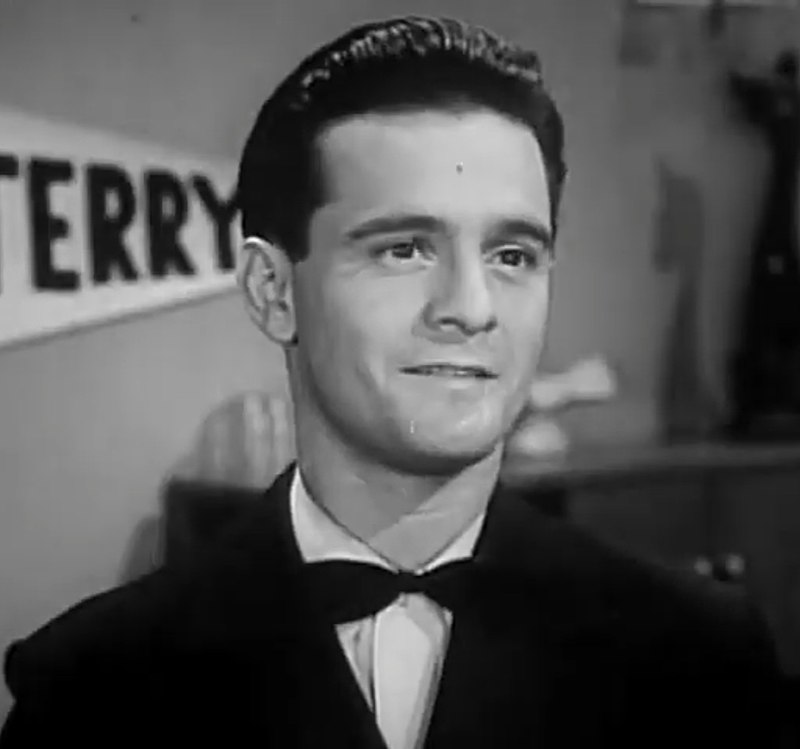
Early Life and Career: Born Frank Johnson Jr. in Chicago, Illinois. Parents were known as The Flying Johnsons, an acrobatics and tightrope walking act with the Sells Foto Circus. Trained in circus acrobatics by his father who’s said to cure the boy’s fear of heights by having him walk on the length of a tightrope wire as he gradually raised the height until he mastered the trick. Unfortunately, his parents’ circus act ended in 1922 with their divorce in California. However, since the growing film industry had use for a boy who could do his own stunts so he’d appear as Frankie Darro in his first film at the age of 6. Appeared in many silent adventure, western, and serial pictures in the 1920s.
Movies and Cartoons: Pinocchio (1940)
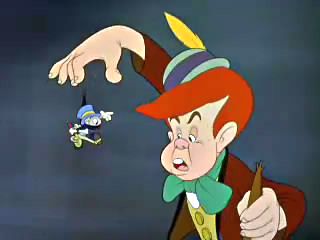
Characters: Lampwick
Also Known For: Spent most of his life as an actor, stuntman, and voice over. Film roles range from lead to character as well as in westerns, drama, comedy, and adventure. Film appearances include William A. Wellman’s 1931 The Public Enemy, Mervyn LeRoy’s Three on a Match, Wild Boys on the Road, A Day at the Races, and Operation Petticoat. Was usually cast as a pint-sized tough guy but also played wholesome leads in mysteries and comedies. Was considered to be the best juvenile actor in Hollywood during the 1930s, sometimes earning as much as $5,000 a week for Burn Em’ Up Barnes. As he got older, his height of 5’3” basically limited him to the roles of jockeys and teenagers until the late 1940s. Joined Monogram Pictures in 1938 where he performed in action melodramas and had a successful series that served as haven for other actors whose own series had been discontinued. After World War II, he’d perform in a couple series such as the Bowery Boys and The Teen Agers. After his last film as lead in 1949, he’d play smaller roles and did stunt work for other actors. Most famous movie aside from Pinocchio was the 1956 Forbidden Planet in which he played Robbie the Robot. Or one of the actors because he got fired for going on a lunchtime bender. During the 1960s, he’d play a series of small parts on television.
Personal Life: Married 3 times. First to actress Aloha Wray from 1939 until their 1943 divorce. Second to Betty Marie Morrow from 1943 to their 1951 divorce which produced a child. Third was to Dorathy Carroll from 1951 to his death which also produced a child.
Later Life: Served in the US Navy Hospital Corps during World War II where he contracted malaria during his enlistment in the Pacific. His recurring malaria symptoms caused him to increase his alcohol intake for pain management which affected his career. As his TV roles dried up, Darro opened his own bar called “Try Later” after a response he received when asking for work at Central Casting. Yet, this new occupation proved unwise given his heavy drinking. Made last film in 1959. Died on Christmas in 1976 from a heart attack in Huntington Beach, California at 59.
Trivia: Was cinema’s first teenage action hero.
16. Thurl Ravenscroft
Dates: 1914-2005
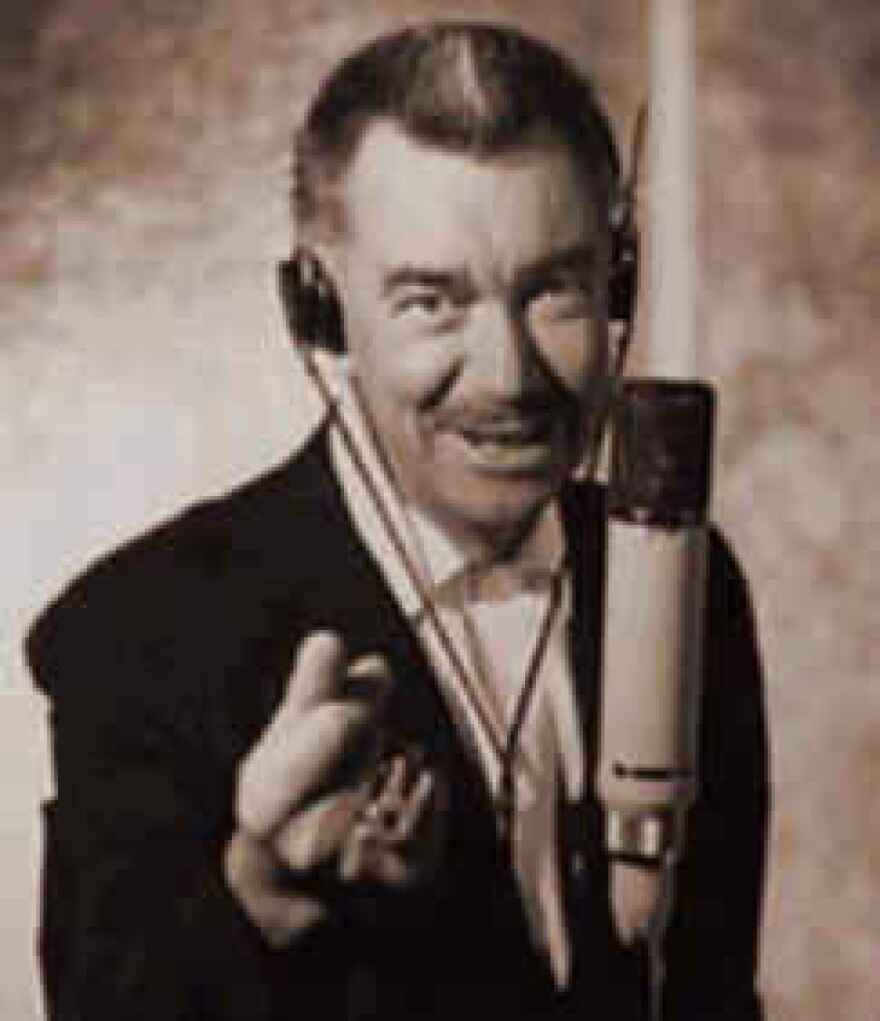
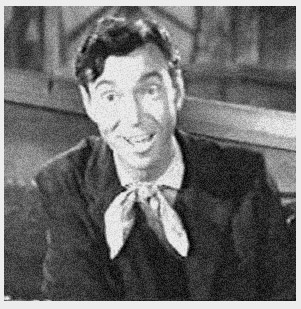
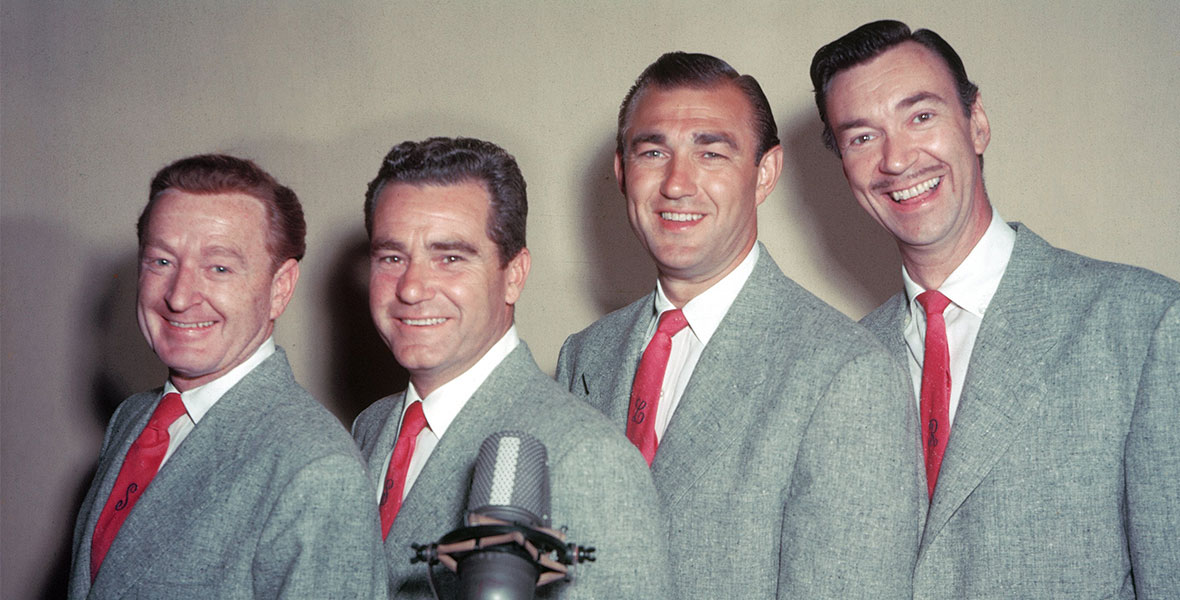
Early Life and Career: Born in Norfolk, Nebraska. Left for California in 1933 to study at the Otis Art Institute. In 1939, he joined a singing group formed by tenor Bill Days called the Sportsmen, serving as backup vocalists to singer Marie Greene on the Okeh label. Later billed as the Four Merry Men, they appeared in 3-minute musical films produced in 1941 by the Featurettes Company for coin-operated jukeboxes. That same year, they left for the more successful Soundies Company and made more jukebox musicals as well as radio and nightclubs as The Four Sportsmen. In 1942, Ravenscroft left The Four Sportsmen to serve in the armed forces during World War II where he was a keeper navigator contracted to US Transport Command and spent 5 years flying courier missions across the Atlantic. Bob Hope and Winston Churchill were among his most famous passengers. When he returned from the service, he found himself replaced in his old group that he decided to form his own quartet called the Mellomen who contributed to various Disney movies as well as some doo-wop records.
Movies and Cartoons: Pinocchio (1940), Dumbo (1941), Saludos Amigos (1942), Melody Time (1948), Alice in Wonderland (1951), Peter Pan (1953), Lady and the Tramp (1955), Sleeping Beauty (1959), One Hundred and One Dalmatians (1961), The Sword in the Stone (1963), Mary Poppins (1964), The Jungle Book (1967), The Many Adventures of Winnie the Pooh (1977), The Aristocats (1970), Bedknobs and Broomsticks (1971) as well as various shorts, serials, records, and TV appearances. Did voice work for various Disneyland and Disney World attractions such as The Haunted Mansion, Country Bear Jamboree, Mark Twain Riverboat, Pirates of the Caribbean, Disneyland Railroad, and Walt Disney’s Enchanted Tiki Room
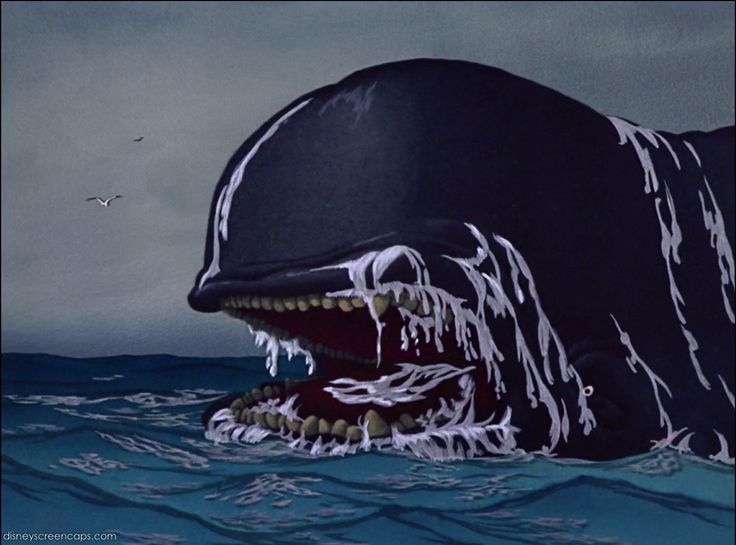
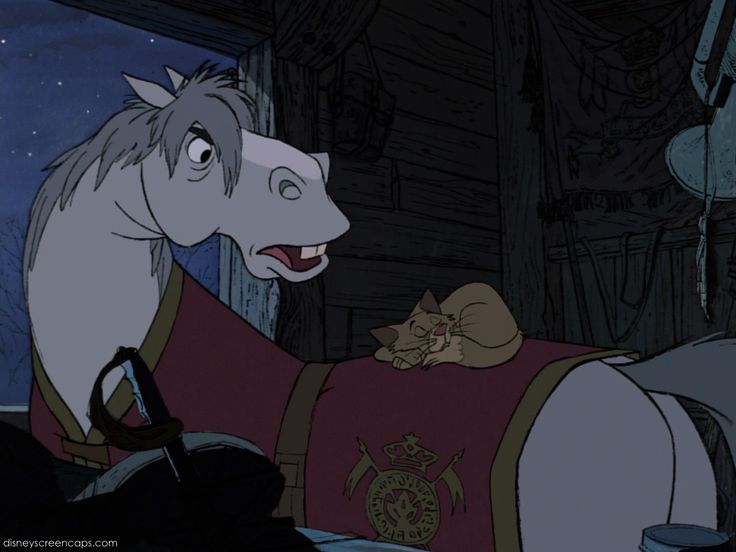
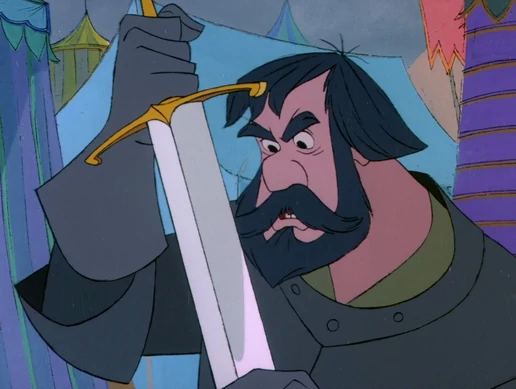
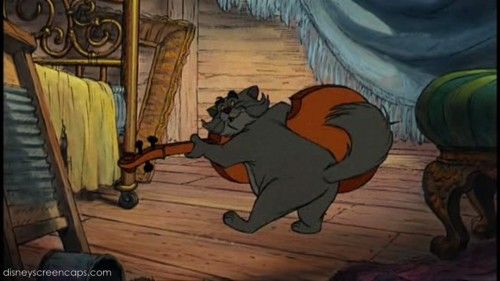
Characters: Monstro, Card Painter, Al the Alligator, Singing Pound Dogs, Captain the Horse, Sir Bart, and Billy Boss as well as part of ensembles with his fellow Mellomen members.
Also Known For: Was also a bass singer and original vocalist for the songs, “You’re a Mean One, Mr. Grinch” and “No Dogs Allowed,” as well as a founding member of the Mellomen. Also was the original voice for Tony the Tiger and Geoffrey the Giraffe. Outside Disney, he did work for various Dr. Seuss cartoons, playing Thing One in The Cat and the Hat and a Wickersham Brother in Horton Hears a Who. But like he did in How the Grinch Stole Christmas, he was mostly hired as a singer. Performed in the “South American Getaway” song from Butch Cassidy and the Sundance Kid. Voiced Kirby in The Brave Little Toaster series. Sang bass backup vocals for various artists such as Rosemary Clooney, Ken Clark, the DeCastro Sisters, the Johnny Mann Singers, the Andrews Sisters, Bobby Vee, and Spike Jones. Also sang with various record companies, often in duets with little known female singers their attempts to turn him into a pop star. But did Ravenscroft really need to be a pop singer? No, he didn’t.
Personal Life: Was a devout Christian and even recorded a Christian album. Married June Seamans in 1946 and had 2 children. They remained married until her death in 1999. Died at his home from prostate cancer in 2005 at 91. Buried in the Memorial Gardens at the Crystal Cathedral in Garden Grove, California. Kellogg’s ran an advertisement commemorating him with the headline, “Behind every great character is an even greater man.”
Later Life: Continued voice acting and singing until his death. During the 1980s and 1990s as the narrator for the annual Pageant Masters art show at the Laguna Beach Festival of the Arts.
Trivia: Appeared as Darth Vader on the Donnie & Marie variety show Star Wars segment. Was named a Disney Legend in 1995. Received the Winsor McCay Award for lifetime achievement during the 2004 Annie Awards.
17. Edward Brophy
Dates: 1895-1960
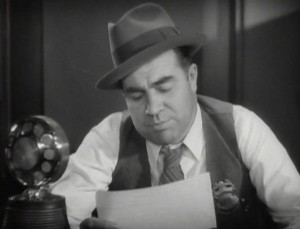
Early Life and Career: Born in New York City and attended the University of Virginia. First film appearance was in 1920 but his breakthrough performance came with The Camerman in 1928 where he was originally hired as production manager at MGM. But Keaton hired him to play in front of the camera after the original actor failed to show up. Although he only appeared in one brief scene in the whole film, it was enough to attract attention for bigger and better roles. Mainly as some streetwise character from Brooklyn which got him cast as the mouse in Dumbo.
Movies and Cartoons: Dumbo (1941)
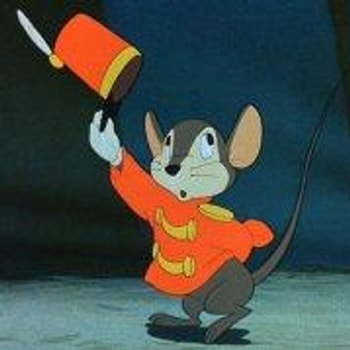
Characters: Timothy Q. Mouse
Also Known For: Was the fat guy in the bath house sequence in which he and Buster Keaton get their swimsuits mixed up while sharing a tiny changing room in The Cameraman. Specialized as a Brooklyn-accented, streetwise character, often portraying cops and gangsters. During the 1930s, he’d play comic foils in some Keaton features, the loyal fight manager in The Champ, a circus proprietor in Freaks, and as a hired gun in The Thin Man. Most of these roles were in lighter fare and was rarely called upon for taking a dramatic turn. Another role he’s famous for is playing the sidekick to The Falcon film series. Also, appeared in several John Ford films as well.
Personal Life: Married Norma Talmage’s secretary named Anne Slater in 1925 and remained with her until his death.
Later Life: Enjoyed steady work throughout the 1940s and 1950s. Died of a heart attack in Pacific Palisades, California during a production of Two Rode Together in 1960 at 65. One source said he died while watching boxing on TV.
Trivia: Was the inspiration for Doiby Dickles, the Green Lantern’s cab driving sidekick in the 1940s comic books. Him and his wife were godparents to one of Buster Keaton’s sons. Buried in Woodlawn Cemetery in Santa Monica, California.
18. Verna Felton
Dates: 1890-1966
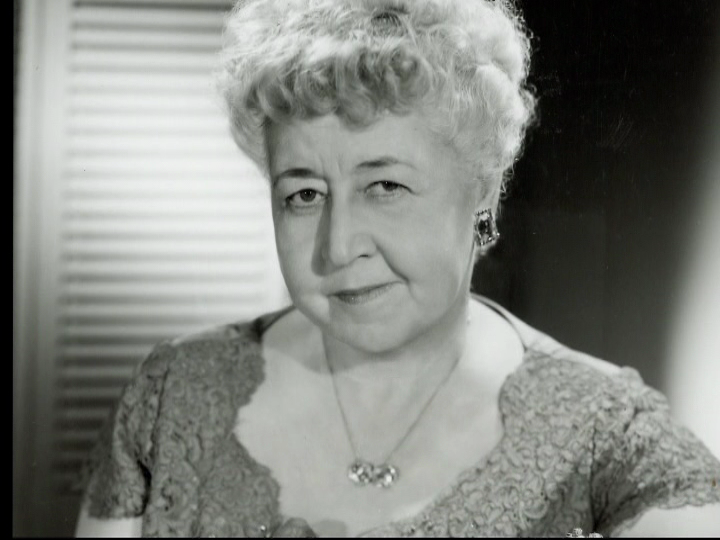
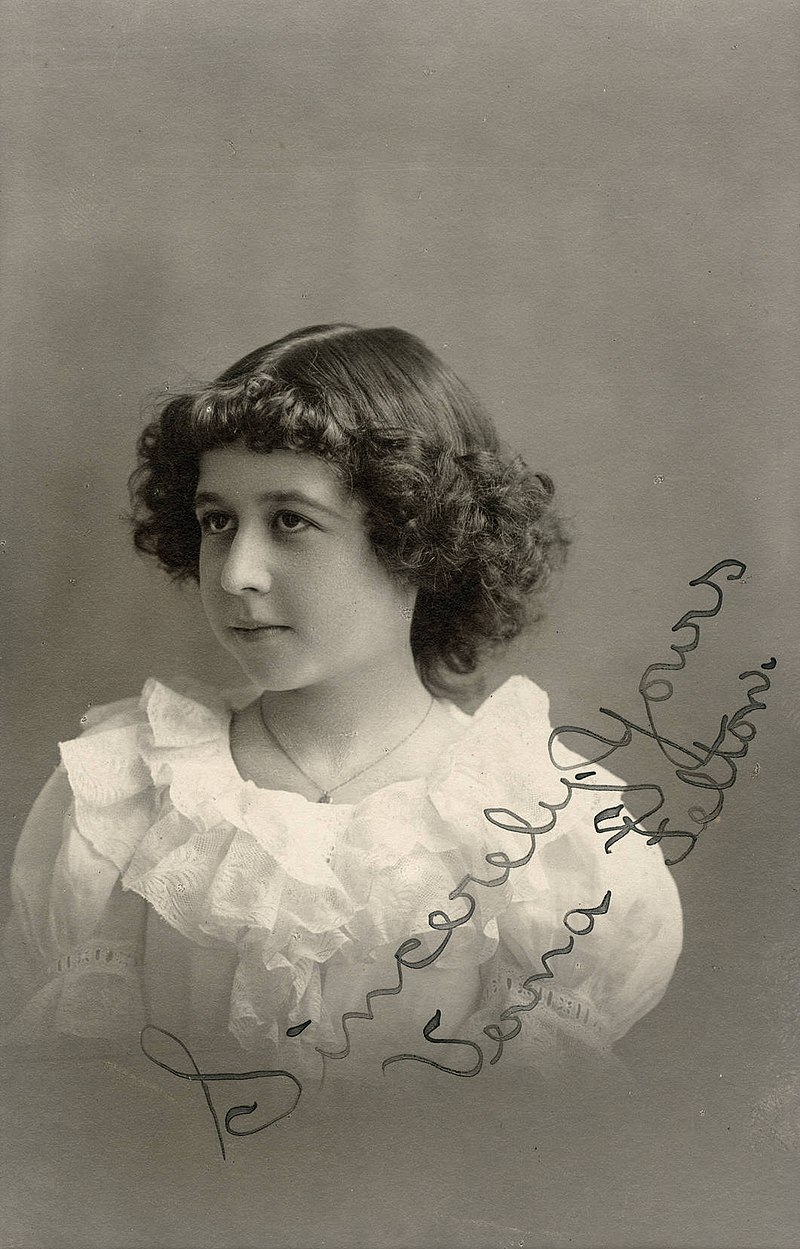
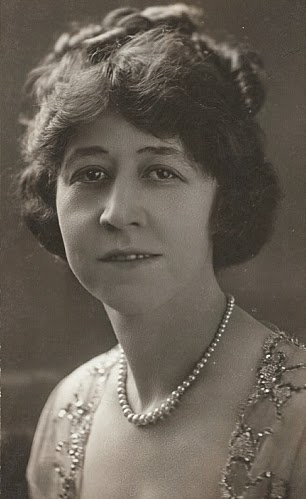
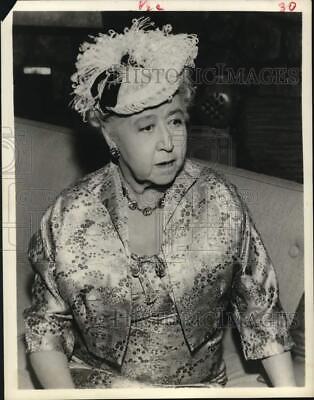
Early Life and Career: Born in Salinas, California. Father was a doctor with a large practice in San Jose who died before Felton reached her ninth birthday. Things became worse when her mom looked over her husband’s accounts and discovered that he had no records of payments for patients’ treatments and no cash in the office. Thus, leaving his family flat broke. Fortunately shortly before her dad kicked it, Verna had performed in a local benefit to raise money for Galveston Flood victims. Her singing and dancing had attracted attention from a local roadshow manager who spoke to the girl’s mom and offered her a job. And since Dr. Felton’s passing put her family, Felton’s mother let her go. In 1900, she was billed in a newspaper ad for San Francisco’s Fischer’s Concert House as “Little Verna Felton, the Child Wonder.” By 1903, Felton had joined the Allen Stock Company which toured the US West Coast and performed in Canada’s British Columbia. By 1907, she had been playing leads and had a play written for her in 1910. In the late 1920s, Felton acted in stage plays at Vancouver’s Empress Theater, often playing leads in Goldfish, Stella Dallas, and The Second Mrs. Tanqueray. While it’s said that her future husband Lee Millar Sr. directed the band during these performances. First film was in 1917.
Movies and Cartoons: Dumbo (1941), Cinderella (1950), Alice in Wonderland (1951), Lady and the Tramp (1955), Sleeping Beauty (1959), and The Jungle Book (1967)
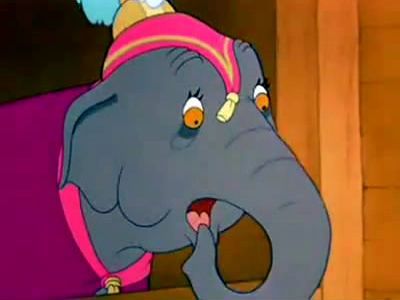
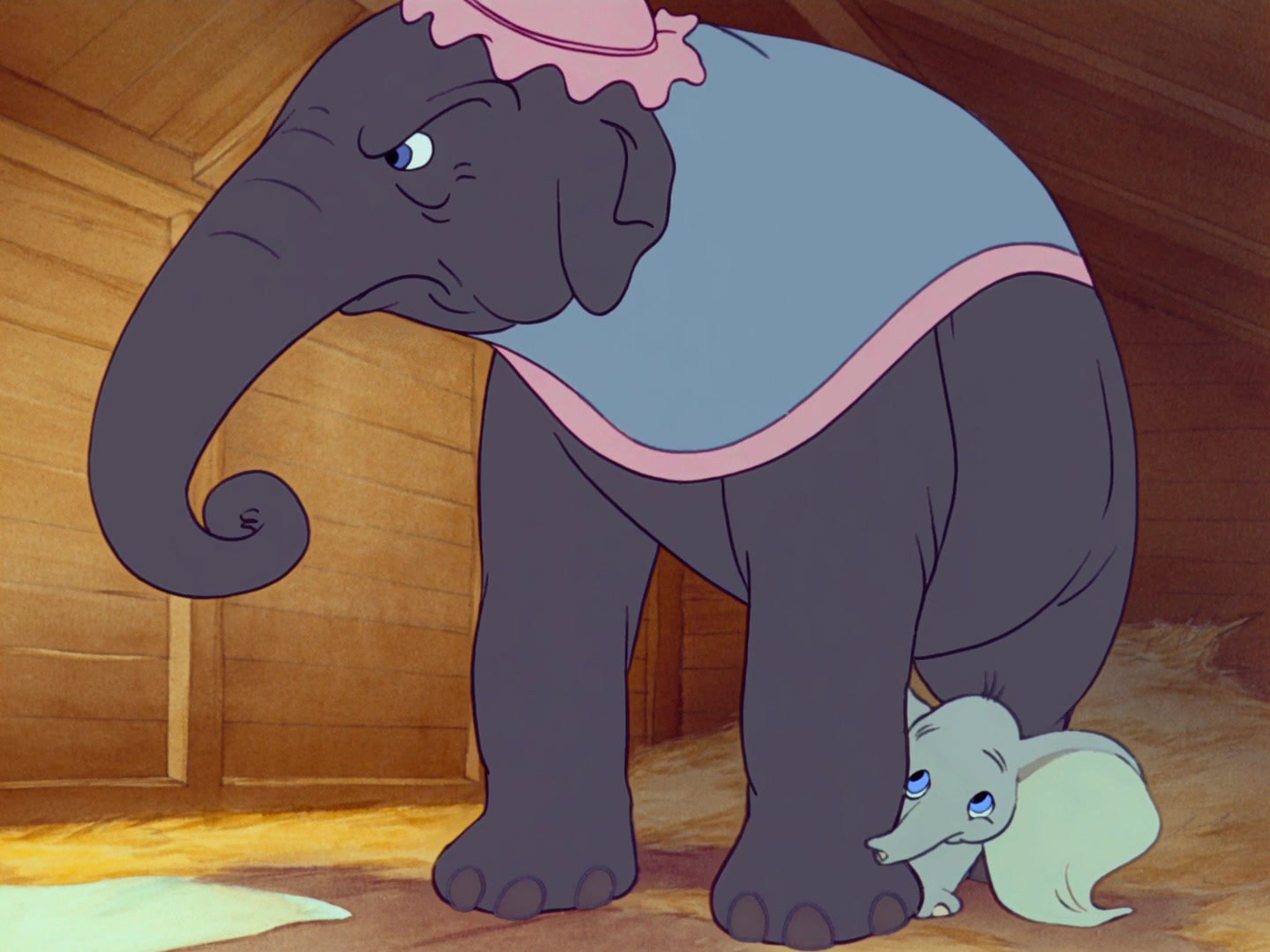
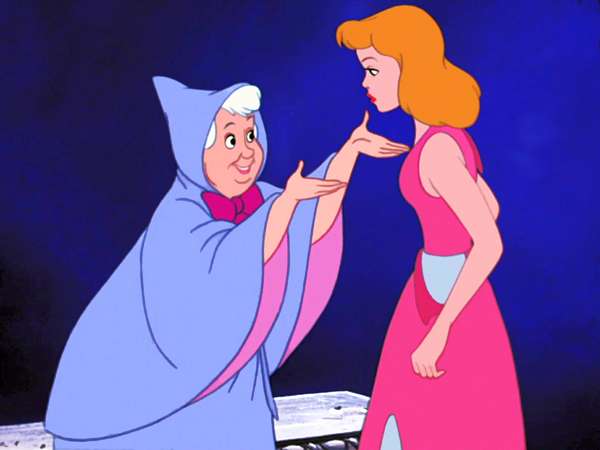
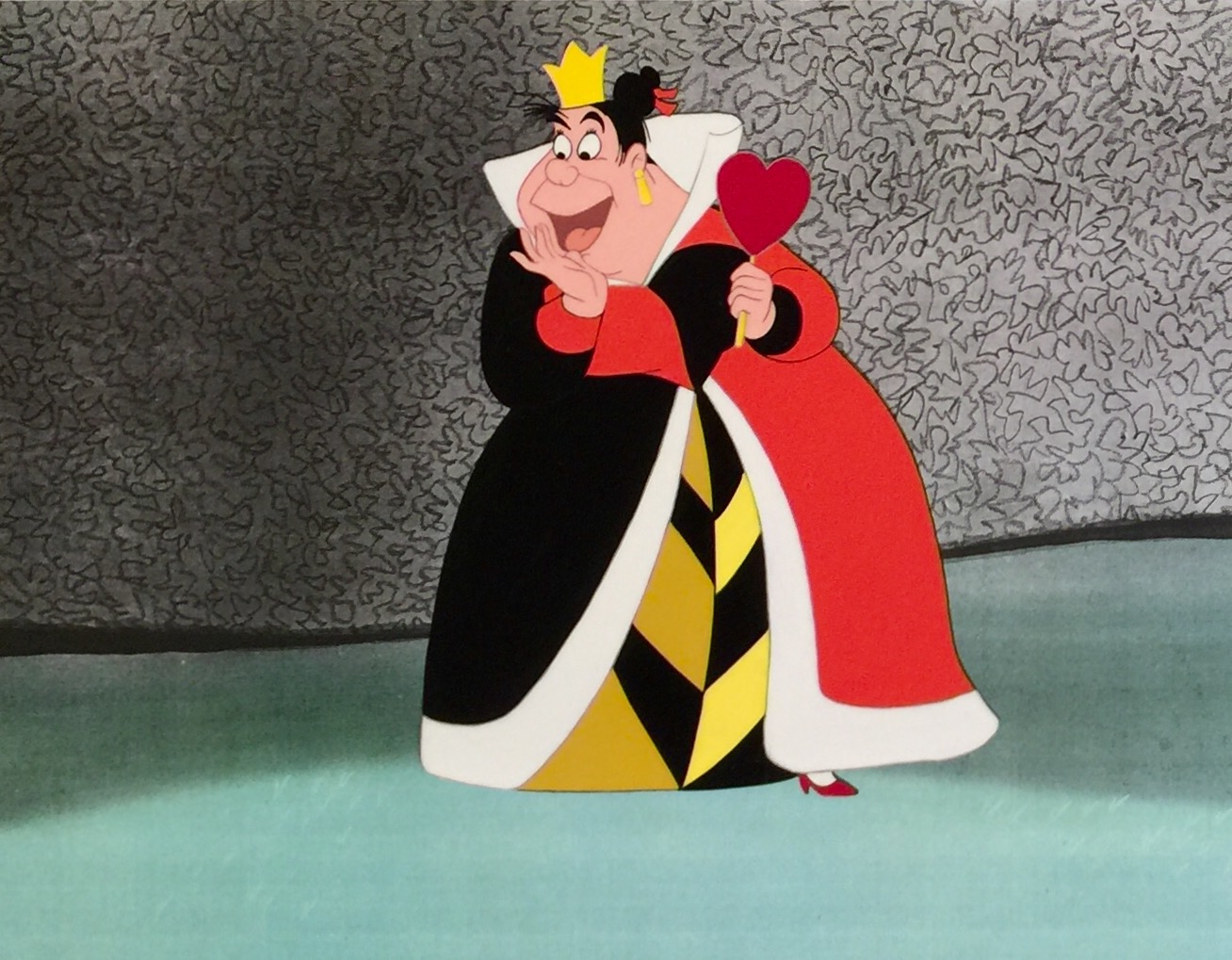
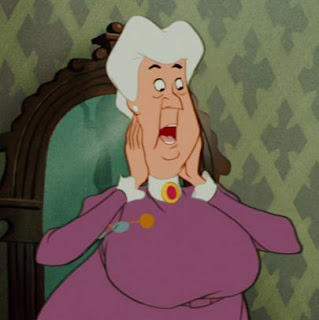
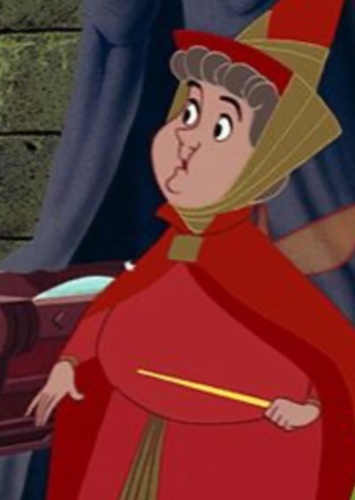
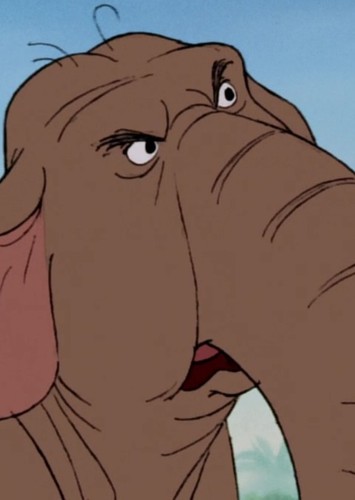
Characters: Elephant Matriarch, Mrs. Jumbo, the Fairy Godmother, the Queen of Hearts, Aunt Sarah, Flora, and Winifred.
Also Known For: Provided the voice of Wilma’s mother Pearl Slaghoople in The Flintstones as well as played Mrs. Day on The Jack Benny Program and Hilda Crocker on December Bride as well as its spin-off Pete and Gladys. The latter role which earned her 2 Emmy nominations for Best Supporting Actress. Also made guest appearances on various shows such as I Love Lucy, The George Burns and Gracie Allen Show, and Dennis the Menace. Had a prolific radio career from the 1930s to 1950s playing in virtually anything. Her radio characters were known for their husky voices and no-nonsense attitudes. Although despite having a warm motherly voice, she often played bombastic and snooty women. In addition to her work and TV, Felton was a noted character actress during the 1940s and 1950s. Notable fil appearances include Picnic, Don’t Bother to Knock, and The Gunfighter.
Personal Life: Married Lee Carson Millar Sr. in 1923. Marriage lasted until his death in 1941 and produced a son named Lee Carson Millar Jr. The younger Millar also became an actor as well.
Later Life: As an in demand character actress in both radio and TV, she was a “go-to” Disney actress from her Disney debut in Dumbo up to her death. In fact, during her time, only Sterling Holloway had a more prominent career at Disney than she did. And while most actresses’ careers usually peak and fade early, Felton’s later career was a notable exception. Especially when advances in technology let her to branch out into radio, film, and television. Even if she never got to play leads like she did in her stage career. Last movie was The Jungle Book. Died at her Los Angeles home of a stroke in 1966 at 76, a day before Walt Disney.
Trivia: Served as Honorary Mayor of North Hollywood for several years. Has a star on the Hollywood Walk of Fame.
19. Sterling Holloway
Dates: 1905-1992
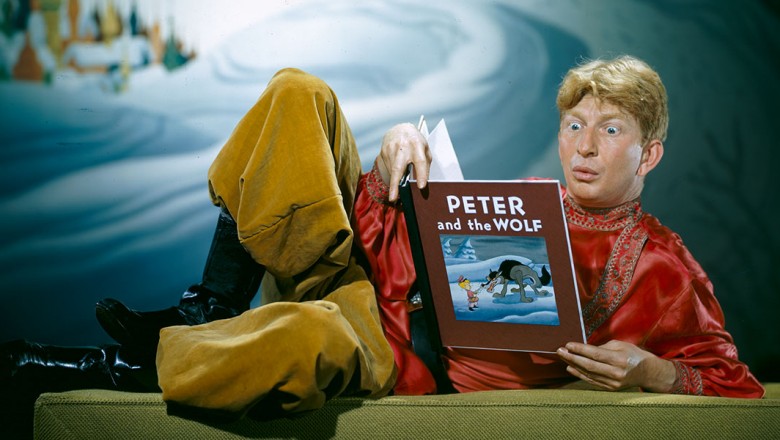
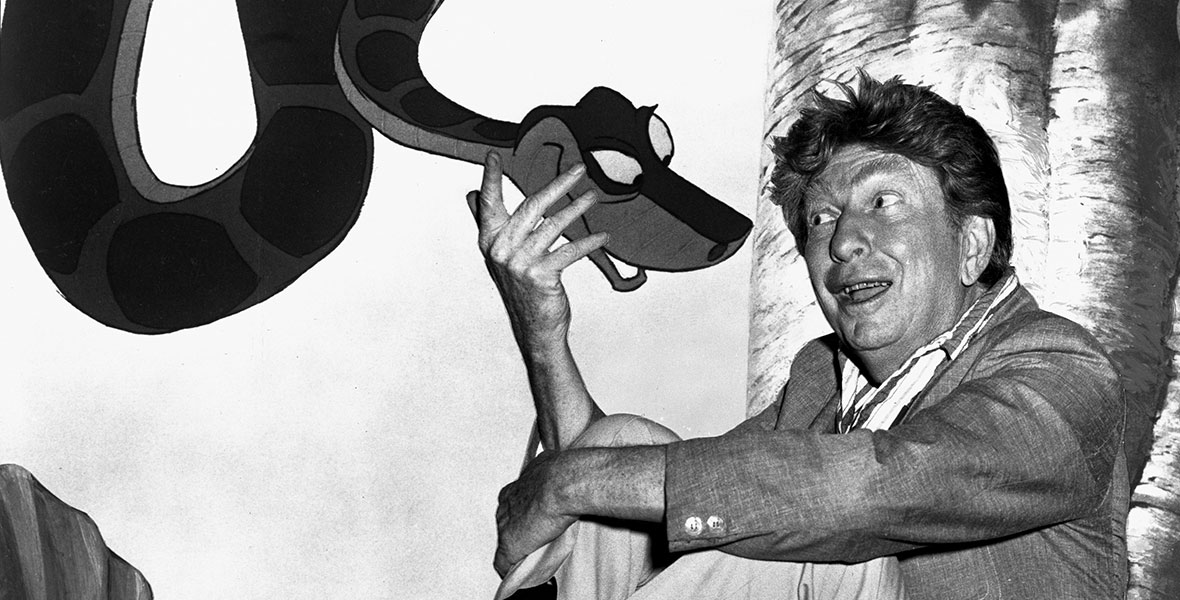
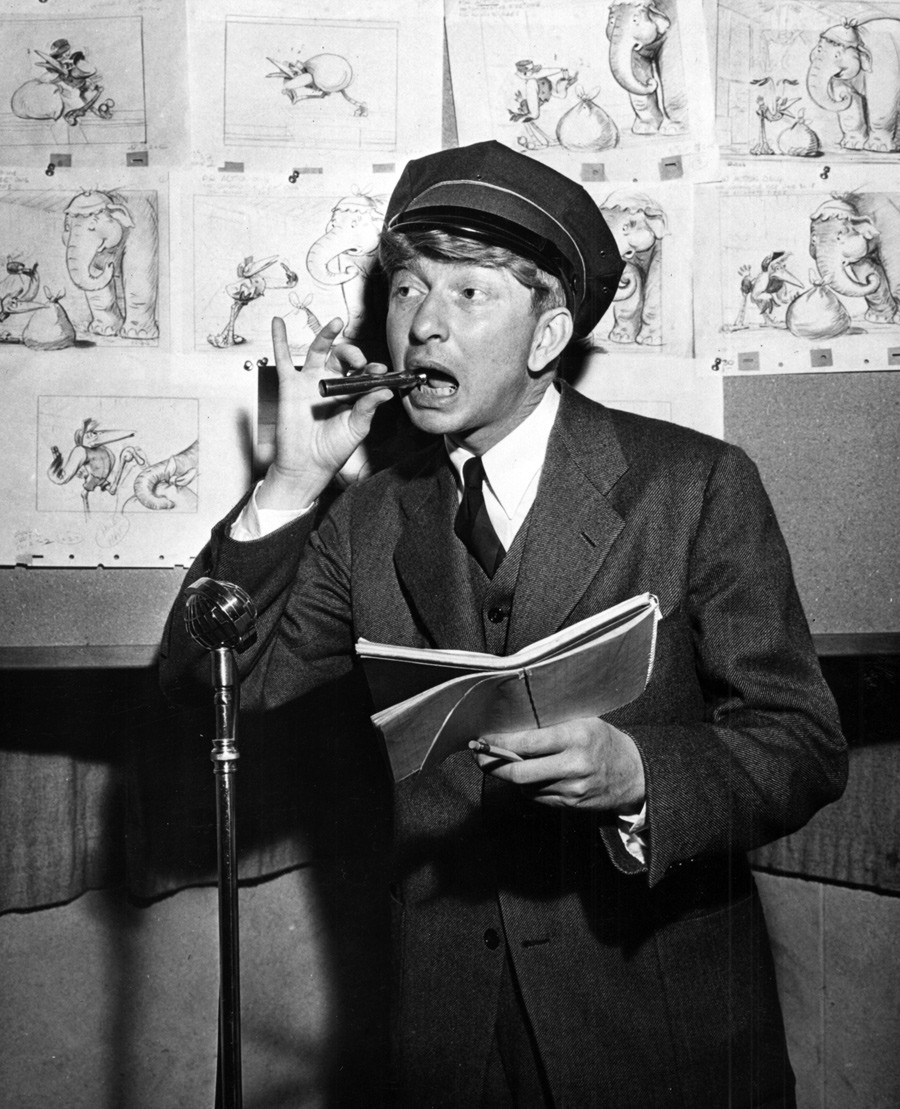
Early Life and Career: Born in Cedartown, Georgia where his family owned a grocery store and his father served as mayor in 1912. Graduated from the Georgia Military Academy at only 15 in 1920 and moved to New York City to attend the American Academy of Dramatic Arts. In his late teens, Holloway toured with The Shepherd of the Hills stock company, performing one-nighters across the American West. He then returned to New York where he appeared on small walk-on parts from the Theater Guild and a Rogers and Hart revue The Garrick Gaieties during the mid-1920s. Moved to Hollywood in 1926 and appeared in his first film.
Movies and Cartoons: Dumbo (1941), Bambi (1942), The Three Caballeros (1944), Make Mine Music (1946), Alice in Wonderland (1951), Ben and Me (1953), The Jungle Book (1967), The Aristocats (1970), The Many Adventures of Winnie the Pooh (1977), and various cartoon shorts and records.
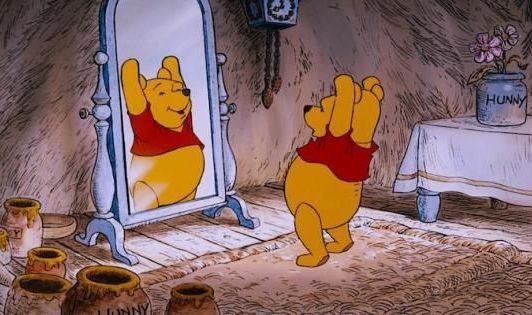
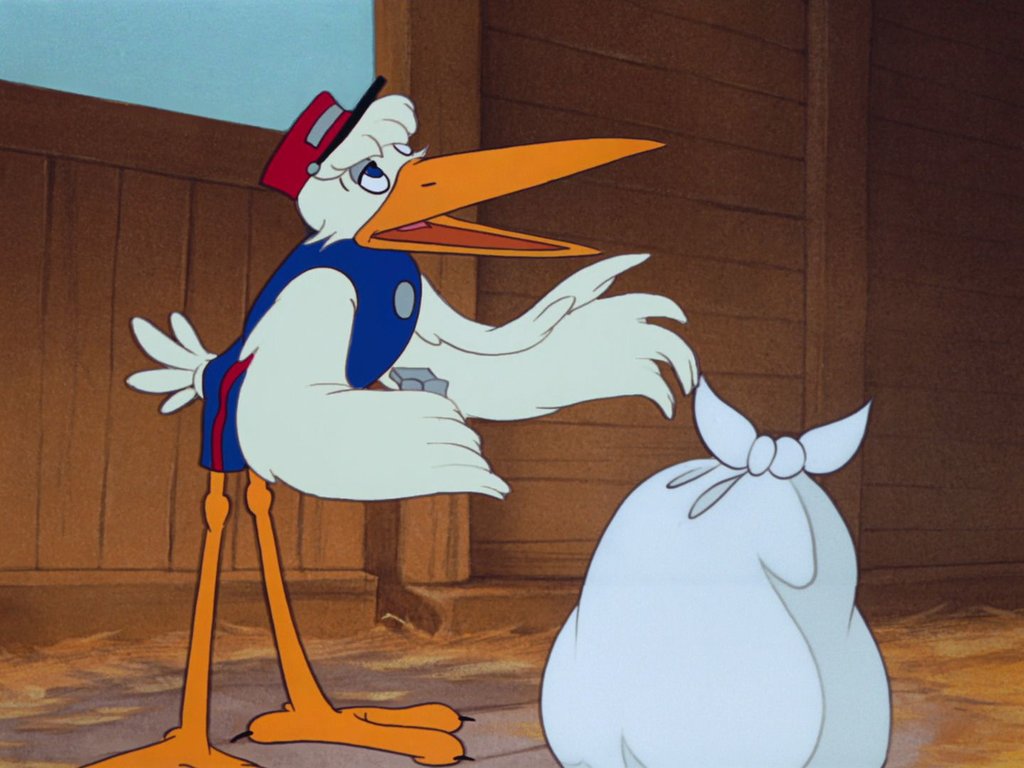
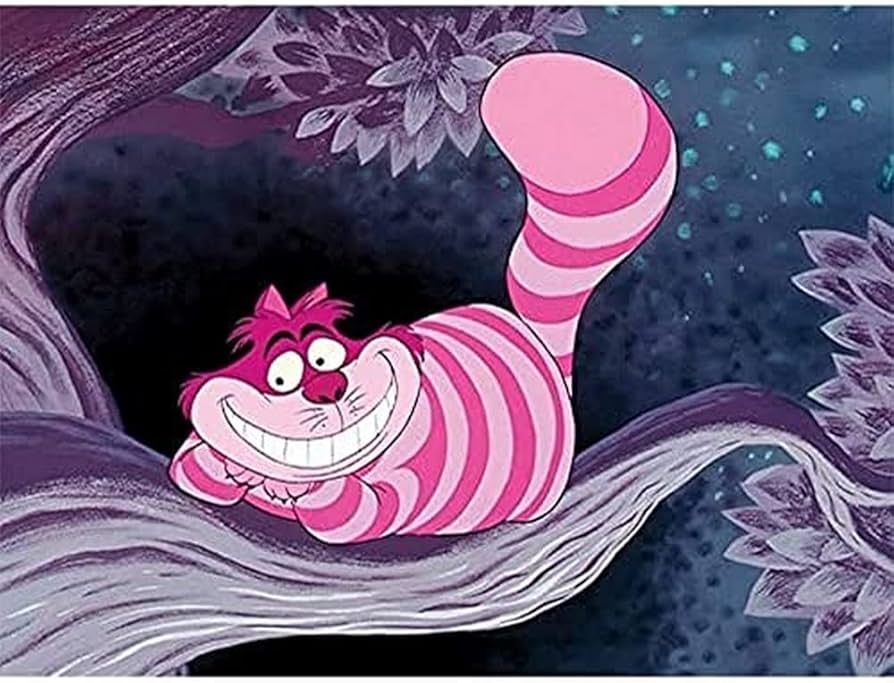
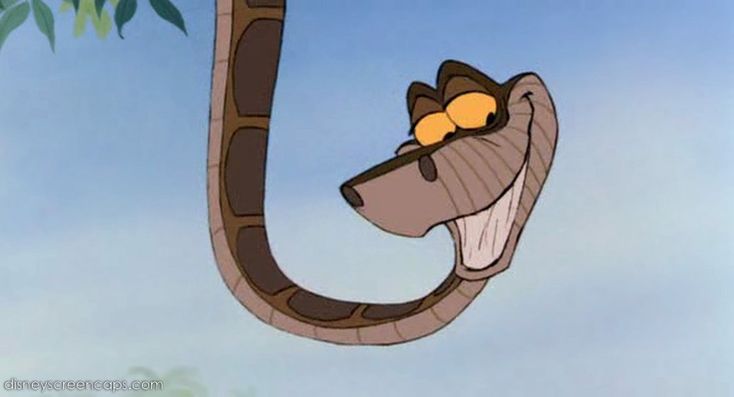
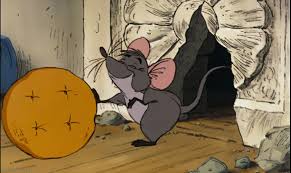
Characters: Winnie the Pooh, Mr. Stork, Adult Flower, Professor Holloway, Cheshire Cat, Amos Mouse, Kaa, and Roquefort the Mouse.
Also Known For: Character actor who appeared in over 100 films and 40 television shows over a 50-year career. Appeared in movies with stars such as Fred MacMurray, Barbara Stanwyck, Clark Gable, Lon Chaney Jr., Joan Crawford, Bing Crosby, Gene Autry, Gary Cooper, and John Carradine. With his red hair and distinctive foggy voice, he mostly appeared in comedies such as Blonde Venus and Meet John Doe. Although he played a dramatic role as a reluctant soldier in the 1945 A Walk in the Sun to good reviews. Shows he appeared on were The Adventures of Superman, The Untouchables, Pete and Gladys, The Twilight Zone, Gilligan’s Island, Peter Gunn, The Andy Griffith Show, F Troop, and Moonlighting. Was in a few live-action educational films for The Bell System Science Series. Also appeared on many radio shows The Railroad Hour, The United States Steel Hour, Suspense, Lux Radio Theater, Fibber McGee and Molly, and The Shadow. Did an ad for Purina Puppy Chow and Libby’s baked beans. Provided the voice for Woodsy Owl for the US Forest Service during the 1970s and 1980s. In addition to his work onscreen, he was also a talented singer with hits like “Manhattan” and “Mountain Greenery.”
Personal Life: Never married but adopted a boy named Richard. Was an avid art collector, supported careers of local Los Angeles artists, and built a house at Laguna Beach to serve as a gallery to display his collection. Unfortunately, his art collection was sold off piecemeal prior to his death due to his failing health.
Later Life: In 1942, Holloway enlisted in the US Army where he was assigned to Special Services. There, he developed a show called “Hey Rookie,” which ran for 9 months and raised $350,000 for the Army Relief Fund. Made last film in 1977. Last television appearance was in 1986. Although he had the chance to do more Winnie the Pooh cartoons in the 1980s, he had to decline due to failing health. Died of cardiac arrest at LA’s Good Samaritan Hospital in 1992 at 87. Was cremated and had his ashes scattered in the Pacific Ocean.
Trivia: Got the name “Sterling” from Confederate General Sterling “Pap” Price. Had a younger brother named Boothby. Was friends with Spencer Tracy whom he met in acting school. Honored as a Disney Legend in 1991. Auditioned for the role of Garfield but lost to Lorenzo Music. Was also considered for the voice of Sleepy but lost to Pinto Colvig. Was said to turn down an MGM contract with Louis B. Mayer because he didn’t want to be a star (but became a star anyway). Has a street named after him in his hometown of Cedartown, Georgia.
20. Hall Johnson
Dates: 1888-1970
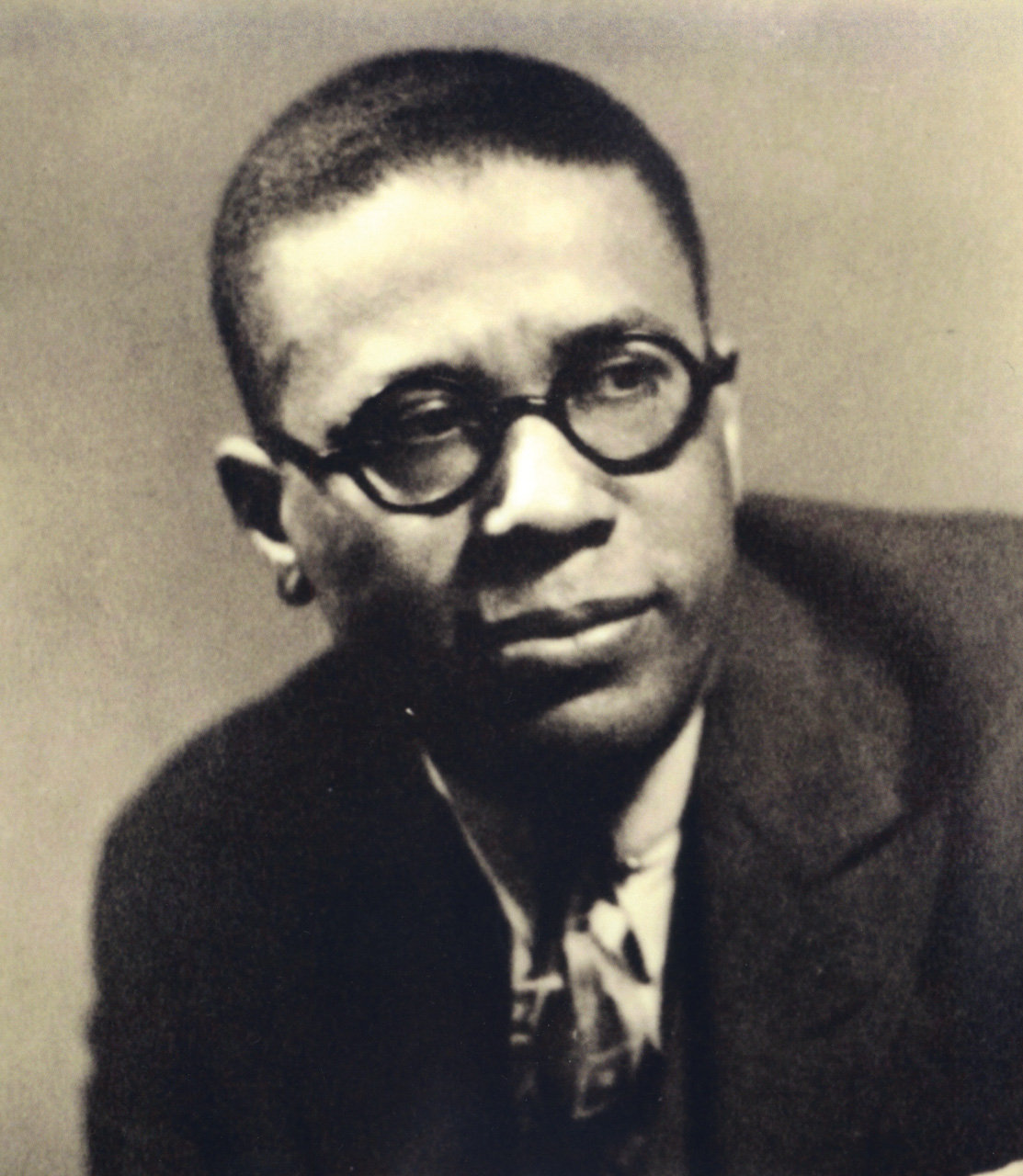
Early Life and Career: Born Francis Hall Johnson in Athens, Georgia as the fourth of 6 children. Parents were former slaves. Father was a bishop of the AME Church. Was taught piano by his older sister. Taught himself to play violin after hearing a violin recital by Joseph Henry Douglass, grandson of the great Frederick Douglass. Attended the private all-black Knox Institute. Earned a degree from Allen University in Columbia, South Carolina. Also attended Atlanta University, the Juilliard School, Hahn School of Music, and the University of Pennsylvania. Debuted as a professional violinist at a New York concert in 1910. Performed in various orchestras for musicals over the next several years playing both the violin and viola. In 1918, he was part of Will Marion Cook’s Southern Syncopated Orchestra, which toured the country performing African American folk music, blues, syncopated songs, and standard popular tunes. In 1921, he was part of an orchestra for a Broadway musical called Shuffle Along and its sequel. While he was a violinist in the Negro String Quartet in 1923. However, in time, Johnson developed an interest in choral music, leading him to form the Hall Johnson Negro Choir in 1925. They made their debut at the Pythian Temple in 1926. Johnson’s choir would become renowned for their participation in musicals, radio, and movies as well as one of the most impressive groups during the Harlem Renaissance.
Movies and Cartoons: Snow White and the Seven Dwarfs (1937), Dumbo (1941), and Song of the South (1946)
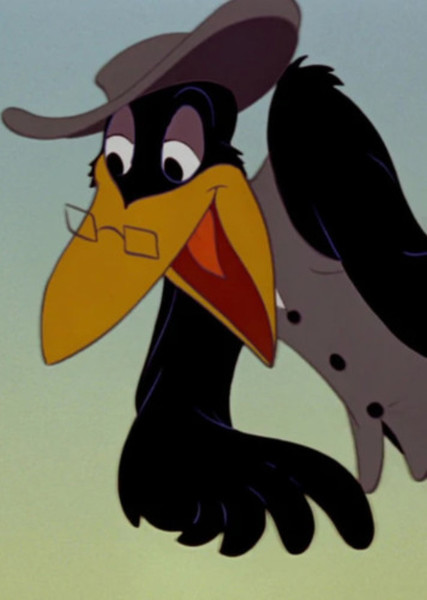
Characters: Deacon Crow
Also Known For: Was better known as a musician, singer, composer and arranger of African American spiritual music and founded the Hall Johnson Negro Choir that would enjoy a successful run for roughly 30 years as well as other groups. Instruments were piano, viola, and violin. The Hall Johnson Negro Choir would appear on soundtracks on more than 30 films and numerous short cartoons. Wrote a folk opera that premiered in 1933 called Run, Little Chillun. Wrote an Easter cantata called Son of Man in 1946 that premiered at the Festival Negro Choir of New York. Arrangements and spirituals have been recorded by some of the world’s finest artists. Coached hundreds of musicians including Marian Anderson and Harry Belafonte.
Personal Life: Married a woman from his hometown named Celeste Corpening in 1912.
Later Life: In 1951, the Hall Johnson Negro Choir was selected by the US Department of State to represent the US at the International Festival of Arts held in Berlin, Germany. In 1965, Johnson published an essay titled “Notes on the Negro Spiritual,” which he explained the importance of this uniquely African American art form. Died of burns he received during a fire at his New York apartment in 1970 at 82.
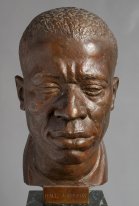
Trivia: Posthumously elected to the Black Filmmakers Hall of Fame in 1975. Had a bust of him carved by Minna Harkavy in 1931 that was shown at an exhibition in the Moscow Museum of Western Art and was later bought by the Pushkin Museum. Was awarded an honorary doctorate by the Philadelphia Academy of Music in 1934. A 1960 photograph of him taken by Sidney Cowell is included in the US National Portrait Gallery. In 2020, the Athens Cultural Affairs Commission included Johnson as among the first 10 inductees of the Athens Walk of Fame. A sidewalk-mounted plaque and a mobile app beacon in the town’s downtown area honor Johnson’s career. Was fluent in German and French.

 The Lone Girl in a Crowd