
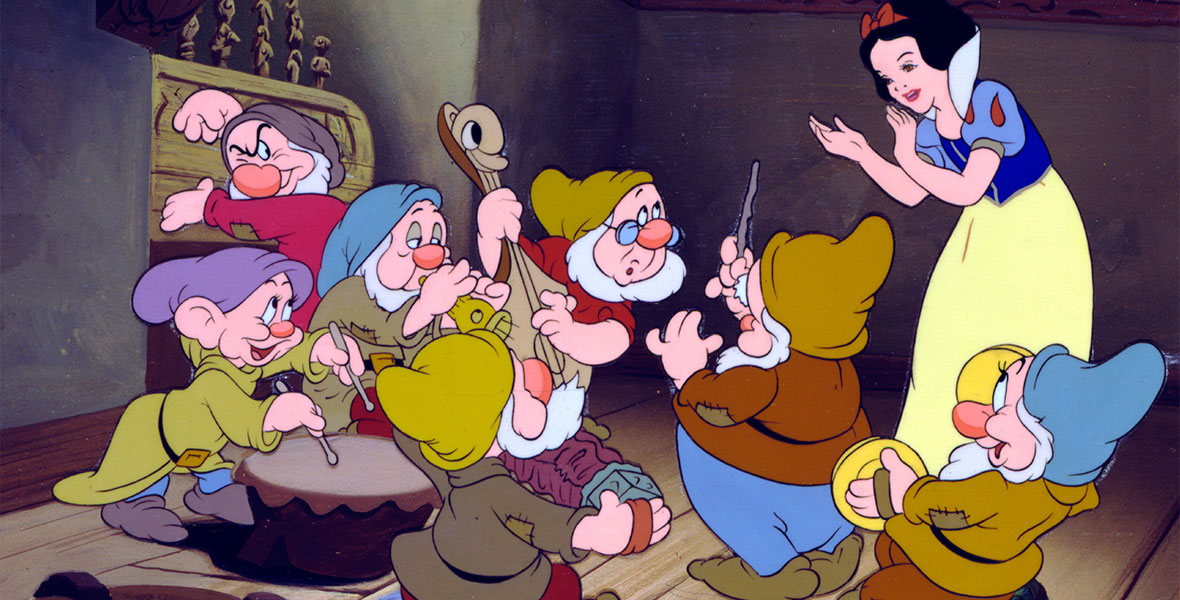
When it comes to the world of entertainment within our childhoods, almost none have had the staying power with audiences as the characters in our favorite Disney movies that have delighted generations of children and adults since its origins during the 1920s. While classic movies may often find appreciation among film classes and film geeks like me who often binged on Turner Classic Movies during my college years, most Disney movies are often watched again and again by each passing generation. For instance, Disney’s first feature animation film Snow White and the Seven Dwarfs came out in 1937, making it nearly 90 years old. And yet, millions of people can still name the characters, sing the songs, and recall the plot. Even among little kids. You can’t really say that much about other movies that came out around the same time except maybe The Wizard of Oz. Hell, you can still even find these characters on merchandise. Although no one lives forever, to voice a character on a Disney movie seems like the closest an actor can get to career immortality. Yet, while these performances we see on the screen have been remembered for generations, many of the actors who voiced them are often not. In fact, most Disney actors don’t usually enjoy the movie star treatment and often don’t become household names. And if they are, they’re often not known for that Disney performance, even when it’s a role of a lifetime. Thus, in this omnibus of a series, I will delve into the colorful lives of the actors behind the voices of our beloved Disney characters. Of course, I have some guidelines on which actors I do. But spending months compiling research on these people via Wikipedia and Imdb, I found stories of many amazing people, a lot of whom never really received the movie star recognition they deserve. All because they act within a recording booth in a studio while their faces are never seen in the finished product. And yet, despite most people never really knowing their names, their unforgettable performances still loom large in our collective imagination. Sure, many of them would be major celebrities, but this series isn’t really about them. But about the actors you may not know much about such as character actors, has-beens, and behind the scenes people.
As a millennial whose childhood was dominated by the films of the Disney Renaissance, I am accustomed to seeing Disney as a major conglomerate that owns so much of the American media landscape as well as several different properties such as the Muppets, Marvel, 20th Century Fox, ABC, ESPN, Fox, and Lucasfilm. I also know Disney as having theme parks like Disney World and Disneyland. Thus, to me, The Walt Disney Company is a major force in entertainment that can be very litigious regarding its properties that it seems to acquire with each passing decade. That it comes as a complete shock to me that the Walt Disney Company we know today bears very little resemblance to the Disney back in the 1920s and 1930s. That if you told Walt Disney that his small animation studio company would soon become a vast media empire that would soon buy at least one of the major studios, he’d think you’re absolutely insane. Back in its beginnings during the 1920s, Disney was just a small animation studio in Los Angeles founded by brothers Roy O. and Walt Disney, which specialized in producing cartoon shorts such as the Alice Comedies and Oswald the Lucky Rabbit, both of which were distributed by other companies like Winkler Pictures and Universal Pictures. Anyway, when Walt Disney and Winkler’s Mintz had their contract dispute over the Oswald the Rabbit shorts in 1928, Disney discovered that Universal owned the intellectual rights to Oswald and Mintz threatened to produce shorts without him if he didn’t accept the payment reduction. Because he was asking for a larger fee, Disney refused and signed 4 of Walt Disney Studio’s animators to start his own studio with Ub Iwerks being the only top animator remaining. If you want to know why Disney tends to be very protective of their intellectual property these days, well, the Oswald debacle and how it nearly ended the Disney venture before it really took off. Hell, if Iwerks left with the other animators instead of sticking with the Disney brothers, who knows what would’ve happened. Anyway, Walt Disney and Iwerks replaced Oswald with a mouse originally named Mortimer. Until Walt’s wife insisted to change his name to Mickey. The studio did 3 Mickey shorts that year such as Plane Crazy, The Gallopin’ Gaucho, and Steamboat Willie, the latter made using synchronized sound using Pat Powers’ Cinephone system, which was the Lee de Forest’s Phonofilm system. Distributed by Powers’ company, Steamboat Willie was an instant hit and the company re-released the other 2 shorts with synchronized sound the next year. While Mickey Mouse became an immensely popular character and a franchise was born with fan clubs, a comic strip, and merchandise galore.
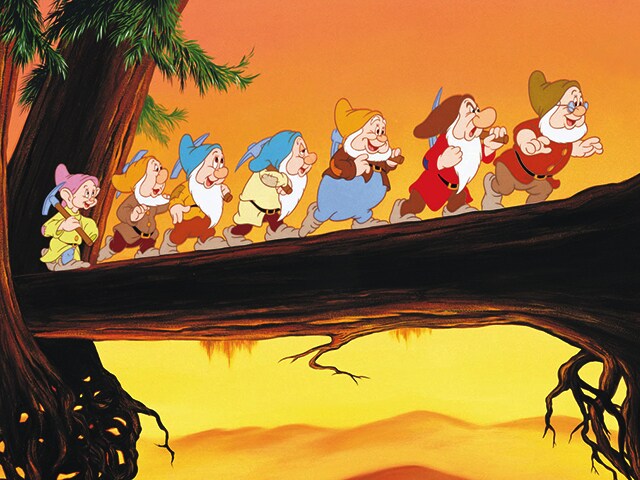
However, little did the public know that Walt Disney was just getting started. In 1933, Walt got the idea of making his first feature-length film when his studio mainly focused on making animated short films such as the trippy Silly Symphonies series. Although the audience loved them, Walt thought the shorts didn’t bring enough money to further the studio’s growth. Also, he saw the full-length film as a way to expand “storytelling possibilities.” He and his team spent the year searching for stories that would be an ideal fit include ideas that would become later films such as Bambi, Alice in Wonderland, Cinderella, The Jungle Book, and Beauty and the Beast. By the next spring of 1934, Walt settled on the 1812 Grimm fairy tale, “Snow White” since he was familiar with the story as a teenager, having seen a silent version of the tale in 1916. In June 1934, he announced a feature-length film, Snow White and the Seven Dwarfs. It was to be the first cel animated feature and the first animated feature film produced in the United States. At the time, its novelty made it a risky venture. That his brother Roy and wife Lillian had tried to talk Walt out of making this film, arguing that it could basically bankrupt the studio. And while the public greatly anticipated this movie, some critics called it “Disney’s Folly.” Although the studio staff was excited about the project, they were unsure if a full-length cartoon could sustain audience’s attention spans. Ward Kimball claimed that they were told by moguls that “it was OK, six-seven minutes, like the shorts, but an hour and a half, no way! Big reason was that you run out of funny things to do, you had to have a laugh-a-minute. And the bright colors would hurt your eyes, everybody would get up and walk out … Walt, of course, plugged ahead, he didn’t believe that. He felt that if you had a solid story, not only laughs in it, but tragedy, it would go.” The film would take 3 years to make and ultimately costing $1.5 million that Walt had to mortgage his house in order to secure a $250,000 loan to finish the film midway through production. But in the end, what was initially called “Disney’s Folly” proved to become a tremendous critical and box office success in 1937 with numbers that will only be surpassed 2 years later with the release of Gone with the Wind. Not bad for a film that had the potential to put Disney out of business. Today, Snow White and the Seven Dwarfs is hailed as one of the greatest animated films every made and Snow White is the only Disney Princess to have a star on the Hollywood Walk of Fame. In this post, we’ll meet 8 of the members from that iconic cast including Snow White, the Wicked Queen, the Huntsman, the Magic Mirror, and a few of the dwarfs. We’ll also meet a couple of cast members from Pinocchio as well, a movie which I’ll talk about in my next post.
- Adriana Caselotti
Dates: 1916-1997
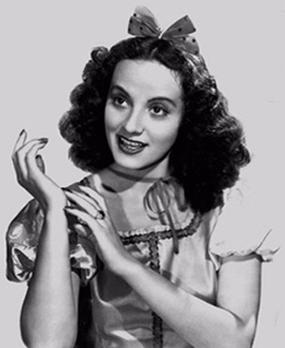
Early Life and Career: Born in Bridgeport, Connecticut to Italian immigrants comprising of a music teacher and vocal coach father who served as an organist on the weekends and a mother who sang at the Royal Opera Theater of Rome. Also had an older sister, Louise who also sang opera and gave voice lessons, particularly to some girl named Maria Callas (you may have heard of her from some Angelina Jolie movie). From the ages of 7-10, she lived and was educated in an Italian convent school for 3 years while her mother toured with a company. When her family returned to the States, they settled in New York, where she re-learned English and studied singing with her dad. In 1934, she attended Hollywood High School where she sang in the senior class Girls’ Glee Club and played the lead role in the school’s musical, The Belle of New York. After a short stint as a sessions singer and chorus girl at MGM, Walt Disney hired her to be cast as Snow White. She was only 18 years old.
Movies and Cartoons: Snow White and the Seven Dwarfs (1937)
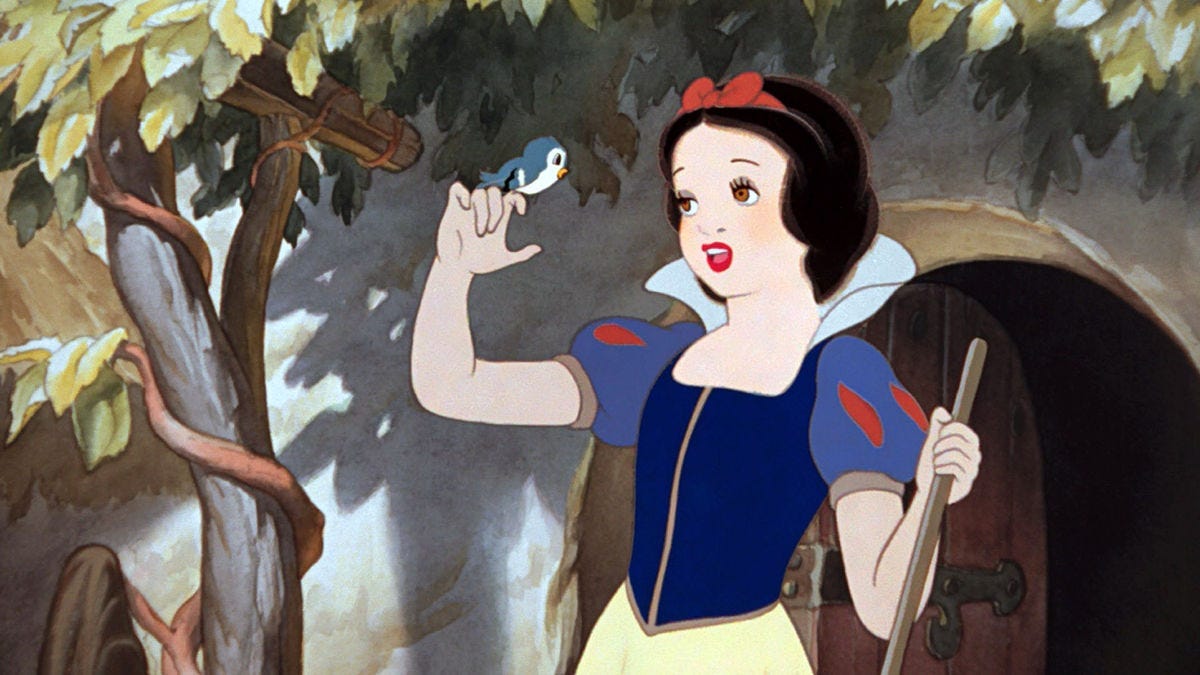
Characters: Snow White
Also Known For: There’s really not much else that she’s known for.
Personal Life: Married four times. First was to a local ticket broker at a local theater named Robert James Chard, whom she divorced sometime after marrying him in 1945. Second was to an actor named Norval Weir Mitchell in 1952. He retired after their marriage and died in 1972. Third was to a podiatrist named Joseph Dana Costigan whom she married not long after his predecessor was in the ground. He died in 1982. While her last husband was a retired postal worker named Florian St. Pierre whom she married in 1989. Like her first marriage, this one also ended in divorce not long after.
Later Life: Caselotti was paid a total of $970 to voice Snow White ($20,559 in today’s money) and received no credit for the role. She later sued Disney for a bigger piece of the film’s profits but lost. Although she had several more jobs such as a role in The Wizard of Oz and a singer at Martini’s bar in It’s a Wonderful Life, she had trouble finding roles later in life. When Jack Benny asked Walt Disney to use her on his radio show, he was told, “I’m sorry, but that voice can’t be used anywhere. I don’t want to spoil the illusion of Snow White.” Even though Caselotti did sing opera and performed in a production of Rigoletto at some point. Also invested in real estate and the stock market. Nonetheless, she appeared in several promotional spots for Snow White and the Seven Dwarfs and signed memorabilia during events. Later she wrote a book titled: Do You Like to Sing? Died of lung cancer at her Los Angeles home at the age of 80.
Trivia: Named a Disney Legend in 1994, first female voice artist to achieve this honor. Was said to be the first woman to wear a bikini in public (which I find sketchy if you ask me). Last home in Beverly Hills was filled with every kind of Snow White memorabilia imaginable (mostly sent from fans), ranging from giant figurines to a wishing well in her front yard. Greeted many of her visitors’ kids by singing Snow White songs in her Snow White voice. Answering machine carried her recording of “I’m Wishing.”
2. Lucille La Verne
Dates: c. 1869 or 1872-1945
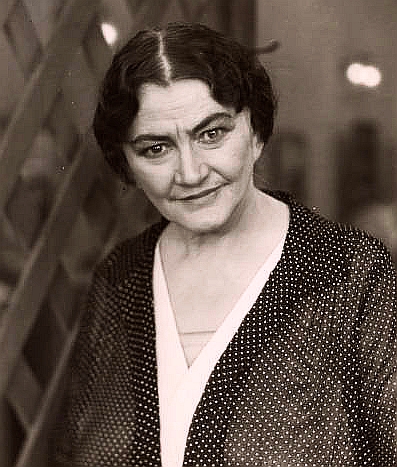
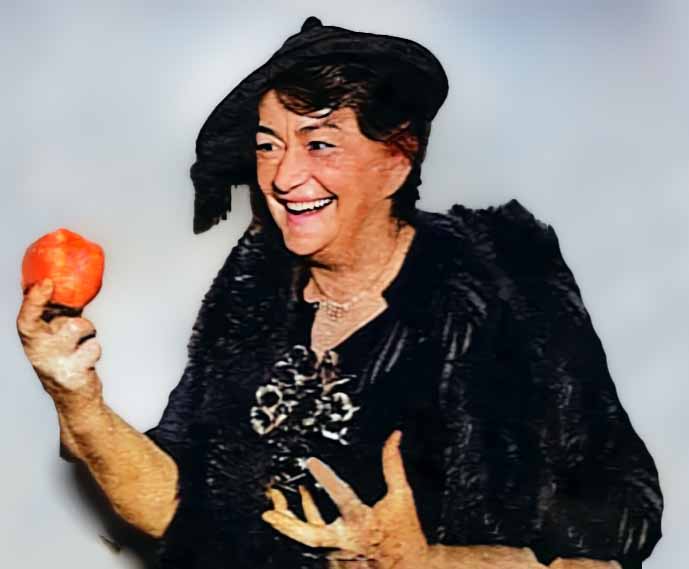
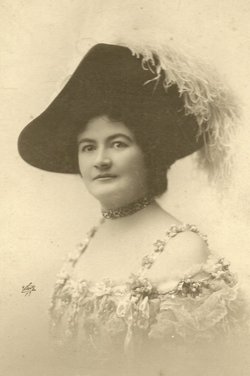
Early Life and Career: Born Lucille La Verne Mitchum near Nashville, Tennessee, she began her career as a child actress in local summer stock with her first performance being a child extra in the play Centennial at the age of 3. She then graduated to small touring theater troupes as a teenager. At 14, she played Juliet and Lady Macbeth back to back, showing her ability to play practically anything and attracting attention from more prolific companies. After making her Broadway debut at 16 in 1888, she became a leading lady with some of the best American stock companies, scoring triumphs in Boston, San Francisco, and other cities. Eventually, she ran her own successful stock company. Gave over 3,000 performances on her Broadway, US, and European tours. In addition to acting, she also worked as a playwright and director. Made her movie debut in the 1915 Over Night. Had small roles in Polly and the Circus and Orphans of the Storm. In 1932, she was seriously injured in a car accident when she ran into a telephone pole while trying to avoid a swerving car. This resulted in her dislocating 5 vertebrae. In 1934, she experienced a life-threatening medical emergency and needed a reconstruction of the muscles along her rib cage, which she recovered. In fact, this would be her first brush with the lung cancer that would later claim her life. Her role Queen Grimhilde would be her most famous and last performance on film.
Movies and Cartoons: Snow White and the Seven Dwarfs (1937)
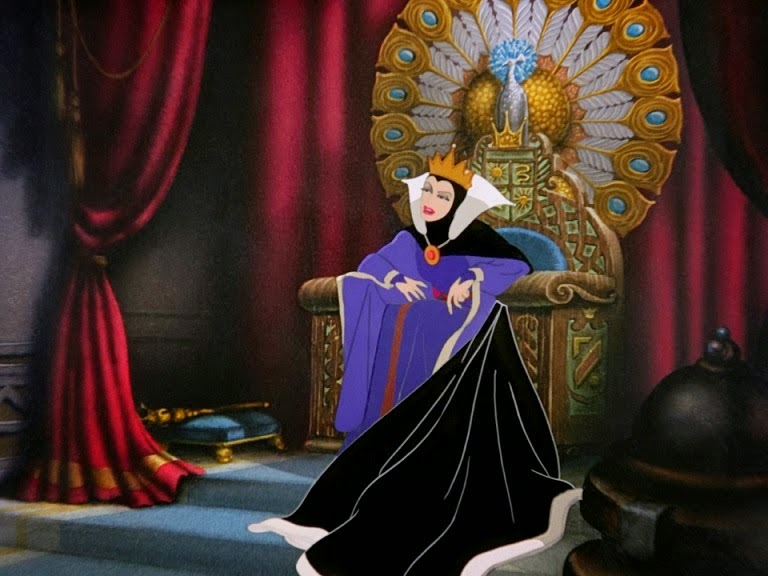
Characters: Queen Grimhilde and her Witch disguise
Also Known For: Broadway hits include Uncle Tom’s Cabin, Seven Days, and Way Down East. Biggest stage triumph was in the role of Widow Caggle in a 1923 performance of Sun Up. In fact, she was her generation’s equivalent to Meryl Streep.
Personal Life: We don’t know much about her family. Married a guy named Waide Scott in 1912 and had a daughter named Frederika. Marriage ended in divorce after 8 years. Was estranged from her daughter for several years but reconciled in 1933 when Frederika got married and had a baby, making La Verne a grandmother at 60.
Later Life: Retired from acting after her performance in Snow White and the Seven Dwarfs due to her cancer resurfacing. Spent her retirement owning a successful nightclub. Died in Culver City of lung cancer in 1945 at the age of 72.
Trivia: Was buried in an unmarked grave in Inglewood Park Cemetery for 7 decades until a GoFundMe for a headstone was set up for her in 2020. Received Woman of the Year Award from the Virginia Women’s Society in 1901. Has been nominated several times for induction to the Theater Hall of Fame but has yet to make the cut due to the overwhelming number of nominees each year. Was one of the first Broadway actors to return to stock and regional theaters on occasion to act and direct.
3. Roy Atwell
Dates: 1878-1962
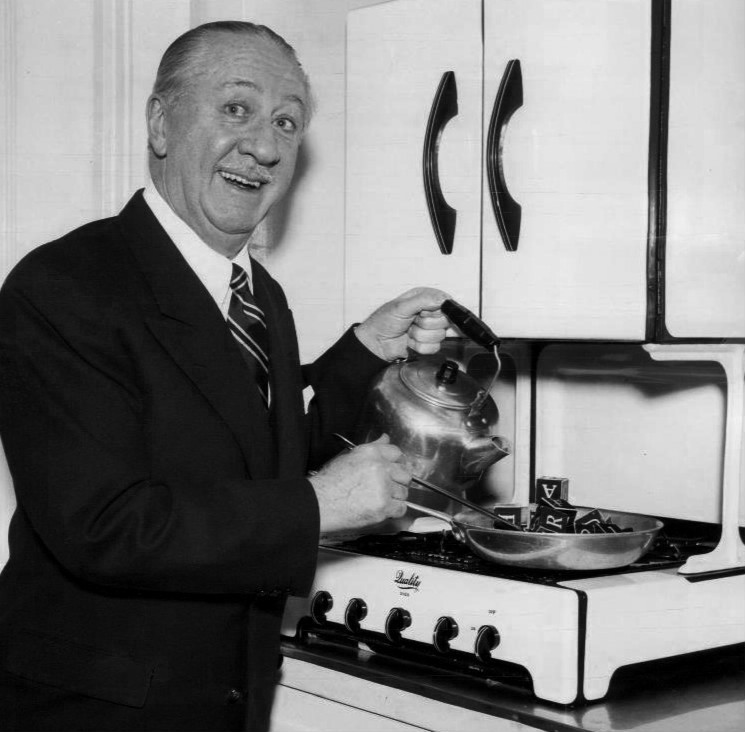
Early Life and Career: Born in Syracuse, New York to a man named Joseph Addison Atwell. Educated at the Sargent School of Acting. Began on Broadway with the intention of becoming a serious actor. But when his cue came in one of his early performances, he massively flubbed the line that the audience erupted in uproarious laughter that he was congratulated and asked to repeat the error the next night. This success led Atwell to switch to comedy.
Movies and Cartoons: Snow White and the Seven Dwarfs (1937)
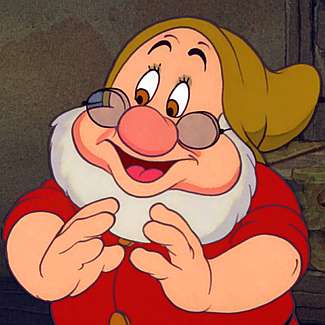
Characters: Doc
Also Known For: Often known for playing characters that mis-deliver lines or stammer of which Doc was one of them. Appeared in 34 films from 1914 to 1947. Notable Broadway appearances include The Little Missus, The Mimic World, Oh, My Dear!, The Firefly, Apple Blossoms, and How’s Your Health?
Personal Life: Married 3 times. First wife was Blanche Wear in 1907. Marriage ended in divorce at some unknown date. Second wife was Dorothy Young to whom he was married to from 1913 to their 1916 divorce. Third wife was to Ethel Smith from 1916 to their divorce in 1936. This marriage produced a daughter named June Carol Atwell born in 1930.
Later Life: Retired from acting in 1947 to focus on real estate ventures. Joined ASCAP in 1957 and later become its chairman. Was also a member of Fortune Gallo’s San Carlo Opera Company and sang in its choir. And served on the council of the Episcopal Actors Guild. Composed a popular song “Some Little Bug is Going to Find You” and wrote the lyrics to a song called “When a Piece of Toast Climbs Your Bedpost with a Cigar.”
Trivia: Was a direct descendant of a Revolutionary War veteran who bought land in a military tract in New York and built a house called “Atwell’s Corners.” Today it’s known as Pompey Hollow, south of Syracuse near a town named Cazenovia.
4. Pinto Colvig
Dates: 1892-1967
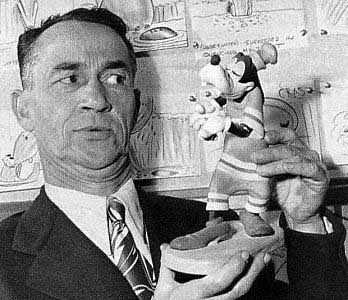
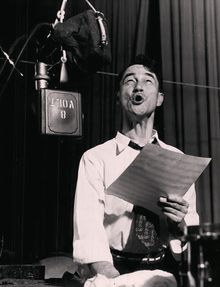
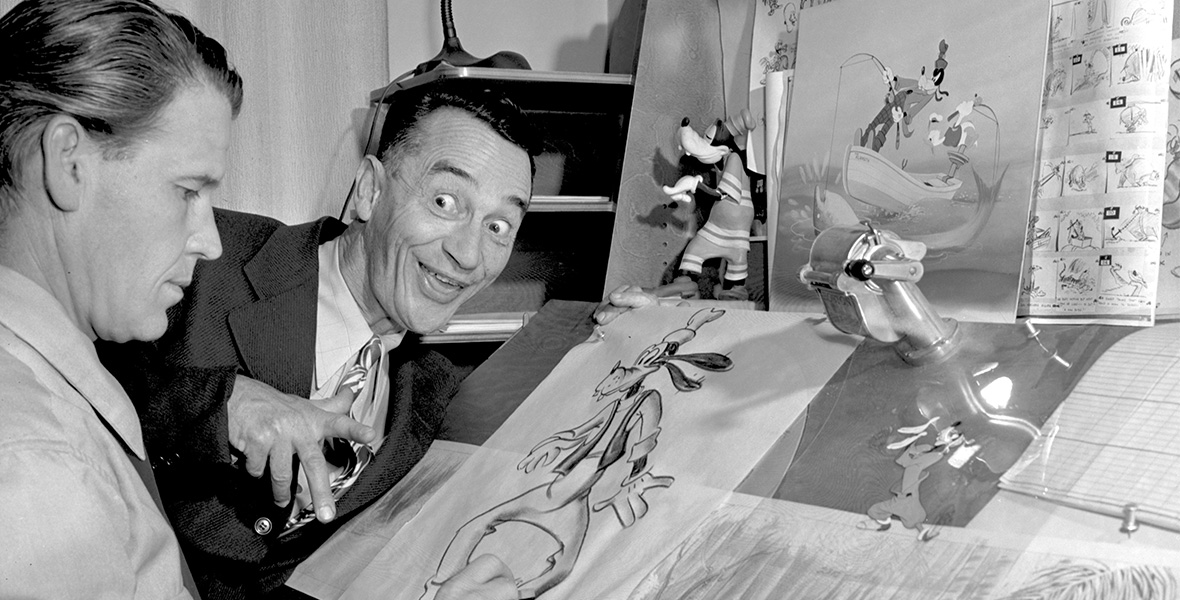
Early Life and Career: Born as Vance DeBar Colvig in Jacksonville, Oregon as the youngest of 7 children to a William “Judge” Colvig and his wife Adelaide. Father was a pioneer, attorney, and distinguished Oregonian but never actually a judge. According to him, Colvig acquired his nickname of “Pinto the Village Clown” from the age of 7 due to his abundance of freckles and his goofy antics. He would use the name of “Pinto” as his professional identity from then on. Was a high school dropout who attended Oregon State University sporadically from 1910 to 1913 where he took art classes, played clarinet in the band, as well as drew cartoons for the yearbook and the Oregon Agricultural Barometer newspaper. After a brief 1913 stint in the Pantages Theatre Circuit, he joined the Al G. Barnes Circus as a clarinetist for part of the season. In 1914, he became a cartoonist in Reno and Carson City before returning to his clarinetist gig at the Al G. Barnes Circus for part of the 1915 season. Also, performed chalk talks on vaudeville. In 1916, Colvig worked for the at the Animation Film Corporation in San Francisco, which produced animated cartoons years before Walt Disney and the oldest known animation studio on the West Coast. That same year, he produced Creation that’s said to be the world’s first feature-length cartoon of which only 35 minutes of it survive. It is today housed in the Southern Oregon Historical Society. Yet, Colvig’s time there would be cut short because the Animated Film Corporation ended with the US entry into World War I. In 1919, he produced “Pinto’s Prizma Comedy Revue,” which was said to be the first color cartoon but is now considered a lost film and published in the San Francisco Bulletin from May 1919 to February 1920, the “Bulletin Boob” column, and photographs. In 1922, Colvig created a newspaper cartoon panel called “Life on the Radio Wave” for the San Francisco Chronicle which ran for 3 or 4 days a week on the newspaper’s radio page and was nationally syndicated and last for 6 months. Later that year, Colvig and his family moved to Hollywood where he worked as an animator, title writer, and comedian in silent comedies and sound cartoons, starting with Max Sennett. In the late 1920s, Colvig became associated with Walter Lantz with whom he attempted to establish his own studio, creating a character named “Bolivar, the Talking Ostrich,” which may have appeared in sound shorts. When Lantz became producer of Universal’s Oswald, the Lucky Rabbit cartoons in 1929, Colvig came on as an animator, story man, and voice artist, briefly voicing Oswald. In 1930, he signed an 8-year contract with Walt Disney Productions as a writer and provided sound effects for Pluto’s barks. In 1931, he began voicing Goofy. In 1937, he’d direct the Mickey Mouse short Mickey’s Amateurs.
Movies and Cartoons: Snow White and the Seven Dwarfs (1937), Fun and Fancy Free (1947), Alice in Wonderland (1951) Sleeping Beauty (1959), and various short cartoons.
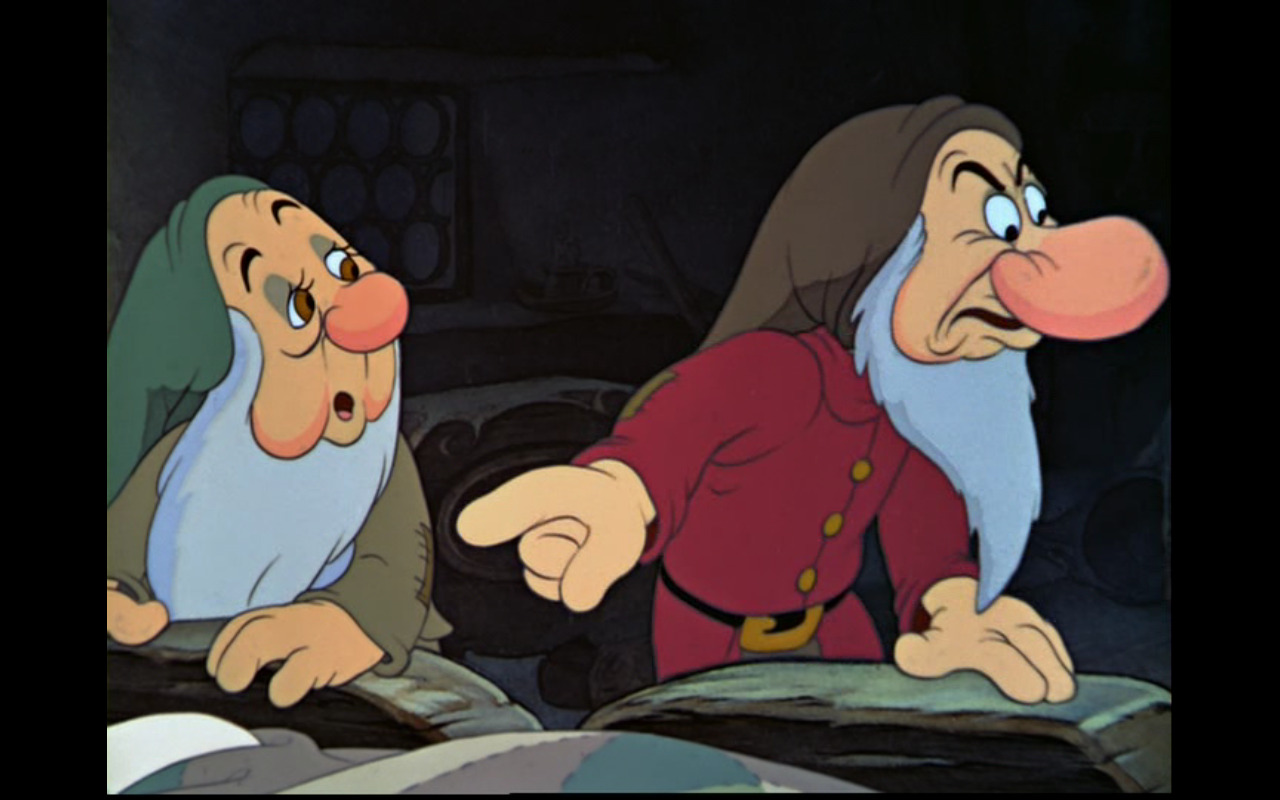
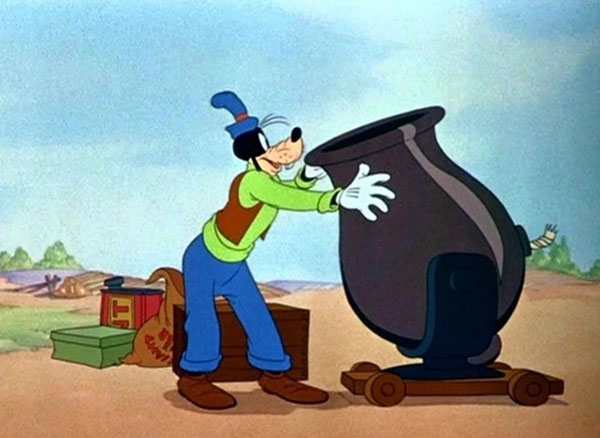
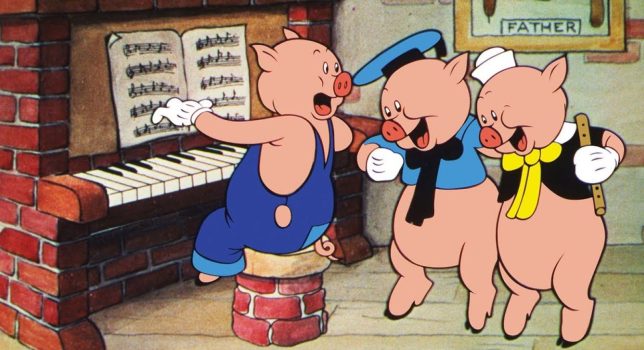
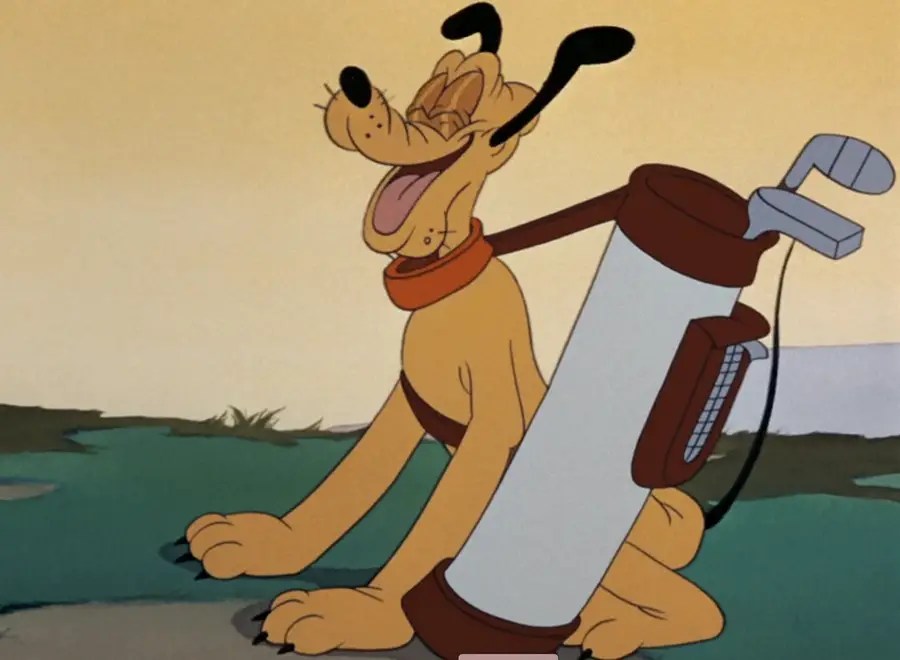
Characters: Grumpy, Sleepy, and some noises for Dopey, the Flamingos, as well as provided the original voice of Goofy and Pluto. Was also the Practical Pig in the “Three Little Pigs” as well as for voice work in “Flowers and Trees.” Also played Aracuan in the Three Caballeros. Later Disney work includes playing a flamingo in Alice in Wonderland and one of Maleficent’s goons in Sleeping Beauty.
Also Known For: Also provided the voice of Bluto from the Popeye cartoons and Bozo the Clown. Also played as the town crier, Gaby in the 1939 Gulliver’s Travels and on a spinoff series as well. Worked as a voice actor, cartoonist, and circus and vaudeville performer whose schtick was playing the clarinet off-key while mugging.
Personal Life: Married Margaret Bourke Slavin in 1916. Marriage produced 5 sons including Vance Colvig Jr. who also portrayed Bozo the Clown on live TV. Also lasted until his wife’s death in 1950. A lifelong smoker, Colvig was also a pioneer in advocating warning labels about cancer risk on cigarette packages in the US. Married his second wife Peggy Bernice Allaire in 1952. They remained together until his death.
Later Life: After Snow White and the Seven Dwarfs, Colvig had a falling out with Disney in 1937 and would never work for the Disney studio again until 1940. During this interim time, he moved to Fleisher Studios who wanted to do a feature-length animated film in the wake of Snow White’s success and spent a year in Miami. While Goofy remained voiceless for some time save for a few selected shorts in which Jack Bailey Jr. provided a soundalike impression. Colvig also worked in radio providing voices and sound effects, including the sounds of Jack Benny’s Maxwell in the Jack Benny Program, which was later provided by voice legend Mel Blanc. He returned to California in 1939 to devote himself to acting and voice work for Warner Brothers cartoons and MGM where he voiced a Munchkin in the 1939 The Wizard of Oz. In 1946, he was cast as Bozo the Clown at Capitol Records and played the role for a decade, which also included TV portrayals as well. During this period, he also recorded the “Filbert the Frog” song which featured his virtuoso use of the glottal stop as a musical instrument in itself. Last known performance of Goofy was for the Telephone Pavillion at Expo 67 with dialogue recorded 6 months before his death of lung cancer in 1967 at 75.
Trivia: Mother’s maiden name was Birdseye. Made a posthumous Disney Legend in 1993 for his contributions to Walt Disney films including Snow White and the Seven Dwarfs and Fun and Fancy Free. Inducted into the International Clown Hall of Fame in 2004. Buried with his first wife at a grave in Holy Cross Cemetery which remained unmarked until his descendants placed a headstone that his great-granddaughter designed in 2020. Nicknamed, “The Dean of Hollywood Voicemen.”
5. Otis Harlan
Dates: 1865-1940

Early Life and Career: Born in Zanesville, Ohio. As child, he was reported to entertain his classmates by standing on the teacher’s desk and singing songs during recess. Made his acting debut in Victor Herbert’s The Magic Knight in 1893. Starred in the Broadway play Little Boy Blue in 1911 and was playing in vaudeville shows by then, appearing in Irving Berlin’s ragtime musicals. Made his film debut in 1915. Snow White and the Seven Dwarfs would be one of his last movies.
Movies and Cartoons: Snow White and the Seven Dwarfs (1937)
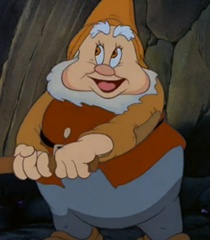
Characters: Happy
Also Known For: Played the role of Cap’n Andy in the first part-talkie version of Showboat in 1929 as well as the Master of Ceremonies in the sound prologue that accompanied the film. Also appeared in the classic silent, The Student Prince of Old Heidelberg. Played the role of Starveling in Max Reinhardt’s 1935 film version of Shakespeare’s A Midsummer Night’s Dream. In the same year as Snow White, he appeared in the Our Gang short Roamin’ Holiday. Usually played nervous, mild-mannered characters.
Personal Life: Married a woman named Nellie Harvey and had a daughter named Marion. Marriage lasted until his death. Daughter also became an actress. Uncle of silent era leading man, Kenneth Harlan.
Later Life: Worked until his death from stroke in Martinsville, Indiana at 74.
Trivia: The fact Harlan was born right after the American Civil War makes him the earliest born actor to feature in a Disney movie and one of the earliest born American voice actors.
6. Billy Gilbert
Dates: 1894-1971
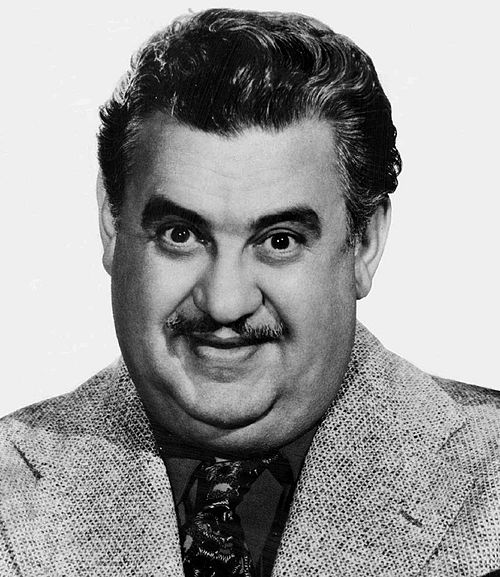
Early Life and Career: Born in Louisville, Kentucky to a couple of singers from the Metropolitan Opera. In fact, he was said to be born inside the Hopkins Opera House dressing room. Lived in San Francisco as a child but left school in order to be part of a troupe of singing children. Made his debut on vaudeville at 12. Early work also included a female impersonation act, professional boxing in which he allegedly became a middleweight prizefighter, and burlesque on Columbia and Mutual wheels. During his show Sensations of 1929, an audience member and legendary comedian Stan Laurel was so impressed with his performance that he went backstage and introduced Gilbert to comedy producer Hal Roach. Gilbert would later be employed as a gag writer, actor, director, and appeared in his first film in 1929 at the age of 35. Broke into comedy short subjects with the Vitaphone studio in 1930 where his burly frame and gruff voice made him a good comic villain and would work consistently with Roach within a year. Appeared in support of comedy stars Our Gang, Laurel and Hardy, and Thelma Todd. Outside of Roach’s company, Gilbert appeared in RKO shorts and the early comedies of the Three Stooges at Columbia. In one of his standard routines, Gilbert would either get progressively nervous or excited about something that his speech would break down into facial spasms which culminated in big, loud sneeze. And he used this routine so often that Walt Disney immediately thought of him when casting him in the role of Sneezy.
Movies and Cartoons: Snow White and the Seven Dwarfs (1937) Also played Willie the Giant in Fun and Fancy Free (1947).
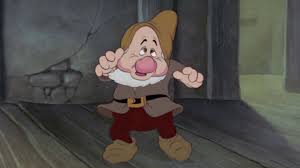
Characters: Sneezy
Also Known For: Was a character actor known for comic sneeze routines and appeared in over 200 feature films, shorts, and TV shows. In his Roach days, he often played blustery tough guys but also portrayed fey courtiers, pompous radio announcers, and roaring drunks. Even got his own series of off-beat musical shorts with Billy Bletcher as the Dutch comic “Schmaltz Brothers” as well regularly starred in a short series called The Taxi Boys. By 1934, he was the most recognizable faces on the screen and often used dialects. Although he was probably one of “those guys” whom you’ve seen in plenty of movies but can’t really name off the top of your head. Most famous role outside Disney was as Charlie Chaplin’s often put-upon war minister Herring, in the 1940, The Great Dictator, a parody of Nazi official Herman Goering. However, he also danced with Betty Grable and Alice Faye in Tin Pan Alley, stole scenes as a dim-witted process server in His Girl Friday, served pop to Freddie Bartholomew in Captains Courageous, played an Italian character opposite singer Gloria Jean in Under Pup and A Little Bit of Heaven, and was featured alongside John Wayne and Marlene Dietrich in Seven Sinners. All of these were choice roles showing how prolific and talented he was. In 1943, he headlined a series of 2-reel comedies for Columbia Pictures. That same year, Monogram Pictures teamed him up with stand up pioneer and Barbara Stanwyck’s notorious shithead of an ex-husband, Frank Fay for a comedy series. But Fay left after the first entry. So he asked Shemp Howard to fill in. TV work include a memorable pantomime sketch with Buster Keaton on You Asked for It, a children’s show with Andy Devine called Andy’s Gang, and a starring role as a giant in the Producers Showcase Jack and the Beanstalk episode alongside Celeste Holm and Joel Grey.
Personal Life: Married actress Ella Baxter McKenzie in 1938 that lasted until his death. Since she was an Ulster Scot whose family moved to Oregon when her dad was 9 years old, the two appeared together in a USO show for US Marines stationed in the Northern Irish city of Derry in 1943. Adopted a boy named Barry who died in a 1943 shooting incident (Imdb says he committed suicide after his grandmother scolded him for releasing his pet parrot at 13 but I have strong doubts on this).
Later Life: In 1944, Gilbert signed with the William Morris agency which led him to starring roles and prominent supporting roles in numerous films. During the late 1940s and 1950s, Gilbert worked on Broadway in several productions as an actor, writer, and director. In the 1950s, he appeared frequently on TV. Retired from acting in 1962. Died in North Hollywood from a stroke in 1971 at 77.
Trivia: Was friends with Shemp Howard of the Three Stooges. Has a star on the Hollywood Walk of Fame for his contributions to the motion picture industry at 6263 Hollywood Boulevard. Buried at Odd Fellows Cemetery.
7. Moroni Olsen
Dates: 1889-1954
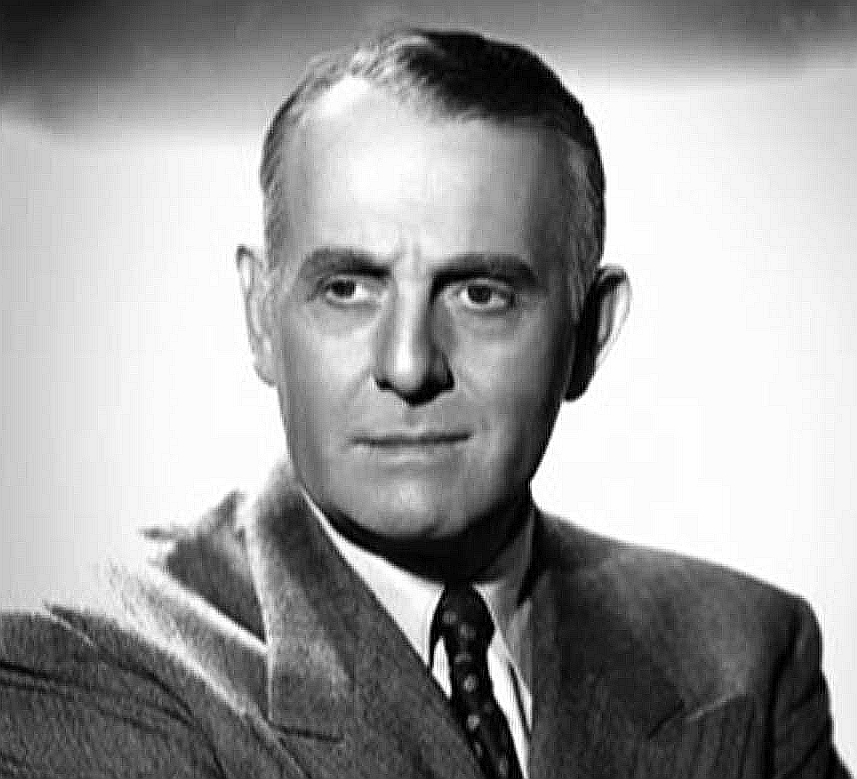
Early Life and Career: Born in Ogden, Utah to Norwegian Mormon parents who named him after the Moroni in The Book of Mormon (not the musical created by the South Park guys). Father was a Mormon Bishop in Ogden’s Fourth Ward. Studied at what is now Weber State University and the University of Utah as a drama major where one of his teachers was the trailblazing Maude May Babcock. Sold war bonds for the US Navy during World War I as well as studied and performed in the eastern US around this time. In 1920, he taught drama at what is now Cornish College of the Arts in Seattle, Washington. In 1923, he organized the “Moroni Olsen Players” that he based in Ogden which performed at both Ogden’s Orpheum Theater and at various other locations between Seattle and Salt Lake City. Made his film debut in 1935 after working on and off Broadway since 1920.
Movies and Cartoons: Snow White and the Seven Dwarfs (1937)
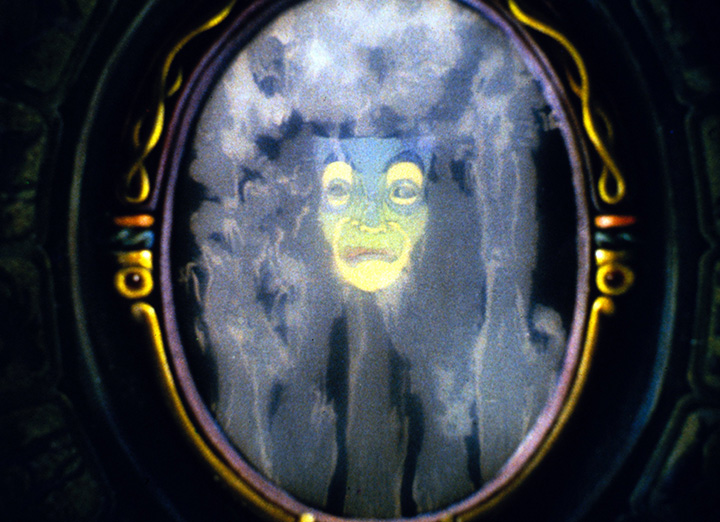
Characters: Slave in the Magic Mirror
Also Known For: He was a prolific character actor who often portrayed corrupt villains, dogged inspectors, no-nonsense doctors, barnstorming preachers, powerful attorneys and other men of distinction. Was the voice of the senior angel in It’s a Wonderful Life, a Secret Service agent in Notorious, and Elizabeth Taylor’s father-in-law in the 1950 Father of the Bride and the 1951 Father’s Little Dividend.
Personal Life: Was an active member of the Church of Latter-Day Saints and taught youth in Hollywood’s ward. Also directed the Pilgrimage Play in Hollywood for several years. Never married.
Later Life: Died of a heart attack in Los Angeles in 1954 at 65.
Trivia: Buried in the Ogden City Cemetery.
8. Stuart Buchanan
Dates: 1894-1979
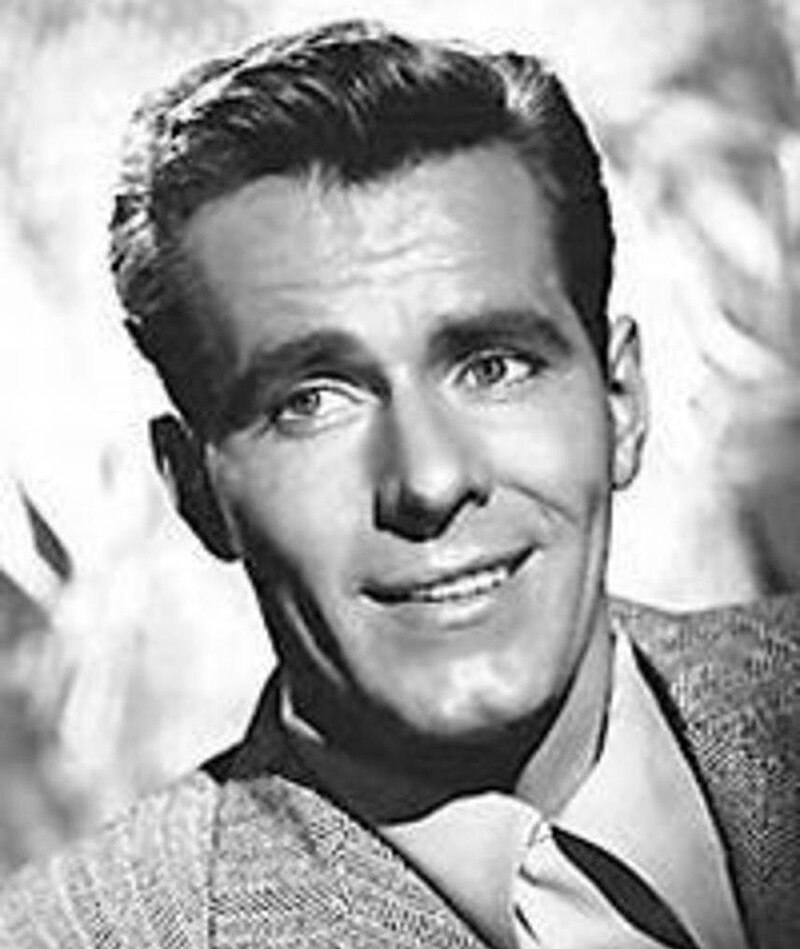
Early Life and Career: Born Paul Stuart Buchanan in Endora, Iowa. Dad was a Presbyterian minister stationed in Wooster, Ohio where he graduated from the College of Wooster before receiving his Ph.D. from Harvard University. Although he also served as a US Army officer during World War I from 1917 to 1919. Taught poetry and drama at the University of Florida and West Virginia University where he directed little theater productions. And while at the former, he helped launched the college’s radio station. In 1930, he became program director at station KHJ in Los Angeles where he directed episodes of radio programs Hollywood Hotel and Lux Radio Theater. Also, worked for ABC radio as program supervisor and as script department head. On stage, he toured in a production of Mister Antonio, acted in a Denver summer stock theater, as well as acted and directed in the Pasadena Playhouse. At Walt Disney Studios, he was a dialogue and casting director who was in charge of all foreign Disney productions.
Movies and Cartoons: Snow White and the Seven Dwarfs (1937) Also voiced Goofy in Mickey Mouse Theater of the Air (1938), a flight attendant in Saludos Amigos (1943), and a carnival barker in Pinocchio (1940).
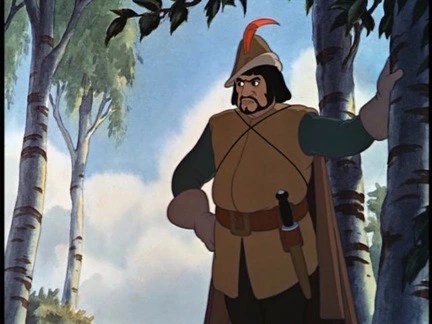
Characters: Humbert the Huntsman
Also Known For: Was co-creator of The Ohio Story that ran from 1947 to 1955 on radio and from 1953 to 1961 on TV at a Cleveland-based sponsored film studio. 1,300 radio episodes and 175 episodes were produced.
Personal Life: Married to Anna Hall Hilditch and Rita Whearty. First marriage ended in divorce. Second marriage lasted until his death. Had five children comprising of 3 sons and 2 daughters.
Later Life: During the 1940s, Buchanan served as head of script department and program supervision for ABC in New York before taking a job directing the radio and television department at the Cleveland-based McCann-Erickson advertising agency in 1947. He’d remain in Cleveland for the rest of his life. Died in 1974 in Shaker Heights, Ohio at 79.
Trivia: Buried in Wooster, Ohio.
9. Dick Jones
Dates: 1927-2014
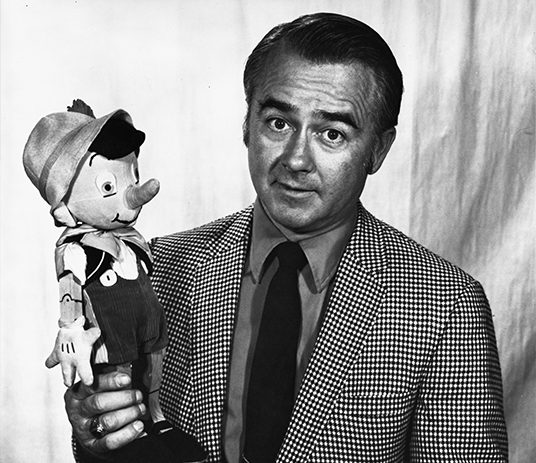


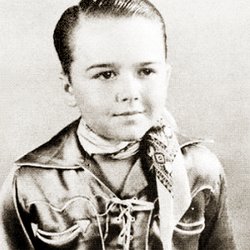
Early Life and Career: Born Richard Percy Jones in Snyder, Texas. Father was a newspaper editor. Learned how to ride a horse almost as soon as he learned to walk. That by the time he was 4, he was billed as the “World’s Youngest Trick Rider and Trick Roper.” By 6, he was performing riding and lariat tricks in western star Hoot Gibson’s rodeo. Gibson later convinced the boy’s parents that he should come to Hollywood. When Jones and his mom moved there, Gibson arranged small parts for the boy whose good looks, energy, and pleasant voice landed him more and bigger parts both in the low budget westerns that he’d specialize in and more substantial productions. Made his film debut in 1934 at the age of just 7. He’d later recall that he’d beat out about 200 other boys auditioning for the role of Pinocchio.
Movies and Cartoons: Pinocchio (1940)
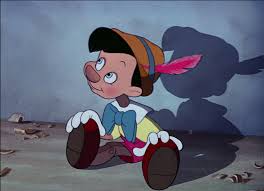
Characters: Pinocchio and Alexander
Also Known For: Played Artimer “Artie” Peters in the Hopalong Cassidy film The Frontiersman. Specialized in a film career of B-movie westerns. Additional roles include bit parts in Our Gang shorts, a Senate page in Mr. Smith Goes to Washington, and Henry Aldrich in a radio show called The Aldrich Family, a role he assumed at 15. Was a regular guest star on The Gene Autry Show in the early 1950s. Appeared in various episodes in western shows and had a regular role as the titular hero’s sidekick Dick West in the 1951 series The Range Rider, which ran for 76 episodes. Also starred in his own series during the mid-1950s called Buffalo Bill, Jr. that ran for 42 episodes from 1955. Last role was of Cliff Fletcher in the 1965 film Requiem for a Gunfighter.
Personal Life: Married his wife Betty Ann Bacon in 1948 and had 4 children: Rick, Jenifer, Jeffrey, and Melody. They remained married until his death.
Later Life: Attended Hollywood High School and learned carpentry to increase his income with jobs in that field. Even had a membership in the Carpenter’s Union. Served in the US Army within the Alaskan Territory during the final months of World War II. Quit acting in 1965 in order to pursue a career in banking and real estate. Died of a fall at his Northridge, California home in 2014 at 87 years old.
Trivia: Was the last surviving cast member of Pinocchio at the time of his death. Named a Disney Legend in 2000.
10. Cliff Edwards
Dates: 1895-1971
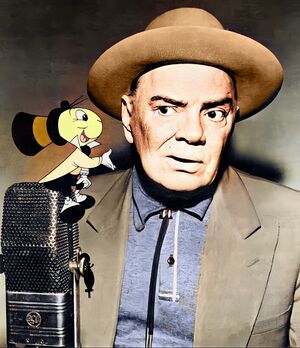
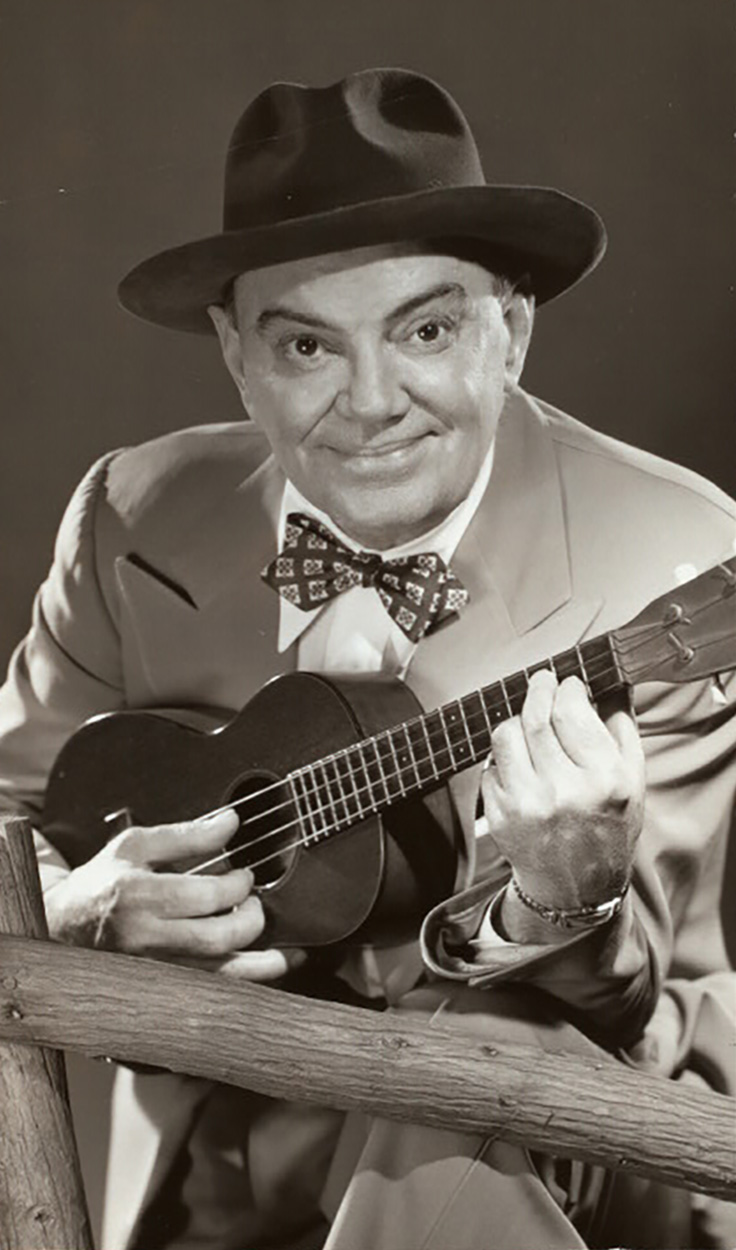
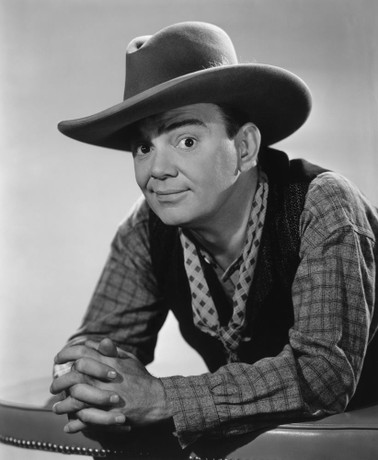

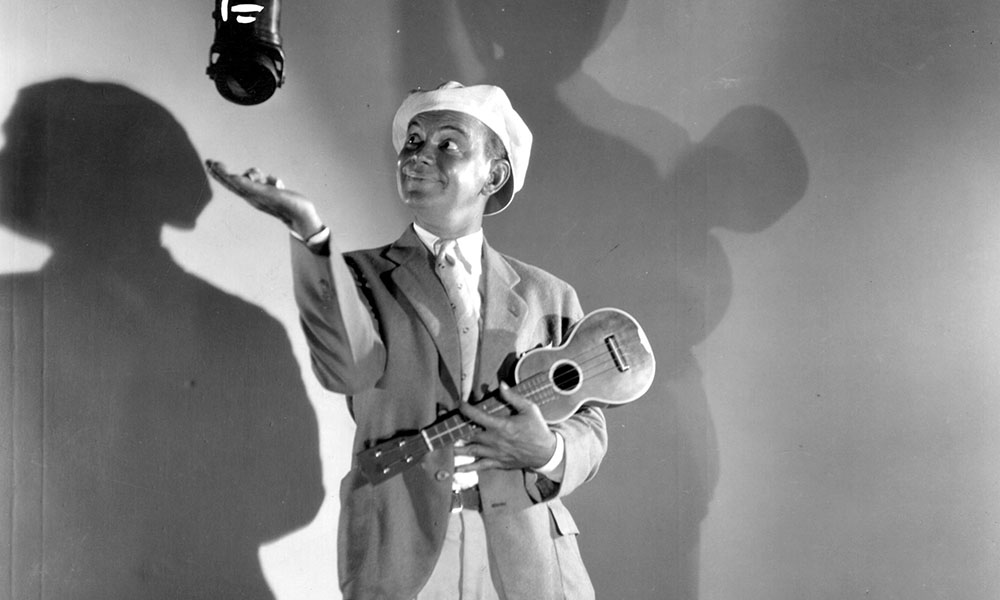
Early Life and Career: Born in Hannibal, Missouri, Edwards dropped out of school at 14 and soon moved to St. Louis and Saint Charles Missouri where he entertained as a singer in saloons. Since many saloons had pianos in bad shape or none at all, Edwards taught himself to play ukulele to serve as his own accompanist (choosing it because it was the cheapest instrument at the music shop). Got his first break in 1918 at Chicago’s Arsonia Café where he performed “Ja-Da” a song written by the club’s pianist, Bob Carleton. The two men made it a hit on the vaudeville circuit. Later Vaudeville headliner Joe Frisco hired Edwards as part of his act which was featured in New York’s Palace, the most prestigious vaudeville theater of its time and later in the Ziegfield Follies. Made his first phonograph records in 1919 which include early examples of jazz scat singing in 1922. After signing a contract with Pathe Records, Edwards went on to become one of the most popular singers of the 1920s. He’d appear in several Broadway shows, including the George and Ira Gershwin musical Lady Be Good alongside Fred and Adele Astaire at the Palace in 1924. While performing at LA’s Orpheum Theater in 1929, Edwards caught the attention of MGM director-producer Irving Thalberg whose company hired him to appear in early sound movies. In The Hollywood Revue of 1929, Edwards was one of these stars, doing comic bits and singing some numbers including his hit single, “Singin’ in the Rain.” Although he was at the pinnacle of success at this time, his popularity had been fading from the early 1930s as public taste shifted to crooners such as Russ Columbo, Rudy Vallee, and Bing Crosby.
Movies and Cartoons: Pinocchio (1940), Fun and Fancy Free (1947), Dumbo (1941), the Disney Christmas spectacular From All of Us to All of You (1958), as well as various shorts as Jiminy Cricket
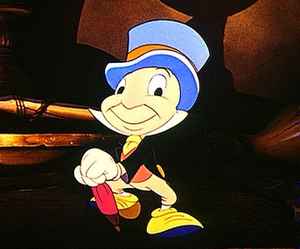
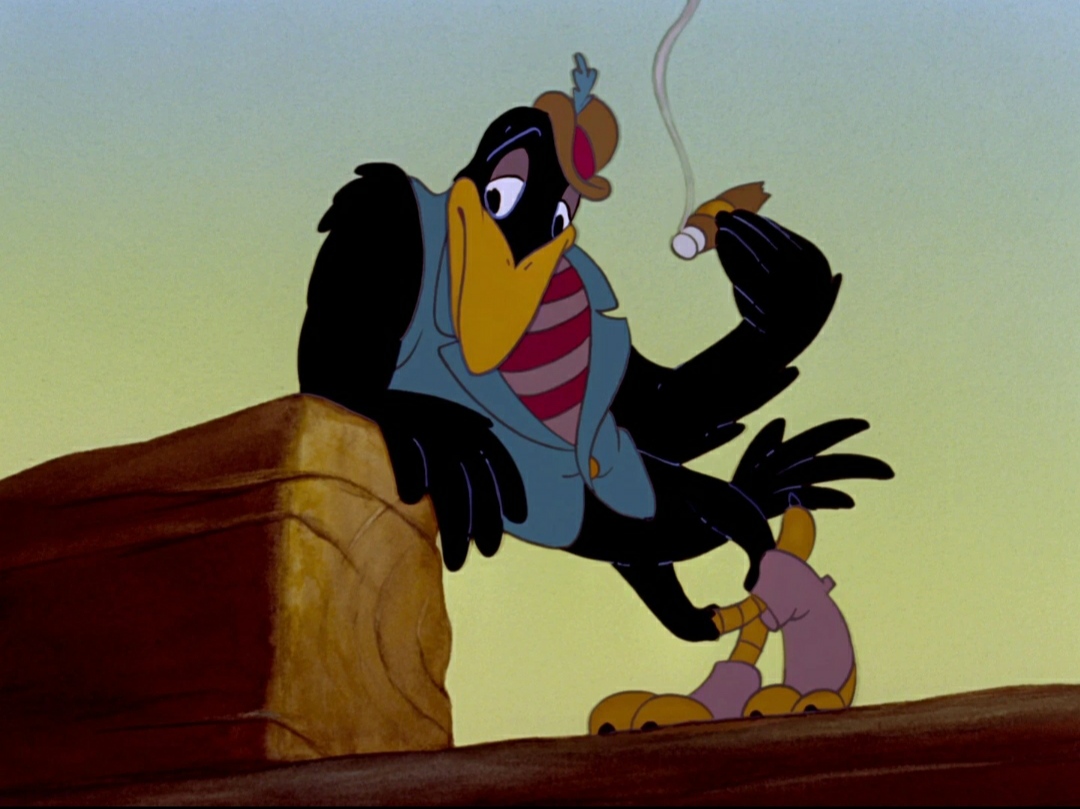
Characters: Jiminy Cricket and Dandy (Jim) Crow
Also Known For: Nicknamed “Ukulele Ike,” by a club owner who couldn’t remember his name, Edwards enjoyed considerable popularity in the 1920s and early 1930s, specializing in jazzy renditions of pop tunes and novelty songs. In 1929, he achieved a number one hit with his rendition of “Singin’ in the Rain.” Although the success he achieved with this song would pale compared to his recording of “When You Wish Upon a Star.” Other hits include “California, Here I Come”, “Hard Hearted Hannah”, “Yes Sir, That’s My Baby”, “I Can’t Give You Anything But Love,” and “I’ll See You in My Dreams”. He also wrote his own compositions as well but they’re not as well known as well as recorded some off-color novelty songs for some under-the-counter sales. Was responsible for the soaring popularity of the ukulele resulting in millions of those instruments sold during the decade as well as Tin Pan Alley publishers adding ukulele chords and sheet music. Appeared in a total of 33 films for MGM through 1933. In addition to his work at MGM, Edwards was also an occasional supporting player in shorts and feature films at Warner Bros. and RKO often playing comic sidekicks in B-westerns. Appeared in the darkly sardonic western comedy The Bad Man of Brimstone in 1937, played a guy named “Endicott” in His Girl Friday, and voiced an off-screen Confederate soldier in Gone with the Wind. In a 1940 short, he led a cowboy chorus in Cliff Edwards and His Buckaroos. In 1932, he had his first national radio show on CBS and would continue hosting radio shows until 1946. Was also an early arrival on television, starring in the 1949 The Cliff Edwards Show which aired on Monday, Wednesday, and Friday evenings as a variety program on CBS as well as made appearances on The Mickey Mouse Club during the 1950s and 1960s.
Personal Life: Like a highly successful singer and musician in a music biopic, Edwards’ personal life was a complete dumpster fire that would eventually destroy him. Married 3 times. First to Gertrude (Benson) Ryrholm in 1917, which ended in divorce 4 years later. Second to Irene Wylie in 1923 which ended in their 1931 divorce. And third to actress Judith Barrett which ended in divorce in 1936. Despite his success in the 1920s, Edwards was careless with the money he made, always trying to sustain his expensive habits and lifestyle. Although he continued working during the Great Depression, he never again enjoyed his former prosperity from his 1920s heyday or any prosperity he should’ve been able to achieve with the career he had (especially with all the stuff he did for Disney). Most of his income went to alimony for his 3 ex-wives and declared bankruptcy 4 times during the 1930s and early 1940s. Was also a lifelong heavy tobacco smoker, alcoholic, drug addict, and gambler for much of his life.
Later Life: Enjoyed a small resurgence of popularity with Arthur Godfrey’s use of the ukulele. Made his last film in 1965. Continued to record music until his death in 1971 with his last album Ukulele Ike being released posthumously on the independent Glendale label. This album reprised many of his 1920s hits with his failing health evident in these recordings. In his later years, Edwards lived in a home for indigent actors and often spent his time at Walt Disney Studios to be available for voice work at any time. Sometimes he befriended animators who’d take him to lunch and he’d entertain them with stories of his vaudeville days. While Walt Disney Productions quietly paid many of his medical expenses. Died of cardiac arrest in 1971 at 76. At the time, he was a penniless charity patient at Hollywood’s Virgil Convalescent Hospital. His body went unclaimed and was donated to the University of California, Los Angeles medical school. When Walt Disney Productions discovered this, they offered to buy his remains and pay for his burial. However, the Actors’ Fund of America that had been supporting Edwards and the Motion Picture and Television Relief Fund did the honors instead. While Disney paid for his grave marker.
Trivia: Used a small soprano ukulele in his early career and switch from the larger tenor ukulele from the 1930s on. Had a friendly relationship with Buster Keaton with whom he’d work with in 3 films. Between takes, the two men would have casual jam sessions one of these got captured for the 1930 film Doughboys that depicts Edwards and Keaton scat-singing their way though “You Never Did That Before”. Became a Disney Legend for voice-acting in 2000. In 2002, Edwards’ 1940 recording of “When You Wish Upon a Star” was inducted into the Grammy Hall of Fame. Inducted in the Ukulele Hall of Fame Museum in 2000.

 The Lone Girl in a Crowd