
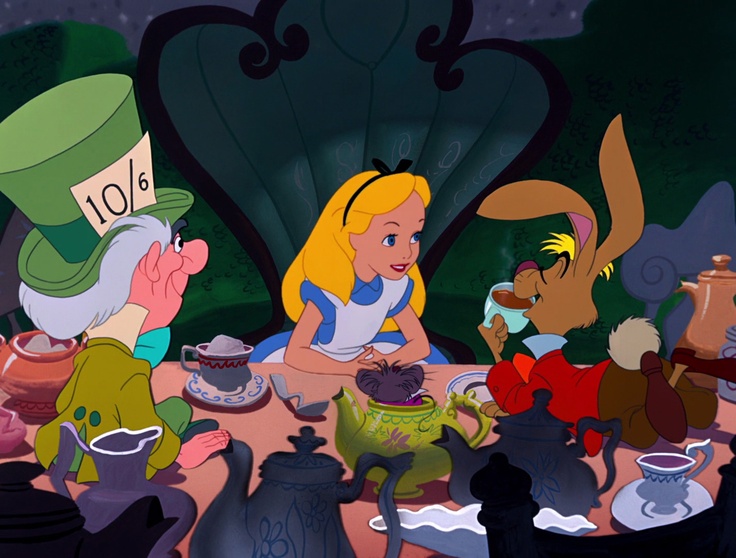
While Cinderella was getting the fast-track in production during the late 1940s, Alice in Wonderland and Peter Pan were also being made at the time as well. Both were in development during the 1930s only to be shelved due to the box office failures of Pinocchio and Fantasia as well as World War II cutting off the foreign market. That Bank of America’s Joseph Rosenberg issued an ultimatum ordering Walt Disney to stick to shorts and finish features already in production and no new feature films until they had been released and earned back their costs. Only to resume production after the war was done and both starred the same voice actress as the female lead. Yet, upon their release, both films spun in different directions (although both have acquired large fanbases). Peter Pan opened to generally positive reviews and good box office returns in 1953. But even though it has its fans, it also has its detractors who see it as much creepier and problematic than they remember as kids. Not to mention, its depiction of racist Native American stereotypes adds to another level of cringe and really shows the film’s age.

Alice in Wonderland, on the other hand, was heavily hyped in a Christmas Day TV announcement in 1950 but fell $1 million short of it’s production budget at the box office upon its release in 1951. It was also critically panned, especially from the British press. British film and literary critics accused Disney of “Americanizing” a great work of English literature. This didn’t surprise him and he claimed that this movie was made for families, not critics. Alice in Wonderland wouldn’t be re-released theatrically in Walt’s lifetime although it appeared on television on occasion. In fact, the movie didn’t become popular until the 1970s with sold-out screenings in venues on college campuses starting in 1971. This led to Disney re-releasing the film in 1974 all thanks to an audience of drugged-up hippies. And when watching the film, it seems that Alice in Wonderland seems like it could’ve been made at that time. That you’d end up staring at its 1951 release date thinking that the people at Disney+ messed up in their description. Today, it’s regarded as one of Disney’s best animated films and is frequently featured in the Disney lineup. In this post, you’ll meet voice actors Bill Thompson and Queenie Leonard, ghost singers Marni Nixon and Bill Lee, actor and caricature artist Don Barclay, as well as the voices behind the March Hare, Alice’s Sister (and Mrs. Darling), the Rose, Peter Pan, and Captain Hook.
41. Jerry Colonna
Dates: 1904-1986
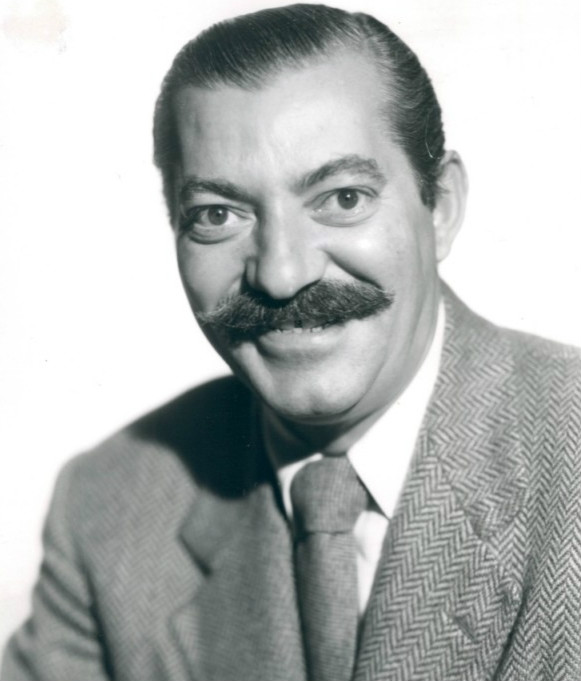

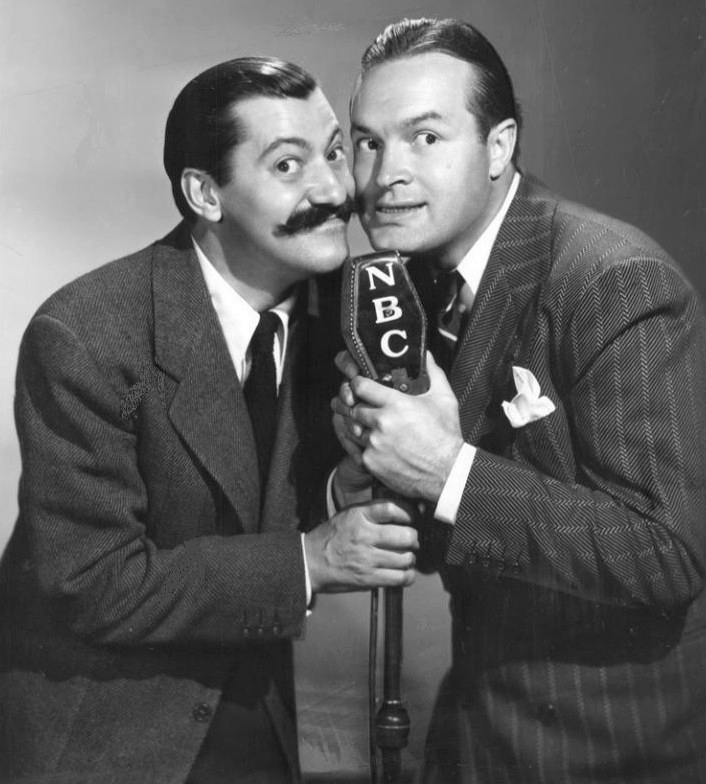
Early Life and Career: Born Gerardo Luigi Colonna in Boston, Massachusetts. Parents were Italian immigrants. Started his career as a trombonists in orchestras and dance bands in and around his hometown during the 1920s. In the 1930s, Colonna played in the CBS house orchestra and the Columbia Symphony Orchestra, developing a reputation for tomfoolery and pranks. His off-stage antics became so calamitous that CBS nearly fired him on more than one occasion. However, Fred Allen soon gave Colonna guest shots and a decade later, he joined the John Scott Trotter Band on Bing Crosby’s Kraft Music Hall. Was one of 3 musical discoveries on that show along with the legendary Victor Borge and Spike Jones. Took part in Bob Hope’s USO tours during World War II and joined ASCAP in 1956.
Movies and Cartoons: Make Mine Music (1946) and Alice in Wonderland (1951)

Characters: March Hare
Also Known For: Was a musician, actor, comedian, singer, songwriter, and trombonist. Played the zaniest of Bob Hope’s sidekicks in his radio shows and films of the 1940s and 1950s. Also played a wide range of nit-witted characters. Trademark was his pop-eyed facial expressions, handlebar mustache, and loud singing. Was a major inspiration for many Warner Bros. cartoons during the 1940s and 1950s. Film appearances include Road to Singapore, Road to Rio, Road to Hong Kong, Garden of the Moon, and Star-Spangled Rhythm. Hosted his own TV show that lasted a single season. Other TV appearances include The Colgate Comedy Hour, Time for Beany, Super Circus, Shirley Temple’s Storybook, Climax!, McHale’s Navy, and The Monkees. Also appeared in one of the oldest surviving kinescope recordings of a live television broadcast in 1947.
Personal Life: Married Florence Purcell in 1930 whom he met on a blind date and adopted a son named Robert. Marriage lasted until his death. Son had a theater career lasting for 60 years mostly in Rhode Island and published a biography on his father’s life. Brother of Louis Colonna. Great-uncle to stand-up comedian Sarah Colonna.
Later Life: Suffered a stroke after his Monkees guest spot that forced him to retire save for some brief appearances on some Bob Hope specials. In 1979, Colonna suffered a heart attack that forced him to spend the last seven years of his life at the Motion Picture and Television Hospital. Wife stayed by his side at the end. Died of kidney failure in 1986 at 82. Wife died 8 years later in the same hospital.
Trivia: Was mentioned in Jack Kerouac’s On the Road. Was portrayed by Jeff MacKay on a JAG episode.
42. Bill Thompson
Dates: 1913-1971
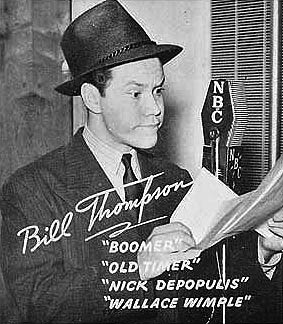
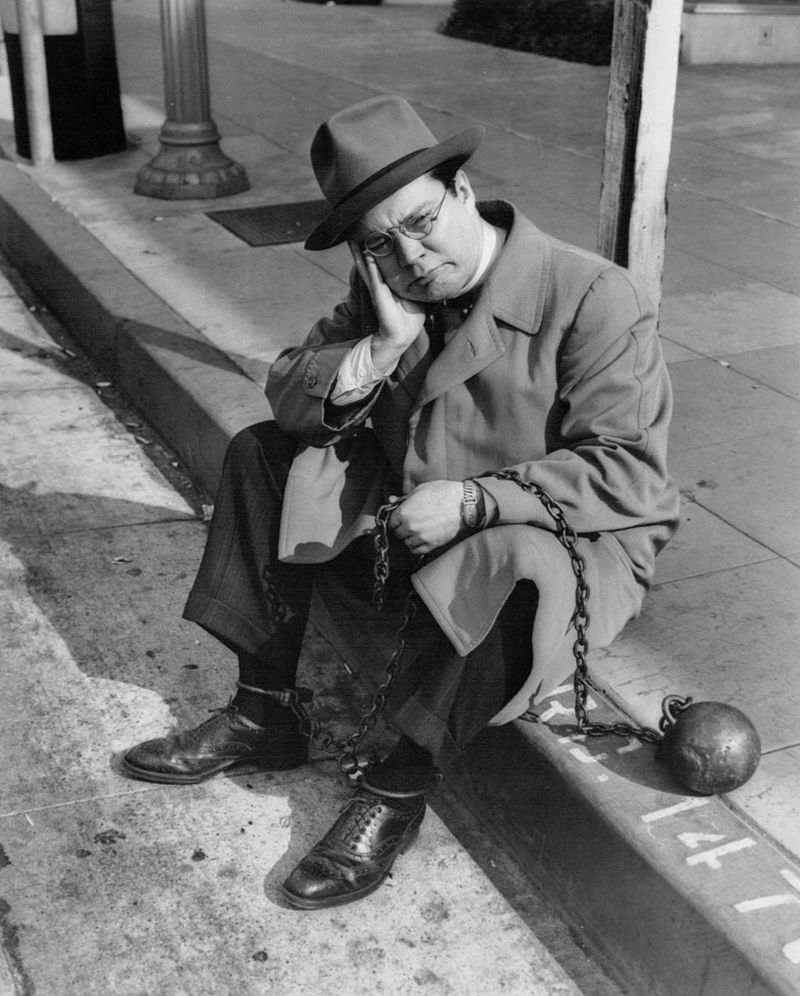
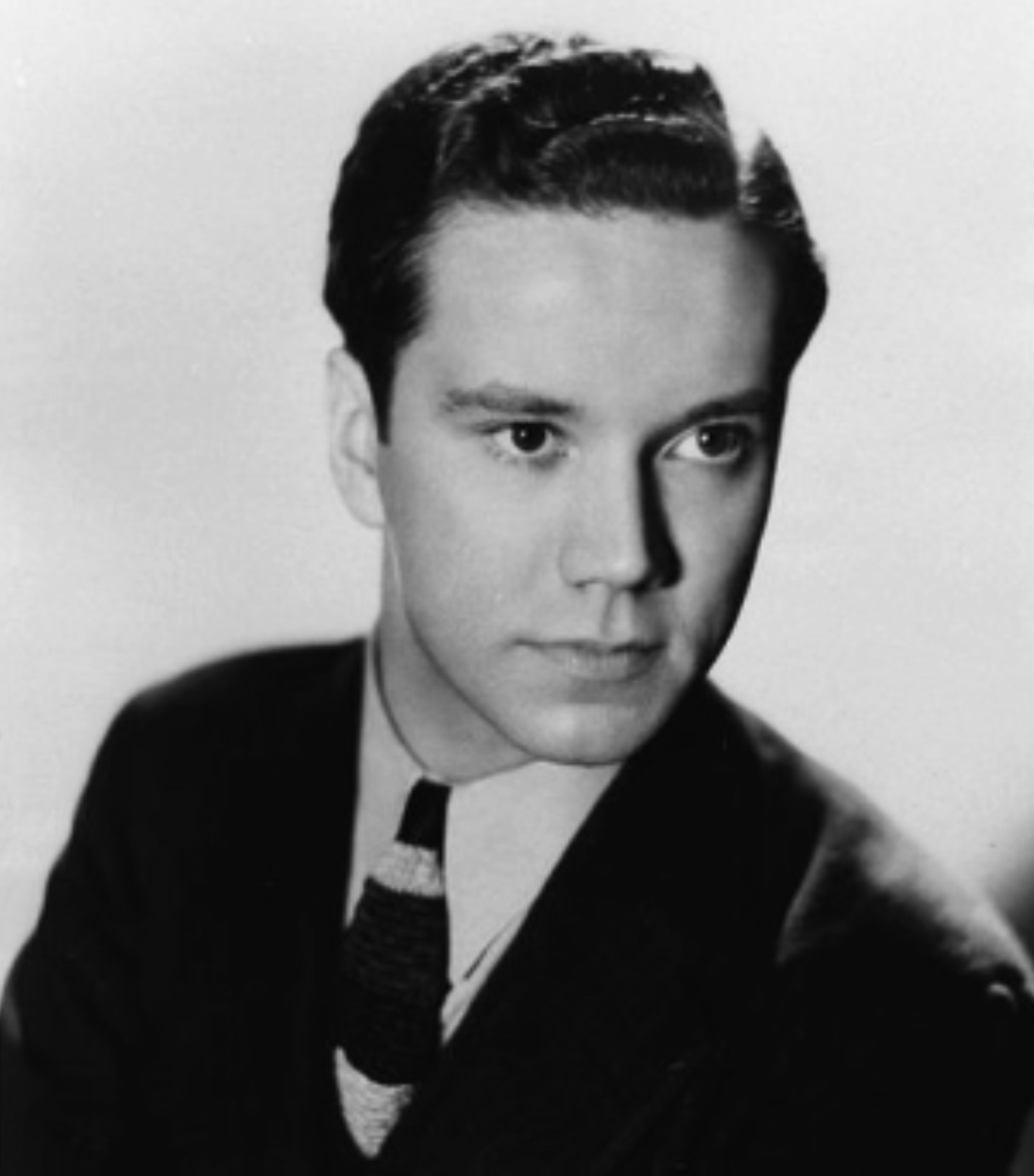
Early Life and Career: Born in Terre Haute, Indiana to vaudevillian parents. Began his career in Chicago radio where he originated the meek, mushed-mouth character Mr. Wimple in The Breakfast Club. In 1936, he joined the cast of Fibber McGee and Molly where he brought his Wallace Wimple character and played a variety of roles comprising of Horatio K. Boomer, Nick Depopulis, Vodka, Uncle Dennis, and the Old Timer. In 1943, Thompson joined the US Navy and returned to radio and began voicing Droopy for MGM. Was the original voice for Scrooge McDuck.
Movies and Cartoons: Alice in Wonderland (1951), Peter Pan (1953), Ben and Me (1953), Lady and the Tramp (1955), Sleeping Beauty (1959), Scrooge McDuck and Money (1967), The Aristocats (1970), as well as did voices on The Magical World of Disney from 1957-1969 and several shorts.
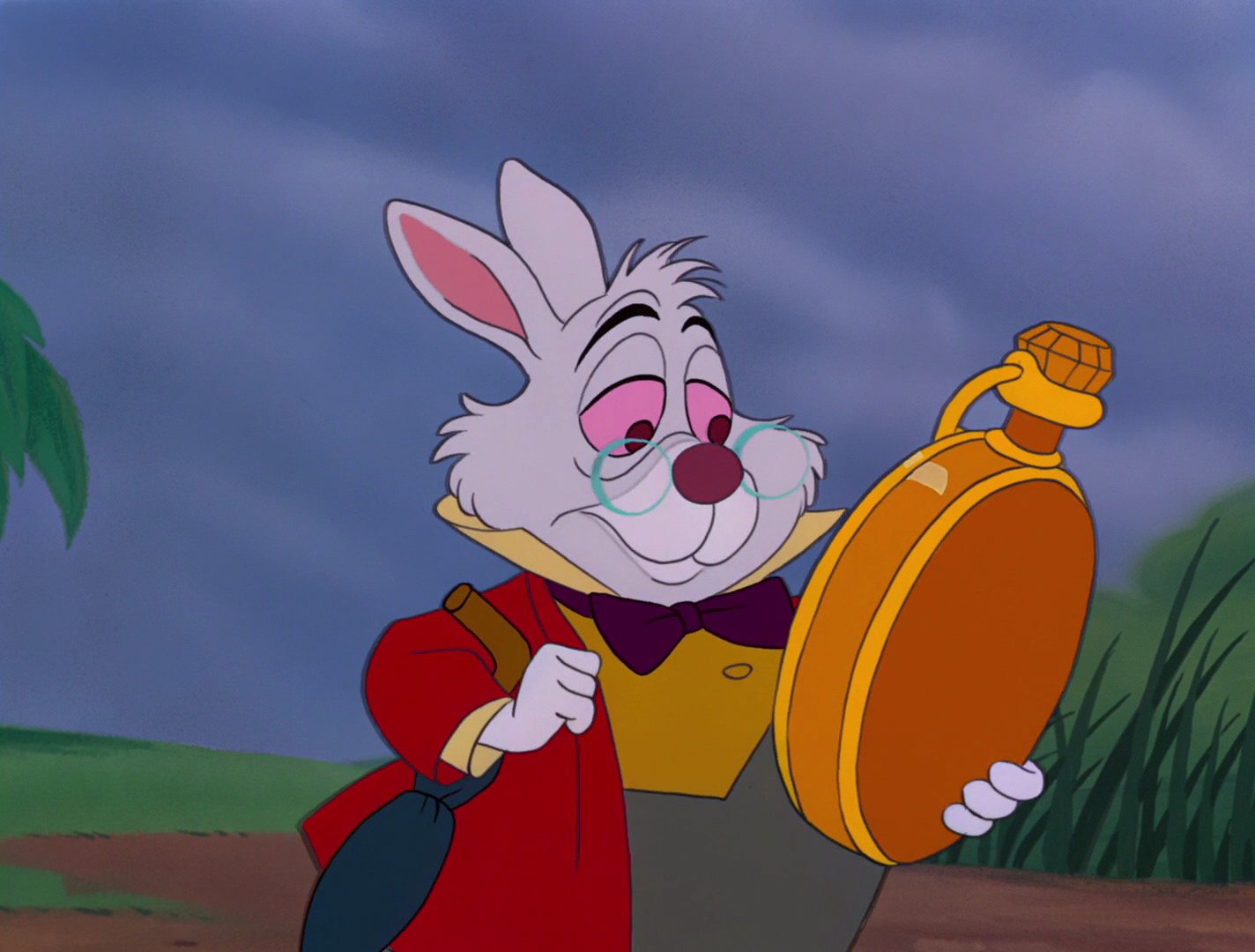
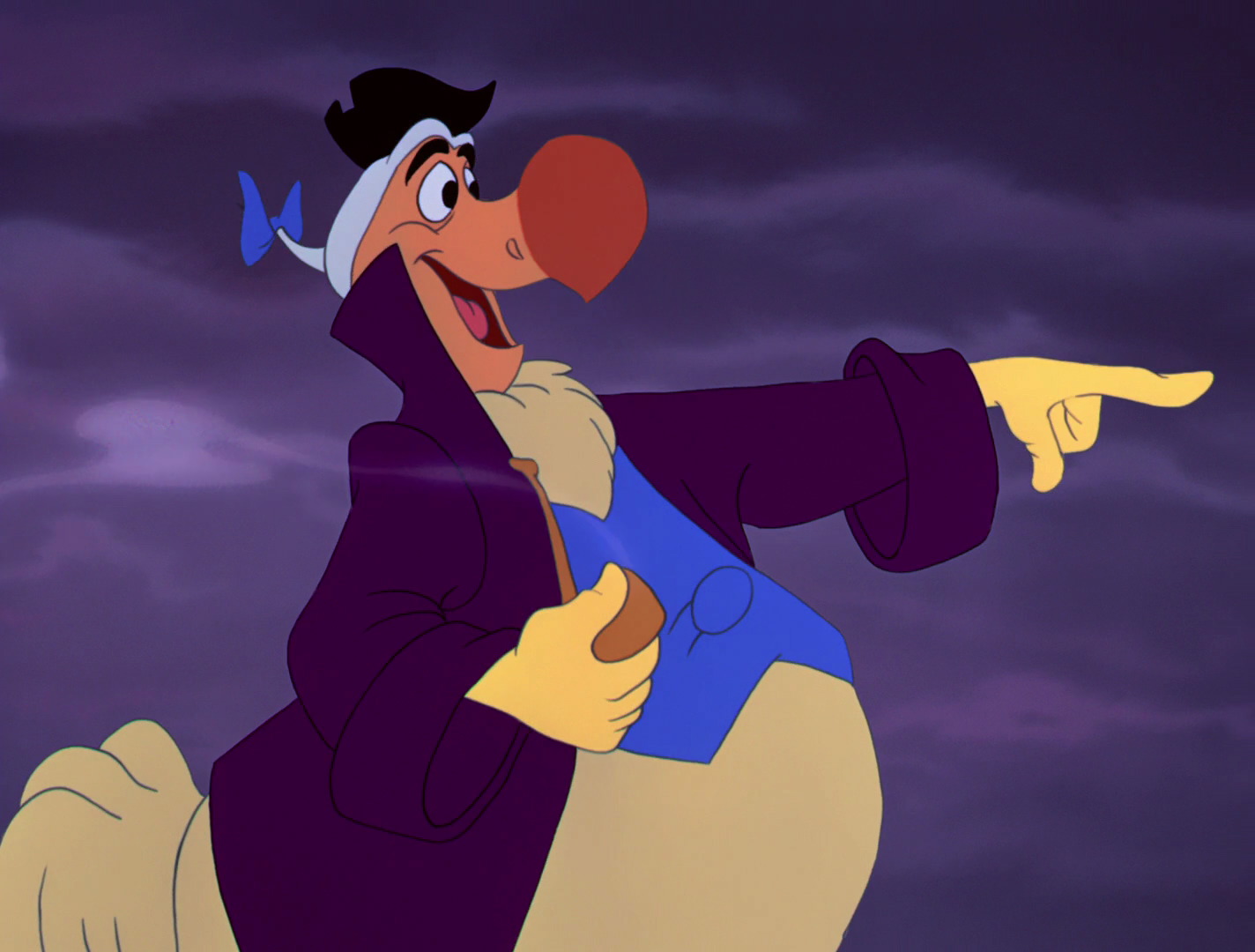
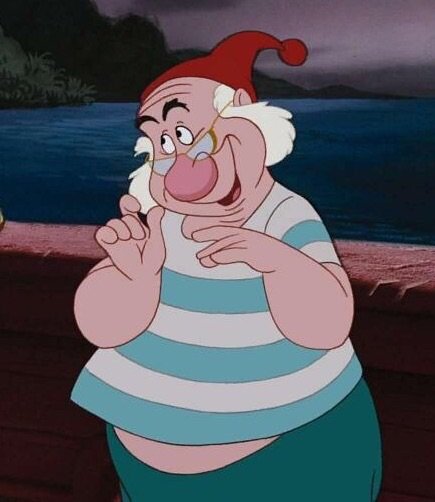
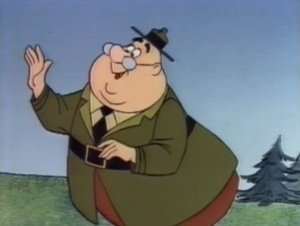
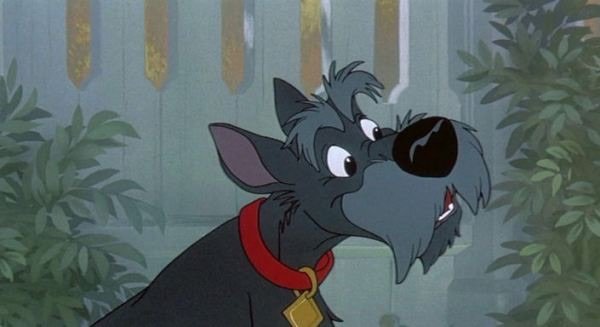
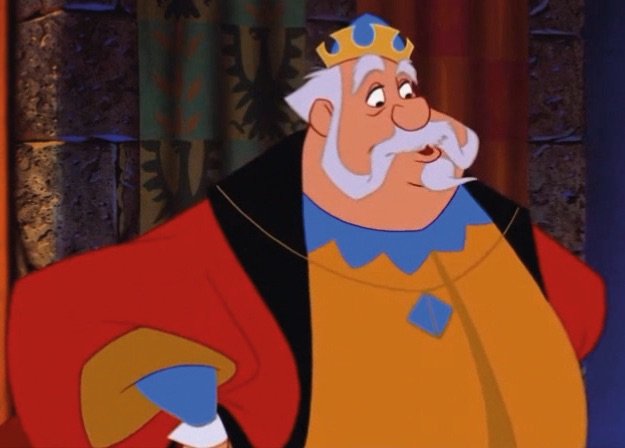
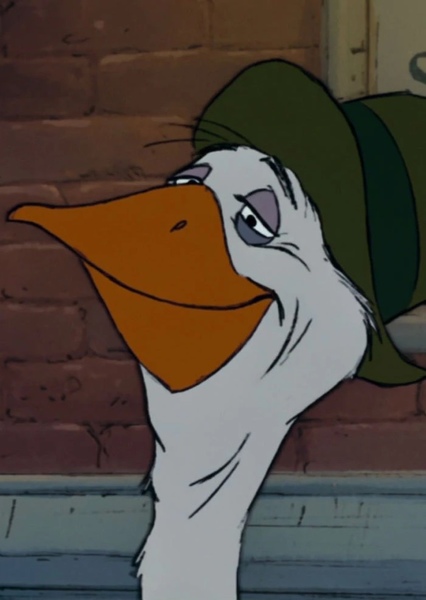
Characters: White Rabbit, Captain Dodo, Smee, Pirates, Governor Keith, Human Tour Guide, Miscellaneous Men, Jock, Bull, Policeman at Zoo, Dachsie, Joe, Jim’s Friend #1, King Hubert, Scrooge McDuck, and Uncle Waldo as well as Ranger J. Audubon Woodlore, Oldtimer, Professor Owl, and Ajax Employment Agency Proprietor
Also Known For: Was a radio personality and voice actor whose career spanned from the 1930s until his death. Voiced Droopy in MGM cartoons from 1943-1958. Also appeared in The Flintstones, The Hanna-Barbera New Cartoon Series, To Tell the Truth, and The Yogi Bear Show.
Personal Life: Married Margaret Clifford in 1950 and they remained together until his death. Father-in-law was cartoonist Clifford McBride.
Later Life: In 1957, Thompson joined the Los Angeles branch of Union Oil as an executive working in community relations and occasionally reprised his radio characters as well as did some voice work. In 1971, he died of sudden septic shock at 58.
Trivia: Received a star on the Hollywood Walk of Fame in 1960.
43. Heather Angel
Dates: 1909-1986
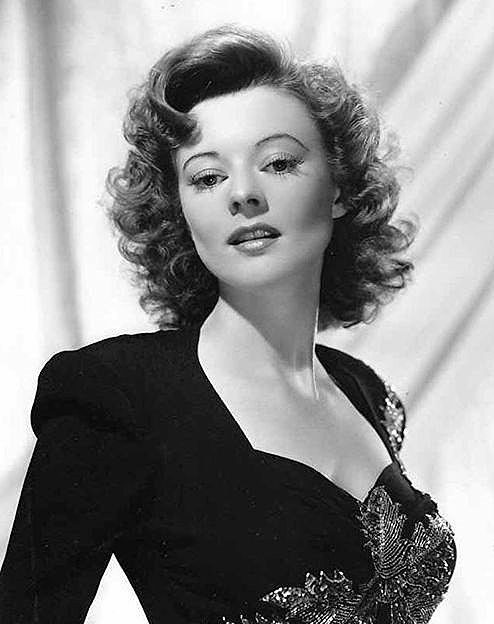
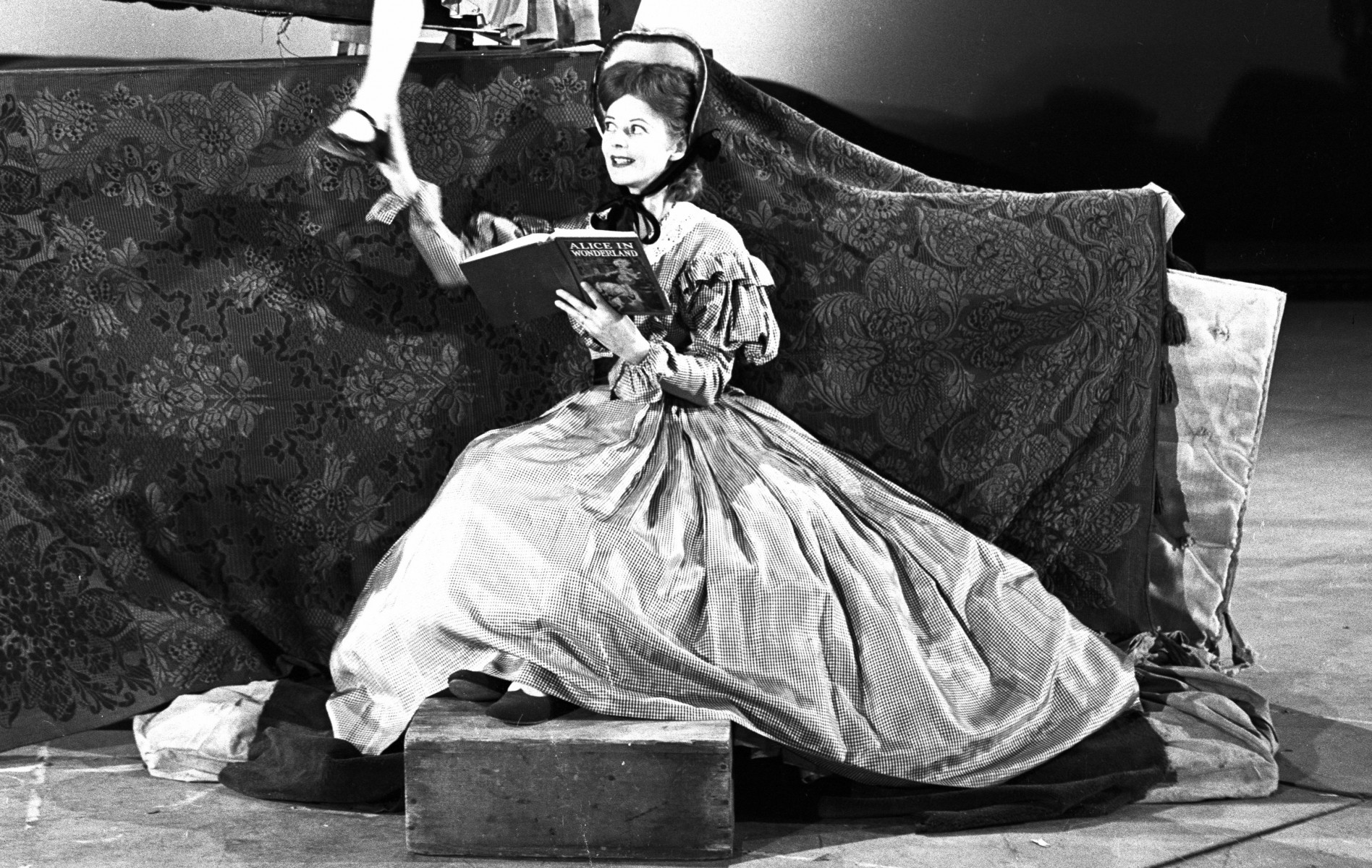
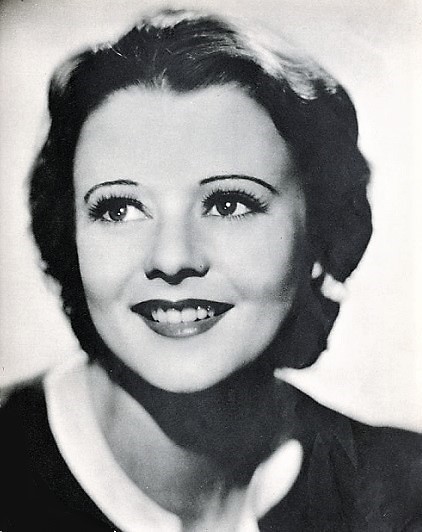
Early Life and Career: Born in Oxford, England. Father was a chemistry professor at Oxford University. Mother was a daughter of Italian immigrants. Dad was killed in the Silvertown Explosion in 1917 and was posthumously awarded the Edward Medal. Family moved to London. Began her stage career at the Old Vic in 1926 and later appeared with touring companies. Made Broadway debut in 1937 at the Golden Theatre. Made first film in 1931.
Movies and Cartoons: Alice in Wonderland (1951) and Peter Pan (1953)
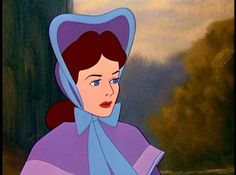
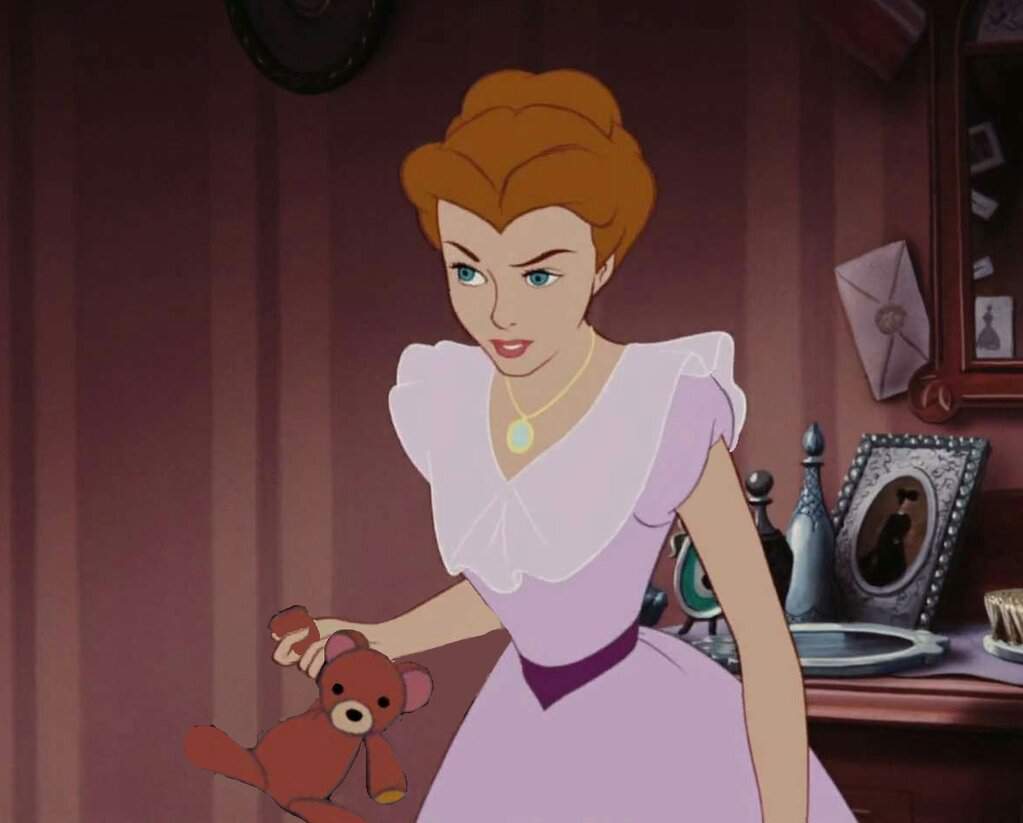
Characters: Alice’s Sister and Mrs. Darling
Also Known For: Film appearances include The Houd of the Baskervilles, The Mystery of Edwin Drood, The Three Musketeers, The Informer, The Last of the Mohicans (1936), Pride and Prejudice (1940), That Hamilton Woman, Kitty Foyle, Suspicion, Time to Kill, Lifeboat, and the Bulldog Drummond series. TV appearances include Peyton Place and Family Affair.
Personal Life: Married twice. First to actor Ralph Forbes in 1934 that lasted less than 10 years before their divorce. Second to film and television director Robert B. Sinclair in 1944. Marriage produced a son in 1947 and lasted until his death in 1970 when he was murdered by an intruder breaking into the couple’s home and right in front of her.
Later Life: Died of cancer in Los Angeles in 1986 at 77. Cremated at Santa Barbara Cemetery.
Trivia: Has a star on the Hollywood Walk of Fame at 6301 Hollywood Boulevard. Friends with British actor Henry Wilcoxon. Tested for the role of Melanie Wilkes in Gone with the Wind. Subject of a Sonic Youth song in 1998.
44. Queenie Leonard
Dates: 1905-2002
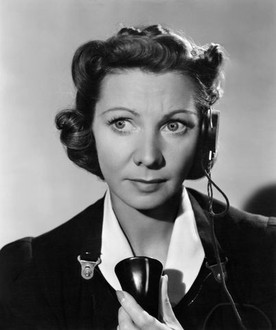

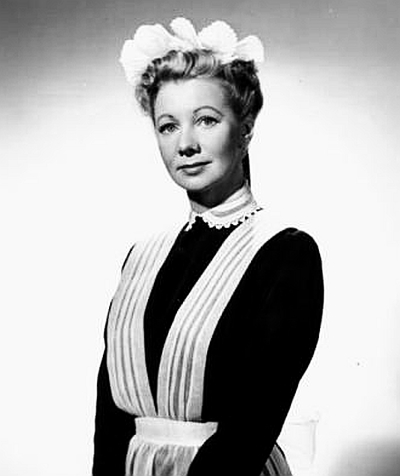
Early Life and Career: Born Pearl Walker in Manchester, England. Began performing on stage with her father at 14. First film in 1931. By the time she went to Hollywood in 1941, Leonard already had amassed stage and screen experience. Also appeared in cabaret on both sides of the Atlantic Ocean as well as starred in a one-woman show.
Movies and Cartoons: Alice in Wonderland (1951), One Hundred and One Dalmatians (1961), and Mary Poppins (1964)
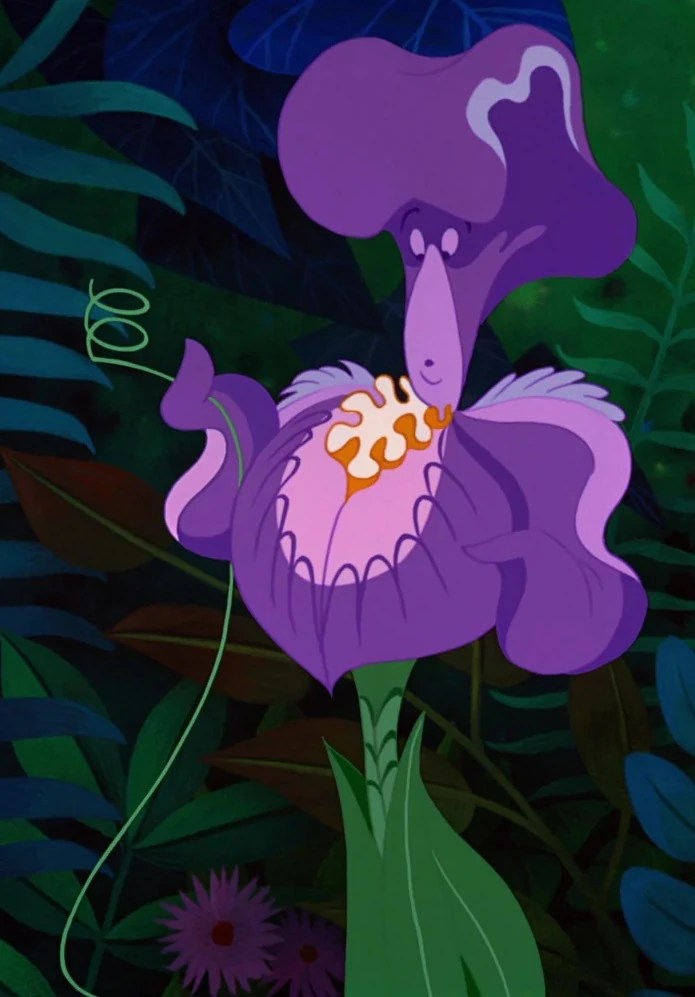
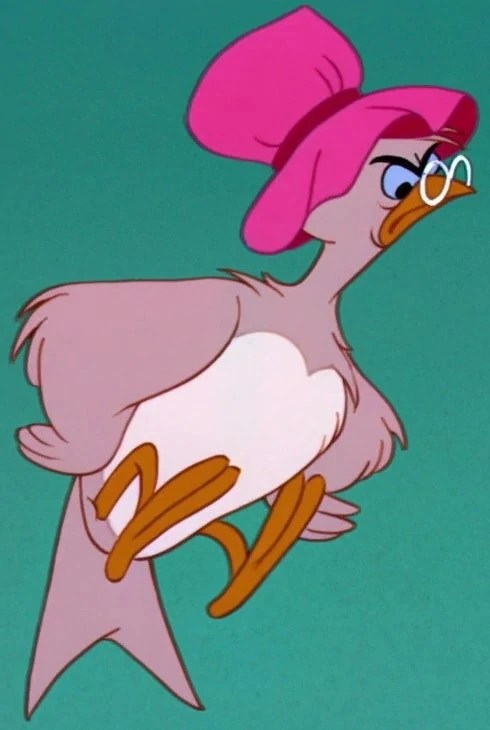

Characters: Bird in Tree, Snooty Iris, Princess the Cow, and Depositor
Also Known For: Made more than 30 Hollywood films. Movies include Moonlight Sonata, Limelight, Ladies in Retirement, Eagle Squadron, The Lodger, The Uninvited, And Then There Were None, Life with Father, The Black Arrow, Lorna Doone (1951), Les Miserables (1952), My Fair Lady, and Doctor Doolittle. Also appeared in TV sitcoms.
Personal Life: Married twice. First husband was film designer Lawrence P. Williams from 1936 to their 1947 divorce. Second husband was actor Tom Conway from 1958 to their 1963 divorce. Was legally blind for part of her life.
Later Life: Retired from acting in 1968. Died of natural causes at her Los Angeles apartment at 96. Buried at Westwood Village Memorial Park Cemetery in the burial plot, “The Garden of Roses.”
Trivia: None.
45. Doris Lloyd
Dates: 1891-1968

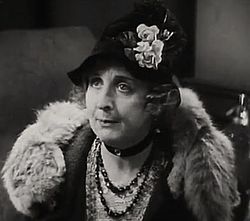
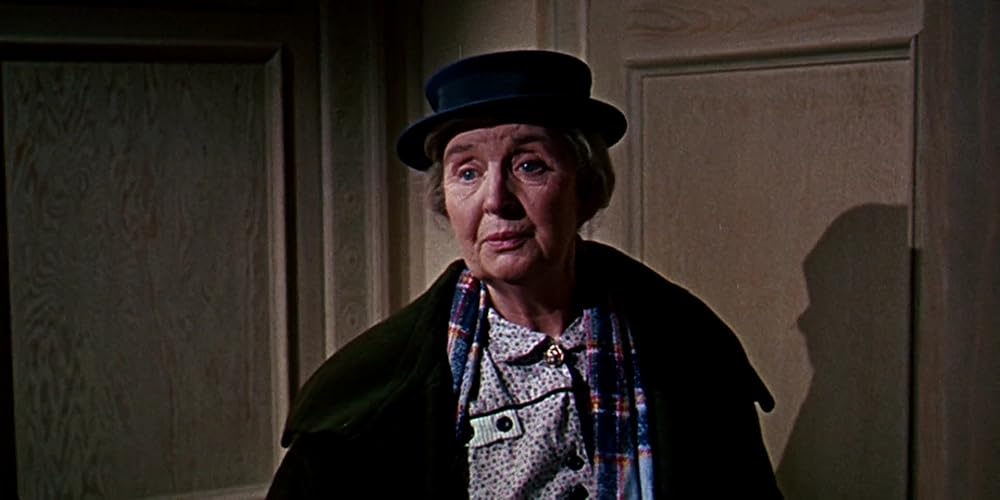
Early Life and Career: Born in Liverpool, England. Made her stage debut at 23 with the Liverpool Repertory Company. Appeared a number of times on the West End as well as appeared on Broadway from 1916 to 1926 as well as performed with the Ziegfeld Follies and touring companies. Made first film in 1920. Went to the United States to visit a sister but decided to stay there permanently. Made her first US film in 1925. With the exception of a brief Broadway return in 1927, Lloyd decided to devote her career to films and television.
Movies and Cartoons: Alice in Wonderland (1951) and Mary Poppins (1964)
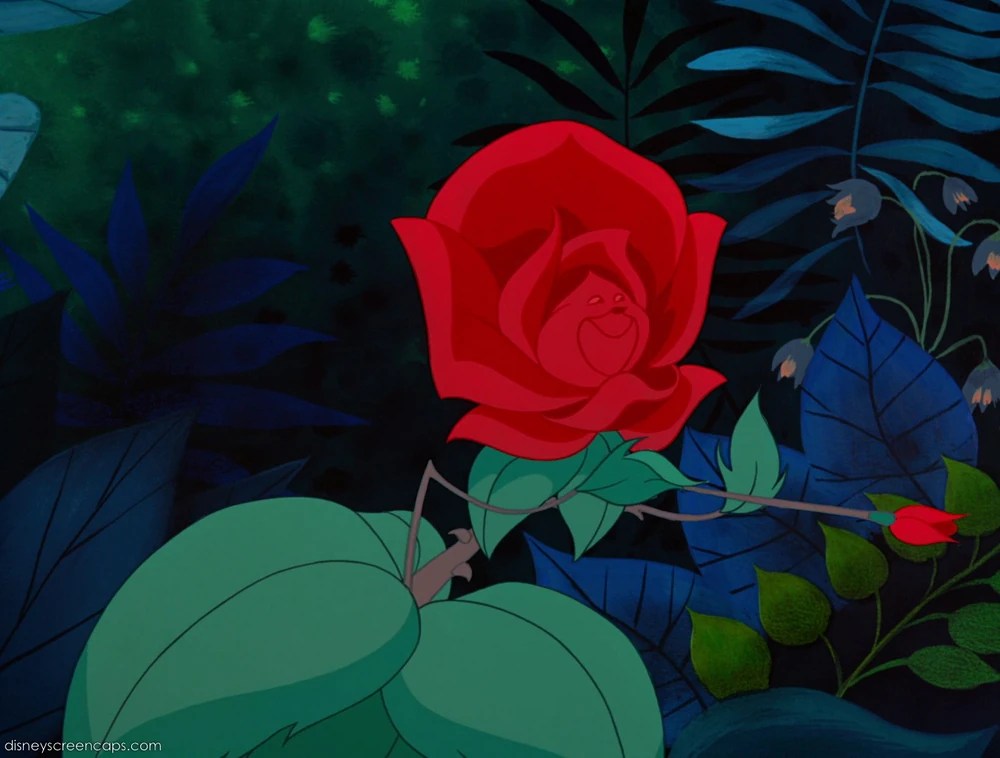
Characters: The Rose and Depositor
Also Known For: British actress who appeared in 150 films over a 42-year-career. Film appearances include Oliver Twist, Disraeli, The Time Machine, Frankenstein Meets the Wolf Man, The Sound of Music, Waterloo Bridge, Tarzan the Ape Man, A Farewell to Arms, A Study in Scarlet, Voltaire, Madame du Barry, Becky Sharp, Mutiny on the Bounty (1935), Mary of Scotland, Bulldog Drummond Escapes, They Made Me a Criminal, The Old Maid, The Private Lives of Elizabeth and Essex, Intermezzo, The Letter, The Great Lie, Dr. Jekyll and Mr. Hyde (1941), The Wolf Man, The Ghost of Frankenstein, Mission to Moscow, The Lodger, The White Cliffs of Dover, Kitty, Tarzan and the Leopard Woman, Sister Kenny, The Secret Life of Walter Mitty (1947), Adam’s Rib, A Man Called Peter, and Midnight Lace. TV appearances include Alfred Hitchcock Presents and The Alfred Hitchcock Hour.
Personal Life: Never married.
Later Life: Retired in 1967. Died in Santa Barbara, California at 76. Buried in Glendale’s Forest Lawn Memorial Park Cemetery.
Trivia: None.
46. Bill Lee
Dates: 1916-1980

Early Life and Career: Born in Johnson, Nebraska but grew up in Des Moines, Iowa. Although his initial focus was on the trombone, Lee decided to concentrate on his voice after singing in several college vocal groups. Served as an ensign in the US Navy during World War II before moving to Hollywood upon discharge. Bulk of Lee’s income consisted of singing commercials for radio and TV, which he felt “silly” but appreciated the paychecks he got from them.
Movies and Cartoons: Alice in Wonderland (1951), Peter Pan (1953), Lady and the Tramp (1955), One Hundred and One Dalmatians (1961), Mary Poppins (1964), The Jungle Book (1967), and The Many Adventures of Winnie the Pooh (1977) as well as a variety of cartoon shorts with the Mellomen.
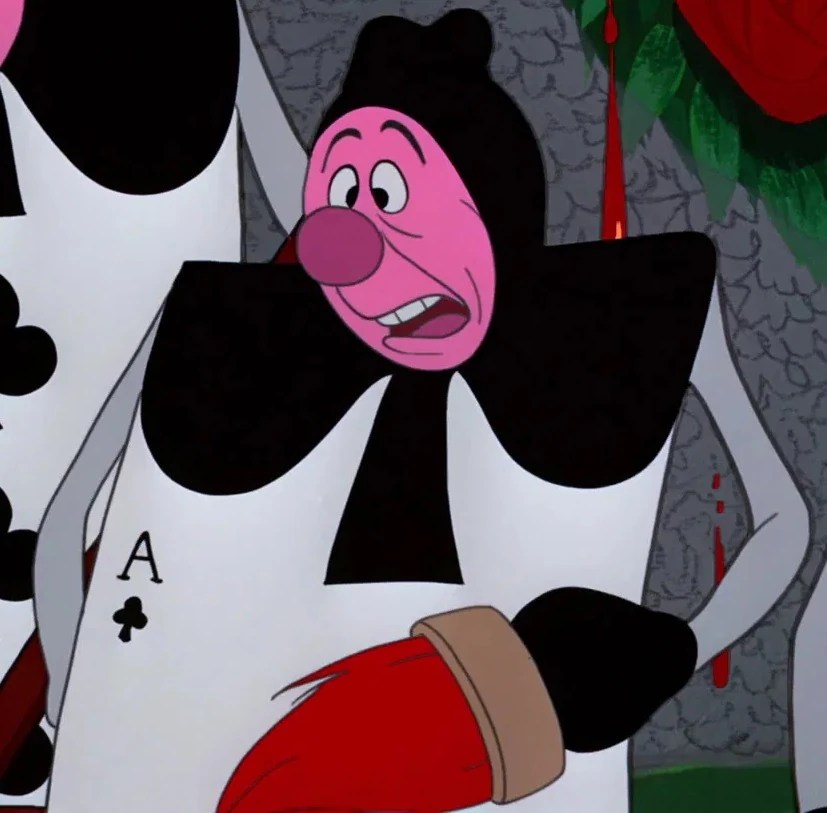
Characters: Card Painter, Dog, Ram, and Singing Elephant as well as did singing voices for Pirates, Roger, and Shere Khan. Sang as Bert and Mr. Banks in the Mary Poppins Disneyland album as well as appeared as Goofy in the 1965 Children’s Riddles and Songs. Also voiced Melvin the Moose at the Country Bear Jamboree in the Disney Parks.
Also Known For: Member of the Mellomen and playback singer who provided singing voices for actors in many films. These include Seven Brides for Seven Brothers, Zorro, South Pacific, Snow White and the Three Stooges, Gay Purr-ee, The Sound of Music, and Thoroughly Modern Millie. Did singing for Bat Masterson and Charlotte’s Web. TV work includes The Alvin Show, Tom and Jerry, Hey There, It’s Yogi Bear!, and Horton Hears a Who! Sang the lead role for the concept album Seven Dreams in 1953.
Personal Life: Was married and had a daughter named Diana Lee who followed in her father’s footsteps.
Later Life: Died of a brain tumor in Los Angeles in 1980 at 64.
Trivia: None
47. Don Barclay
Dates: 1892-1975
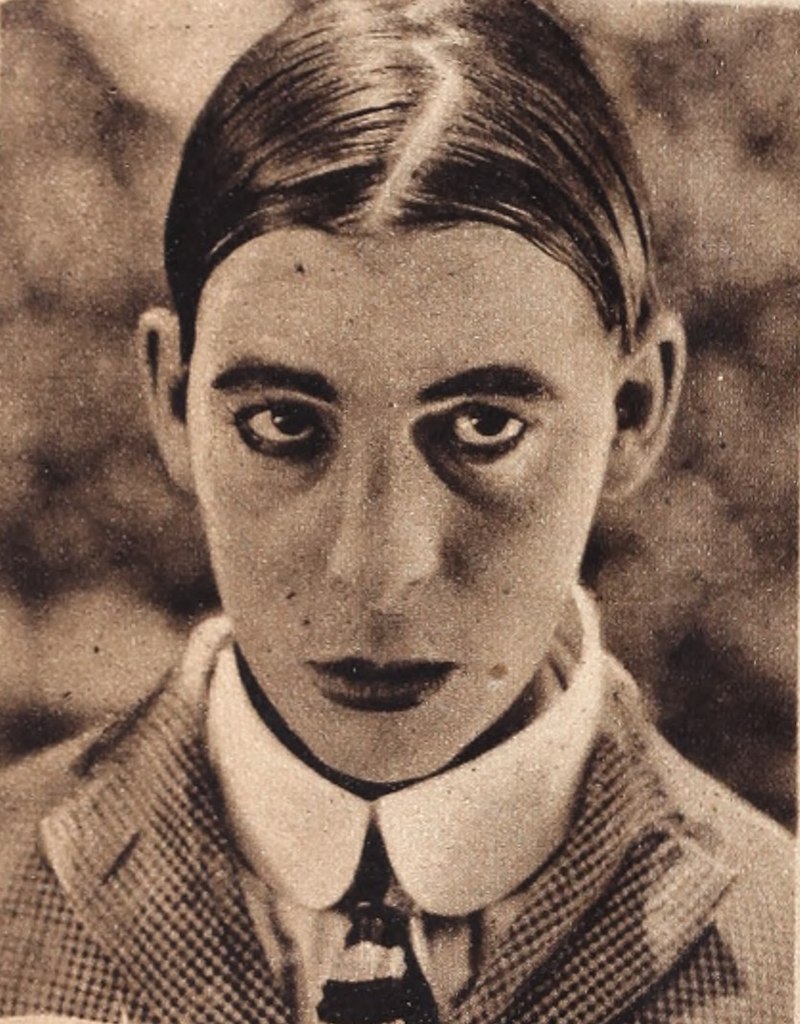
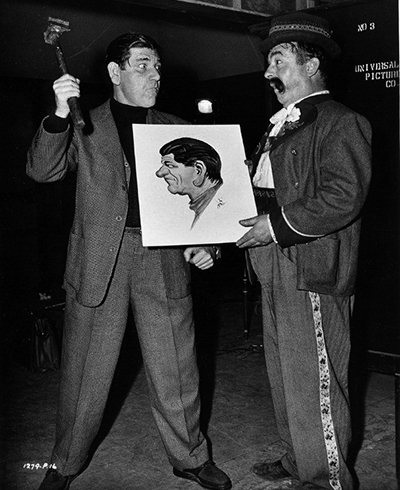

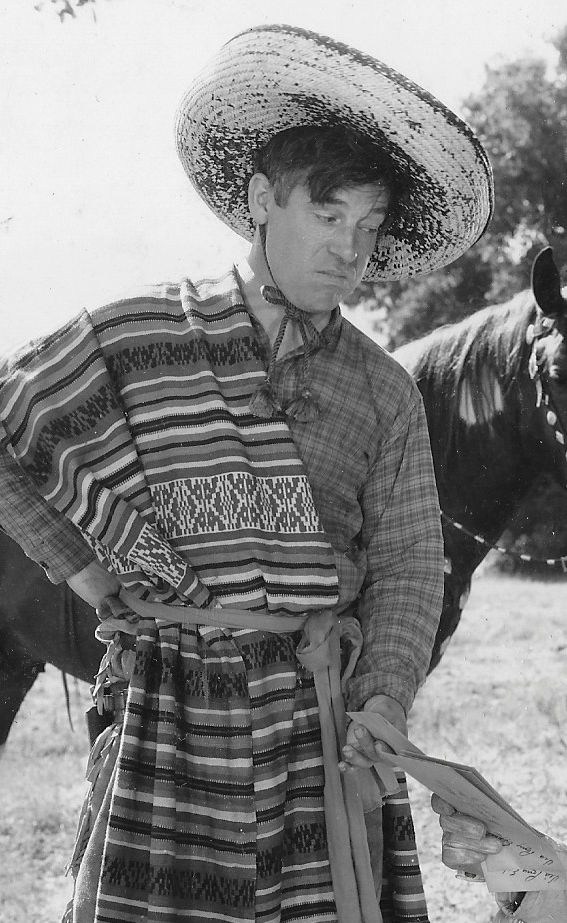
Early Life and Career: Born Donn Van Tassel Barclay in Ashland, Oregon. Started his career as a cartoonist for the San Francisco Examiner before going into comedy and burlesque. Was a Keystone Kop from 1914-1915. Featured with the Ziegfeld Follies and a series of short films called Mermaid Comedies in the 1920s.
Movies and Cartoons: Alice in Wonderland (1951), Mary Poppins (1964), and Bedknobs and Broomsticks (1971)
Characters: Card Soldiers, Mr. Binnacle, and Portobello Road Passerby
Also Known For: Films include Frisco Kid, The Murder of Dr. Harrigan, Man Hunt, Outlaw Express, The Oklahoma Kid, Honky Tonk, The Flying Irishman, Bedtime Story, South of Tahiti, Larceny, Inc., This Gun for Hire, My Sister Eileen, The Falcon’s Brother, The More the Merrier, Thank You Lucky Stars, My Darling Clementine, and The Sainted Sisters. Often did caricatures and paintings of celebrities on movie sets. Became so successful that he eventually left acting to become a full-time artist. His output was prolific, turning out hundreds of caricatures of celebrities for establishments all over the country. For a time preceding World War II, Barclay spent time with General Claire Lee Chenault’s 14th AAF Flying Tigers unit where her illustrated every person in the group. From October to November 1943, he did a one man USO show for the troops, touring every base in North Africa, Arabia, India, and China and drawing caricatures of the men as he went. When he returned to China in 1945, he’s said to have drawn over 10,000 caricatures of servicemen.
Personal Life: Never married.
Later Life: Retired in 1970 and bought a home in Palm Springs’ Desert Park Estates neighborhood. Died in 1975 at 82.
Trivia: Was a friend and occasional roommate of Cary Grant when the two were first starting out and later developed a 2-man comedy show in New York. Was considered a good luck charm by Walt Disney. Bob Hope collected a series of mugs based on his caricatures. Several of Barclay’s famous and noted caricatures are archived on the official Library of Congress. Two on the website’s Bob Hope page.
48. Marni Nixon
Dates: 1930-2016
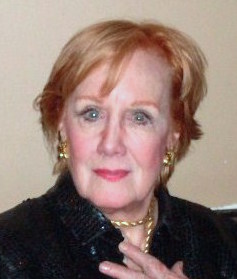
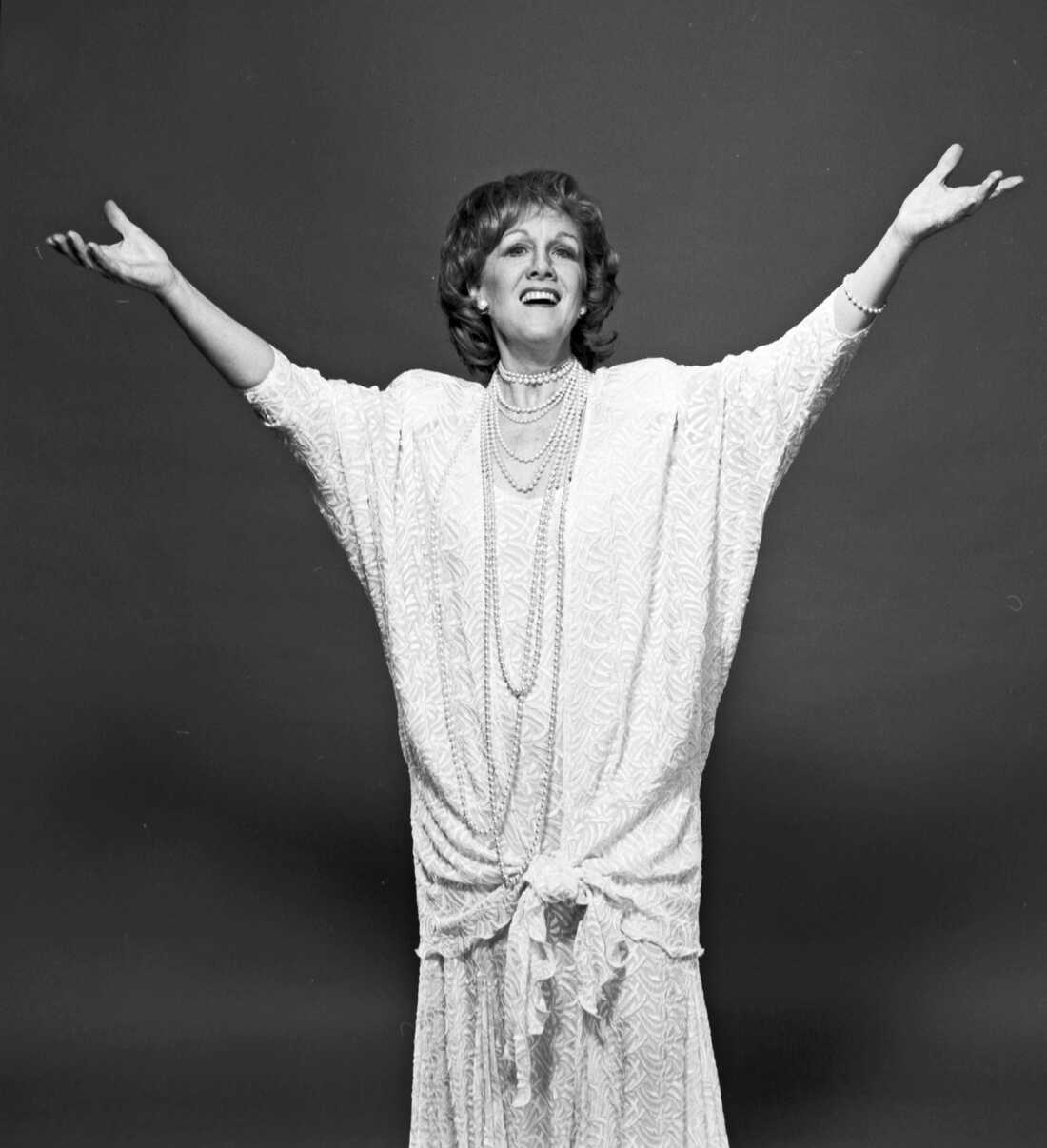
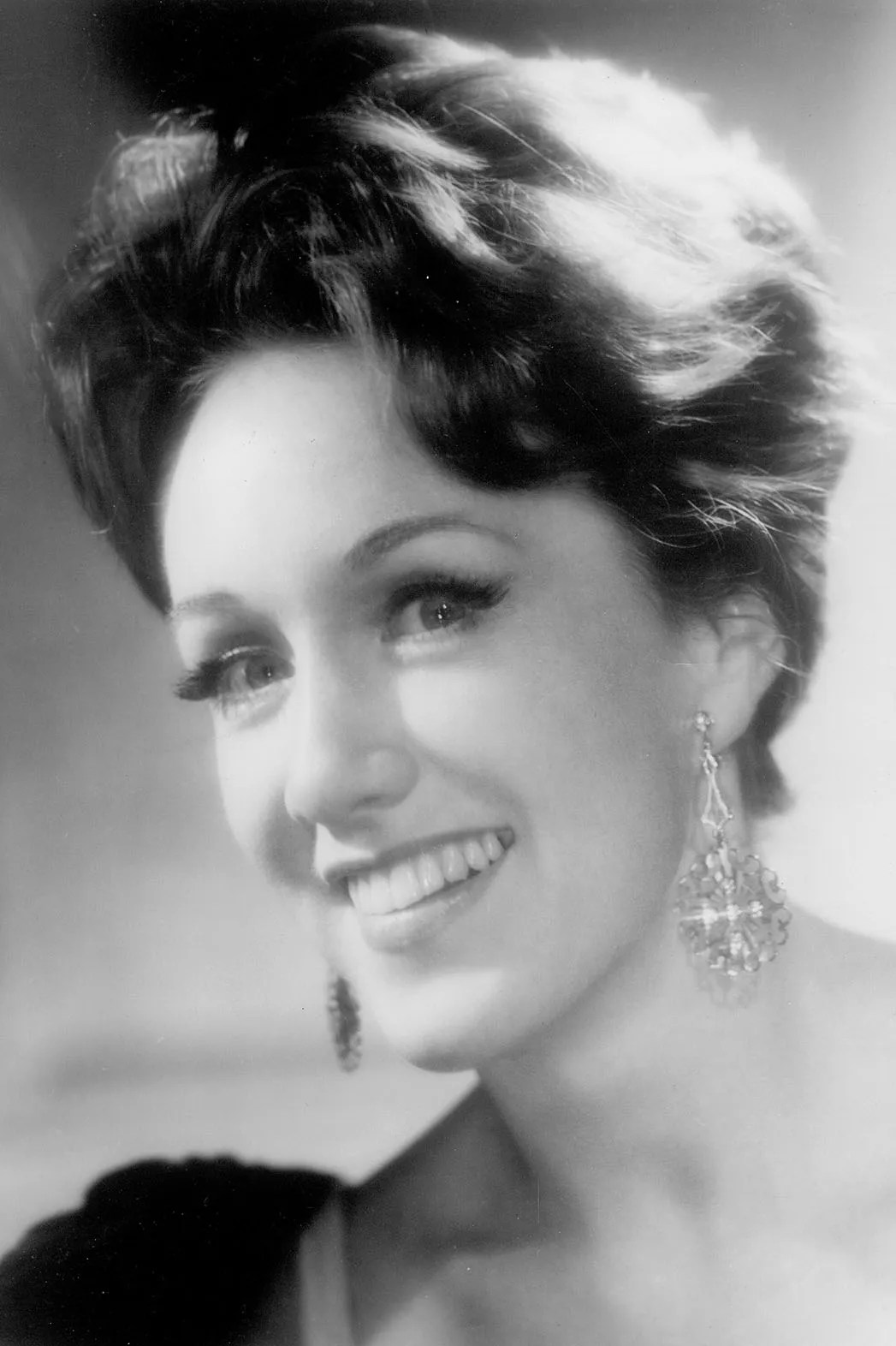
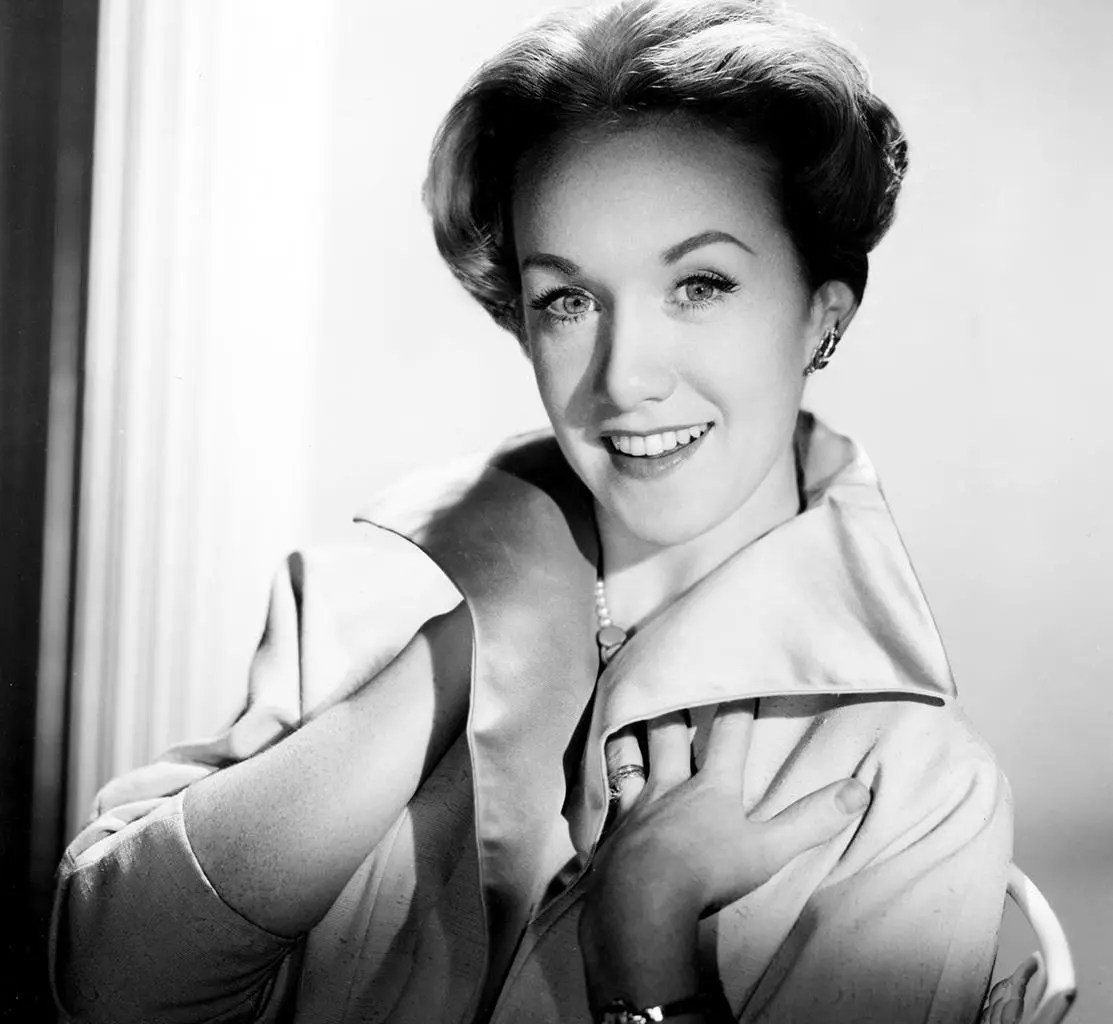
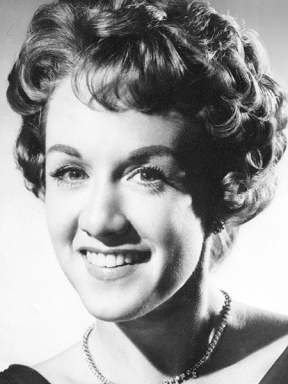
Early Life and Career: Born Margaret Nixon McEathron in Altadena, California. Was a child film actress who also played the violin and began singing in choruses at an early age, including solos for the Roger Wagner Chorale. Went on to study singing and opera with the likes of Vera Schwarz, Carl Ebert, Boris Goldovsky and Sarah Caldwell. In 1947, she adopted “Marni Nixon” as a stage name and premiered at the Hollywood Bowl in Carmina Burana with the Los Angeles Philharmonic under conductor Leopold Stokowski. Film career began in 1948 when she sang the angelic voices heard by Ingrid Bergman in Joan of Arc. Did her first dubbing work for Margaret O’Brien in Big City that same year and later The Secret Garden in 1949.
Movies and Cartoons: Cinderella (1950), Alice in Wonderland (1951), Mary Poppins (1964), and Mulan (1998)
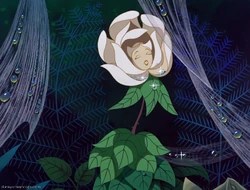
Characters: Singing Flowers and Geese. Was also Grandma Fa’s singing voice.
Also Known For: Nixon was a soprano and ghost singer best known for being the singing voice of lead actresses in musicals in films like The King and I, An Affair to Remember, West Side Story, My Fair Lady, Boy on Dolphin, Gypsy (but just the high notes), and Gentlemen Prefer Blondes (but only the high notes on that one). Sang on more than 50 soundtracks. Made appearances on films like Can-Can, The Sound of Music, The Bashful Bachelor, and I Think I Do. Also appeared on an episode of Law and Order: Special Victims Unit and To Tell the Truth. In addition, she appeared on off- and on- Broadway stage musicals and opera as well as went on tour with Liberace and Victor Borge. Also recorded albums under her own name starting in the 1980s. Hosted a children’s show for Seattle KOMO-TV called Boomerang during the late 1970s and early 1980s four which she won 4 Emmys.
Personal Life: Married 3 times. First to film composer Ernest Gold in 1950, to whom she had 3 children including singer-songwriter Andrew Gold. Divorced in 1969. Second to Lajos “Fritz” Fenster from 1971 to their 1975 divorce. Third to woodwind player Albert Block from 1983 to his death in 2015.
Later Life: From 1969-1971, Nixon taught at the California Institute of Arts in Montecito and joined the faculty of the Music Academy of the West in 1980 where she taught for many years. Published her autobiography, I Could Have Sung All Night in 2006. Survived breast cancer in 1985 and 2000. But died of the disease in New York in 2016 at 86.
Trivia: For her work on West Side Story (1961), Nixon asked but didn’t receive direct royalties for her contributions, but Leonard Bernstein only gave her ¼ of 1% of his personal royalties from it. Also made guest appearances at Bernstein’s Young People’s Concerts. Presented with the Singer Symposium’s Distinguished Artist Award in New York City in 2008. Also a member of the Sigma Alpha Iota Women’s Music Fraternity. Received the George Peabody Award for Outstanding Contributions to American Music in 2011.
49. Bobby Driscoll
Dates: 1937-1968
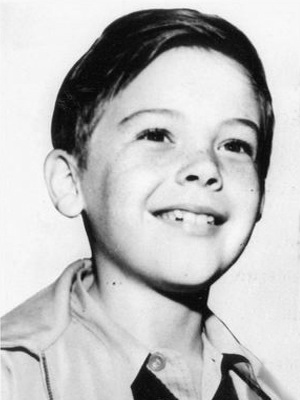
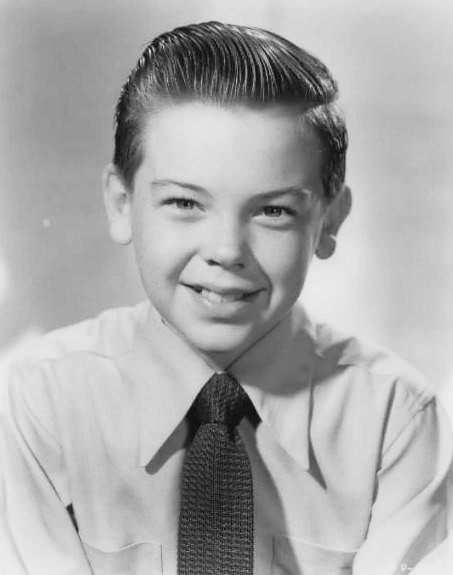
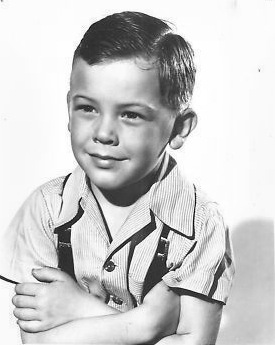
Early Life and Career: Born Robert Cletus Driscoll in Cedar Rapids, Iowa. Parents were an insulation salesman and a former schoolteacher. Family moved to Des Moines shortly after his birth where they remained until their move to California in 1943. Mainly because Driscoll’s father was suffering from work-related handling of asbestos. A barber’s actor son secured on audition for Driscoll for a role in the family drama The Lost Angel in 1943. While on studio tour at MGM, the 5-year-old Driscoll noticed a mock-up ship and asked with the water was. Impressed by the boy’s curiosity and intelligence, the director chose him out of 40 applicants.
Movies and Cartoons: Song of the South (1946), Melody Time (1948), the short Father’s Lion (1952) and Peter Pan (1953)
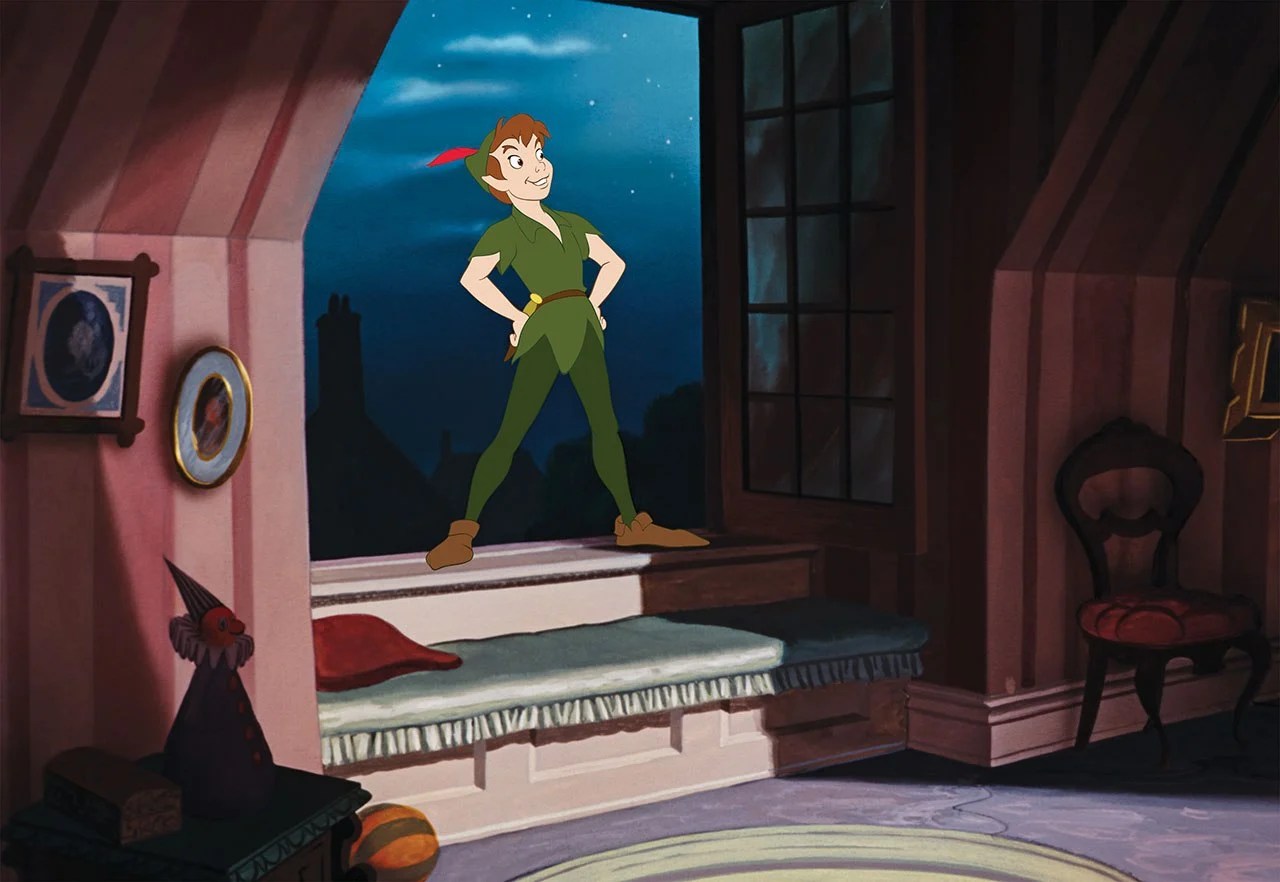
Characters: Johnny, Peter Pan, and Goofy Jr.
Also Known For: Famous child actor who appeared in films, radio, and television from 1943 to 1960. Films include The Fighting Sullivans, The Big Bonanza, From This Day Forward, Miss Susie Slagle’s, Three Wise Fools, So Dear to My Hear, The Window, and Treasure Island. Radio appearances include Family Theater, Hallmark Playhouse, Lux Radio Theatre, and Cavalcade of America. Did a stage production of Ah, Wilderness in 1954. TV show appearances include Lux Video Theatre, The Loretta Young Show, Climax!, Frontier Justice, The Millionaire, Trackdown, Rawhide, and The Brothers Brannigan. Later joined Andy Warhol’s Factory in Greenwich Village where he showed plenty of artistic promise as many of his works were considered outstanding. A few of his collages and cardboard mailers were exhibited at the Santa Monica Museum of Art in Los Angeles.
Personal Life: Married his girlfriend Marilyn Jean Rush in 1956 by eloping to Mexico. Although the two would rewed when they returned to Los Angeles. Had two daughters and a son, but the relationship didn’t last. They separated and divorced in 1960. Due to his drug addiction, Driscoll would have nothing to do with his kids for the rest of his life.
Later Life: Unfortunately, Driscoll’s life follows the narrative of the child star whose life went to shit and eventually ended in tragedy. After leaving Disney, Driscoll’s parents withdrew him from the Hollywood Professional School for child actors and sent him to the public Los Angeles University High School instead. Driscoll’s grades dropped and was bullied for his show business career. He also began to take drugs. At his request, his parents returned him to the Hollywood Professional School where he graduated in 1955. Unfortunately, Driscoll’s drug use increased. In 1956, he was arrested for marijuana possession. Later he was charged with disturbing the peace and assault with a deadly weapon after 2 hecklers made insulting remarks while he was washing a girlfriend’s car and he hit one with a pistol. Charges were dropped. In 1961, Driscoll was sentenced as a drug addict and imprisoned at the Narcotic Rehabilitation Center of the California Institution for Men in Chino, California. When he left Chino in 1962, he couldn’t find acting work. After his parole expired, Driscoll relocated to New York City in 1965, hoping to revive his career on Broadway but was unsuccessful. In 1968 at only 31, Driscoll was found dead lying in a cot with 2 empty beer cans and religious pamphlets scattered on the ground. Post-mortem determined that he died of heart failure caused by advanced atherosclerosis from his drug use. No identification was found on Driscoll’s body and photos around the neighborhood yielded no positive ID. Thus, his unclaimed body was buried in a pauper’s grave in New York City’s Potter’s field on Hart Island. In 1969, Driscoll’s mother sought the help of Disney Studios officials to contact him for a hoped-for reunion with his dying father. This resulted in a fingerprint match at the New York City Police Department who located Driscoll’s burial. Although his name appears on his dad’s gravestone at Eternal Hills Memorial Park in Oceanside, California, his remains are still on Hart Island. In 1971, in connection to Song of the South’s re-release, reporters researching Driscoll’s whereabouts first reported his death.
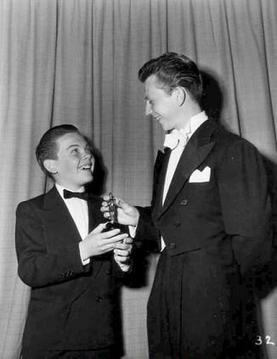
Trivia: Received a Juvenile Oscar for 2 of his performances in 1949. Received a star on the Hollywood Walk of Fame in 1960 at 1560 Vine Street. In 2009, singer-songwriter immortalized Driscoll’s life with a concept album Come Back to the Five and Dime Bobby Dee Bobby Dee. In September 2011, American singer-songwriter Tom Russell released “Farewell Never Neverland” on the album Mesabi, an elegy for Bobby Driscoll as Peter Pan.
50. Hans Conried
Dates:1917-1982

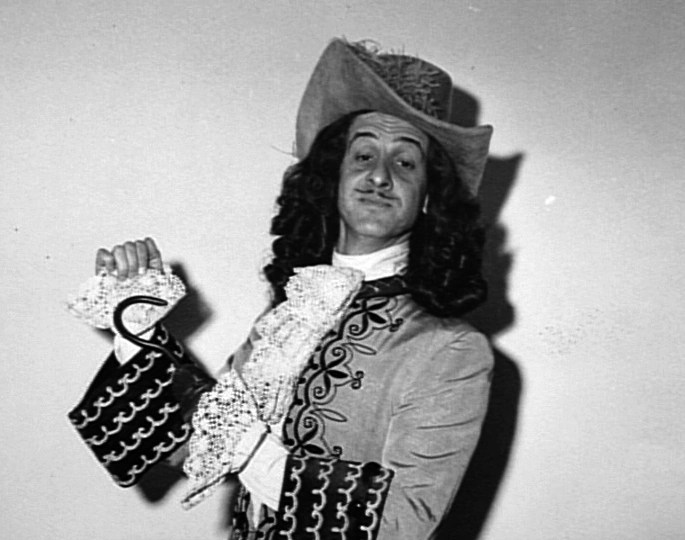
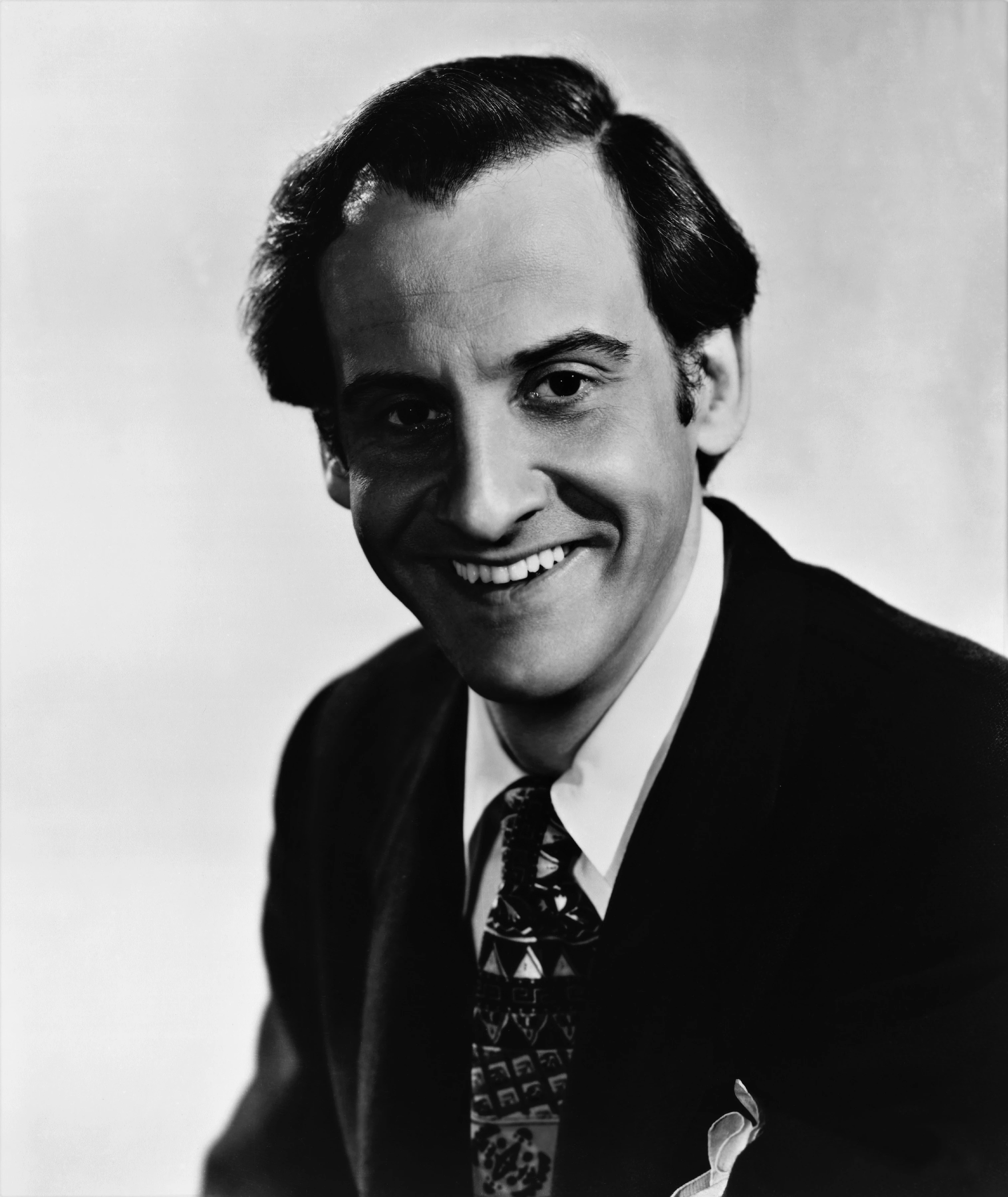
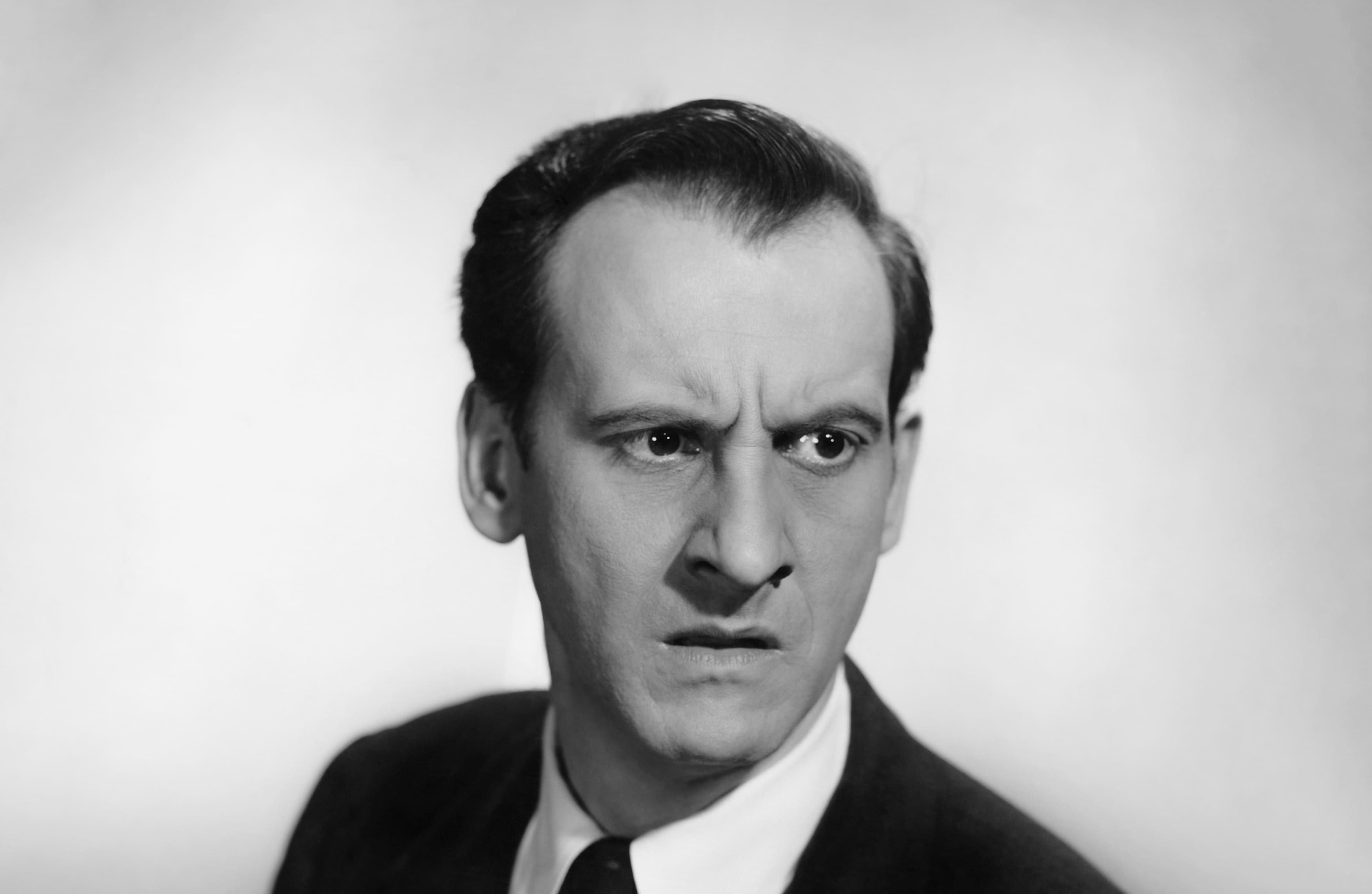
Early Life and Career: Born Hans Georg Conried Jr. in Baltimore, Maryland. Mother was descended from the Pilgrims. Father was an Austrian Jew from Vienna. Raised in Baltimore and New York City. Studied acting at Columbia University, which led him to a short career in supporting role in a broadcast of The Taming of the Shrew on KECA in Los Angeles in 1937. The next year, impressed with Conried’s versatility as a character player. At first, his early screen roles were incidental bits, usually comic but sometimes cowardly or downright shady. Stayed at MGM until 1941 before freelancing. First big role was in the 1942 Blondie’s Blessed Event, which established him as a comic figure in movies. Not to mention, his Germanic surname got him cast as enemy agents in many wartime films and he became a dialect specialist. Enlisted in the US Army in 1944 during World War II. Trained as a tank crewman at Fort Knox until the army decided he was too tall. Instead, he became a heavy mortar crewman and was sent to the Philippines as an engineer laborer until fellow actor Jack Kruschen obtained a release for service with the Armed Forces Radio Network. Even as a younger man, Conried was one of those actors who appeared much older than his actual age and was frequently cast as middle-aged or elderly pompous, scholarly types. His impeccable diction and imitable growl made him well suited to the roles he played. Whether portray the dim professor Kropotkin on the radio show and film My Friend Irma or as comic villains and mock sinister or cranky types like Captain Hook.
Movies and Cartoons: Peter Pan (1953), Ben and Me (1953), The Story of Anyburg U.S.A. (1957) as well as Walt Disney’s Wonderful World of Color.
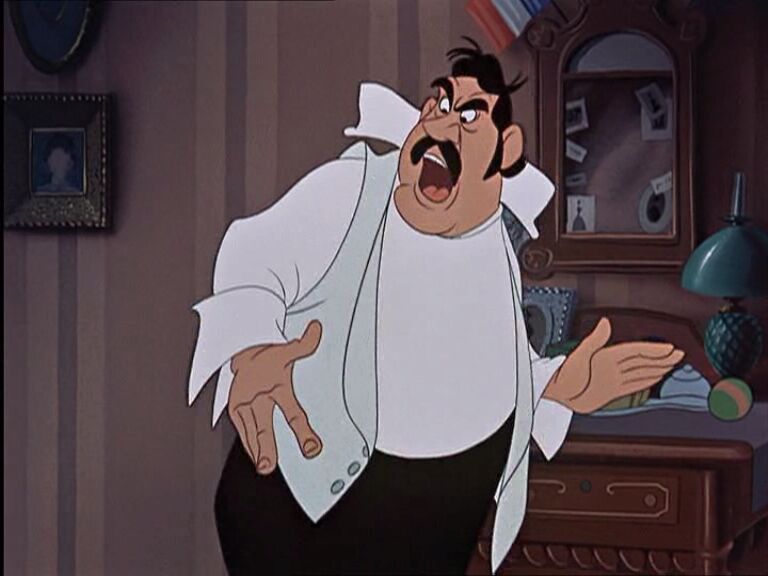
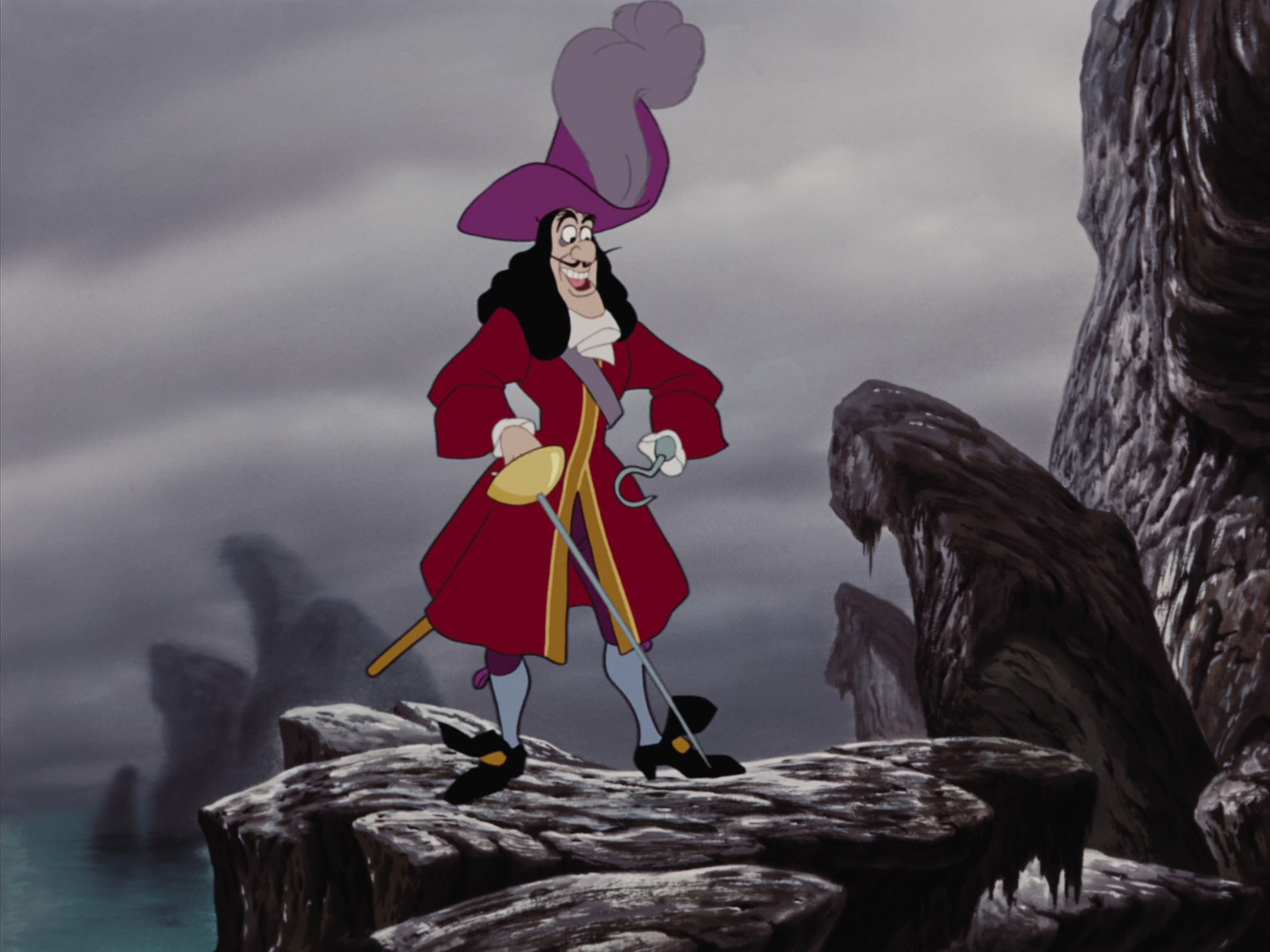
Characters: George Darling, Captain Hook, Thomas Jefferson, Crook, and the Magic Mirror.
Also Known For: Was a member of the Mercury Theate Company. Appeared in 3 Dr. Seuss cartoon specials, including Horton Hears a Who!, Dr. Seuss on the Loose, and Halloween Is Grinch Night. Also was in the Dr. Seuss directed-fiasco The 5,000 Fingers of Dr. T which was a costly failure. Outside Disney and Dr. Seuss cartoons, Conried also voiced Snidely Whiplash, Professor Waldo P. Wigglesworth, Wally Walrus, Dr. Dred as well as others. Was narrator in the MGM Oscar-winning Tom and Jerry short, Johann Mouse. Was host of the live action TV show, Fractured Flickers. Film appearances include The Great Dictator, Joan of Paris, Saboteur, My Friend Irma, Passage to Marseille, Mrs. Parkington, The Barkleys of Broadway, On the Town, Summer Stock, The World in His Arms, The Senator Was Indiscreet, I’ll See You in My Dreams, The Affairs of Dobie Gillis, Siren of Bagdad, Bus Stop, 1001 Arabian Nights, The Magic Fountain, Robin and the 7 Hoods, The Patsy, The Phantom Tollbooth, The Brothers O’Toole, The Shaggy D.A., The Cat from Outer Space, and Scruffy. TV appearances include Make Room for Daddy, I Love Lucy, Omnibus, Tonight Show, Stump the Stars, Take a Good Look, Davy Crockett, The Californians, The Real McCoys, Mr. Ed, Dr. Kildare, Lost in Space, Daniel Boone, The Beverly Hillbillies, The Lucy Show, Gilligan’s Island, The Monkees, Have Gun – Will Travel, Kolchak, Laverne & Shirley, Hogan’s Heroes, The Love Boat, Match Game, Maverick, The Donna Reed Show, Fantasy Island, and Quark. Performed in Can-Can and Irene on Broadway.
Personal Life: Married Margaret Grant in 1942. Marriage produced 4 children and lasted until his death. Kids consisted of Hans Georg III, Edith Eva, Alexander Rudolf, and actress Trilby. Also had 2 grandchildren named Holly Victoria and Wyatt Spencer Gray.
Later Life: Had a long history of health problems. Suffered a stroke in 1974 and a mild heart attack in 1979. Remained active until his death in 1982 in Burbank, California, one day after suffering a major heart attack at 64. Body was donated to medical science.
Trivia: Auditioned for King Stefan in Sleeping Beauty but served as live action reference model for the character. Appearance was inspiration for Judge Claude Frollo in The Hunchback of Notre Dame. Dual roles as George Darling and Captain Hook is based on play tradition dating to its original theatrical days.

 The Lone Girl in a Crowd